
#OA41
1806
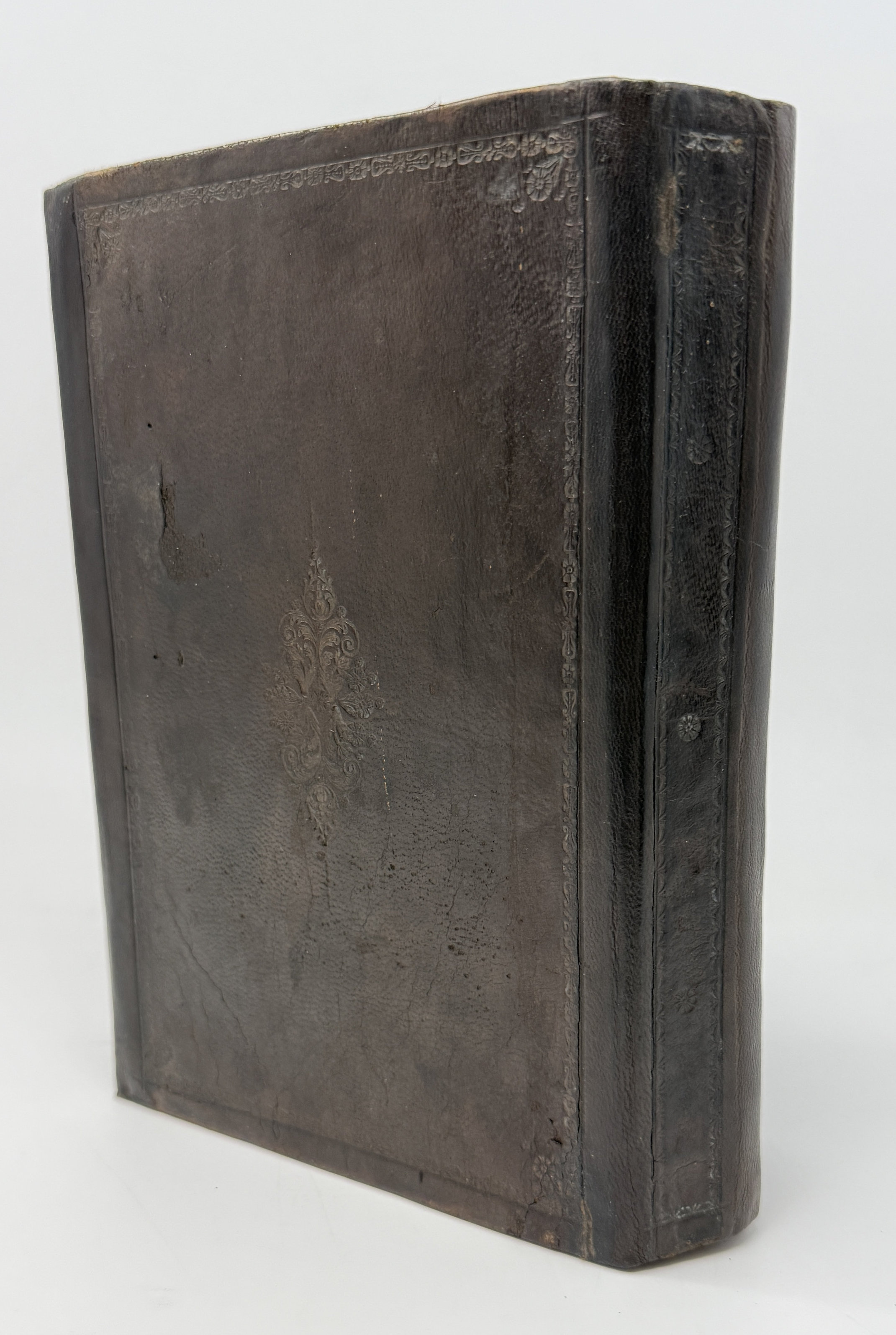
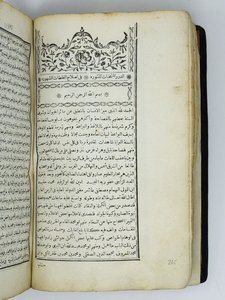
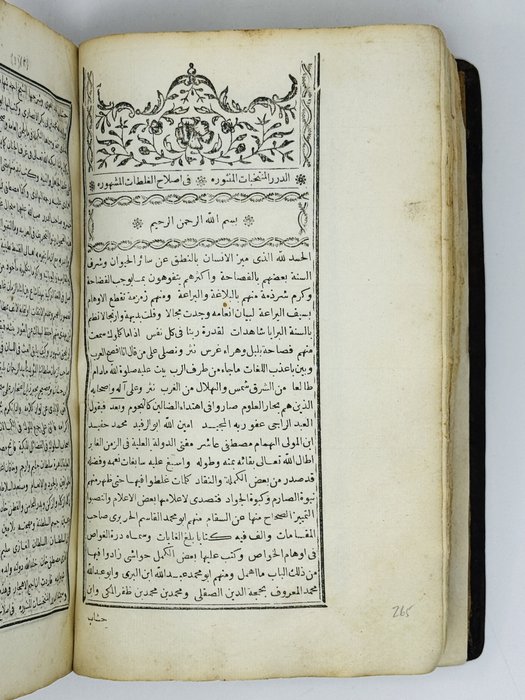
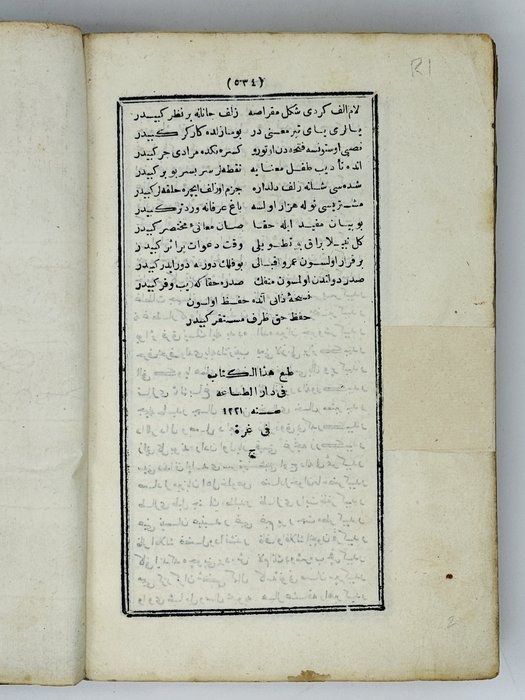
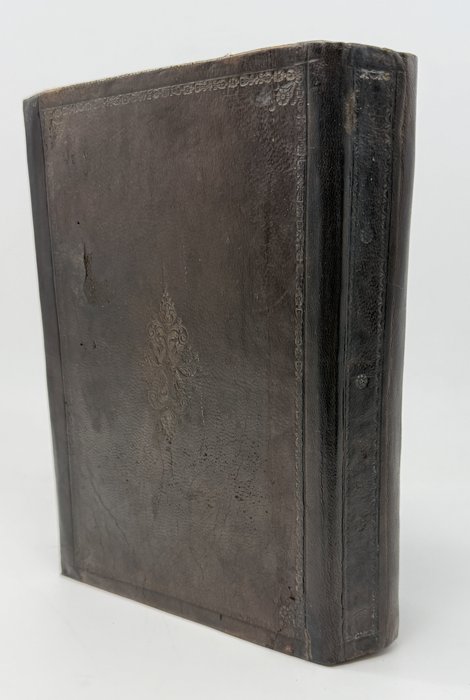
15, 534 p. 23x14,5 cm. Full-leather contemporary binding with miklep (traditional envelope flap), boards stamped with an embossed şemse (mystical sun) medallion. Rebacked. Contemporary marginalia on the verso of first page. Very good condition, clean copy.
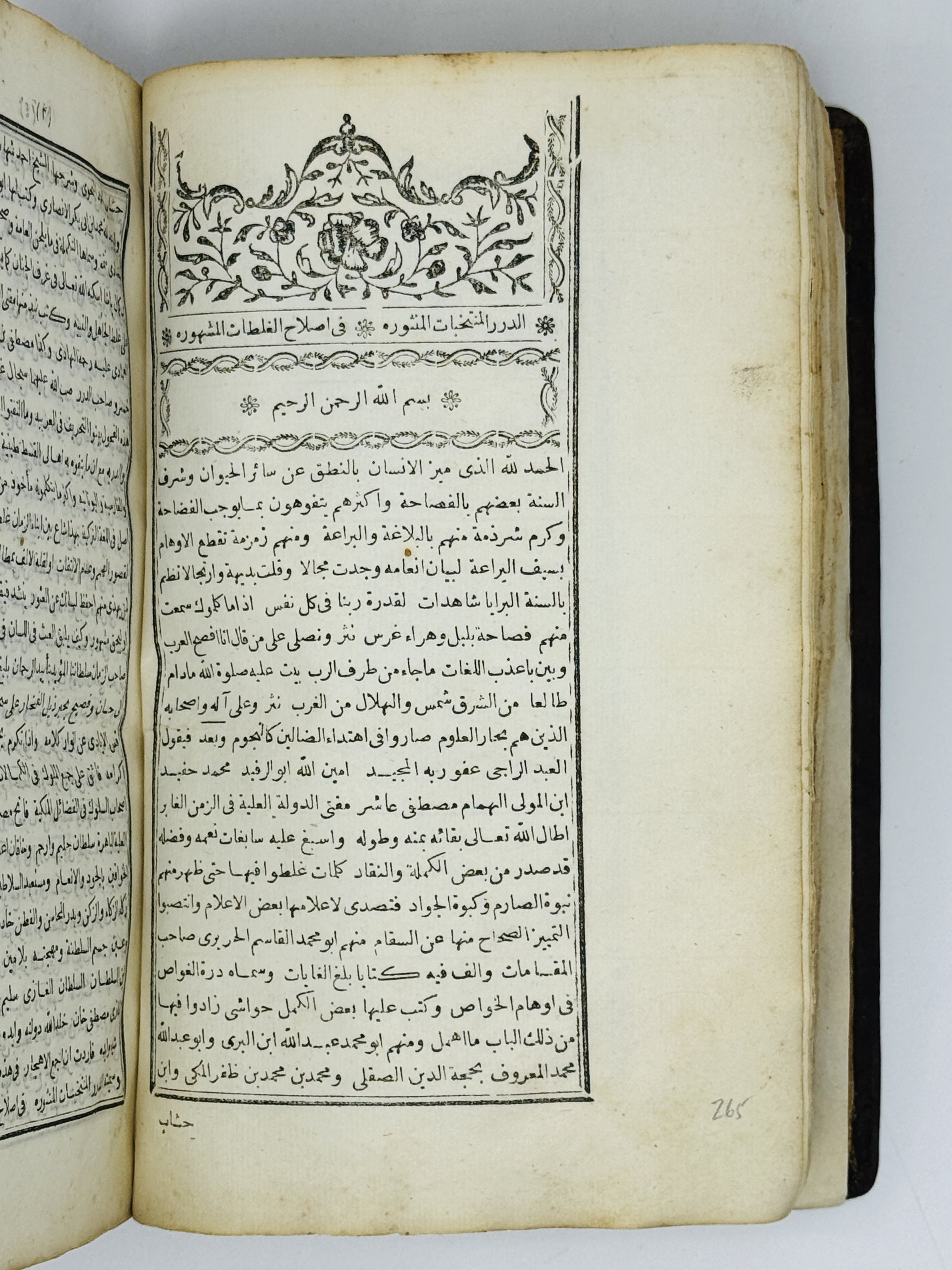
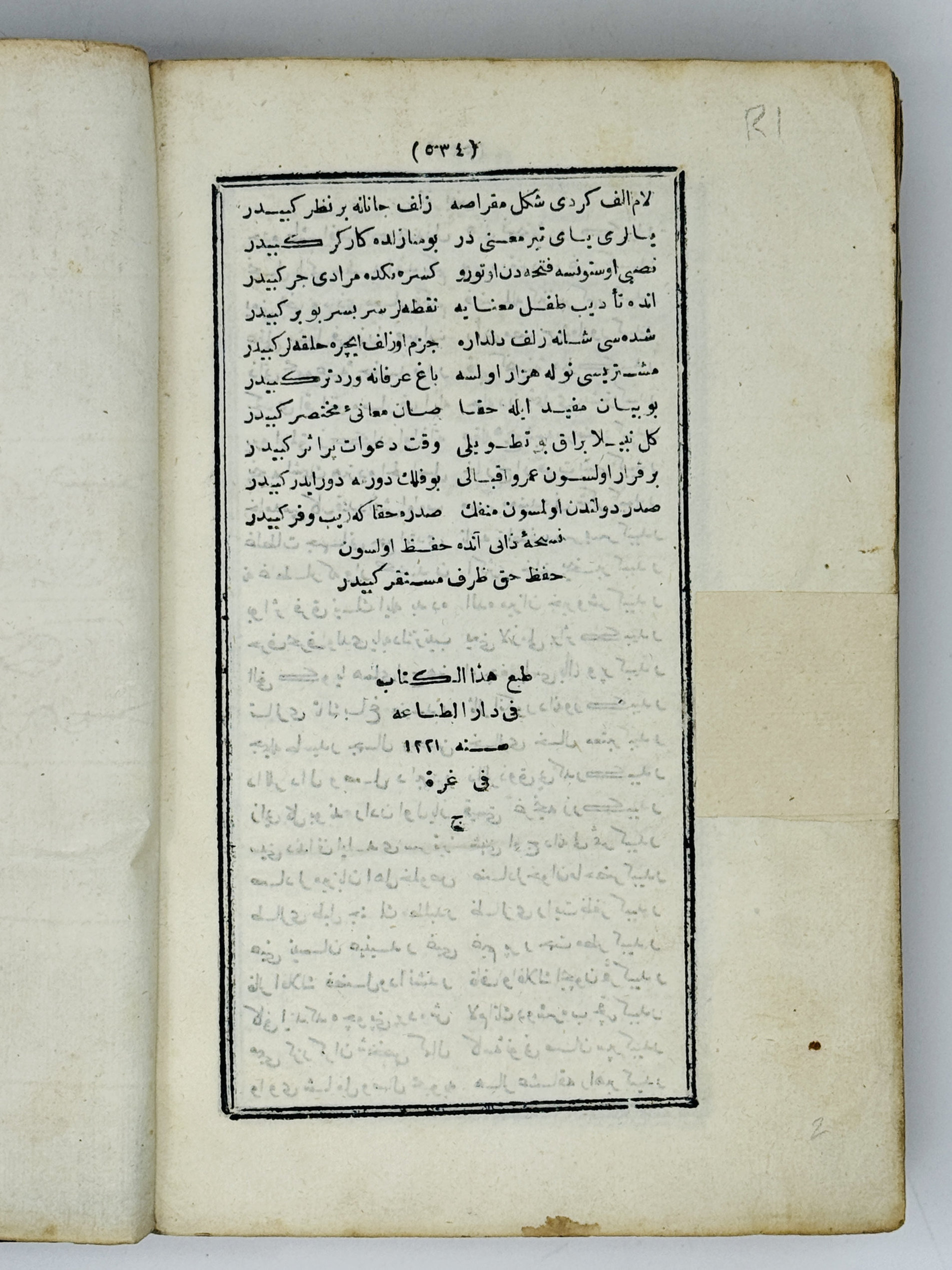
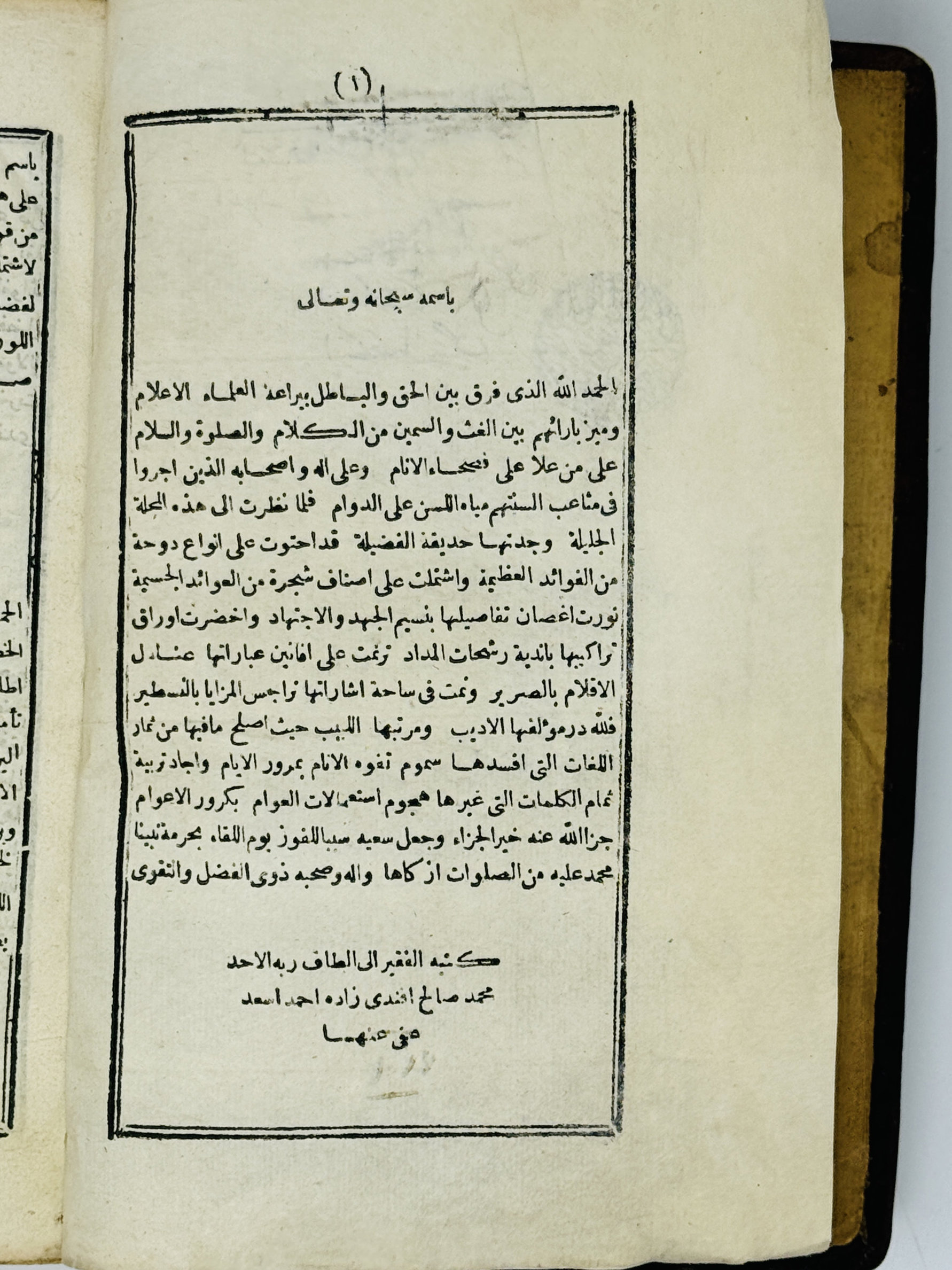
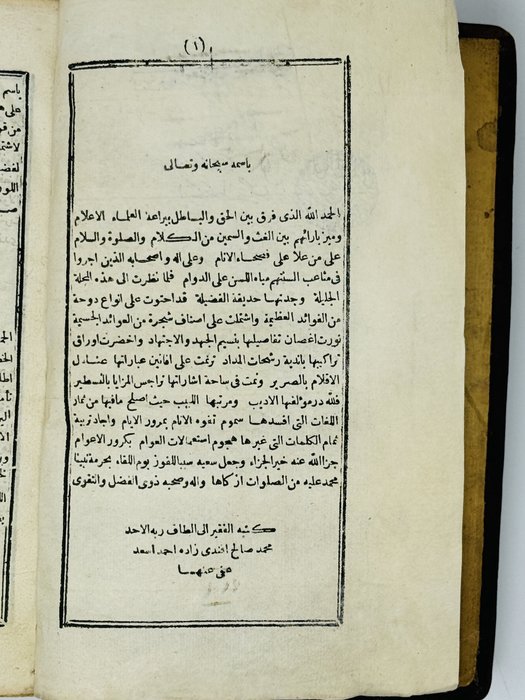
First and only edition. The preface of the work is in Arabic (15 pages), while the main text is in Turkish.
Important work on the grammar of Ottoman Turkish and its relations to Arabic.
This work is devoted to the identification and correction of linguistic and grammatical mistakes. Soon after the publication it achieved wide recognition under the shorter title Galatât-ı Hafid Efendi, and is generally regarded as the first comprehensive Turkish dictionary devoted specifically to errors of usage.In the Arabic preface, Hafid Efendi situates his undertaking within a longer philological tradition. He observes that a number of scholars had previously produced independent works on so-called “galatât,” foremost among them Harîrî’s Dürretü'l-Gavvas, which in Arabic scholarship generated an extensive secondary literature of commentaries and glosses. He further notes that Ottoman intellectuals, including Kemalpaşazâde and Ebussuûd Efendi, likewise composed writings on this subject. Hafid Efendi, however, stresses that such earlier works largely concentrate on incorrect Arabic expressions, whereas the Ottoman Turkish language—particularly the spoken idiom of Istanbul—incorporates a heterogeneous vocabulary in which Persian and Greek terms appear alongside Arabic, and additional elements derive from Chagatai Turkish. In this multilingual environment, he argues, erroneous forms and usages were becoming increasingly widespread, thereby requiring a more inclusive corrective lexicon.
The main body of the work presents 1,123 entries—predominantly of foreign origin—arranged alphabetically. For each item, Hafid Efendi supplies the problematic form, offers explanation and (where relevant) etymological remarks, and provides the correct equivalents in the source language. Particularly noteworthy is the breadth of the accompanying commentary: rather than limiting himself to succinct definitions, the author frequently records related lexical forms and expands into substantial notes of historical, religious, social, and folkloric character. For this reason, the text may be read not merely as a corrective dictionary of linguistic errors, but also as an encyclopedic compilation preserving valuable cultural and intellectual material.
The book was one of the early edition of Üsküdar press, that existed from 1802. The book was produced in the first period of the existence of the press, that was concluded when it was shut down by the authorities in 1807, to be reopened later. The press had a unique positioning in Istanbul of the period, being a private enterprise it had the permission to print the civil and religious books. For a short period of time Üsküdar press operated under the decree, that all Turkish, Arabic, Persian, and Greek books should be produced there.