
#PF66
Ca. late 1930s
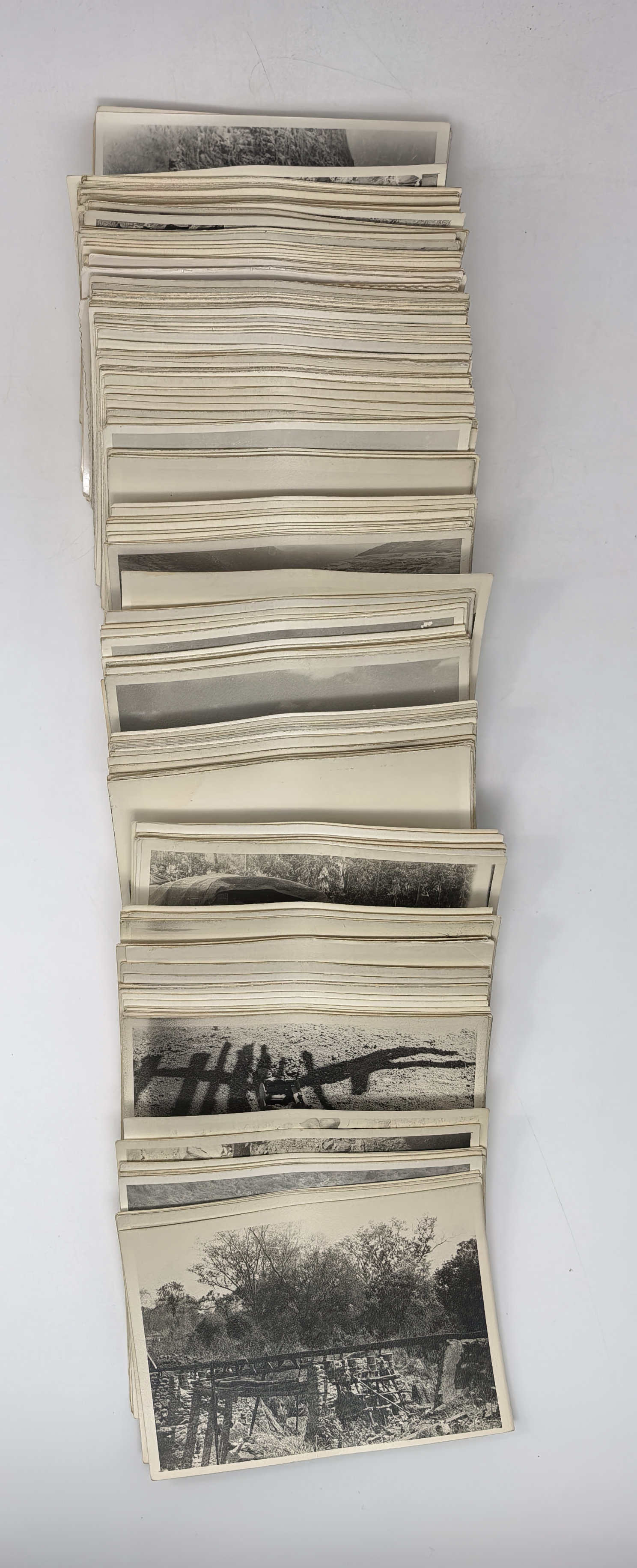
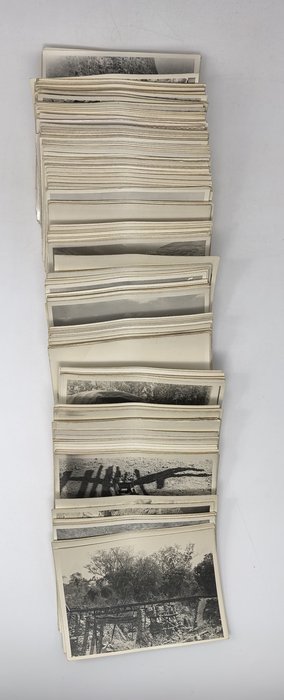
223 loose gelatin silver photos, vast majority are ca. 8x12 cm (3 x 4 ½ in); nine smaller images are ca. 7,5x11 cm (3 x 4 ¼ in) to ca. 6,5x10 cm (2 ½ x 3 ¾ in). No captions; most photos with period ink or pencil numbers on verso. Two photos with minor defects of negatives, several with minor creases on the extremities, a few photos mildly faded, but overall a very good collection of interesting photos.
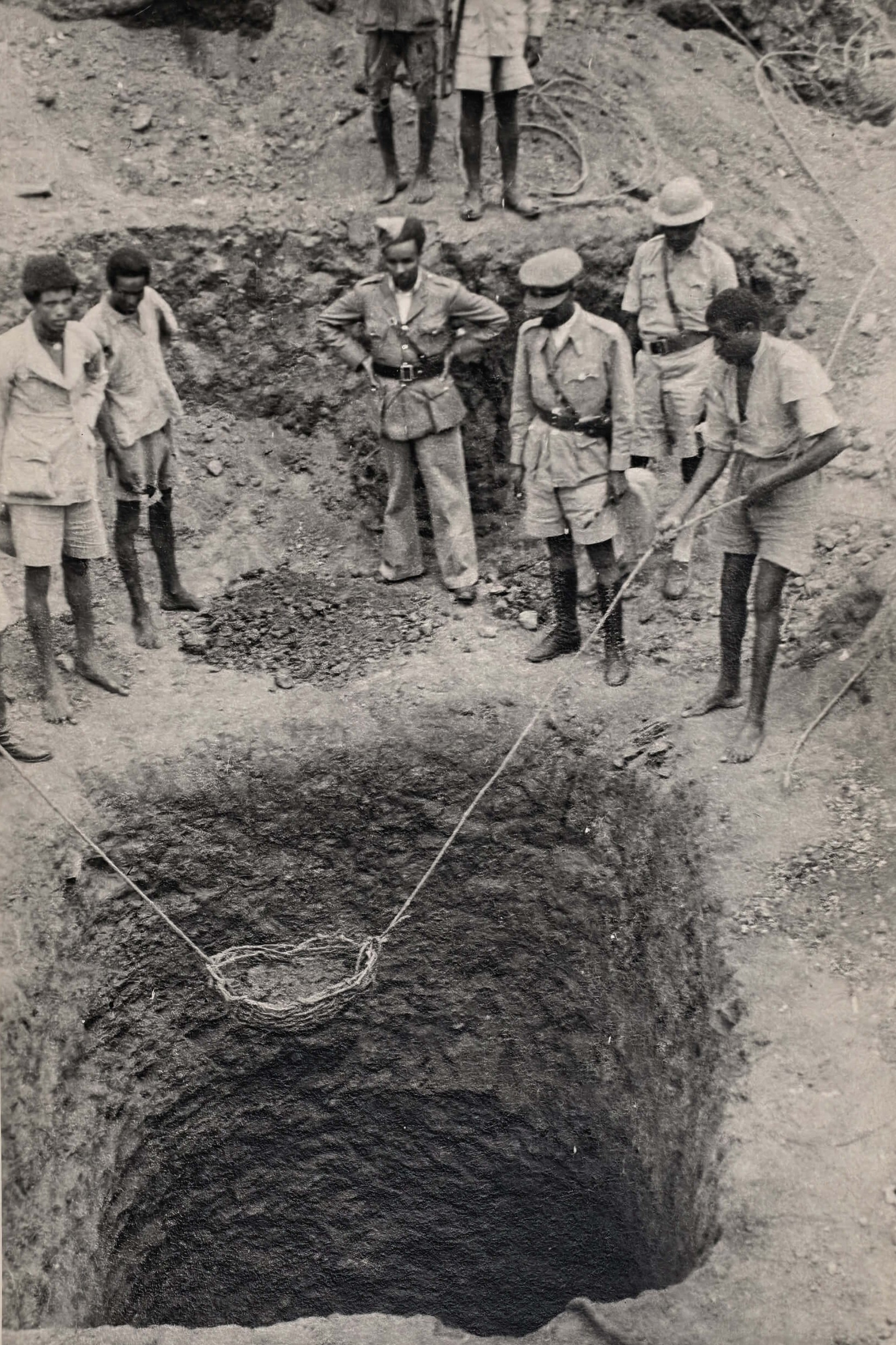
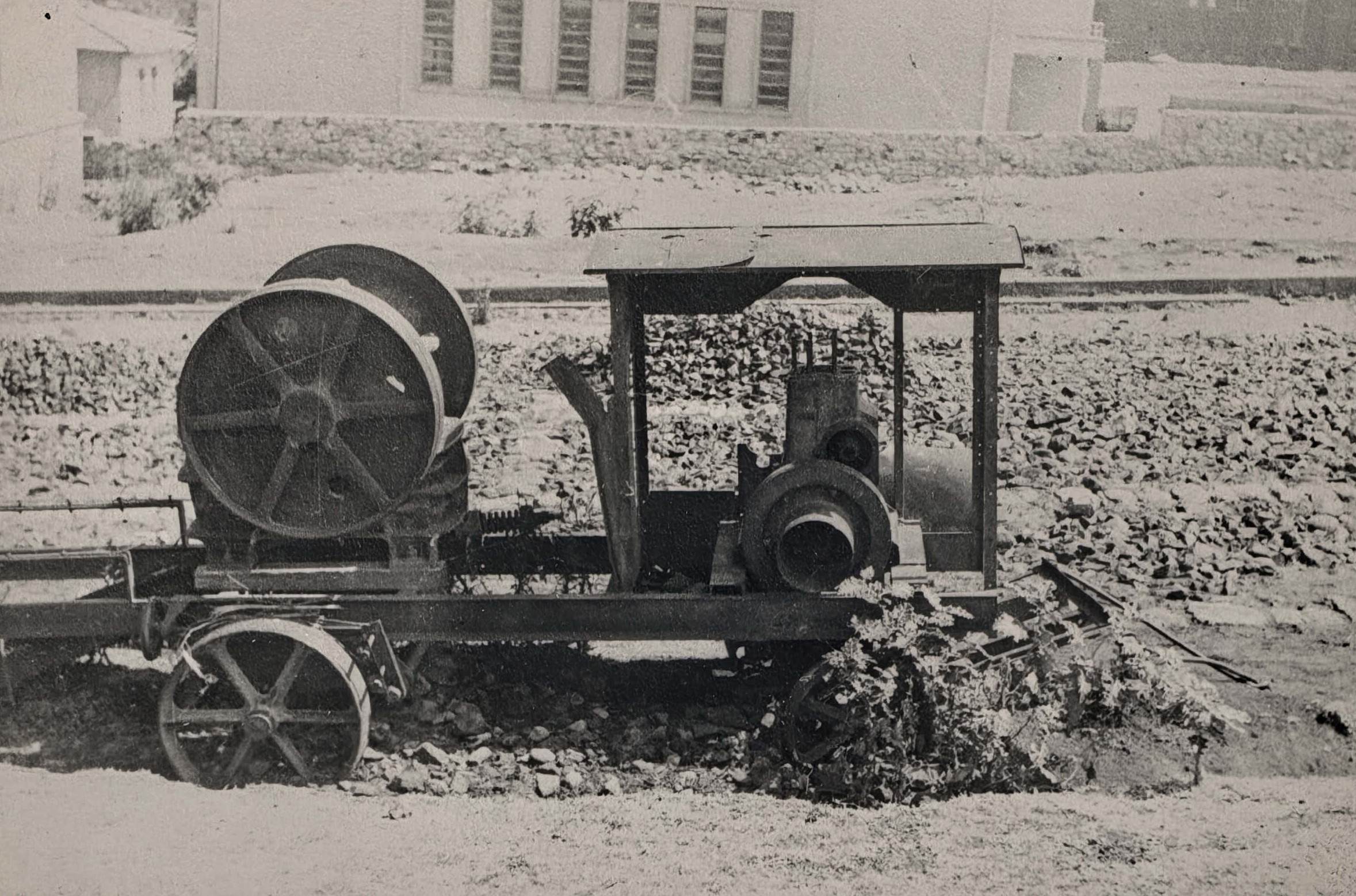
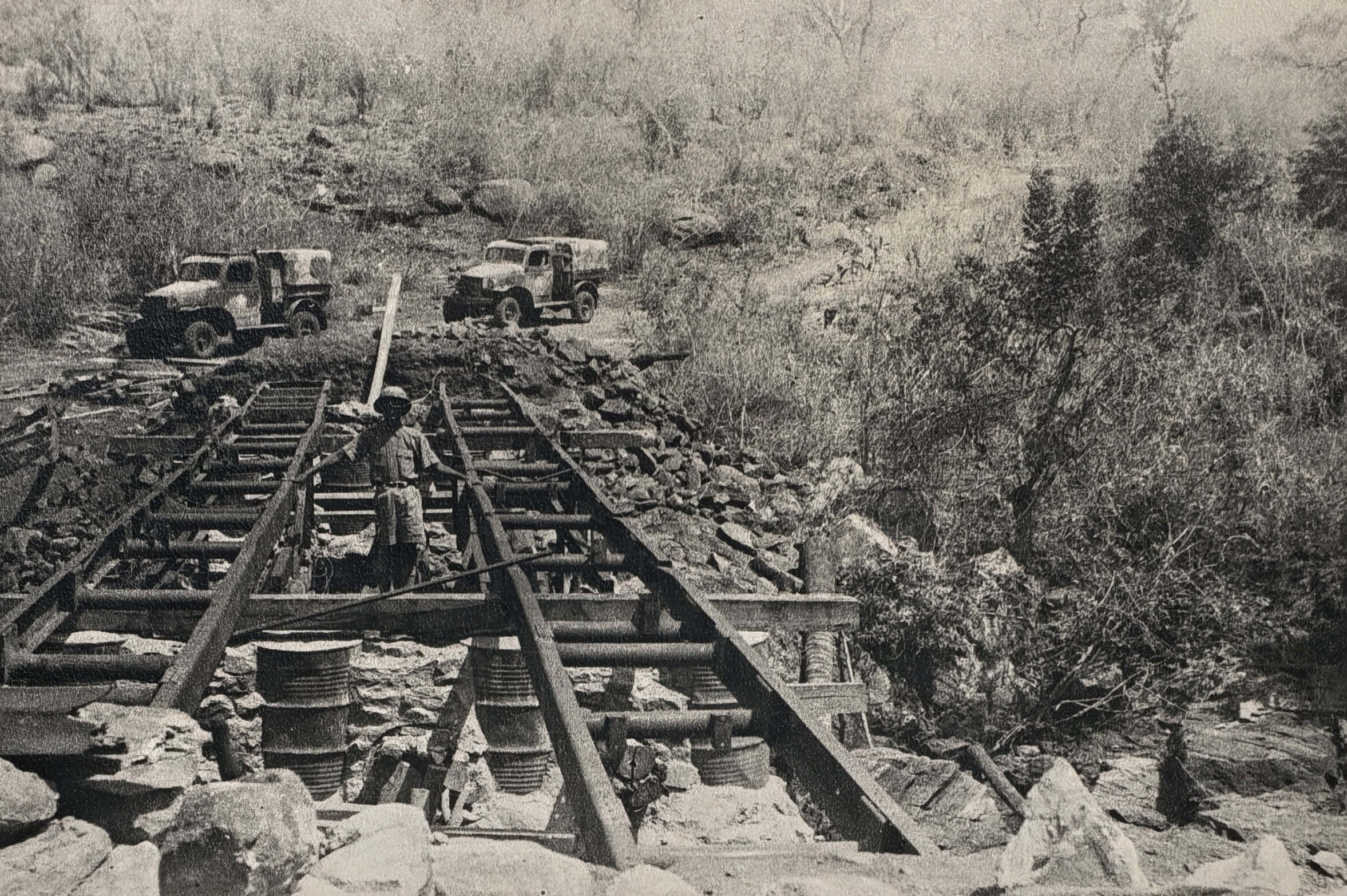
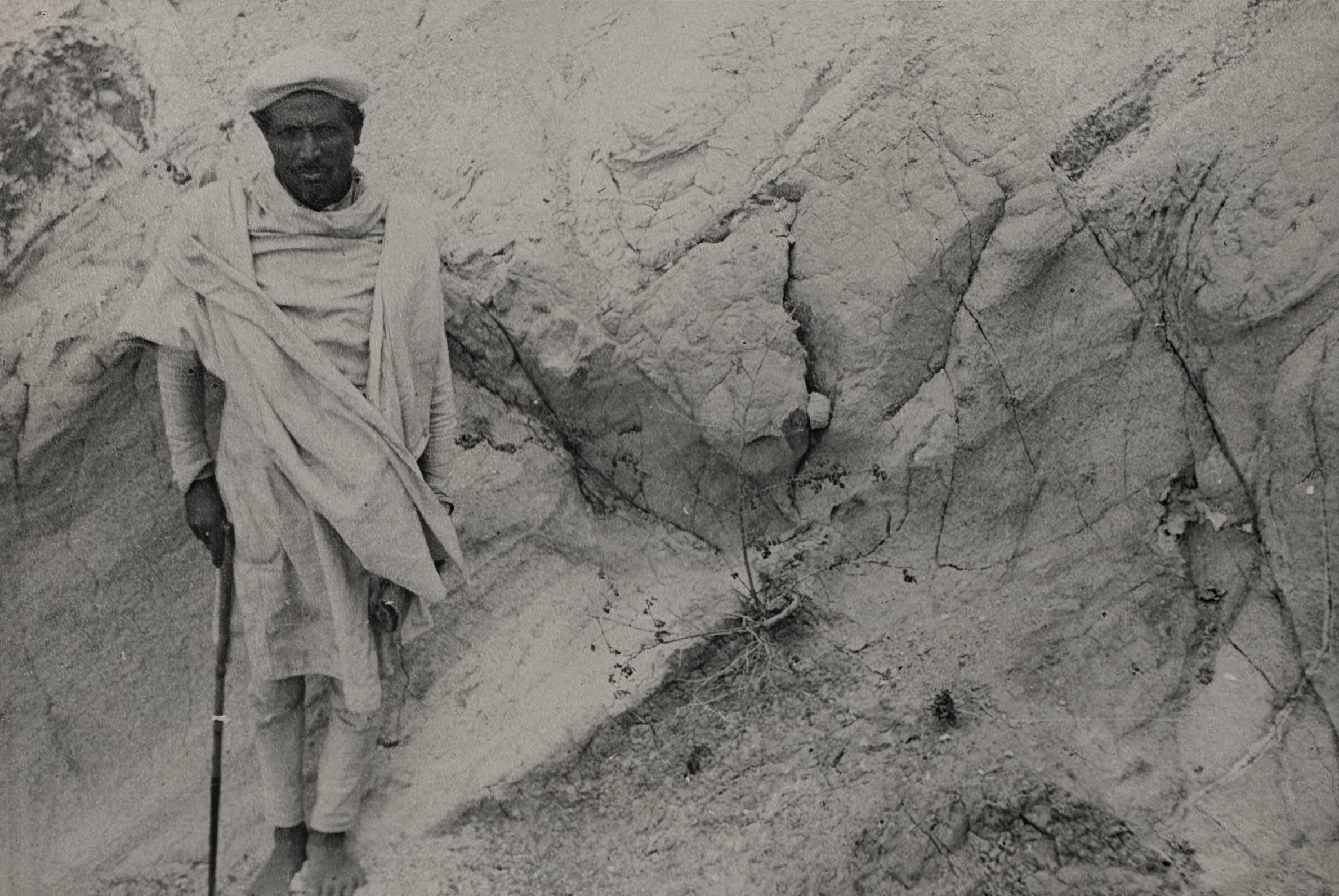
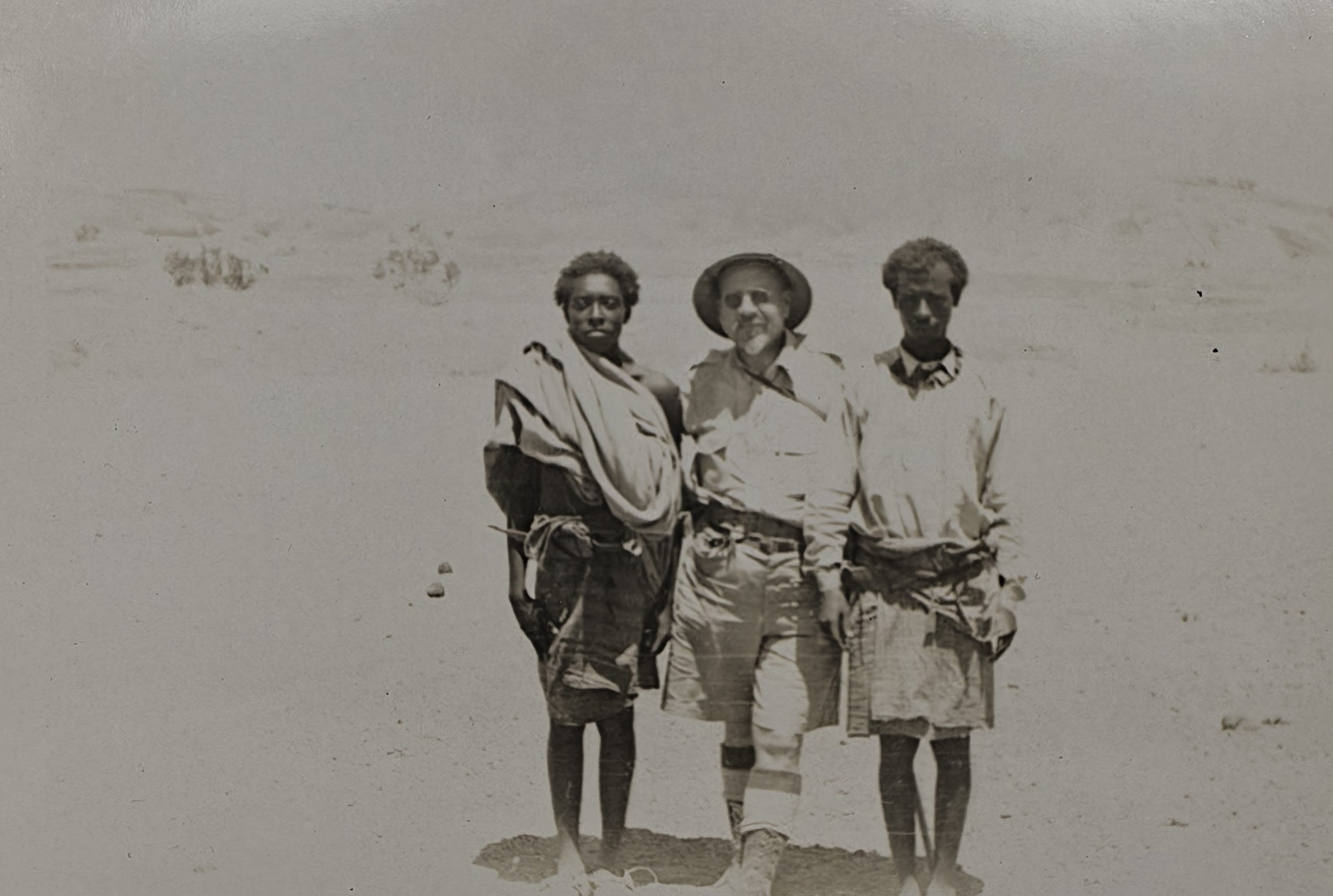
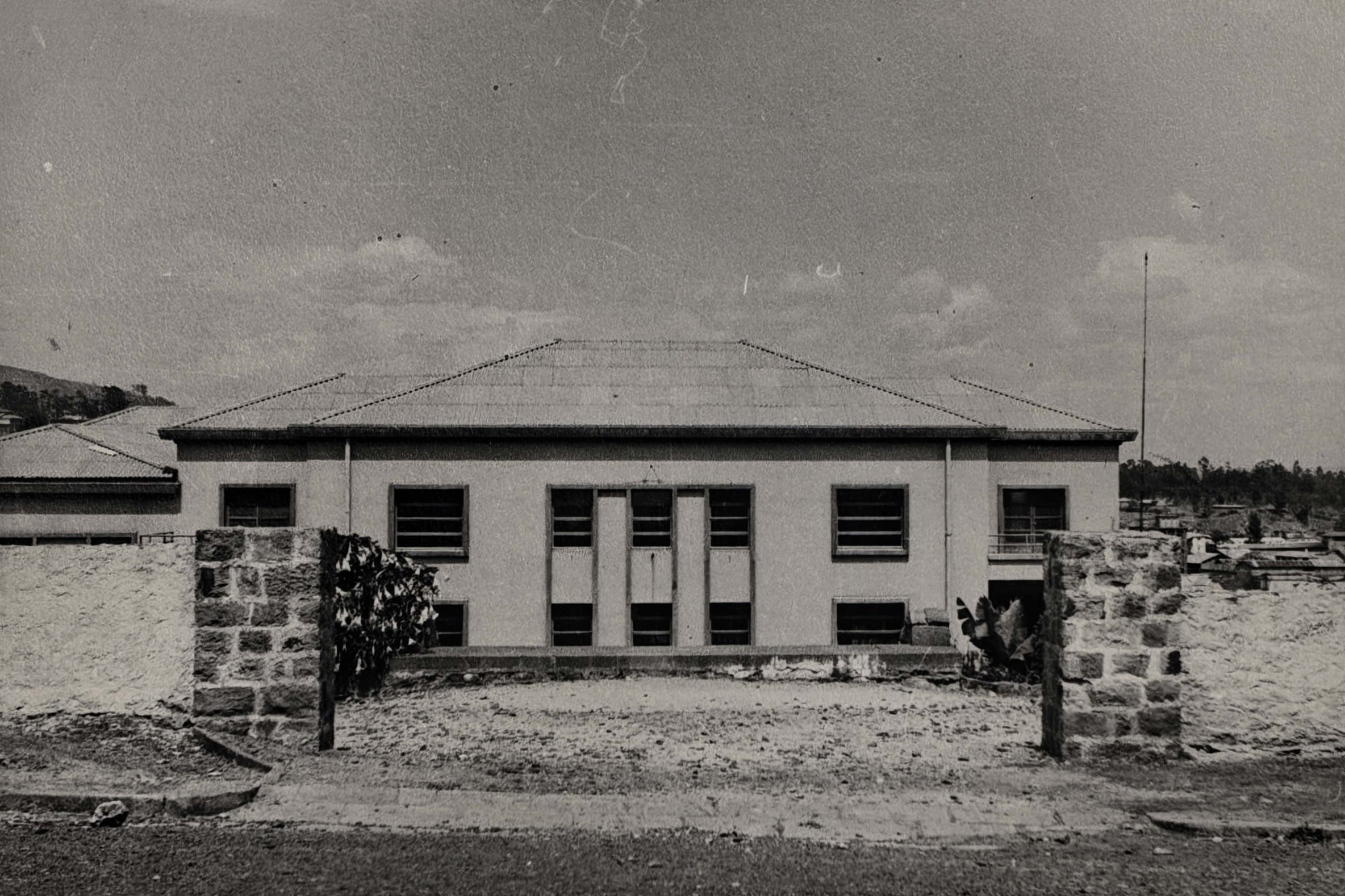
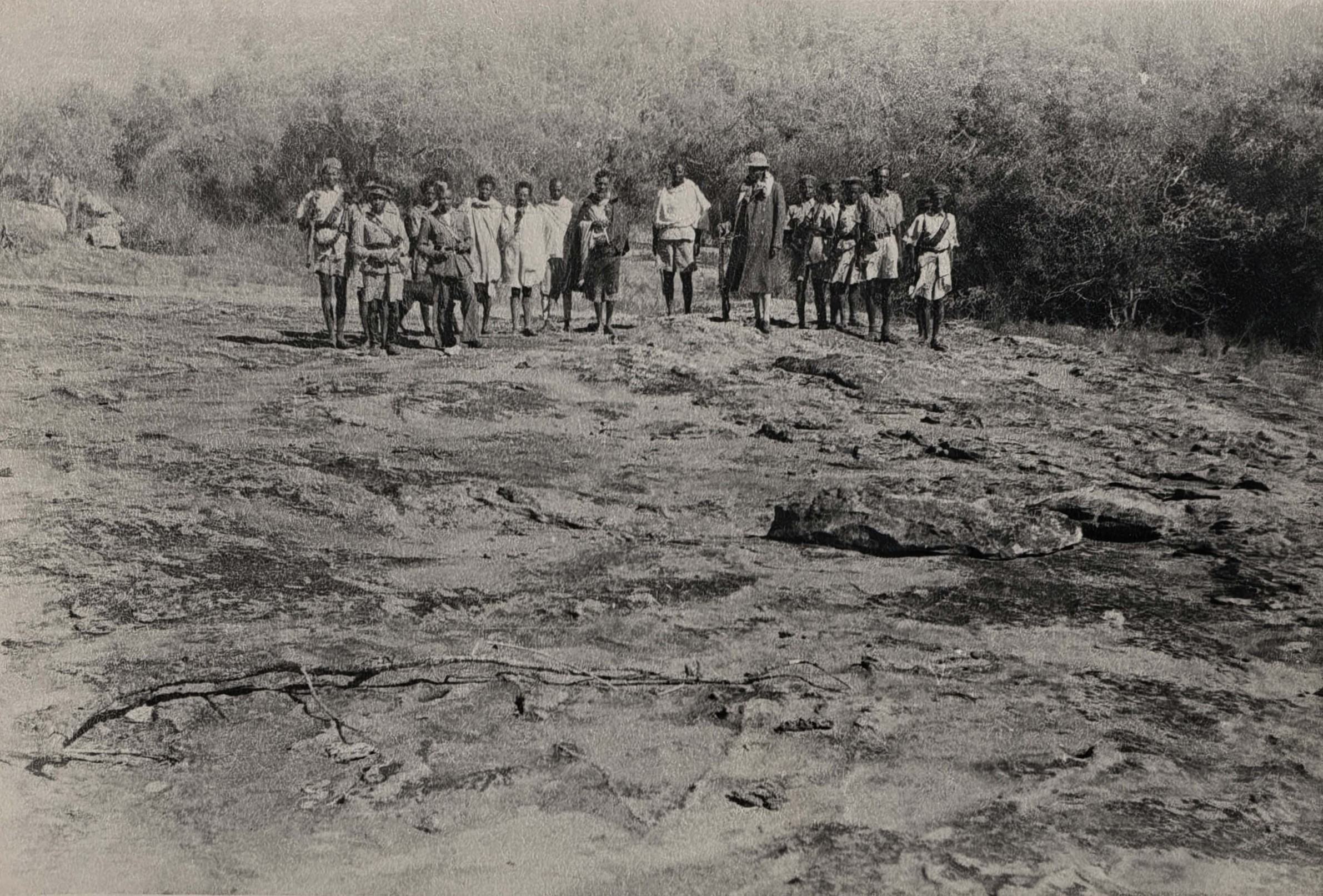
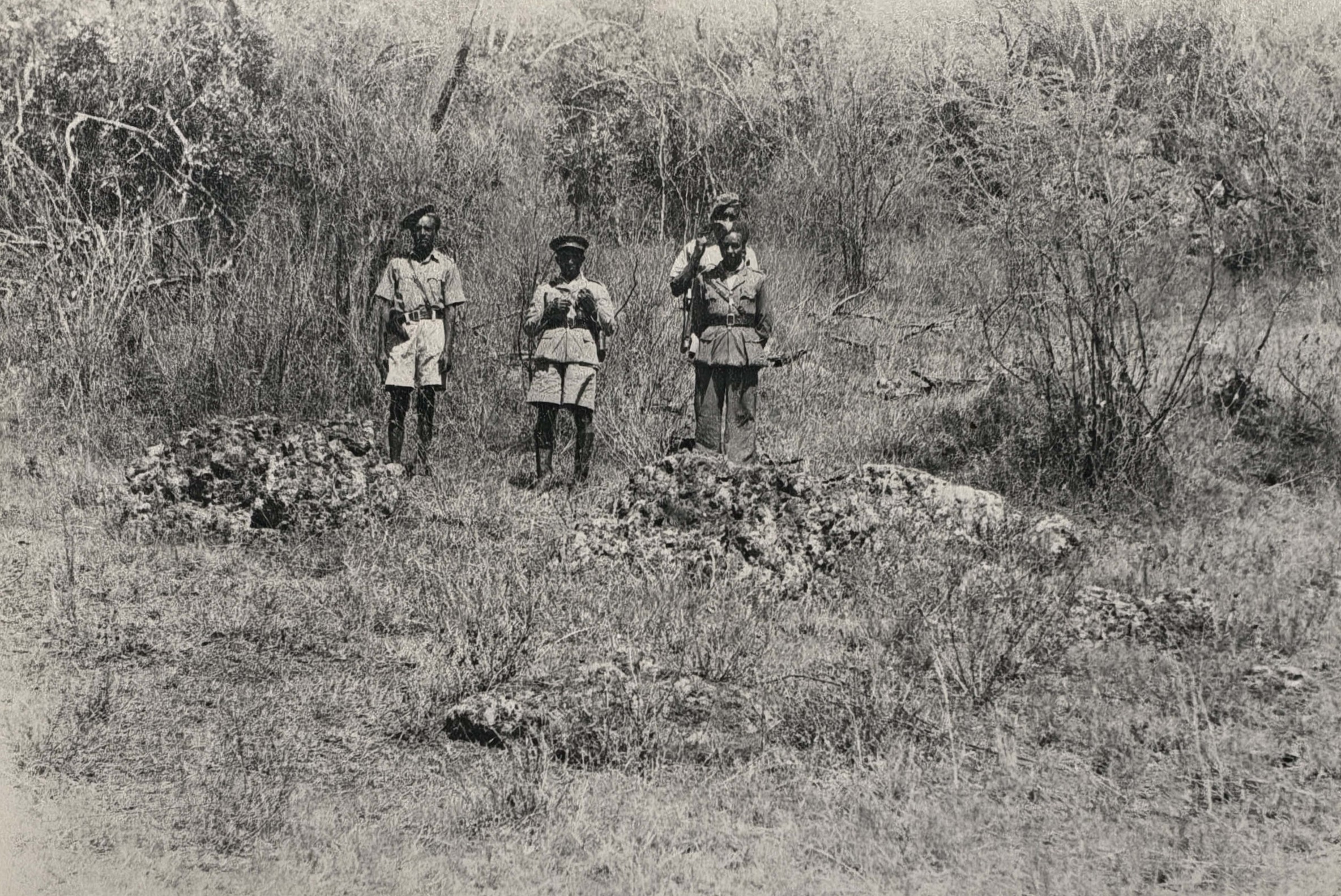
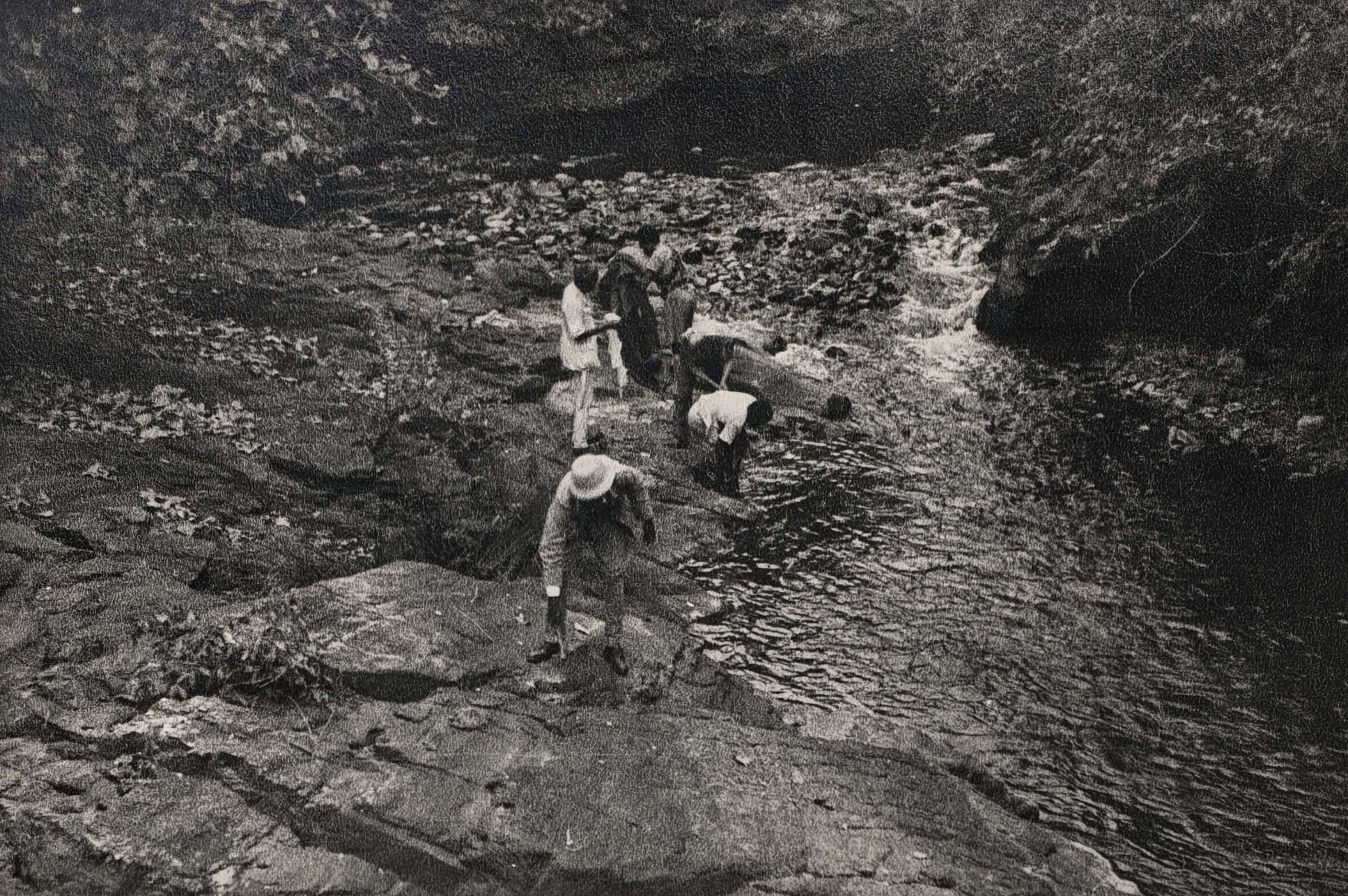
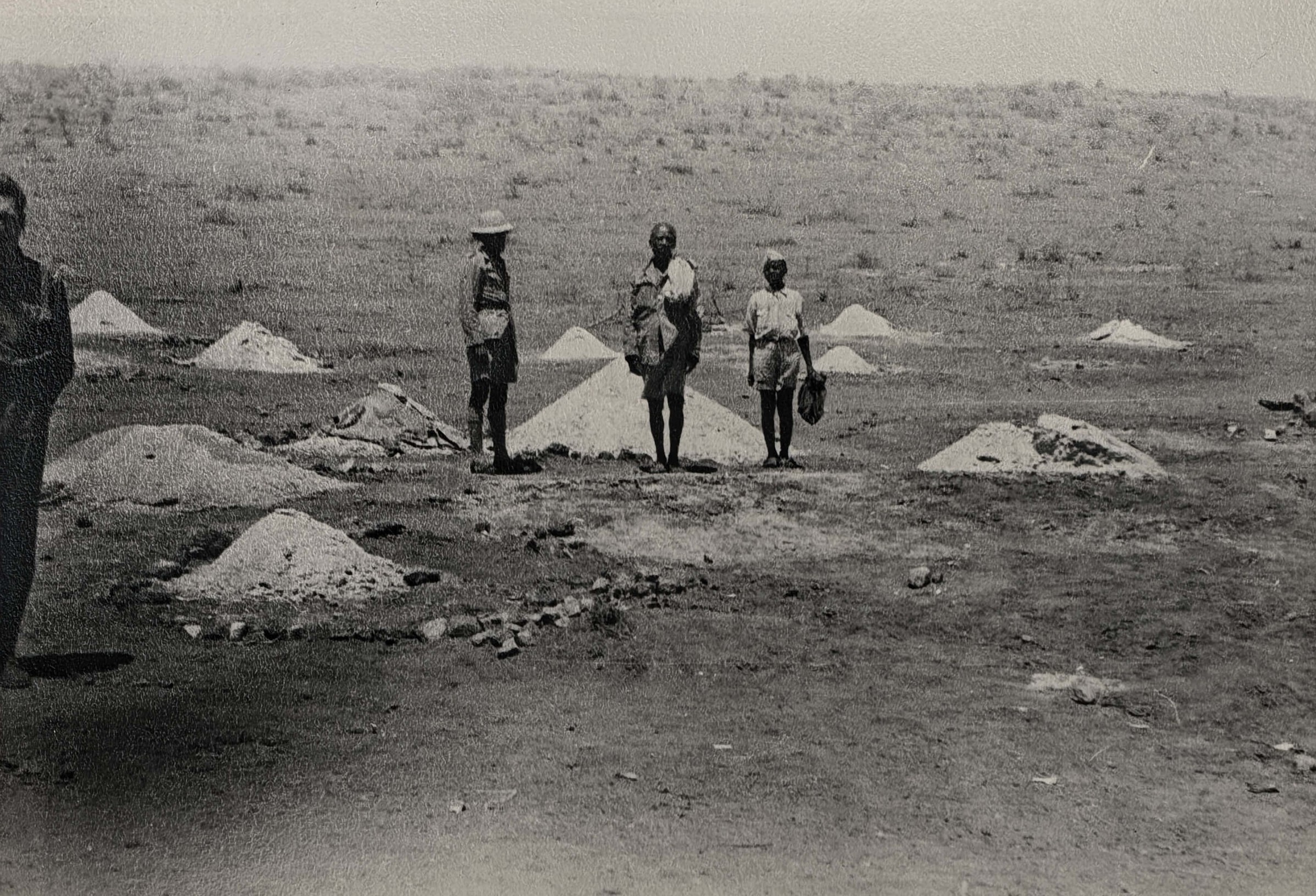
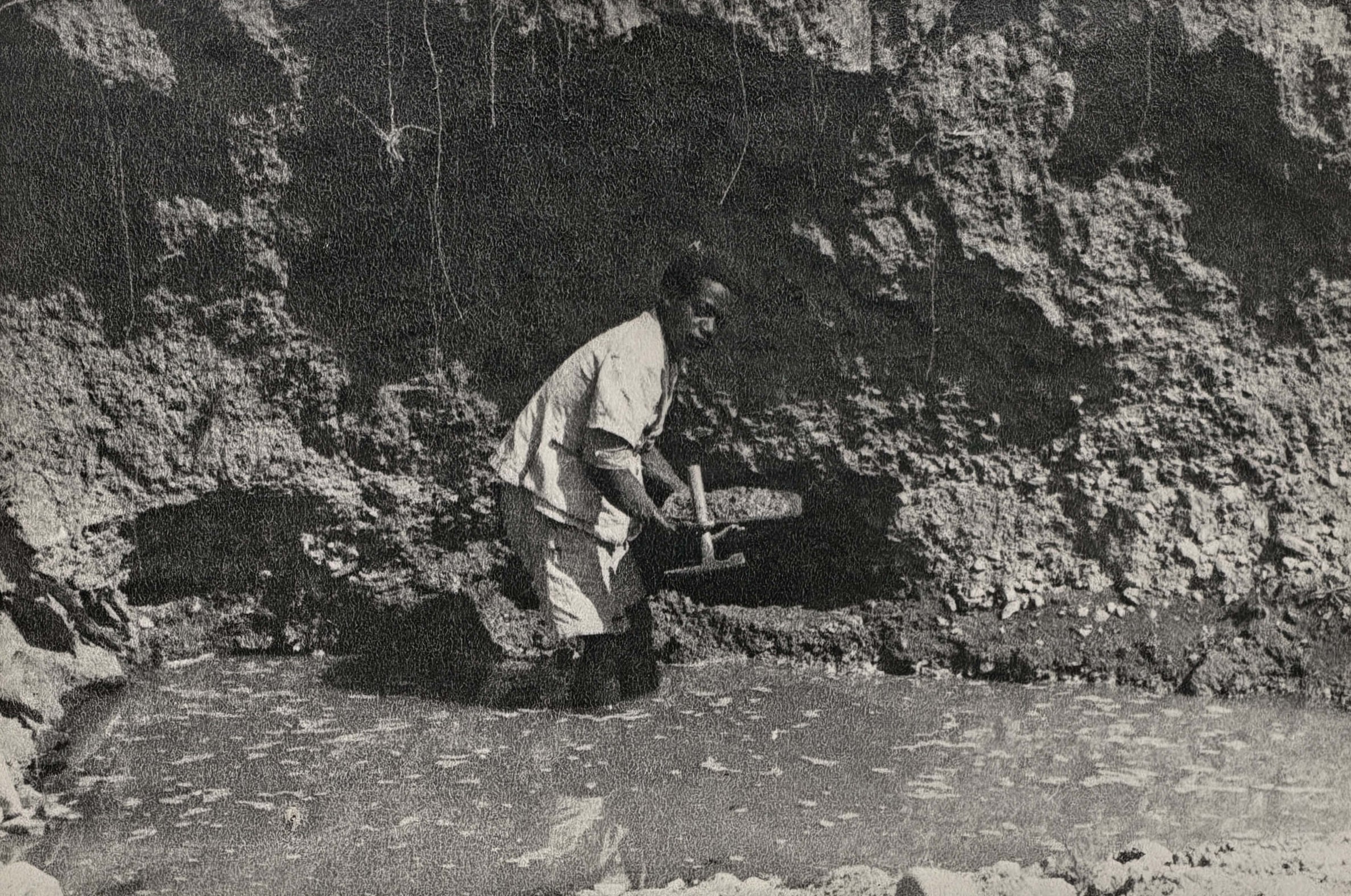
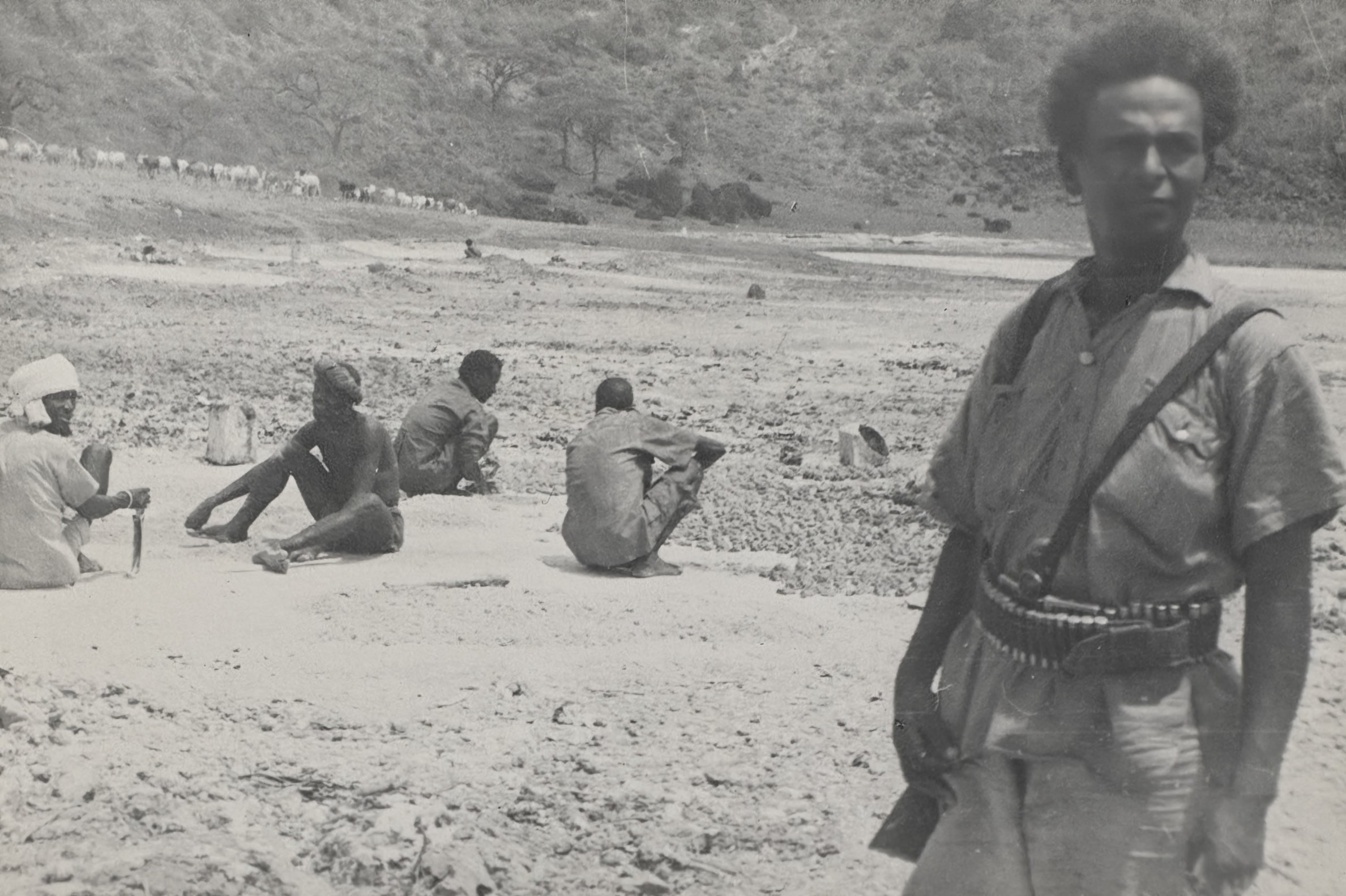
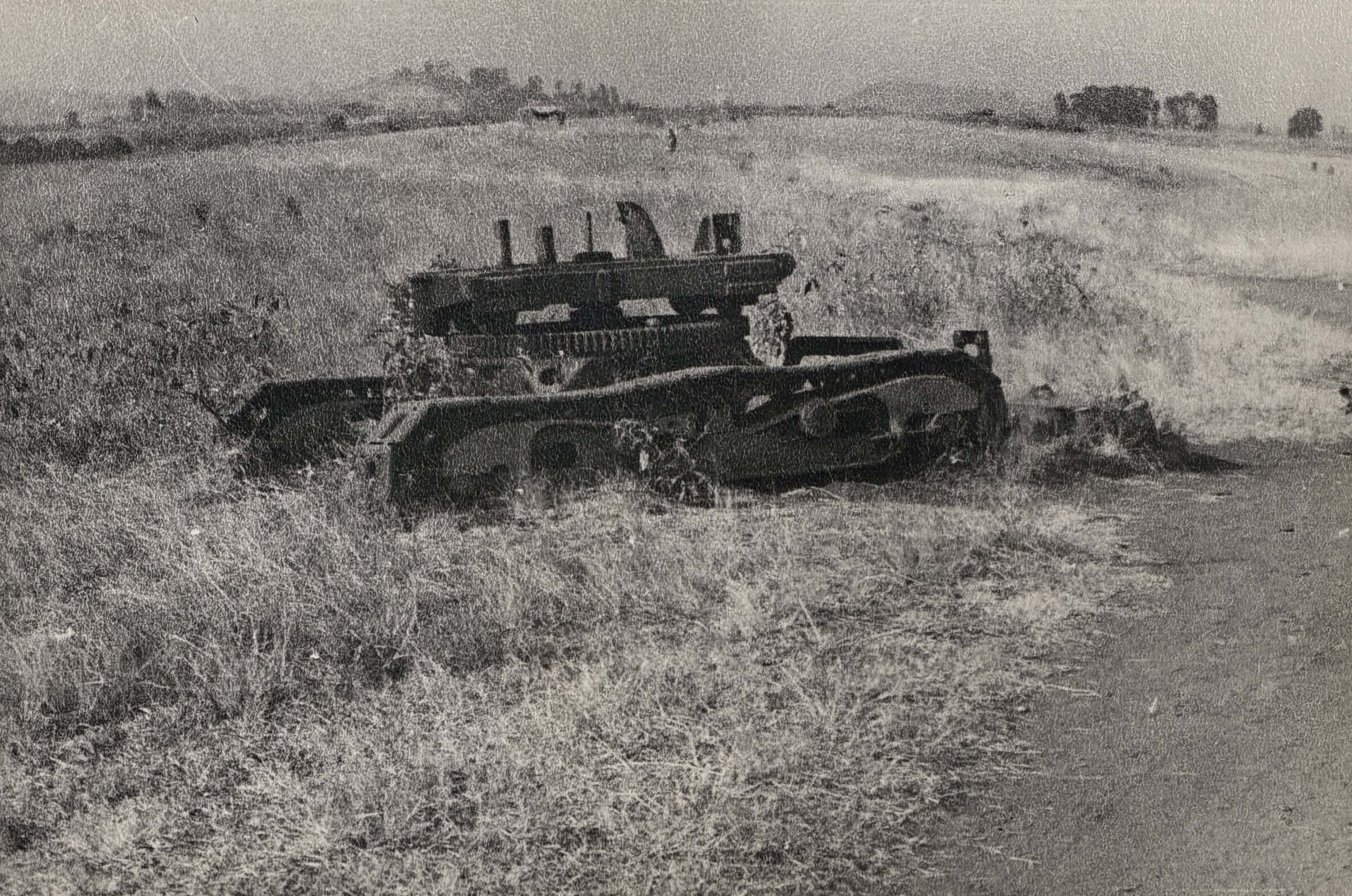
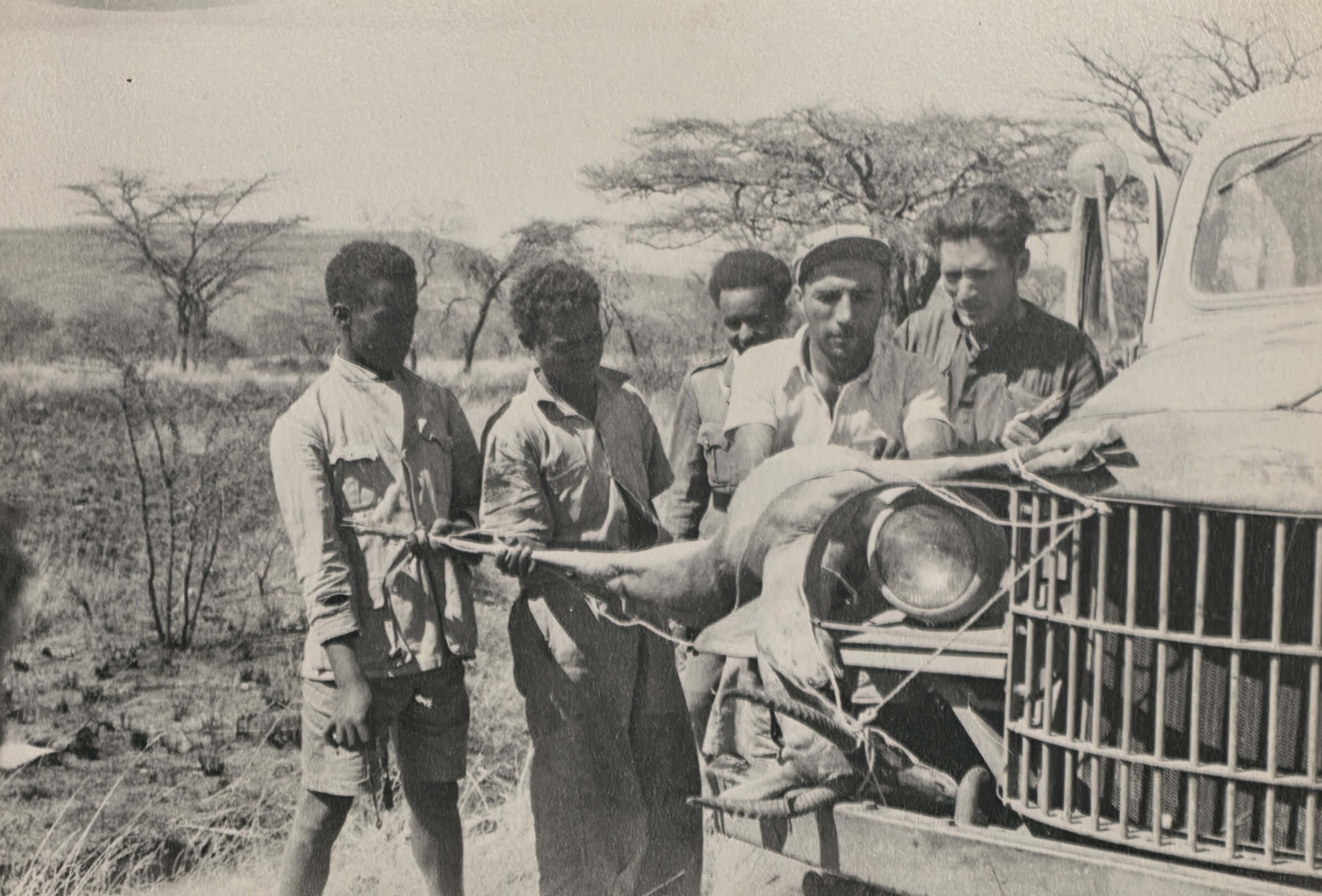
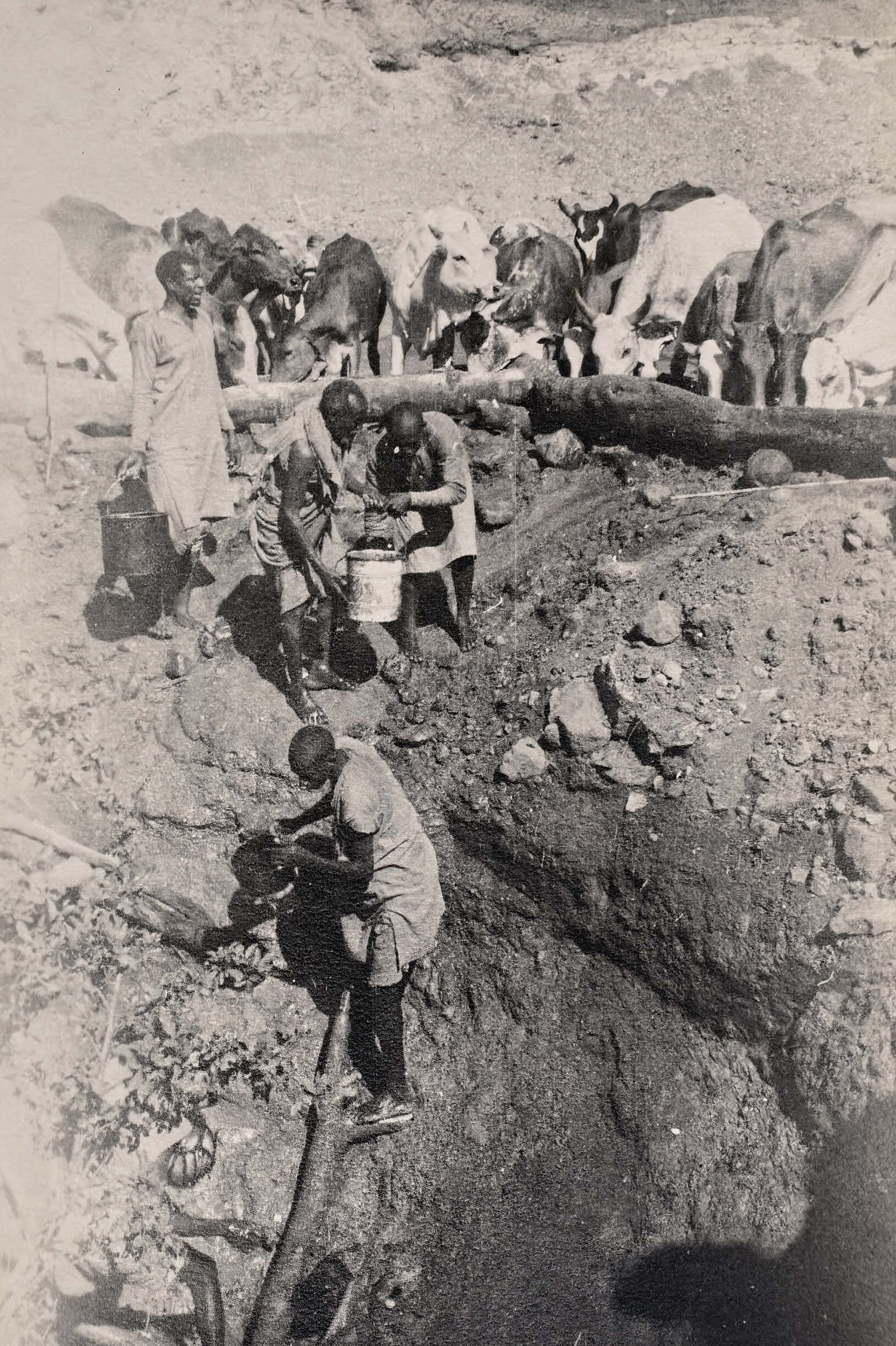
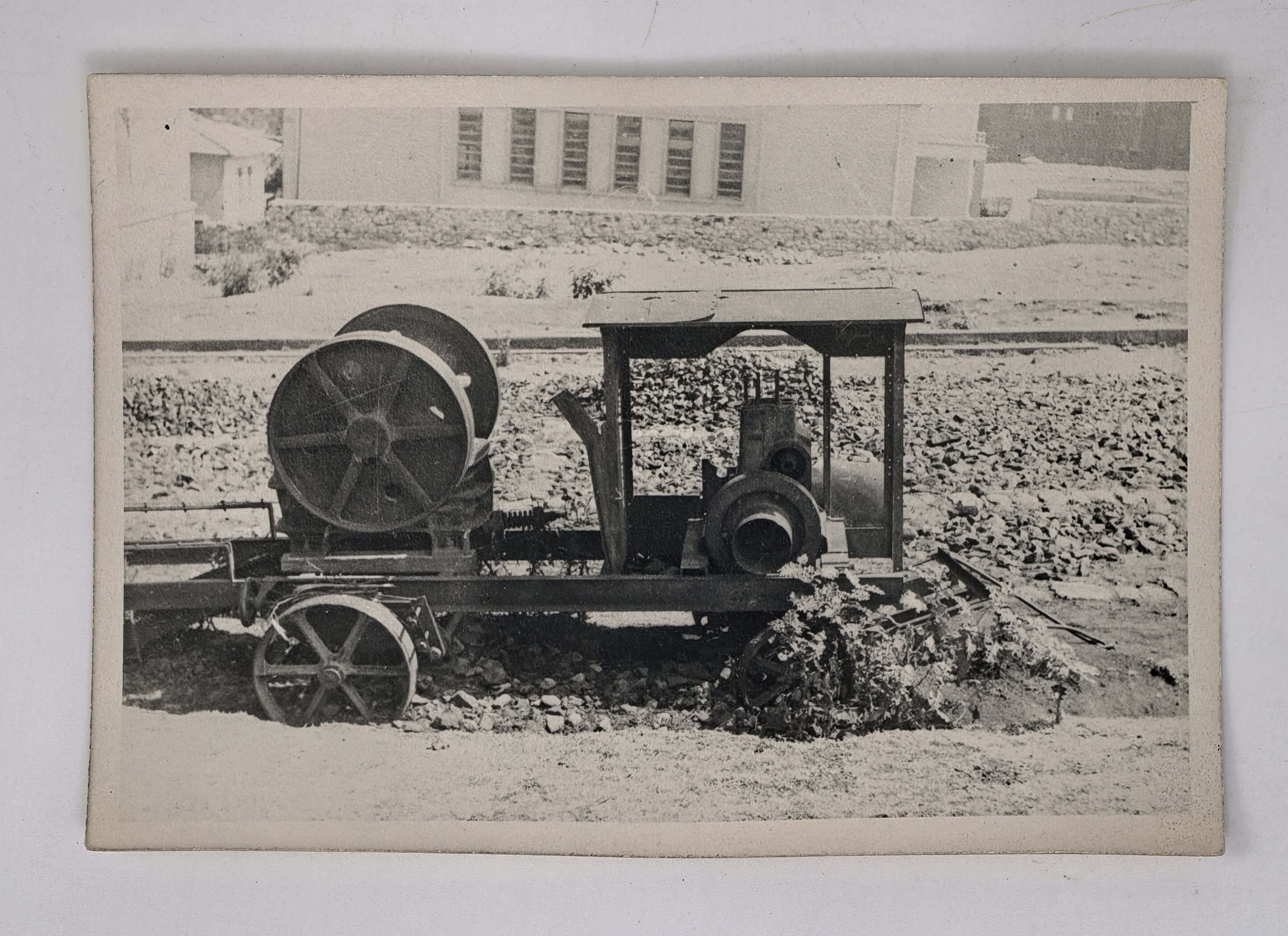
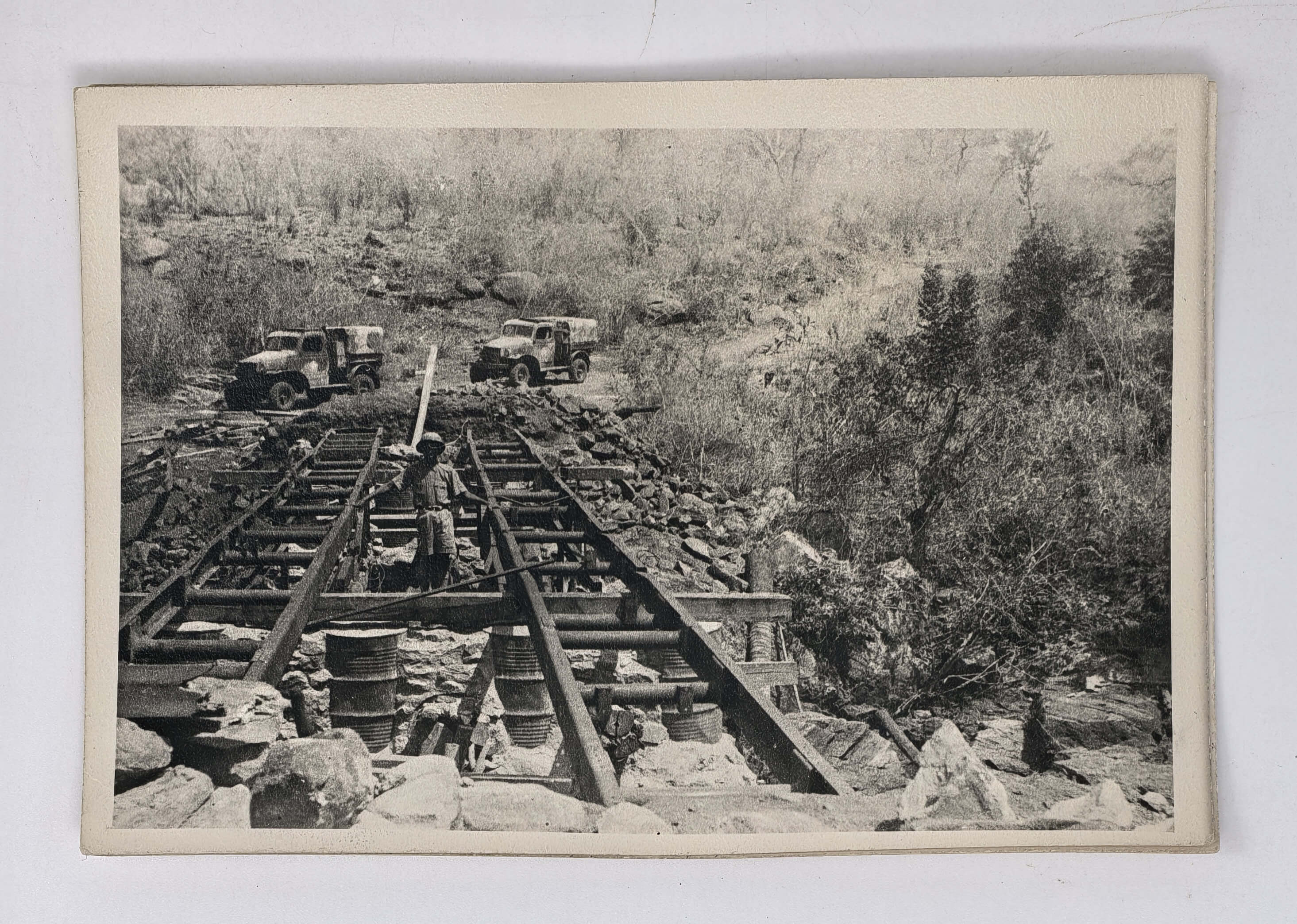
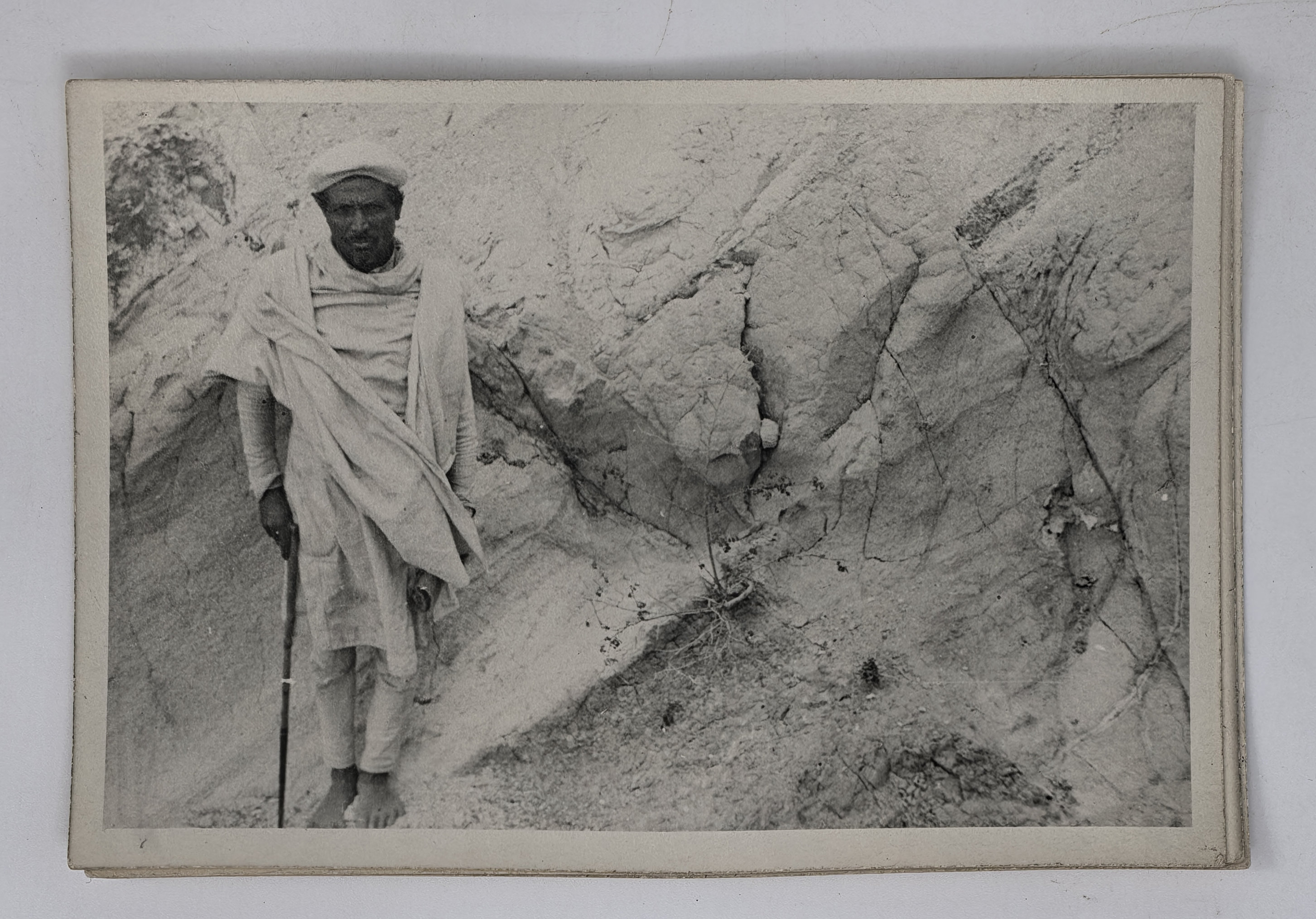
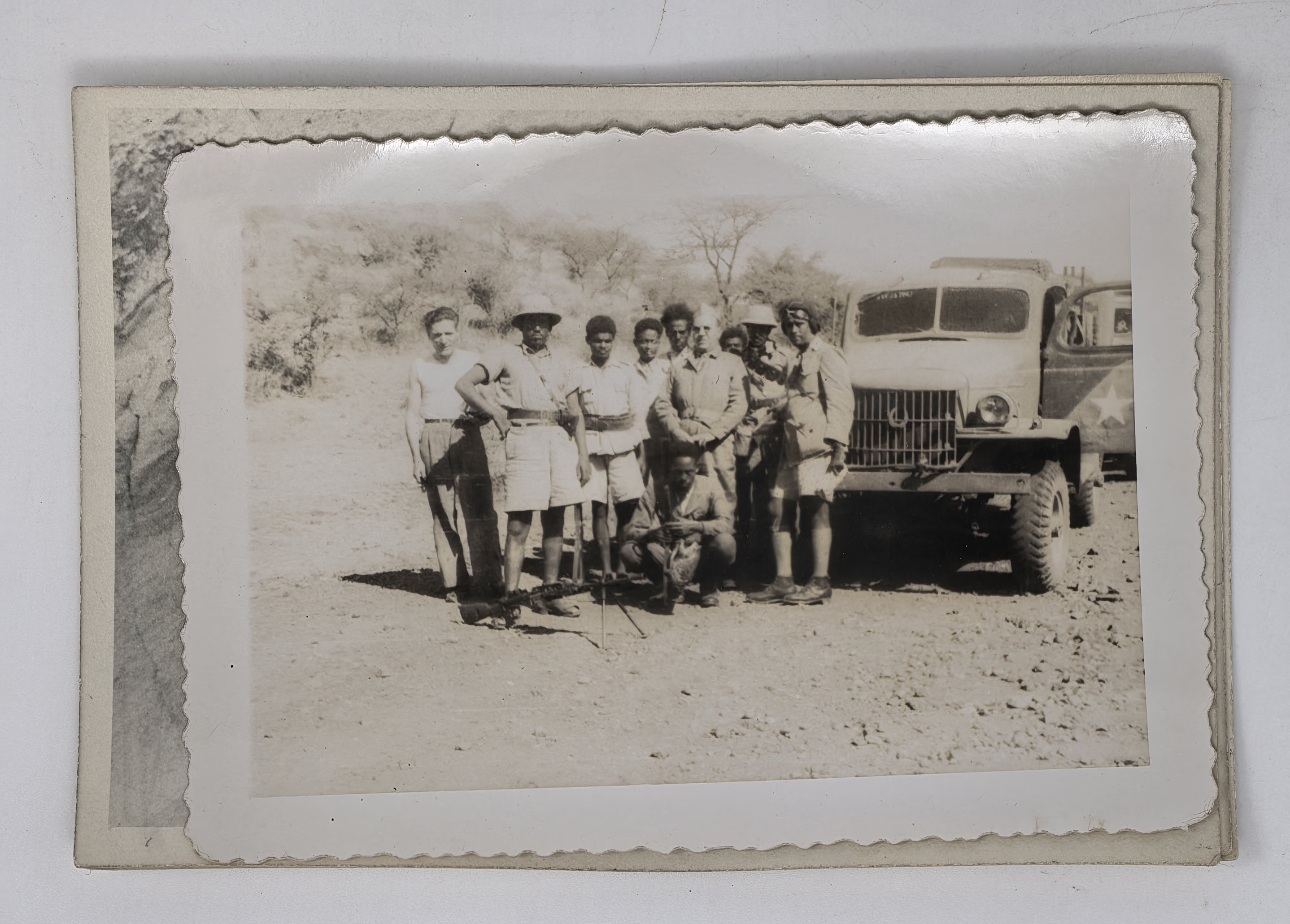
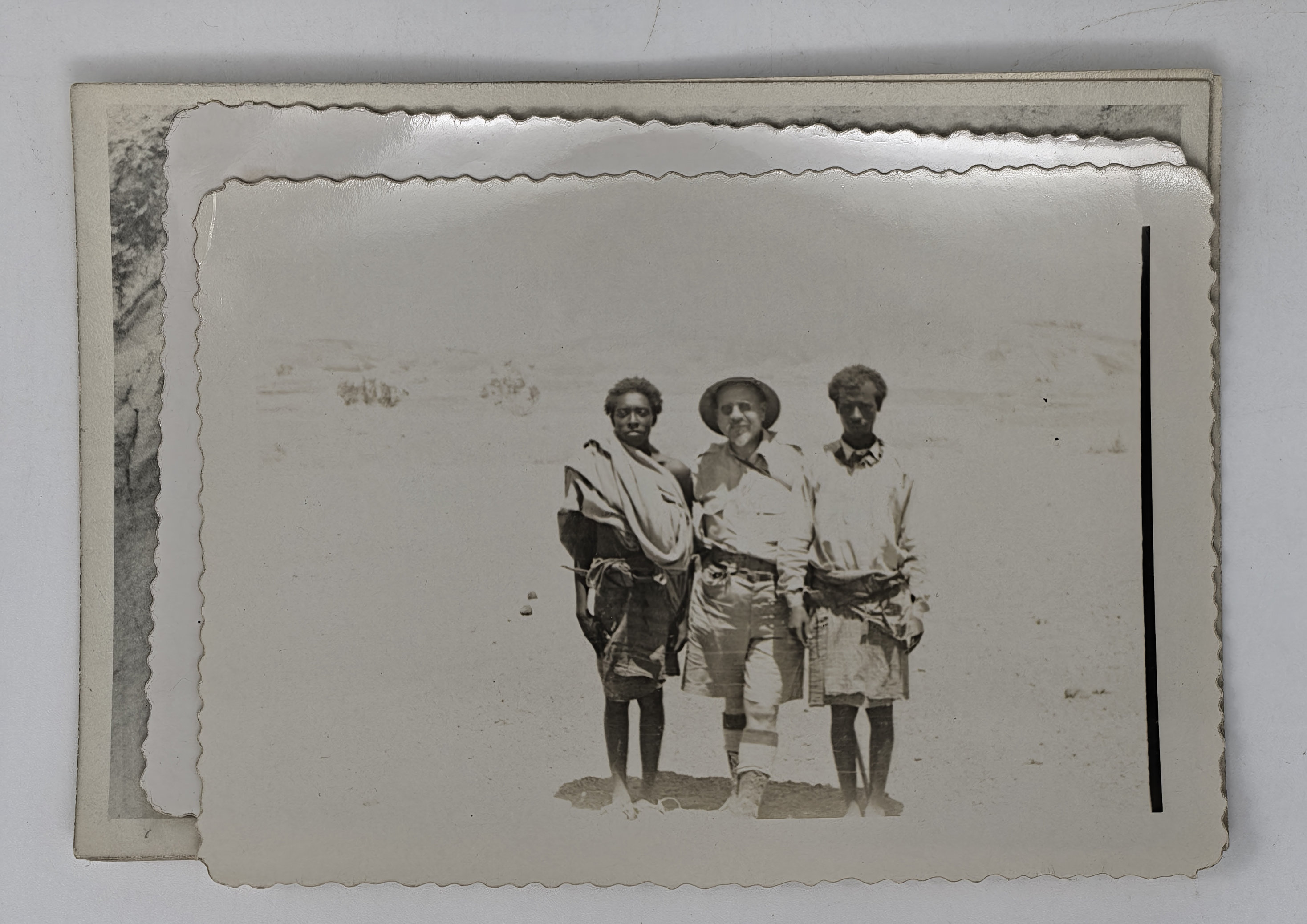
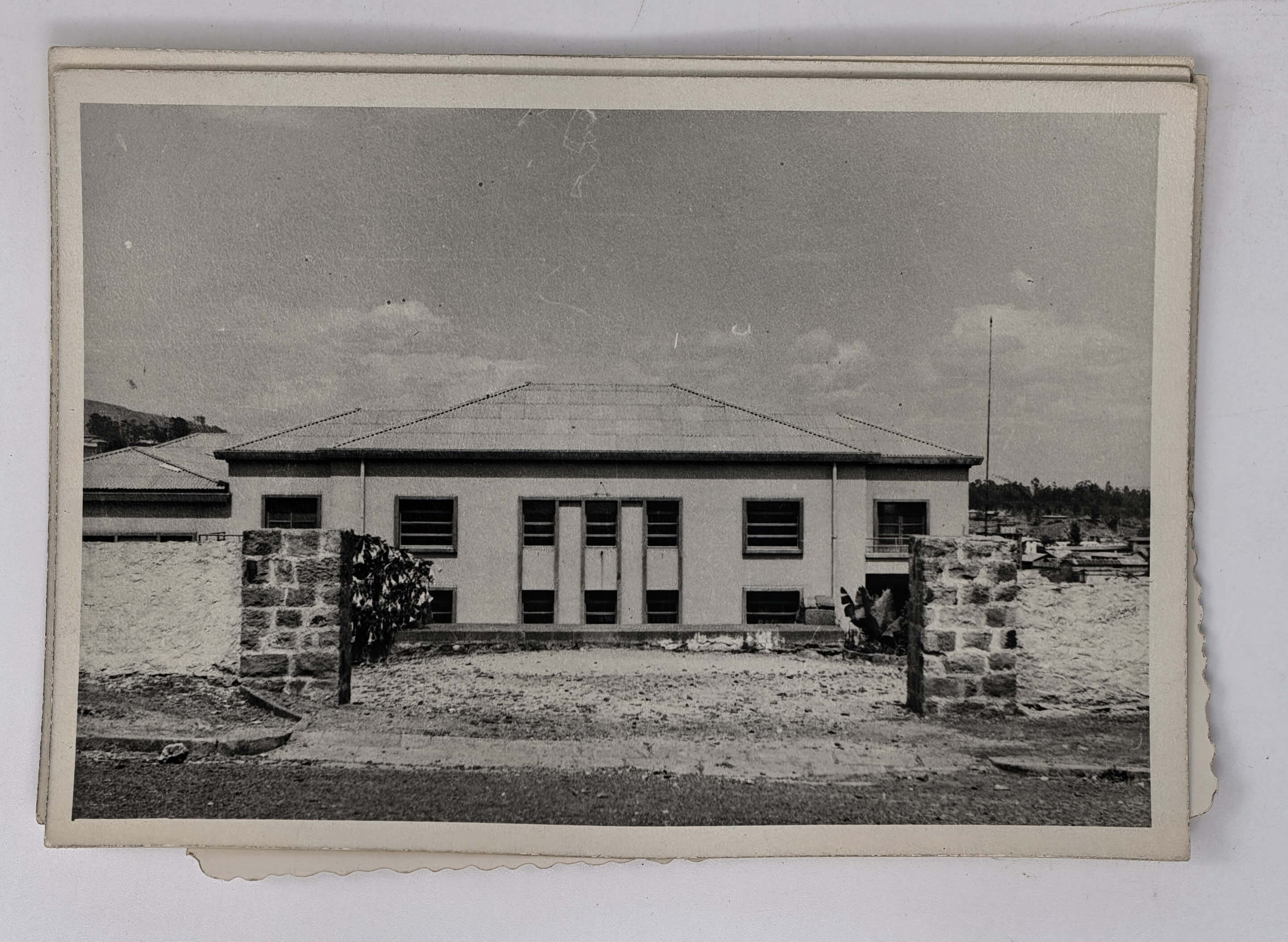
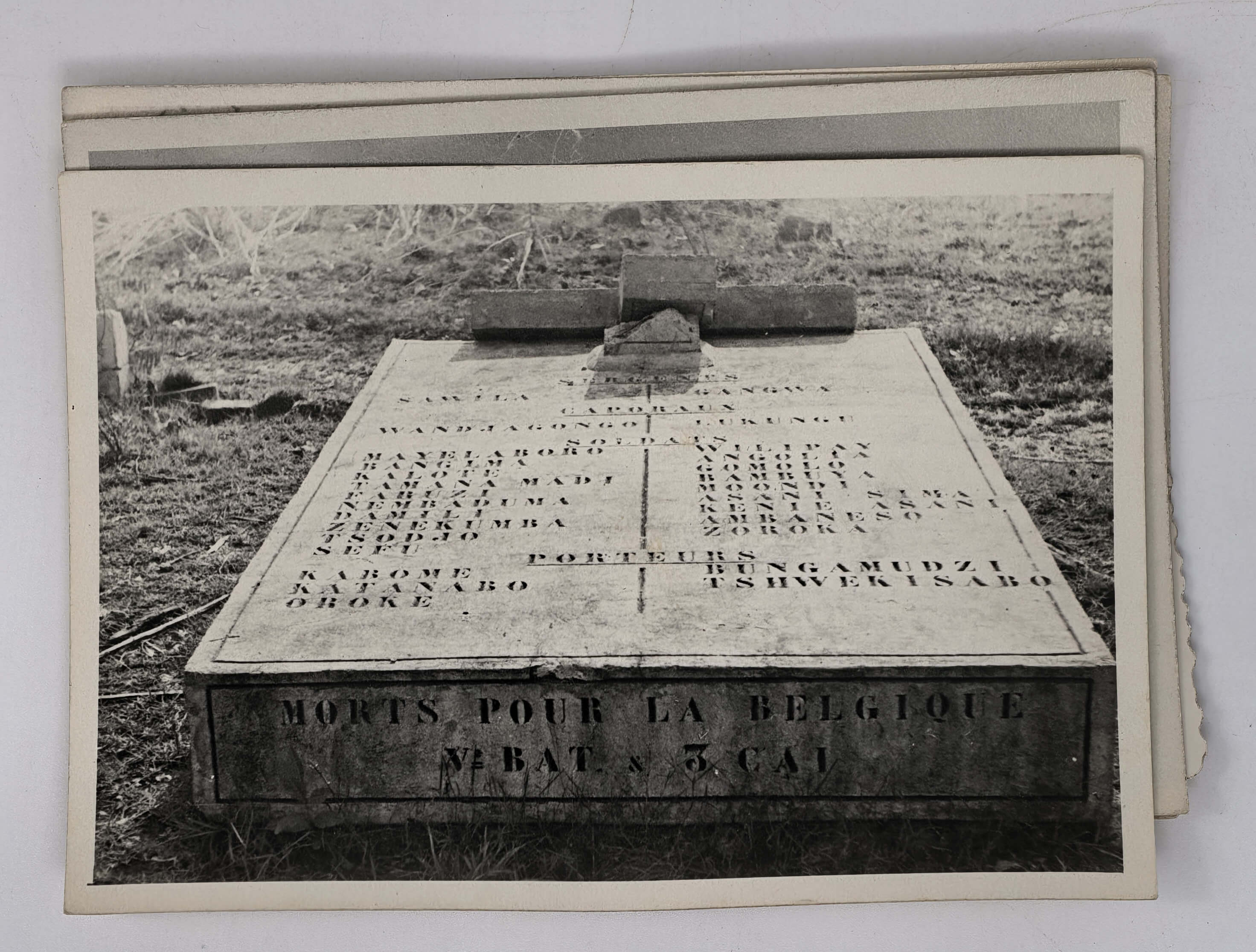
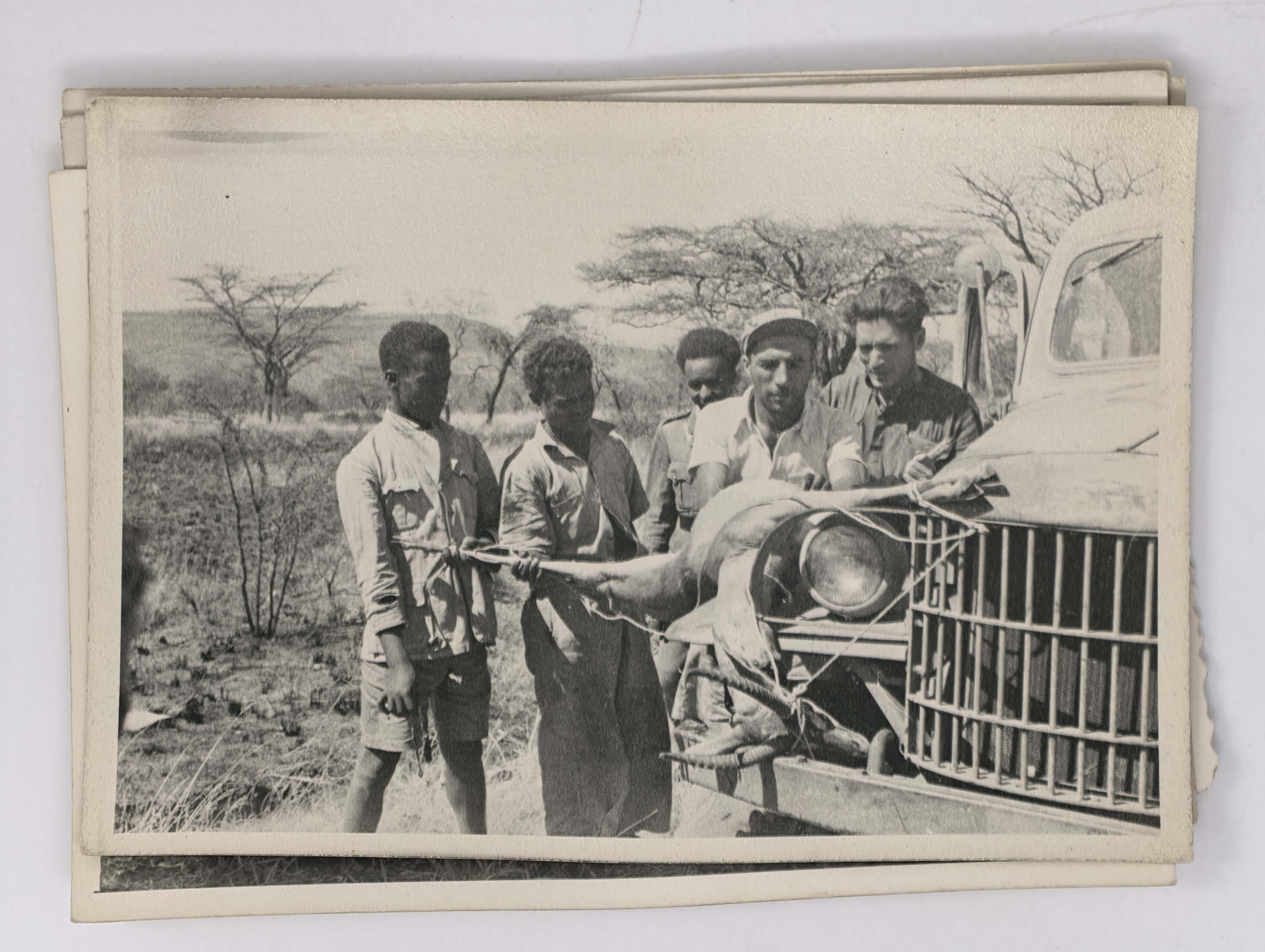
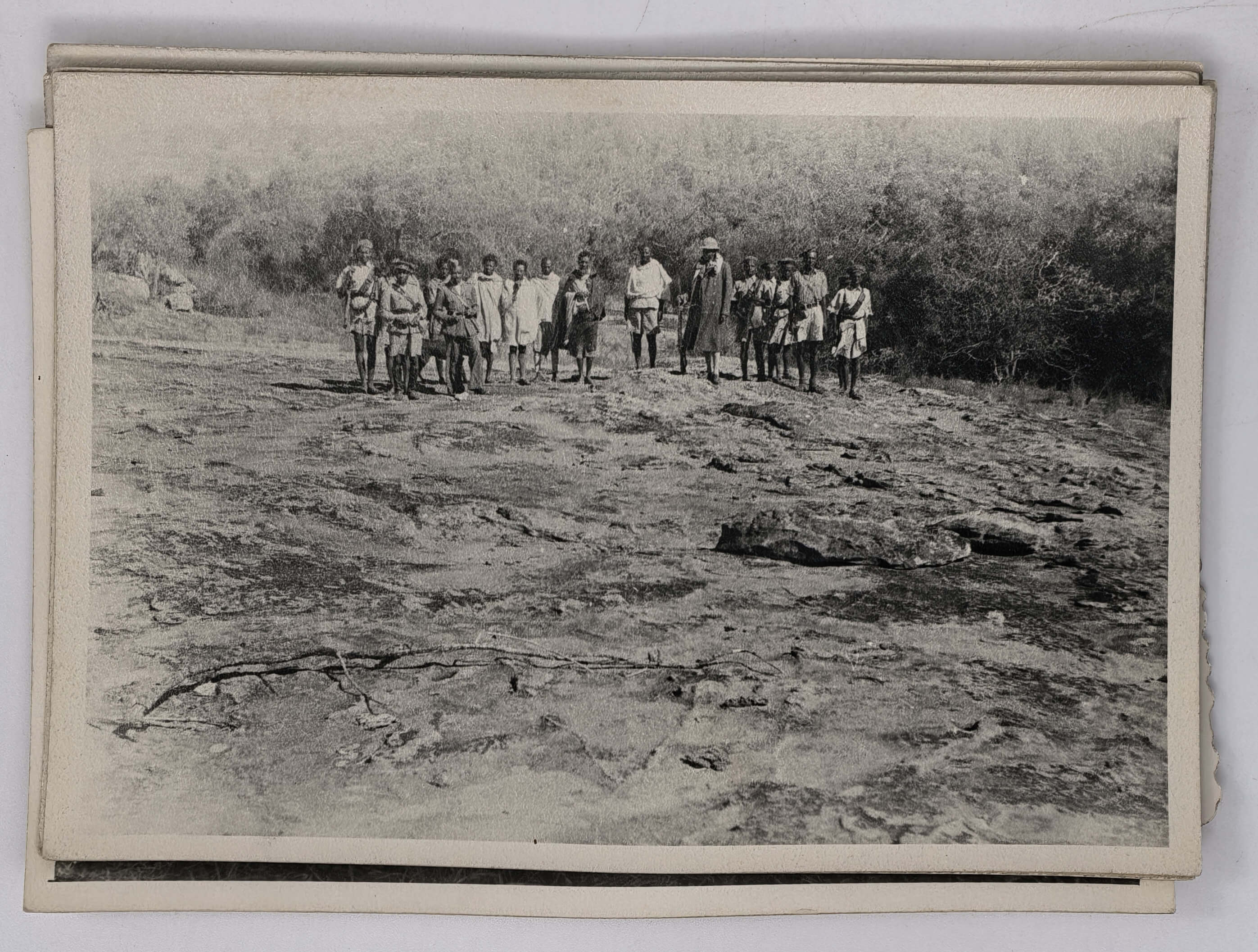
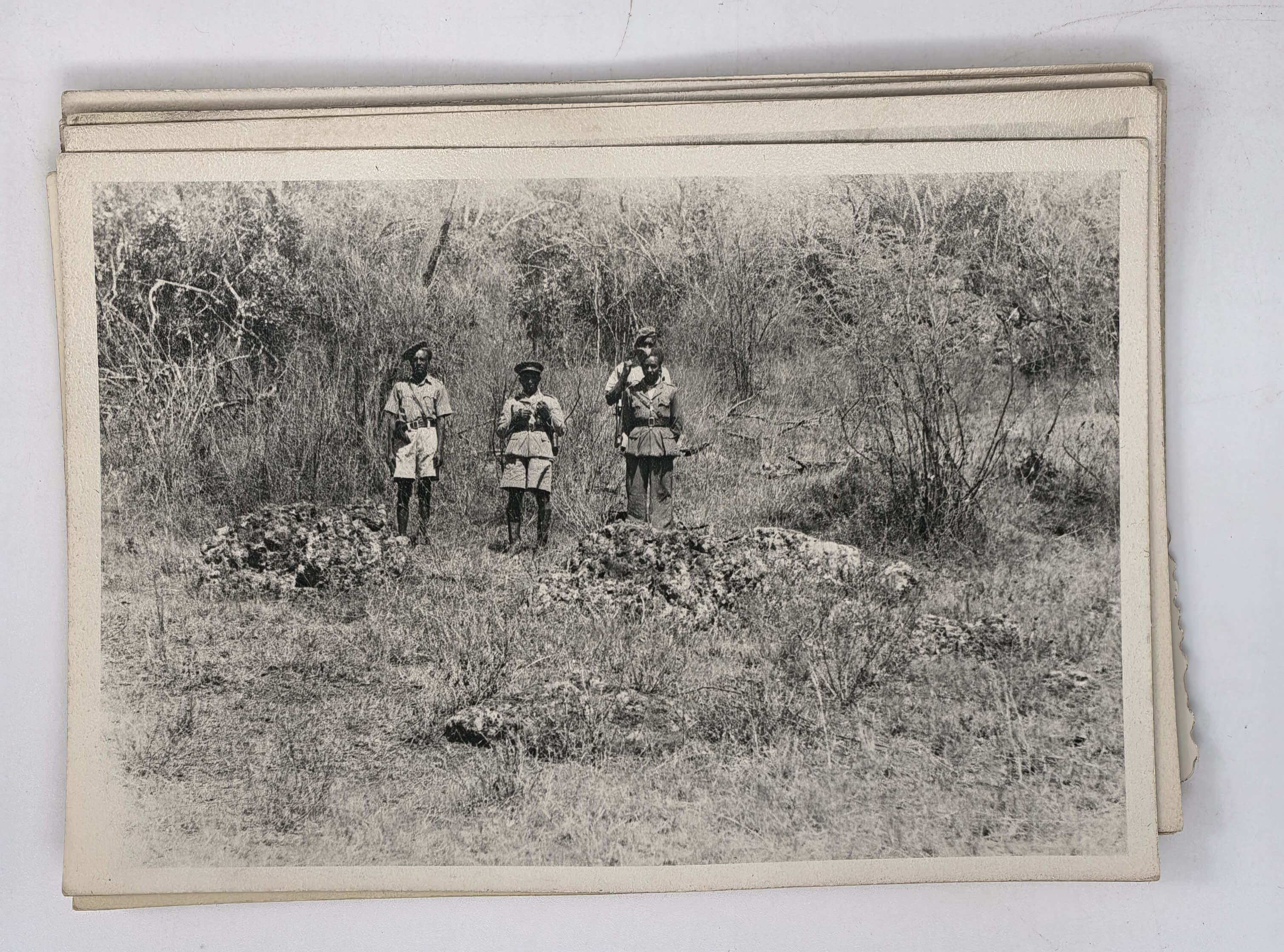
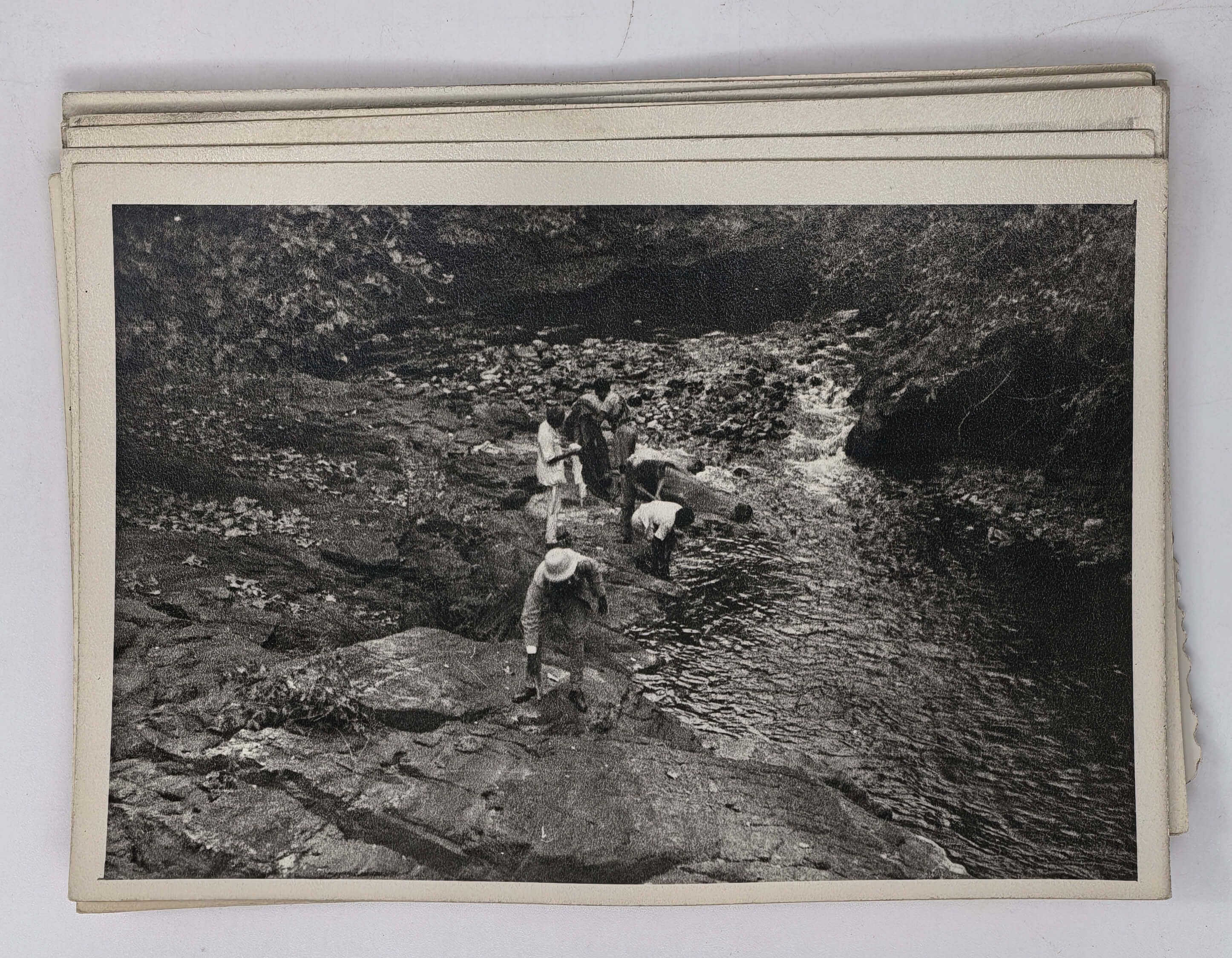
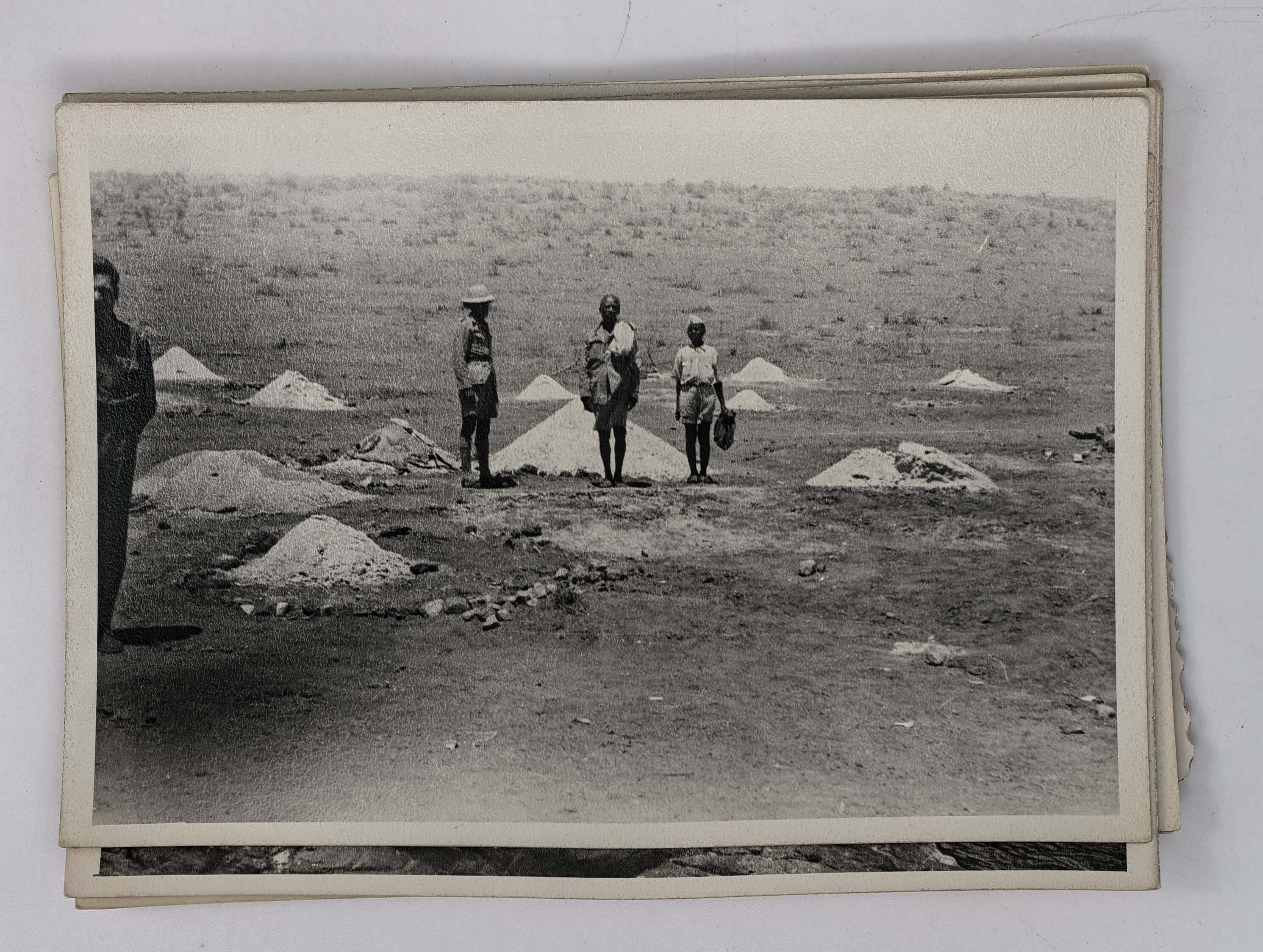
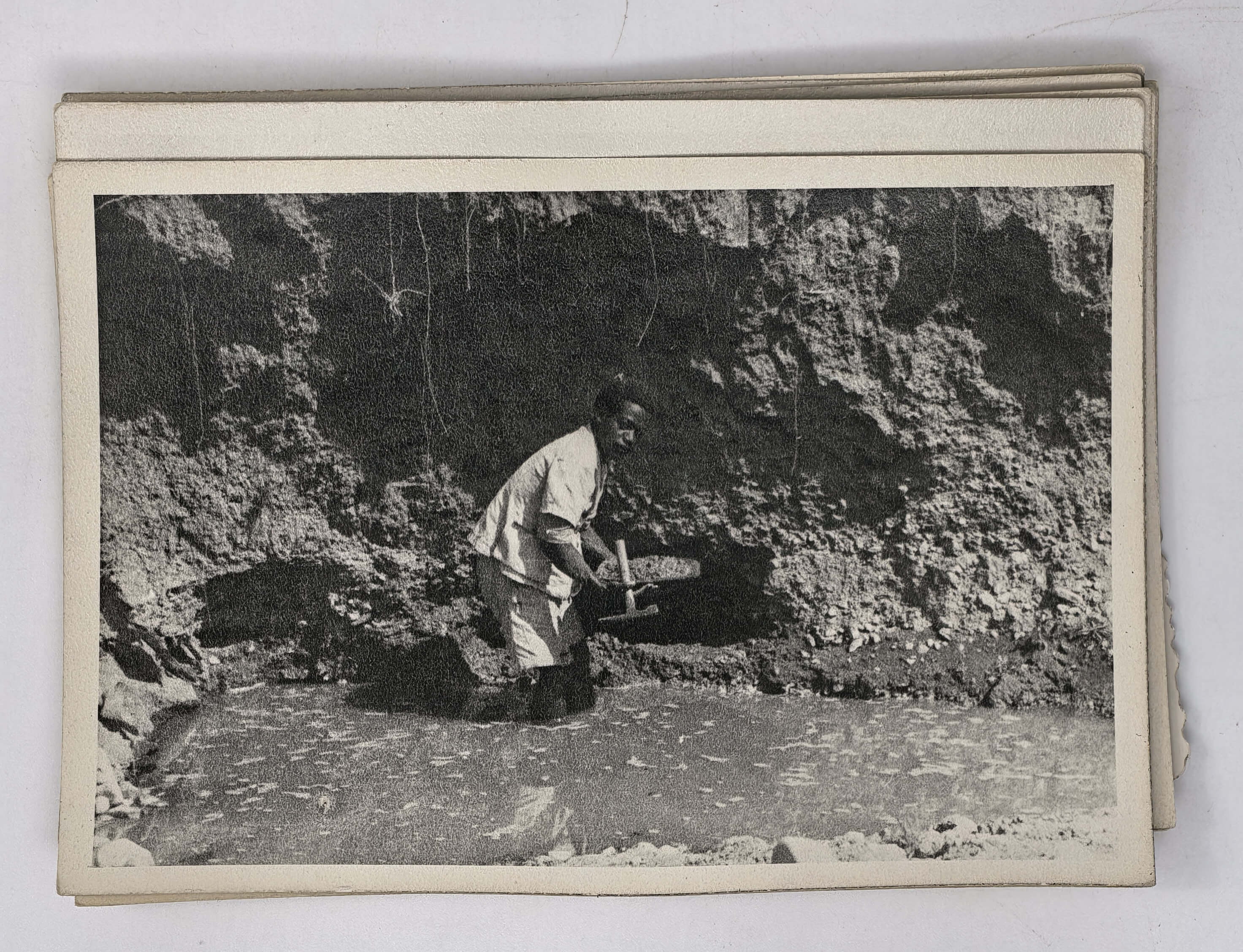
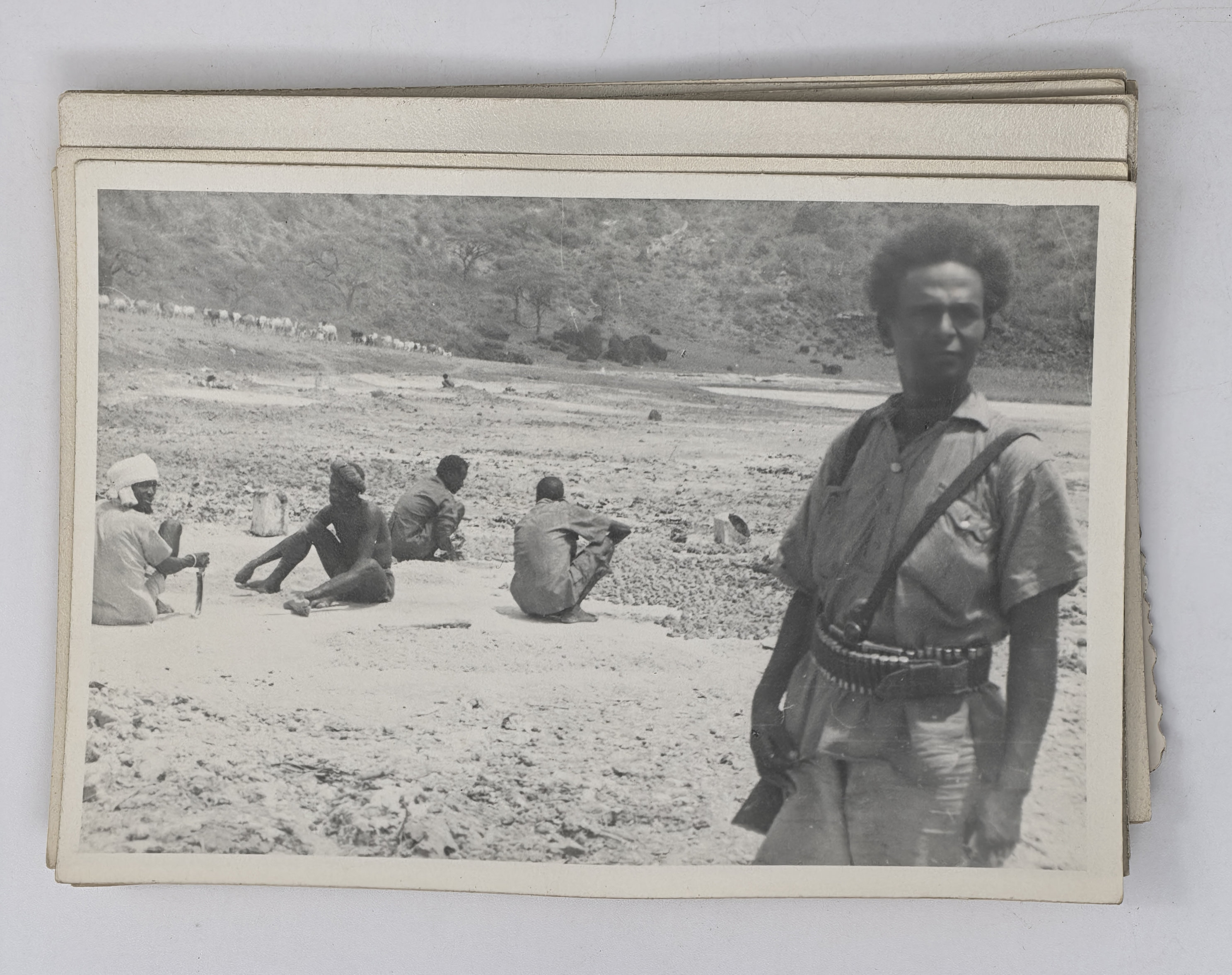
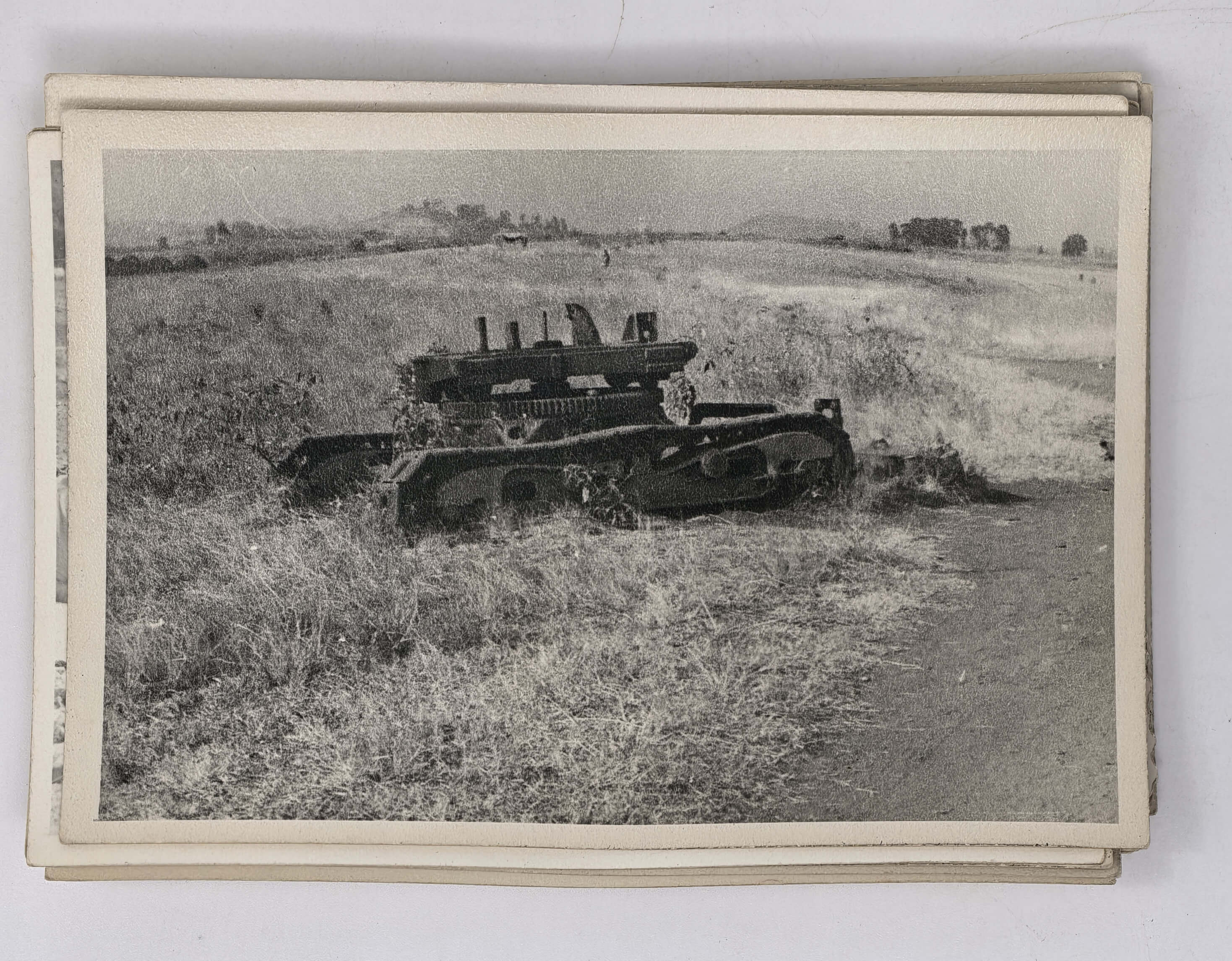
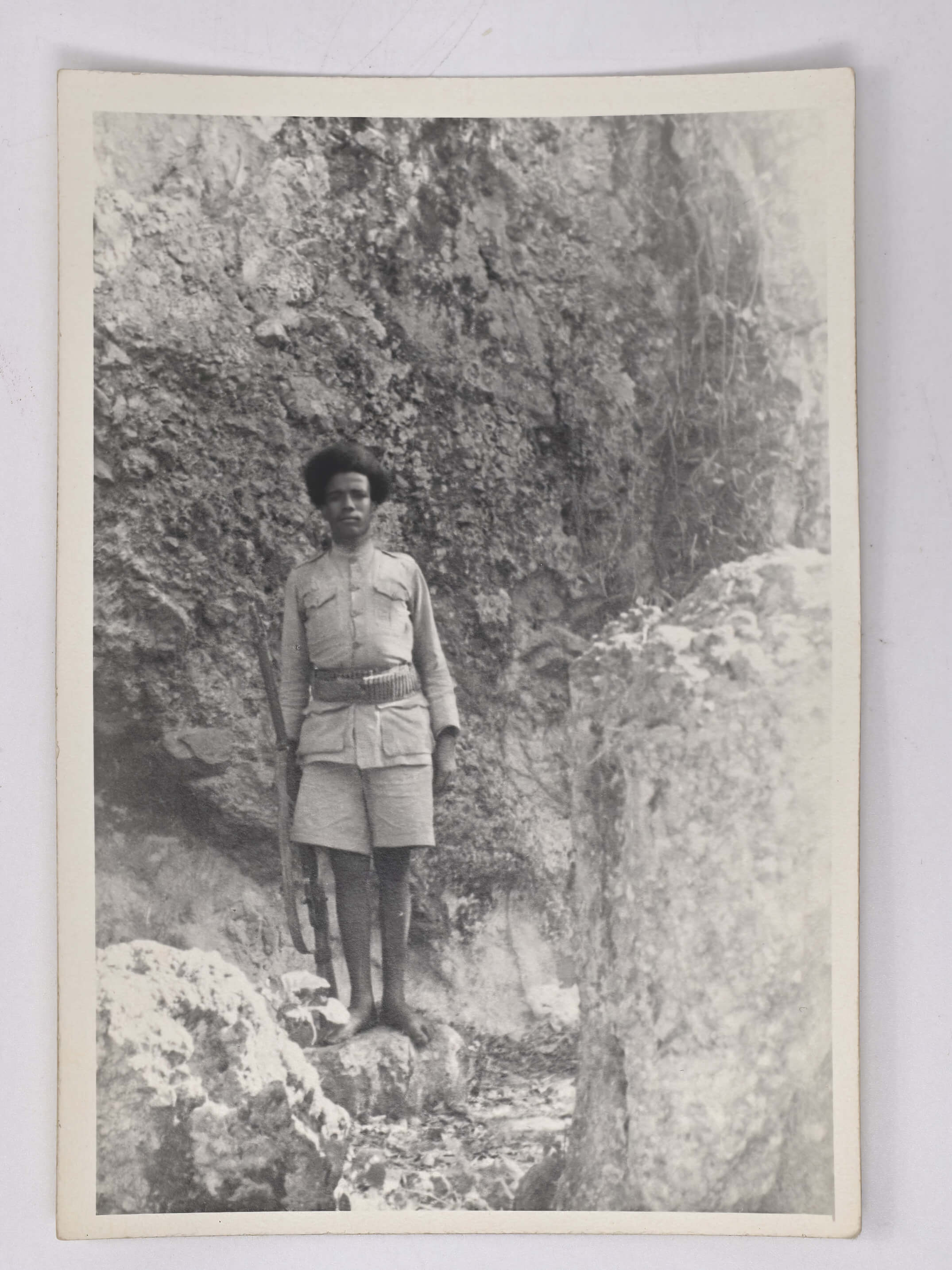
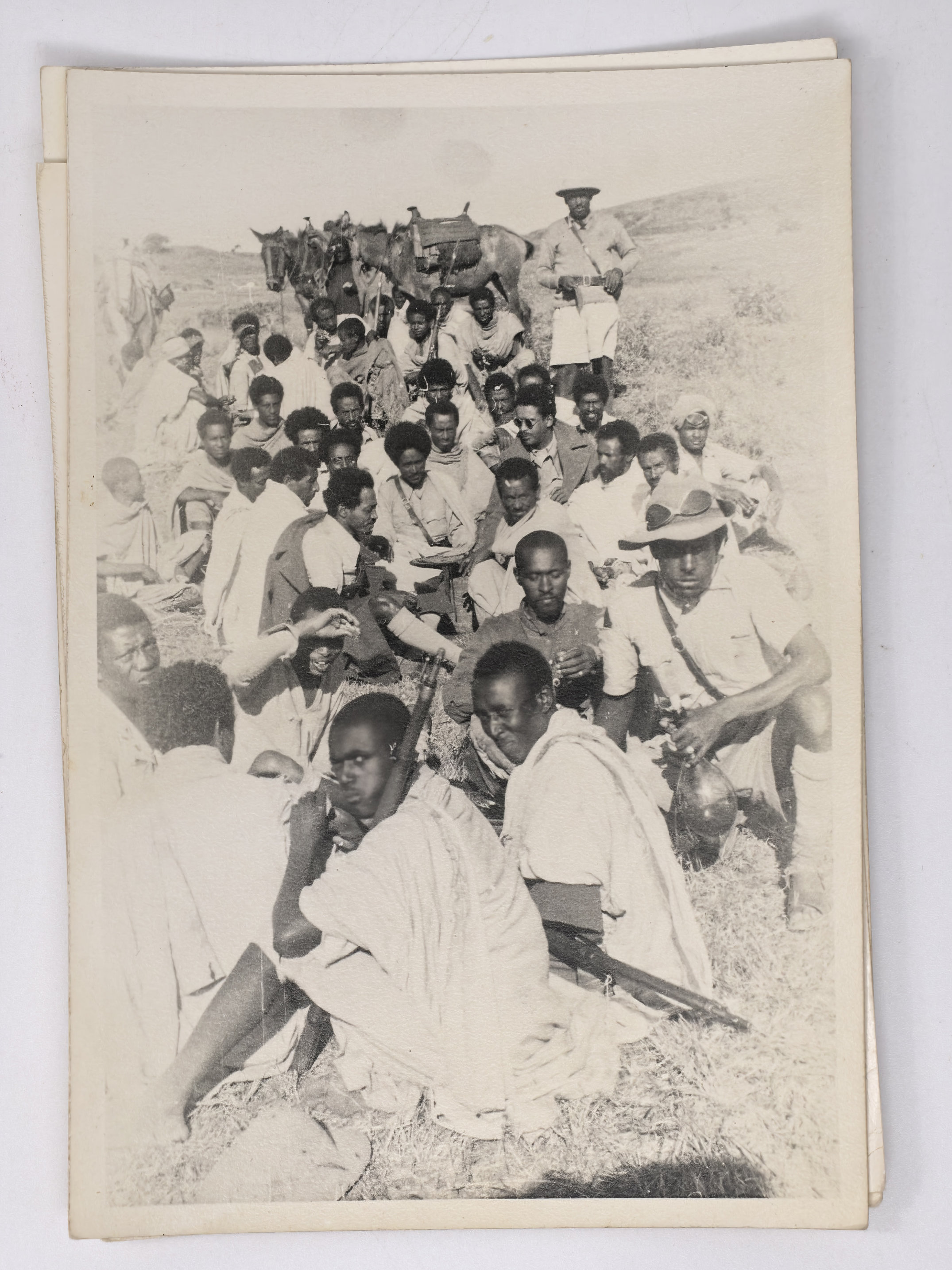
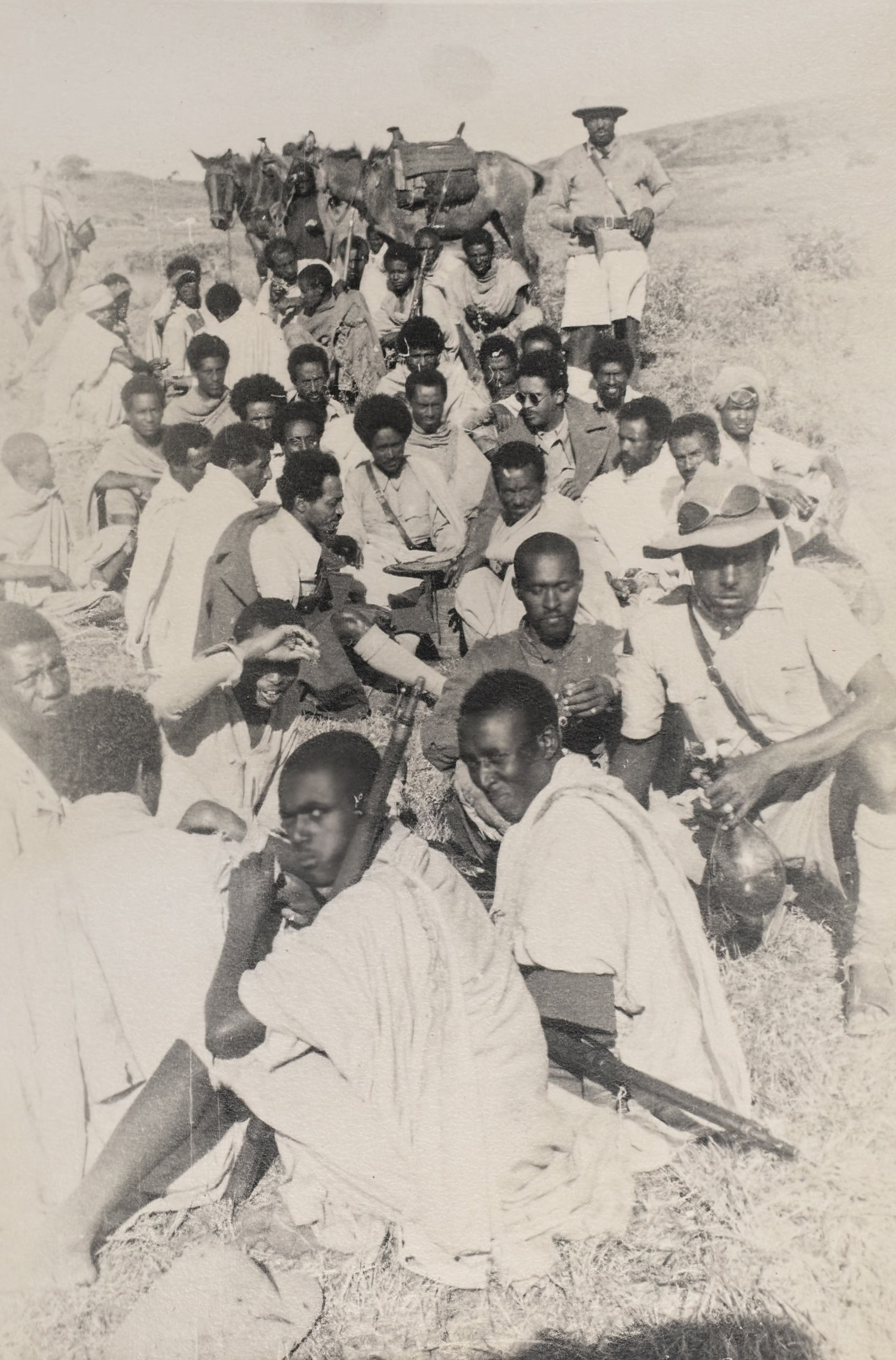
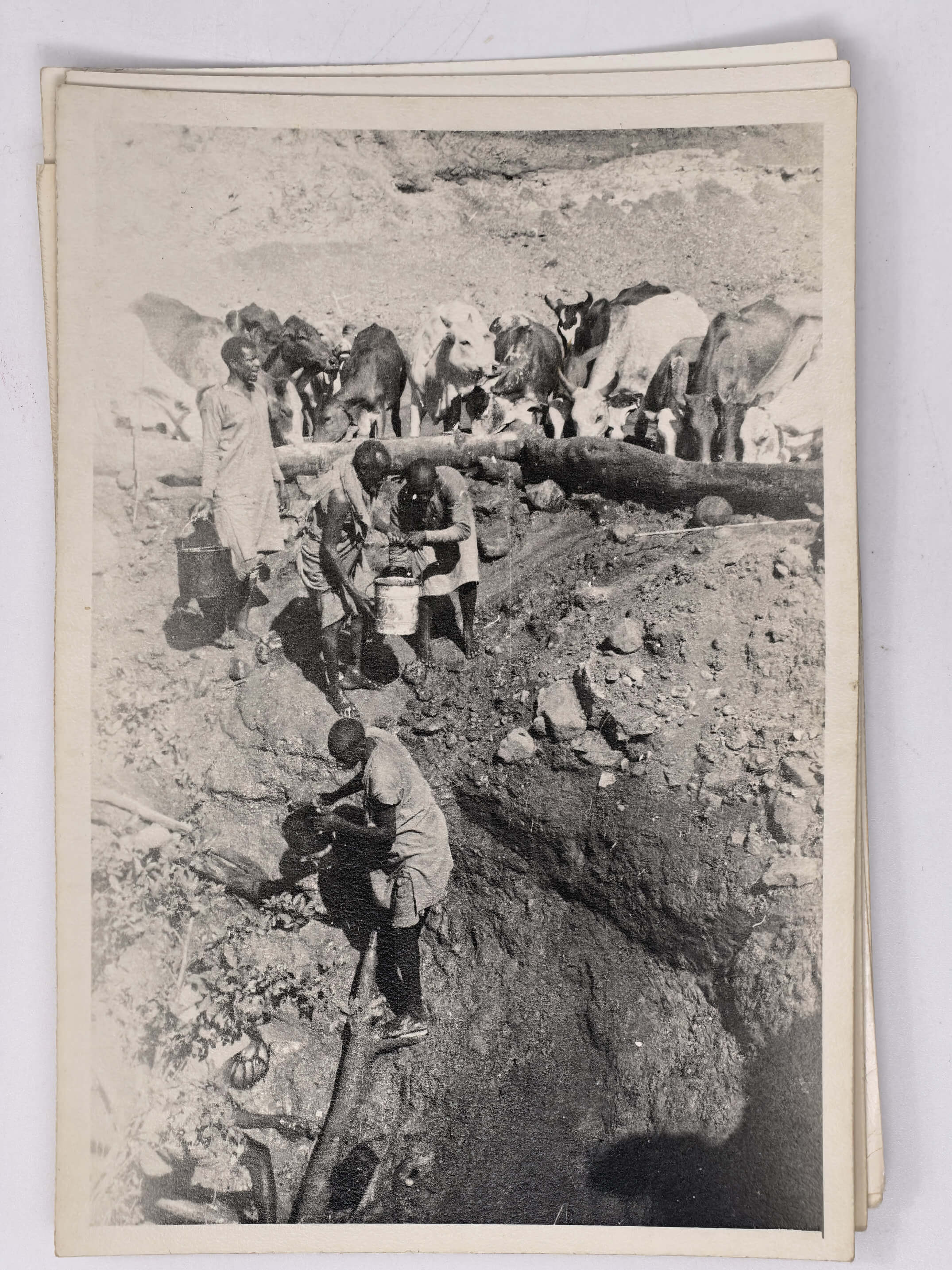
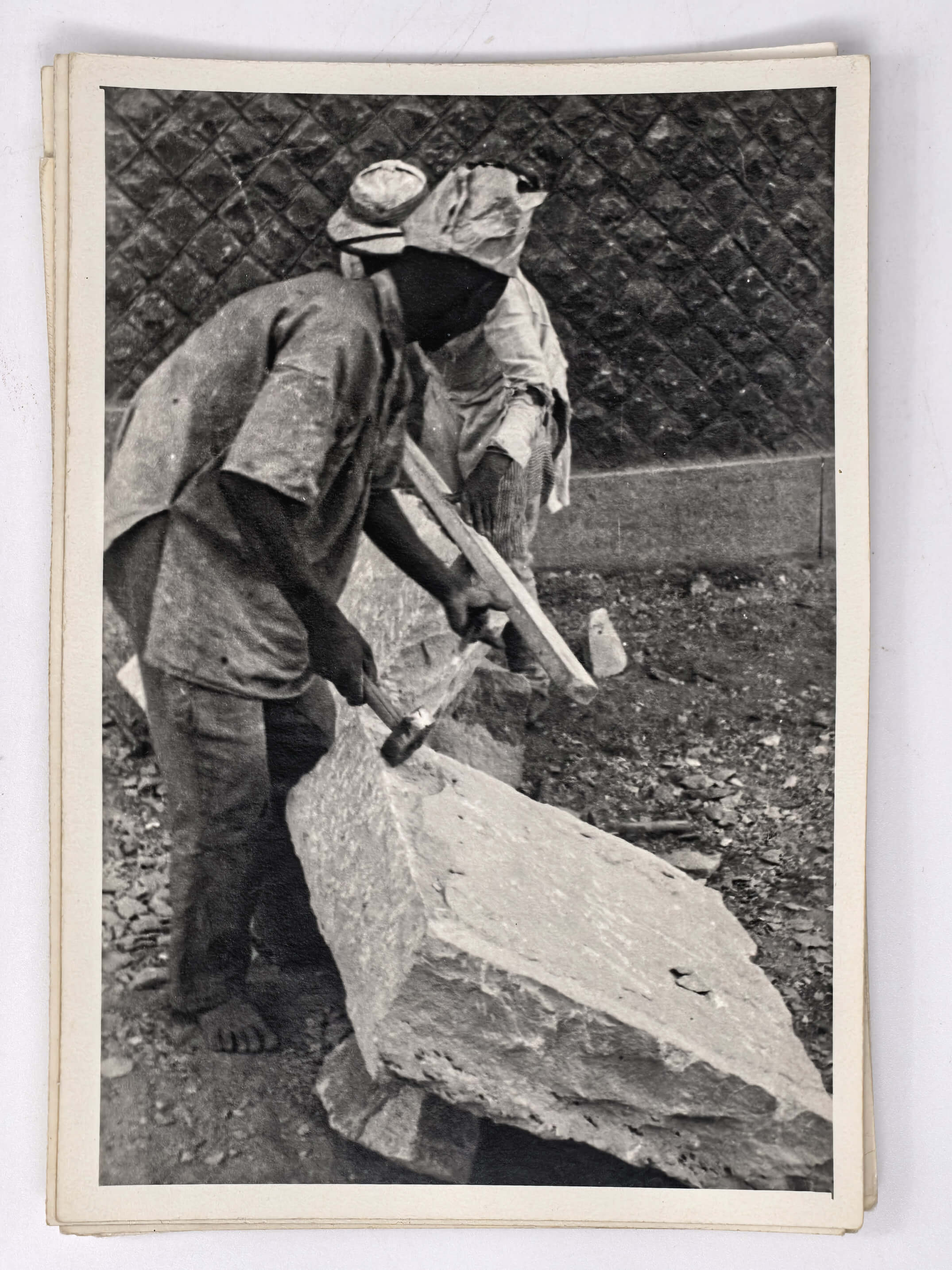
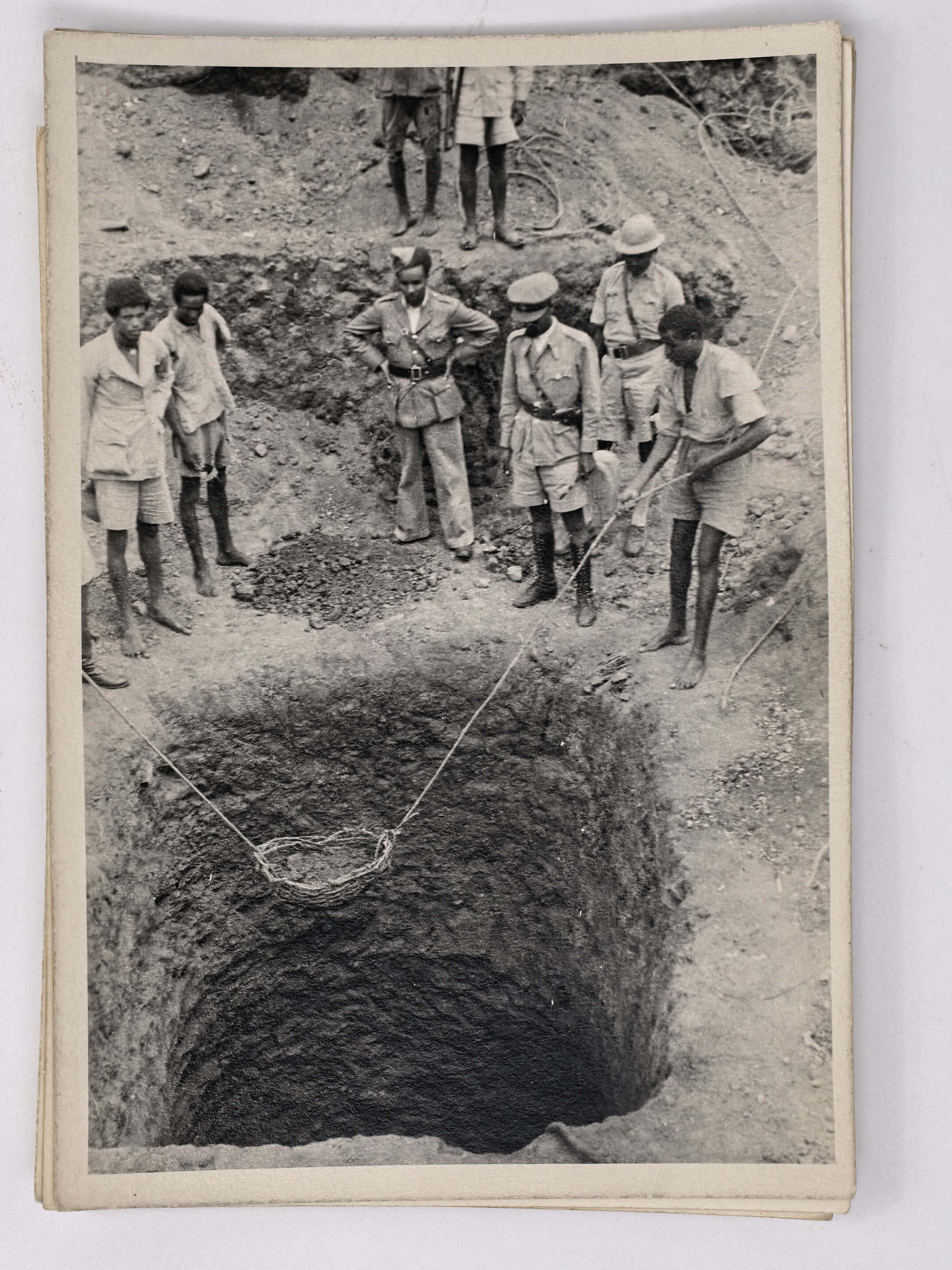
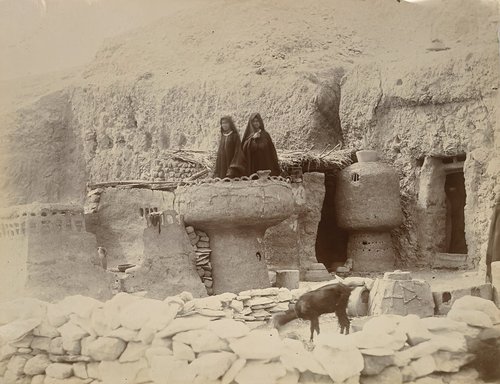
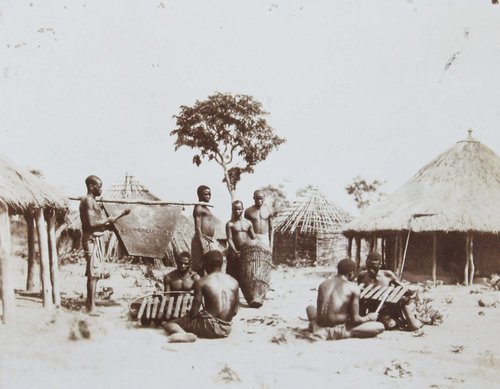
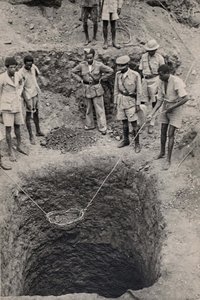
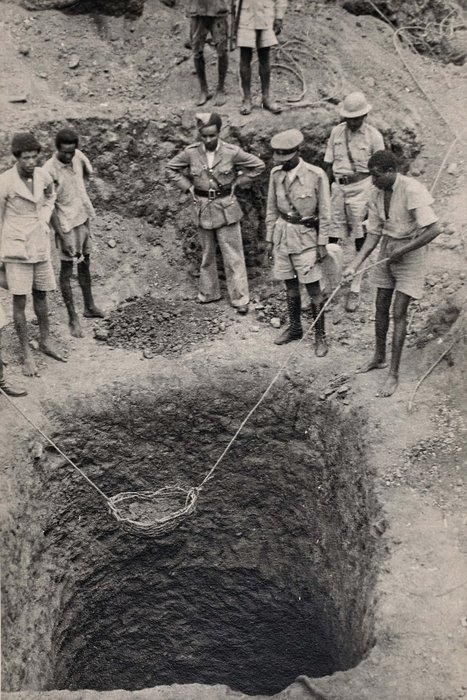
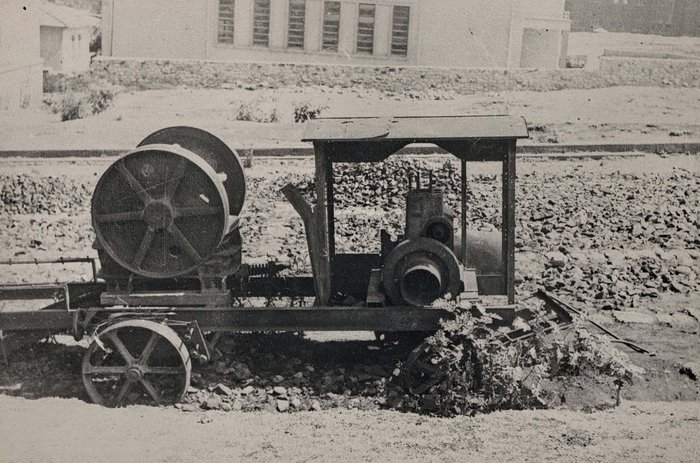
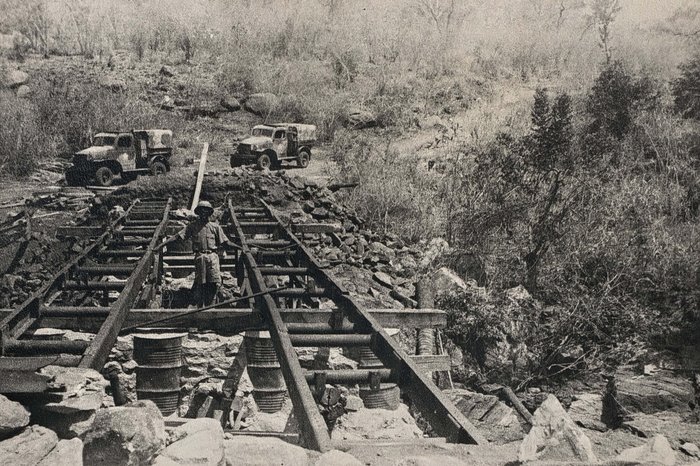
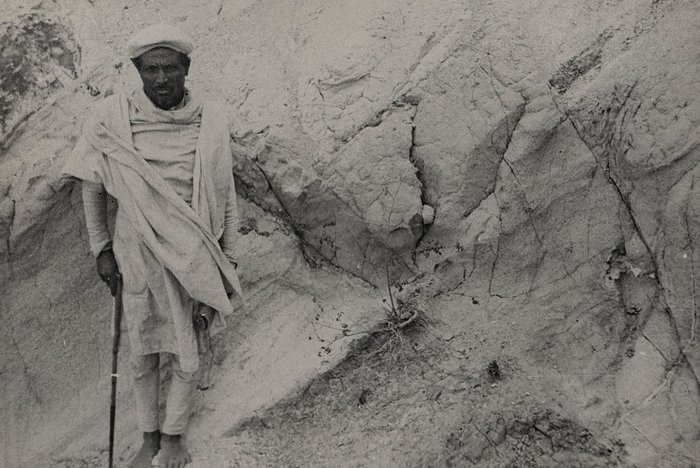
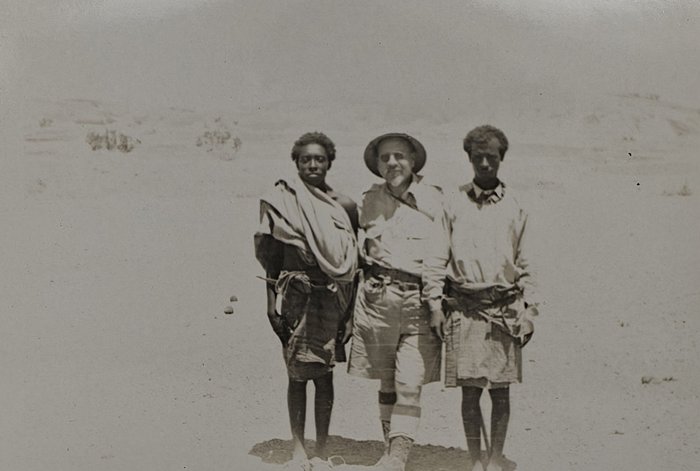
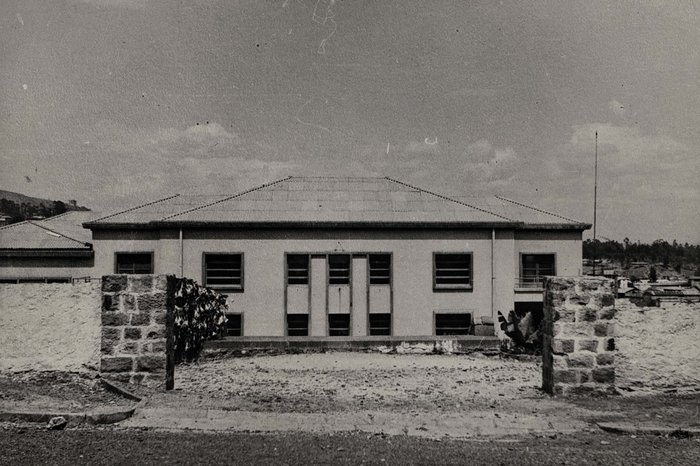
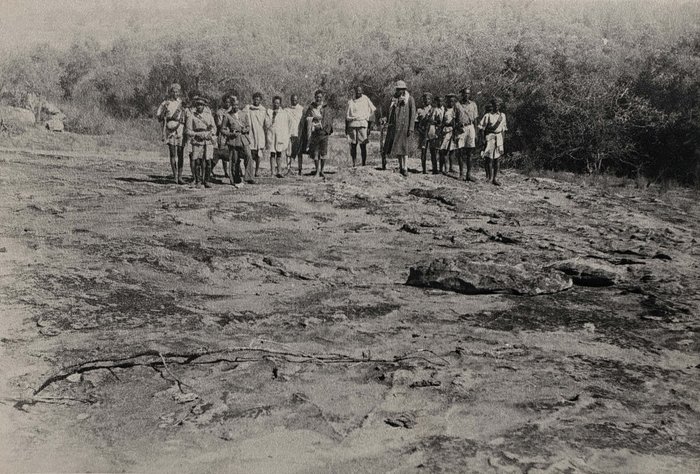
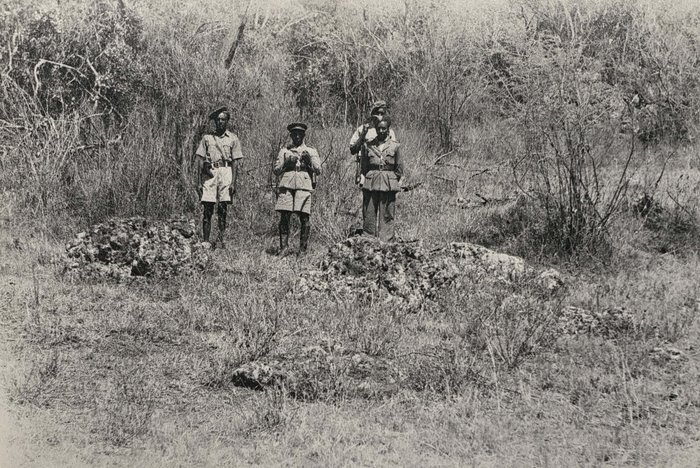
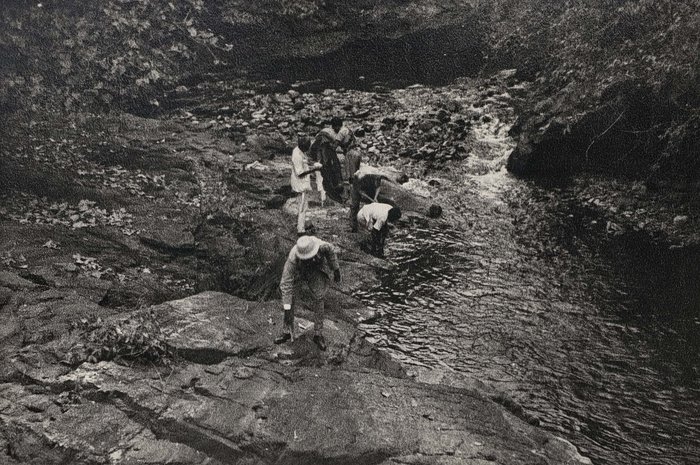
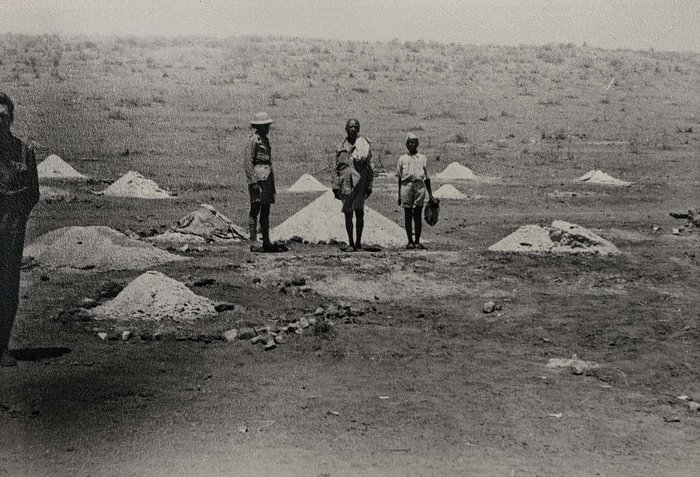
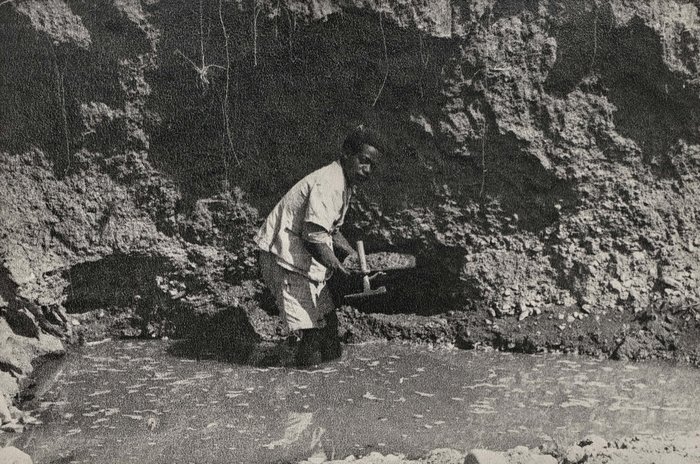
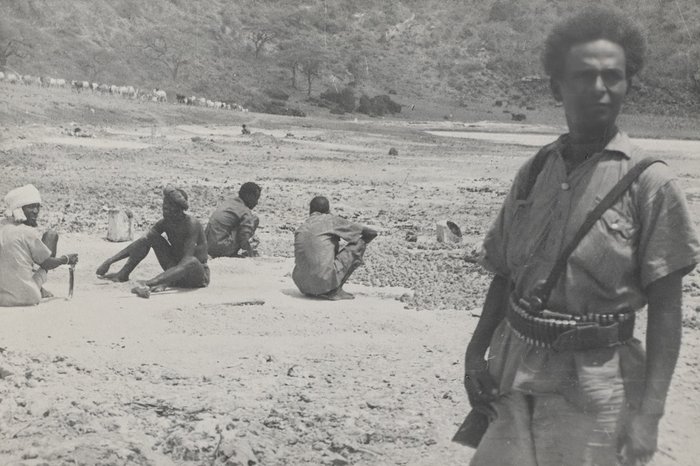
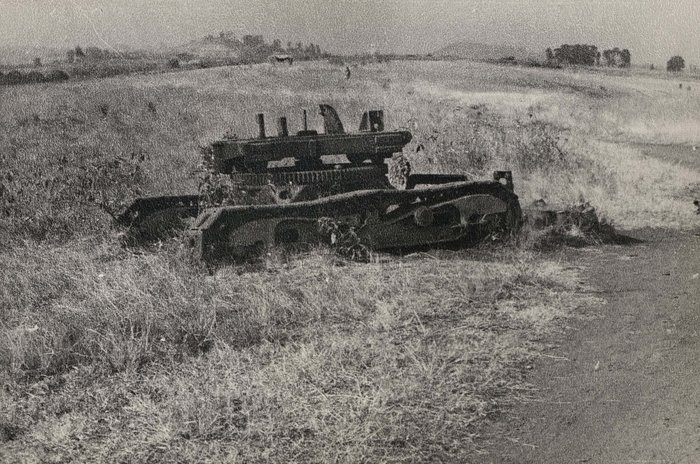
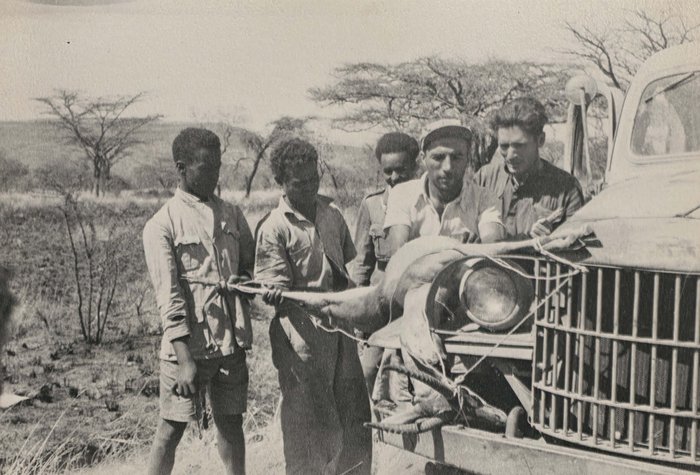
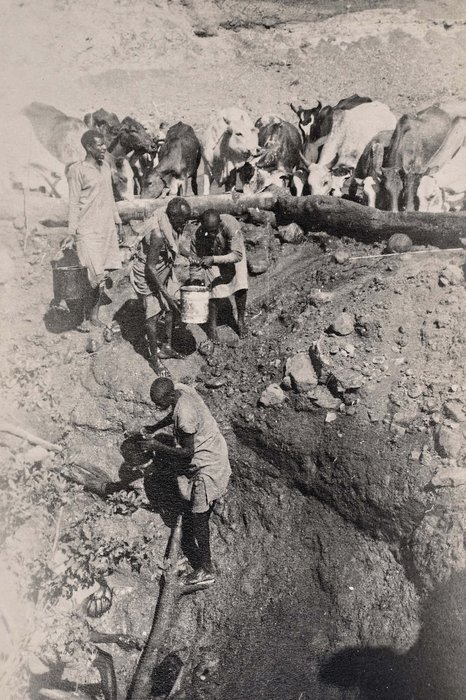
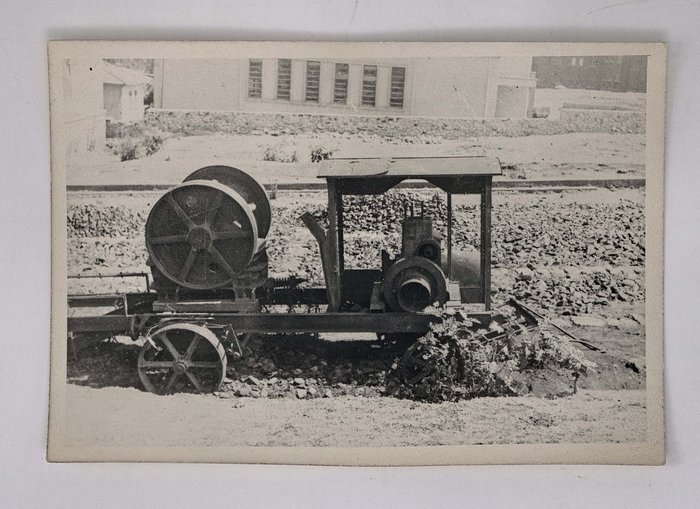
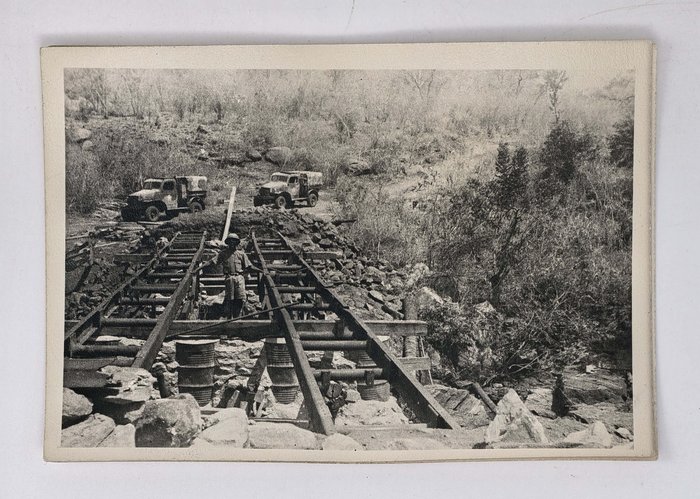
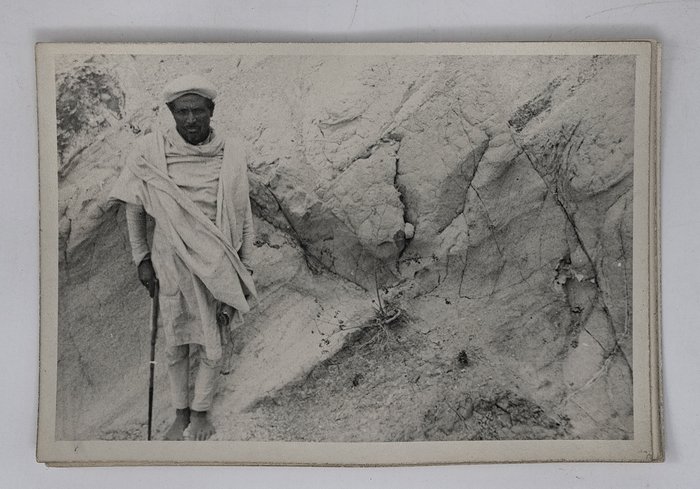
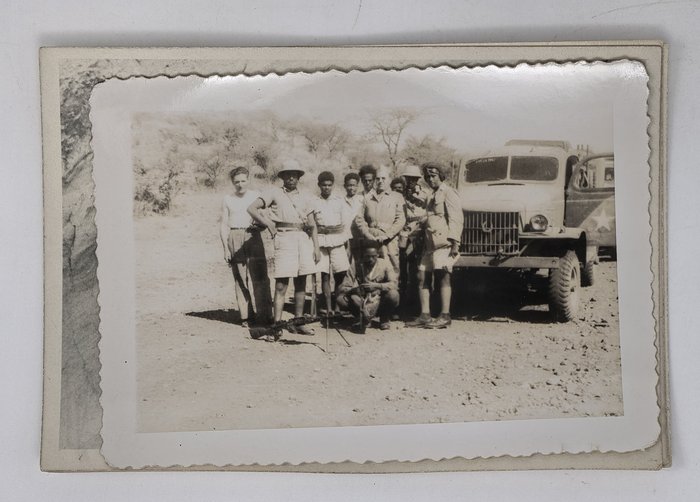
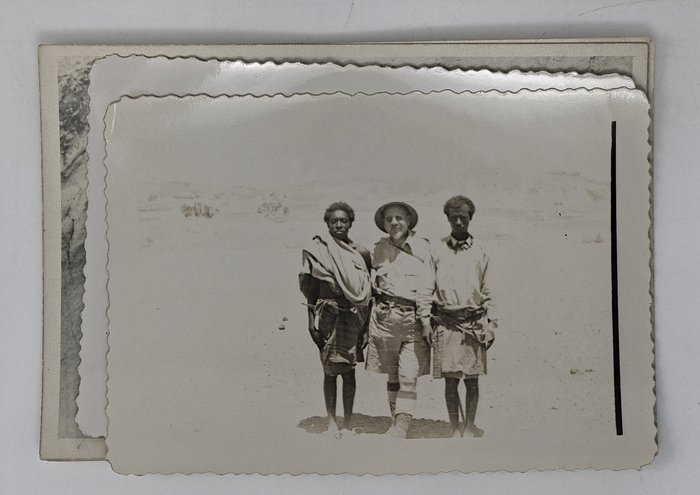
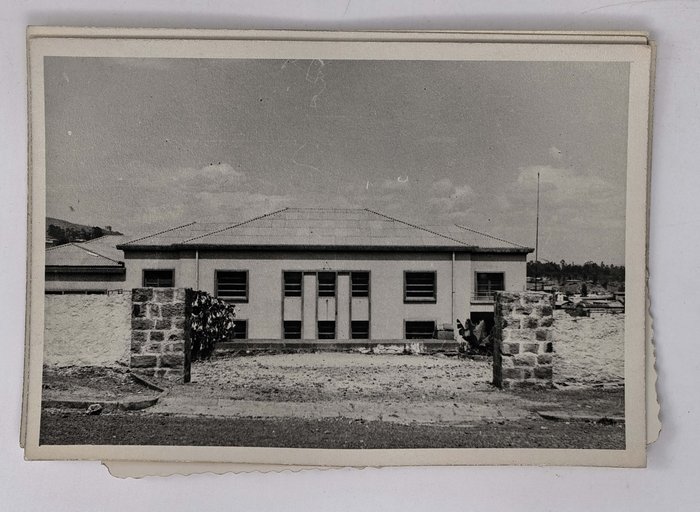
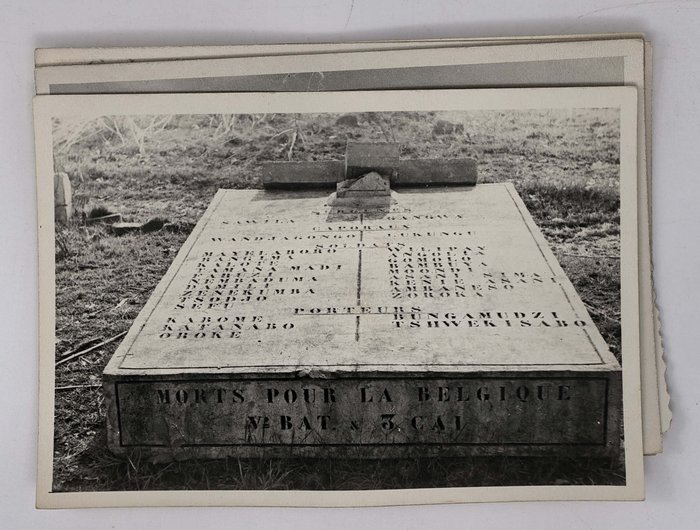
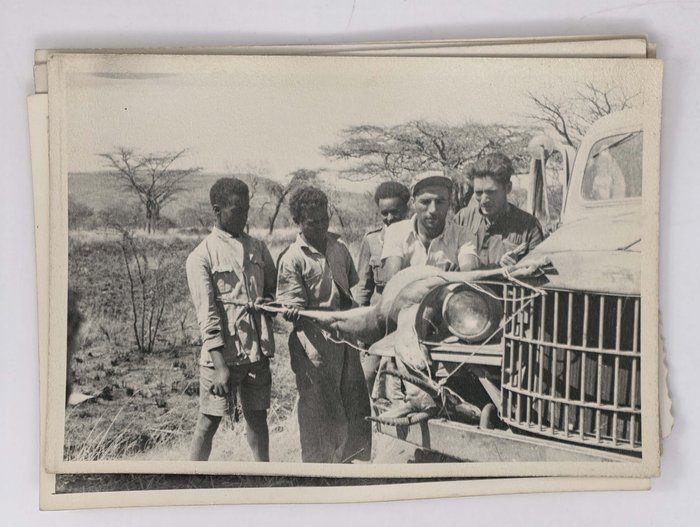
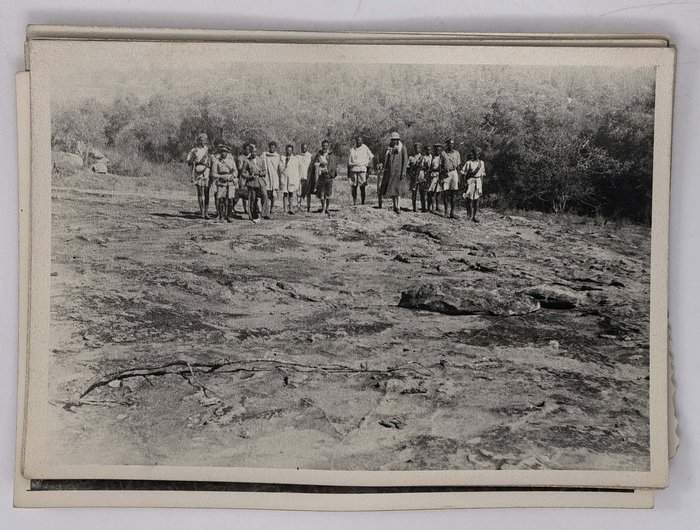
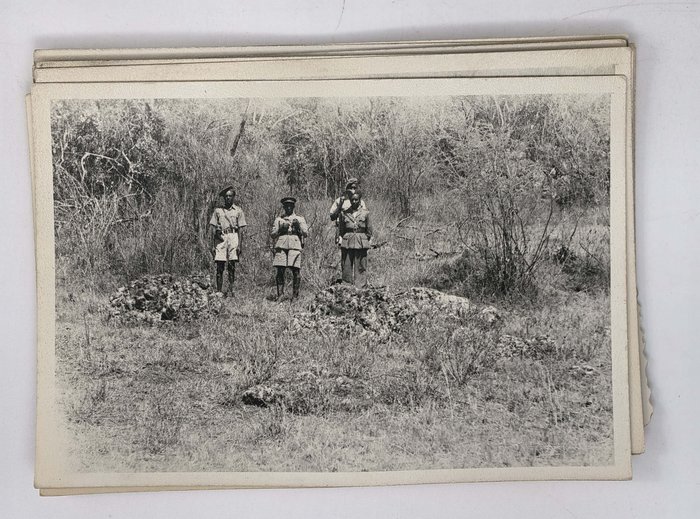
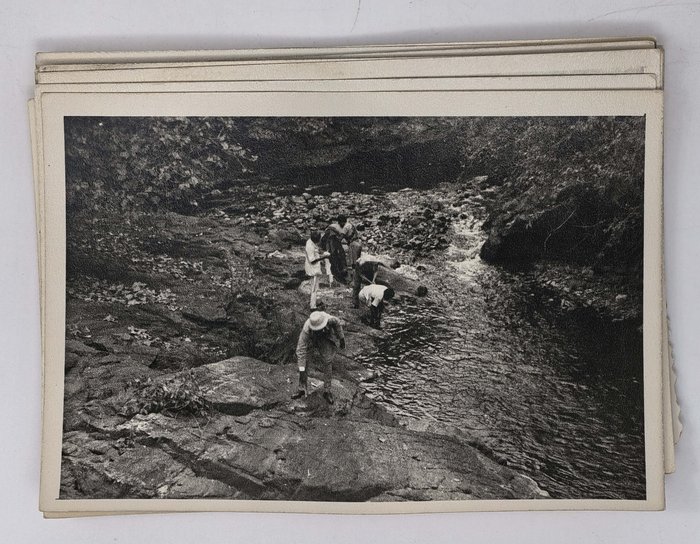
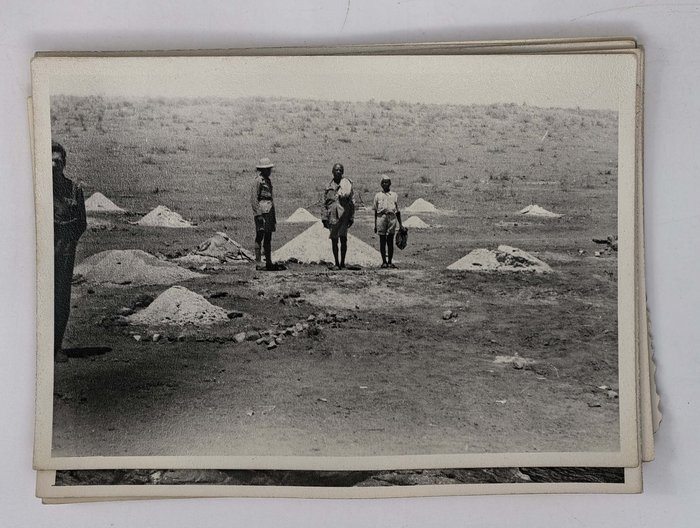
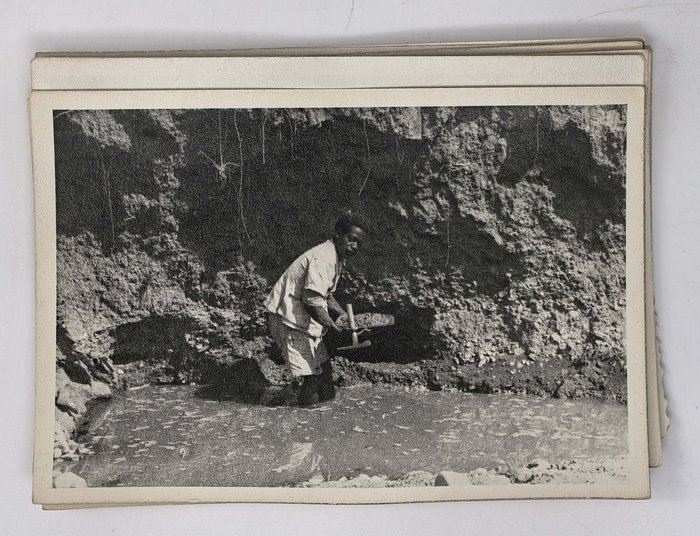
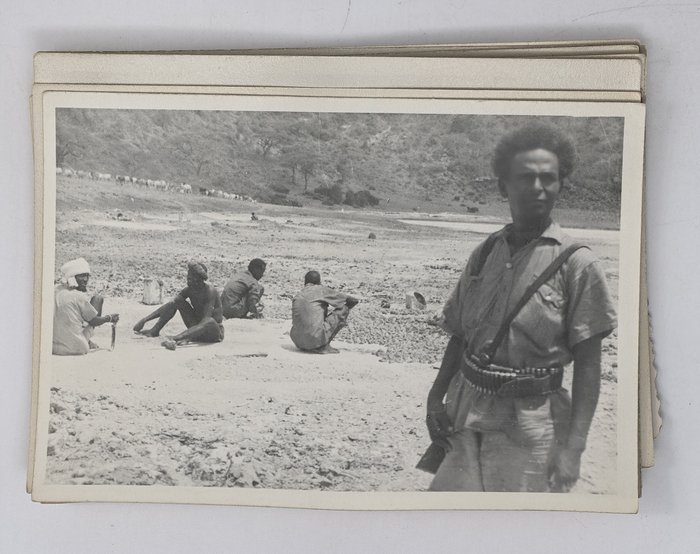
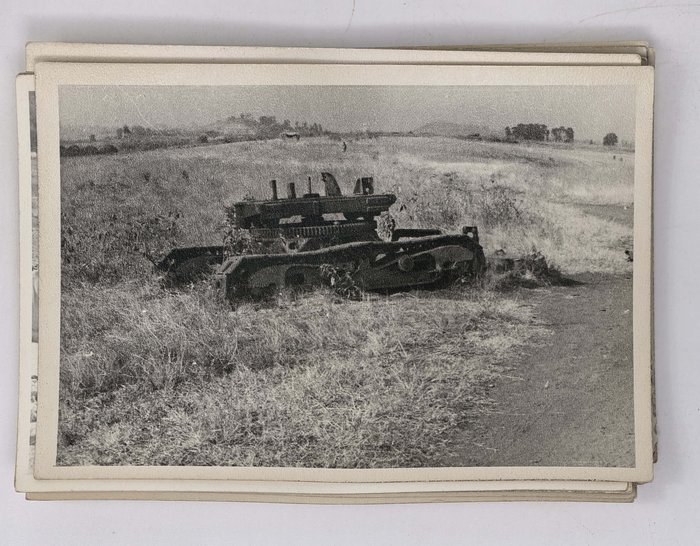
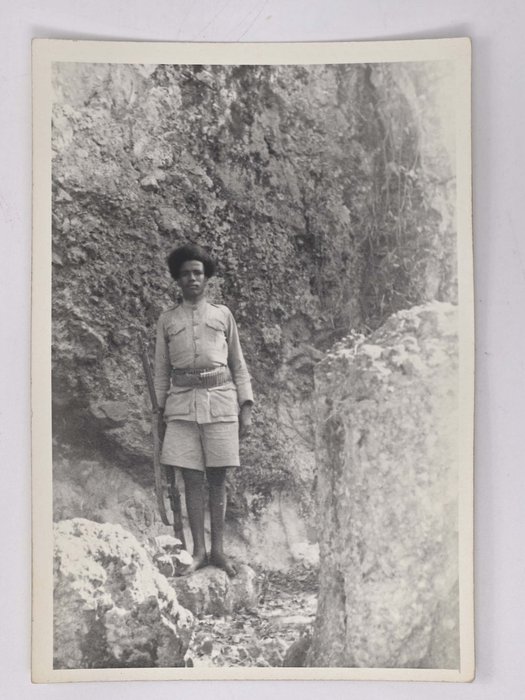
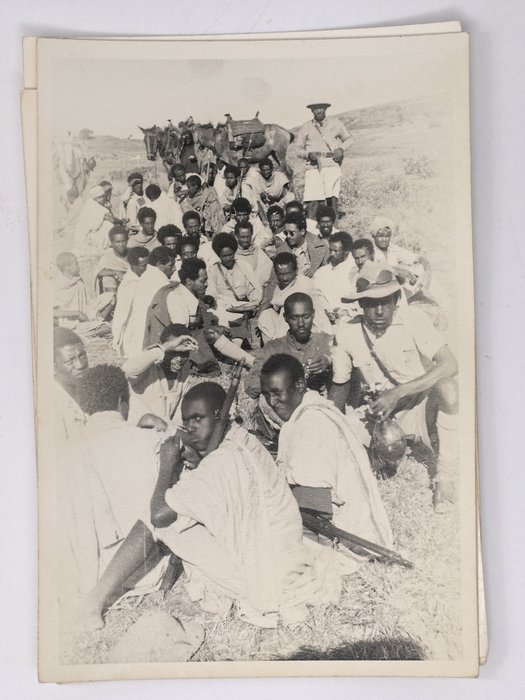
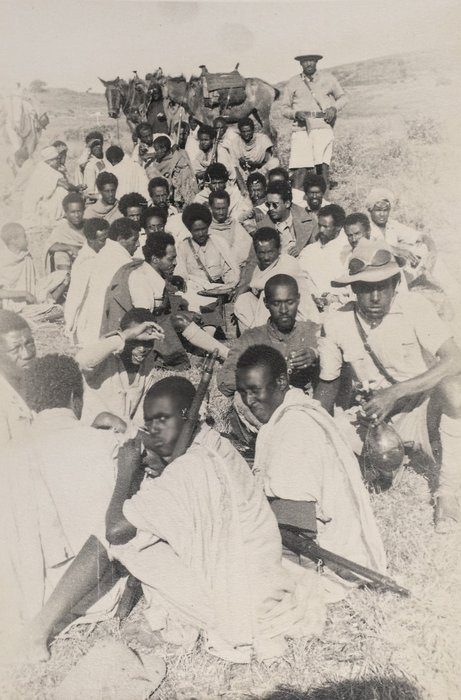
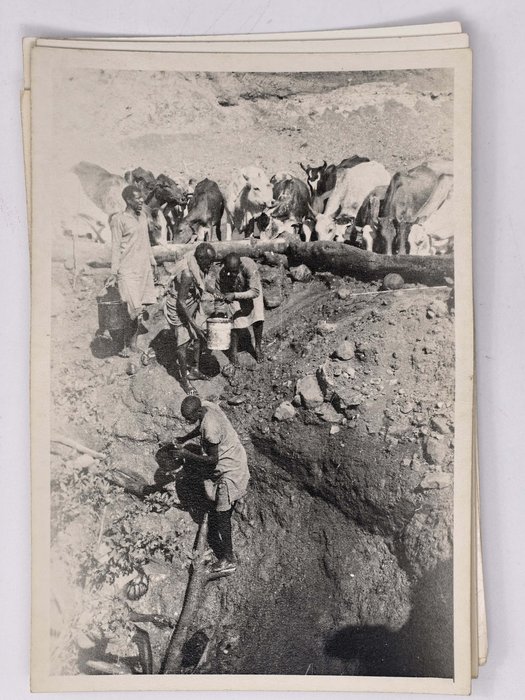
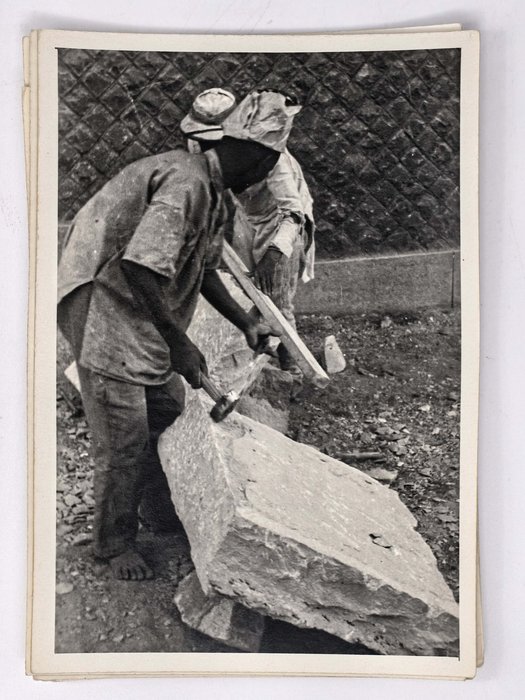
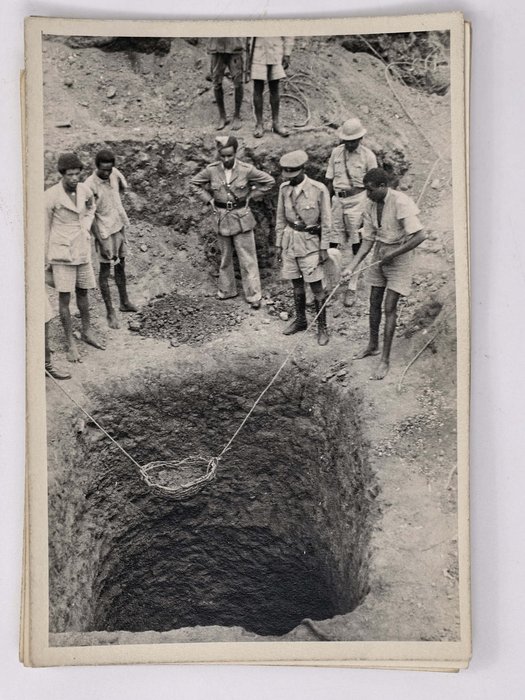
Interesting extensive collection of 223 original gelatin silver snapshot photos, taken during a mining survey expedition (possibly, prospecting for gold) in Italian East Africa (modern-day Eritrea and Ethiopia) in the late 1930s. Possibly set up after the Second Italo-Ethiopian War (1935-1937), the photos follow a party consisting of a European civilian (likely, the Italian expedition leader), several military officers, native soldiers and military trucks, driving across East African landscapes, crossing bridges, posing in front of various geological rock formations or caves, looking for samples in streams, &c. Over a dozen close-up images show a geologist’s hammer, taken in the field next to different rock and earth formations. Four photos show the scenes with Africans performing artisanal gold panning in the streams; one image depicts miners operating a sluice box. There are also several photos of damaged or destroyed bridges and remnants of a tank in a field (likely, the echo of the Second Italo-Ethiopian War). Other photos show East African mountains and valleys, rivers, forests, roads, bridges, villages, cattle herds, native people, &c. There are also views of the Obelisk of Axum and Ethiopian megalithic stellae (possibly, in Tuto Fela, Gedeo Zone of Ethiopia), a military memorial with the Italian fascist eagle emblem and sign “Direzione Lavori […?] Eritrea,” a gravestone for “Morts pour la Belgique,” two Italian modernist buildings &c. Overall, an interesting extensive collection of original snapshot photos of mineral surveys in Ethiopia and Eritrea during the Italian occupation in the 1930s.
The colonial Mining Service in Italian Ethiopia commenced gold exploration in 1936, initially focusing on placer mining near Tulu Kapi in the south-west of the country. “The valorization of Western regions of Ethiopia was entrusted to S.A.P.I.E.-PRASSO and to the Societa Mineraria Italo-Tedesca (S.M.I.T.). <…> The operational infrastructure of S.A.P.I.E. had a clear military setting: the prospecting groups, called “Colonne” (corps), reported to the General Directorate of Research, with offices in Yubdo, and were coordinated by a specialist engineer. In Yubdo, there was also a laboratory for the analysis of samples collected during the various prospecting stages. Each corps was formed by 35/40 Italian and indigenous men, often escorted by Ascari (Eritrean soldiers embedded in the Italian colonial army), and was dedicated to the exploration of a specific district <…>” (Granitzio, F. & others. Tulu Kapi Gold Project: a History of repeated discoveries in Western Ethiopia// KEFI Gold & Copper Co.; see more).