



#PF77
Ca. 1929
Oblong Quarto (ca. 19x27,5 cm or 7 ½ x 10 ¾ in). 11 card stock leaves with tissue guards. With 30 mounted original gelatin silver photos, including two large images ca. 15x20 cm (6 x 7 ¾ in); the rest of the images are from ca. 11,5x15,5 cm (4 ½ x 6 in) to ca. 6x10 cm (2 ¼ x 4 in). Leaves with twelve mounted paper labels with period ink captions, related to one or two images. With a loosely inserted large photo ca. 16x21 cm (6 ¼ x 8 ¼ in), period pencil caption on verso; housed in the original envelope with a period ink note “Prints of “A” Flight Formation, Mr. Baker.” Period grey card album fastened with a string; paper label with an ink title mounted on the front cover. Covers with minor creases on extremities, first tissue guard detached from the stub and loosely inserted, one photo previously removed, but overall a very good album of interesting strong photos.
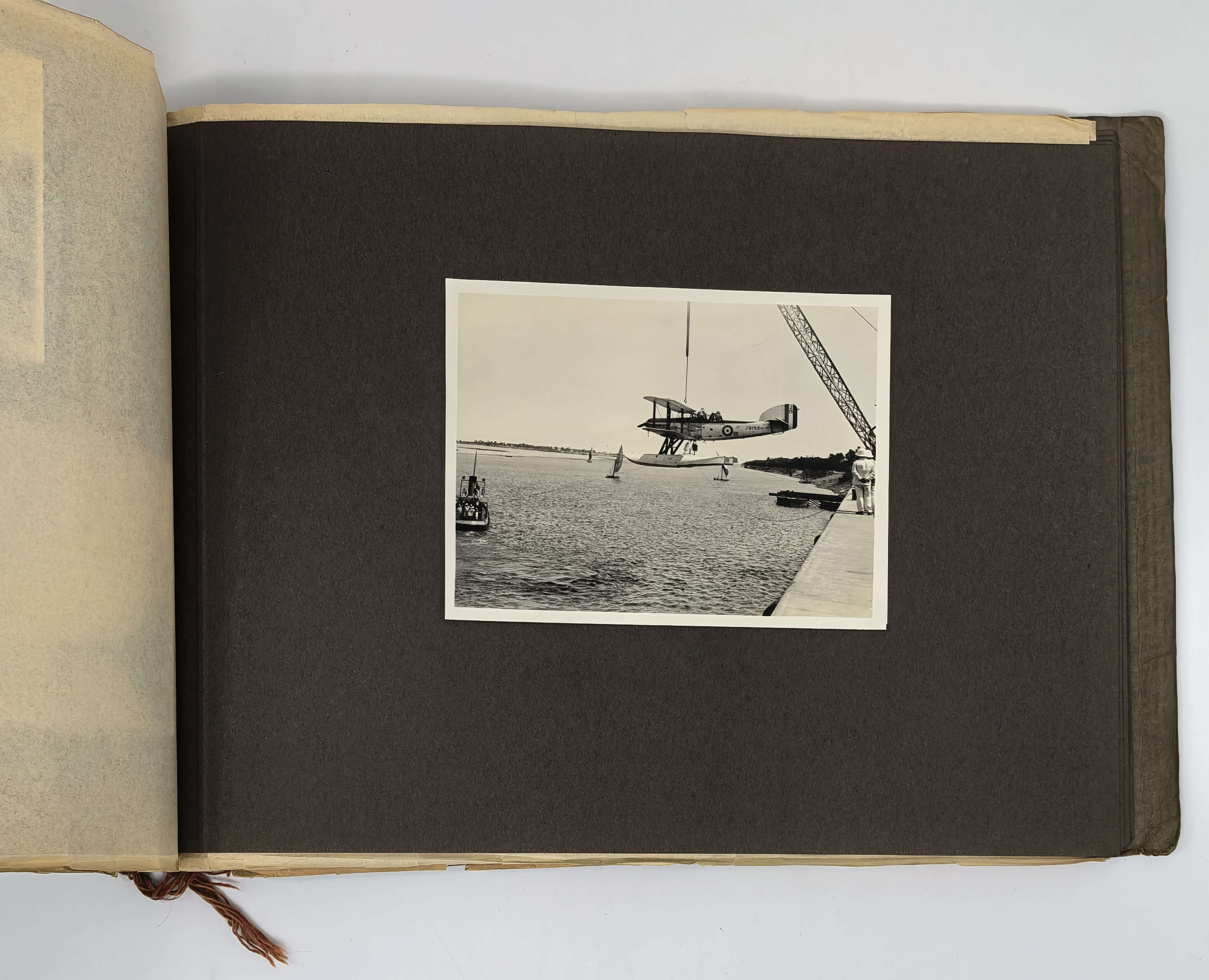
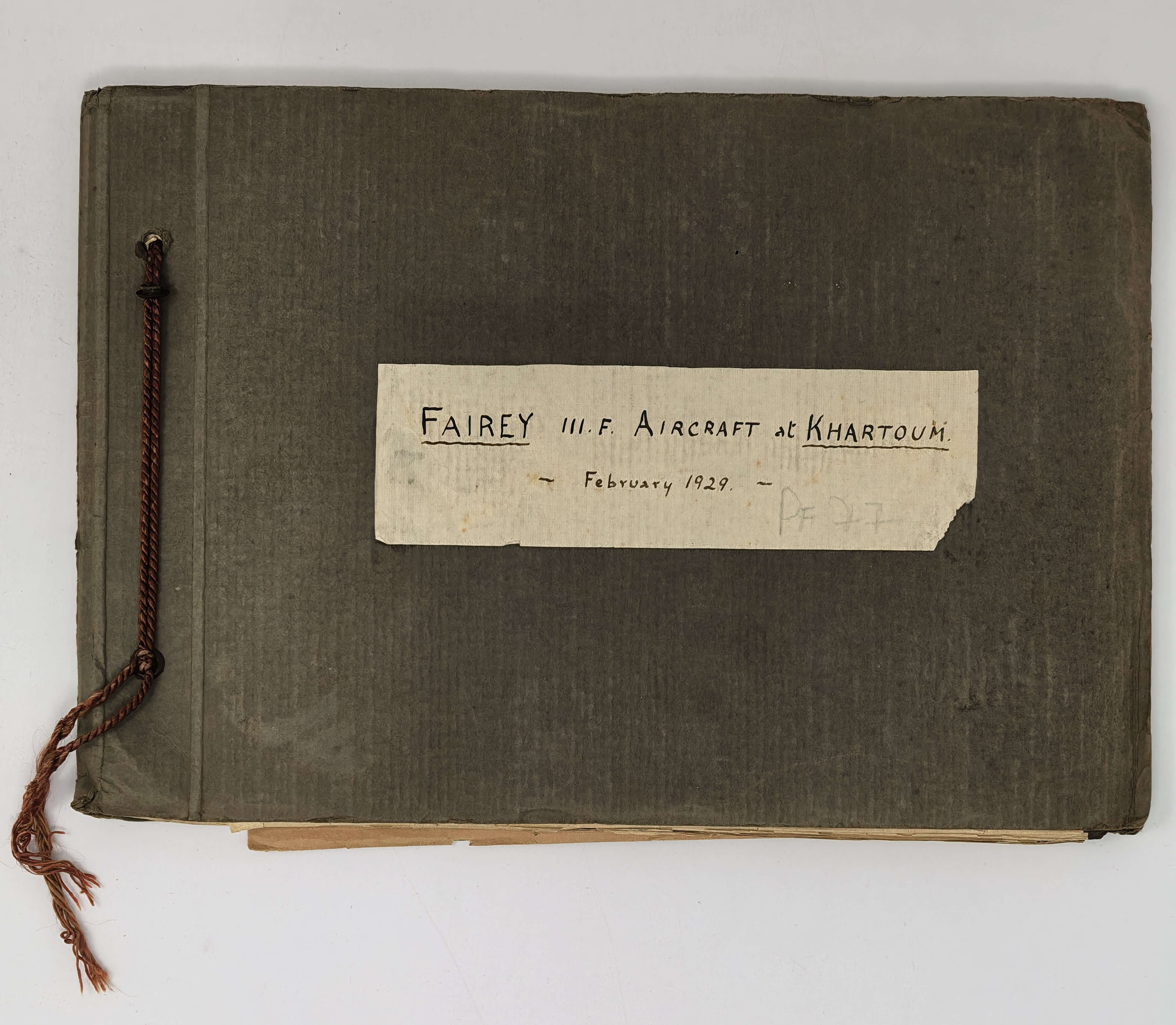
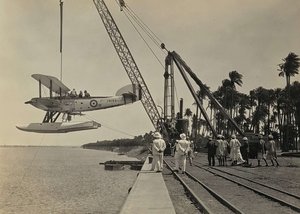
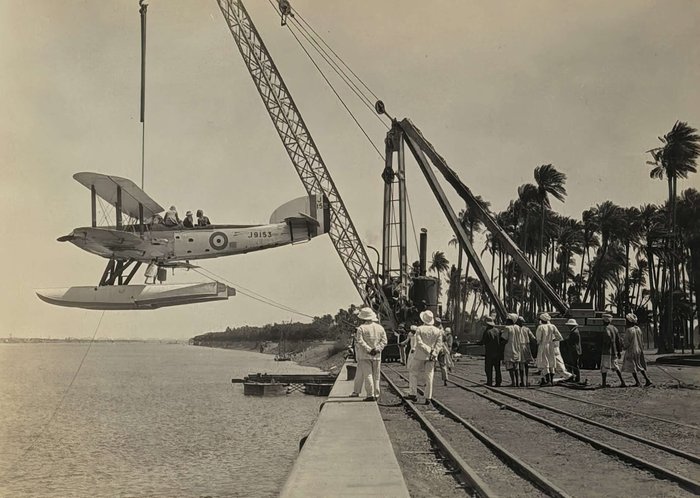
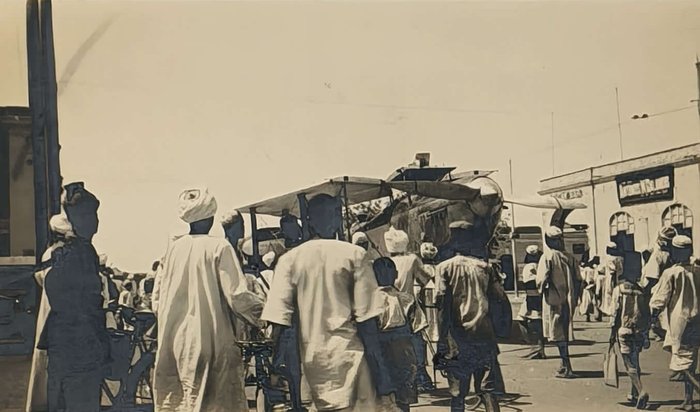
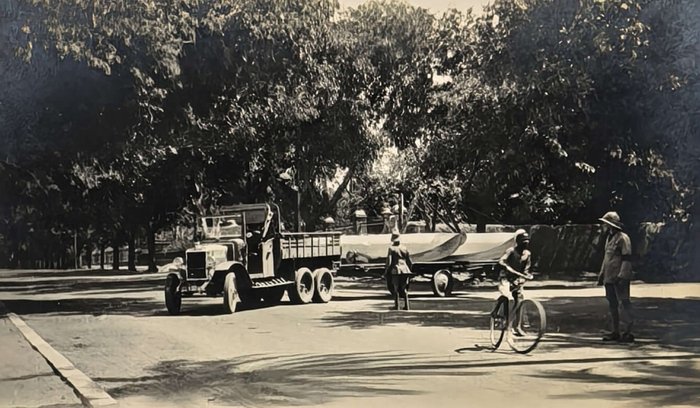
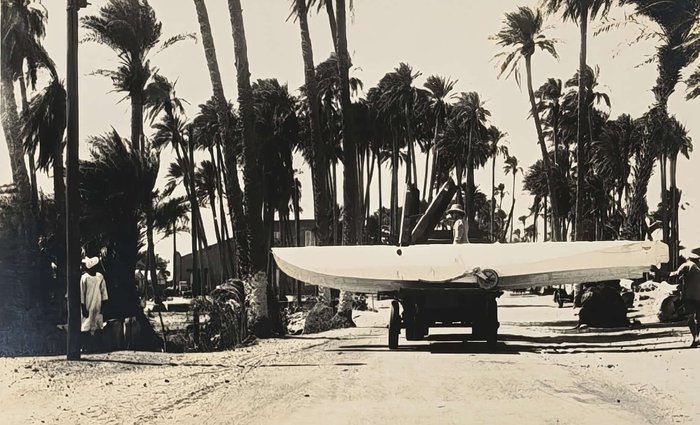
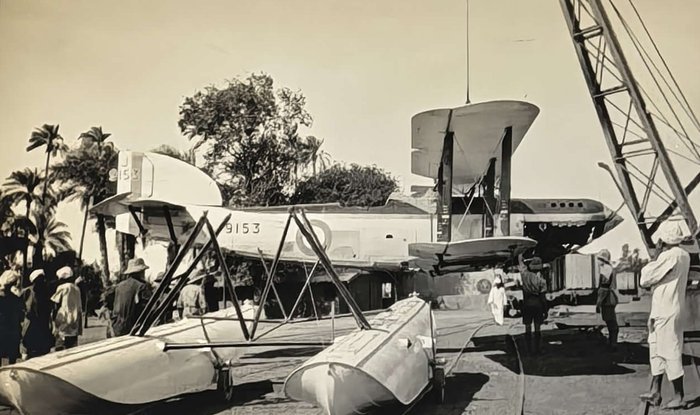
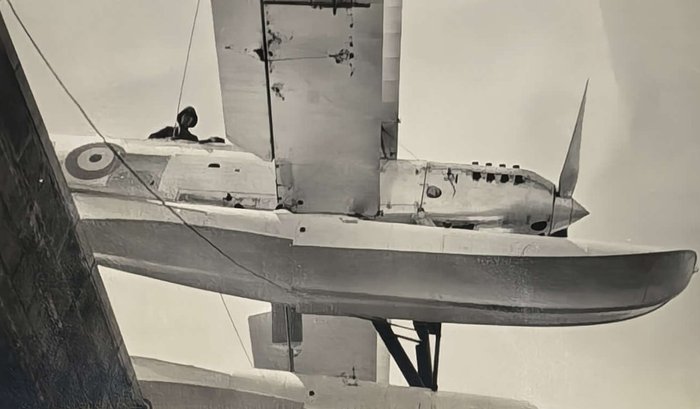
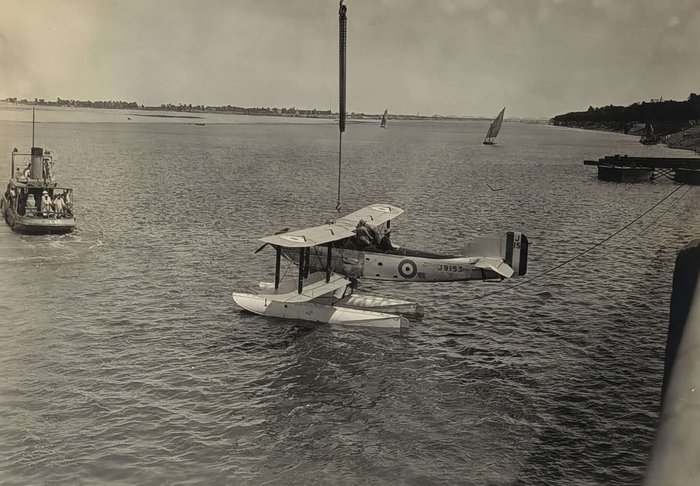
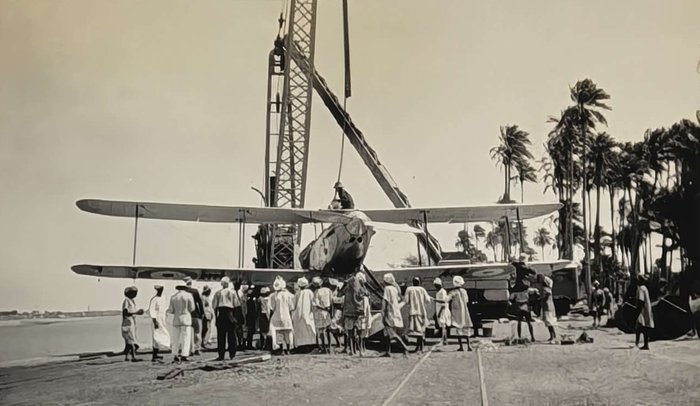
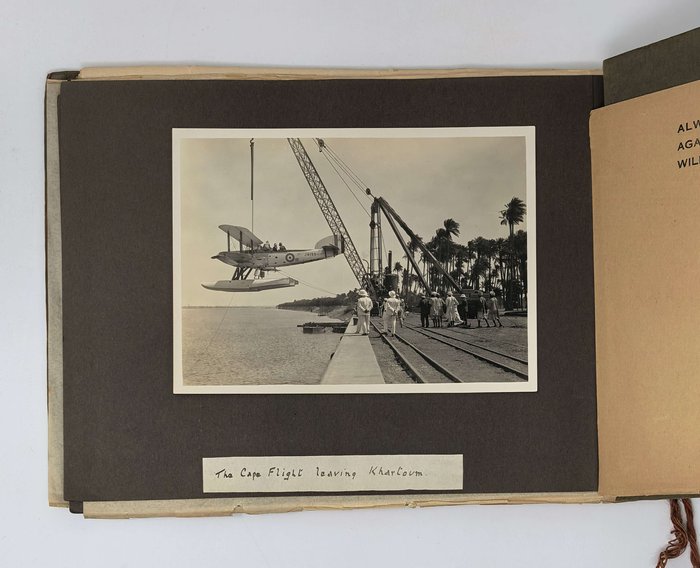
Historically significant album with original gelatin silver photos, documenting the transportation and launching of one of the first Fairey III F. floatplanes in Khartoum in 1929.
“Featuring composite construction, i.e. metal fuselage and wooden wings (the whole fabric-covered), the first IIIFs to enter RAF service were Mk. IVCs shipped to No. 47 (General Purpose) Squadron at Khartoum, replacing aged Brisfits. Station Commander at Khartoum was Air Commodore C.F. Samson, and this officer led the Squadron in the 1927 Cairo-Cape Town return training flight, a traditional goodwill sortie undertaken in turn by RAF squadrons based in the Middle East. No. 47 was among the few amphibious squadrons in the RAF and in 1929 received a number of IIIF floatplanes which operated from the Nile at Khartoum” (Mason, F.K. The Fairey IIIF// London: Profile Publications, [1965], pp. 4-5).
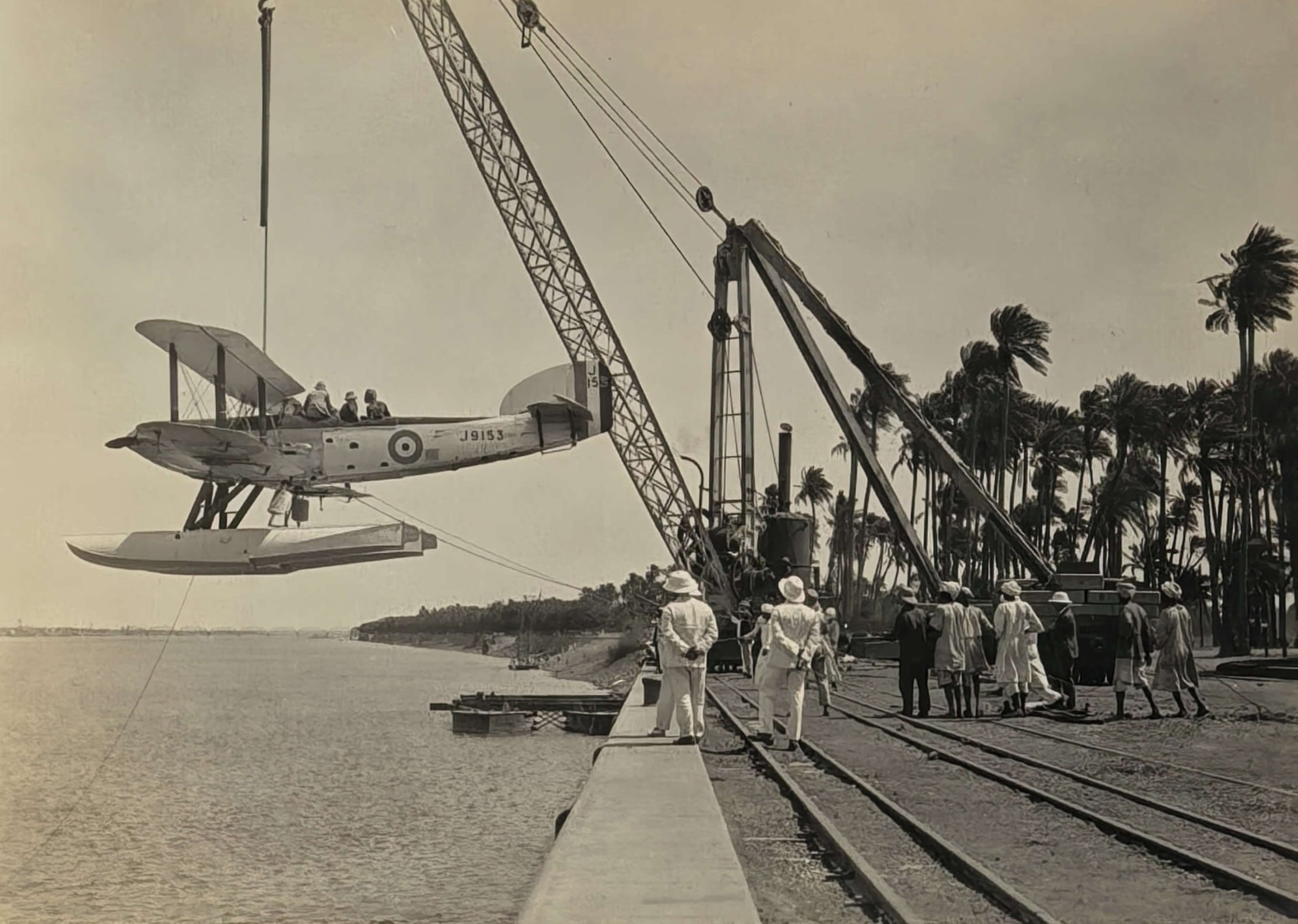
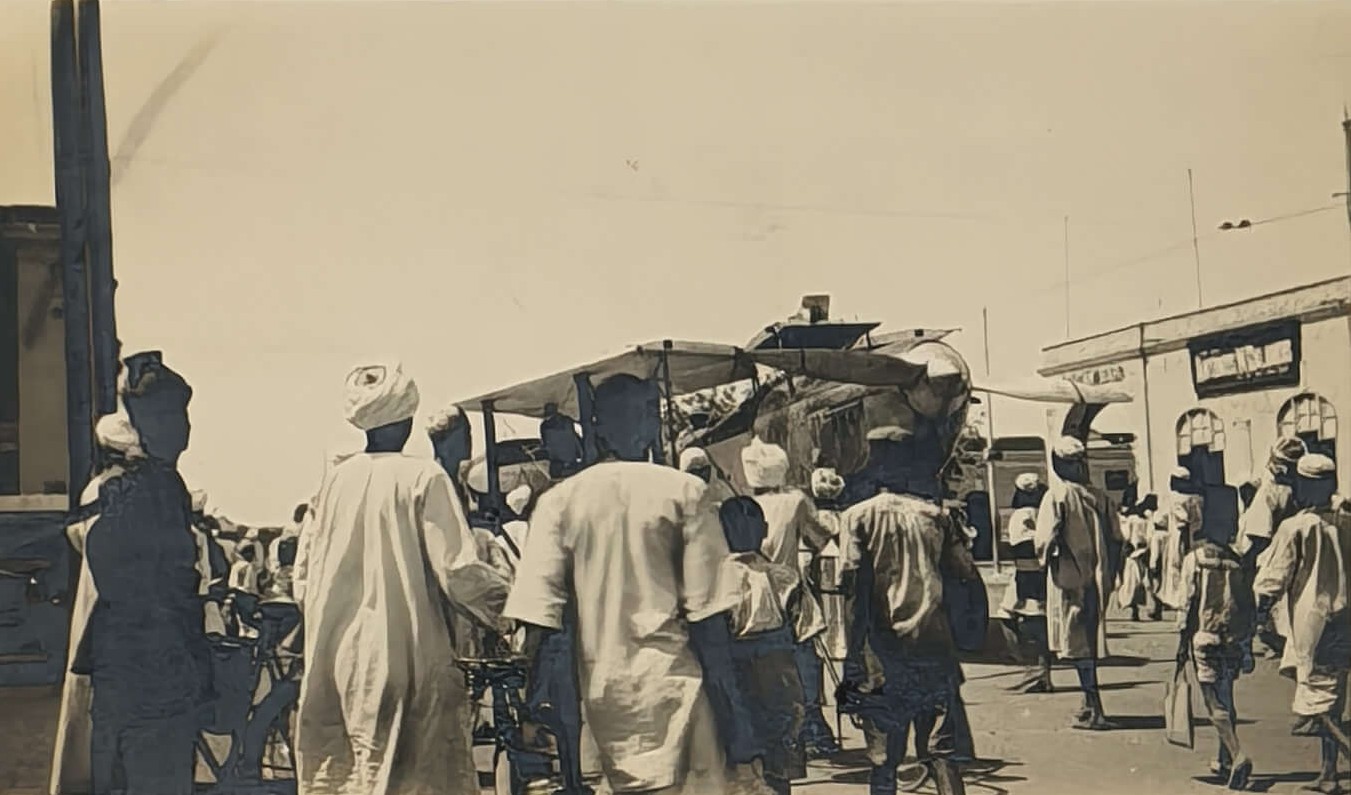
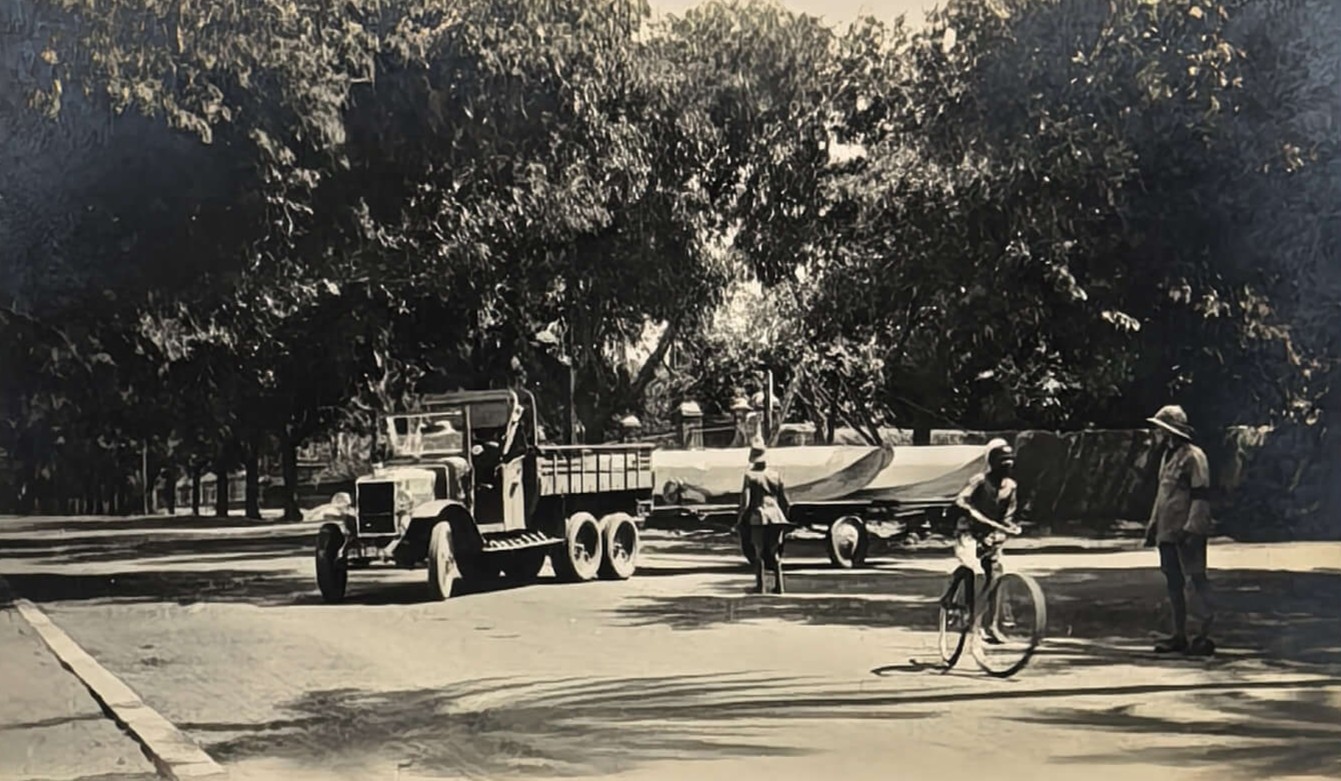
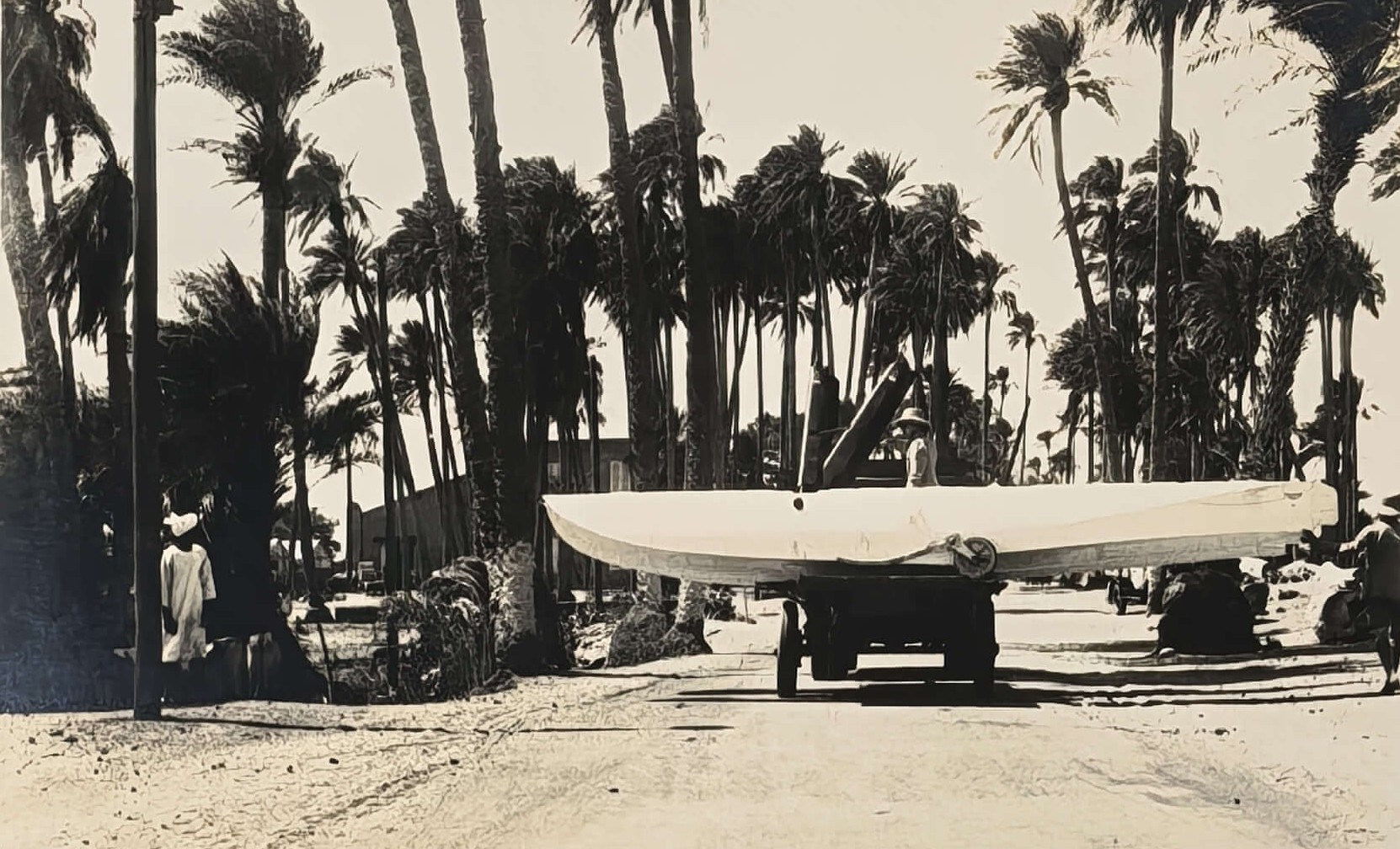
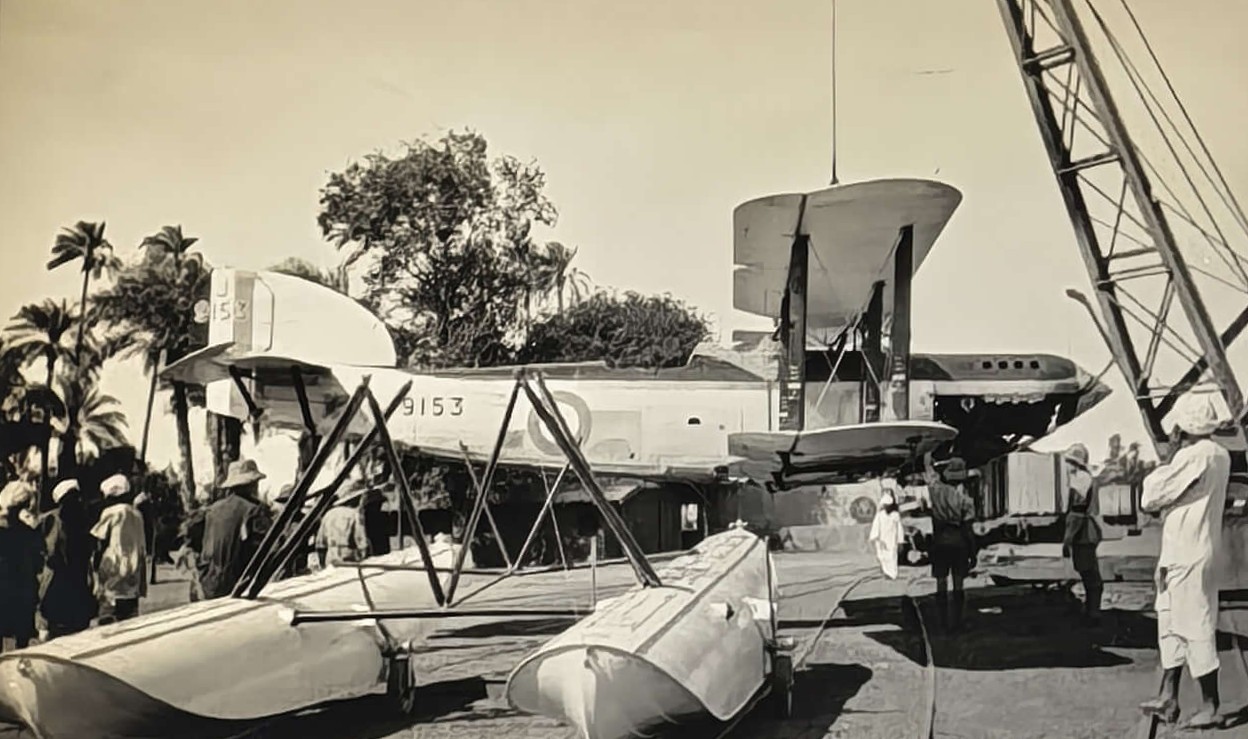
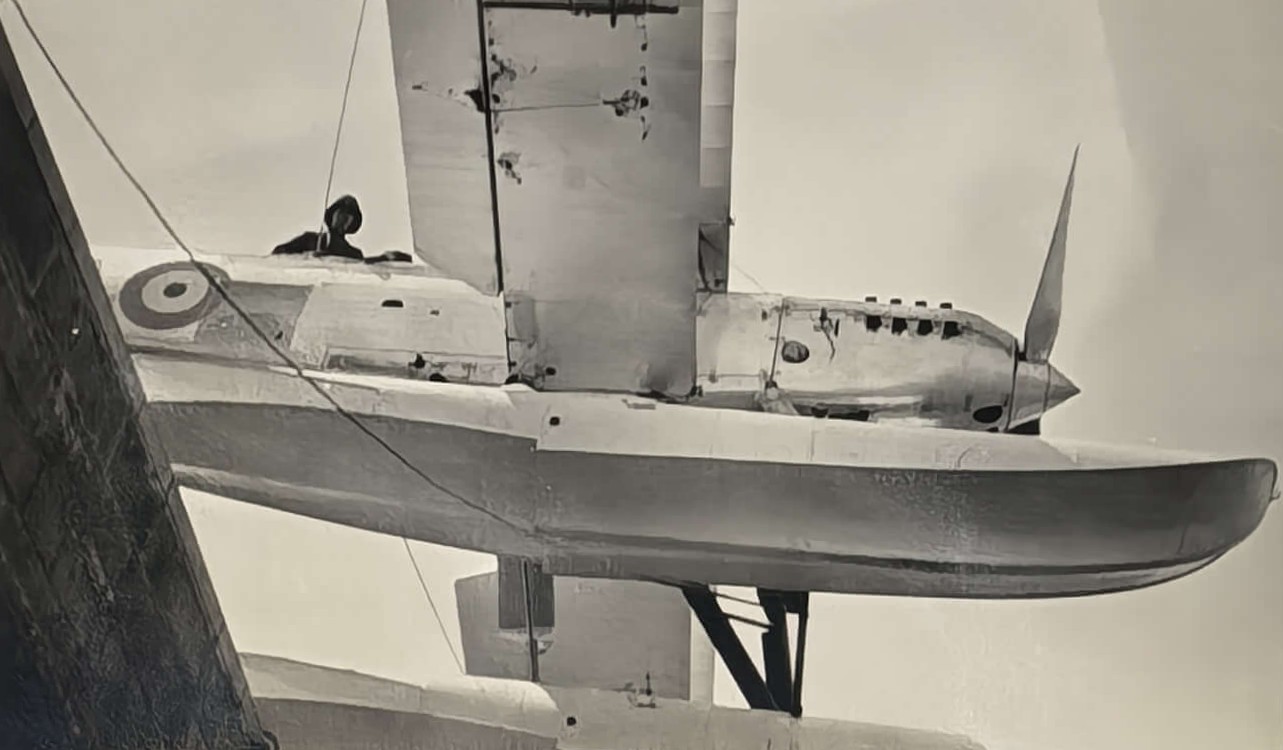
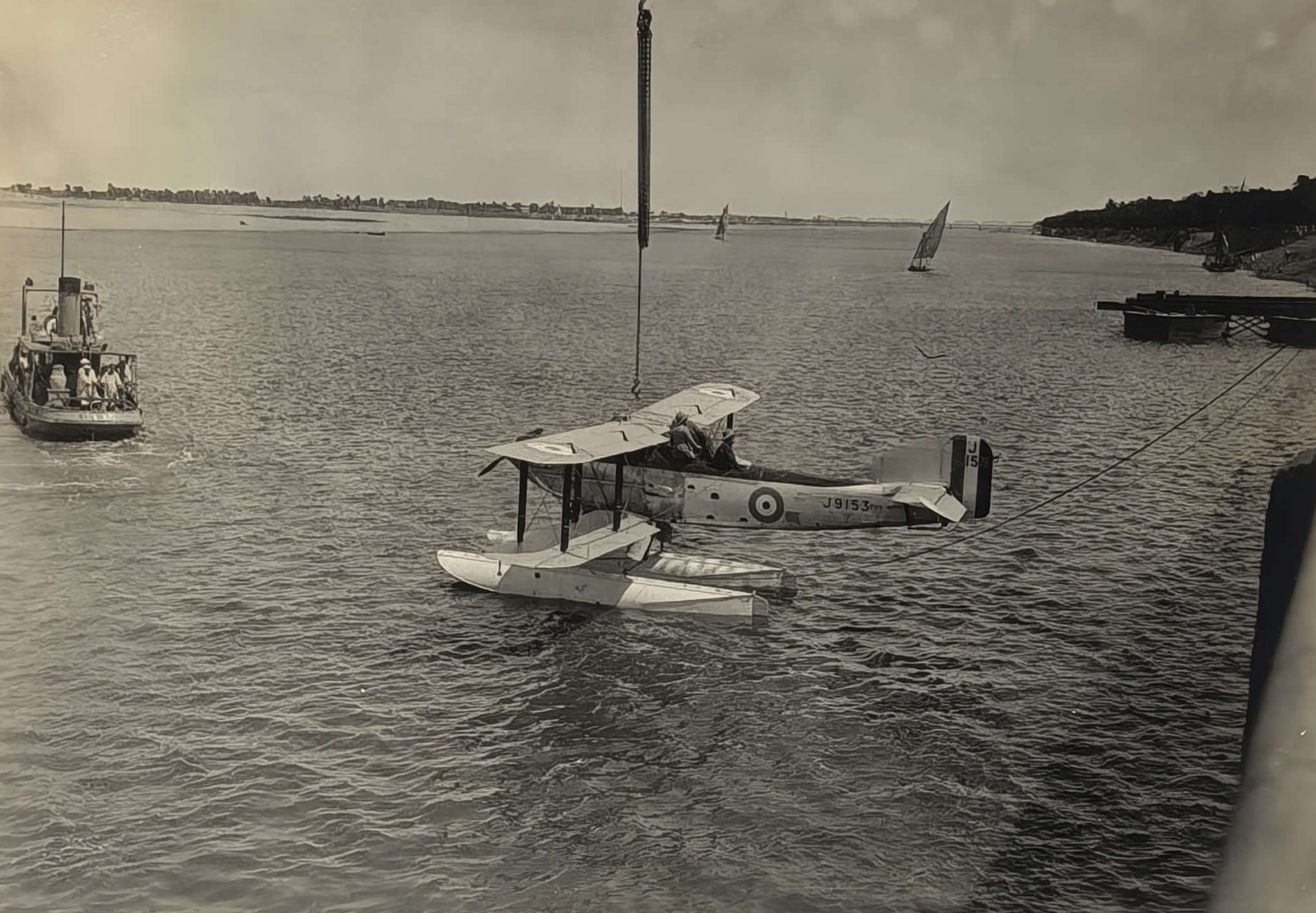
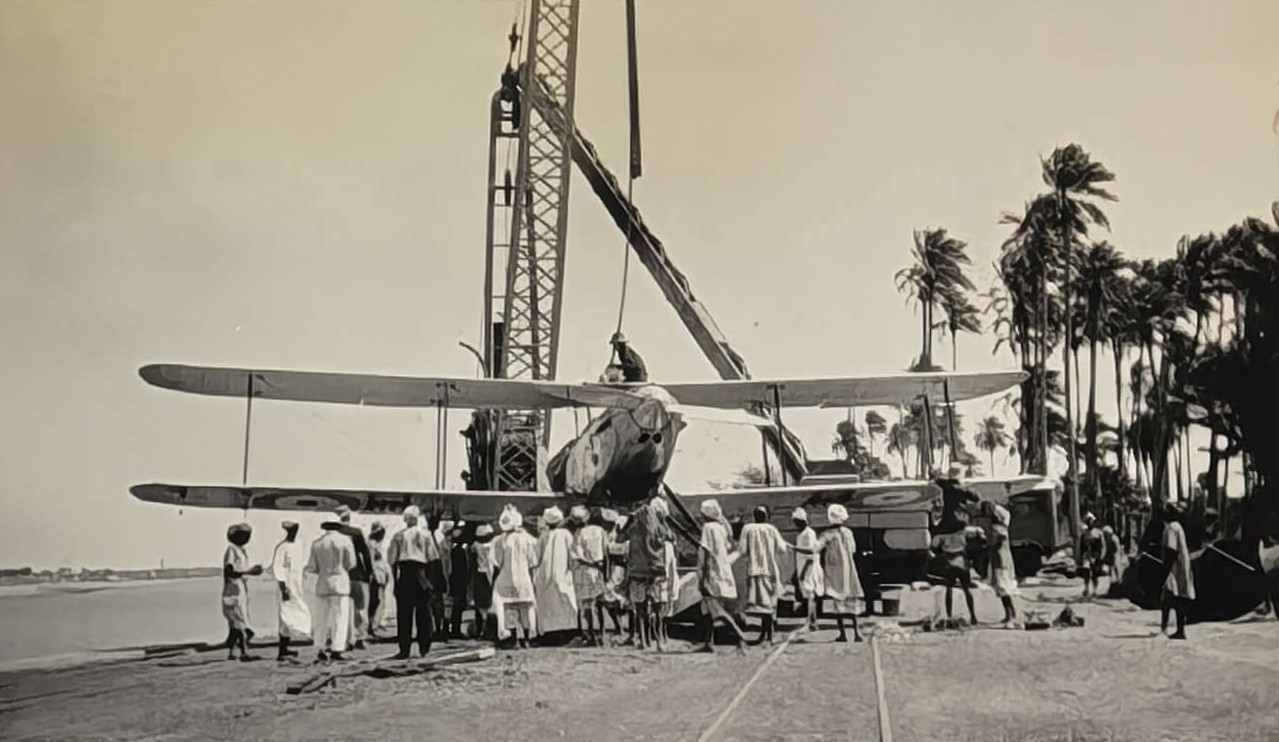
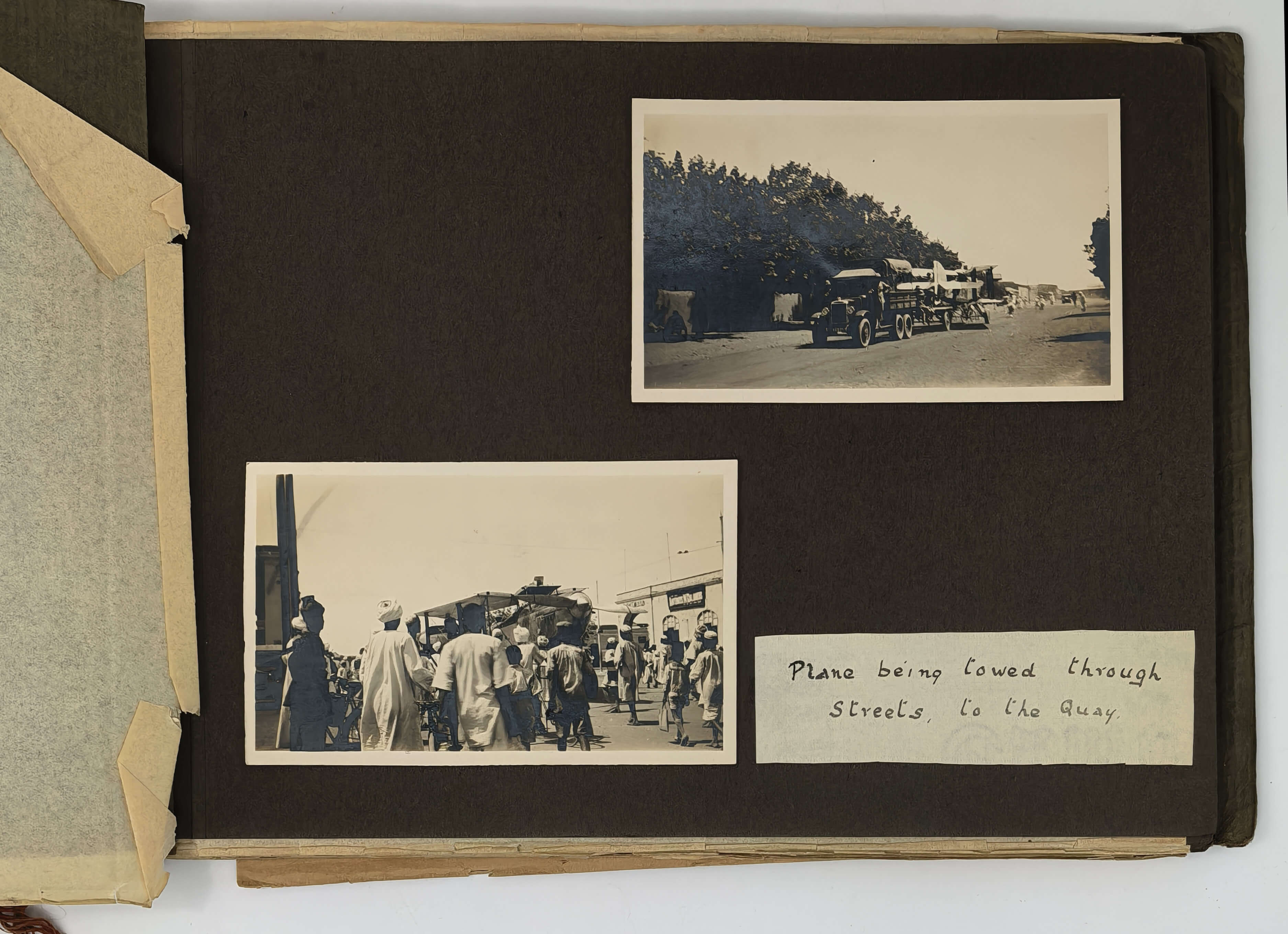
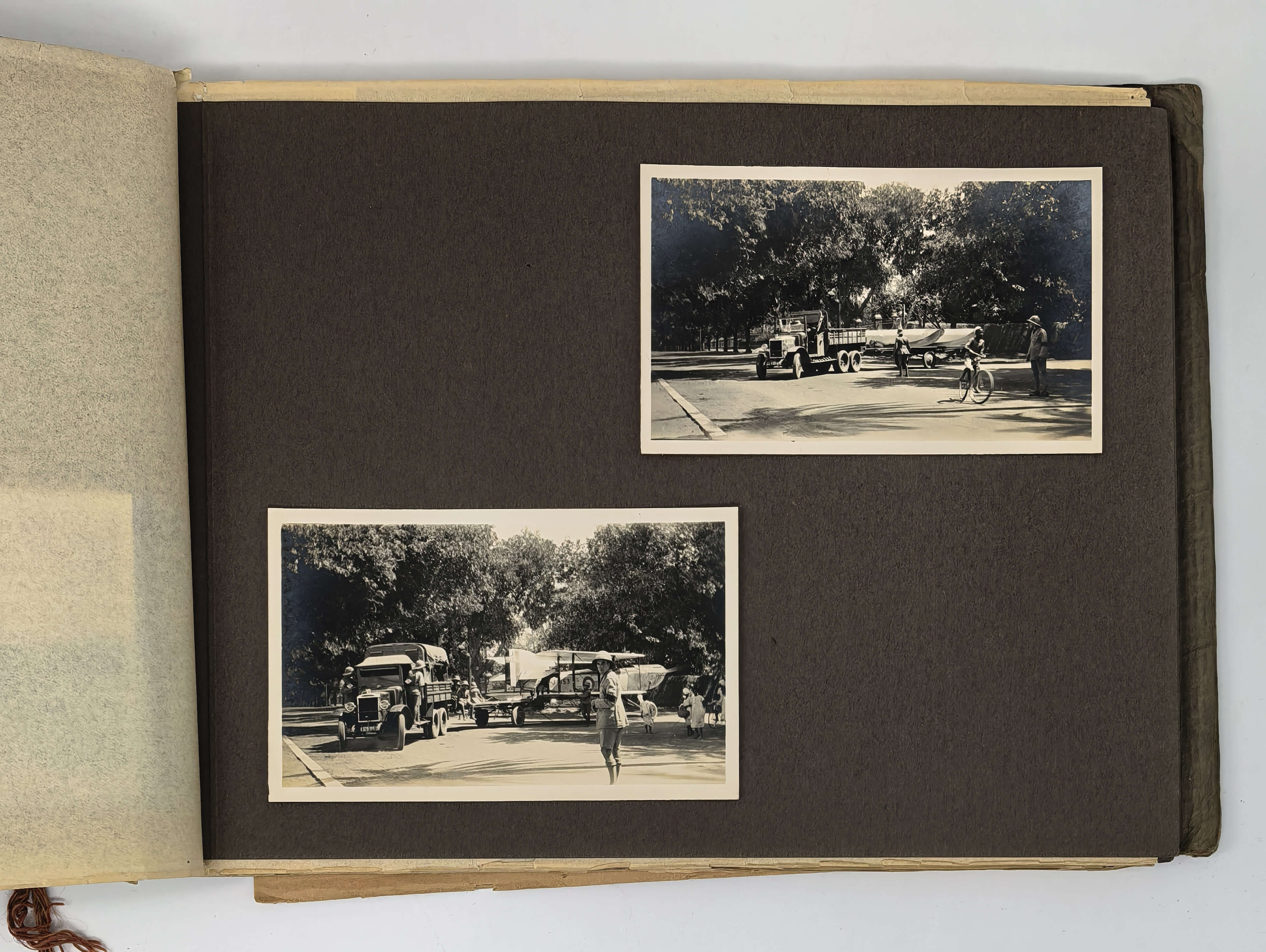
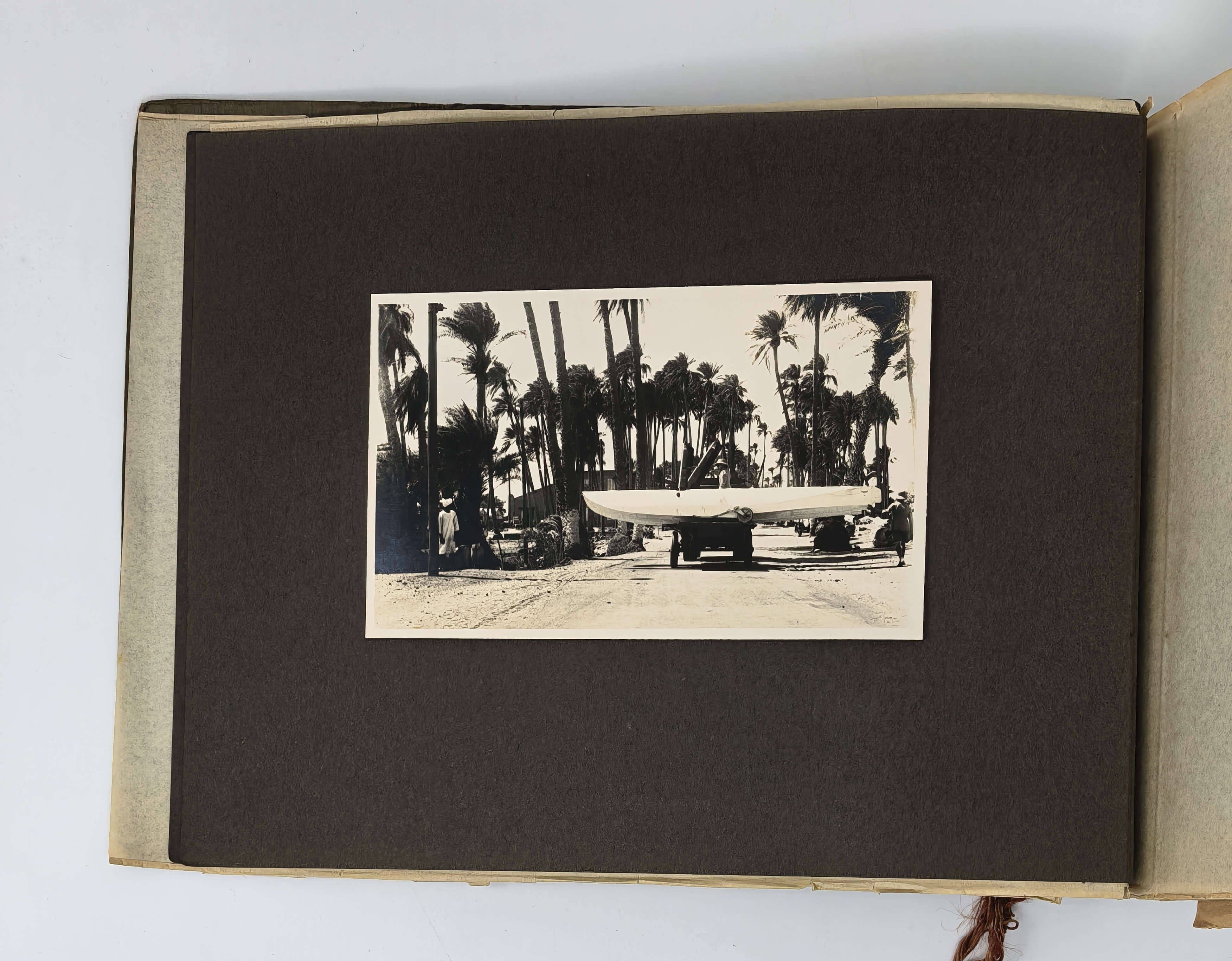
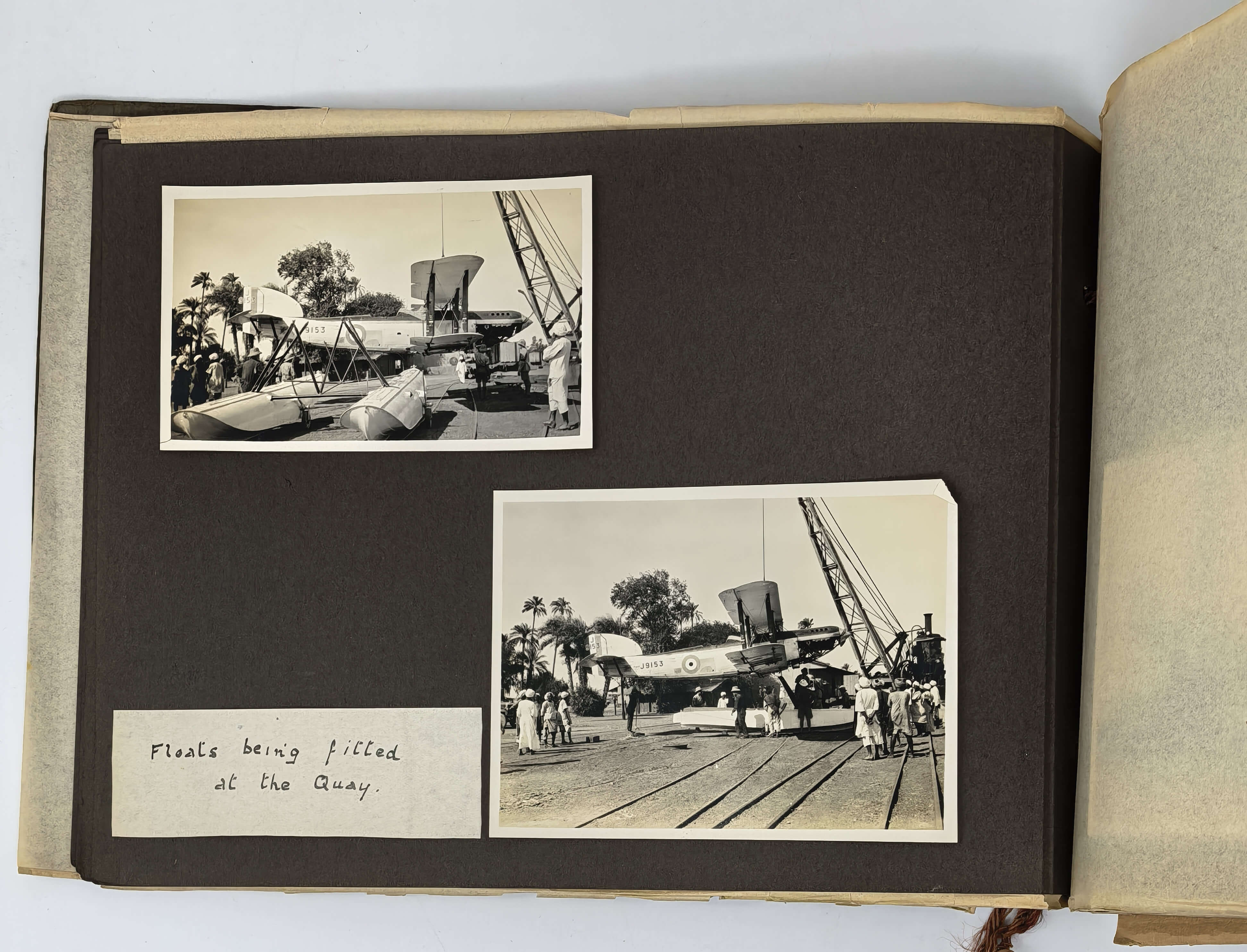
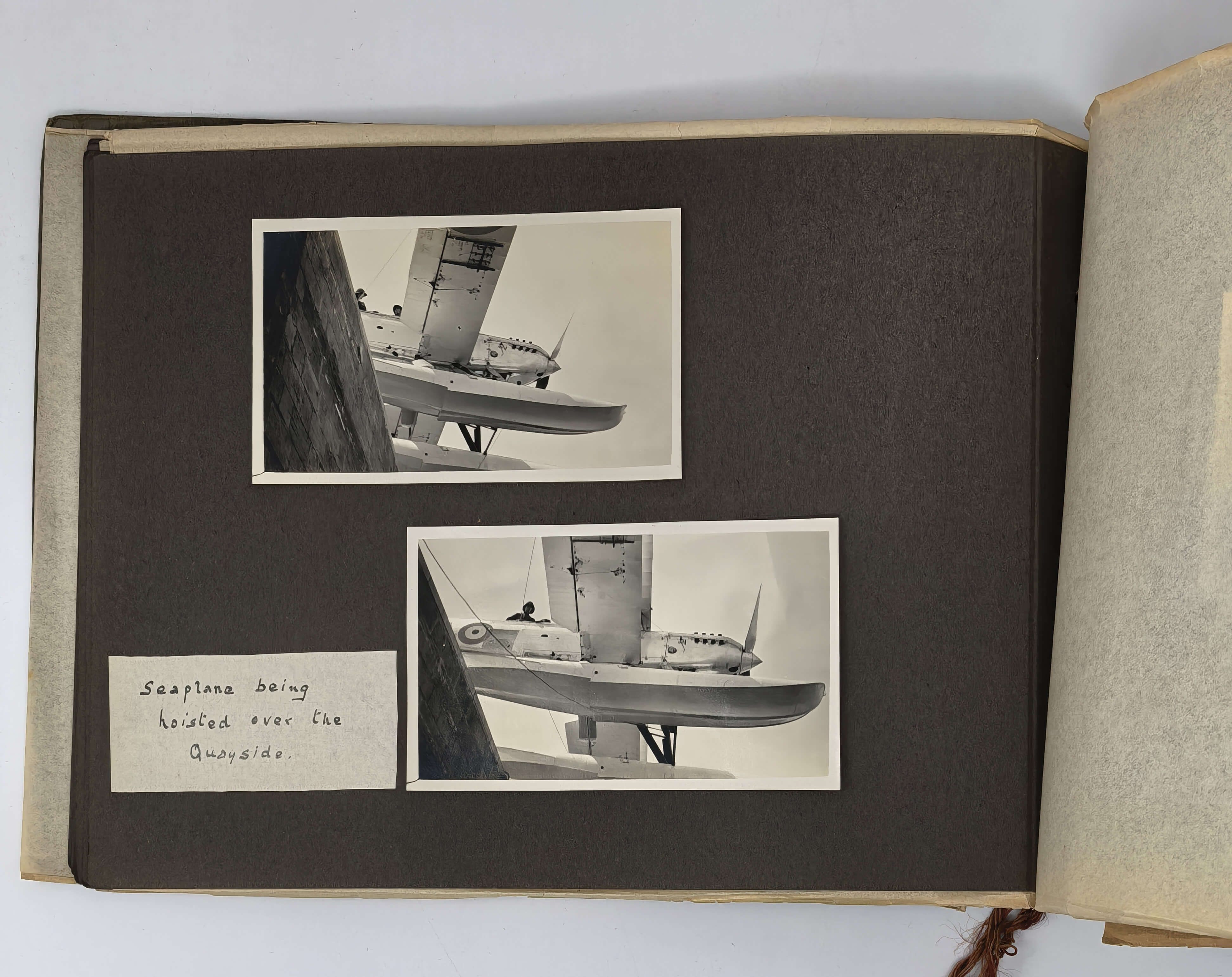
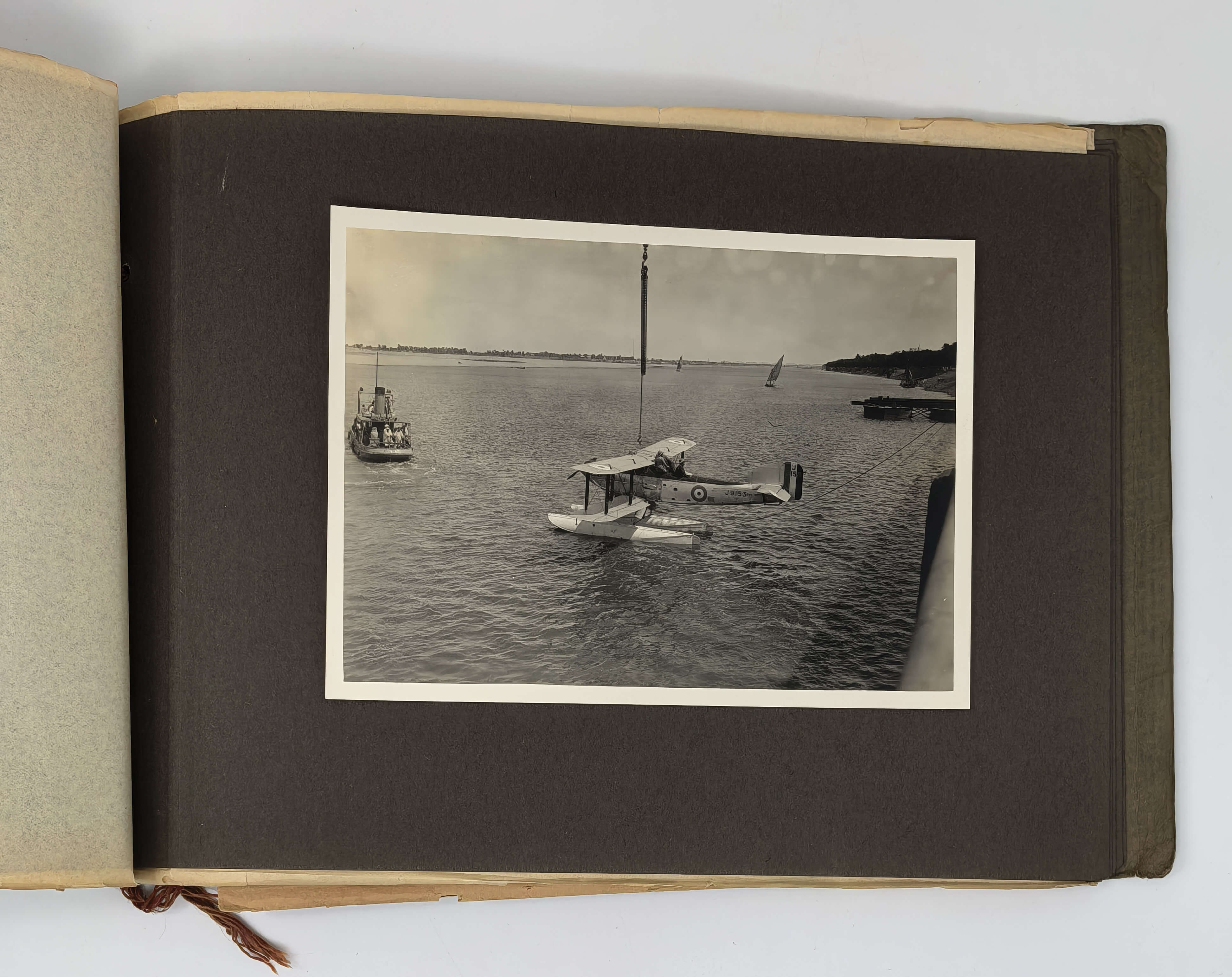
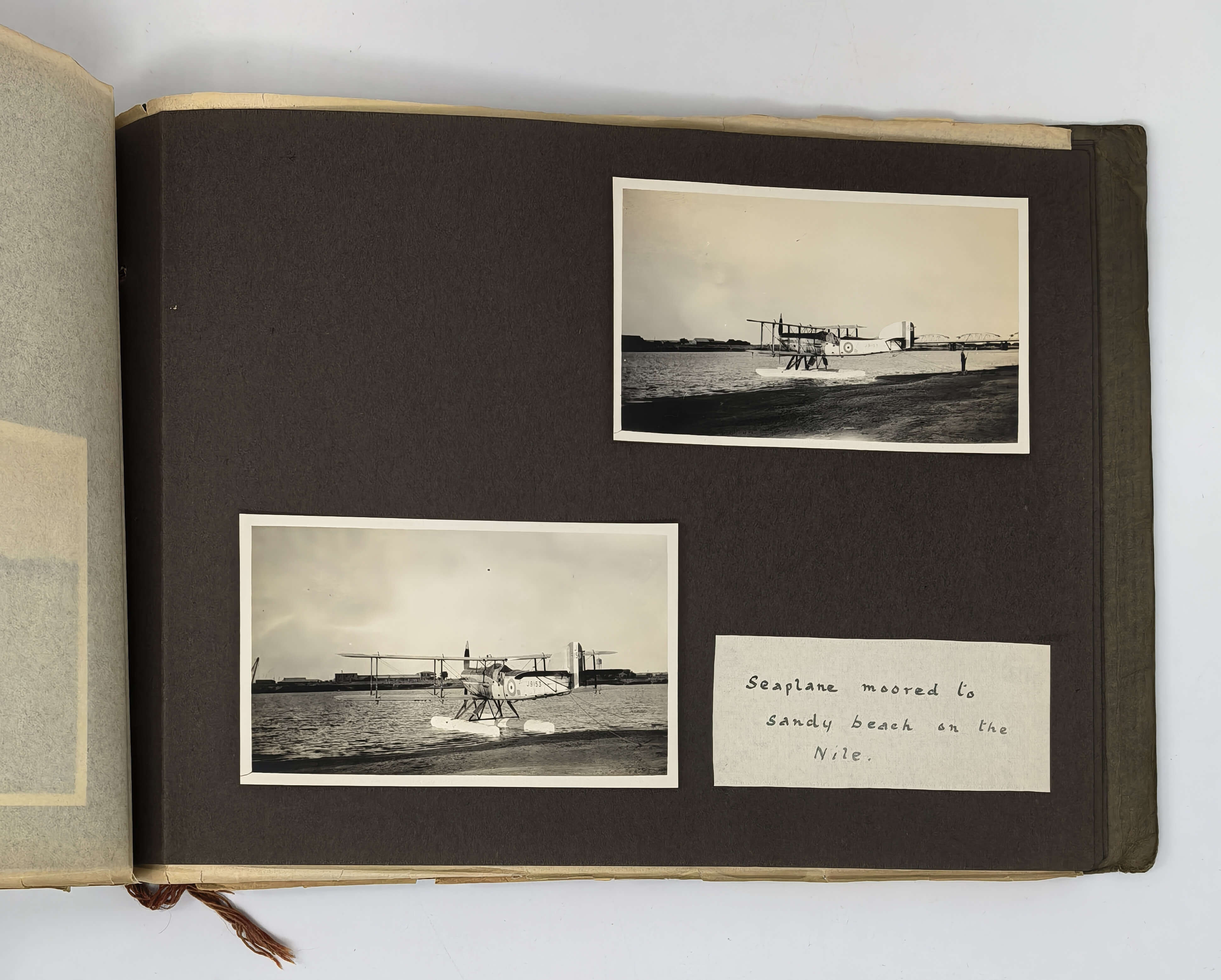
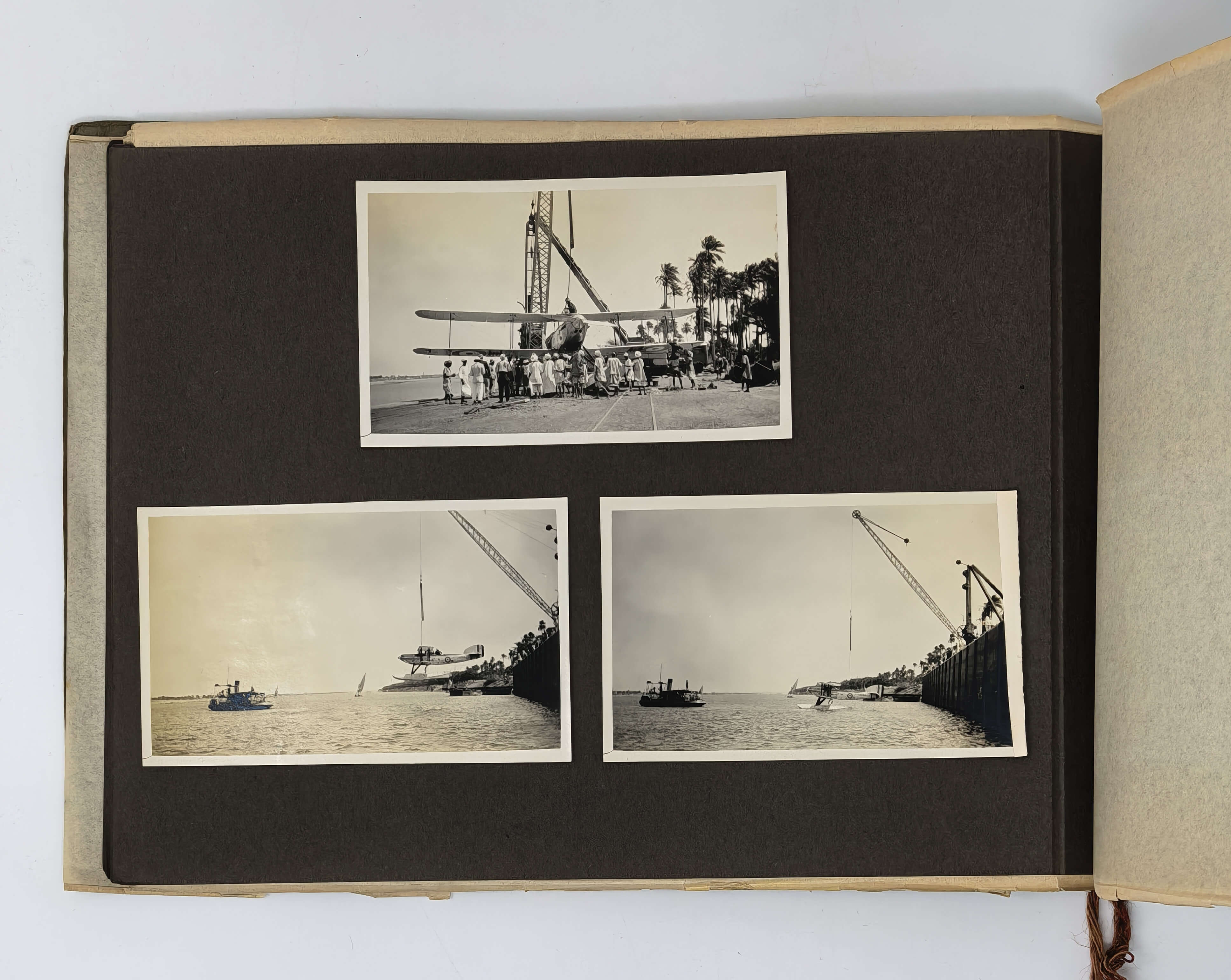
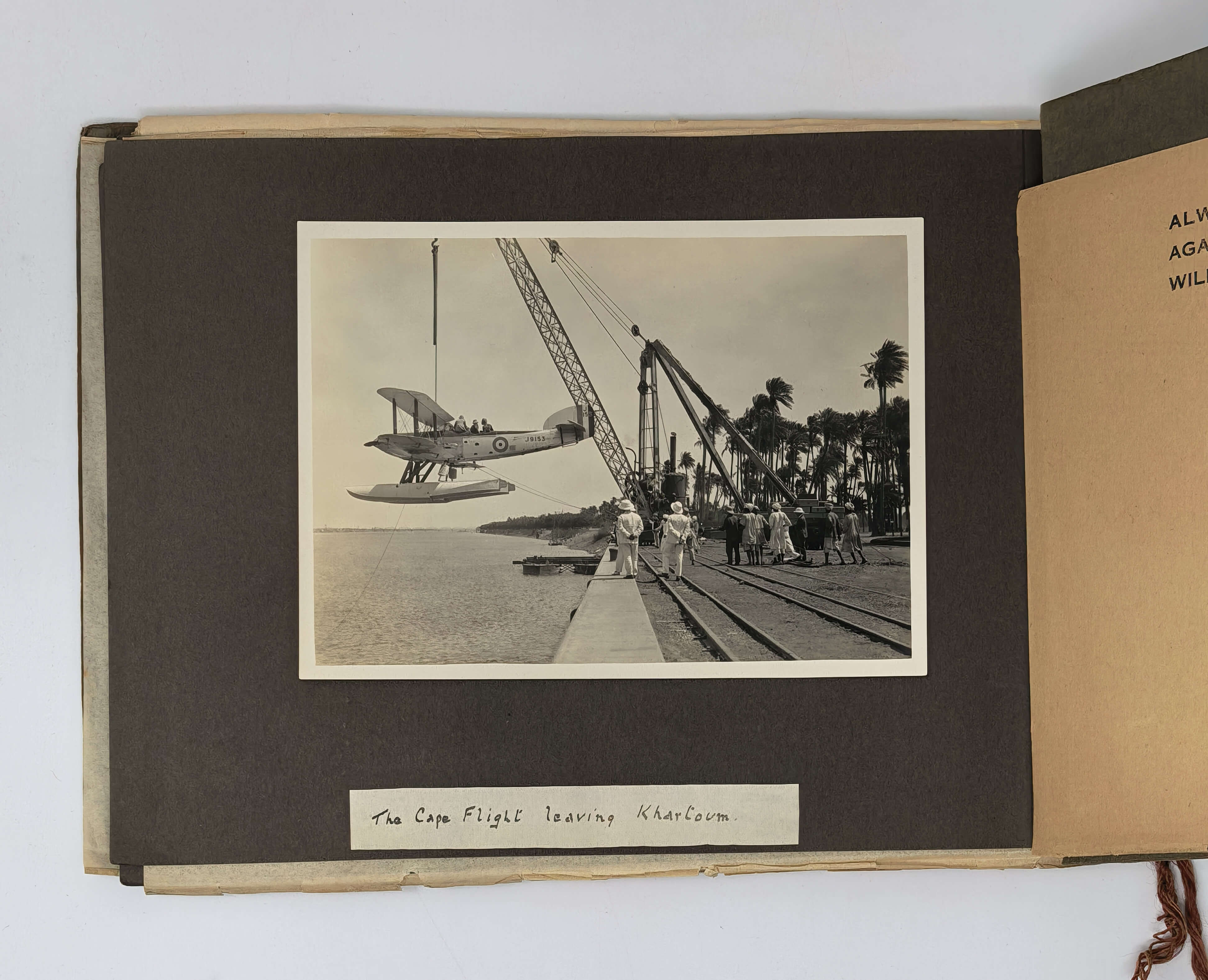
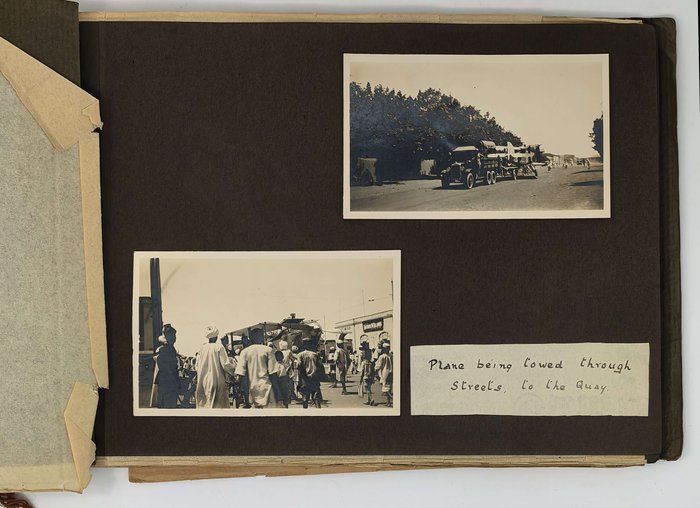
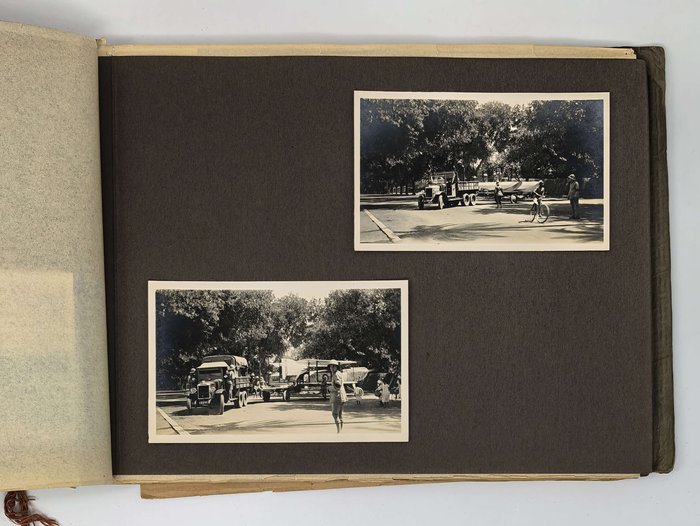
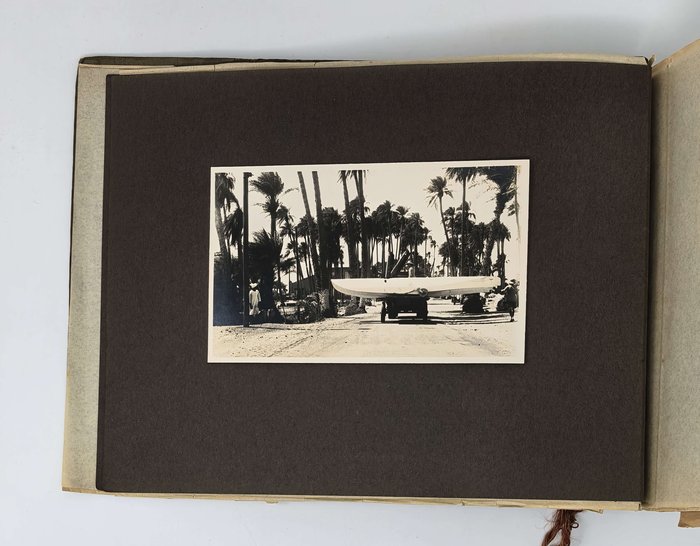
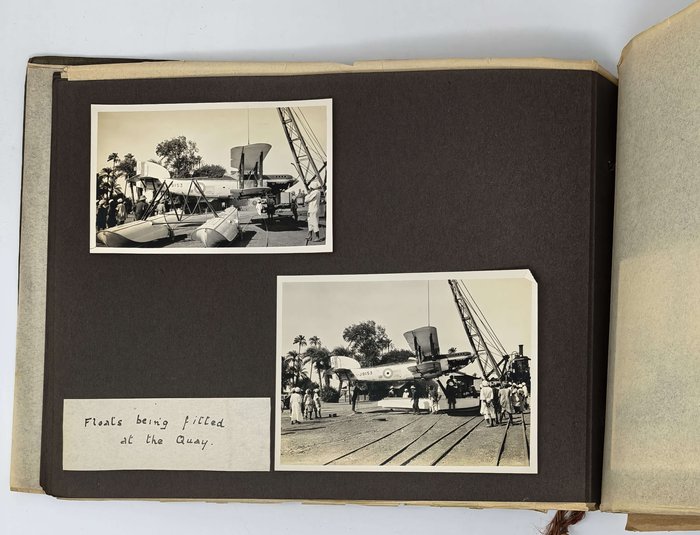
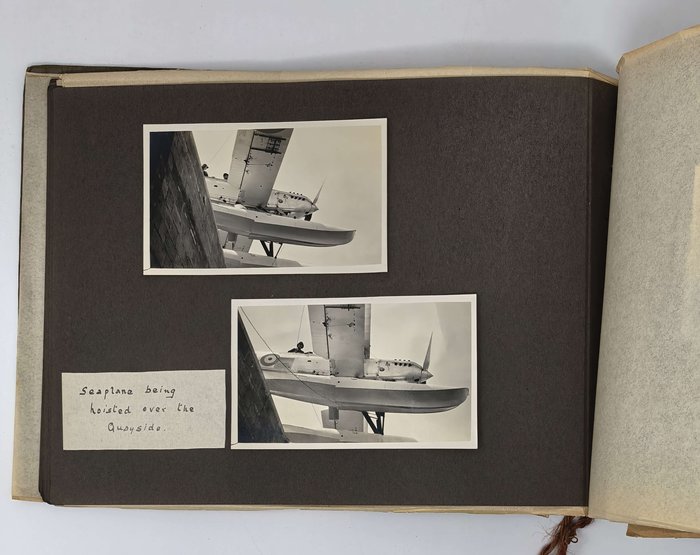
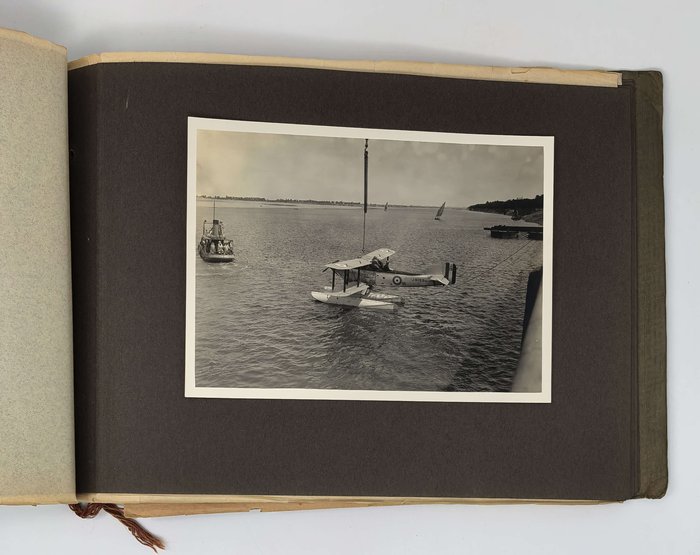
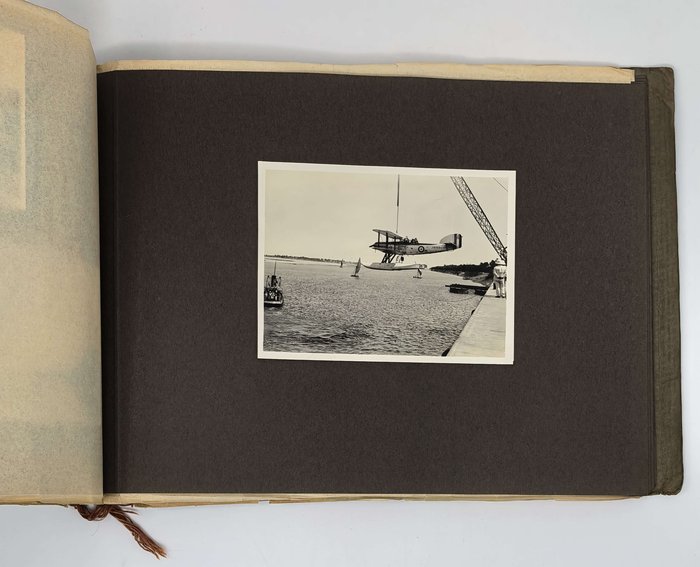
Twenty-seven photos document the transportation of the Fairey IIIF floatplane (with the number “J9153” clearly visible on several images) along the streets of Khartoum, installation of float gear and the launching of the plane on the Nile. The images were attributed to a British aircraft engineer, Charles Baker, who witnessed the arrival of Fairey IIIFs in Khartoum in 1929. Some of the images were published in his article in the “Aeroplane Monthly” magazine in 1982 (Fairey’s with boot on: Wg Cdr S.E. Townson and Charles Baker recall the amphibious roles played by Fairey IIIF’s in service with the RAF at overseas bases// Aeroplane Monthly. 1982, No. 8, pp. 408-411). The loosely inserted photo of “[Fairey] 3F taken at Malta by C.B.B.” is evidently also made by Baker.
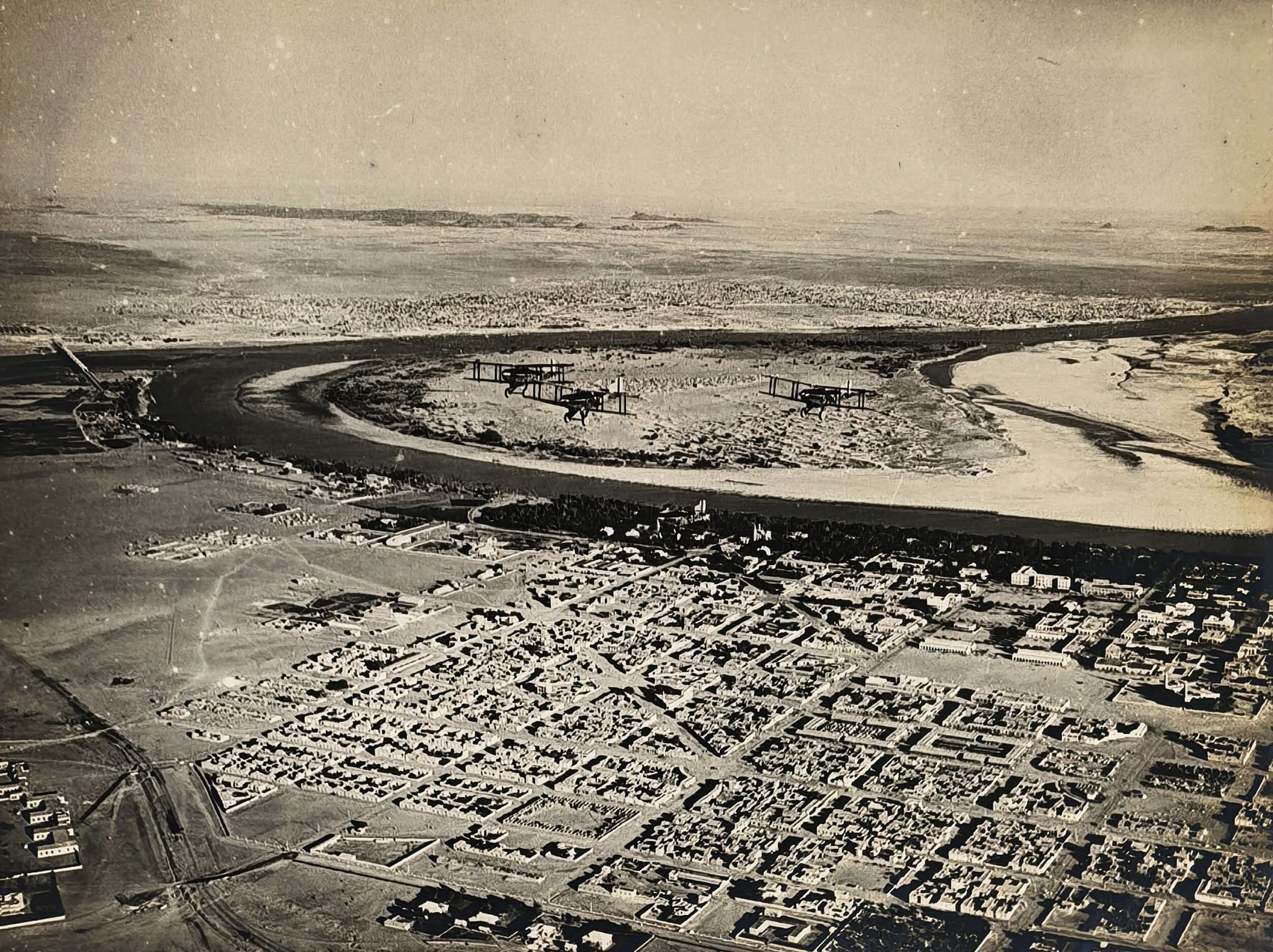
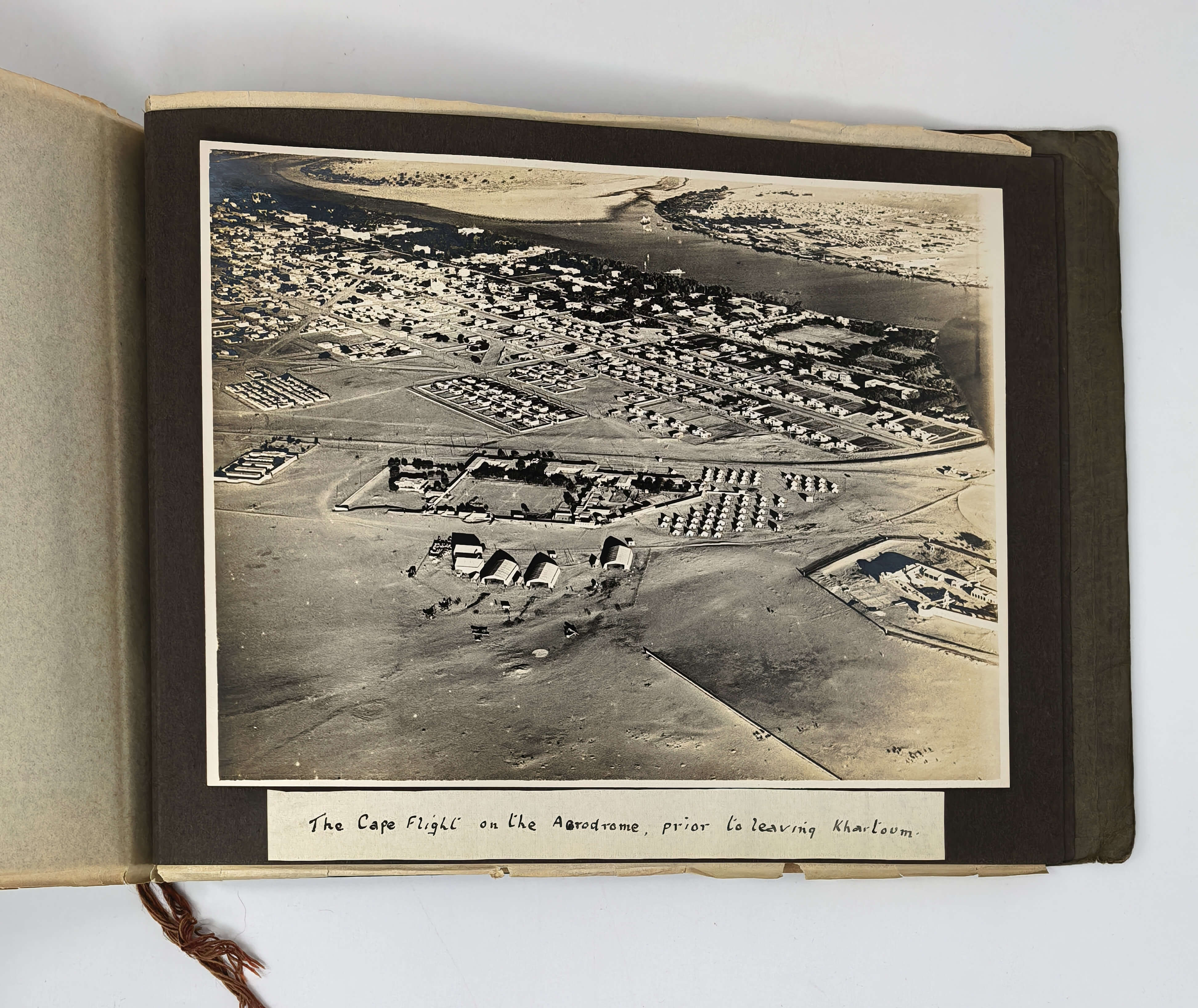
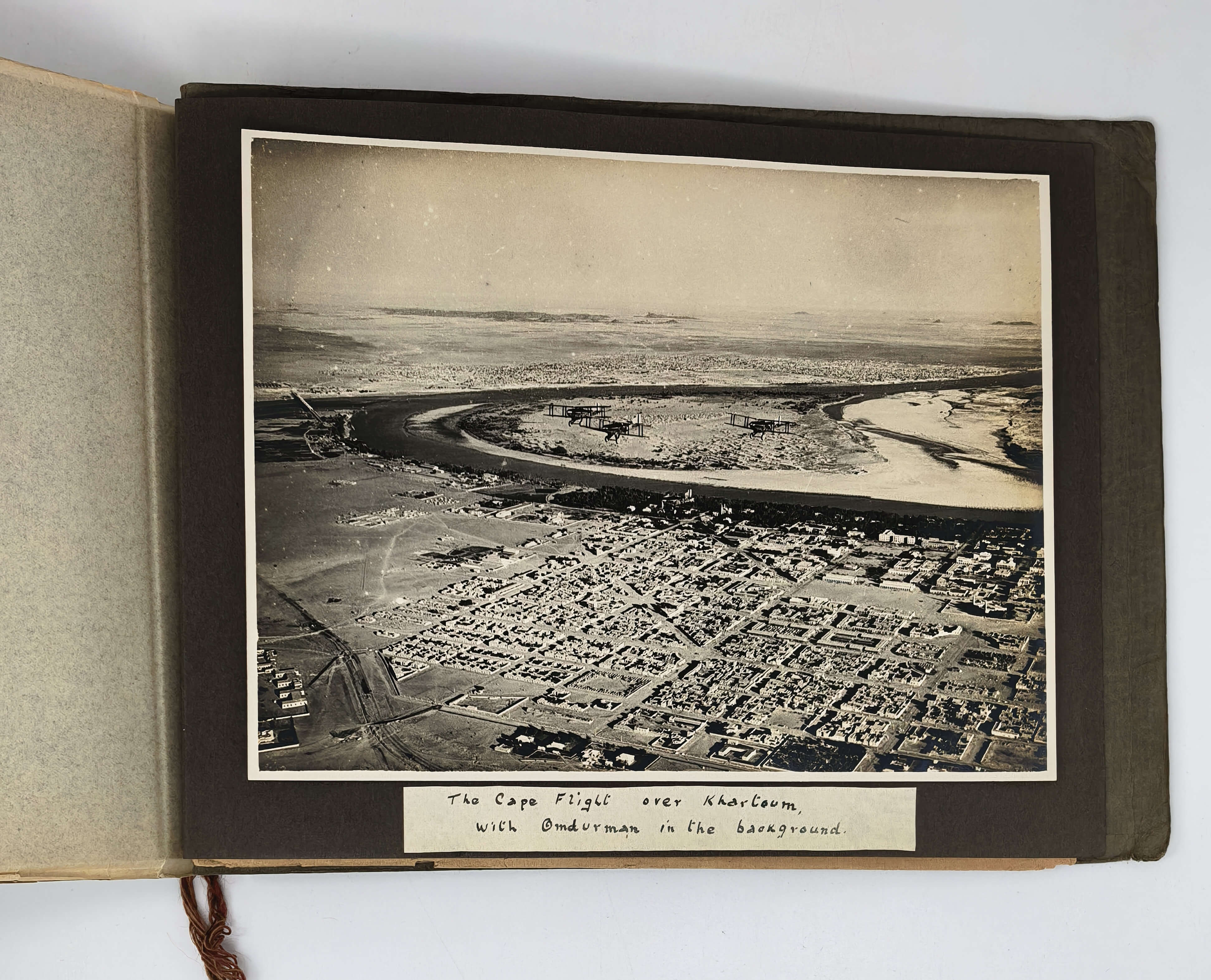
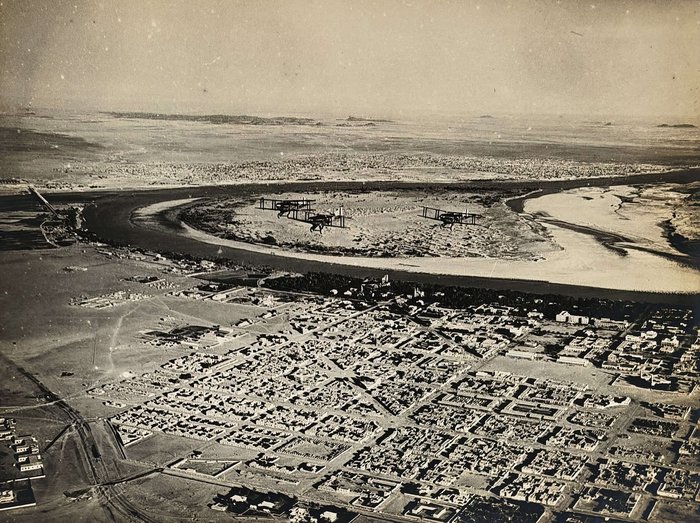
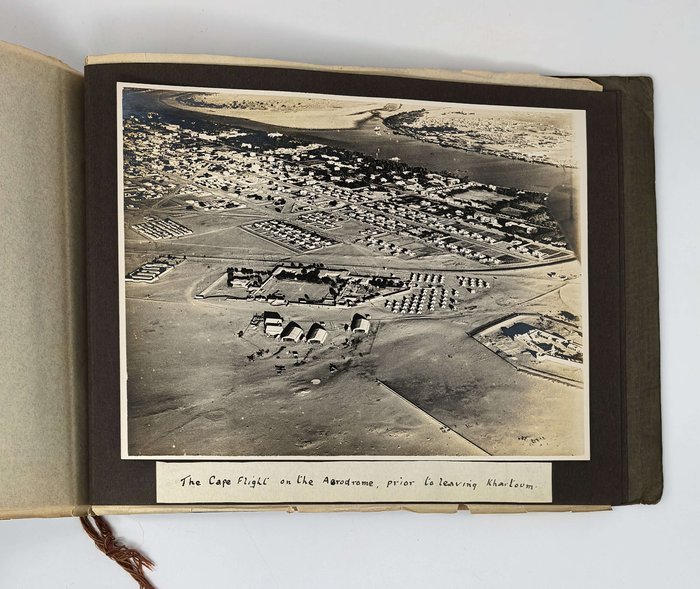
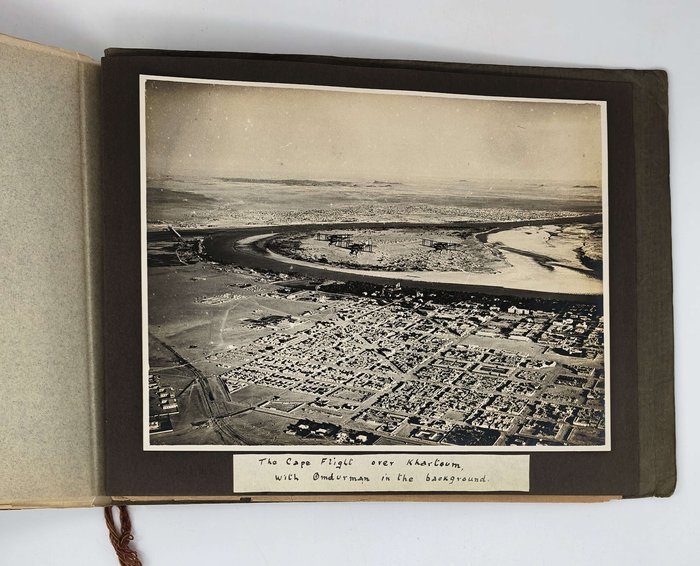
The album also contains three photos, related to the 1929 Cairo-Cape Town flight, showing “S/Ldr. Cox loading his machine” (the number of the aircraft is SR-II44) and two aerial views: “the Cape Flight on the Aerodrome, prior to leaving Khartoum” and “the Cape Flight over Khartoum with Omdurman in the background.” Overall an important visual source on the history of RAF in modern-day Sudan in the interwar period.
A list of captions: Plane being towed through streets to the quay; Float gear and Aeroplane en route to the quay; Floats being fitted at the quay; Floats in position; Seaplane being hoisted over the quayside; Seaplane taxying on the Nile; Seaplane moored to sandy beach on the Nile; The Cairo-Cape flight: S/Ldr. Cox loading his machine; The Cape Flight on the Aerodrome, prior to leaving Khartoum; The Cape Flight over Khartoum with Omdurman in the background; the Cape Flight Leaving Khartoum.
“In October 1927 the squadron [No. 47] moved completely to Khartoum and in December it discarded its aging DH.9As in favour of Fairey IIIFs, becoming the first Squadron to receive this aircraft. The squadron co-operated with the Sudan Defence Force, regularly carrying out border patrols, while a flight of IIIFs was fitted with floats, flying patrols over the River Nile and the Red Sea. It also continued to carry out long-range flights, flying from Egypt to the Gambia in 1930, and carrying out four training flights to South Africa. The Squadron replaced its IIIFs with Fairey Gordons (effectively IIIFs powered by a radial engine) in January 1933, continuing its operations in support of the Sudan Defence Force and floatplane patrols over the Red Sea” (Wikipedia).