
#PF73
Ca. 1930s
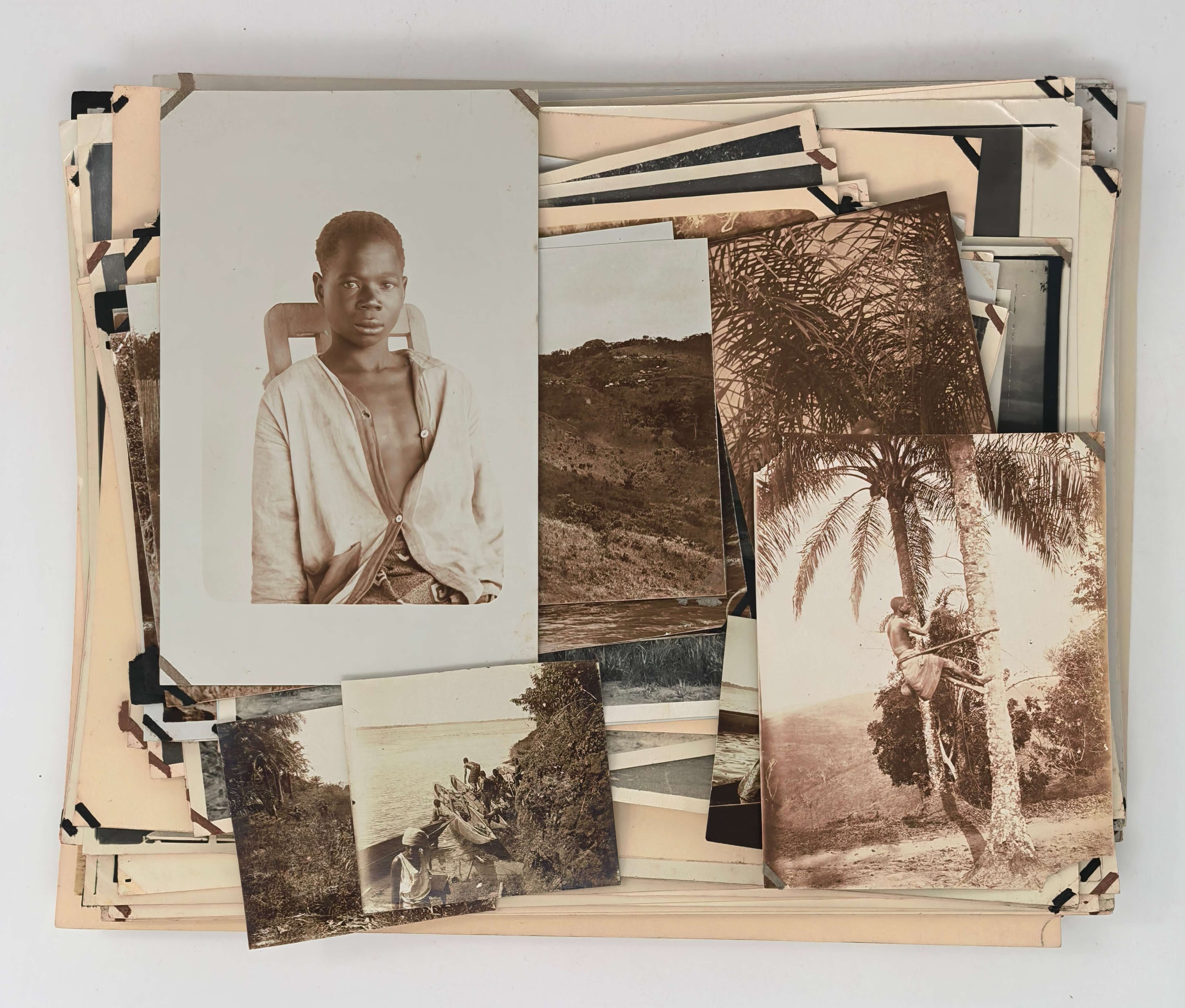
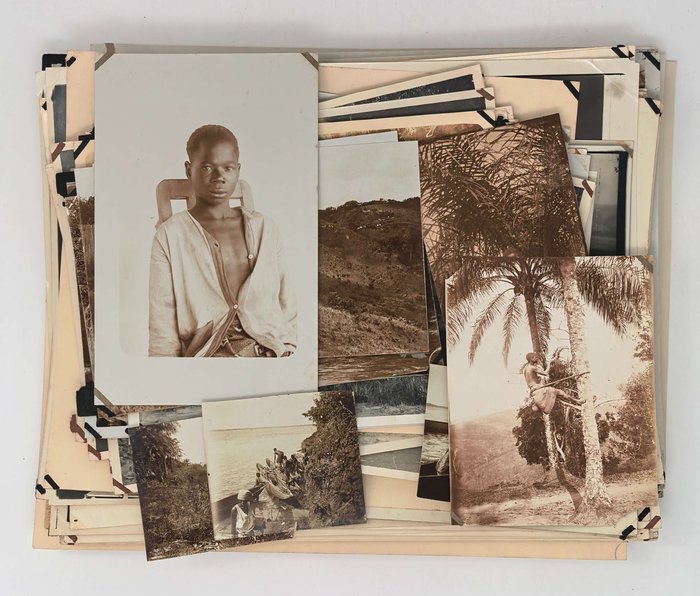
123 loose gelatin silver photos, including 71 large images ca. 17,5x23,5 cm (6 ¾ x 9 in), one photo ca. 17,5x20,5 cm (7x8 in), and over forty images from ca. 13x18 cm (5x7 in) to ca. 8,5x13 cm (3 ¼ x 5 in); five small photos are from ca. 8x10,5 cm (3 ¼ x 4 ¼ in) to ca. 5,5x6 cm (2 x 2 ¼ in); six images are printed as real photo postcards. Three photos with period pencil captions in French on verso; one photo with an ink stamp “Compagnie Aérienne Française, 18, Rue de Nanterre, Suresnes” on verso. The images were previously removed from an album, so most have remnants of mounting on the corners, ca. 15 with minor tears or losses to corners. Several images with minor creases on extremities, several slightly faded, but overall a very good collection.
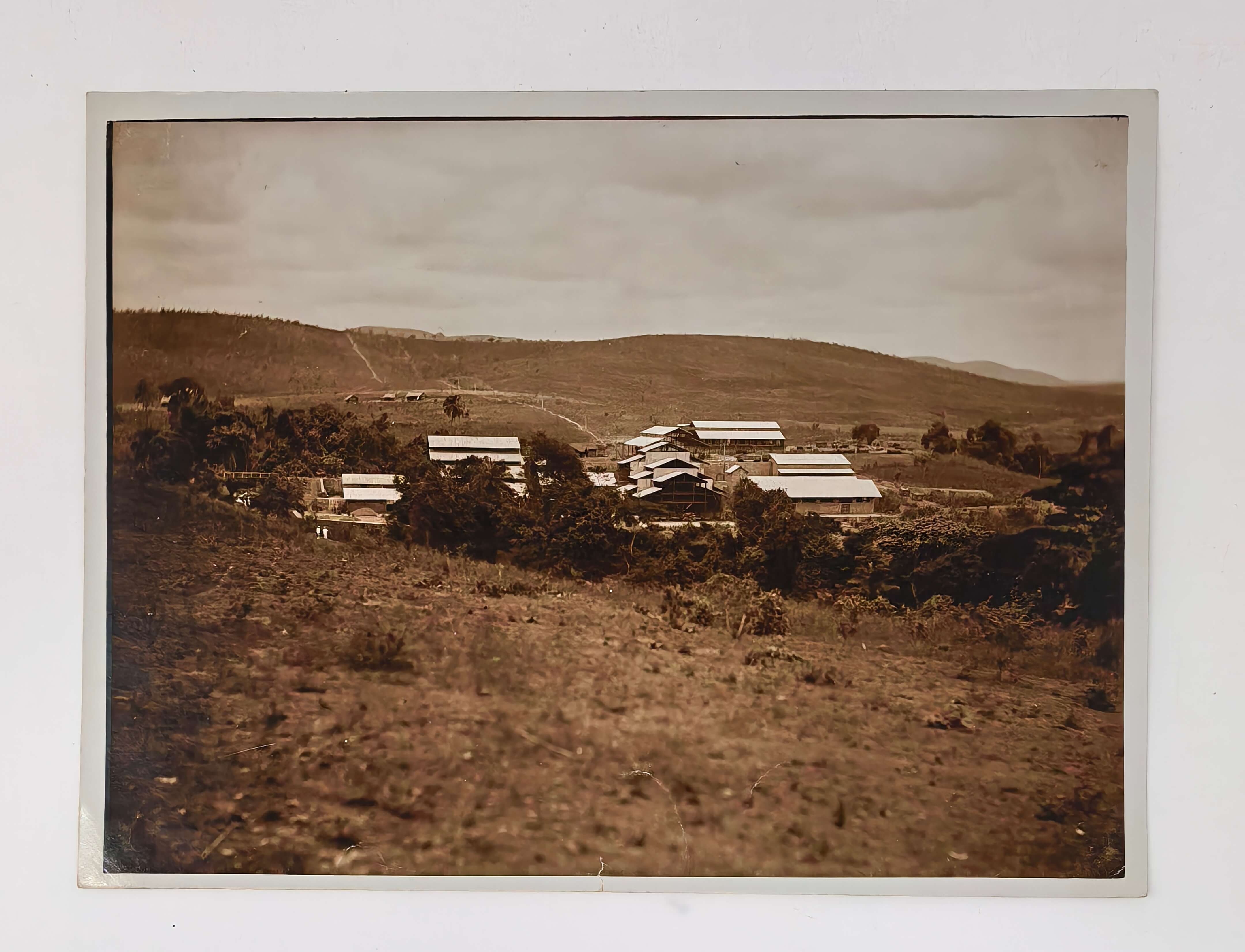
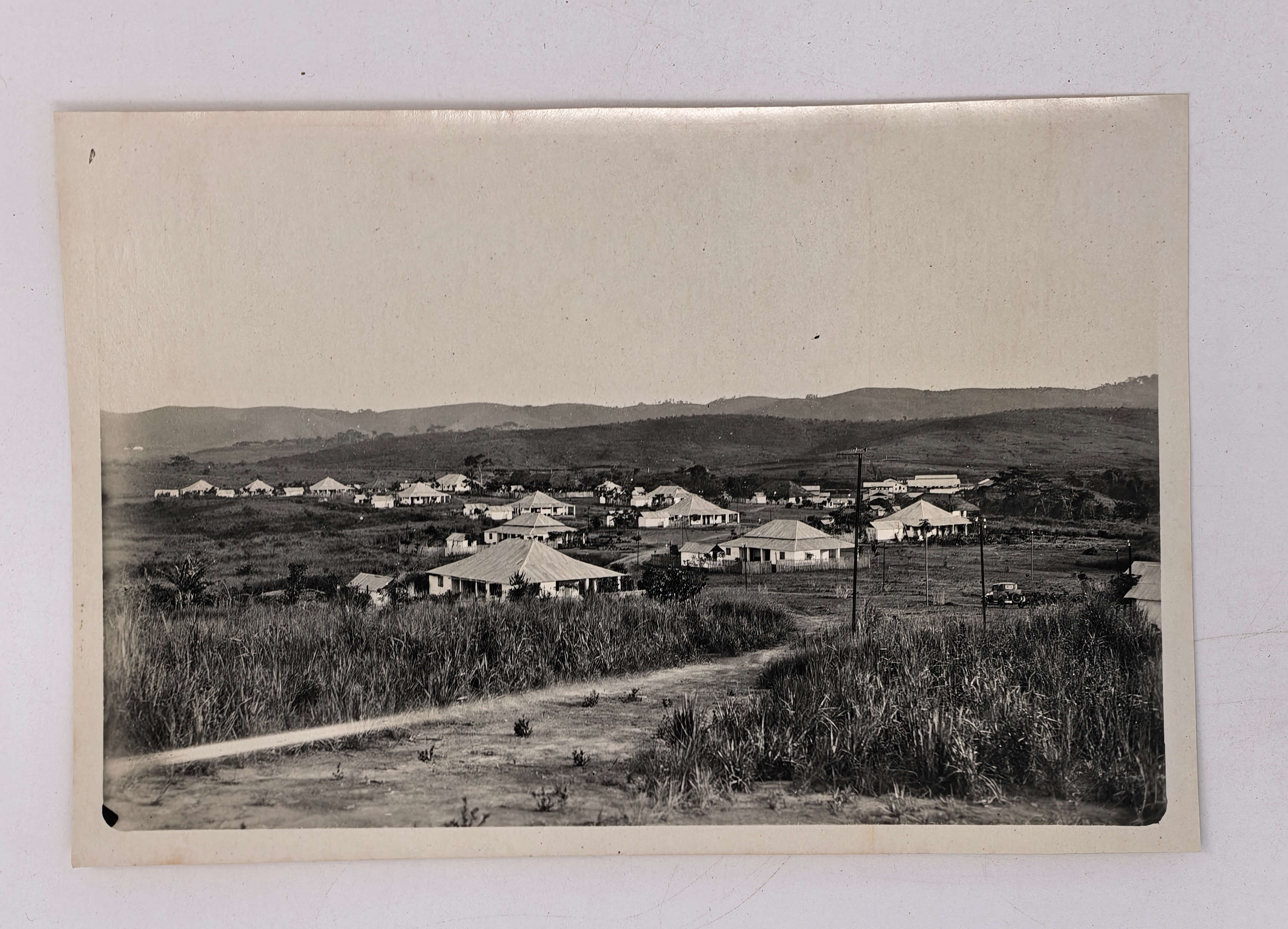
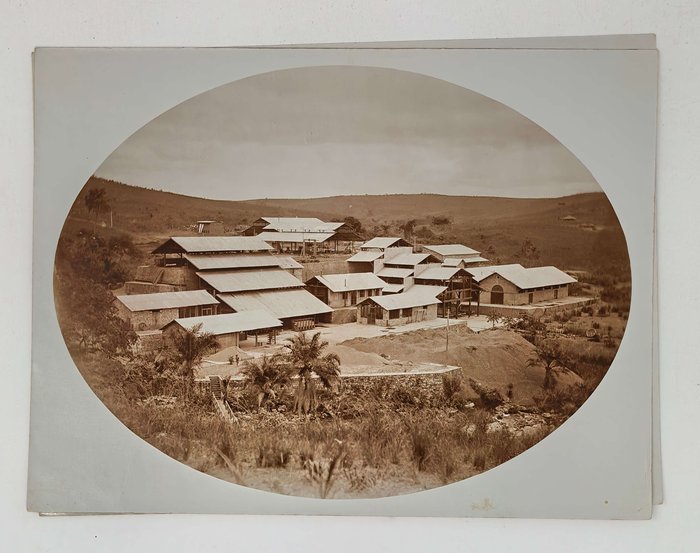
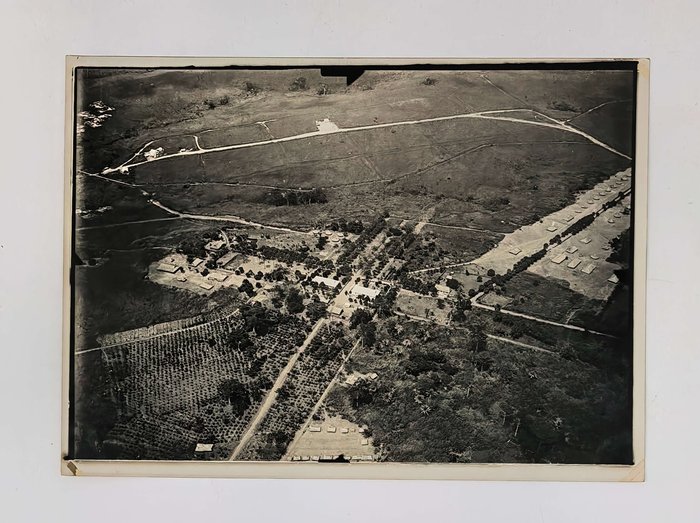
Historically significant, extensive collection of original gelatin silver photos showing a copper ore processing plant of the “Compagnie Minière du Congo Français” on the M’Vouvou River near the town of Mindouli, French Congo (modern-day Pool Department in the middle Congo region of the Republic of Congo). “Compagnie Minière du Congo Français” or CMCF (1911-1962) was established mainly for the extraction of the mineral resources of the Mindouli district, reaching the height of its operations in the 1930s, after the construction of the ore processing plant on the M’Vouvou River (a tributary of the Loukouni, which flows into the Niari – the main regional river) in 1929. The company was closed shortly after the Republic of Congo gained independence in 1960.
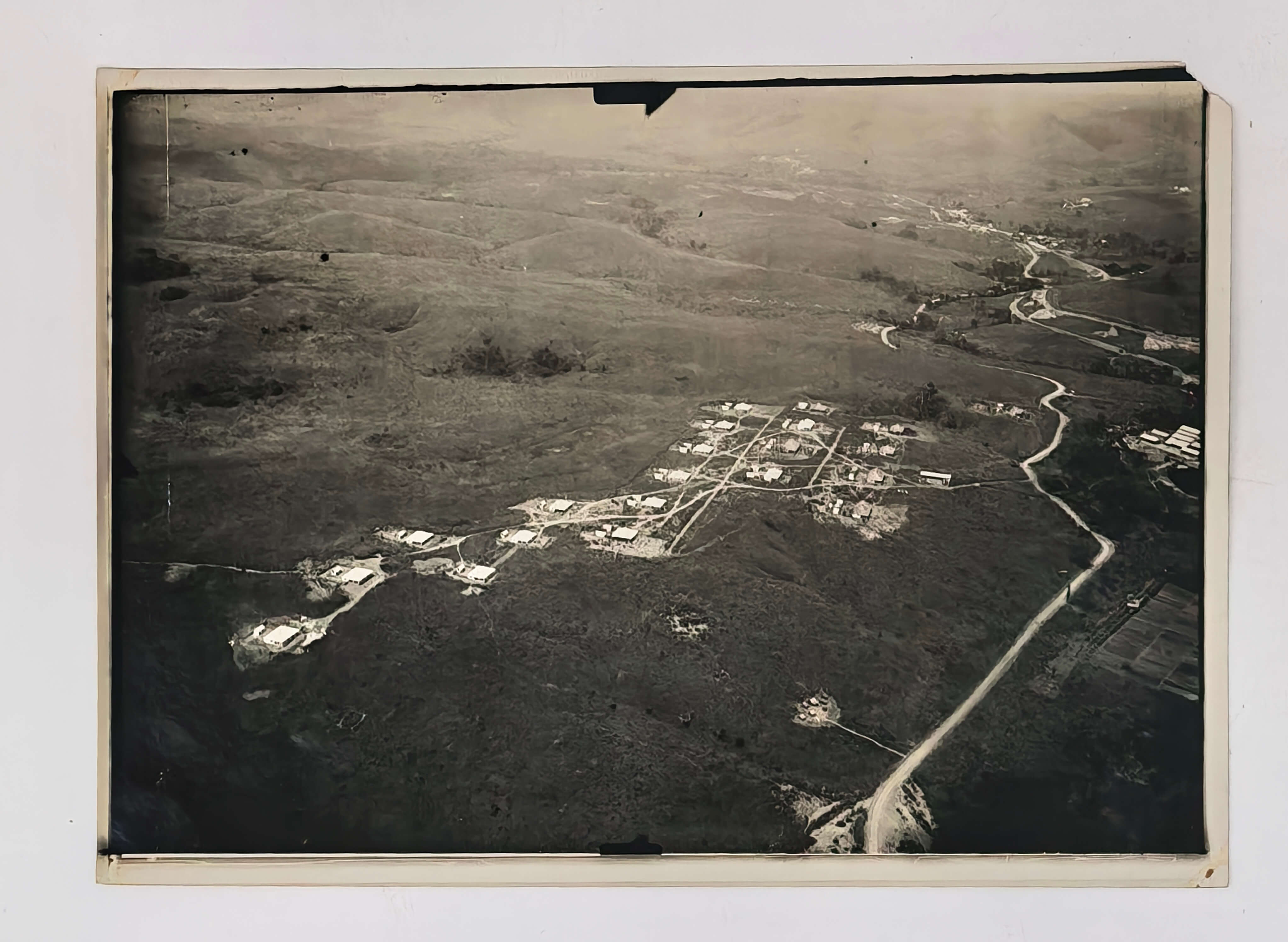
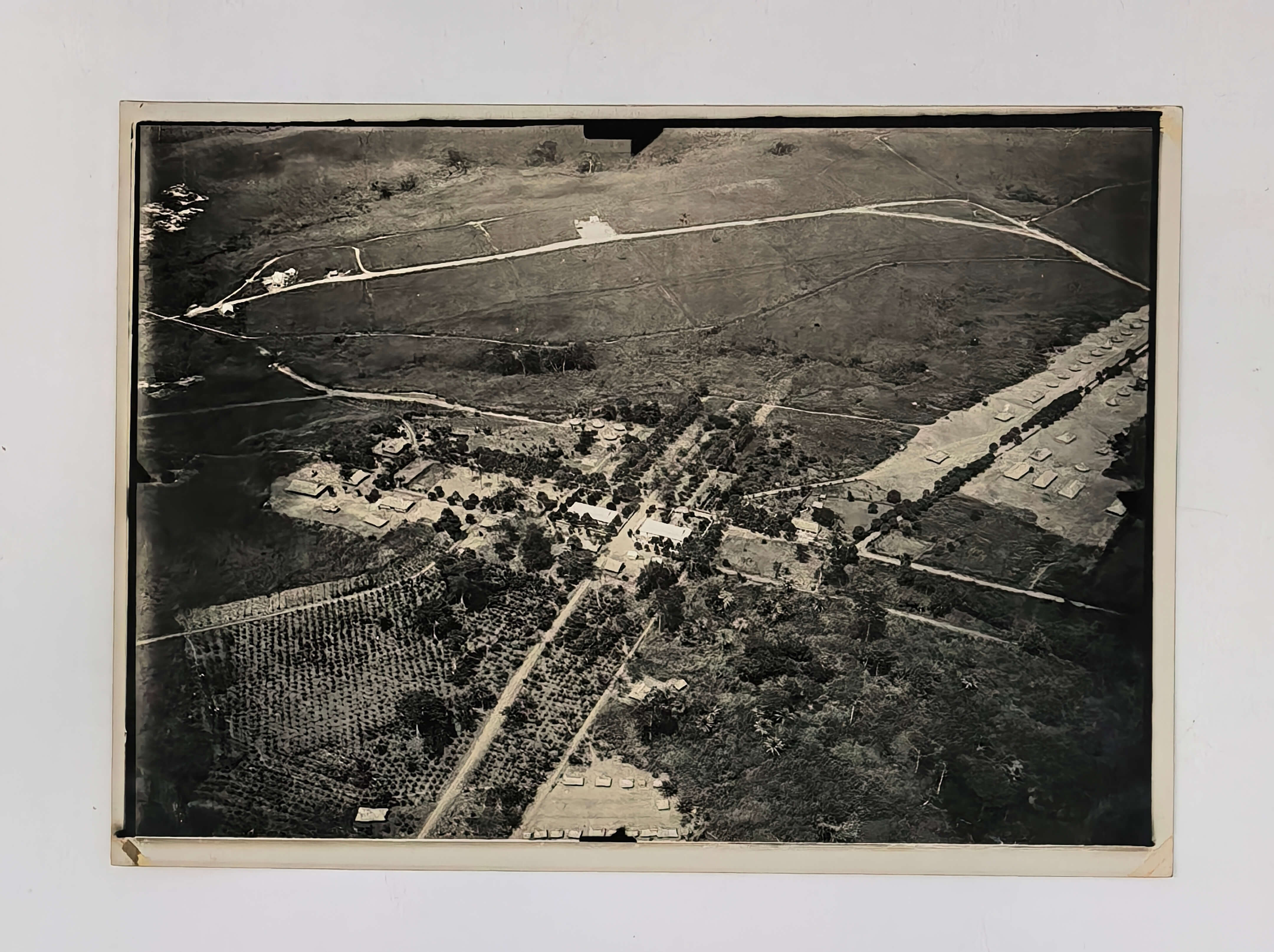
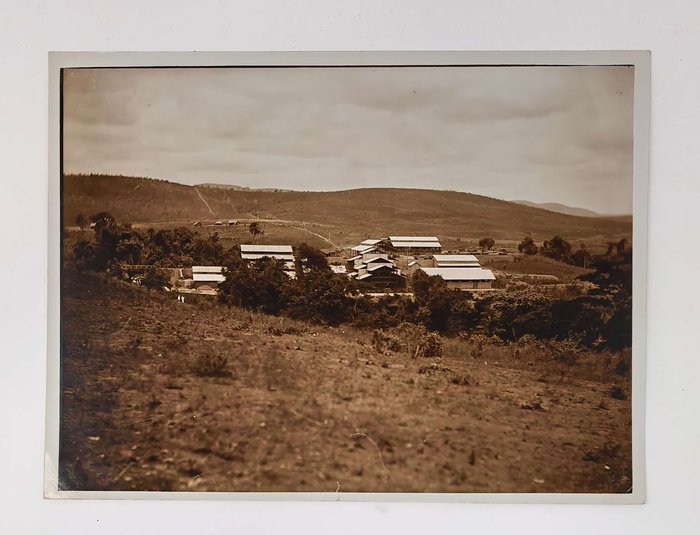
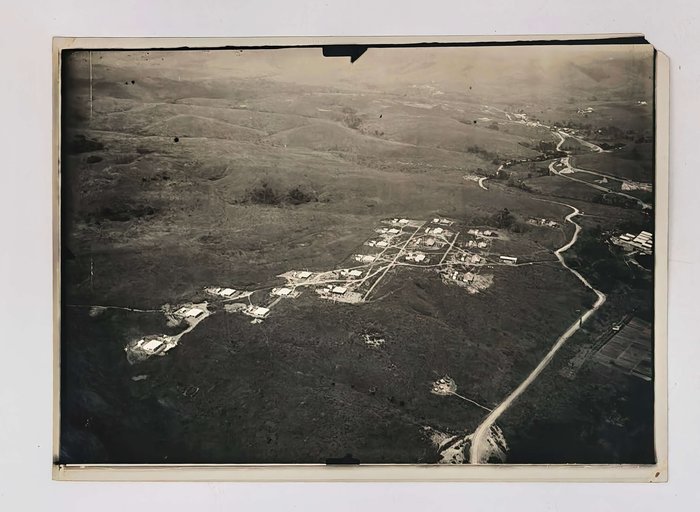
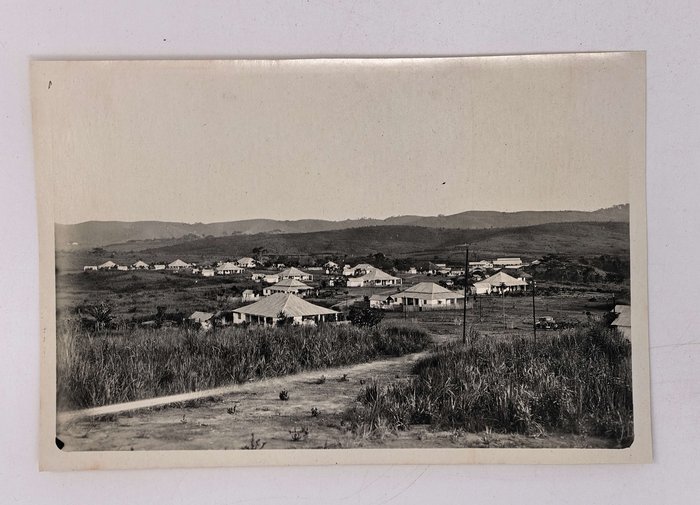
The photos include over twenty photos of the M’Vouvou processing plant and the adjacent French residential compound (general and close-up views of the plant and the bungalows), including six aerial views (the factory, French compound, native villages and roads). Two photos have period pencil captions on verso, reading: “Usine de la C.M.C.F. à Mindouli – M’Vouvou;” “Usine de traitement de minerai <…> à Mindouli Vouvou. Proprieté C.M.C.F…”
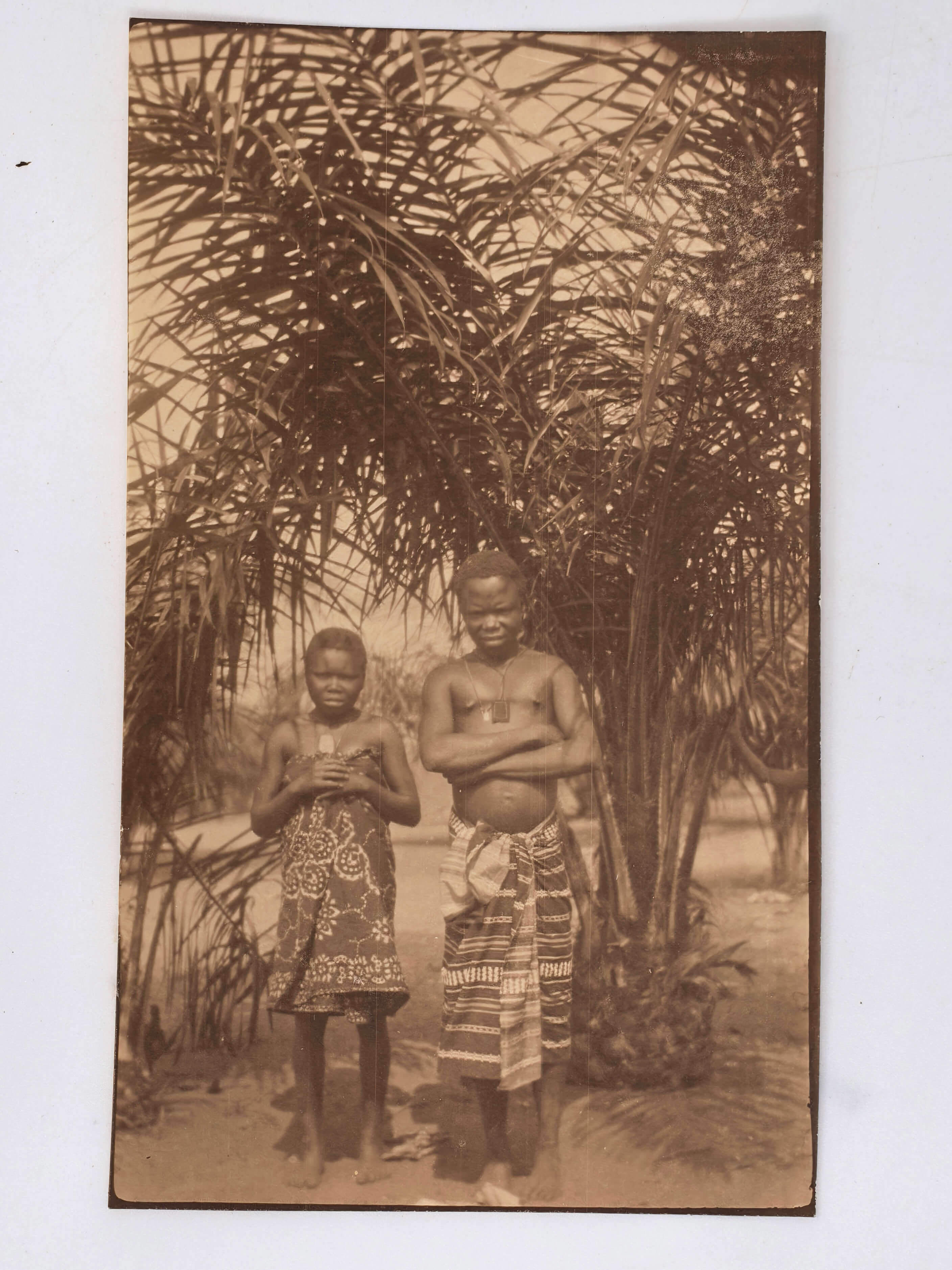
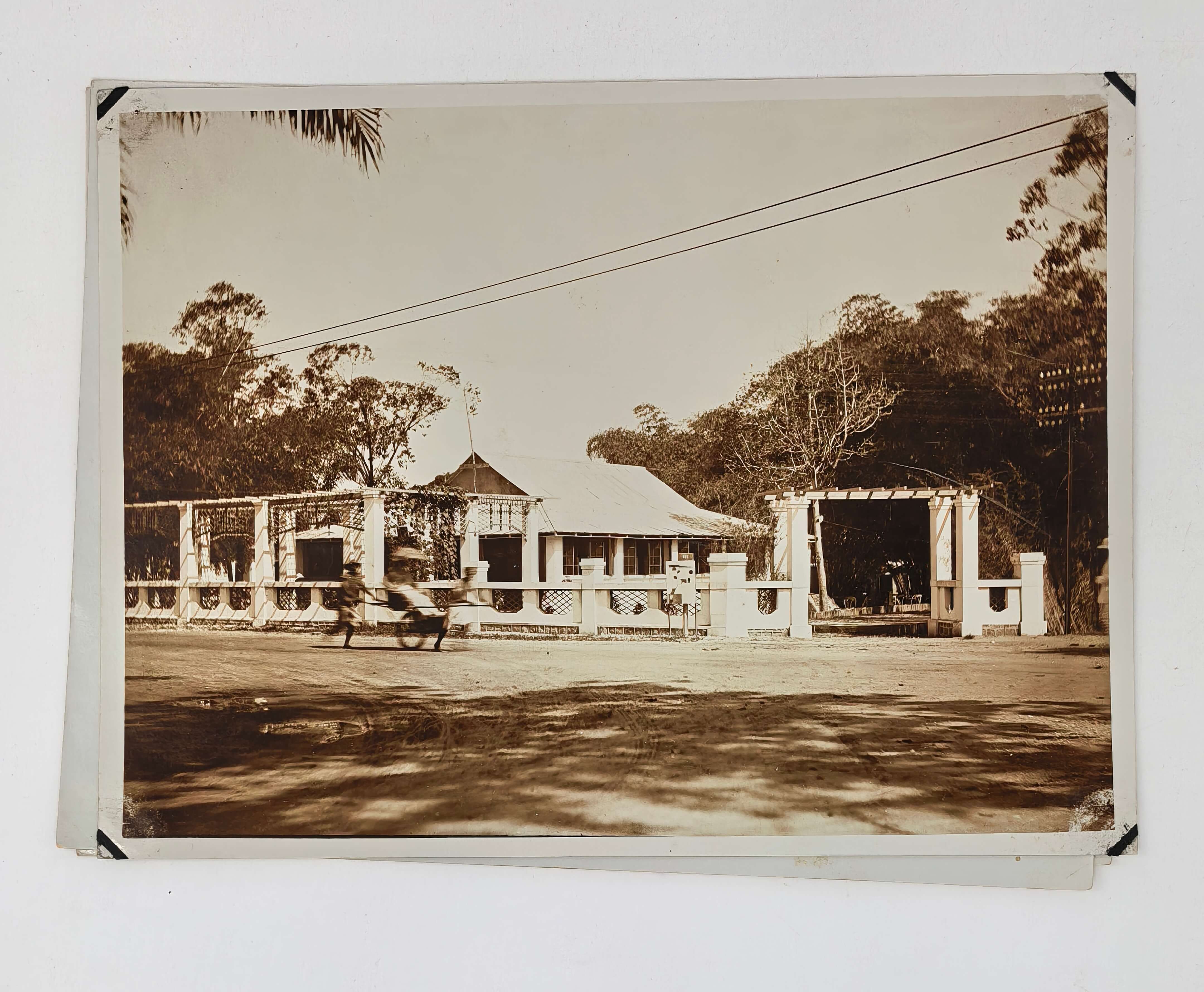
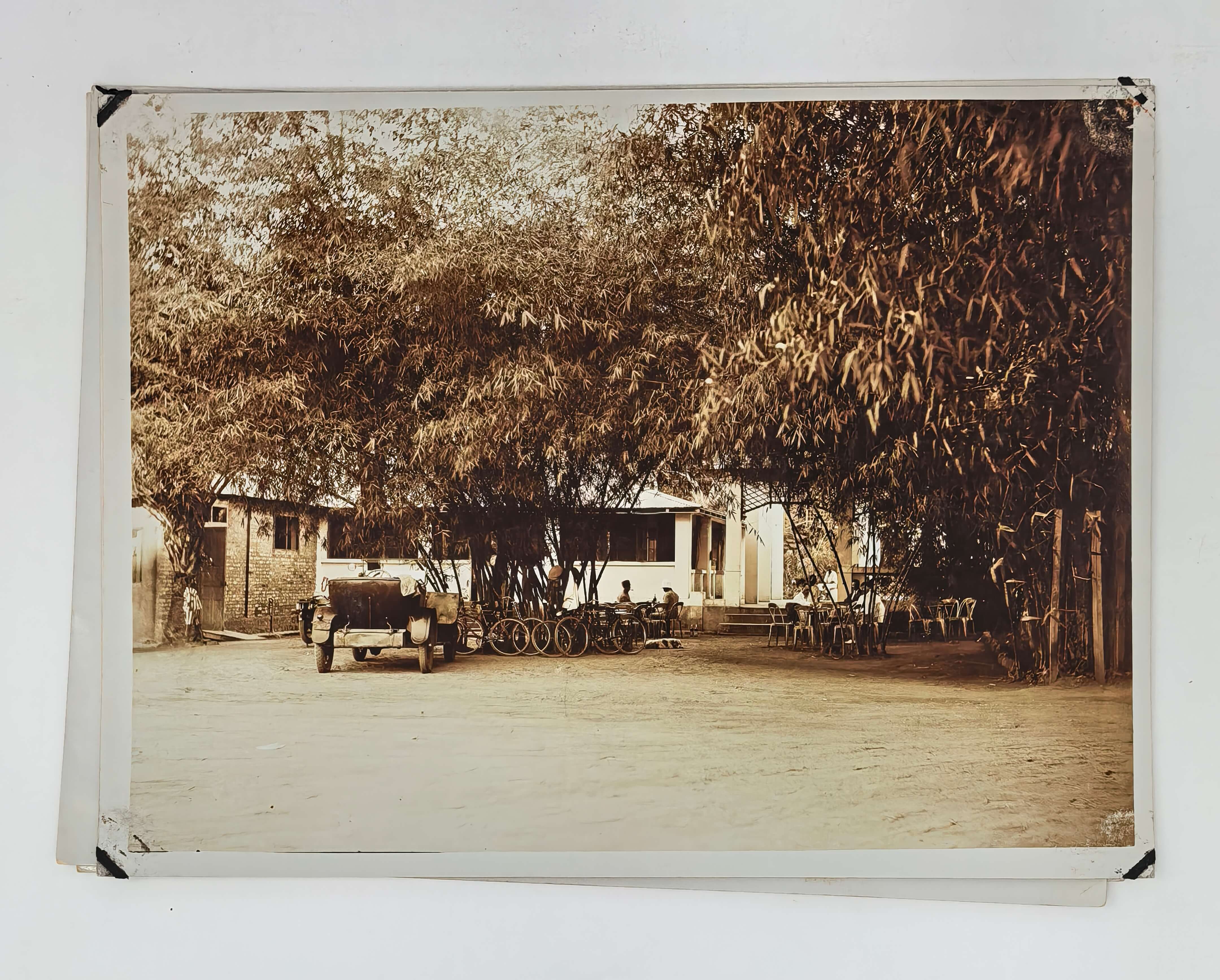
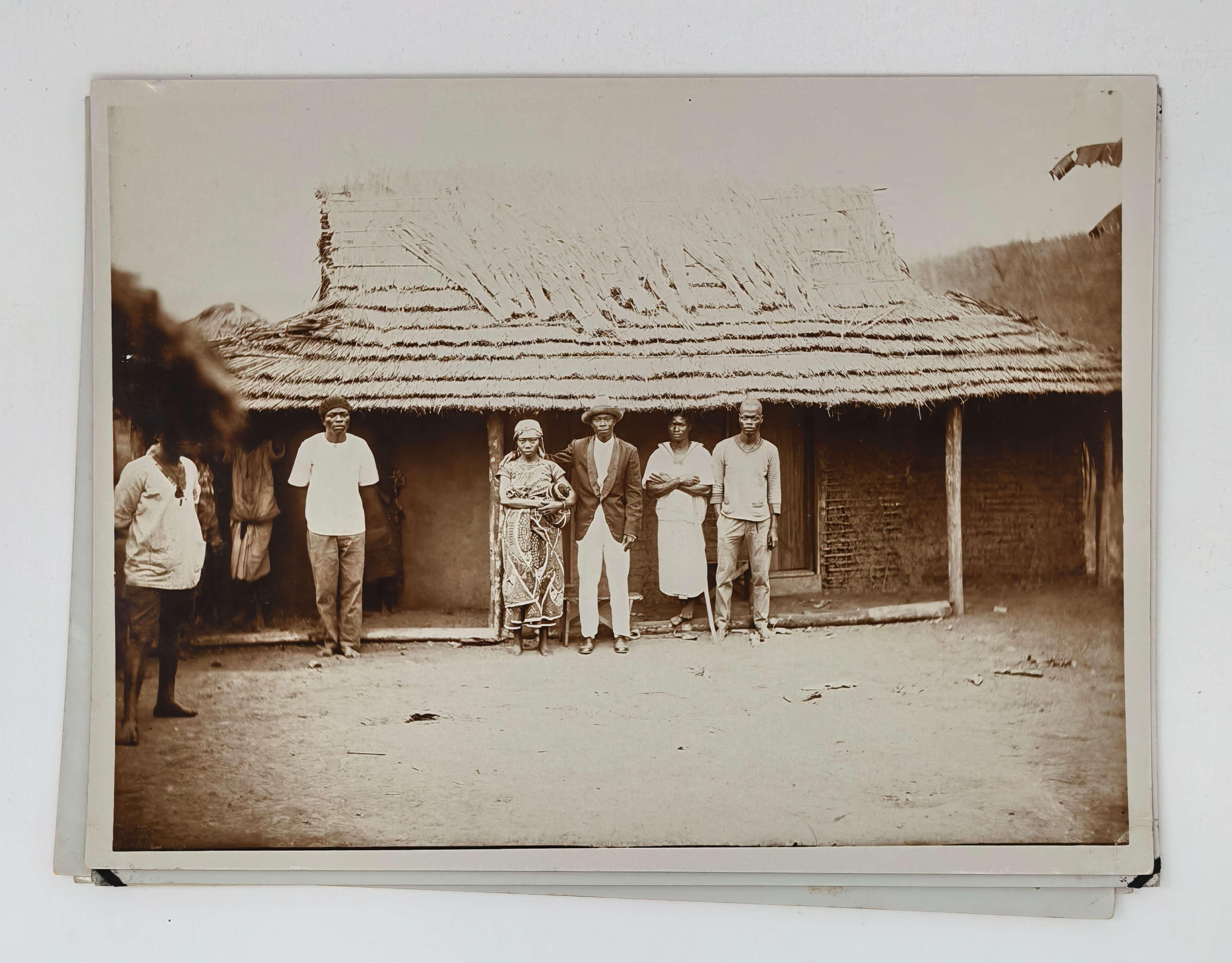
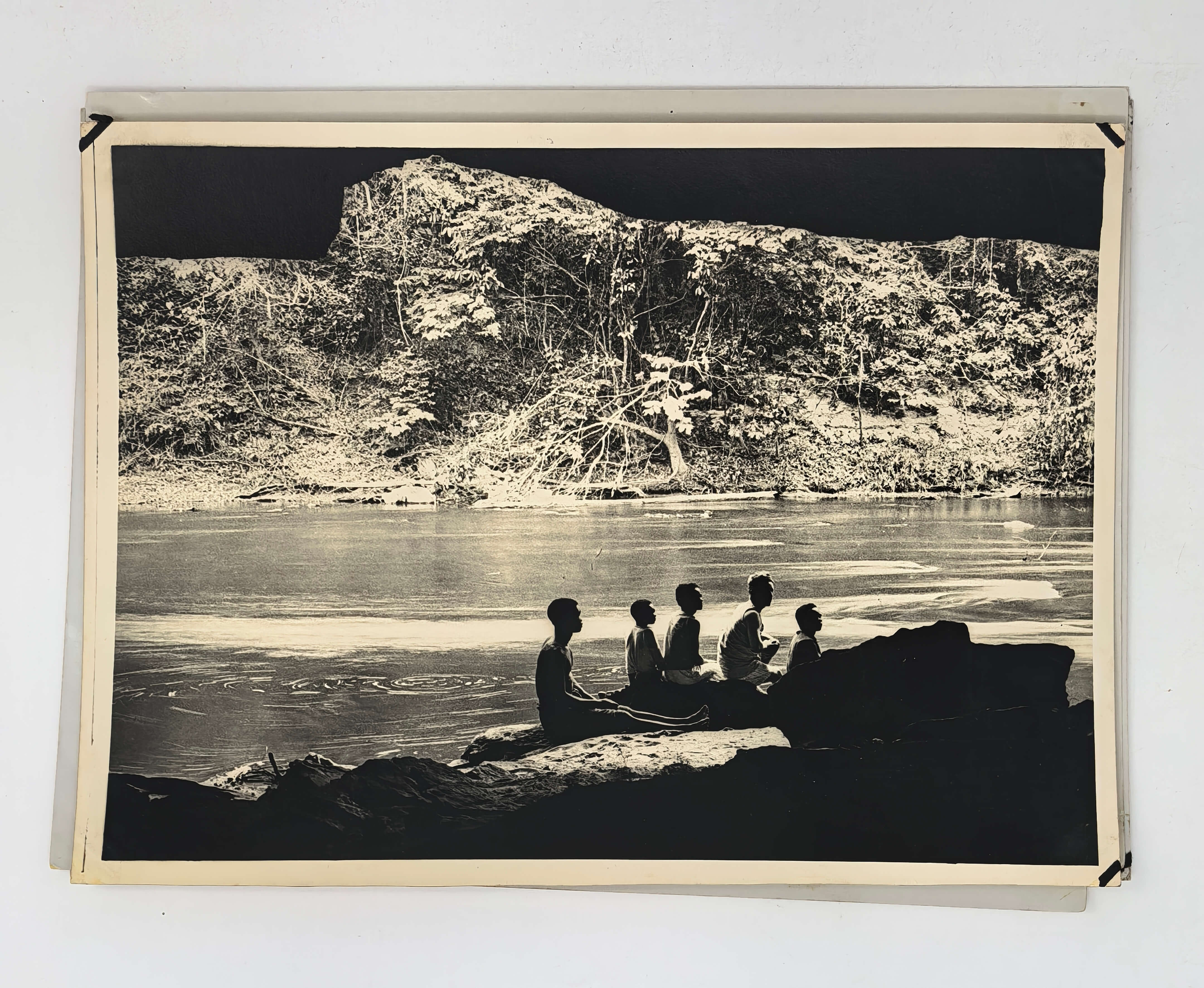
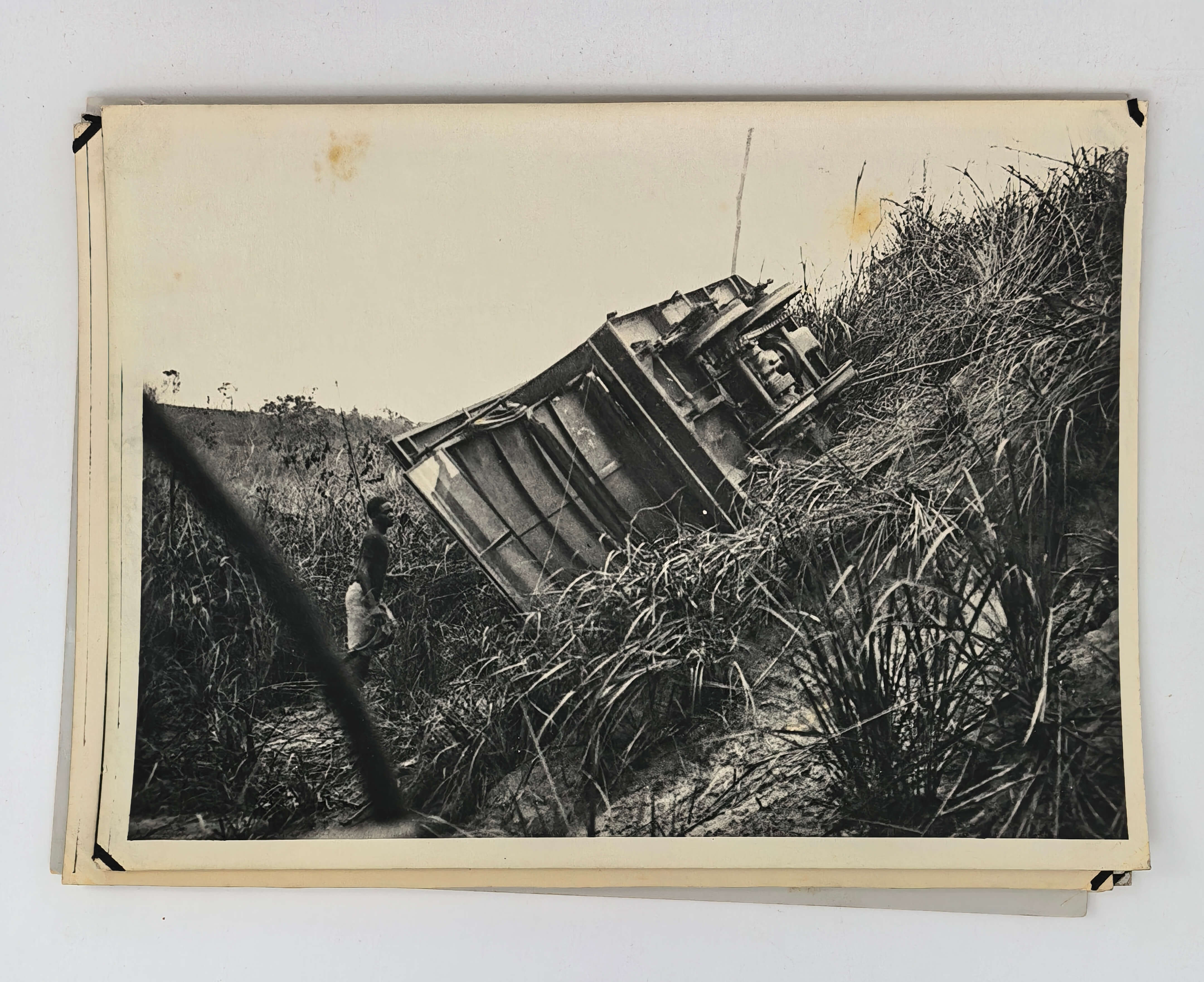
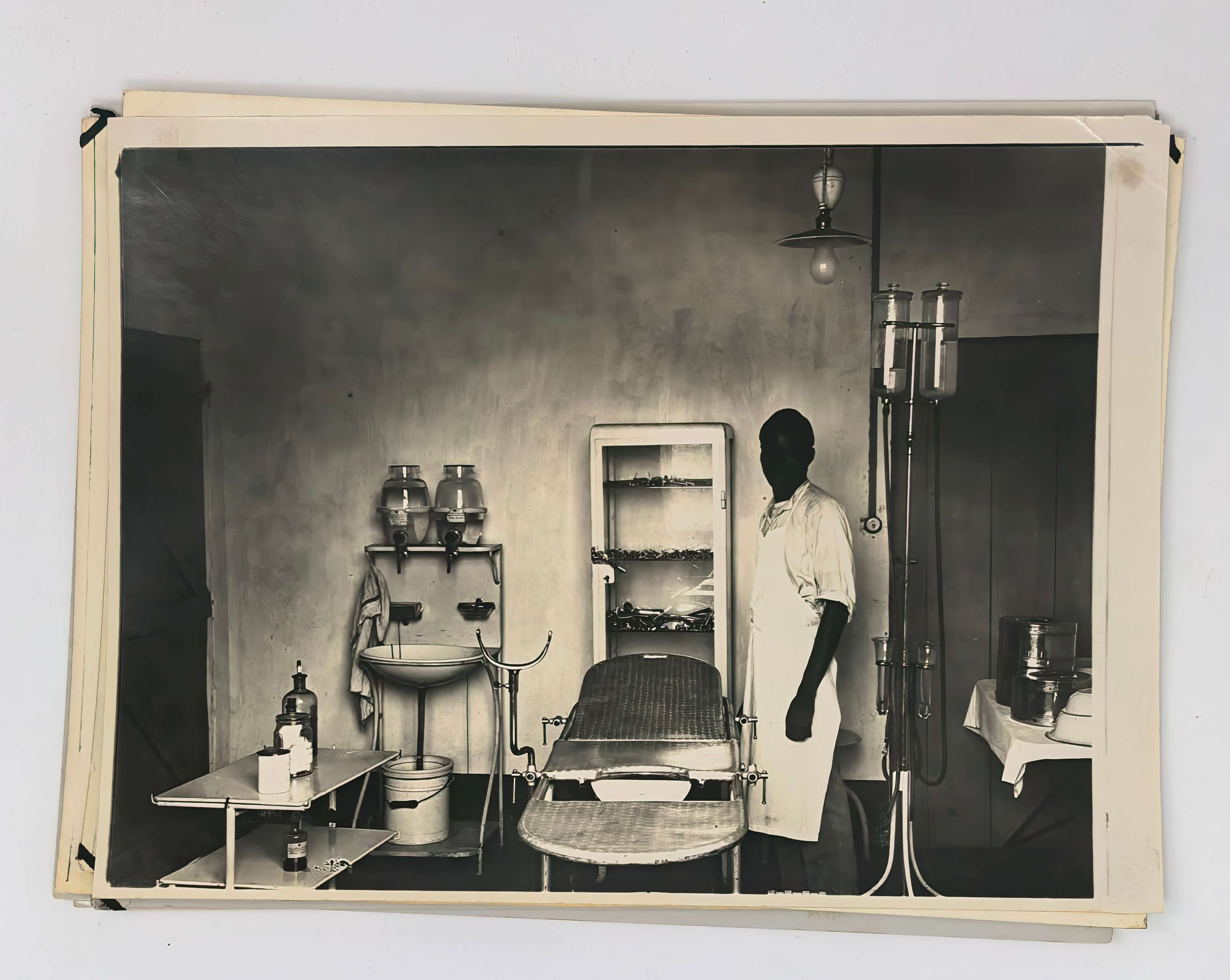
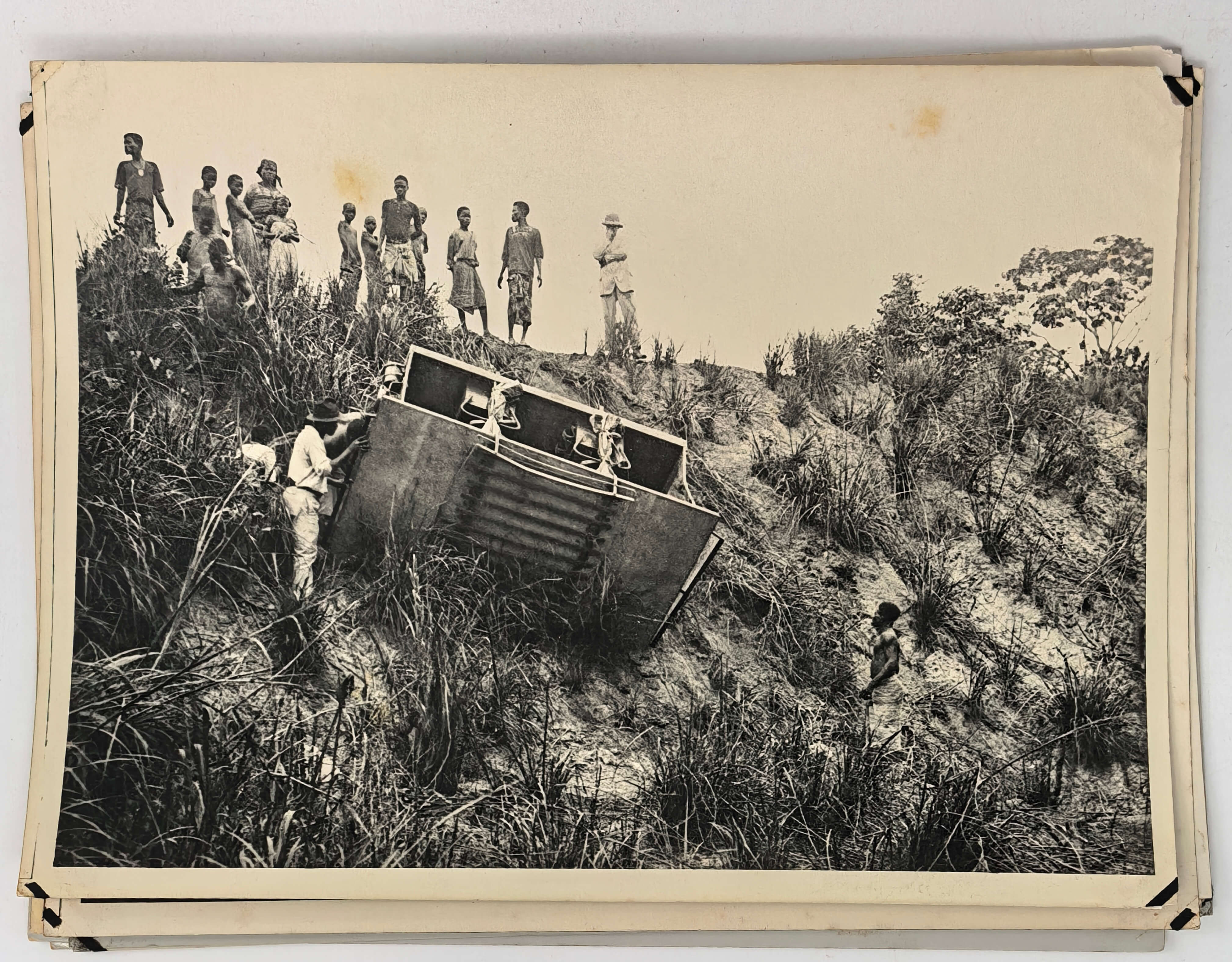
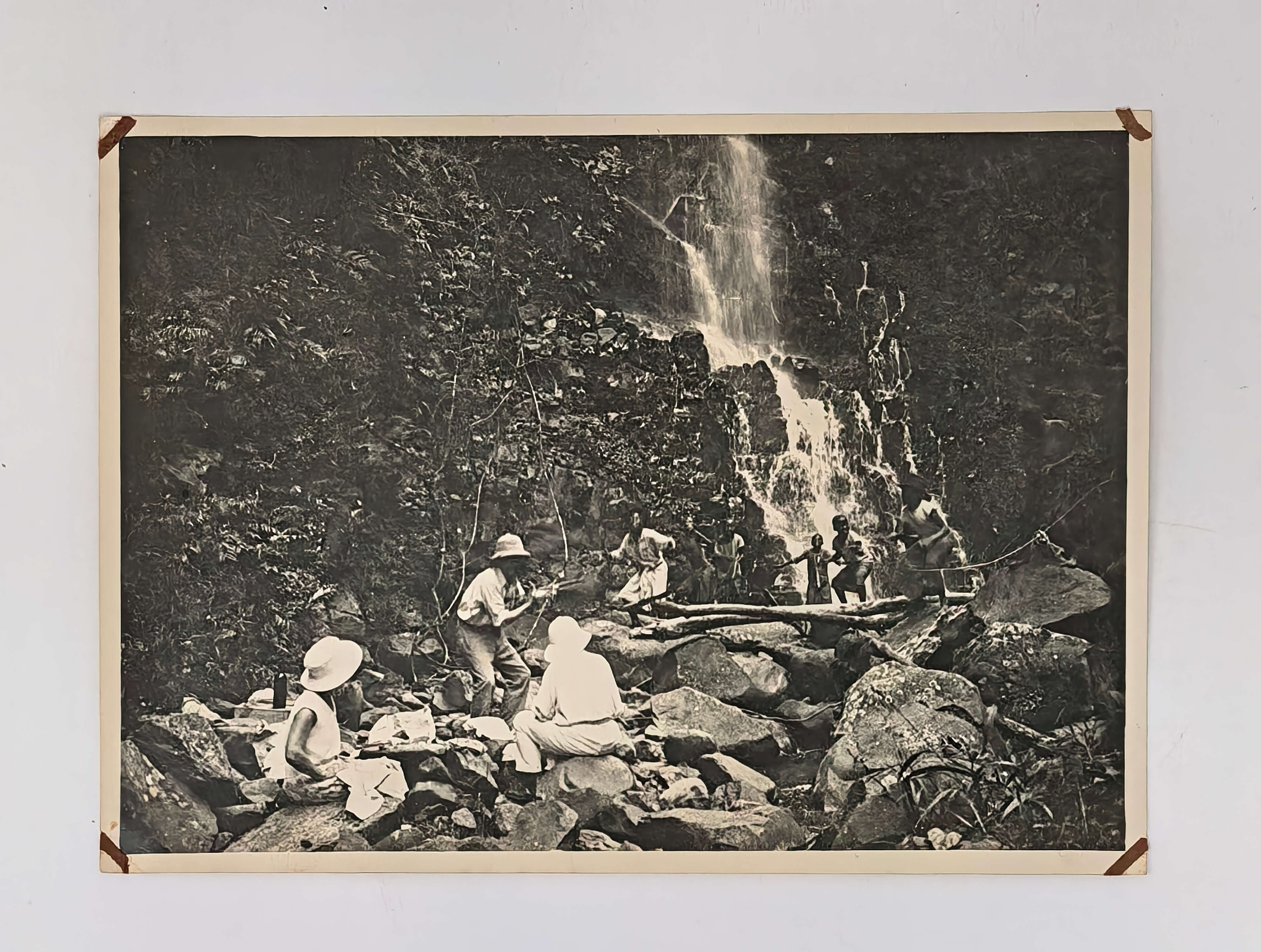
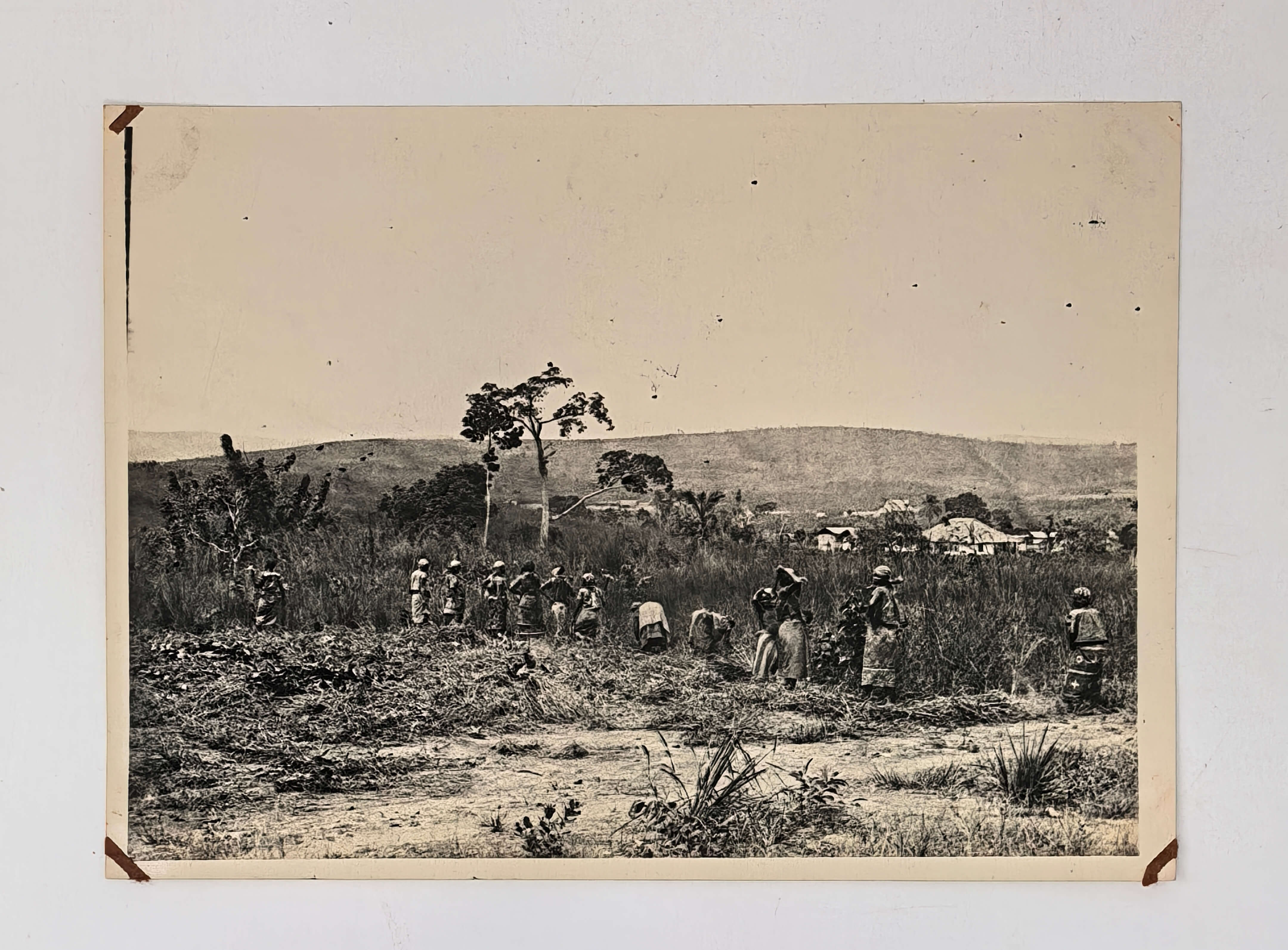
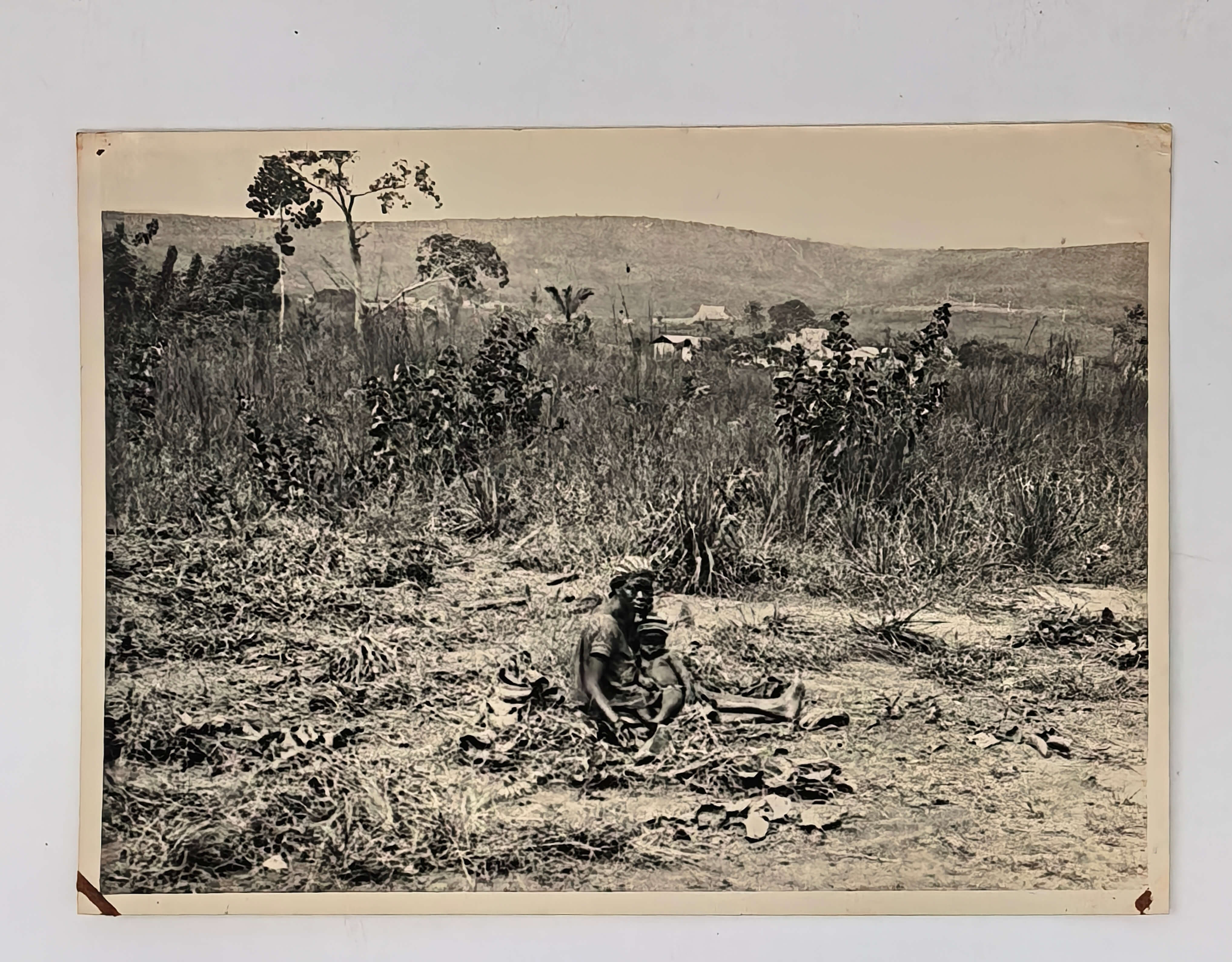
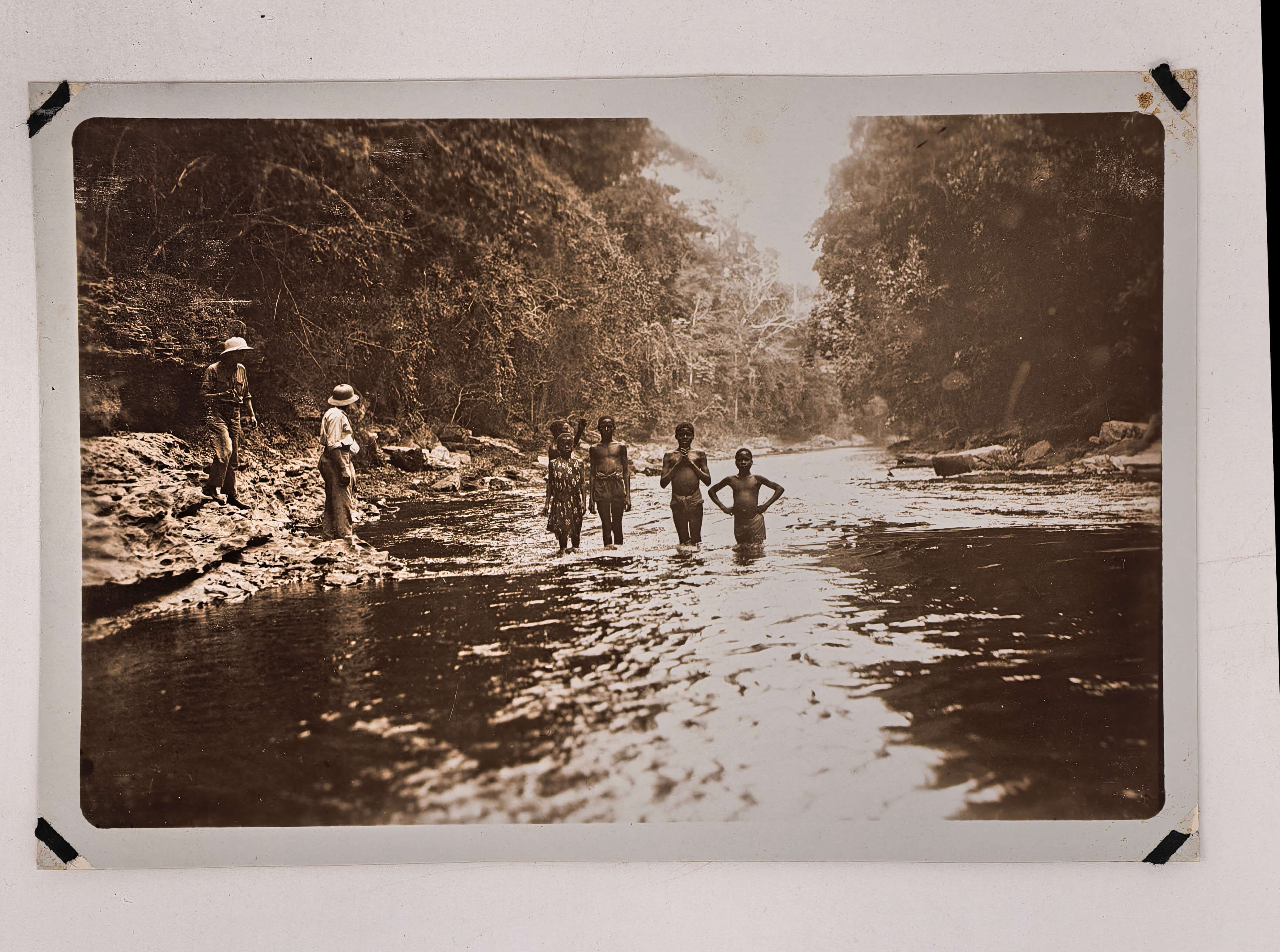
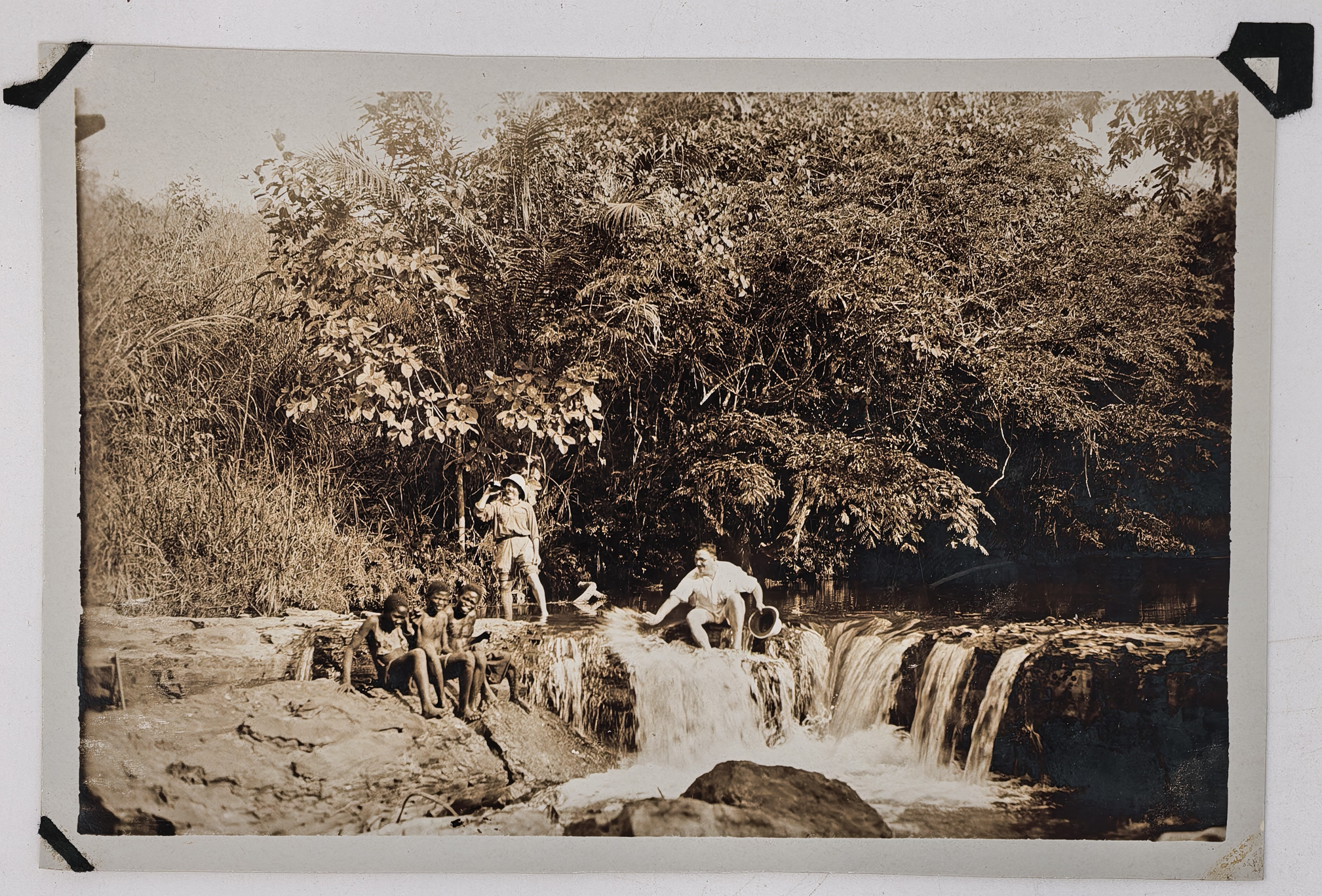
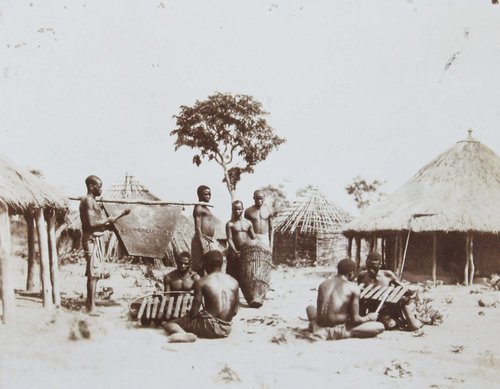
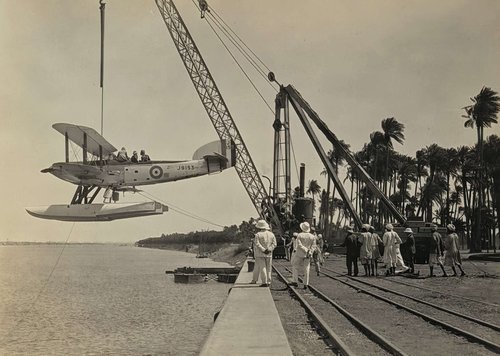
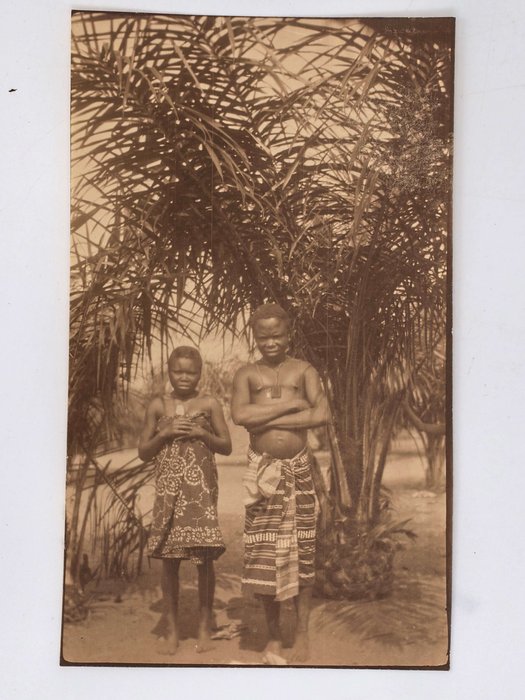
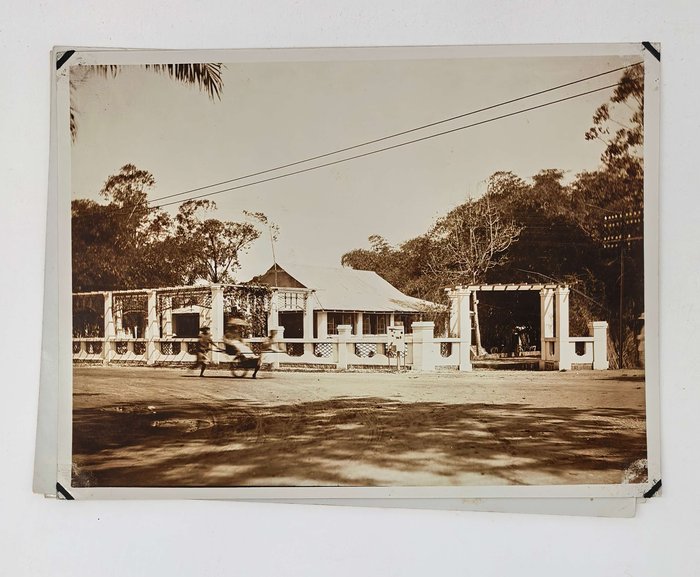
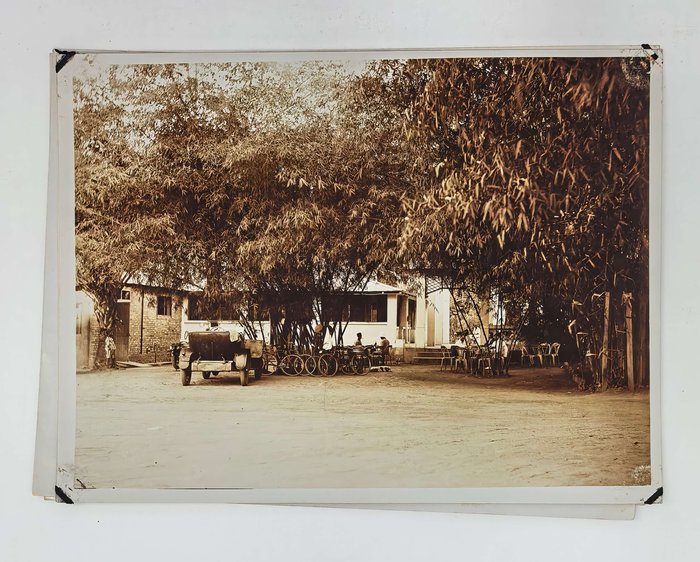
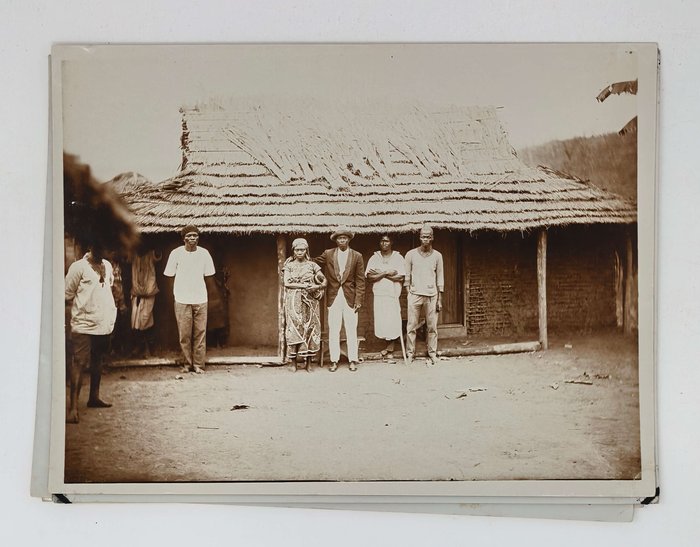
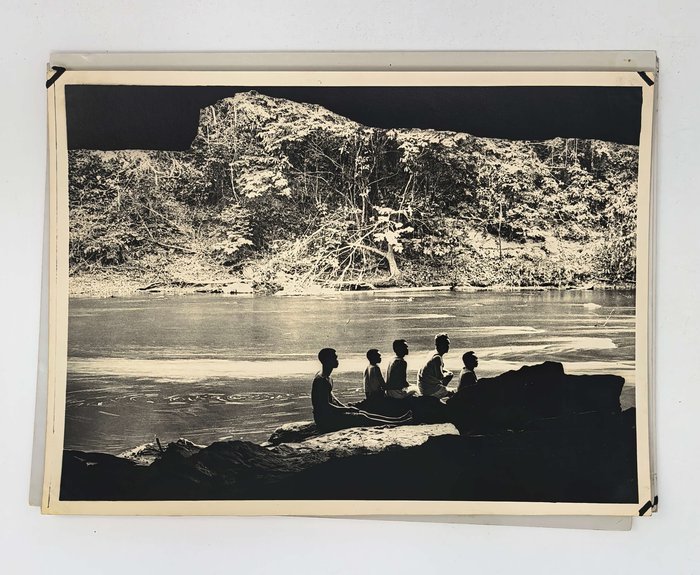
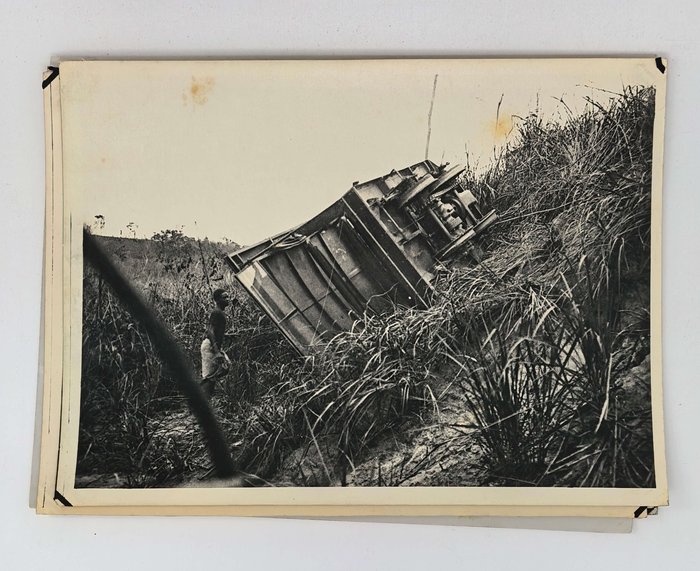
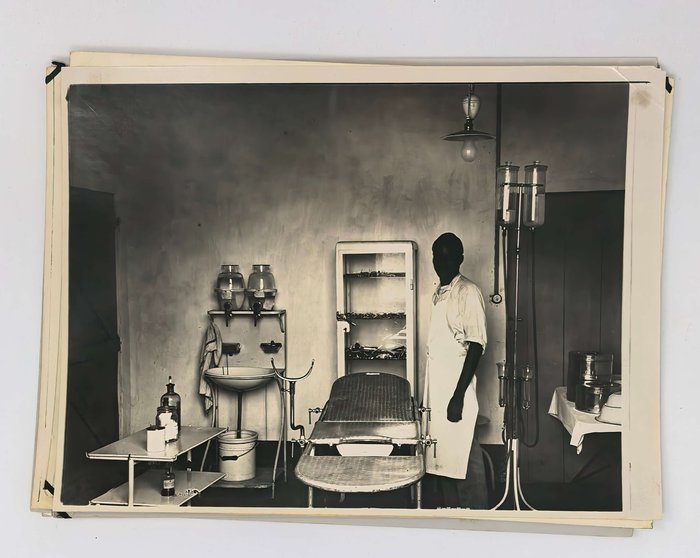
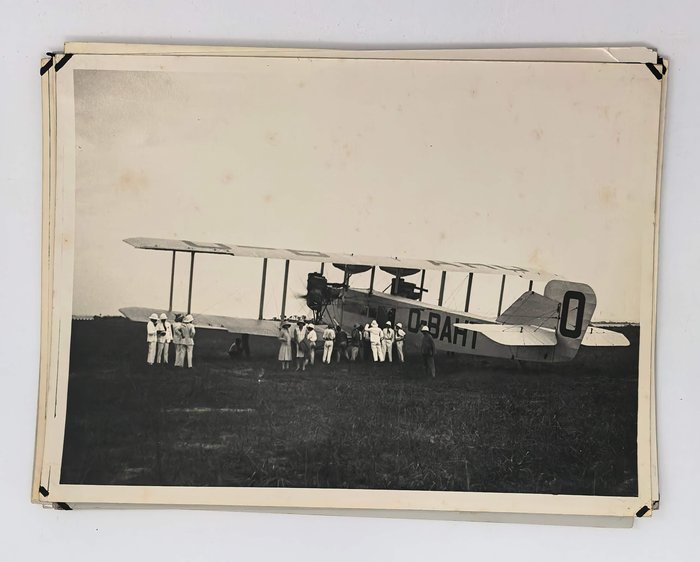
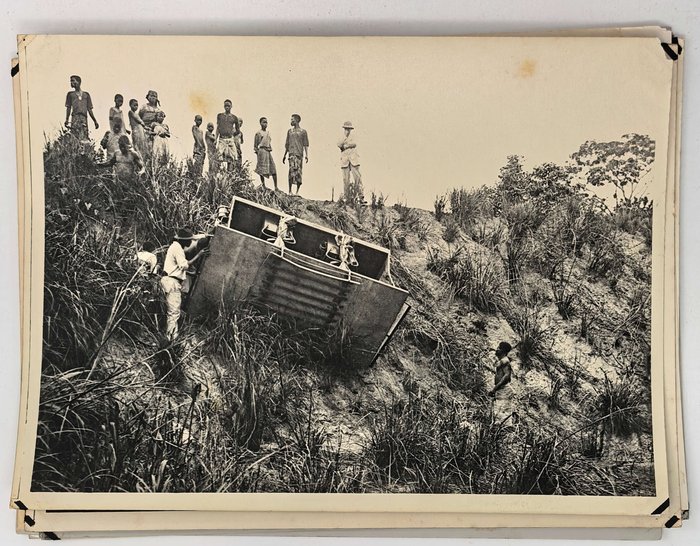
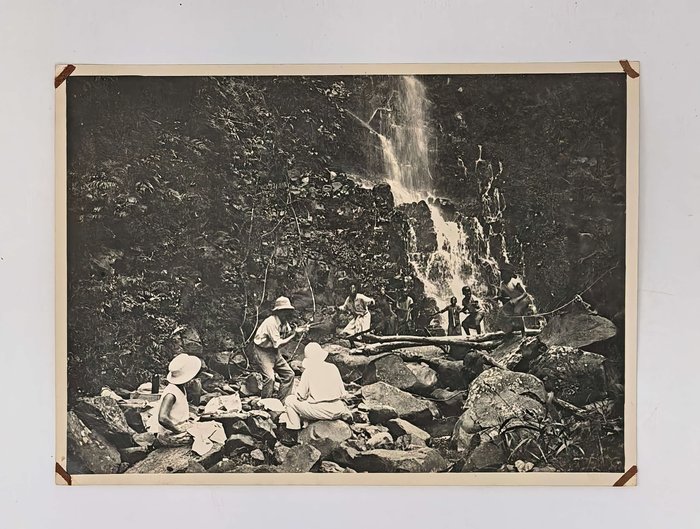
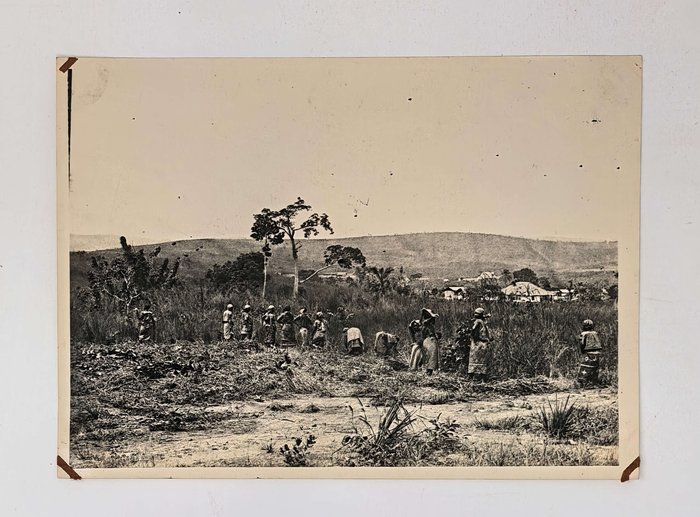
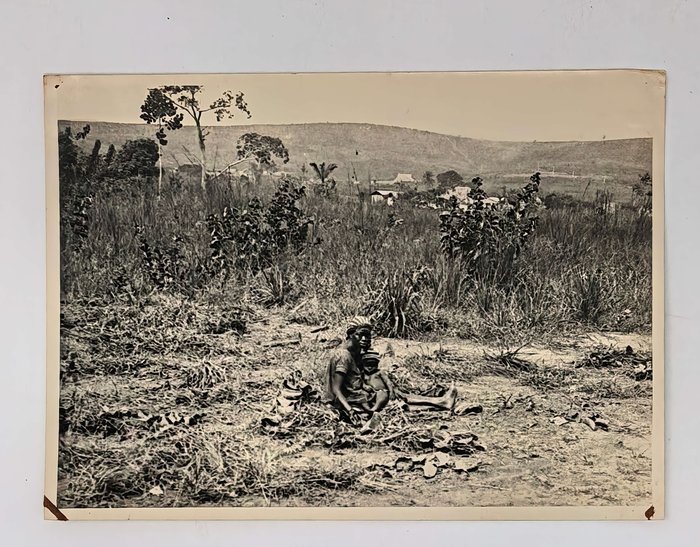
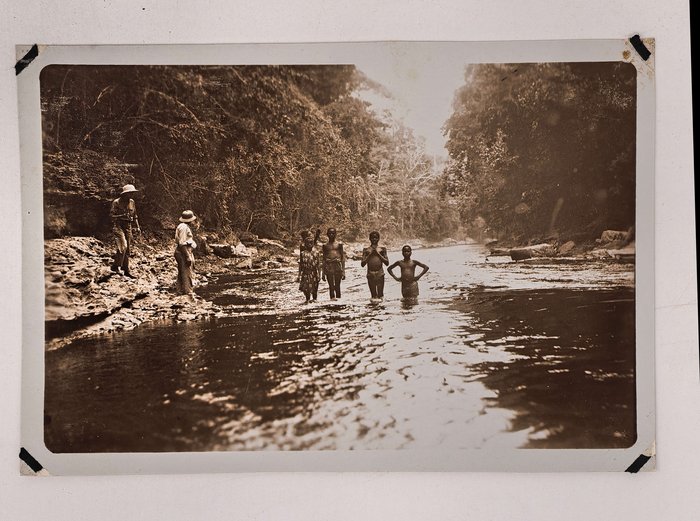
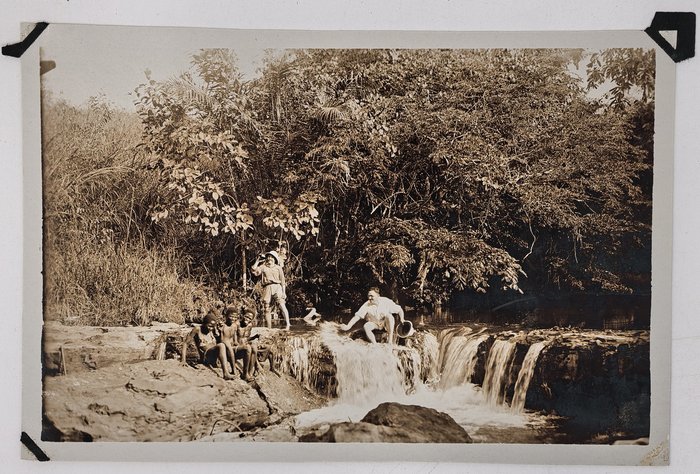
Over seventy photos depict the Loukouni River (one image is captioned “Les gorge de la Loukouni”), and also most likely its tributaries M’Vouvou and Mindouli which surrounded the area where the plant was constructed. The photos show river valleys and gorges, overhanging cliffs, rapids and waterfalls, with French residents swimming, picnicking on the banks, posing on a hanging bridge, under the cliffs, &c. There are also photos of native villages with thatched-roof houses, a Congolese town street with an open-air restaurant, the interior of a local infirmary with a Congolese caretaker; a biplane (sign “O-BAHT” painted on the side) with a group of French colonial residents; views of a capsized rail cart on a slope, being examined by Congolese workers; portraits of French residents posing next to their bungalows or pretending to do a boxing match, Congolese boatsmen and their pirogues, workers and their families posing in front of their cottages, women working in a field a young man climbing up a palm tree, a mother with child, and others.
Overall an interesting extensive collection of original gelatin silver photos of the Mindouli ore processing plant and district in the middle Congo River in the 1930s.