
#PF57
Ca. 1900s – early 1910s
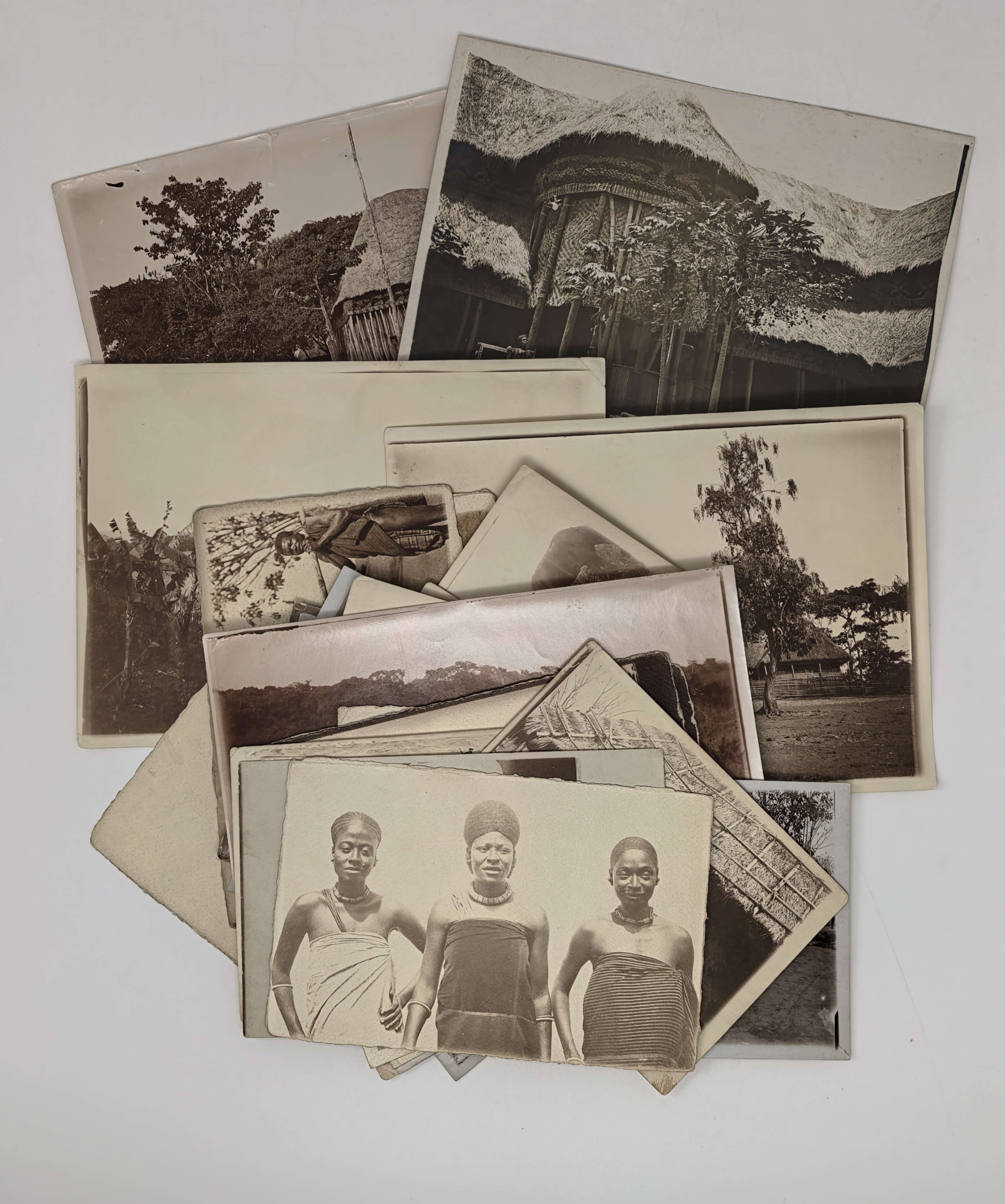
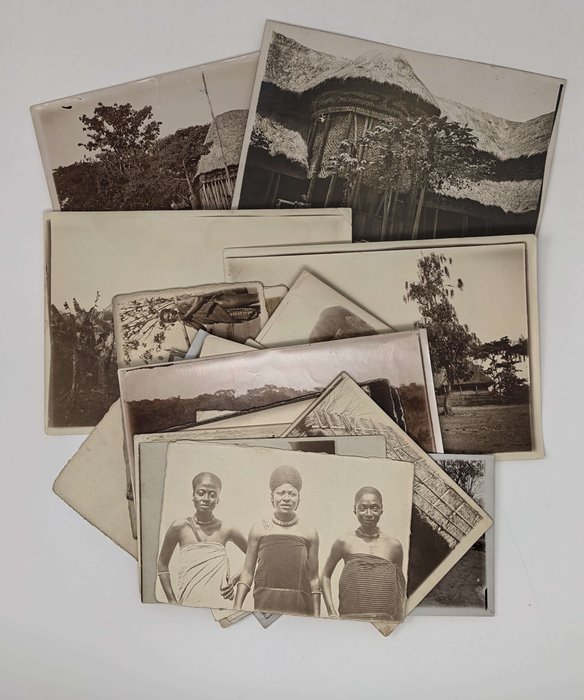
40 loose gelatin silver photos (fourteen published as real photo postcards), including five large images ca. 13x17,5 cm (5x7 in). The rest of the photos are from ca. 9x14 cm (3 ½ x 5 ½ in) to ca. 6x9 cm (2 ½ x 3 ¼ in). Twenty-six photos with period ink or pencil captions in German on verso or recto; eight are with manuscript dates from 1908 to 1912. A few photos with minor creases, loss of a corner or mildly faded, but overall a very good collection of strong interesting photos.
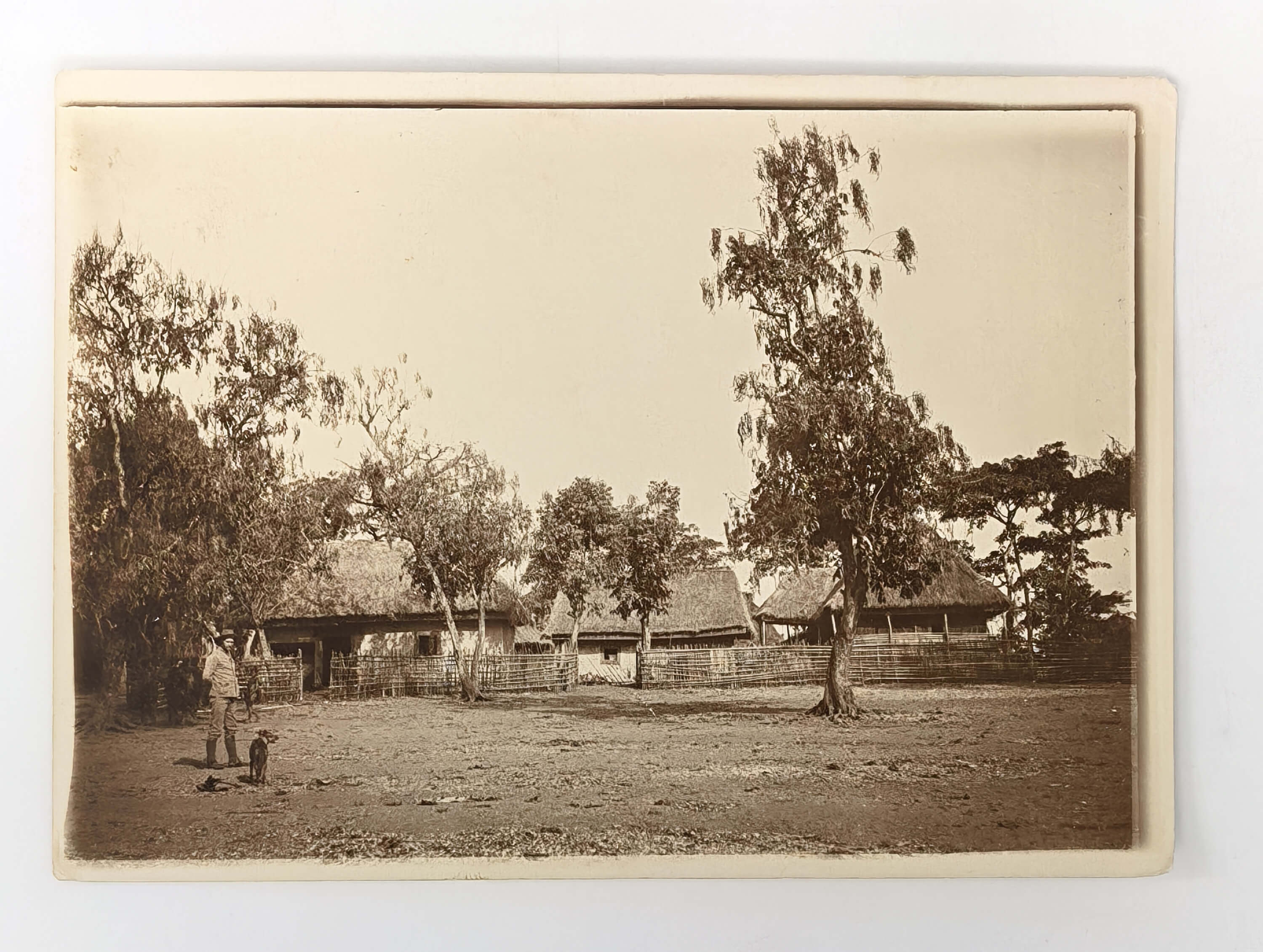
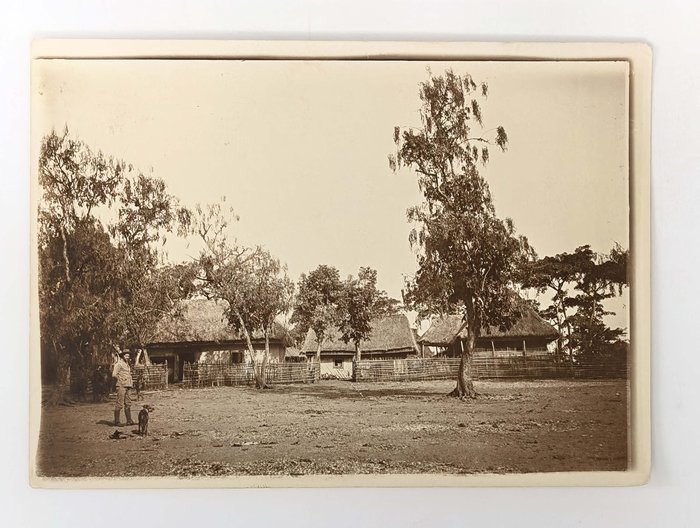
Historically significant collection of forty original gelatin silver photographs, taken by a German military officer during his service in the German protectorate of Kamerun in the late 1900s-early 1910s. Very interesting are five early views of “Bamum” – Foumban, the capital of the Kingdom of Bamum, which became a part of German Kamerun in 1884. The images show “Jojo’s schule” – the school founded by the Bamum Sultan Ibrahim Njoya (ca. 1860 - 1933) to teach the Bamum script, invented by the Sultan himself; Basel Mission Christian chapel, one of the city gates decorated in traditional Cameroonian style, and two images of the Royal Palace taken before its major reconstruction. “Built between 1904 and 1905, it was destroyed by a fire in 1909” (Geary, C.M. Images from Bamum: German Colonial Photography at the Court of King Njoya. Cameroon, Africa, 1902-1915. Washington & London: Smithsonian Institution Press, 1988, p. 66). The photos include a general view of the palace (“Neue palast von Jojo”) and a close-up photo of the audience courtyard (a similar view, but with carved columns of the central portico, is published in Geary, p. 72)
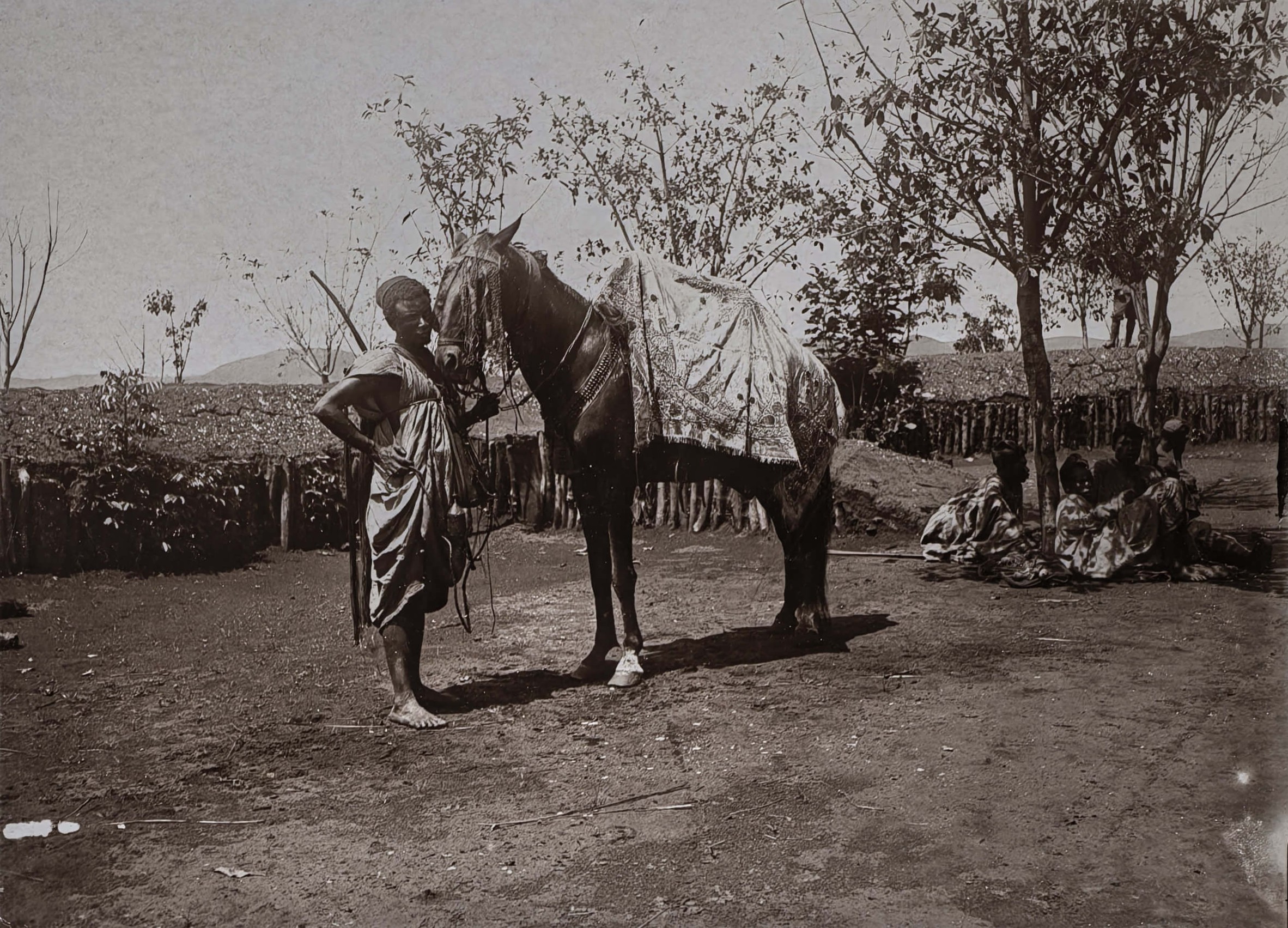
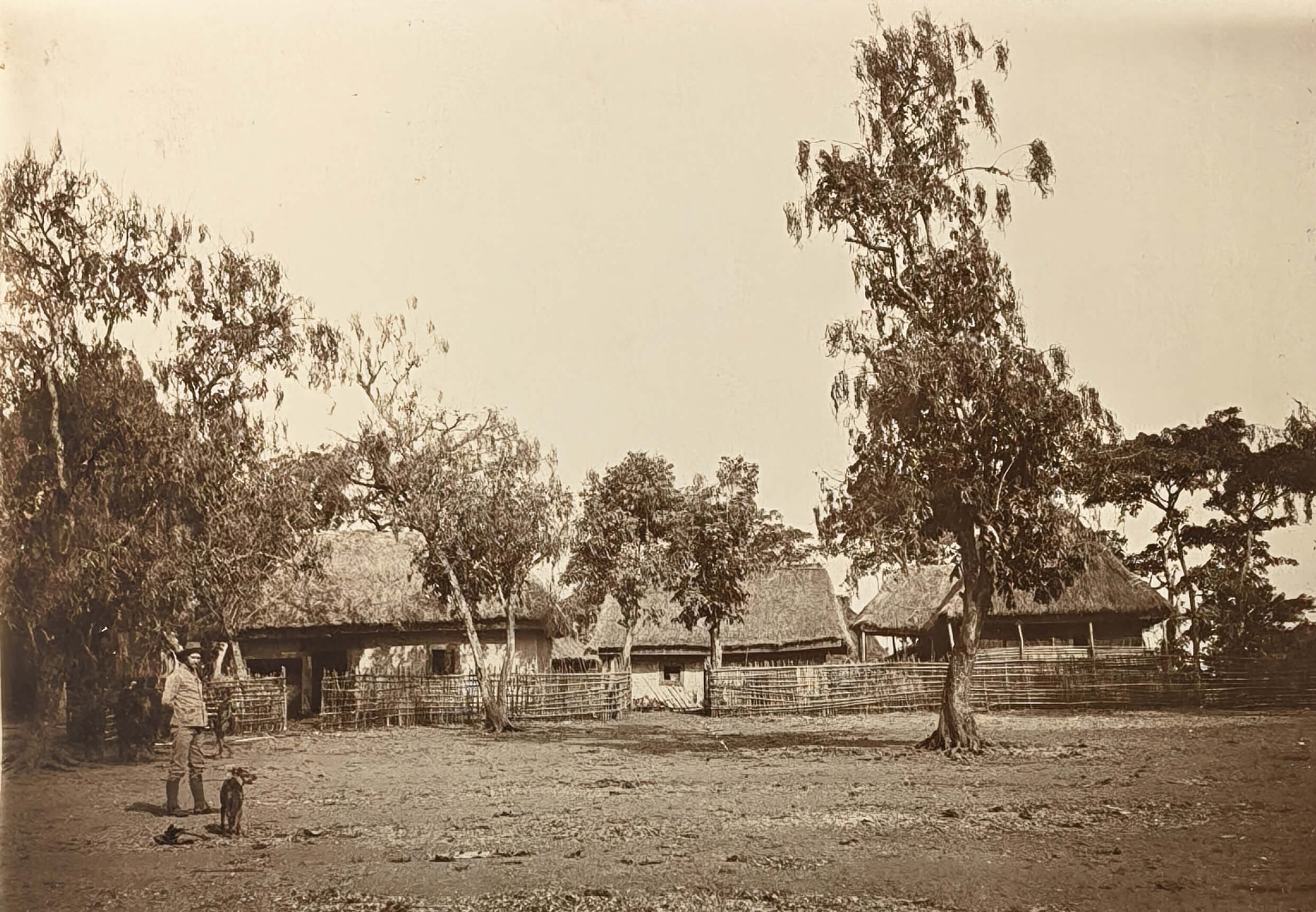
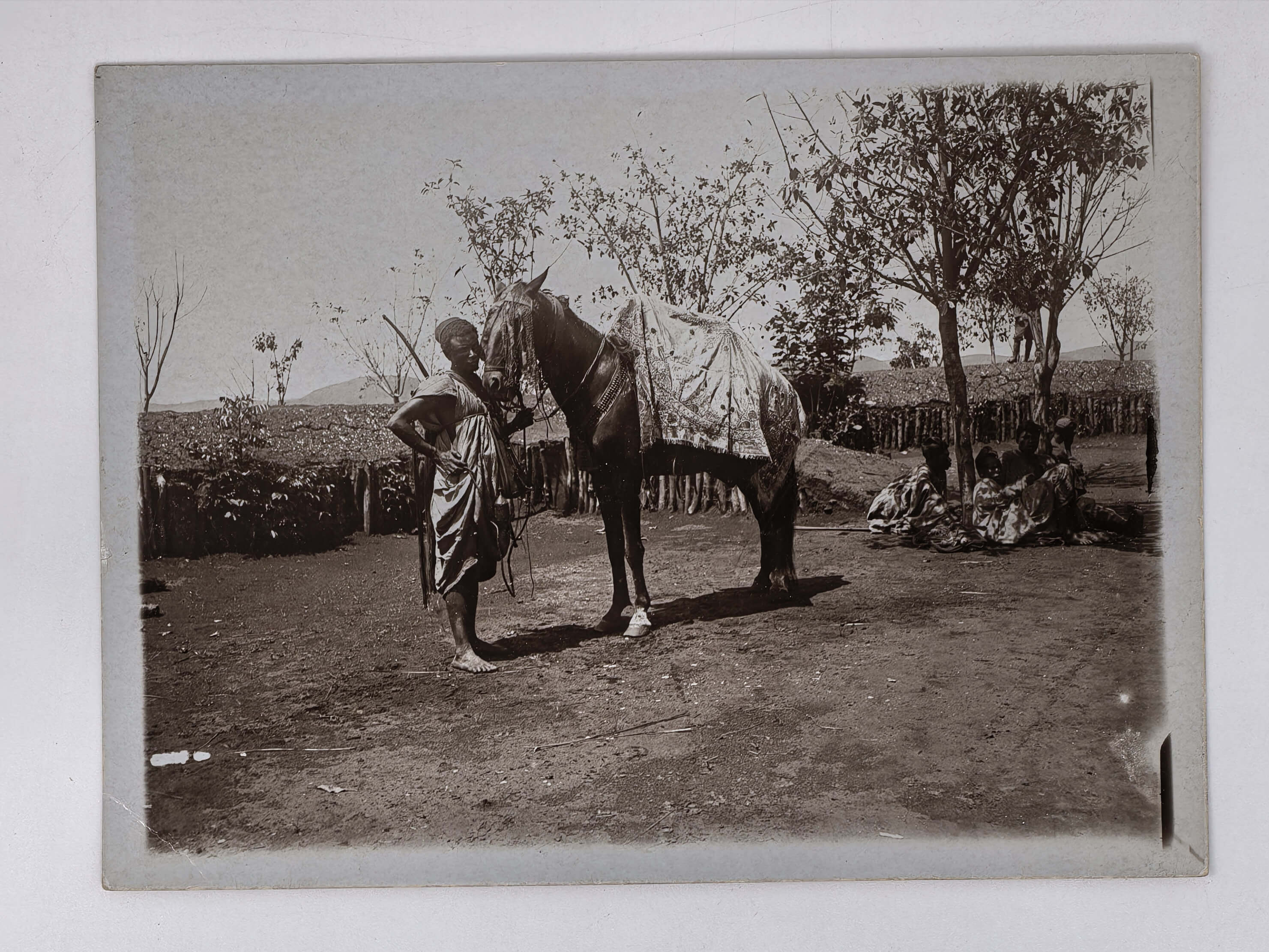
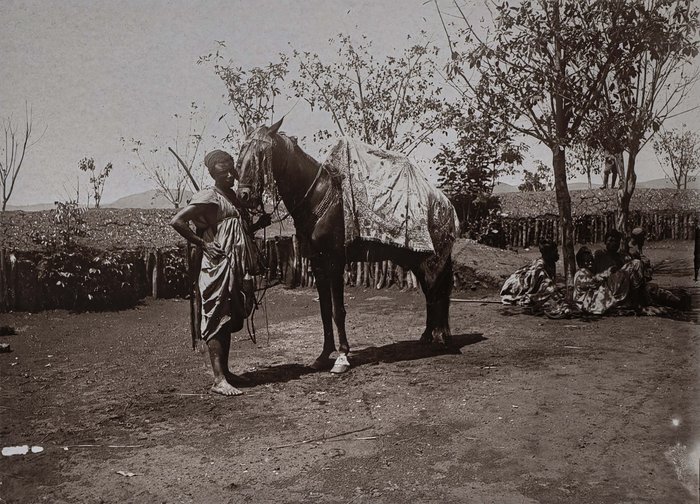
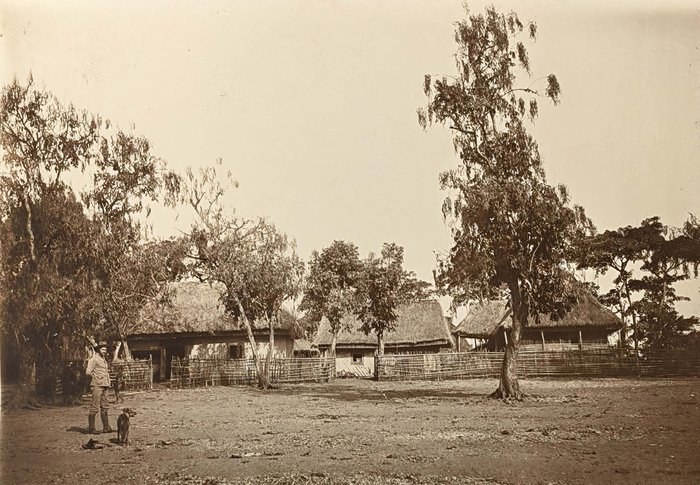
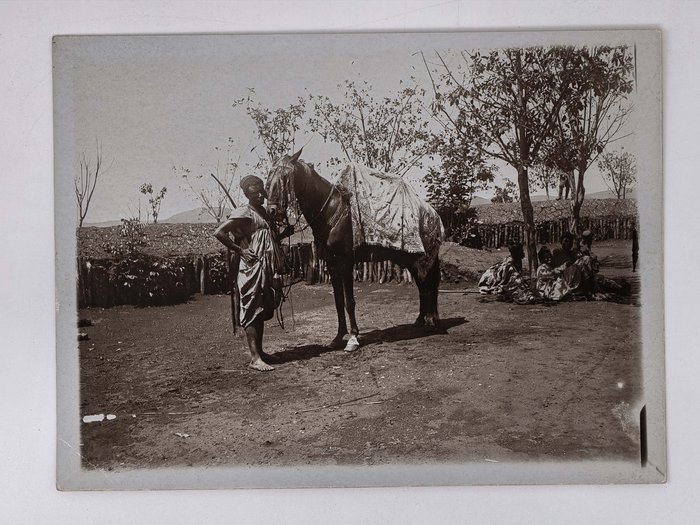
The collection also includes three views of “Banjo” (Banyo in the northwestern Cameroon, the site of the Battle of Banjo between German and British troops during WW1): “Neue Arztwohnung, Marz 1910” [“new doctor’s apartment”], town market and a review of the native troops with horses; and two views of German walled military forts.
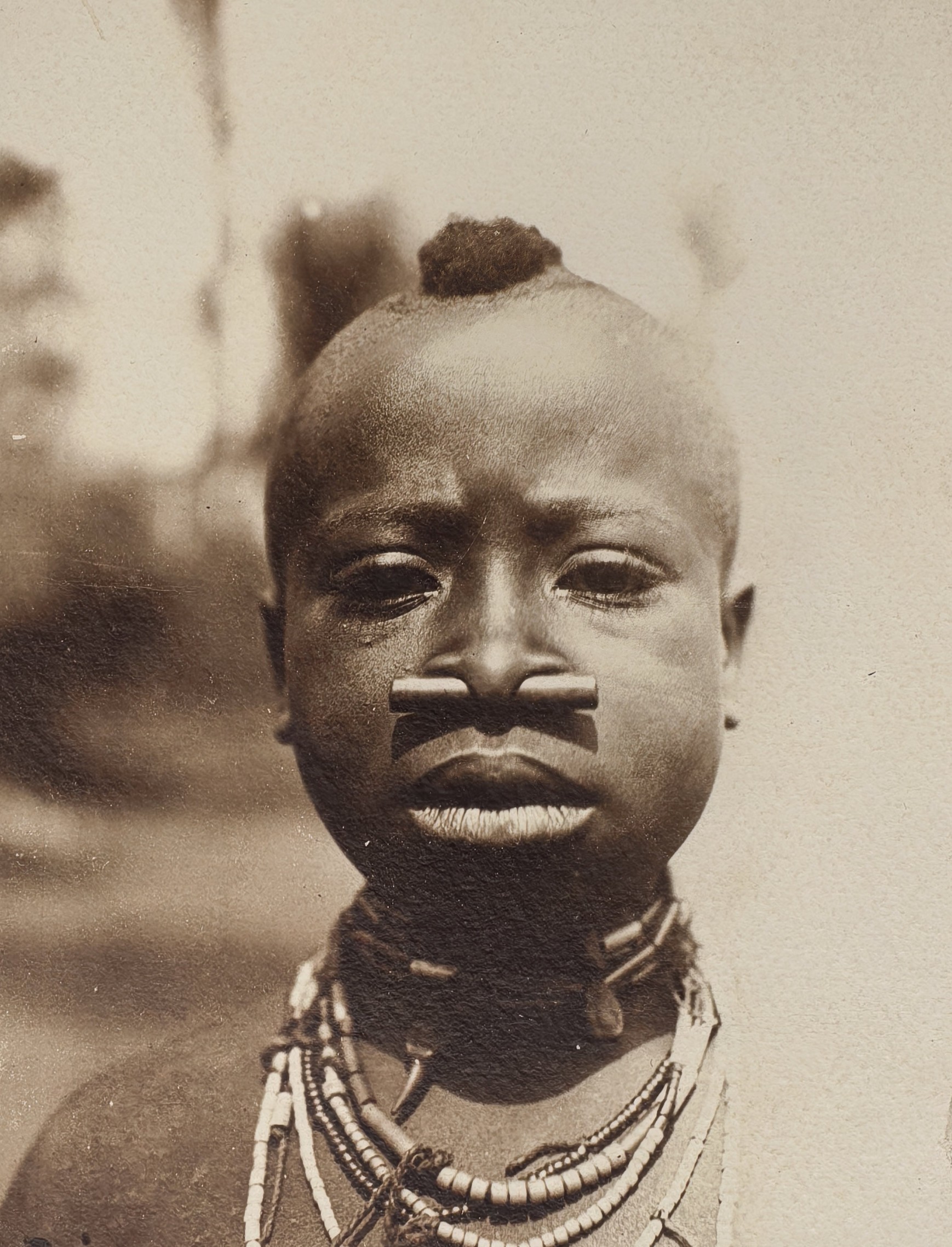
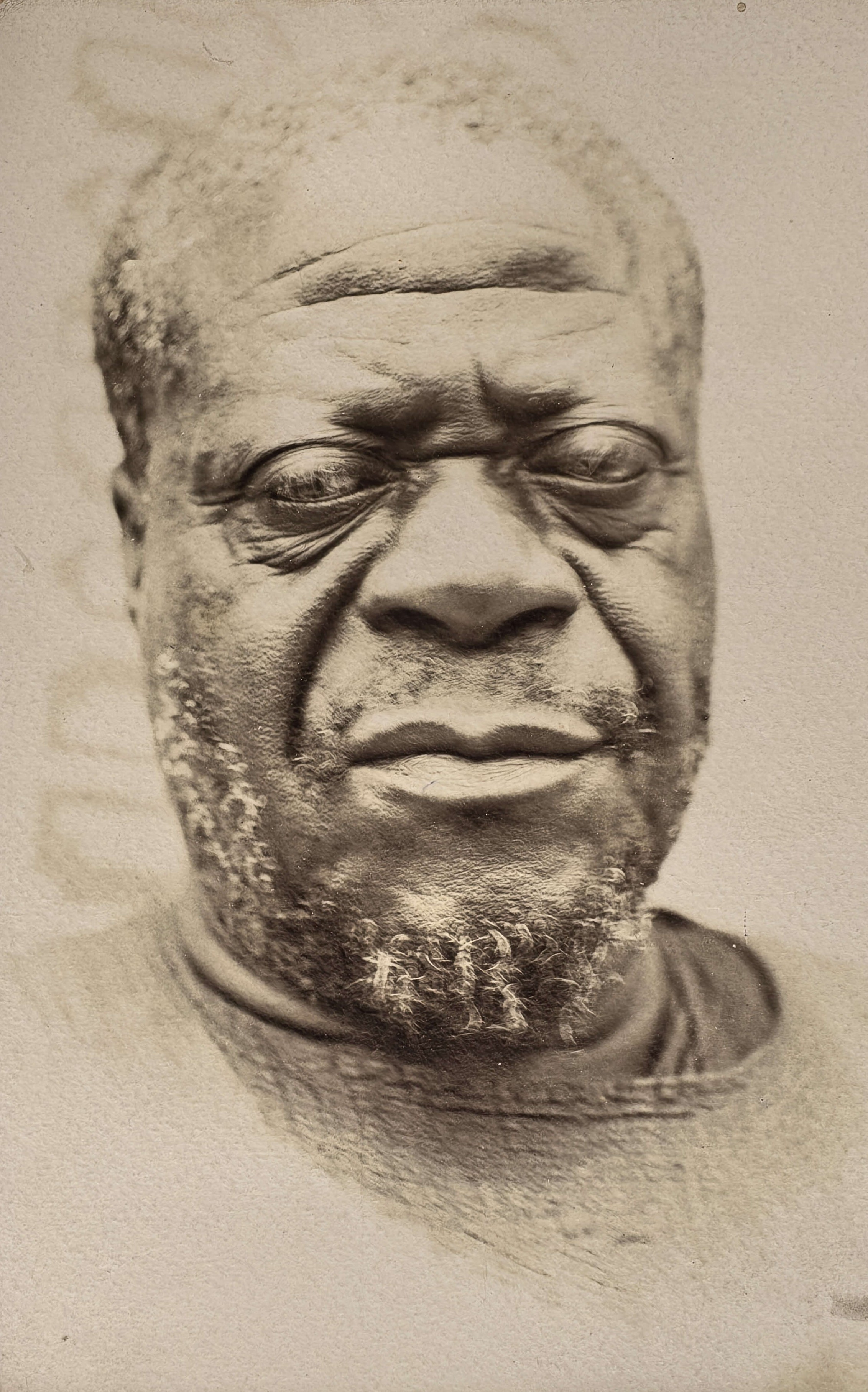
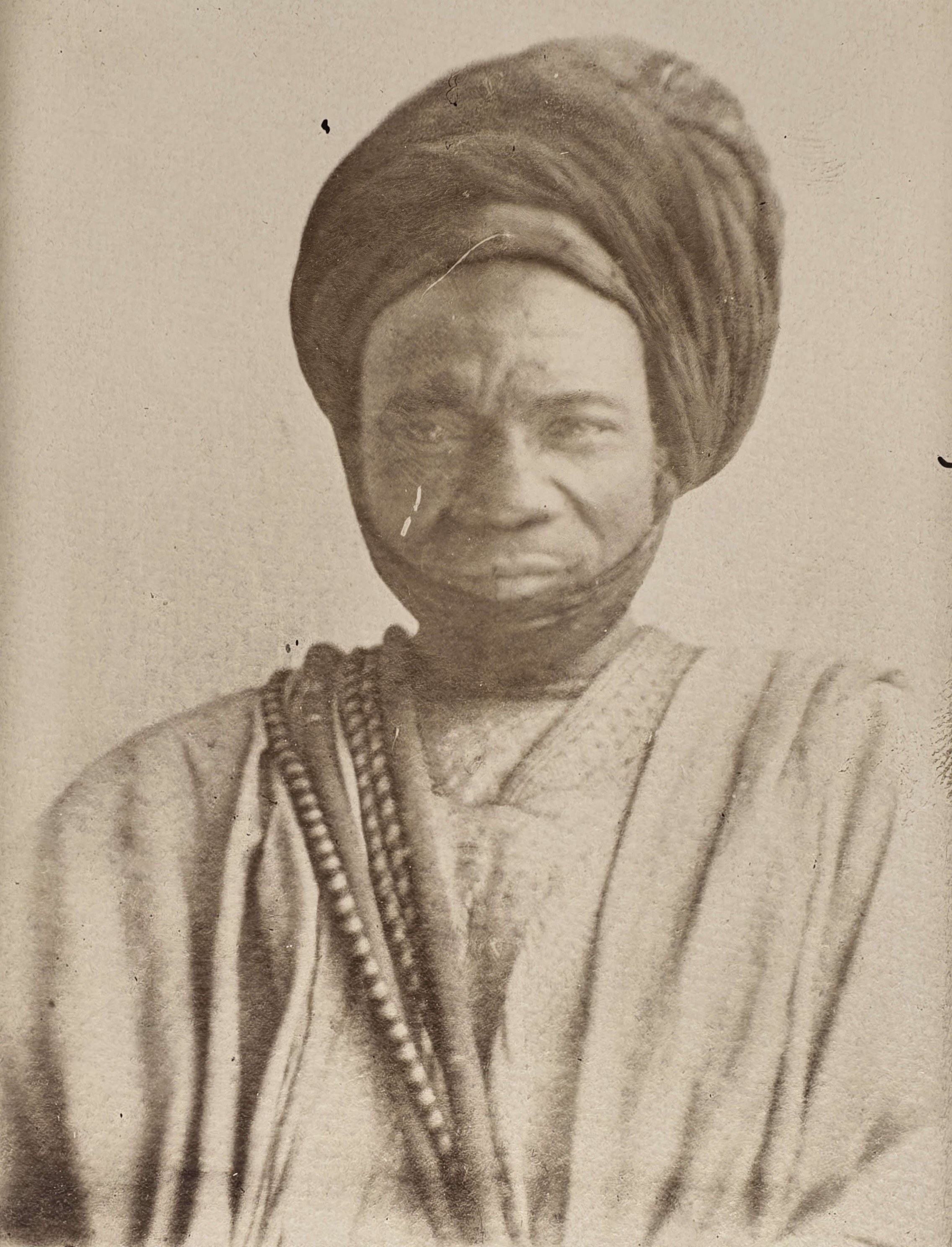
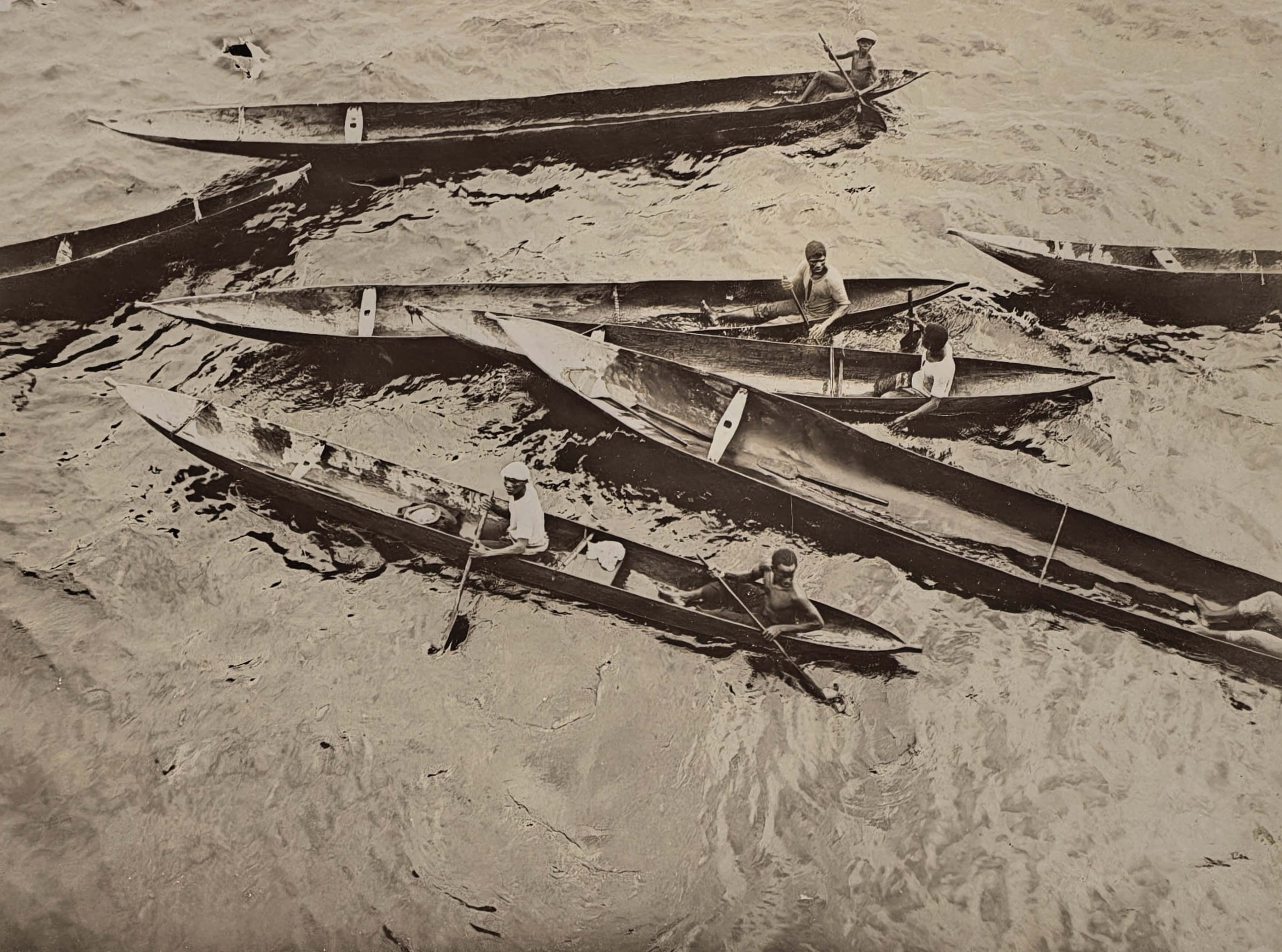
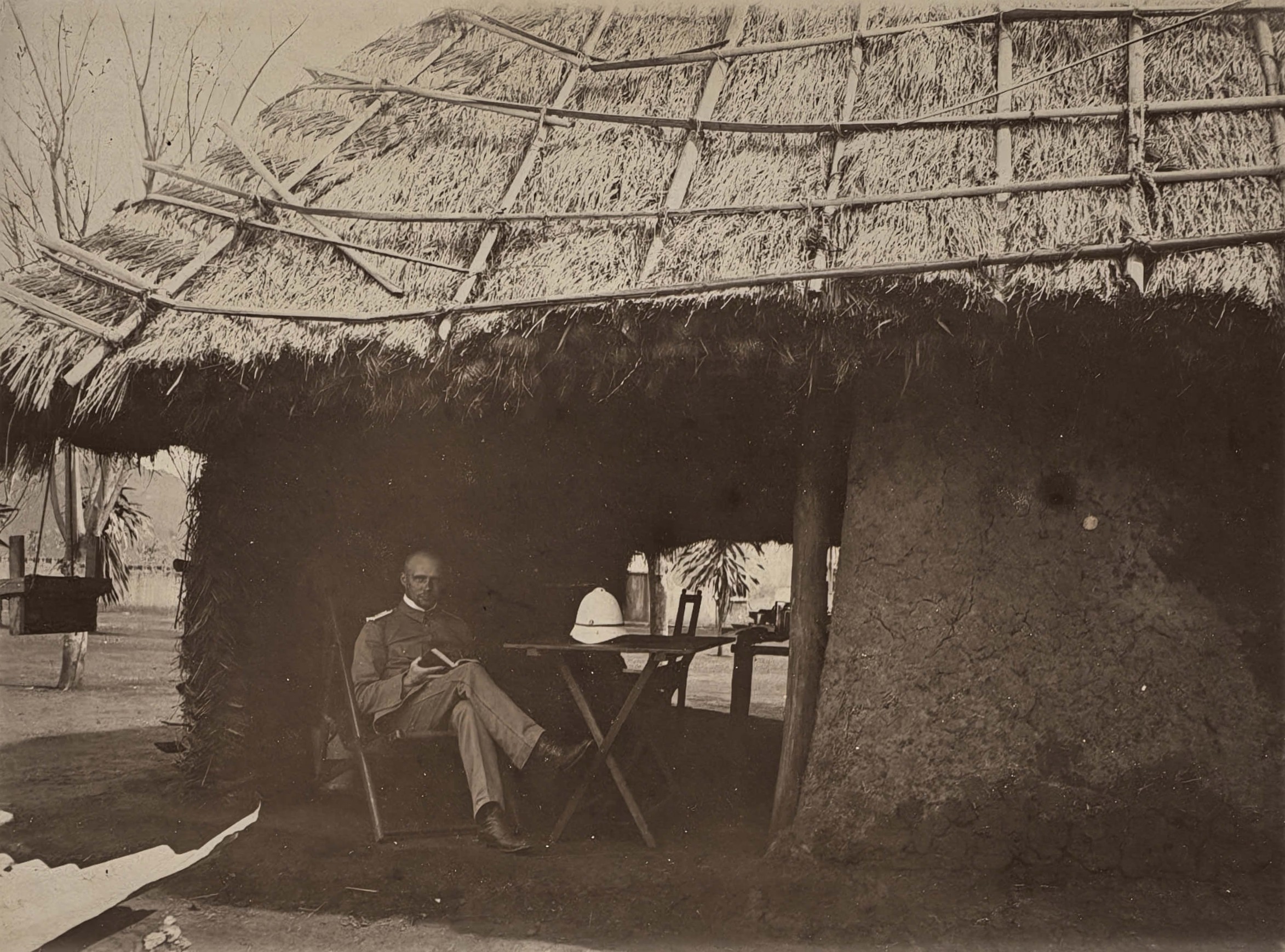
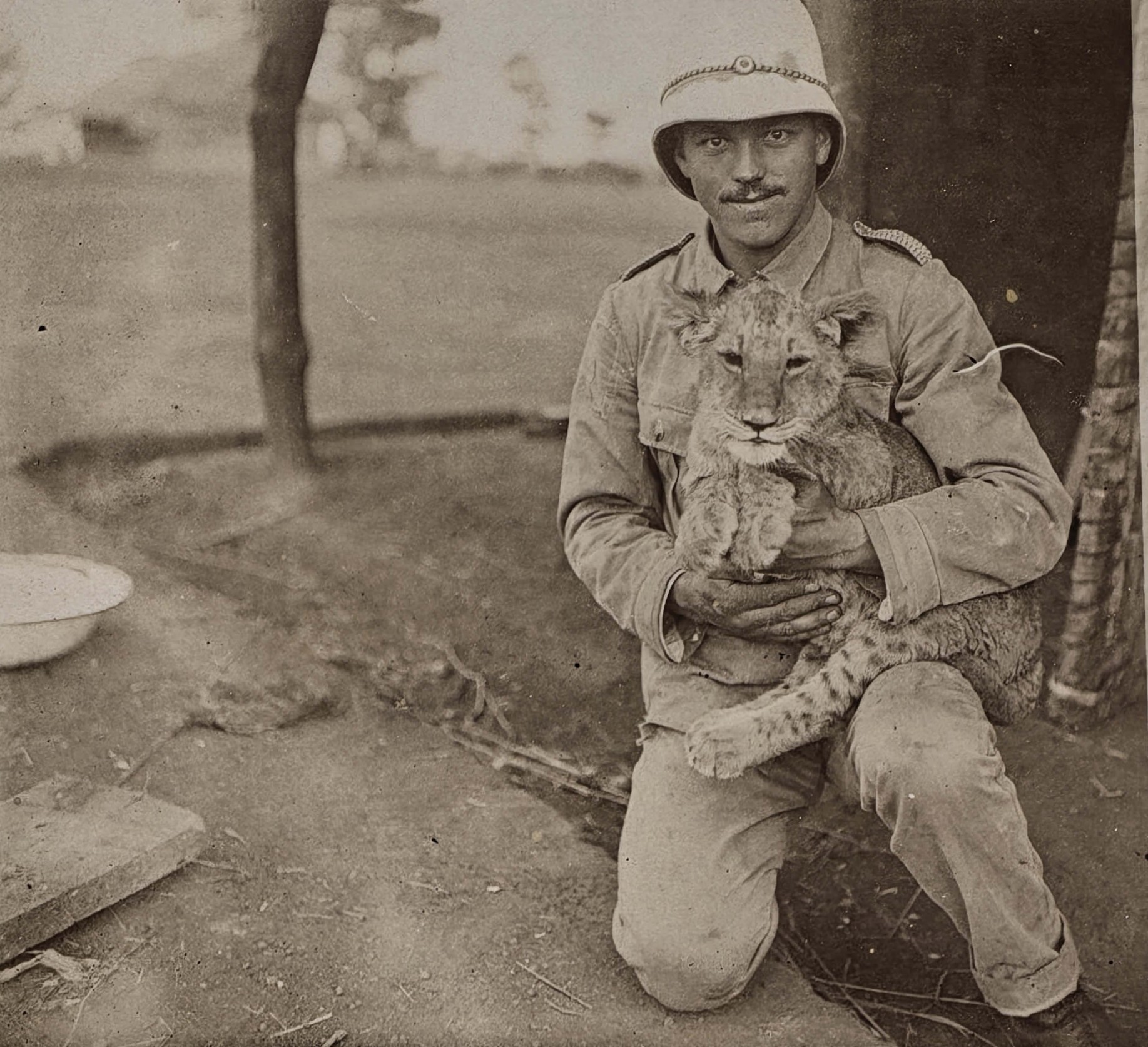
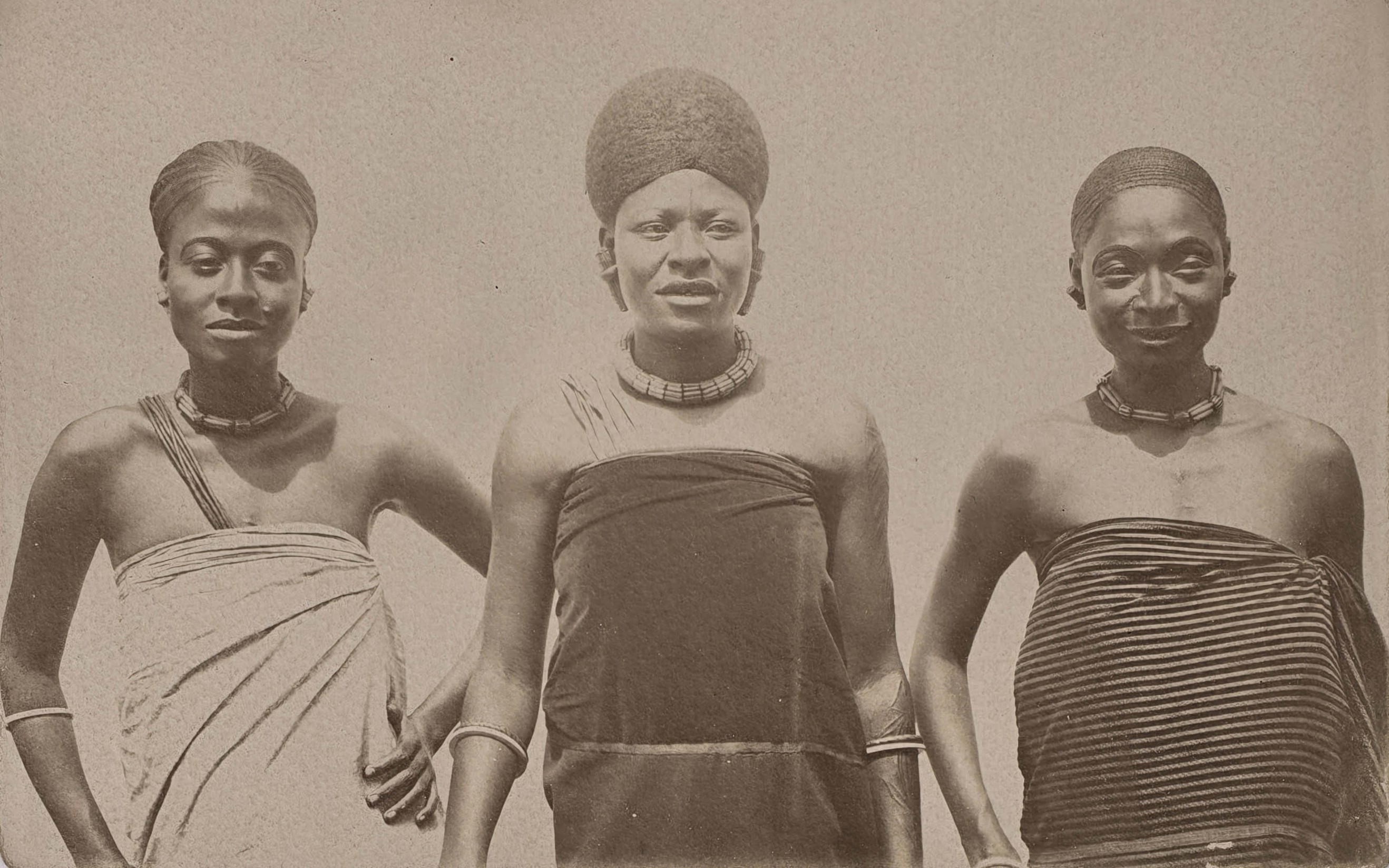
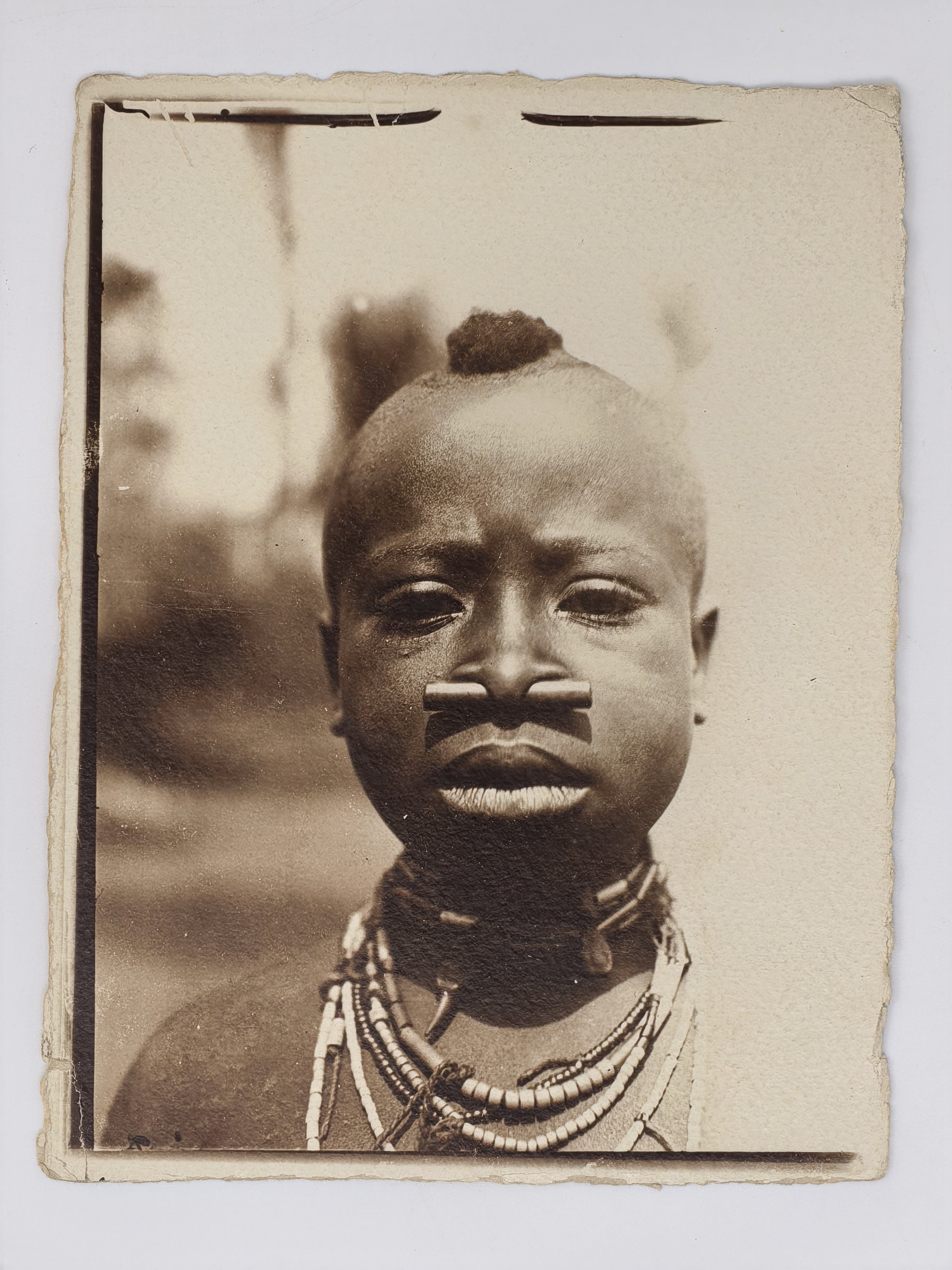
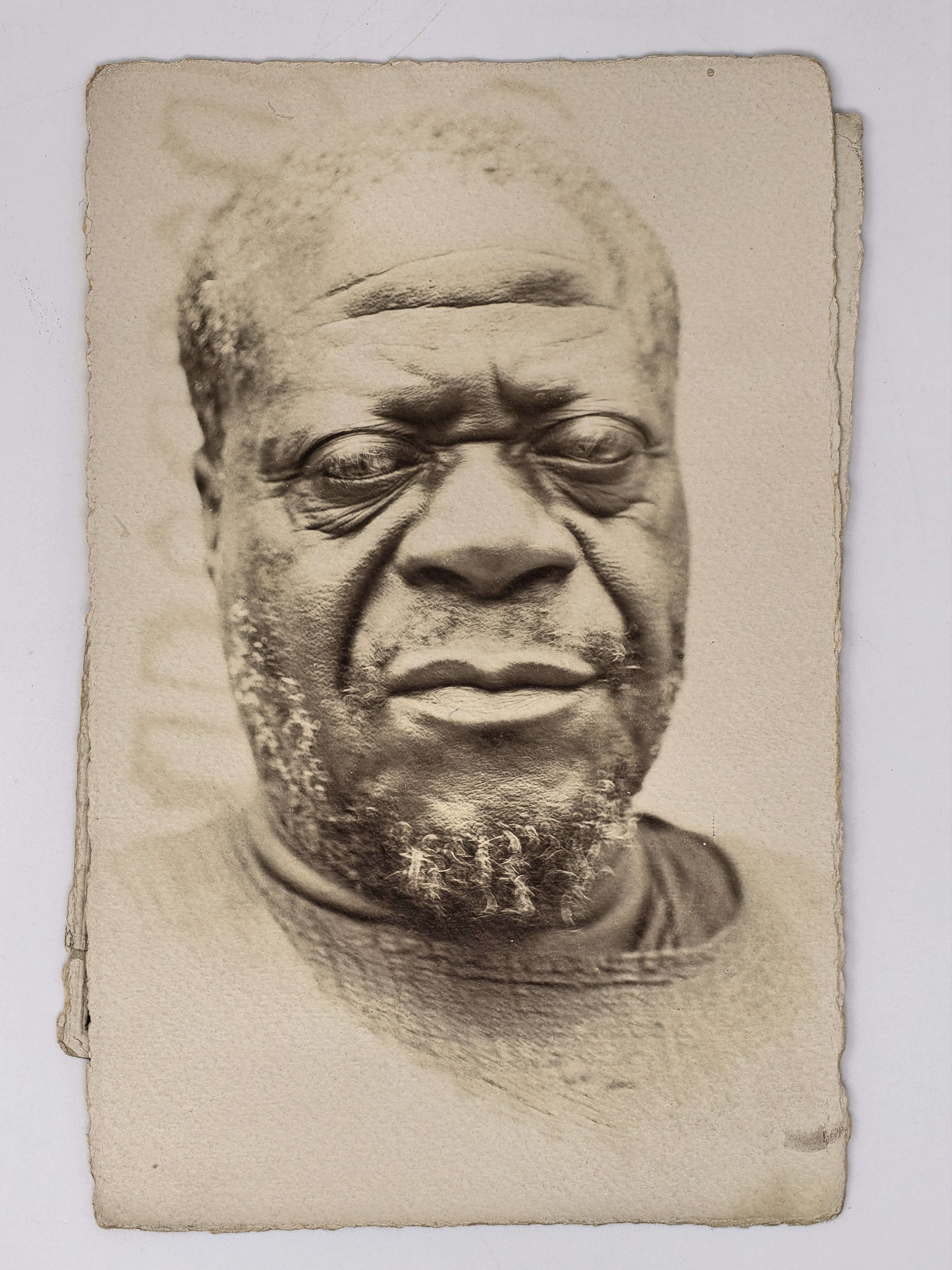
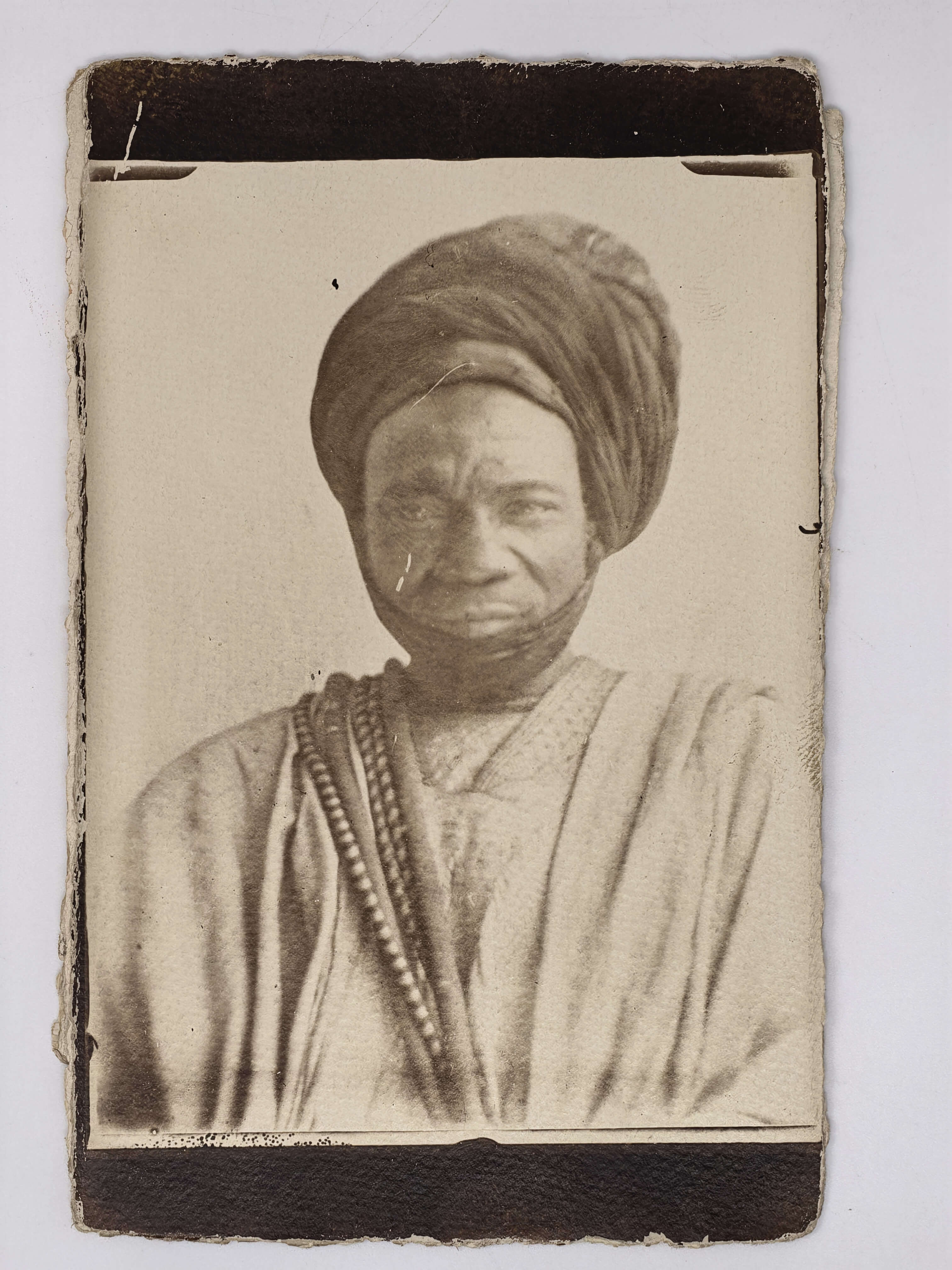
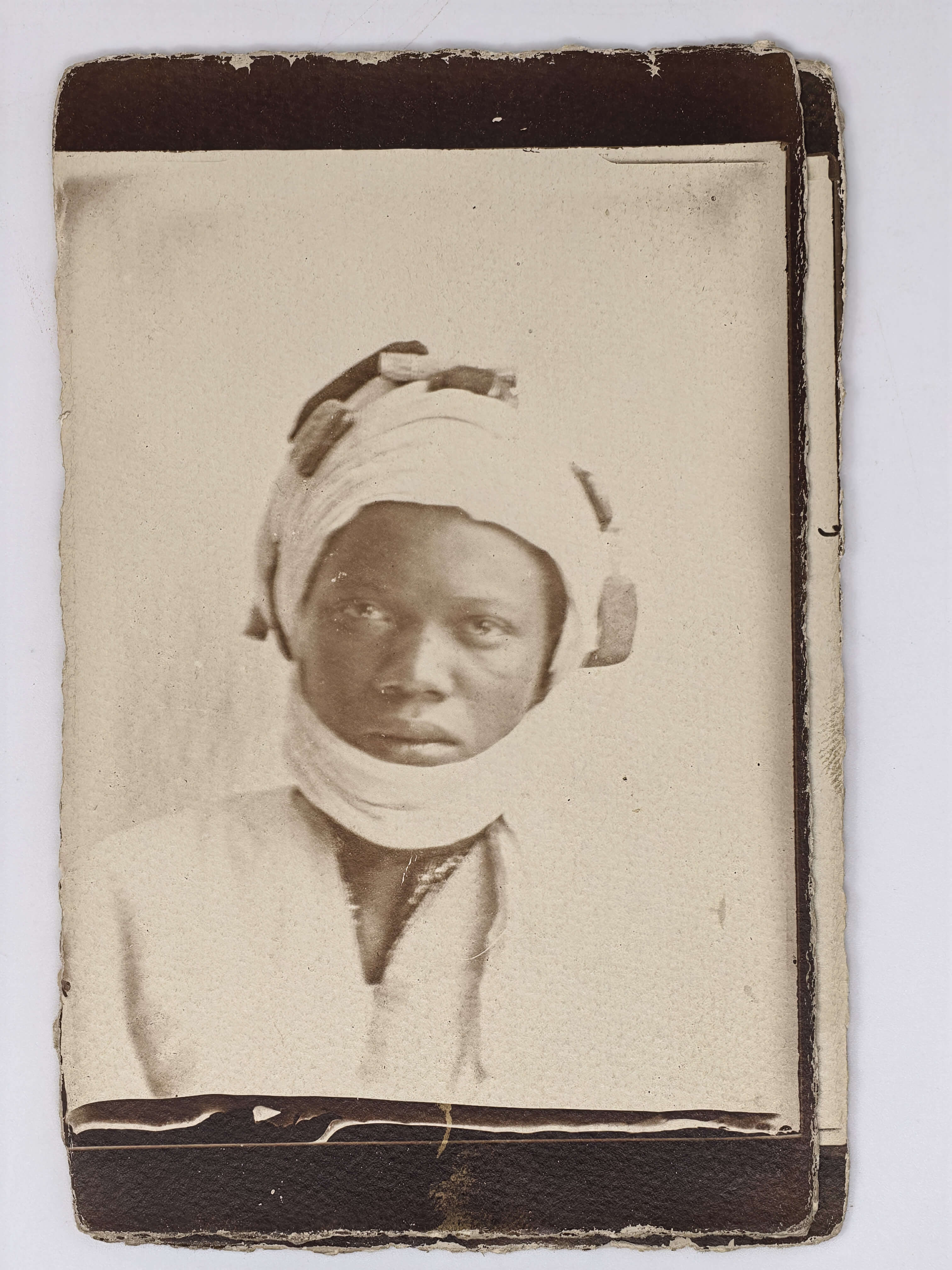
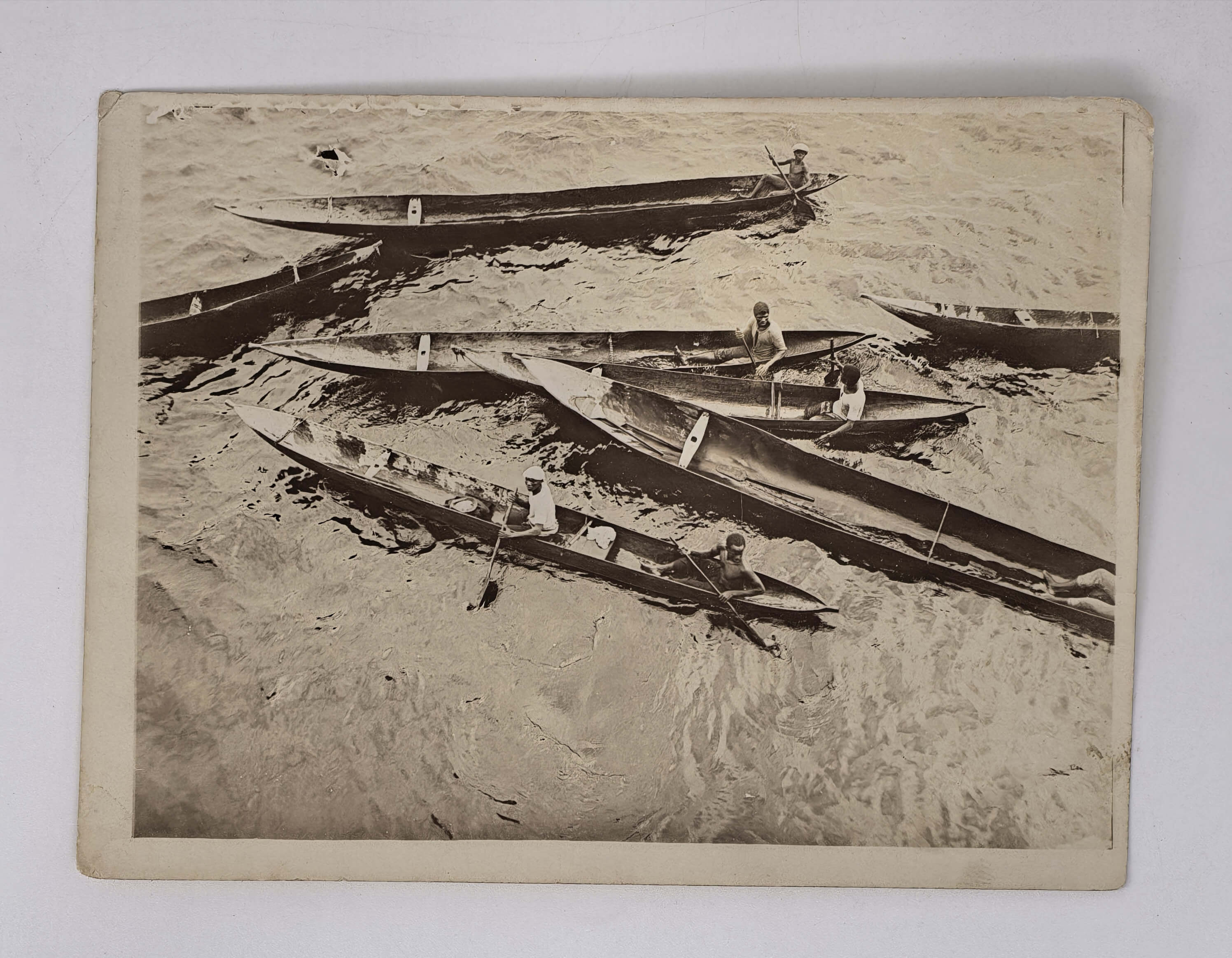
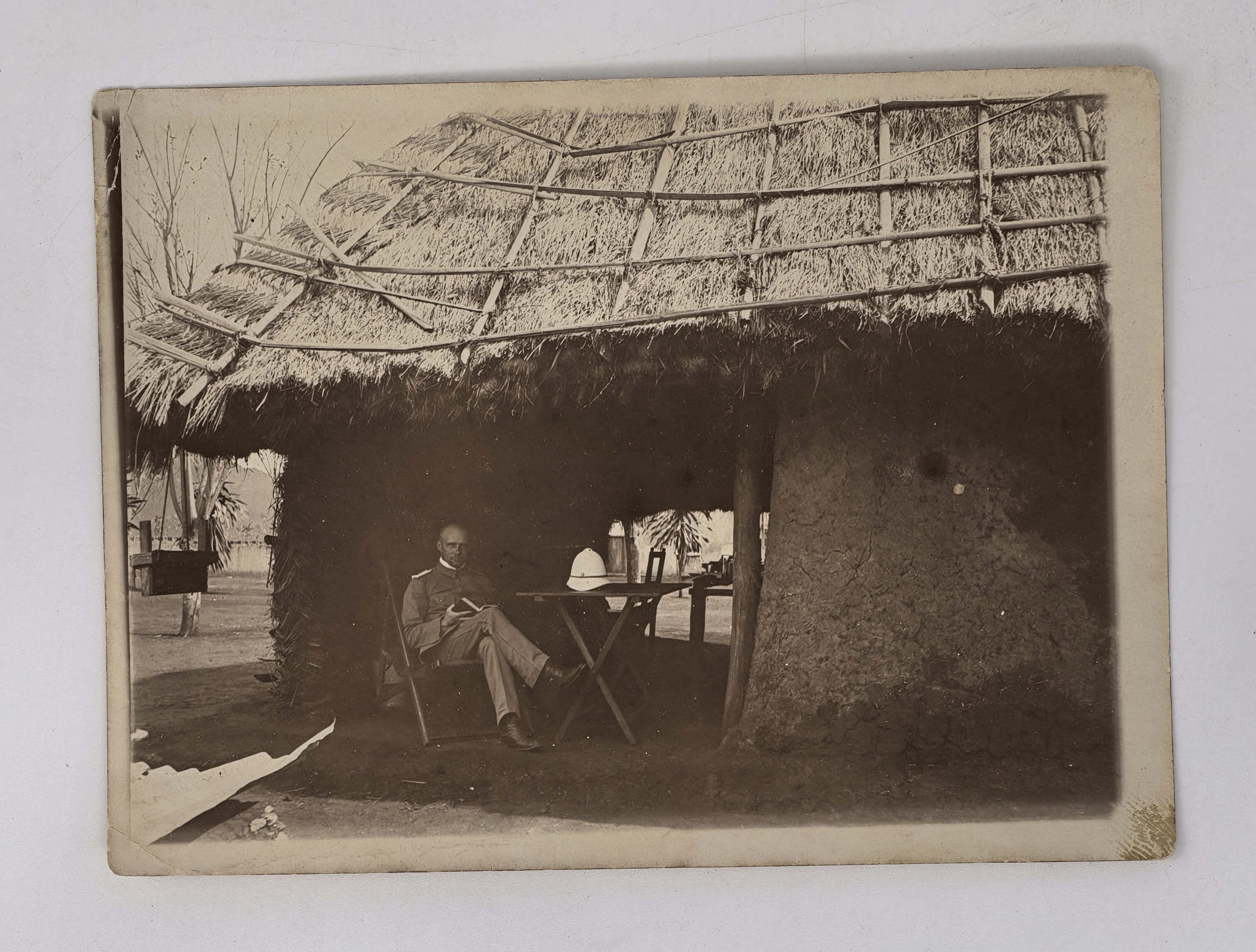
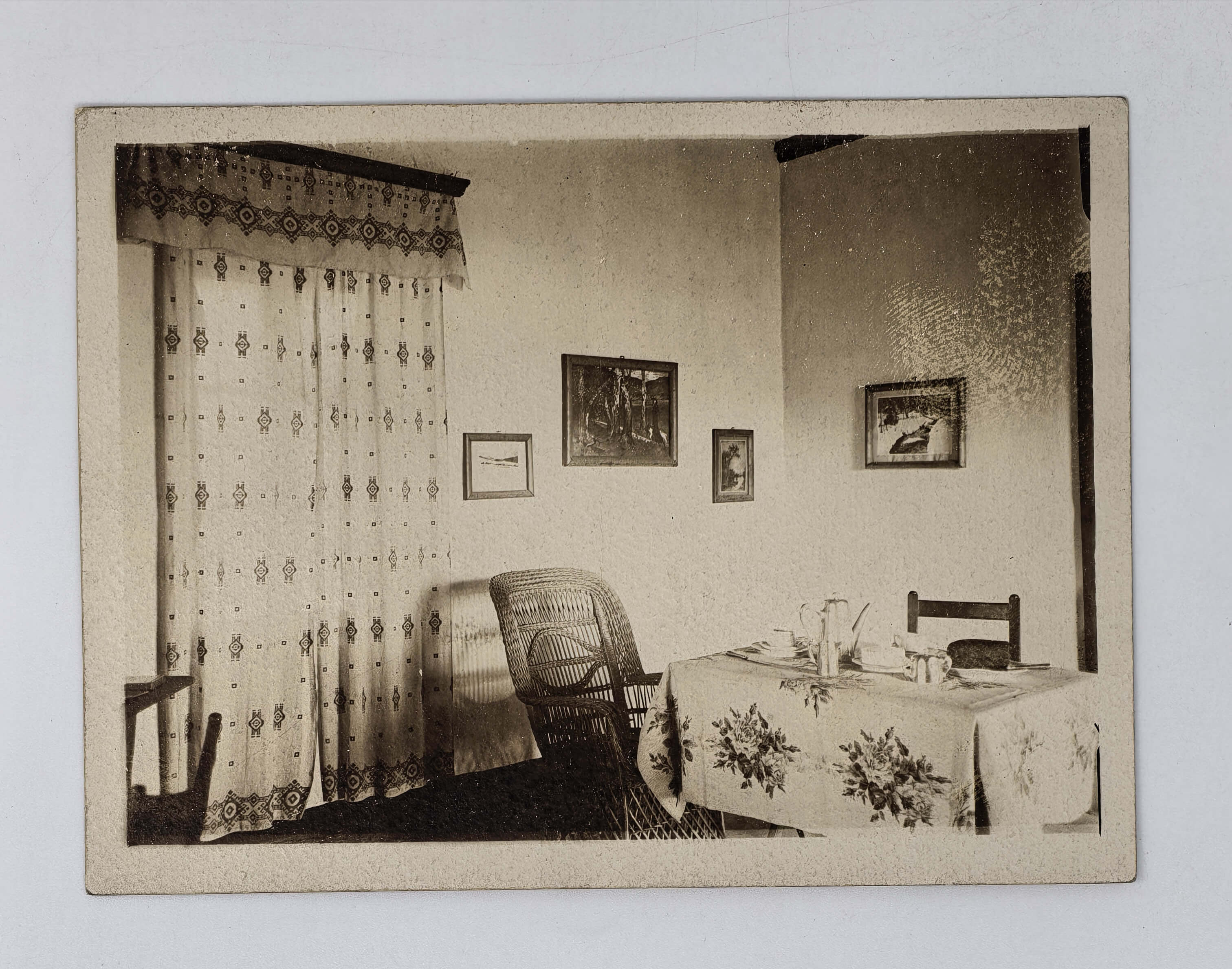
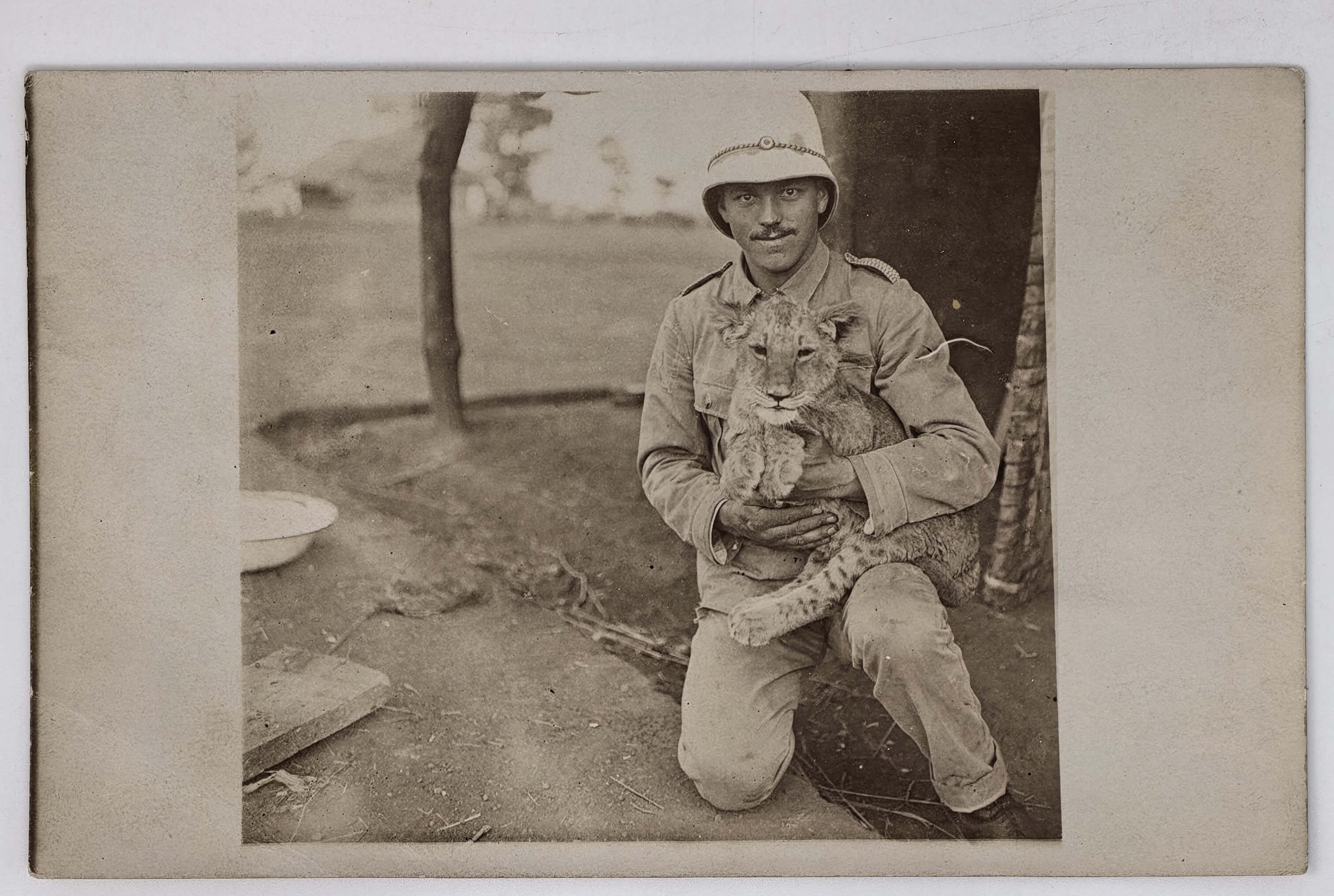
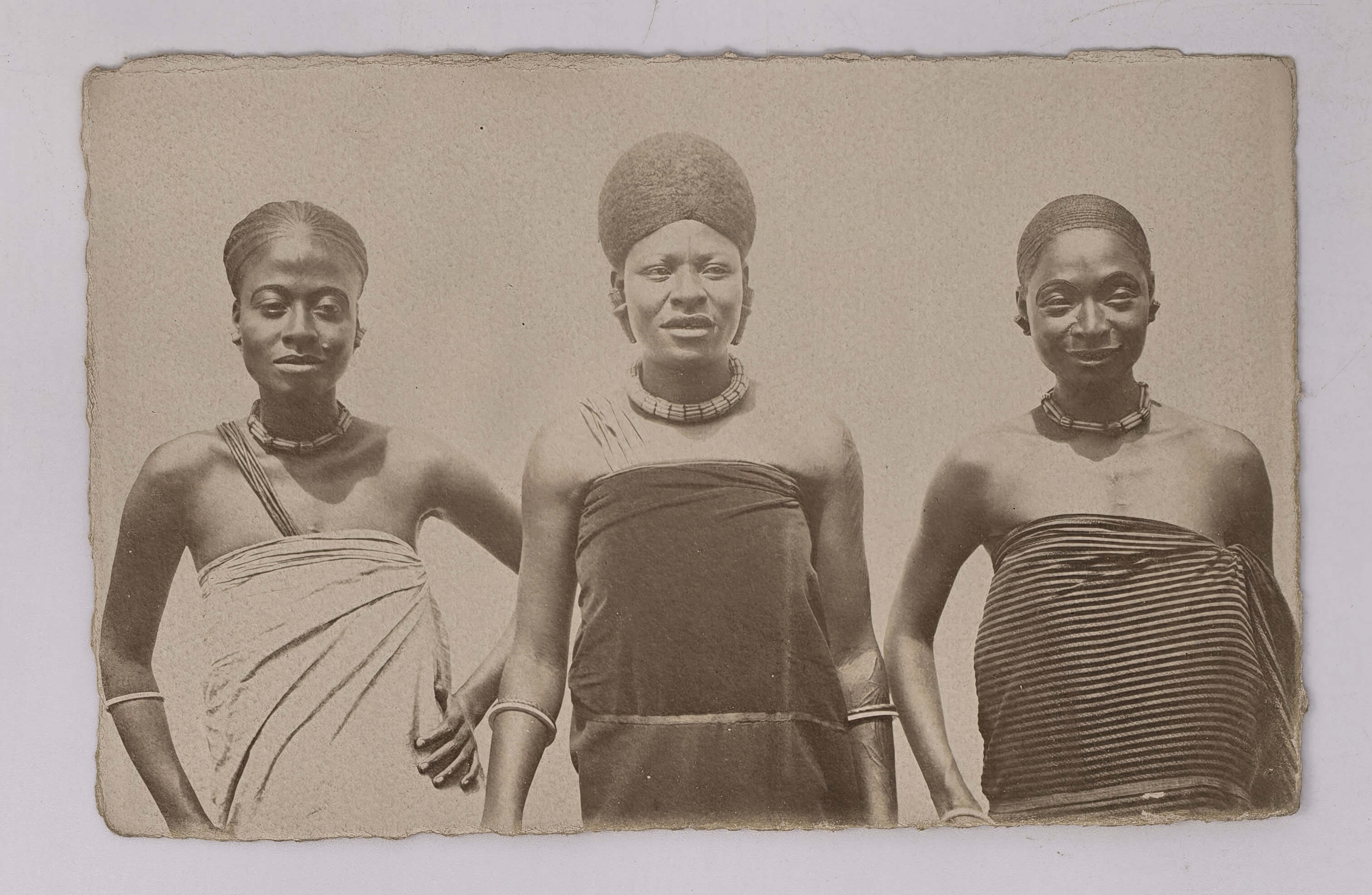
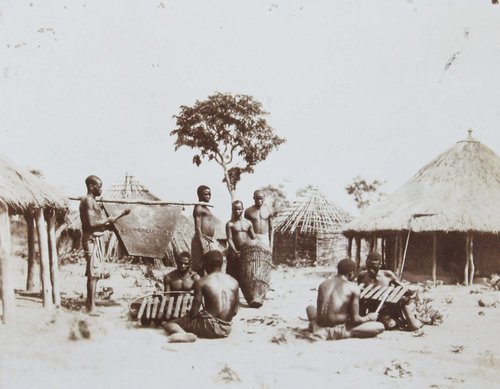
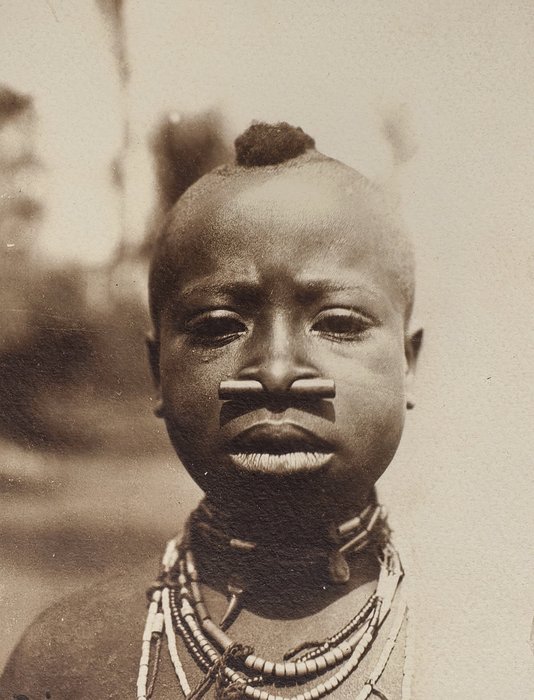
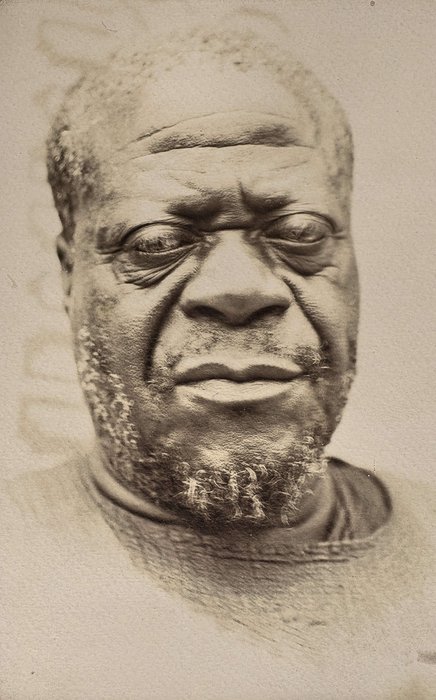
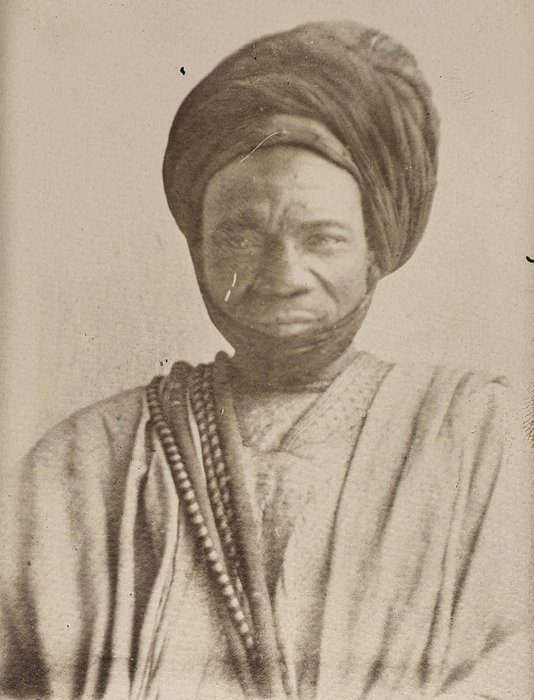
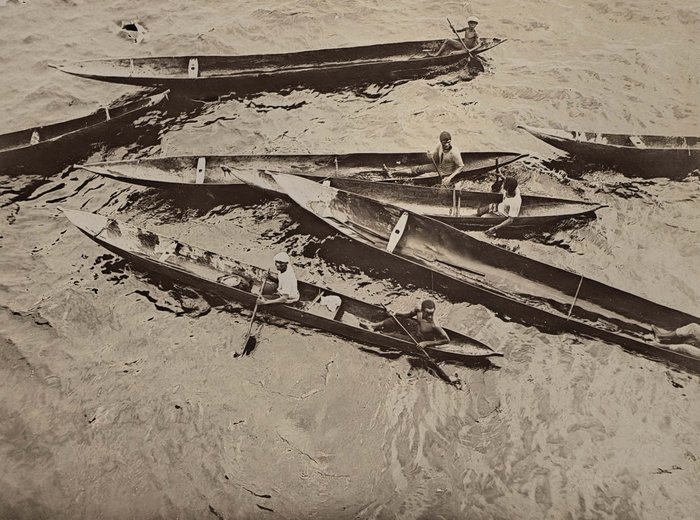
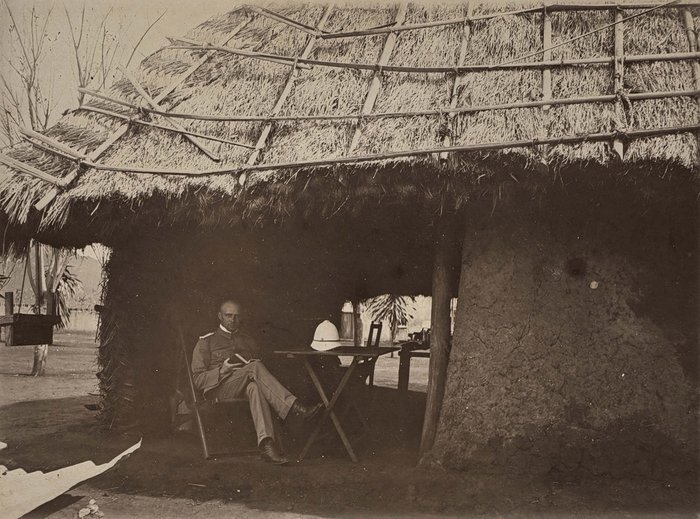
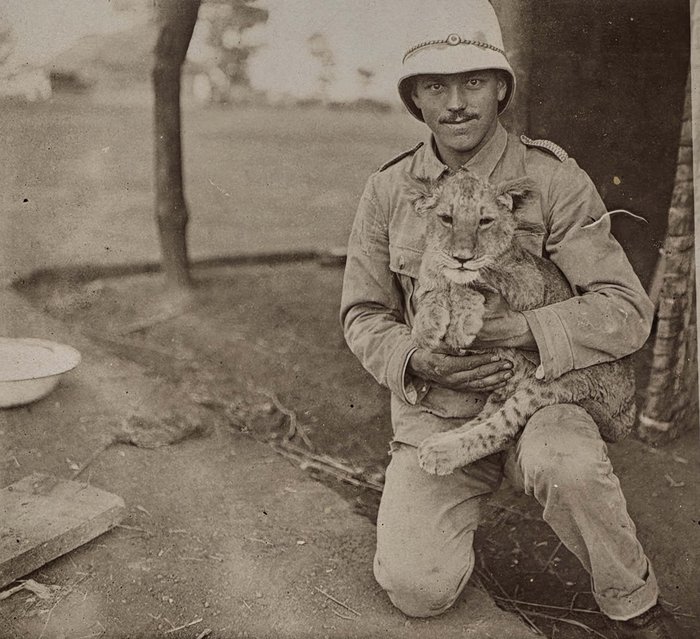
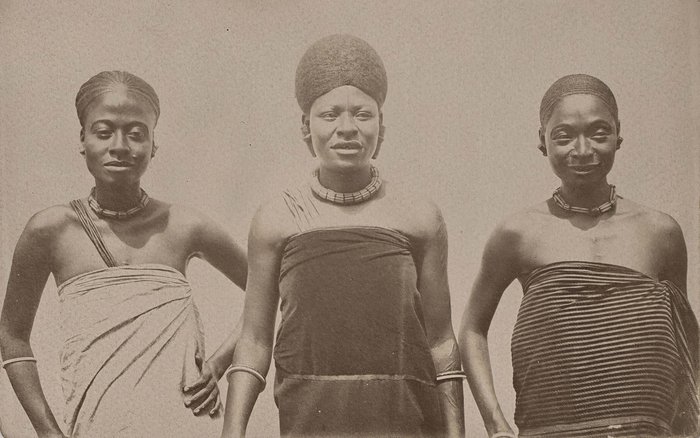
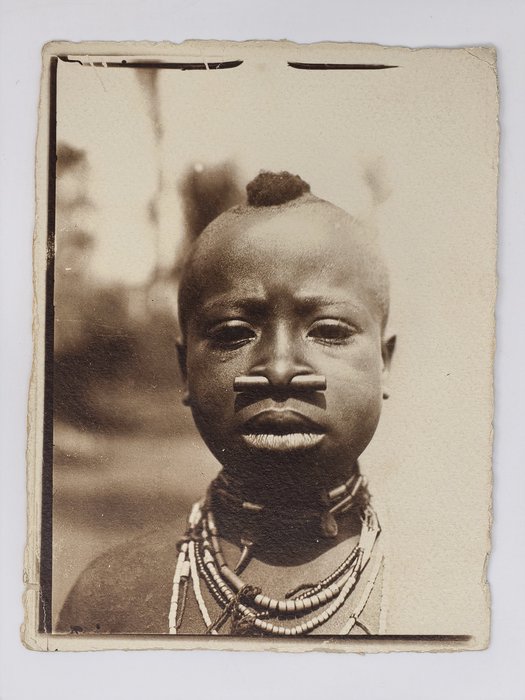
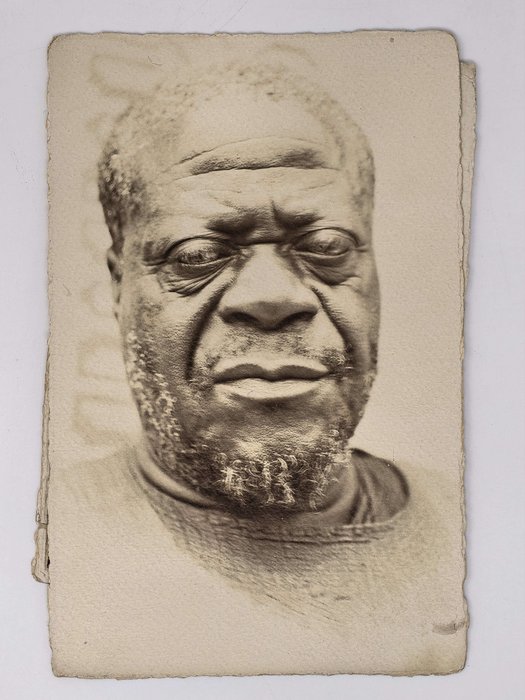
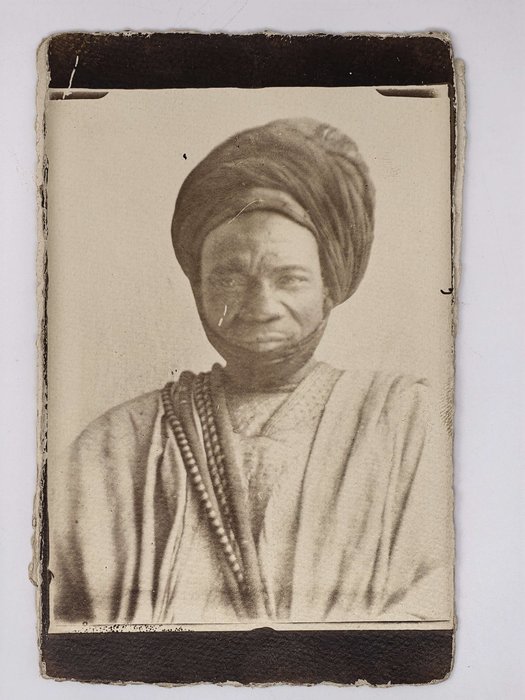
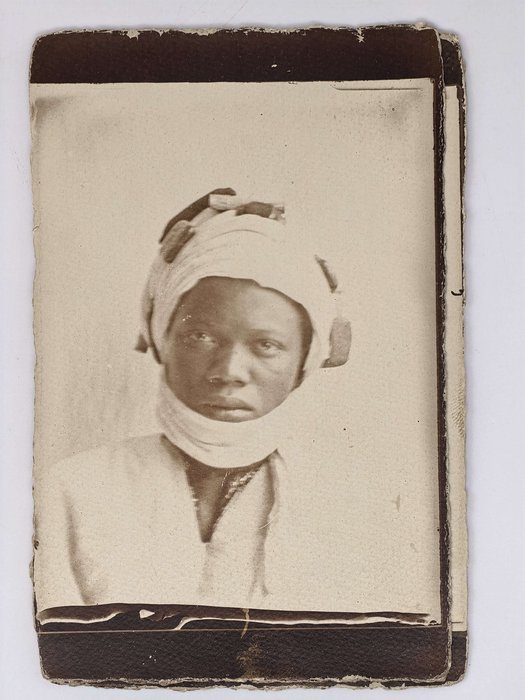
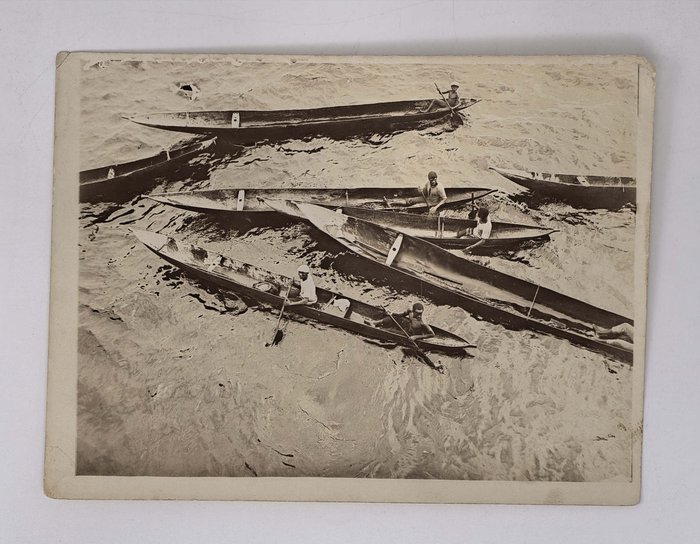
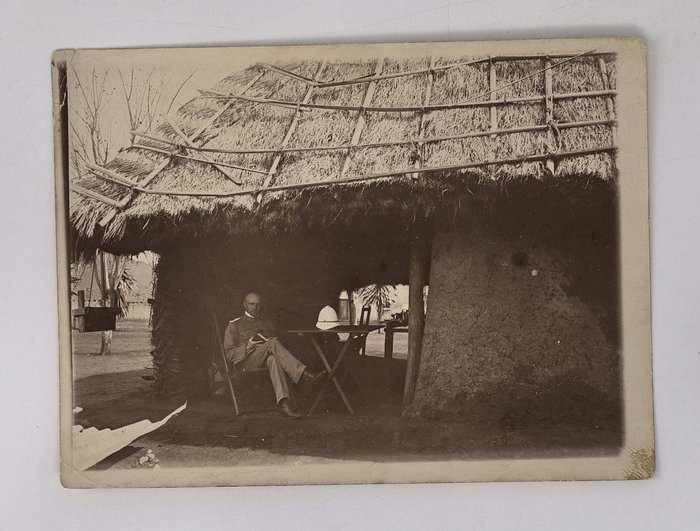
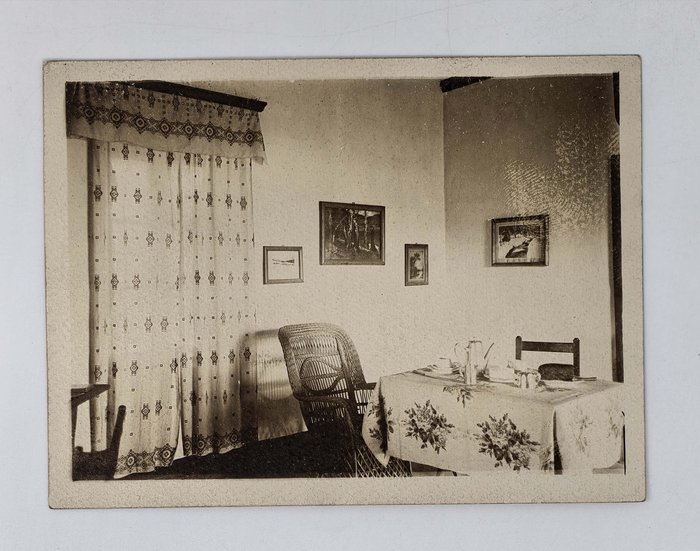
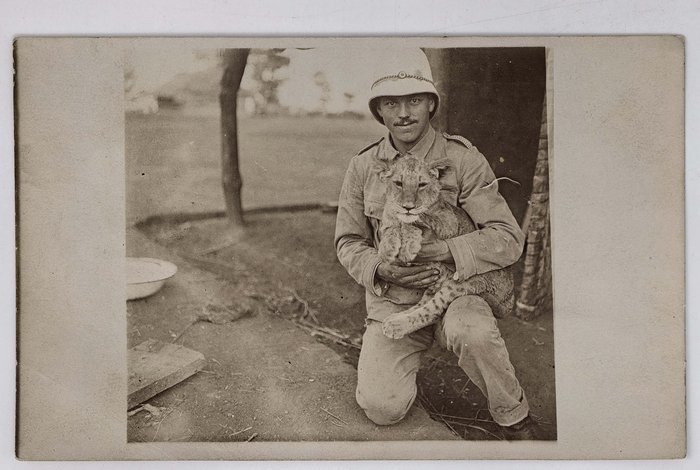
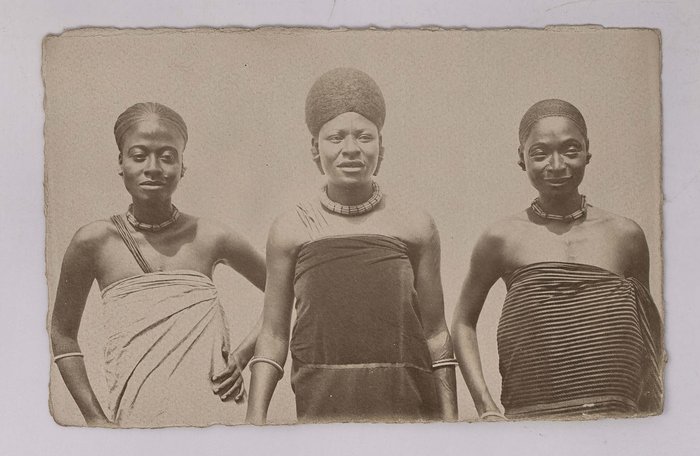
A dozen photos portray the compiler and other German military officers and show the interior of their residences in Cameroon. There are also well-executed close-up portraits of native Cameroonians wearing traditional clothes and headdress, soldiers going down a river in a canoe, load carriers crossing rivers and going on a hanging bridge near “Fako” (likely, Mount Cameroon), hunters posing with a killed warthog &c. An interesting snapshot photo depicts a group of native cavalry soldiers galloping on their horses (likely, from the royal guard).
Overall an interesting original source on the history of the Kingdom of Bamum and German Kamerun before WW1.