
#PE2
Ca. 1943-1945
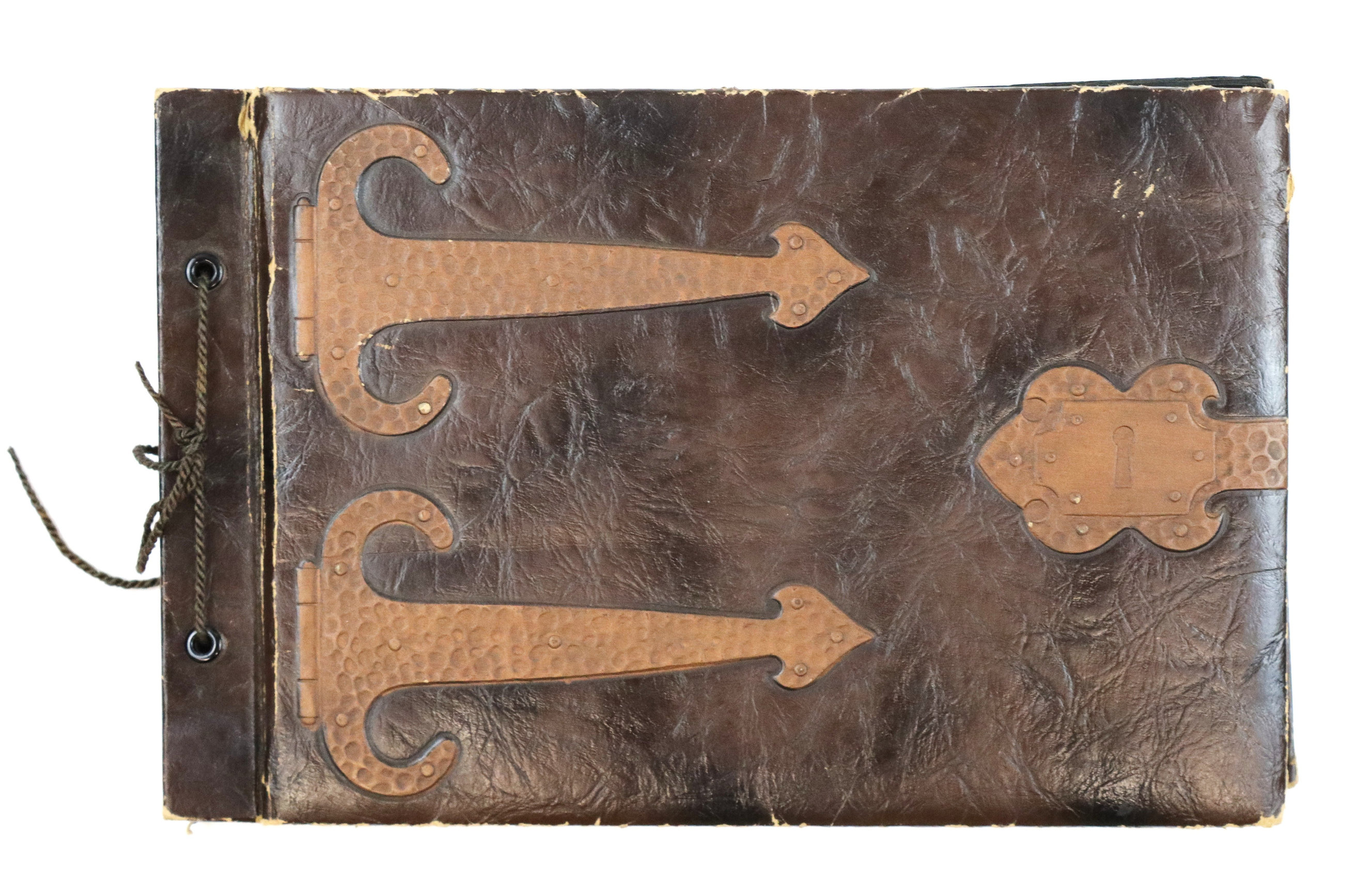
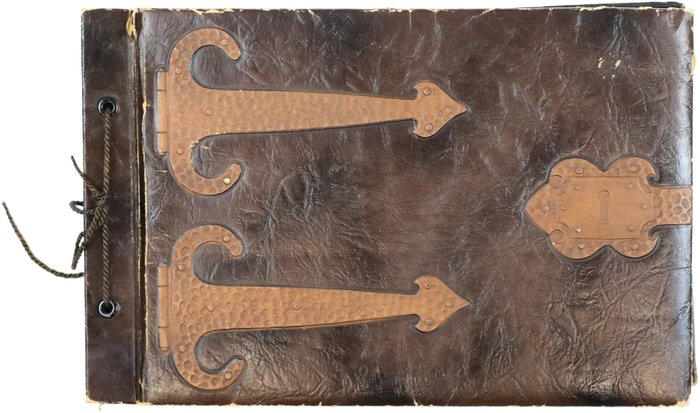
Oblong Quarto album ca. 18,5x28,8 cm (7 ¼ x 11 in). 36 card stock leaves. With 272 mounted original gelatin silver photographs, with one larger photo ca. 24,6x17,4 cm (9 ¾ x 6 ¾ in) and the rest from ca. 10,2x12,8 cm (4 x 5 in) to ca. 5,1x4,2 cm (2 x 1 ½ in). Several dozen photographs with period English captions and/or period ink stamps “Passed by Naval Censor” on the verso; with three period newspaper clippings from ca. 26,5x20,2 cm (10 ½ x 8 in) to ca. 7,8x25,5 cm (3 x 10 in) and one leaflet ca. 10,5x15,8 cm (4 x 5 ¼ in). Period brown faux leather album fastened with a string; with decorative strap hinges and lock plate on the front cover. Binding with worn edges, mild silvering of the photos, but otherwise a very good album with strong, interesting photos.
Historically important collection of original photographs likely compiled by an American Mess Officer of the 11th Special Naval Construction Battalion (Seabees) during his service in the Pacific Theater of WWII.
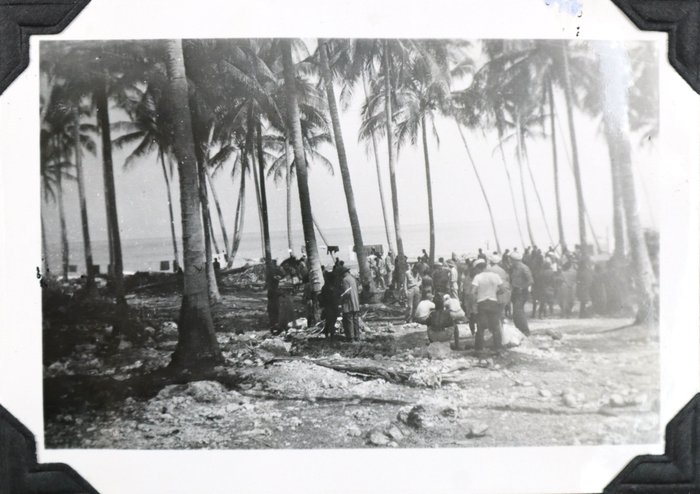
The Battalion was commissioned in September 1943 as a specialized combat stevedoring unit. Arriving first at the Allied command hub of Nouméa, New Caledonia, the battalion was quickly pushed forward into the Solomon Islands, spending the entirety of 1944 performing cargo operations on the Russell Islands. As the Pacific War reached its climax, the unit was split into two tactical echelons and attached directly to the 1st Marine Division in the Russell Islands and the 6th Marine Division on Guadalcanal. On April 1, 1945, the two halves reunited on the beaches of Okinawa on “L-Day,” remaining on the Passed by naval censor until October 25, 1945
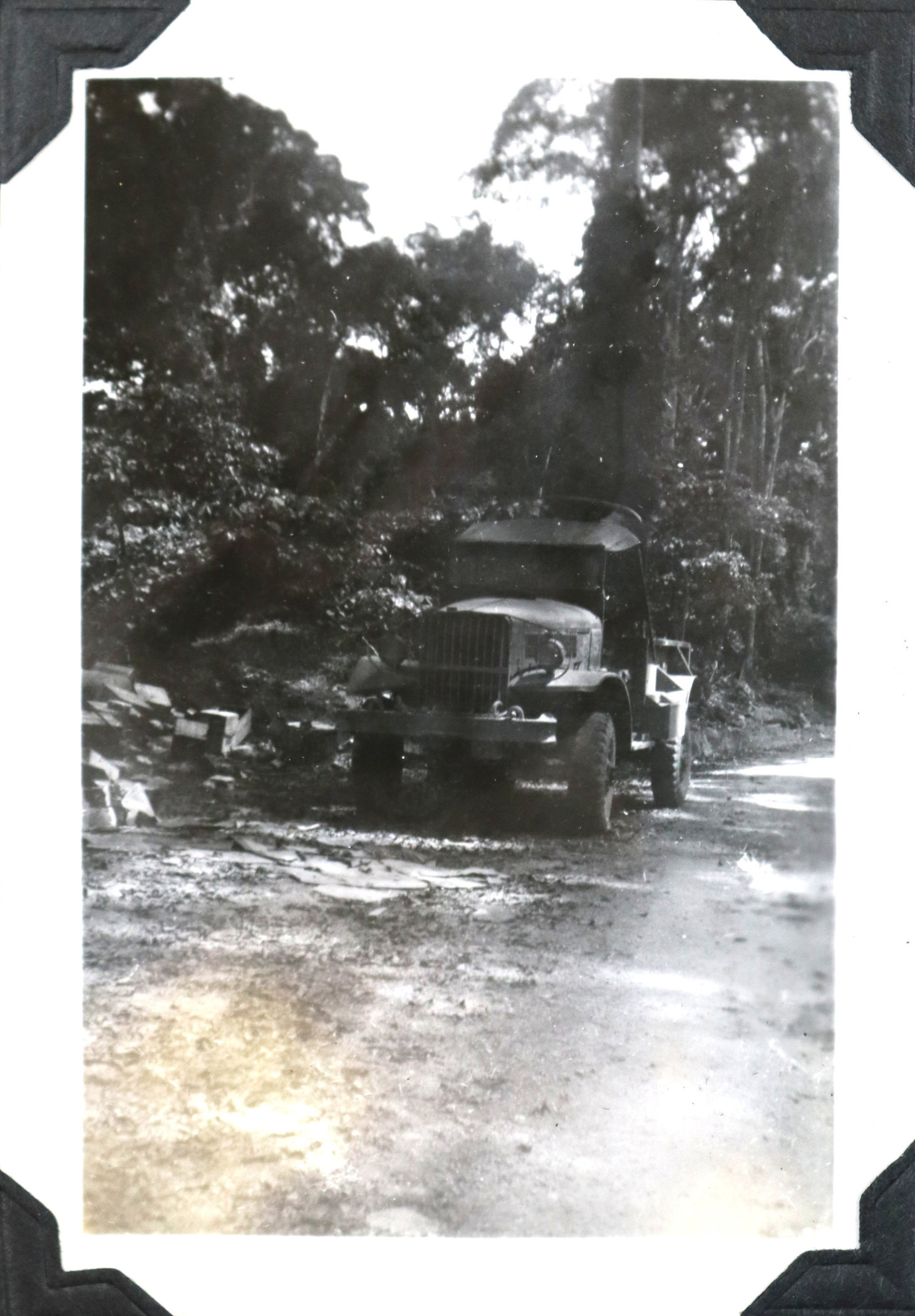
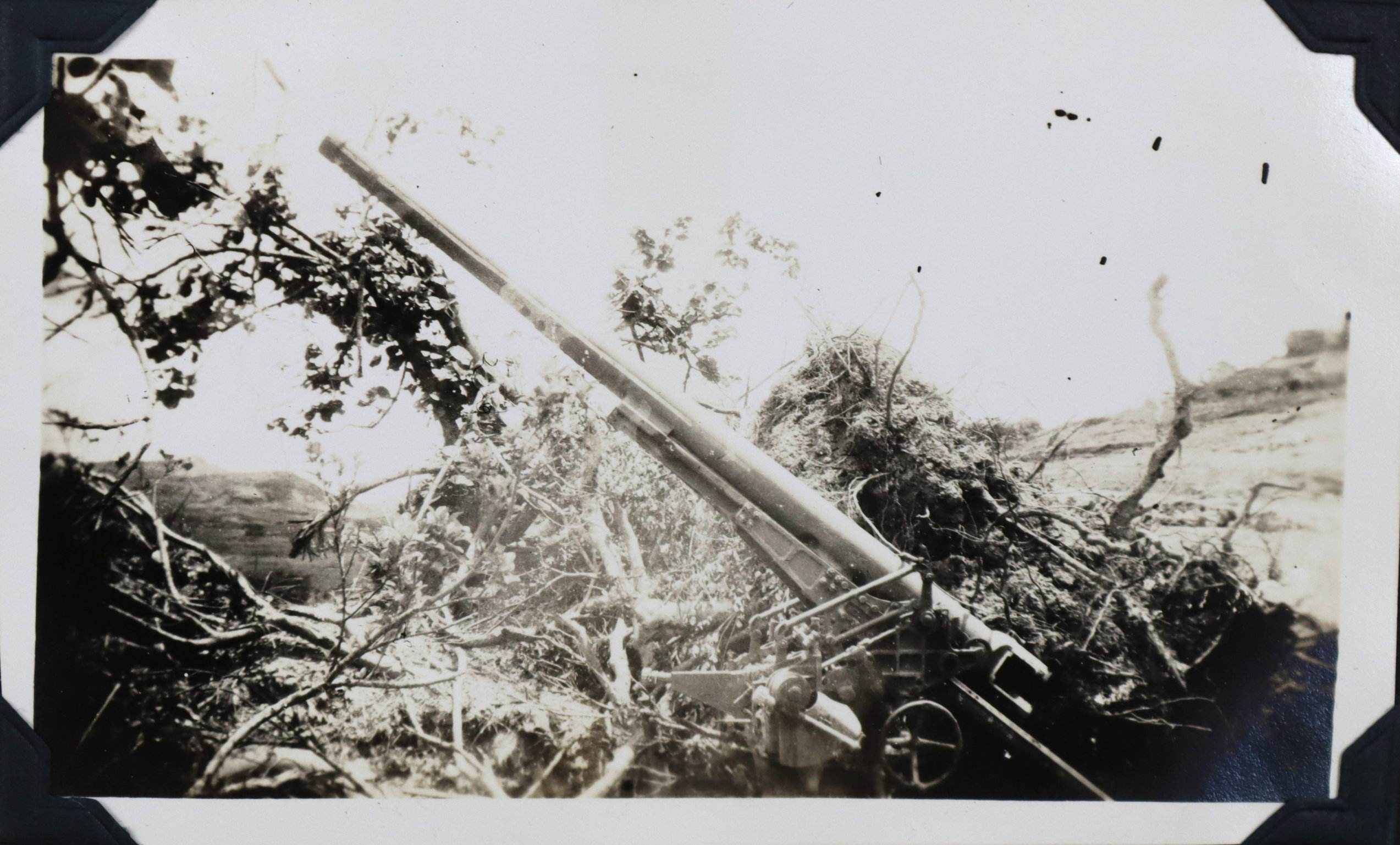
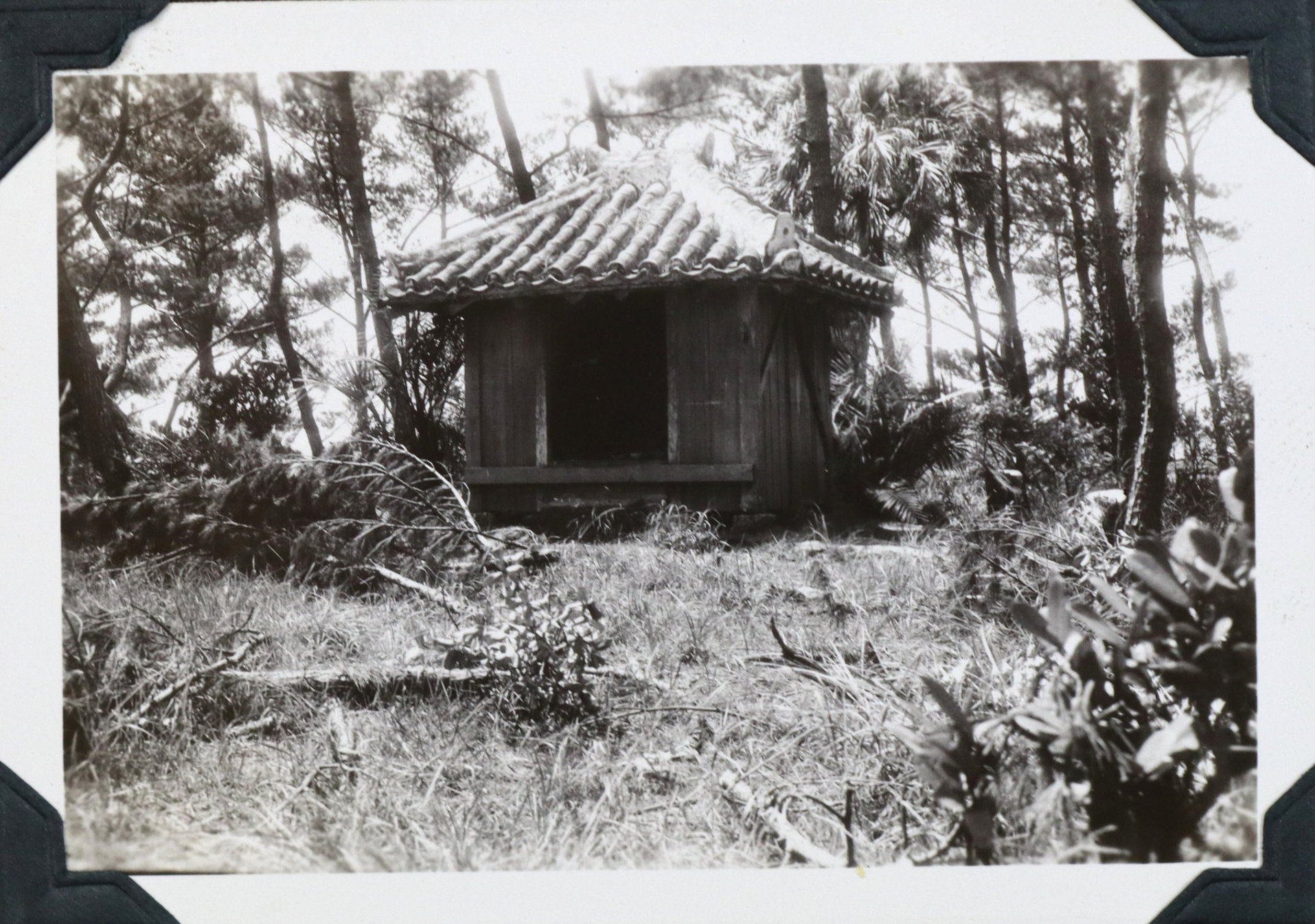
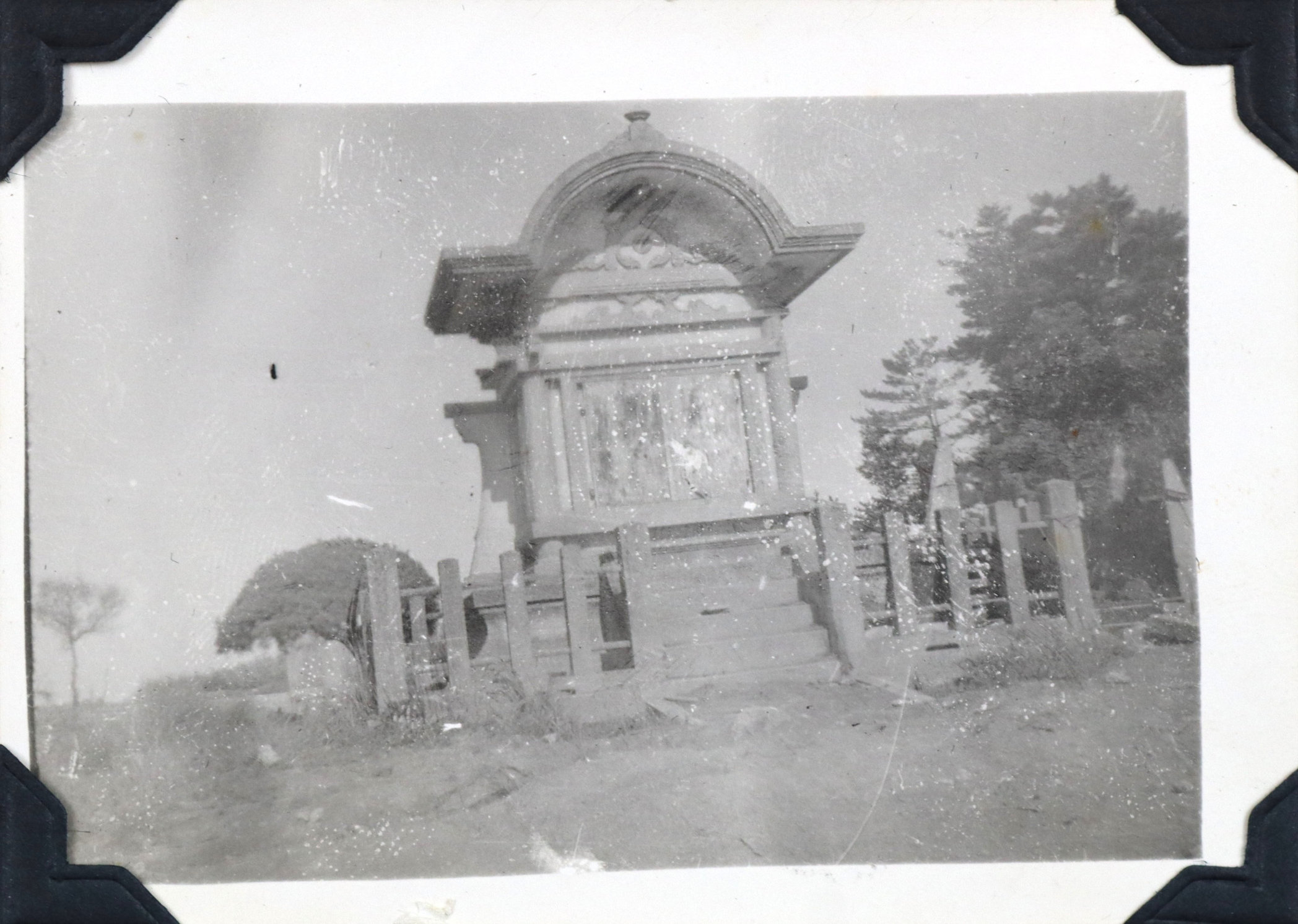
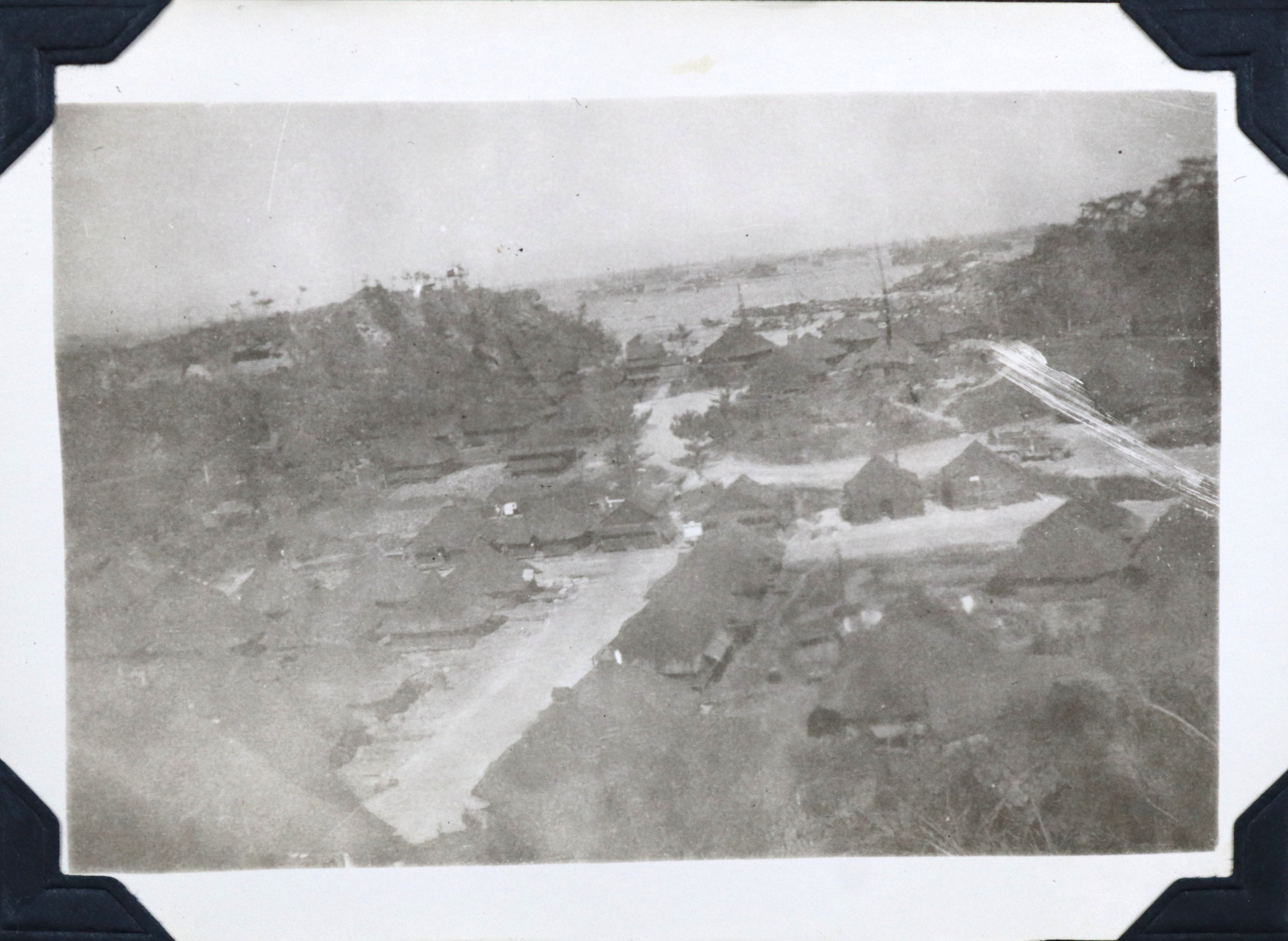
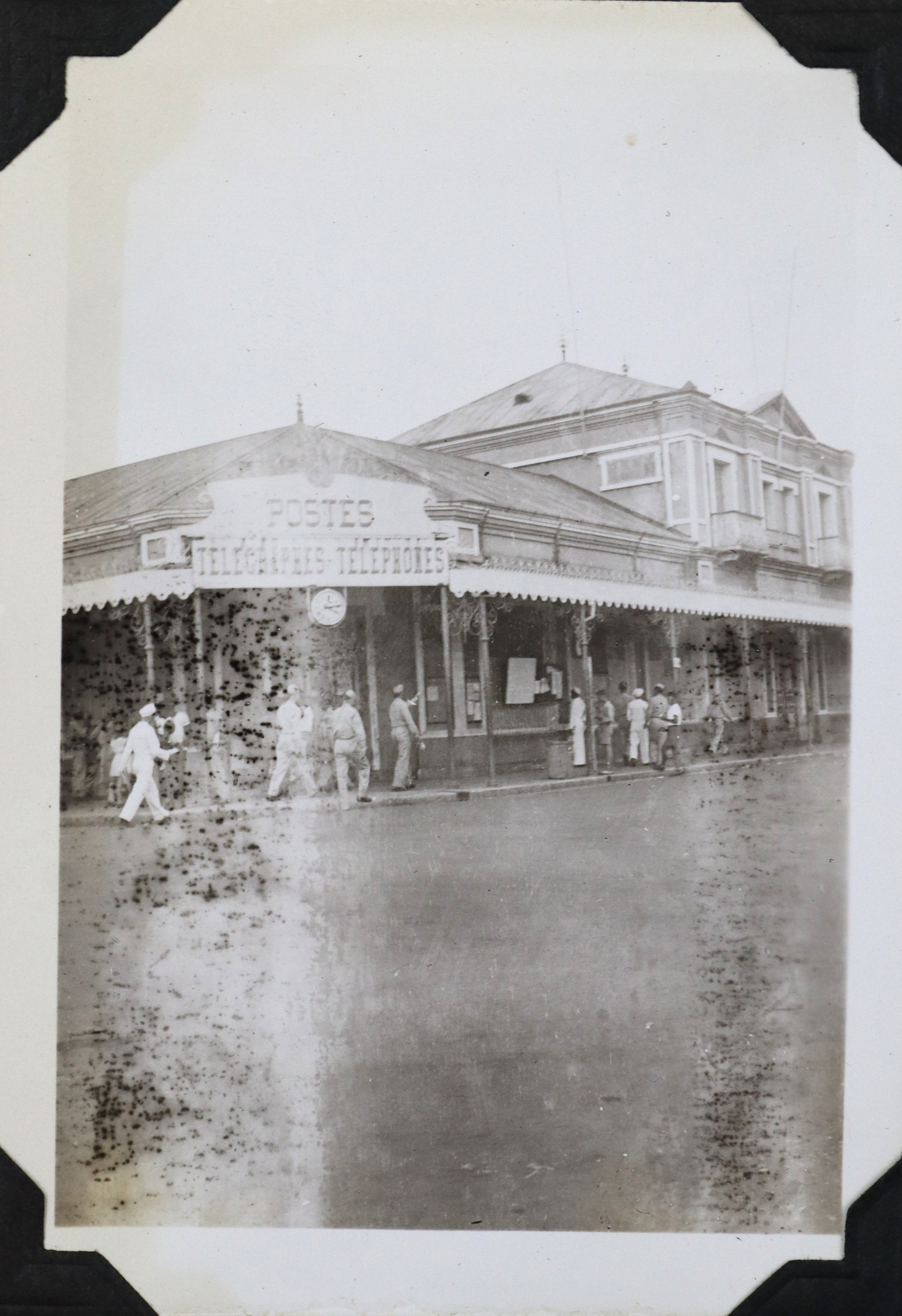
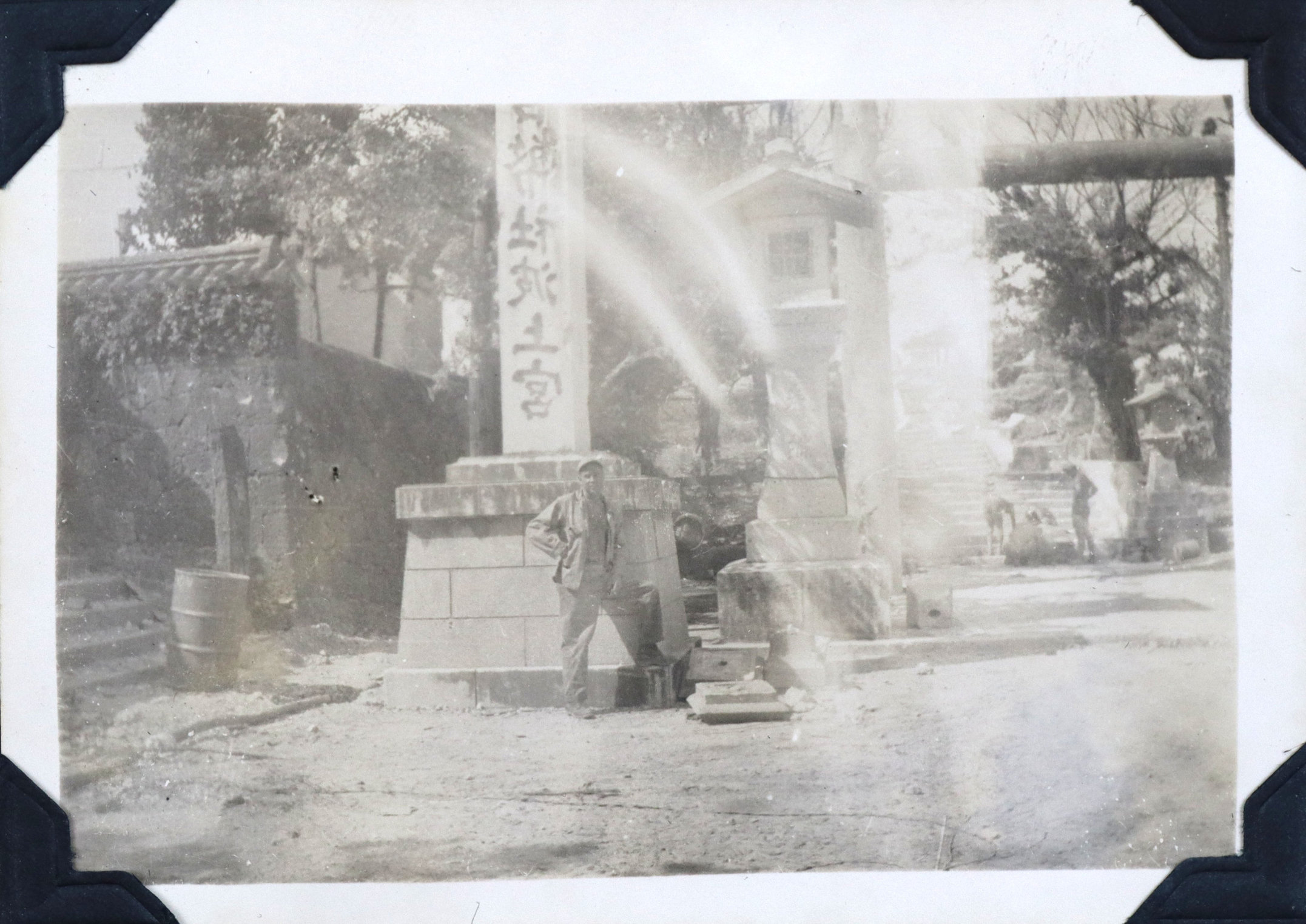
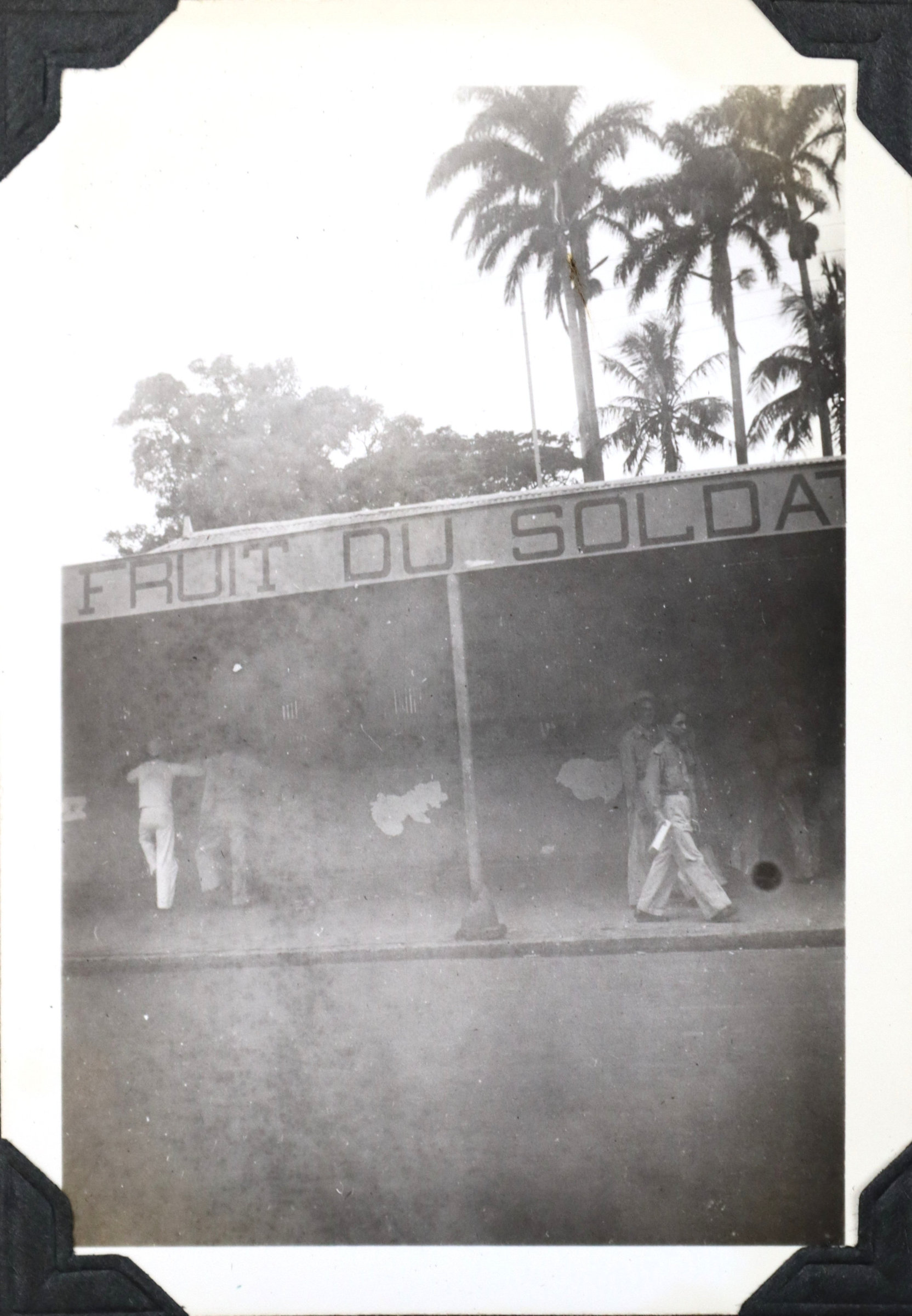
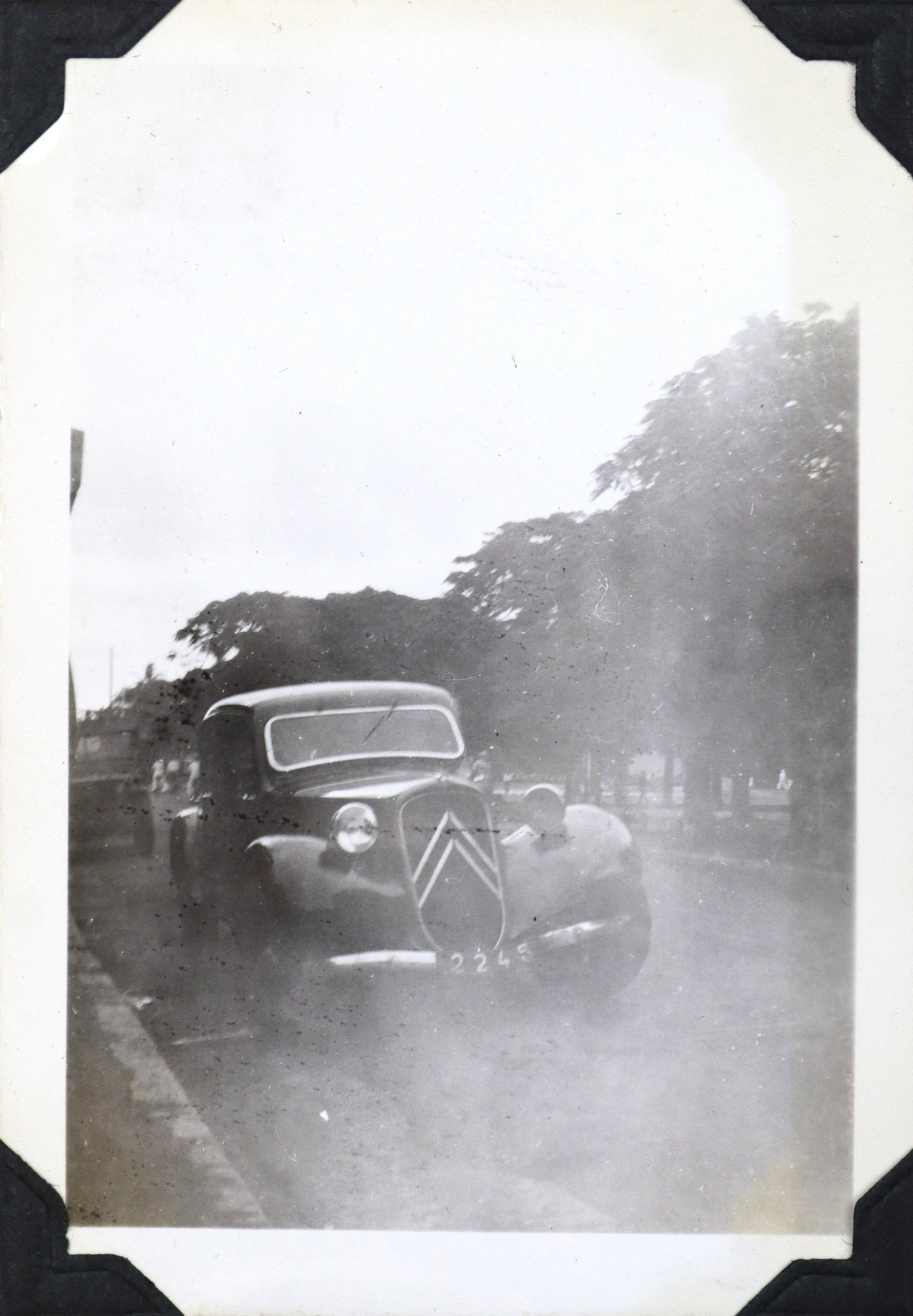
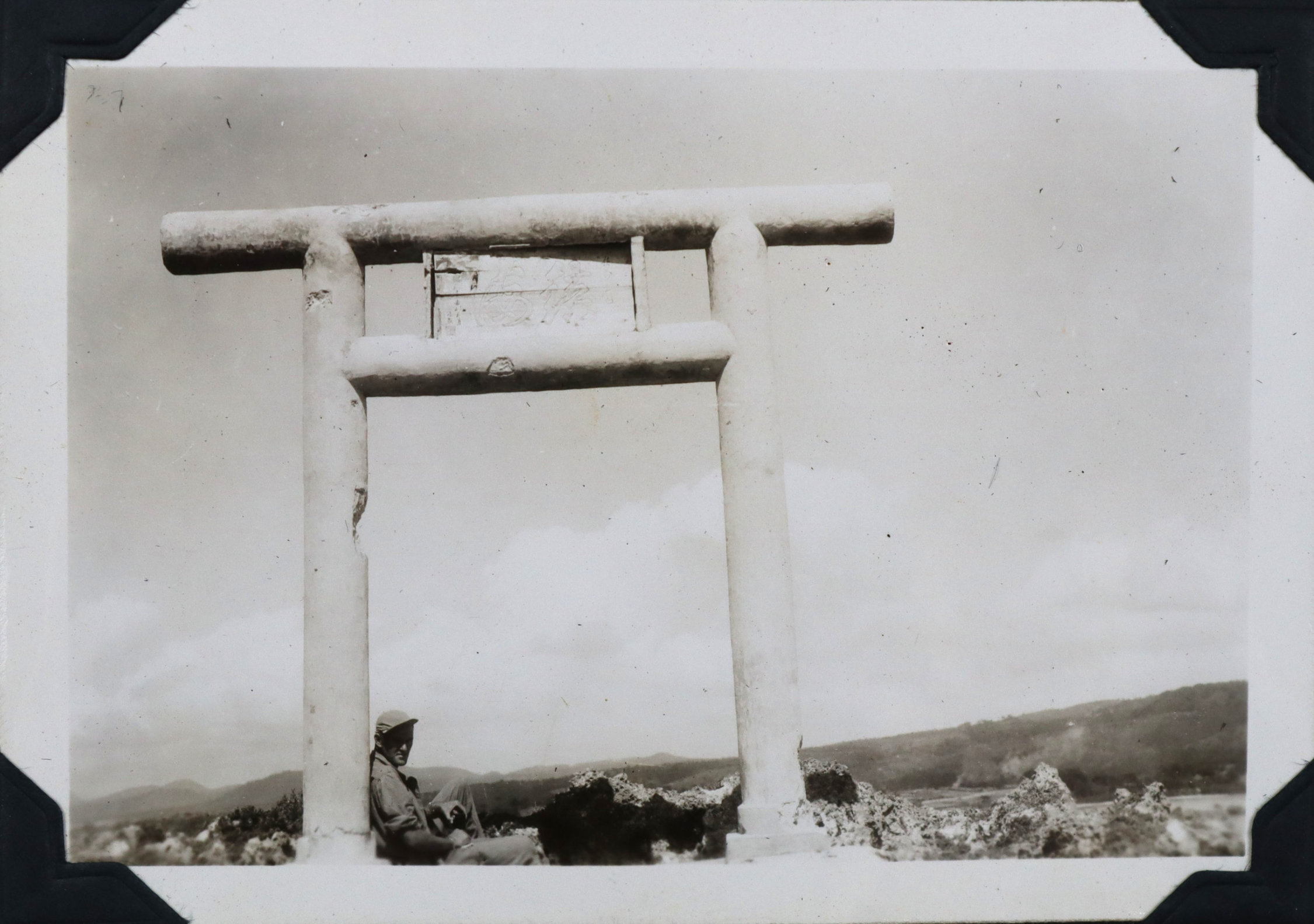
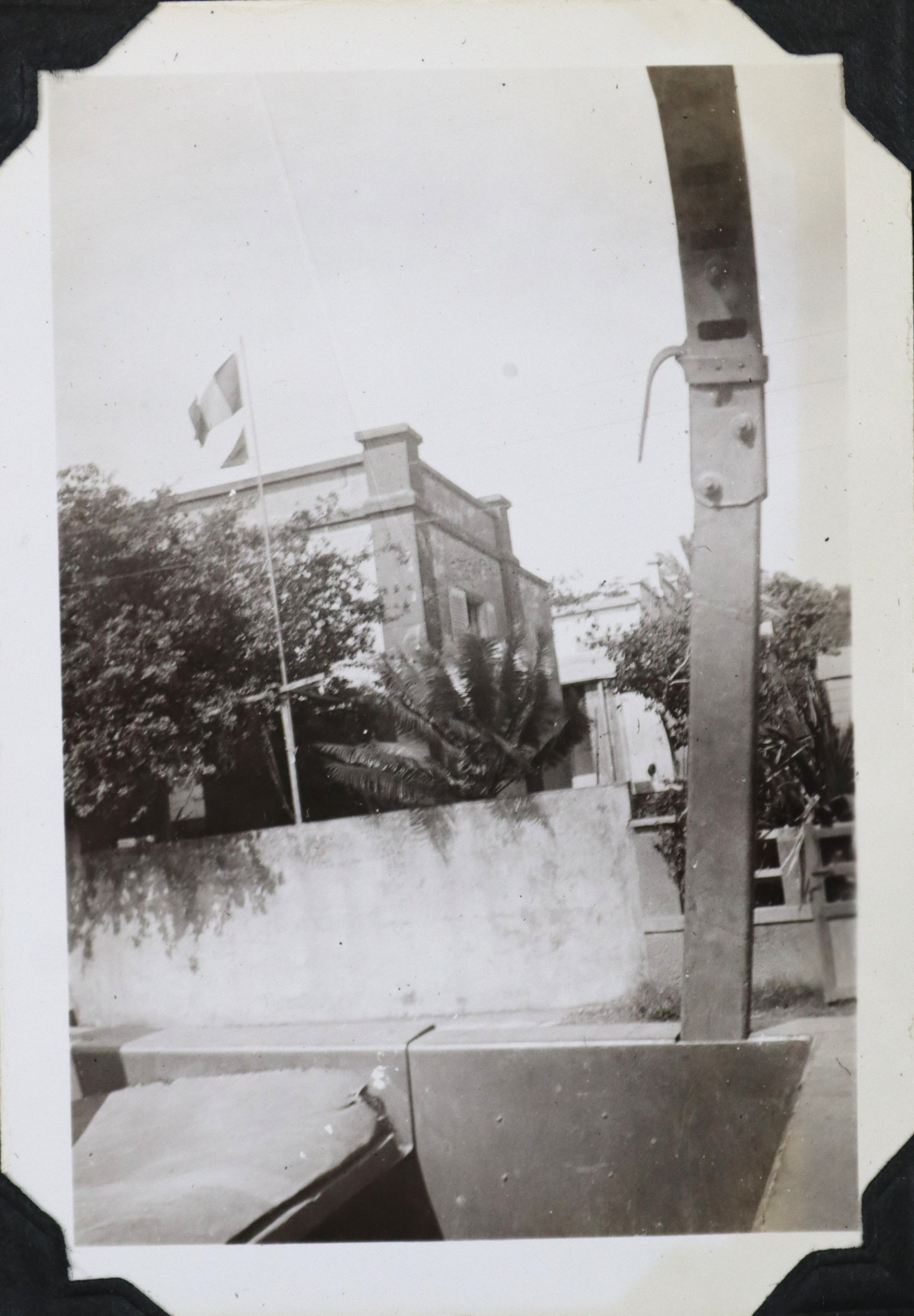
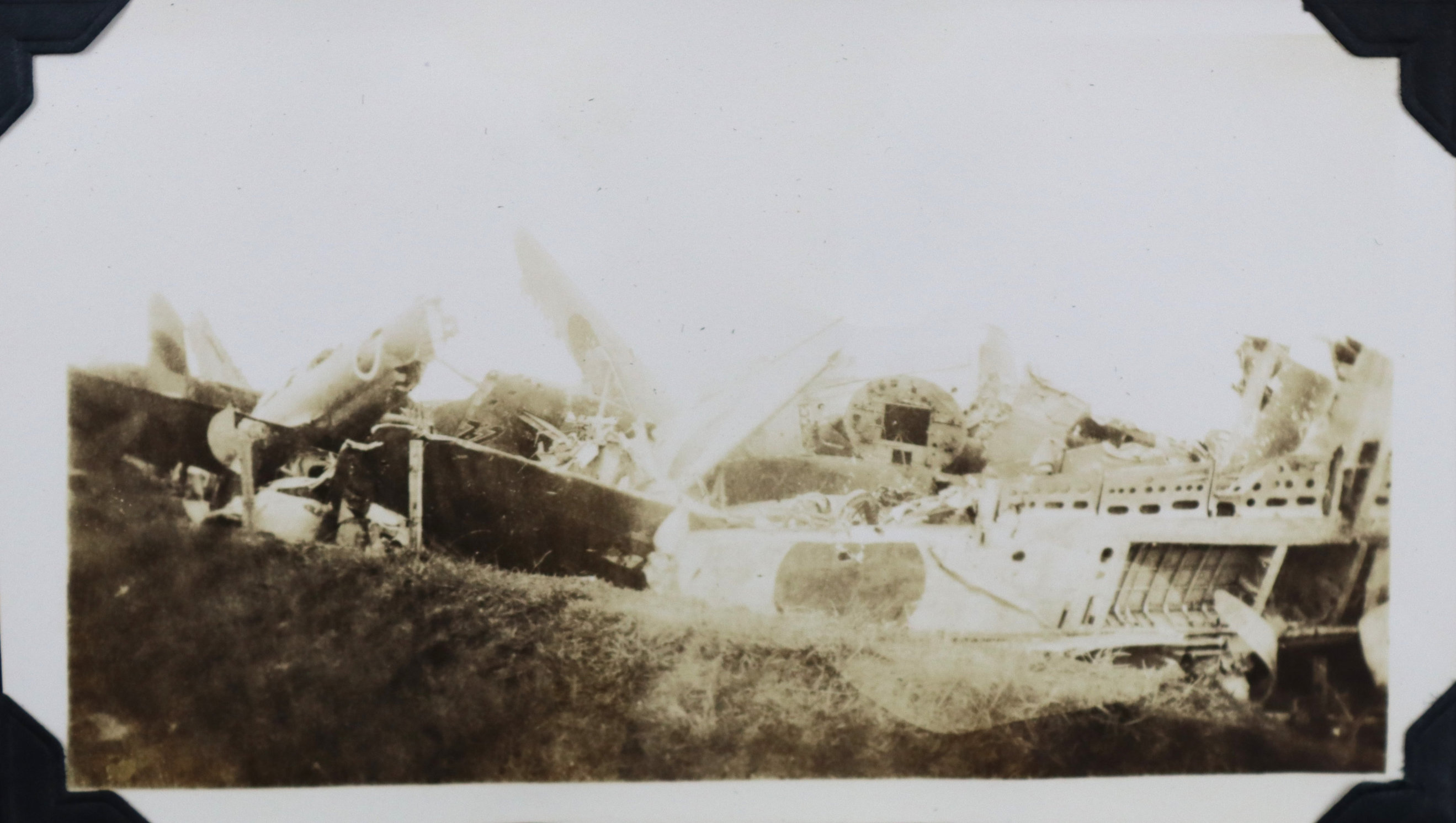
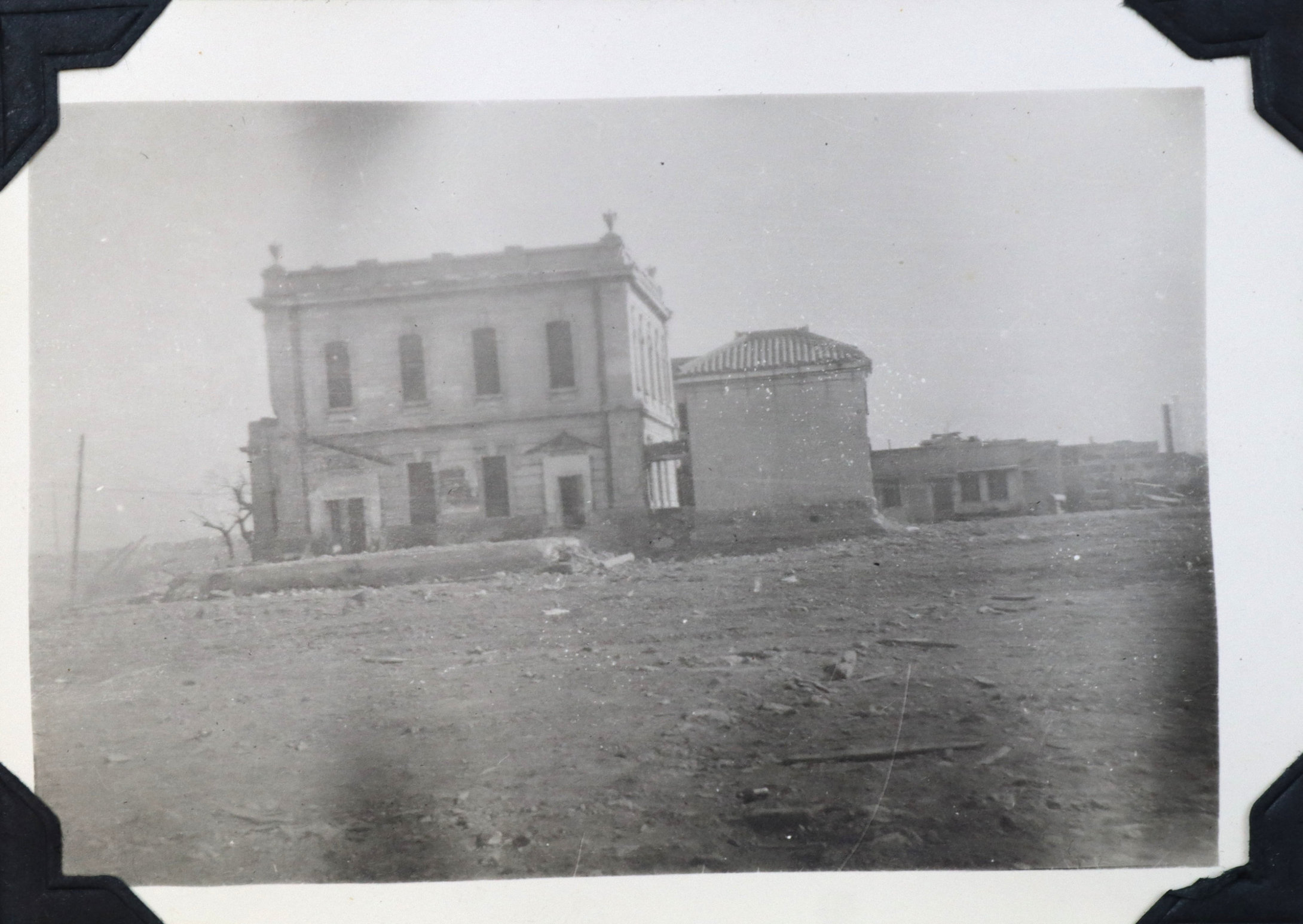
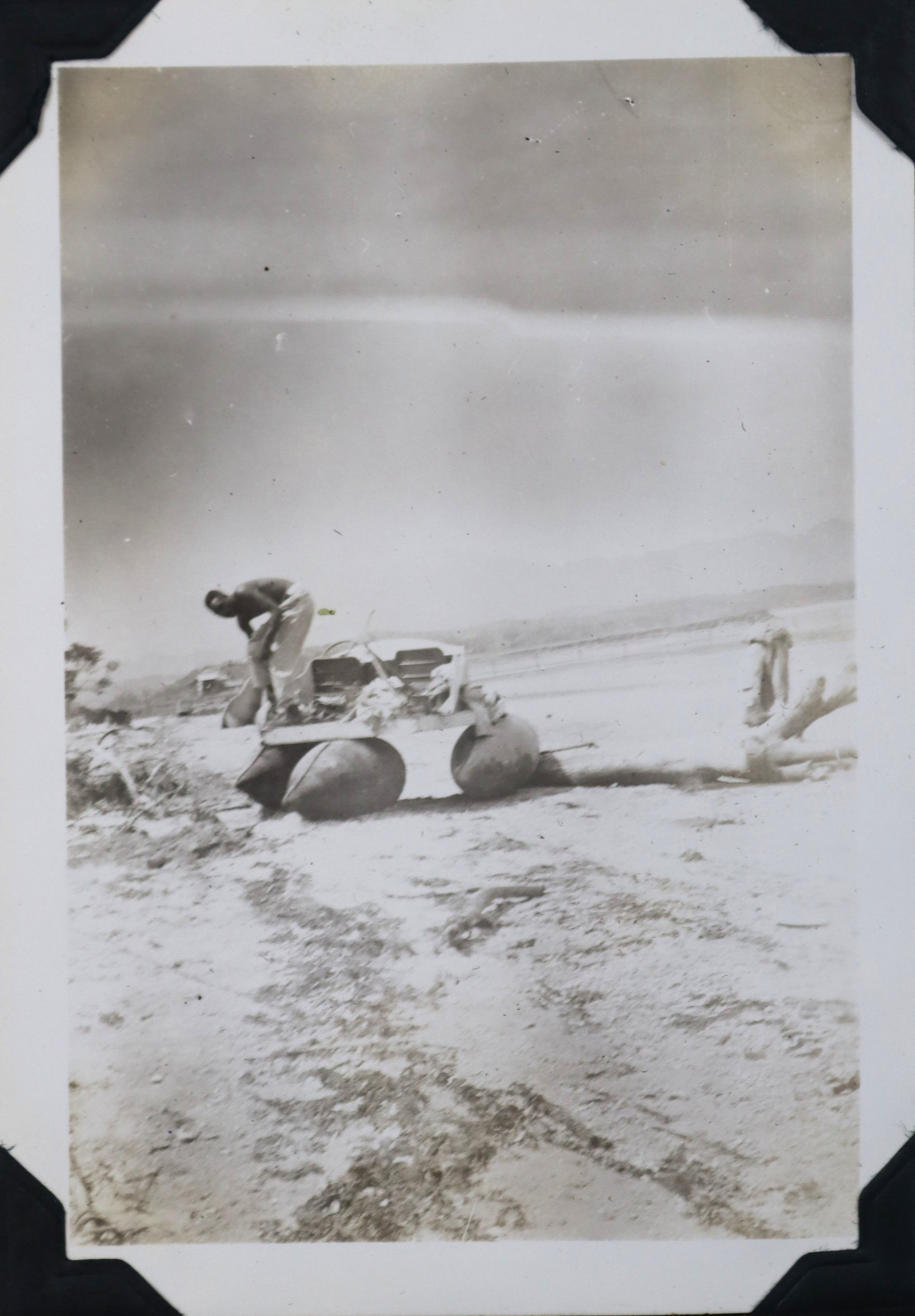
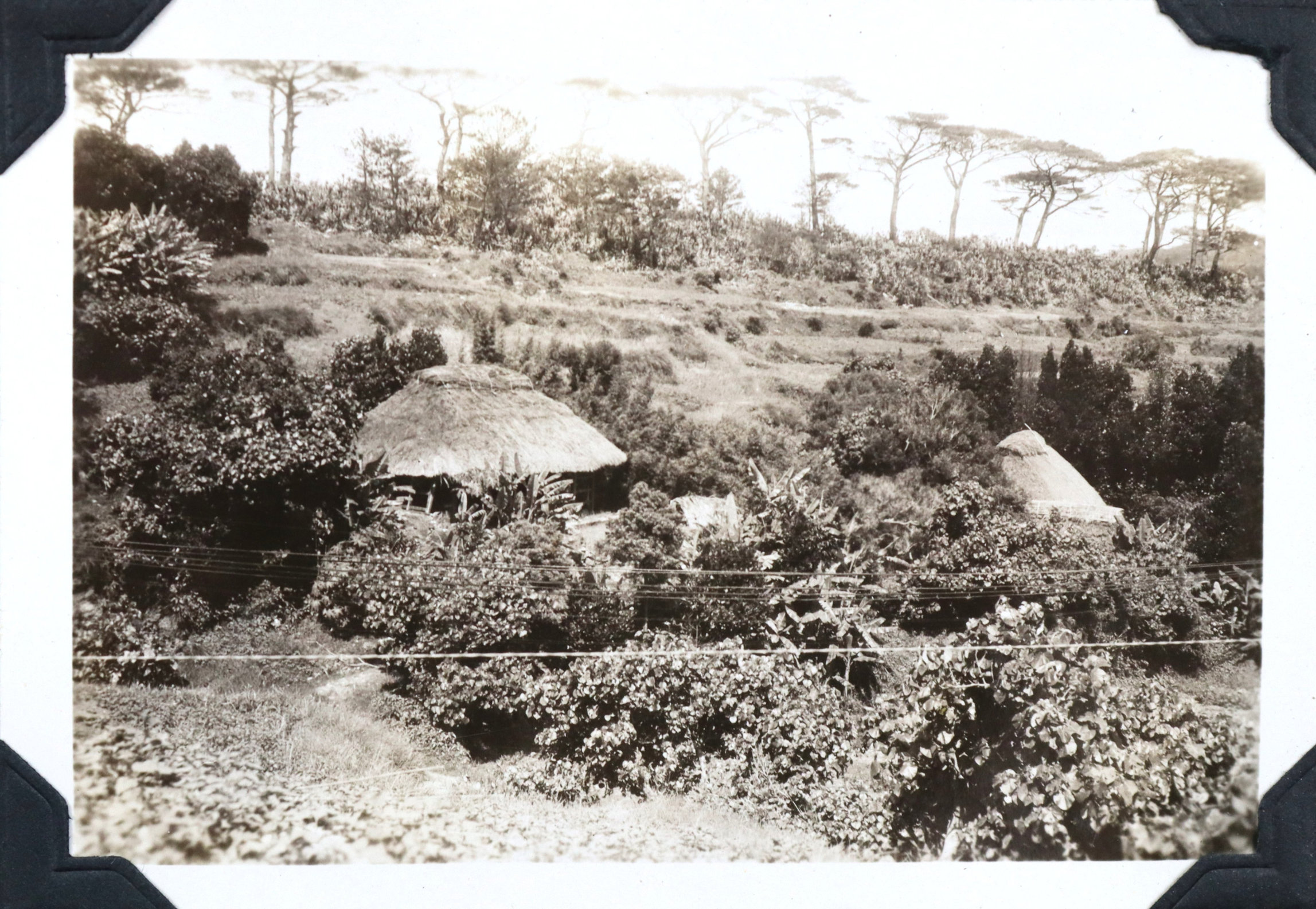
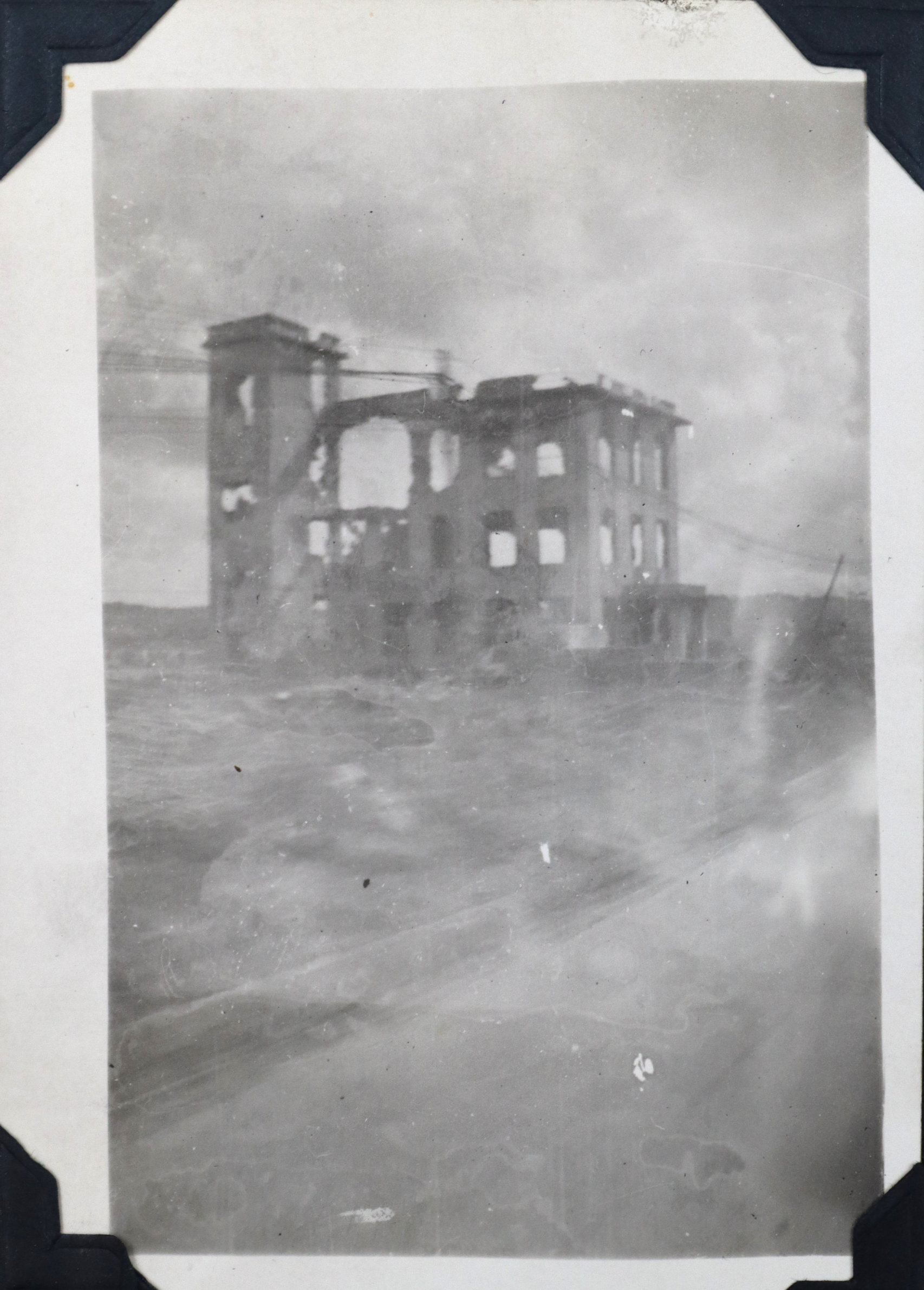
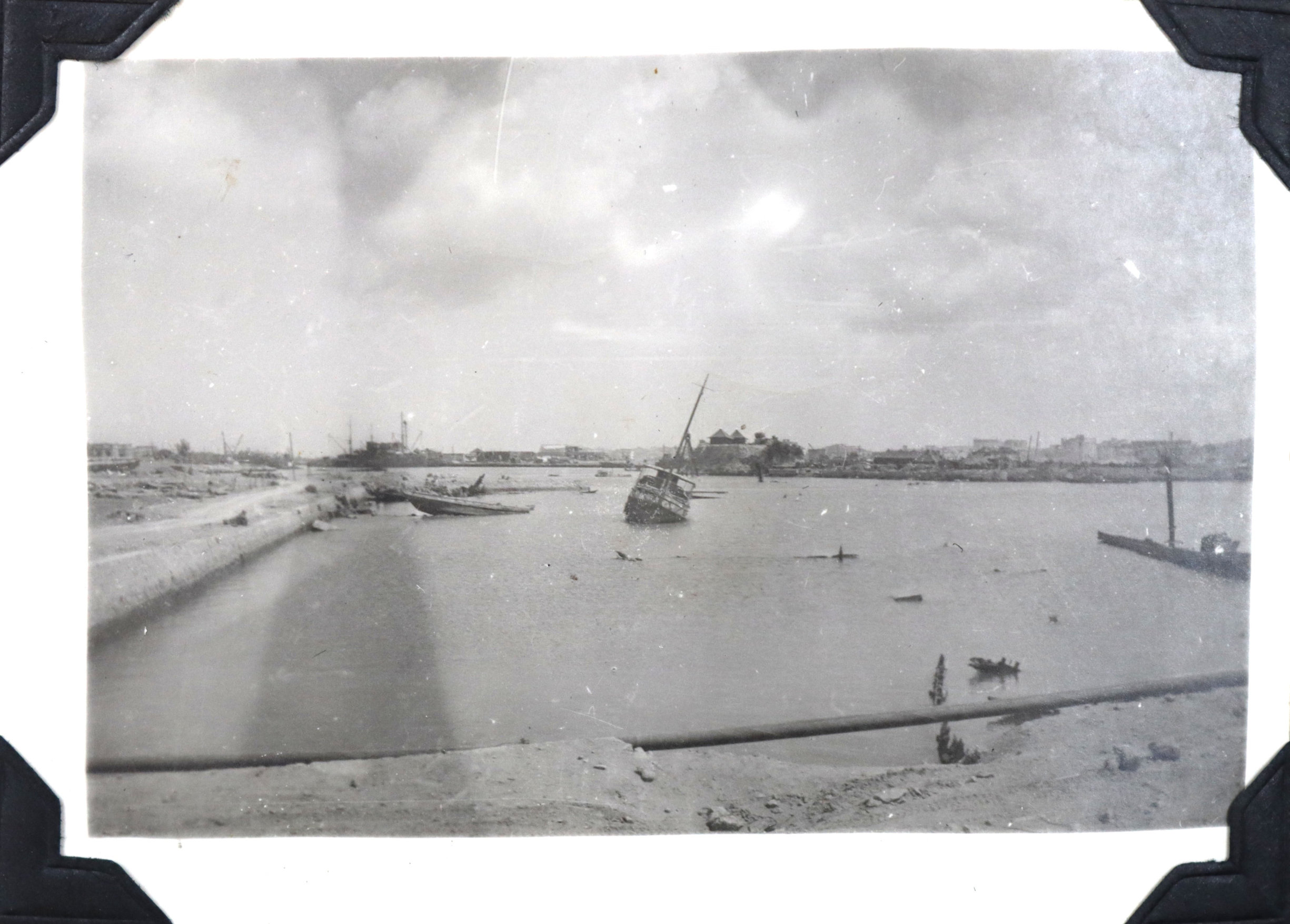
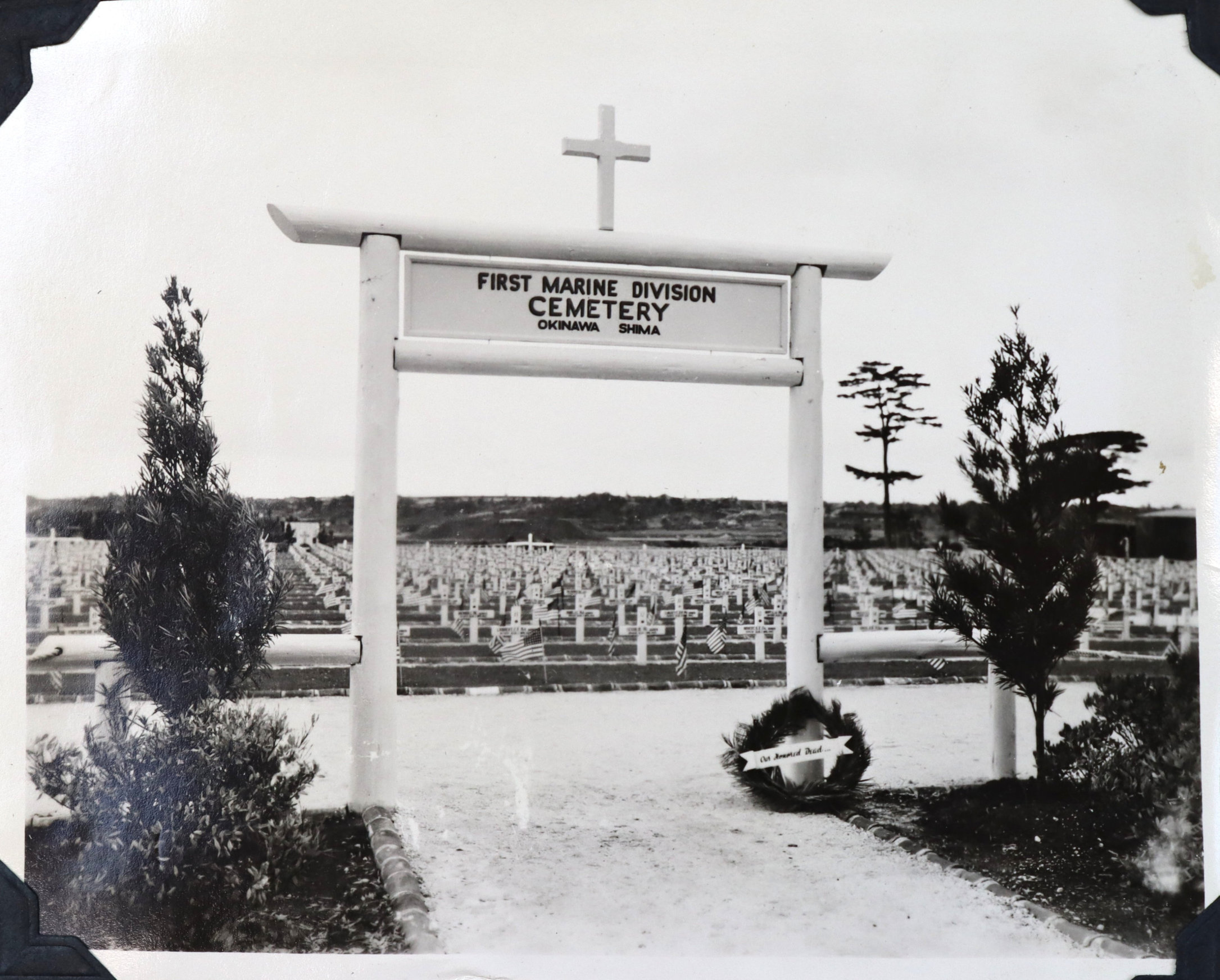
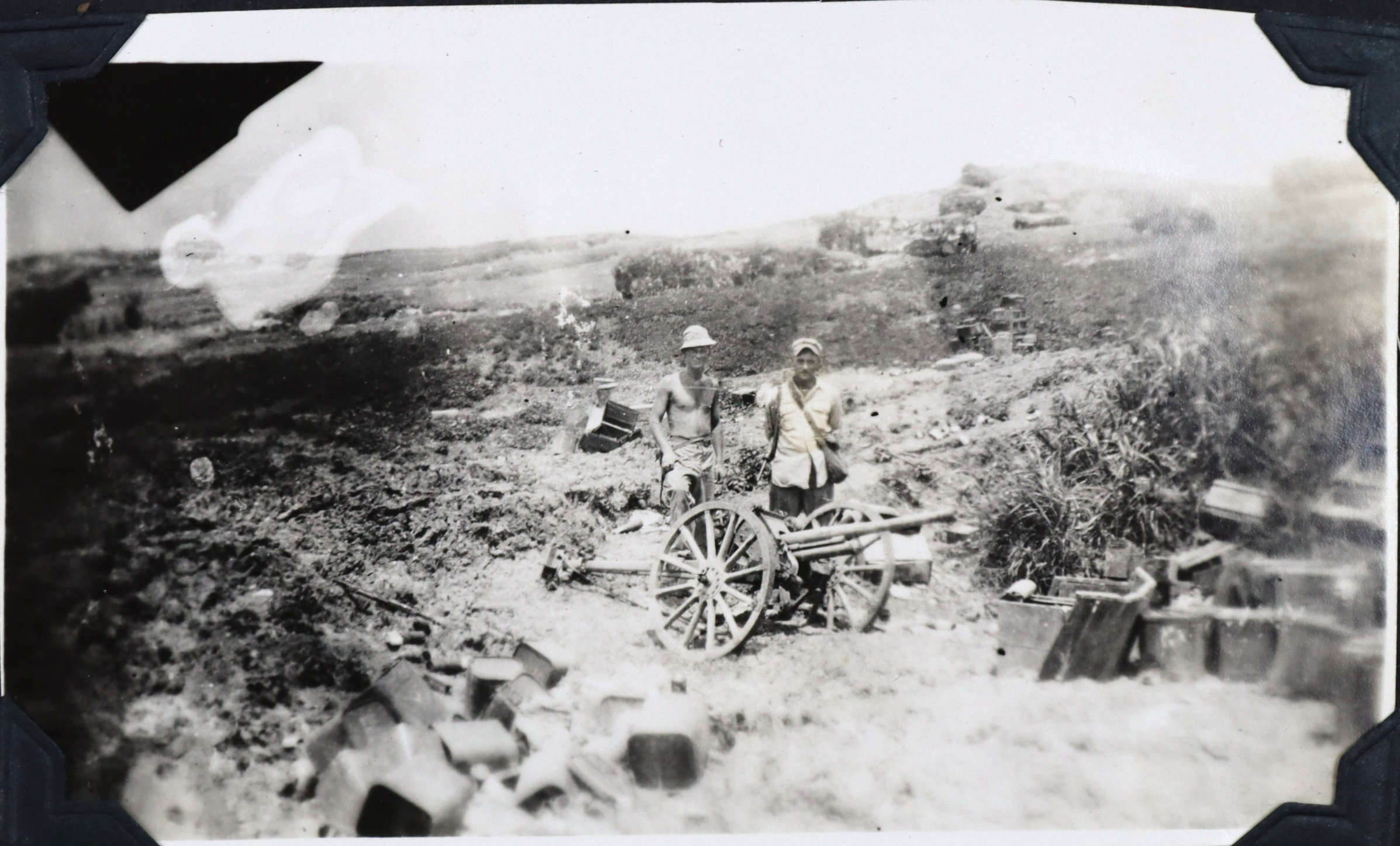
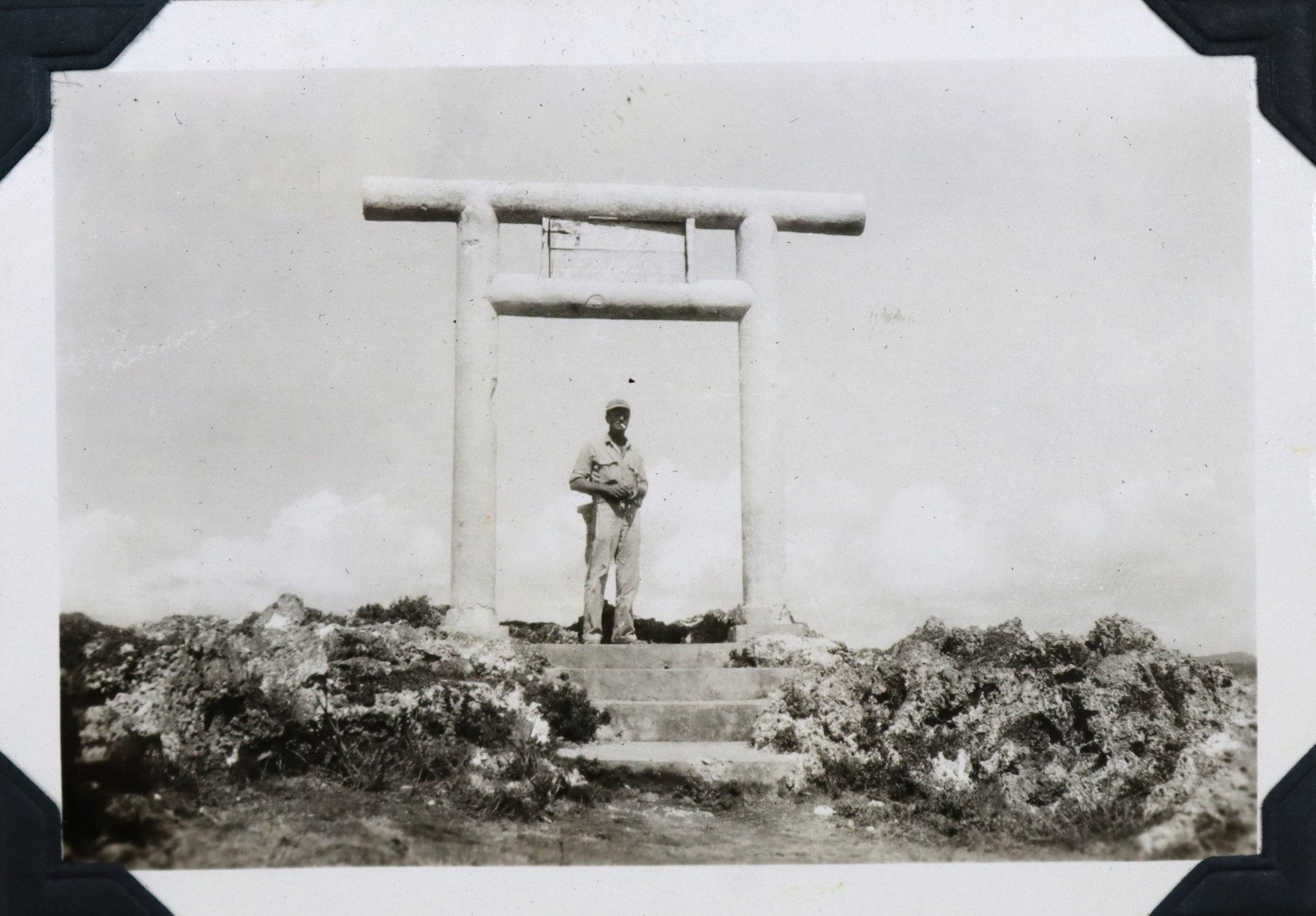
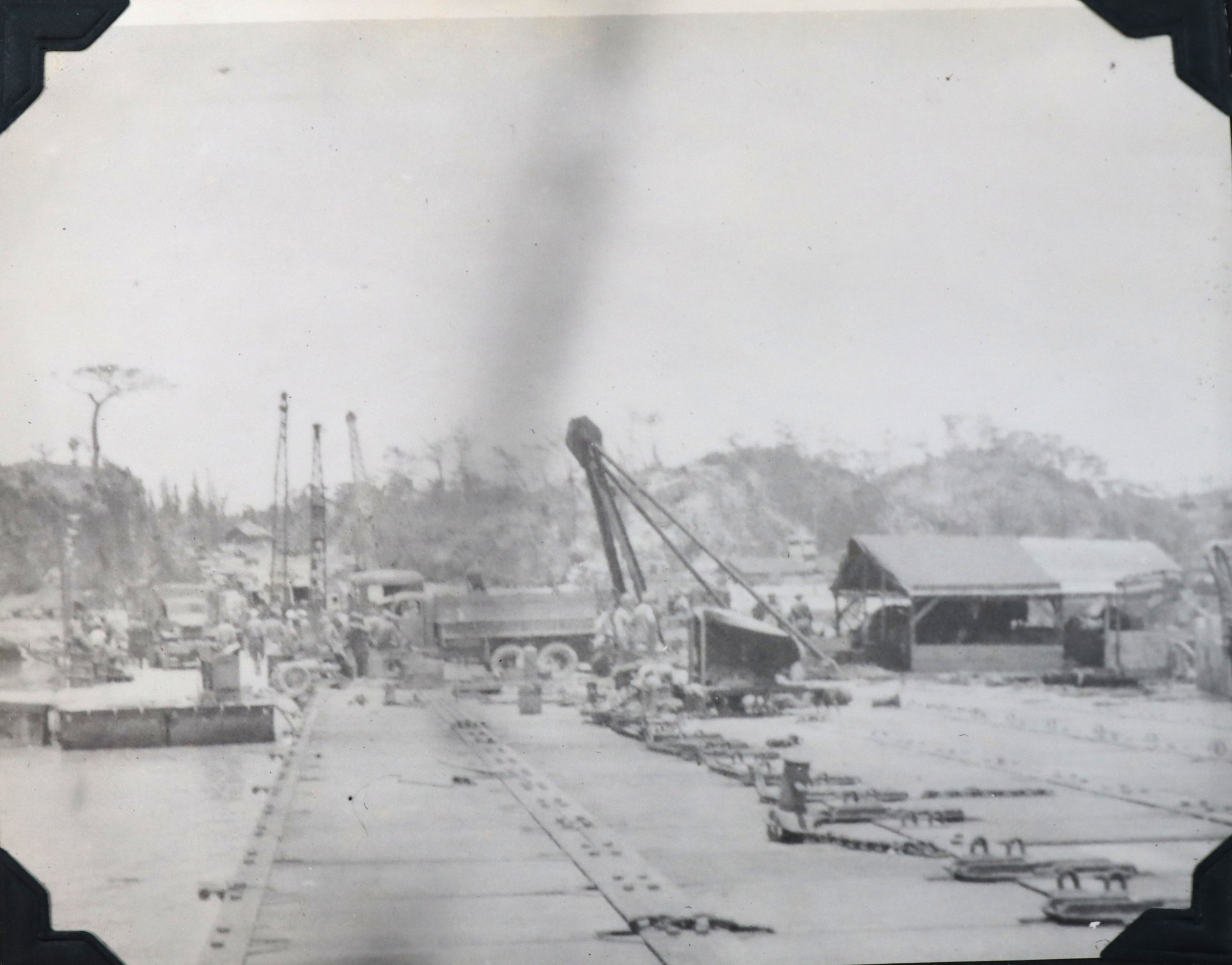
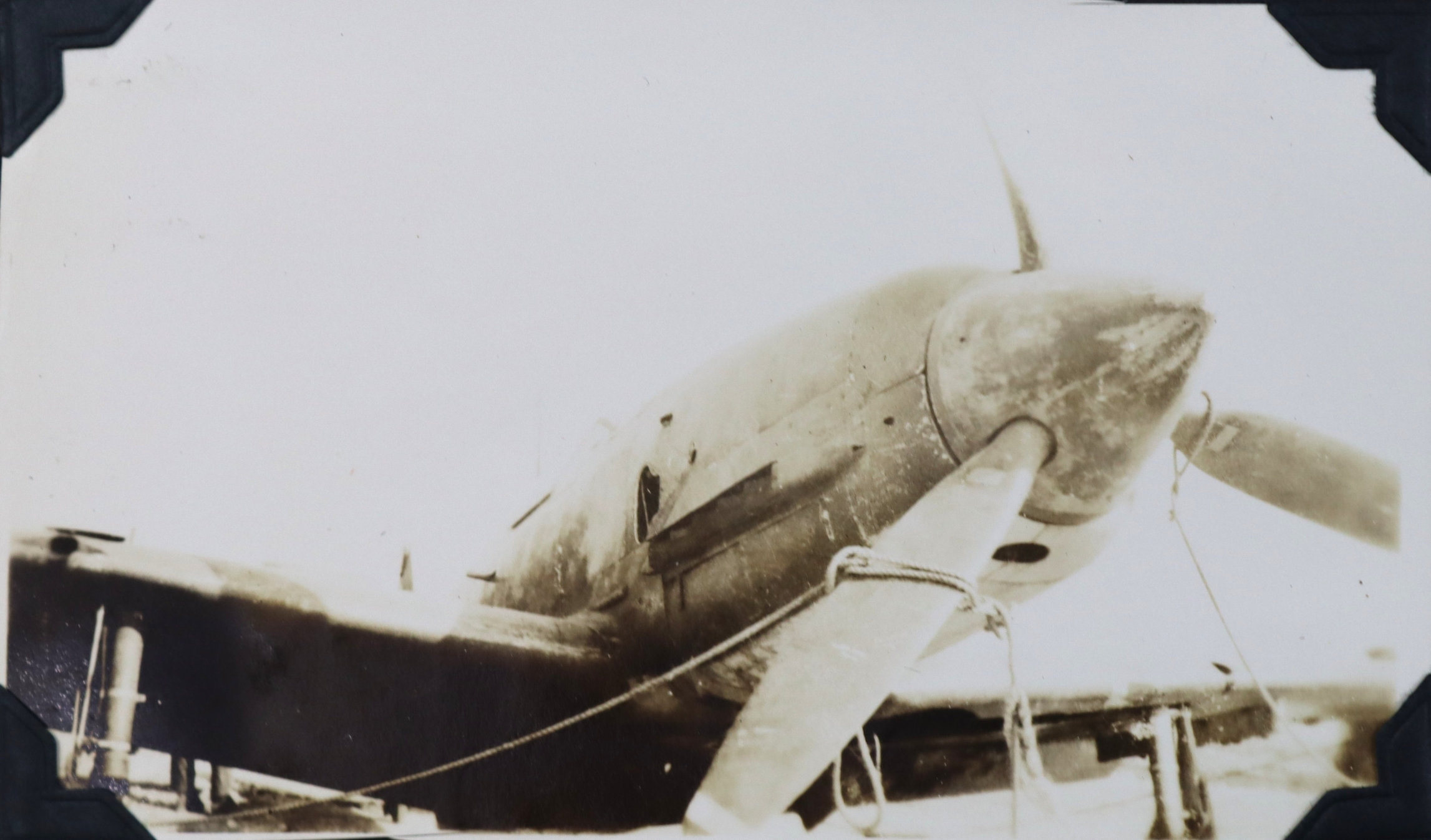
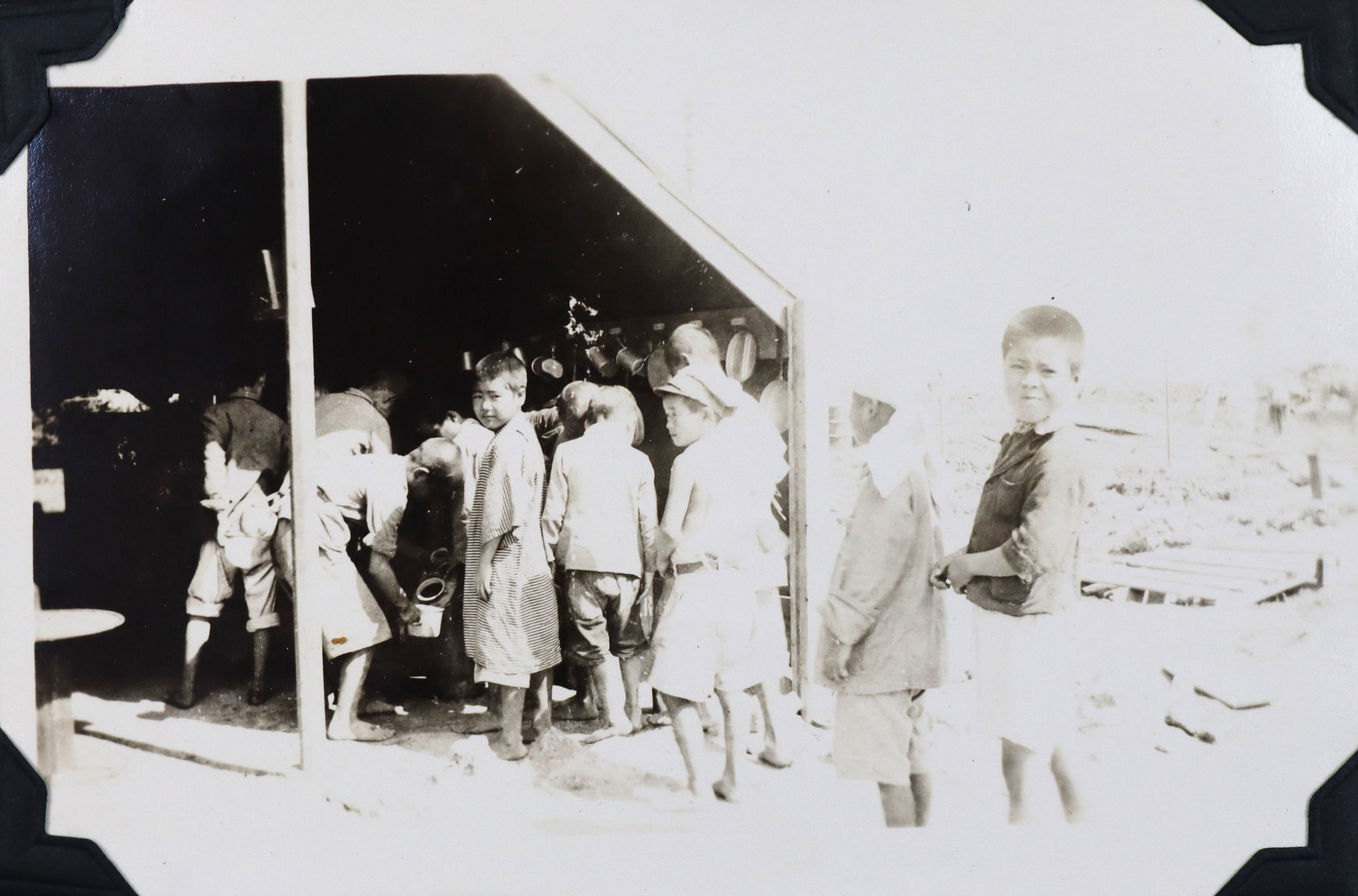
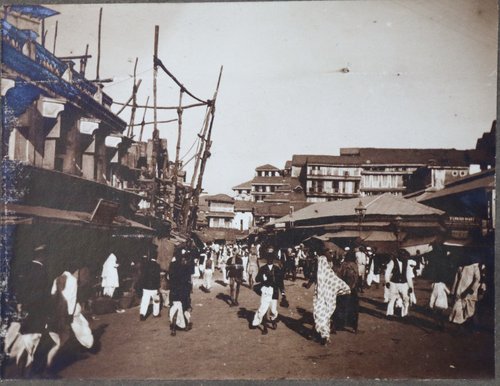
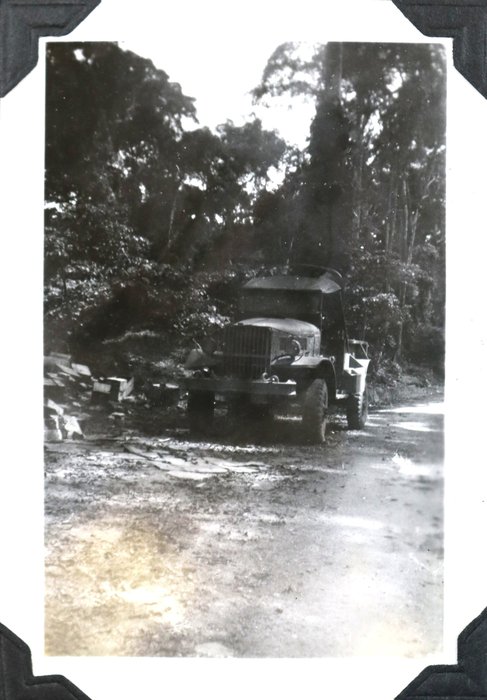
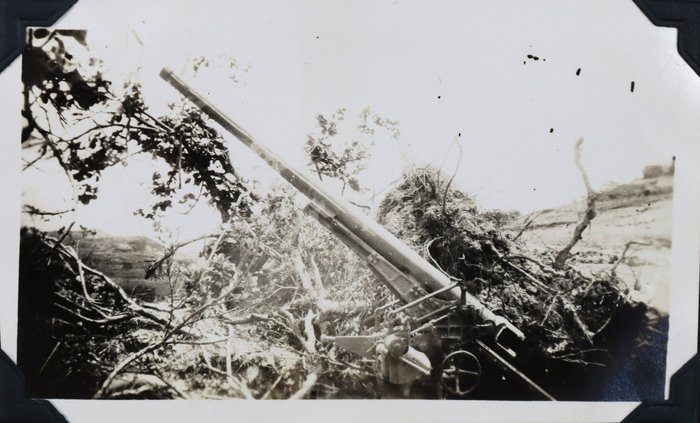
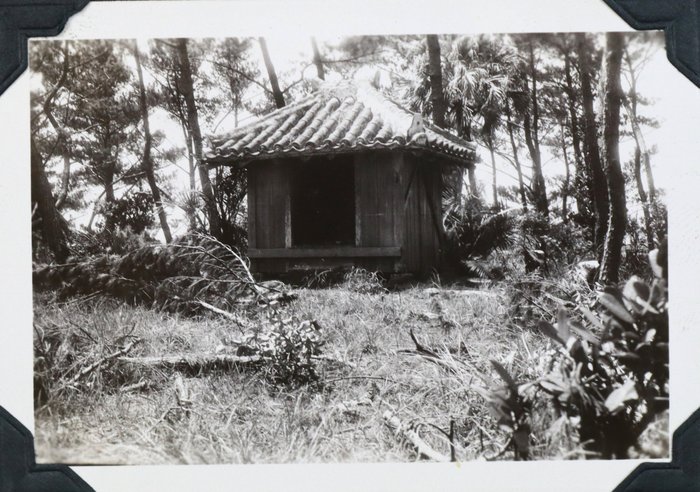
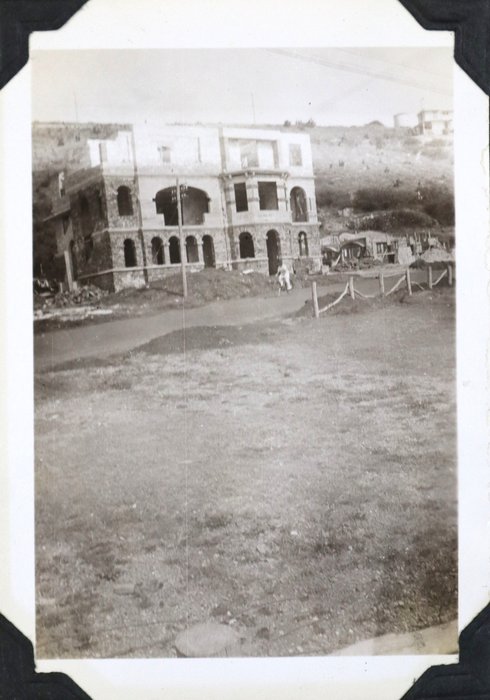
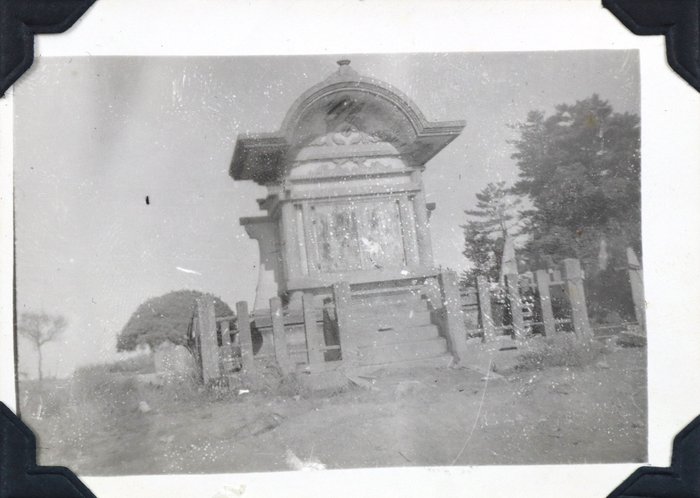
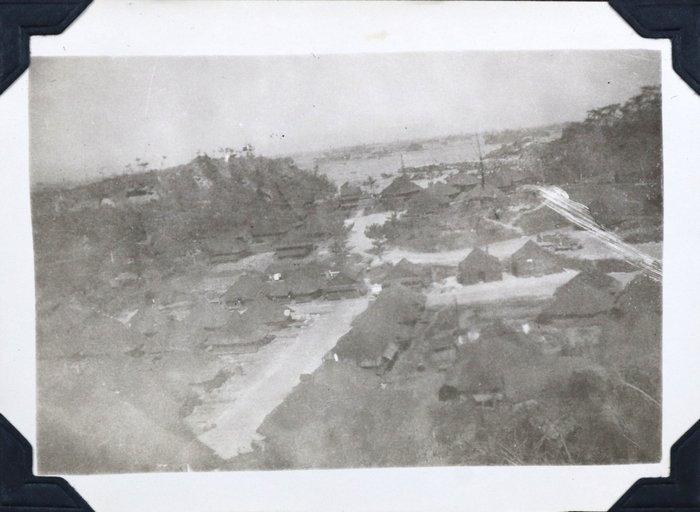
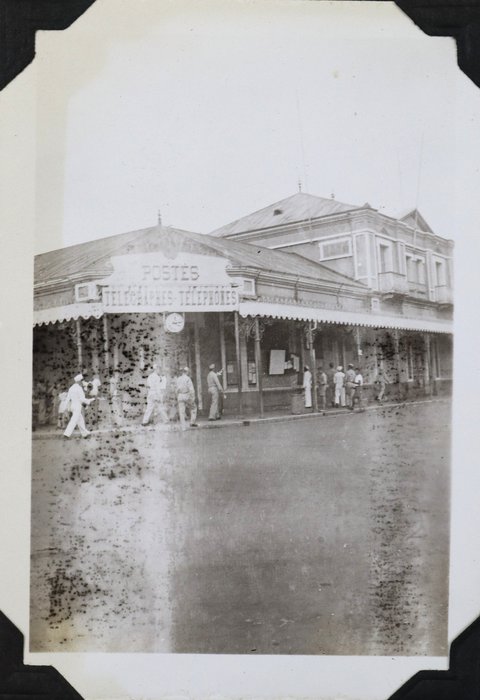
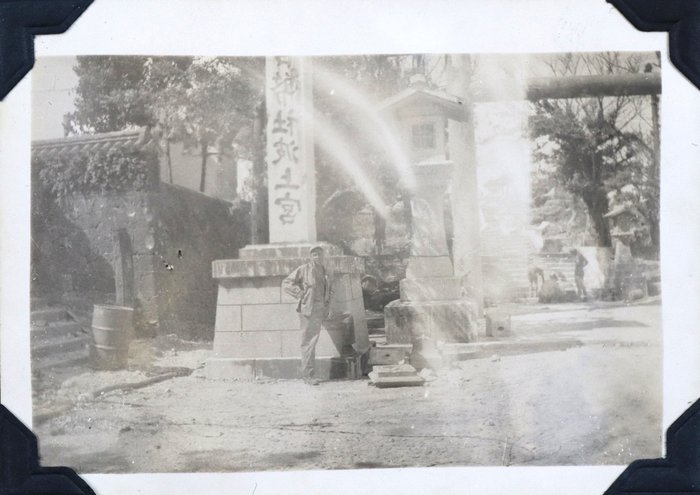
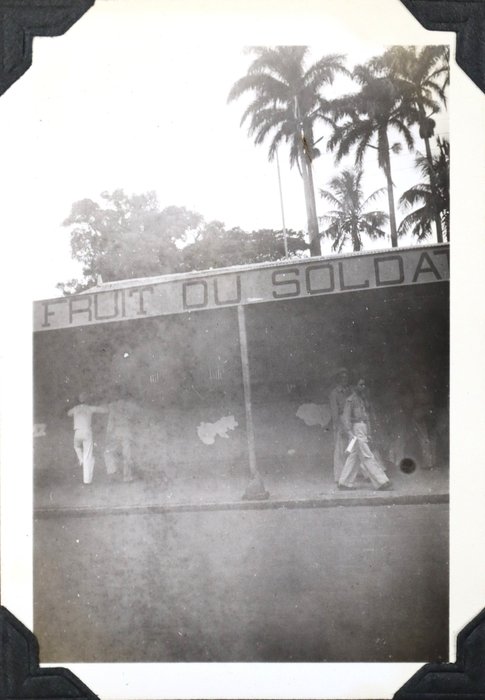
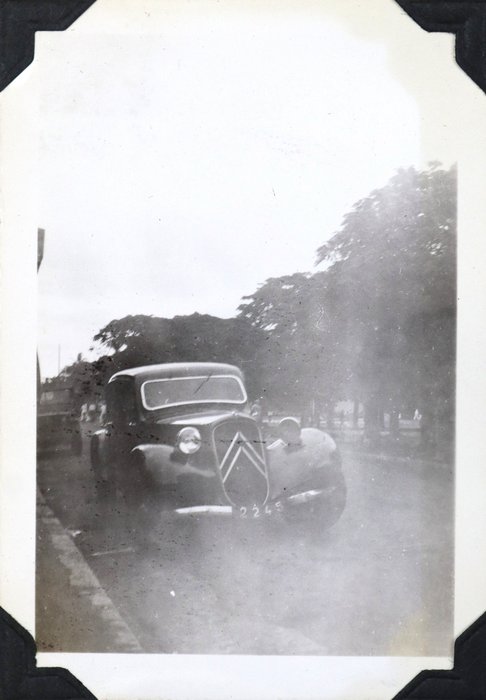
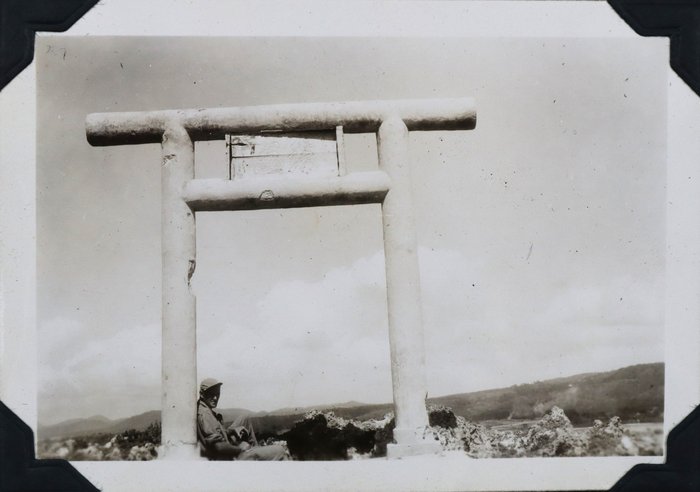
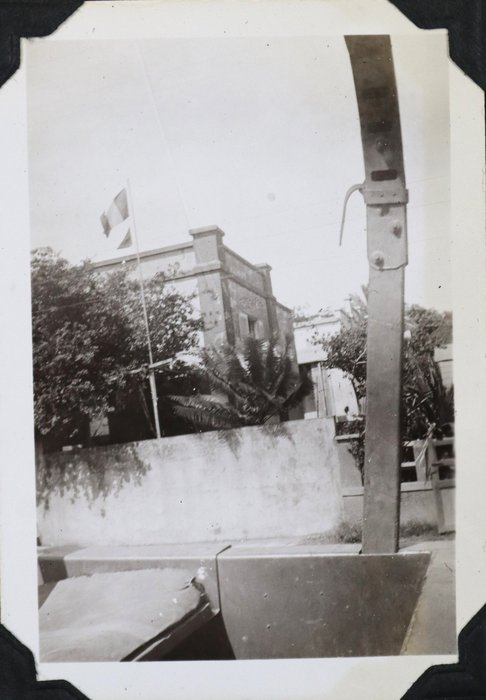
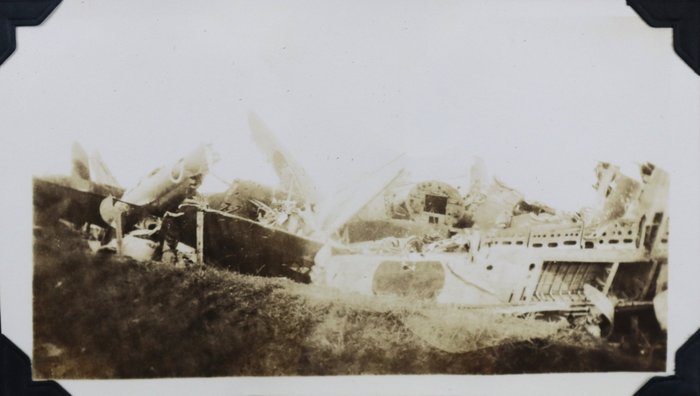
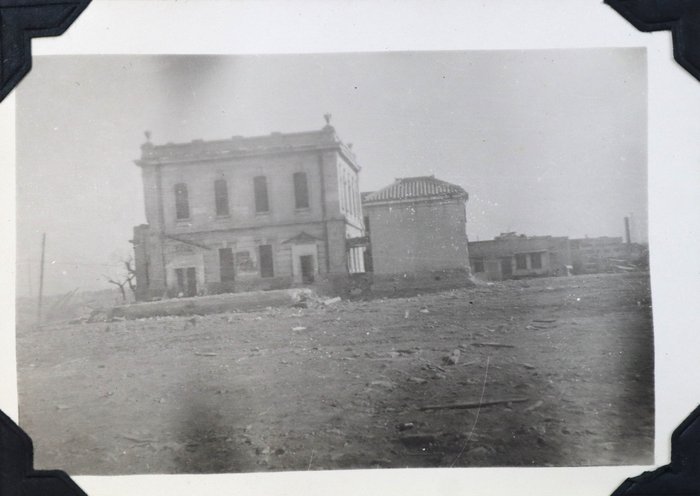
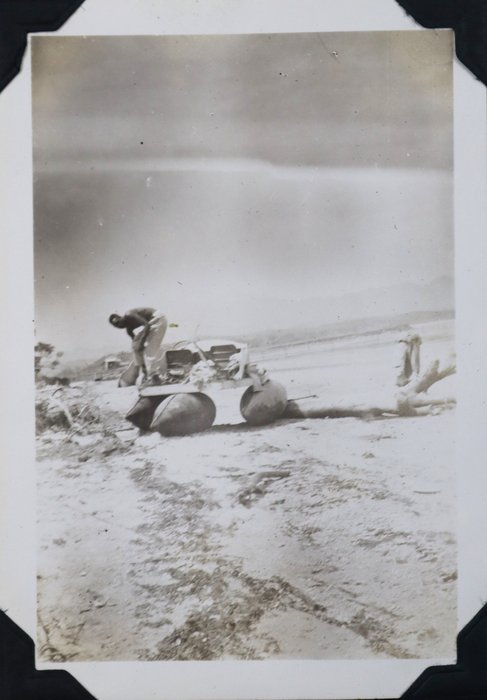
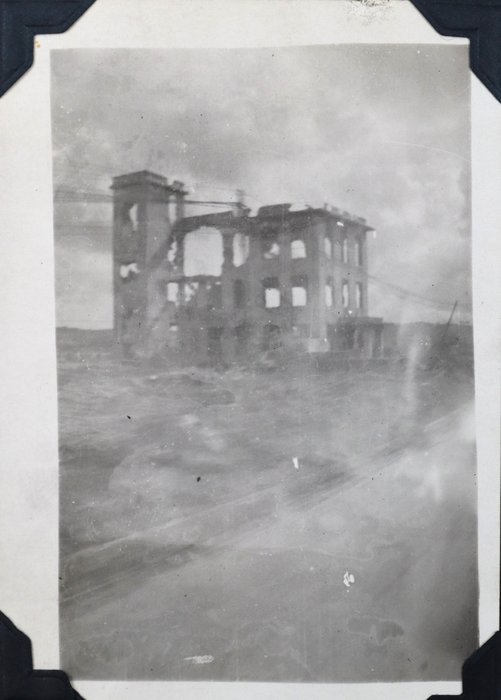
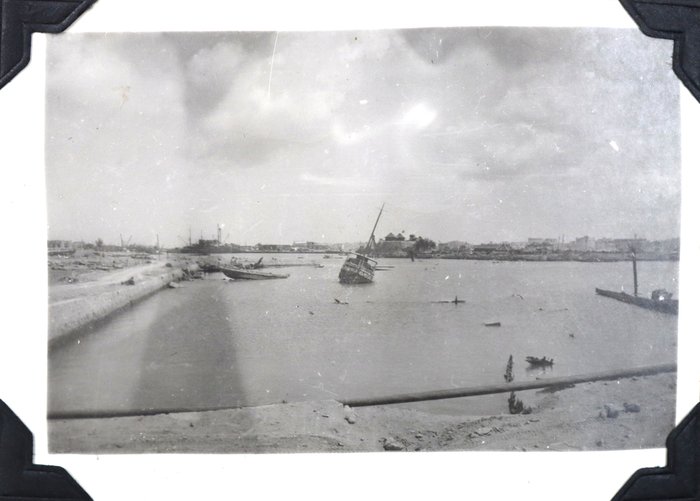
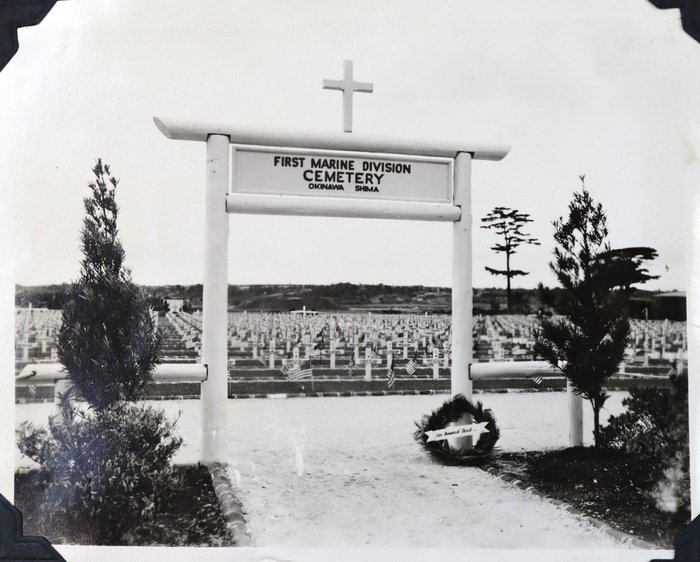
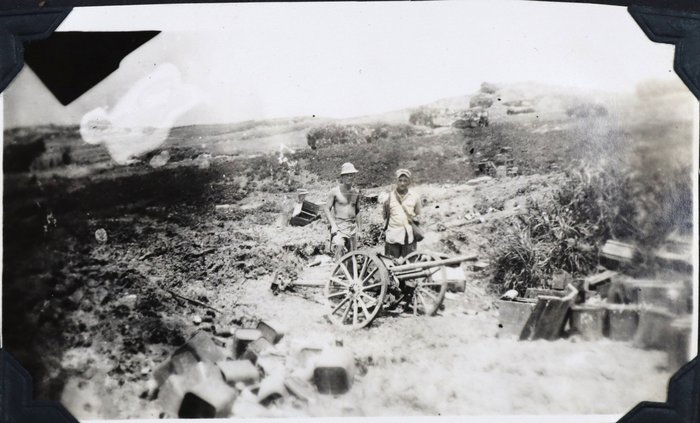
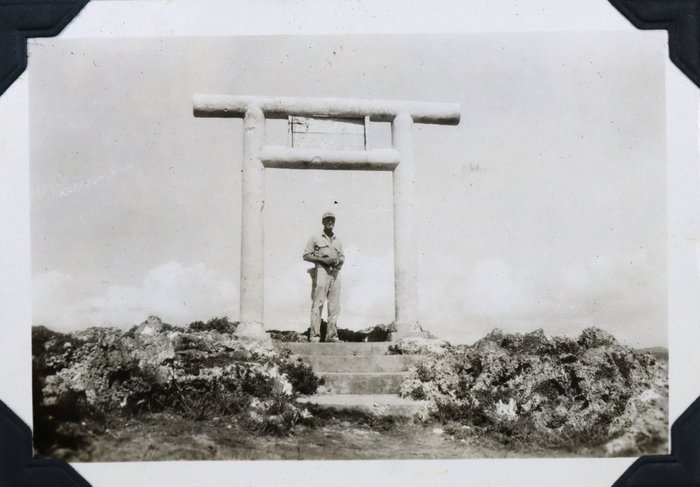
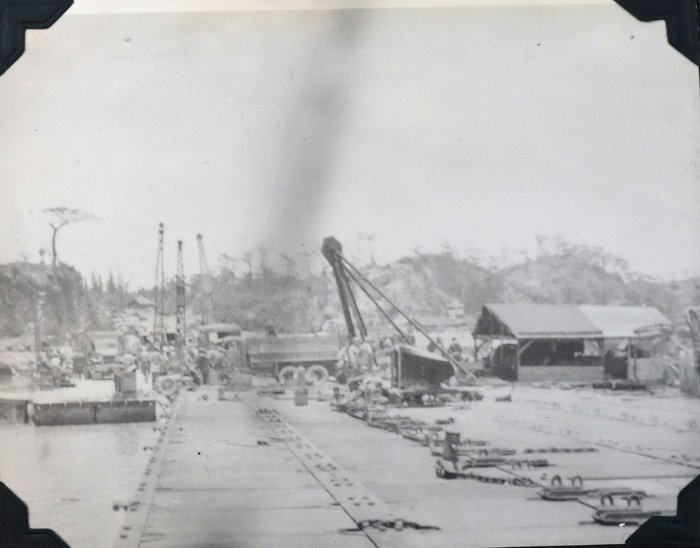
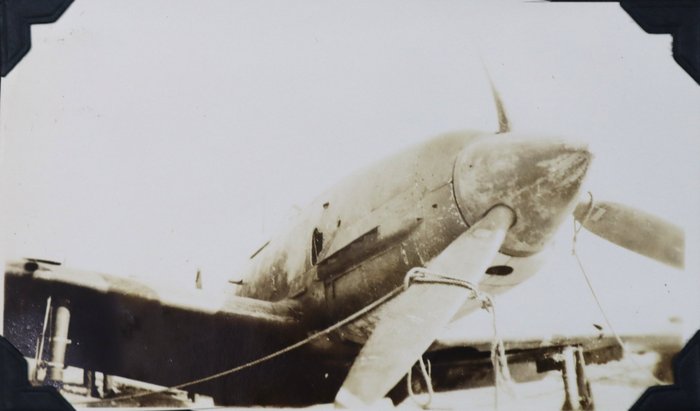
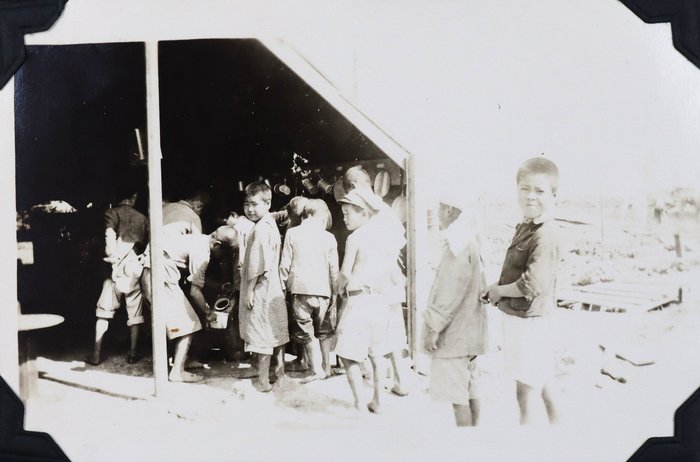
The album contains 272 well-preserved amateur photographs, including about eighty images of Okinawa taken in the immediate aftermath of the Allied invasion in April 1945. The operation aimed to secure the island as a staging base for the planned invasion of mainland Japan. As members of a Special Construction Battalion, the compiler and his companions were apparently responsible for unloading large quantities of ammunition and heavy equipment. The most important photographs show post-battle cityscapes with ruined buildings and shrines, a wrecked Imperial Japanese aircraft, and scenes of wartime atrocities. About fifteen lively street scenes feature French signage reading “Postes Télégraphes Téléphones” and “Fruit ou Soldat,” French and American flags flying from local buildings, automobiles with visible license plates, and Allied militaries flocking the streets. Especially interesting are photos of Seabees unloading pontoon structures and building shoreline encampments, a vast pontoon pier under construction amid heavy equipment, an aerial view of invasion ships densely assembled offshore, as well as Allied aircrafts and tanks. Other photographs depict a First Marine Division cemetery in Okinawa, portraits of locals, and servicemen posing with Japanese civilians.
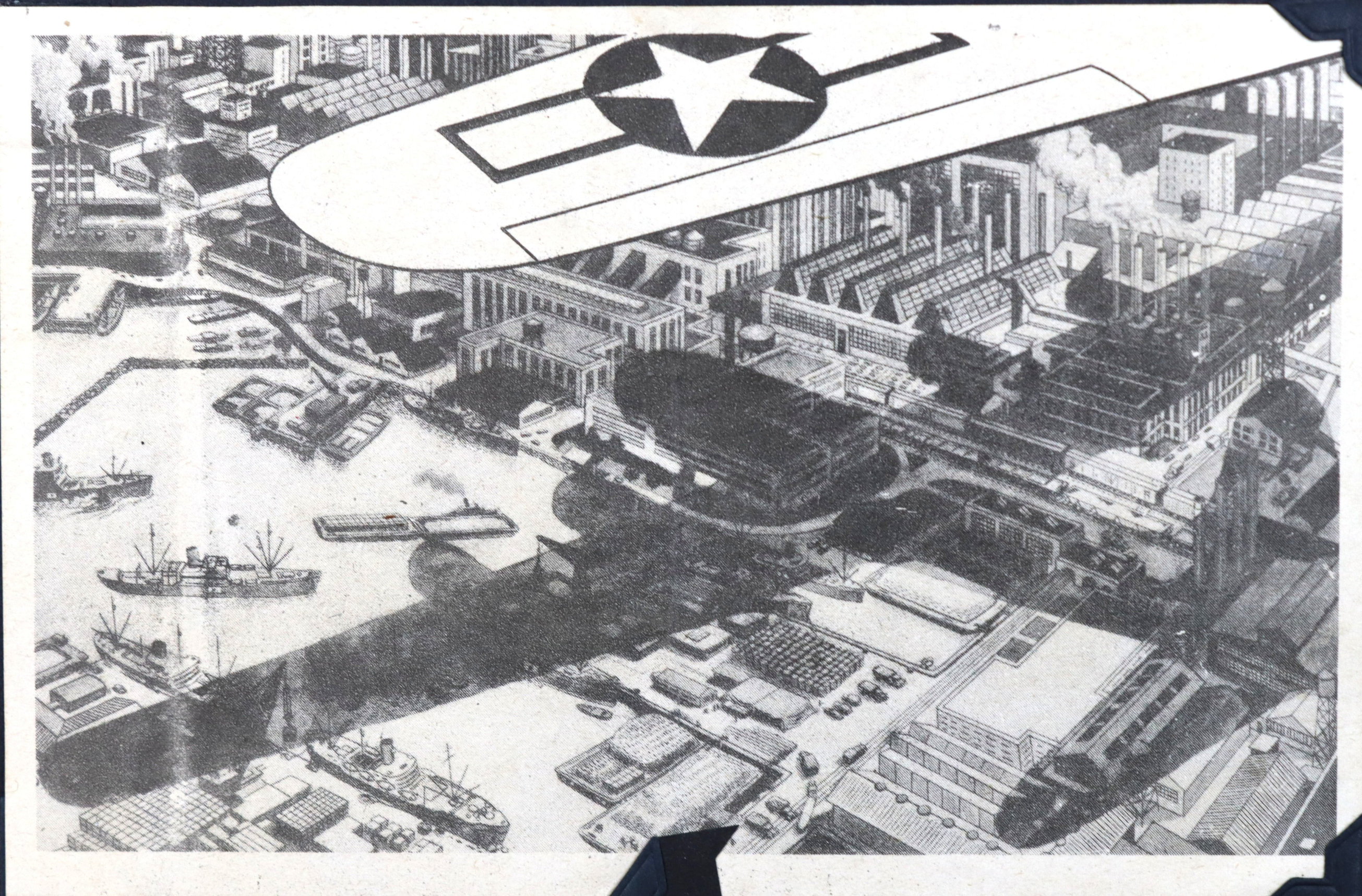
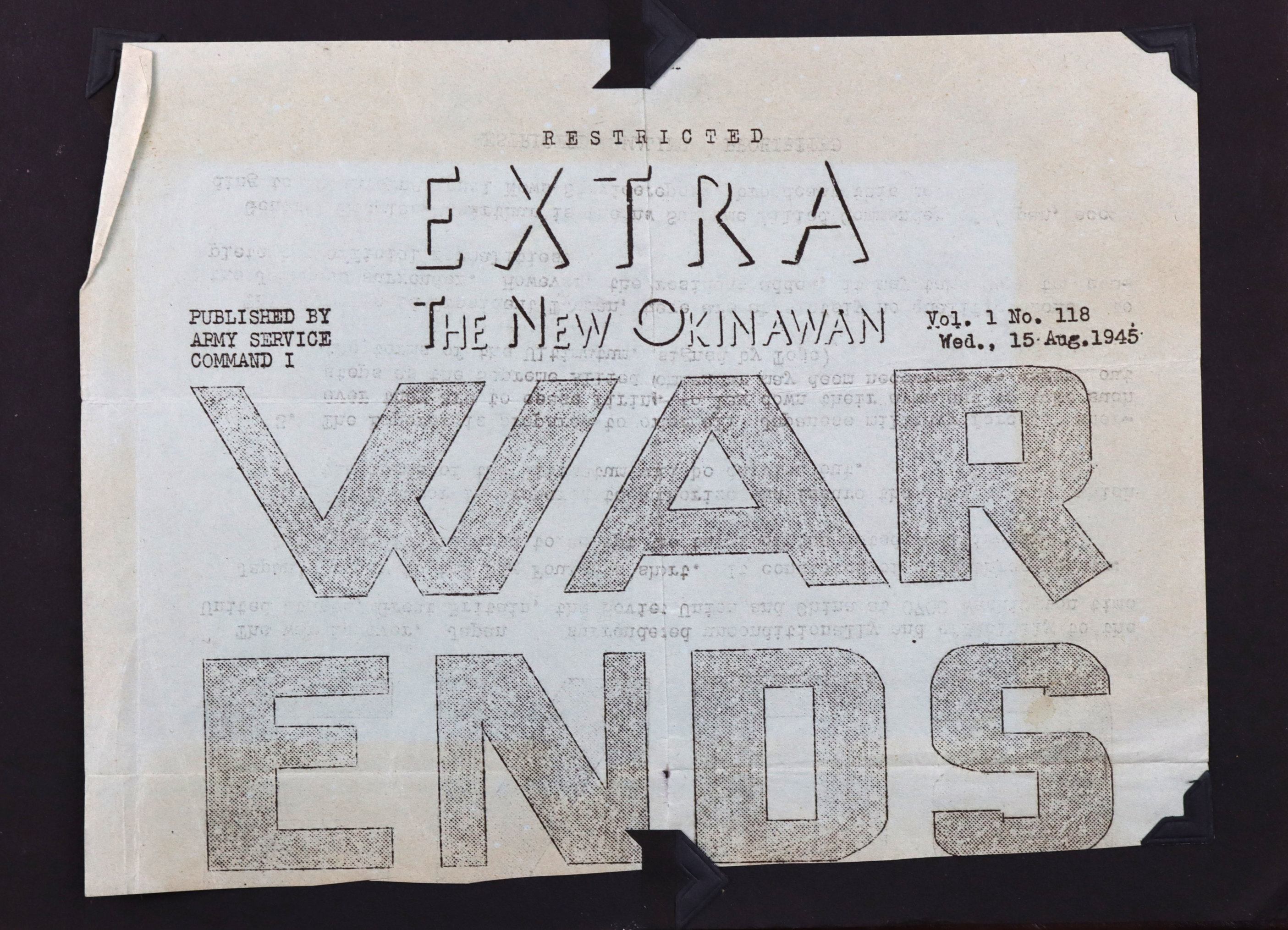
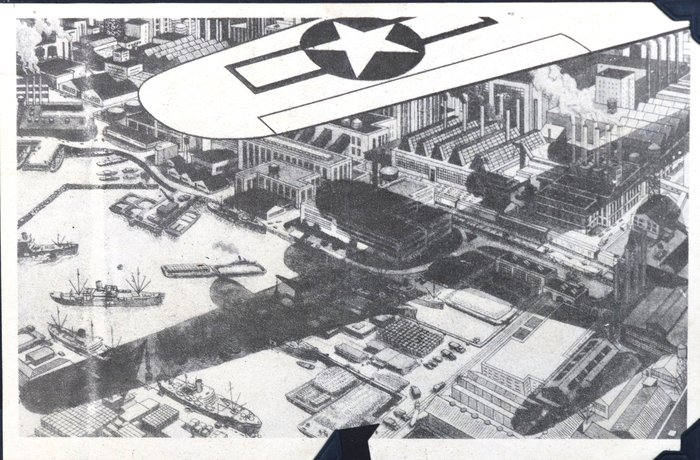
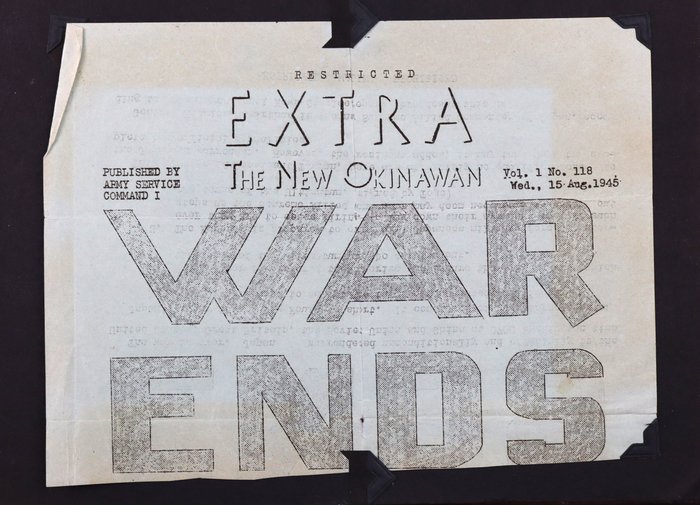
The Okinawa series is supplemented with four pieces of period ephemera, including a South Japan edition banner of Yank, the Army Weekly; a WWII news sheet from The New Okinawan dated August 9, 1945, reporting the Soviet declaration of war on Japan and analysis of the atomic bomb; Allied propaganda leaflet likely dropped over Japan in 1945, blaming Japanese militarists for the war and predicting imminent defeat; and a “Restricted Extra” issue of The New Okinawan (August 15, 1945), marking V-J Day and Japan’s acceptance of the Potsdam Declaration.
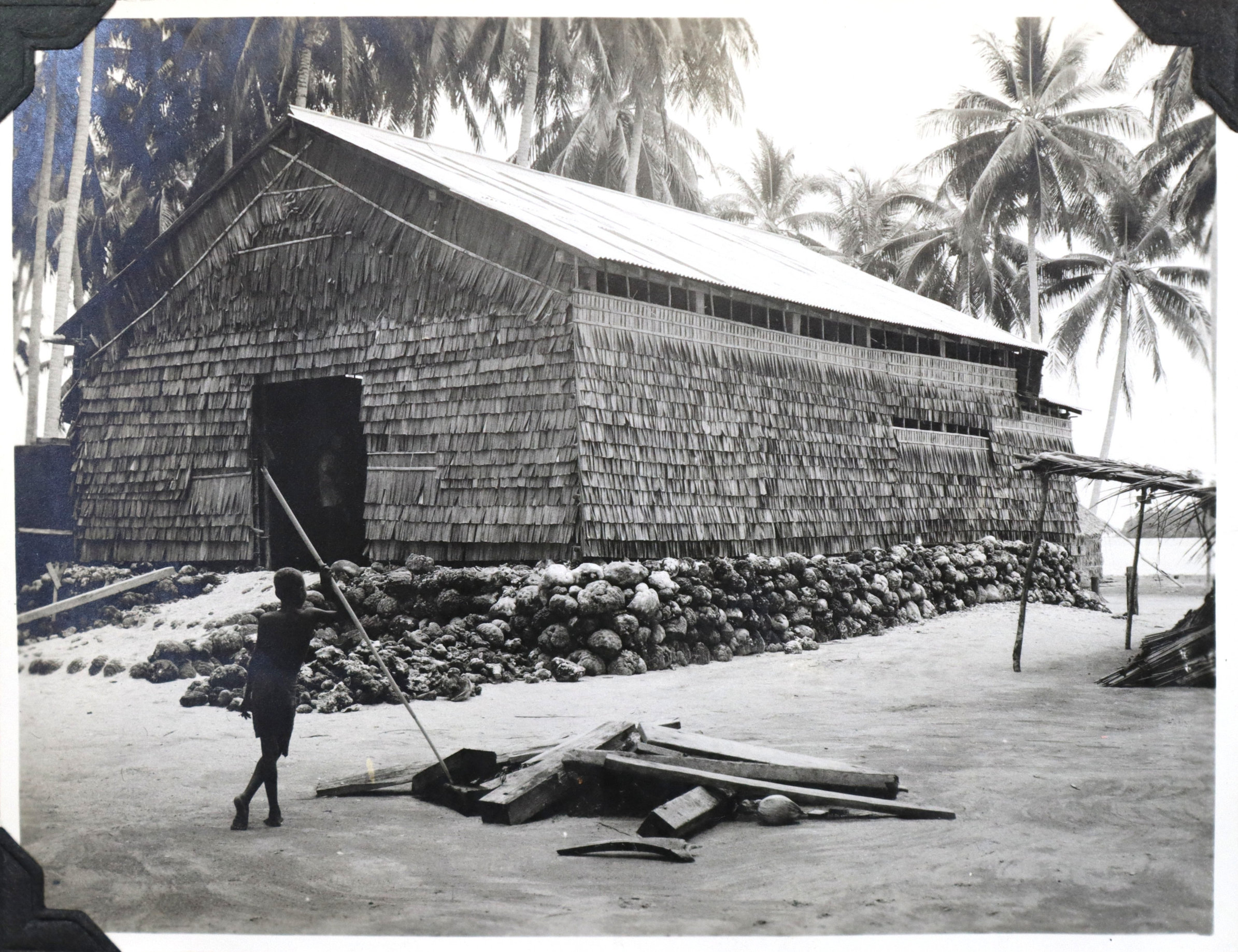
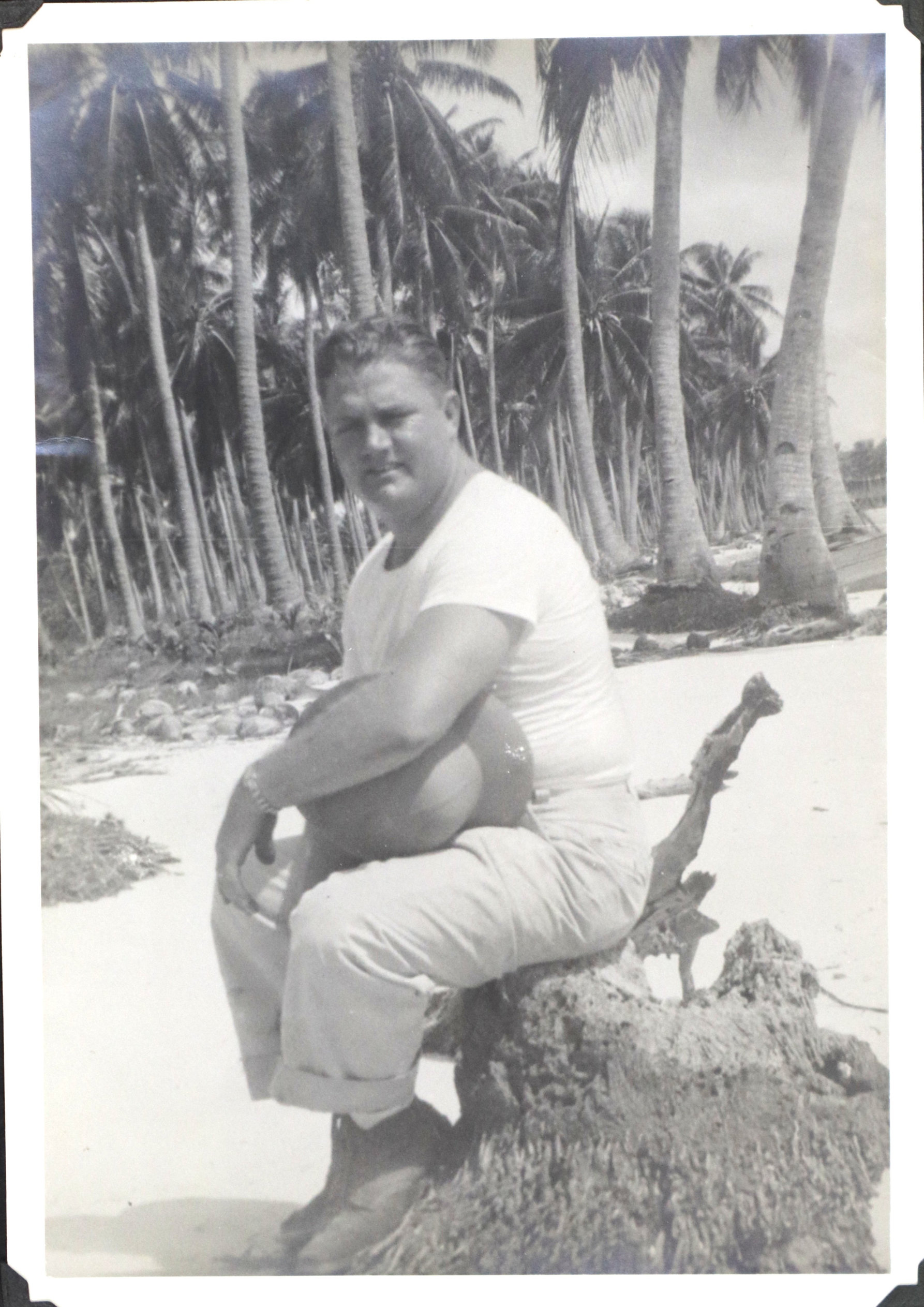
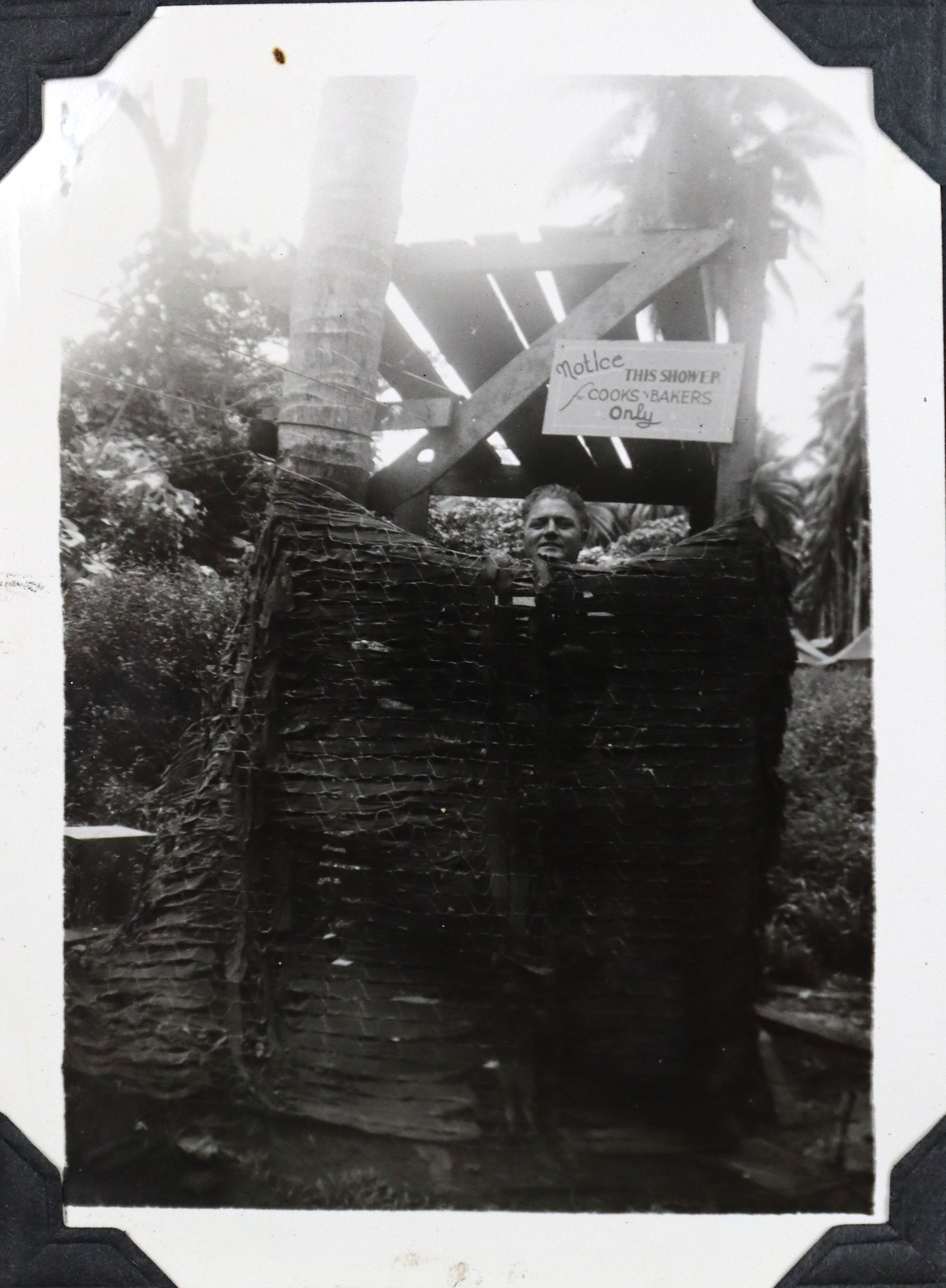
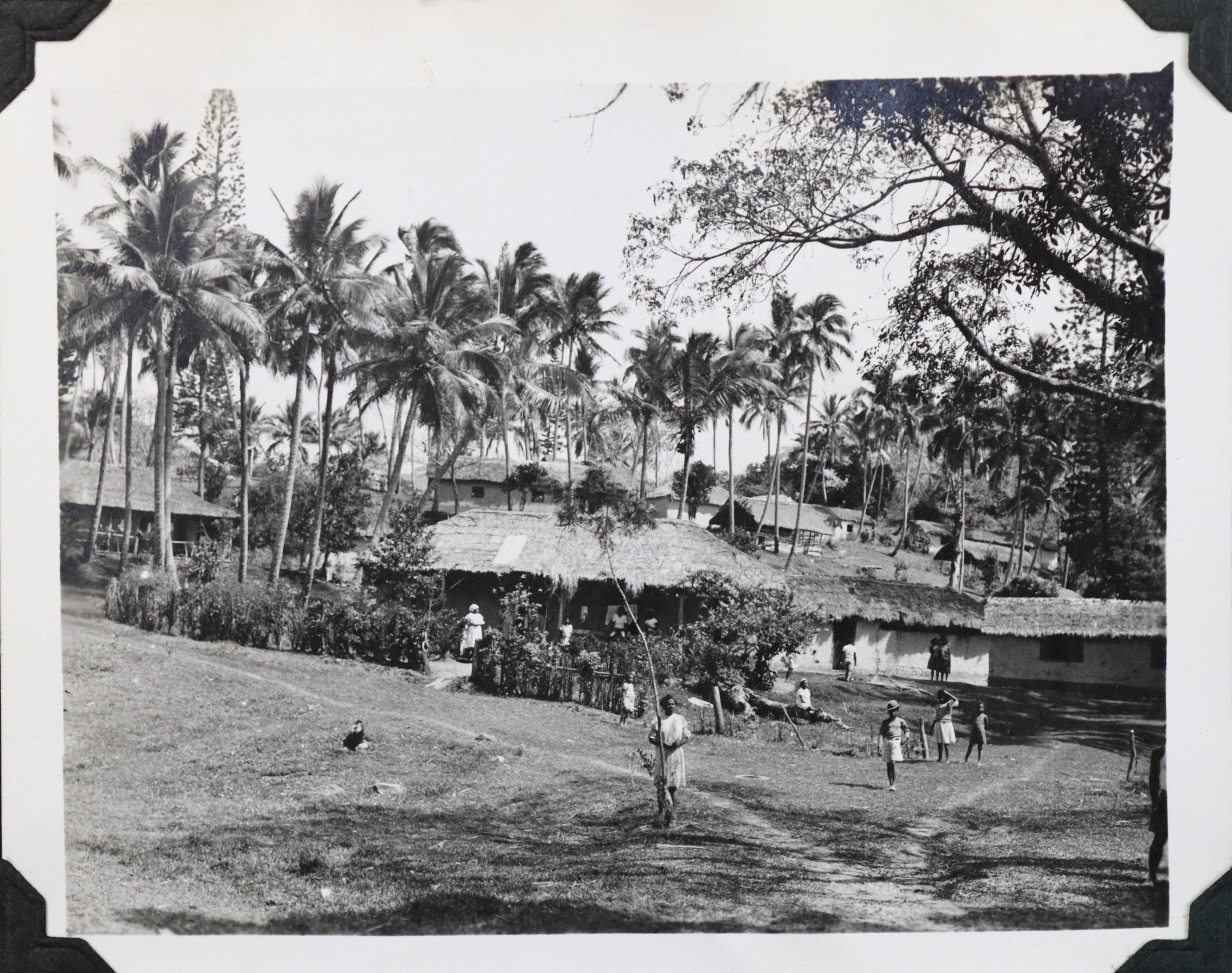
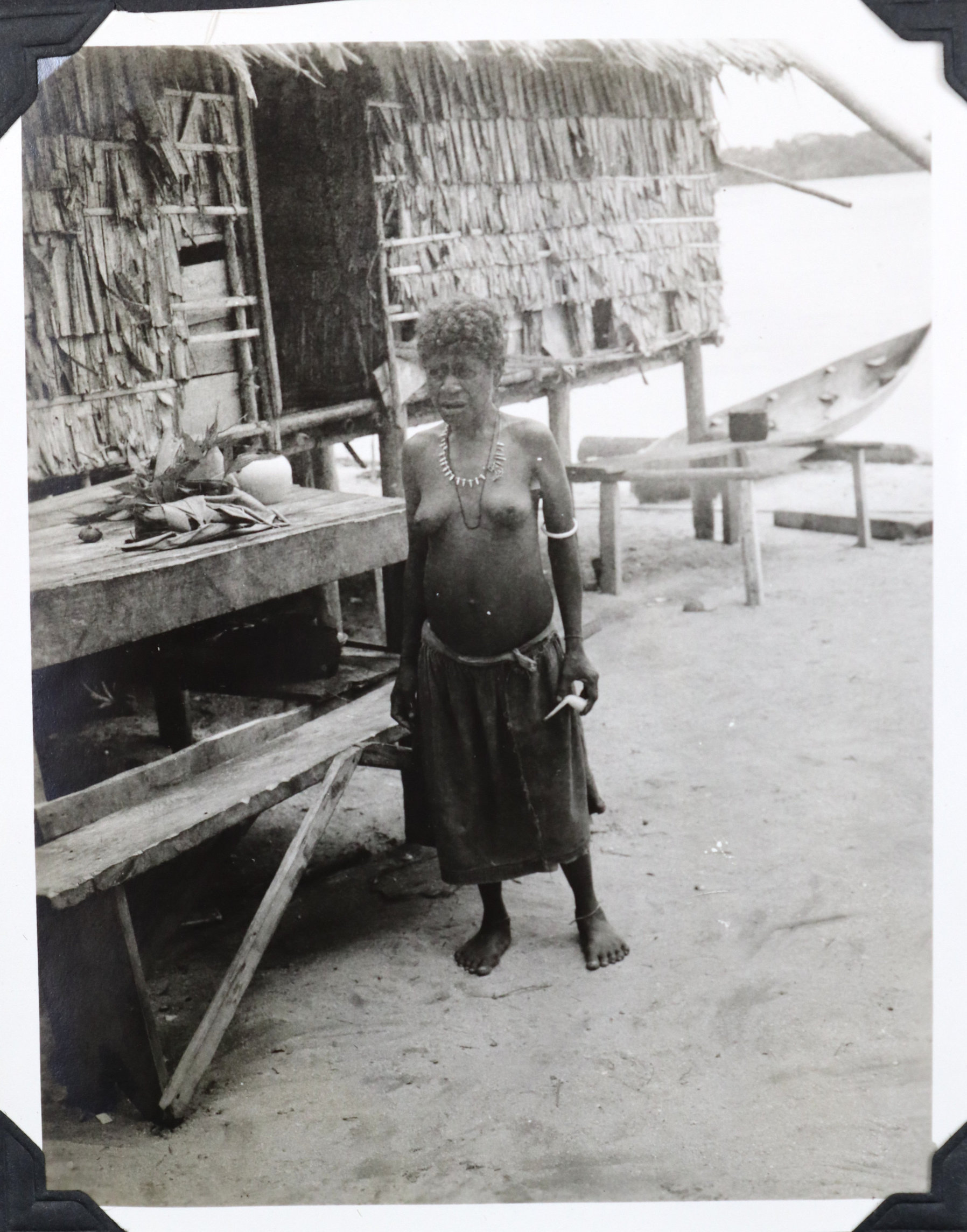
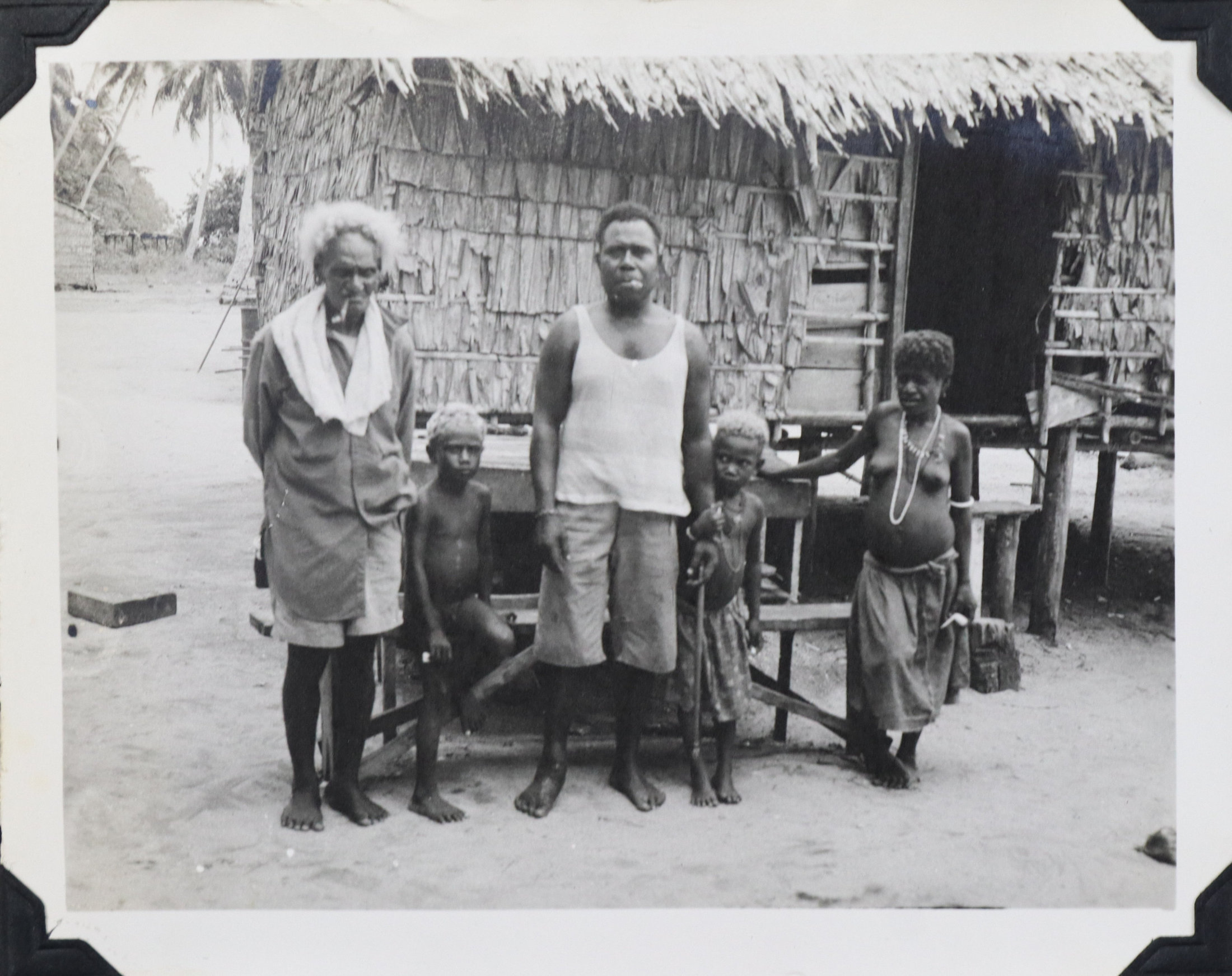
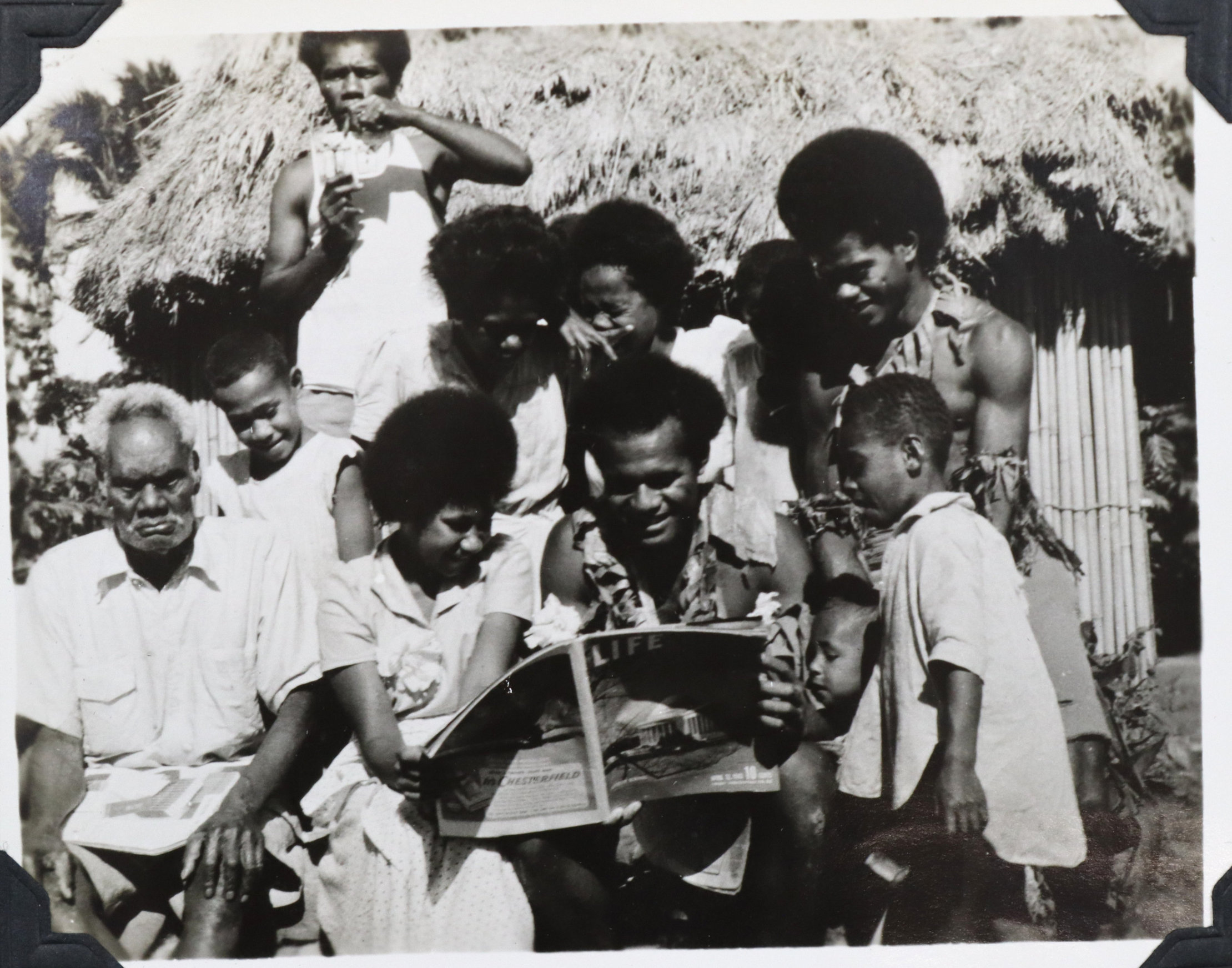
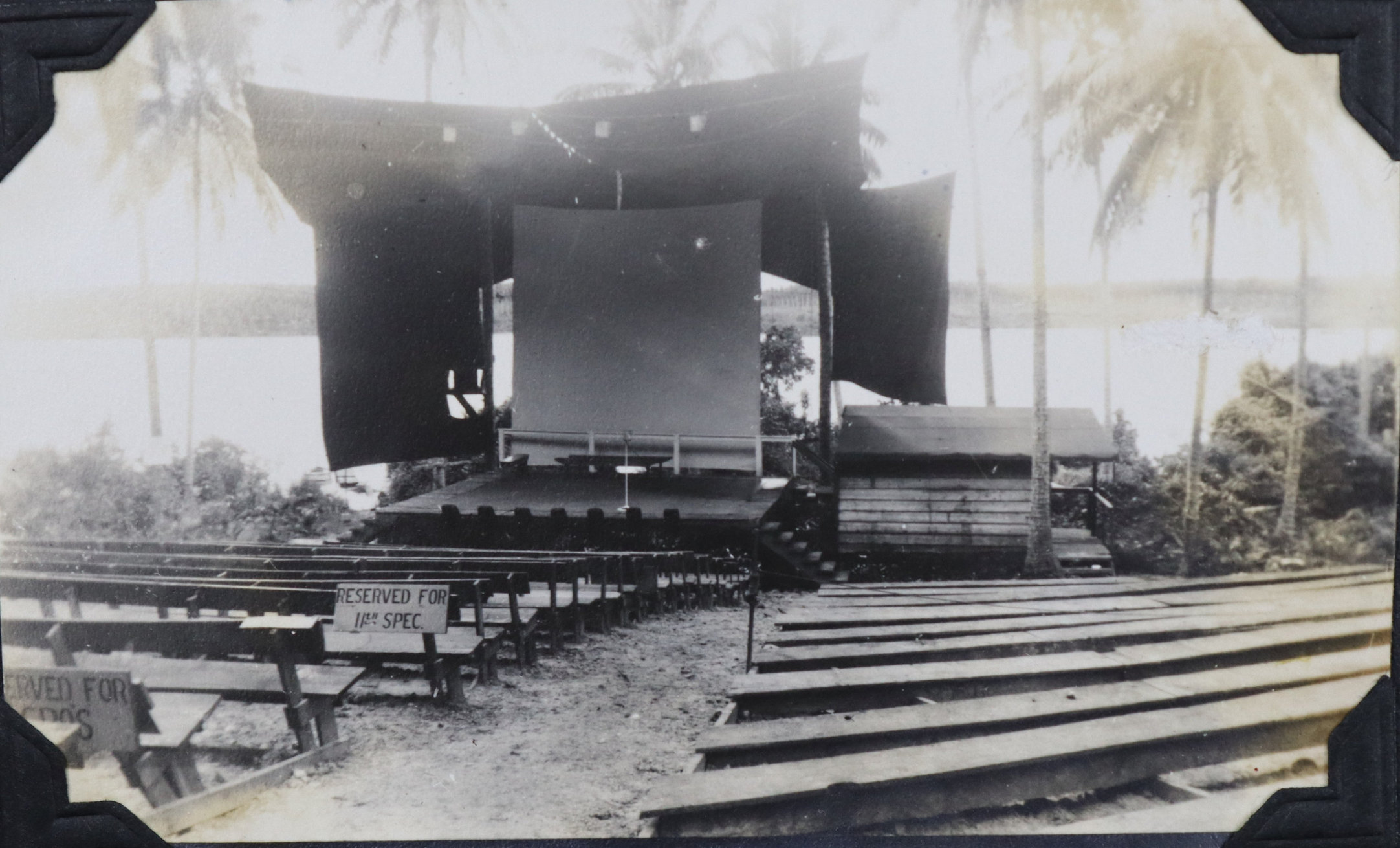
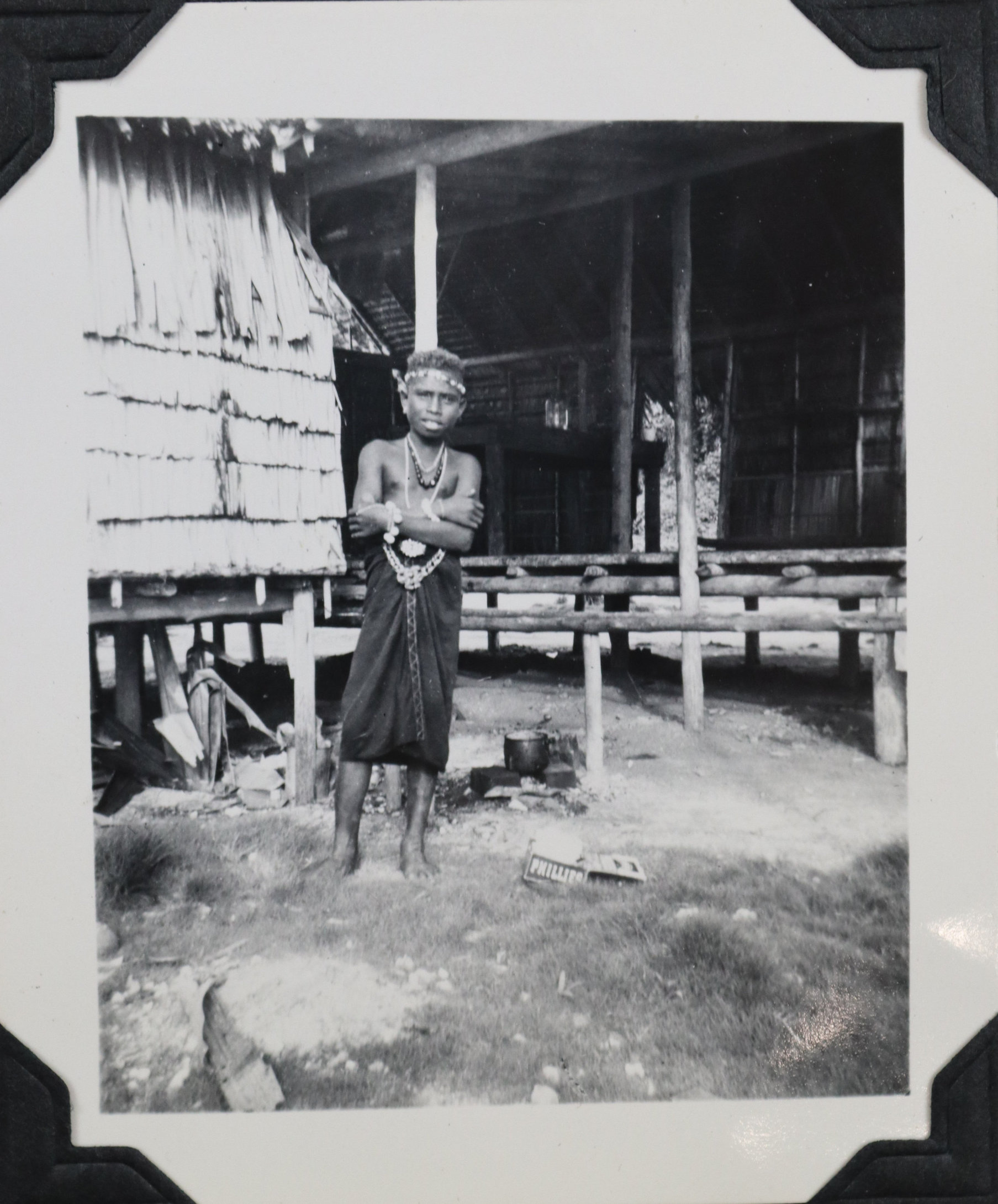
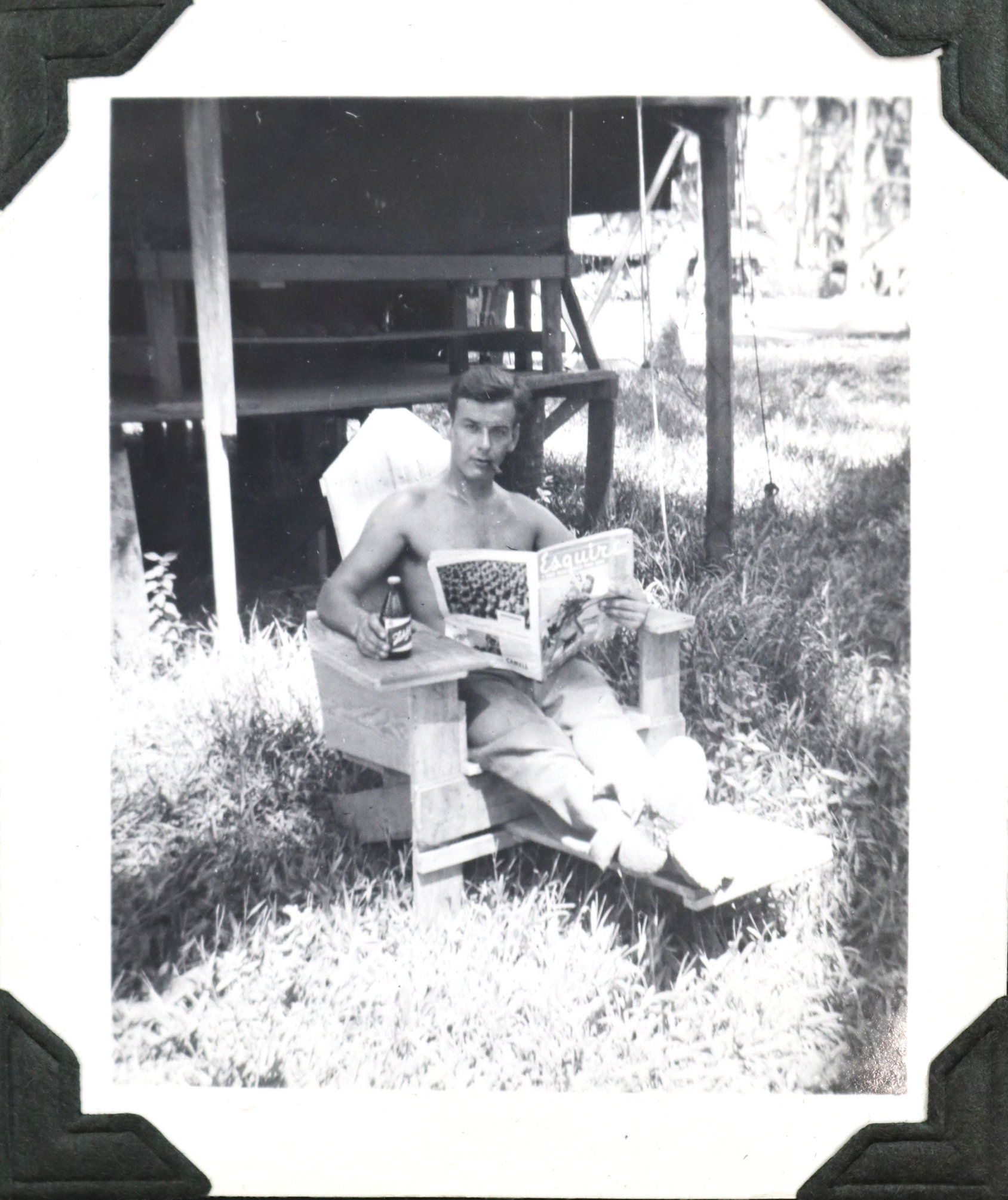
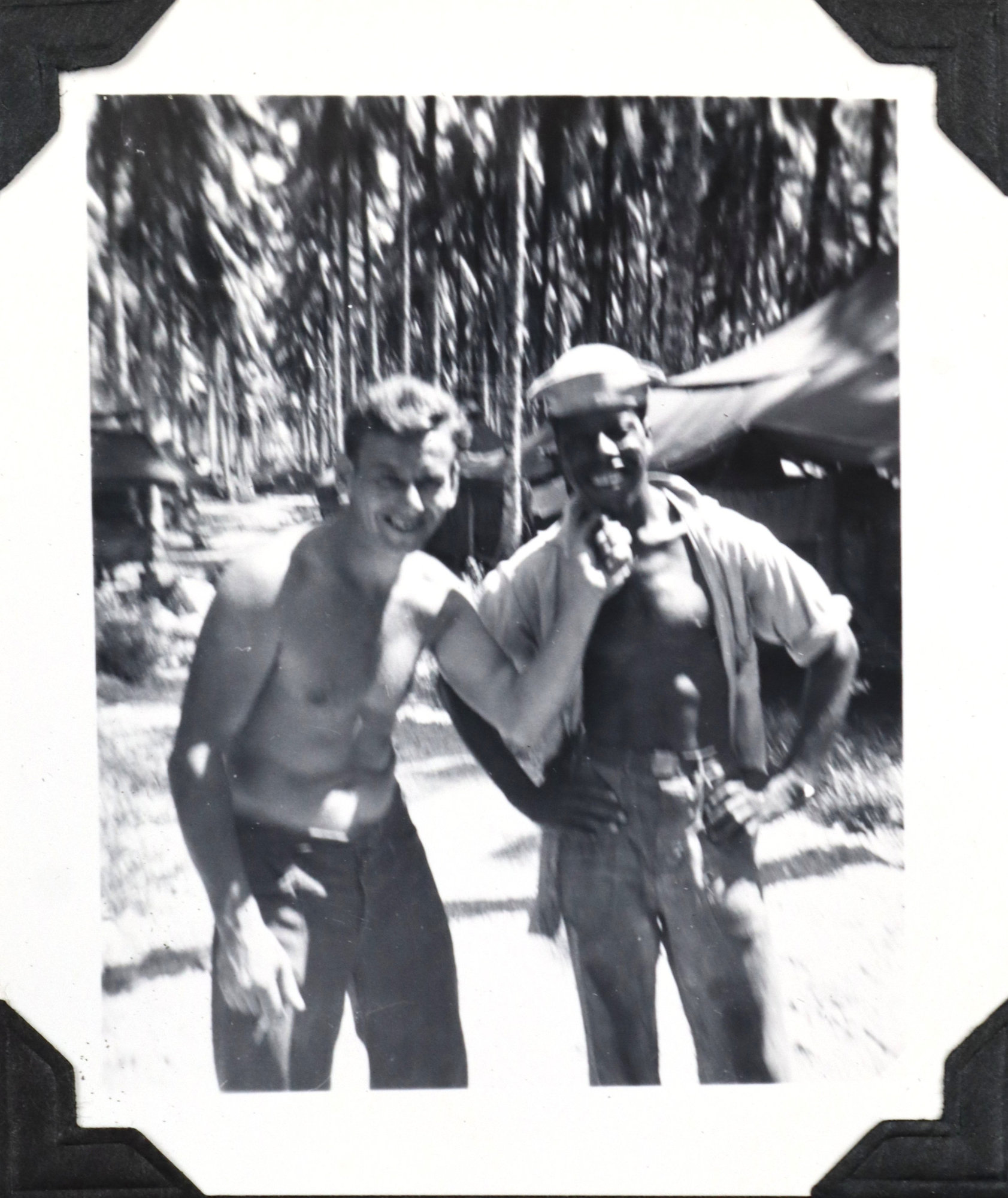
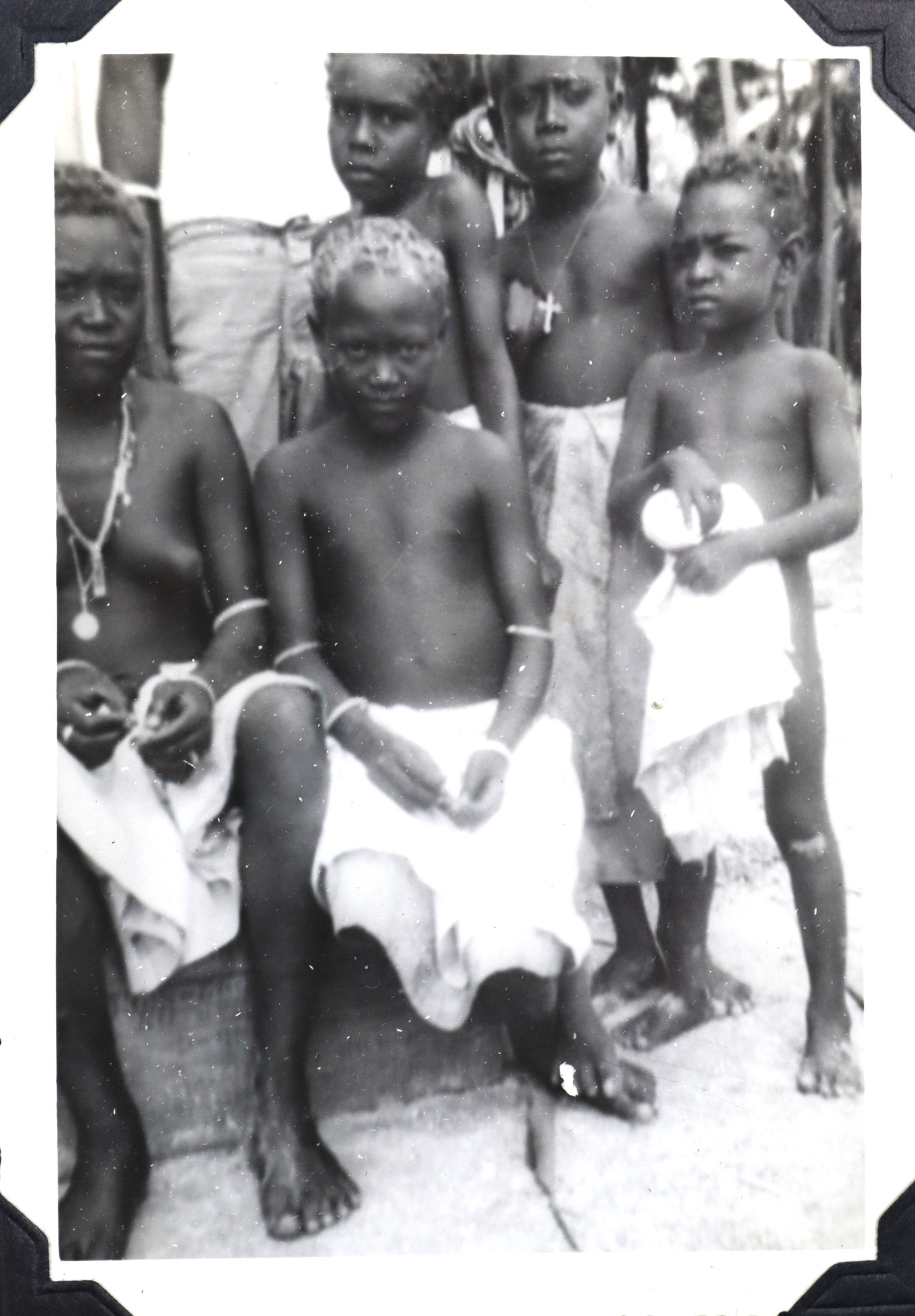
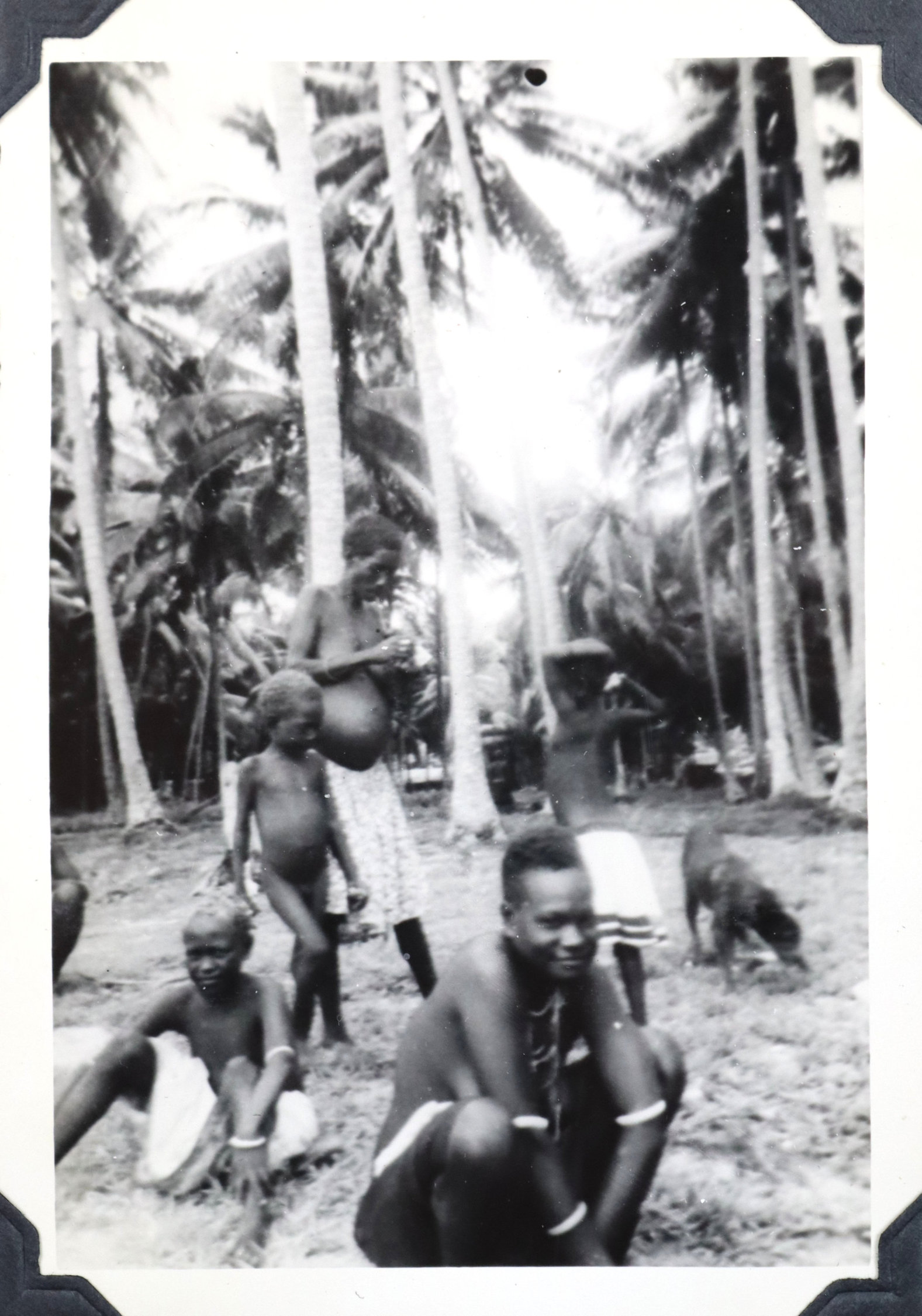
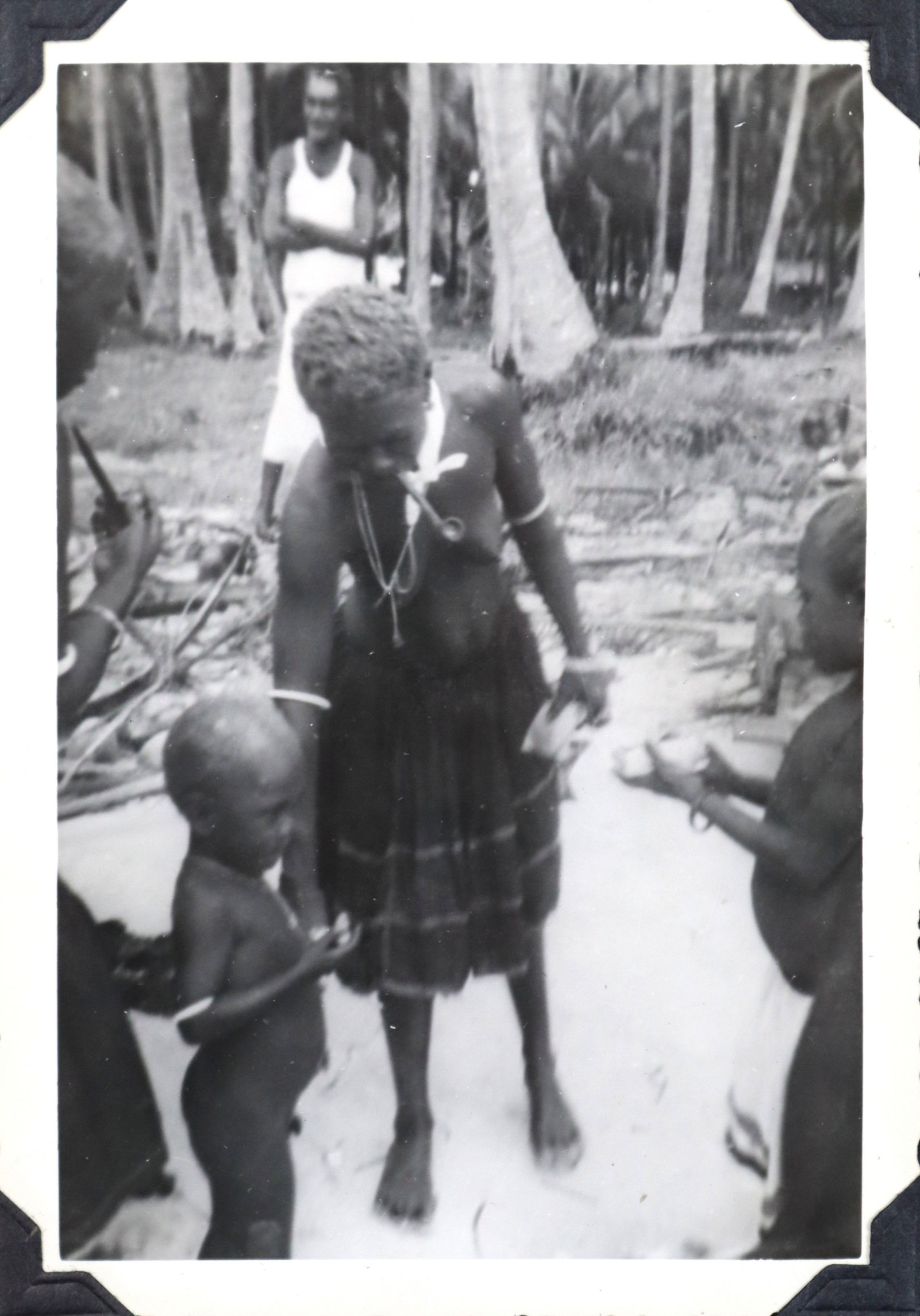
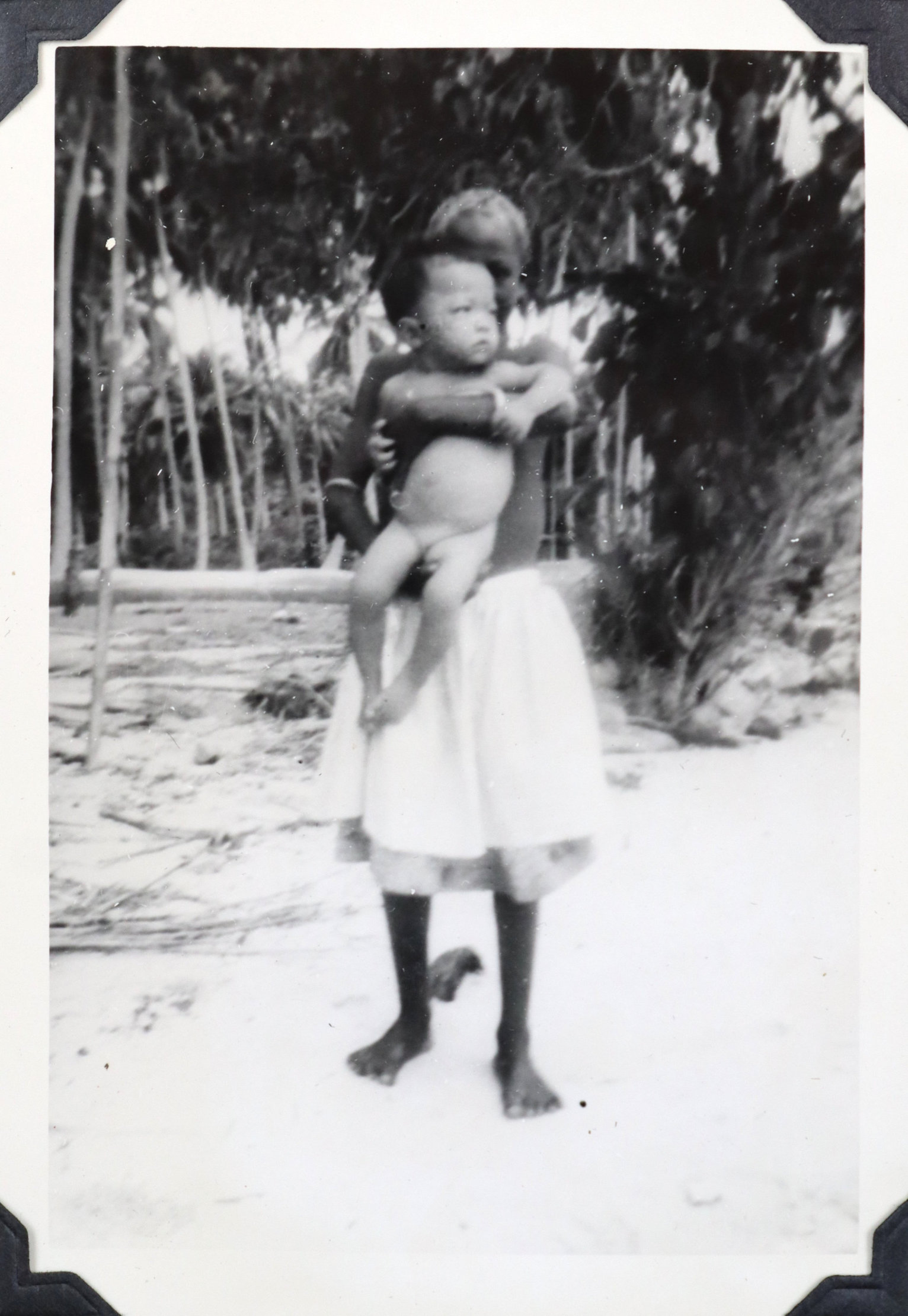
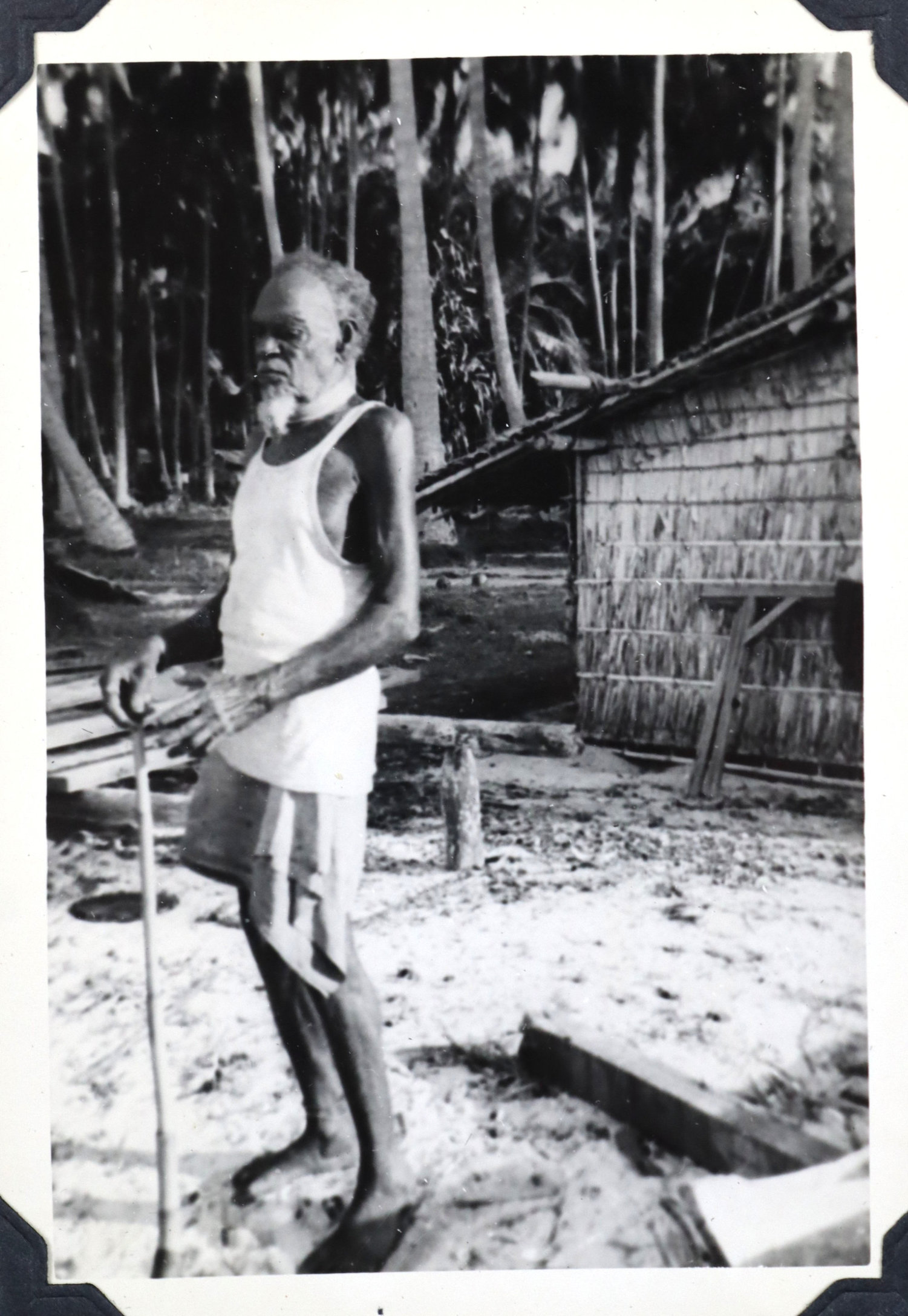
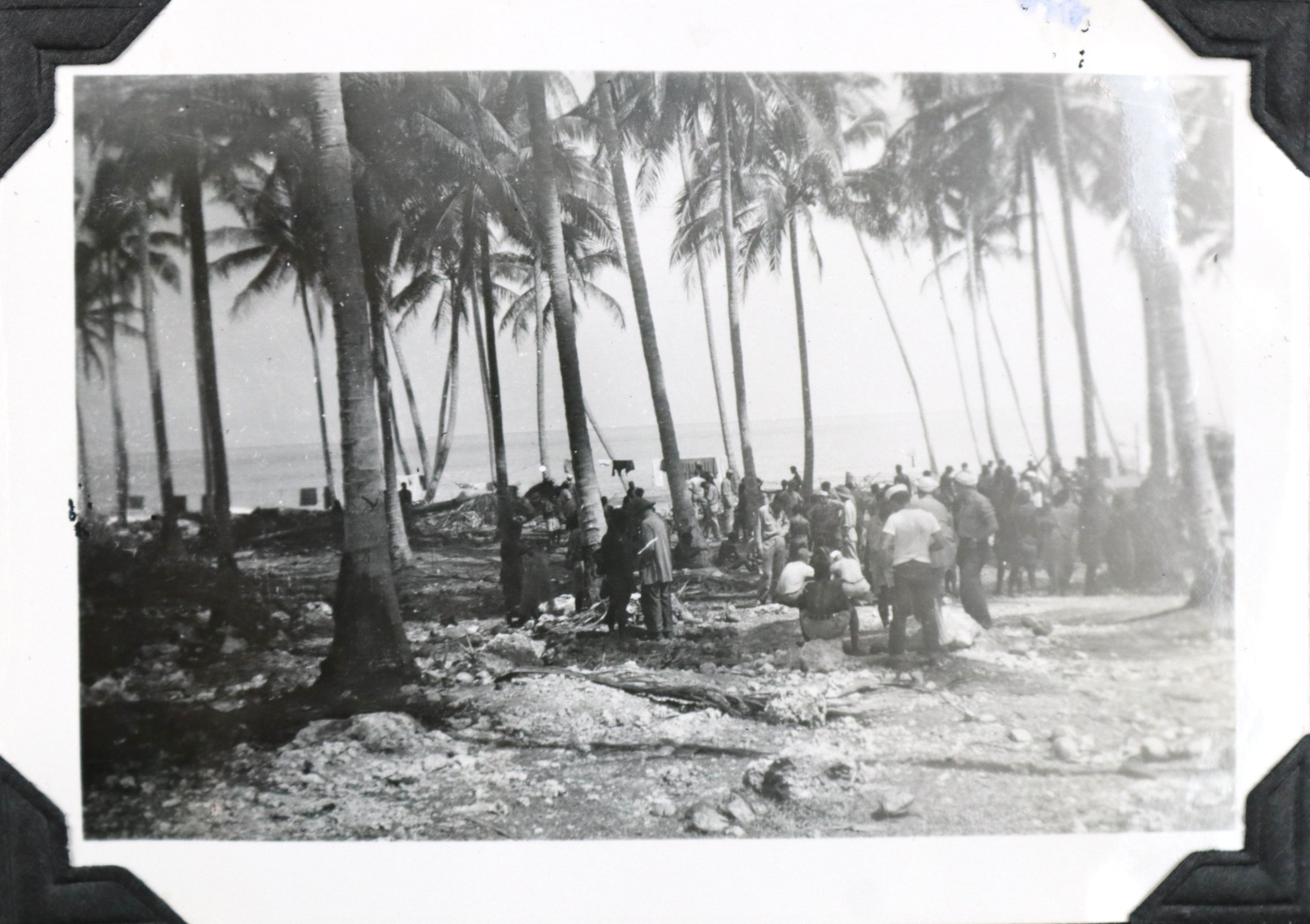
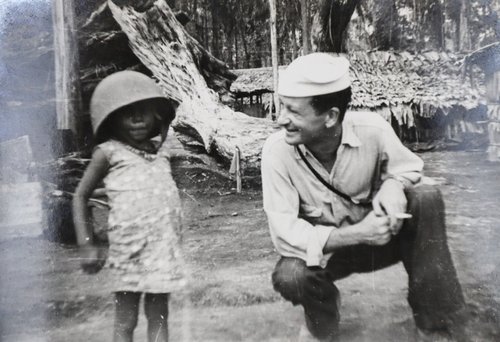
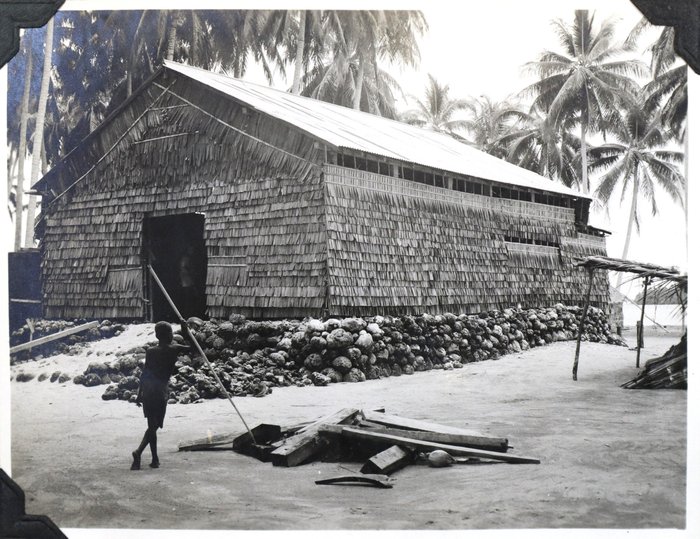
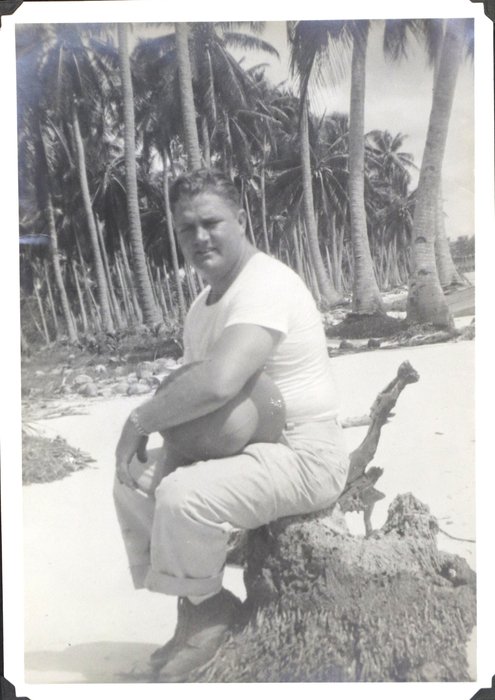
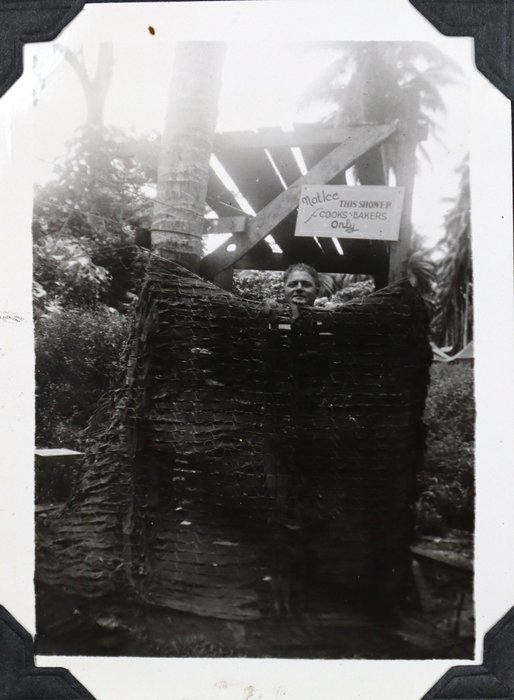
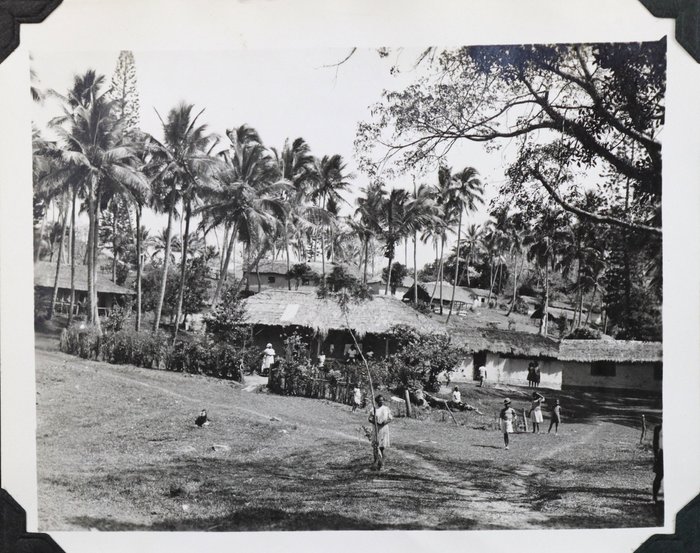
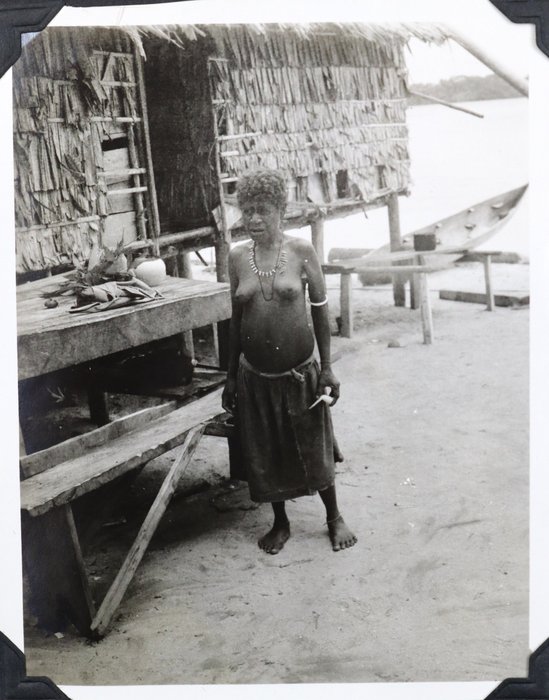
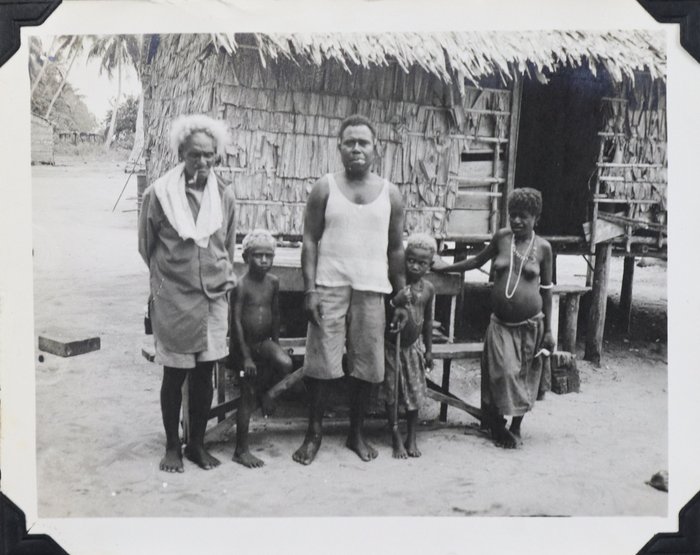
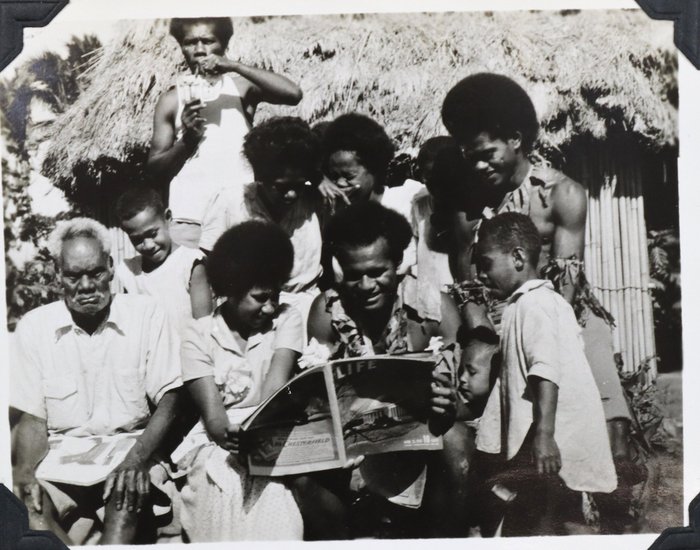
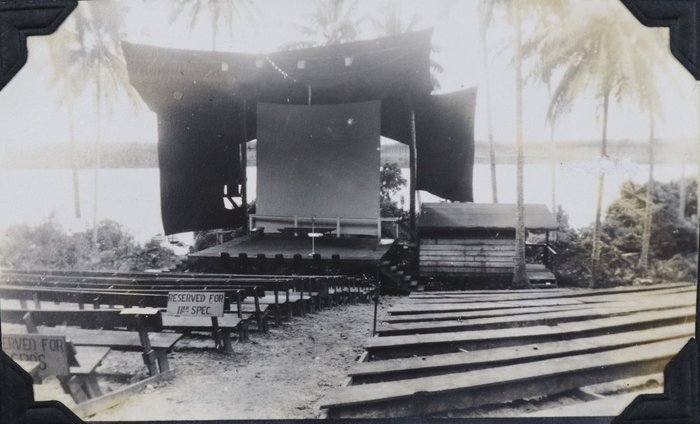
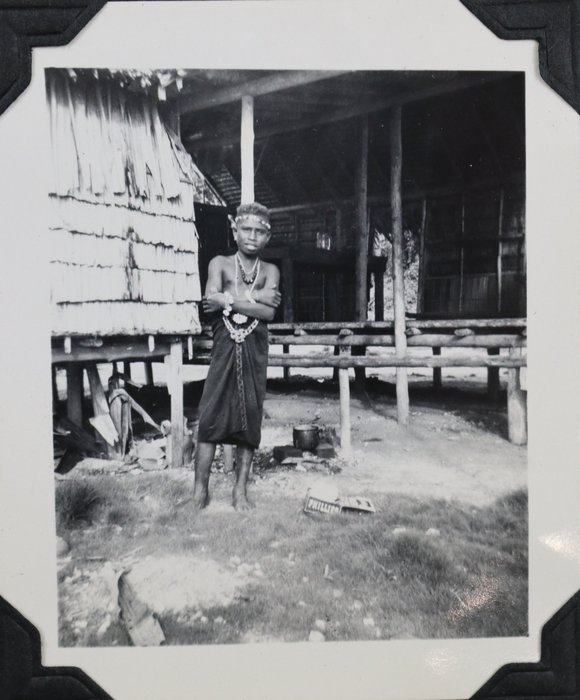
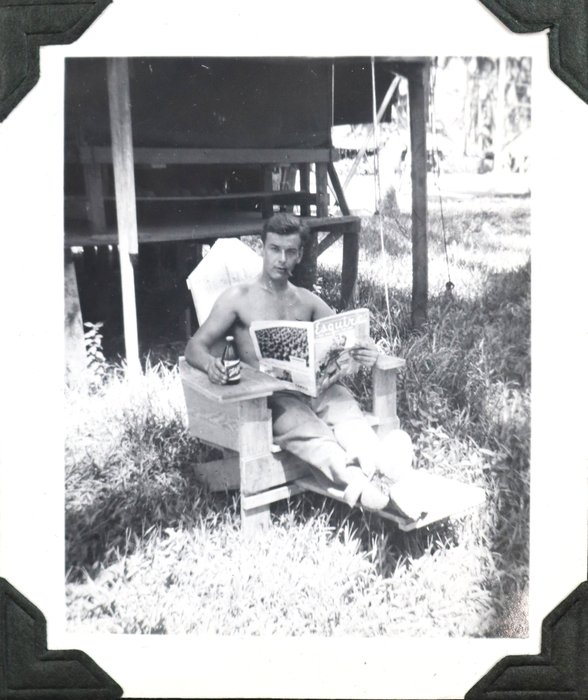
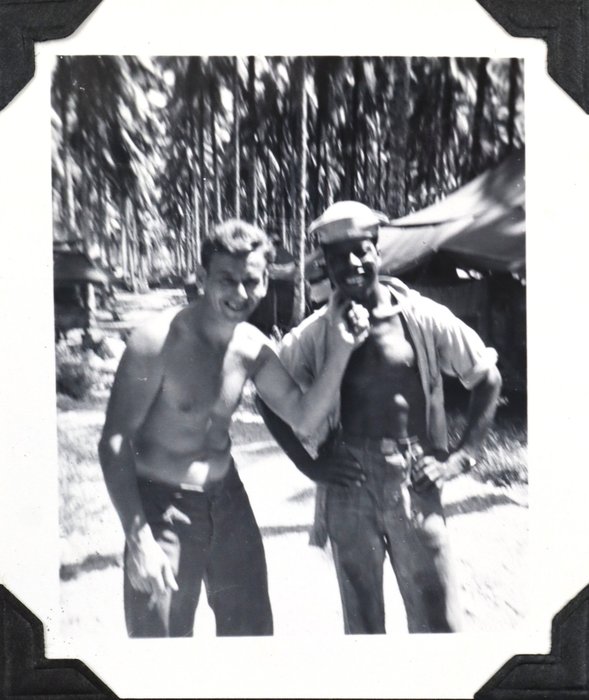
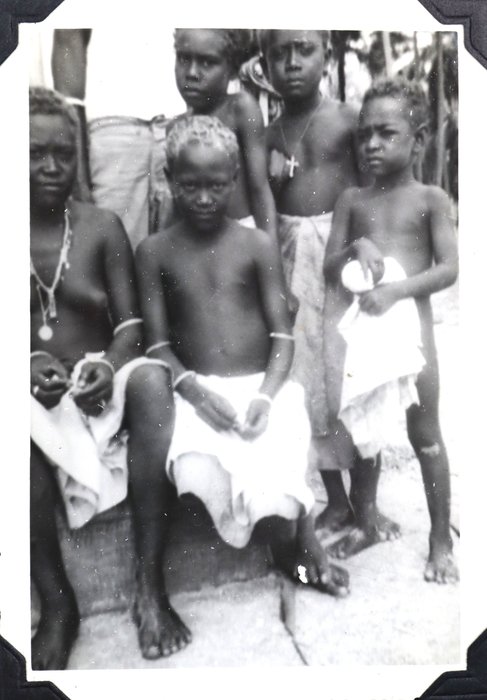
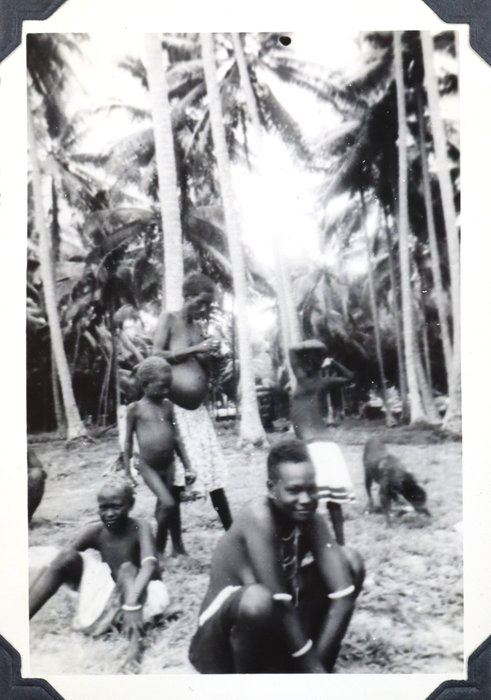
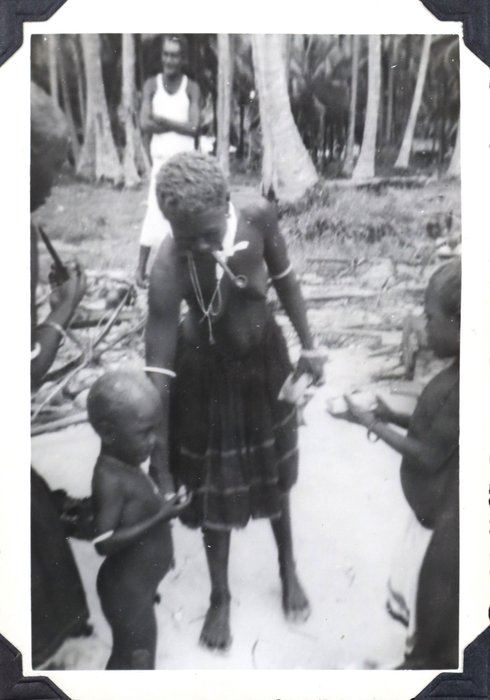
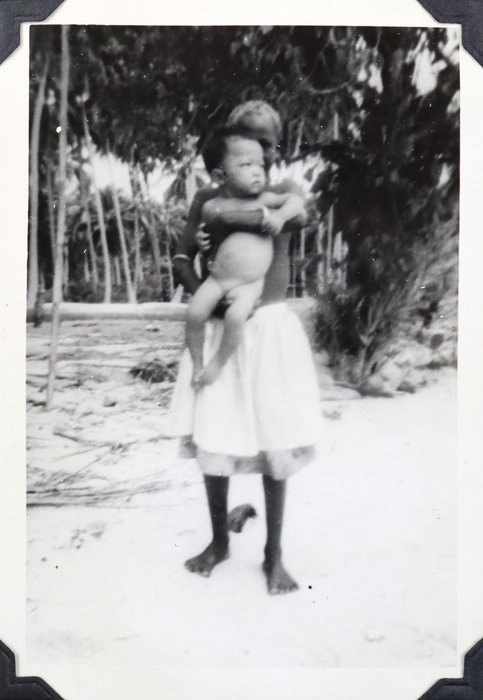
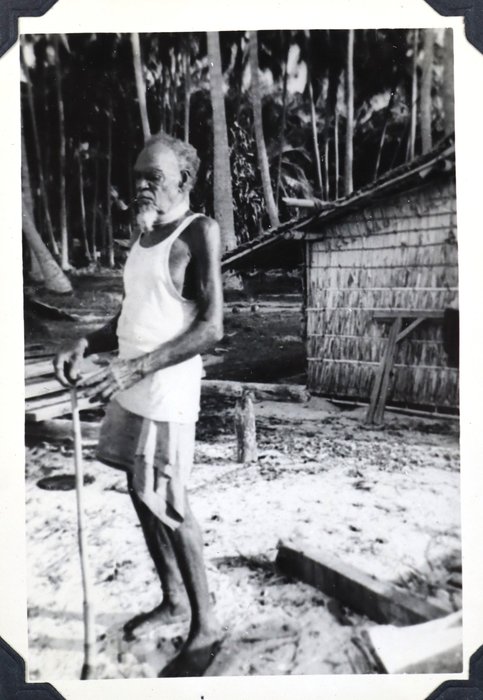
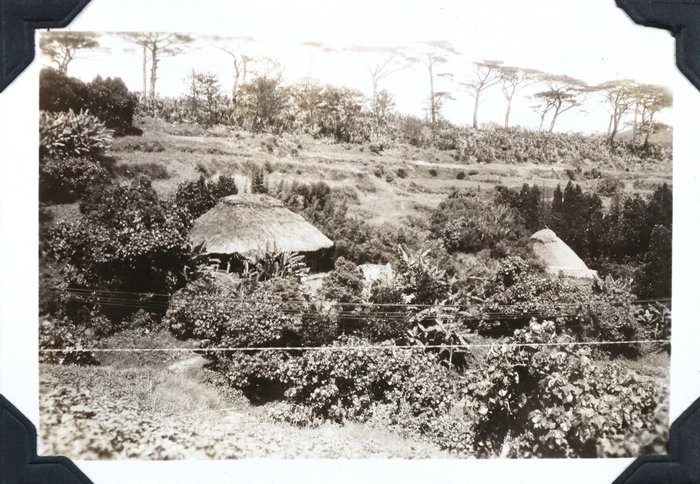
Most of the other identified photographs were apparently taken and collected by the compiler during his service in the Russel Islands in 1944. Especially interesting are the photos of locals wearing traditional jewelries and crosses, posing by their huts, smoking pipe, reading Life magazine, washing clothes, building canoes, etc. Some of their portraits are accompanied by the compiler’s curious captions on the verso, including “a girl of about 8 years old. No matter how awful the natives are the little ones are very cute;” and “a Chinese baby. The natives say it was left by its parant when the japs got here.” The rest of the photos from the Solomon series mostly show the compiler and his companions (reading Esquite magazines, posing with locals, washing clothes, taking shower, catching fish), premises of the galley area, outdoor movie area, mess hall, etc.
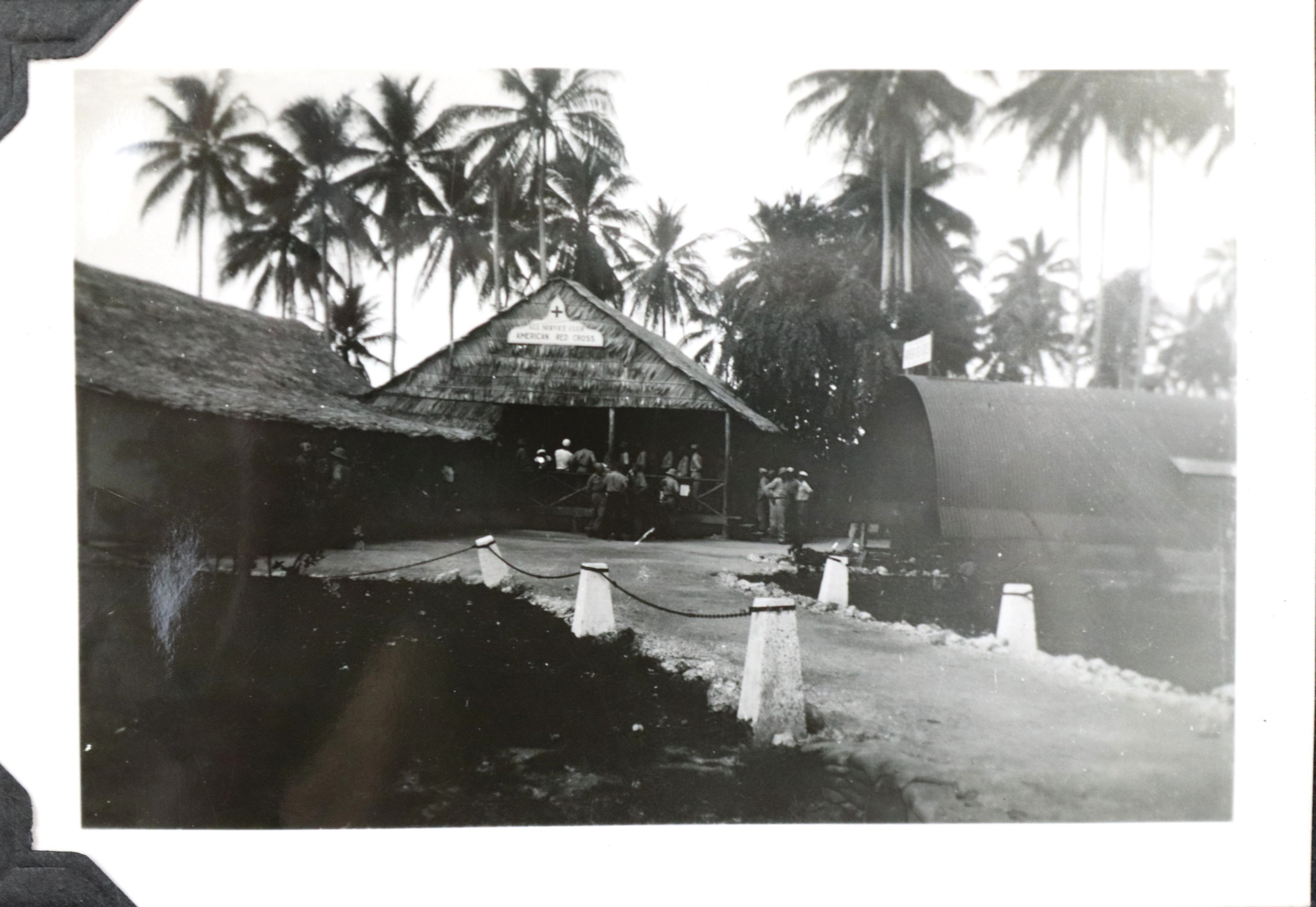
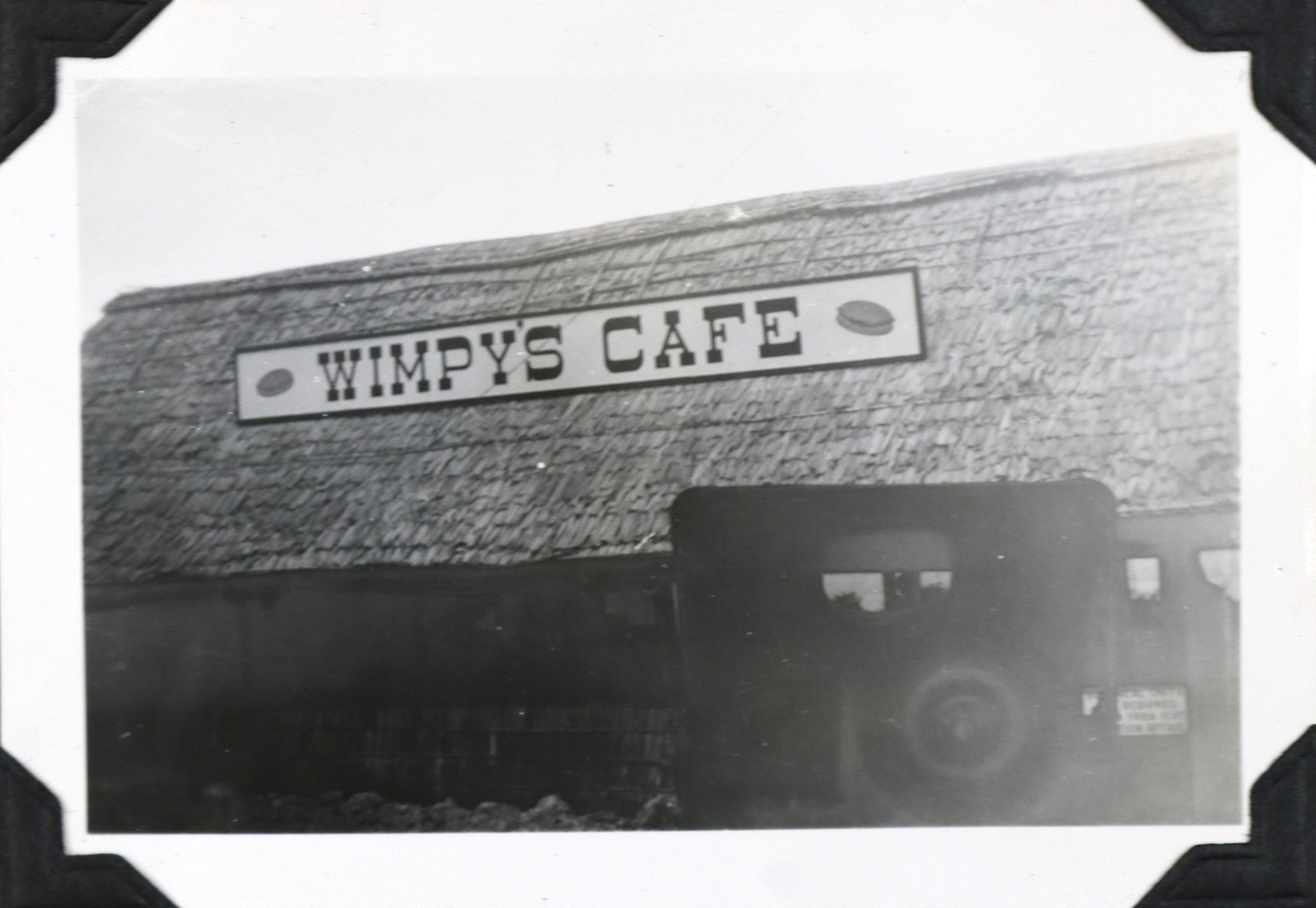
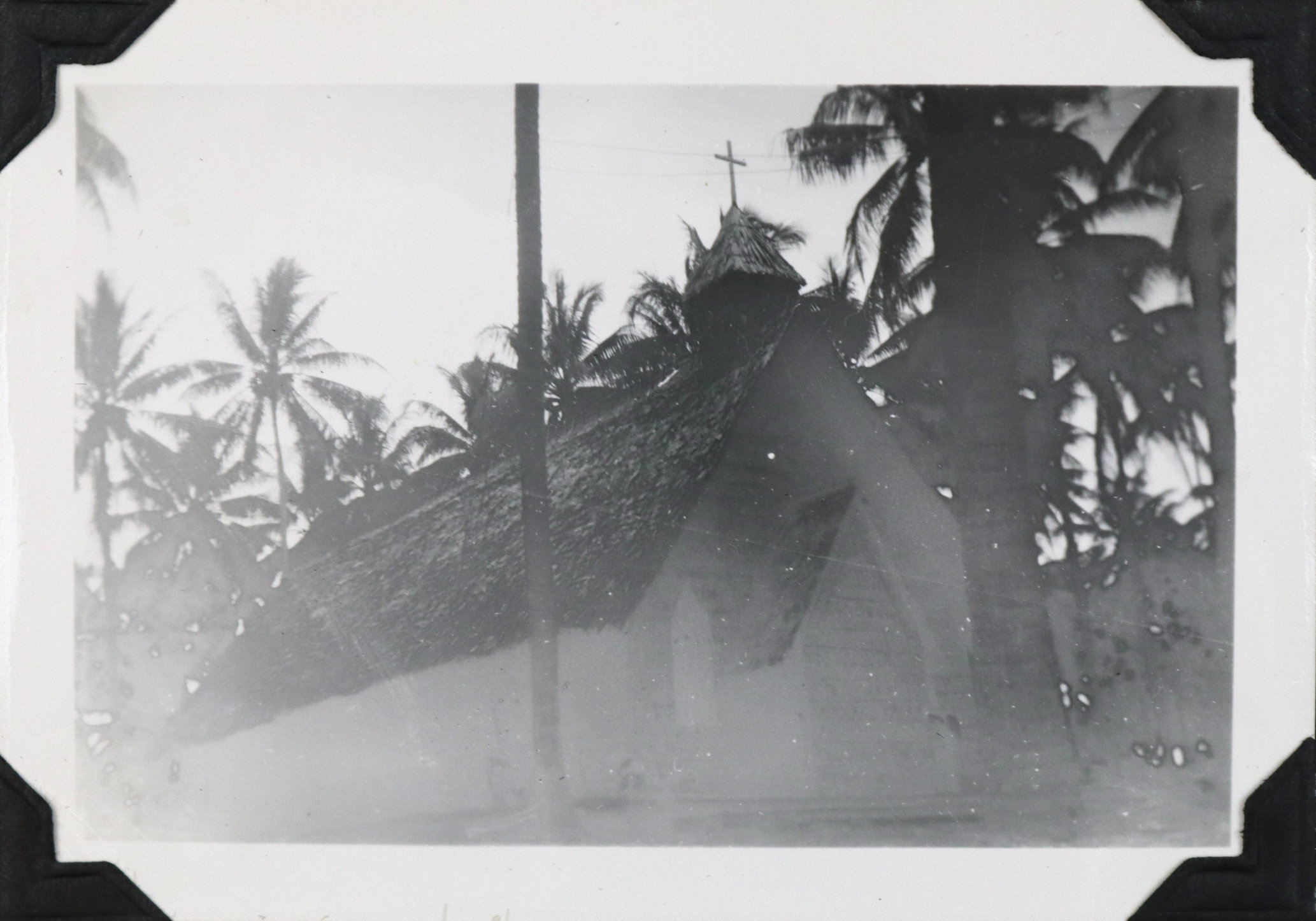
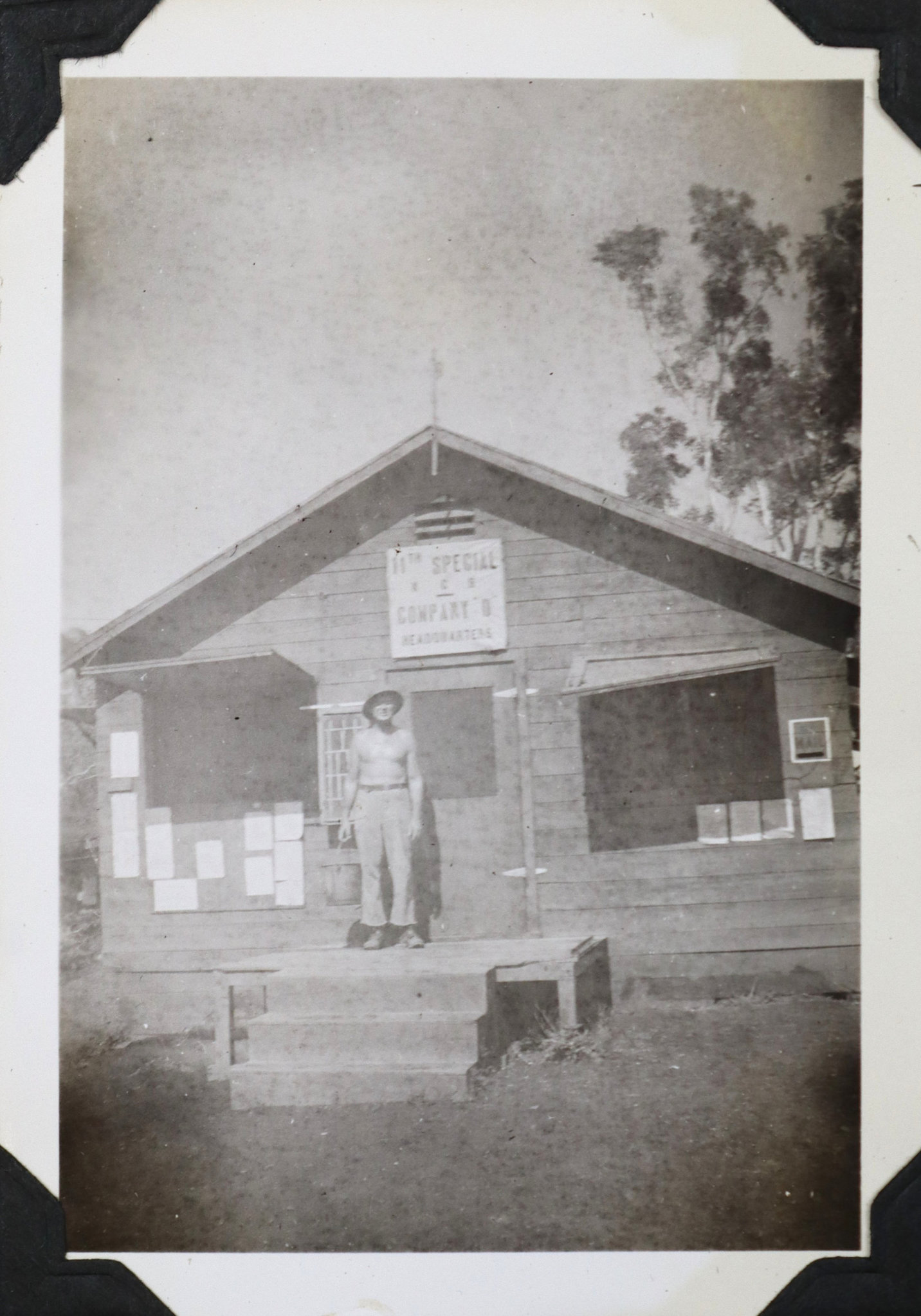
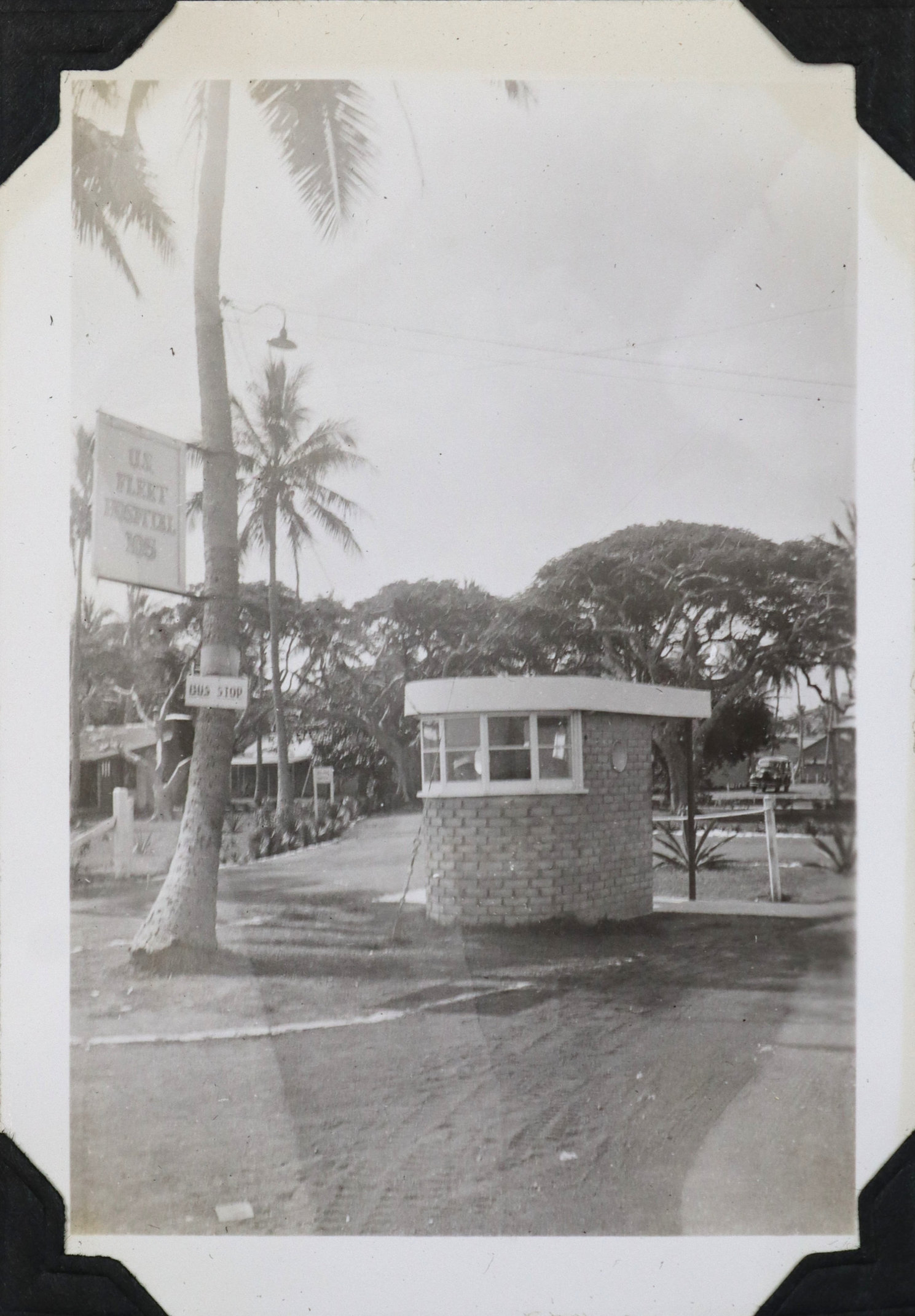
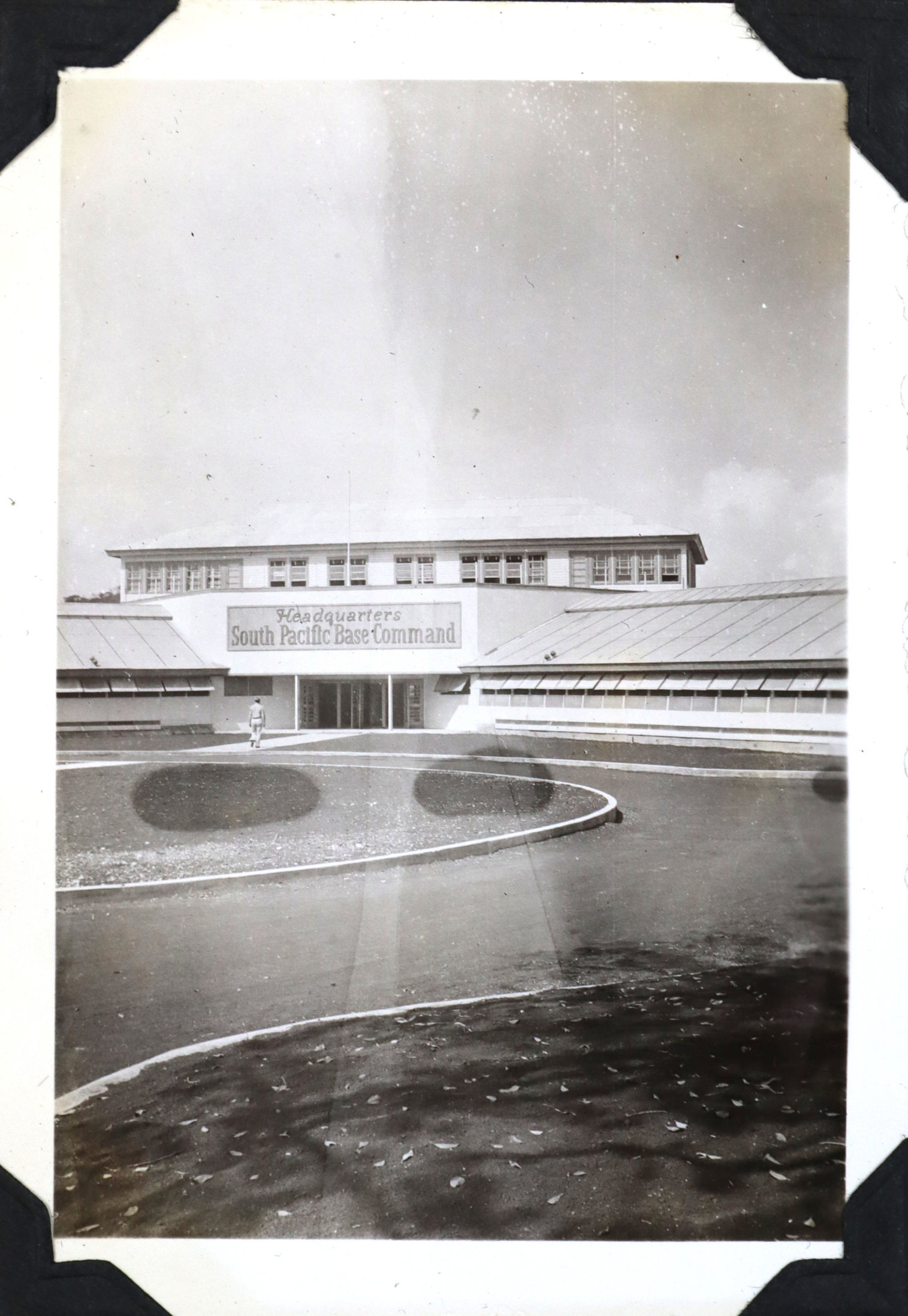
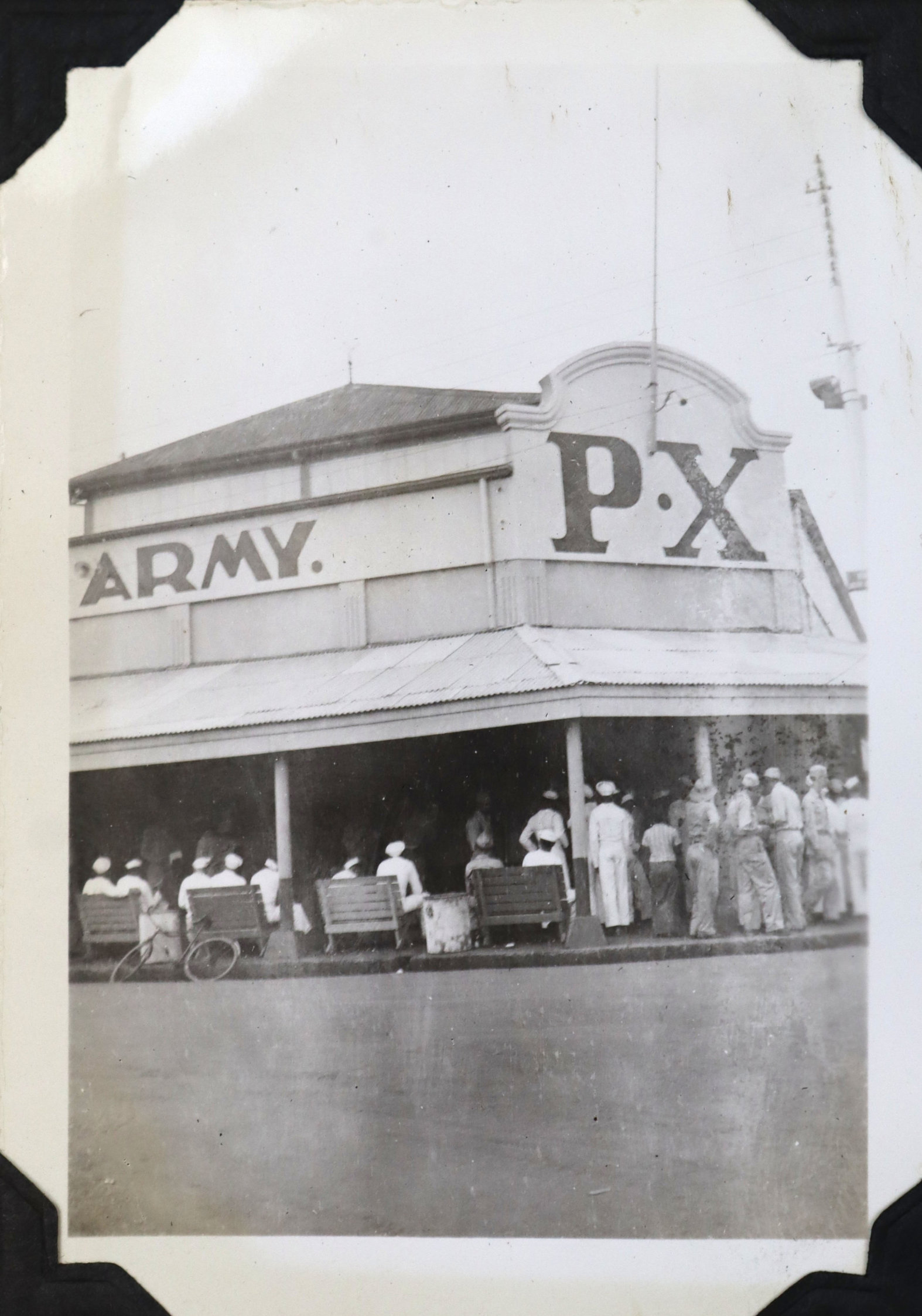
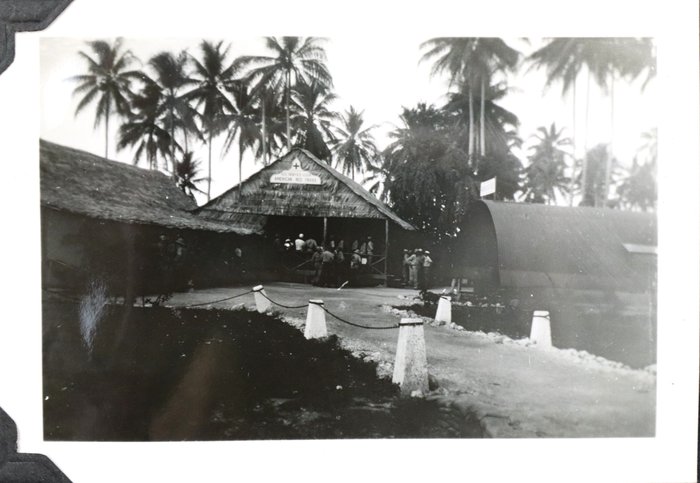
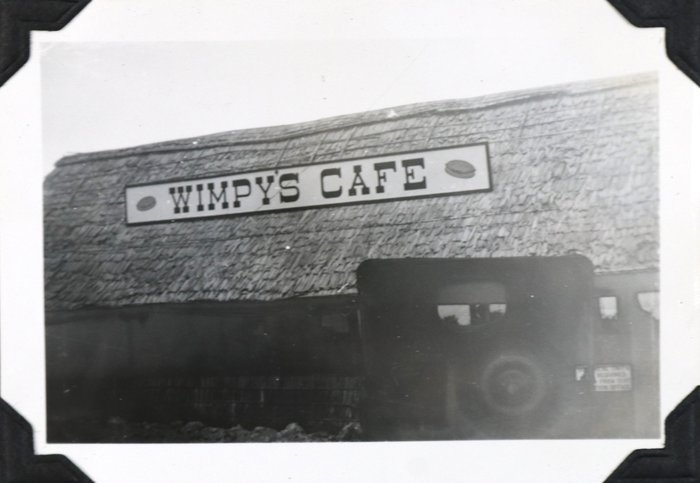
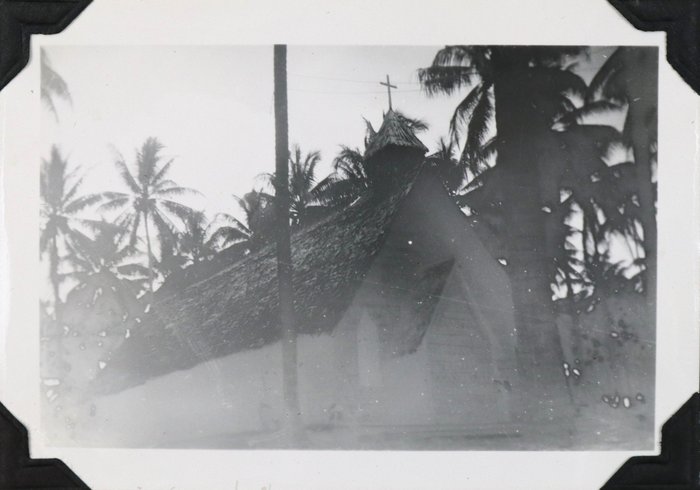
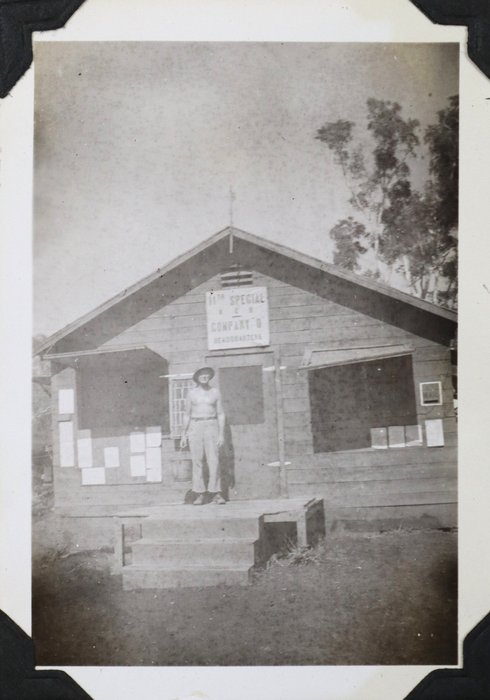
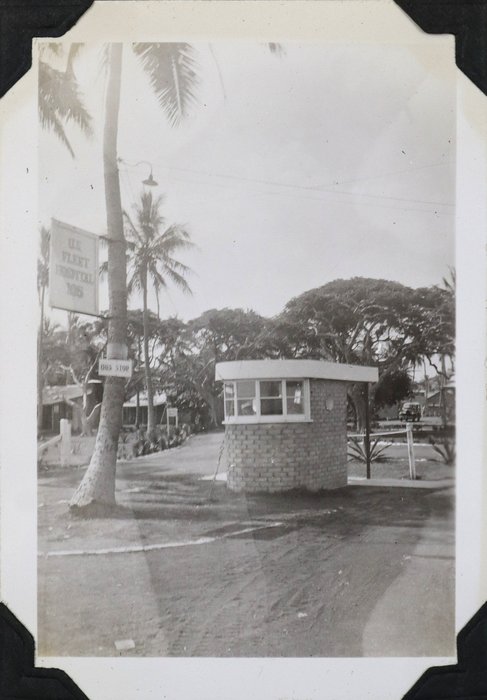
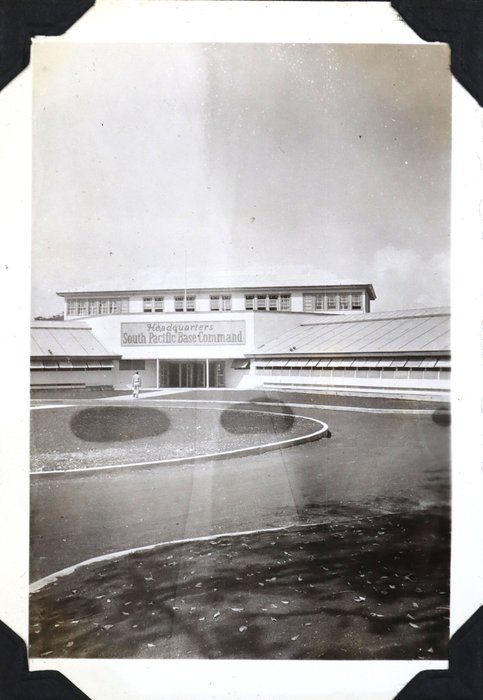
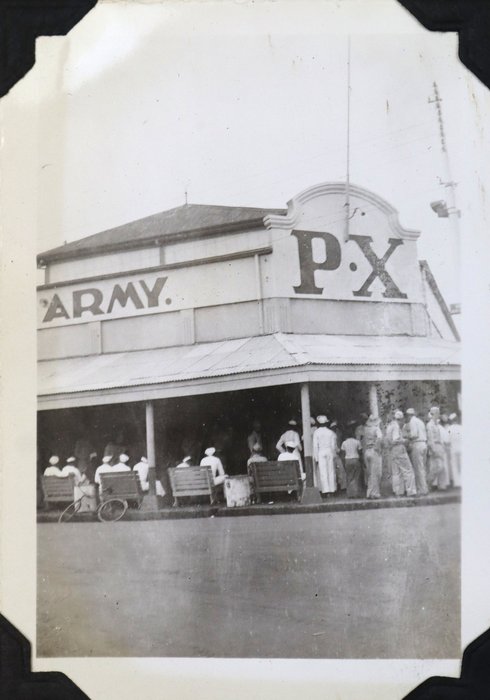
Other photographs in the album were apparently taken during service in Nouméa, New Caledonia, and likely depict the American Red Cross, a local church, Wimpy’s Café, the Headquarters of Company D, 11th Special MCB Construction Battalion building, the U.S. Fleet Hospital, the Headquarters of the South Pacific Base Command, as well as PX facilities.
Overall, historically important collection of original gelatin silver photographs taken and collected by the Mess Officer of the 11th Special Naval Construction Battalion (Seabees) during his service in the Pacific Theater of WWII.