
#PE44
Ca. 1943-1945
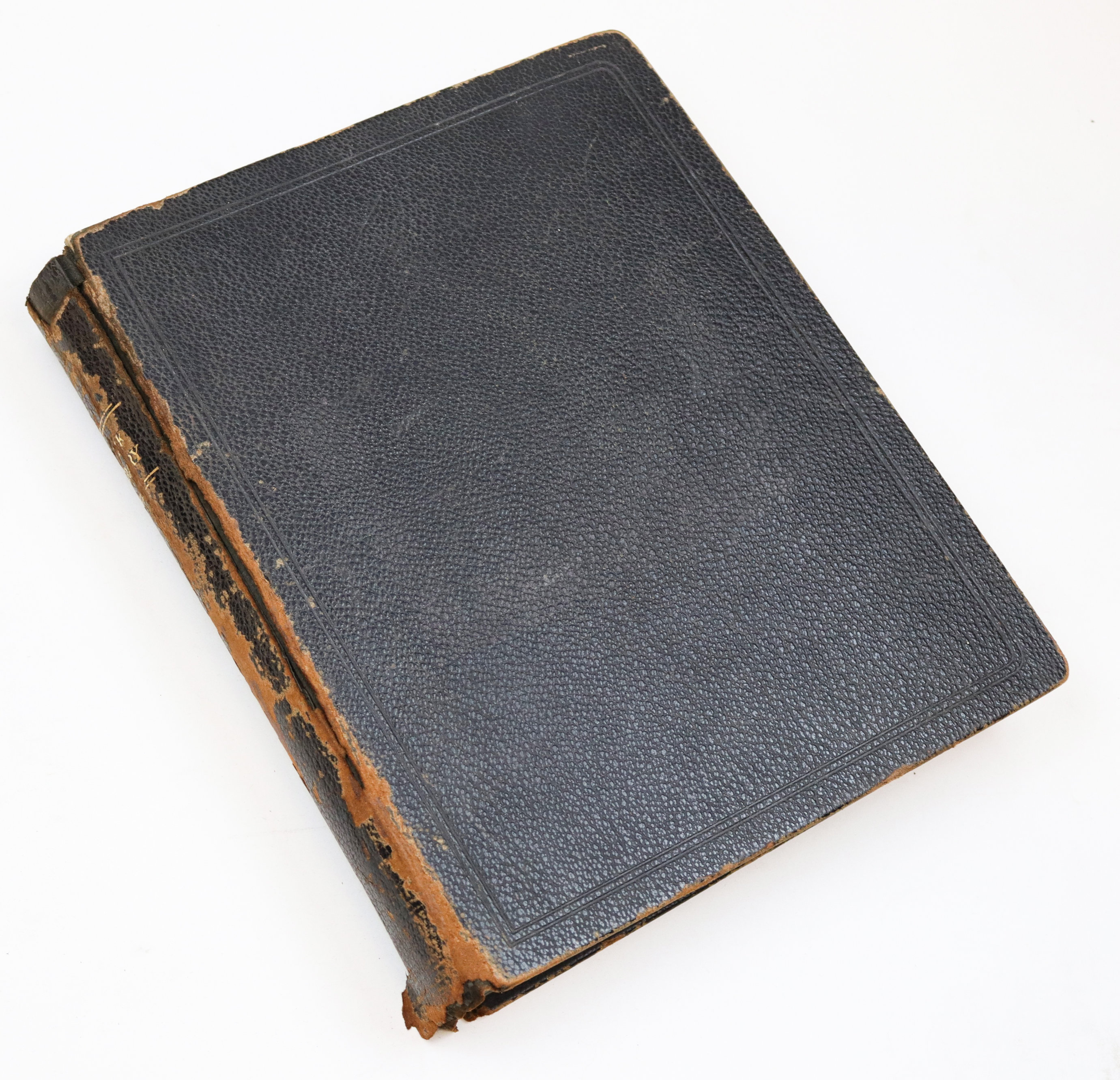
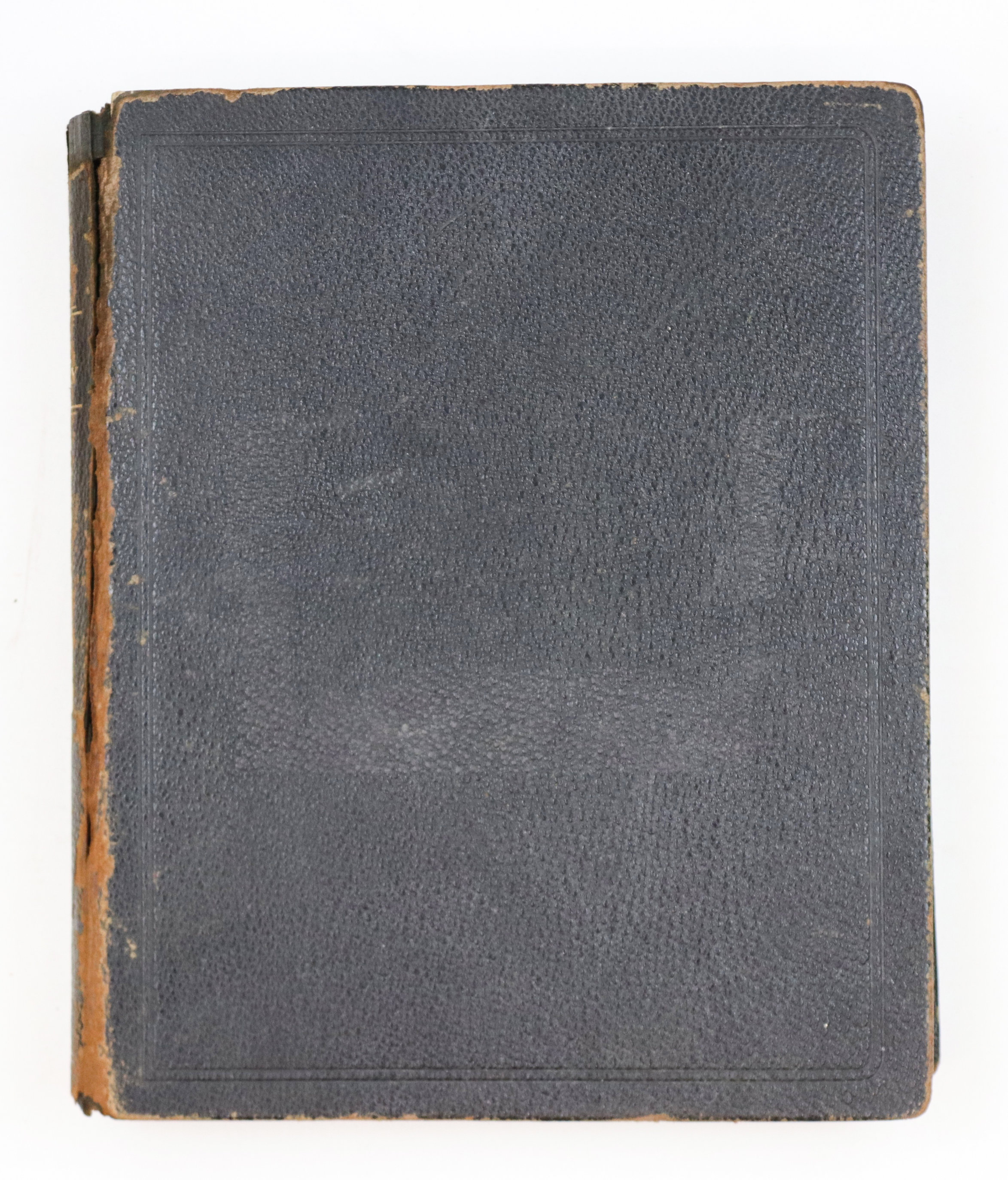
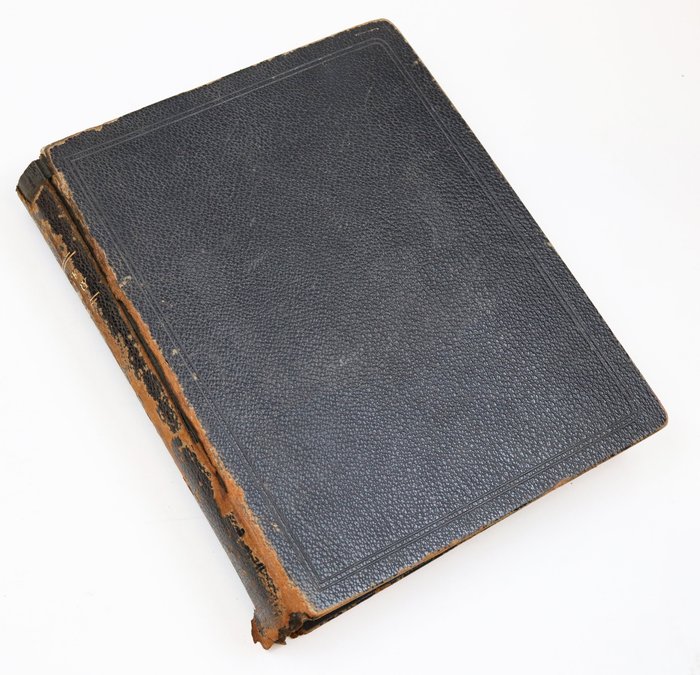
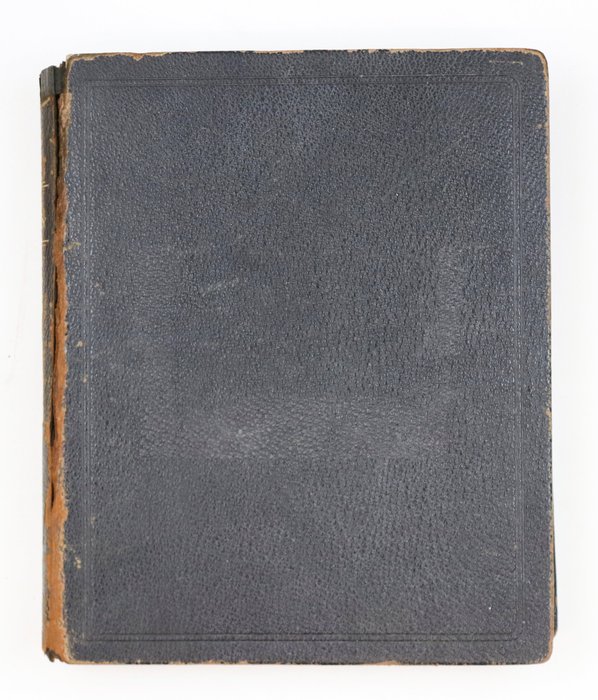
Quarto album ca. 27,2x22,1 cm (10 ¾ x 8 ¾ in). 50 paper album leaves (13 blank). With ca. 185 mounted original gelatin silver photographs from ca. 16,4x21,4 cm (6 ½ x 8 ½ in) to ca. 7,5x5,3 cm (3 x 2 in). At least two photos with period ink captions in negatives, several photos with period ink inscriptions on the verso, one photo with a stamp “passed by a naval censor” on the verso. Period full-leather binding with gilt lettering on the spine. Binding worn, tears of the spine, photos with light age-toning, several photographs detached from the mounts, but otherwise a very good album with strong, interesting photos.
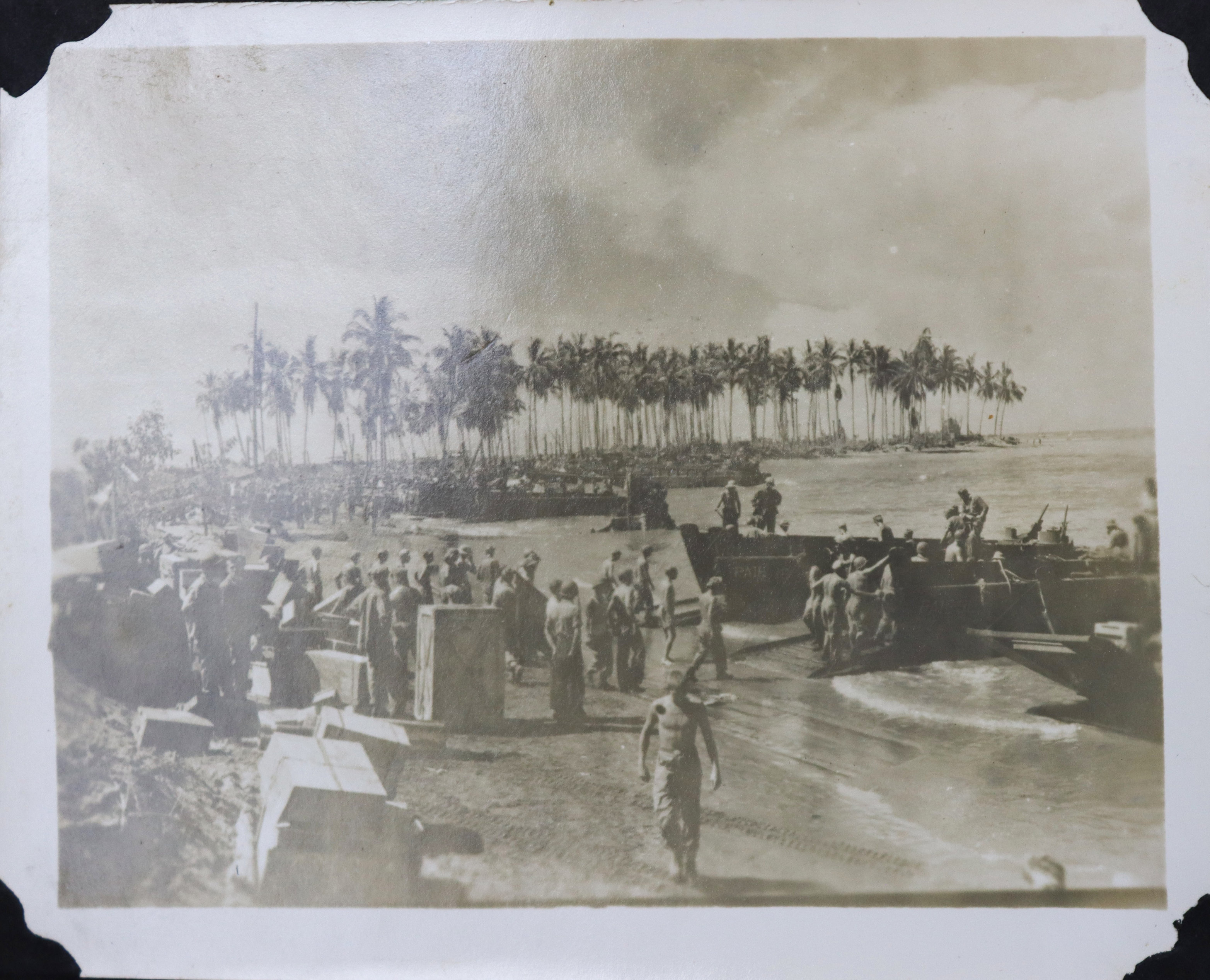
Historically important extensive collection of original photographs, taken and collected by an American sailor or Marine during his service in the Bougainville Campaign of World War II.
The Bougainville Campaign (November 1943 – August 1945) was a series of land, naval, and air operations in the Solomon Islands between Allied forces and the Empire of Japan. As part of Operation Cartwheel, it aimed to isolate the major Japanese base at Rabaul. The campaign unfolded in two distinct phases, beginning in late 1943 when American forces secured a defensive perimeter at Torokina. Following this, Australian troops assumed control in late 1944, conducting offensive operations against the remaining Japanese forces until their final surrender in August 1945. The campaign saw a staggering total of over 35,000 deaths, including more than 20,000 Japanese soldiers.
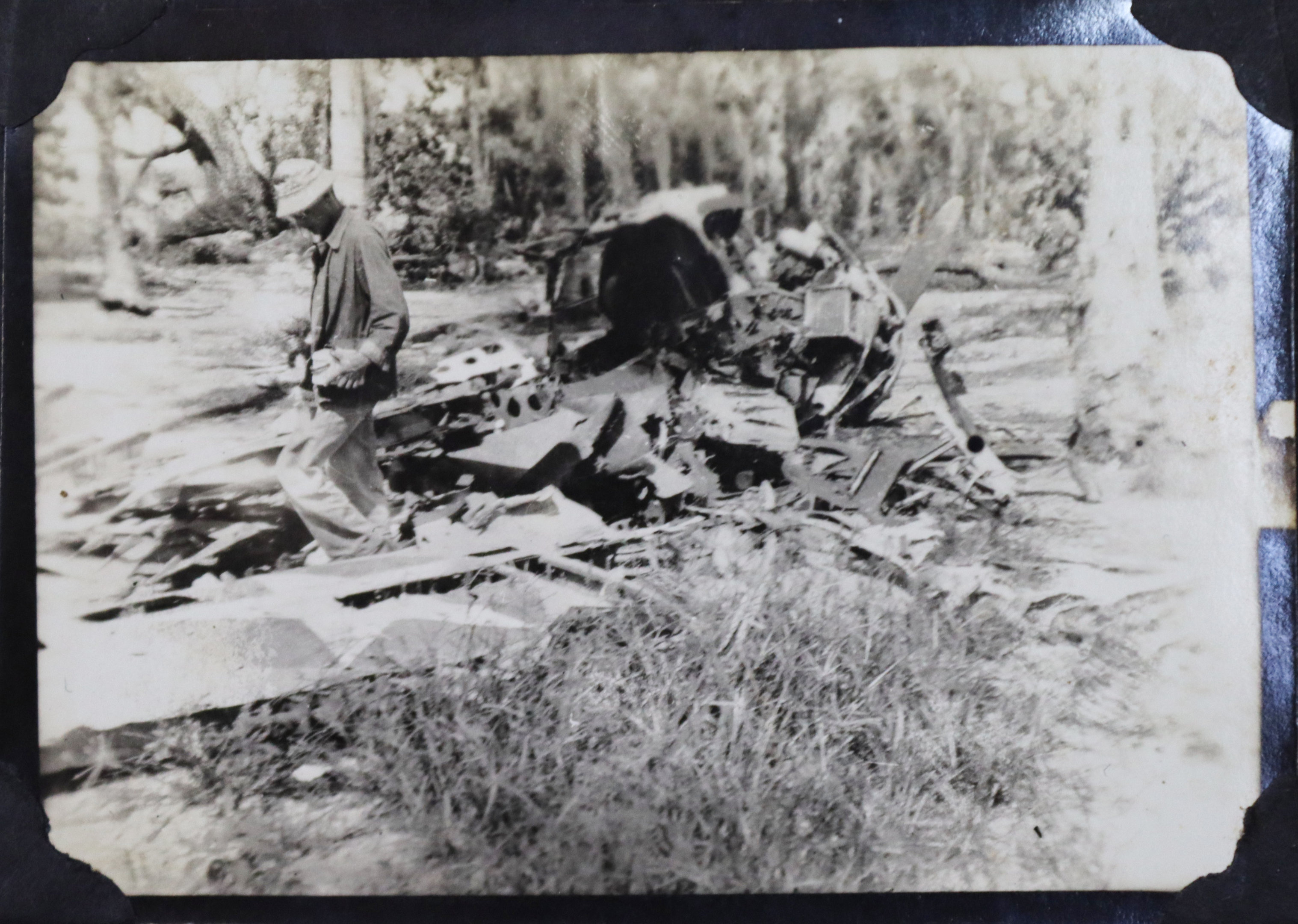
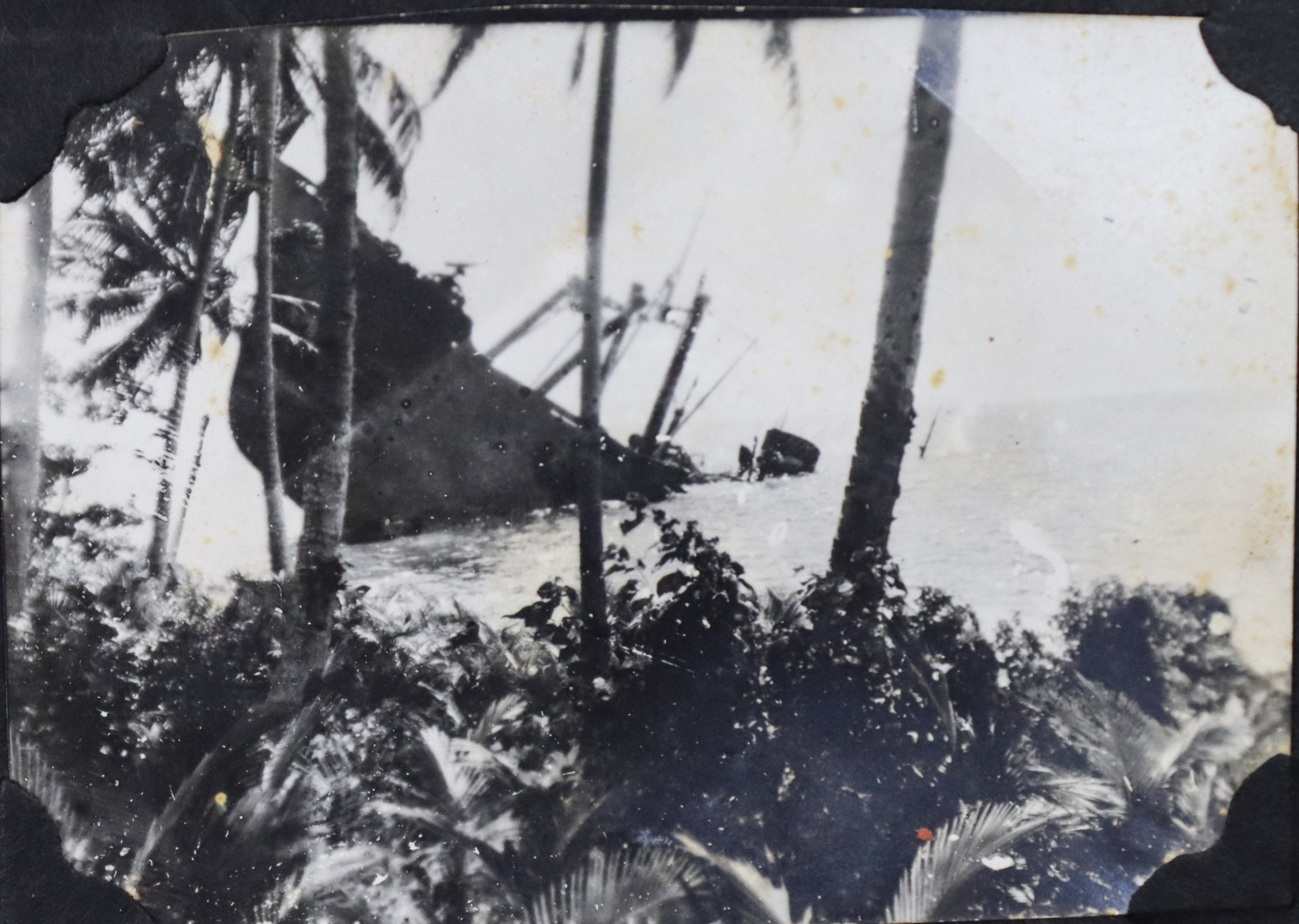
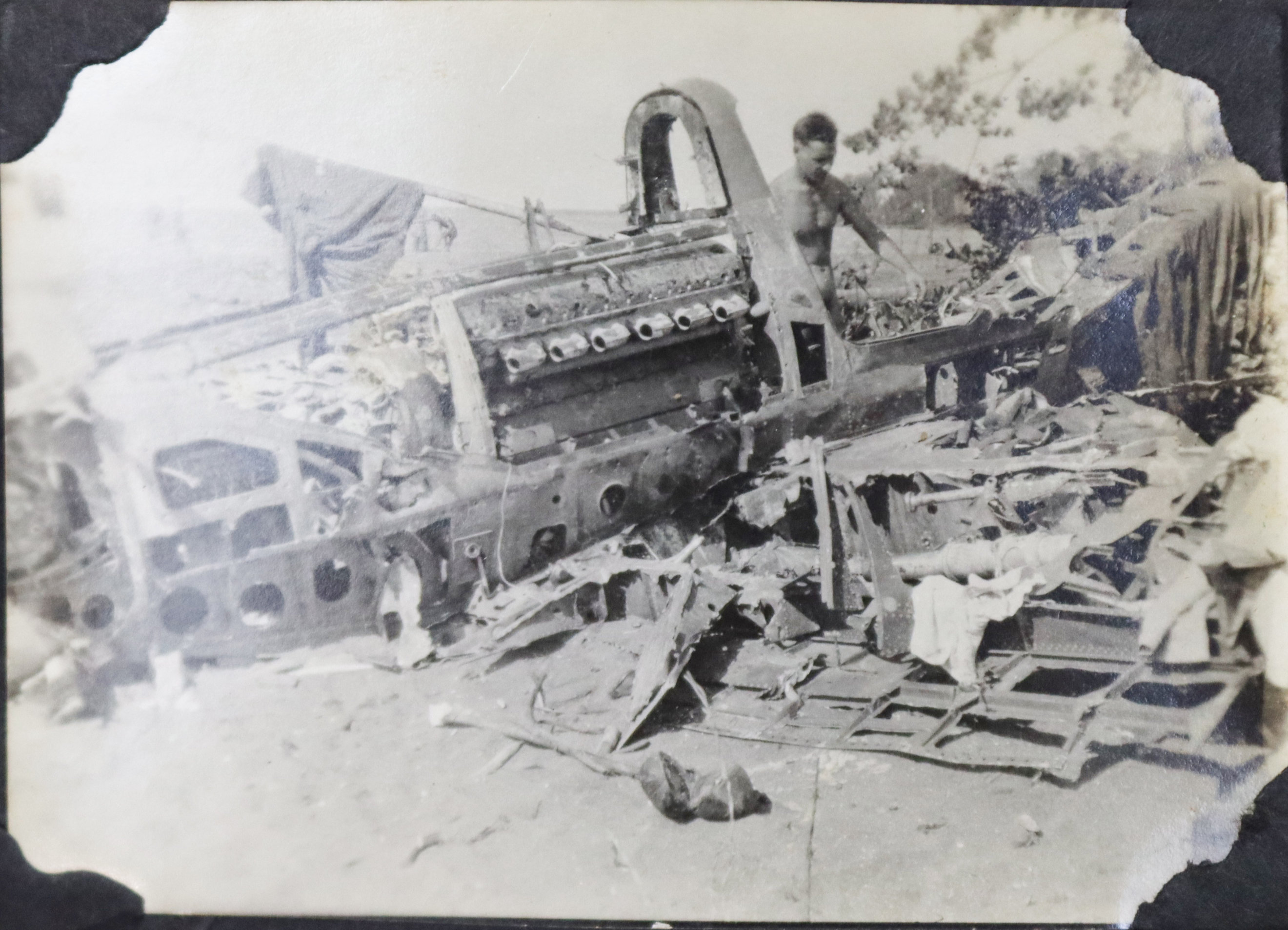
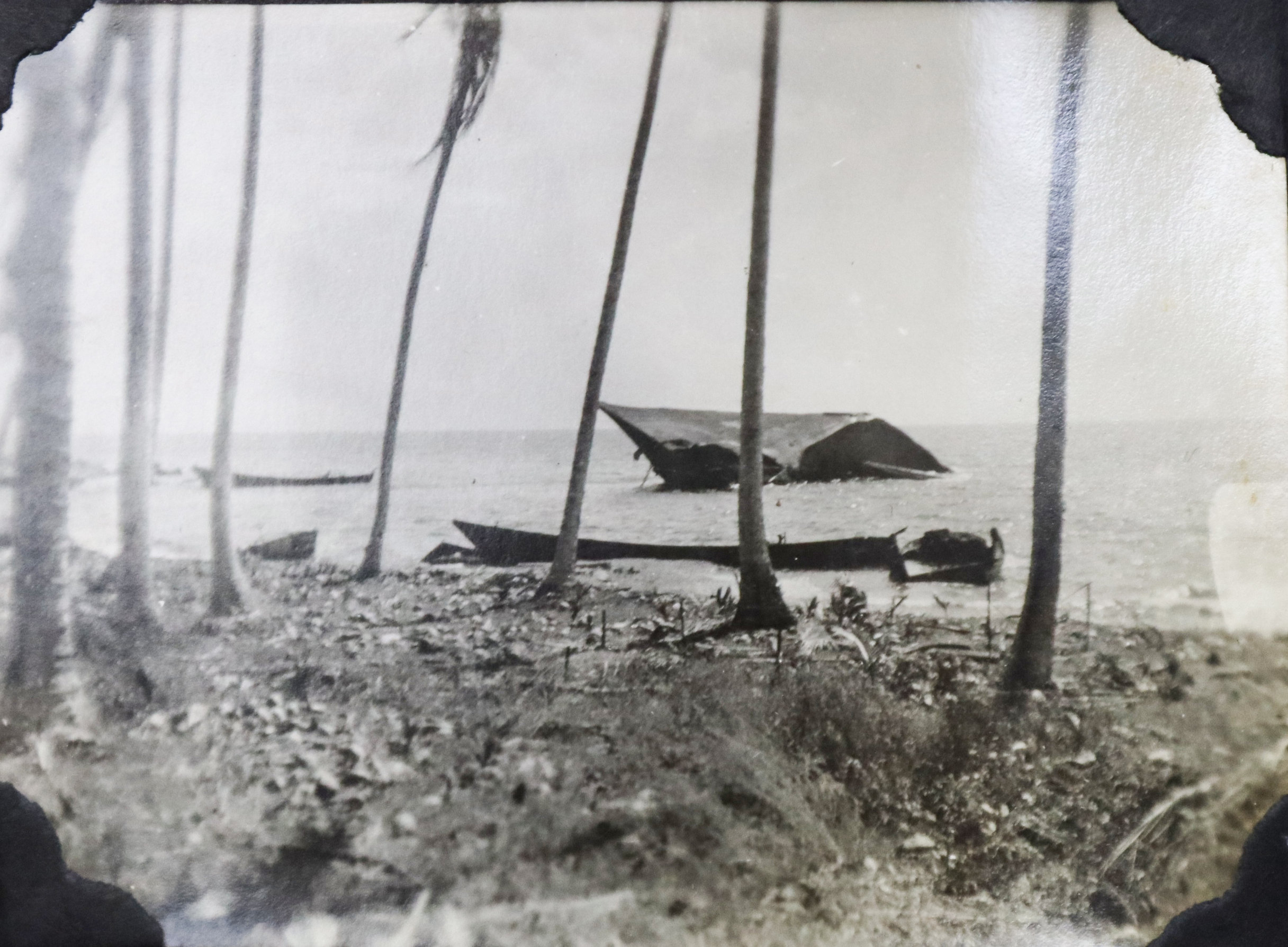
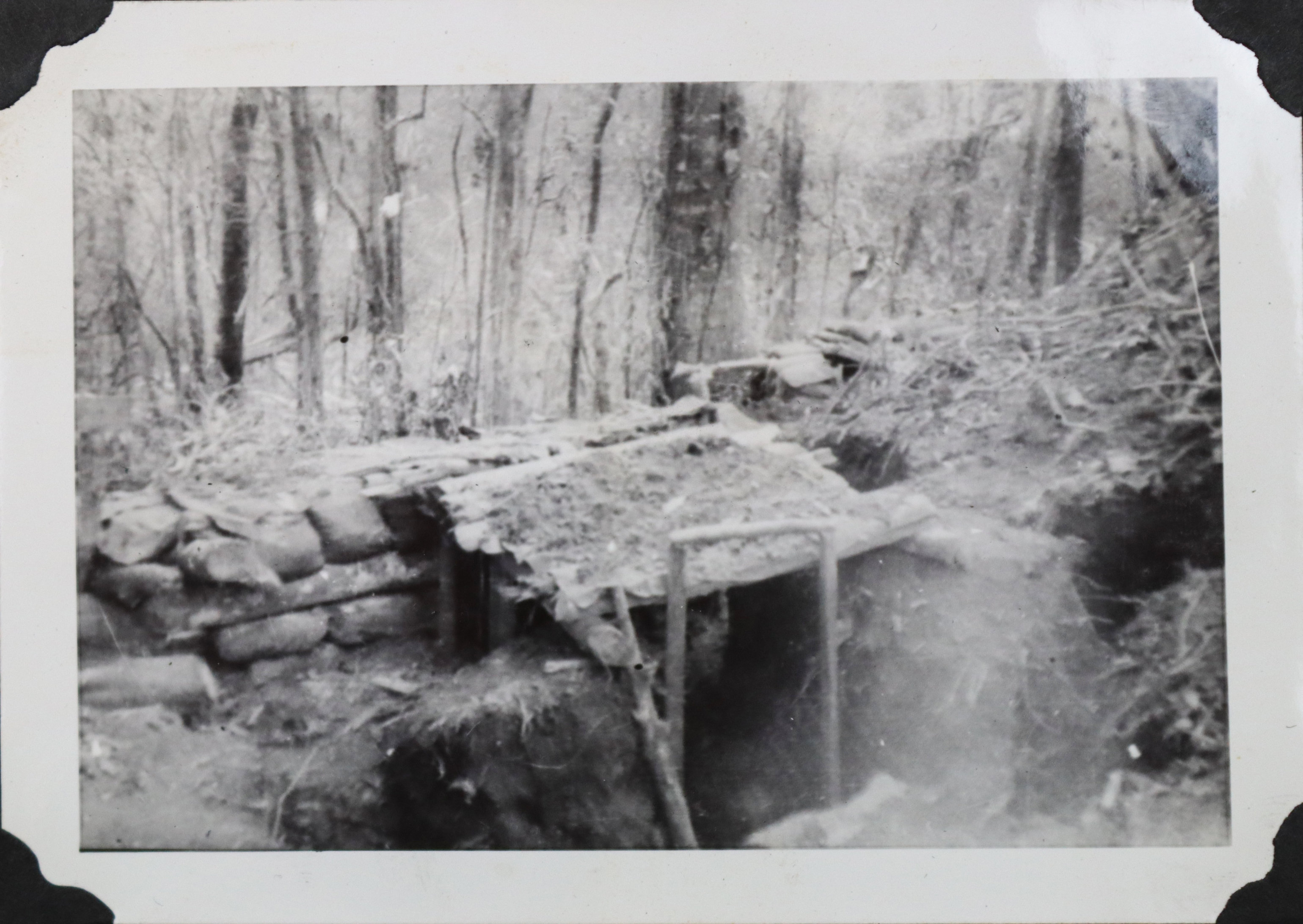
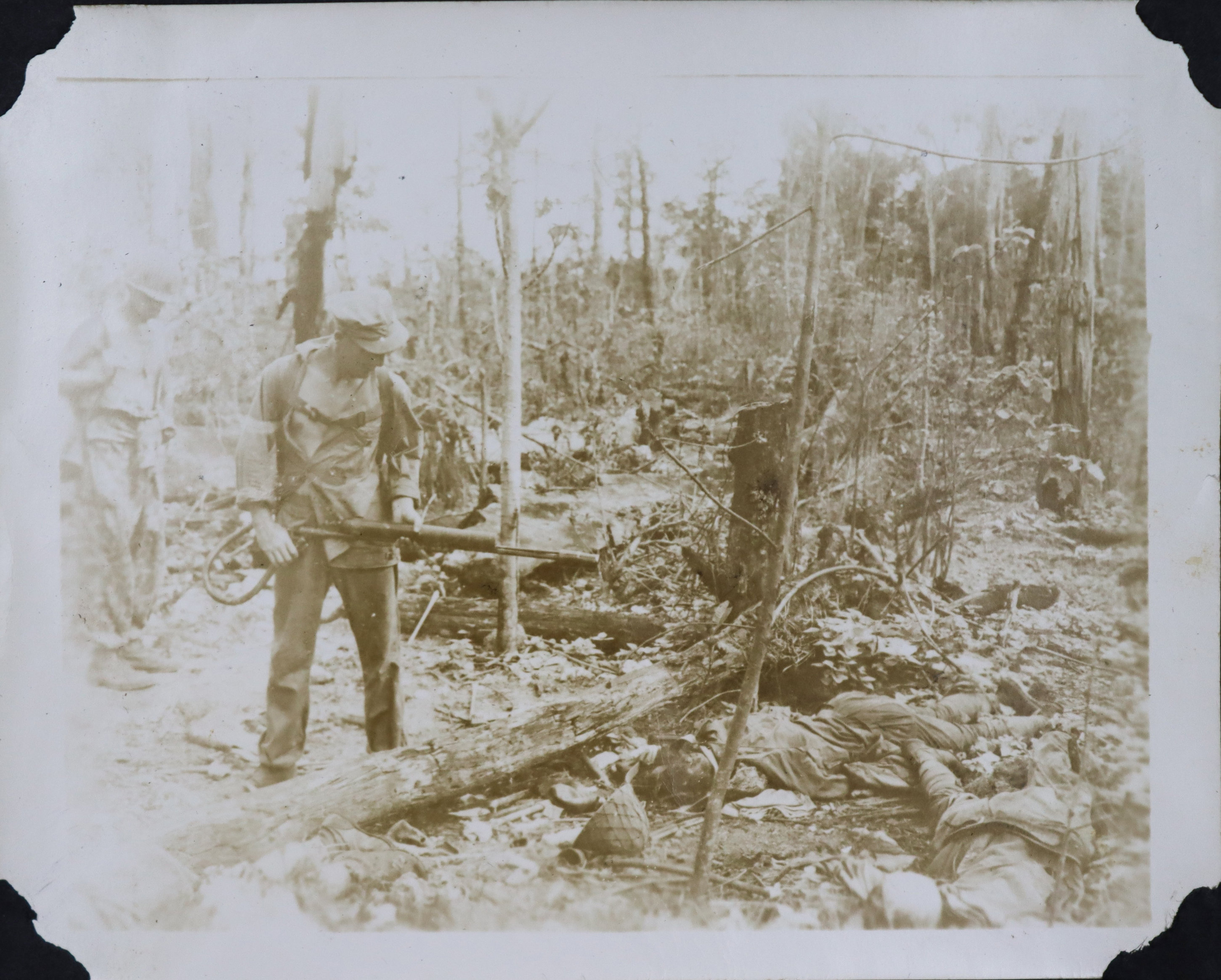
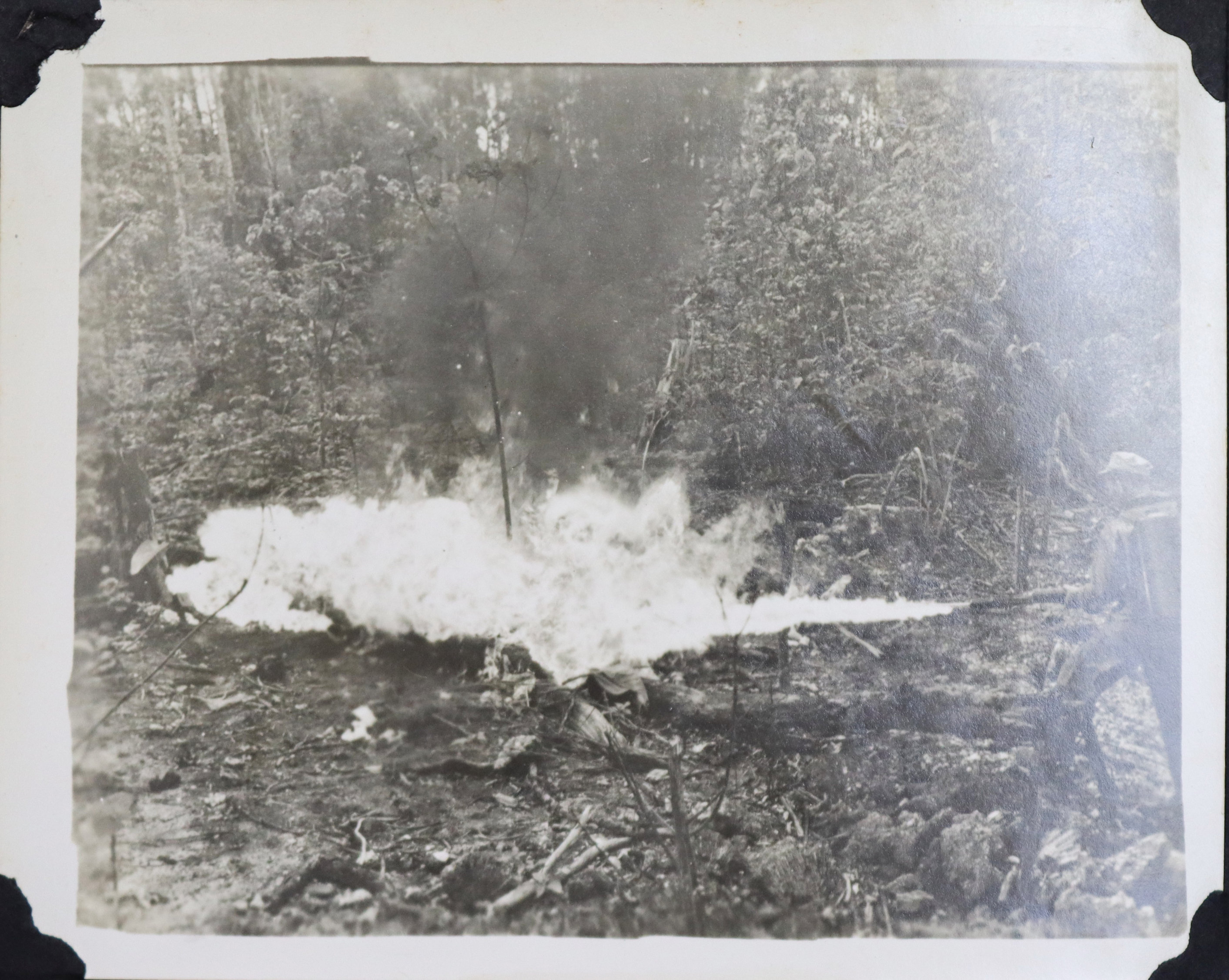
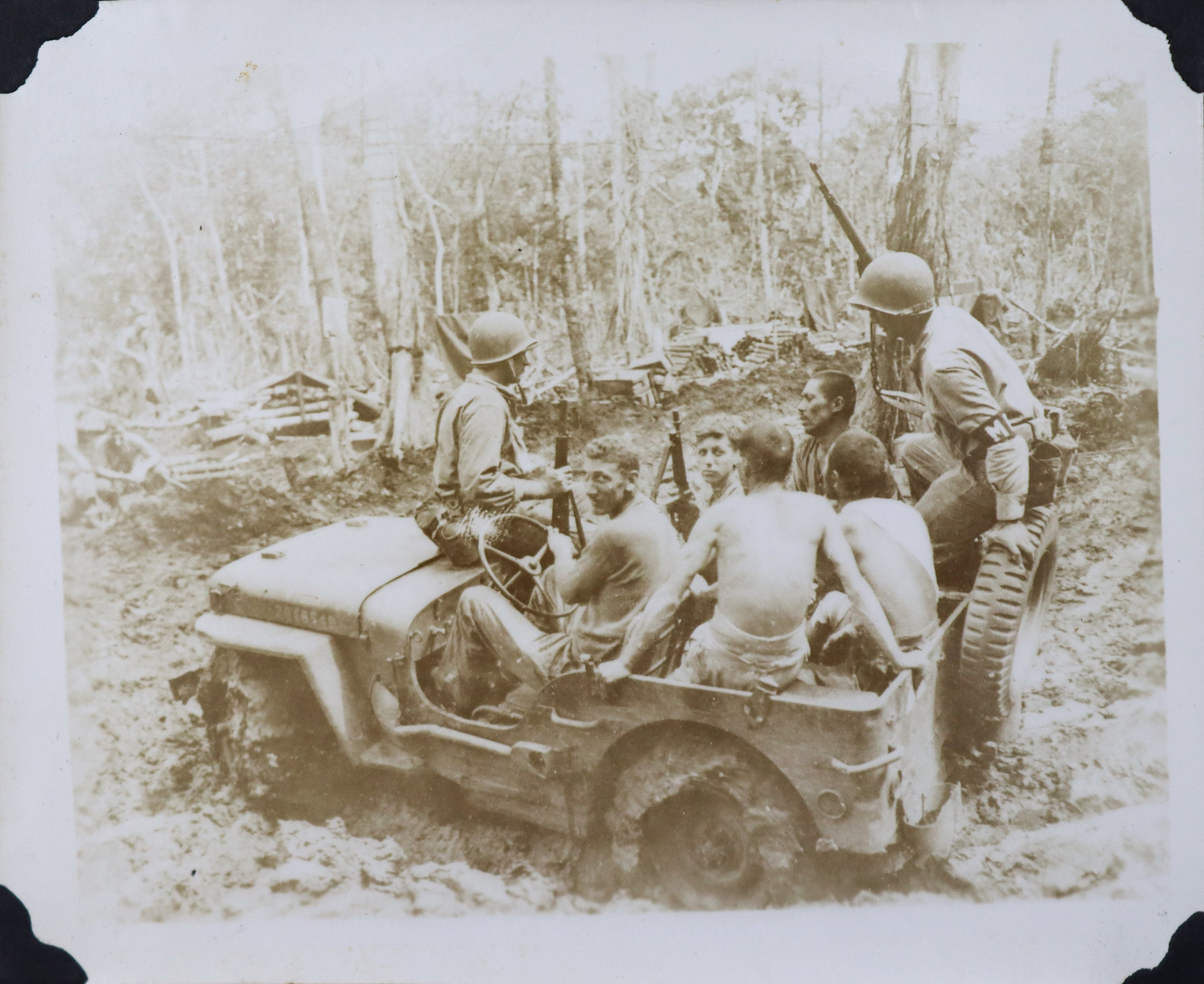
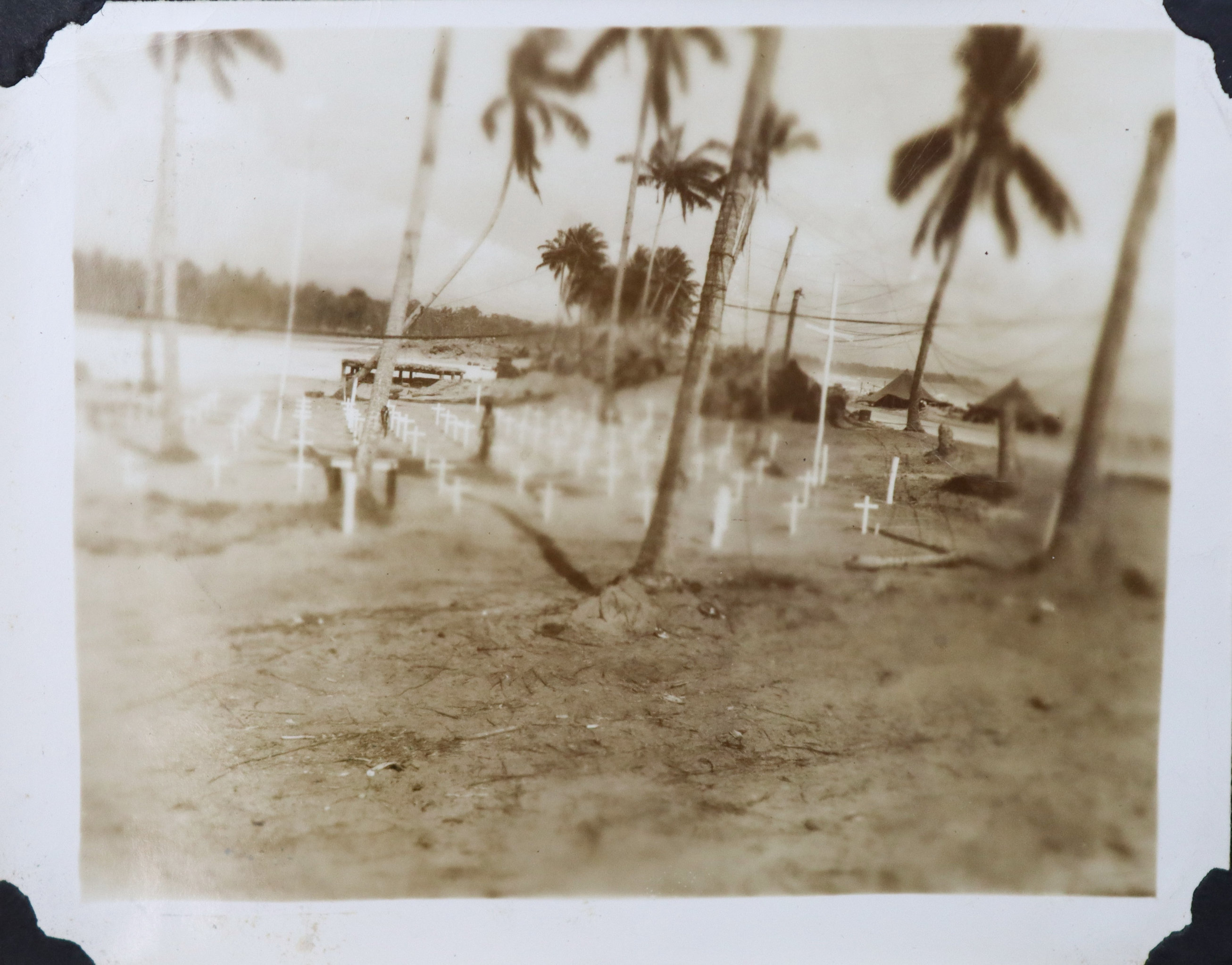
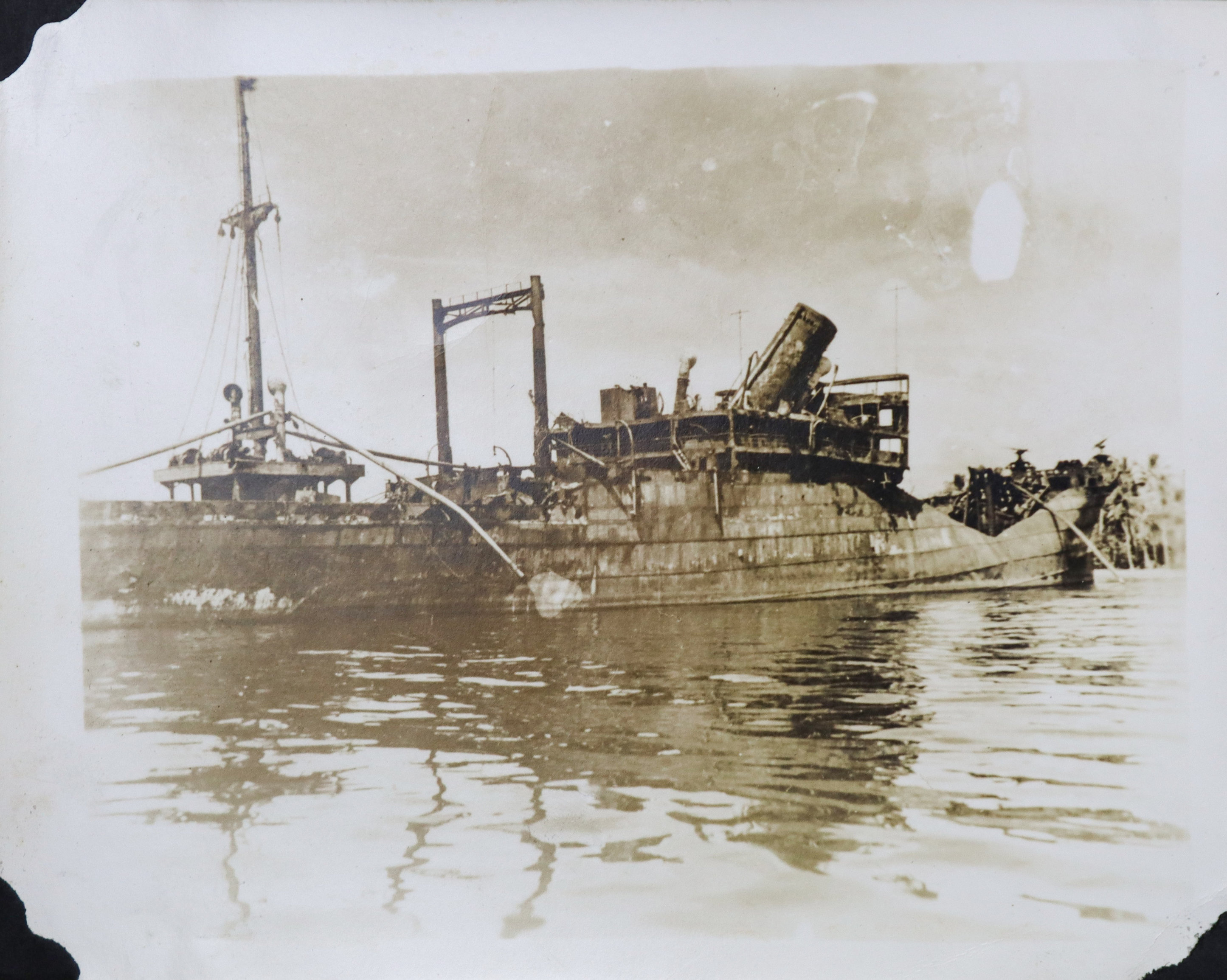
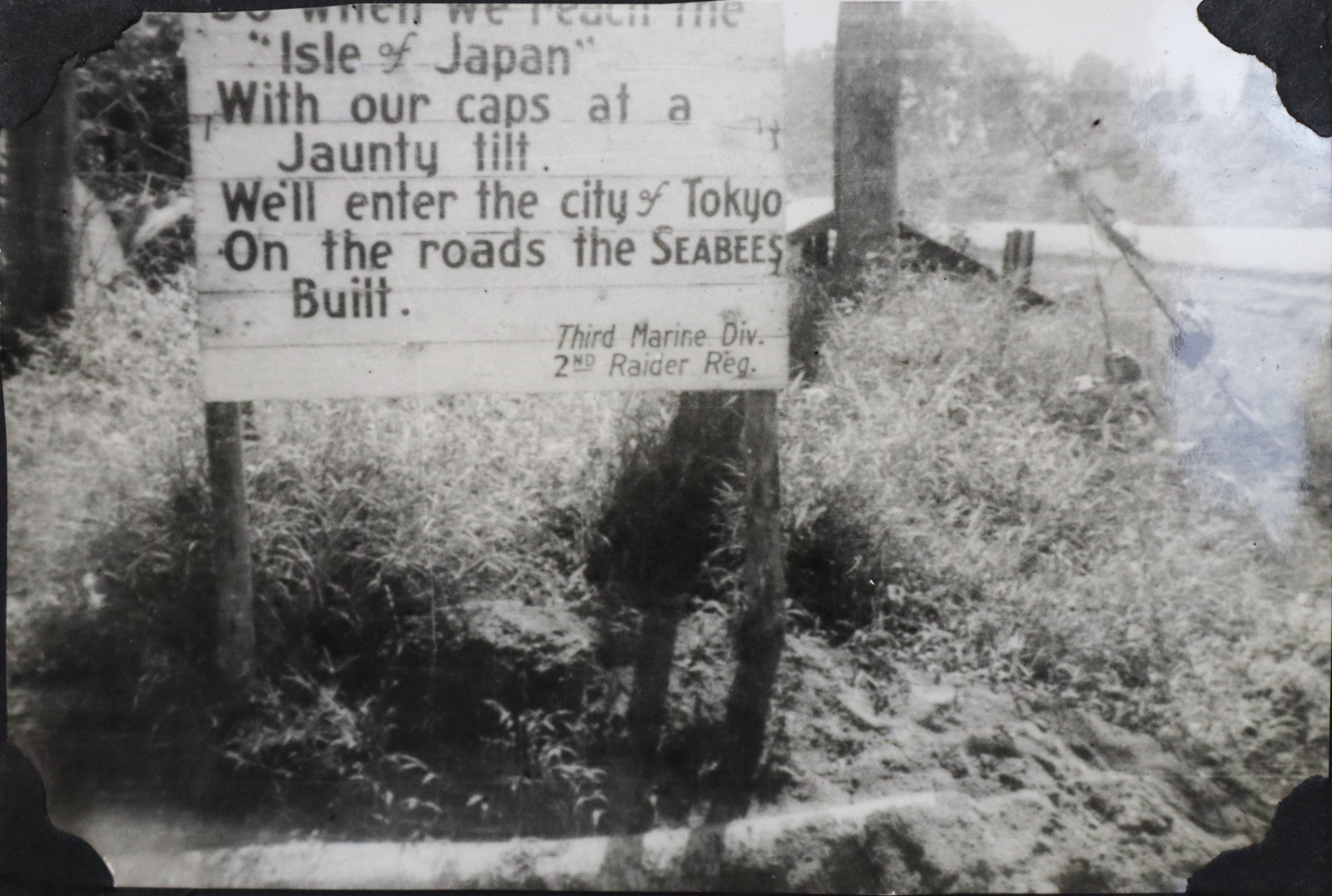
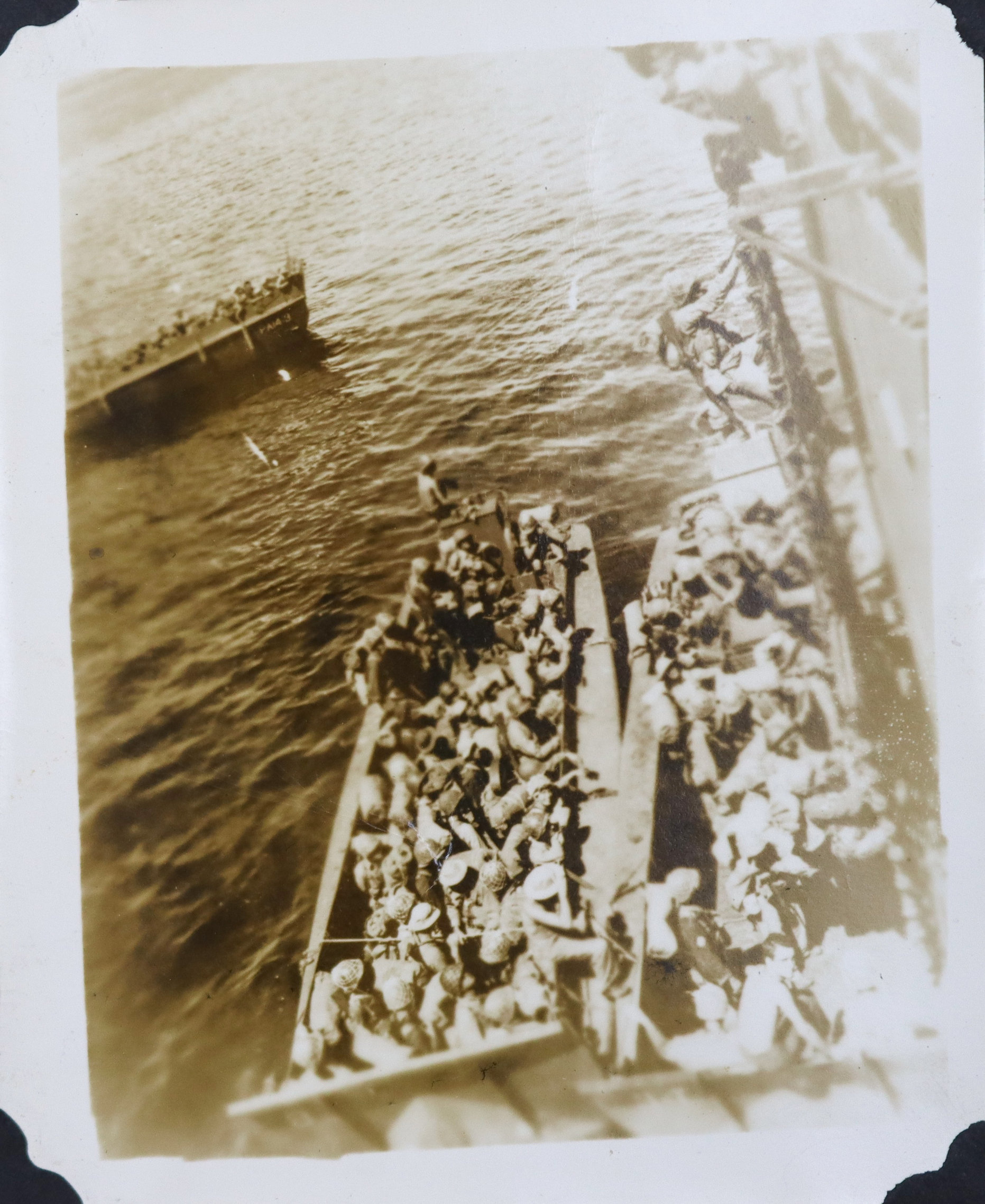
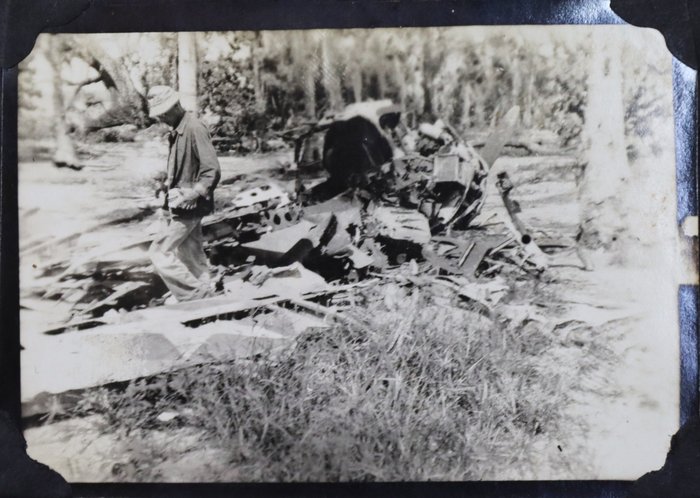
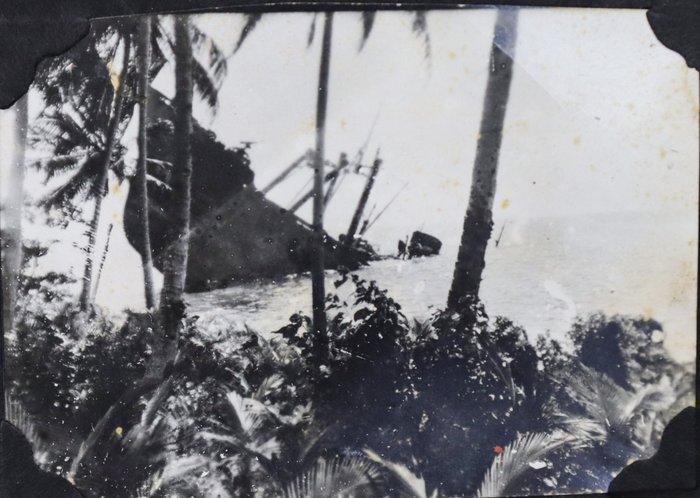
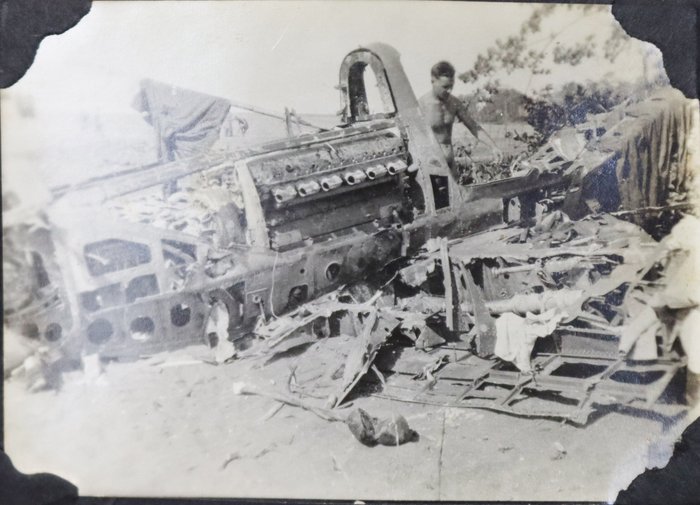
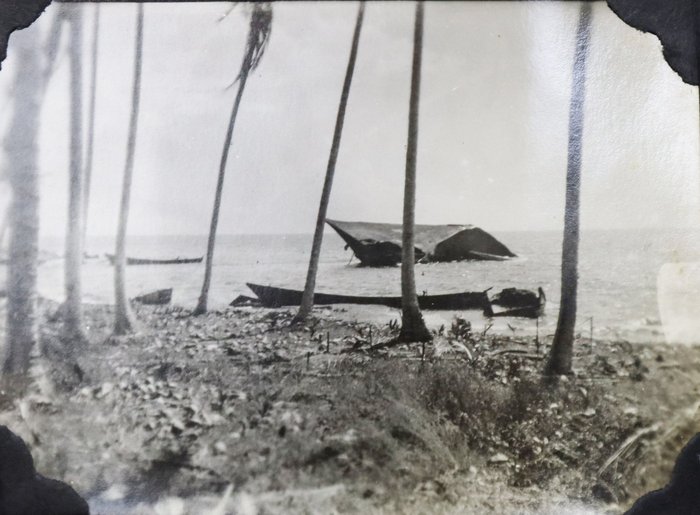
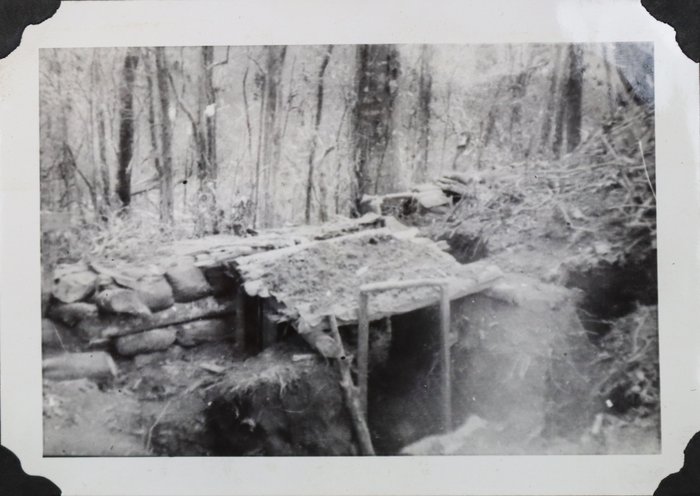
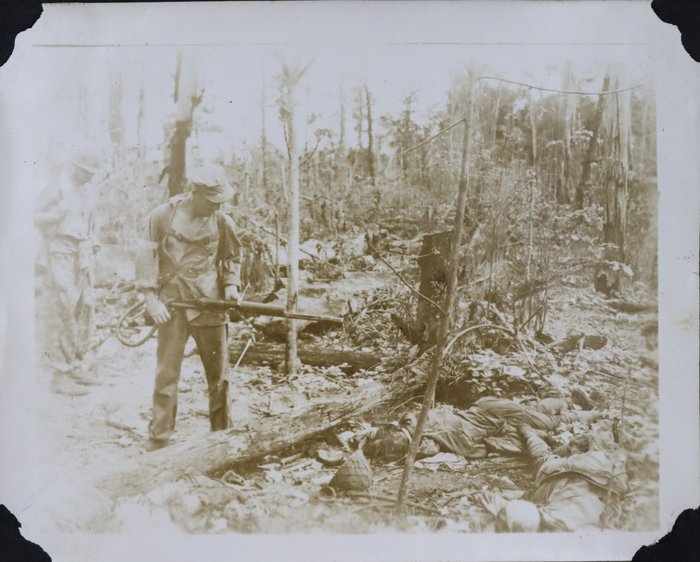
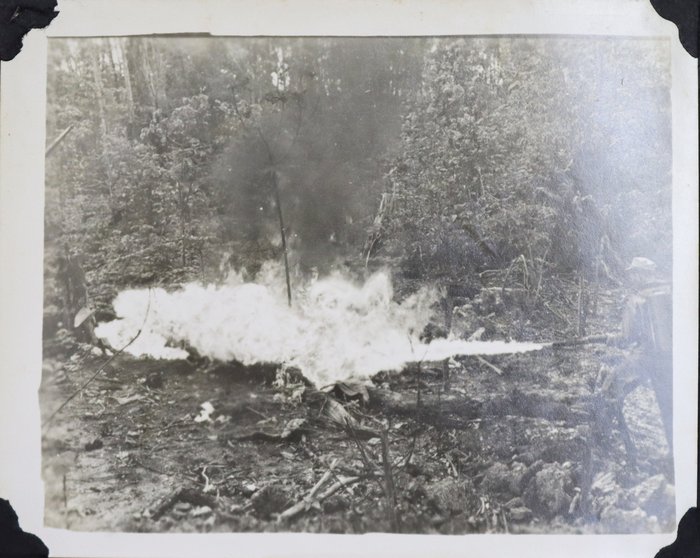
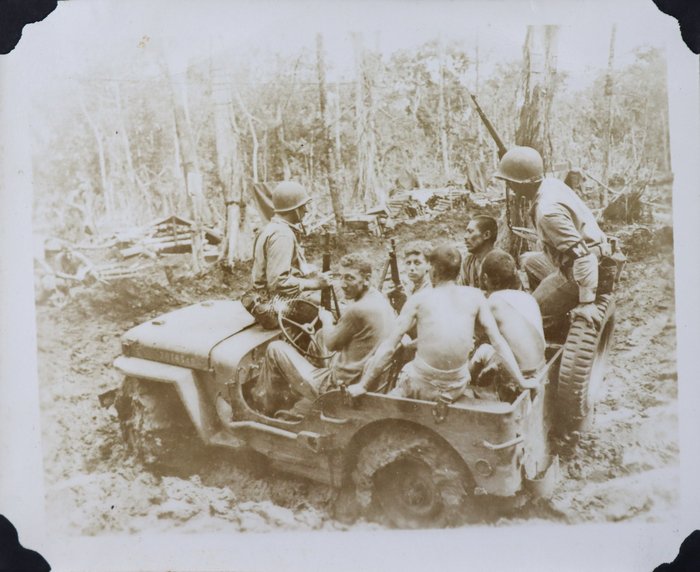
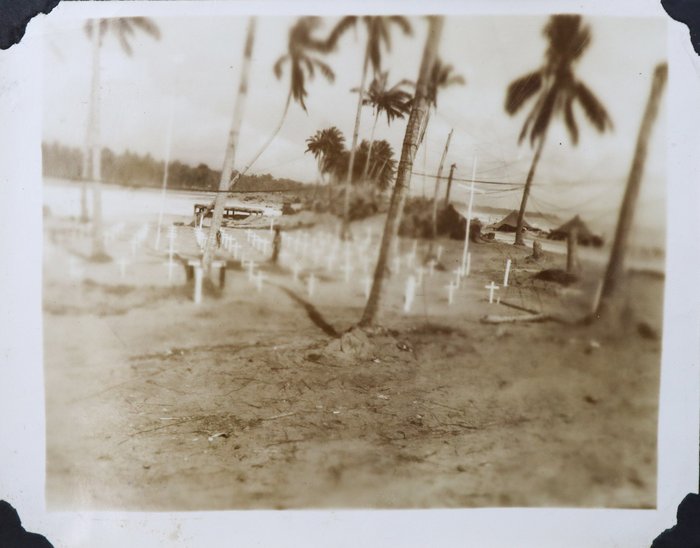
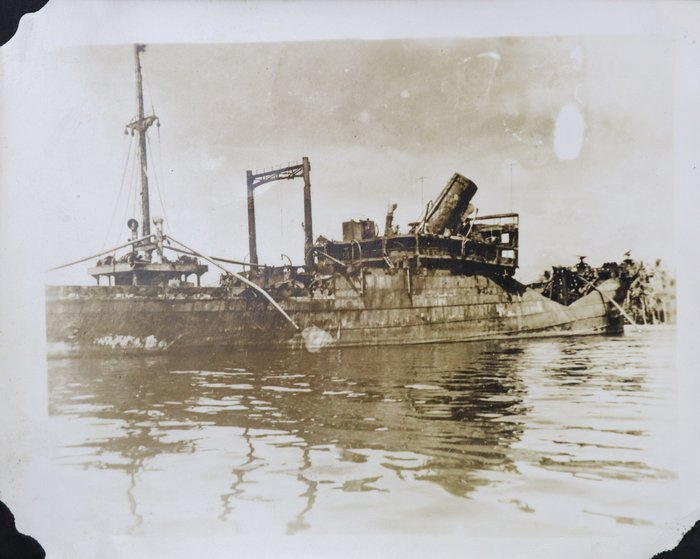
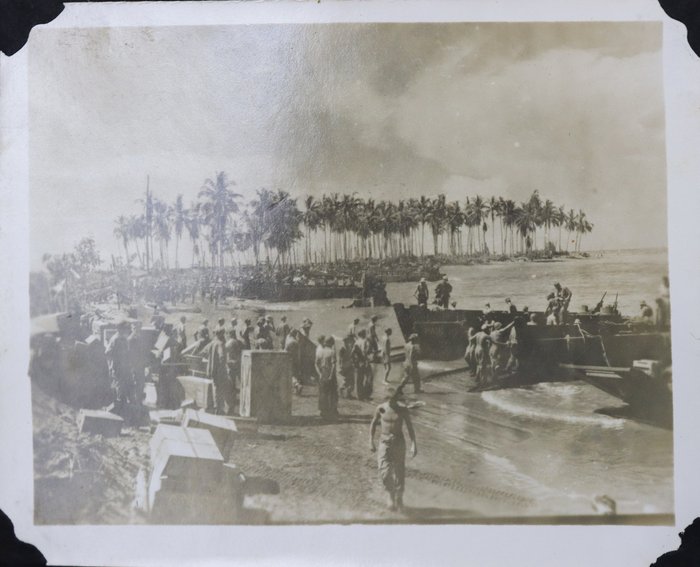
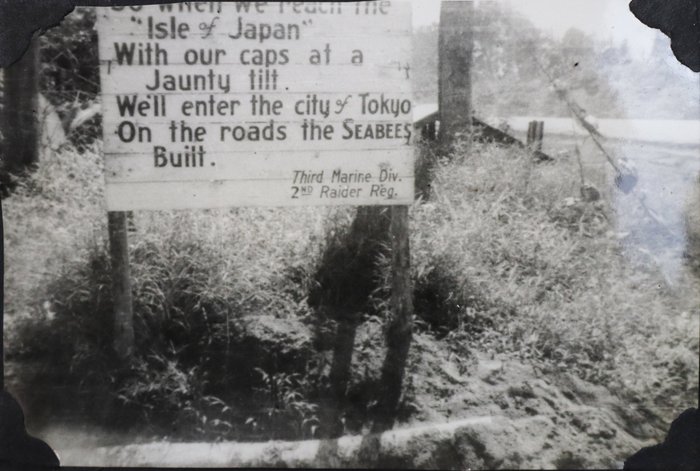
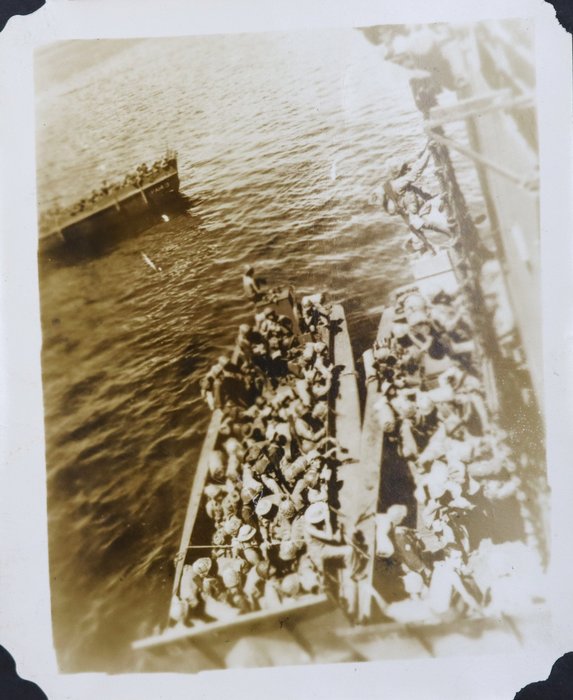
The album contains 185 rare well-executed photographs, with about fifty excellent images of the offensive at Torokina (Bougainville). Especially interesting is a series illustrating amphibious naval operations, including troops descending cargo nets from a transport ship to the shore. About twenty graphic photographs of wreckage & casualties show downed Japanese aircrafts, sunken ships, fallen soldiers, and burning bodies. Other important images feature views of the Cemetery at Torokina Point, Mountain Bagana, landscapes, bunkers, and a Seabees sign.
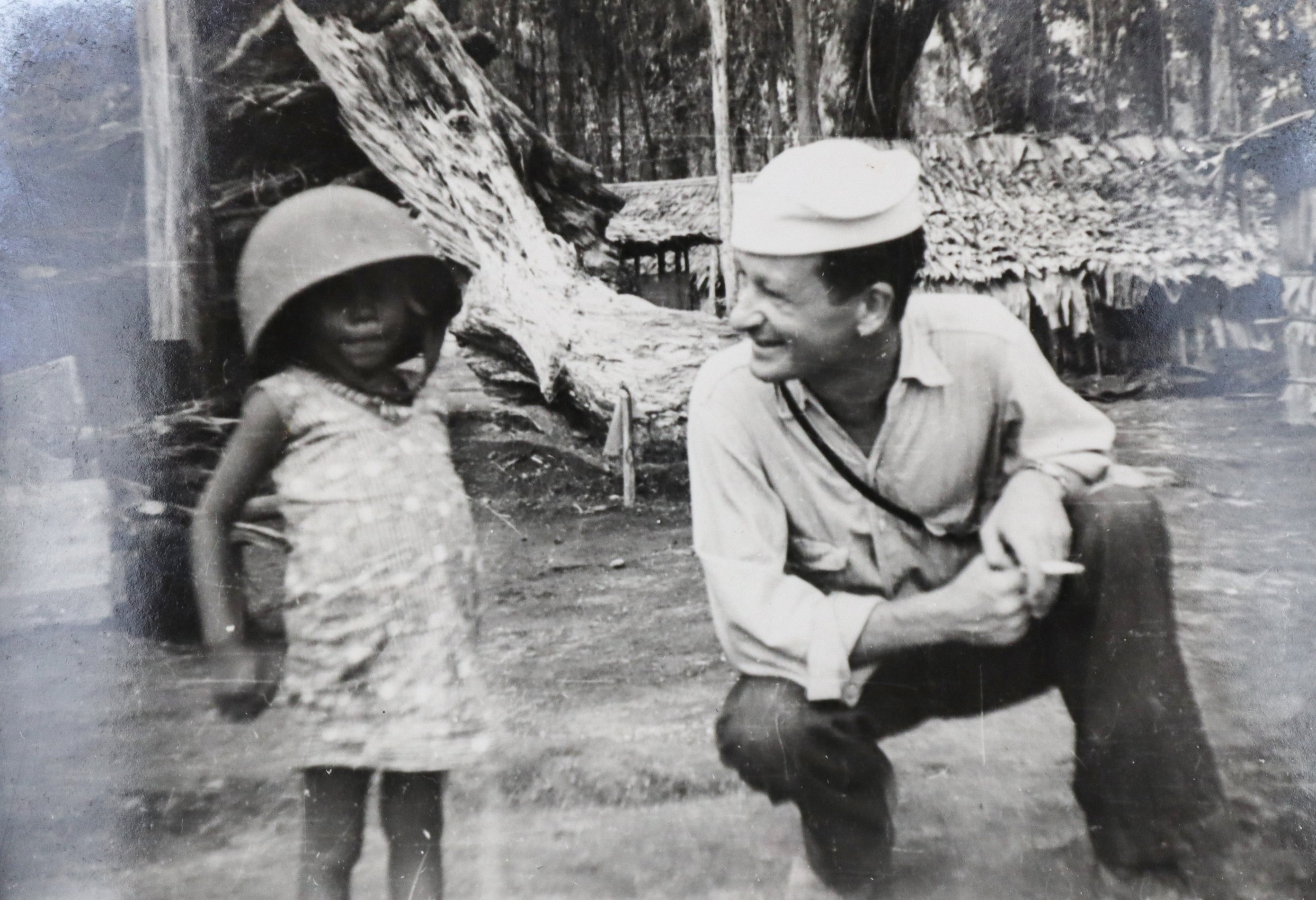
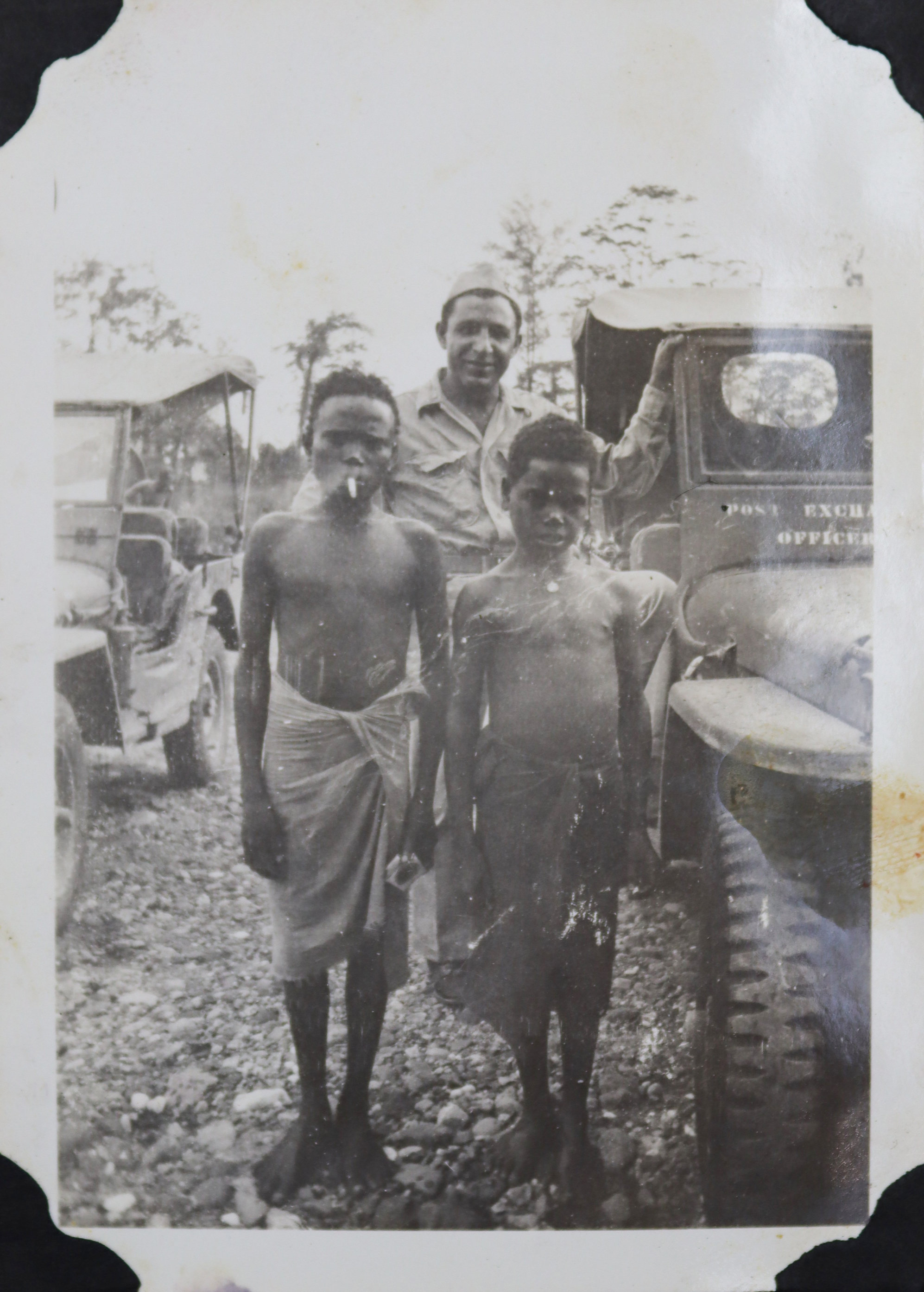
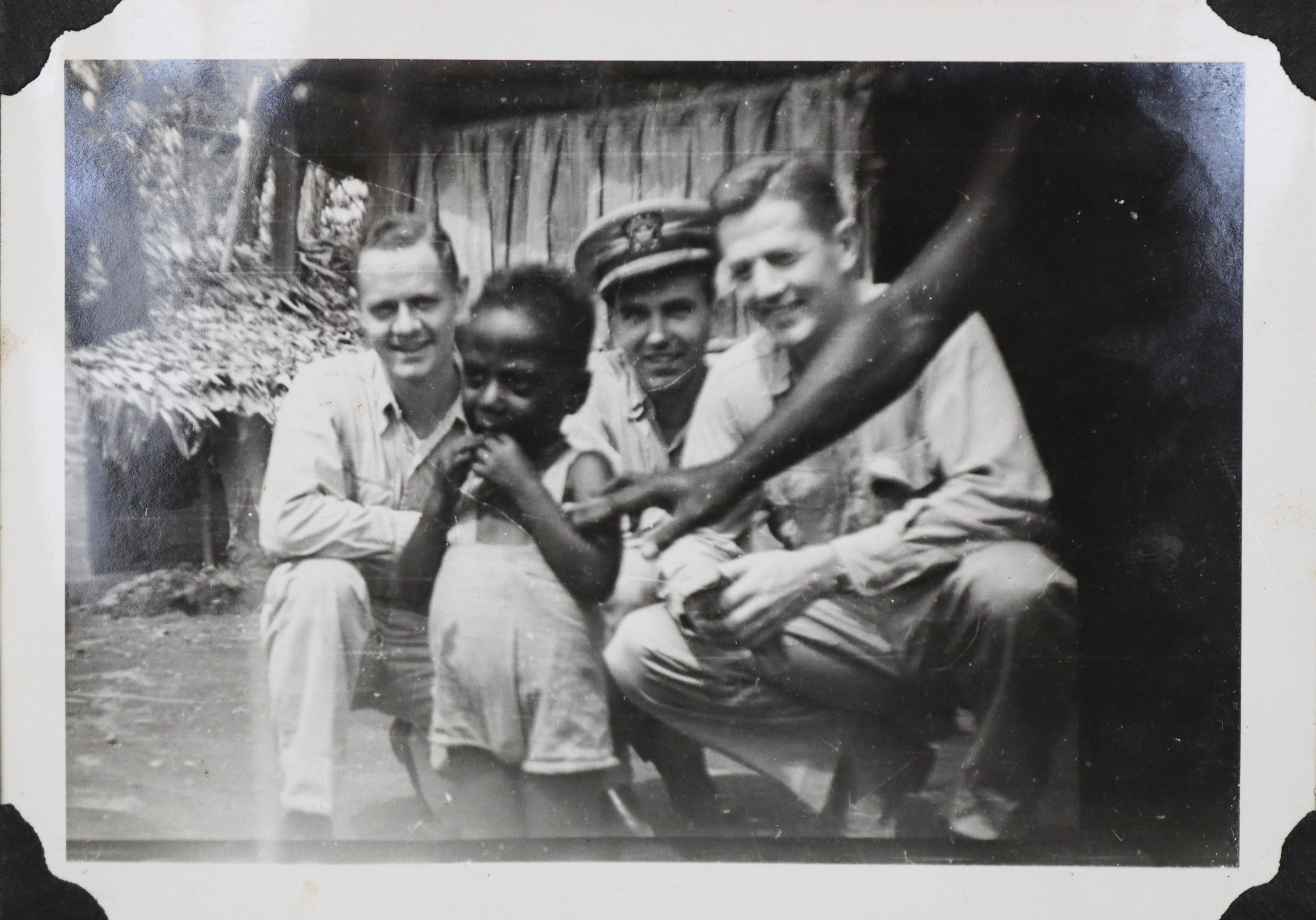
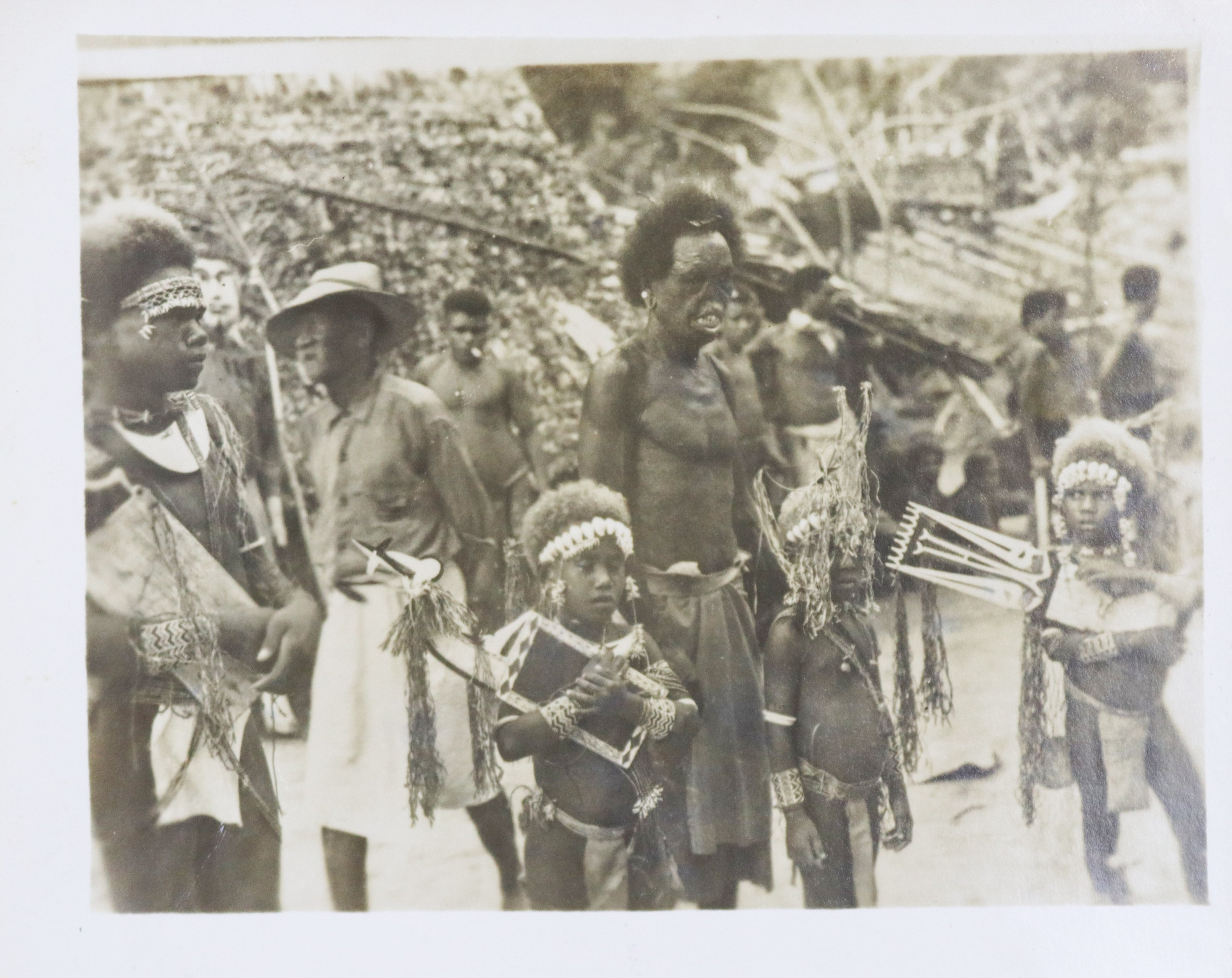
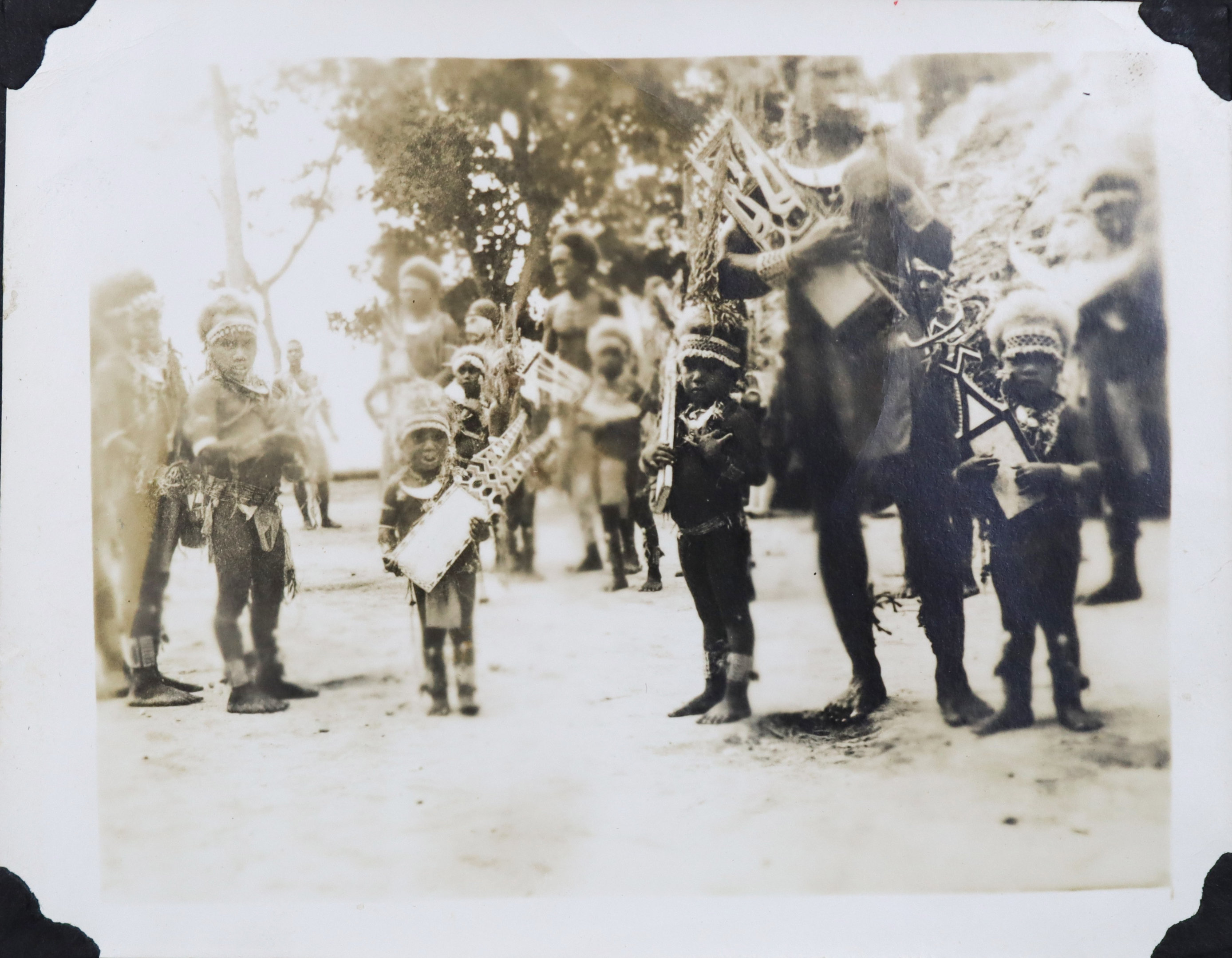
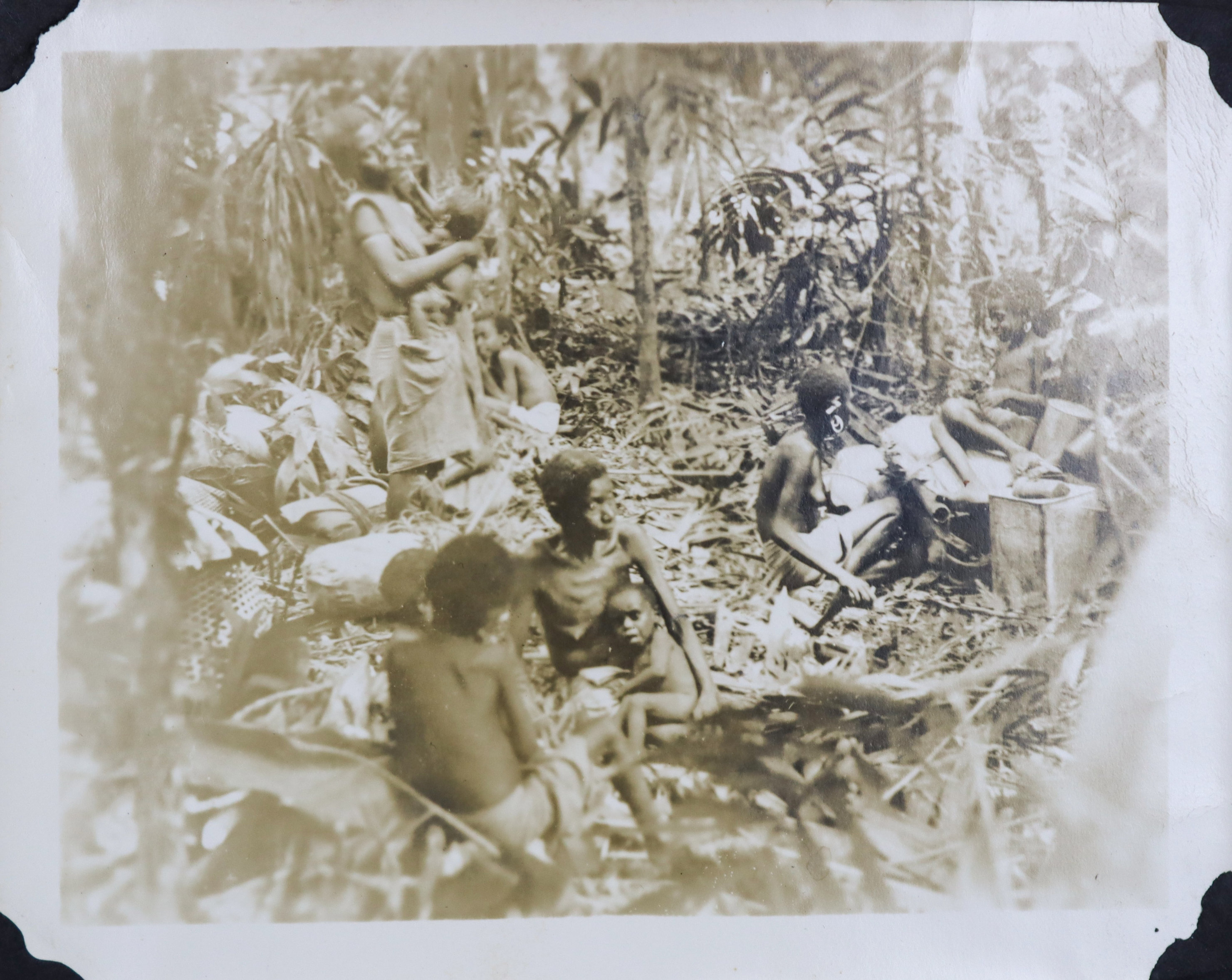
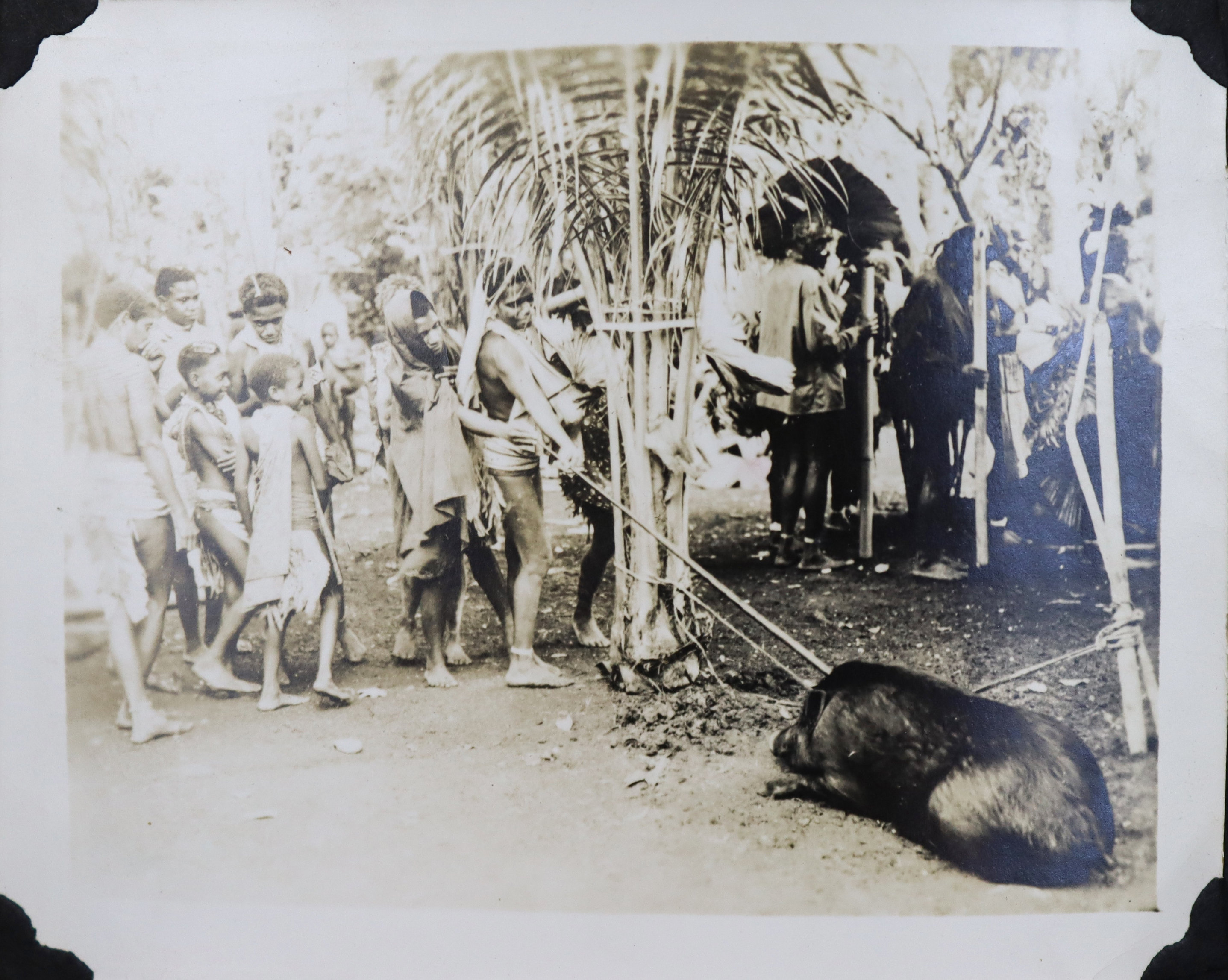
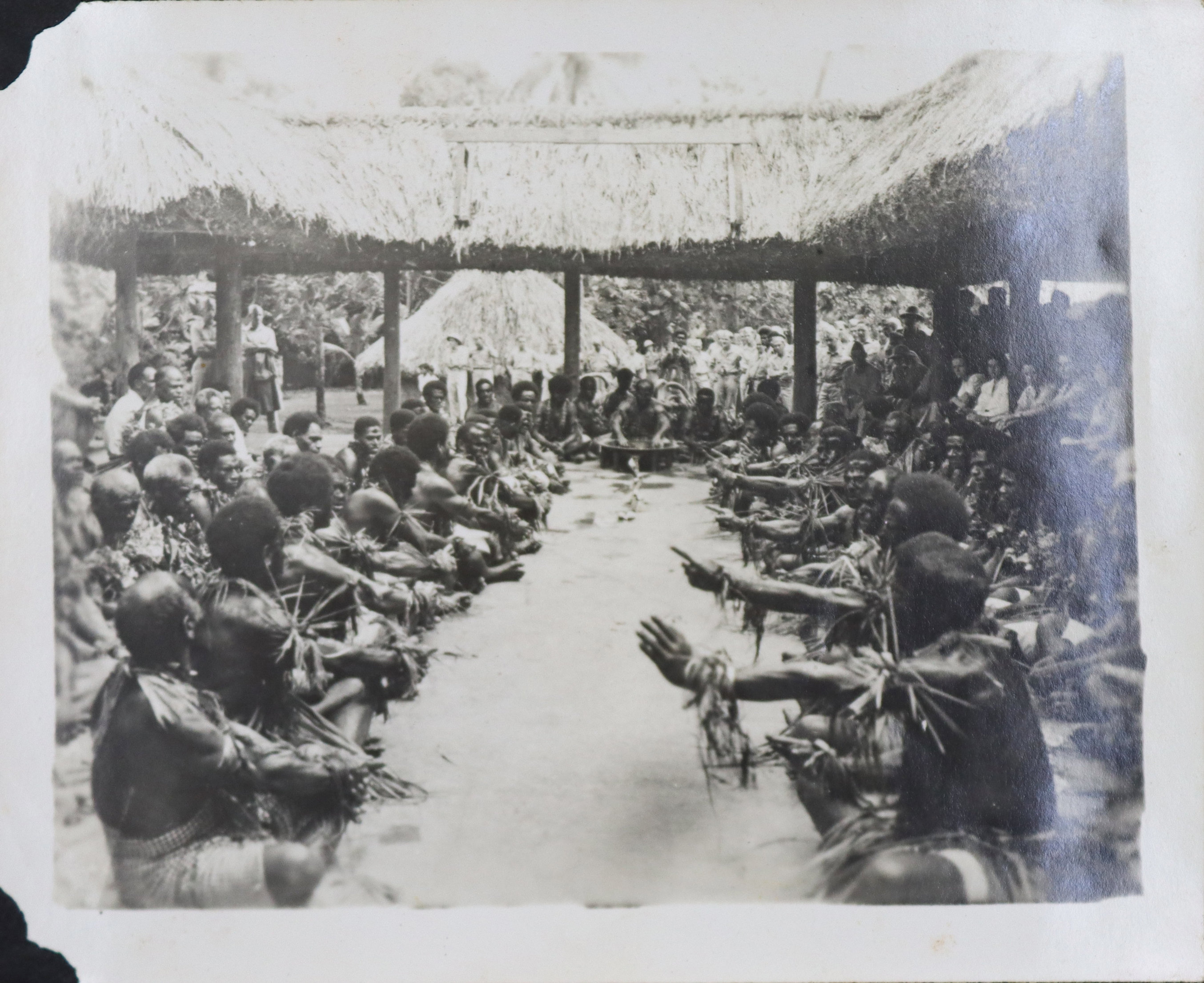
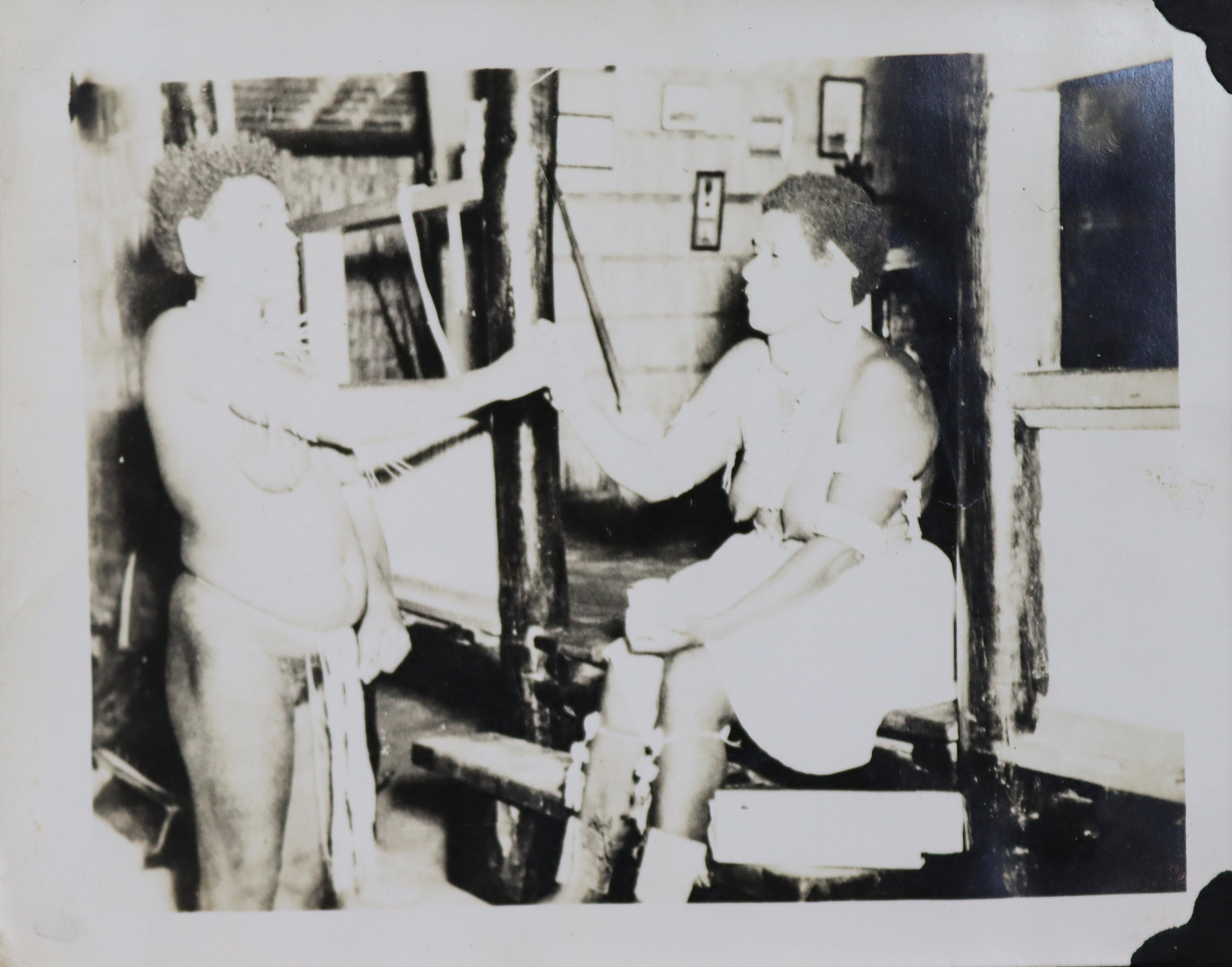
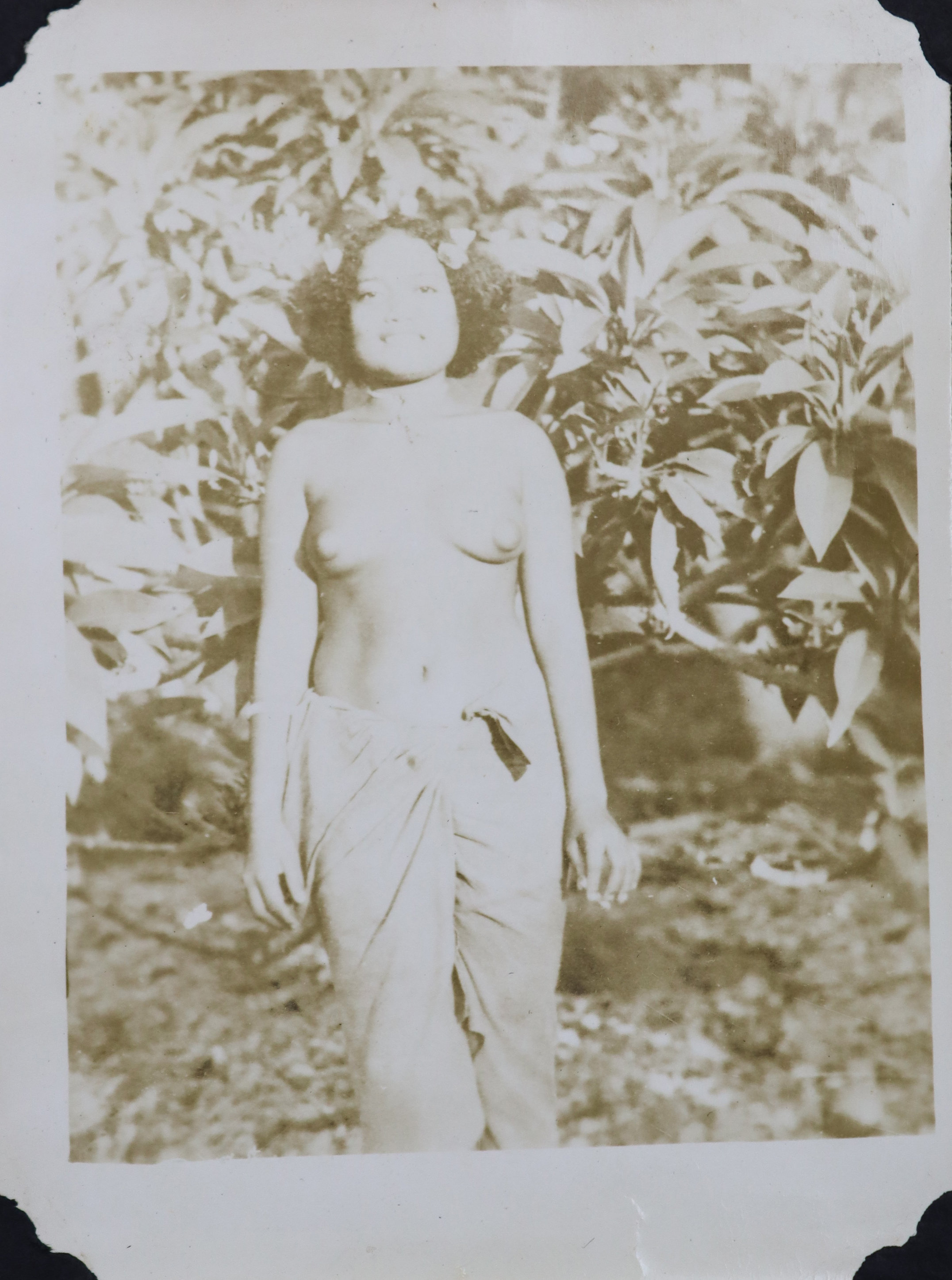
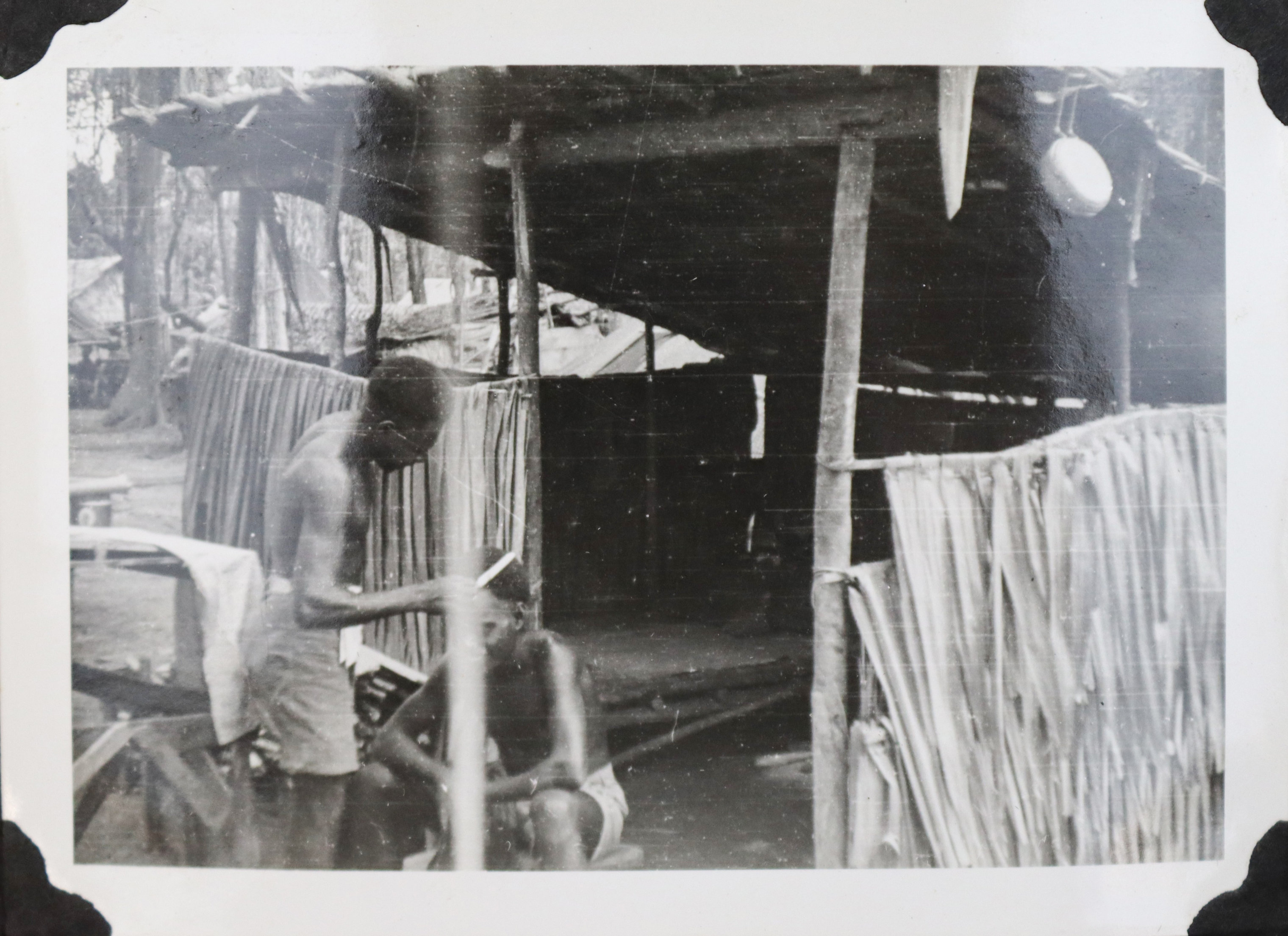
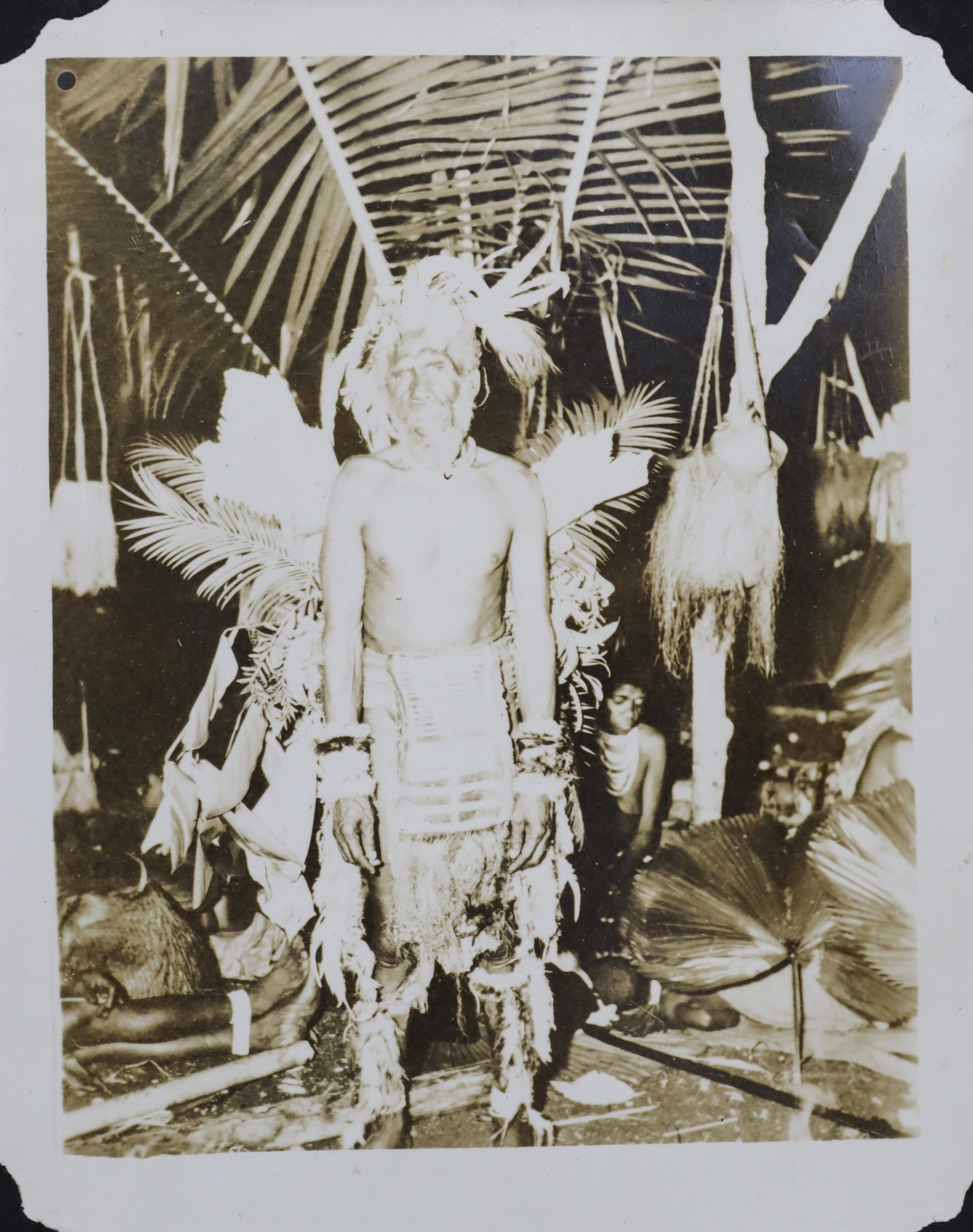
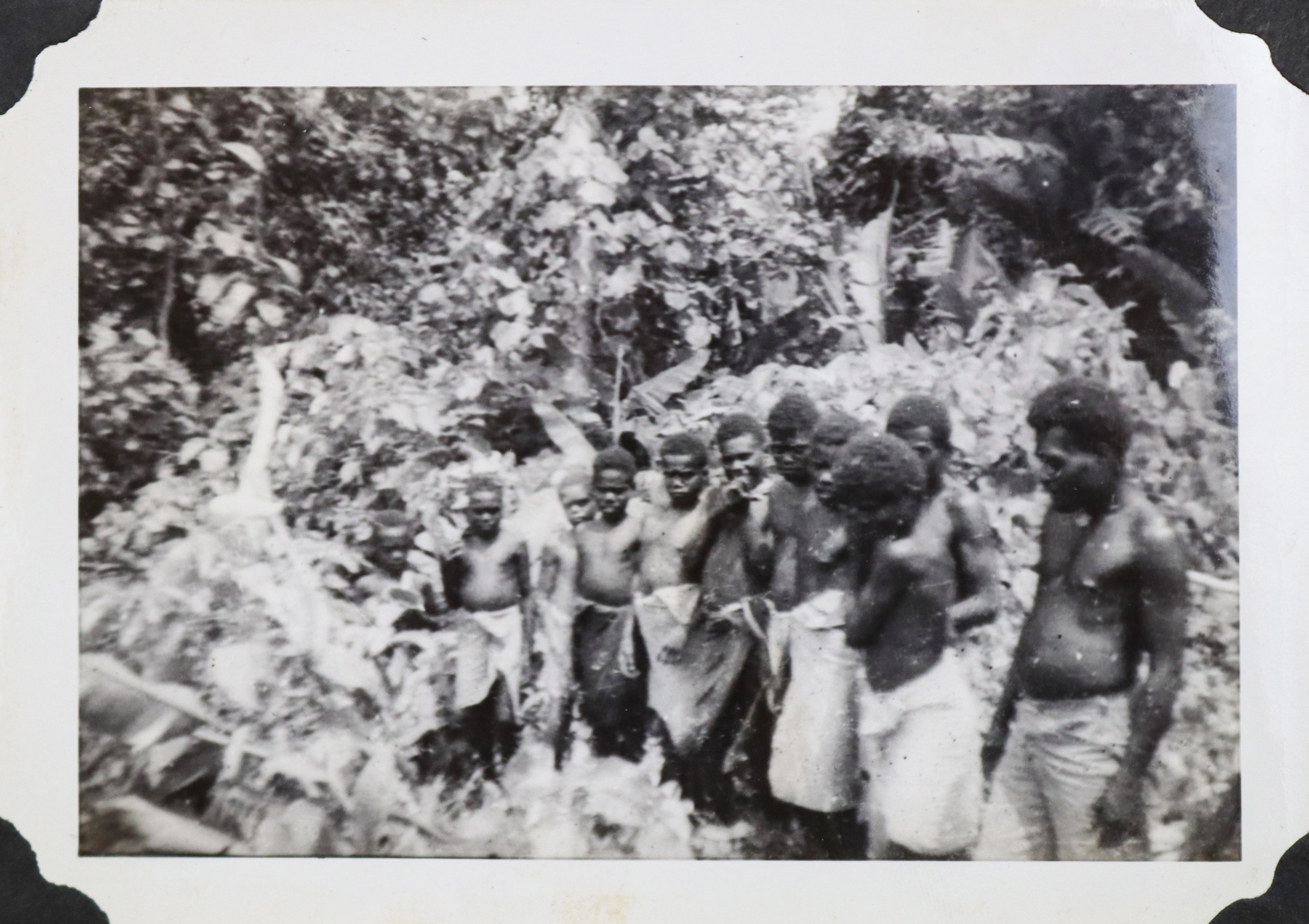
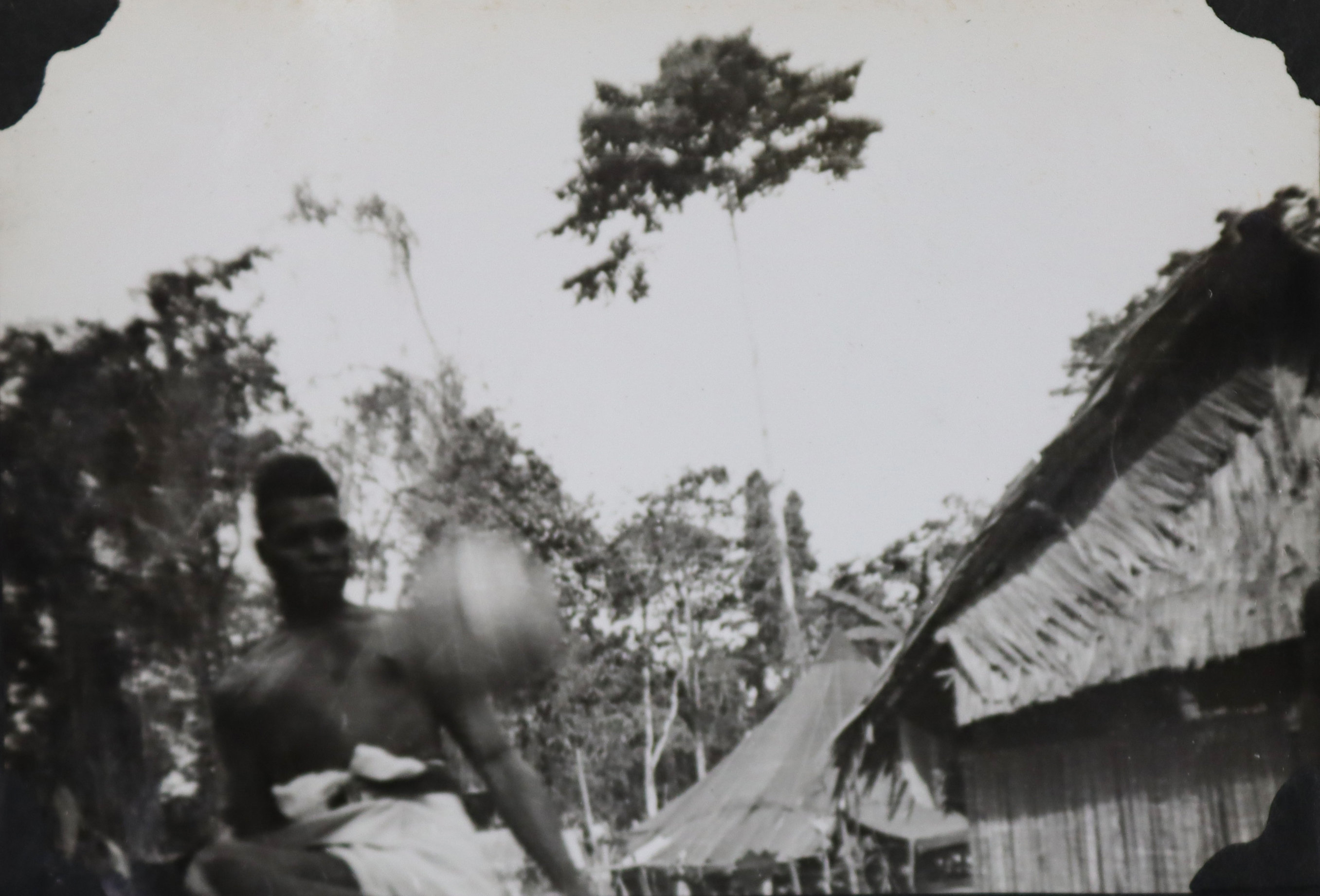
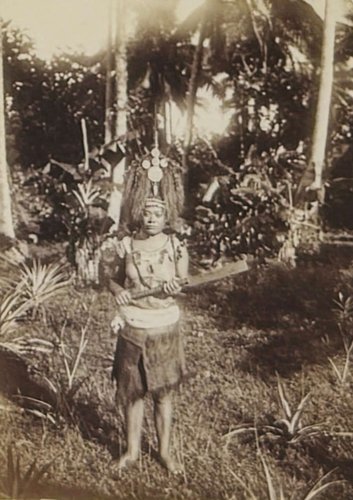
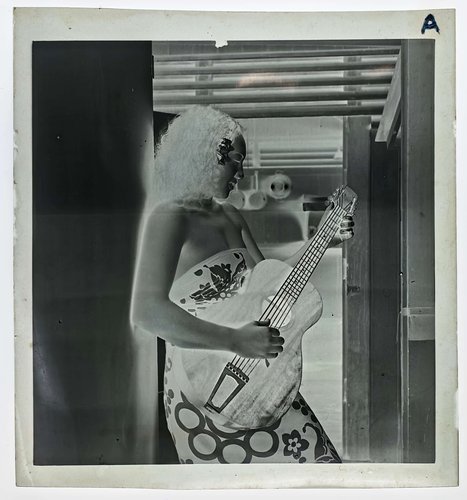
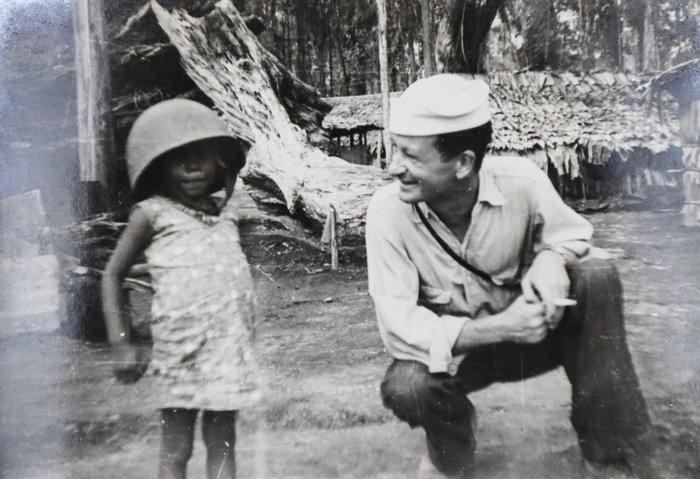
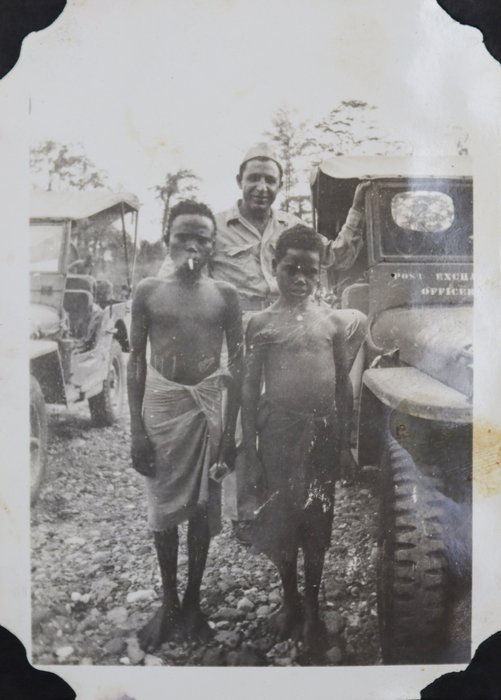
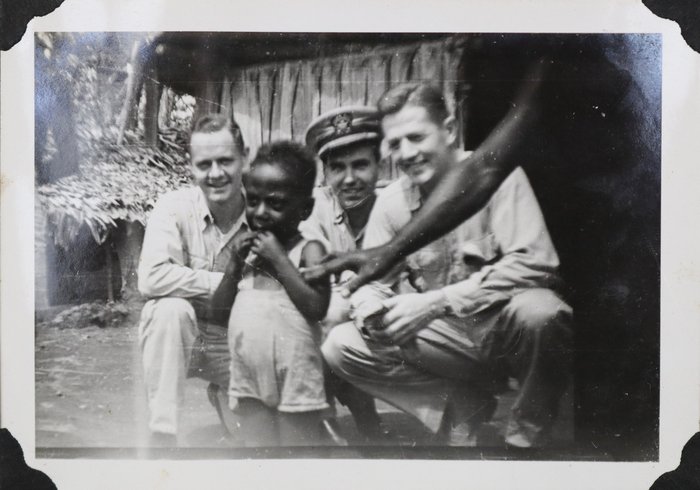
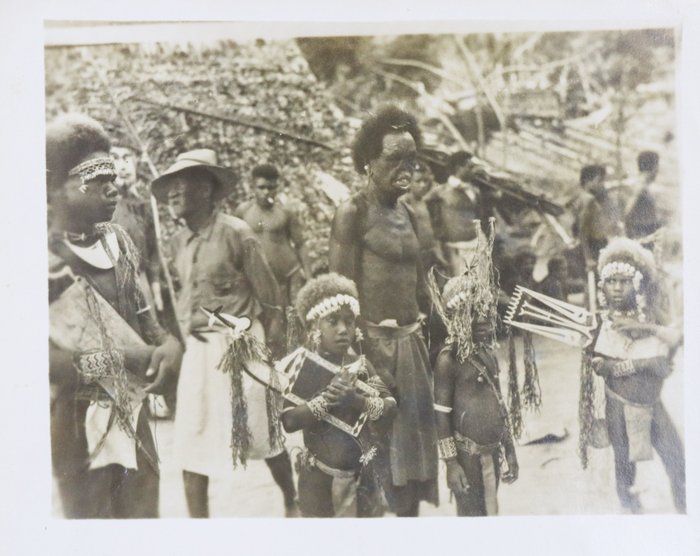
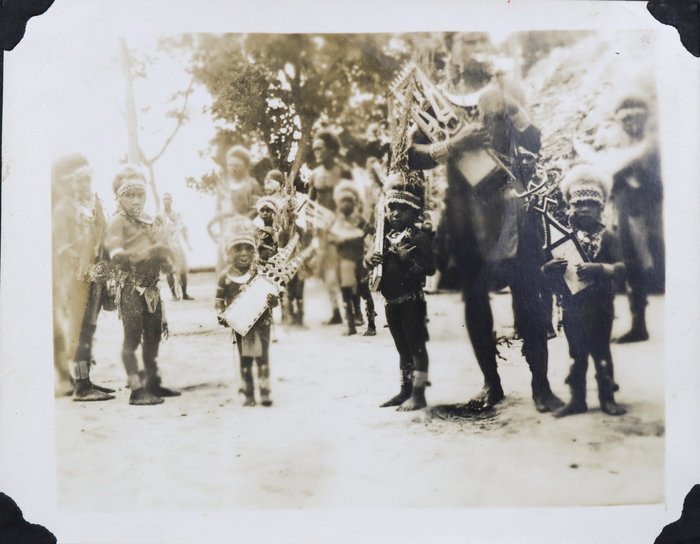
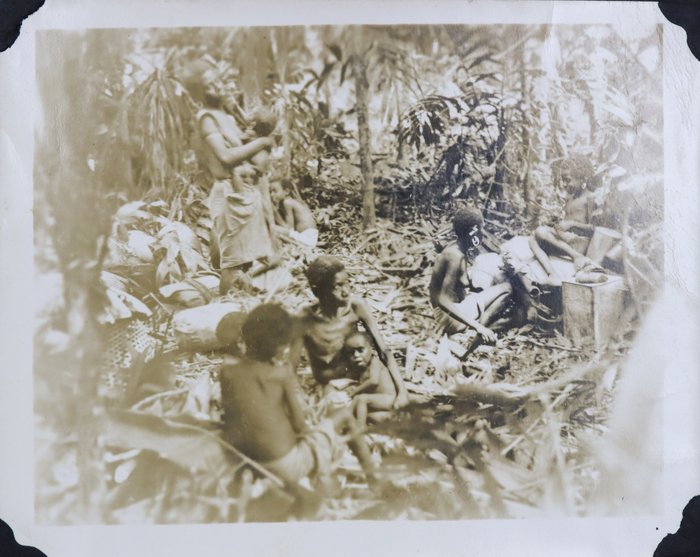
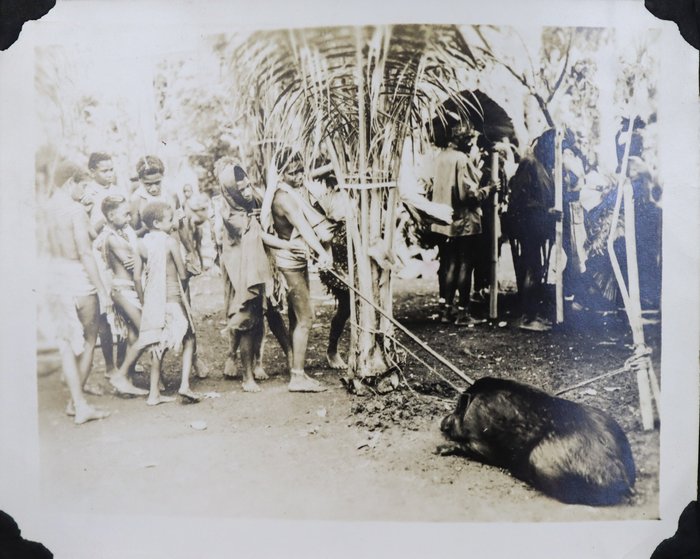
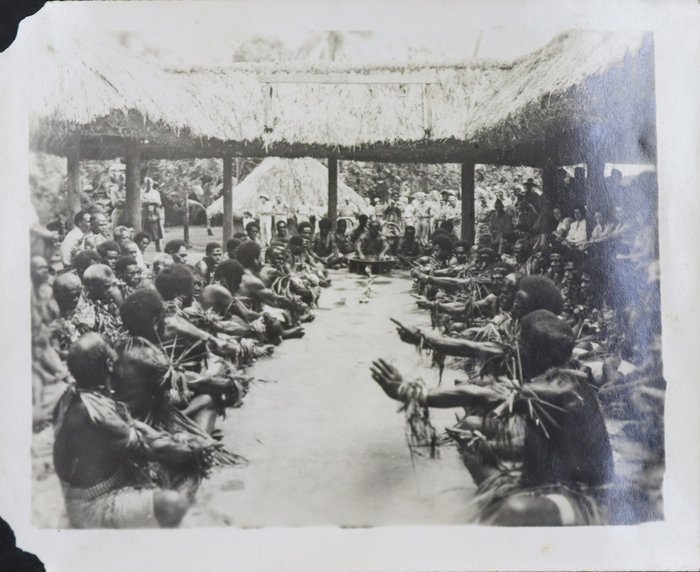
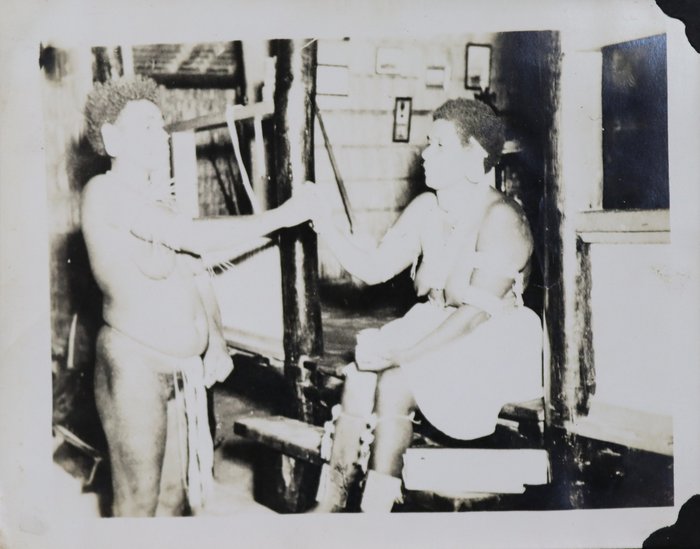
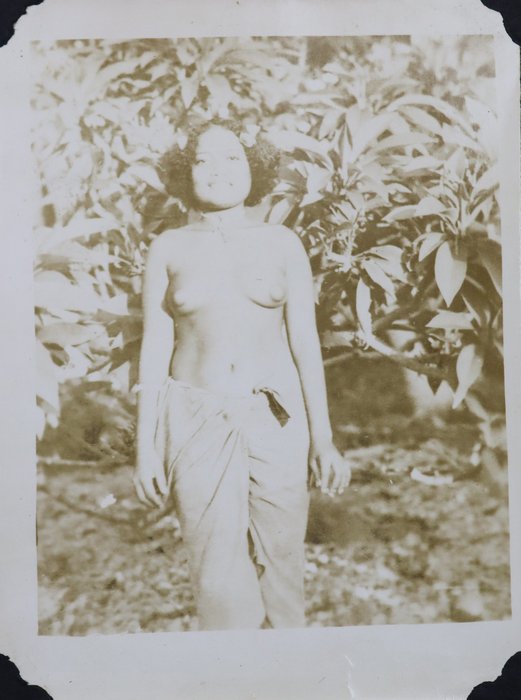
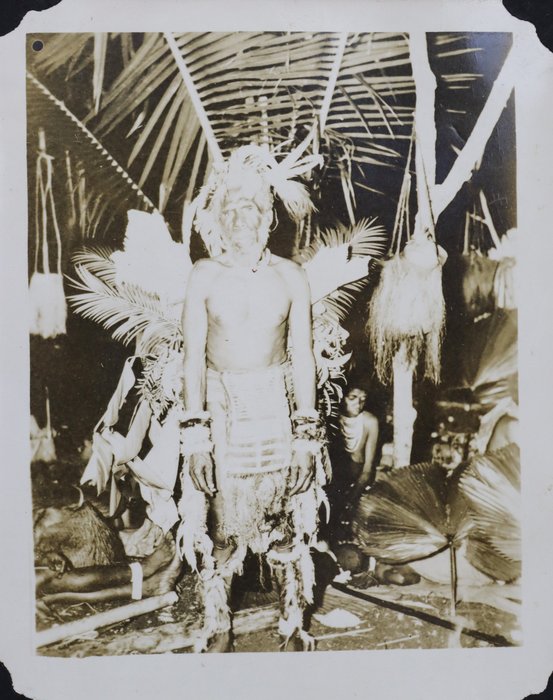
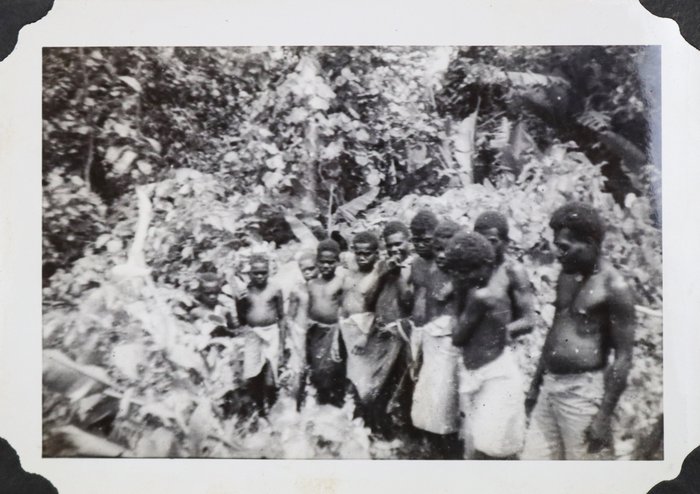
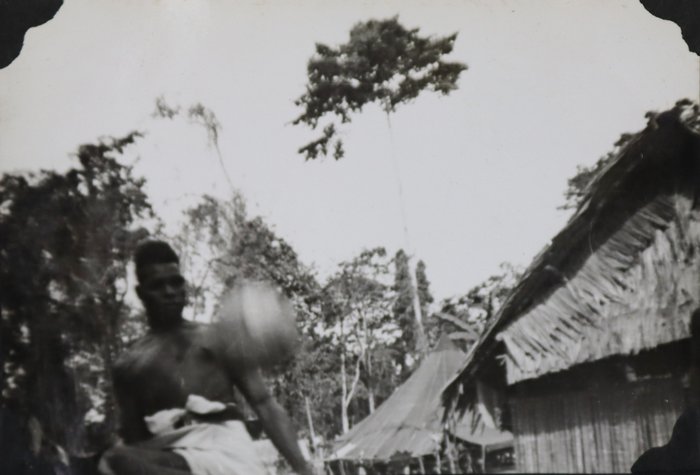
Over thirty-five lively vernacular photographs were apparently taken in the Northern Solomon Islands before the main Bougainville invasion. These candid scenes depict indigenous people in traditional attire (headbands, body ornaments, etc.) engaged in rituals, kava ceremony, dancing, hunting, capturing a hog, playing ball, and other activities. There are also several excellent portraits of women and children, as well as images of soldiers posing with the local population.
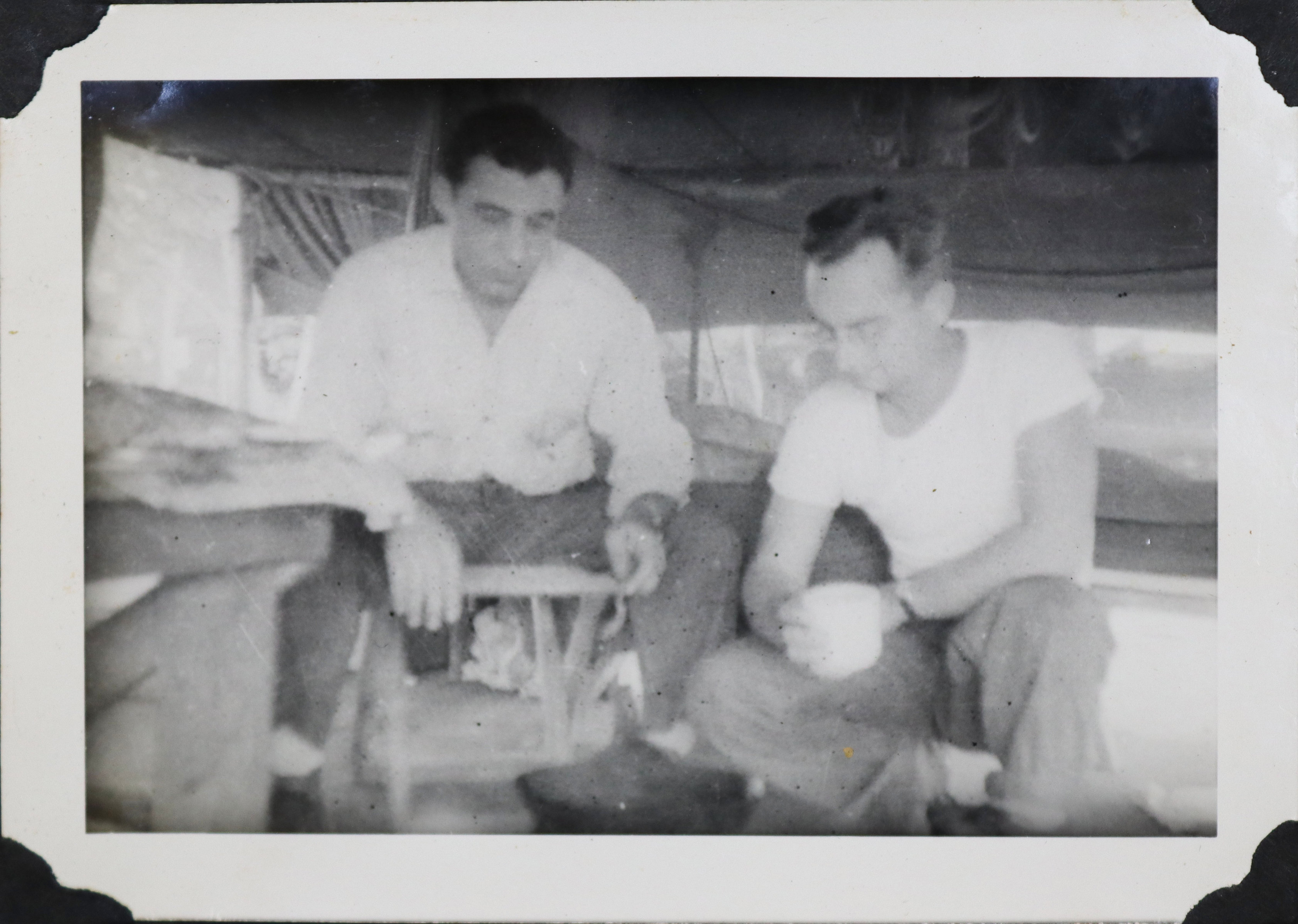
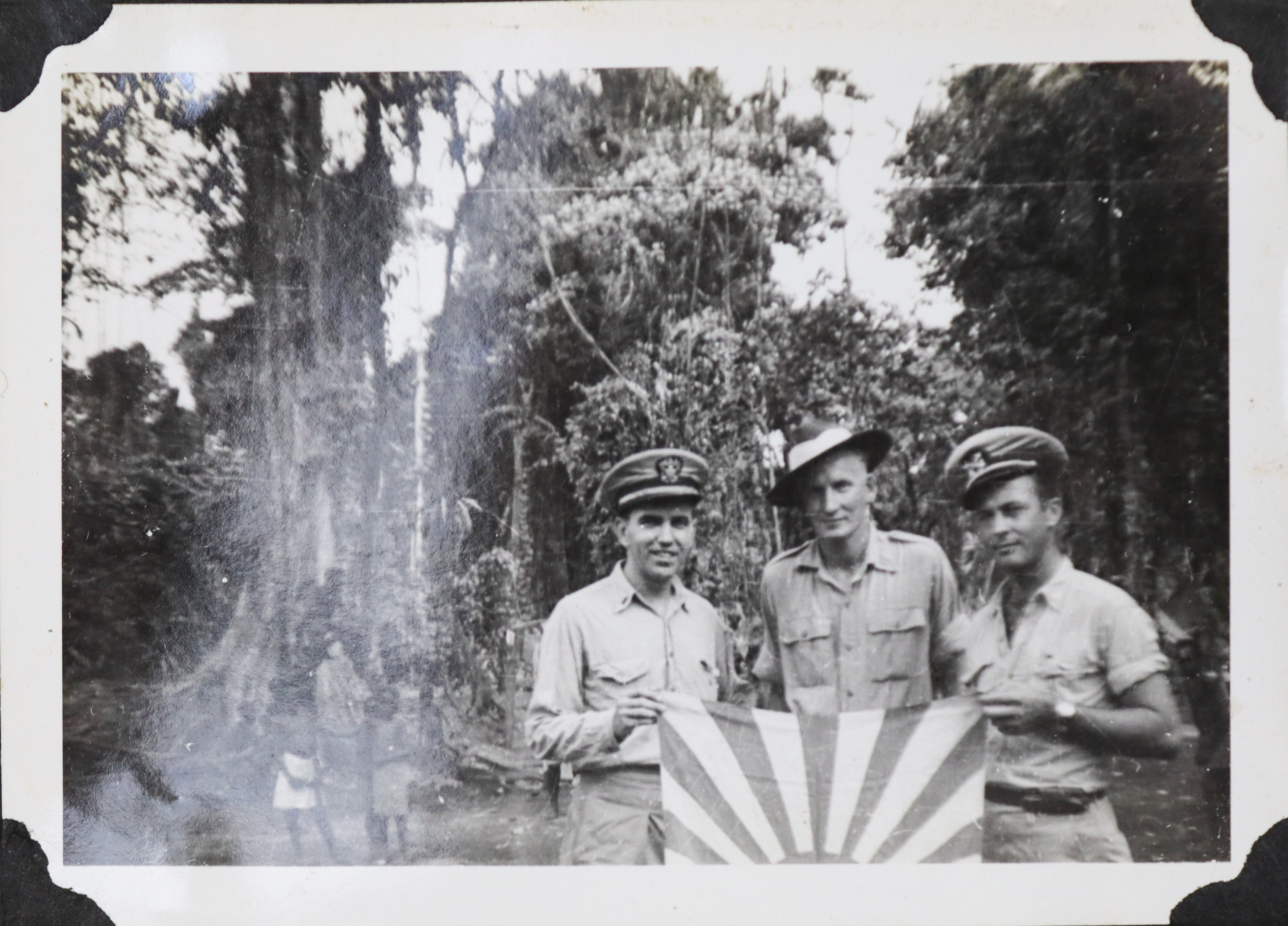
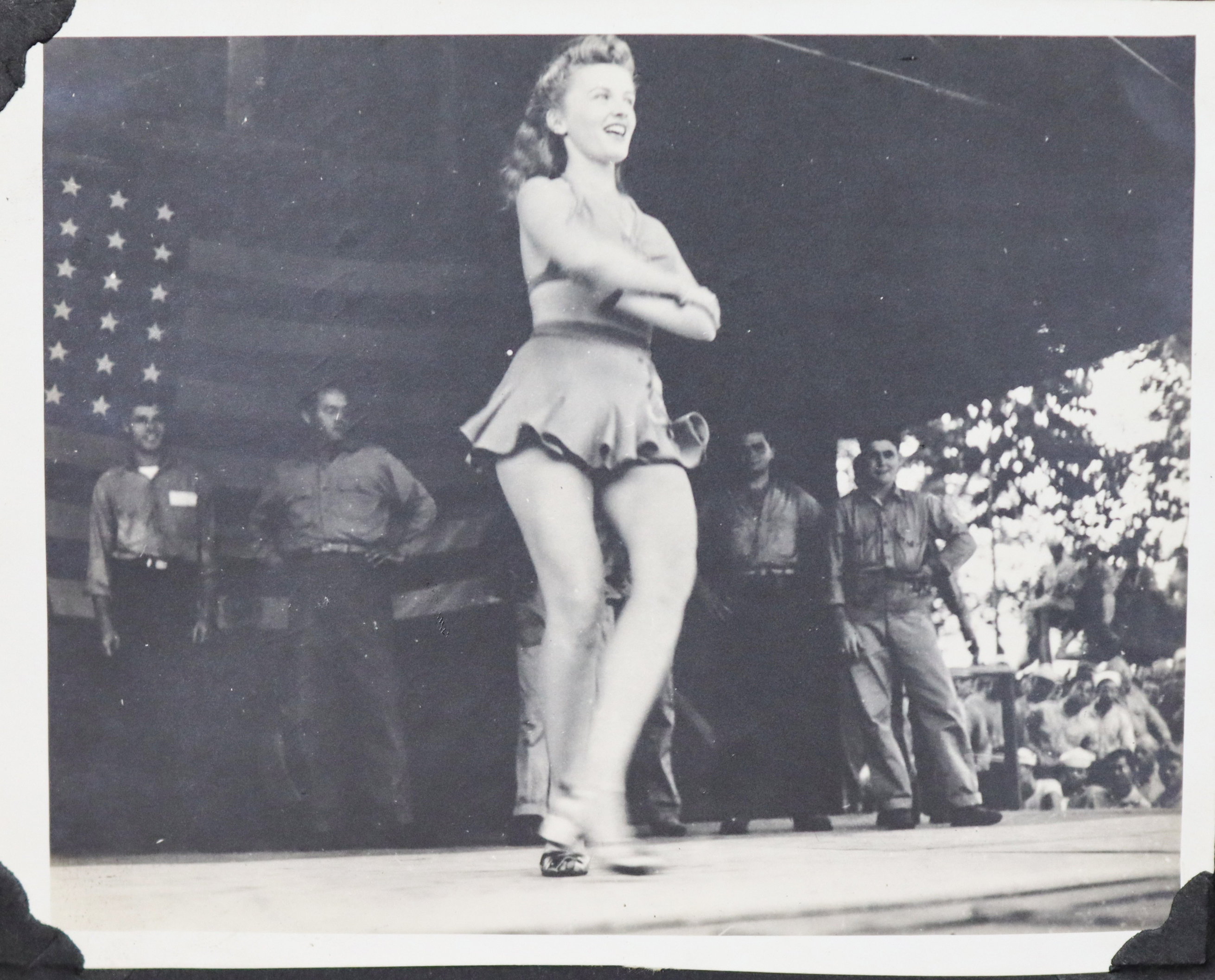
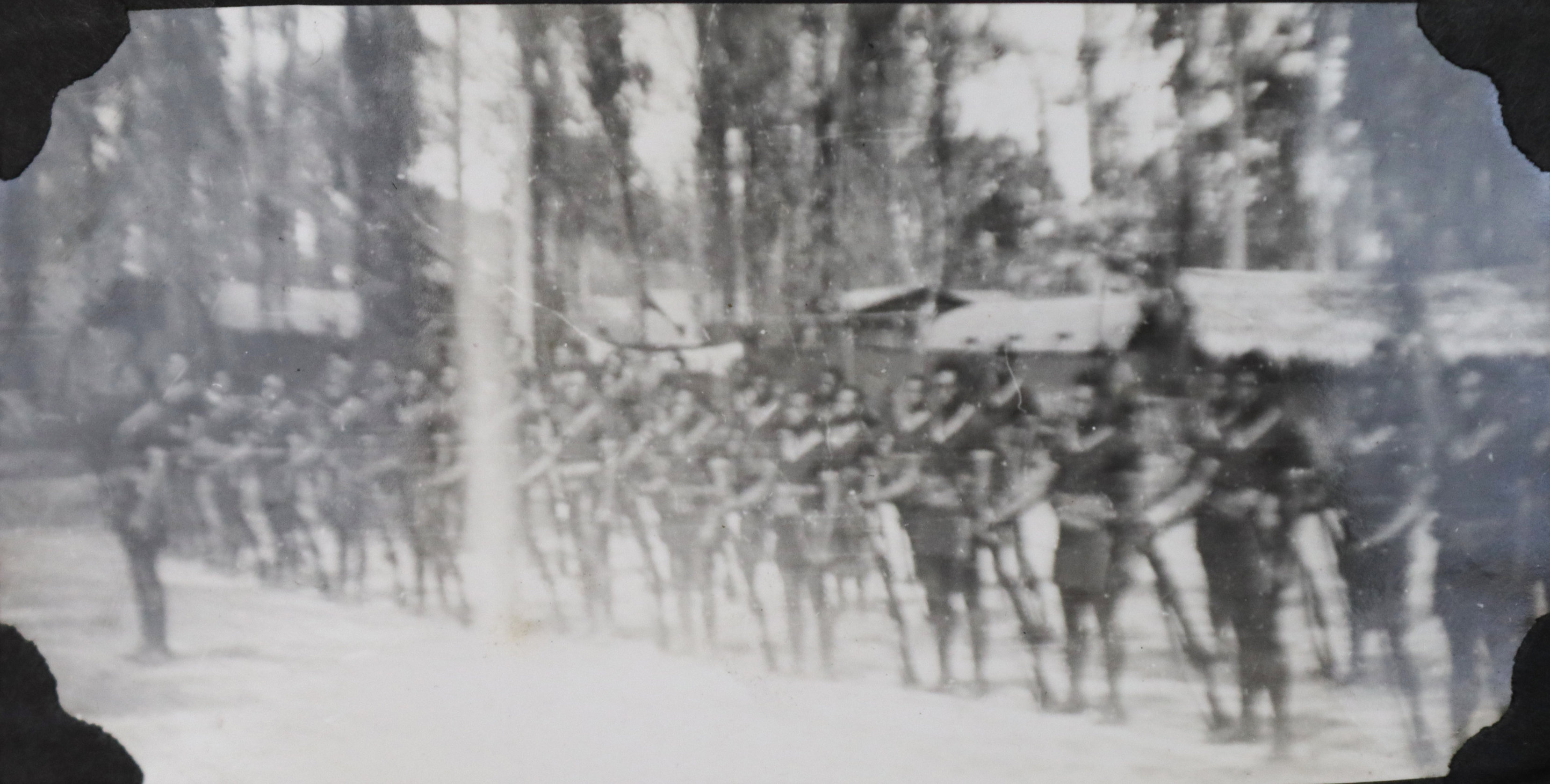
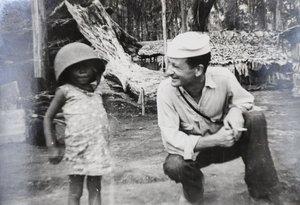
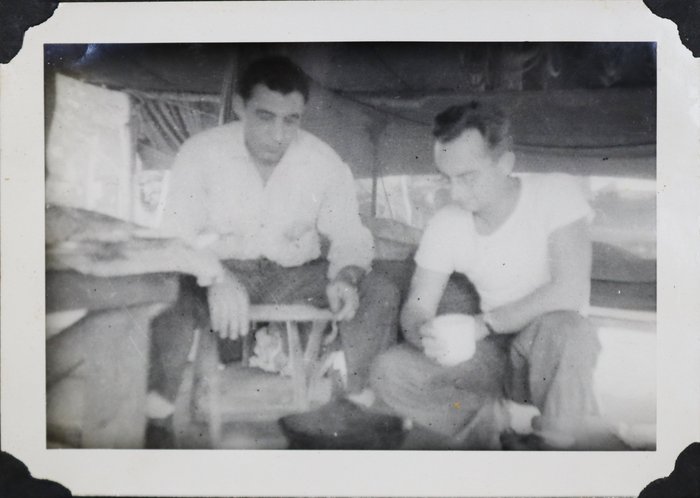
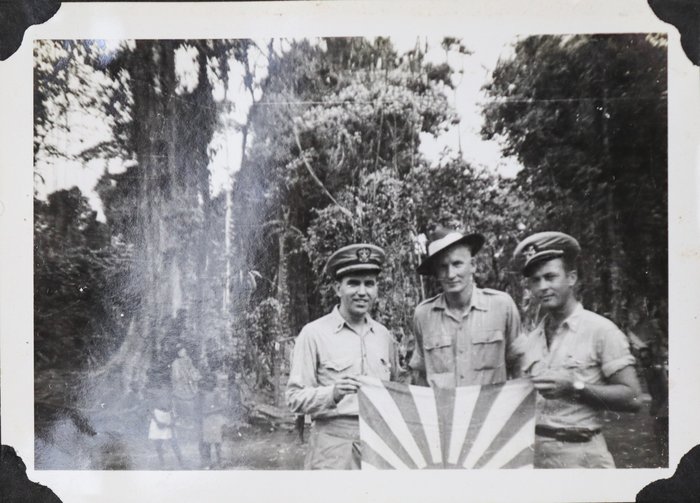
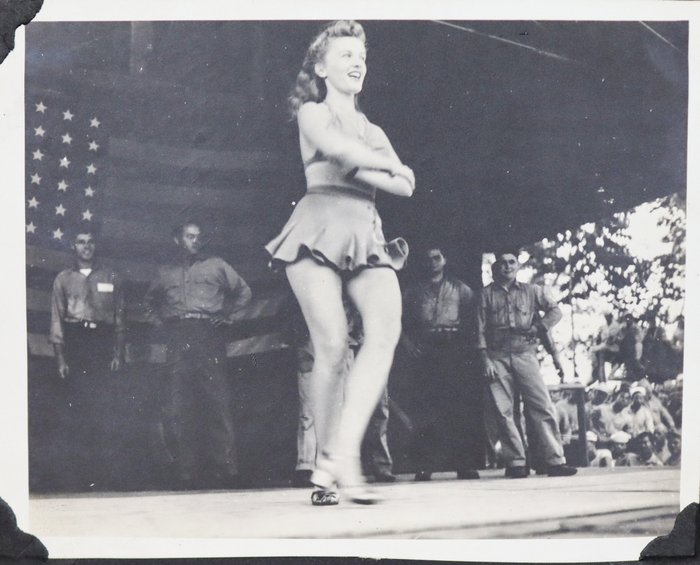
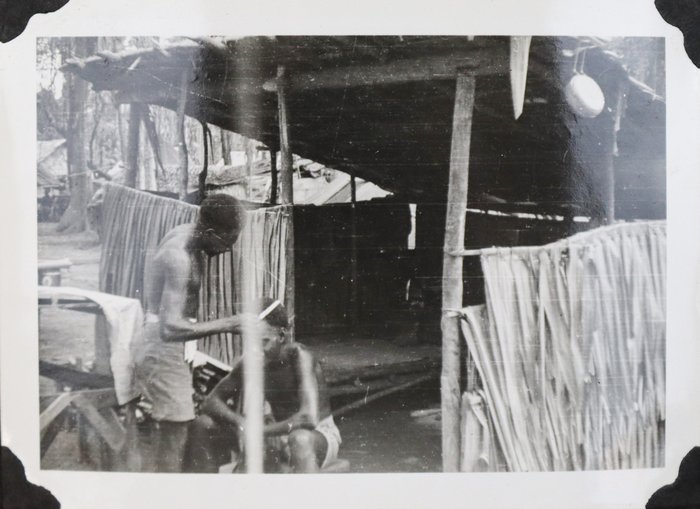
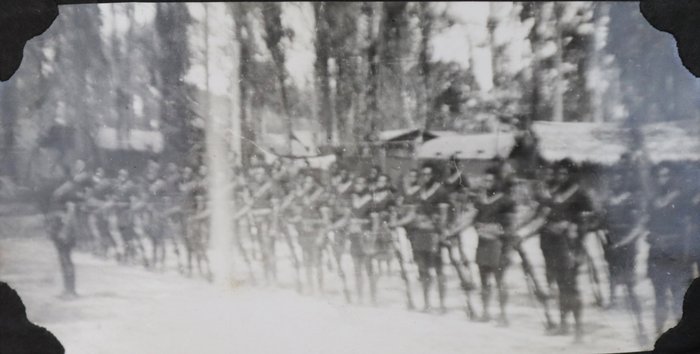
The rest of the photographs mostly show the compiler and his companions (including one identified as David E. Cantrell, with the stamp “passed by the naval censor” on the verso of the photo) at camp drinking, shaving, writing letters, reading, and taking part in field exercises with rifles. Other scenes depict visits to nearby villages, locals smoking, and soldiers holding Japanese Rising Sun flags. There’s also an interesting photograph of the American actress Patty Thomas (ca. 1922-2014) tap dancing for American troops during her and Bob Hope’s South Pacific military tour in 1943-1944.
Overall, historically important extensive collection of original gelatin silver photographs, taken and collected during the Bougainville Campaign of World War II.