
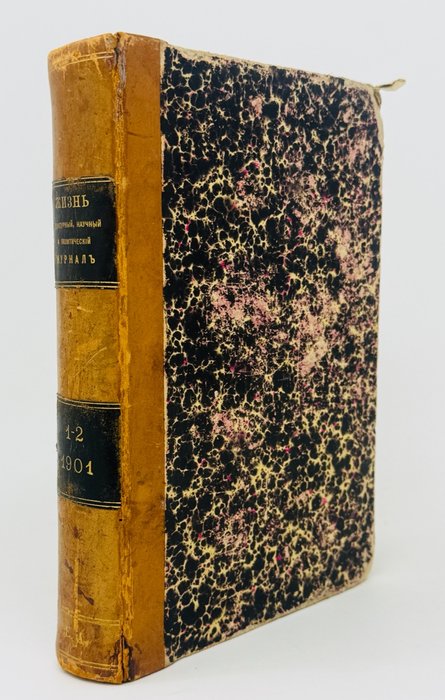
#N4-052
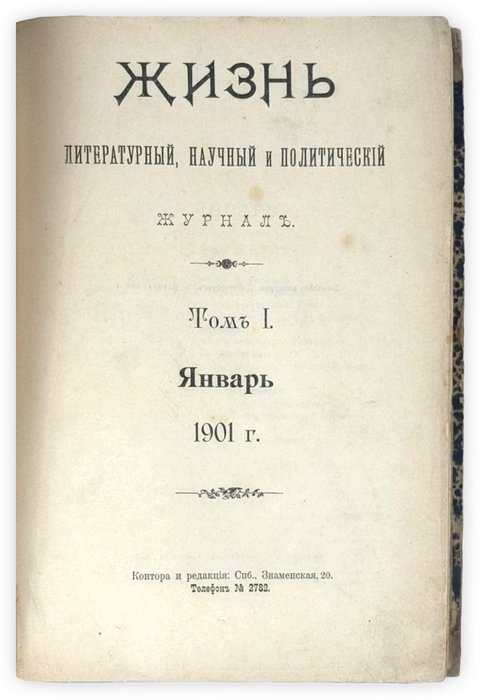
1901
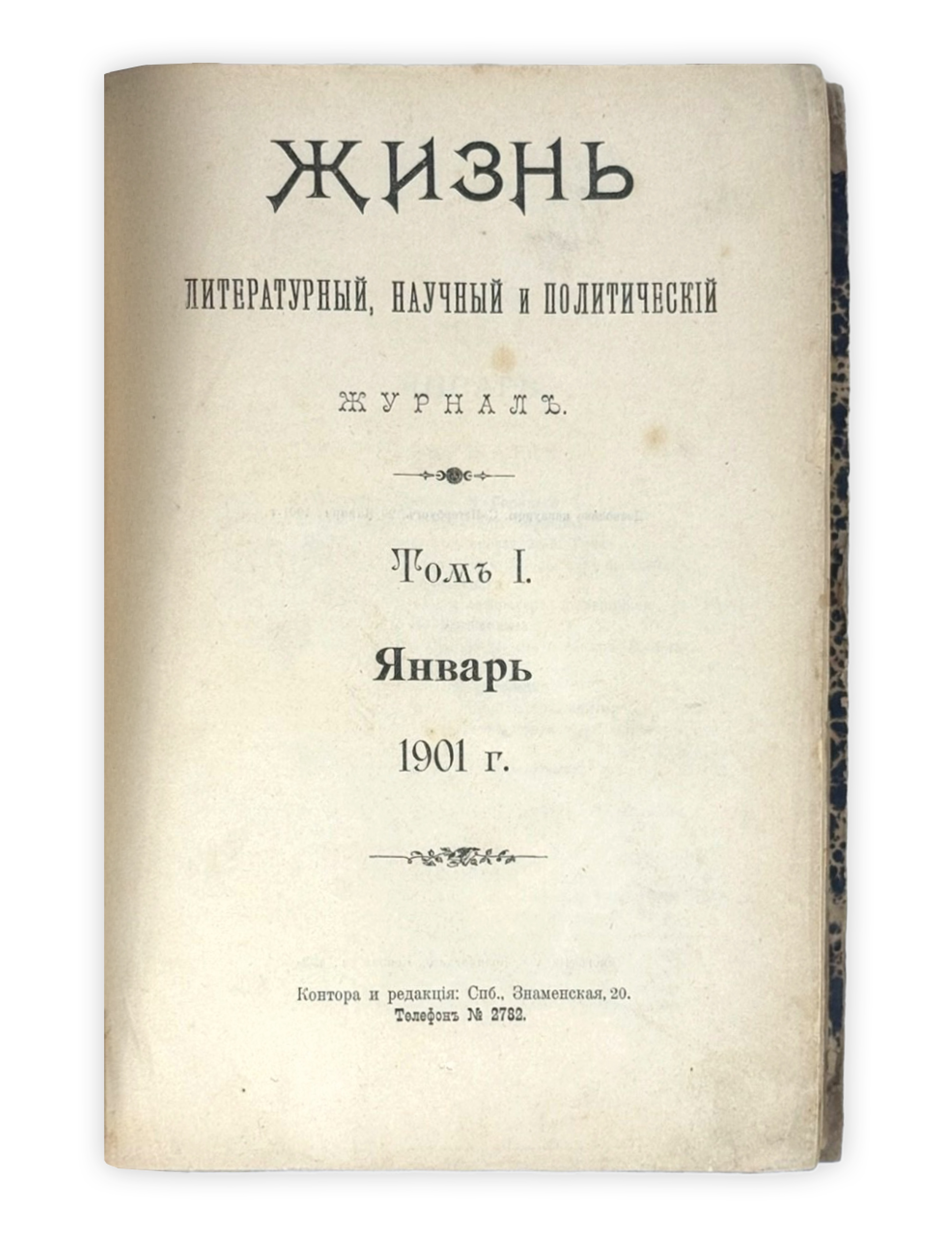
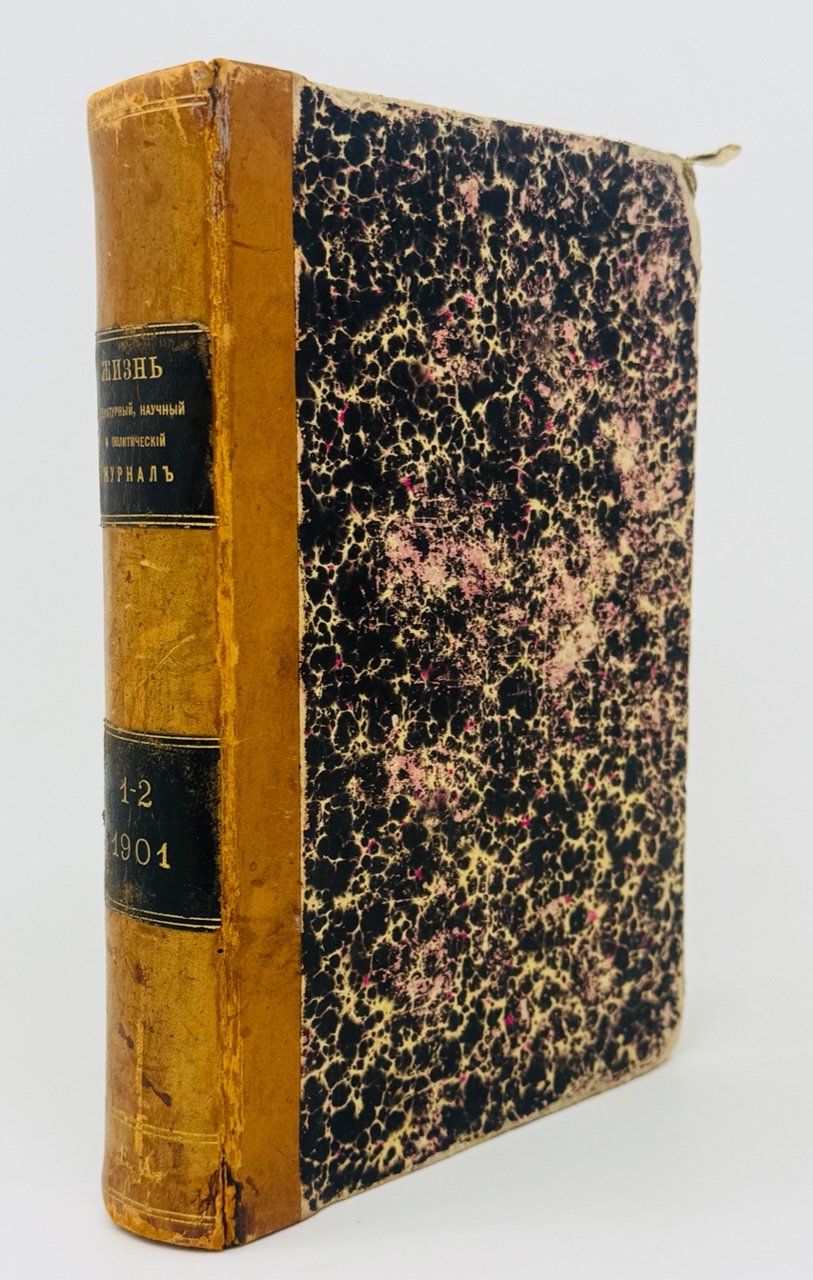
p. 271. 24x17 cm. Original period quarter-leather binding. Corners of the binding are bumped, minor tears of the spine. Otherwise in very good condition.
One of the early Russian texts on New Zealand, with the majority of the known publications started in 1910s and 1920s. Prior to 1900s there were only two editions of the translation of the book by Christman, Fr.; Oberländer, Richard in the 1870s, as well as a translation of the overview book by Leroy-Beaulieu, Pierre Paul (1843-1916), which also included chapters on Australia and South Africa and occasional articles on the islands.
David Vladimirovich Soskis (also known in English as David Soskice; pseudonyms: D. Saturin, D. Albionov, D. Ford; 27 March 1866, Berdichev – 28 June 1941, Surrey) was a Russian Jewish revolutionary, publicist, and journalist whose career unfolded across Russia and Western Europe. Although born in Berdichev, he was raised in Odesa and became involved in revolutionary politics at an early age. Owing to his political activities, he was compelled to emigrate in the late 1890s, first to Switzerland and subsequently to England.Soskis contributed extensively, under various pseudonyms, to the newspapers Stolichnaia pochta and Tovarishch, as well as to the journals Nachalo and Zhiznʹ. He was initially affiliated with the Agrarian-Socialist League and later joined the Socialist-Revolutionary Party. In exile, he collaborated with the Free Russian Press Fund and, in 1905, served as editor of Free Russia, the journal of the Society of Friends of Russian Freedom, temporarily assuming the position from Felix Volkhovsky.Following the events of “Bloody Sunday” in January 1905, the dissident priest Georgii Gapon fled to England and for a period found refuge in Soskis’s residence in the Hammersmith district of London. During this time, Soskis, in collaboration with George Herbert Perris, prepared Gapon’s autobiography, The Story of My Life, based on Gapon’s oral testimony and published under Gapon’s name.
In the summer of 1917 Soskis returned to Russia, where he served as personal secretary to Alexander Kerensky and worked as a correspondent for The Manchester Guardian. He was present in the Winter Palace during the October Revolution, after which he again left Russia and settled permanently abroad.Between 1921 and 1922, Soskis was active in the London Committee for Aid to the Starving in Russia. He acquired British citizenship in 1924 and remained in England until his death in 1941.
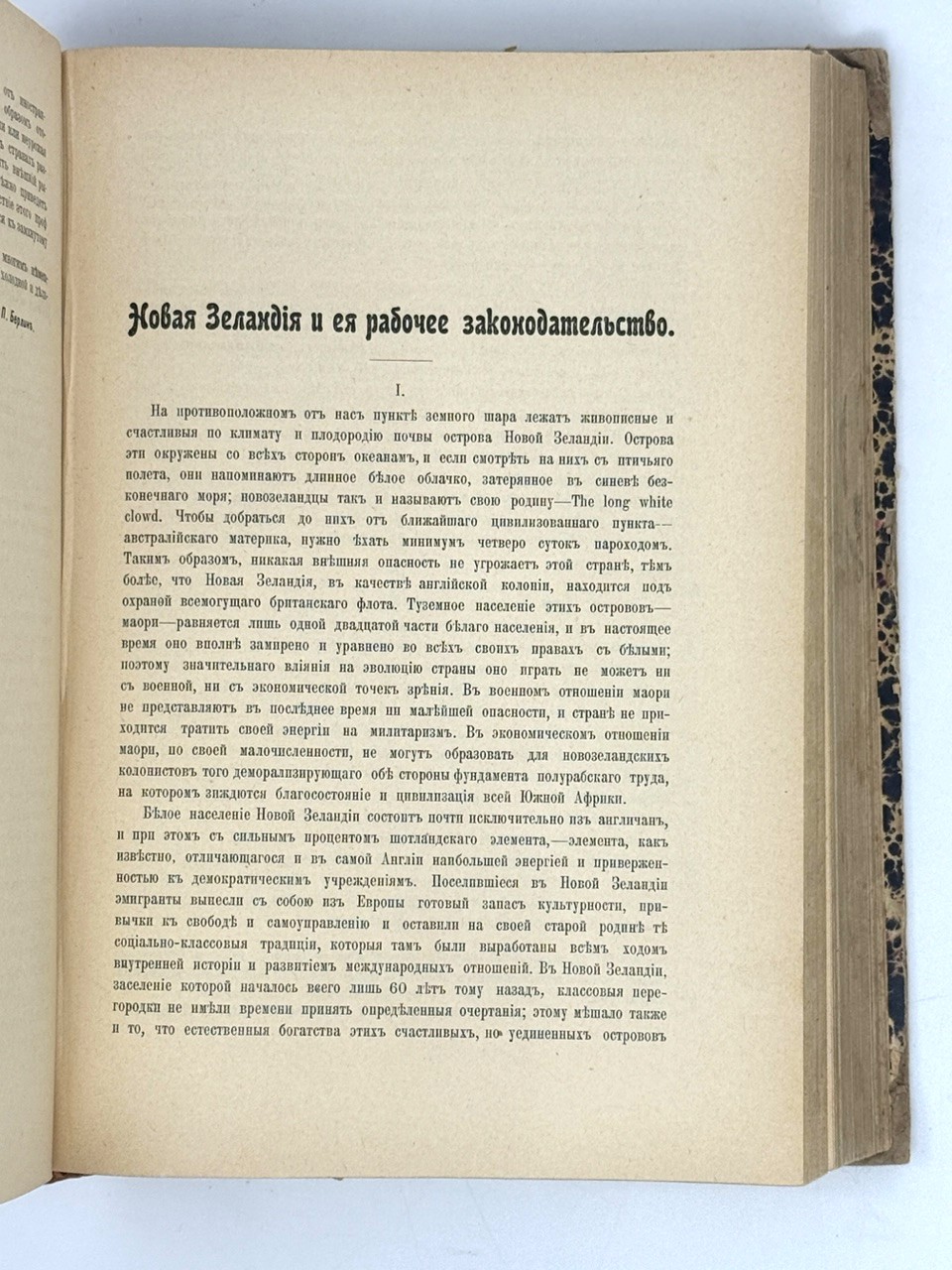
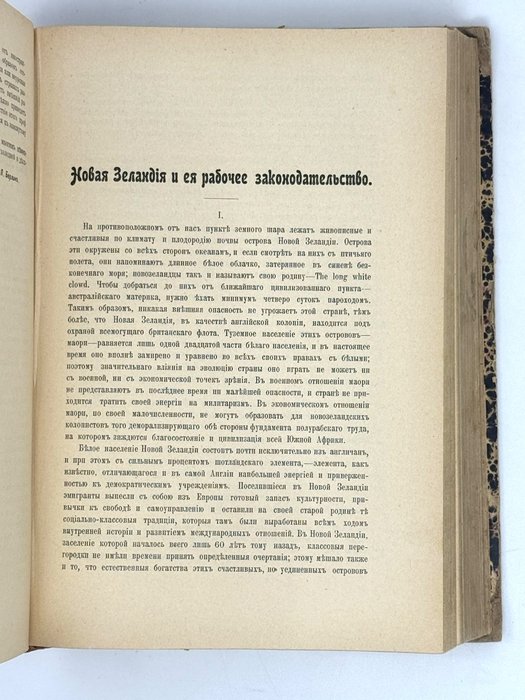
In this article, Soskis offers a broad analytical survey of New Zealand, emphasizing the manner in which Scottish immigrants, having arrived largely via England, transplanted a strong attachment to democratic principles, traditions of liberty, and practices of local self-government, while shedding the entrenched class hierarchies of the Old World. He characterizes New Zealand as a “laboratory of social experiments” and provides a critical assessment of its constitutional framework and legislative institutions, with particular attention to the formal representation of Māori within the national parliament.
To underscore the country’s social welfare, Soskis cites statistical indicators such as the lowest mortality rate among predominantly “white” countries and comparatively high levels of meat consumption, especially when contrasted with the United States and England. He further situates New Zealand’s demographic profile within a broader Australasian context through state-by-state comparisons with Australian population figures.
The central purpose of the article, however, is to introduce Russian readers to Soskis’s detailed examination of New Zealand’s labor legislation, which he had studied closely. He expresses strong approval of this legal framework, outlining the mechanisms by which labor laws are enforced in local courts and analyzing the significant role played by trade unions in their formulation and implementation.
Overall an interesting early analysis of labor legislation in New Zealand by one of Russian progressive commentators, at the time of writing forced into the exile because of his revolutionary activity.