
#NY008
Mid-1890s
21x14 cm.
Printed matter:
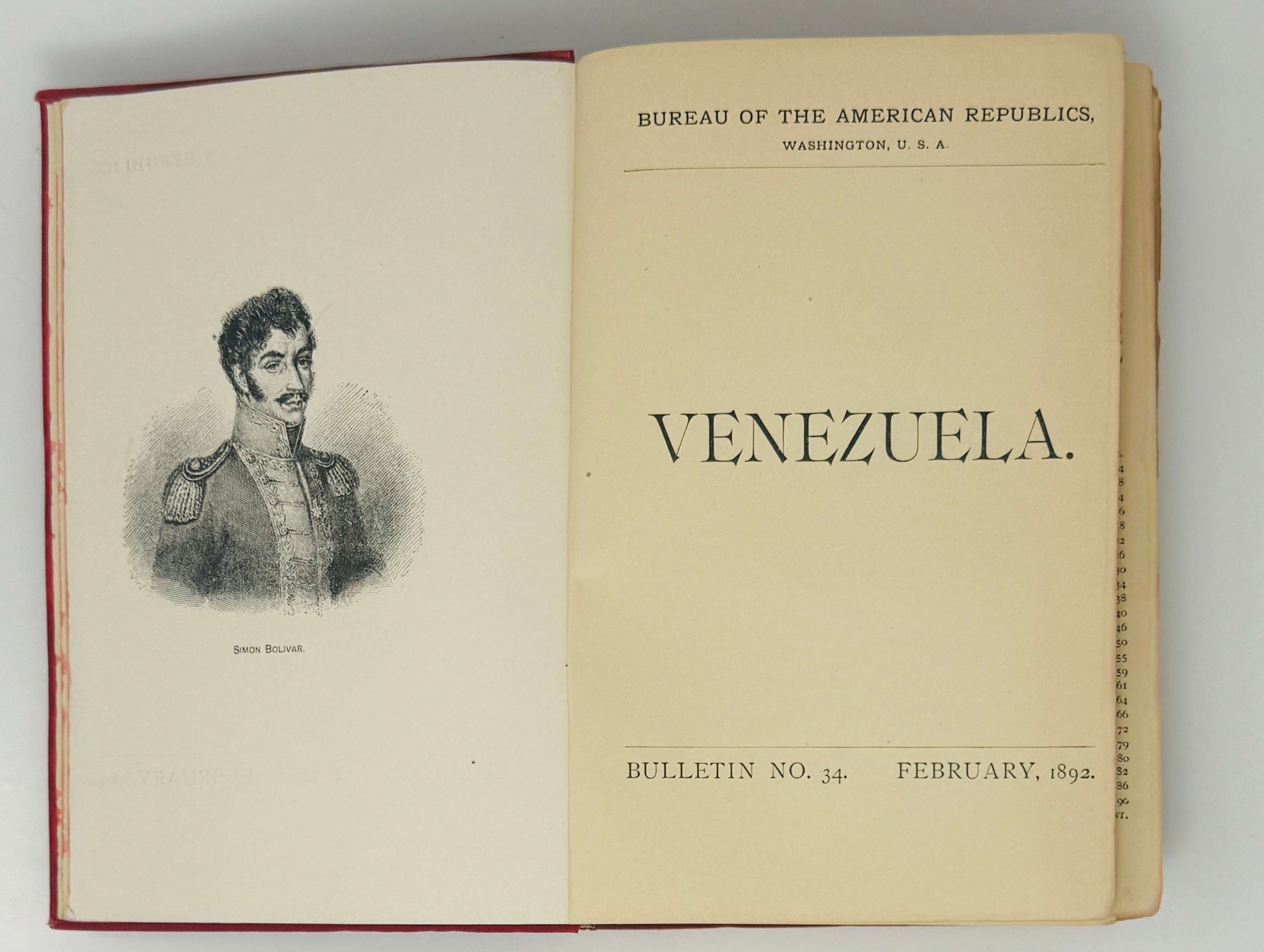
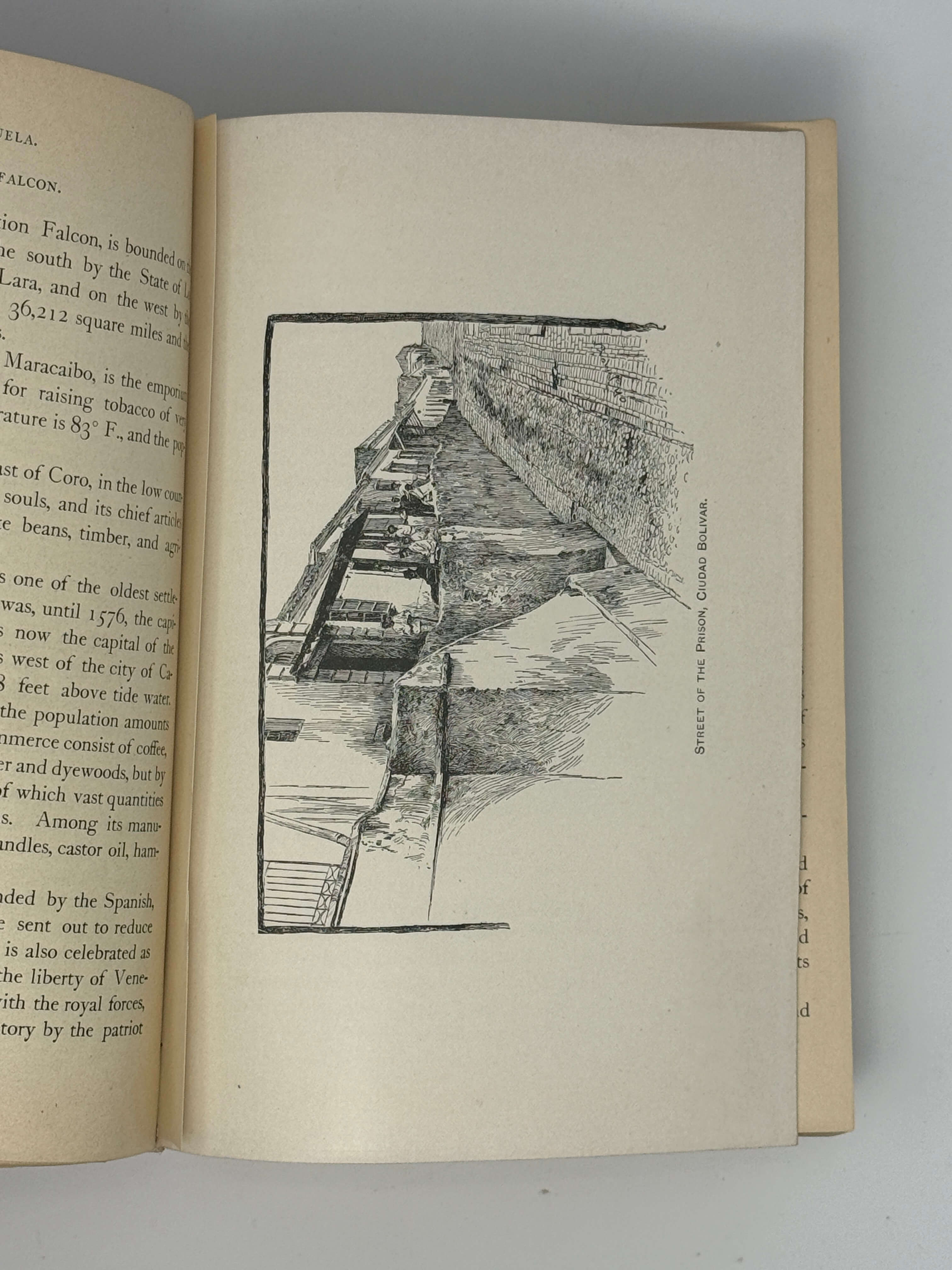
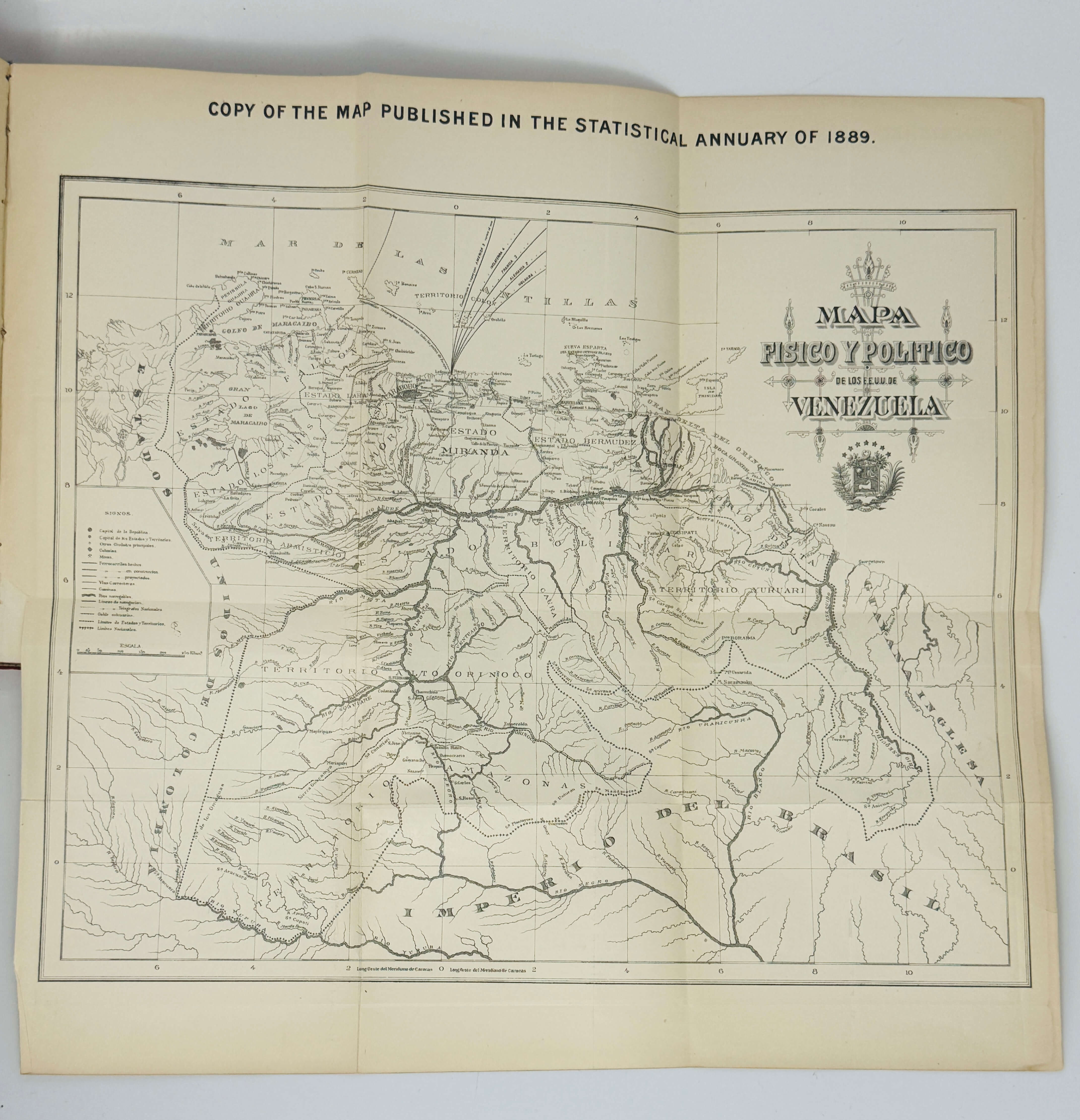
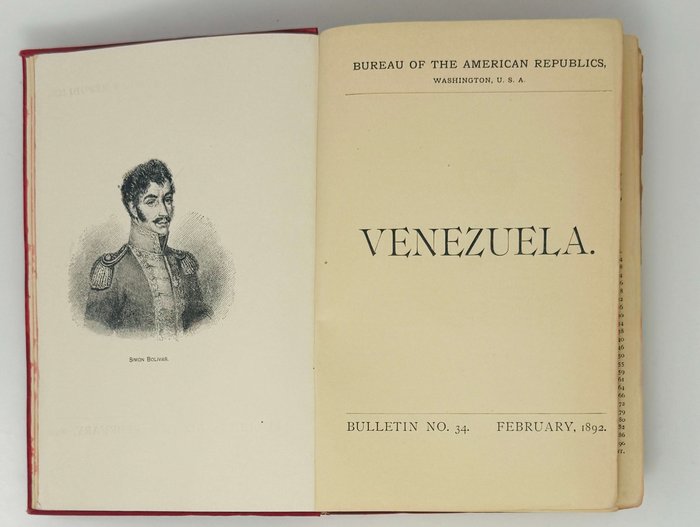
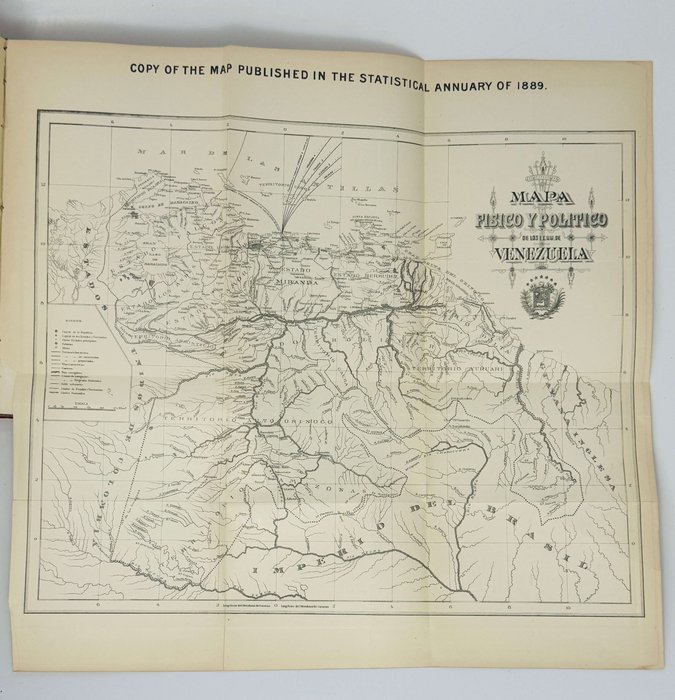
- Venezuela. Bureau of the American Republics, Bulletin No. 34, February 1892. Washington, 1892. [8], 199 p., 25 l.of ill., 1 folding map.
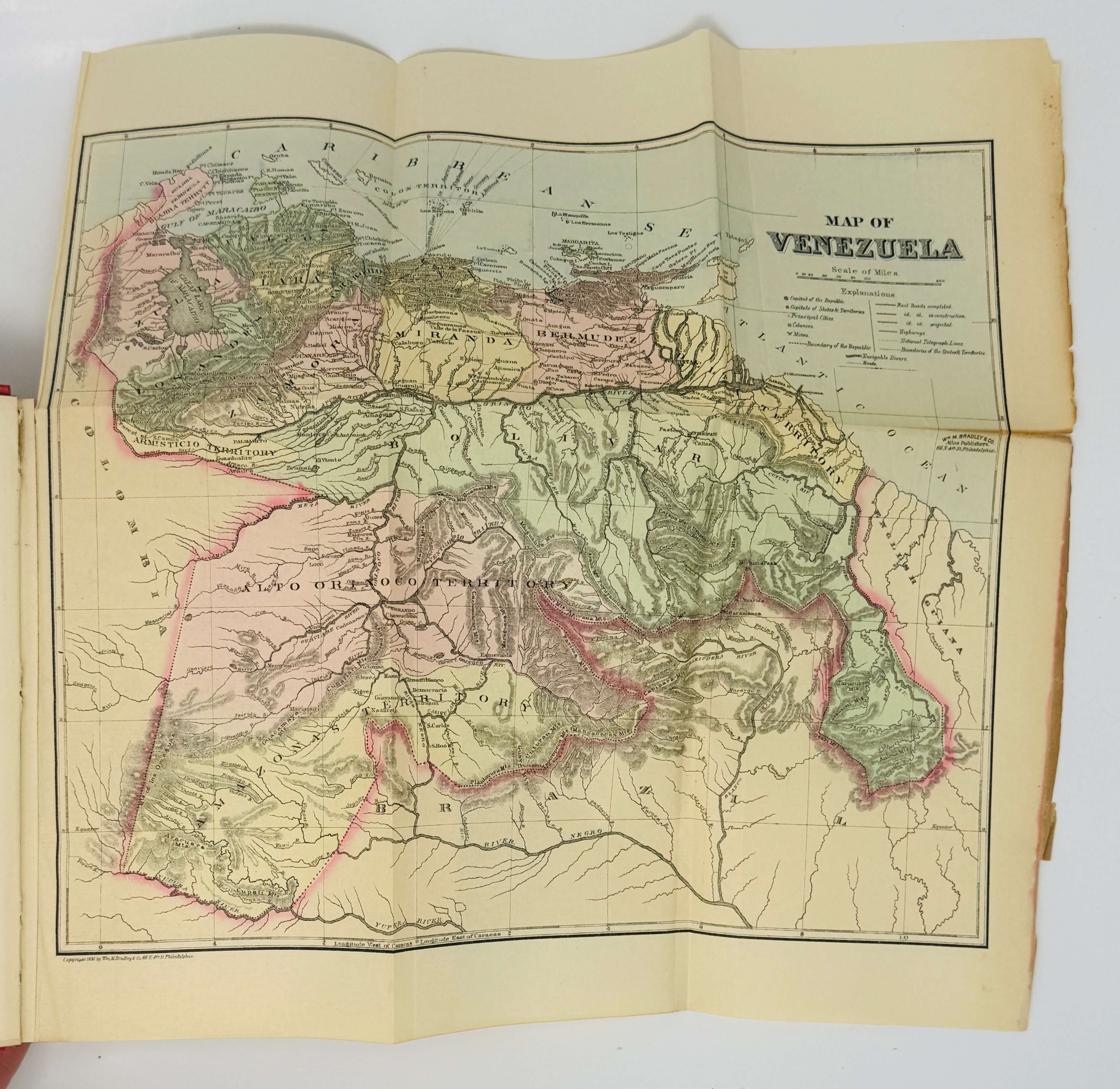
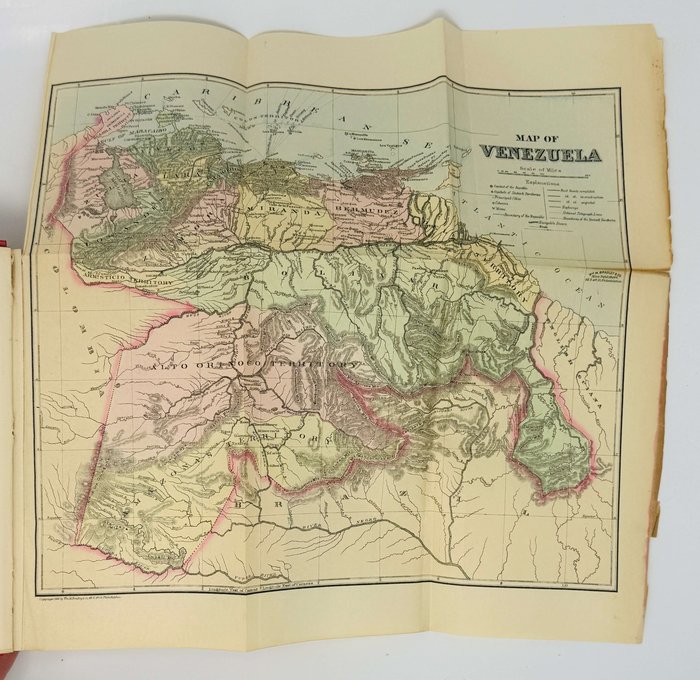
- Map of Venezuela. Philadelphia: William M.Bradley, 1891. 35x33 cm.
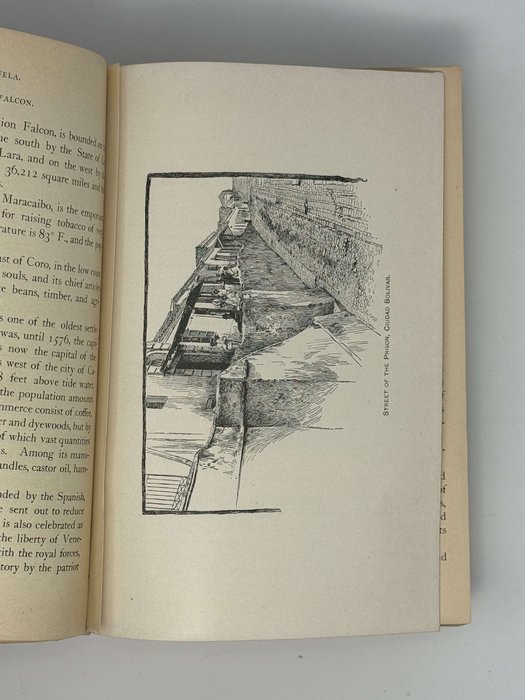
- The United States of Venezuela in 1893. World's Columbian Exposition at Chicago New York: Published by the order of Government of Venezuela, 1893. 149 p., 7 l.ill.
- Los Estados Unidos de Venezuela en 1893. Exposicion Universal Colombina de Chicago Nueva York: Gobierno de Venezuela, 1893. 158 p.
- Newspaper clipping Earthquake in Venezuela from ‘New York Tribune’, 28th of April, 1894, inscribed by Frank C. Partridge.
Manuscripts:
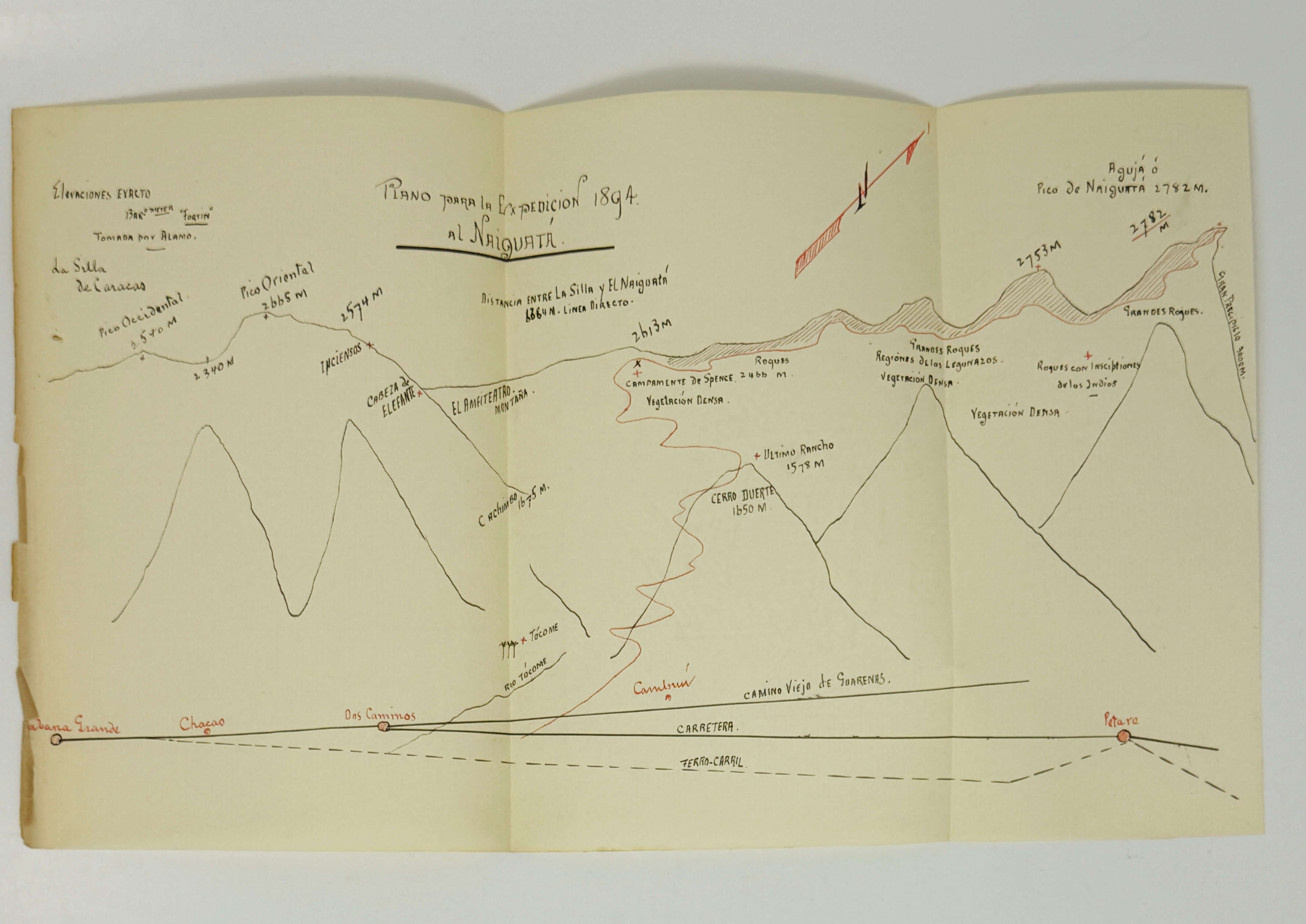
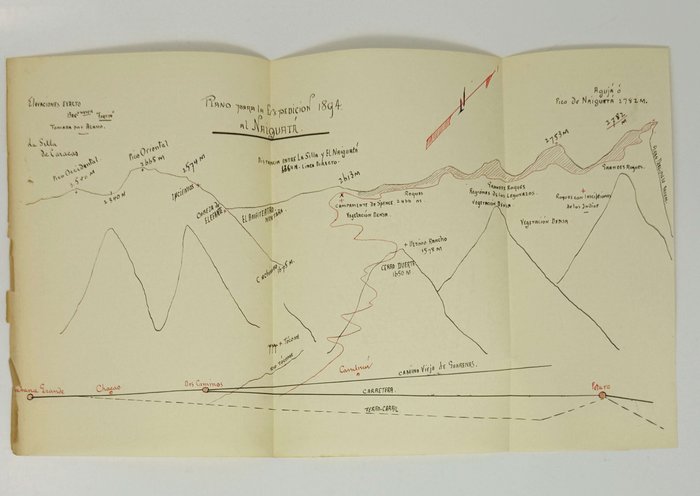
- Plano para la Expedition 1894 al Niaguatá. Contemporary manuscript map in two colors, showing the acsent to Pico de Naiguatá twenty-two years after the first ascent. Presumably done in Frank C. Partridge’s hand. [1] p. 33x19 cm.
- Manuscript on Cardo Santo, signed R.M.B., dated ’11.93’. [1] p.
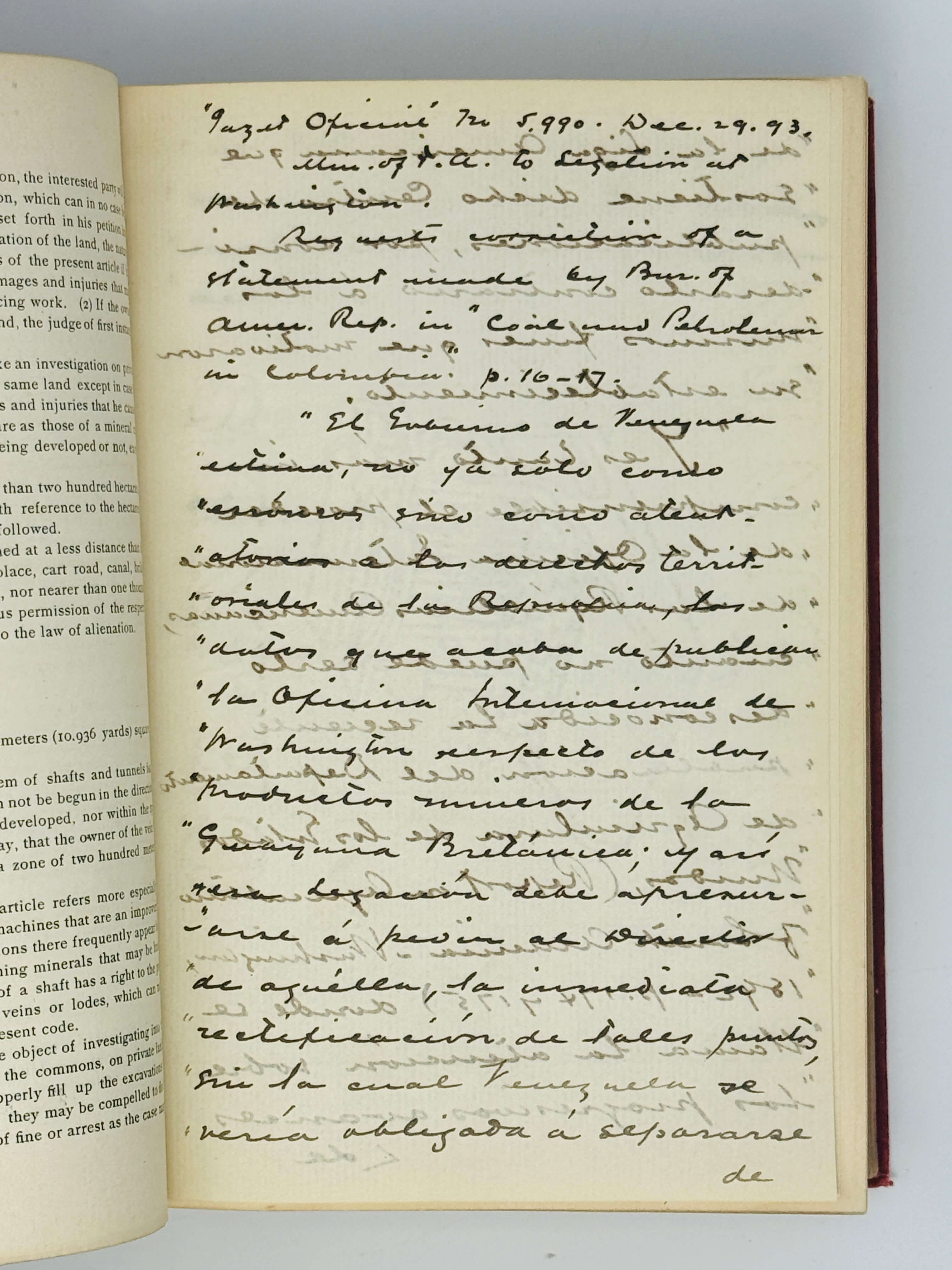
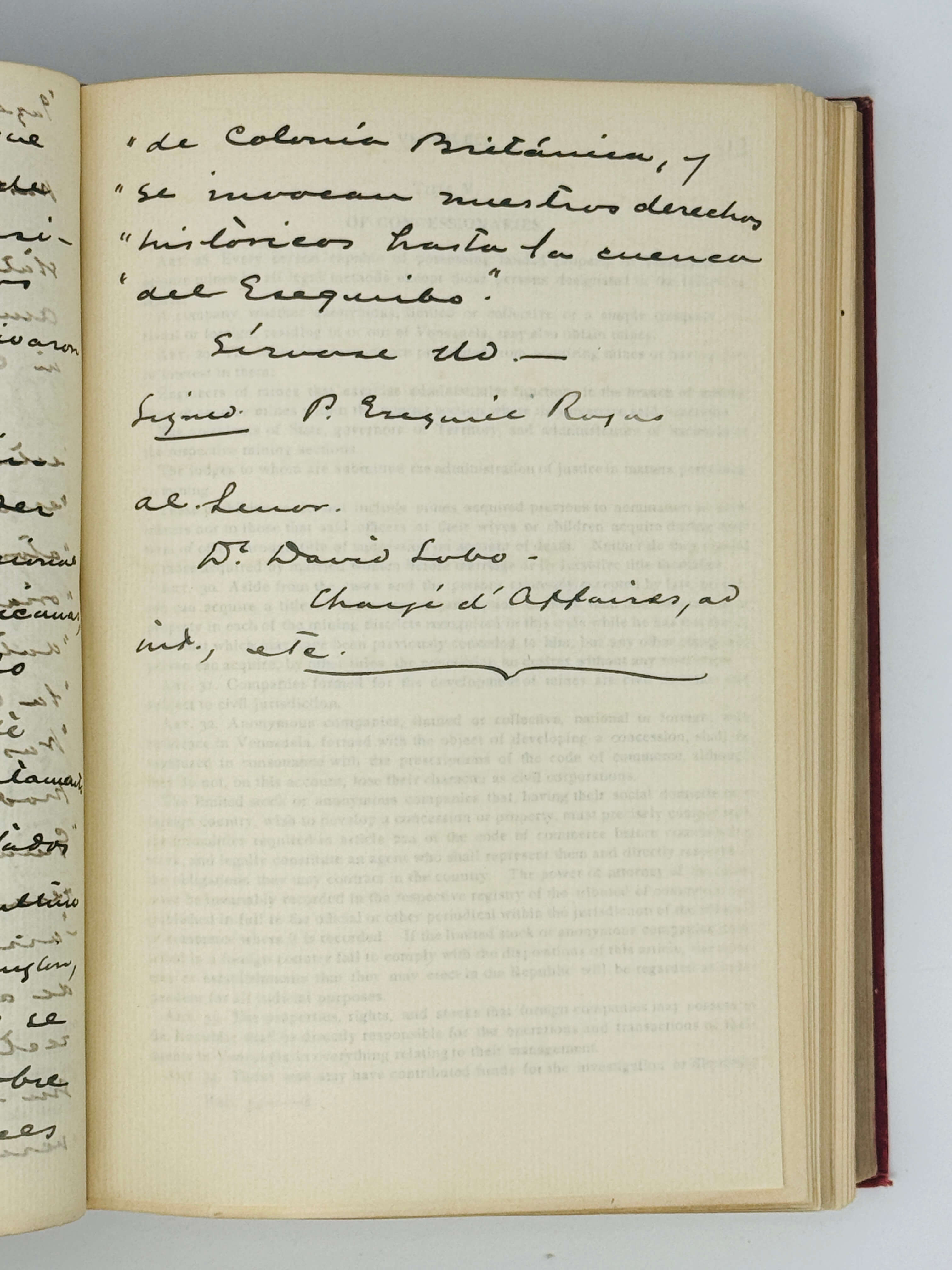
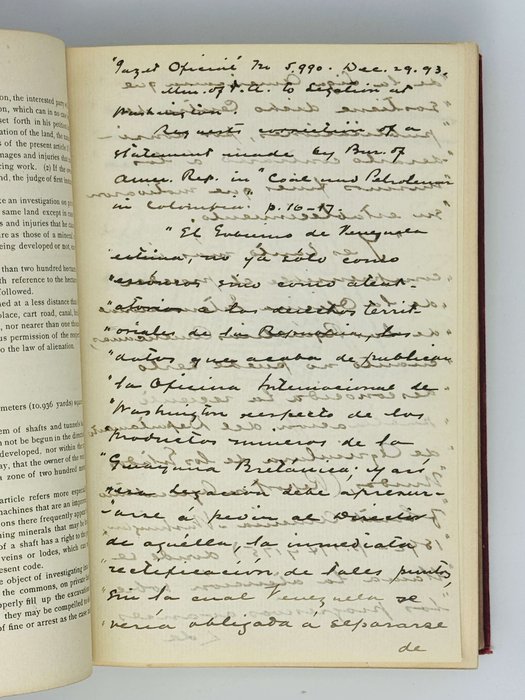
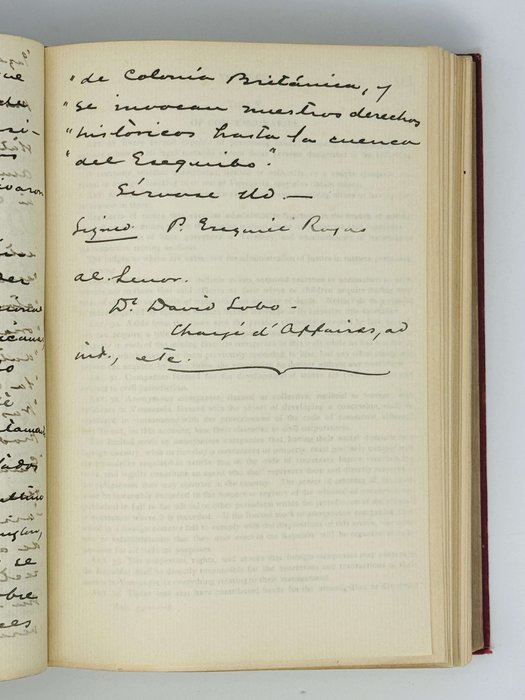
- Copy of the letter by Pedro Ezequiel Rojas, minister of Foreign Affairs in Venezuela (served two terms) in Bartleman’s hand. In the letter Rojas argues for US protection over British land claims. [3] p.
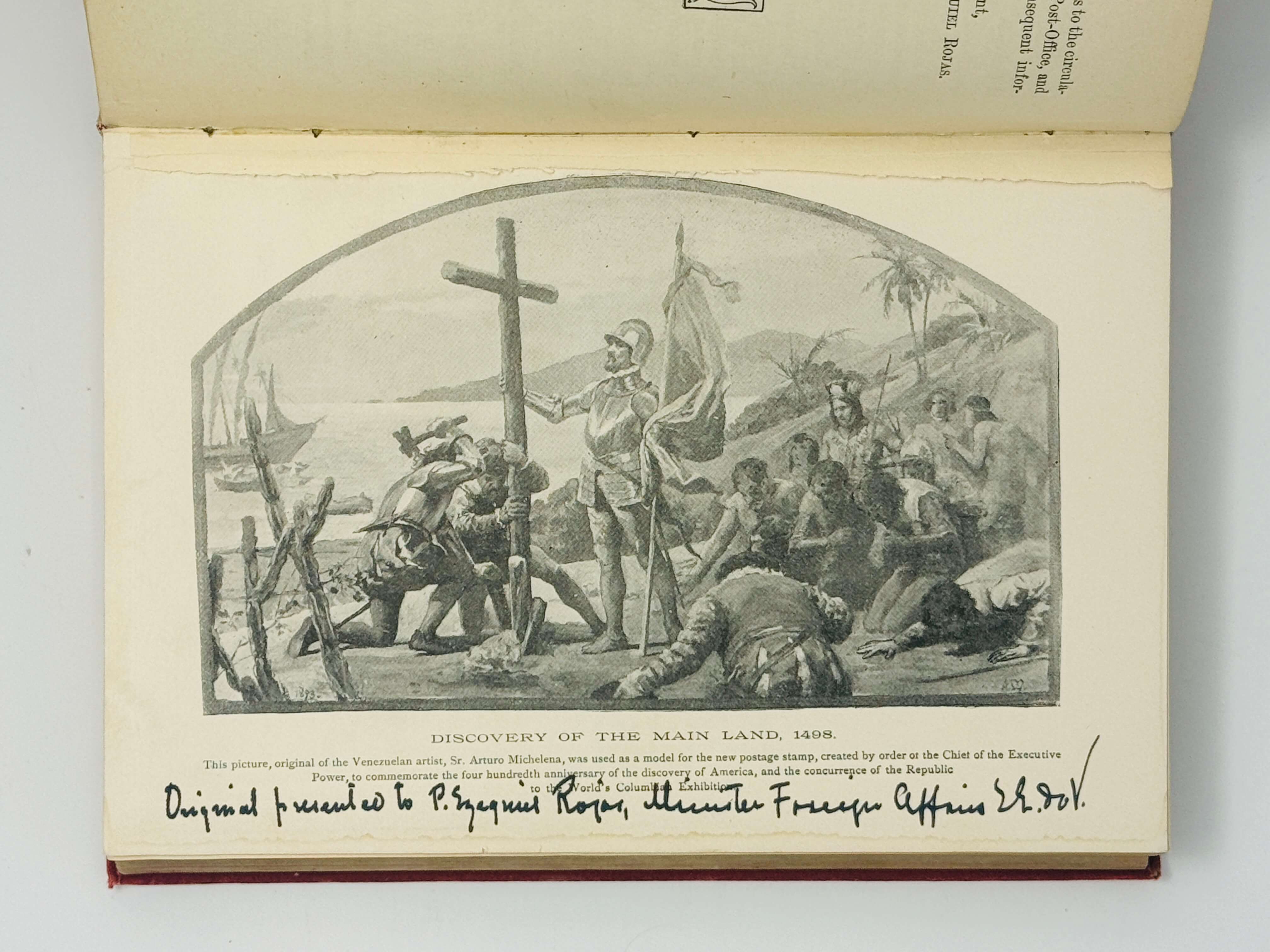
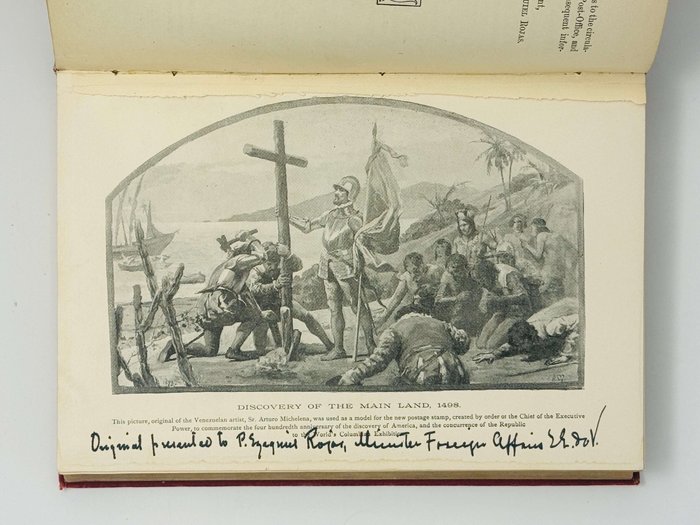
- Printed reproduction of the Arturo Michelena artwork ‘Discovery of the main land’ from World’s Columbian Exposition, inscribed by Partridge at the bottom ‘Original presented to Pedro Ezequiel Rojas, minister of Foreign Affairs EU de V.’ [1] p.
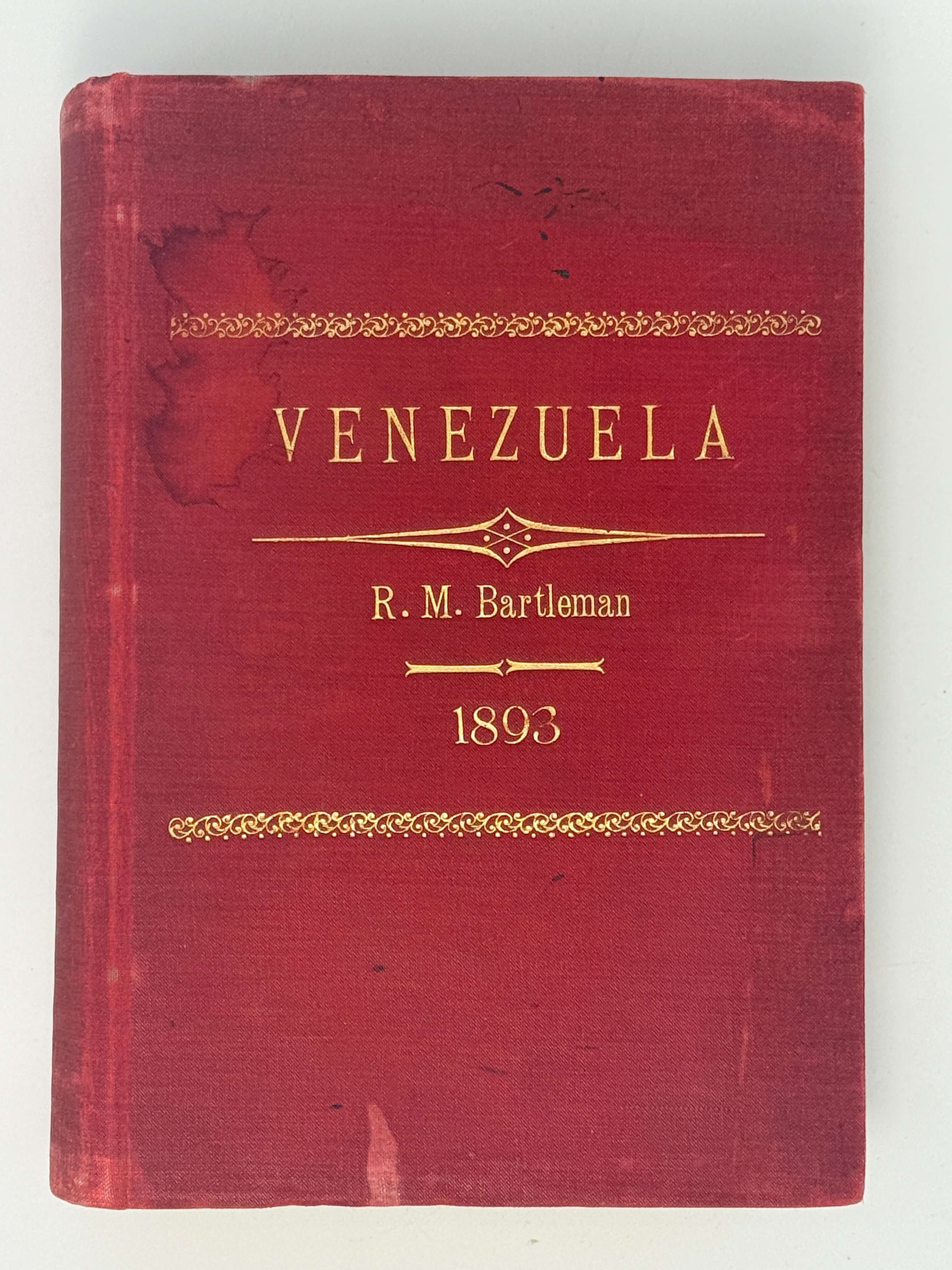
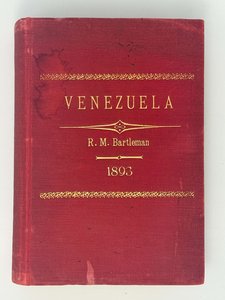
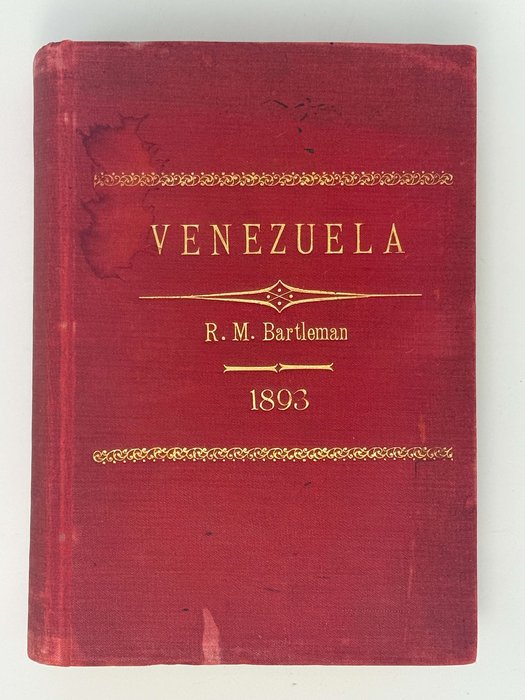
In contemporary custom-made red cloth binding, titled ‘Venezuela’ in gilt on the front cover; the date ‘1893’ and the owner’s name ‘R. M. Bartleman’ also gilt on the front cover. Binding slightly rubbed; a pale stain to the front cover. The printed map with small tears at the edges. Blank unused pages bound throughout; otherwise in very good condition.
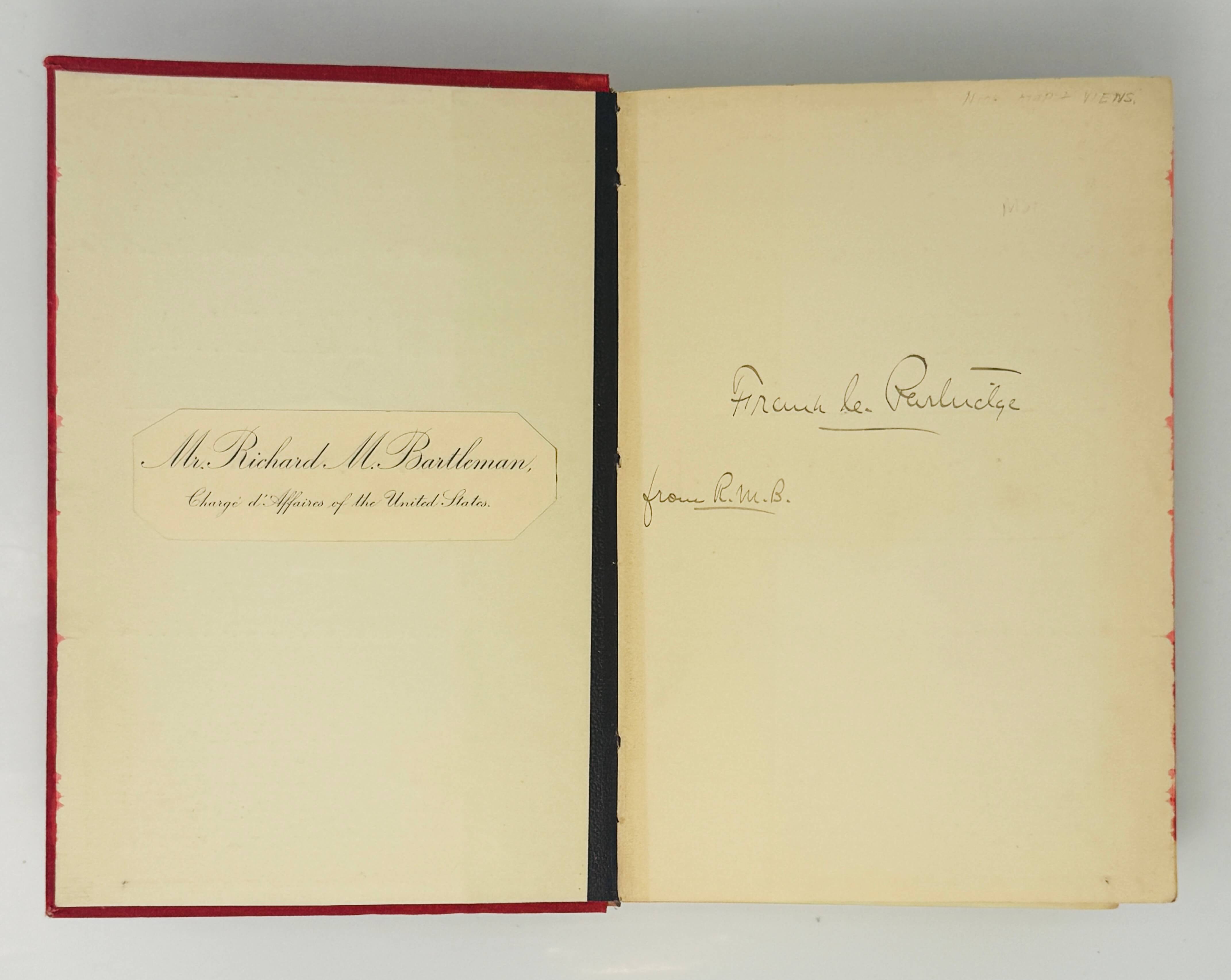
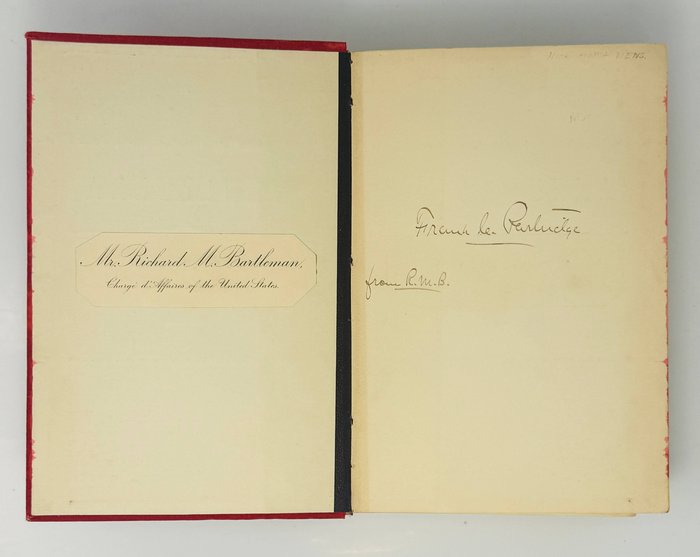
Richard M. Bartleman’s printed bookplate on the first endpaper. Frank C. Partridge’s name inscribed next to it, indicating that it was received from ‘R.M.B.’
Richard M. Bartleman (b. ca. 1863) was a civil engineer and member of the United States Legation in Caracas during the 1890s, first as Secretary of the Legation and then as Charge d'Affaires. During this mission, he made photographs and collected specimens which he donated to the Smithsonian. In 1895, Bartleman left Caracas to become the United States Consul in Antigua, and later moved to Spain and Argentina.
In his role as a civil engineer Bartleman documented the city of Caracas for U.S. official purposes.
Frank C. Partridge served as the United States Envoy Extraordinary and Minister Plenipotentiary to Venezuela, stationed at the Legation in Caracas in 1893 and 1894. During his tenure, he reported extensively to Secretary of State Walter Q. Gresham on Venezuelan political changes, custom house regulations, and maritime commercial operations. Photographs he took in Caracas and Venezuela in 1890s are also held at Smithsonian.
A small archive, collected in a single volume, gives us an interesting insight into the U.S.-Venezuelan relationship of 1890s: compiled by two US diplomats from the Caracas mission, it concerns, among other things, the figure of Pedro Ezequiel Rojas, who held the minister of Foreign Affairs post from 1892 to 1898. His primary focus during this period was the conflict between Venezuela and Great Britain regarding the Essequibo region. He was very active in promoting the Venezuelan position in the US, an effort that influenced the famous message sent by U.S. President Grover Cleveland to British Prime Minister Robert Salisbury in July 1895, probably with the help of the mission in Caracas at the time. He was forced into exile in the late 1890s and died in USA.
During the 1890s, the United States Legation in Caracas was a crucial diplomatic outpost managing tense relations, particularly regarding the 1895–1899 Venezuela boundary dispute with Great Britain. The incident invoked one of the first uses of Monroe Doctrine in the region.