
#NY007
Ca. 1880s
Four loose original albumen photos, all ca. 19,5x24 cm (7 ½ x 9 ½ in). Each photo is mounted on the original card ca. 22x27 cm (8 ½ x 10 ½ in). Mounts slightly age-toned and waved, one photo is mildly faded, but overall a very good collection of early large rare photos.
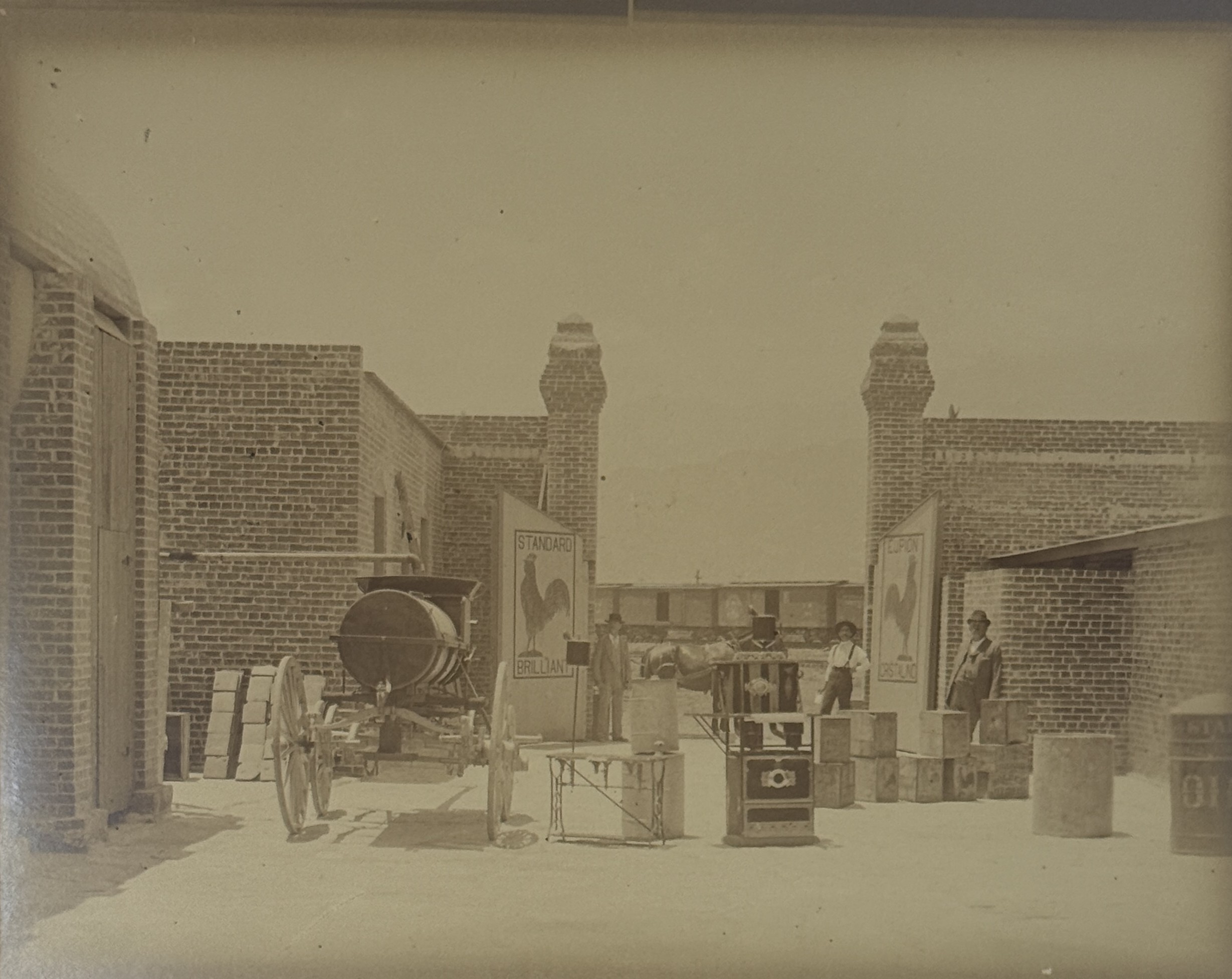
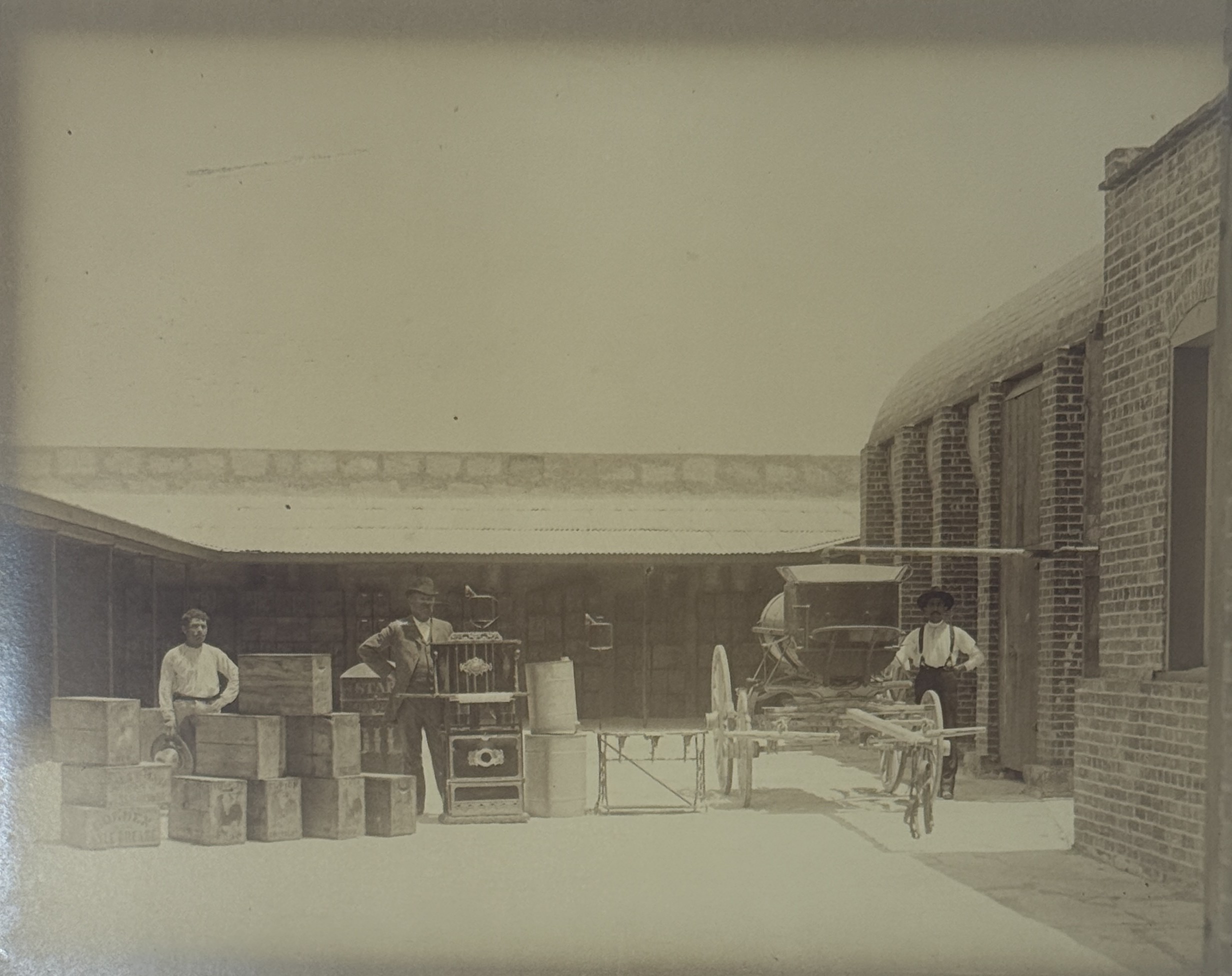
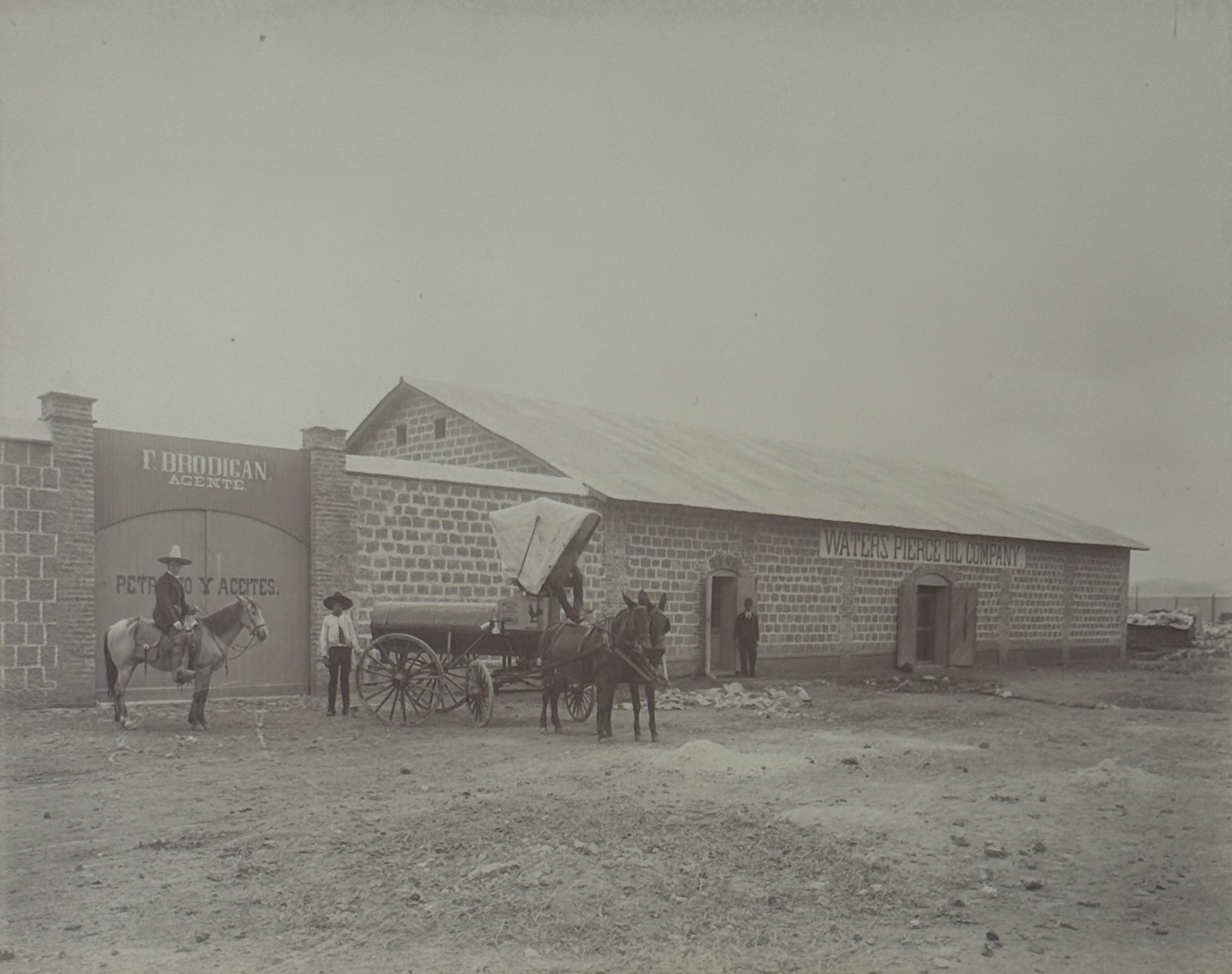
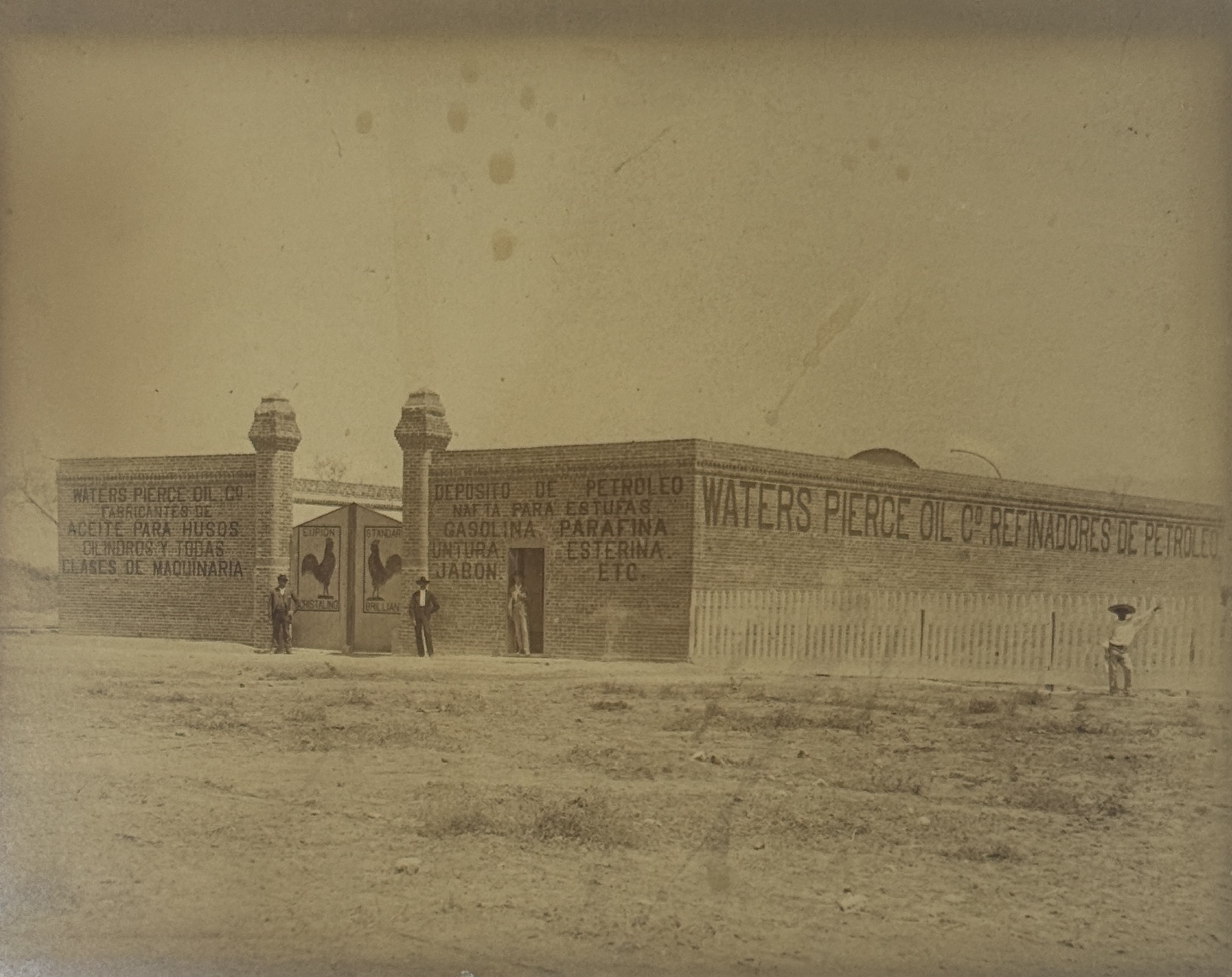
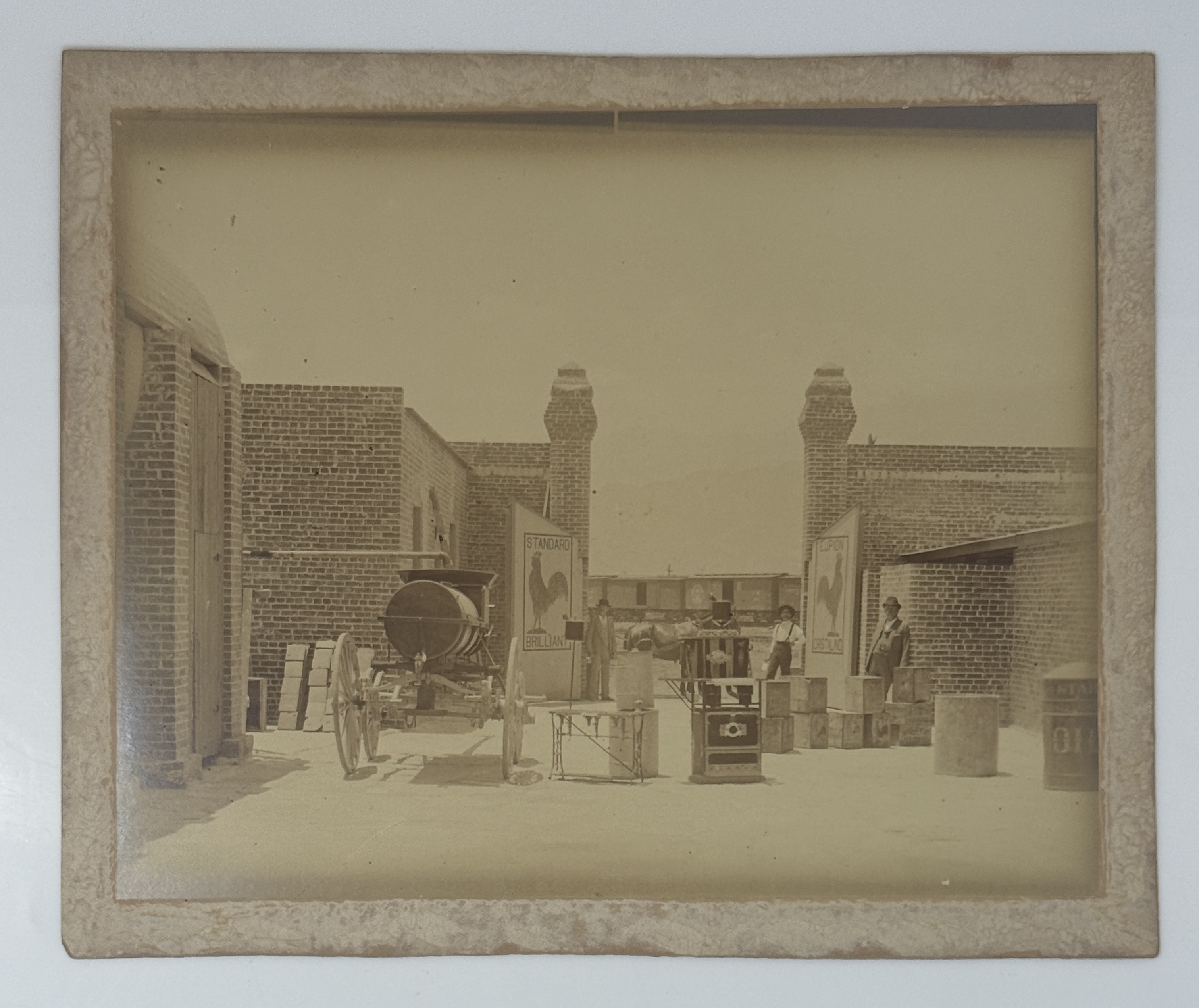
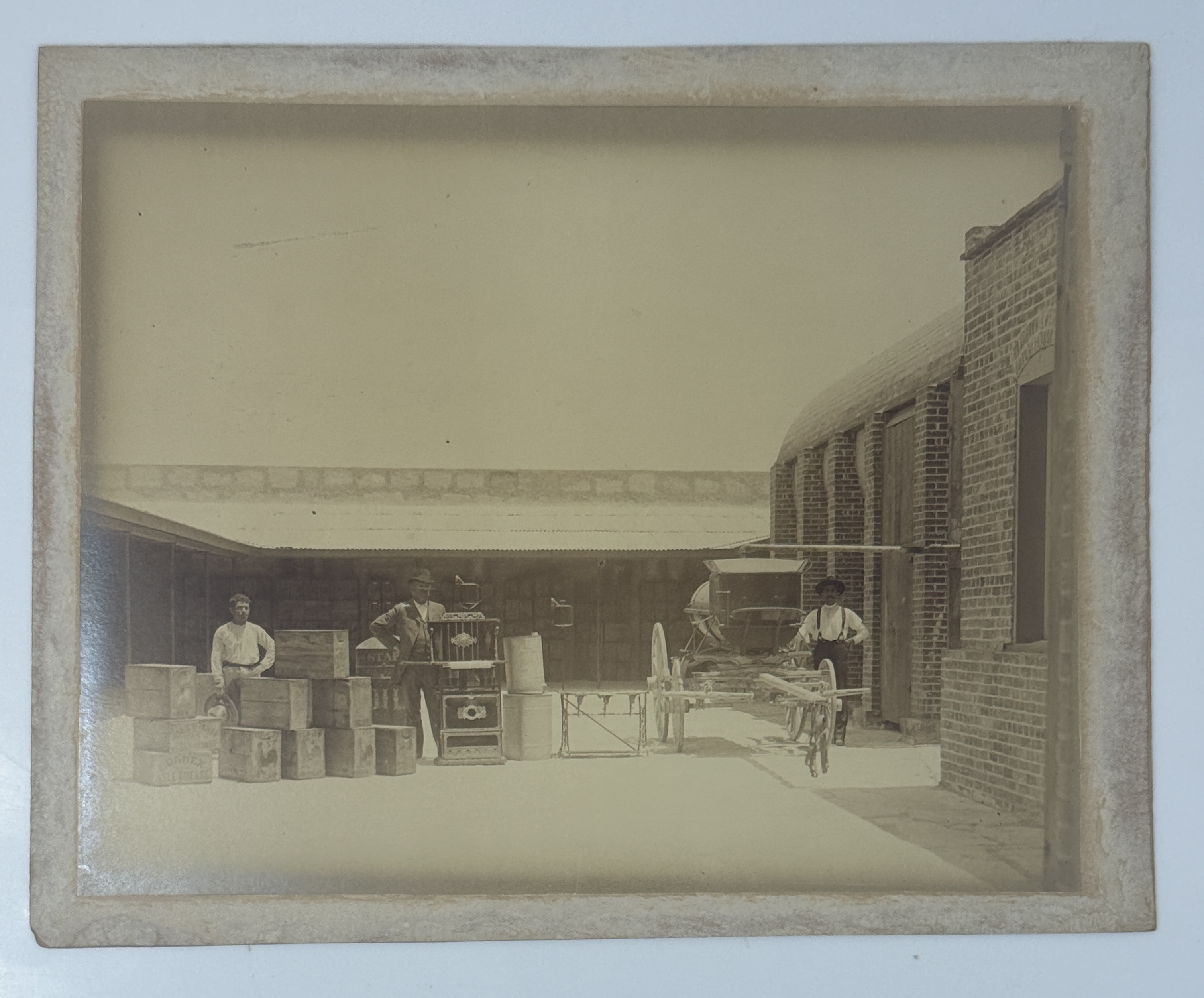
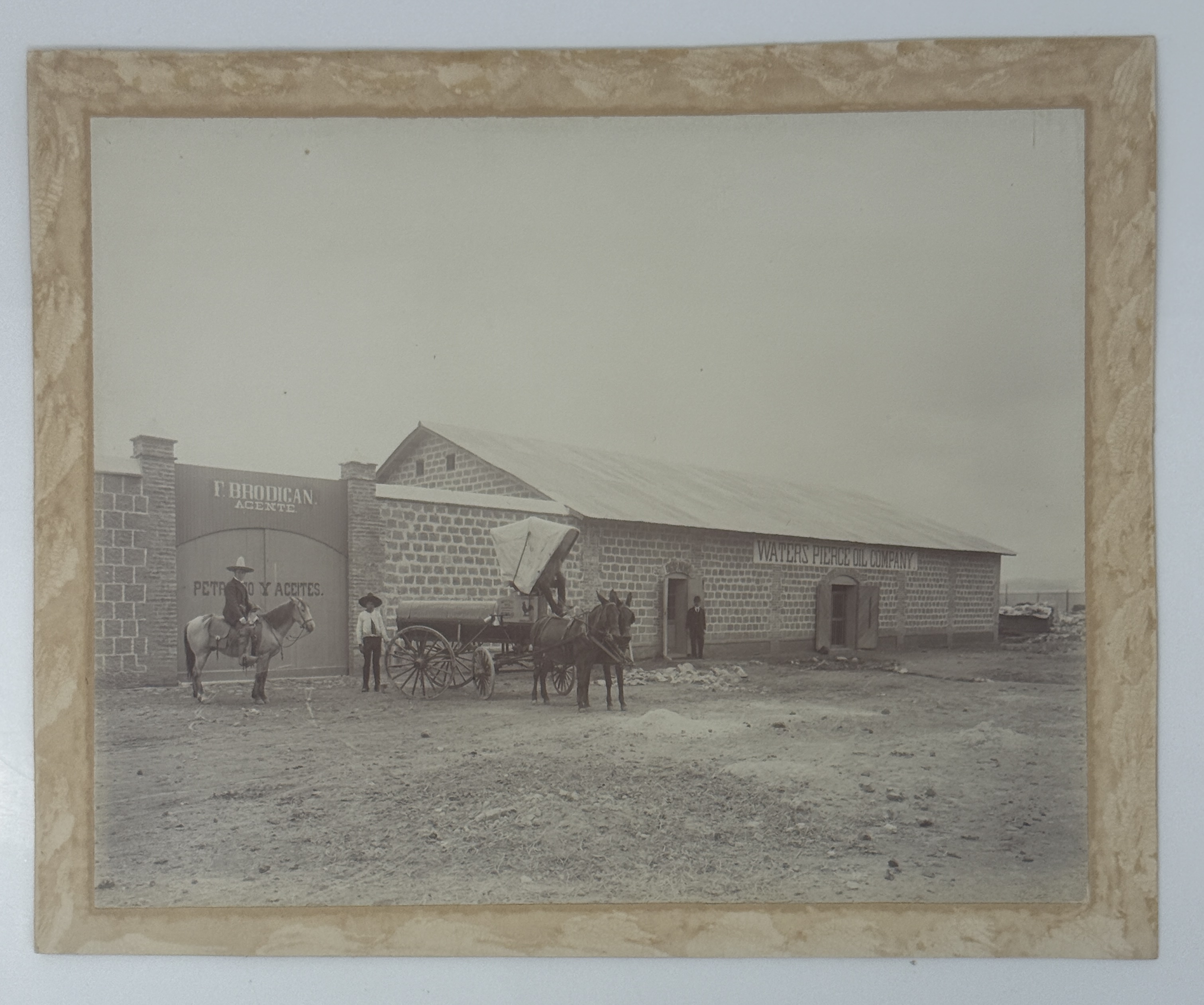
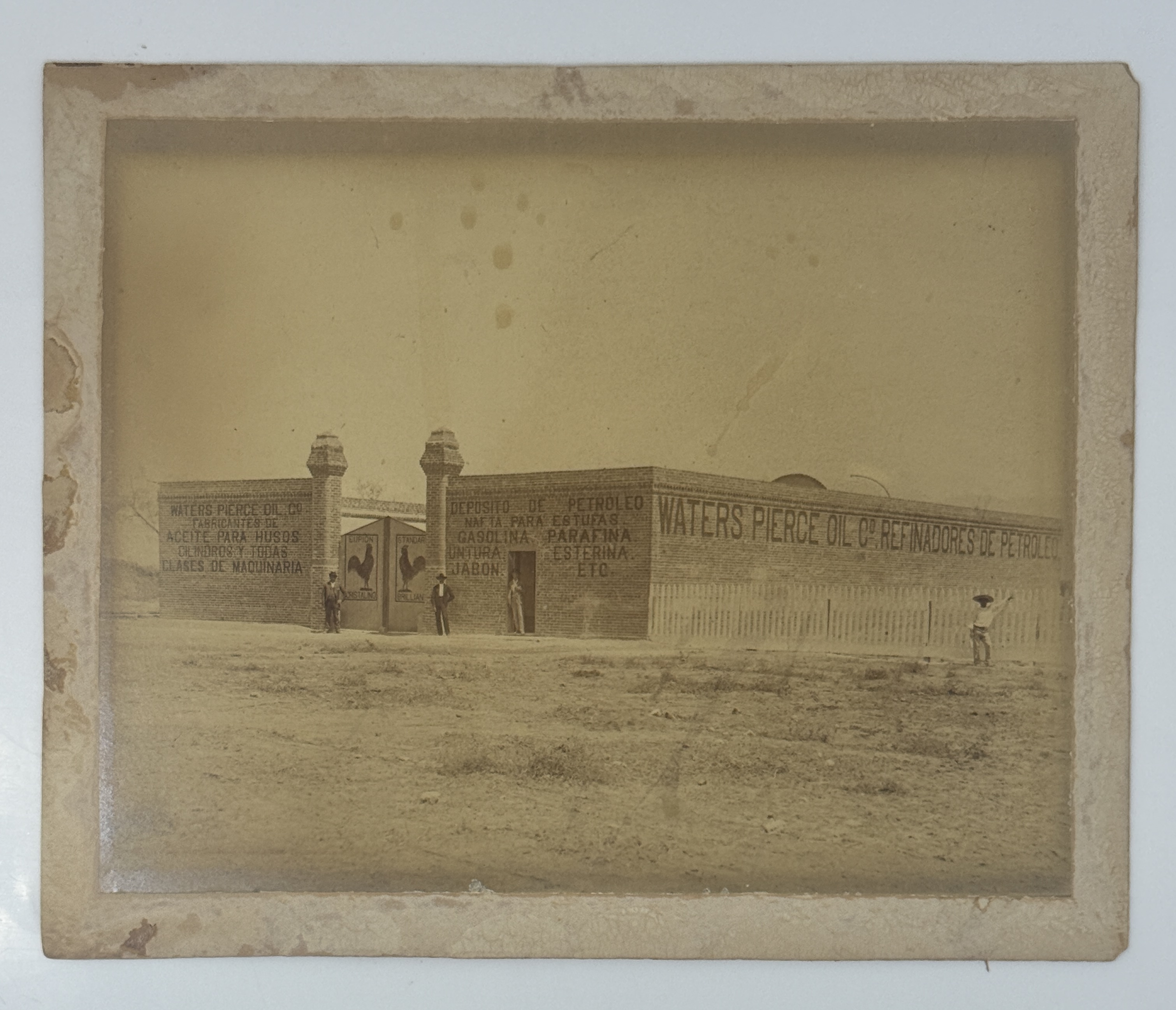
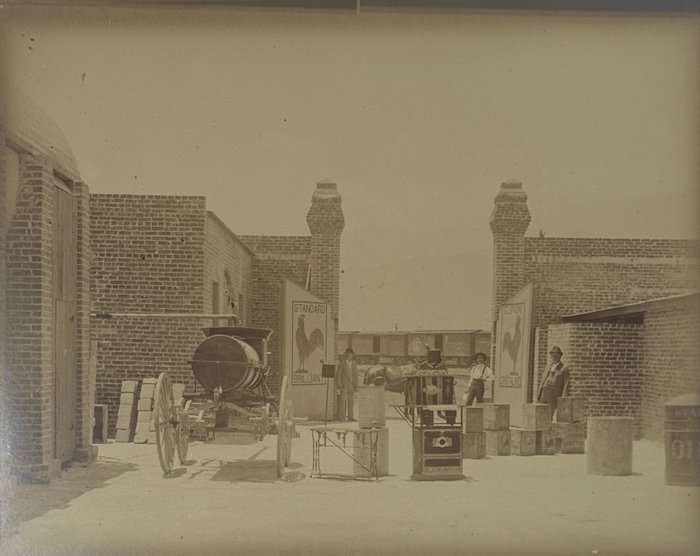
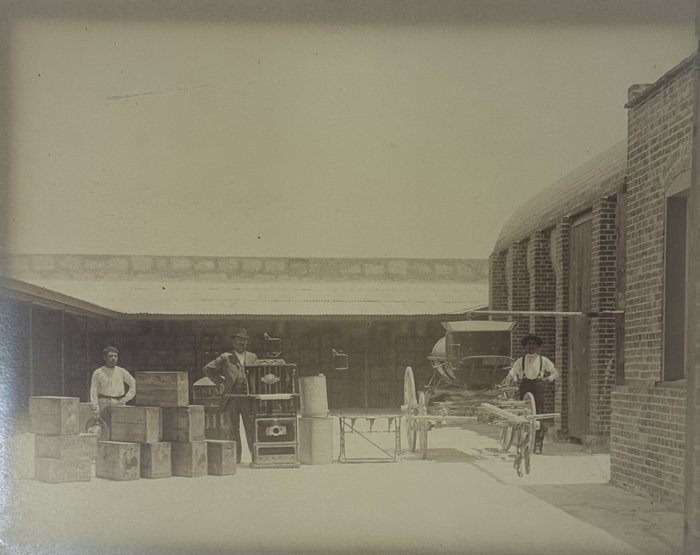
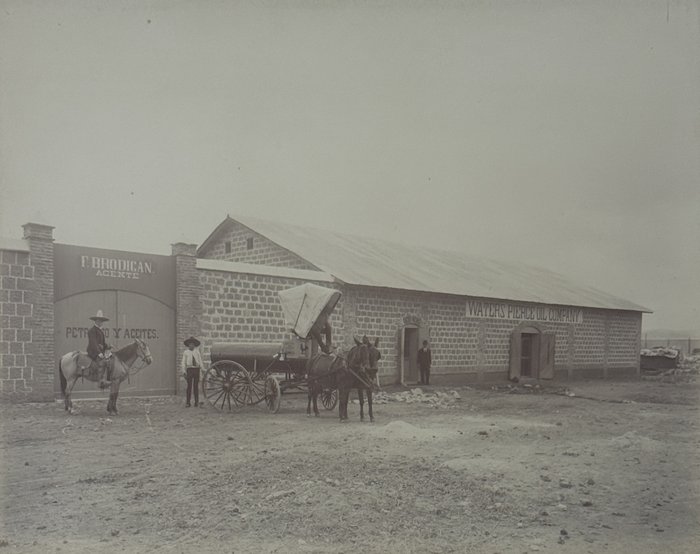
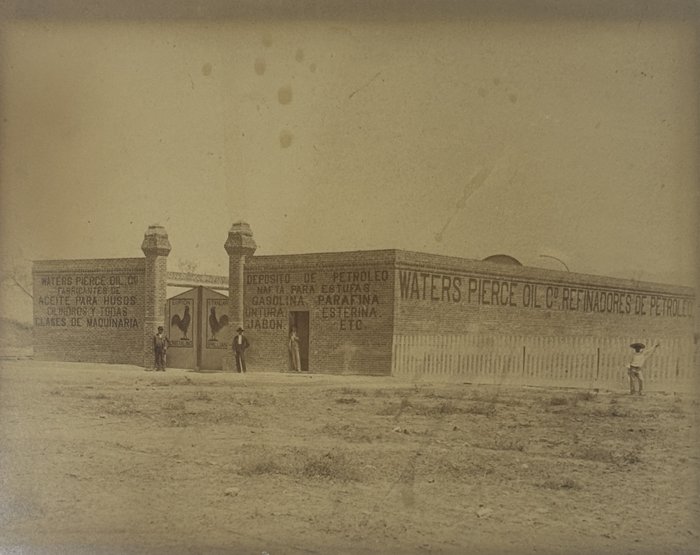
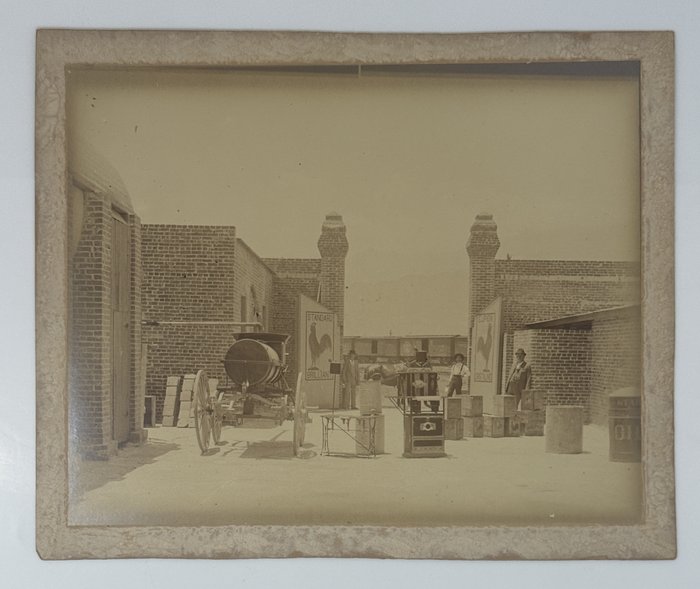
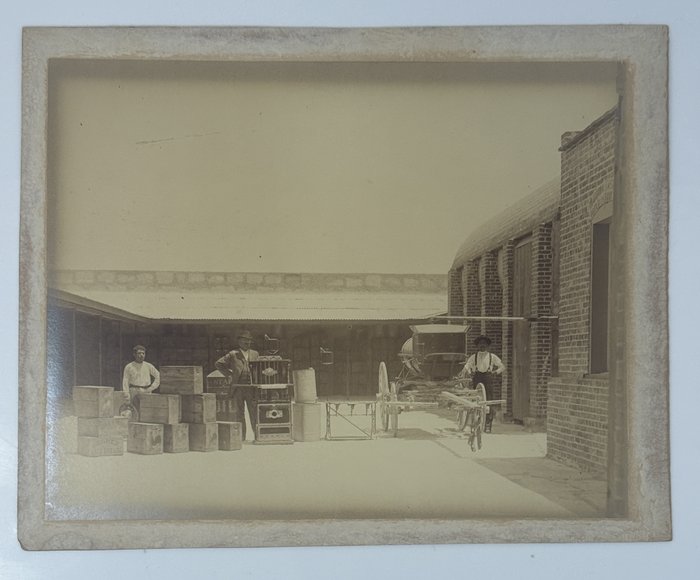
Historically significant collection of early large rare original albumen photos of the early petroleum facility in Mexico, likely being the photos of Veracruz oil refinery - the first Mexico refinery to be operated by Waters-Pierce since early 1880s.
The Waters-Pierce Oil Company, originally incorporated in 1878 (and reorganized in 1900), developed out of petroleum distribution activities in Texas during the 1870s, where it operated as a major marketer of refined oil products—particularly kerosene—drawing on supply networks tied to the Standard Oil system and serving rapidly growing urban and railroad markets across the state. Building on this Gulf-oriented trade, and leveraging shipping routes through ports such as Galveston and Indianola, the company expanded naturally into Mexico during the 1880s where only oil industry just started to take shape at the time, was not developed to the scale of its counterparts across the border until 1900s. Waters-Pierce Mexican operations were centered in Veracruz (the principal port of entry), Tampico in Tamaulipas, and the nearby Árbol Grande / Pánuco River refining district, while maintaining a corporate presence in Mexico City and distribution links to inland markets such as Monterrey and other northern and central regions, forming an integrated Gulf-to-interior network of storage, refining, and sales. This distribution-based system, closely aligned with Standard Oil’s broader organization, also underpinned its dominance in Texas markets and ultimately led to conflict with state authorities. In the major antitrust proceedings brought by the State of Texas, culminating in the 1907 judgment (affirmed by the U.S. Supreme Court in 1909), Waters-Pierce was found to have participated in a long-standing combination with the Standard Oil Company of New Jersey to restrain trade, fix prices, and suppress competition within Texas (including markets supplied from Corsicana and other in-state sources); the company was accordingly subjected to penalties exceeding $1.6 million and the forfeiture of its permit to conduct intrastate business.
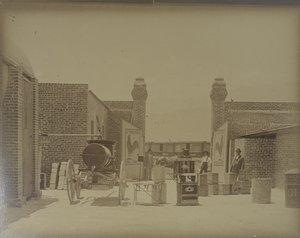
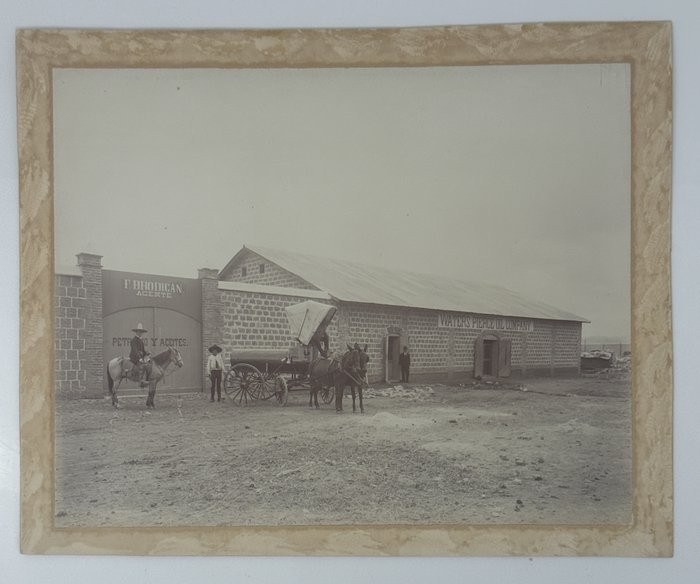
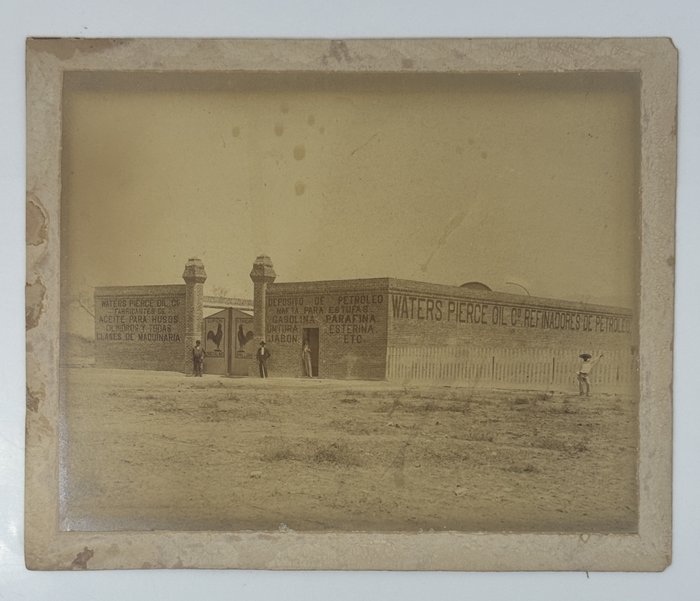
The photo of the depository from the outside shows the gate with the ‘Standard. Brilliant’ slogan on the gate and the image of the rooster, as well as the advertisement in Spanish, explaining the activity of Waters-Pierce, that is laid out of bricks on the wall of the depository. The other photo shows the depository from another side, with the name ‘F. Brogan, Agente’ written over the gate - a possible operator of this refinery. The man, dressed as an American, stands next to the door with the sign ‘Despacho’ [I.e. Office]. The image of the freight train on the background of third photo shows the train ready for loading, with the logo of a Mexican railway on one of the cars. Two railroad tracks could be seen on the same photo.
Overall a significant collection of photographs, showing the traditionally poorly documented facilities in Mexico pre-Tampico oil boom of 1901.