
#FRE43
Ca. 1939
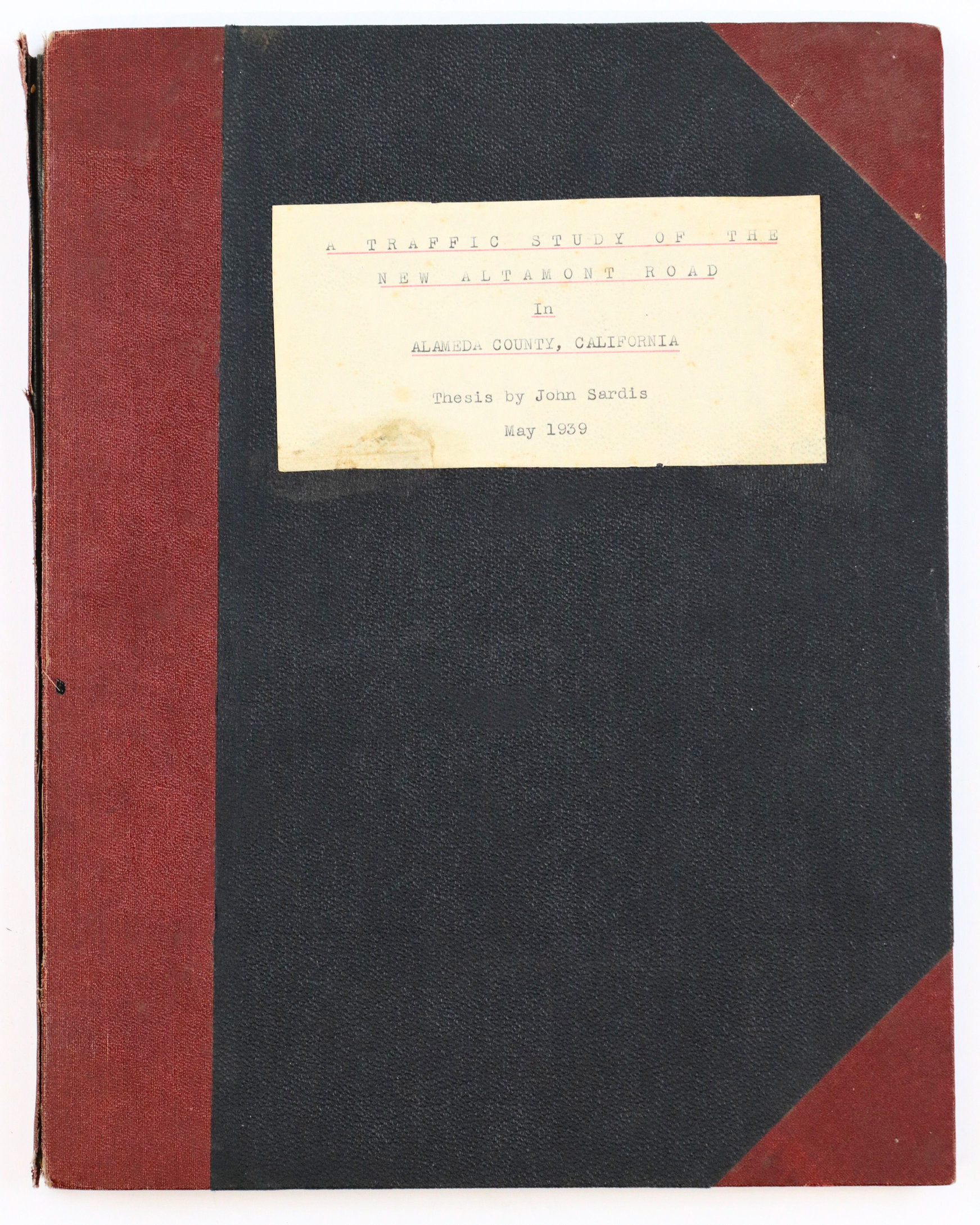
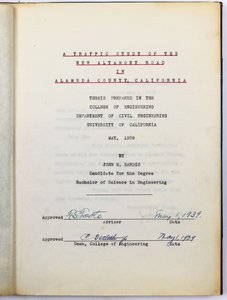
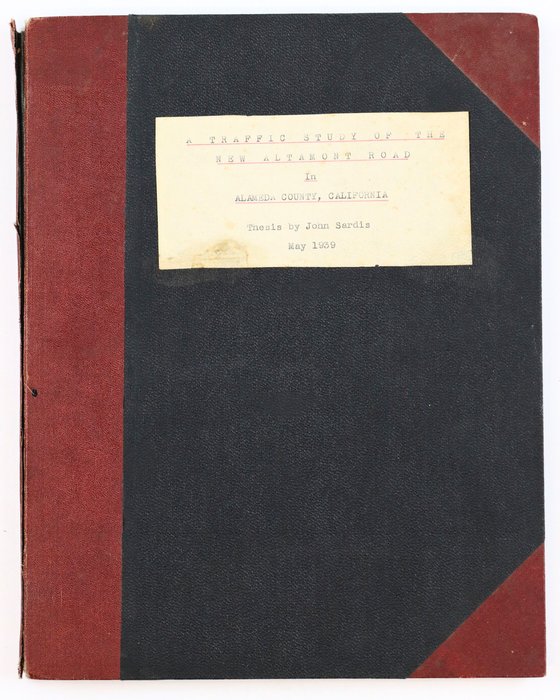
Oblong Quarto (ca. 28,4x22 cm or 11 ¼ x 8 ¾ in). [12], 39 pp., seven mounted original gelatin silver photographs, including four large-size images ca. 25,3x20 cm (10 x 8 in) and the rest ca. 9,4x10,9 cm (3 ¾ x 4 ¼ in), seven graphs, including three fold-outs ca. 27,8x39,7 cm (11 x 15 ¾ in) and the rest ca. 28x20 cm (11 x 7 ¾ in), and two full-page maps, each ca. 28x20 cm (11 x 7 ¾ in). Typescript text, with handwritten signatures and dates by the author, his adviser, and the dean of the College of Engineering. Period half-cloth notebook with a paper label (reading “A Traffic Study of the New Altamont Road in Alameda County, California. Thesis by John Sardis. May 1939) on the front cover. Tears of the spine, light soiling of the paper label on the cover, but otherwise very good.
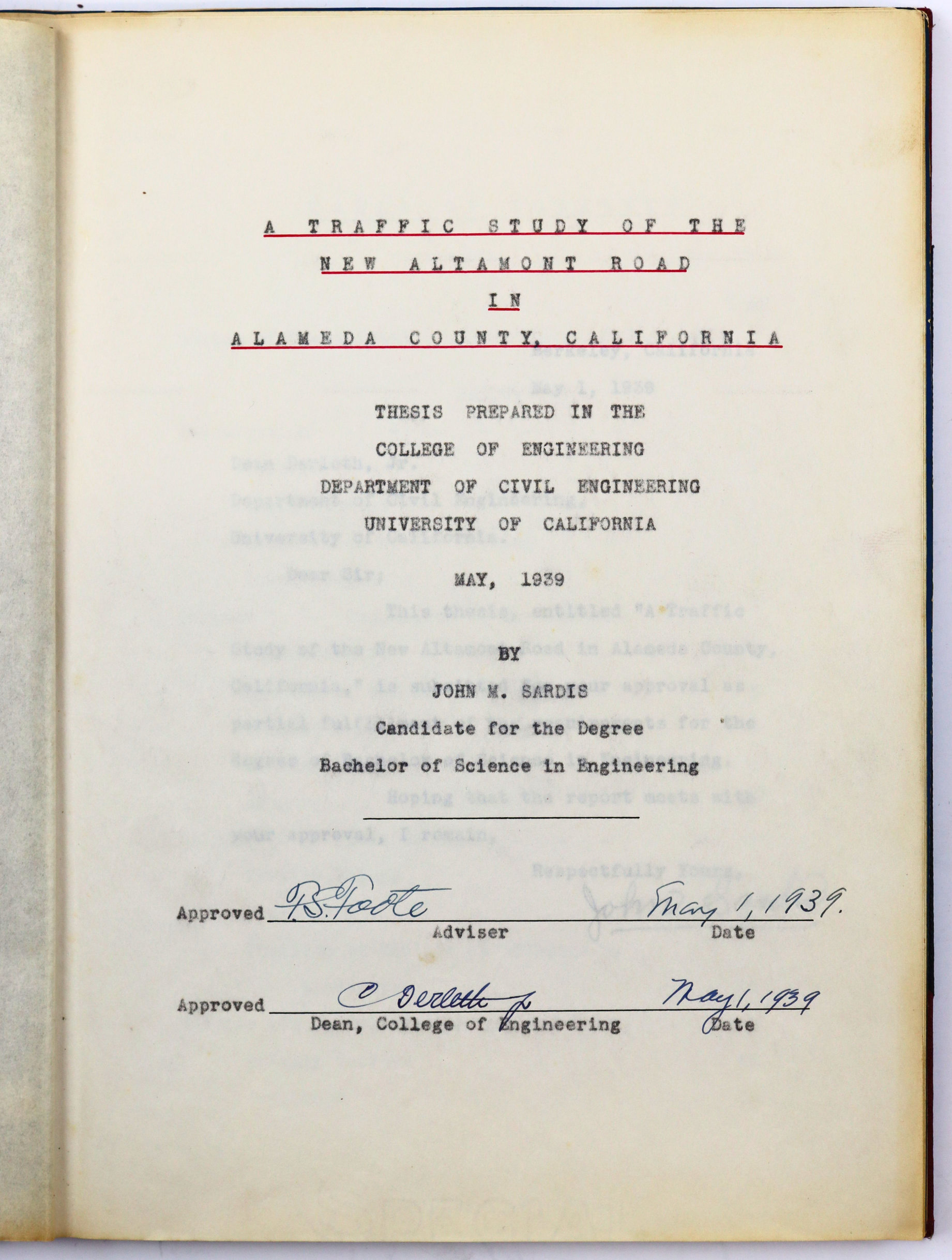
Historically interesting pioneer traffic study of the New Altamont Road (Altamont Pass) in Alameda County, California, prepared by a twenty-year-old John M. Sardis (1919–1975) in May 1939.
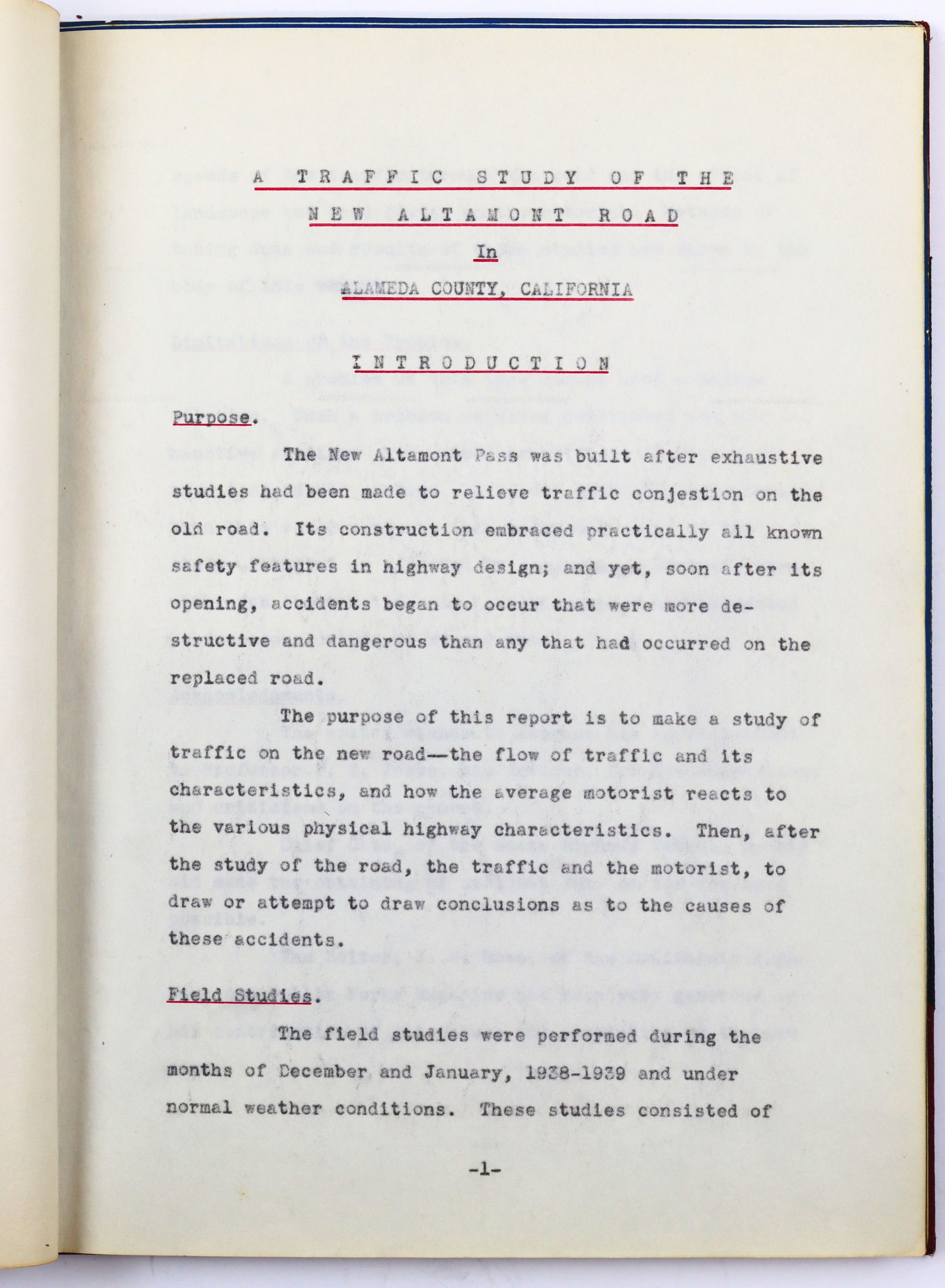
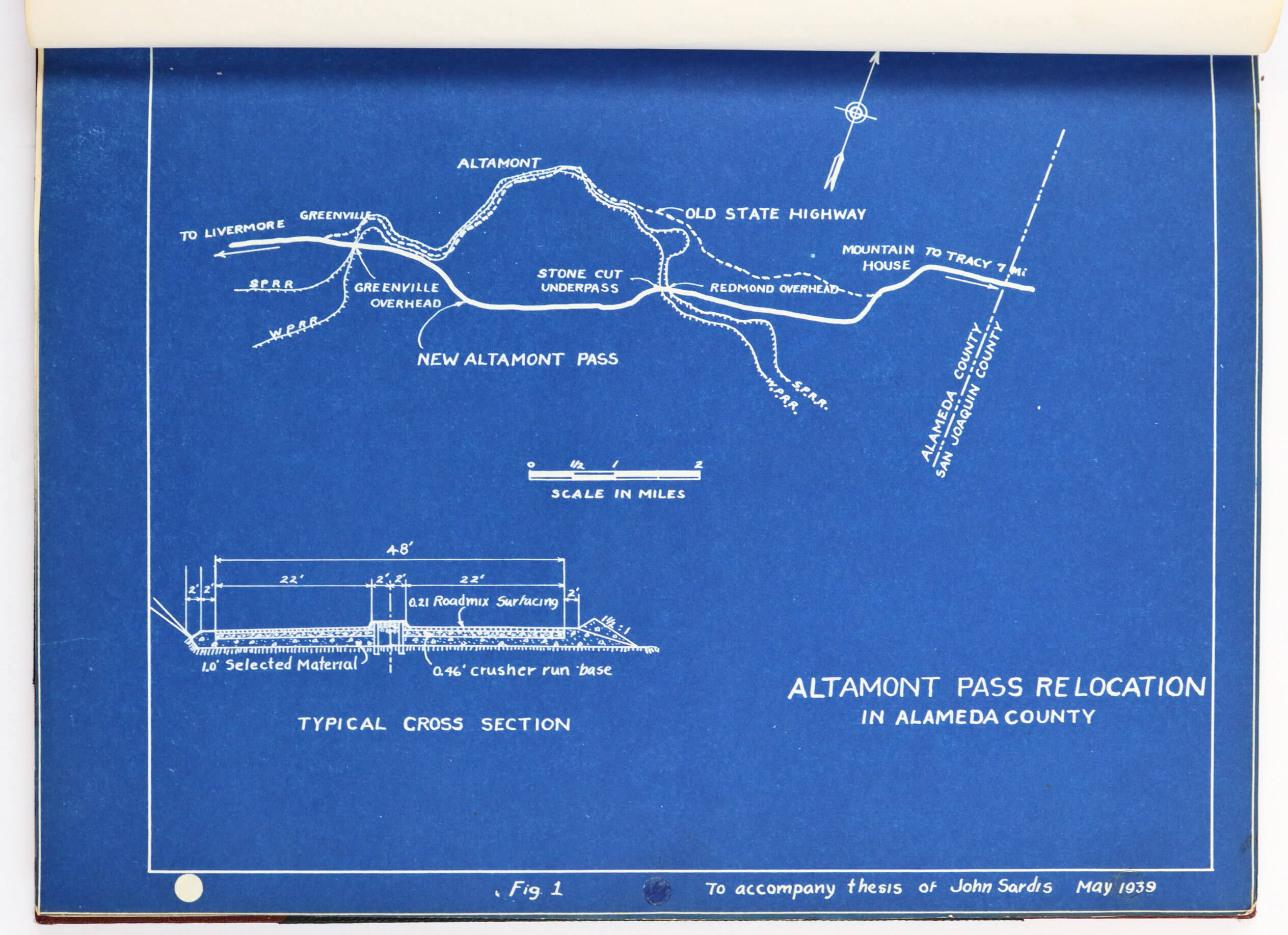
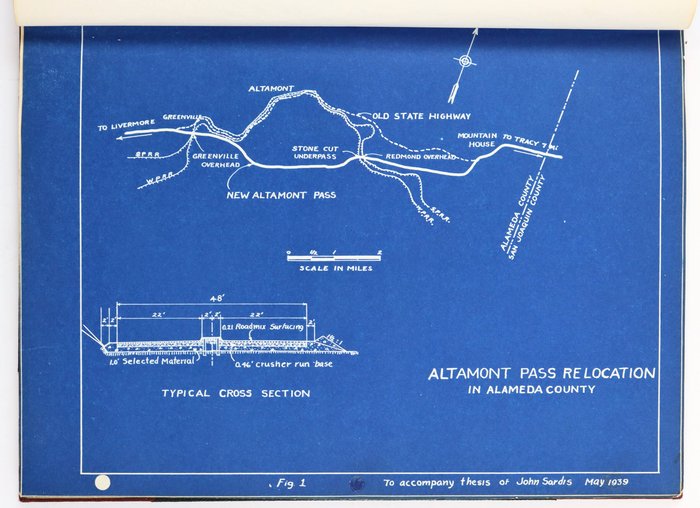
The New Altamont Pass Road was constructed in the 1930s to replace the older Altamont Pass route, which had become inadequate for the rapidly increasing automobile and commercial traffic. The project created an 8.2-mile, four-lane divided bypass between Greenville and Mountain House, reducing the number of curves from 60 to just 15 and avoiding the congested route through the town of Altamont. Despite its modern design and improved safety features, the new pass experienced numerous serious accidents soon after opening in 1938. Throughout the 1940s, accident rates fluctuated as wartime restrictions briefly reduced collisions, while the postwar traffic boom led to increased speeds and more severe crashes. These safety concerns prompted the state to modernize the corridor into a controlled-access expressway by 1954, with much of the route later incorporated into Interstate 580 in the 1960s.
The author of the thesis, John M. Sardis (1919–1975), later became a prominent structural engineer and building designer. He earned his B.S. in Engineering from the University of California, Berkeley, in 1939, and went on to design several of Reno’s notable high-rise structures, including Arlington Plaza, the 22-story Arlington Towers (completed in 1965), and the 16-story Fitzgerald’s hotel-casino complex. Sardis also played a central role in a landmark 1965 Nevada Supreme Court decision, which unanimously overturned his conviction for practicing architecture without a certificate and established that licensed structural engineers could legally design commercial buildings.
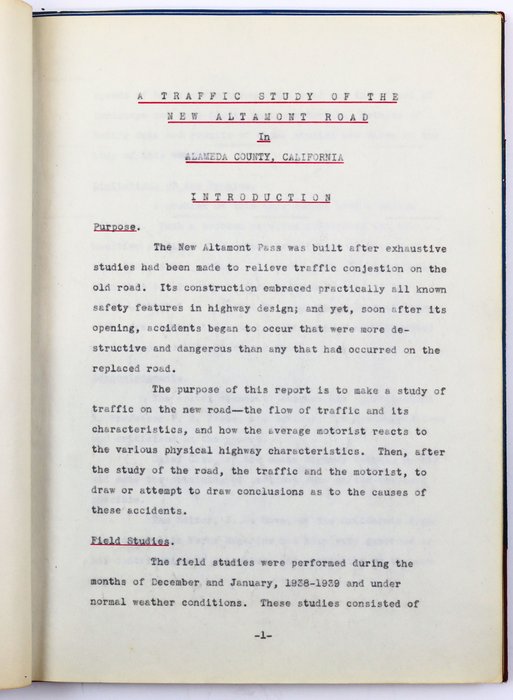
As stated in the introduction, the thesis aimed to examine traffic flow, motorists’ responses to highway conditions, and the causes of an unexpected increase in accidents. The field study was conducted during the winter of 1938–1939 under normal traffic conditions and presented previously unexplored data.
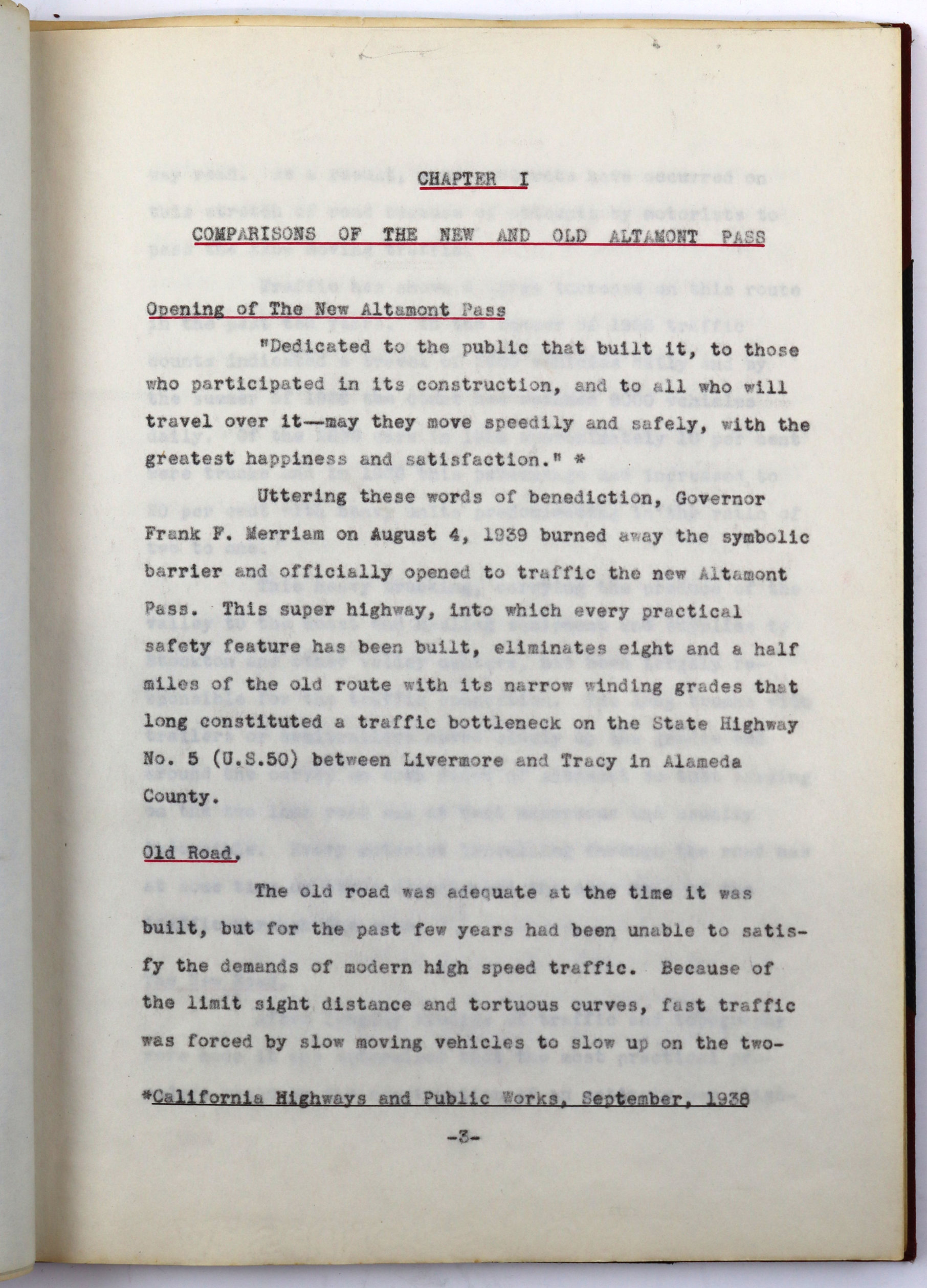
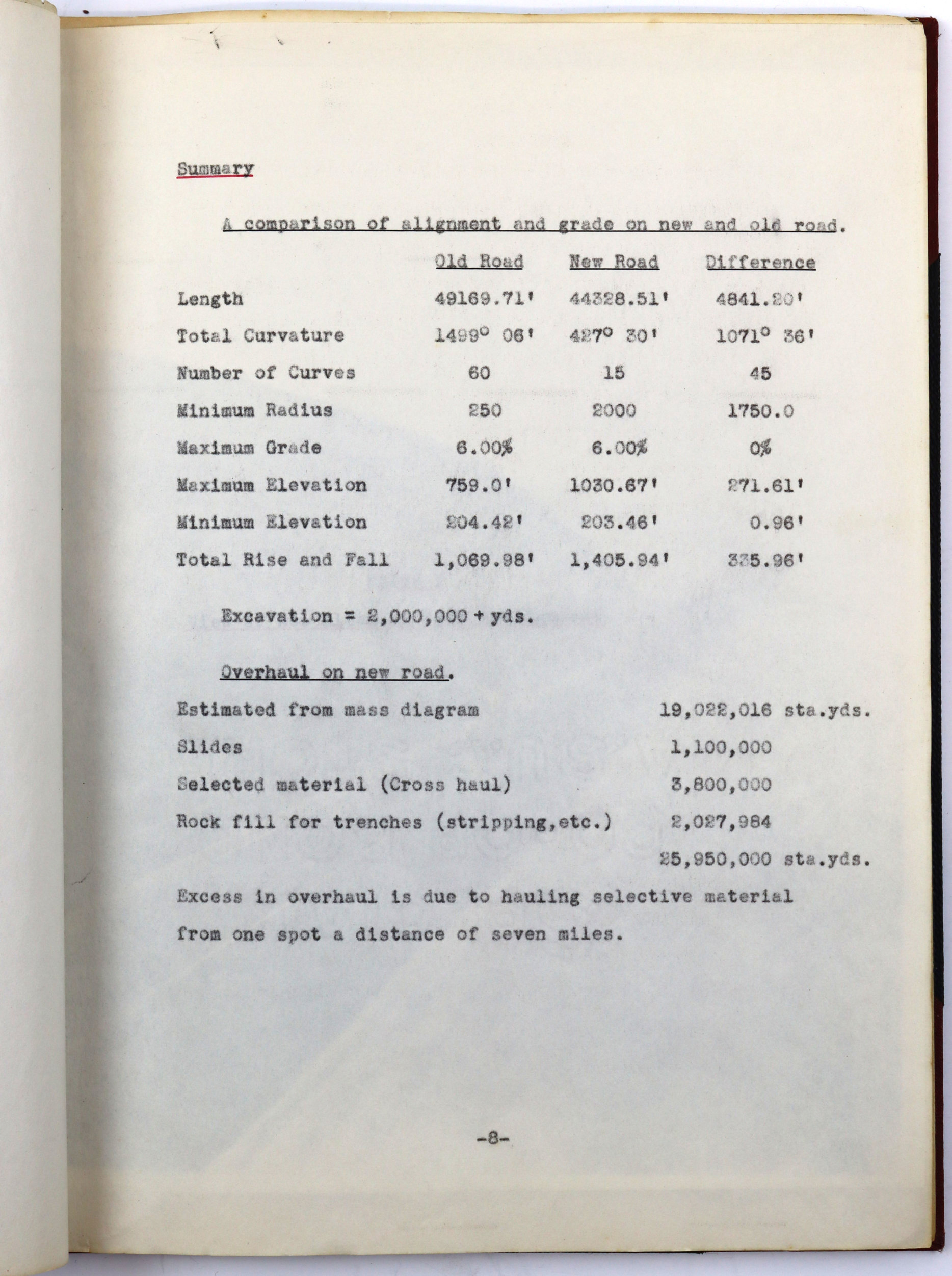
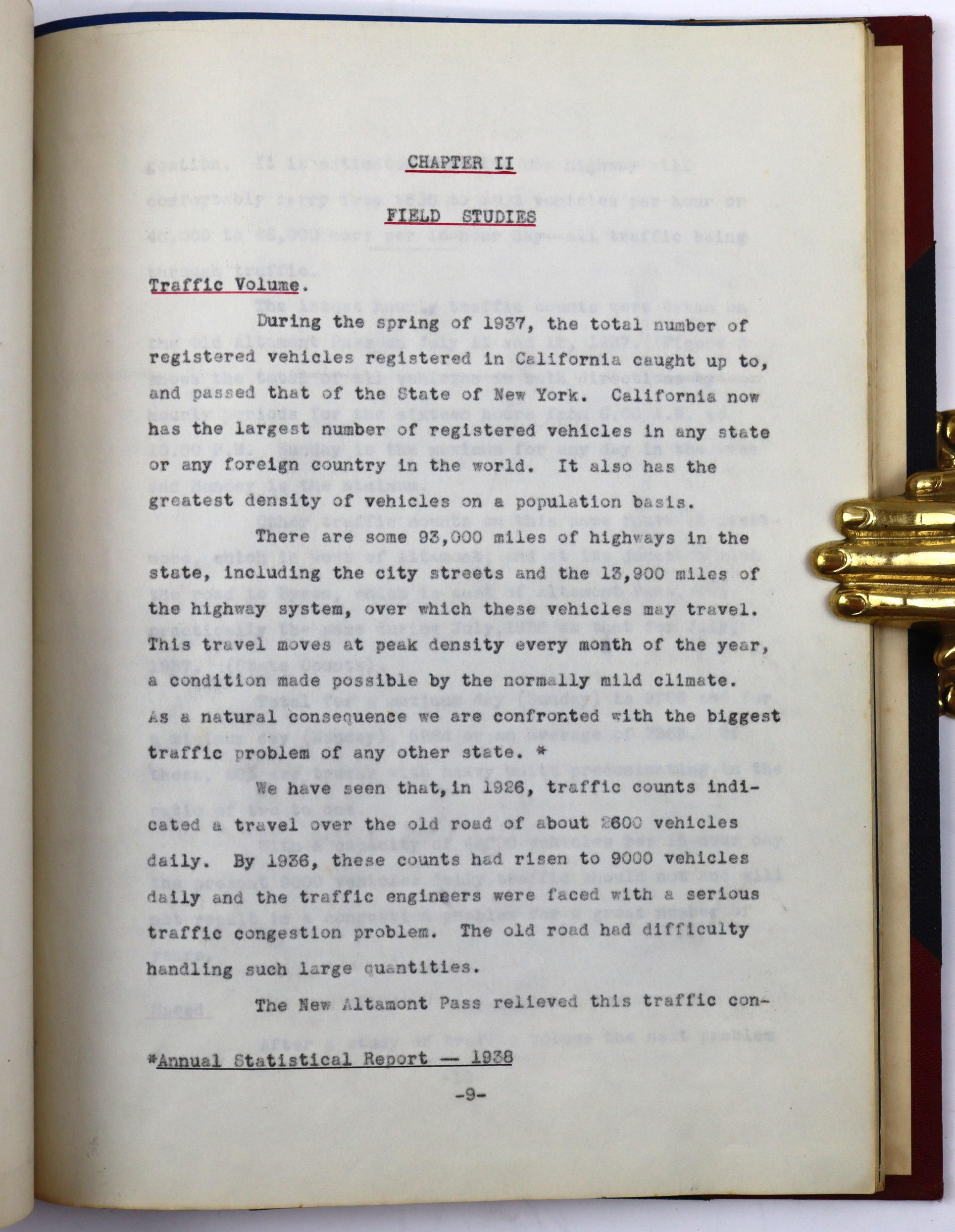
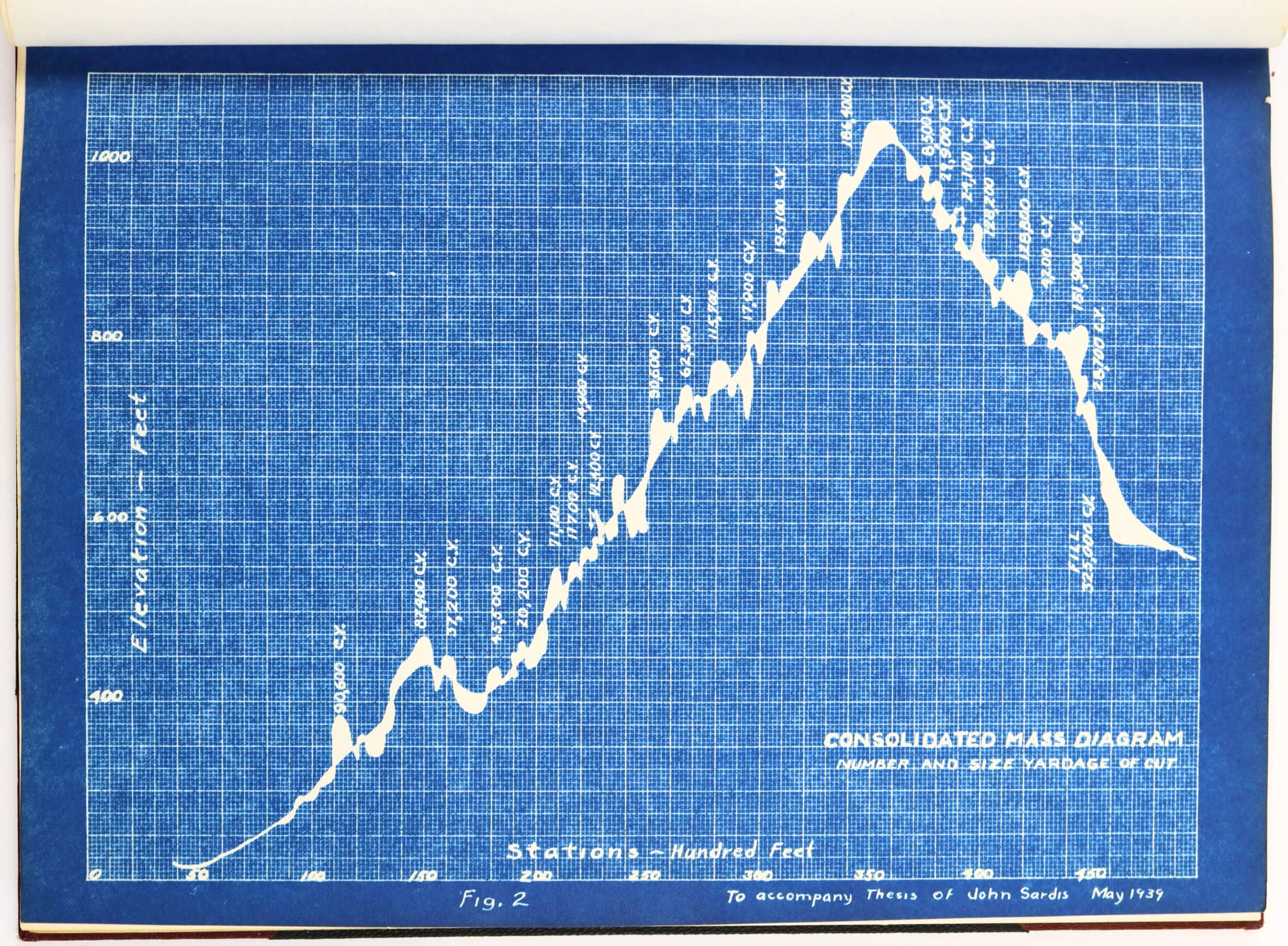
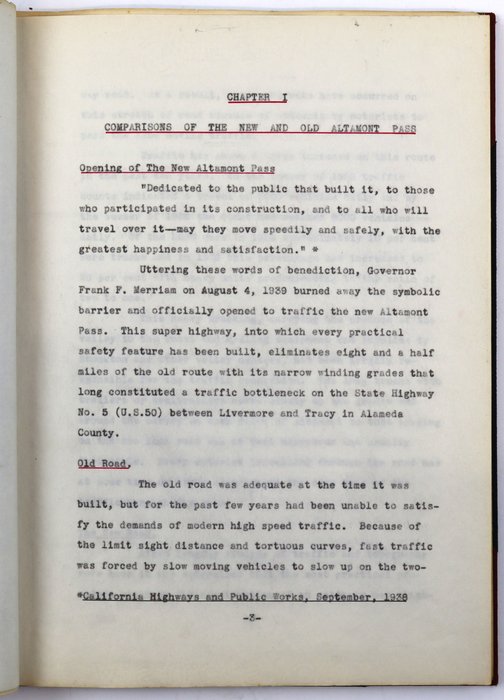
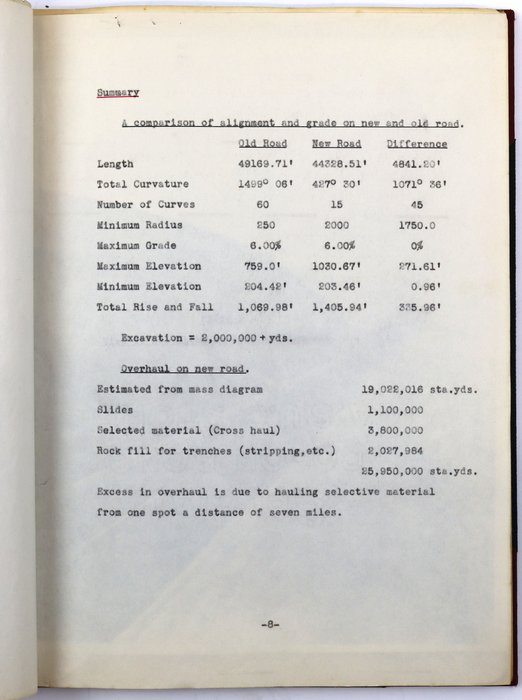
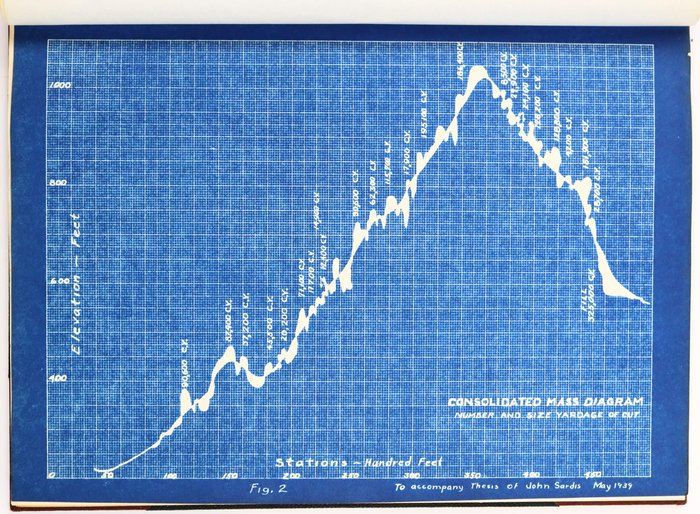
In the first chapter, the author compares the newly constructed four-lane superhighway to the original two-lane route and talks about an explosion in daily vehicle and heavy truck traffic from 1926 to 1936. The chapter features detailed technical characteristics of the new road, including the number of curves, total curvature, and the minimum radius of the new permanent relocation. Interestingly, the author also highlights the structural and financial magnitude of the project, detailing the excavation of over two million cubic yards of earth and the implementation of over $1.2 million worth of infrastructure. The first chapter concludes with a rare comparative analysis of the alignment and grades of the new and old roads.
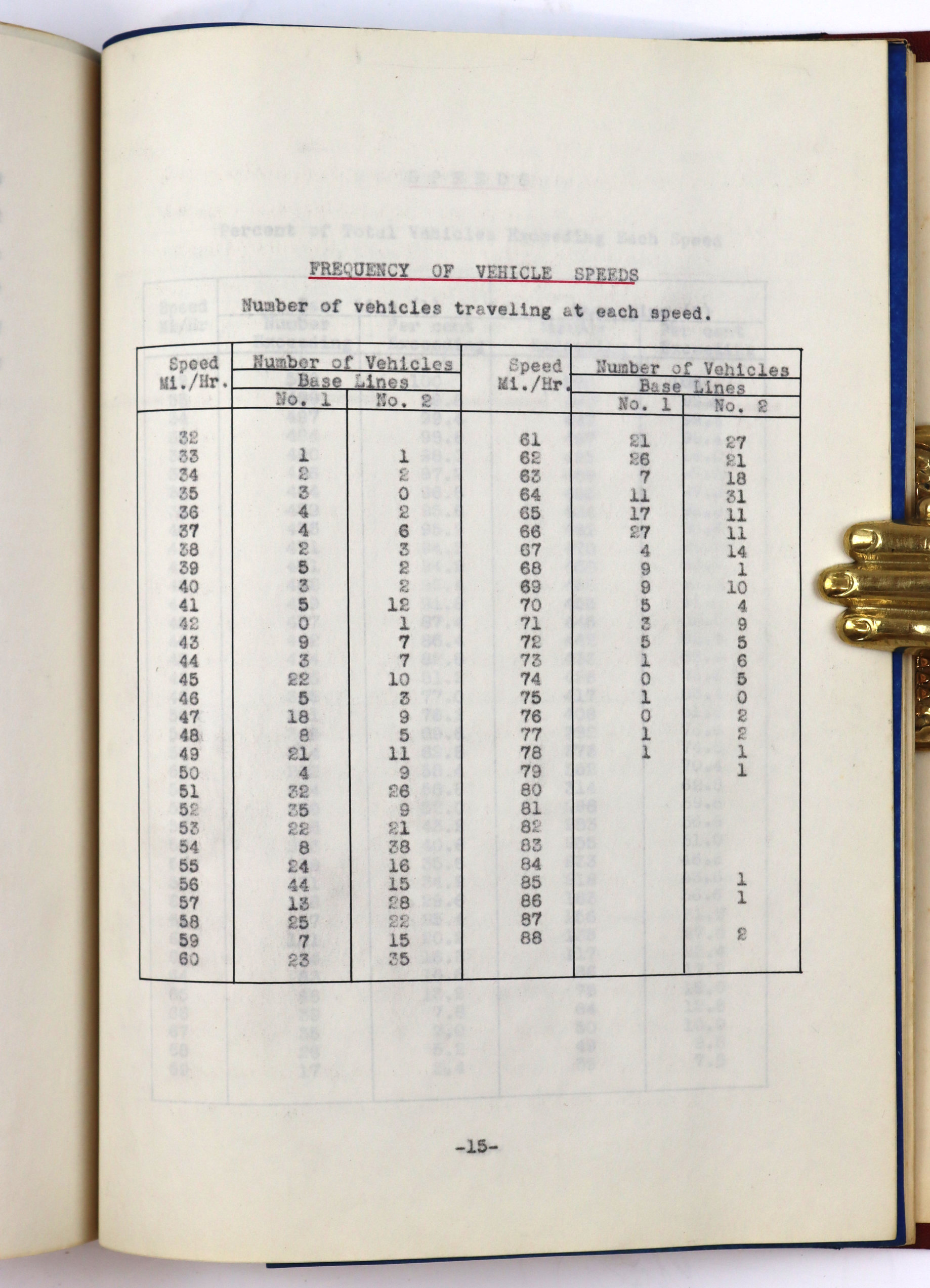
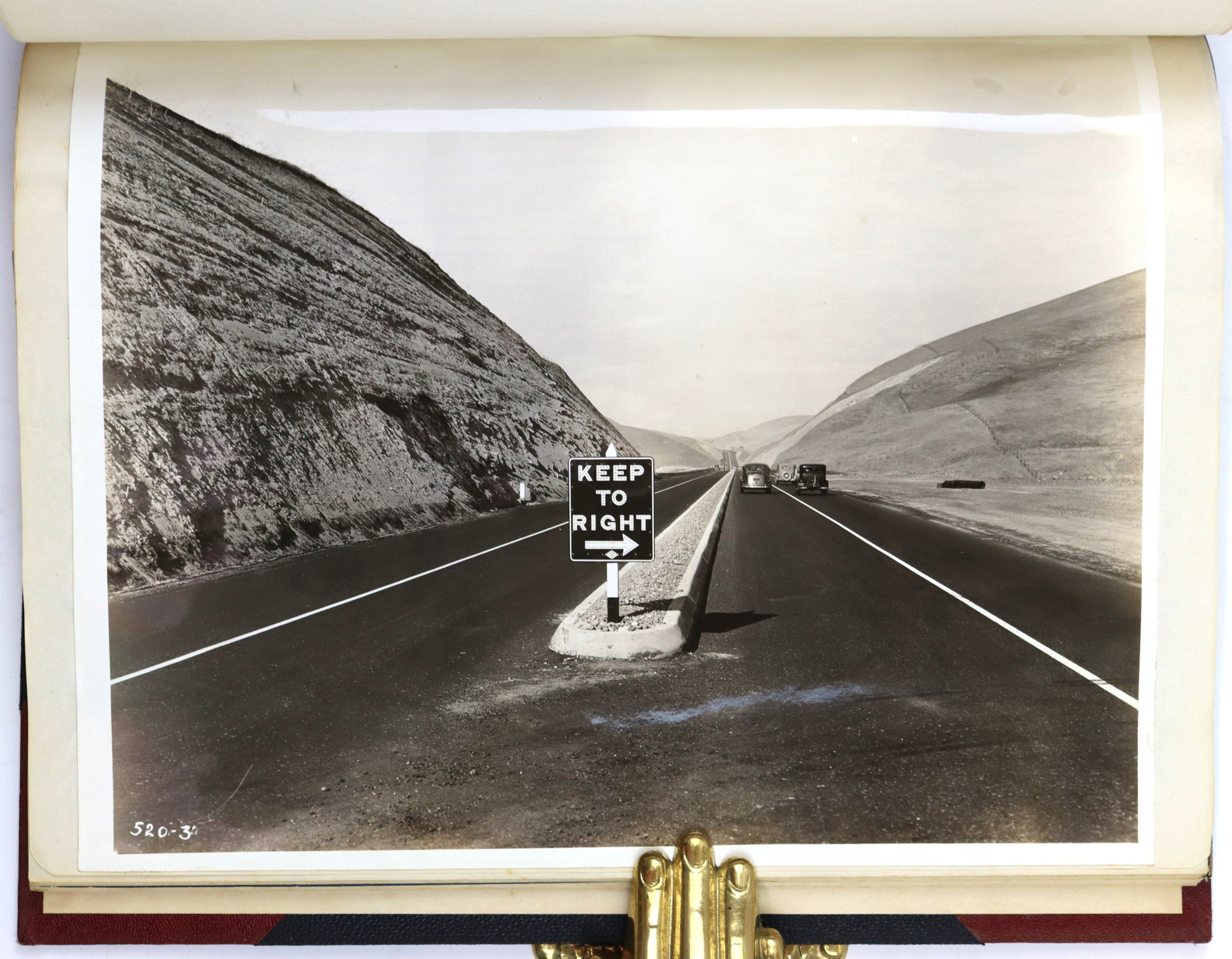
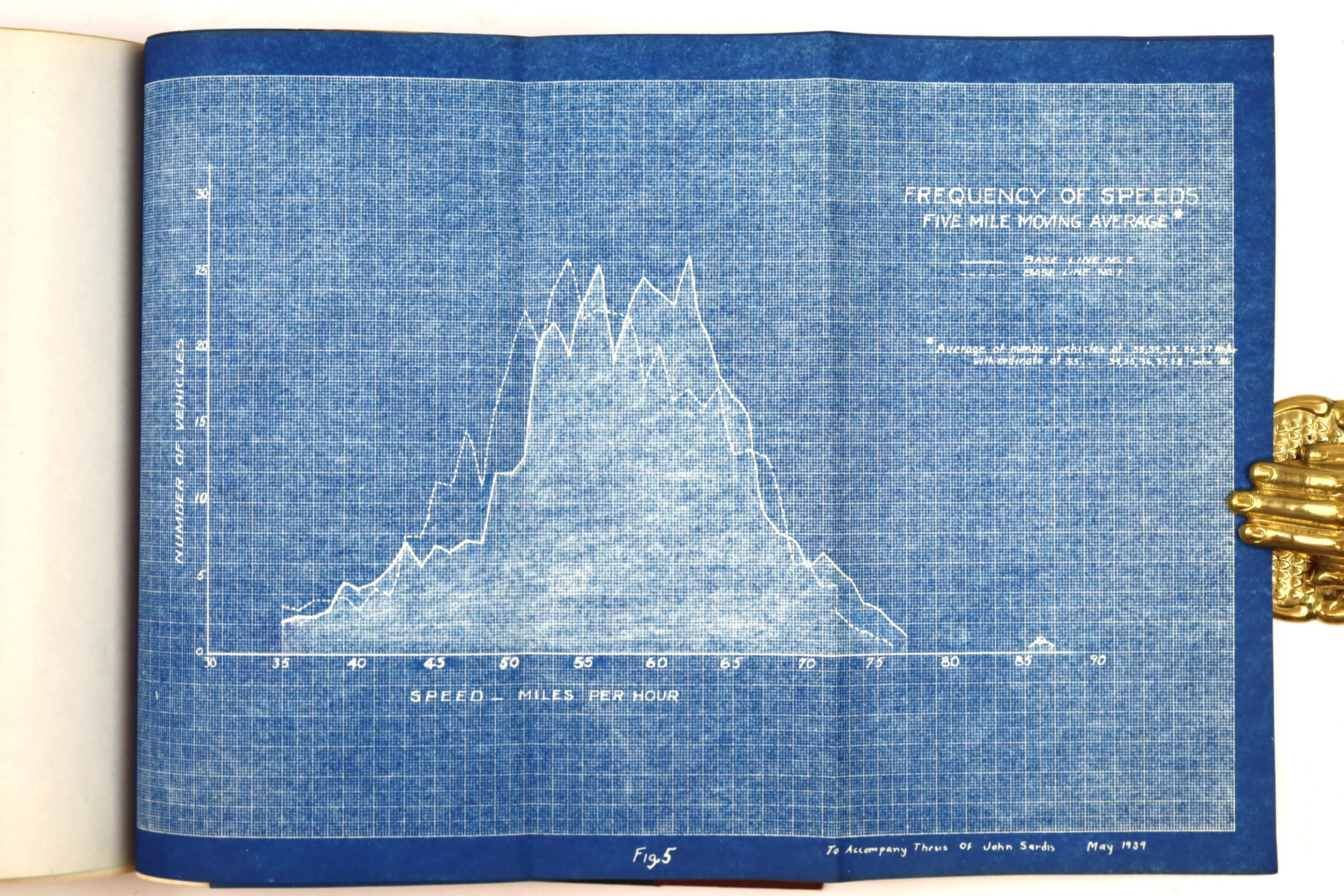
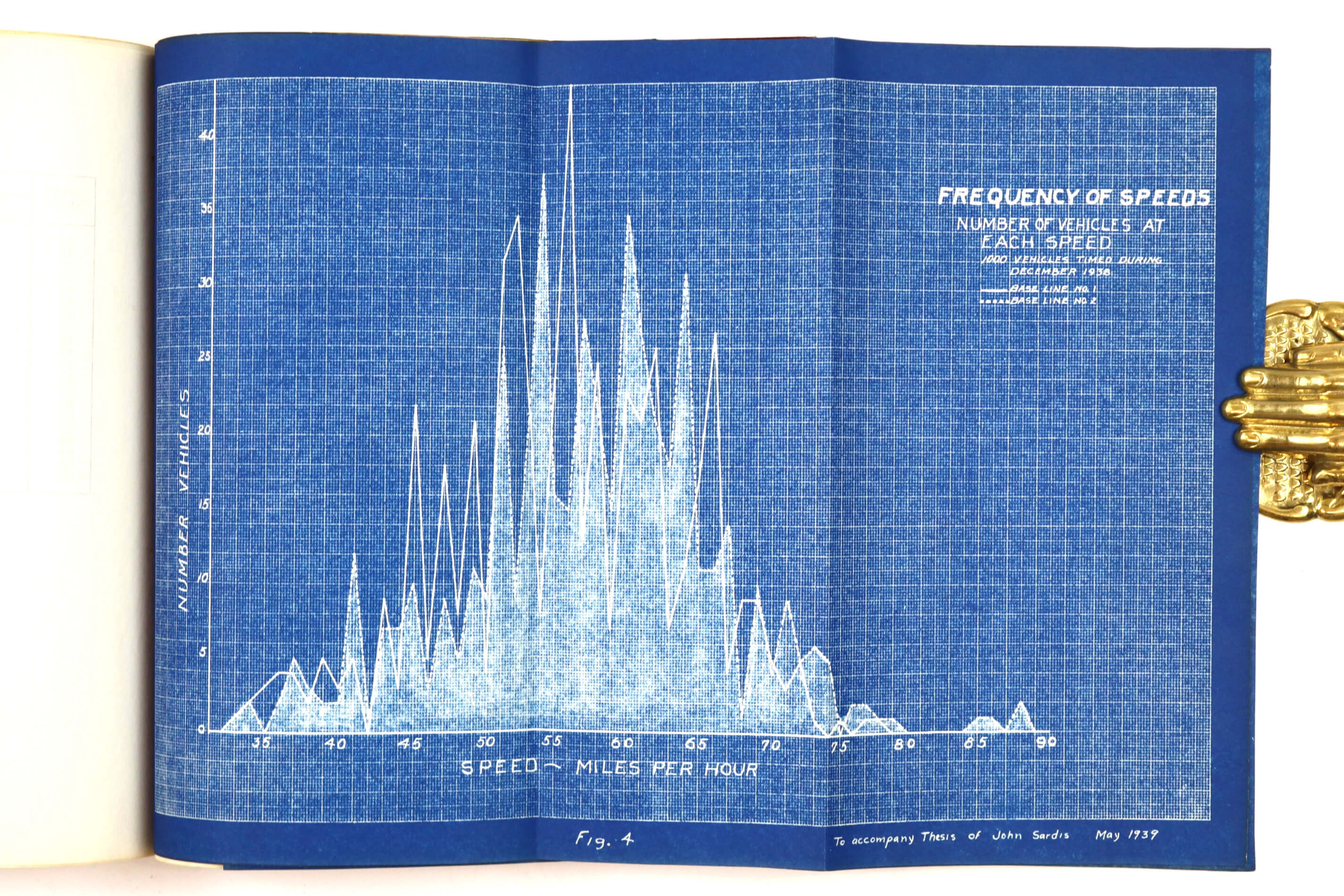
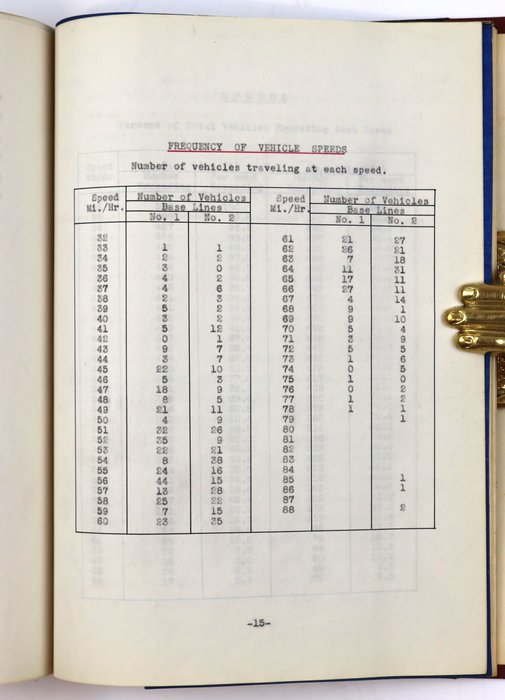
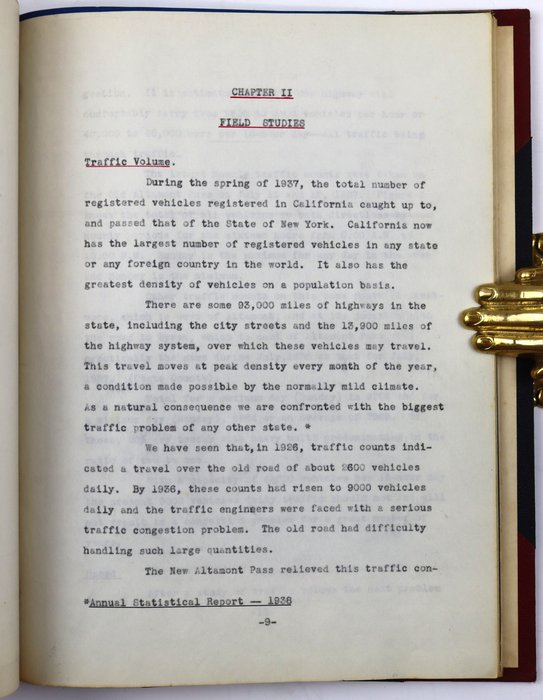
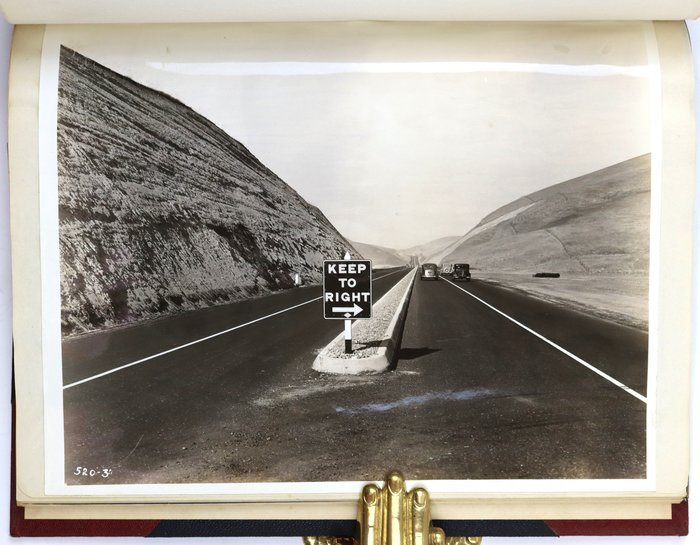
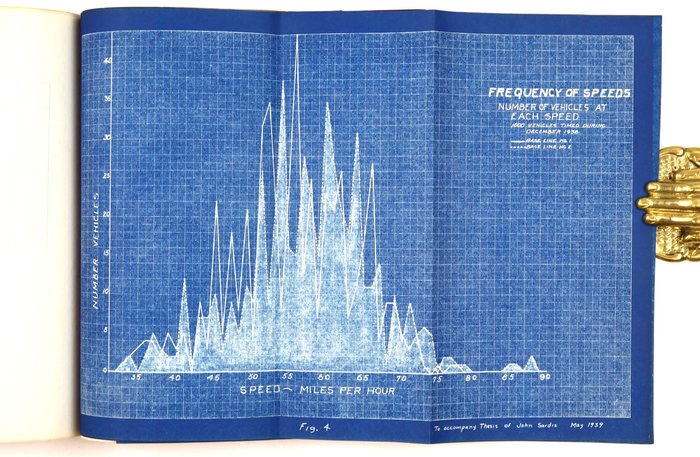
The second chapter details the author’s winter 1938–1939 traffic study of the New Altamont Pass Road, focusing on vehicle speeds, traffic volume, and accident causes. Using observations of 1,000 passenger cars, Sardis analyzes speed patterns and examines how roadside topography influenced vehicle movement. He suggests that steep right-side embankments created a psychological effect on motorists, causing vehicles to drift toward the central dividing strip and contributing to collisions. The chapter concludes with the results of his field study, “Distance of Vehicle from Dividing Strip as Affected by Landscape.”
The third chapter examines accidents on the New Altamont Pass Road, contrasting its “super highway” design with its unexpectedly poor safety record. Importantly, the author presents accident data from the first four months after the road’s opening and compares these figures with the lower accident rates recorded on the old route during the previous four years.
The fourth chapter examines the author’s “traffic equation,” which attributes accidents to three factors: the driver, the vehicle, and the road. He argues that while modern automobiles are mechanically reliable, advances in vehicle speed have outpaced the ability of average drivers and highway design to ensure safety. The chapter includes data on reaction times and braking distances, showing how stopping distances increase dramatically at higher speeds. The author also explores the psychological effects of the New Altamont Pass’s design, suggesting that long, straight stretches and gentle curves created a false sense of security, causing drivers to relax their attention and drift toward the center divider.
The fifth and final chapter presents the author’s conclusions, arguing that the New Altamont Road’s safety problems were caused less by its design than by reckless driver behavior. He emphasizes that excessive speeds and widespread violations were the primary causes of accidents and recommends stricter enforcement and stronger measures against dangerous motorists.
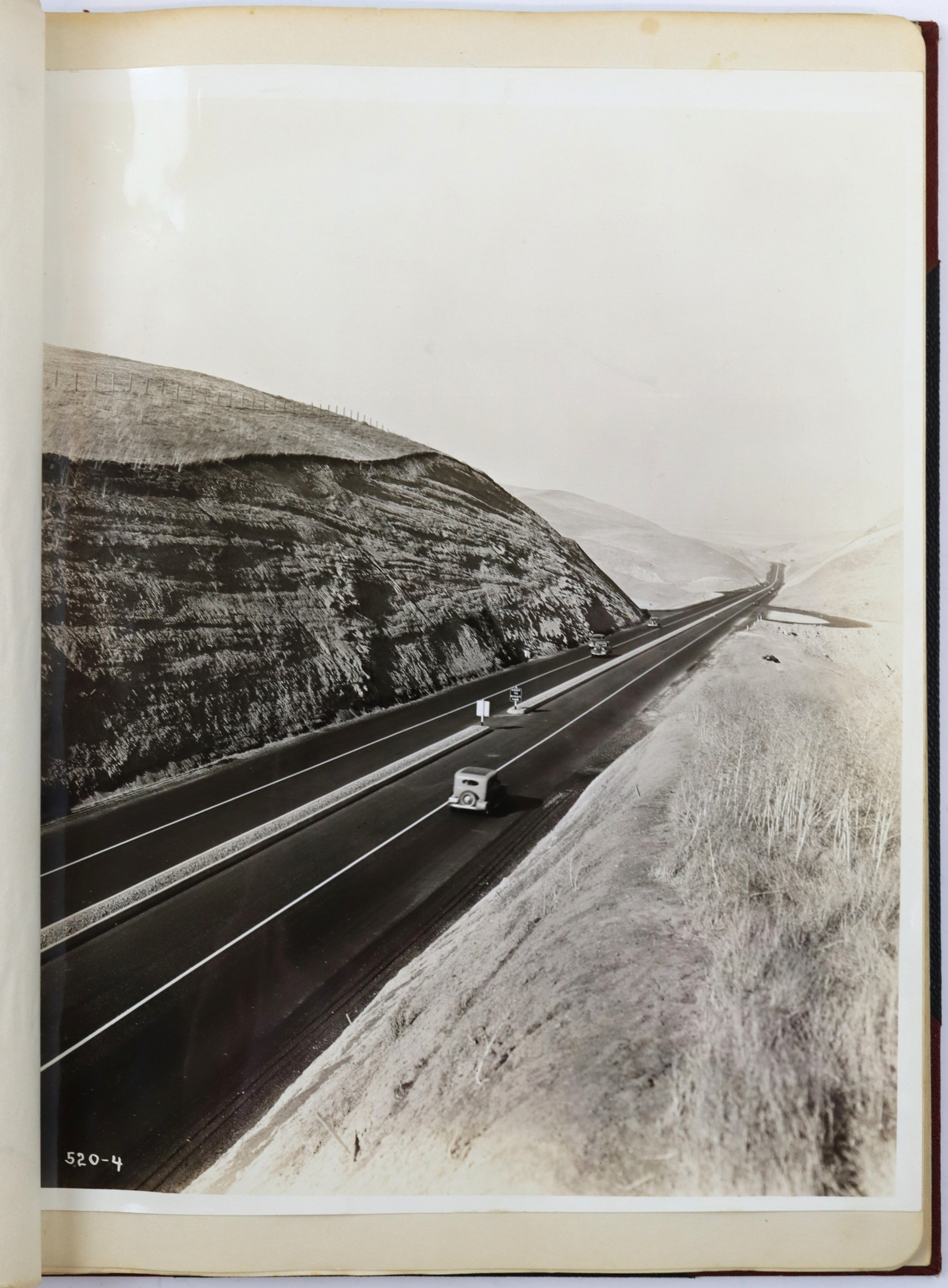
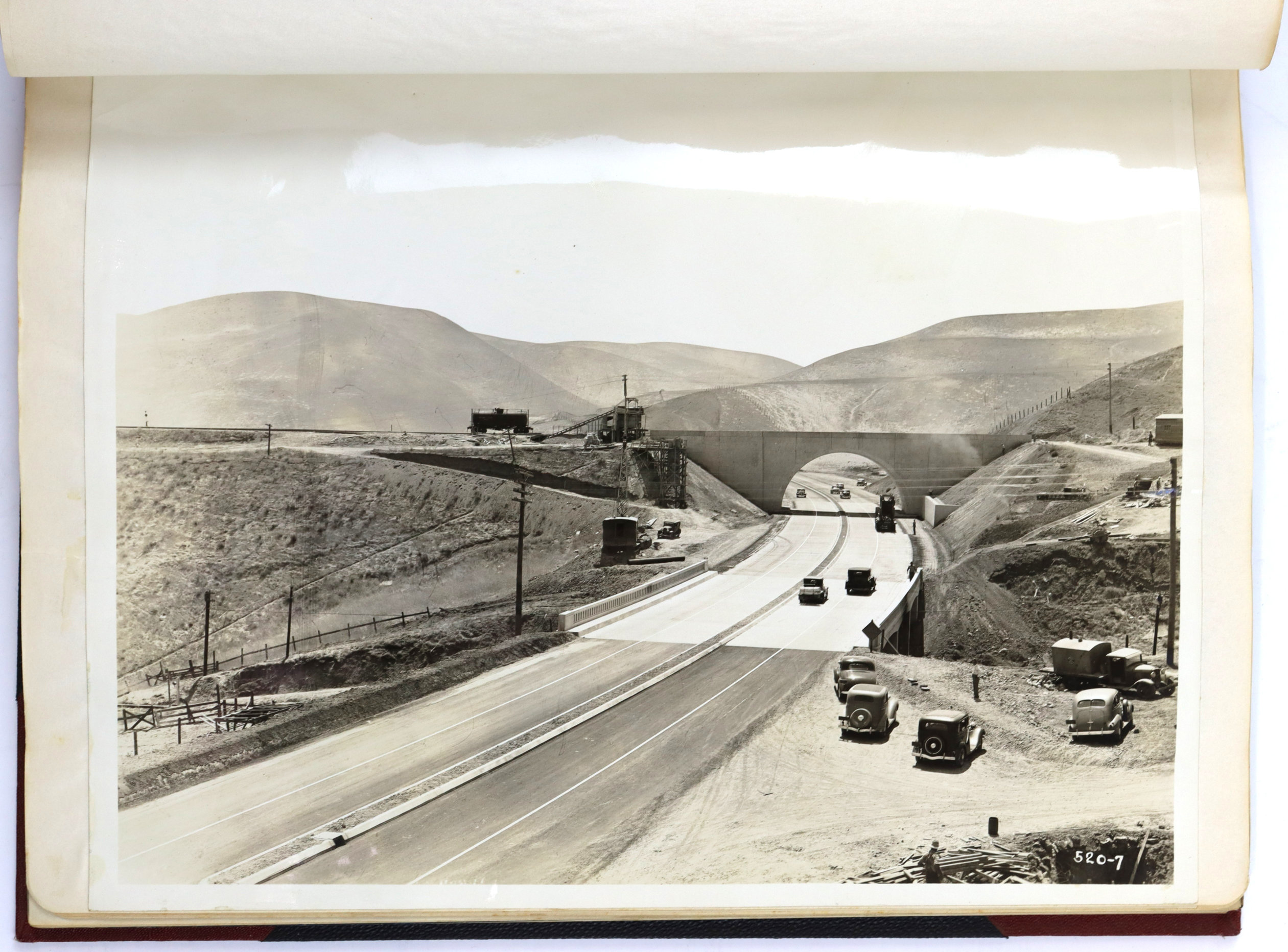
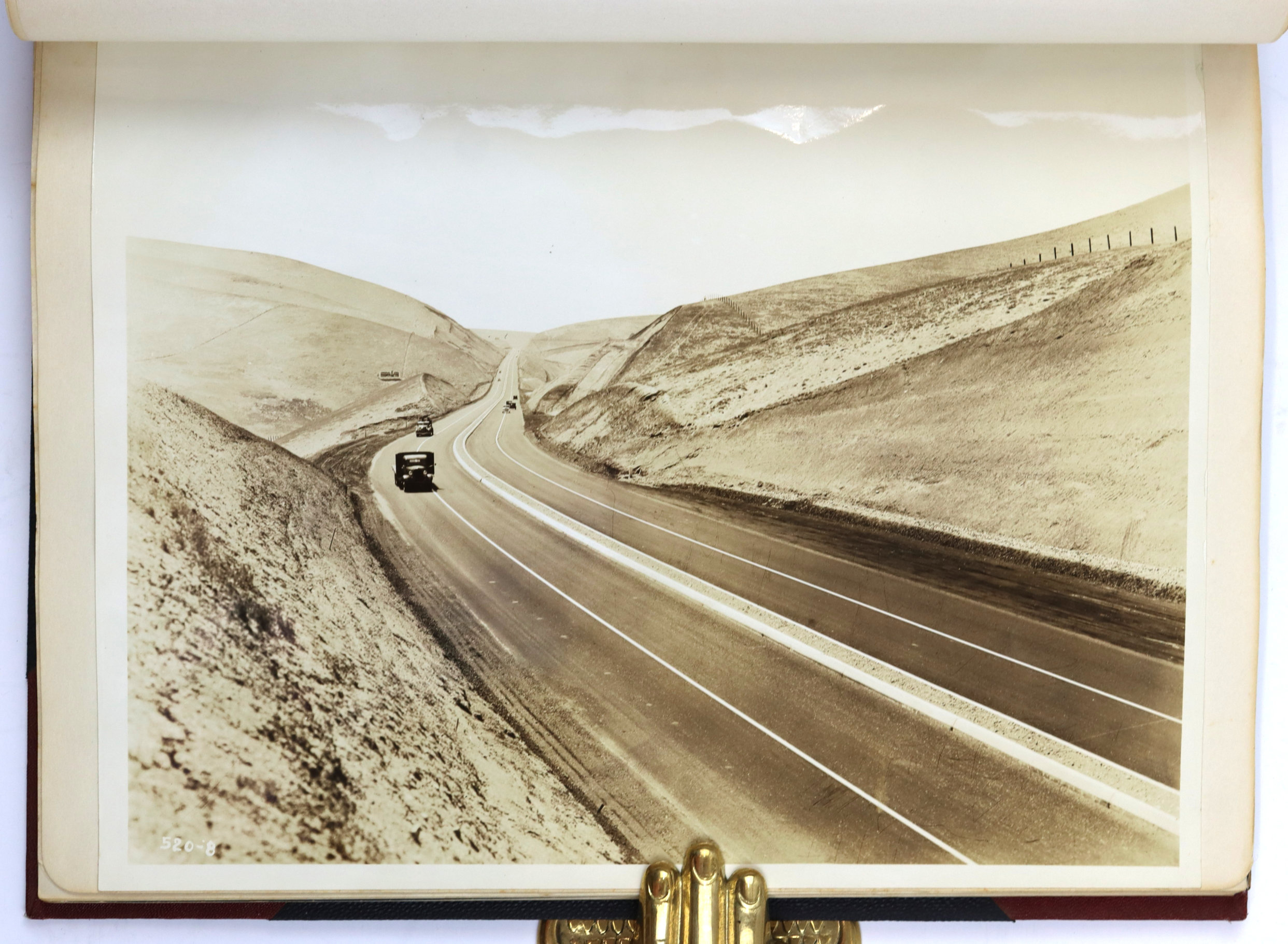
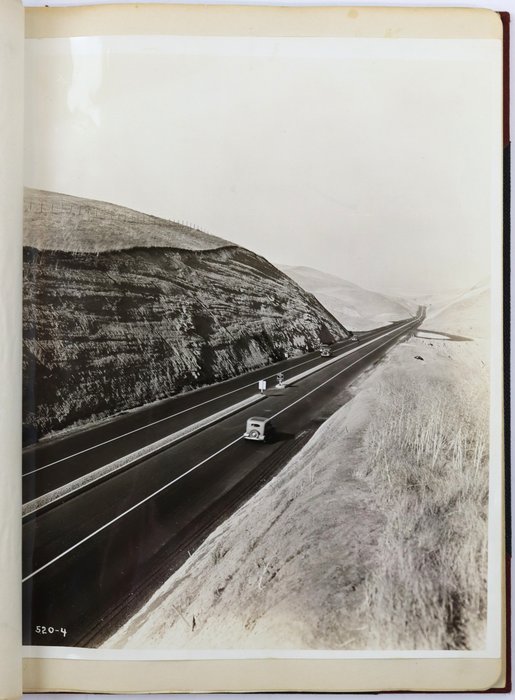
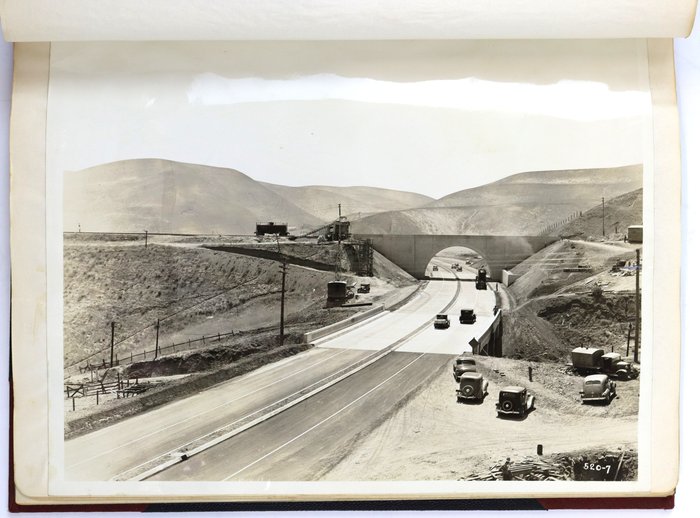
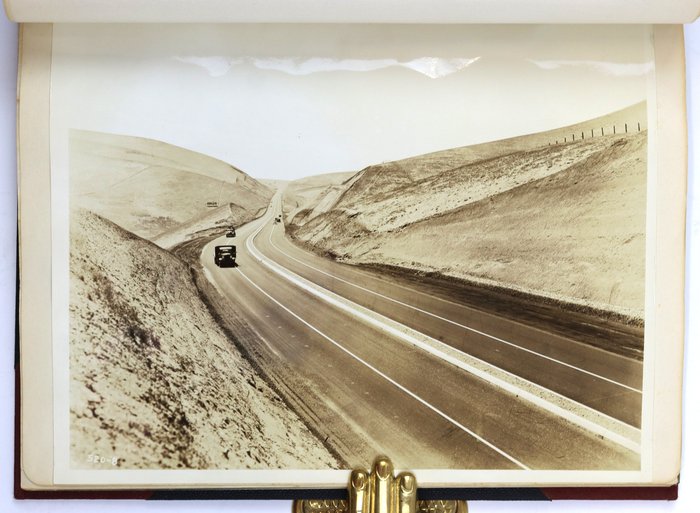
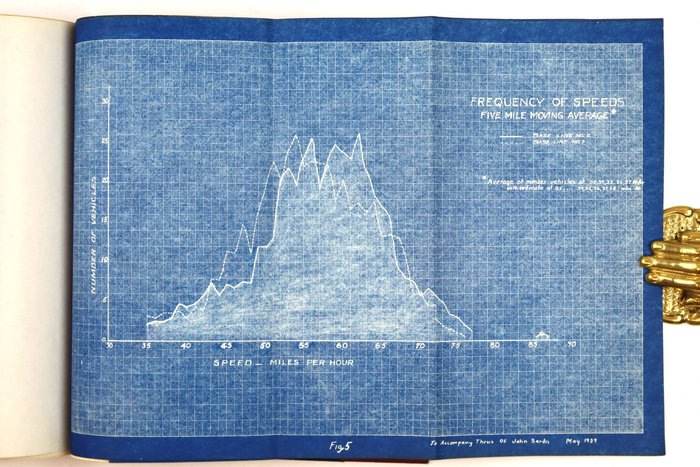
The text is supplemented by seven extremely rare original gelatin silver photographs, seven graphs, and two maps compiled by the author. The photographs include three large-format views of the Altamont Pass realignment, as well as images of the stone-cut underpass, sections of the old road, the Greenville overhead crossing, and the scale of the new road cuts. The graphs present traffic counts, vehicle speed analyses, speed distributions, vehicle position as affected by landscape, accident diagrams, and skid mechanics. The accompanying maps include the Altamont Pass Relocation map and a mass consolidated diagram.
Overall, historically interesting and one of the earliest traffic studies of the New Altamont Road (New Altamont Pass) in Alameda County, California, prepared by a twenty-year-old John M. Sardis (1919–1975) as his Bachelor of Science thesis in Civil Engineering at the University of California’s College of Engineering in May 1939.