
#PF69
Ca. 1910s-1930s
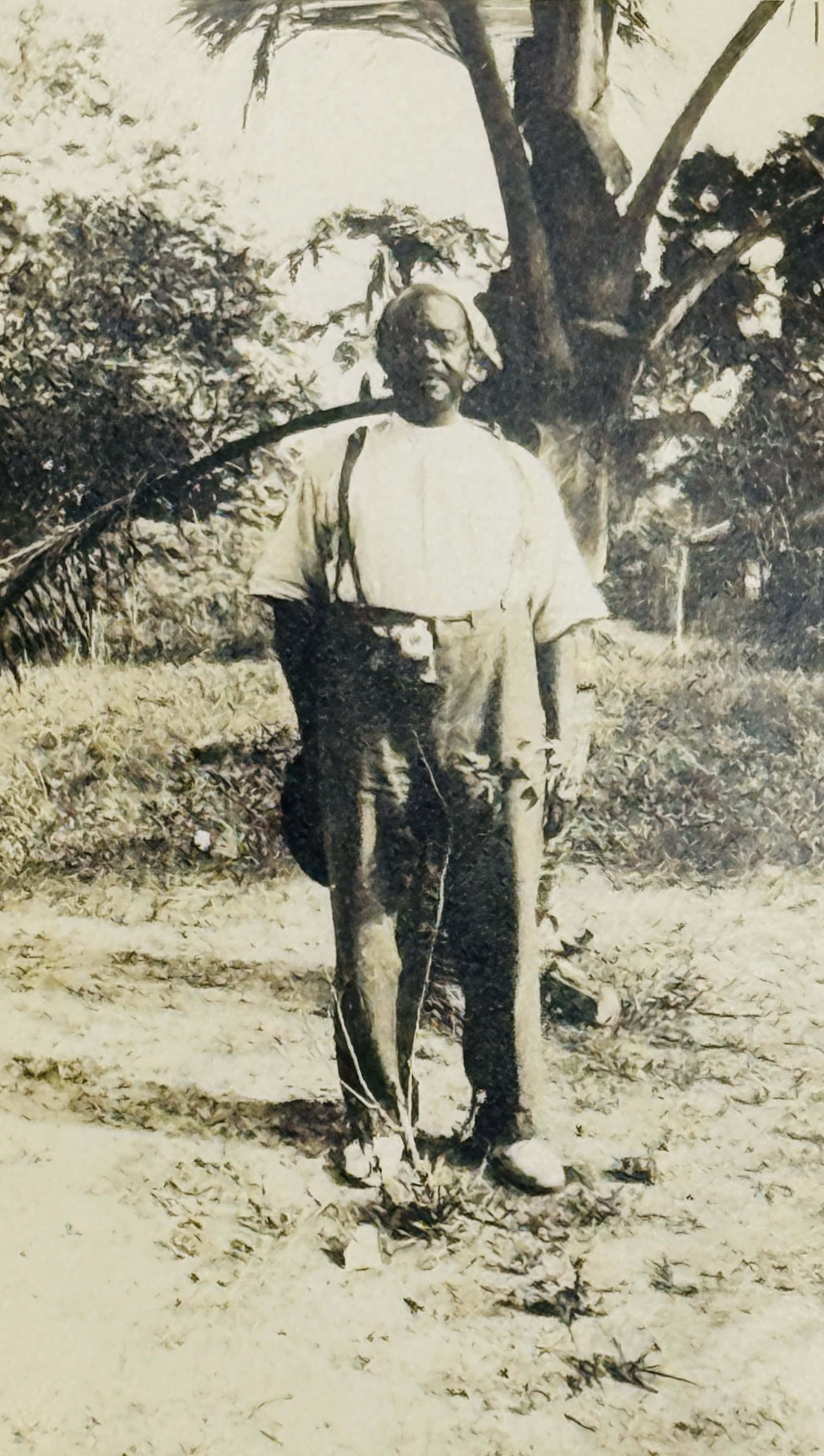
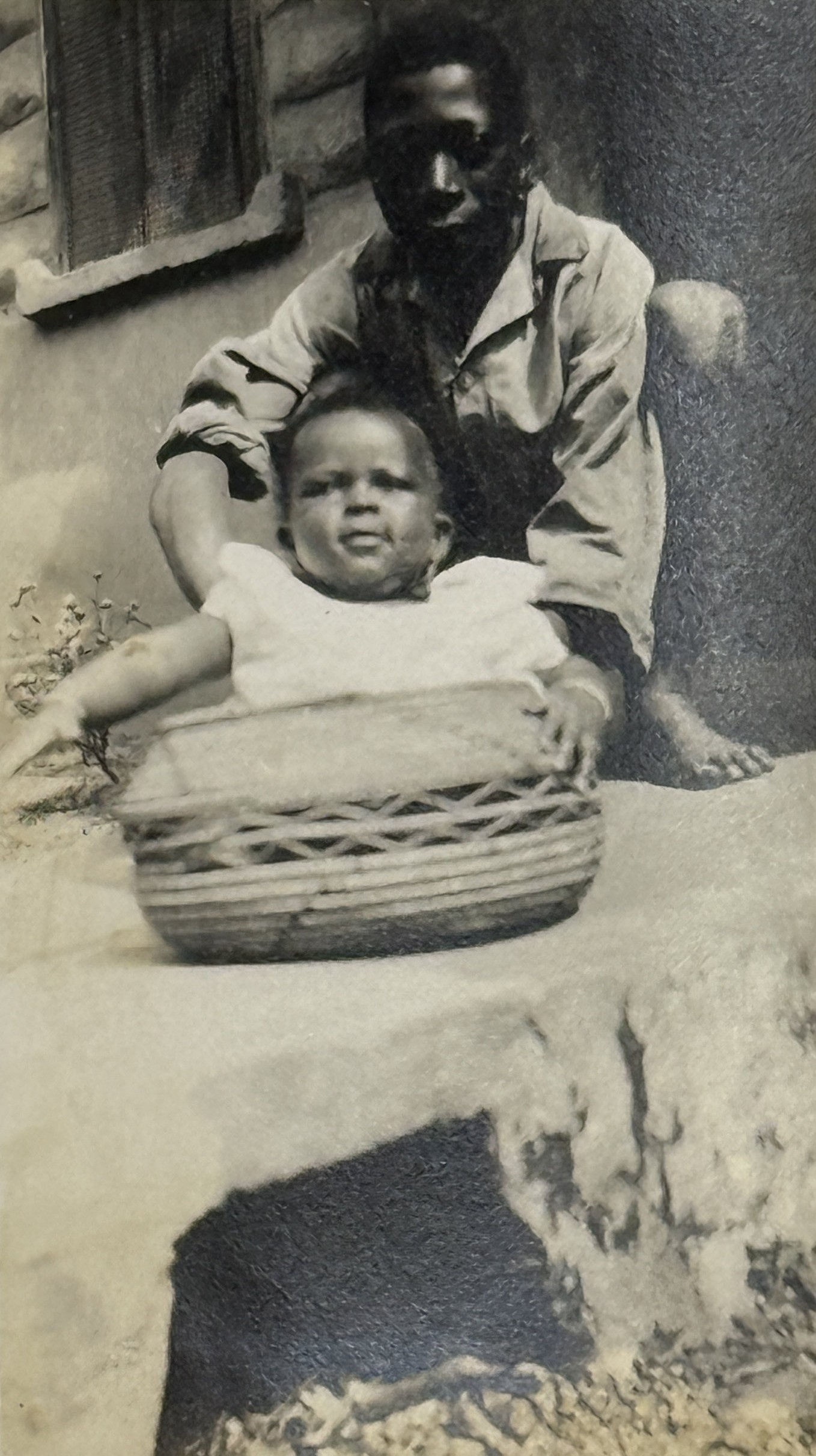
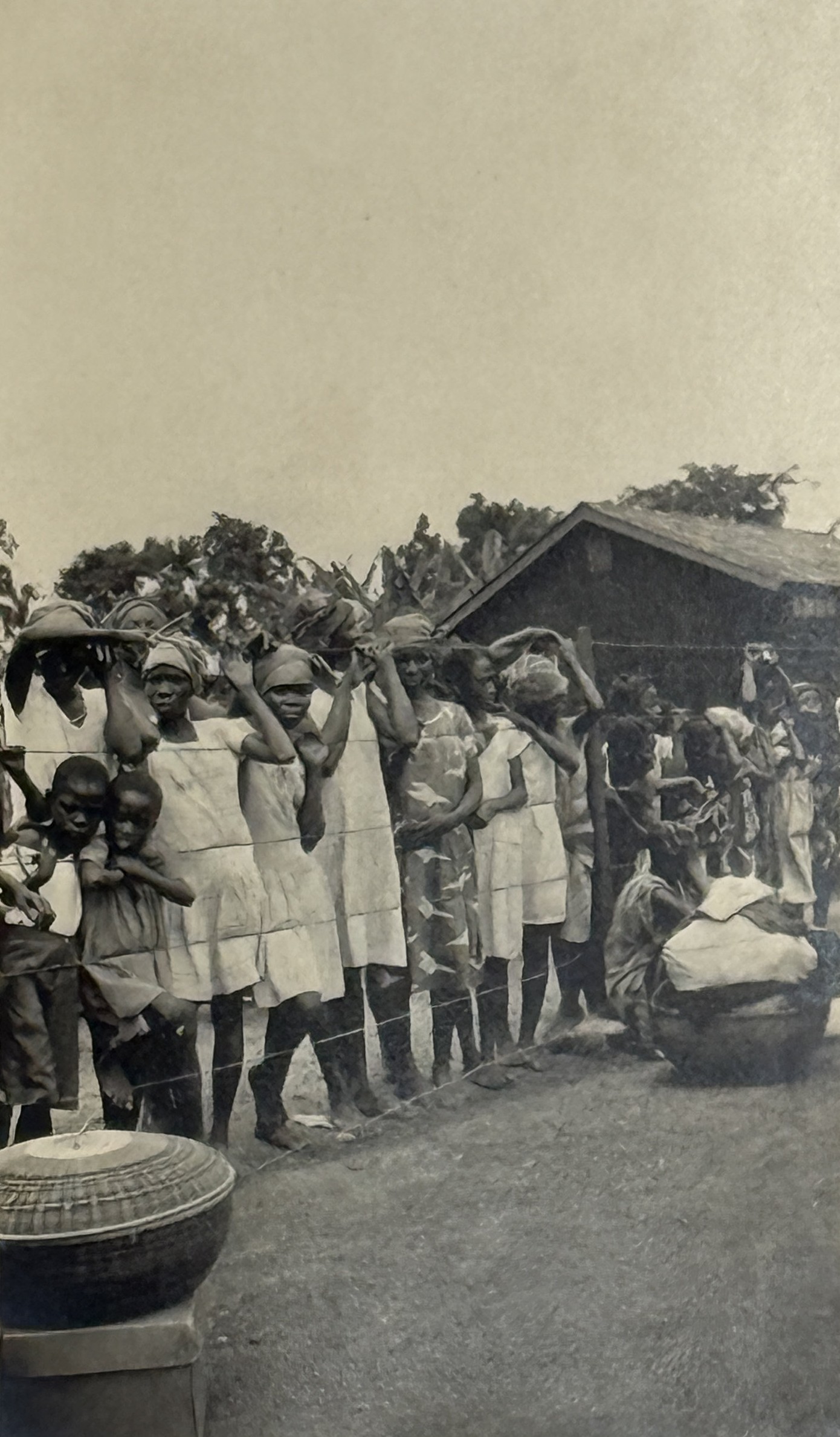
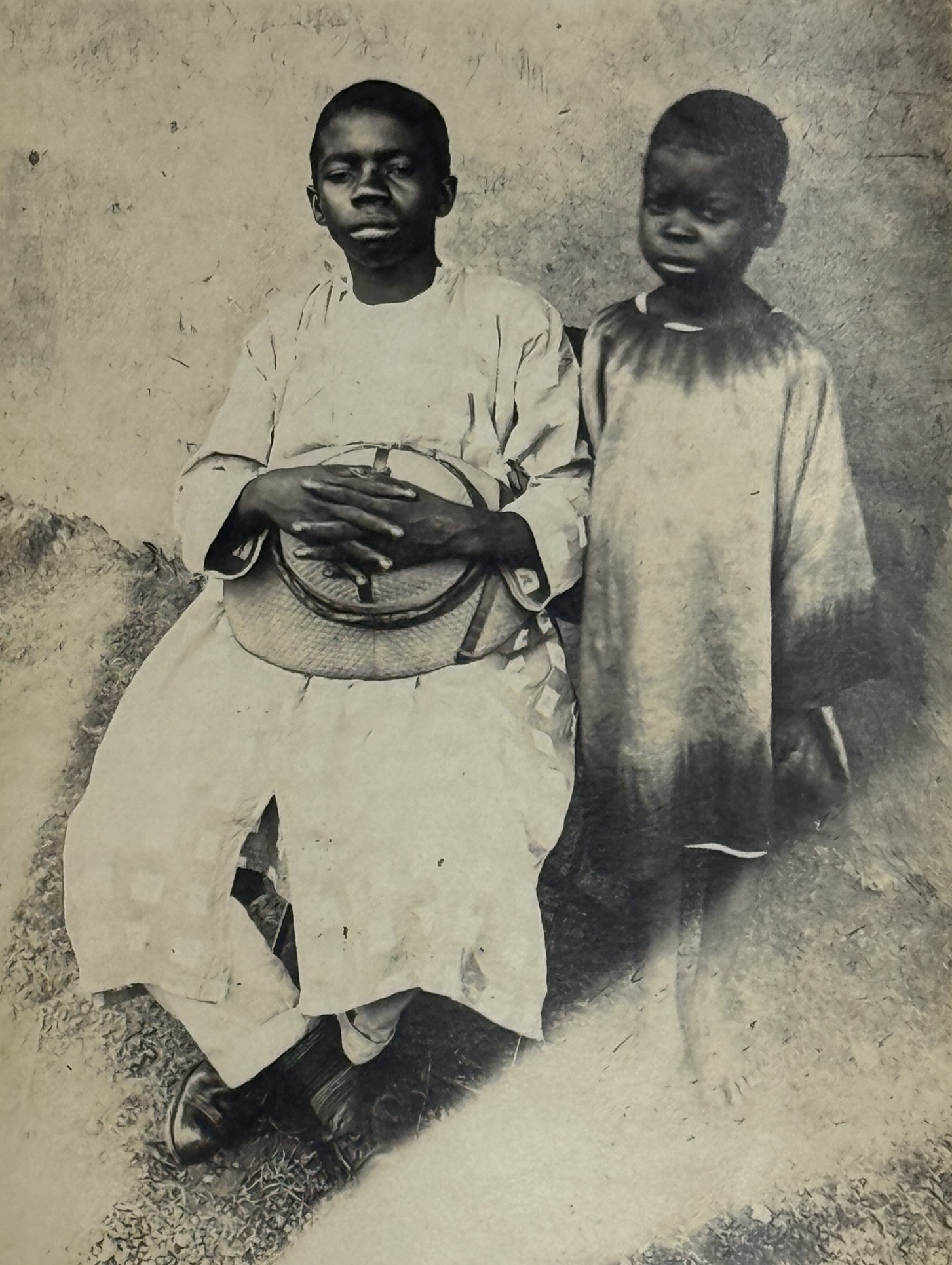
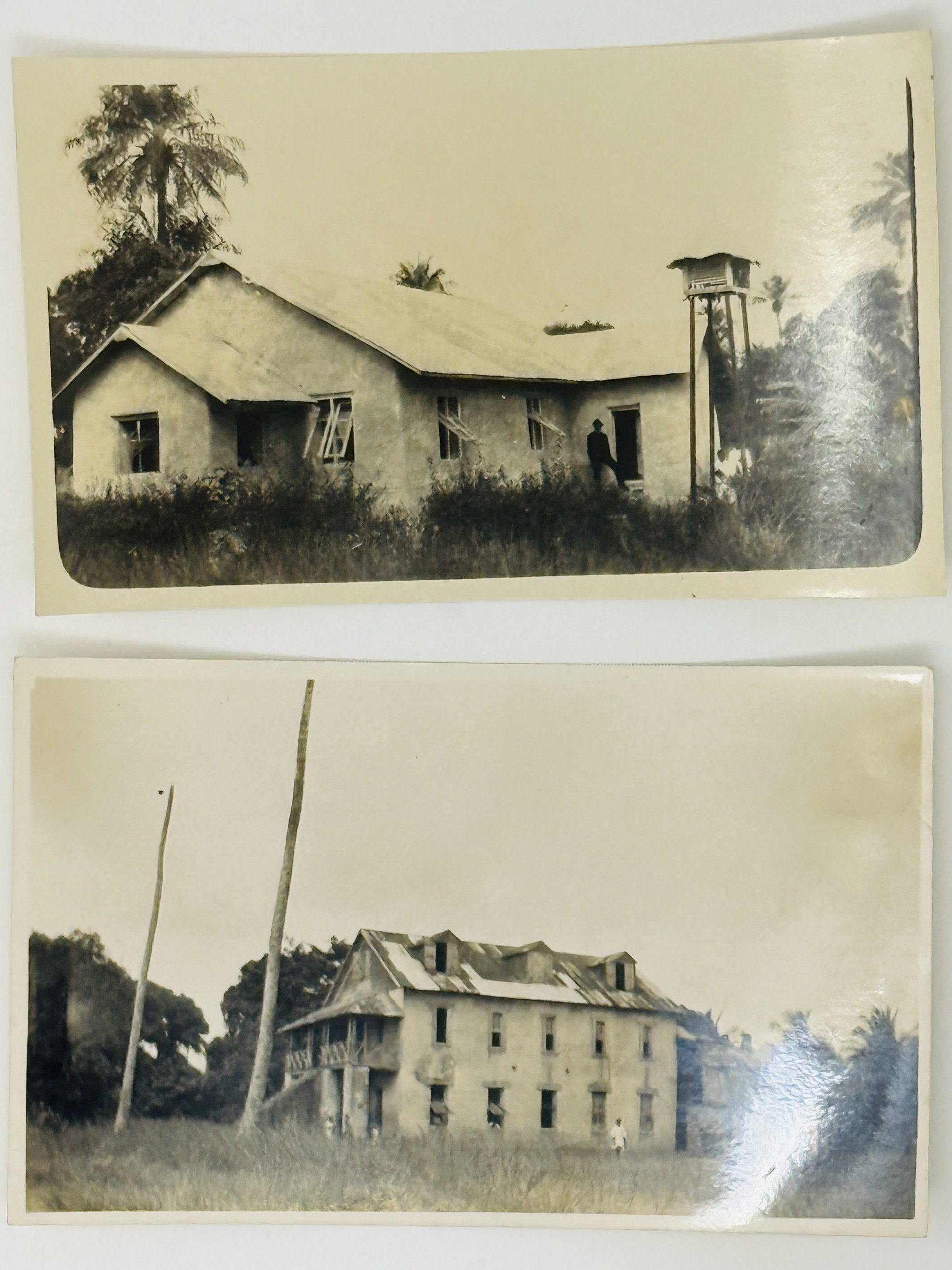
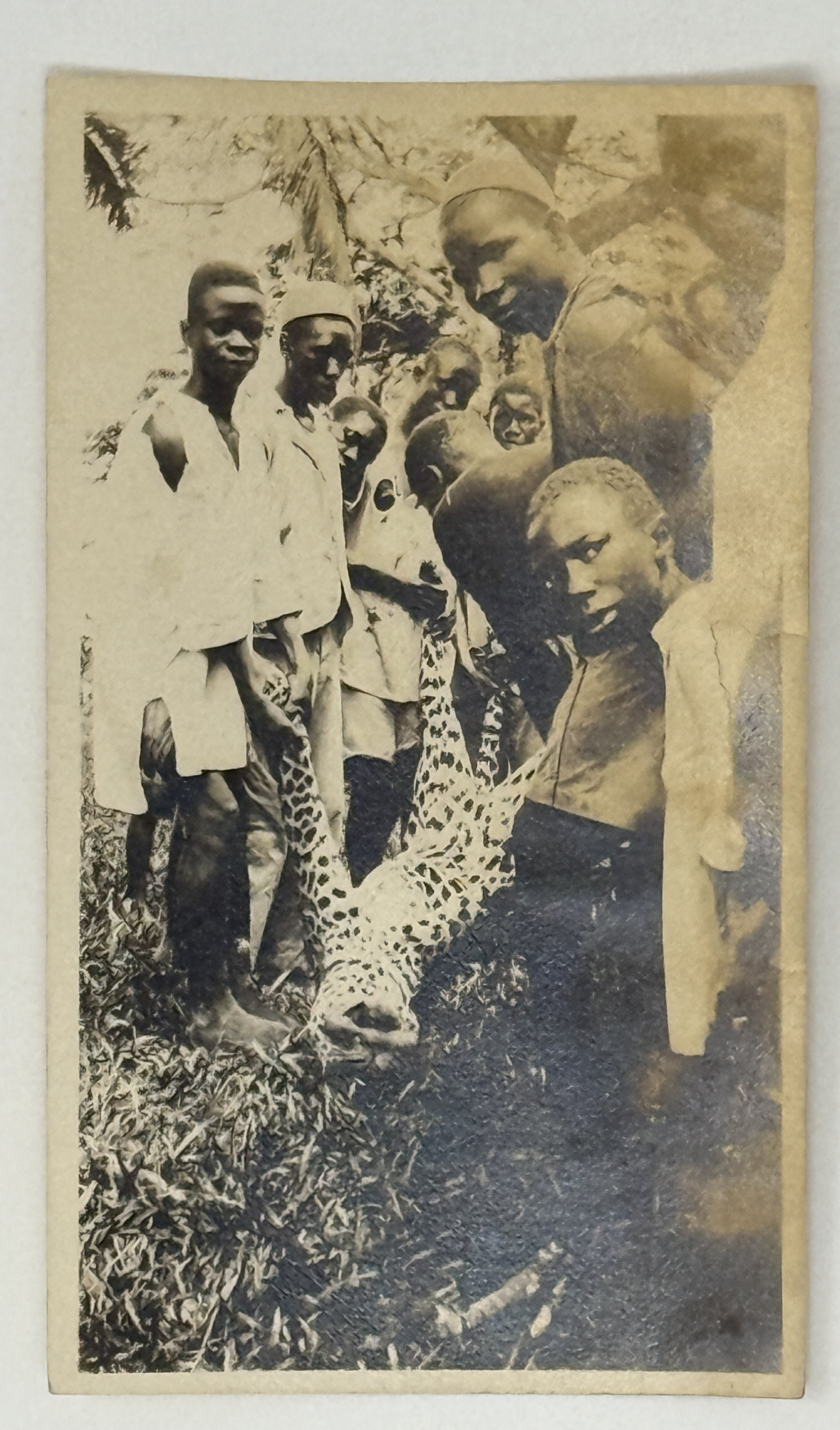
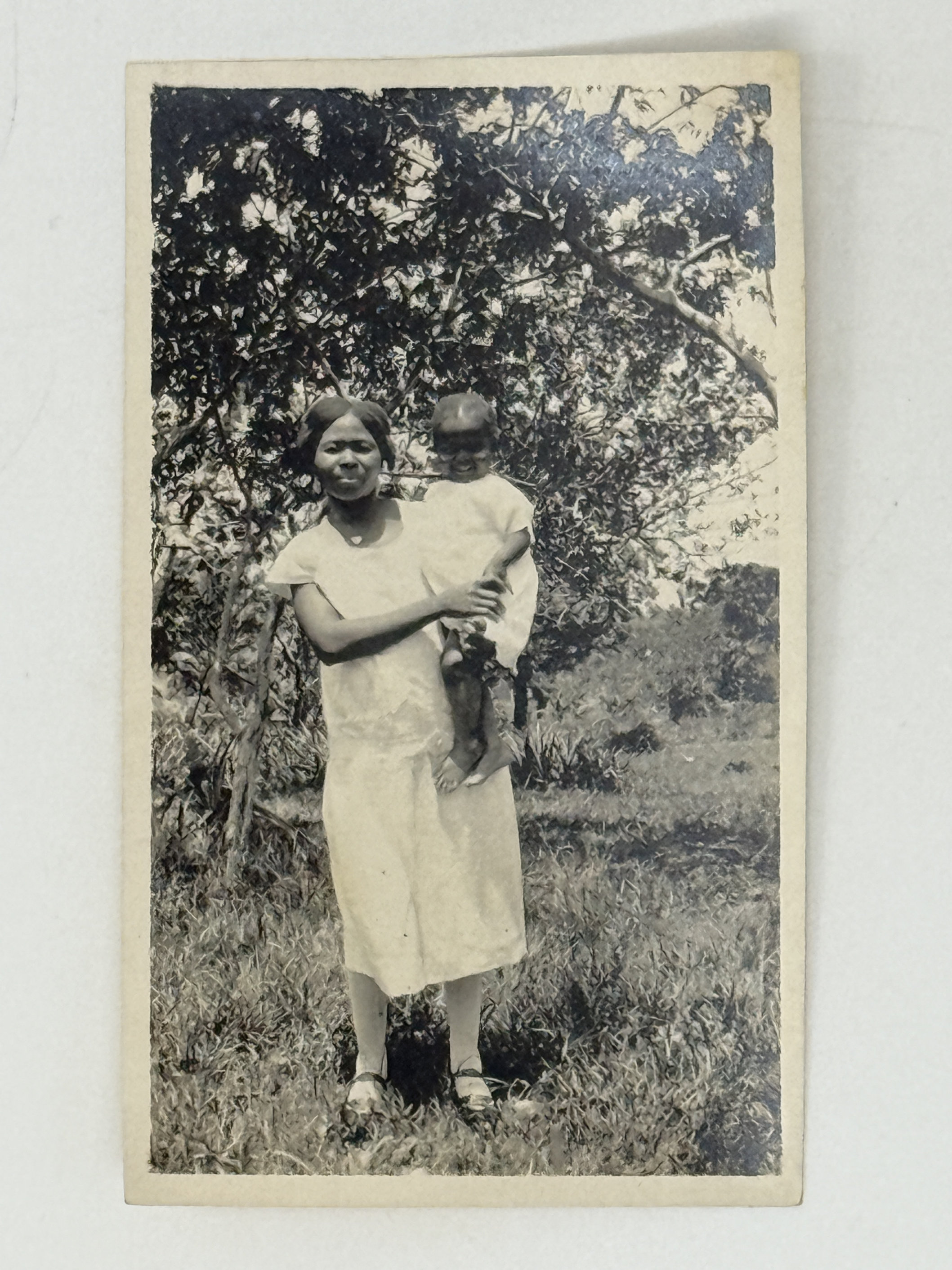
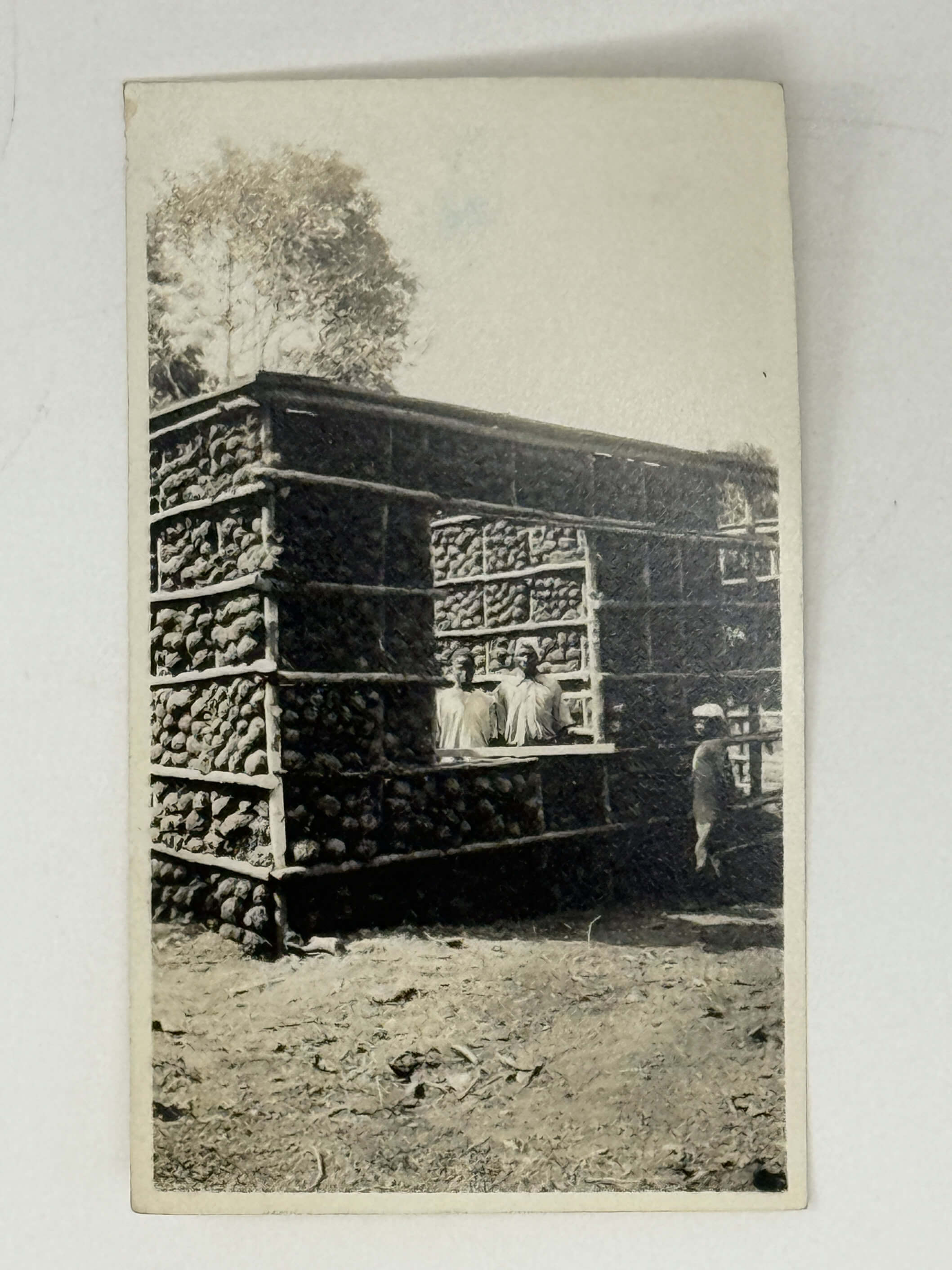
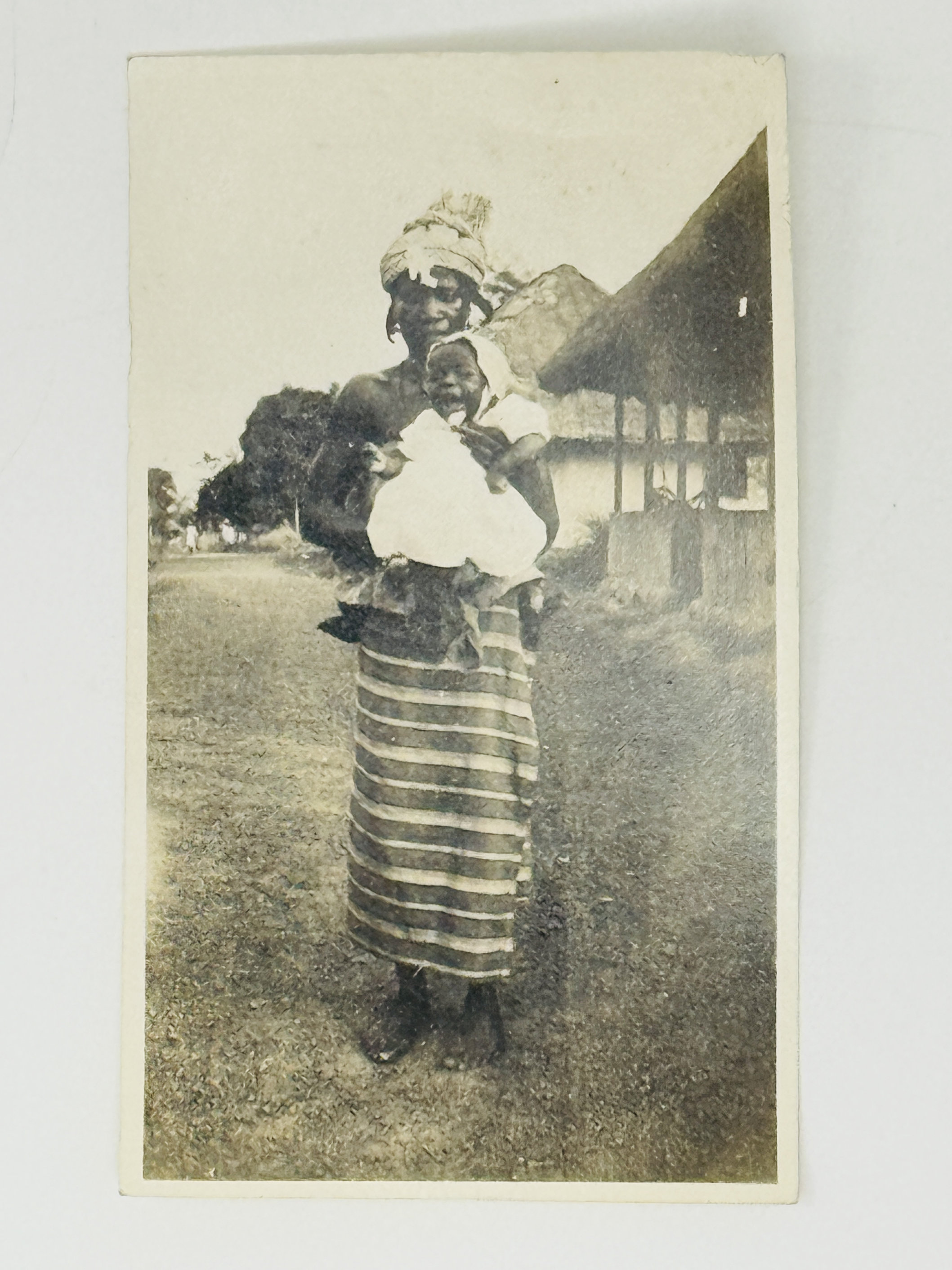
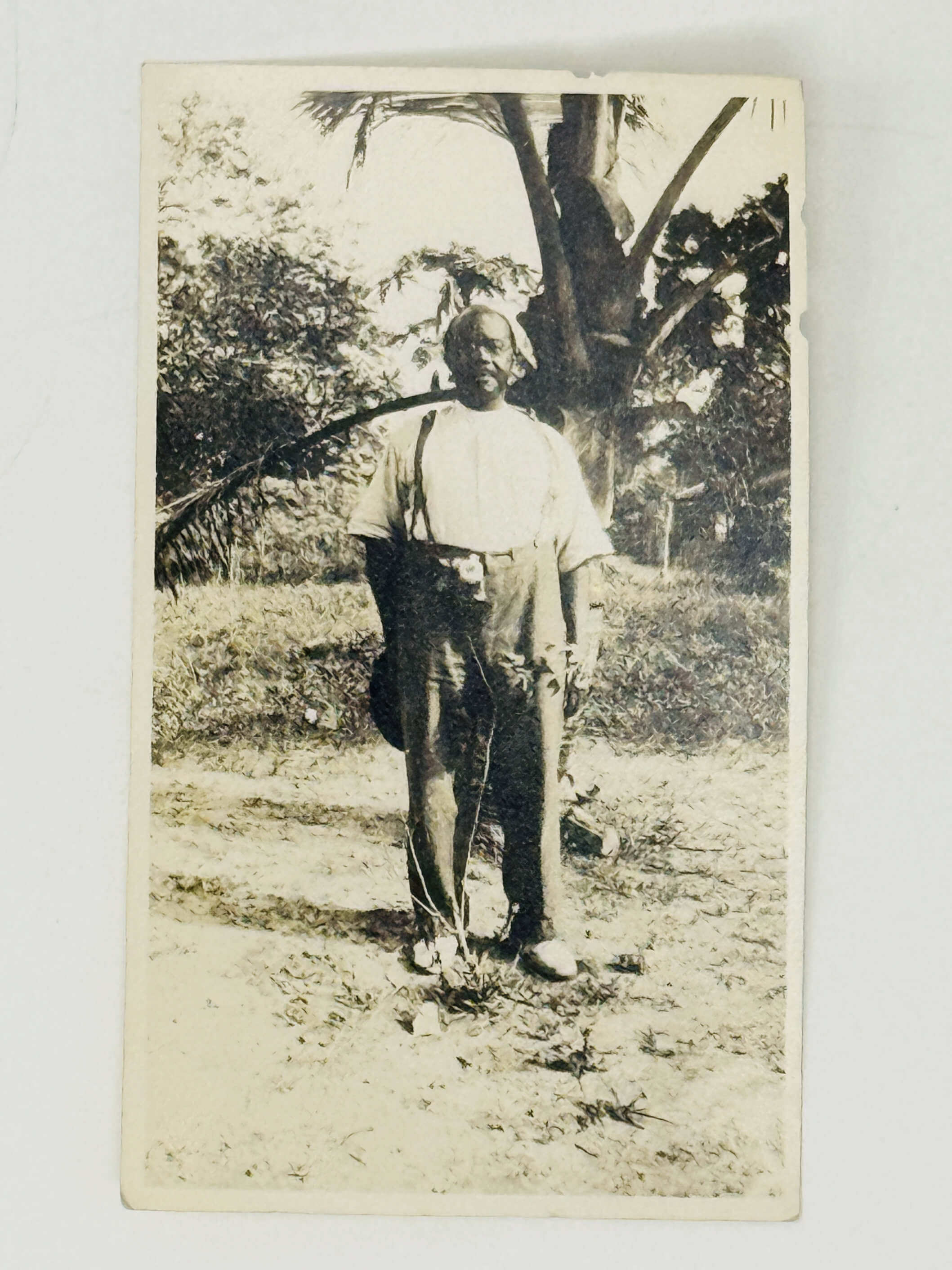
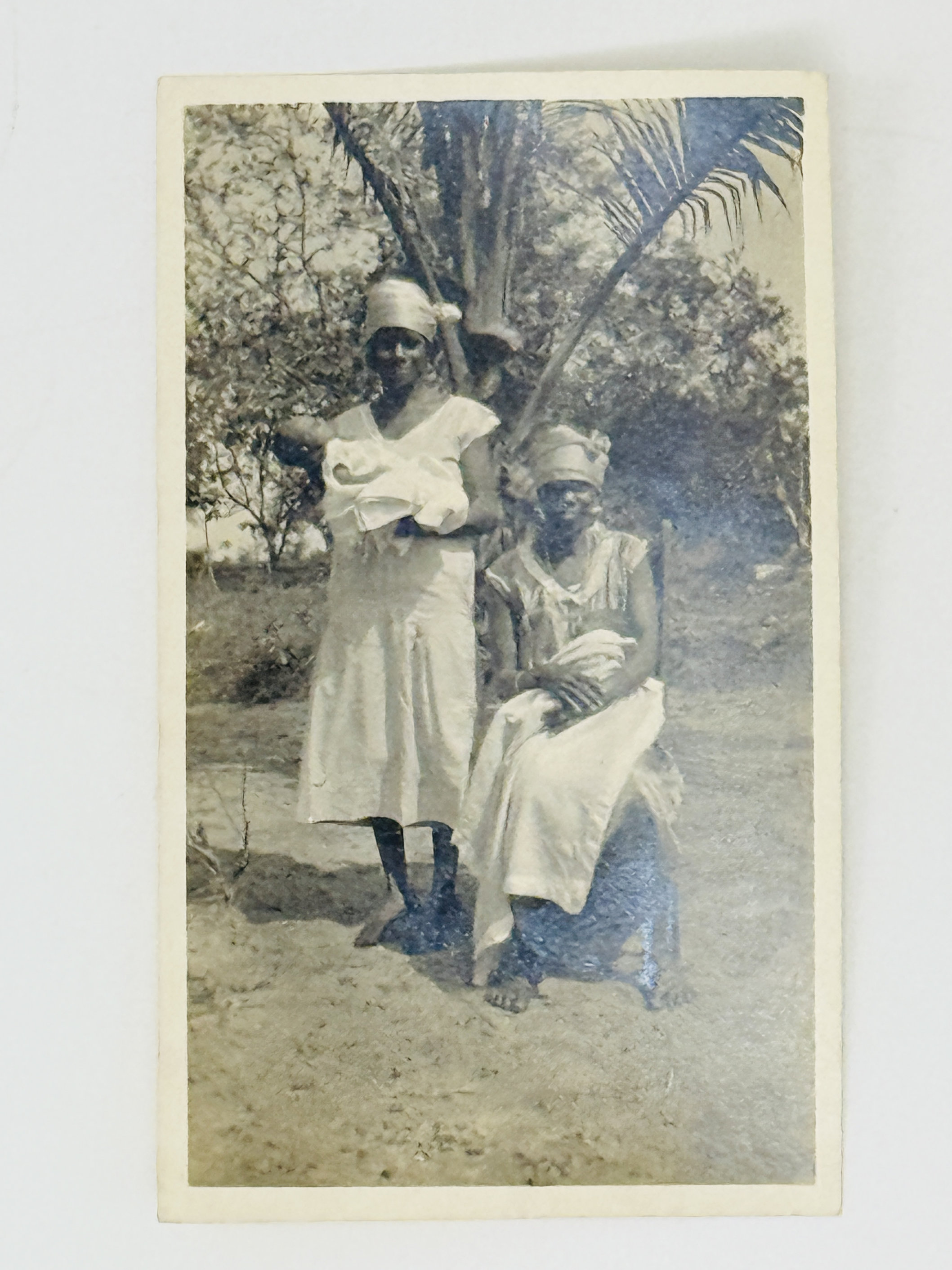
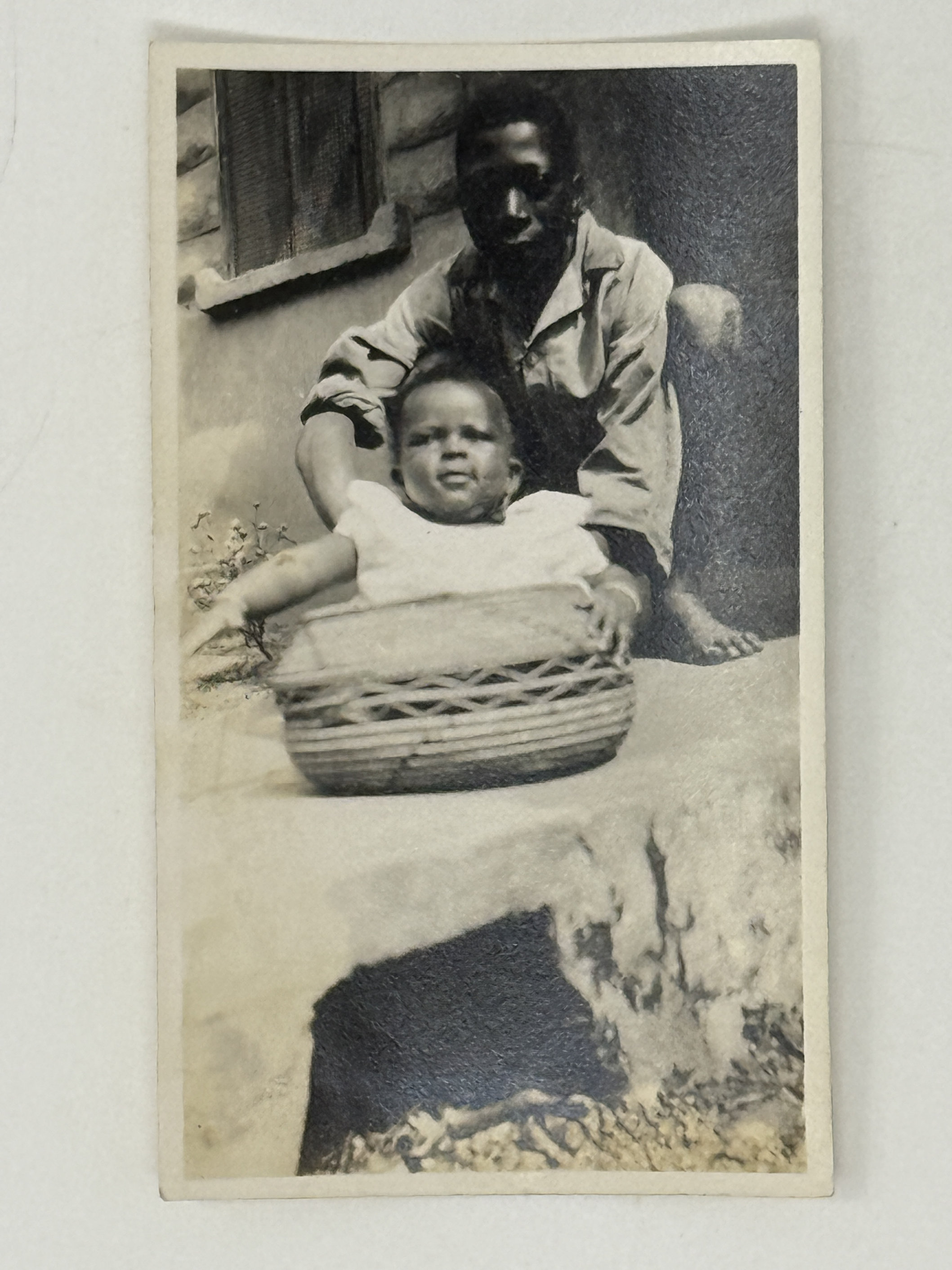
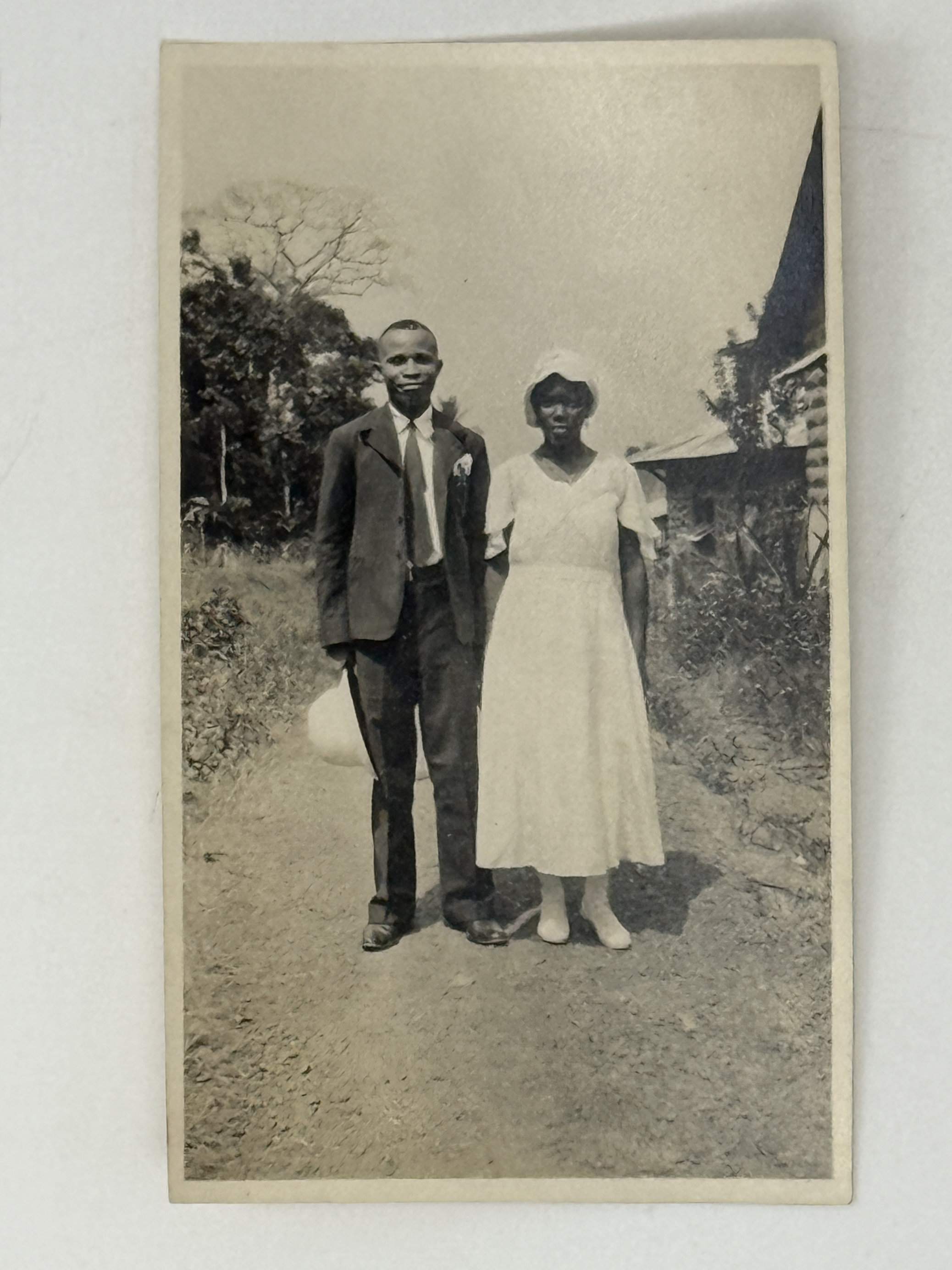
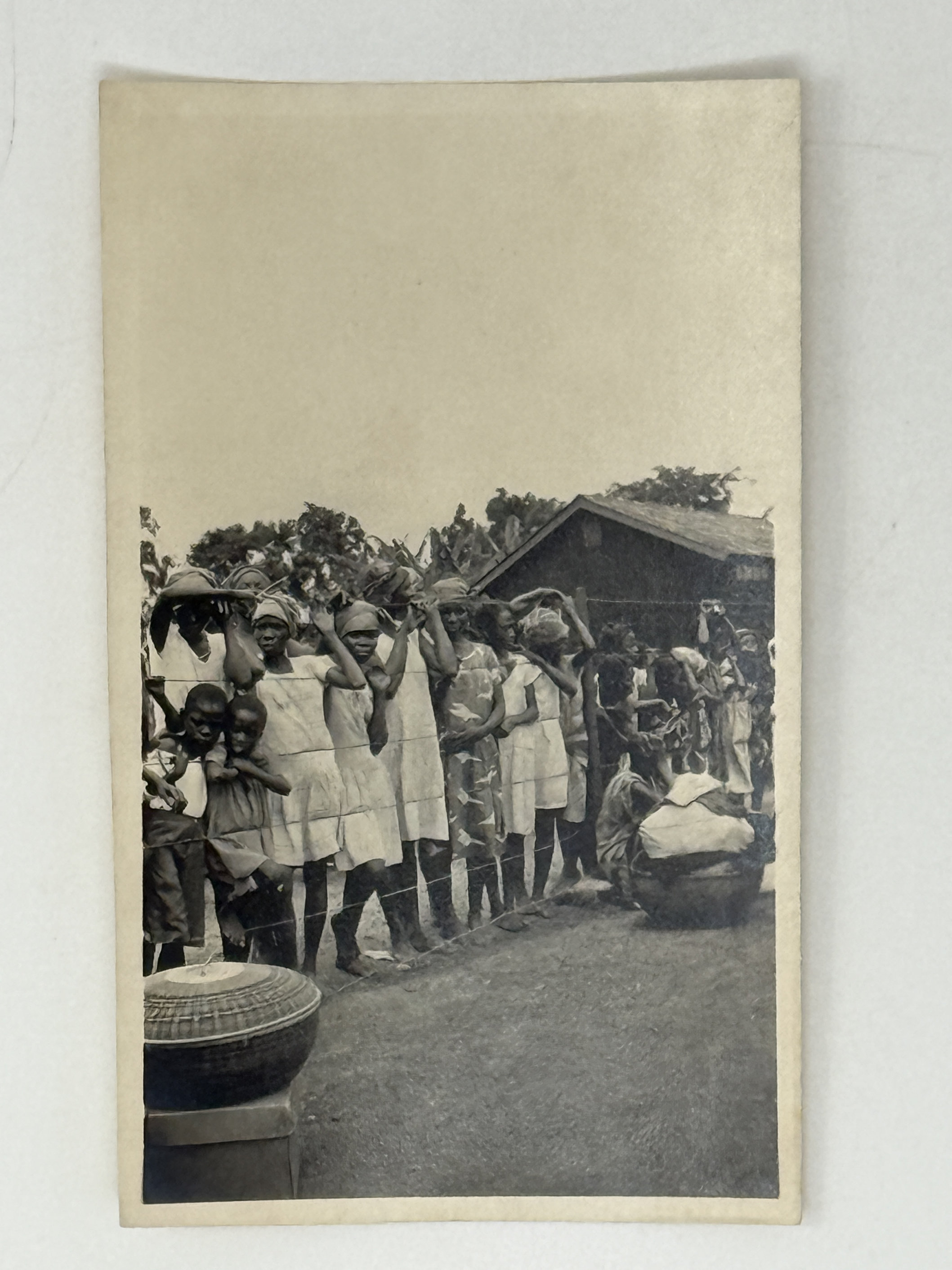
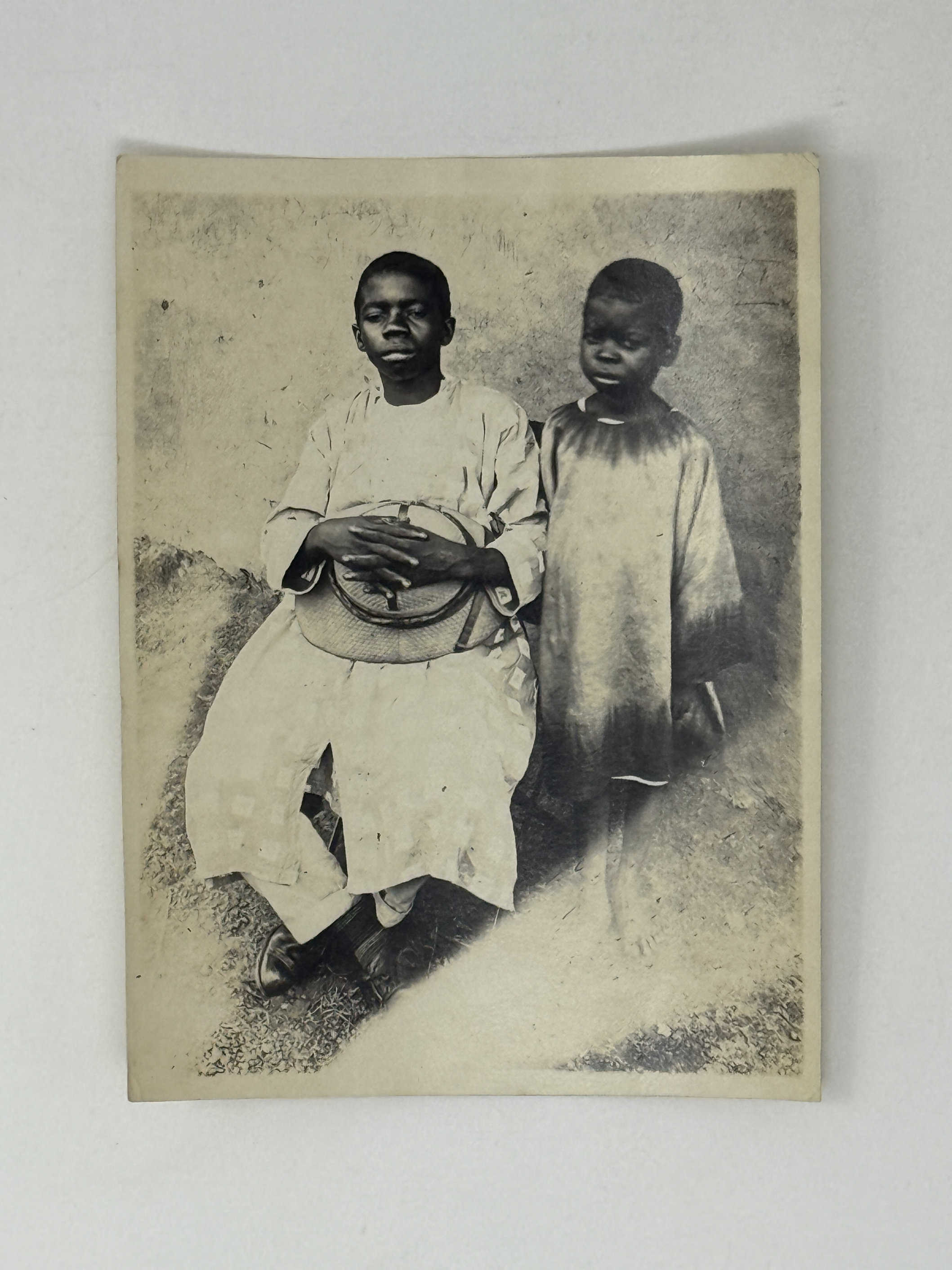
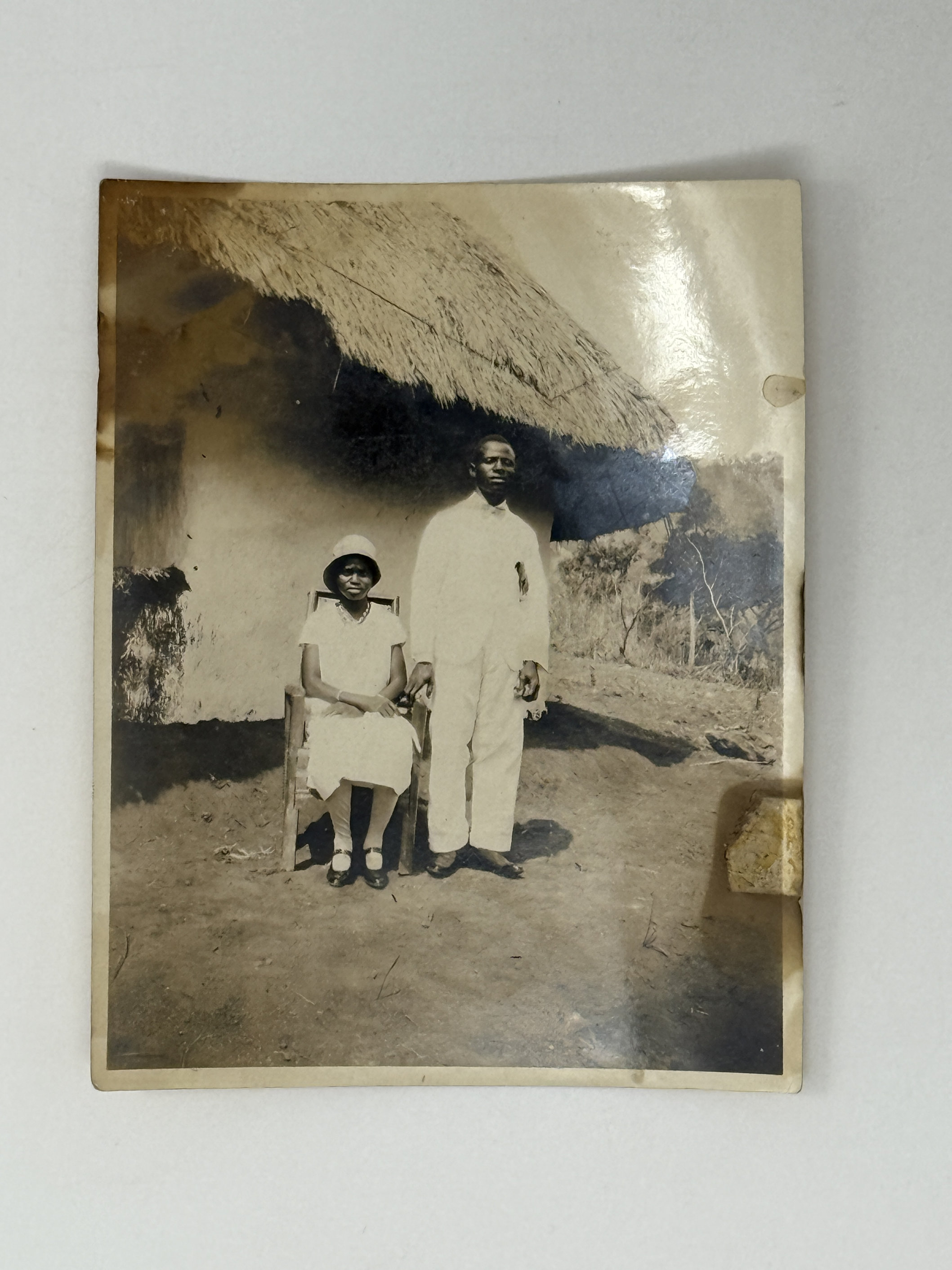
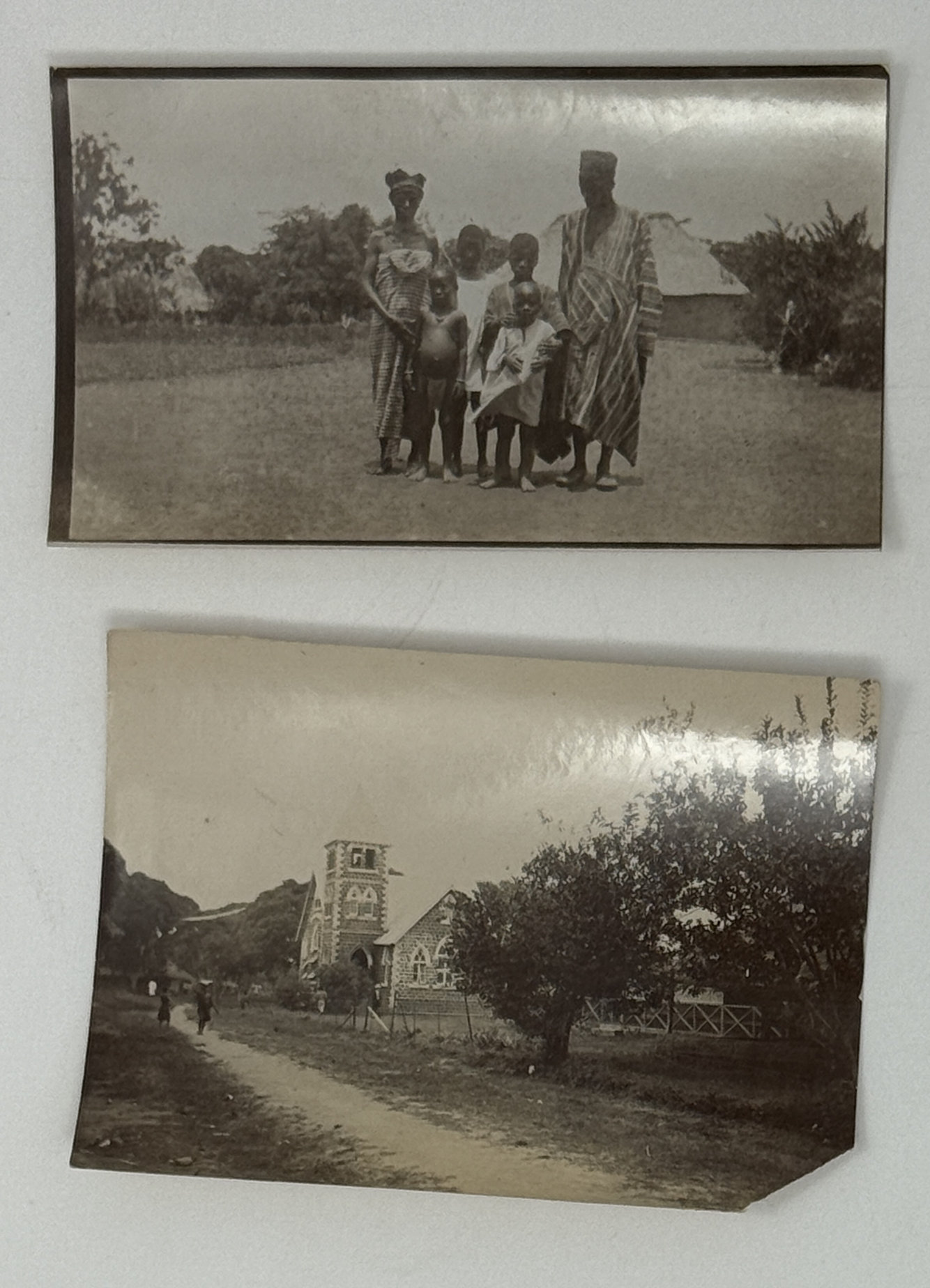
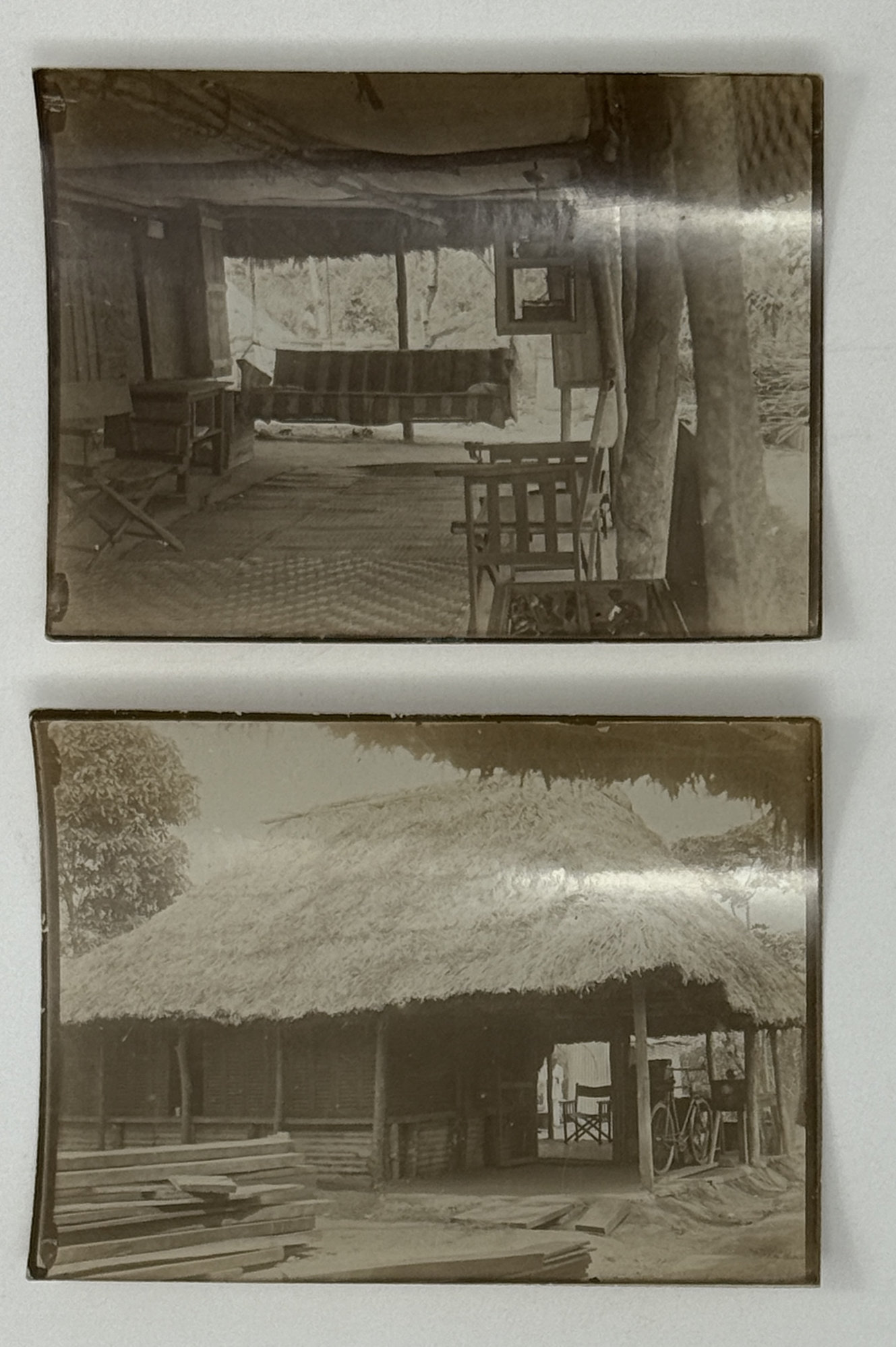
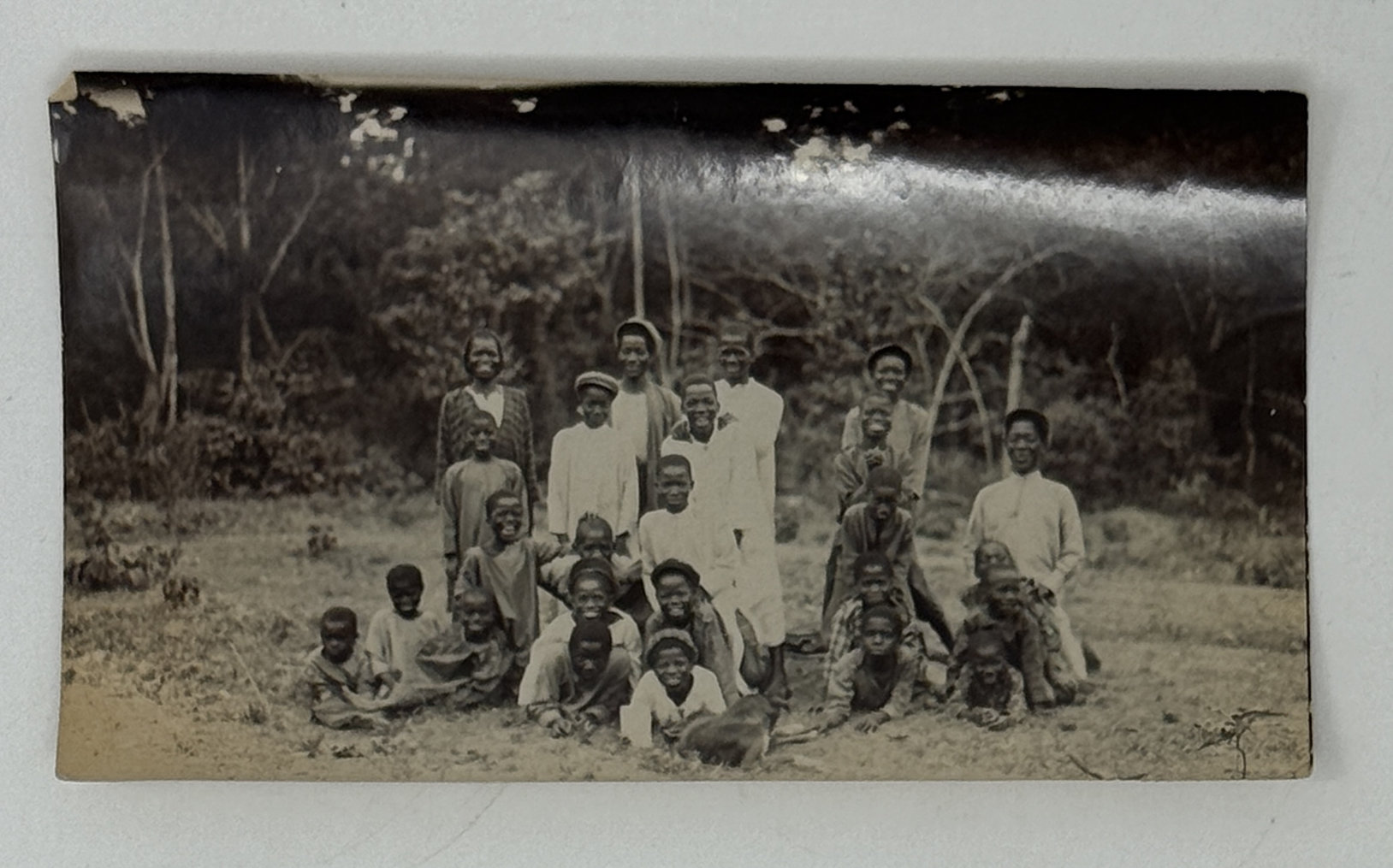
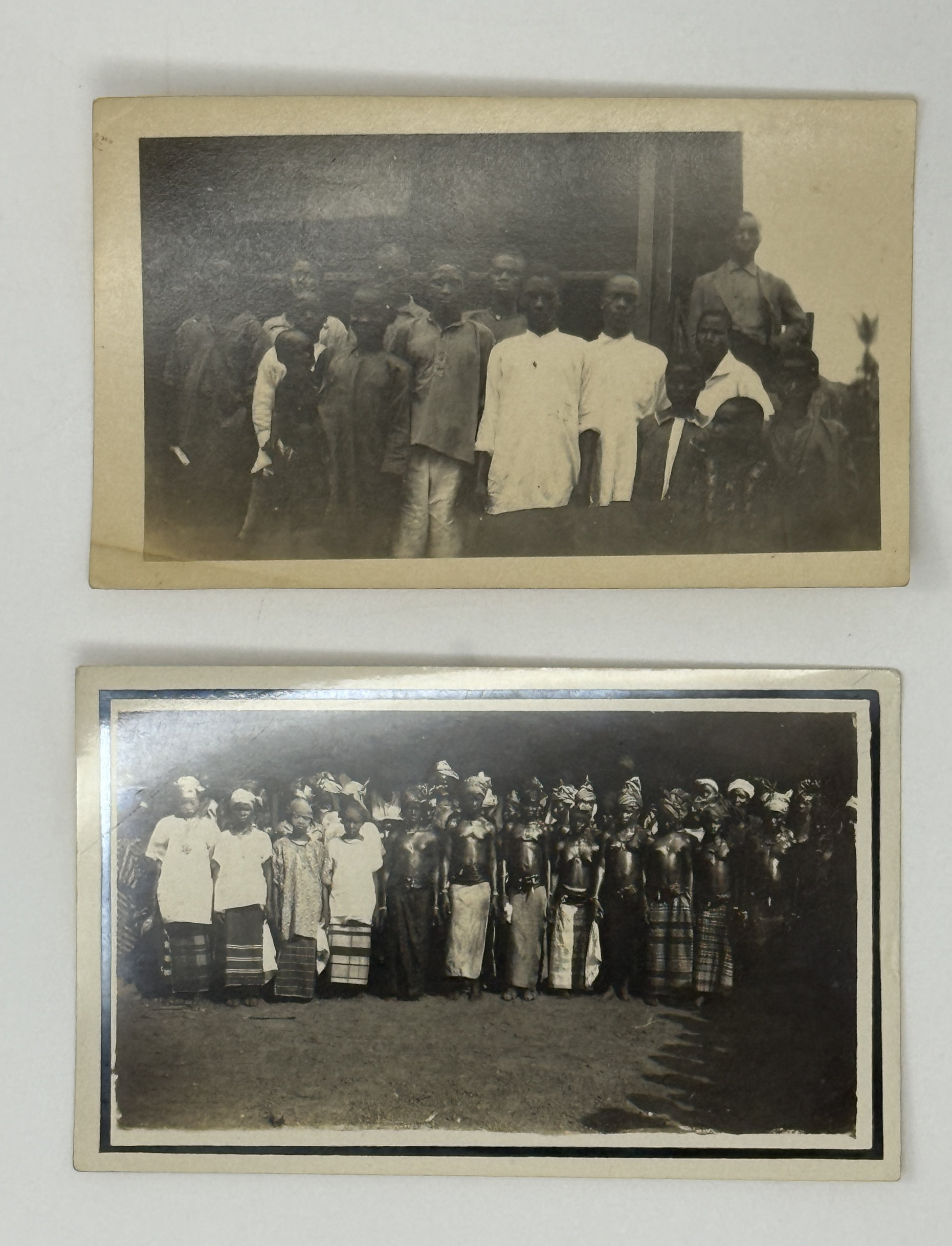
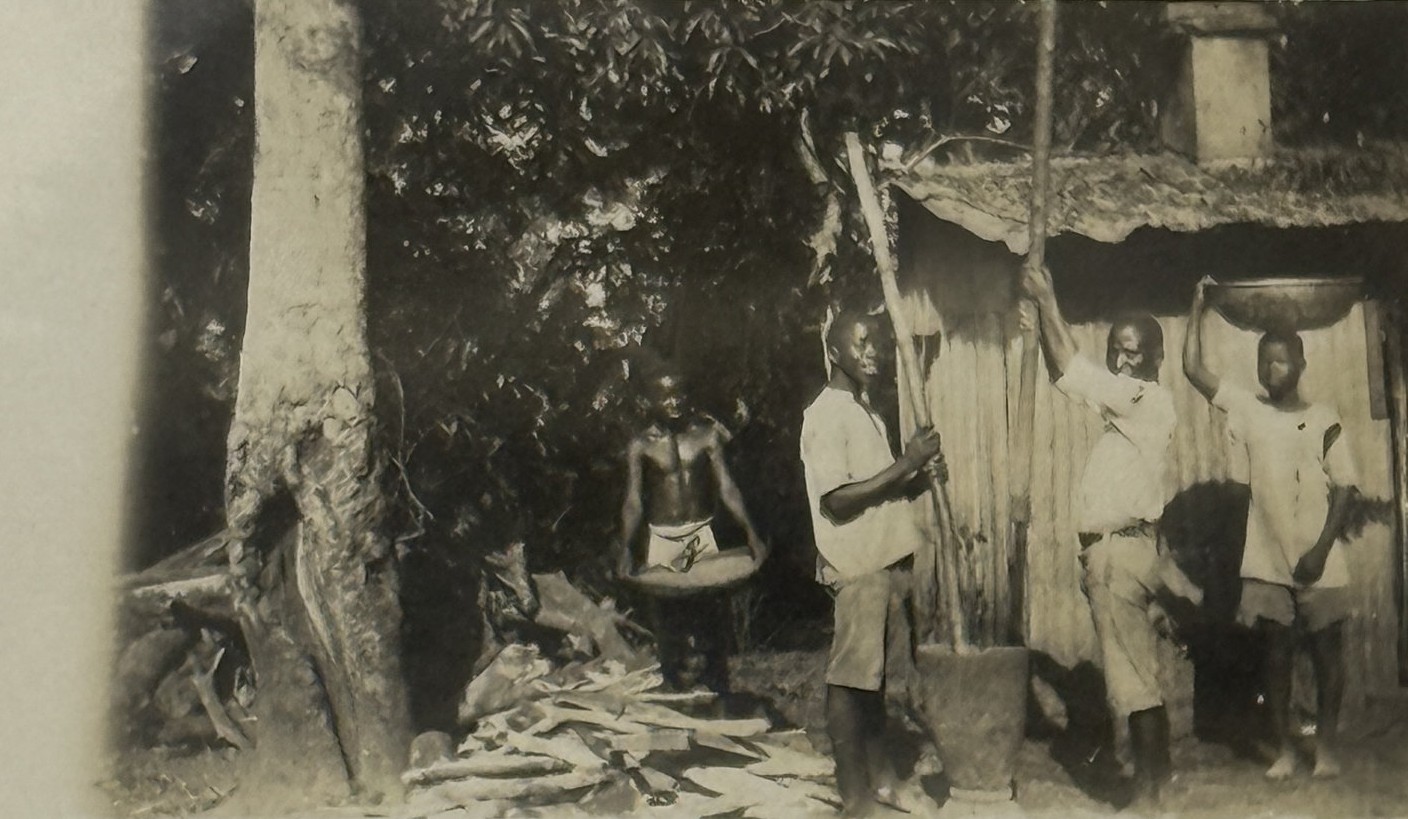
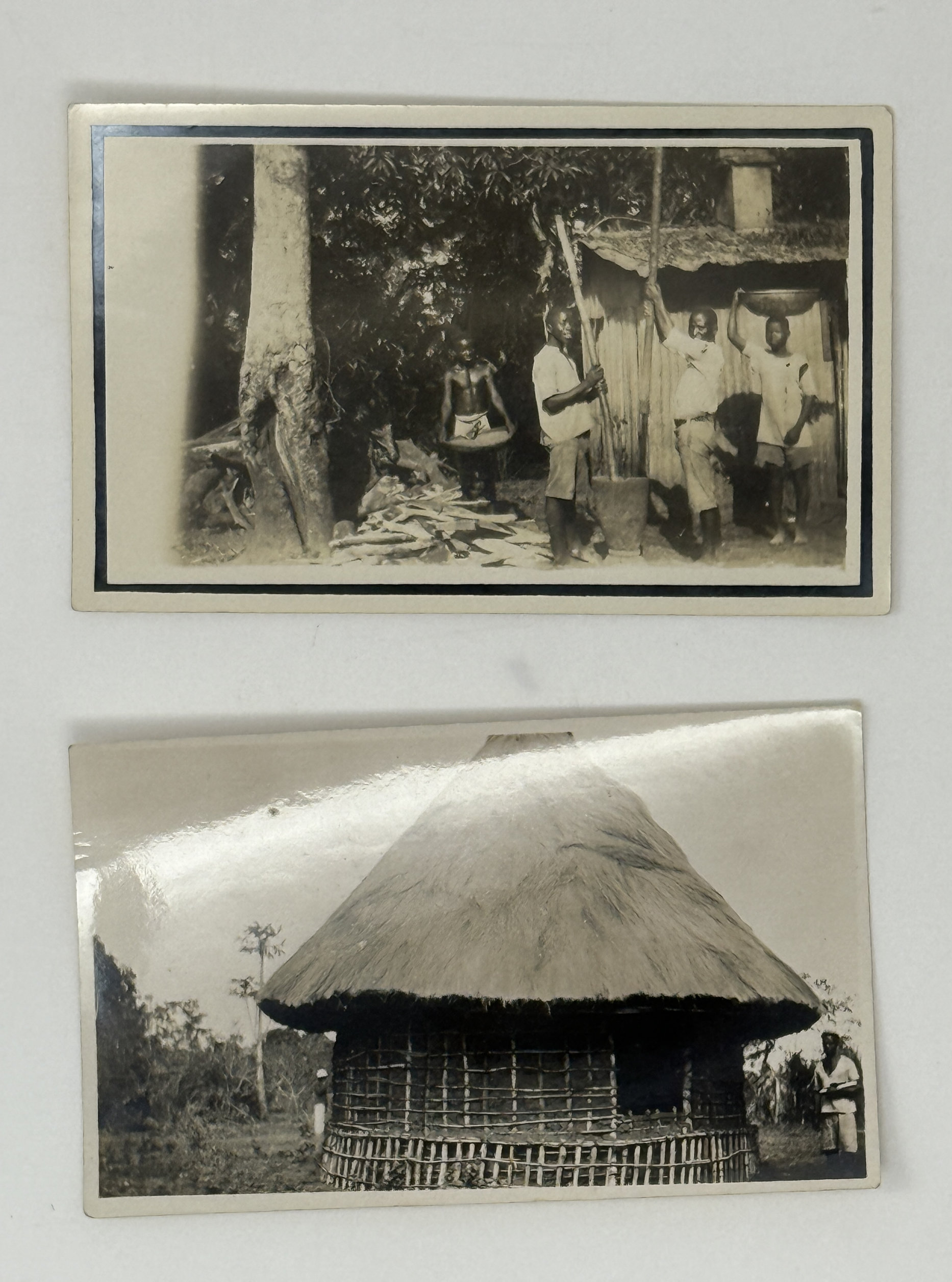
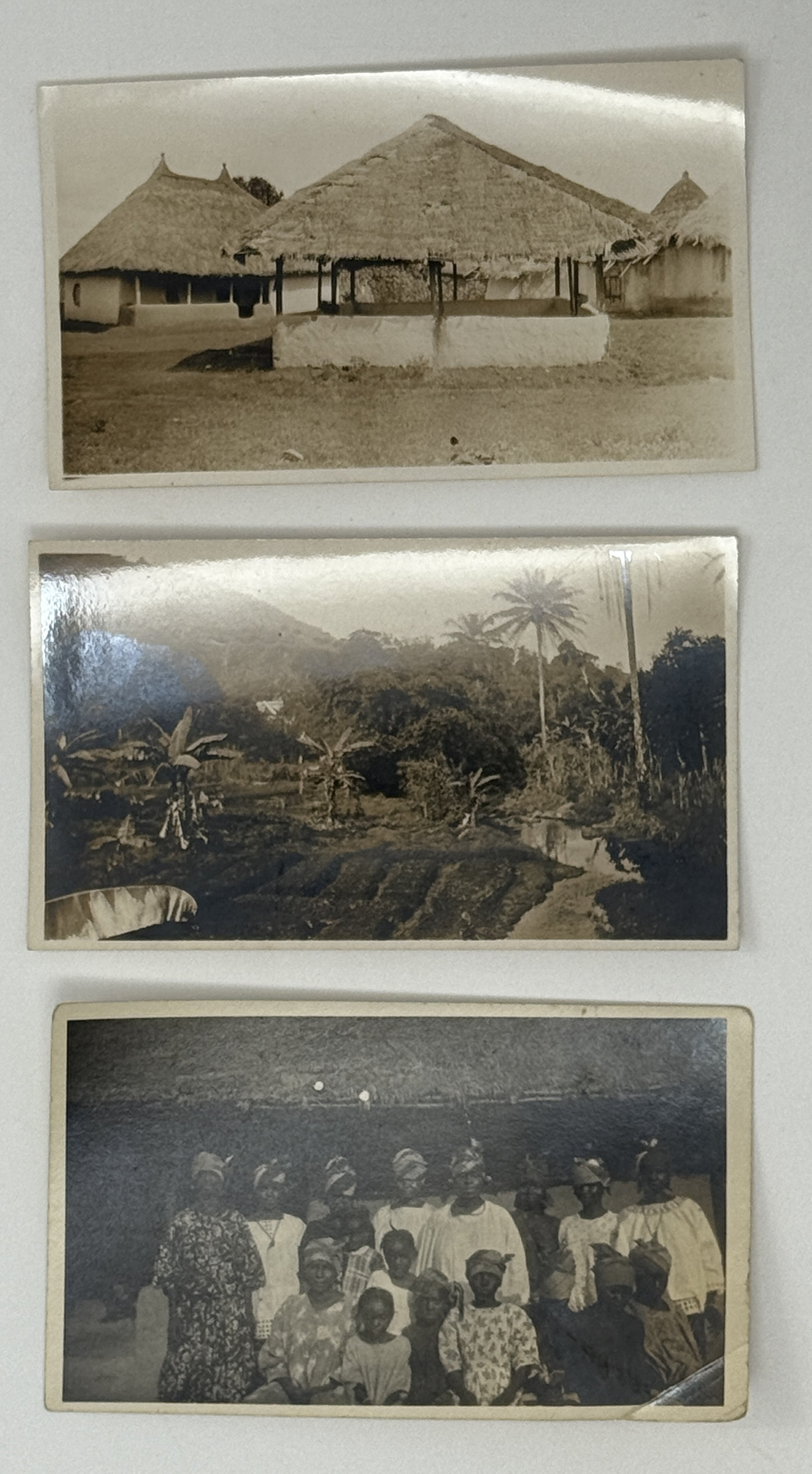
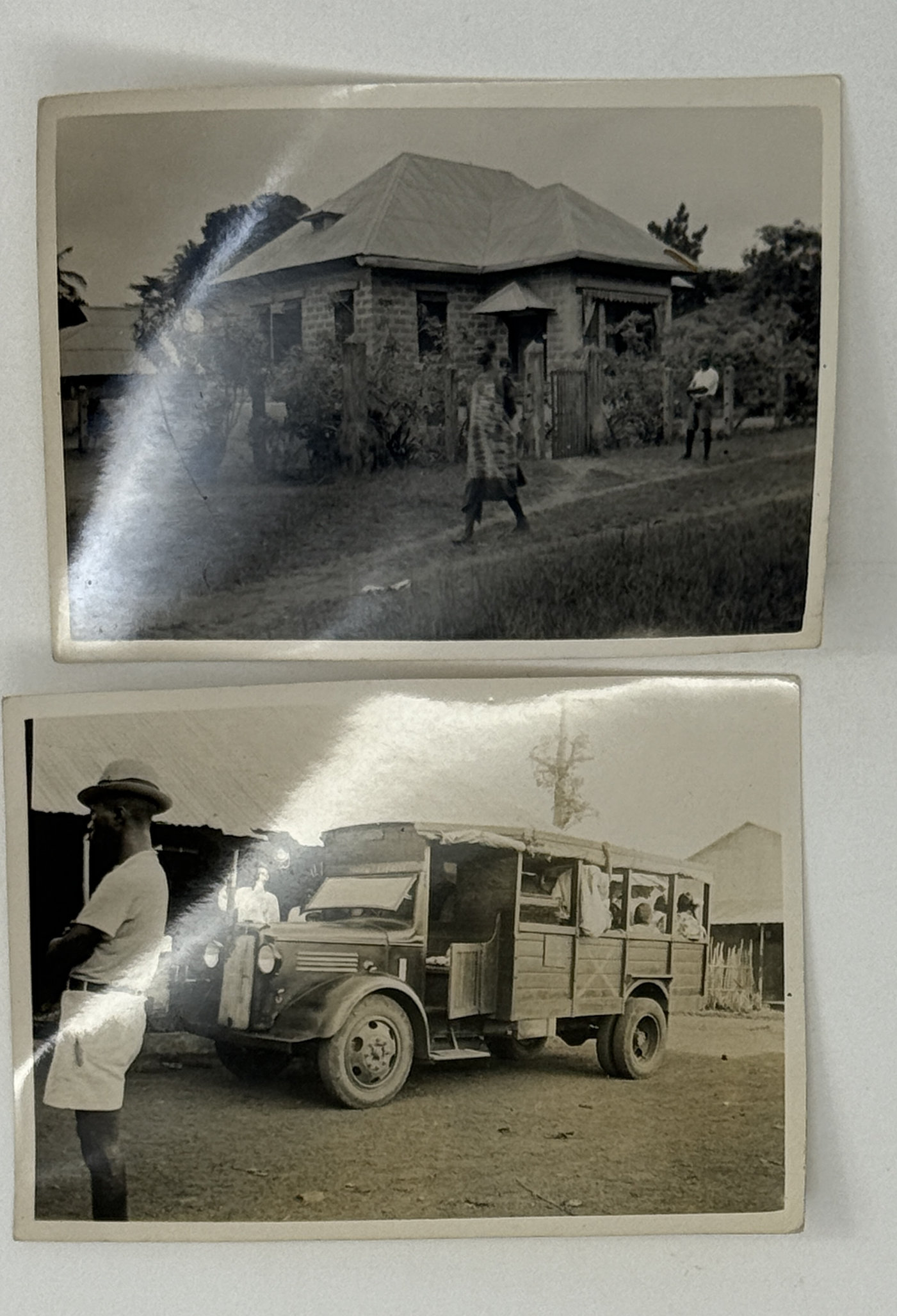
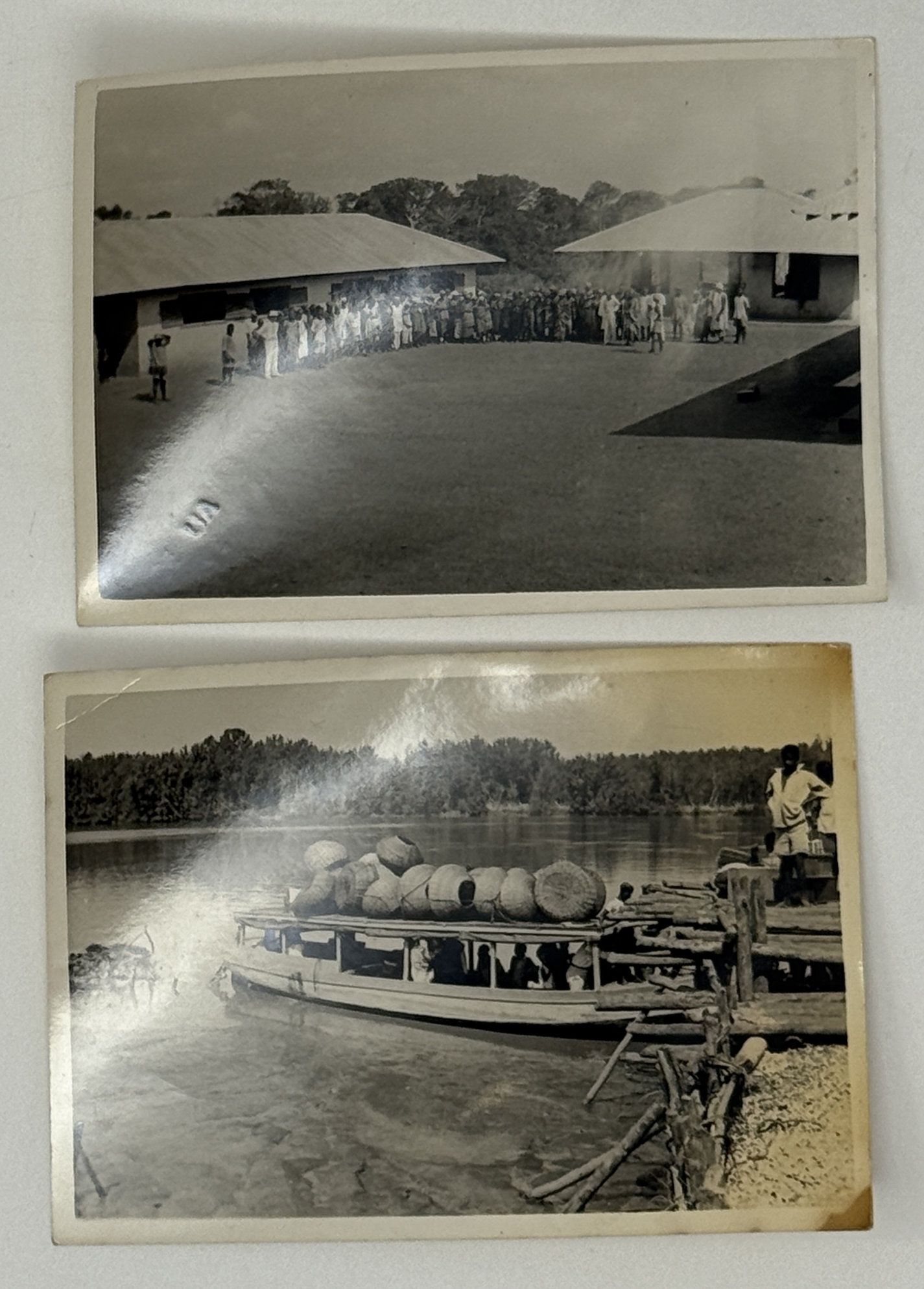
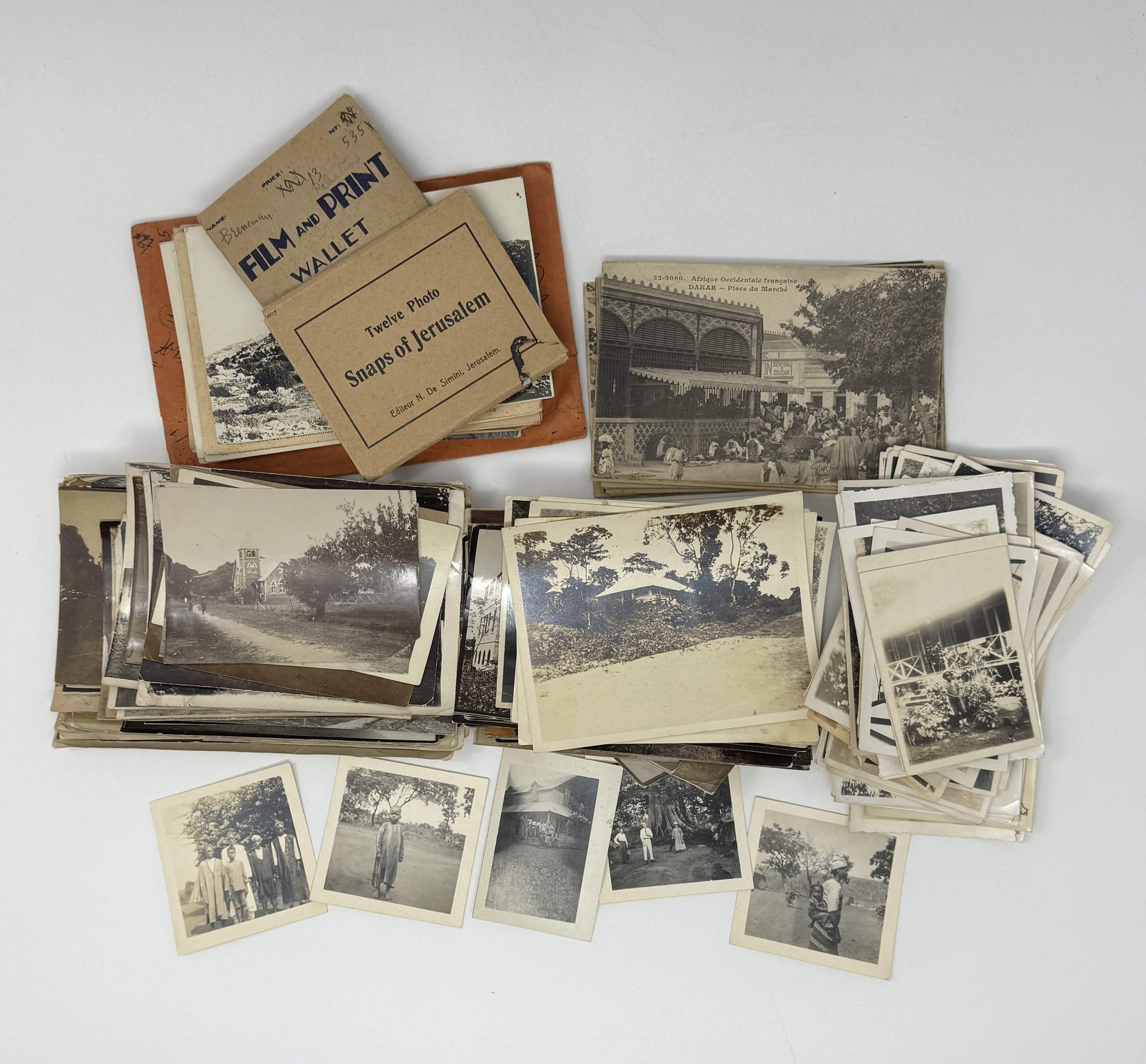
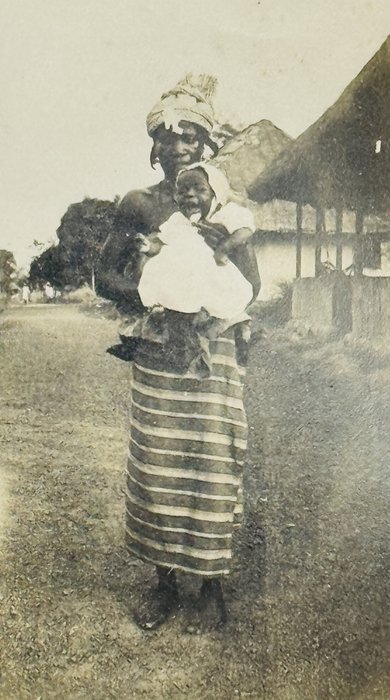
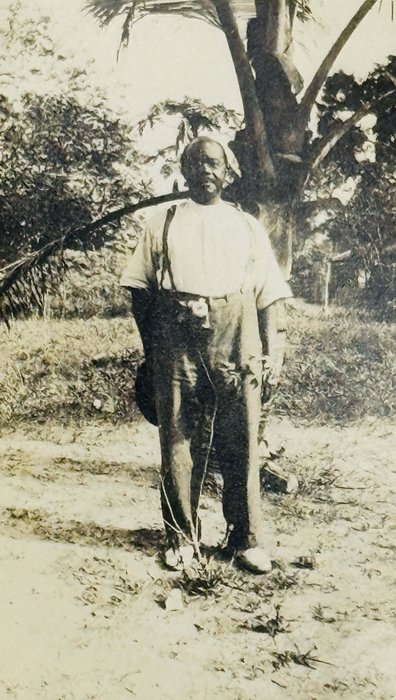
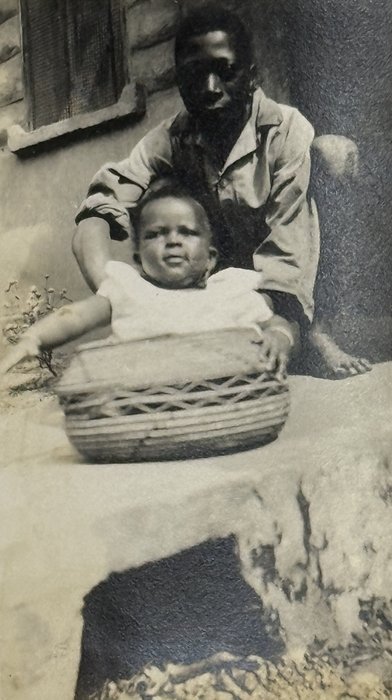
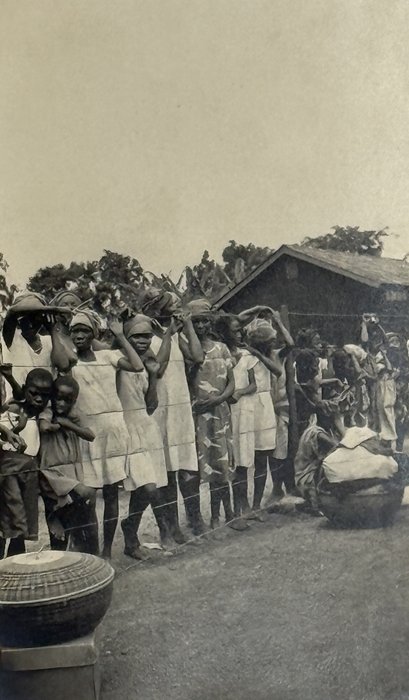
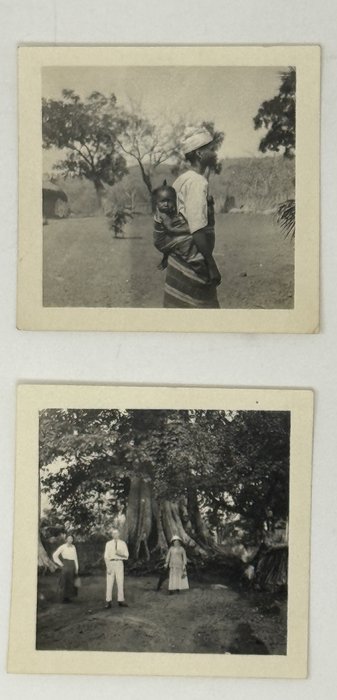
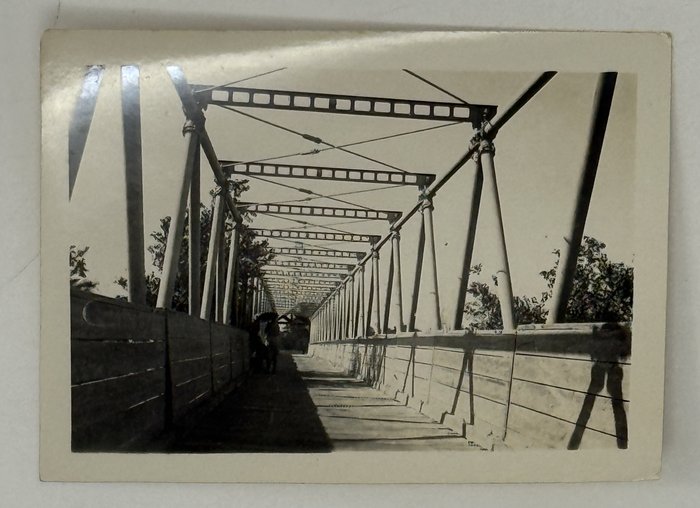
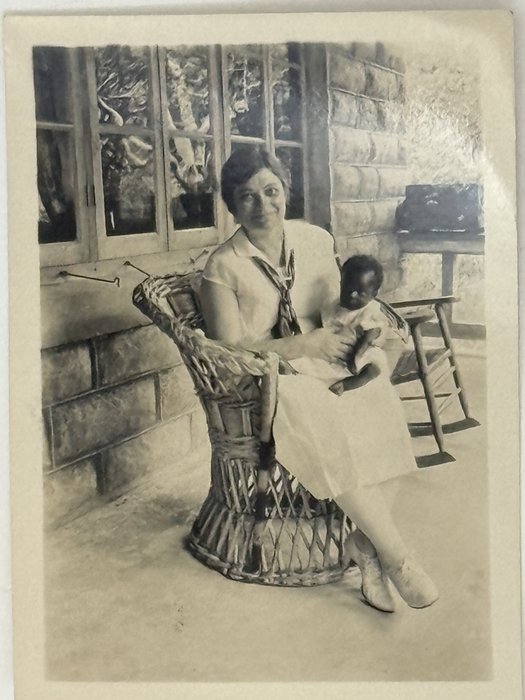
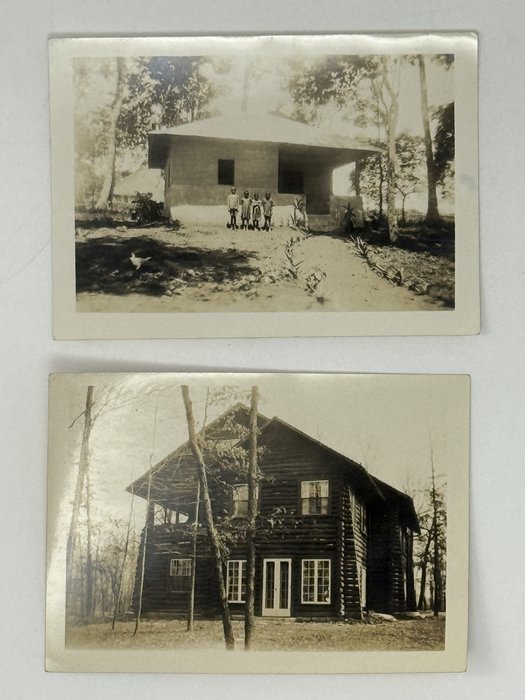
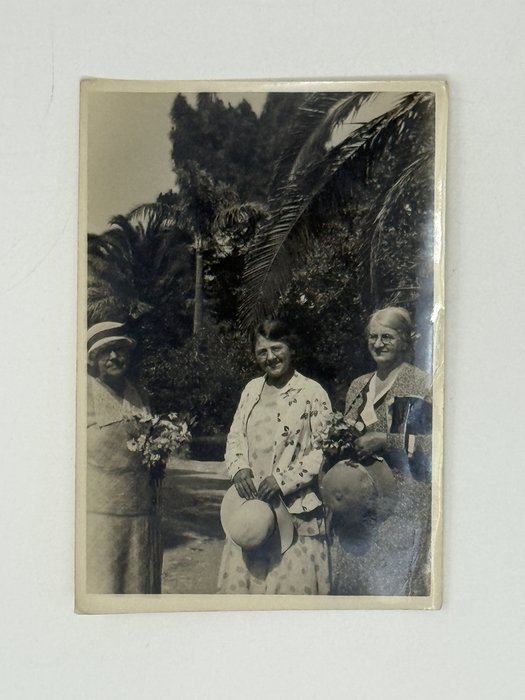
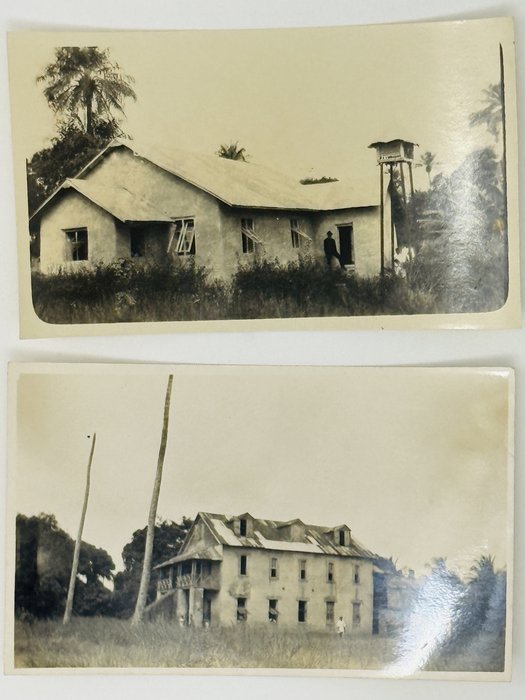
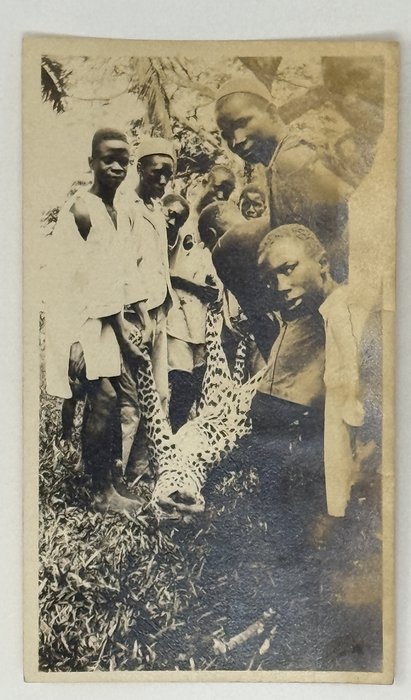
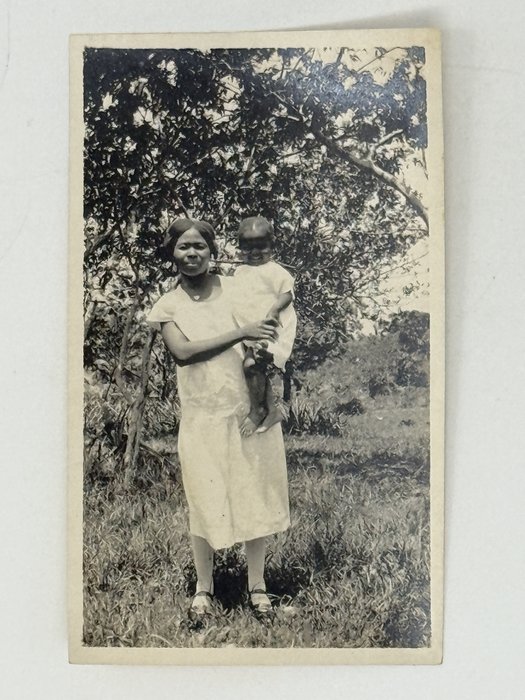
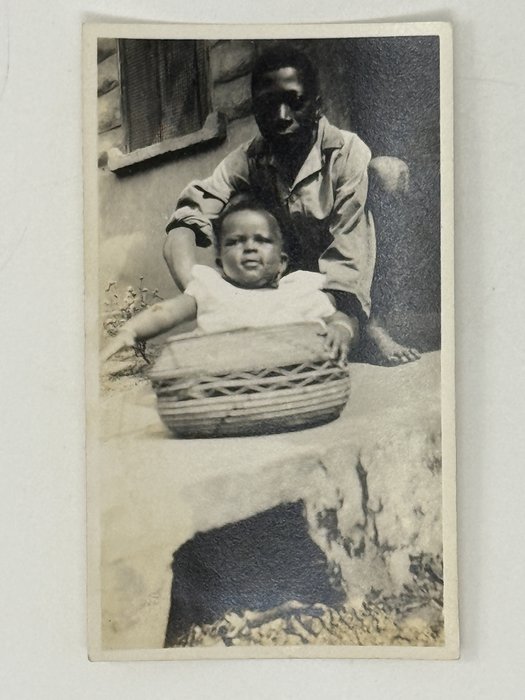
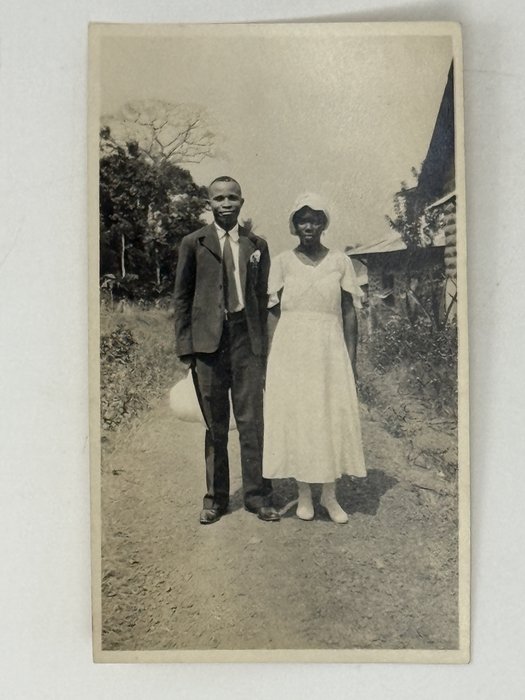
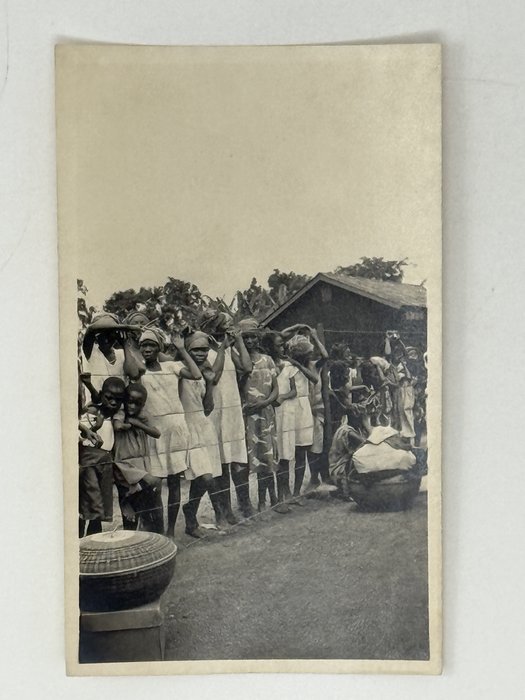
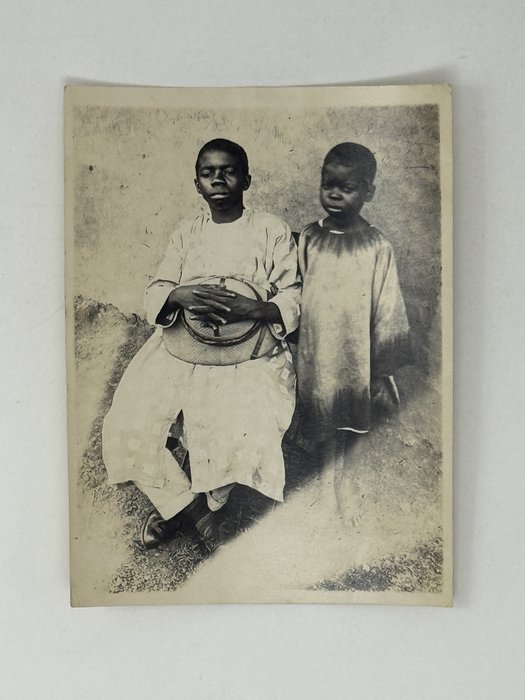
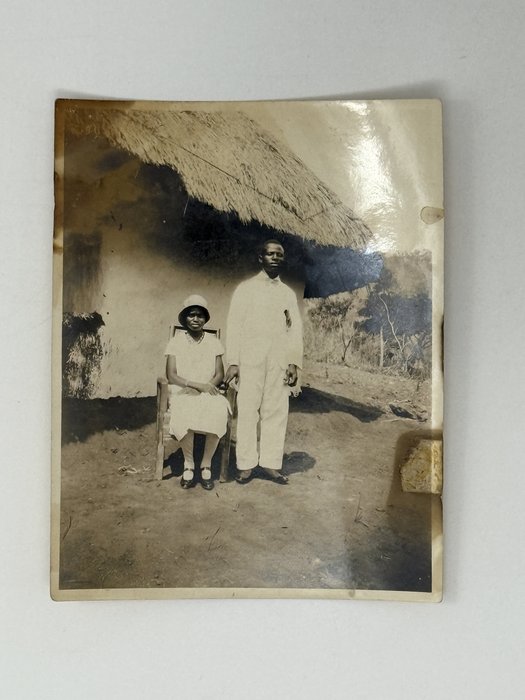
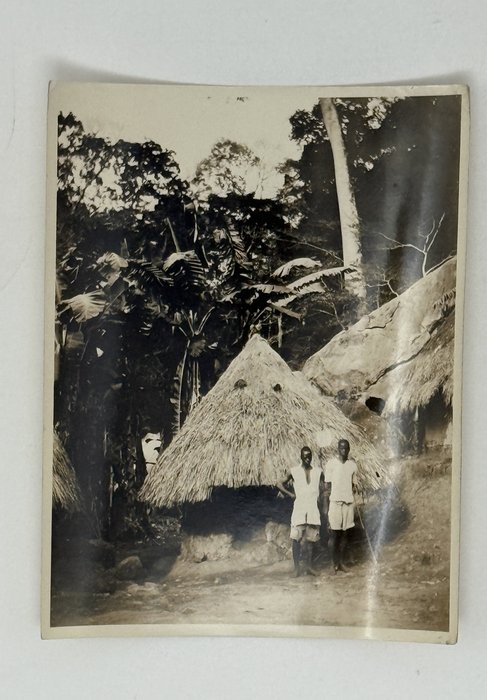
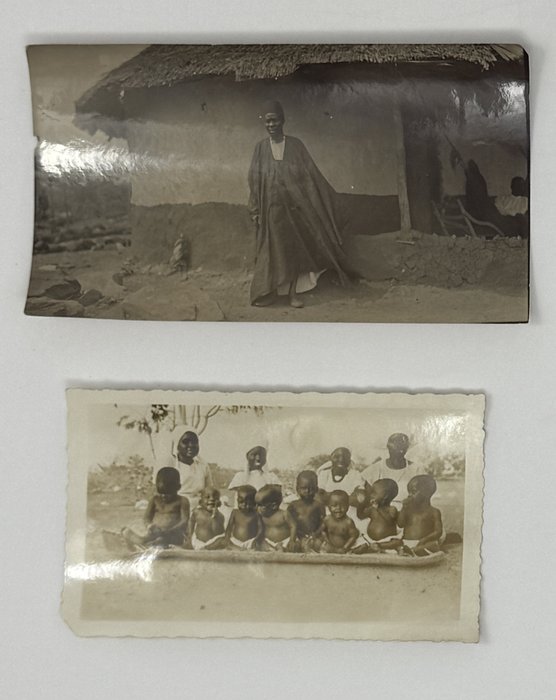
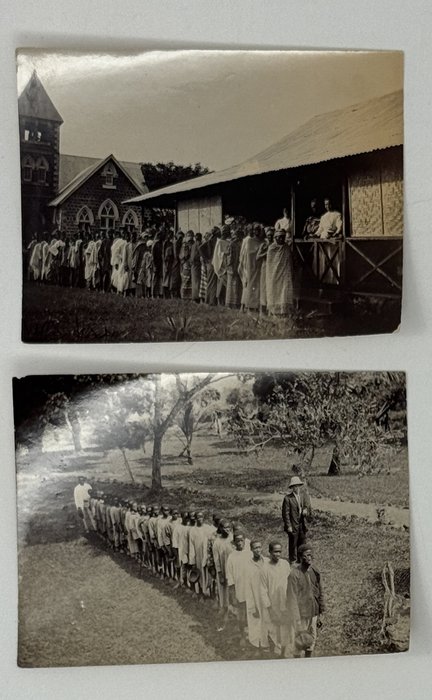
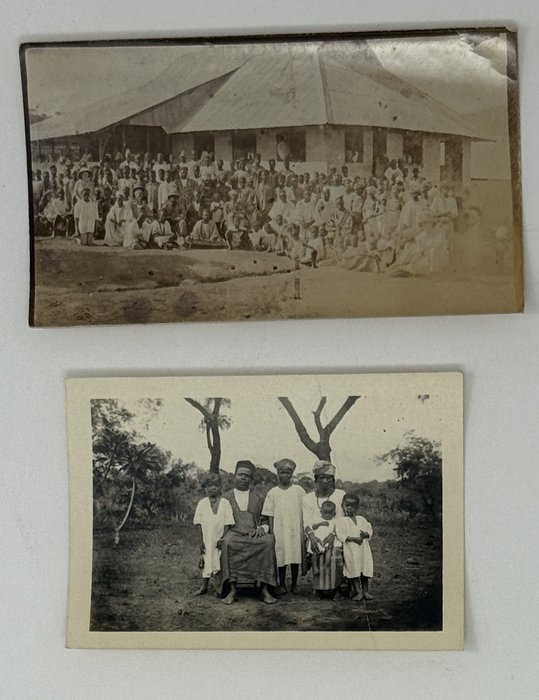
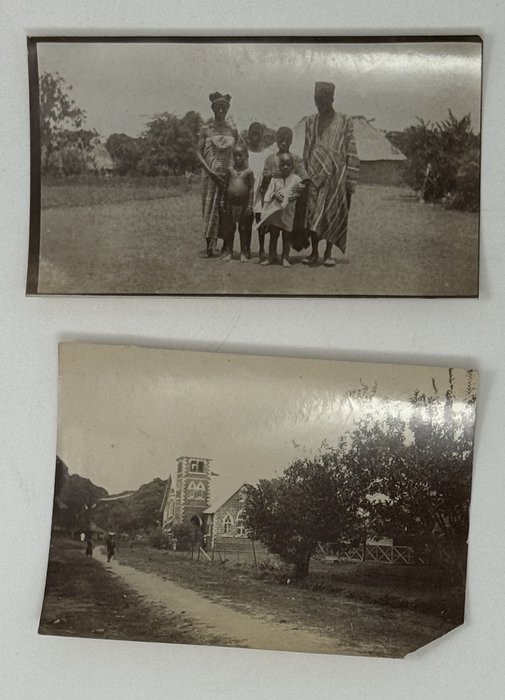
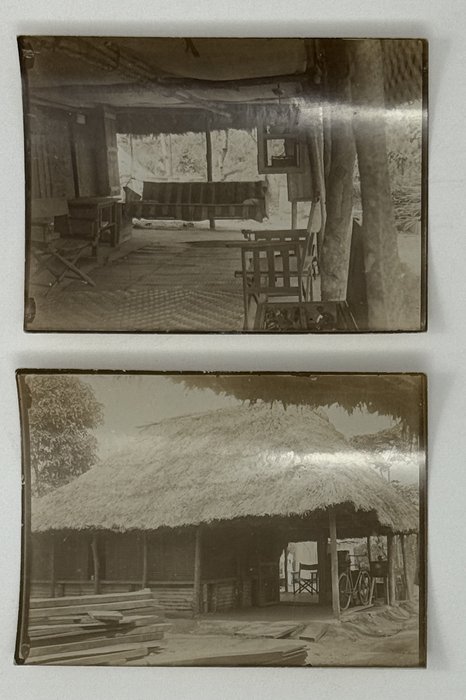
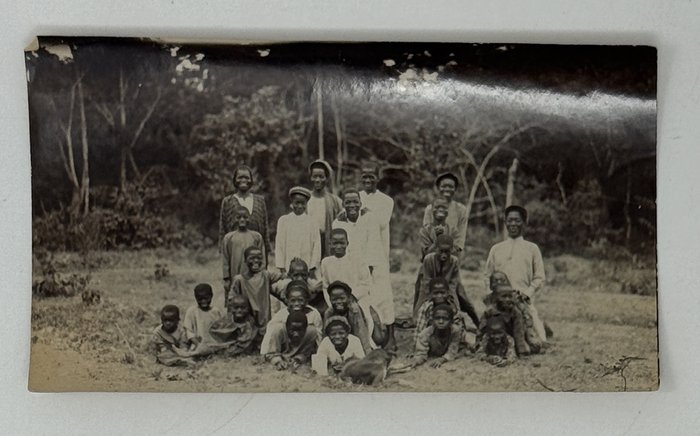
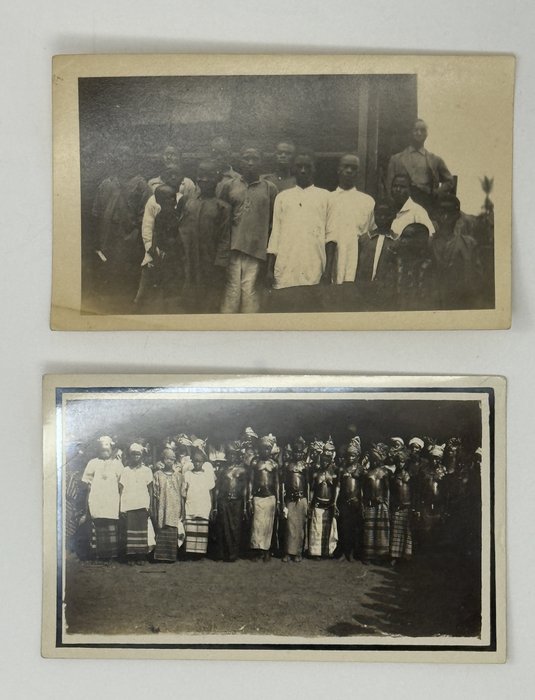
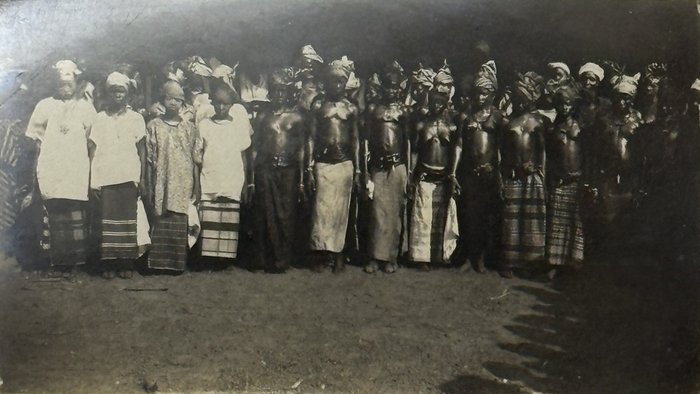
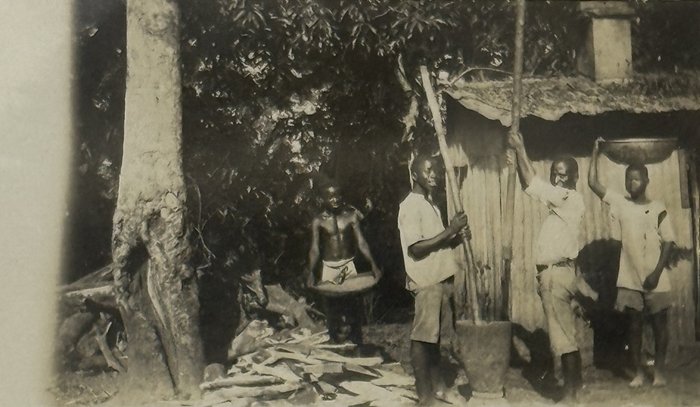
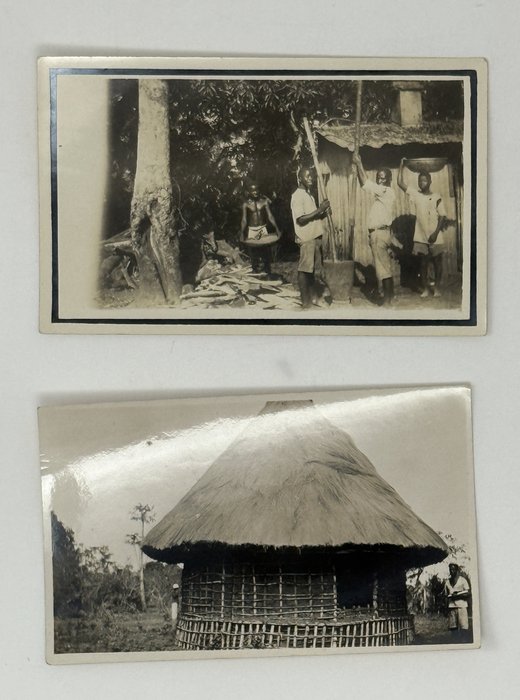
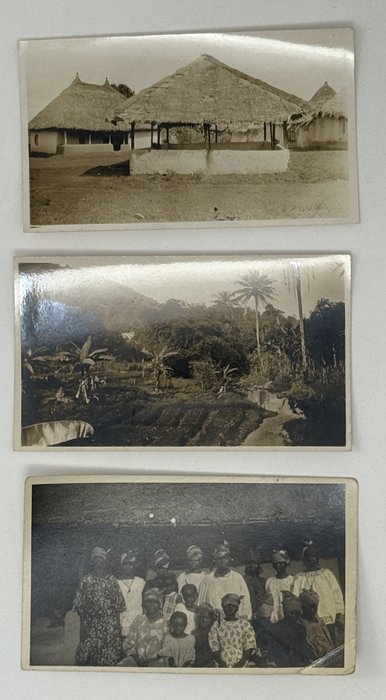
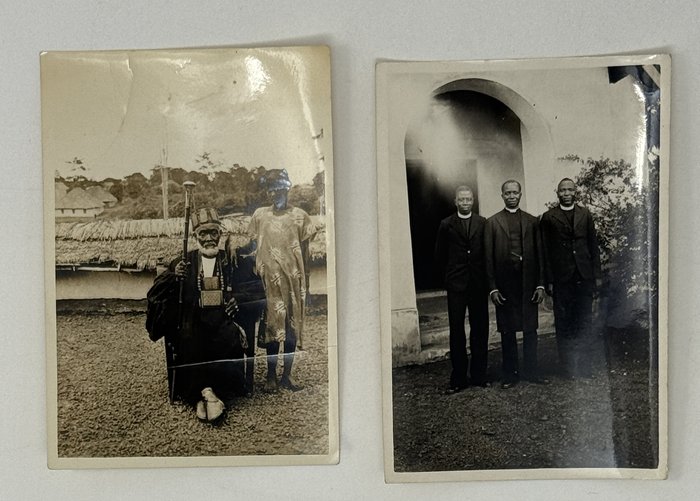
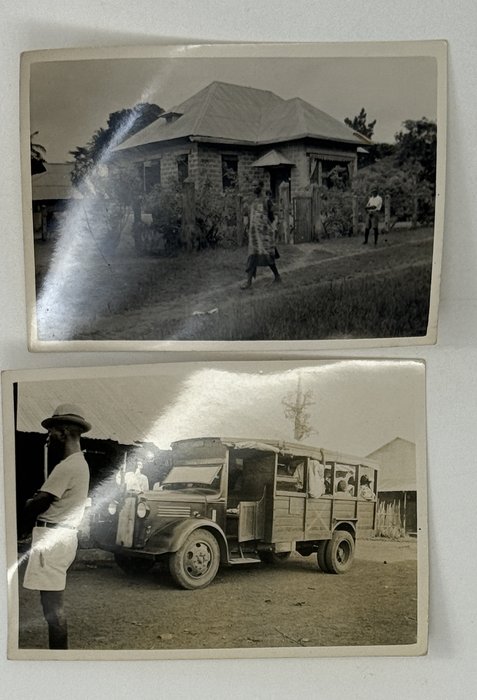
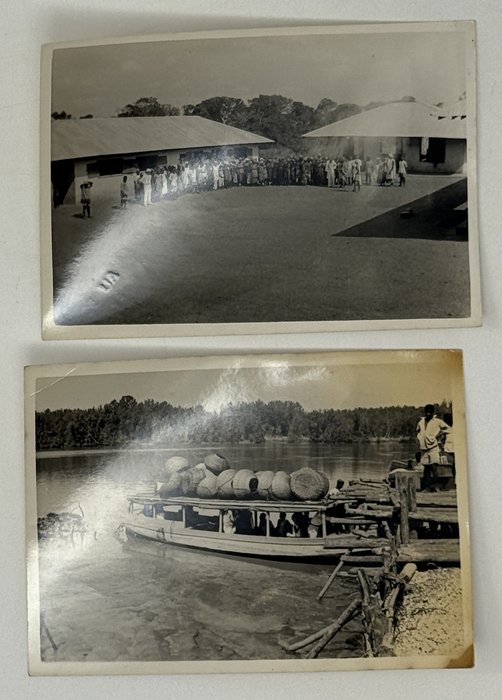
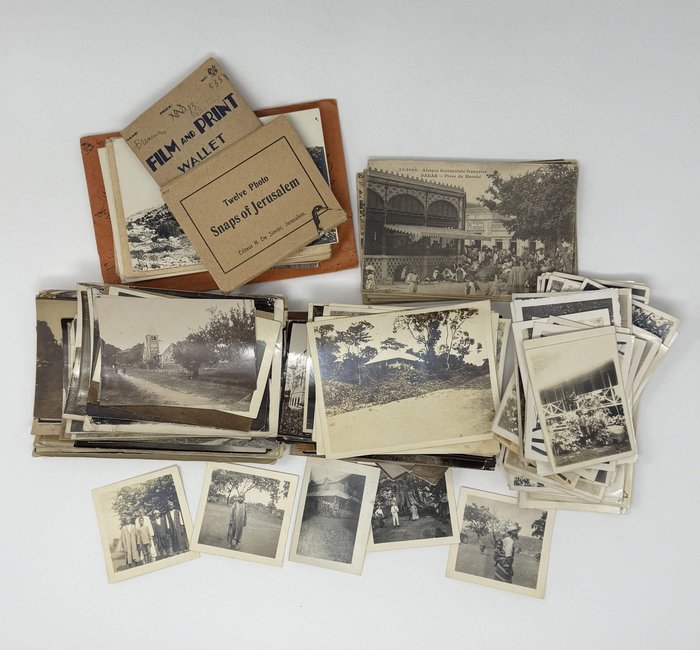
180 original gelatin silver photos of various size, from ca. 11x16,5 cm (4 ¼ x 6 ½ in) to ca. 4x6 cm (1 ½ x 2 ½ in). Over 130 images with period ink captions on verso, several are also dated on verso. Some photos slightly waved, about a dozen with minor creases, six with scratches or losses of corners or margins, a few photos slightly faded or with mild silvering, but overall a very good collection of sound interesting photos.
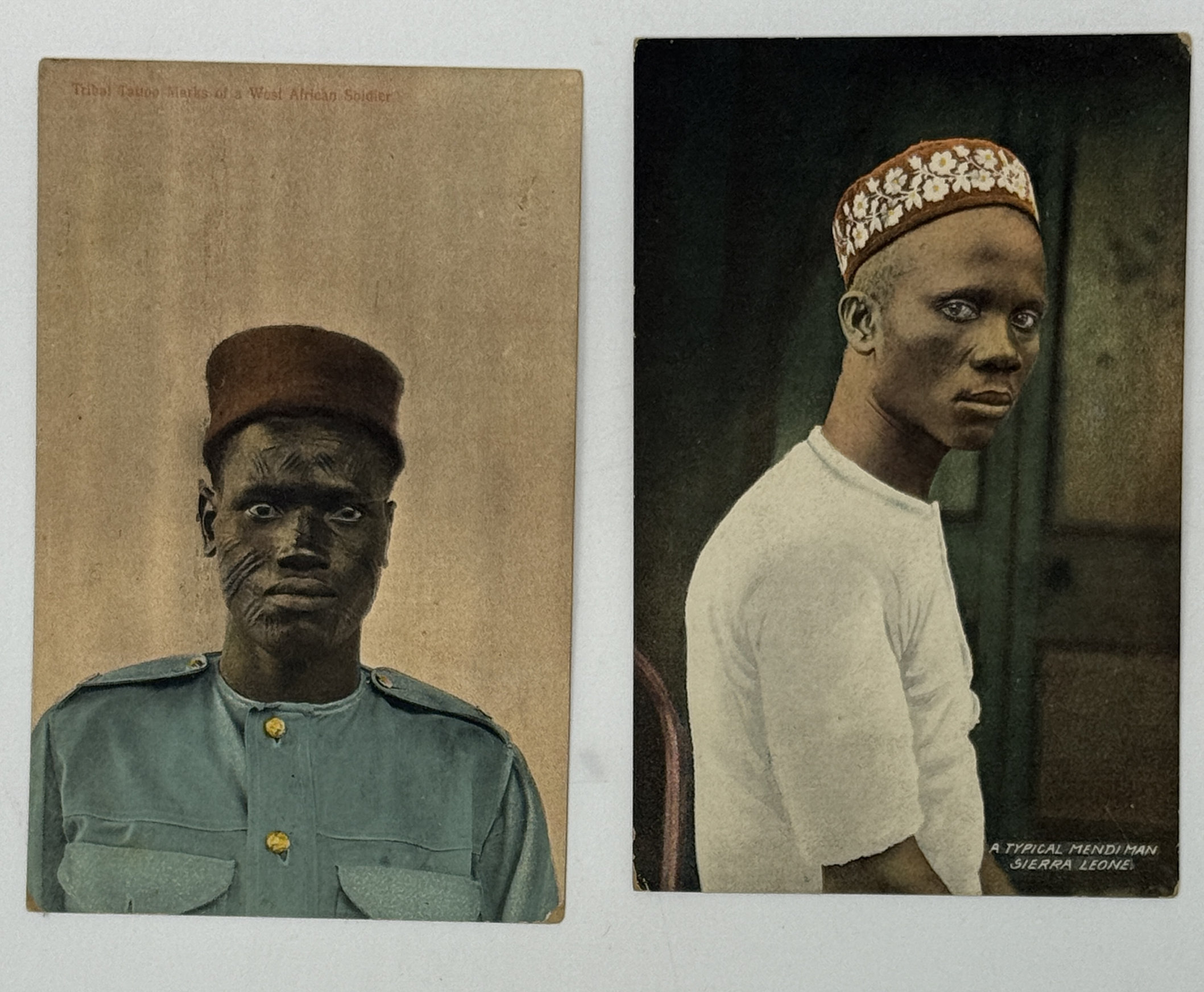
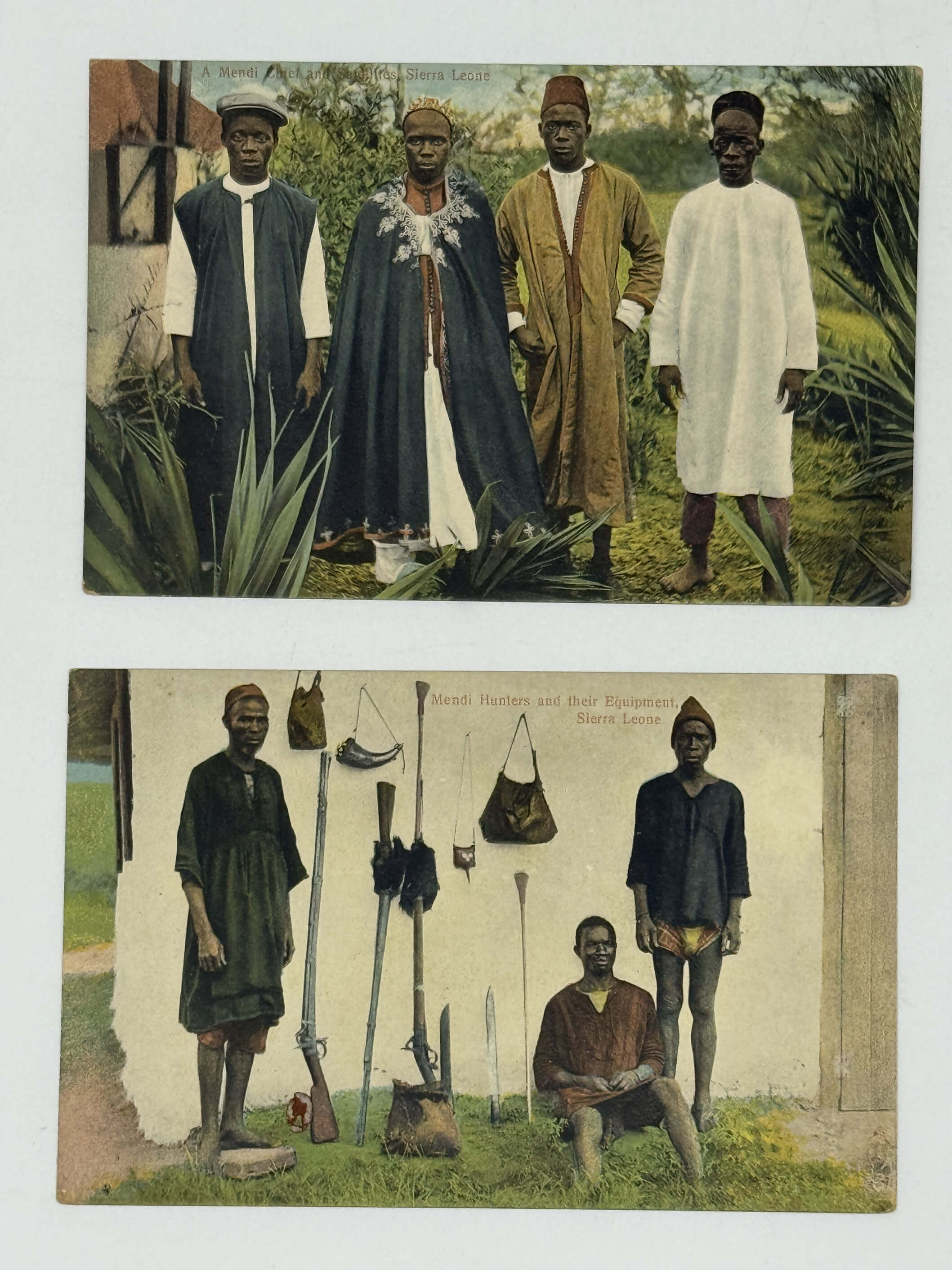
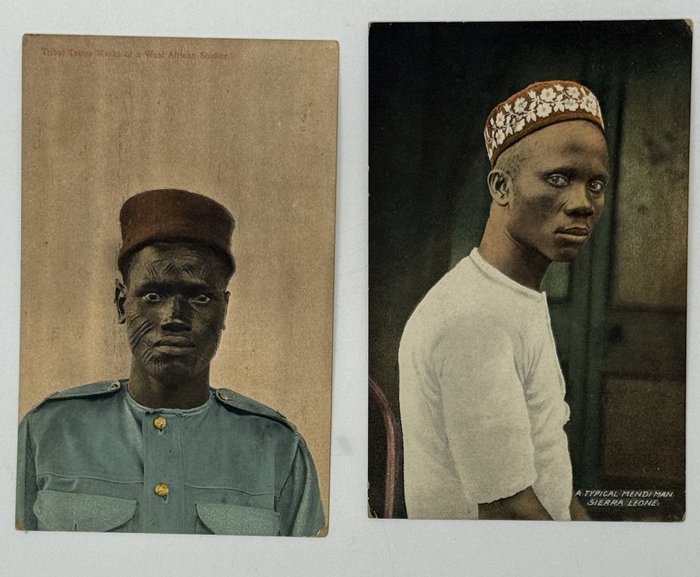
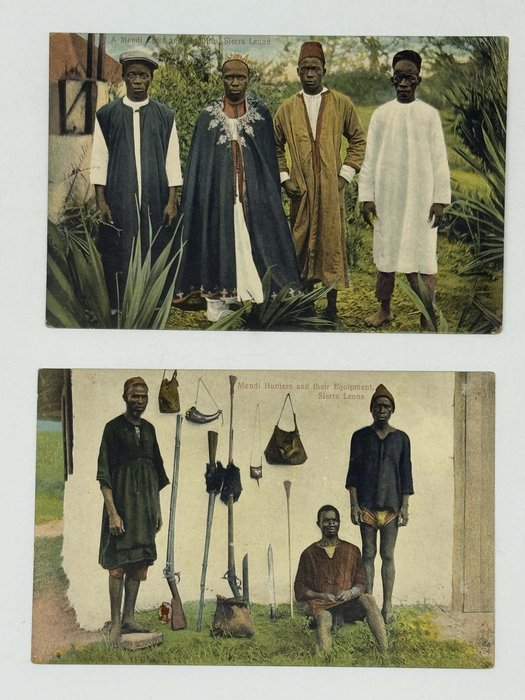
Sierra Leone postcards: one real photo postcard and 49 printed postcards (including 6 duplicates; 17 postcards are colour printed); all ca. 8,5x13,5 cm (3 ¼ x 5 ¼ in); one postcard with a period ink note “Cotton tree” on recto. Several postcards with minor stains on recto or verso, two with several small wormholes, otherwise very good.
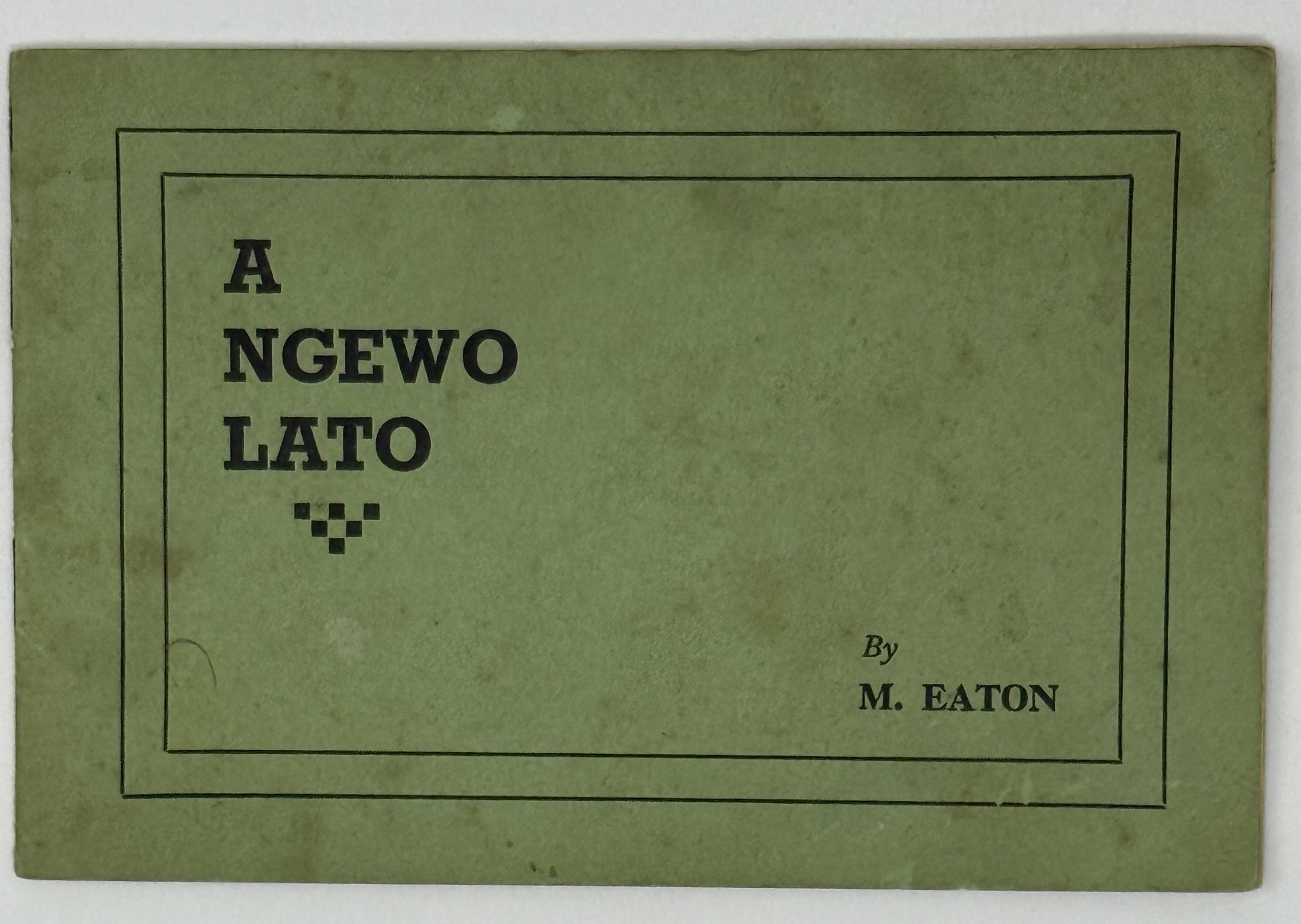
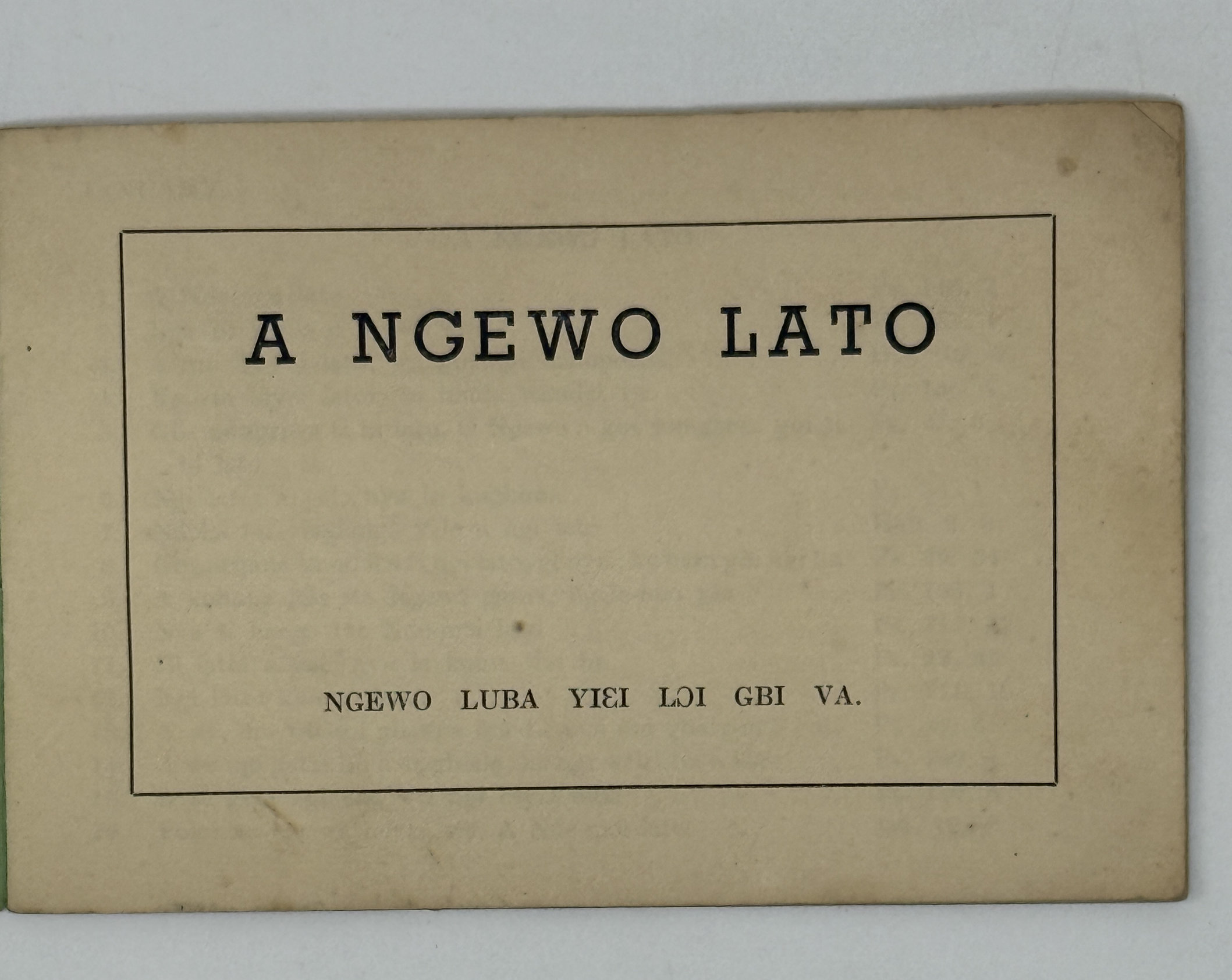
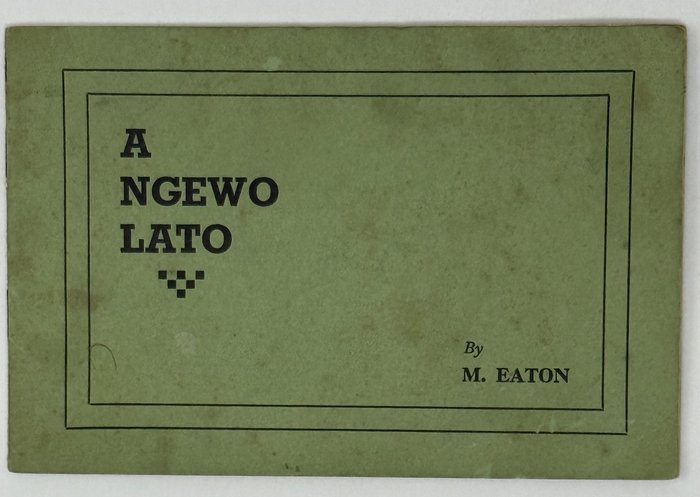
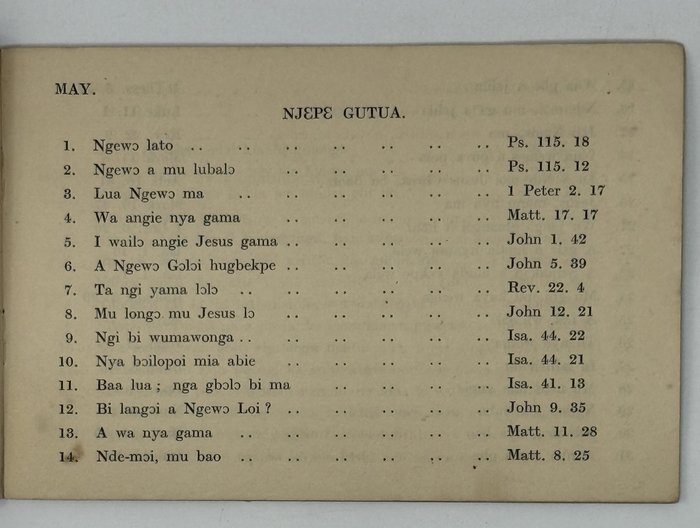
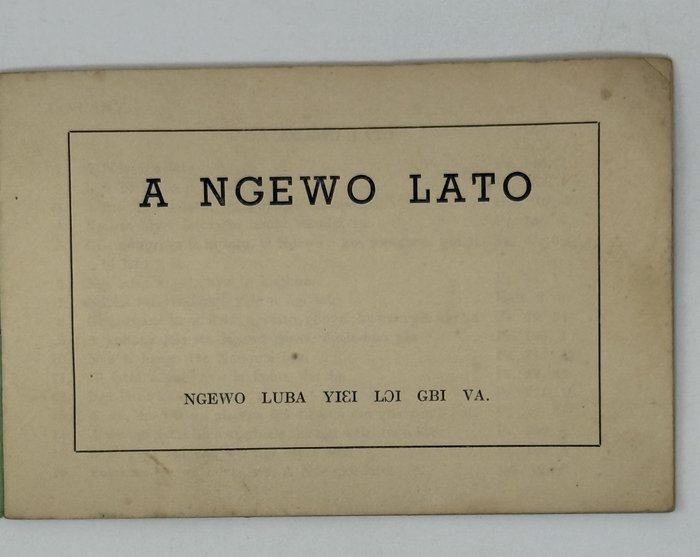
Brochure: Eaton, M. A Ngewo Lato. London: Scripture Gift Mission, n.d. Printed for Miss M. Eaton, United Brethren Mission, Sierra Leone. [28] pp. Oblong 12mo (ca. 10x15 cm or 3 ¾ x5 ¾ in). Original publisher’s wrappers.
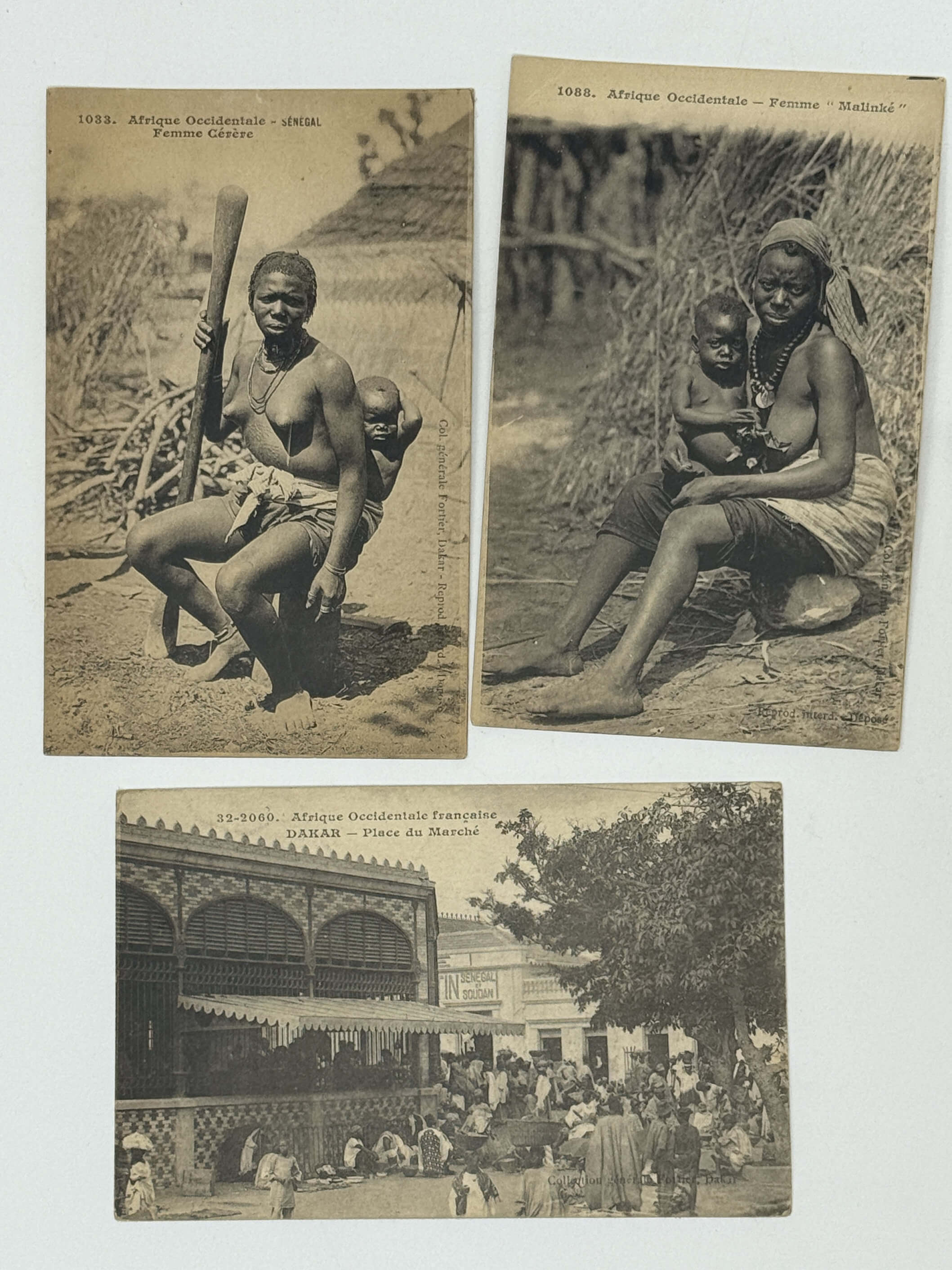
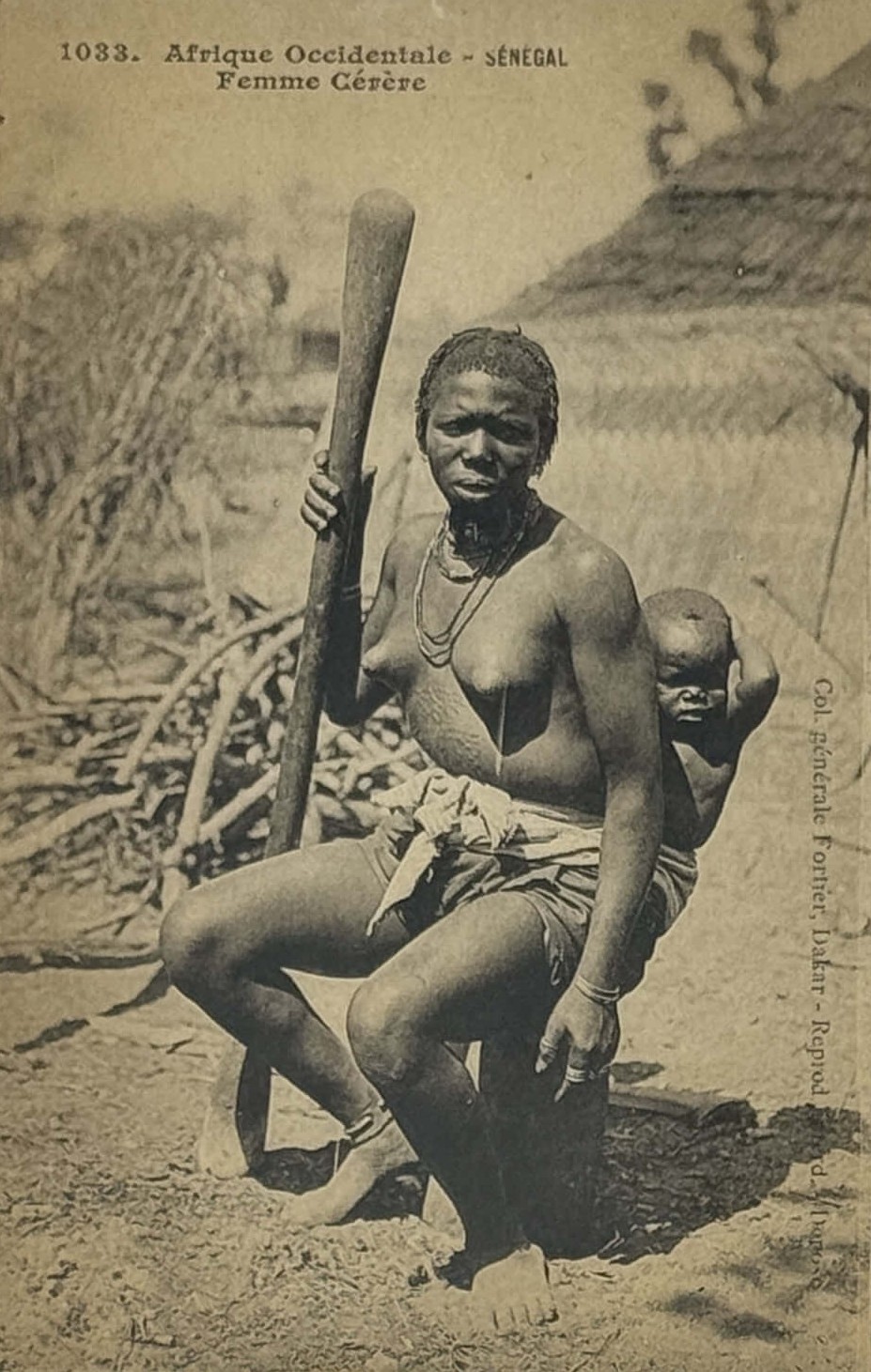
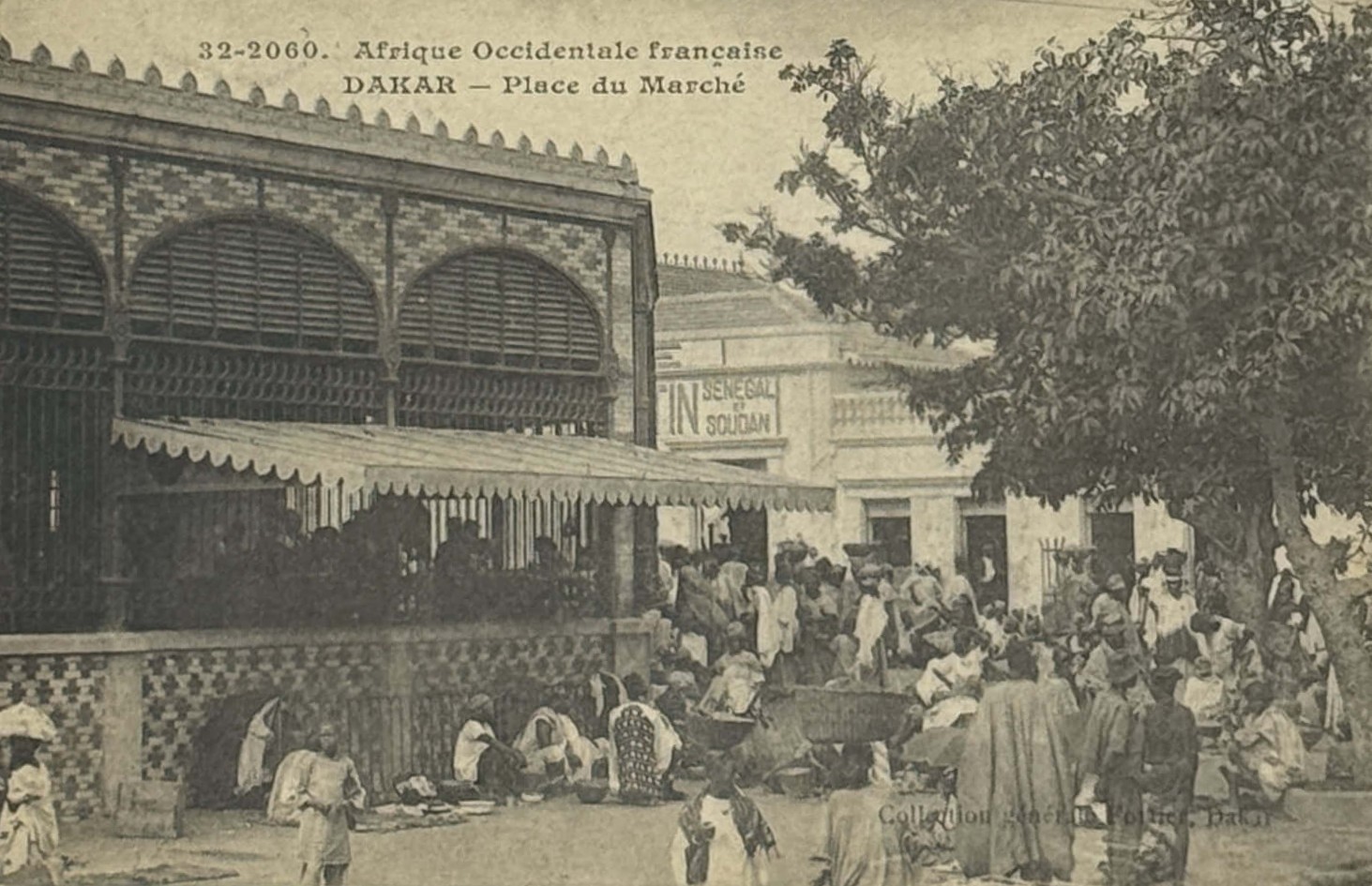
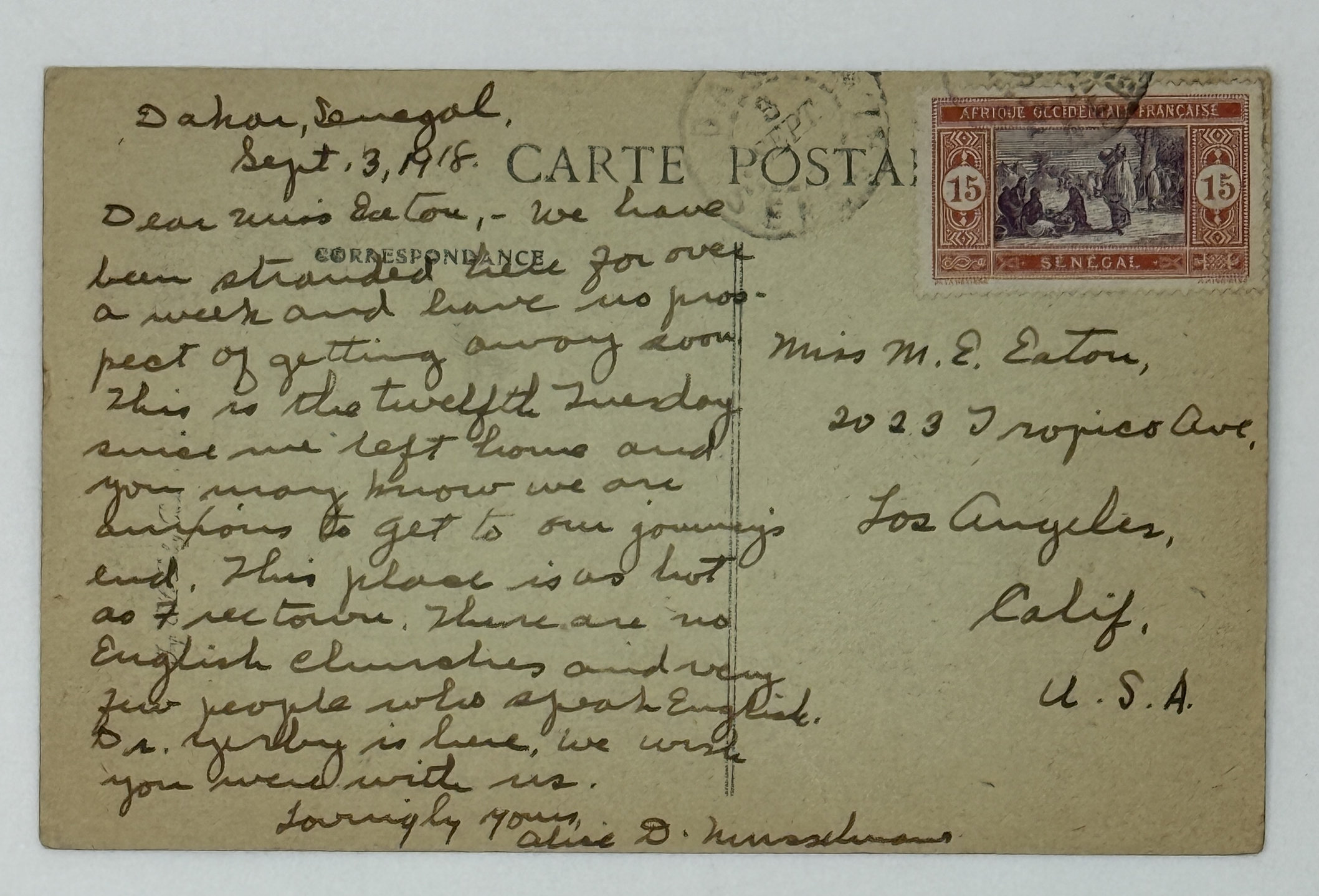
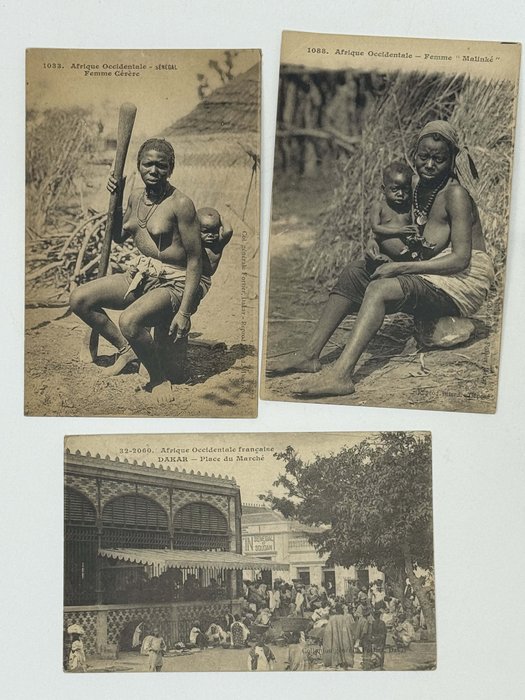
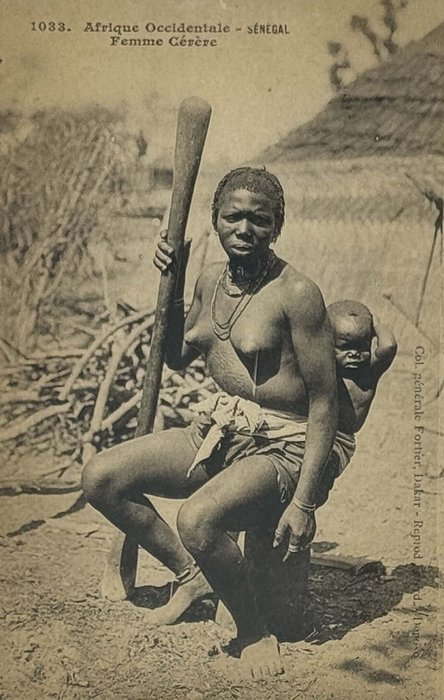
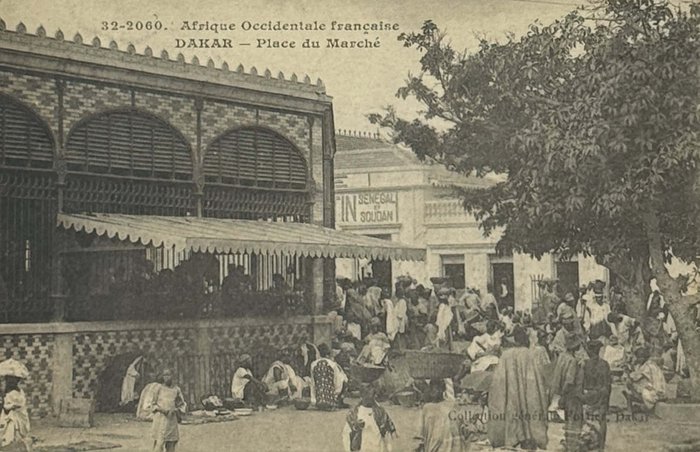
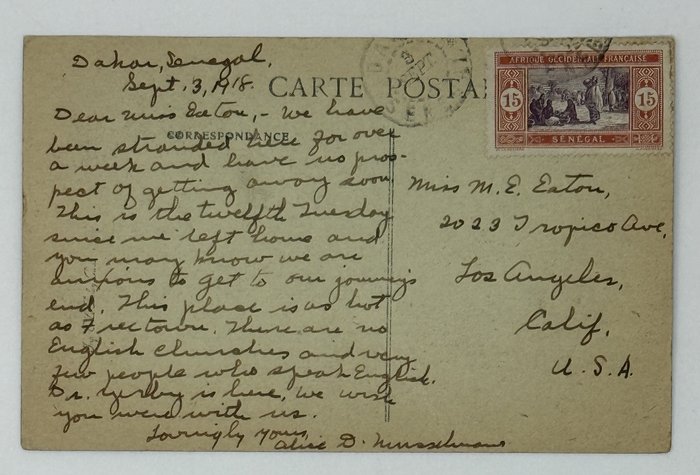
French Senegal postcards: 15 printed postcards (including six colour-printed); all ca. 8,5x13,5 cm (3 ¼ x 5 ¼ in); one postcard with a period ink note dated 1918 and signed by Alice D. Musselman; address and postal stamps on verso. Three postcards with minor scratches, but overall very good.
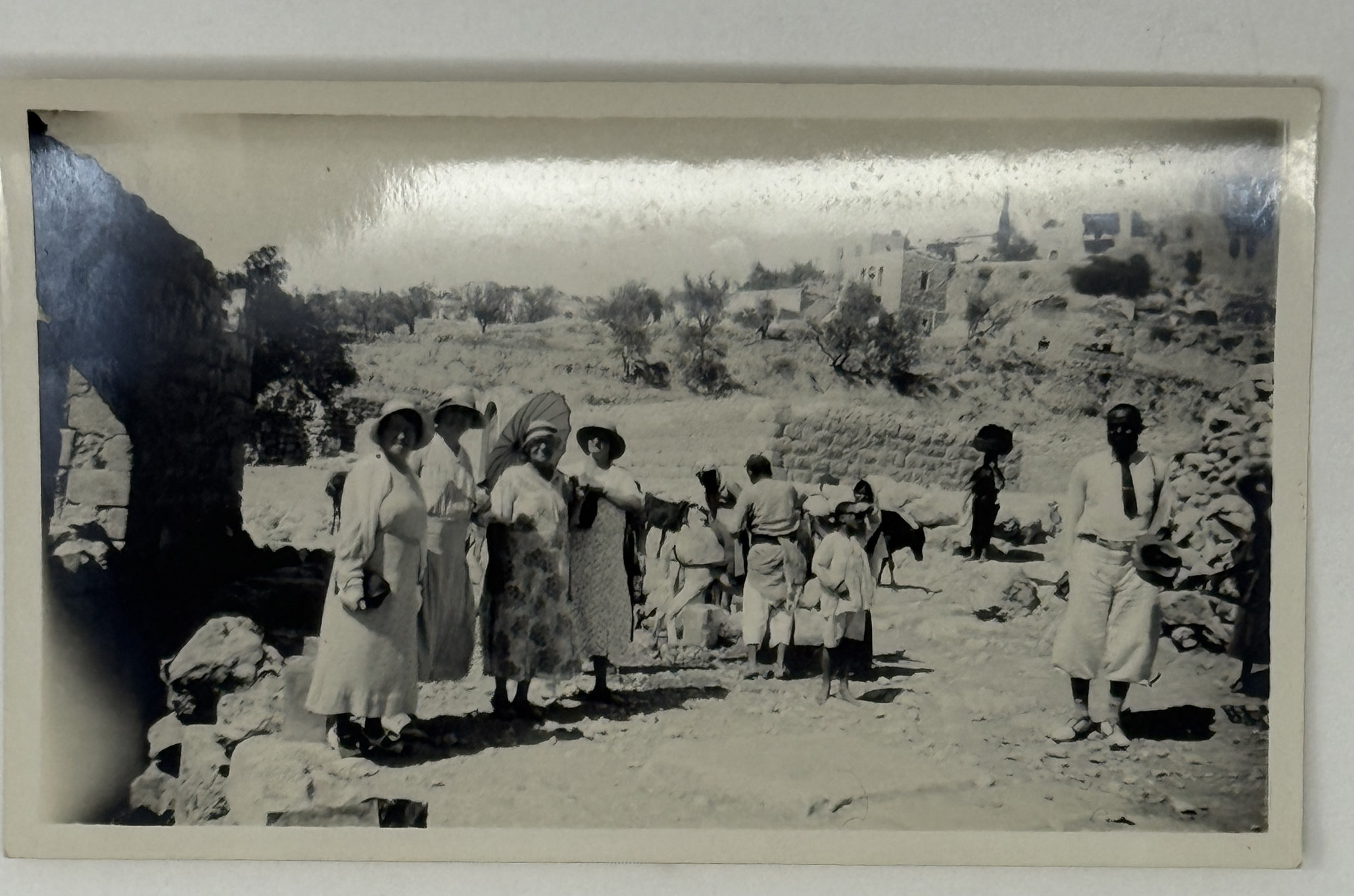
Holy Land: five real photo and 31 printed postcards (including 2 duplicates; 5 postcards are colour printed); all ca. 9x13,5 cm (3 ½ x 5 ¼ in). Two postcards with period ink notes on verso; one with an ink stamp “Evg. Karmel-Missionsheim, Haifa-Palästina” on verso. Several postcards with minor stains or slightly faded, one with a minor crease on the corner, but overall very good. WITH: 40 loose original gelatin silver photos from ca. 8,5x14,5 cm (3 ¼ x 5 ¾ in) to ca. 6x8,5 cm (2 ¼ x 3 ¼ in). Eleven photos with period ink or pencil captions on verso (five are also dated 1929, 1934 or 1935 on verso). Smaller and larger amateur photos are housed in two period paper folders with printed signs “Film and Print Wallet, Hanania Bros., Photo-Dealers, Jerusalem & Haifa” and “Zeiss Ikon, Hanania Brothers <…>;” nine studio photos are housed in the original paper folder with a printed sign “Twelve photo snaps of Jerusalem, Editeur N. de Simini, Jerusalem.”
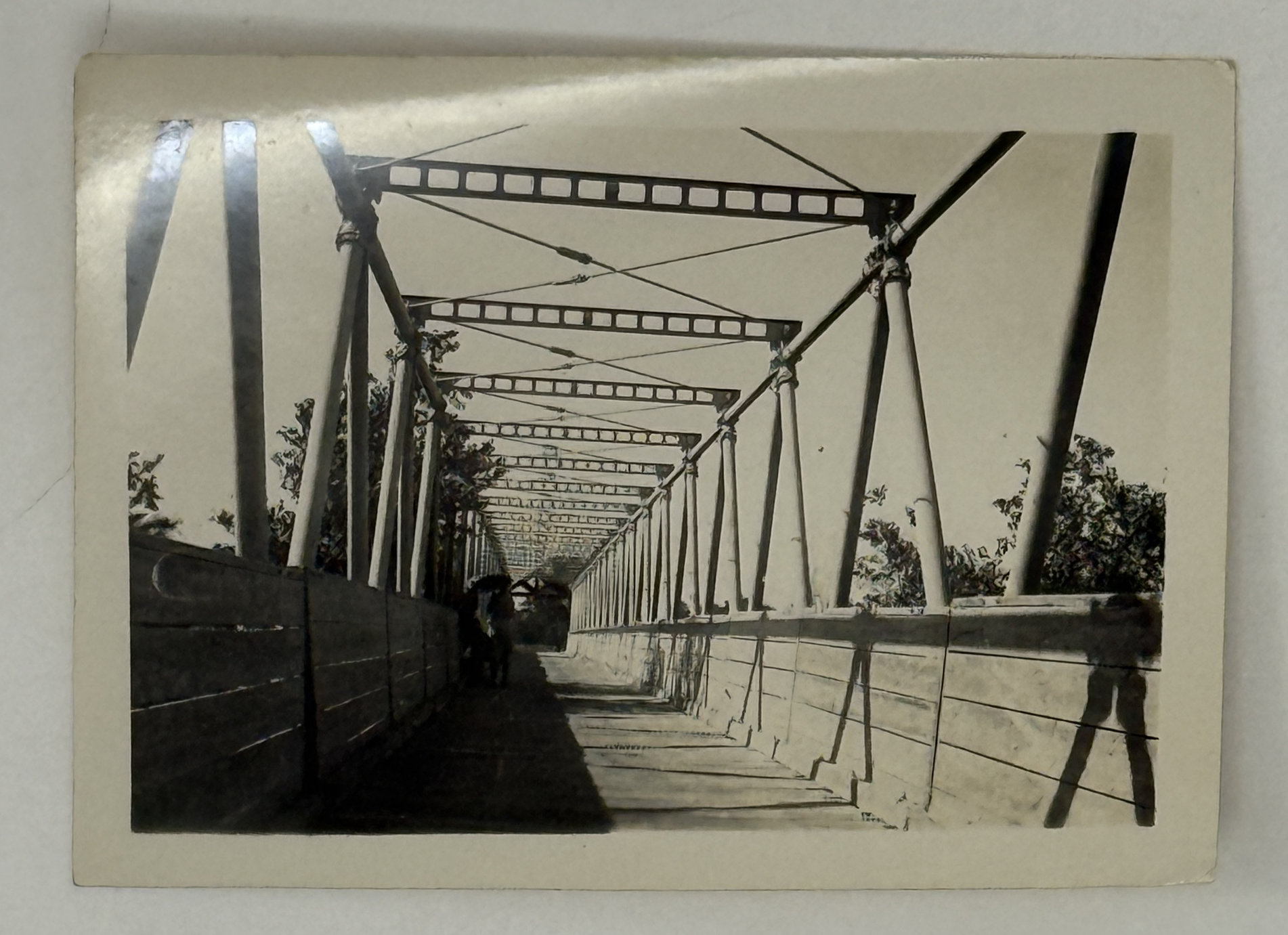
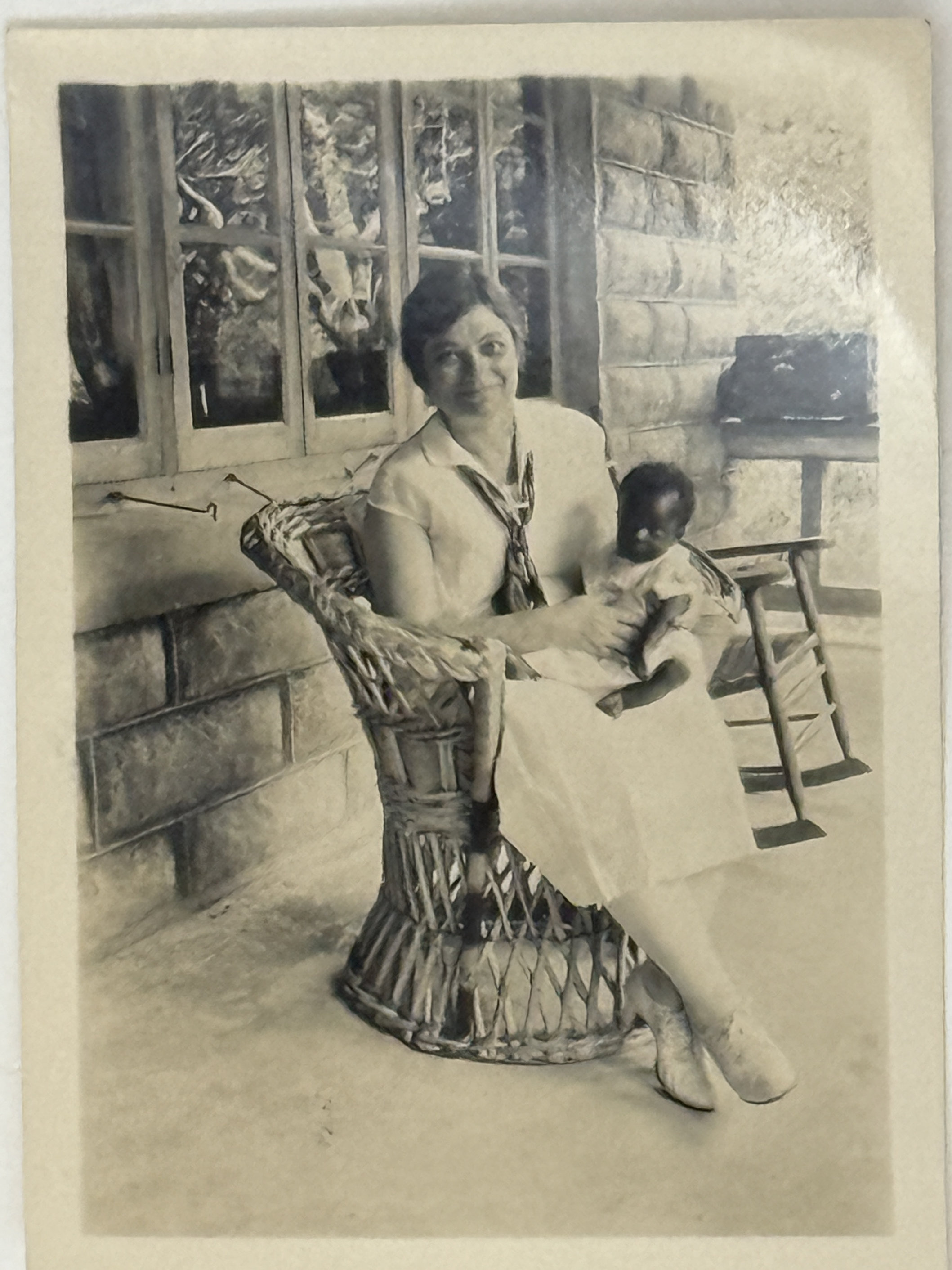
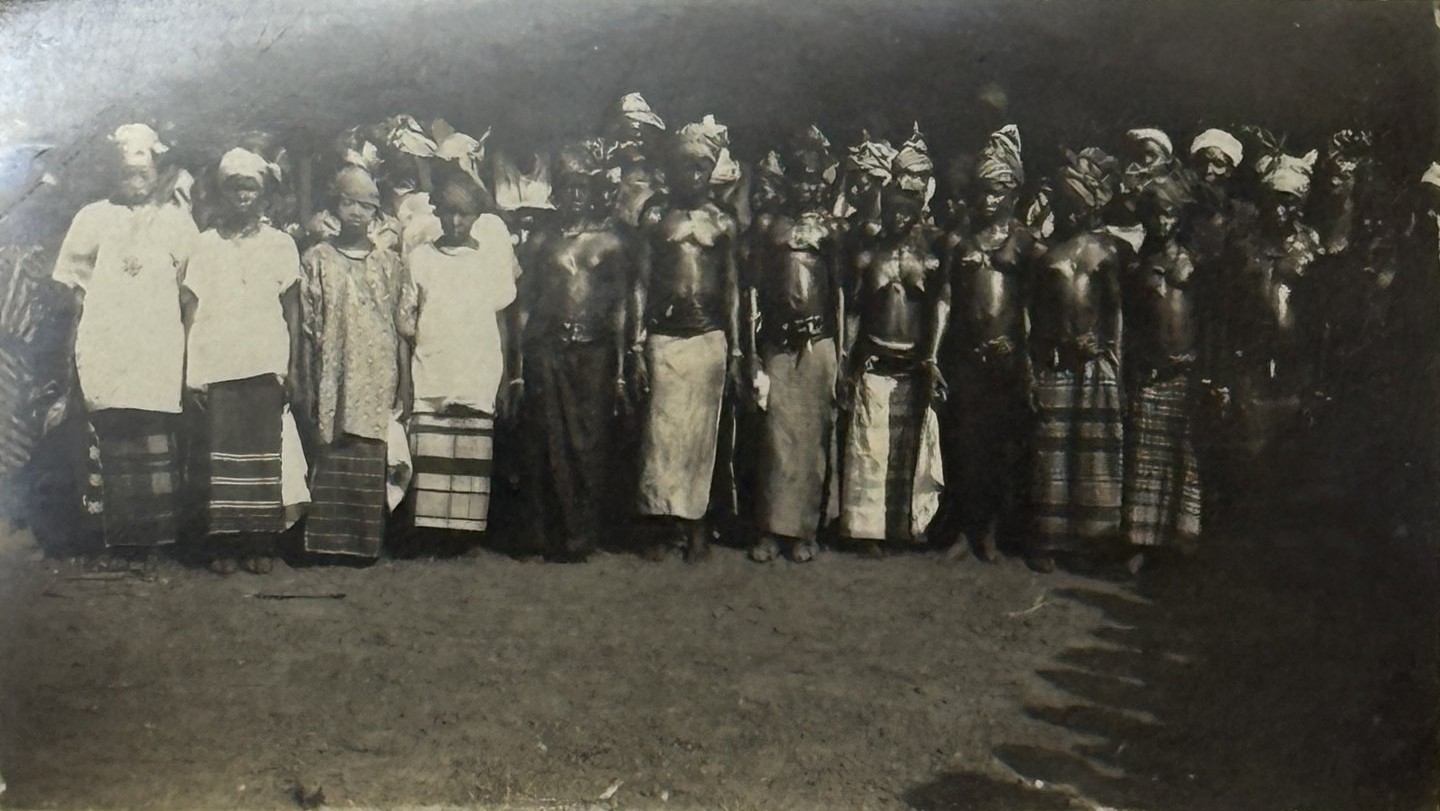
Historically significant, extensive private archive of original gelatin silver photographs, real photo and printed postcards documenting the service of a noted American Christian missionary in Sierra Leone, Minnie E. Eaton, supplemented with a rare edition of a book of Bible verses which Eaton translated into Mende, the main language of the country. Eaton belonged to the Church of the United Brethren of Christ, an American evangelical denomination which started its missions in Sierra Leone in 1855. Eaton served in Sierra Leone for 44 years (1898-1938), under the auspices of the Brethren’s Women's Missionary Association. During her leave after the first term (1894-1898), Sierra Leone was taken over by a popular uprising caused by the new hut tax, and all but one American missionary was massacred, and the mission stations in Rotifunk and Taiama were destroyed. Despite that, Minnie Eaton returned to her service in 1900, supervising the rebuilding of the church in Taiama, which was constructed with the use of the rock where two American missionaries, Rev. & Mrs. L.A. McGrew, were beheaded.
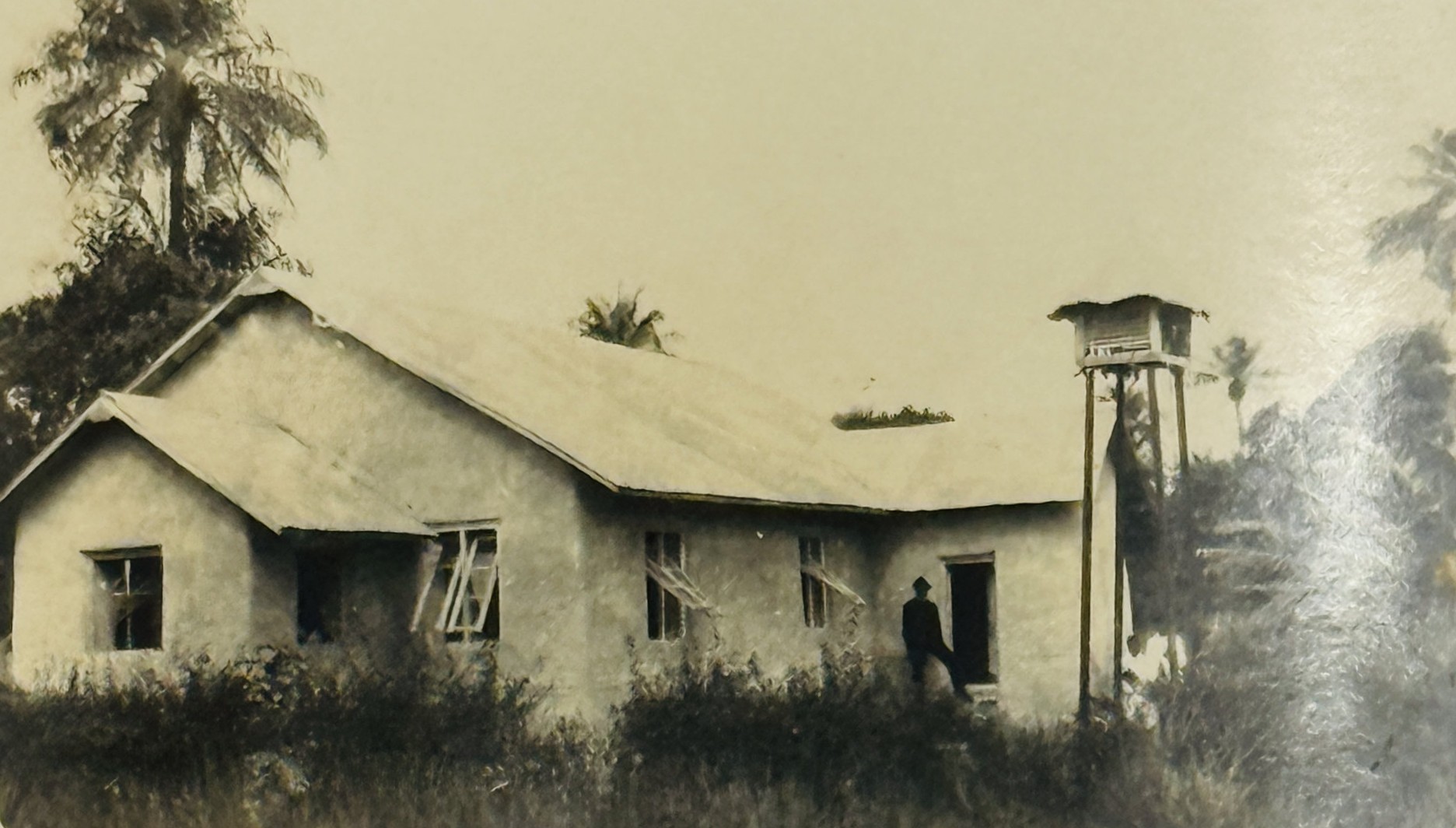
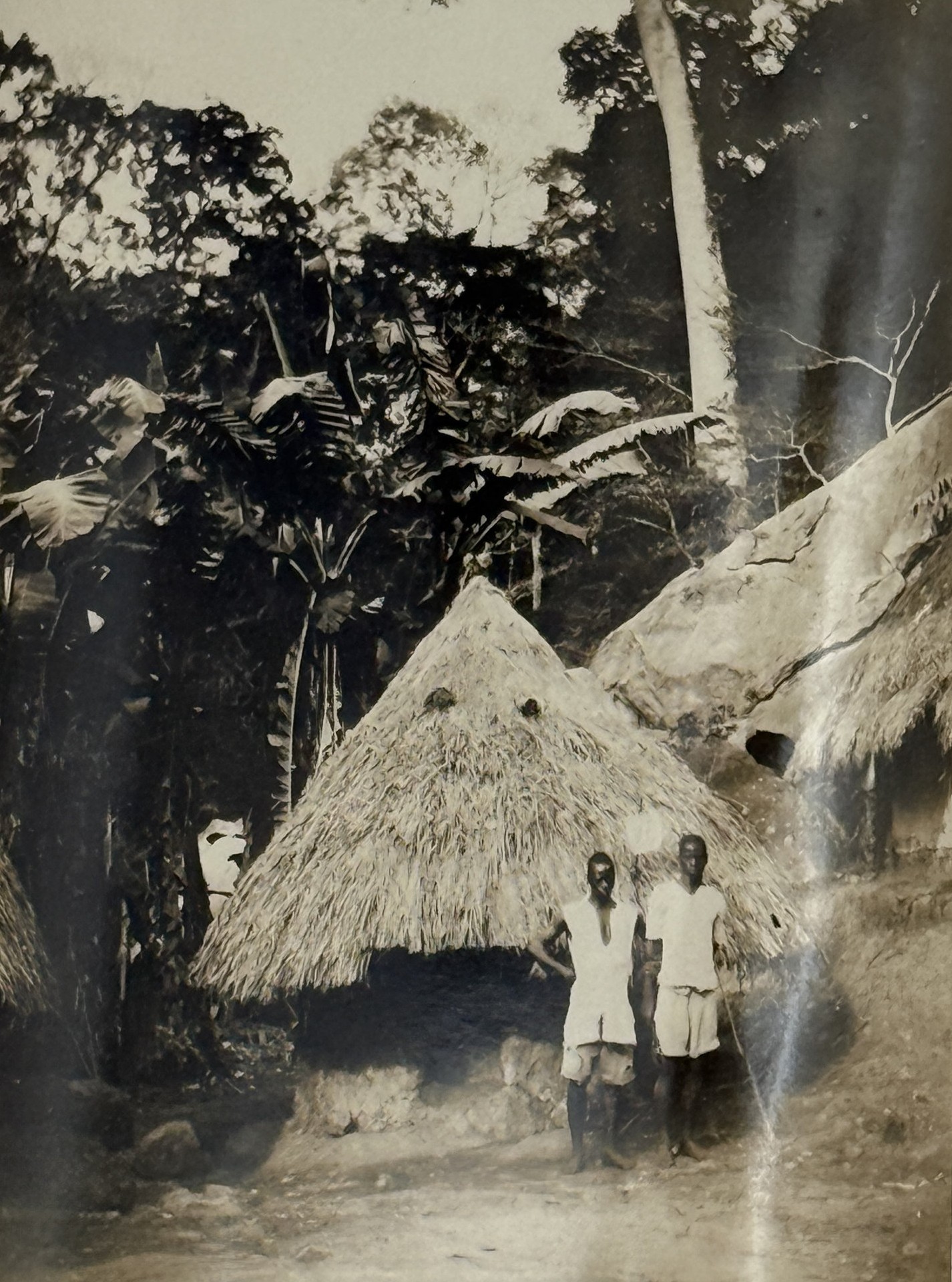
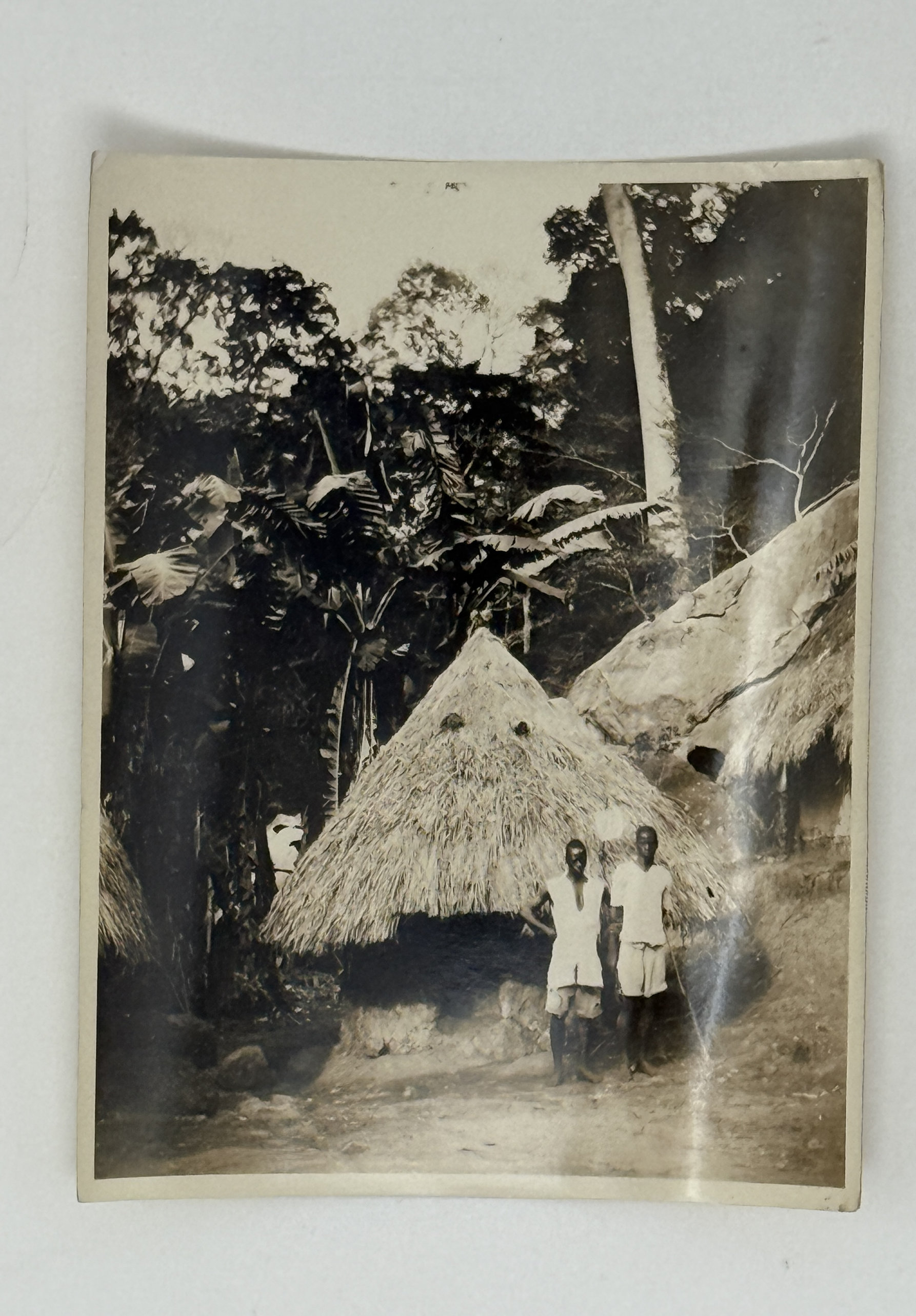
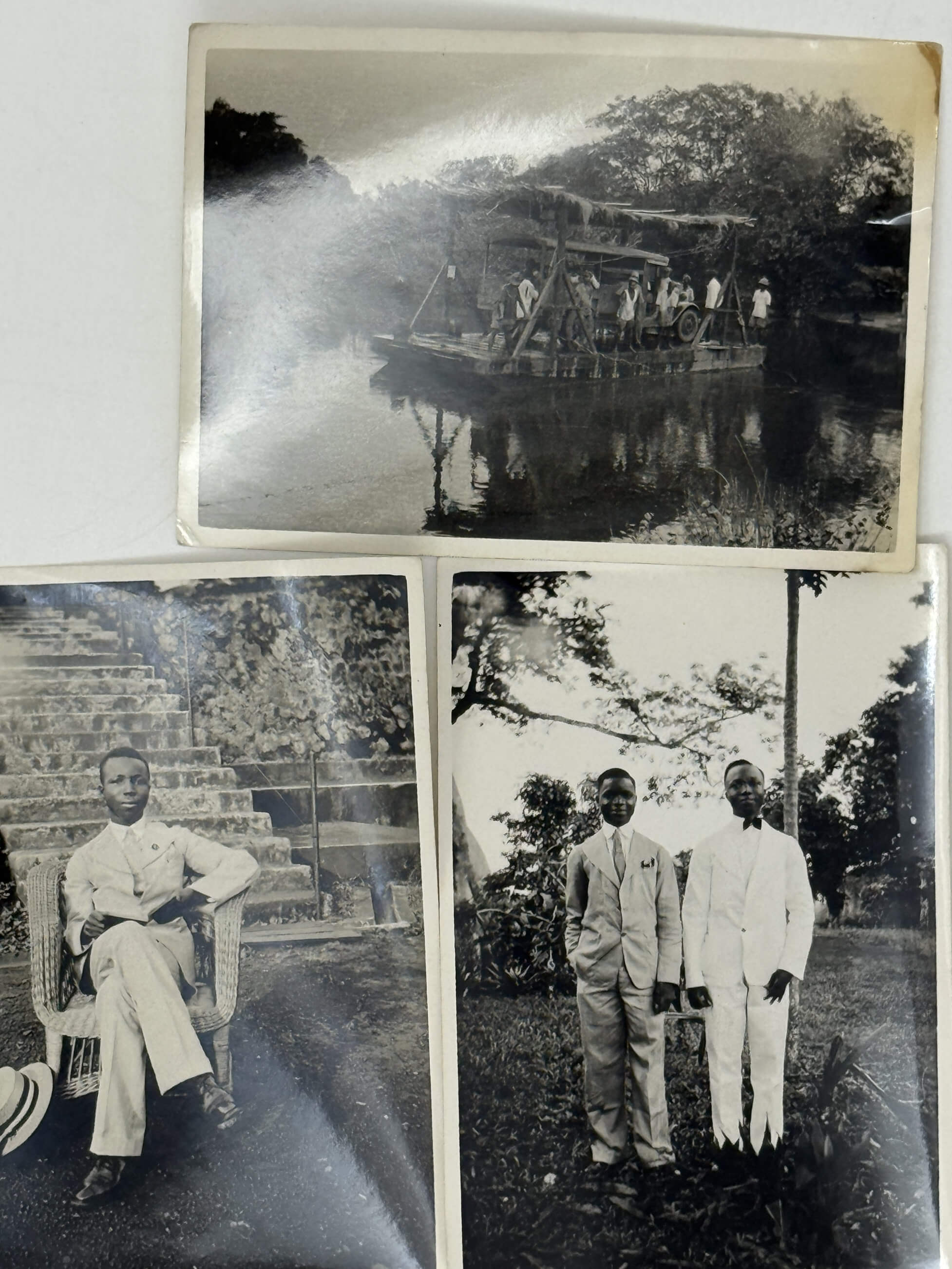
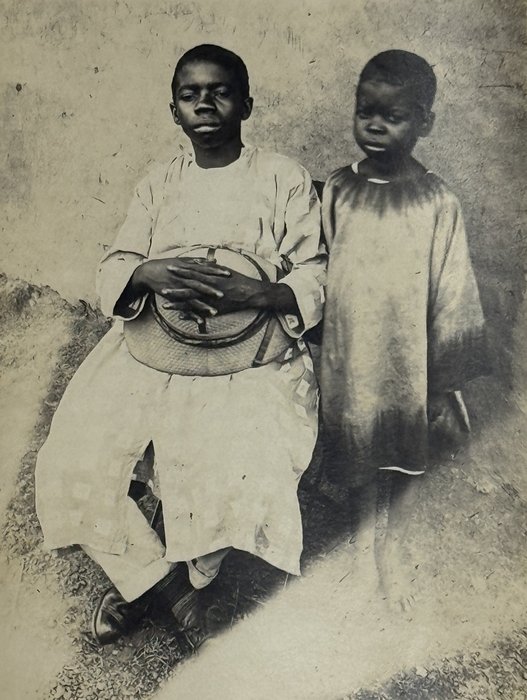
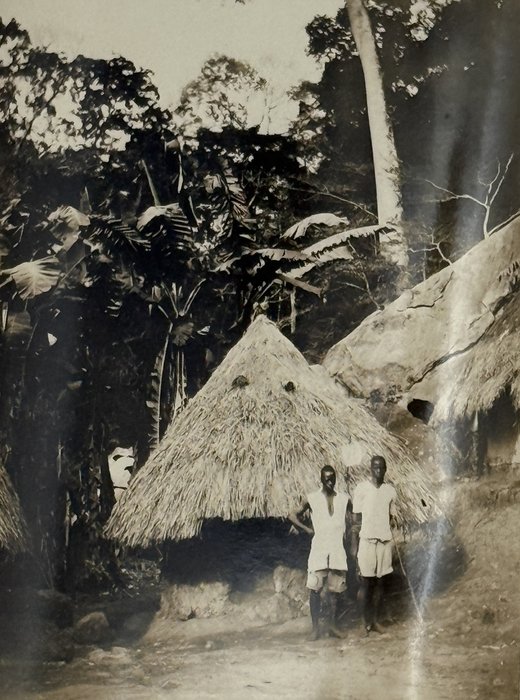
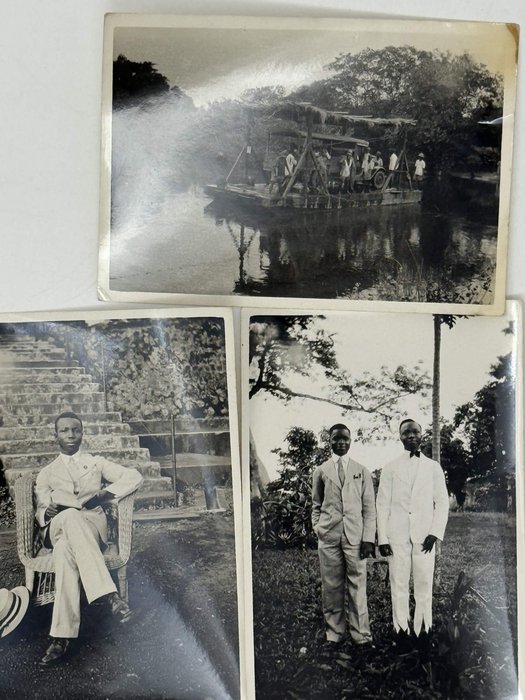
Dated mostly between 1913 and 1937, the photographs from the archive provide a detailed picture of the United Brethren’s work in Sierra Leone during that period. Photos of Freetown and its environs include views of the “Mission church, Freetown, headquarters of the U.B. Mission,” “Circular Road,” “Morilah or back veranda of Mission House, Freetown,” several views of Bethany rest cottage for missionaries on nearby Mt. Leicester (missionaries posing at the front), “street in Waterloo,” “Plantain Island, boys are standing on part of the wall of the old slave pen,” Kissy village (native huts, “Samuel Lendor and his wife Loretta, the first Kissy worker”), &c.
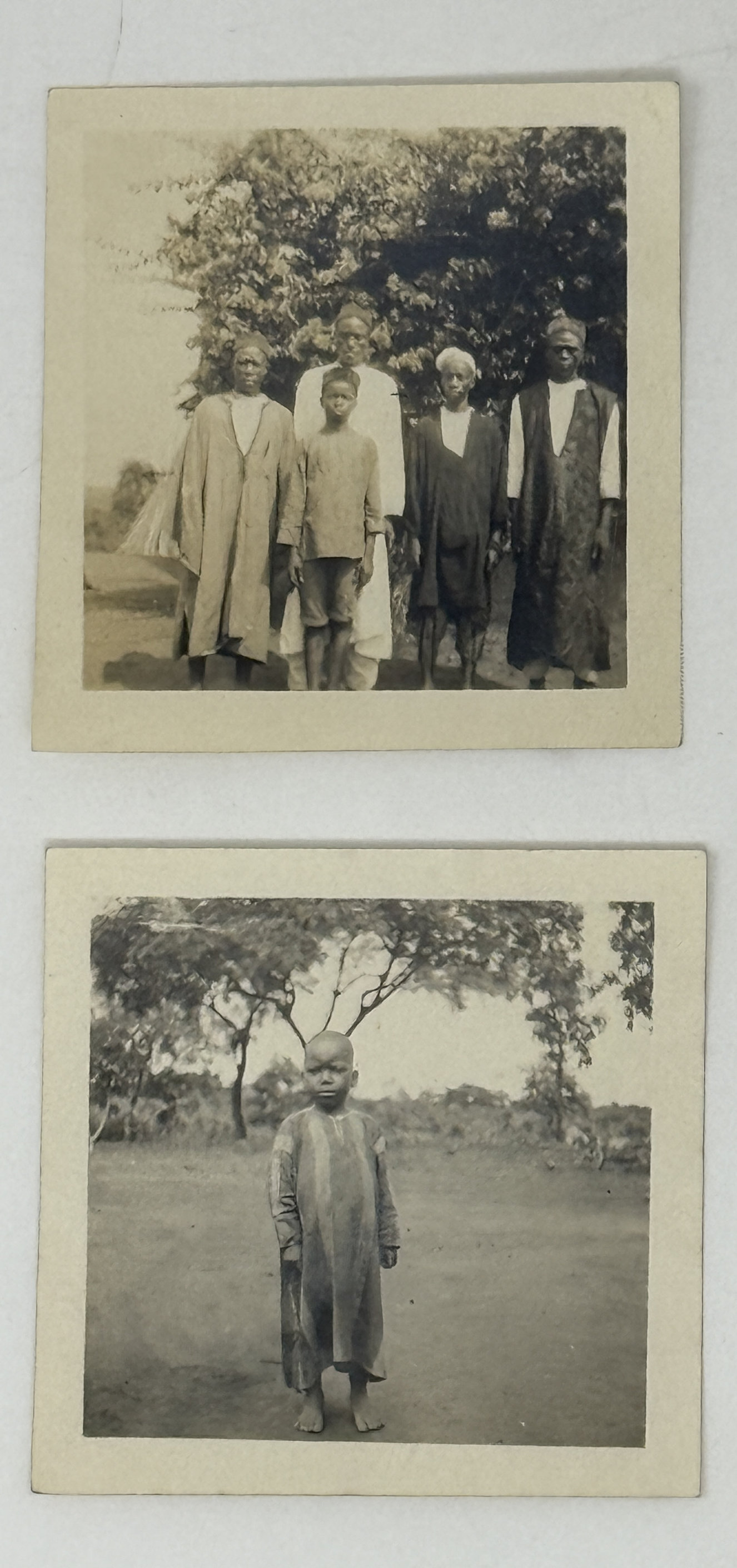
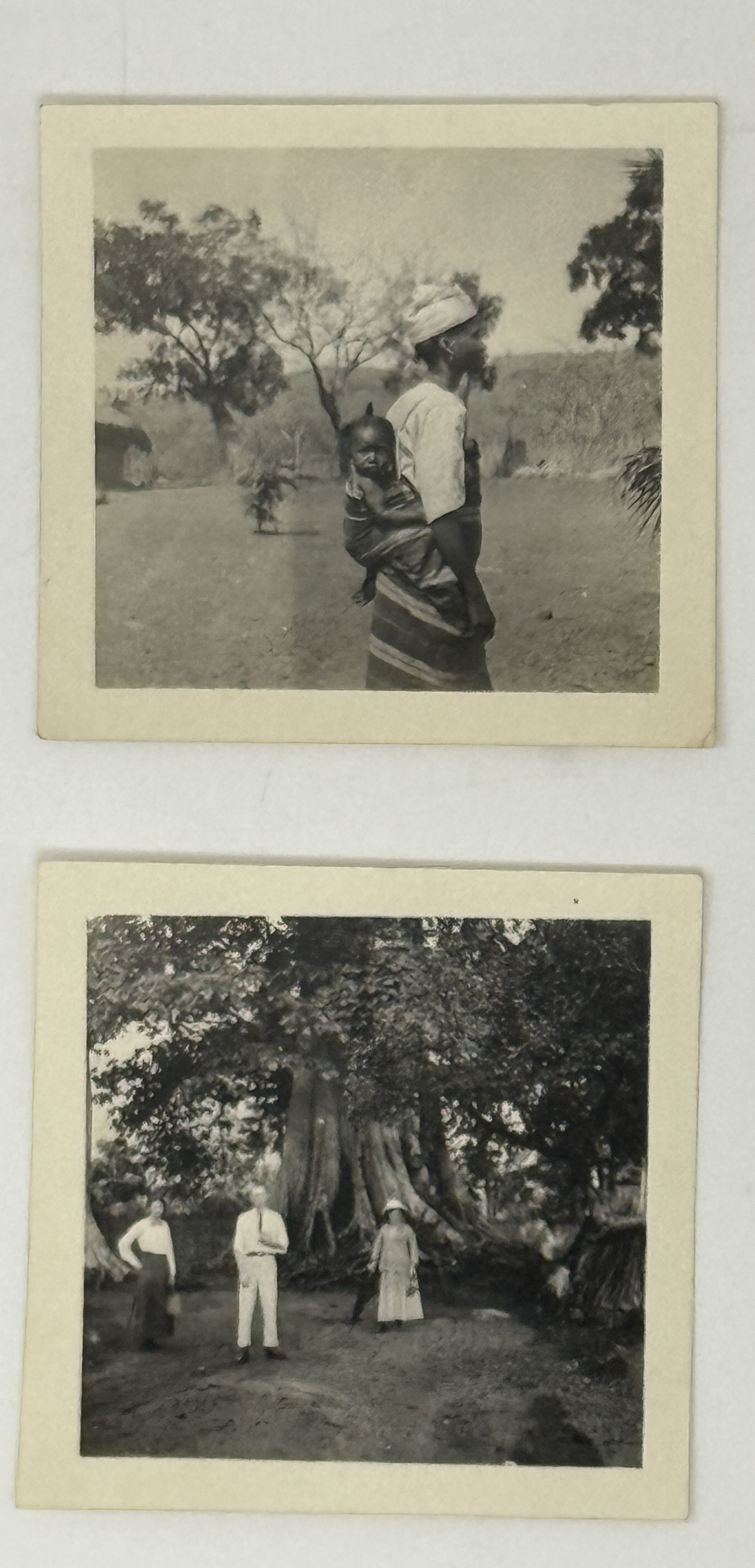
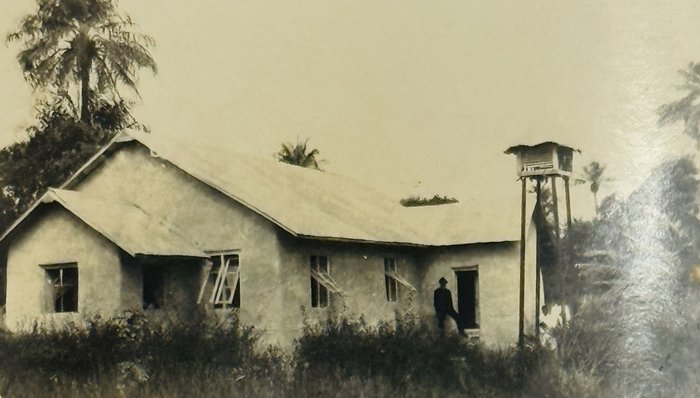
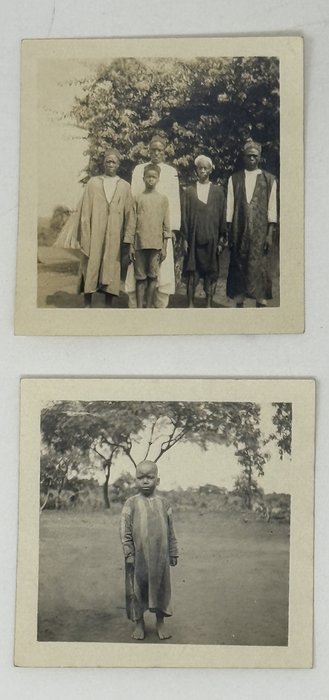
A series of photos show the Albert Academy - U.B.’s training school for Christian leaders (“Academy workshop & bell tower,” “badminton court,” “industrial buildings of Albert Academy,” “cotton trees at Albert Academy, Freetown”), and portraits of its students and graduates (“John Mohai and Tamba Kaingbanga, Kono graduates of Albert Academy,” “Charlie Williams, son of Rev. T.B. Williams, a graduate of Albert Academy, a teacher at Rotifunk,” “D.G. Williams, G.M. Renner, E.K. Ferguson,” “1913, graduates of Albert Academy,” “Caulker children <…>, brothers and sisters of Richard Caulker, the principal of Albert Academy”), &c.
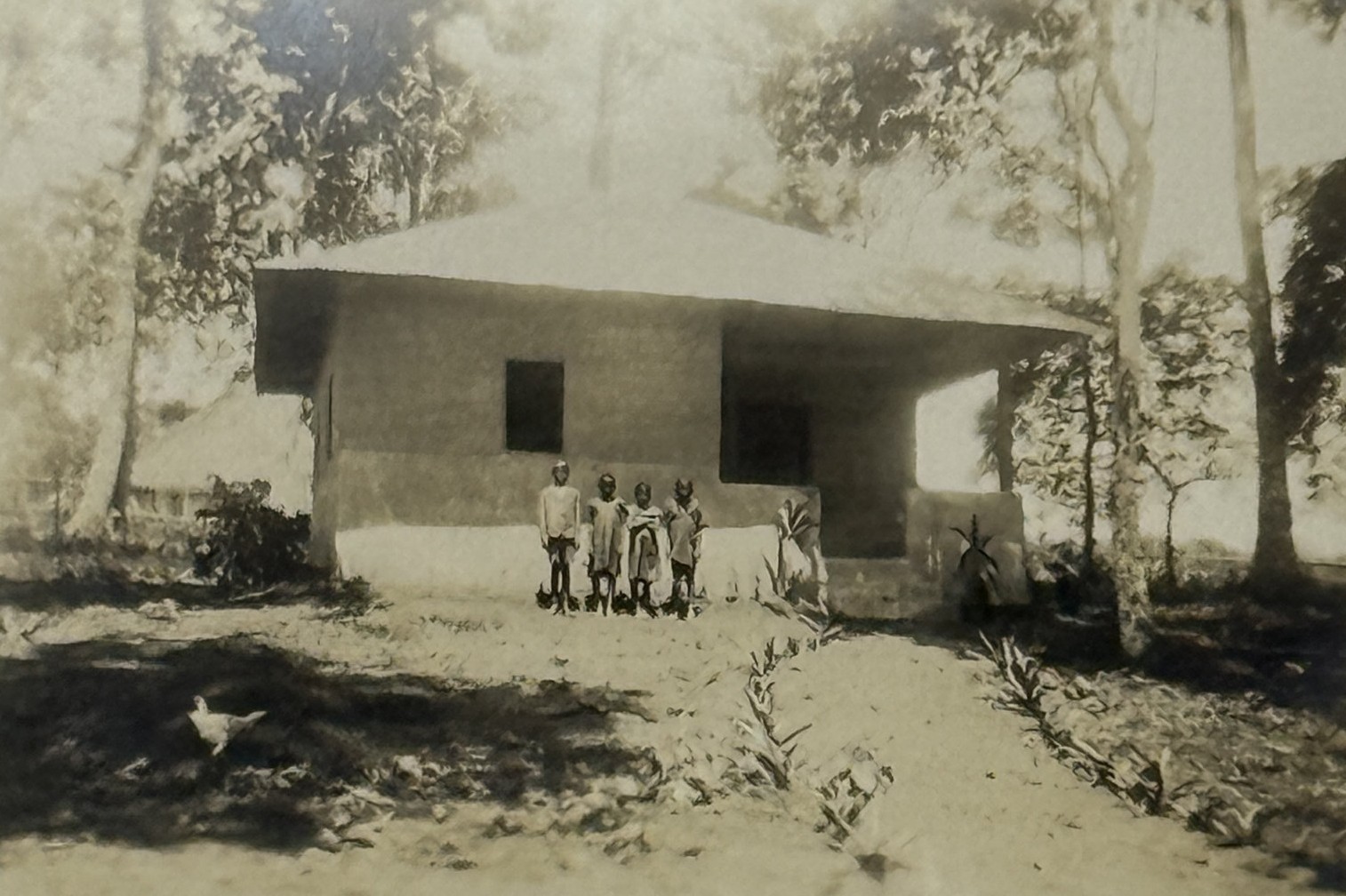
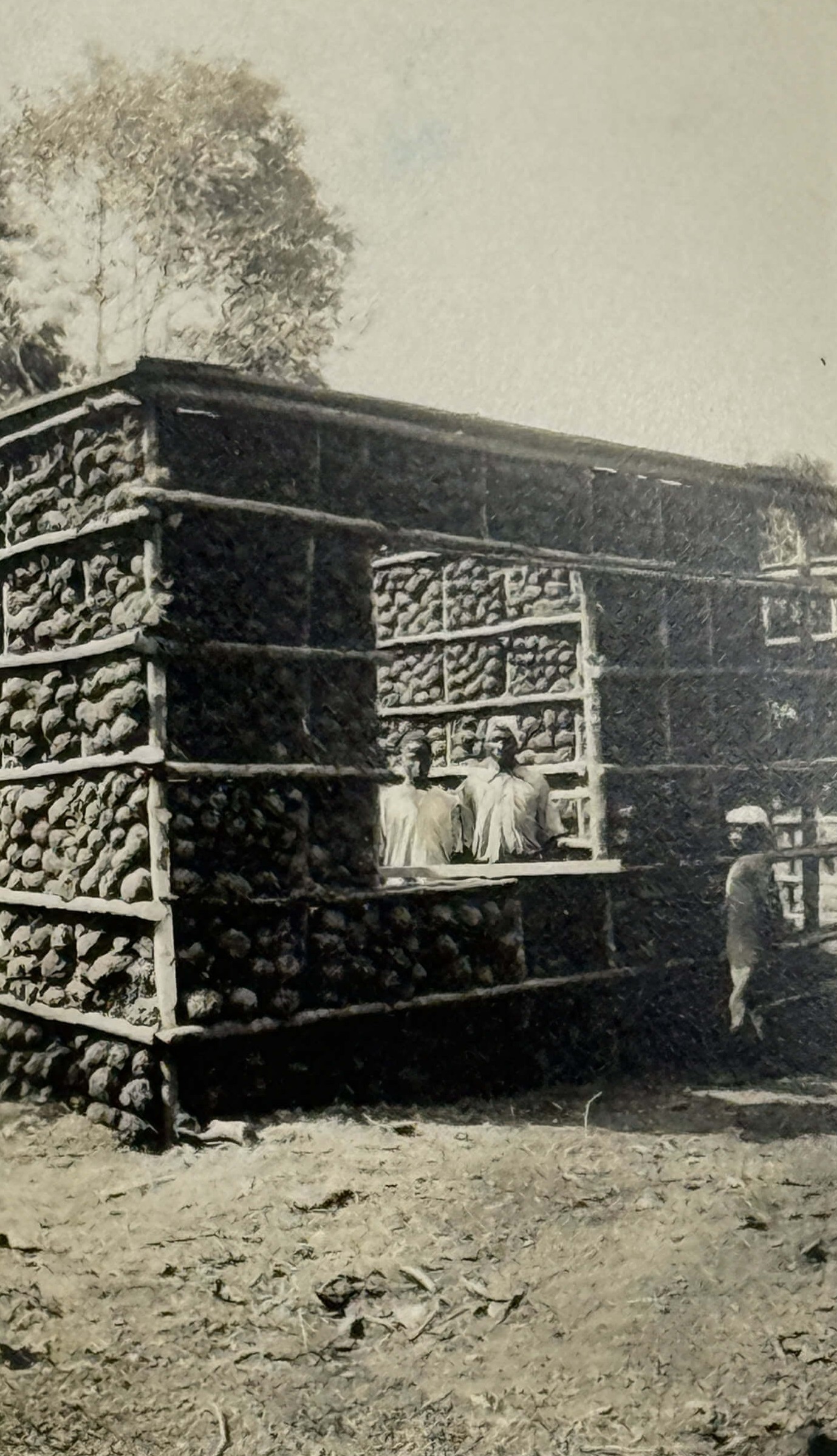
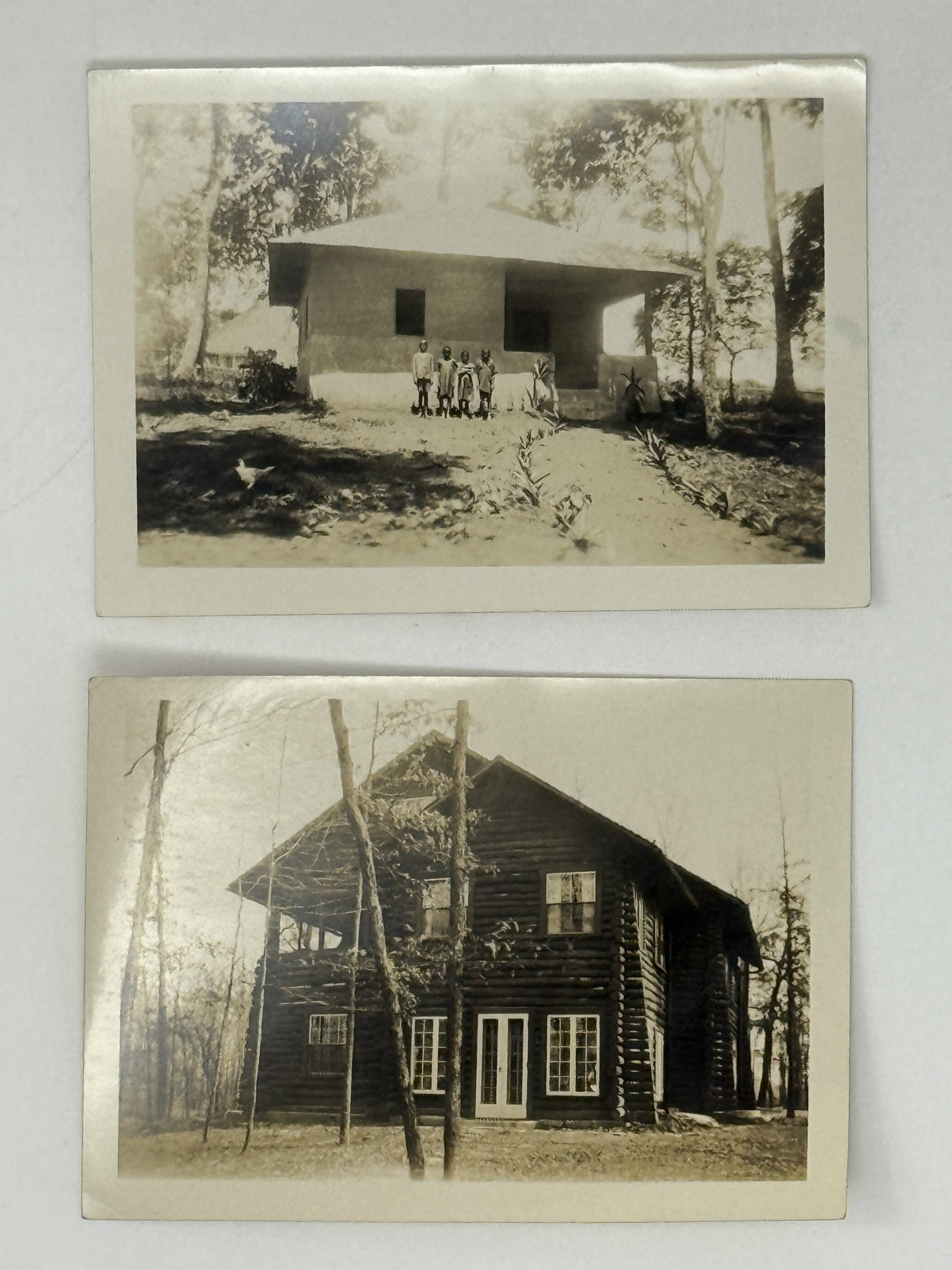
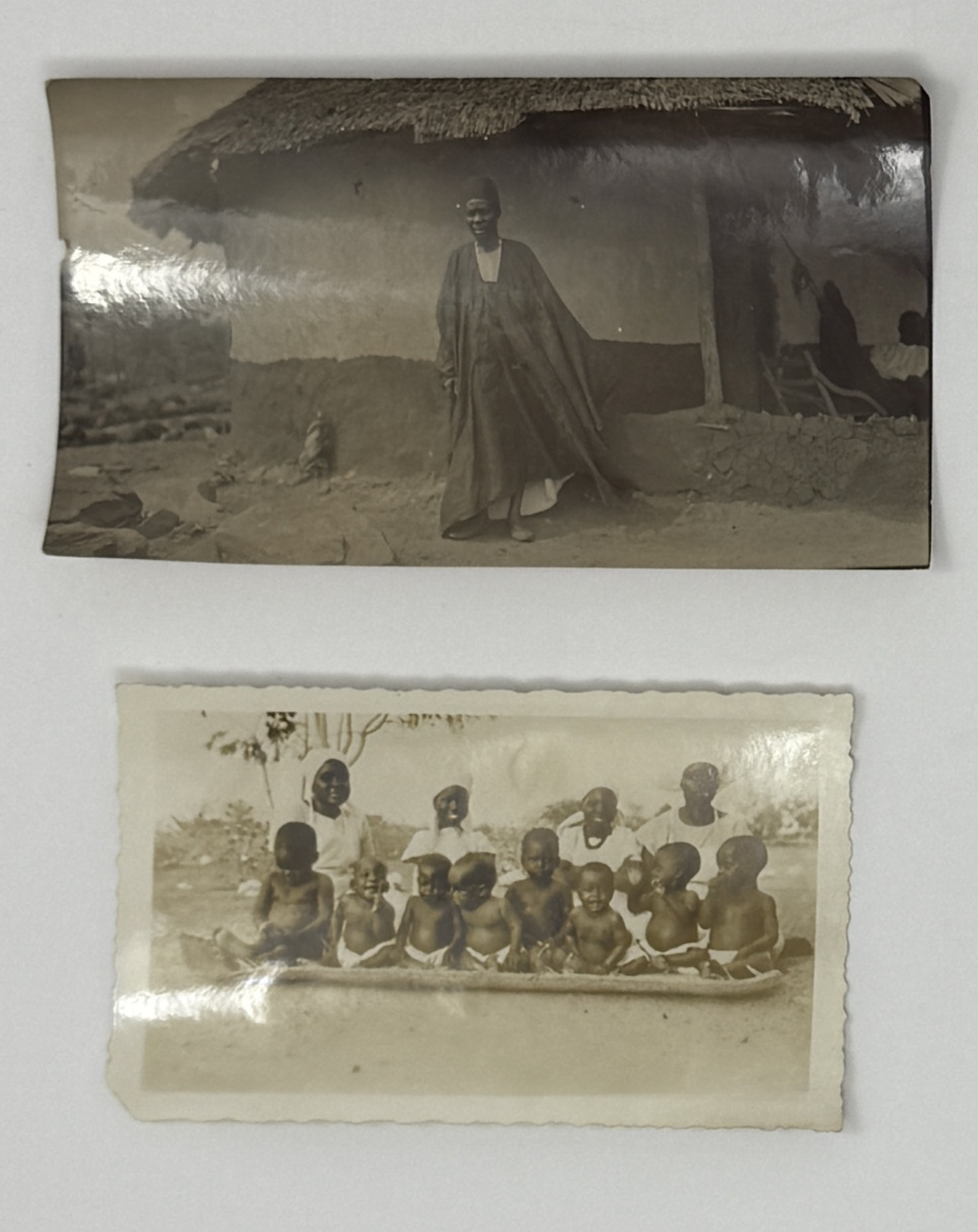
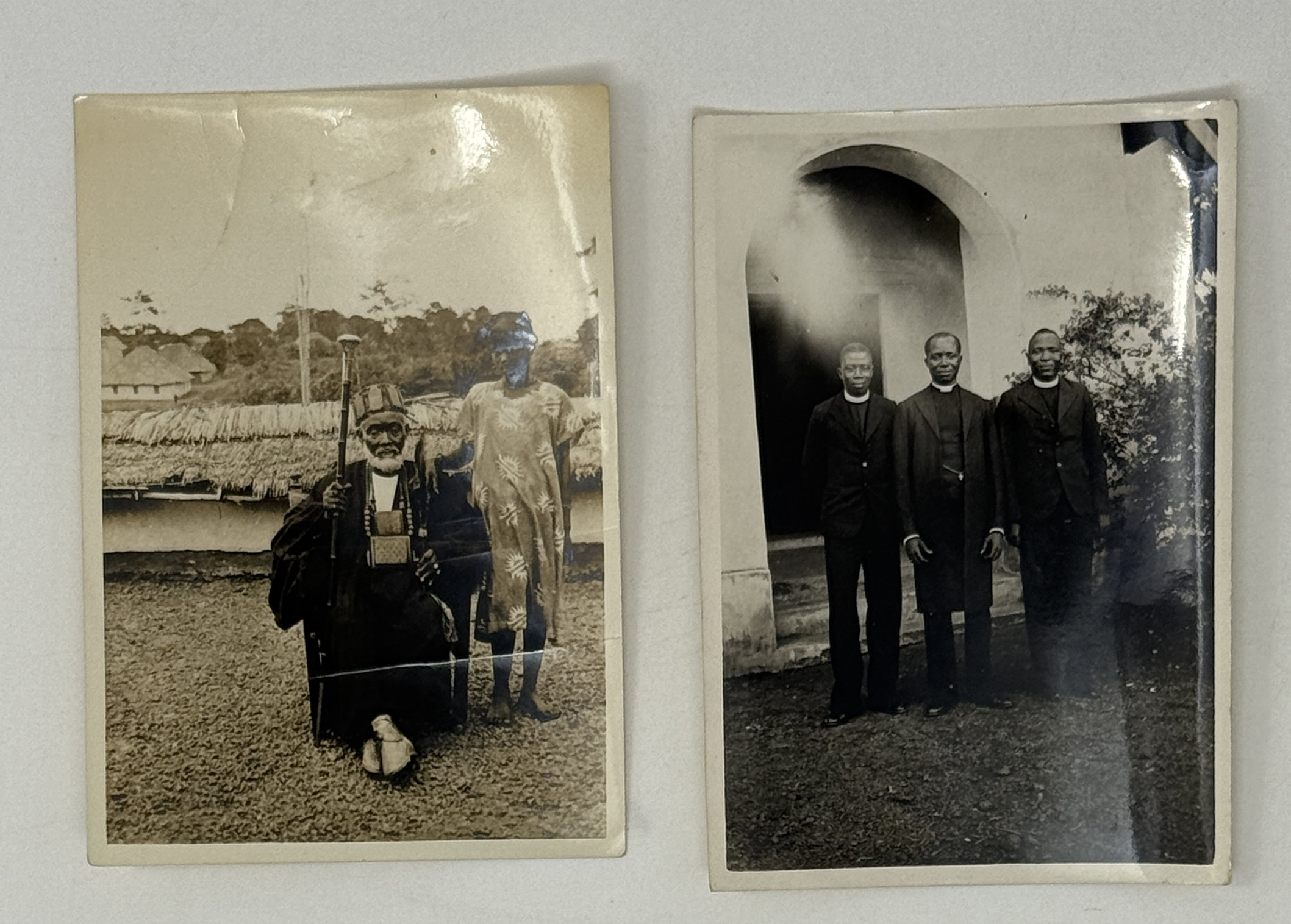
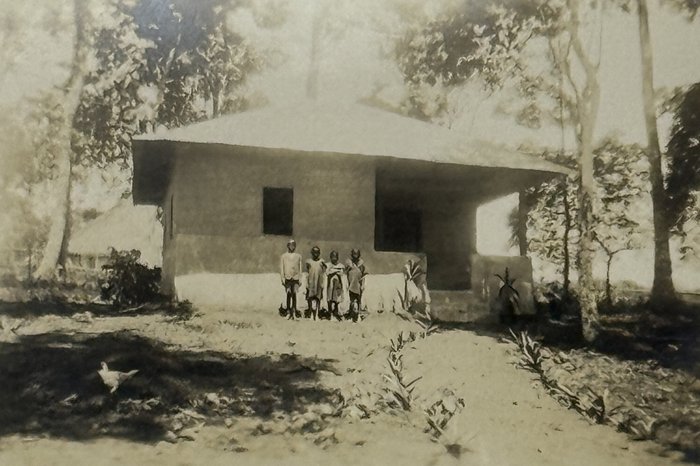
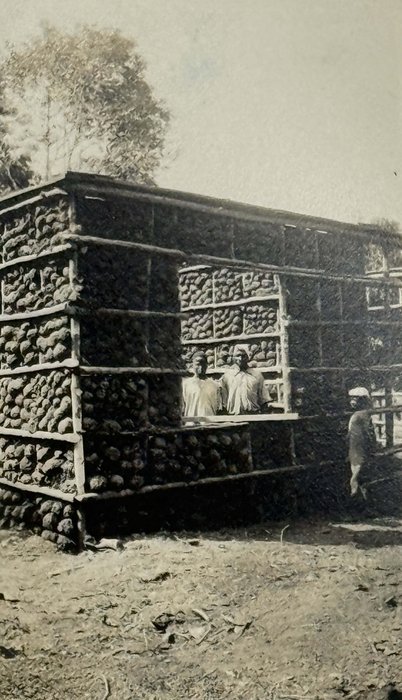
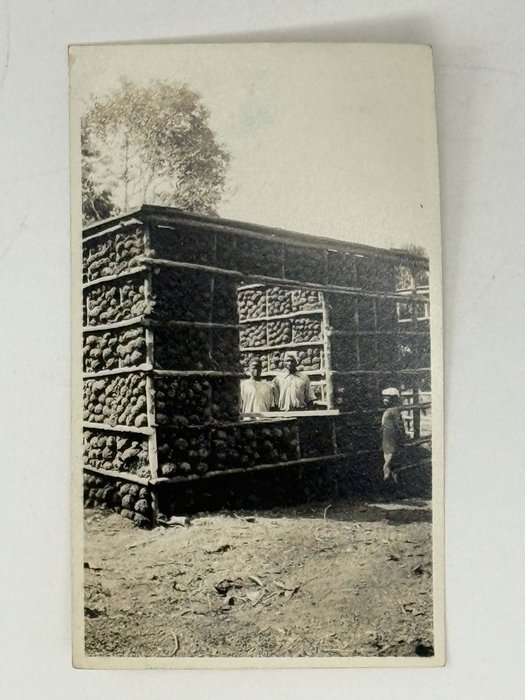
Most photos in the collection show the missionary stations in the Mendi region of Sierra Leone (Moyamba and Taiama). Photos of Moyamba show local mission house and parsonage, “shop across the street from Moyamba mission house,” “incomplete mud house in Moyamba,” “a superstitions building in chief’s compound here,” “Moyamba girls on their way to commencement, 1936,” natives “carrying stones for the Moyamba church,” a portrait of “Jamne chief at Moyamba, chief’s compound,” &c.
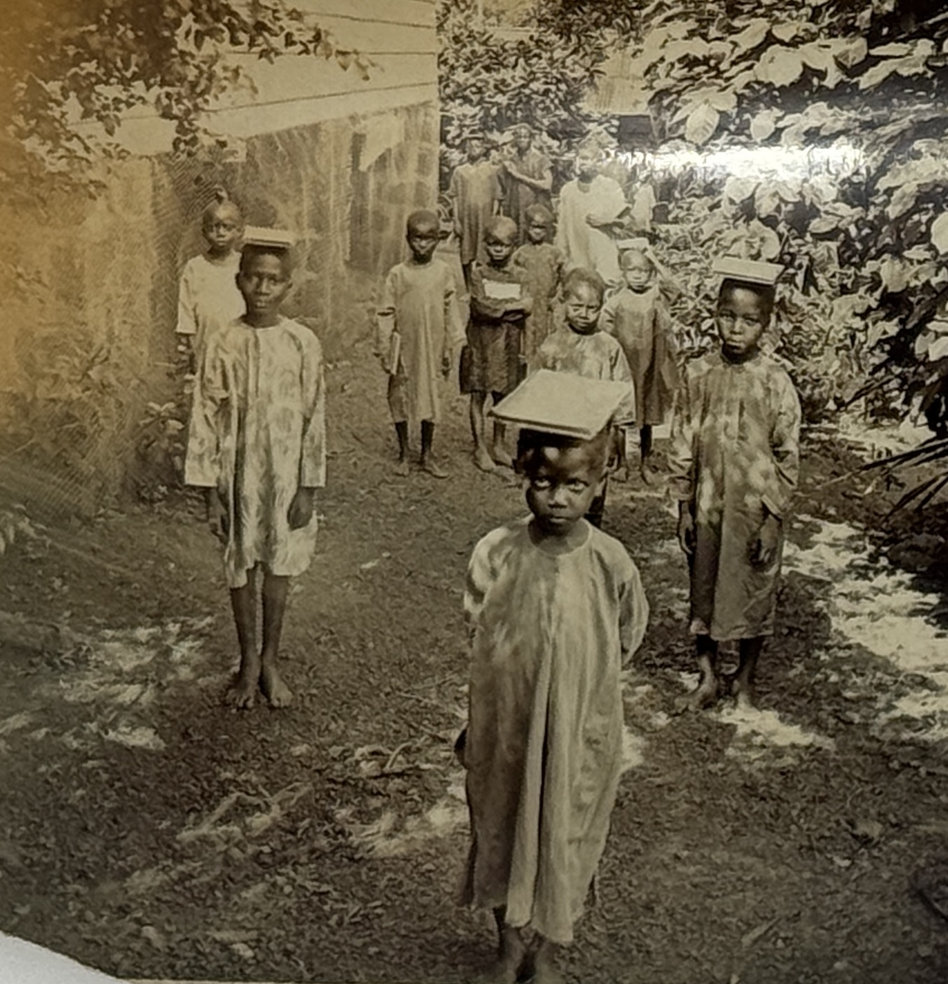
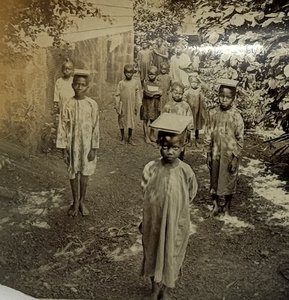
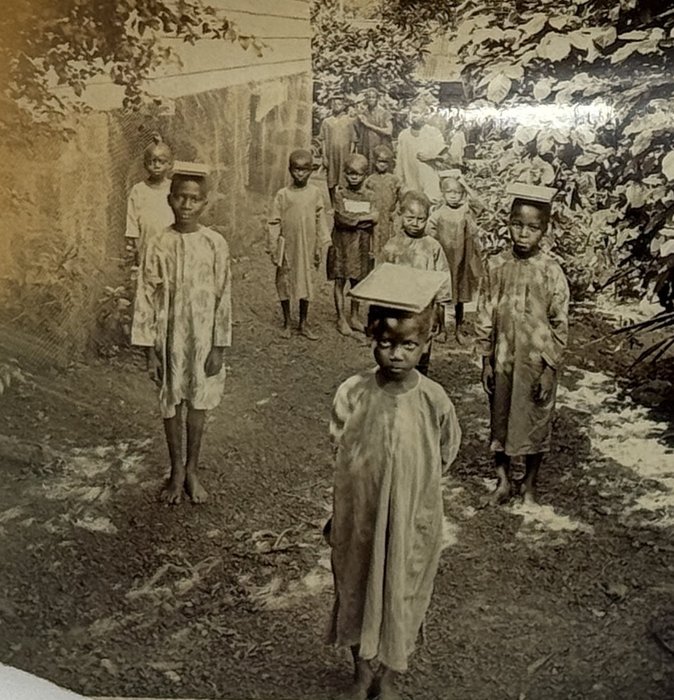
Images of the U.B. station in Taiama show the mission house, hospital (“marking the site of Tiama hospital, 1934,” the building in 1934 and 1937 “caretaker’s bungalow at Tiama hospital, built 1935,” “Kono people present at the dedication of Tiama hospital”), dispensary (“Tiama dispensary bungalow, Miss Akin and I are standing on the street…”; “the road in front of Tiama dispensary,”), school (“Tiama school house and part of school, Nov. 1916,” “Tiama school,” “school children in the mission yard, Tiama”), “the house where the Women’s school was held, Oct., Nov. 1932, Tiama,” and several portraits (“part of the women who attended the Women’s school at Tiama. No. 1 Mrs. Sarah Ferguson, No. 2 Mrs. Alice Waver, Mrs. Ferguson was one of the teachers <…>;” “Women who attended the Women’s school,” newly wed “Mr. & Mrs. Walter T. Walseley, Tiama, 1934,” “a Tiama dispensary baby, 1934,” “Mommy Yenken and grandson Samuel Miller, Tiama, 1934”), &c.
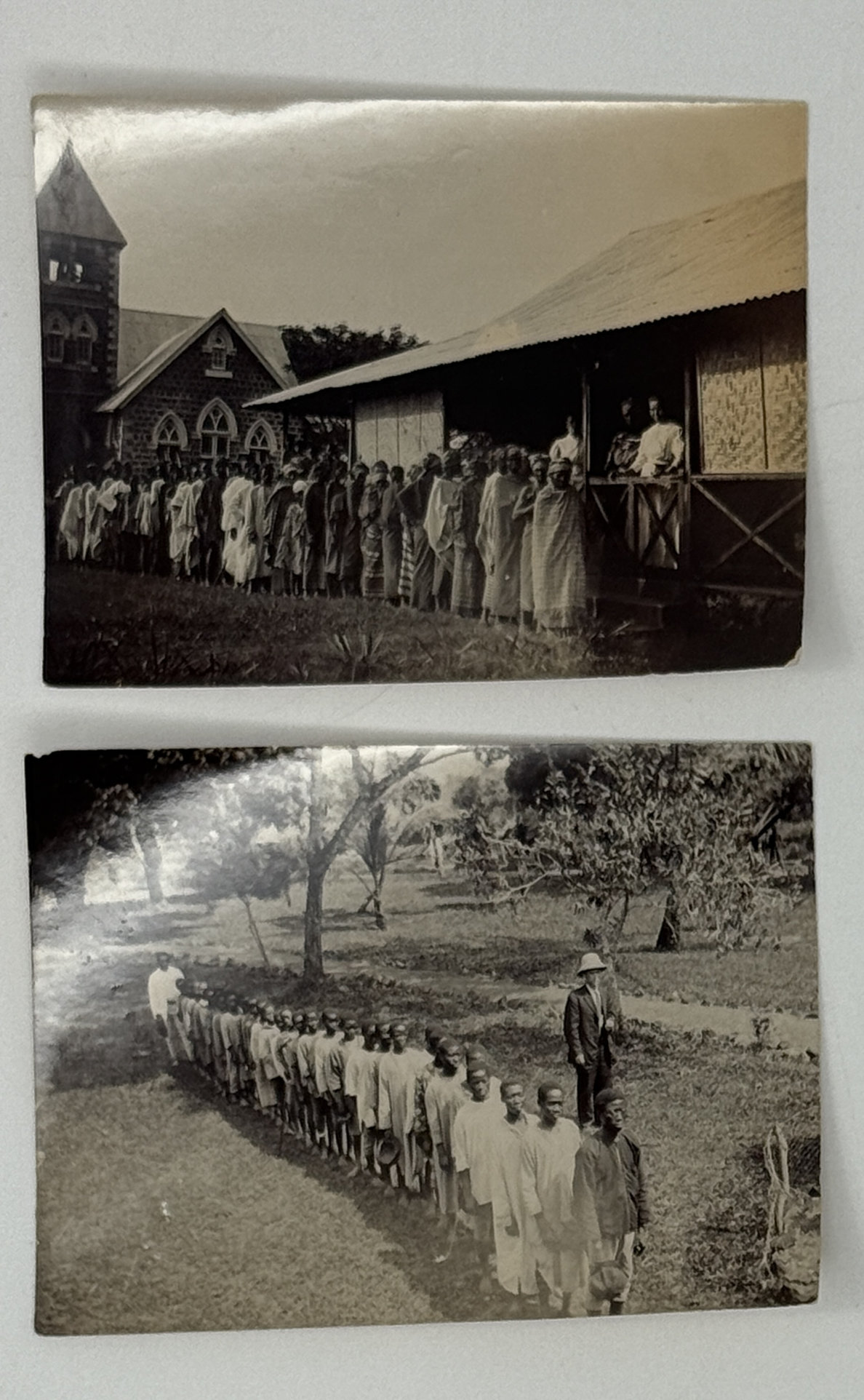
Photos of missionary stations in the Temni region include views of Rotifunk (railway station, church, dispensary, mission house, “school house at Rotifunk, bricks were made by school boys,” “Christmas crowd at Rotifunk,” “Rotifunk boys”) and “U.B.C. Roruks parsonage, dedicated Dec. 8, 1929.”
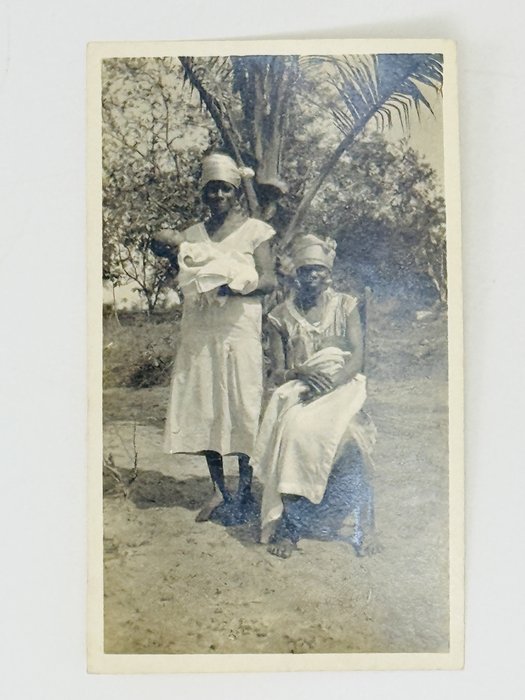
Photos of missions to the Sherbro tribe contain views of Shenge (government rest house, “U.B.C. Church,” mission house, “Rufus Clarke training school, Shenge, the stones for this building were taken from the old slave pen of John Newton on an island about a mile out”), Sherbro Island (“U.B.C. Church, Bonthe, Rev. S.B. Caulker, pastor,” mission house, “Mrs. Dwight-Sumner & twins, Bonthe,” “Rev. A.T. Sumner’s home – Bonthe,” “village on the Bagru River between Bonthe and [Sembehu?]”), entrance to the “U.B. Church, Rembee,” “church at Bendu,” &c.
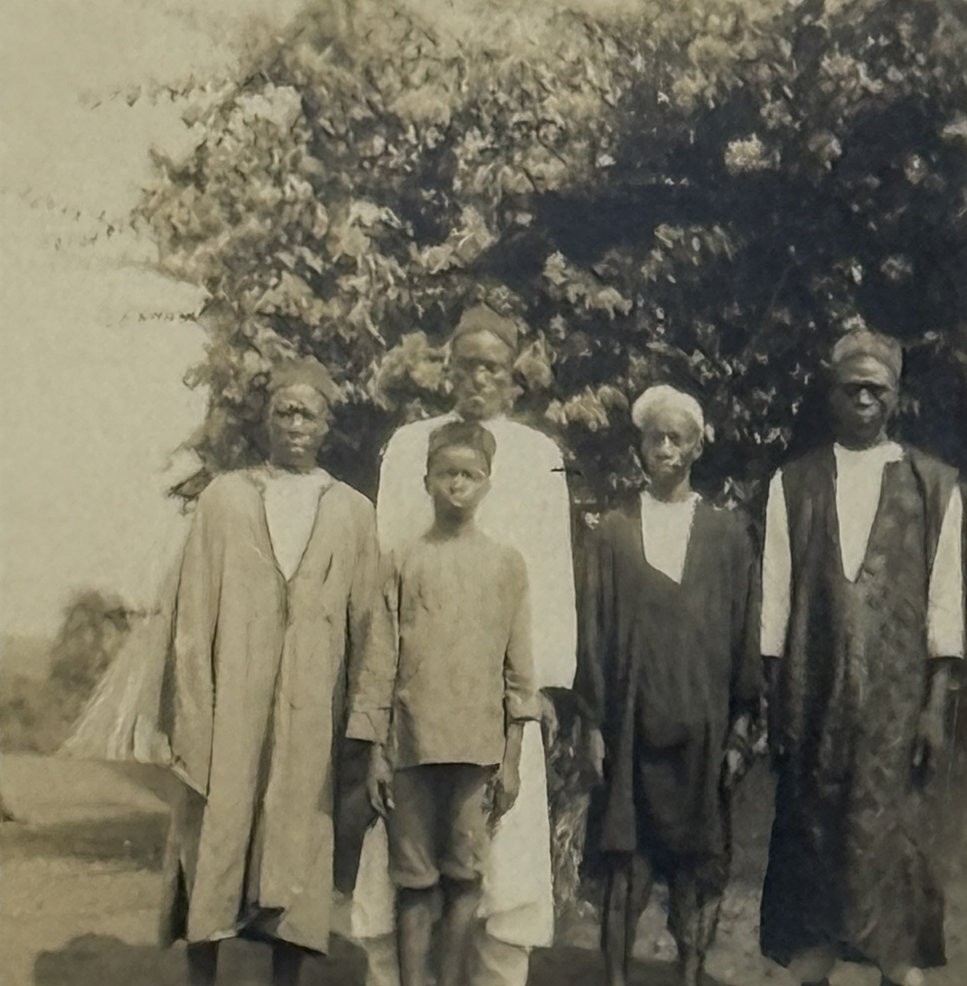
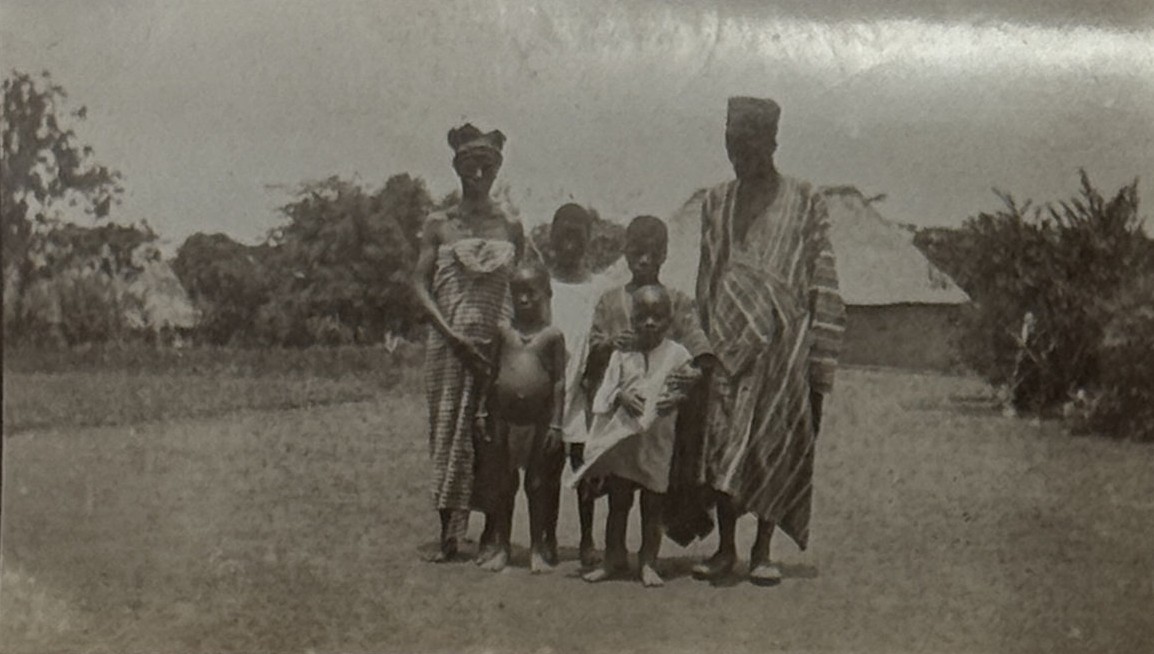
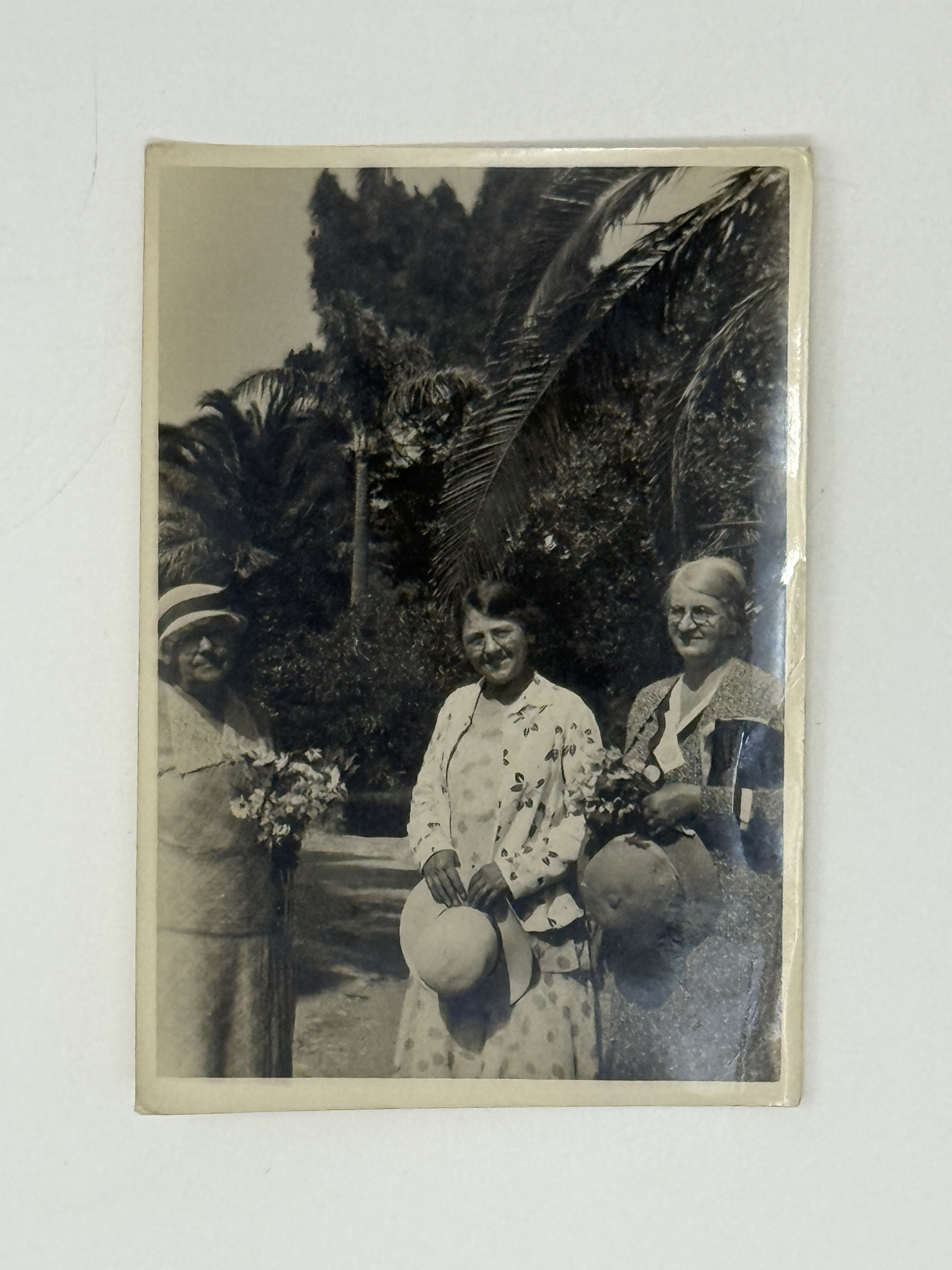
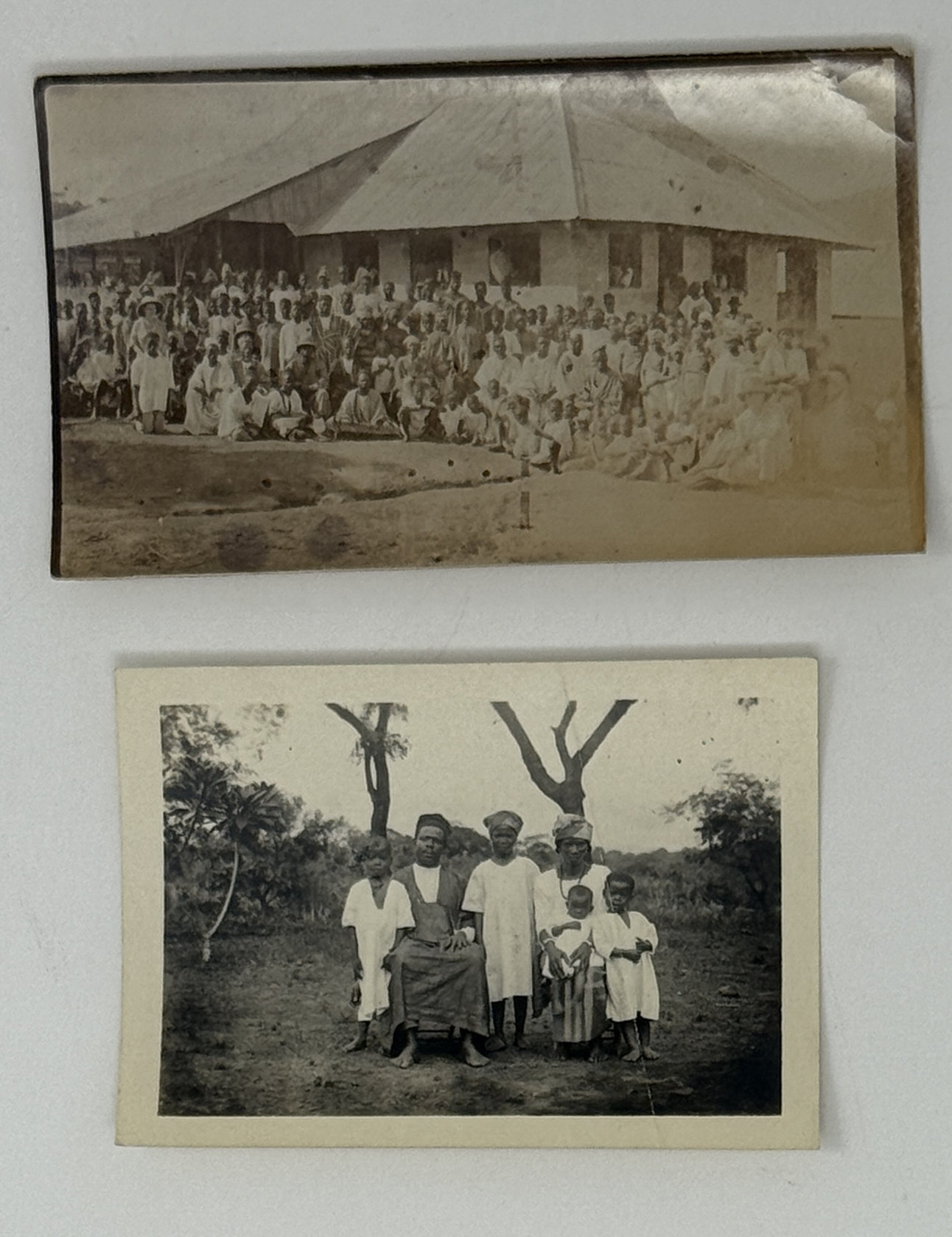
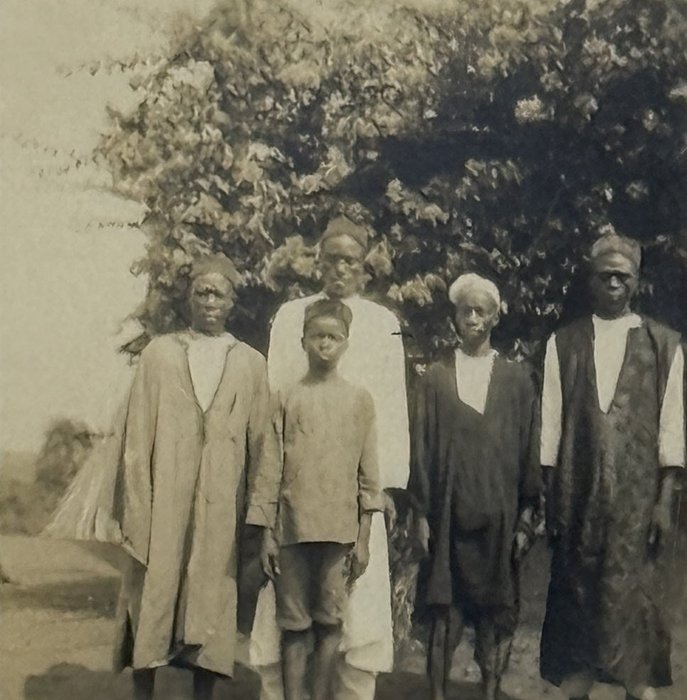
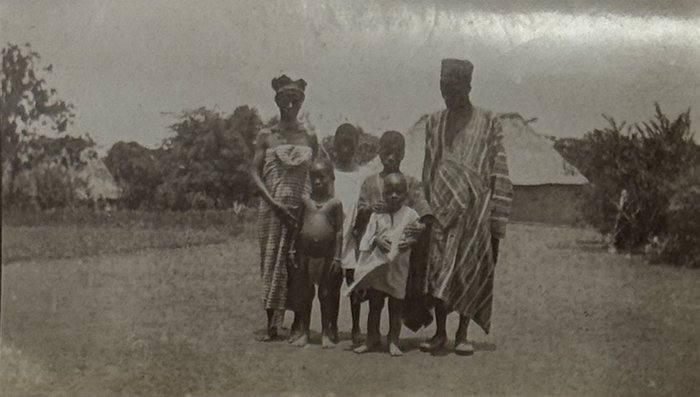
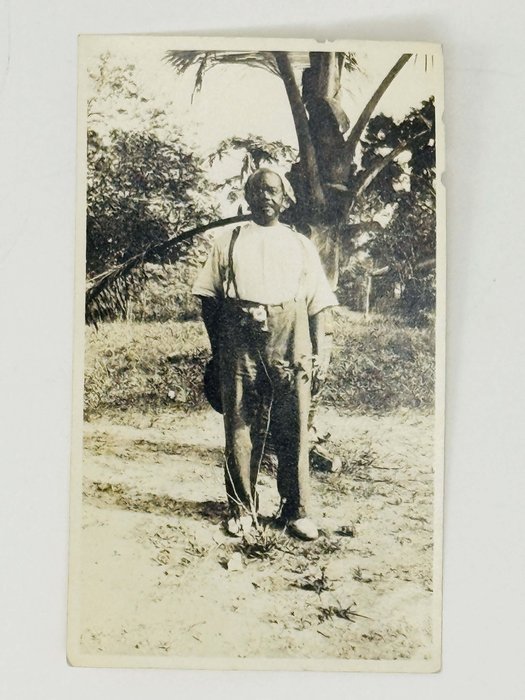
There are also a number of portraits of American missionaries and native clergy and Christians: “some of our American missionaries,” “[missionary] workers in Mende country,” missionaries posing at “rapids near Freetown,” “Miss Akin and Miss Bachman, Tiama 1925,” “Miss Wilson with motherless baby,” “Miss Eaton & Miss Brenneman, Jan. 1941,” “Isaac Inskip, William Simbo, Mende teachers,” “A.T. Sumner, C.A. Columbus, M.M. Caulker, all ordained ministers of the African U.B. Conference,” “Lorena Kessambo Sefadu,” “Rev. David Caulker with his wife and son,” “baby William Caulker,” “a Christian family, John Seekins & family,” &c.
Other interesting images show “Dr. Macmillan’s residence at Kamakwie,” “one day’s patients at Kamakwie, Dr. Macmillan,” “Ferrying the Mabole River near Batkanu,” “U.B.C. Church – Yonibana, J.K. Ferguson – pastor,” “typical farm house and farm people, Limba country,” “train at Banya,” “George Caulker’s boats at Mambo,” “Dr. Zieglee at Rev. Renner’s place at Waterloo,” “launch on Bumpe River,” group portraits of native school children and students, families, people in traditional costumes, &c.
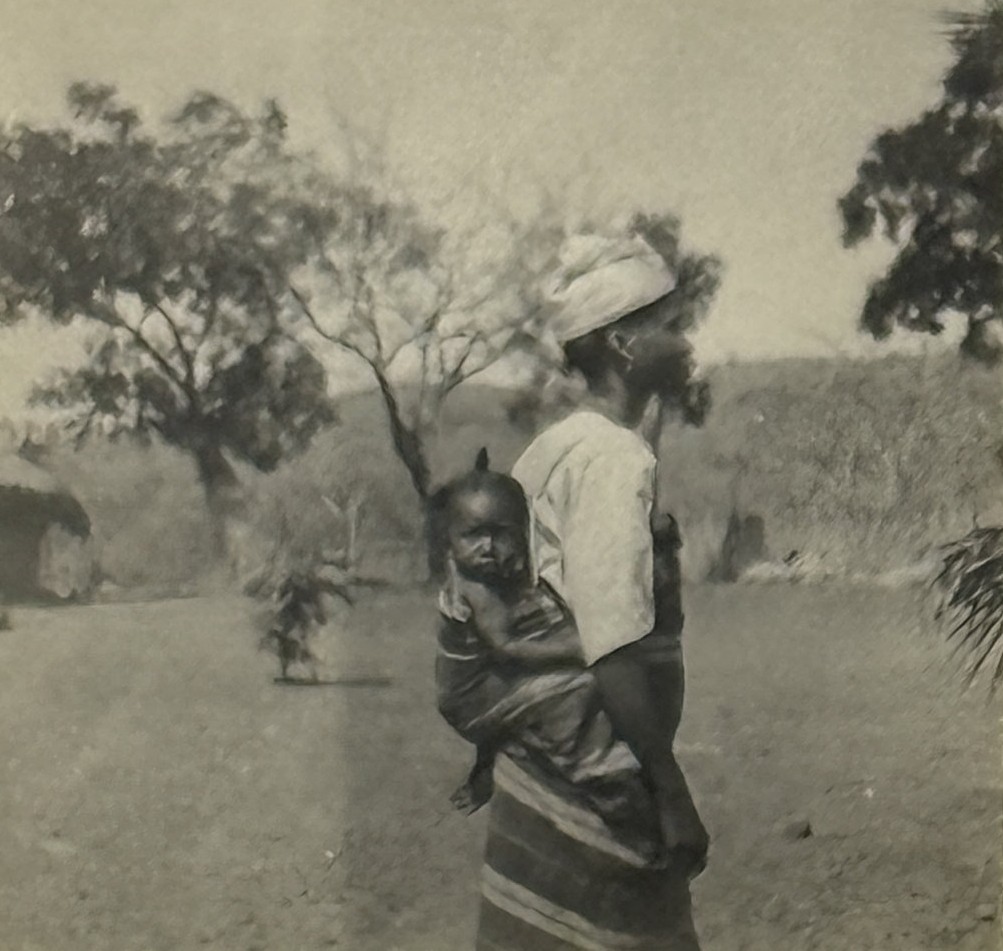
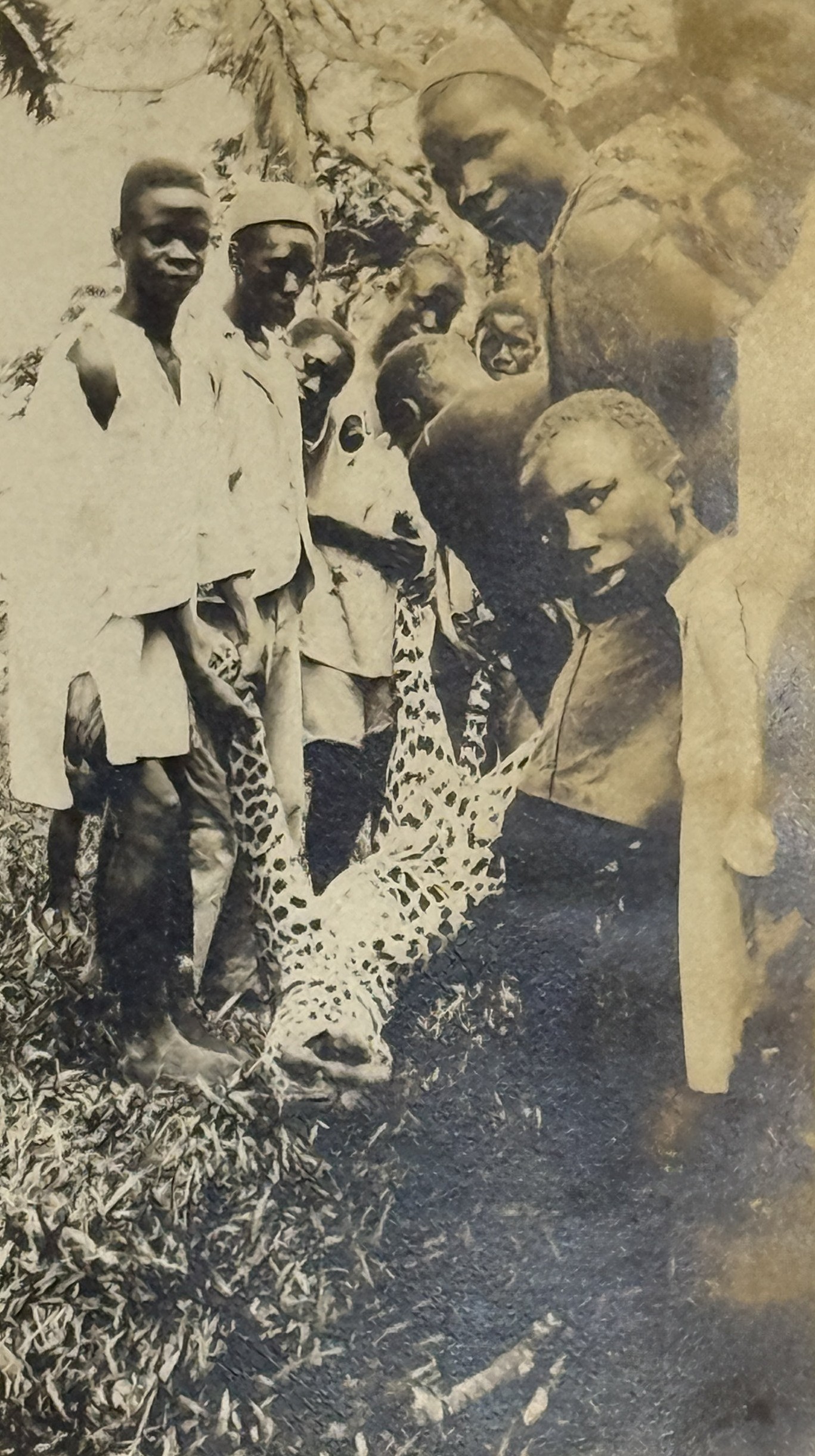
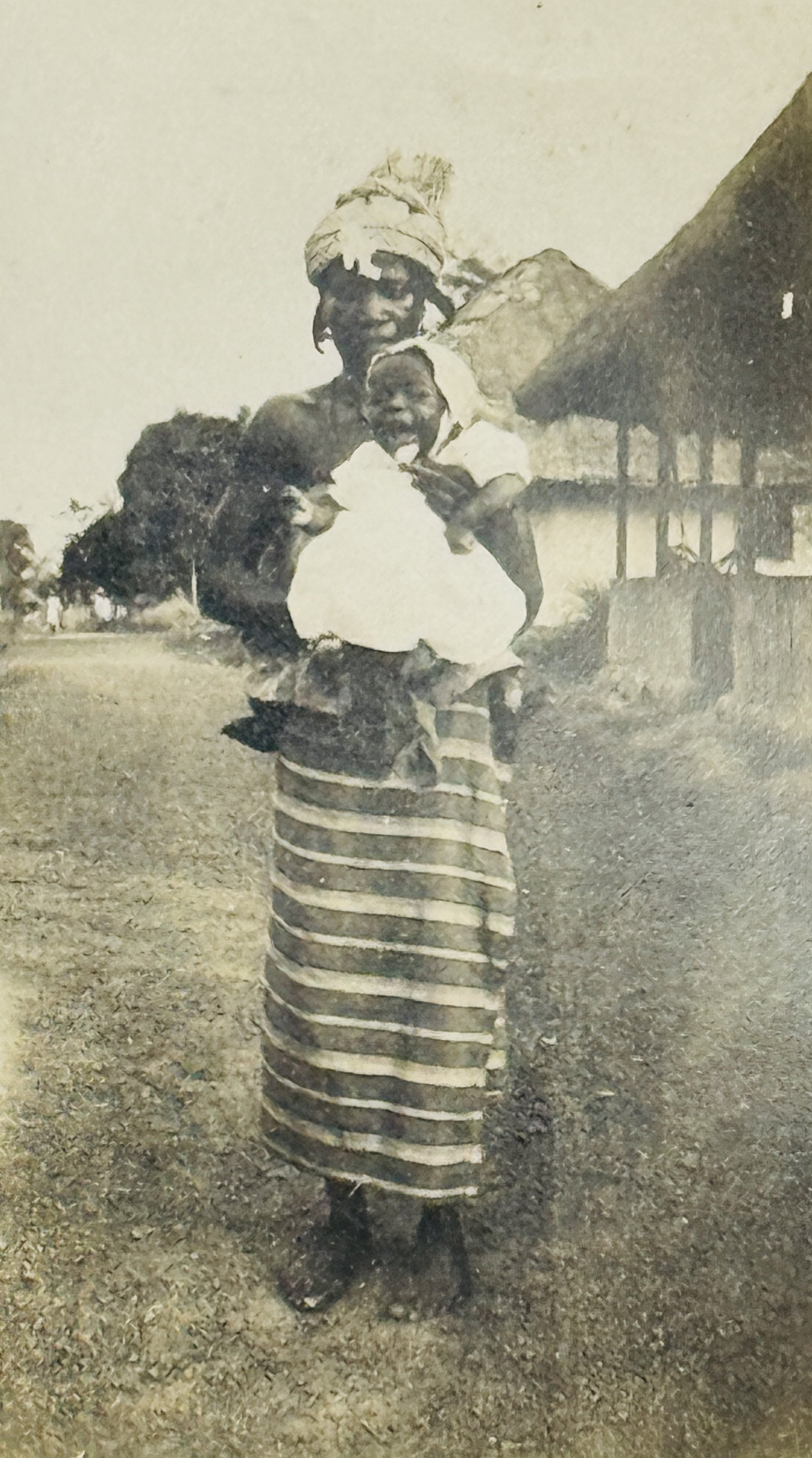
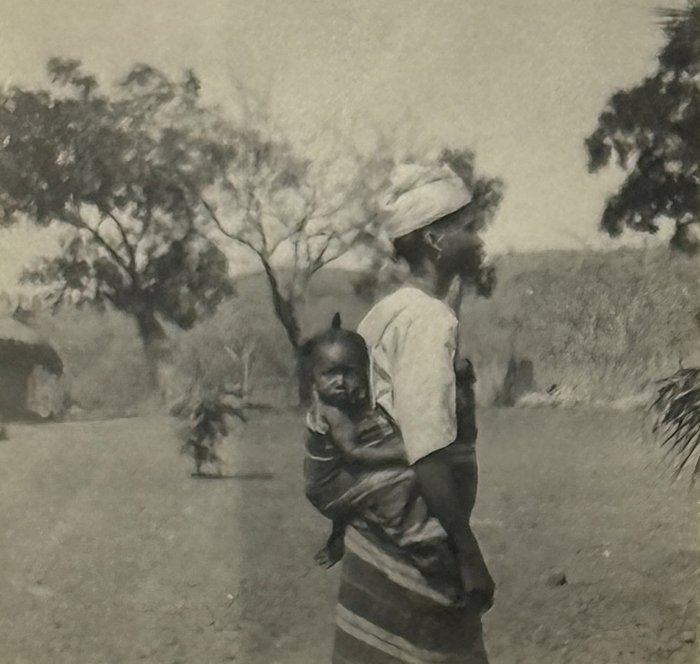
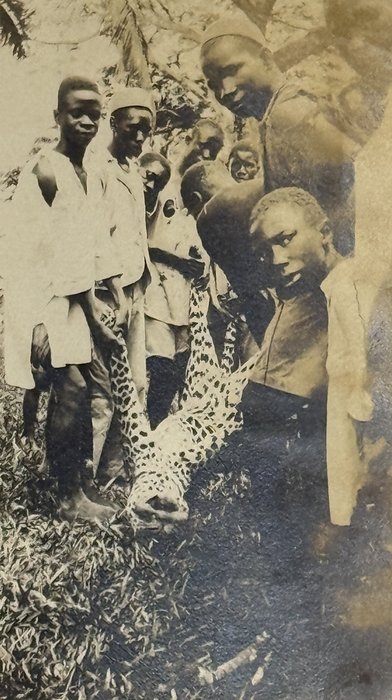
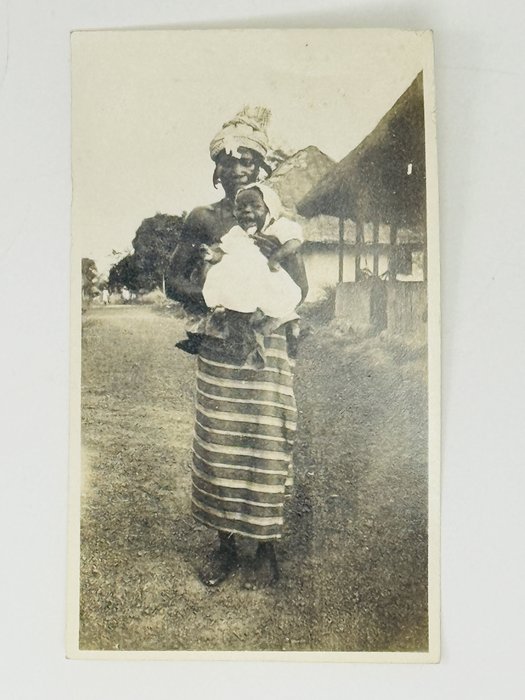
The postcards of Sierra Leone mostly show Freetown (Cape lighthouse, Susan’s Bay, waterfront, King Jimmy Landing Place, downtown core, Law Courts, Government House, Princess Christian Mission Hospital, the Cotton Tree, Bank of British West Africa), as well as Mano, Aberdeen, Wilberforce Barracks, Bonthe (U.B.C. church), Moyamba, portraits of mothers with babies, wives of a native chief, “Bundu initiates,” a Mende chief, Mende hunters, “a typical Mendi barrie,” &c.
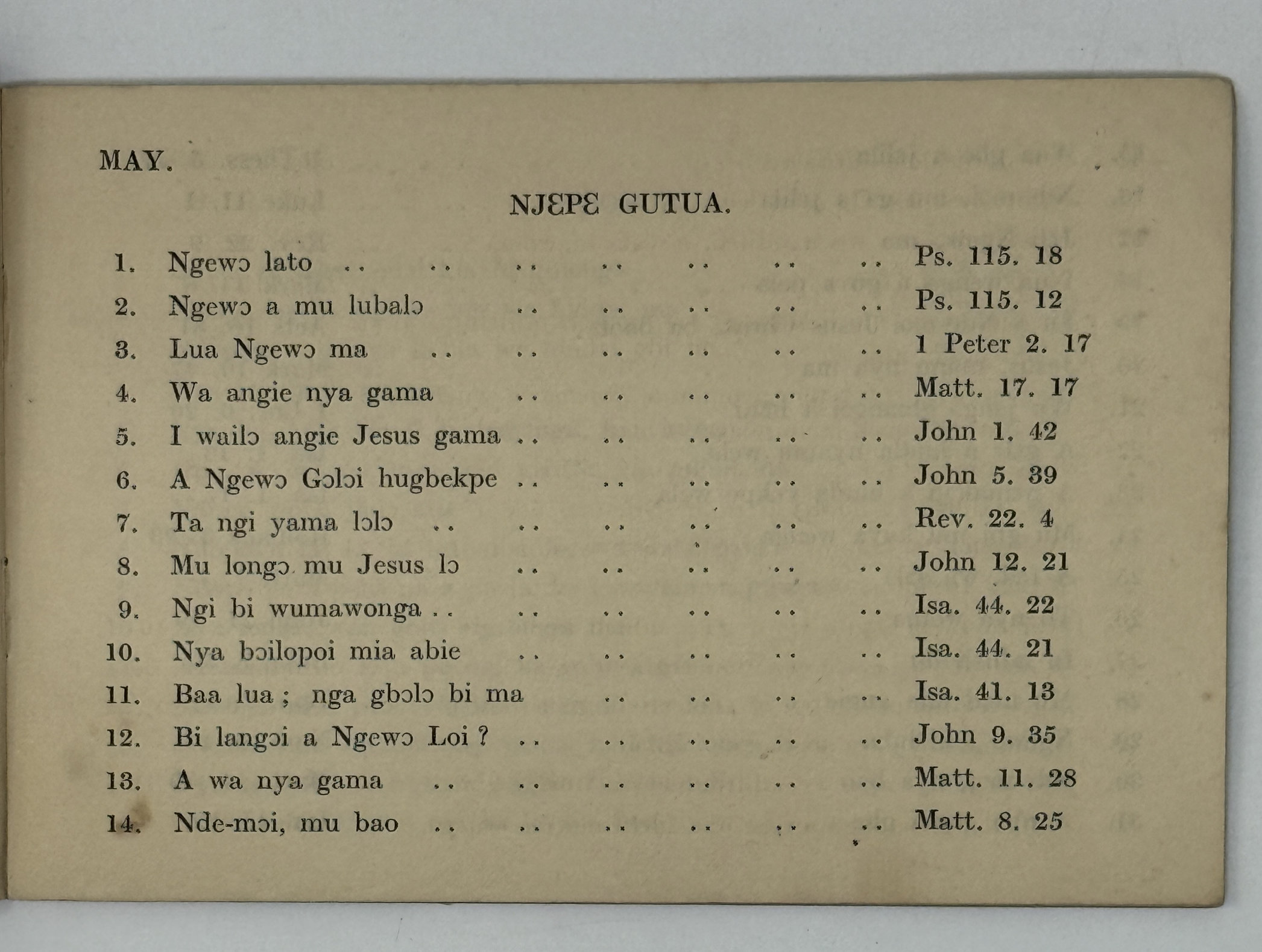
A rare brochure with Bible verses in the Mende language, titled “A Ngewo Lato” and published specially “for Miss M. Eaton, United Brethren Mission, Sierra Leone,” contains selected quotes from the Old and New Testaments (Pentateuch, Psalms, books of Prophets, Gospels, Acts, Epistles, Book of Revelation, and others), organized according to each day of the year. In the end, there are the translations of Jesus’s parables of the lost sheep (Luke 15, 3-7), the lost coin (Luke 15, 8-10) and the prodigal son (Luke 15, 11-24). The brochure is preserved in the original publisher’s wrappers.
Fifteen printed postcards of French Senegal show Dakar (street views, market place, governor’s palace, railway station), Tuareg camel riders, and mothers with babies from different ethnicities. One of the postcards contains a letter to “Miss M.E. Eaton, 2023 Tropics Ave., Los Angeles, Calif.” from a noted United Brethren’s missionary Alice N. Musselman (née Dougherty, 1883-1965), who served in Sierra Leone for forty years (1907-1947). In the letter, dated September 3, 1918, she wrote that they “have been stranded here for over a week now and have no prospect of getting away soon. This is the twelfth Tuesday since we left home and you may know we are anxious to get to our journey’s end. This place is as hot as Freetown. There are no English churches and very few people who speak English…”
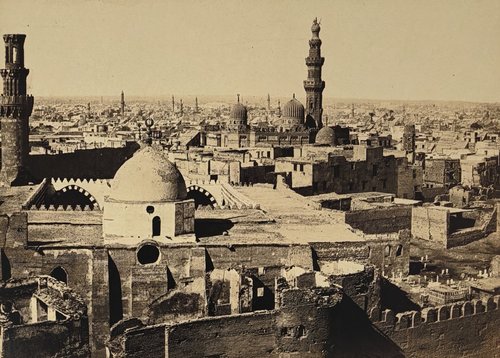
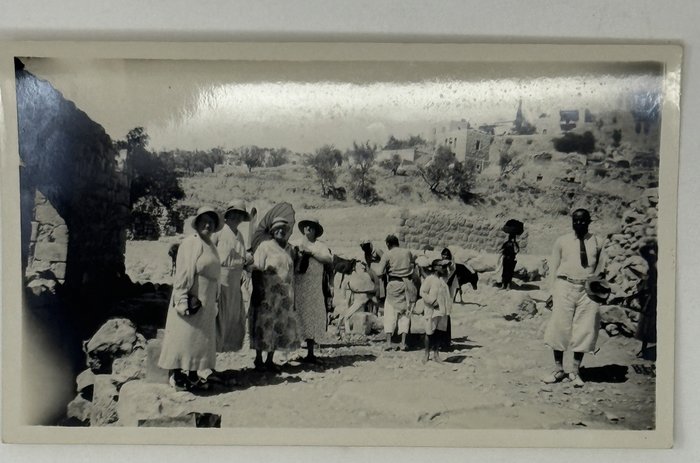
The collection of materials from the Holy Land contains classical photo and postcard views of Jerusalem, Bethlehem, Nazareth, Mount Carmel, Haifa, as well as an amateur snapshot portrait of “Miss Malick, Miss Hughes, M. Eaton, Miss Brenneman, Rev. James” posing at the “Lower Pool of Siloam, Aug. 8, 1934.”
Overall an important extensive, well-annotated collection, significantly adding to the history of American missionary activities in Sierra Leone in the first third of the 20th century.
Born in 1866, in Dayton (Montgomery County, Ohio), Minnie Emily Eaton “was educated at Otterbein University in Westerville, Ohio. In 1887 her father brought the family by train from Ohio to San Diego and then by wagon to homestead near Valley Center in San Diego County. She taught school for a short time in San Diego County. On July 10, 1892 by letter of transfer she became a member of First Church of the United Brethren in Christ of Los Angeles and remained a member there the rest of her life. Miss Eaton was a missionary to Sierra Leone, West Africa for 44 years and her first term was from 1894 to 1898. During that term she was assigned to work in Rotifunk. Early in 1898 when she landed by ship in New York for her first furlough, she received news that every missionary with whom she had worked, save one, had been slain in a furious native uprising over a hut tax the English had put on the natives. Many would have feared to return but in 1900 she returned as a teacher at Moyamba. She was sent to Tiama where two missionaries had been taken to a rock in the middle of the river and beheaded. Miss Eaton was a courageous woman and although small in size was so great in soul that she commanded respect of the natives. When she witnessed the destruction and saw the black rock where her friends were slain, she directed the natives to break that rock and haul it to the shore, and then build a new church as a memorial to those who had given their lives.
Her dedication was complete and no task was too difficult or costly for her to undertake. At one time the crops failed and the Tiama tribe was hungry. This courageous woman gathered a group of natives together and at her own expense, baked bread and fed the whole group for three weeks. She aided in the translation of books of the Bible into Mende, one of the dialects in West Africa. The dialect had no written form and a phonetic system based on the alphabet for the Mende-speaking people was developed” (Deardorff, M.L. Minnie Emily Eaton (1866-1954), Missionary to Sierra Leone, West Africa: Collection of Articles and Letters. United Theological Seminary, [2021], p. 4).
See more about the history of the United Brethren’s mission in Sierra Leone in:
Harford, L.R., Bell, A.E. History of the Women’s Missionary Association of the United Brethren in Christ. Dayton, Ohio, 1921.
Hough, S.S. Faith that Achieved: A History of the Women’s Missionary Association of the Church of the United Brethren in Christ, 1872-1946. N.p., 1958.
Smith, J.H. The Staircase of a Patron: Sierra Leone and the United Brethren in Christ. Lexington, KY: Emeth Press, 2011.