
#PF82
Ca. 1850s-1880s
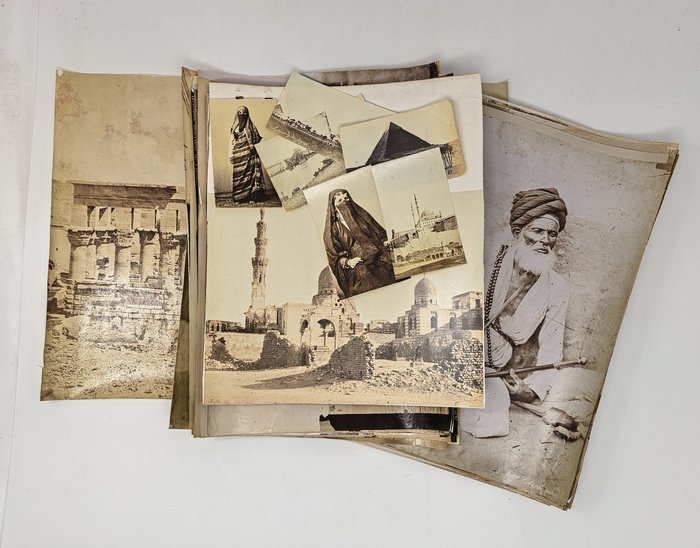
Seventy-five original albumen photos, including one large image ca. 26x36 cm (10x14 in), 57 photos from ca. 22,5x28,5 cm (8 ¾ x 11 ¼ in) to ca. 18x25 cm (7 ¼ x 9 ¾ in), 11 images from ca. 16x23 cm (6 ¼ x 9 in) to ca. 11x19,5 cm (4 ¼ x 7 ½ in), and six smaller photos ca. 5,5x9 cm (2 ¼ x 3 ½ in) or slightly smaller. Over fifty images with captions and/or numbers in negative; over forty with the photographers’ credentials in negative; ca. twenty-five with period pencil captions on verso. Six images by Francis Frith mounted on period album leaves; all but one with his signatures in negative; four with later red pen captions on verso. Most photos slightly waved, minor creases or tears on extremities, several with remnants of old mounts on verso, one with two holes in the left upper corner, one with old repairs with tape on the margins, a few photos mildly faded, but overall a very good collection of interesting photos.
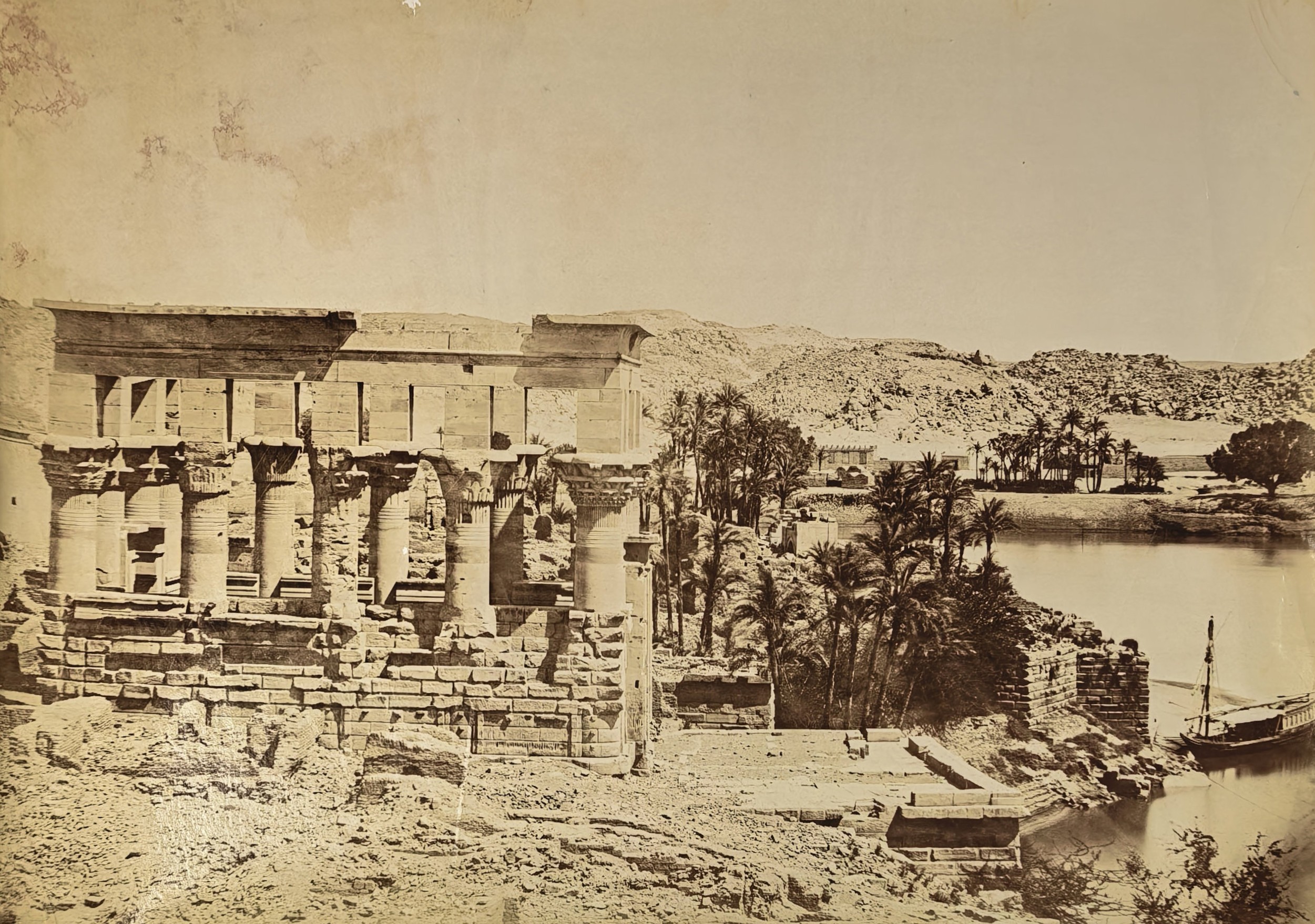
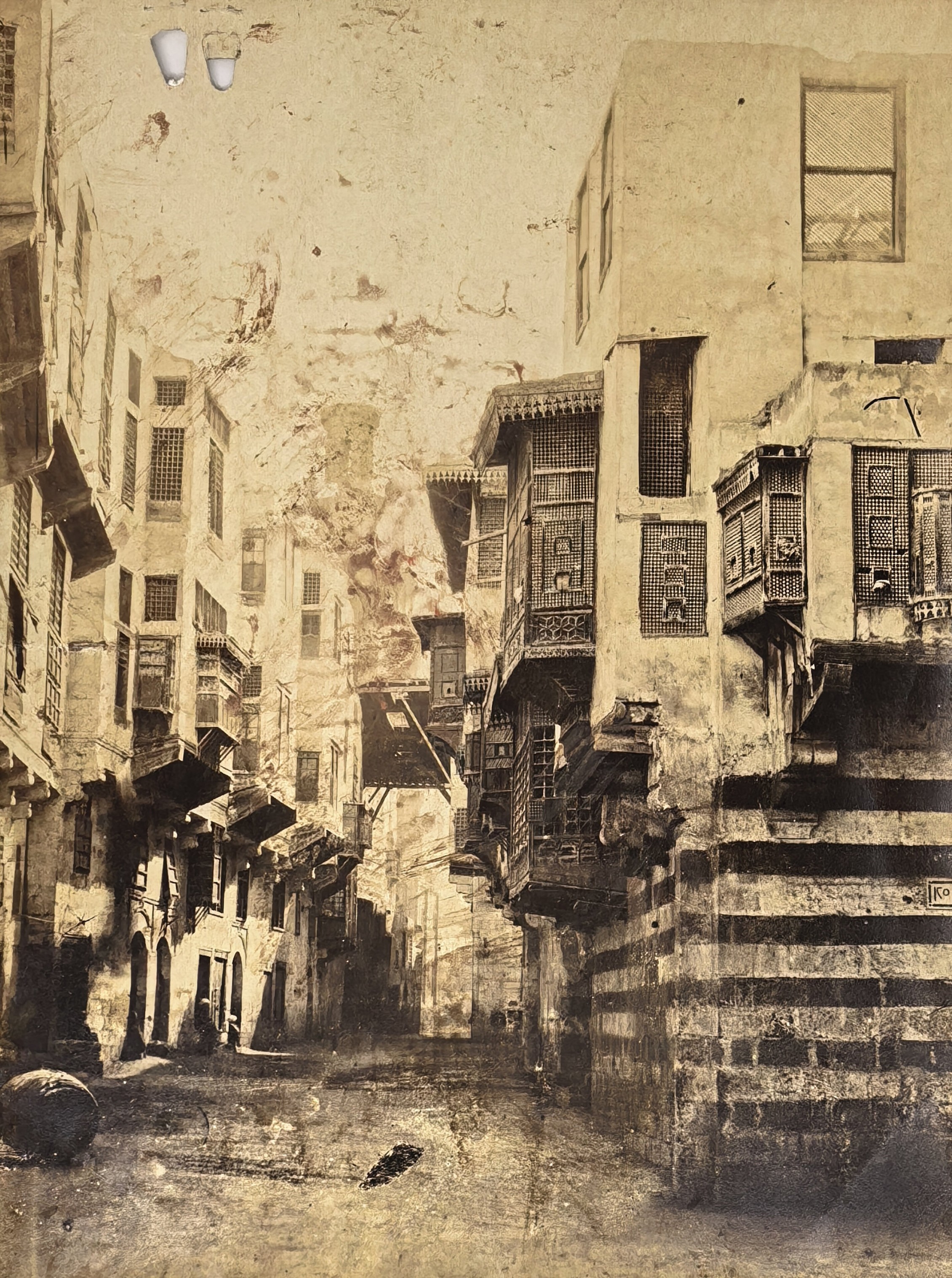
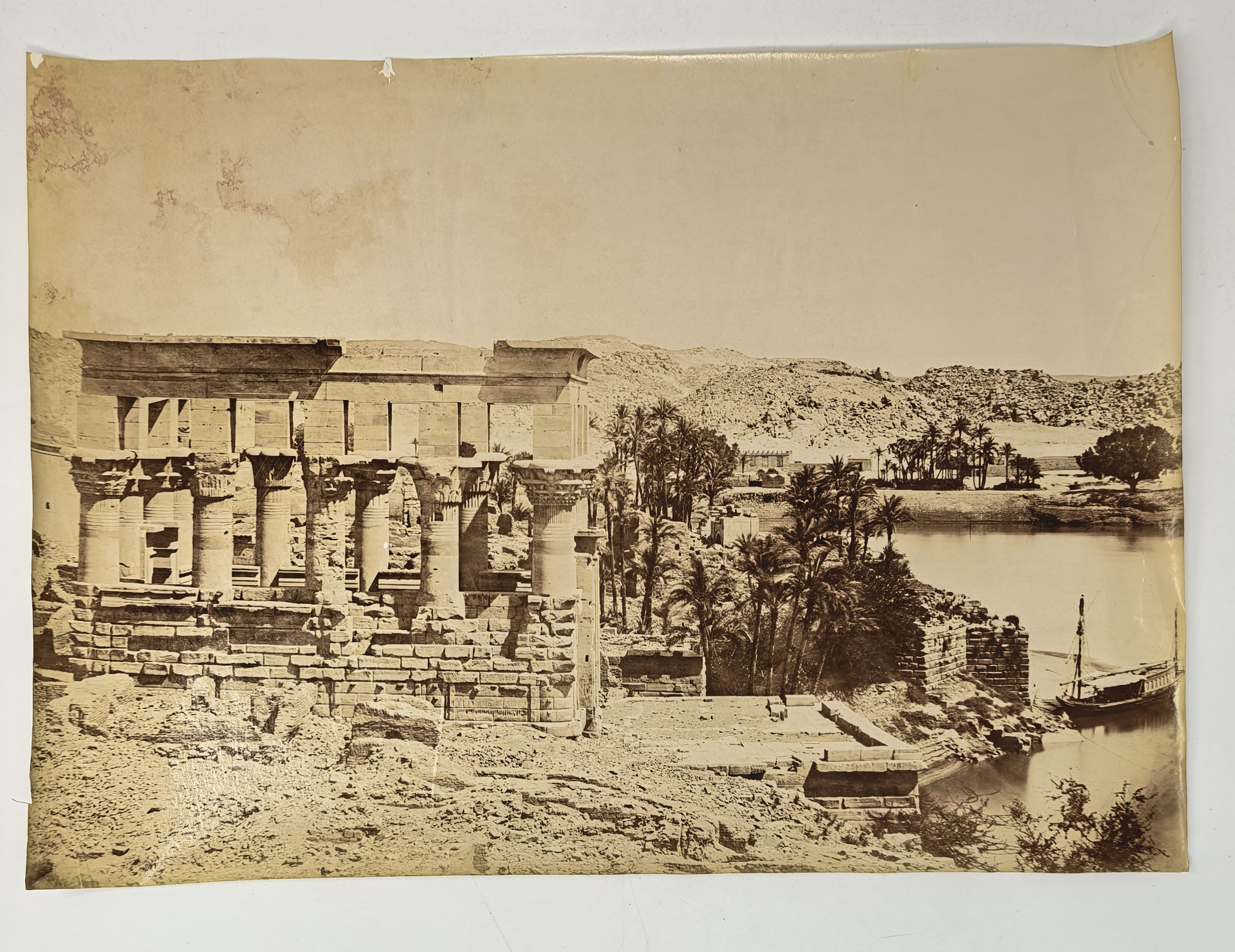
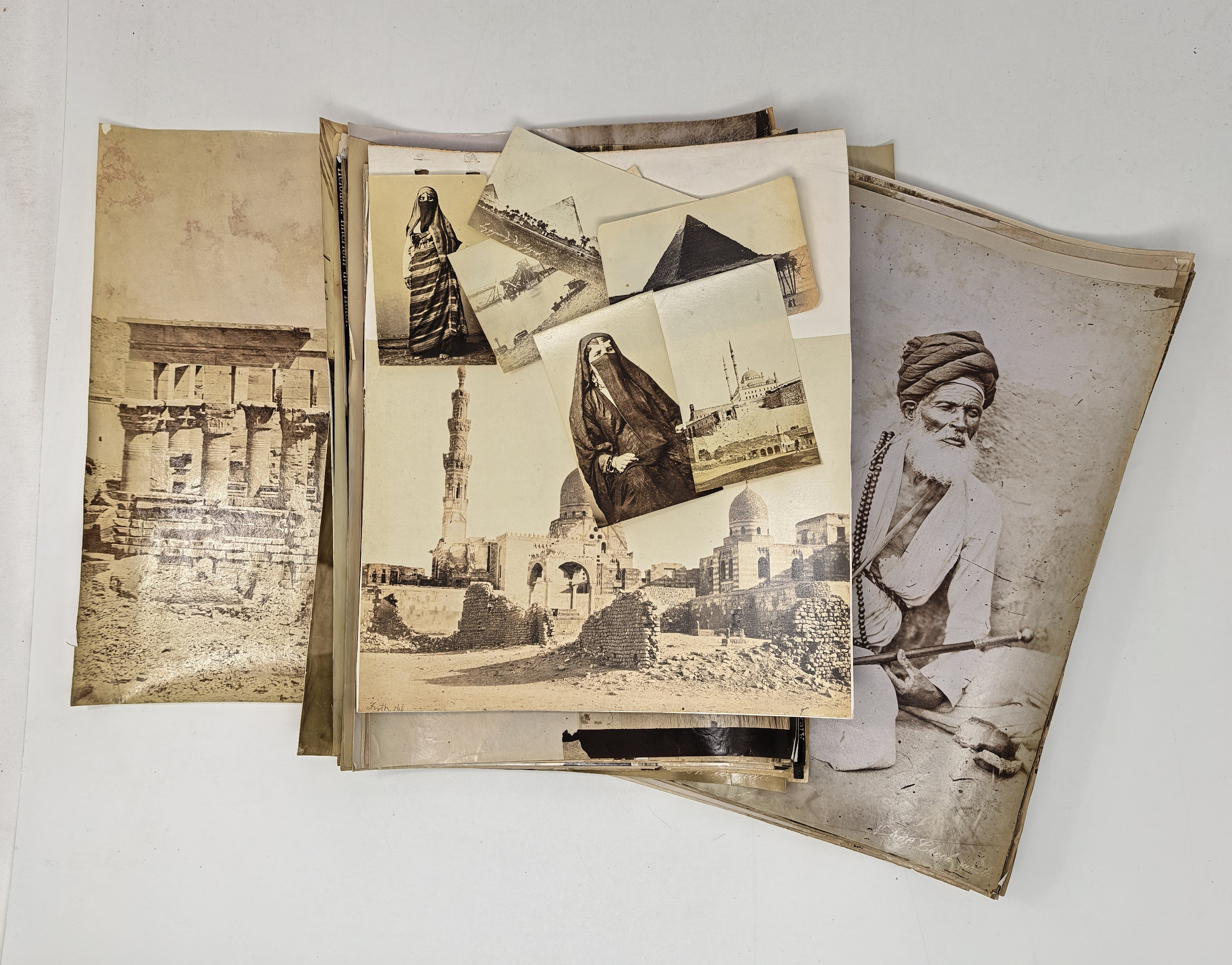
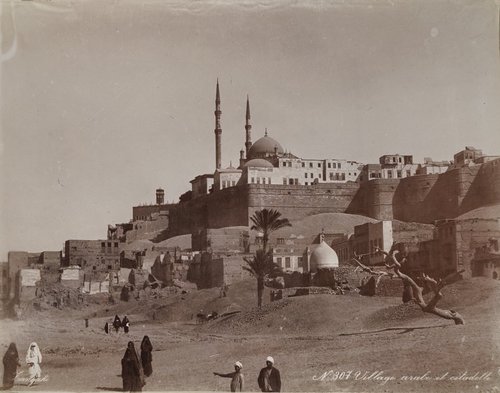
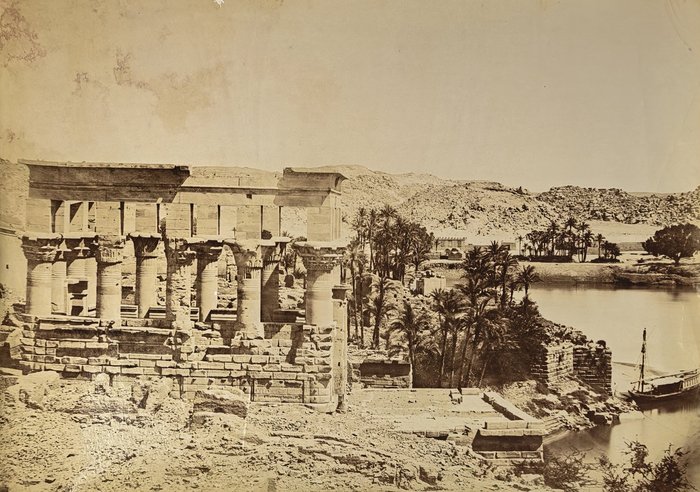
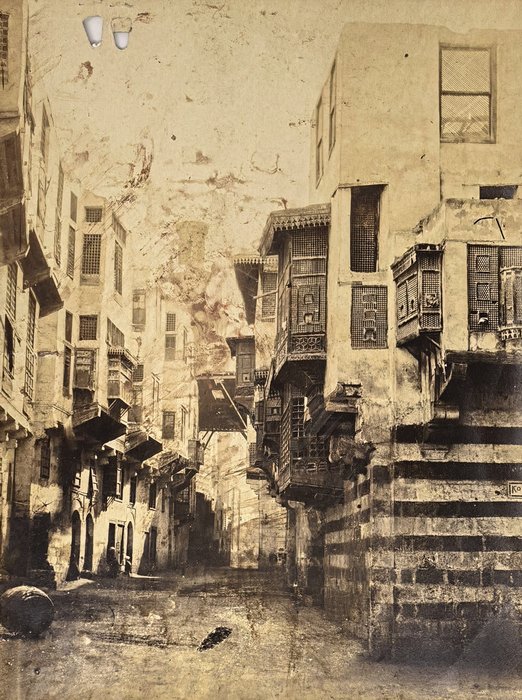
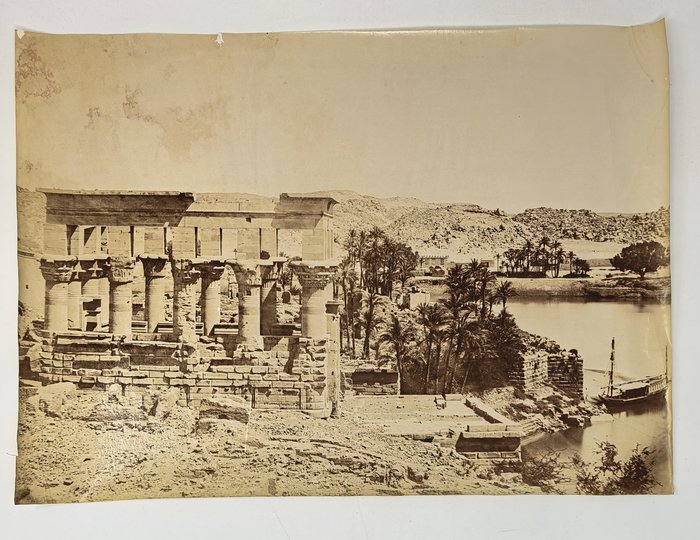
Historically significant, extensive collection of seventy-five original albumen photos of Egypt and its people, taken by several prominent studios of the second half of the 19th century. The largest image is an early view of the Kiosk of Trajan (part of the Temple of Isis) on the island of Philae, looking north, with the Nile bank and a docked dahabiya on the right. Six early photos by Francis Frith (dating back to ca. 1857-1558), mounted on period album leaves, include three views of Cairo (a distant view of the Citadel and Muhammad Ali mosque taken from the Mokattam Hills, madrasa and mosque of Sultan Qaytbay, a street in the Old Cairo area), and three of the Near East - Baalbek temple complex (columns of the temple of Jupiter with the temple of Bacchus in the back), the north shore of the Dead Sea and Mount Horeb, Sinai.
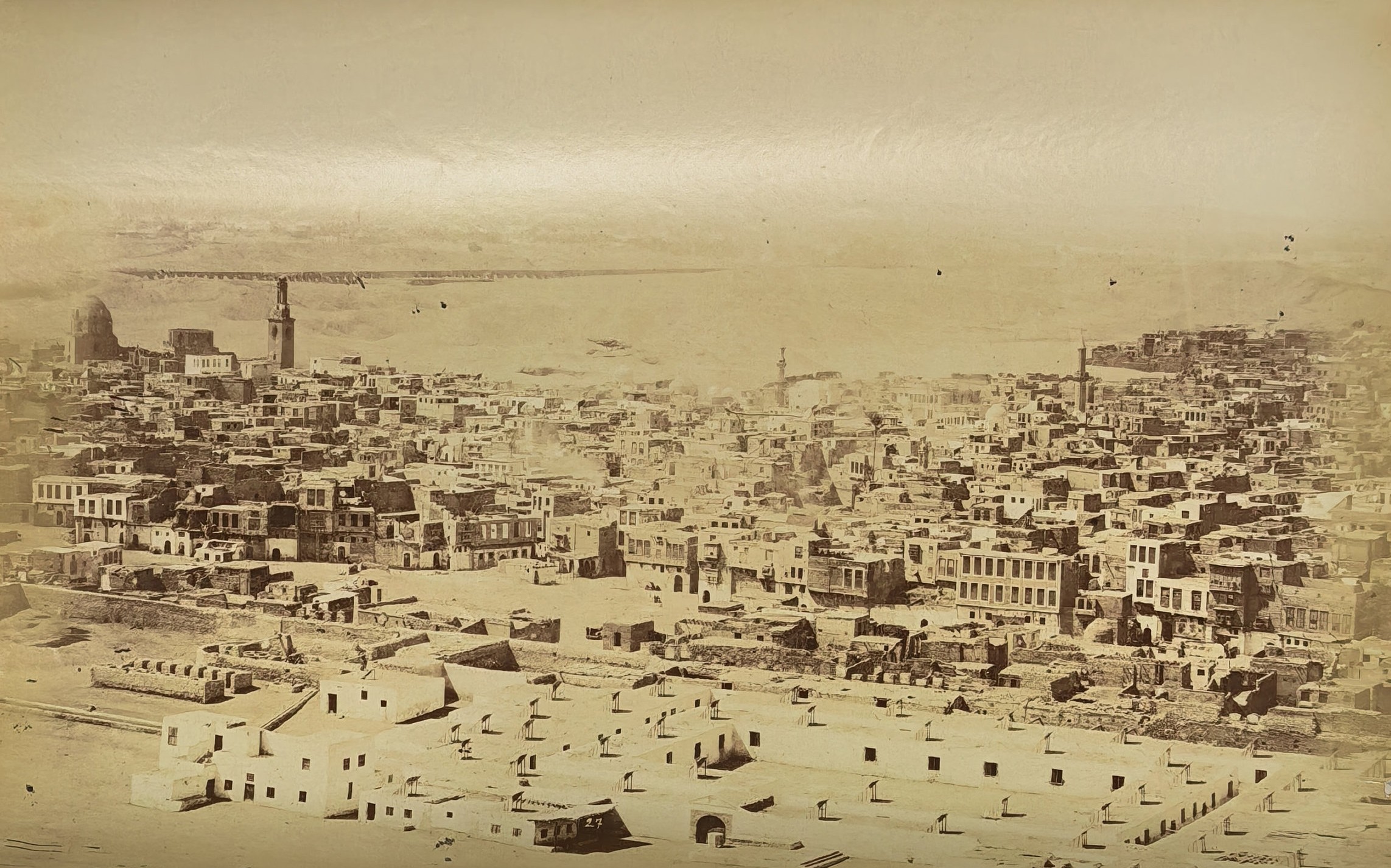
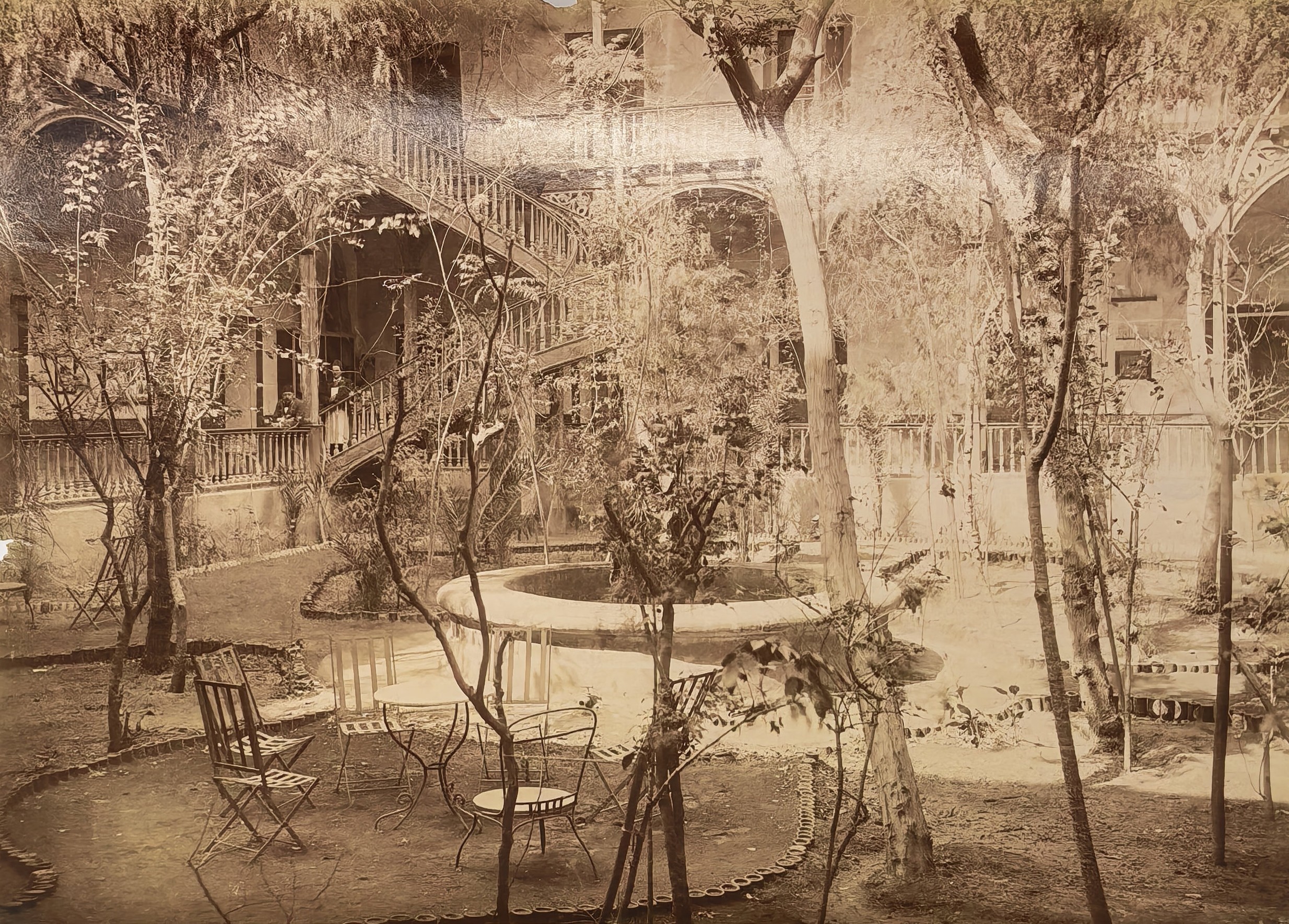
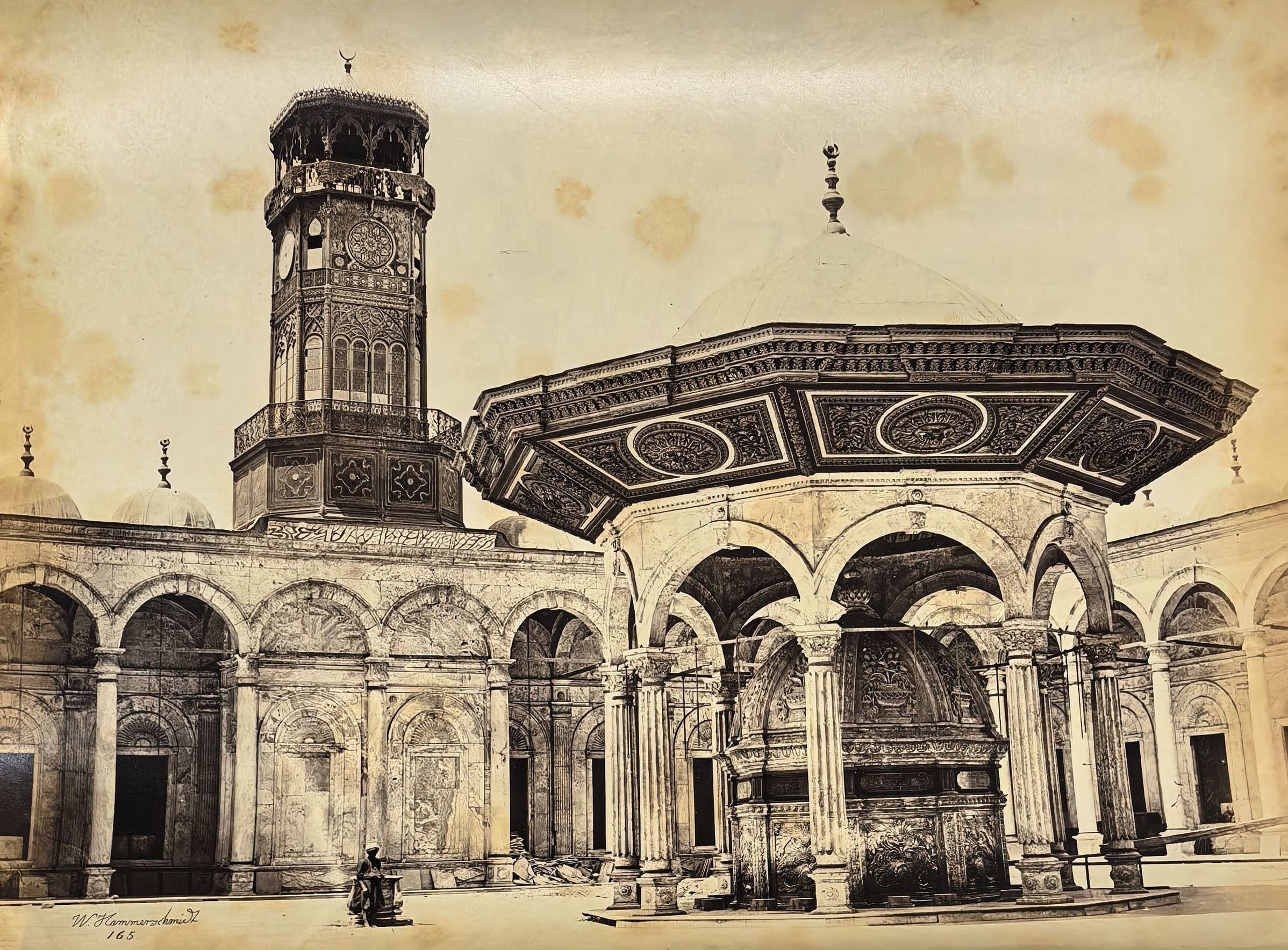
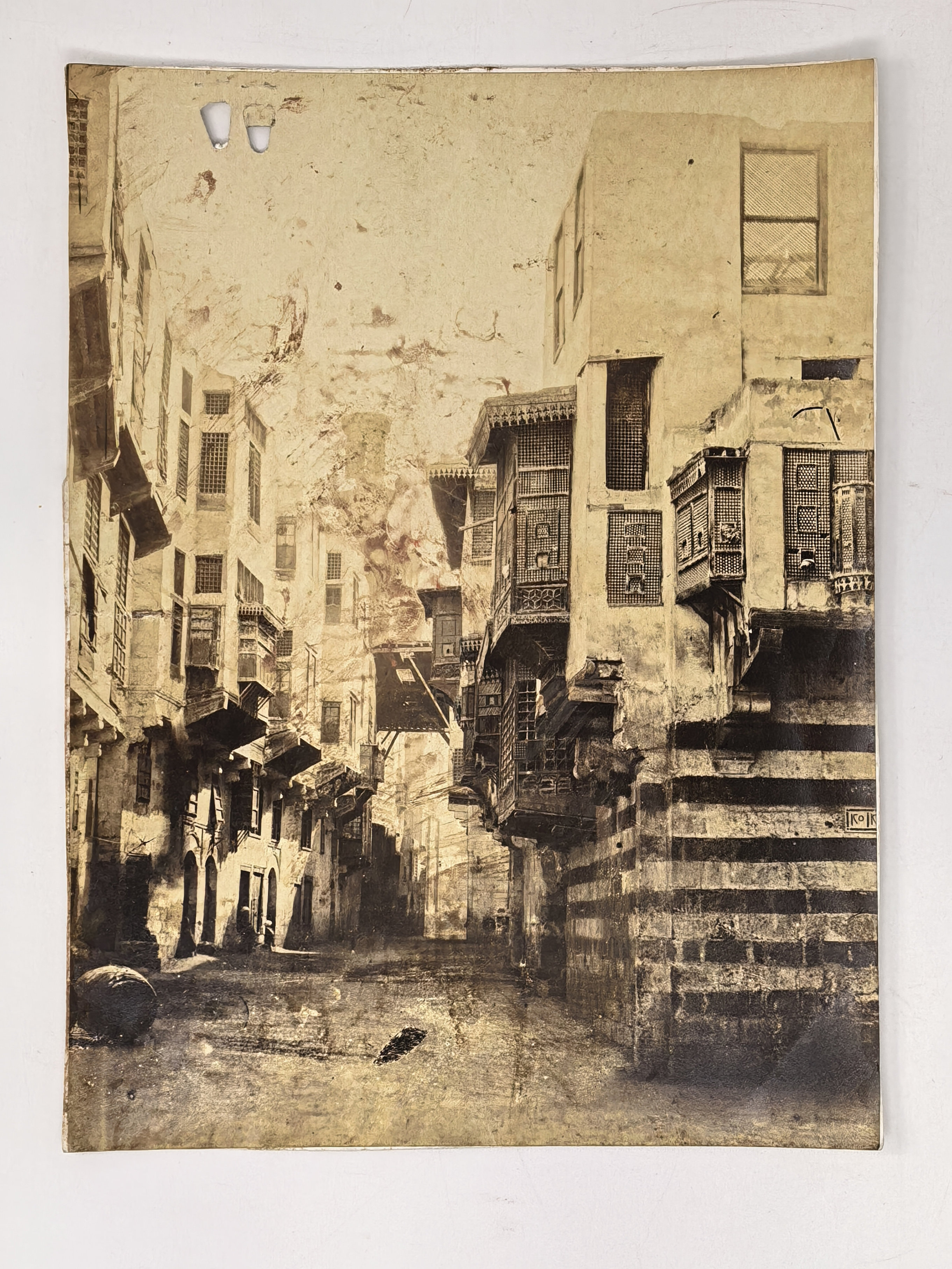
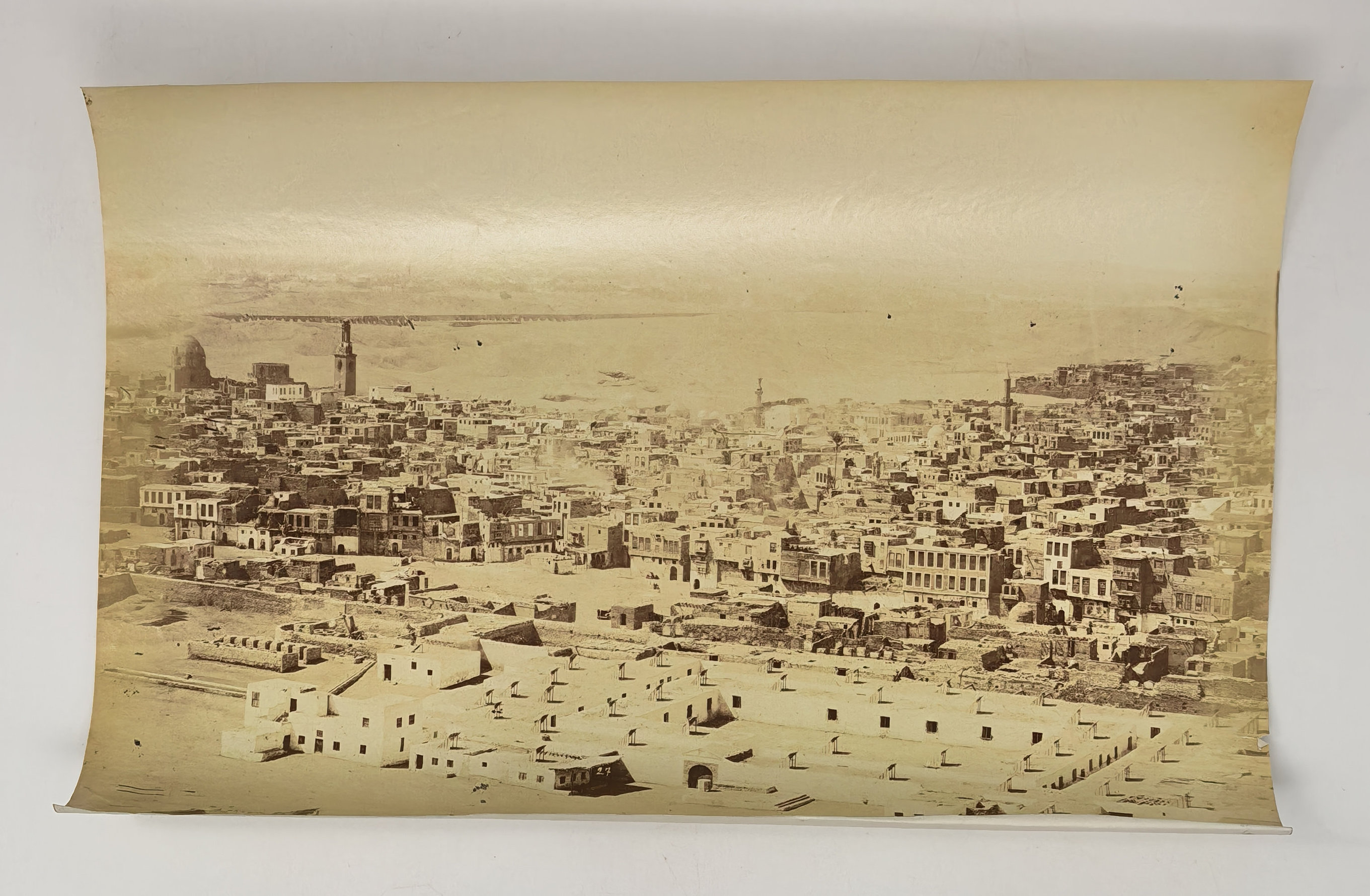
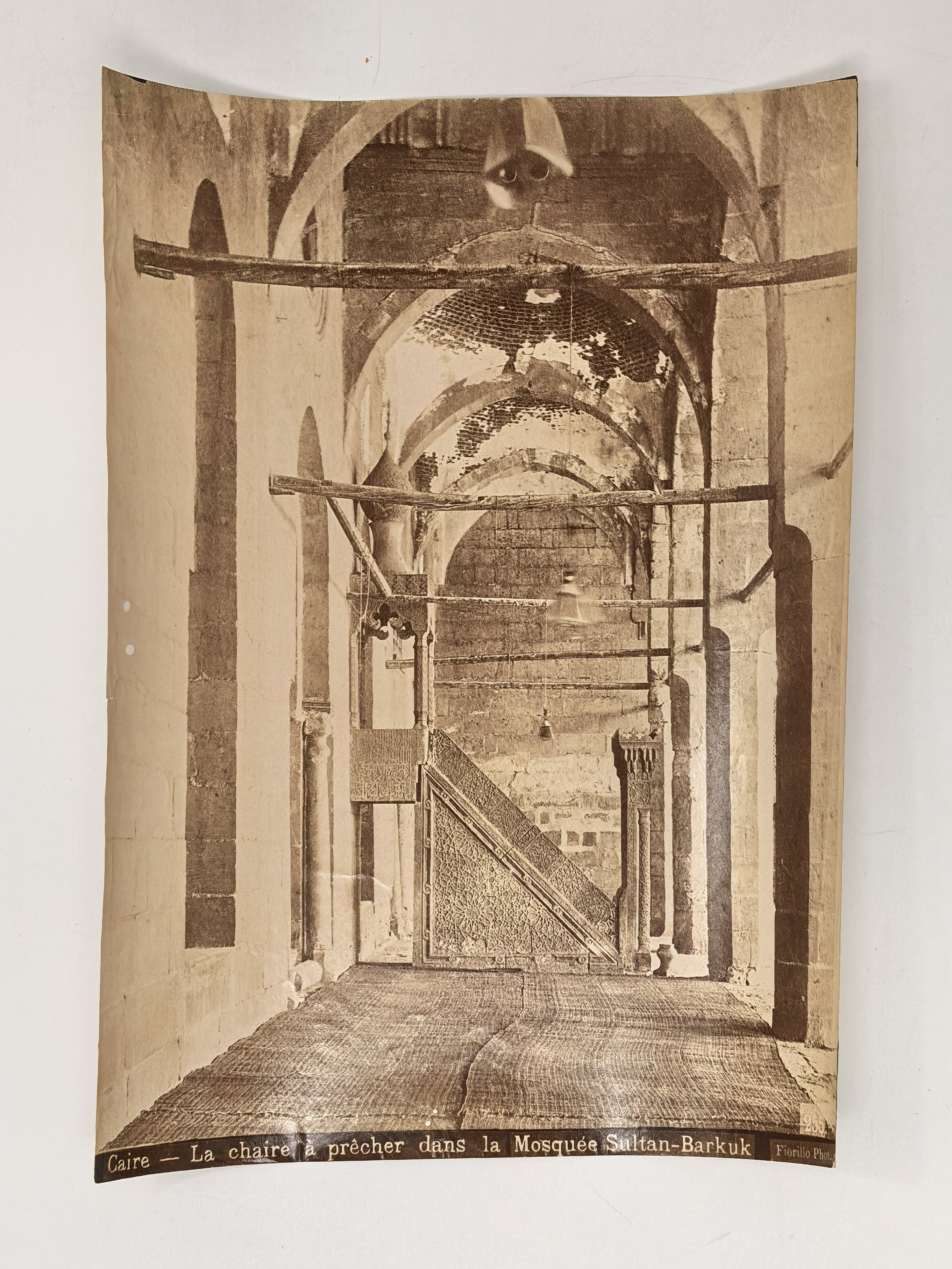
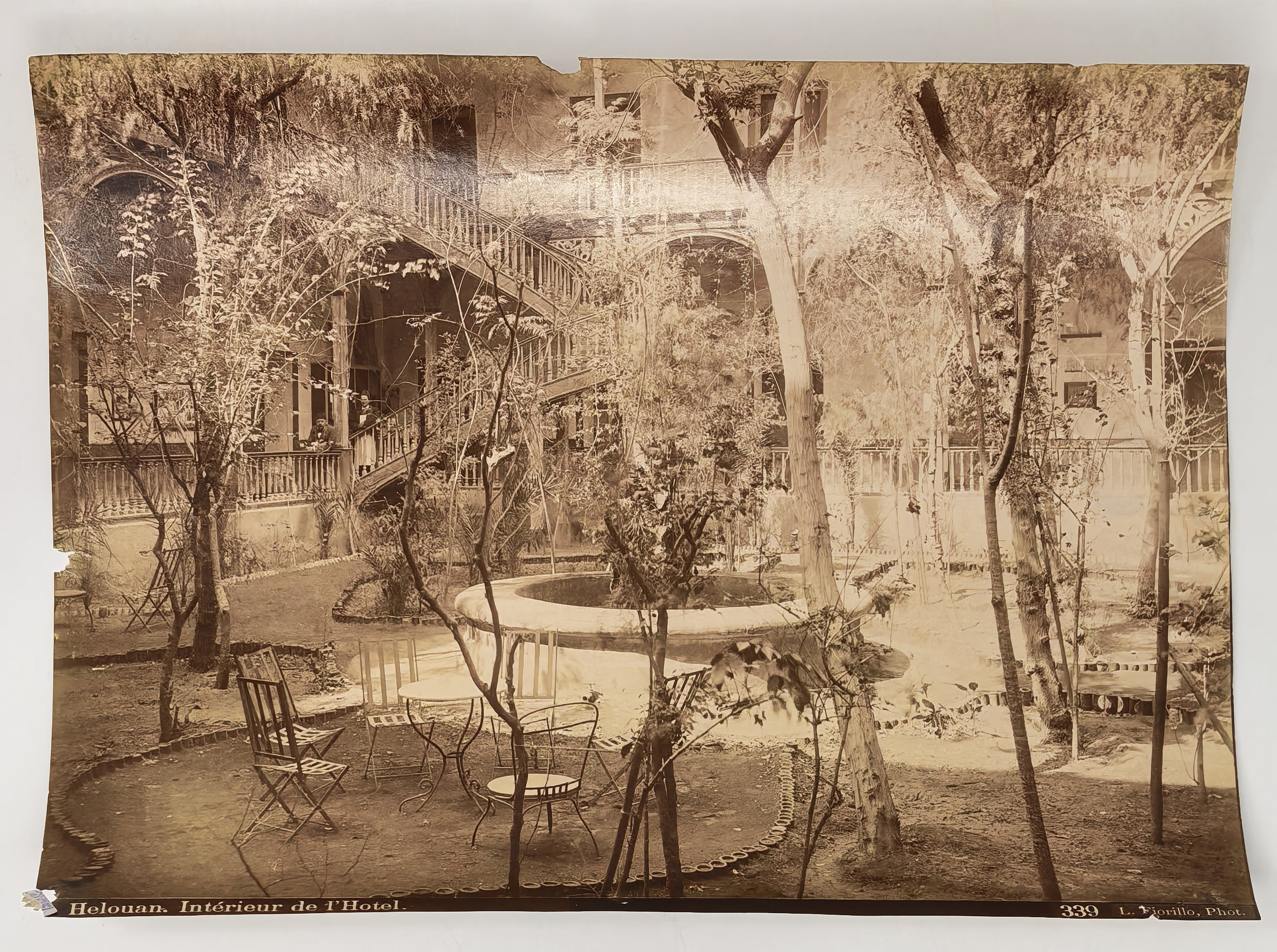
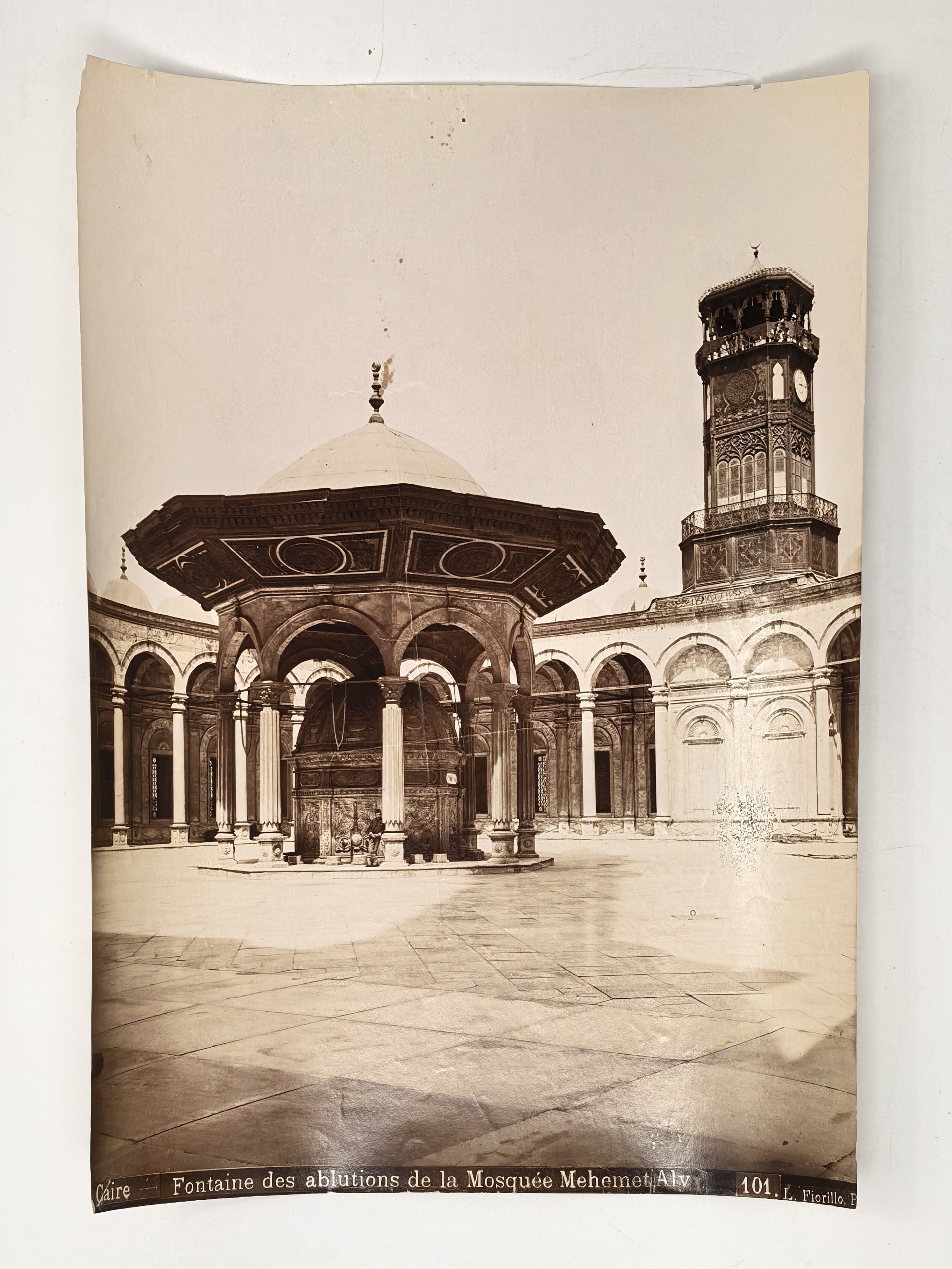
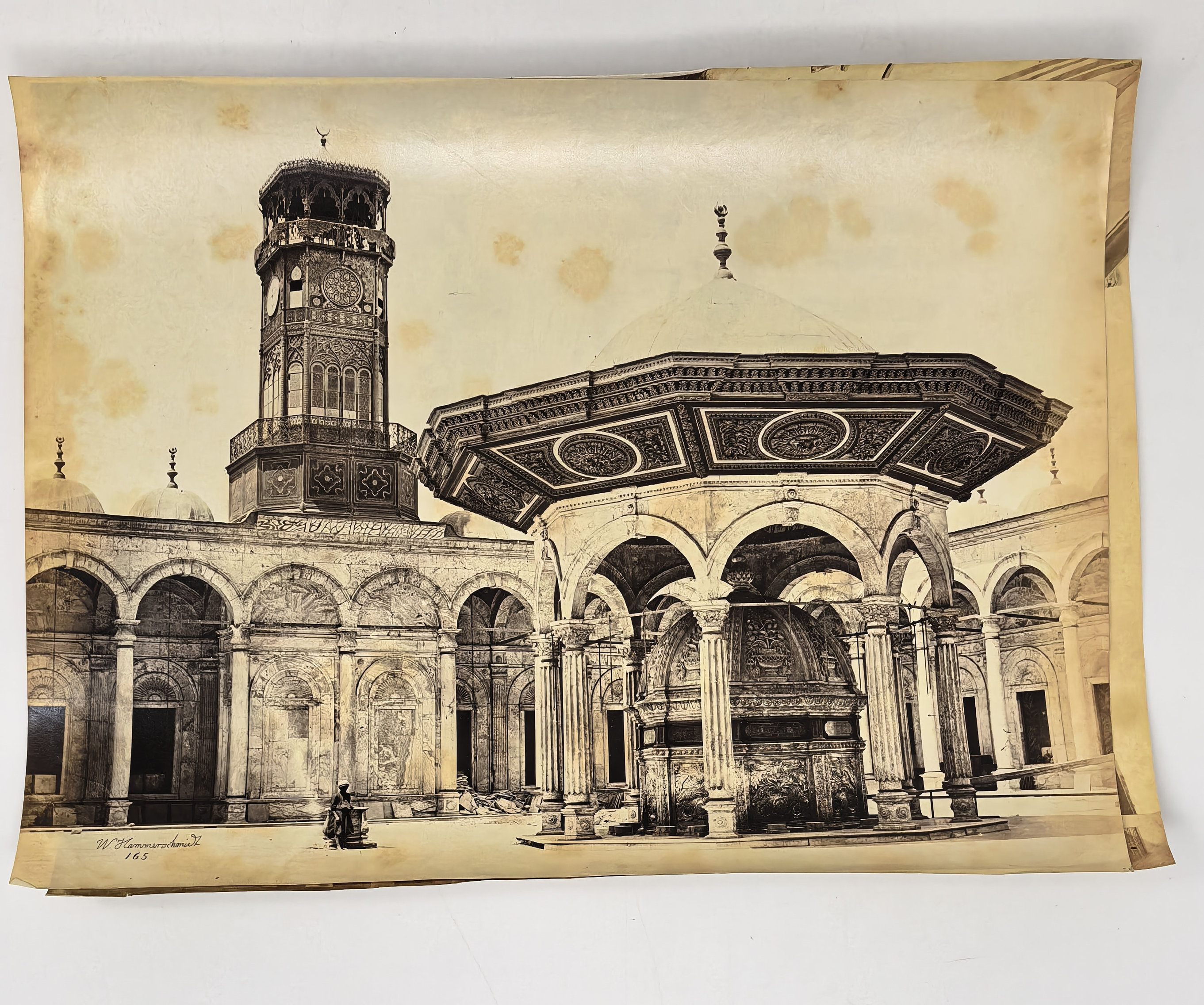
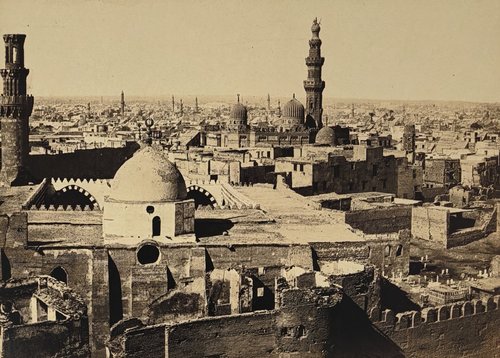
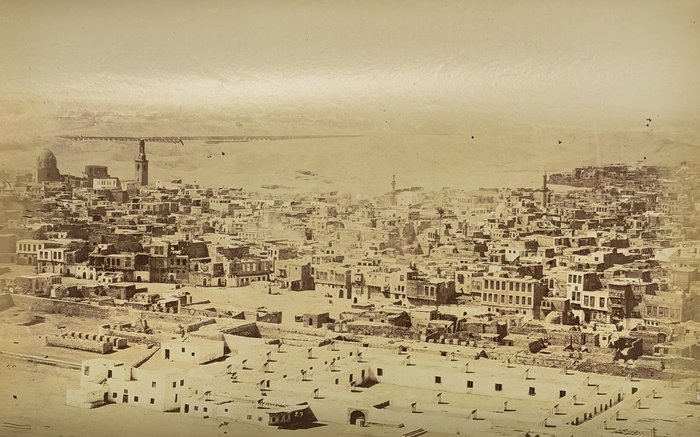
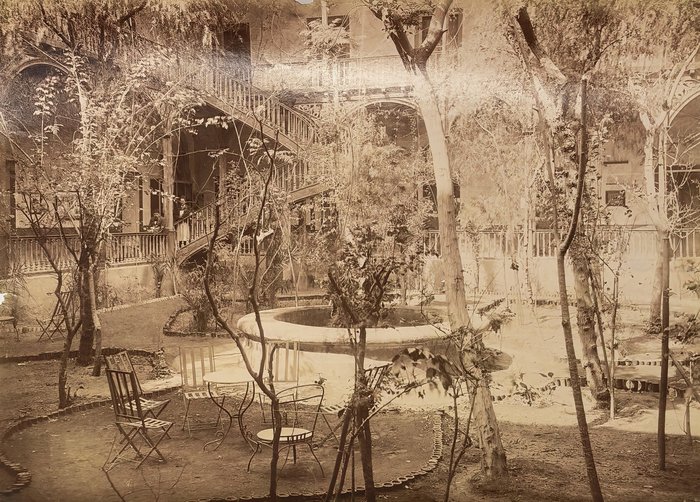
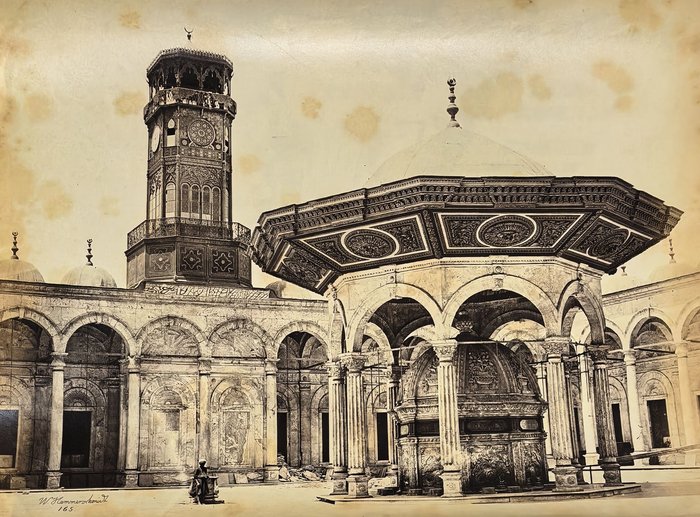
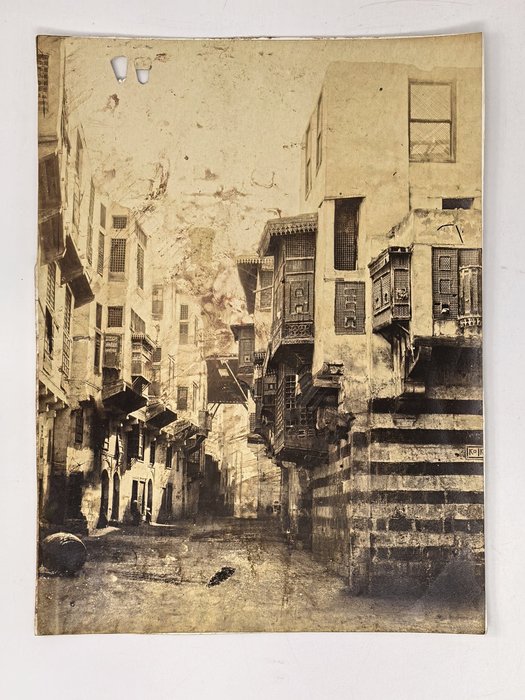
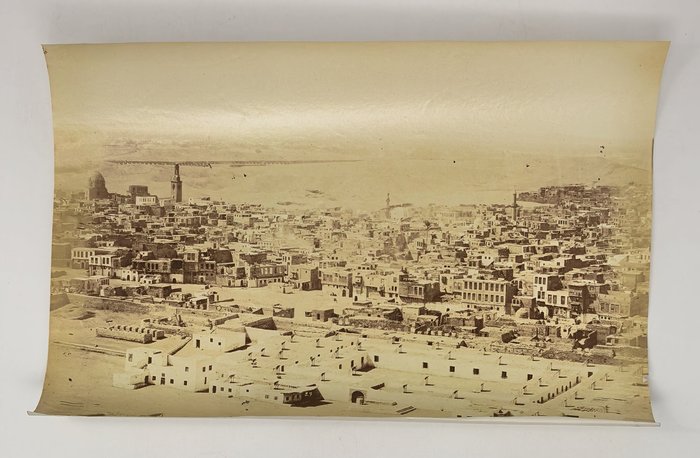
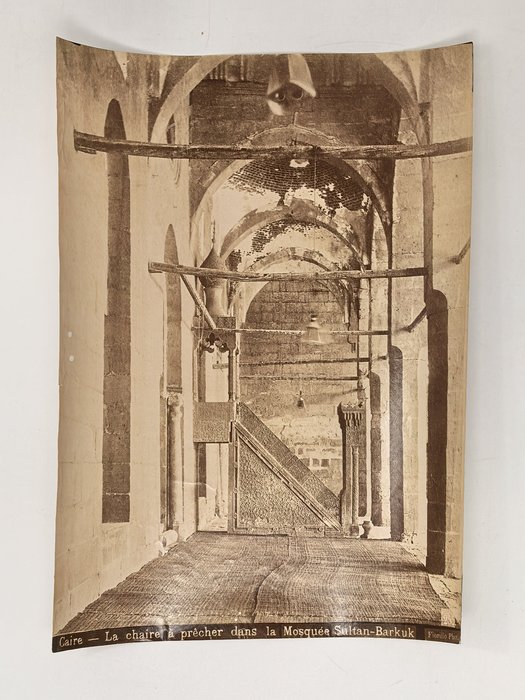
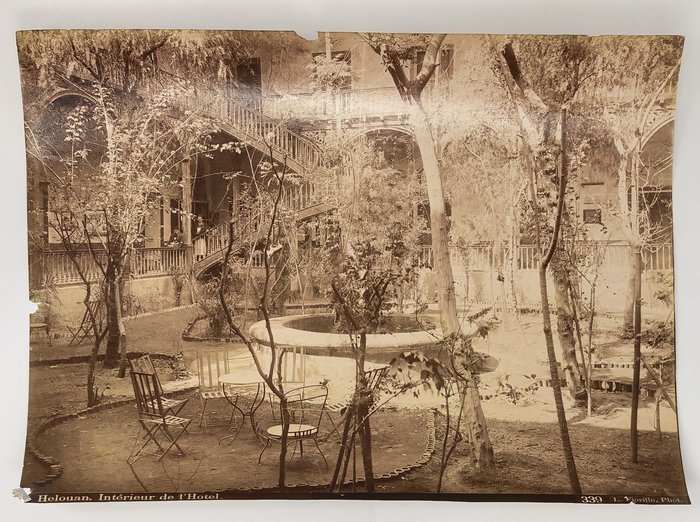
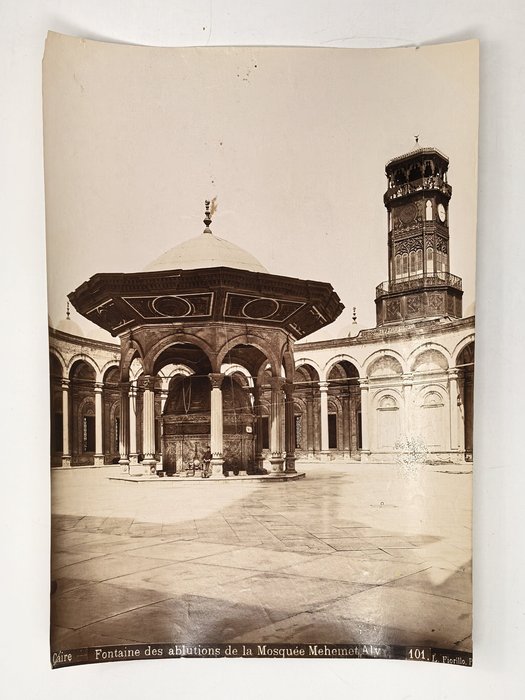
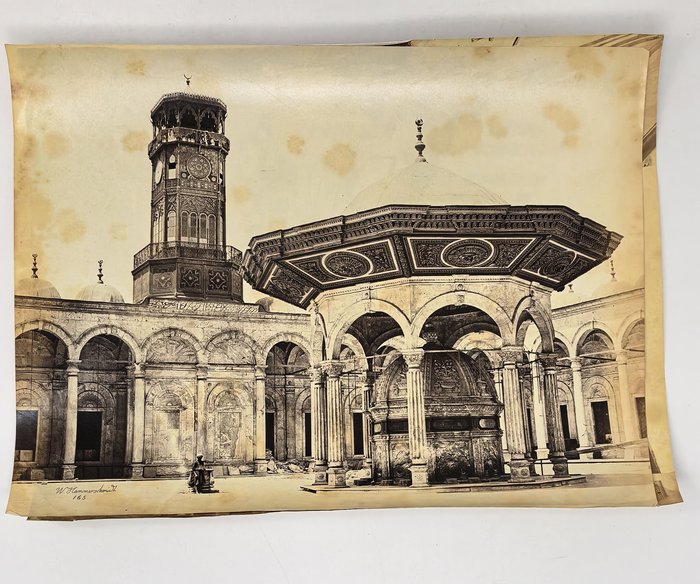
Over a dozen views of Cairo (including two early images by Wilhelm Hammerschidt) show the city with the Delta Barrage in the background, Citadel and Muhammad Ali mosque, Necropolis with the Citadel in the background, lion sculptures at the entrance to Qasr el Nil/El Gezira bridge, opening of the El-Gezira bridge for the water traffic, Gezira Palace, Ablution Fountain in the courtyard of Muhammad Ali mosque, interior of Sultan Barquq mosque, a street in old Cairo, garden in the courtyard of a hotel in Helwan, “village Com-el-Assuit,” &c.
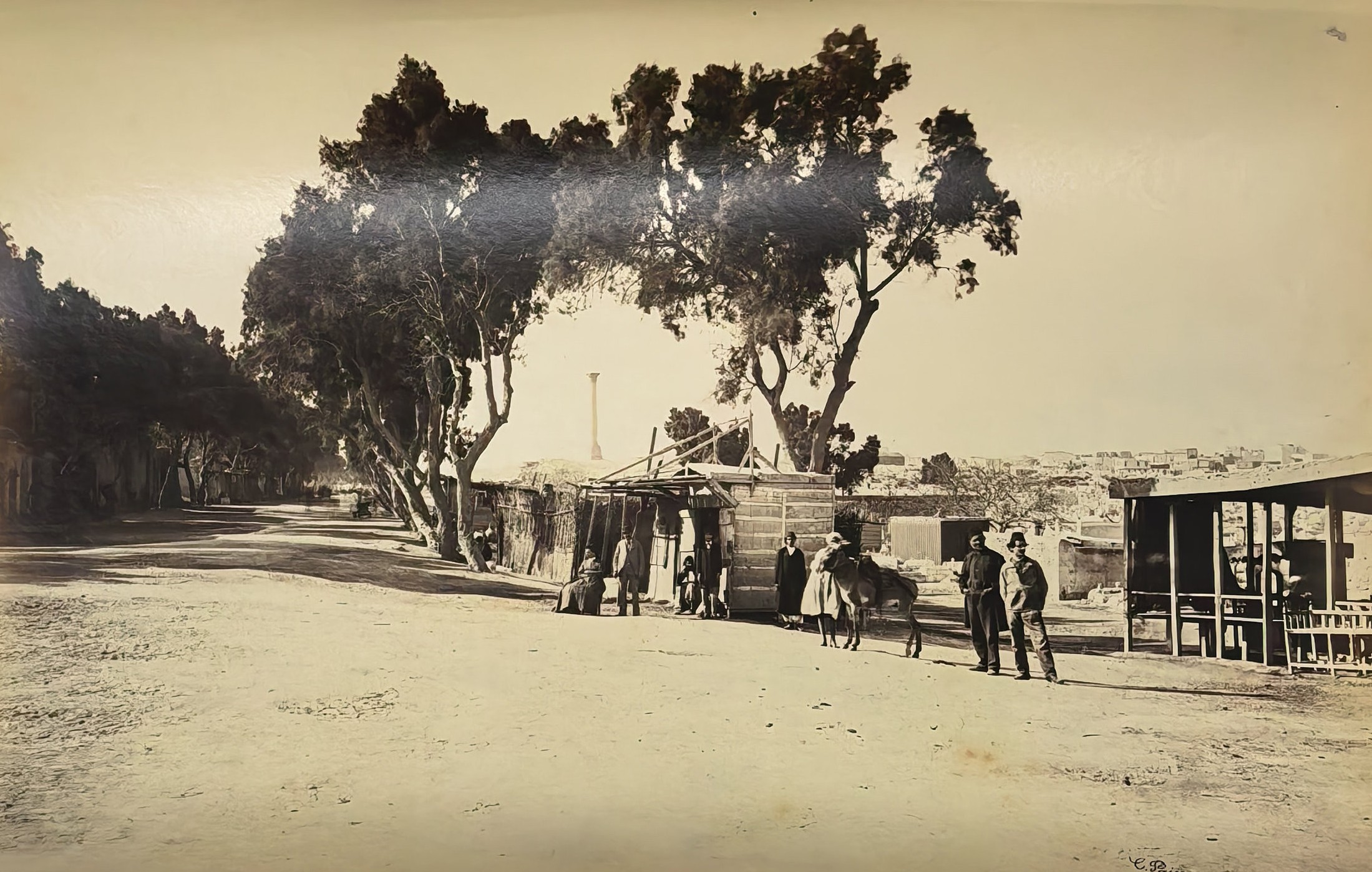
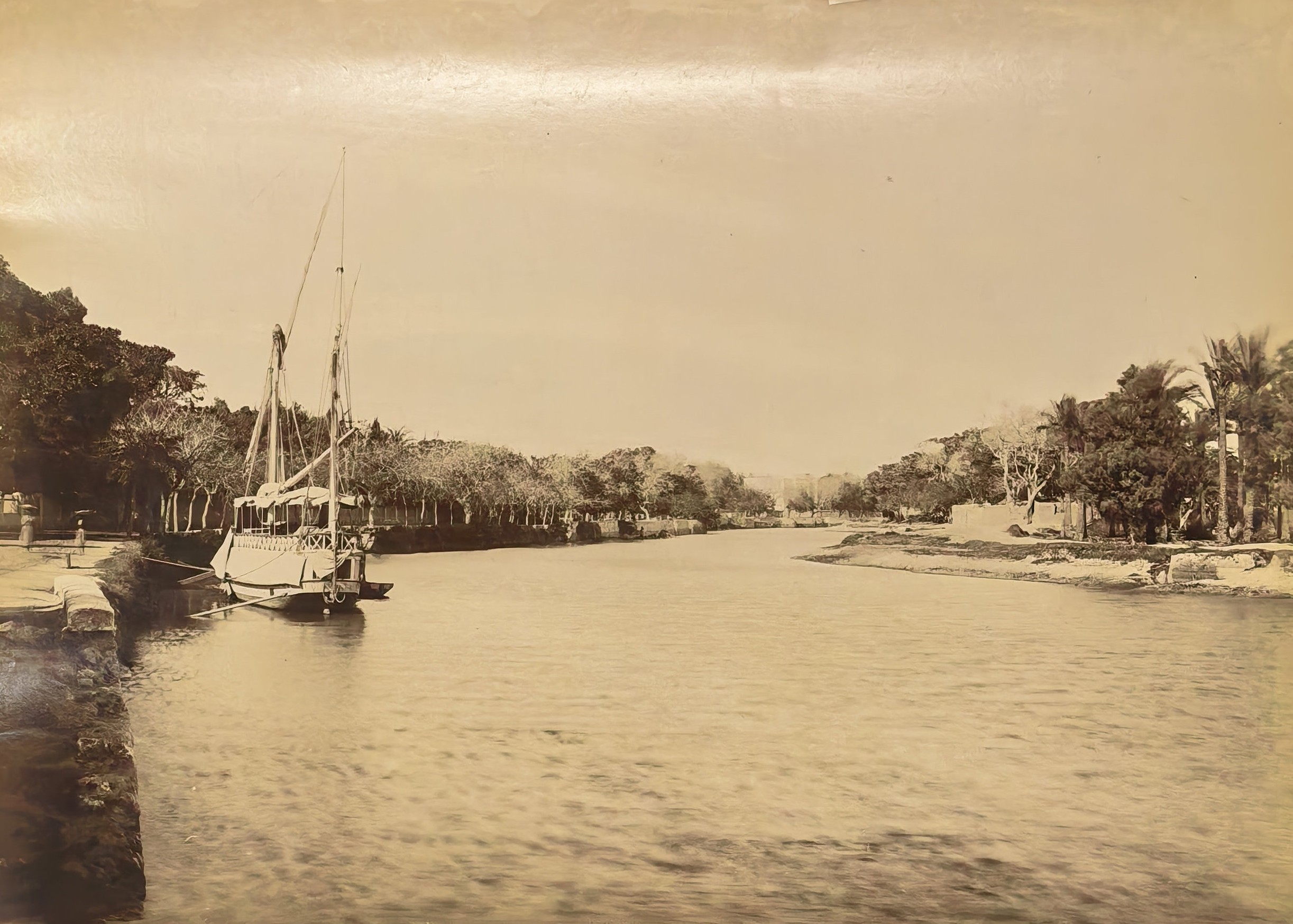
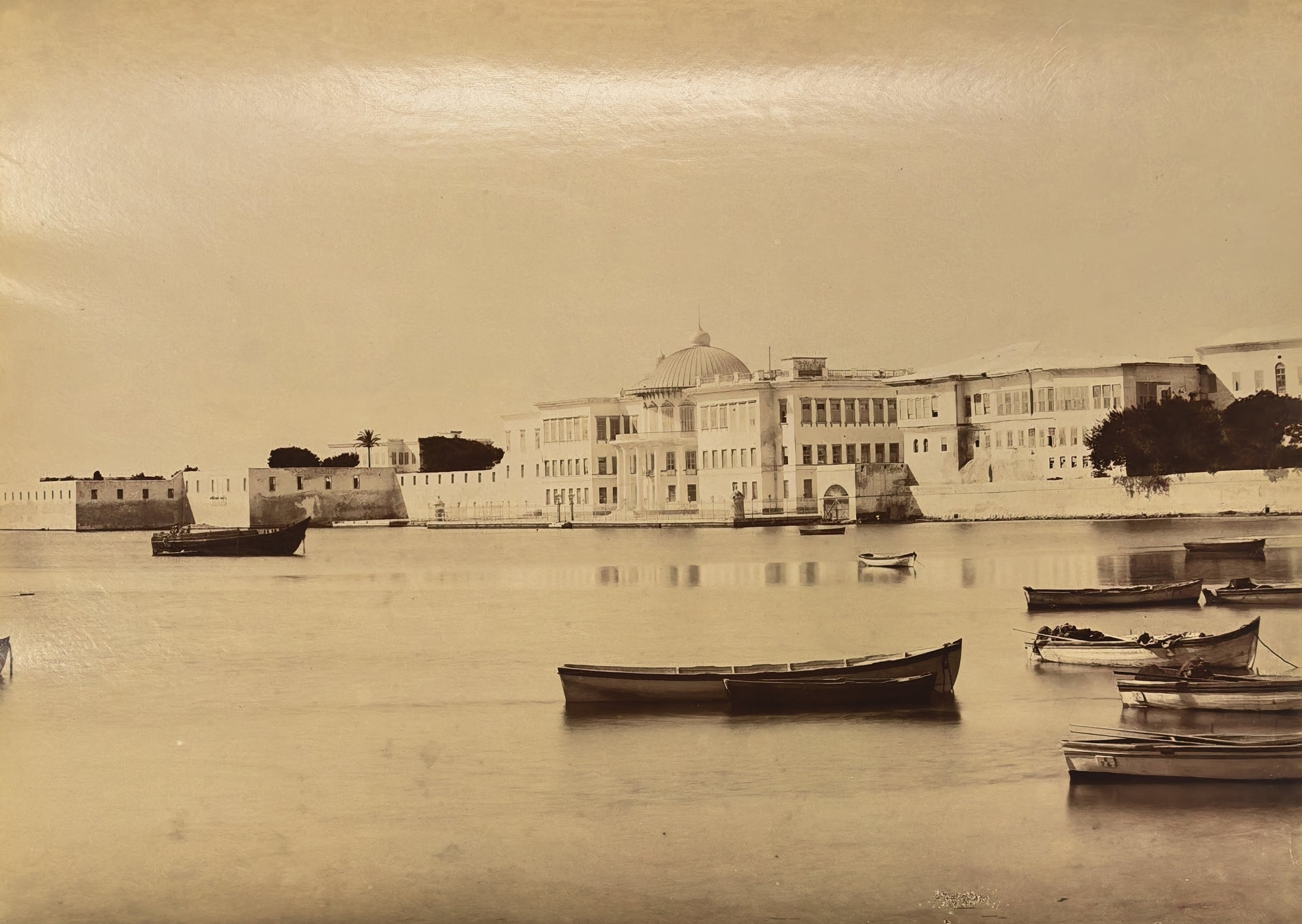
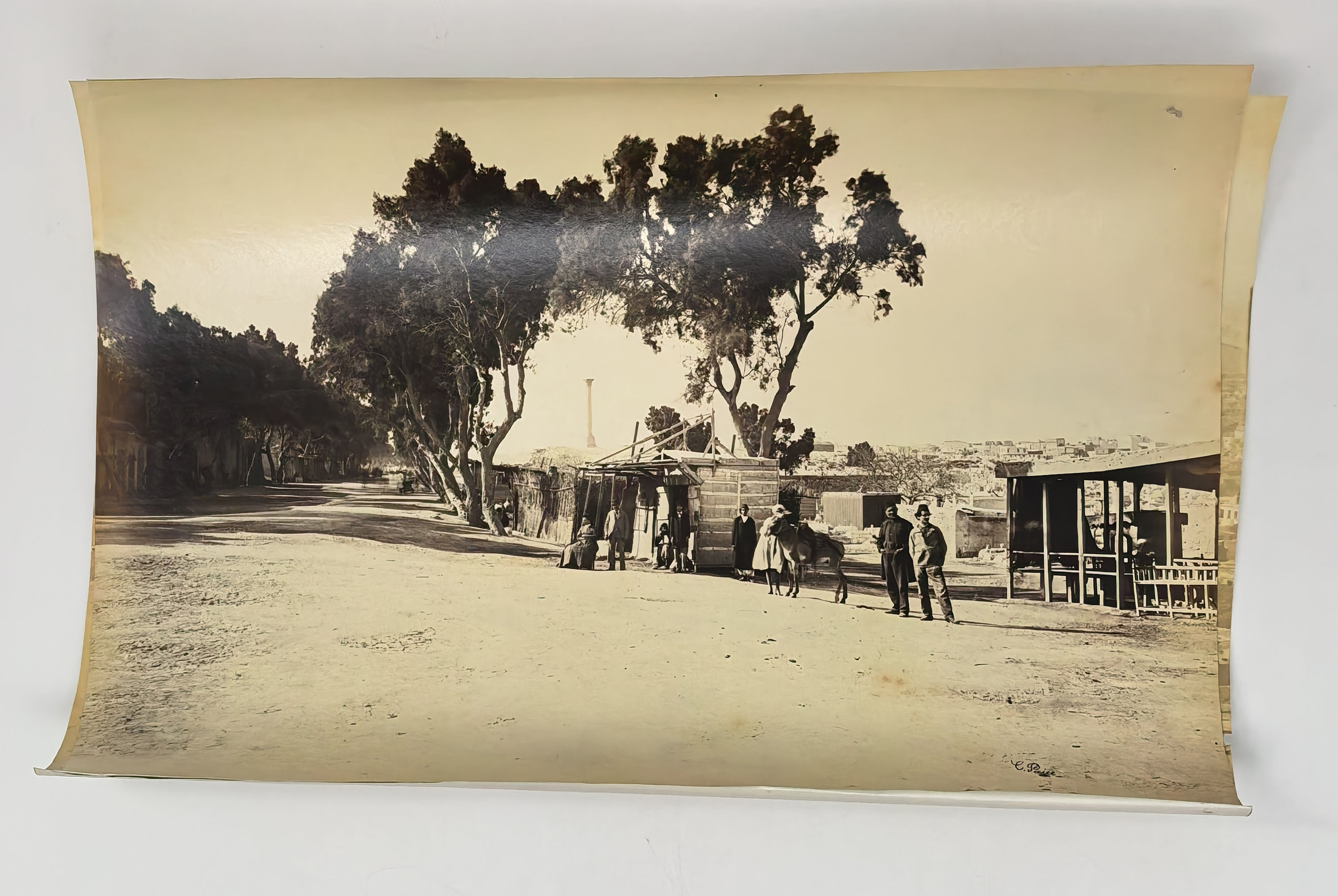
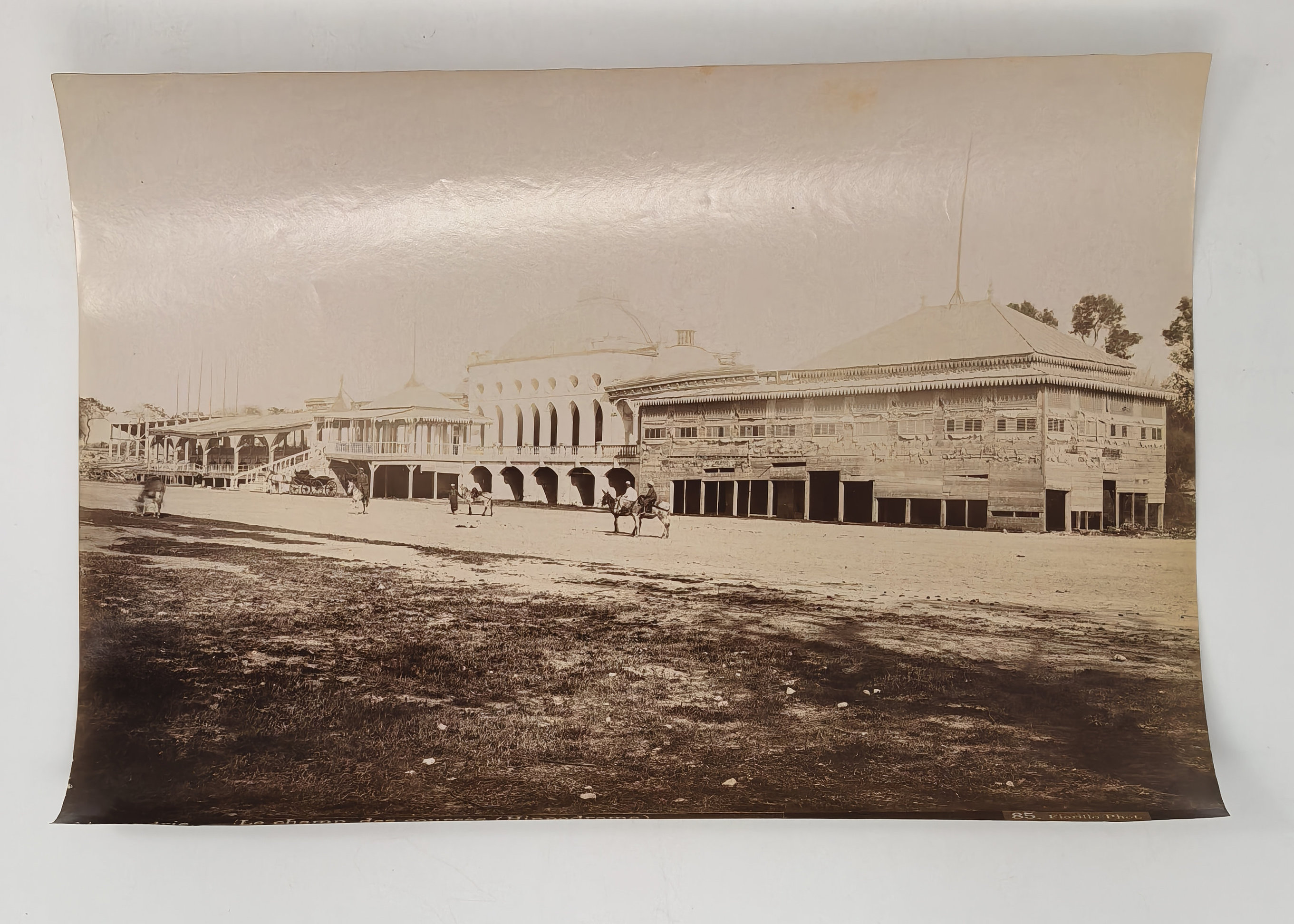
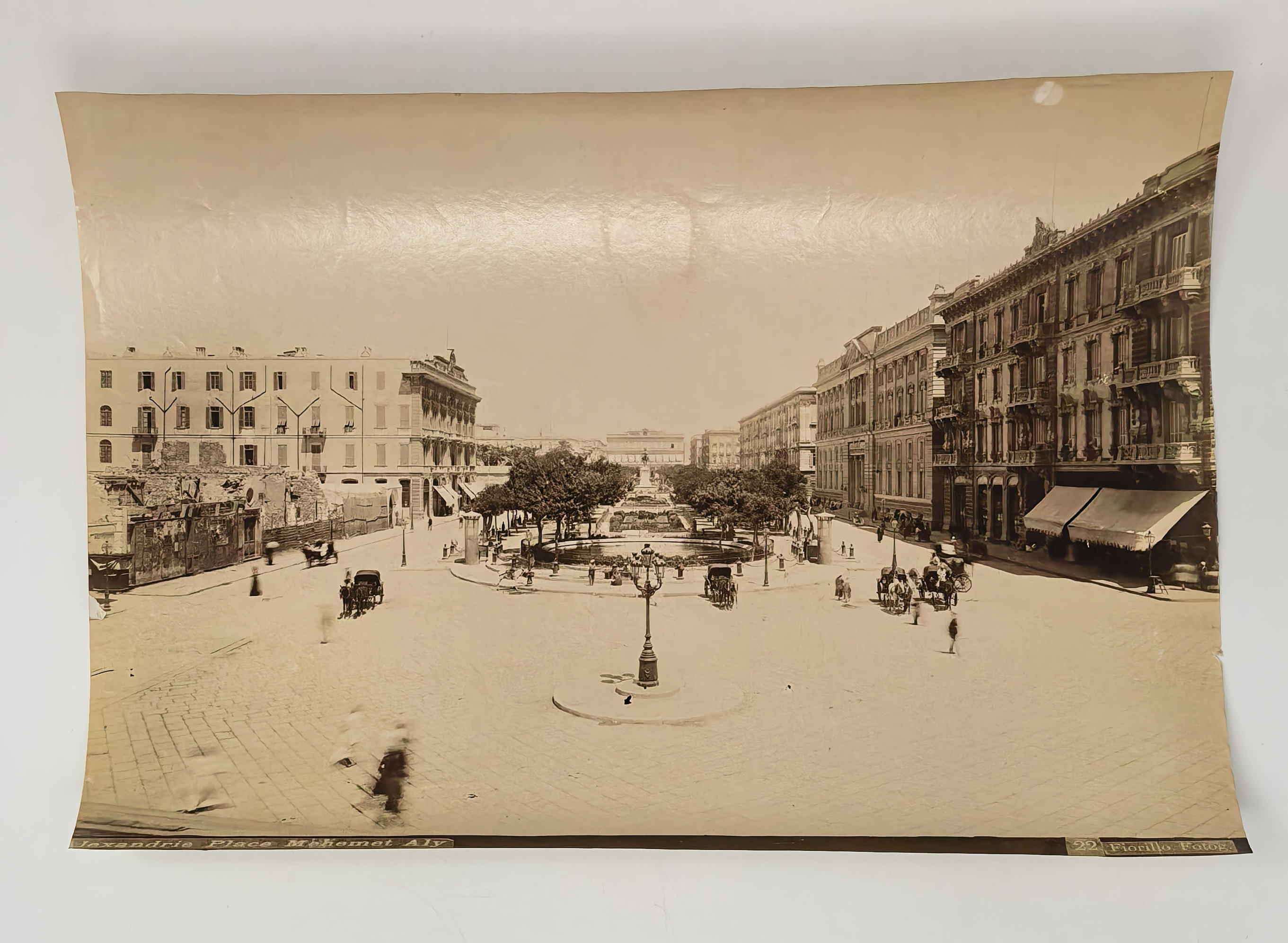
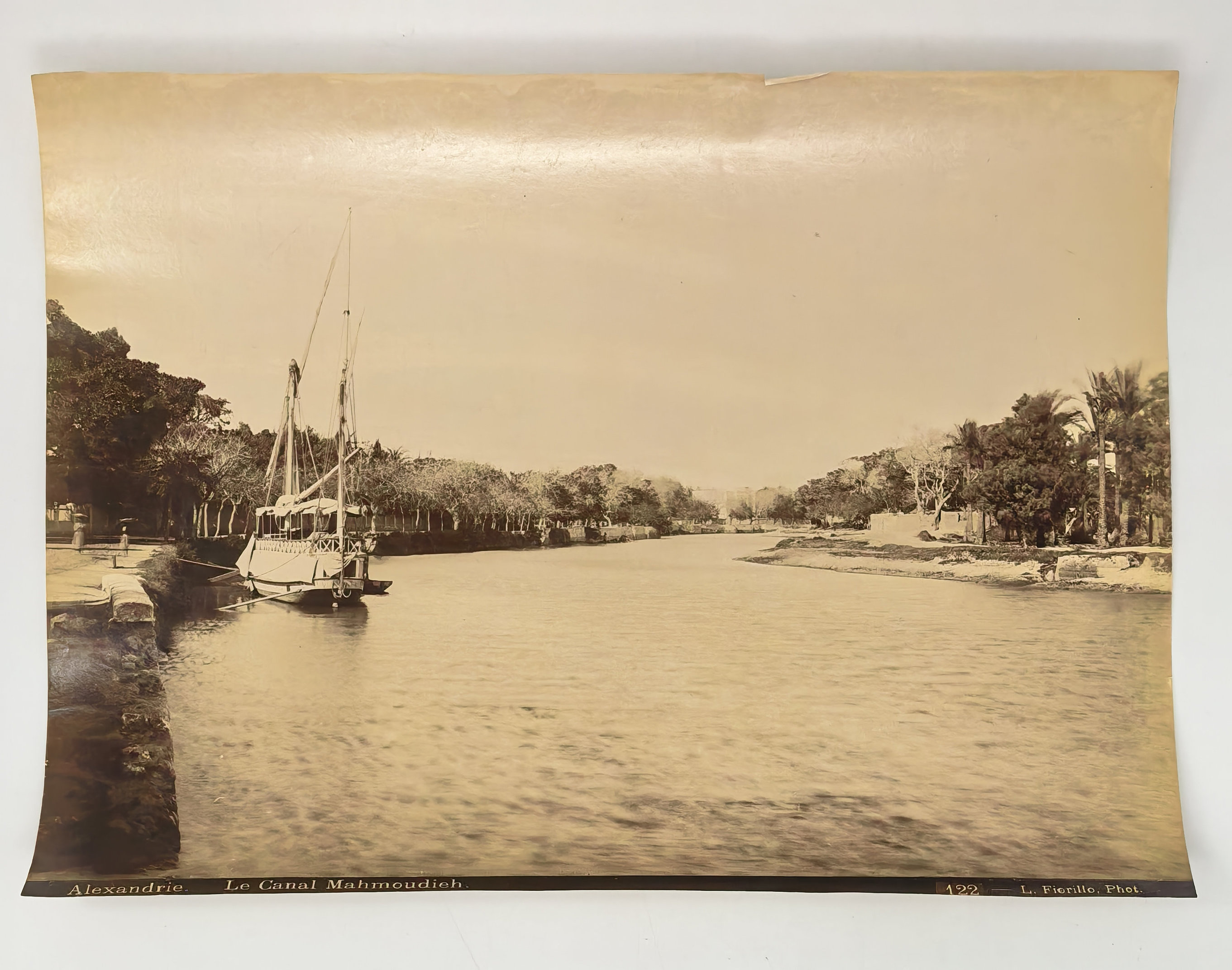
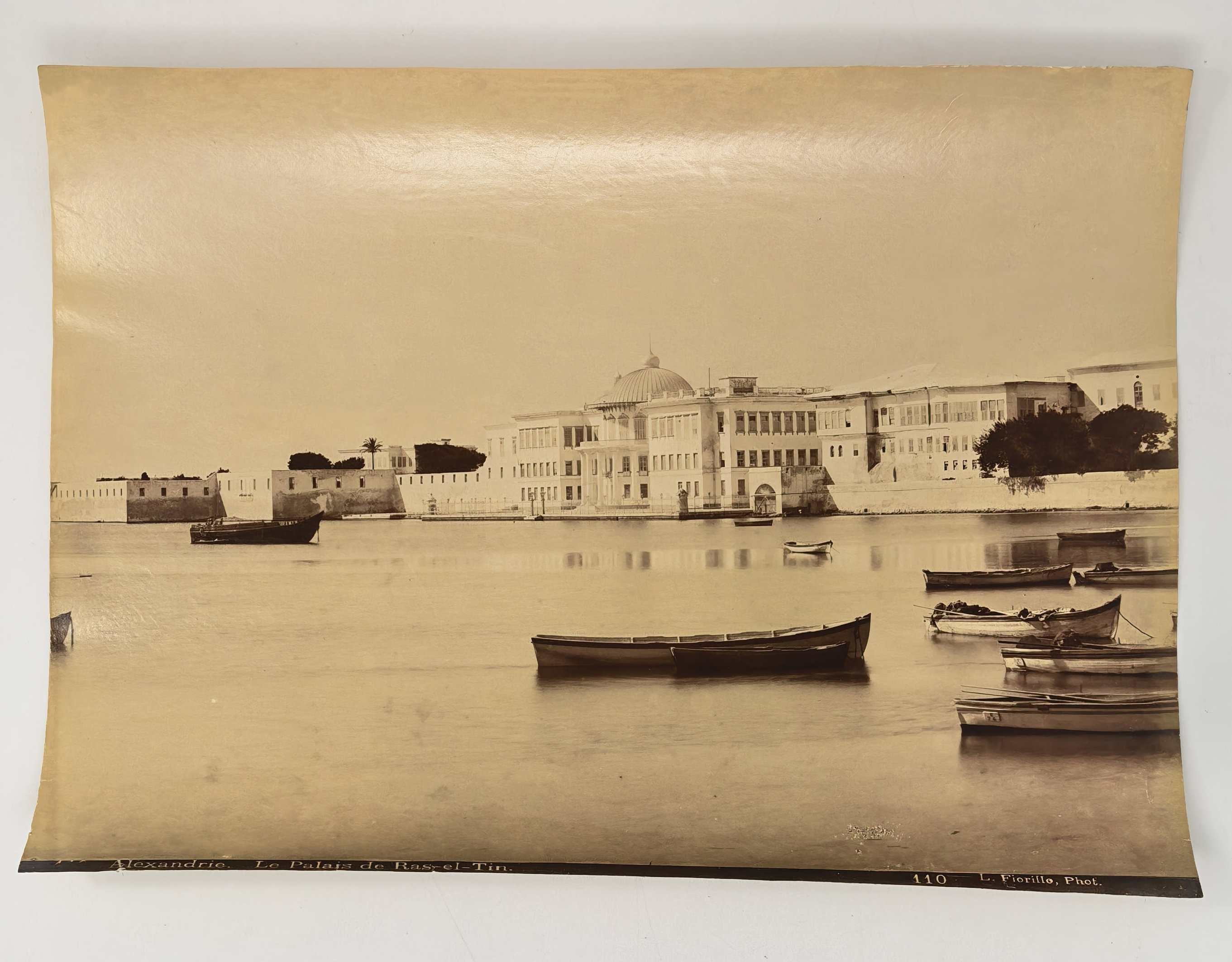
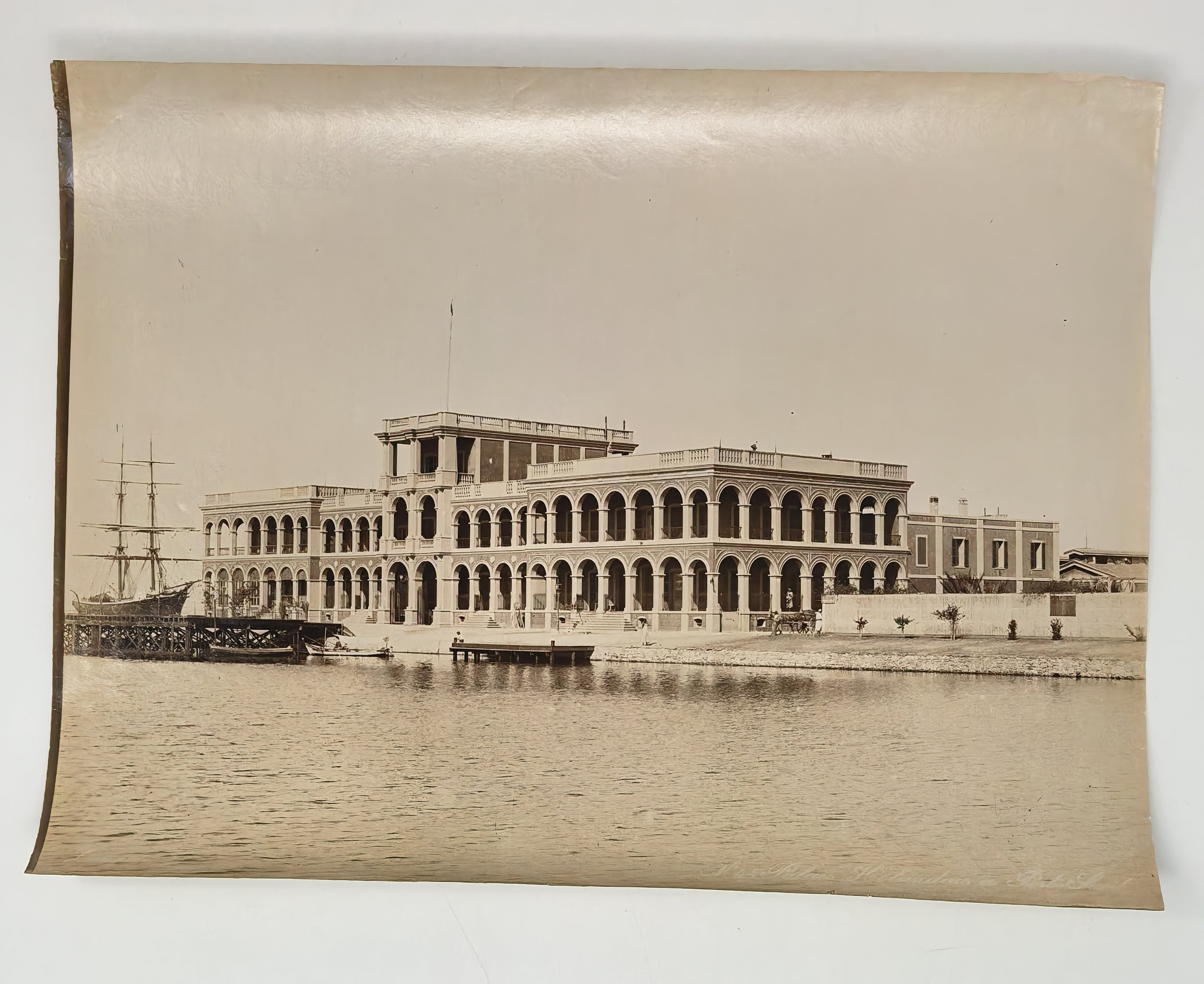
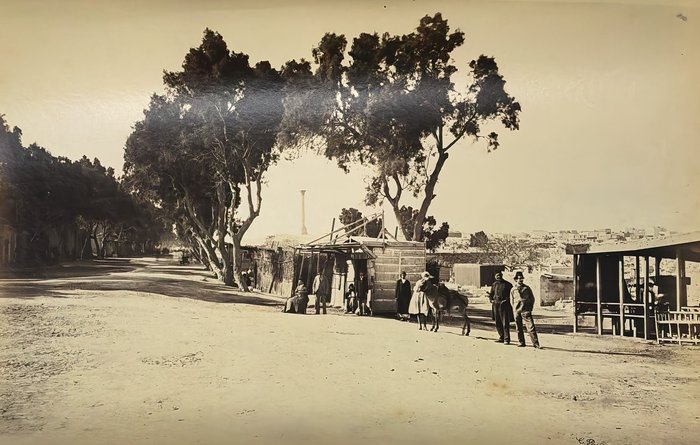
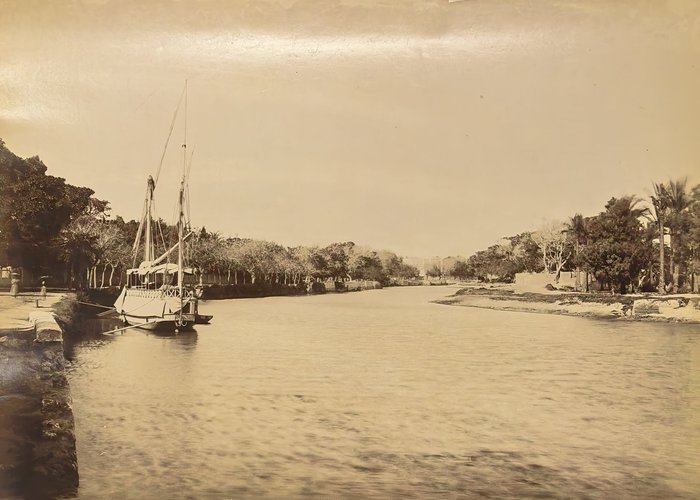
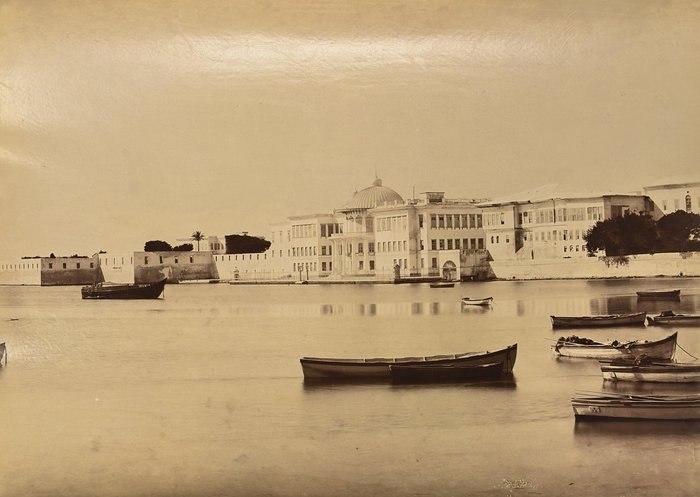
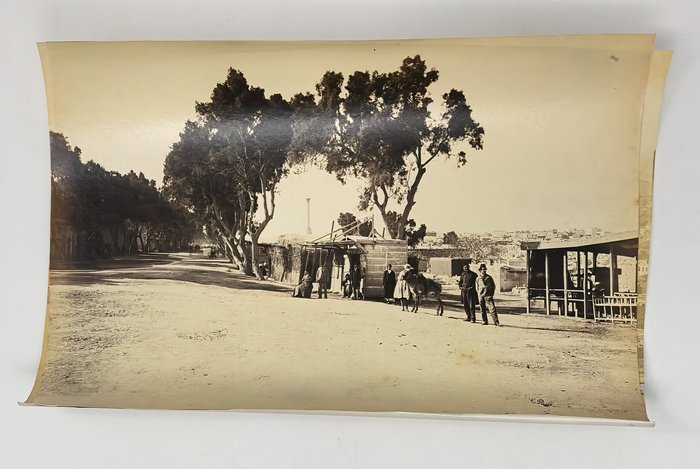
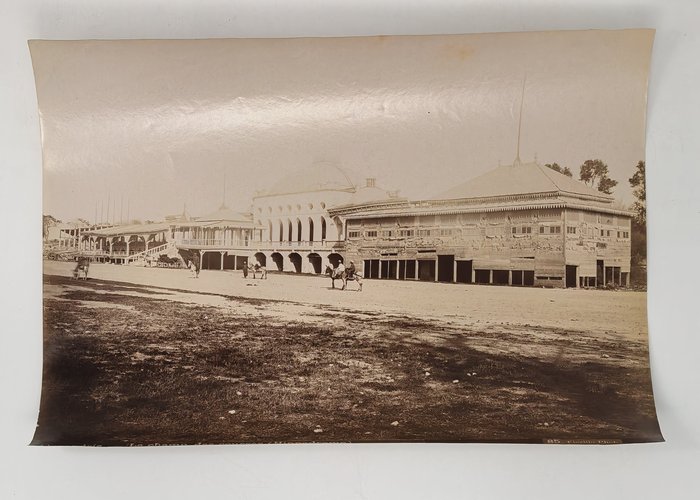
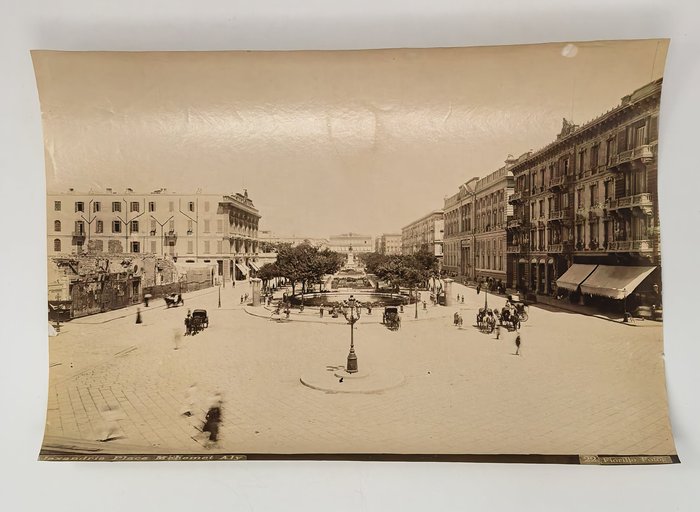
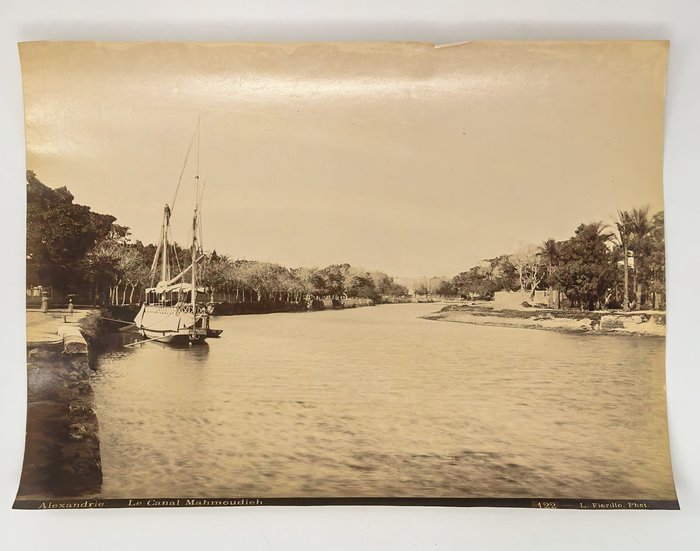
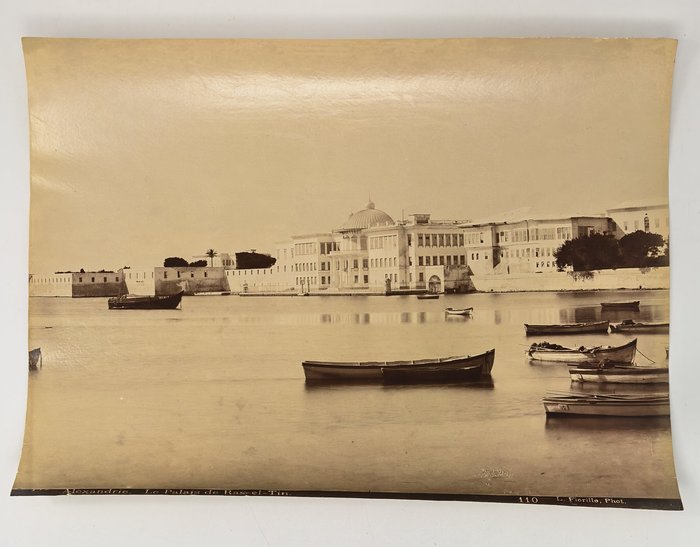
Over a dozen views of Alexandria (mostly, by Luigi Fiorillo) show the city’s harbour and port, general views, Pompey’s Pillar, Cleopatra’s Needle (moved to New York and installed in Central Park in 1881), the Hippodrome, abandoned palace of Said Pasha in the El Max neighbourhood, Muhammad Ali Square, Mahmudiyya Canal, and Ras El-Tin Palace. An early interesting photo depicts a street in Alexandria with trees on both sides and Pompey’s Pillar in the background.
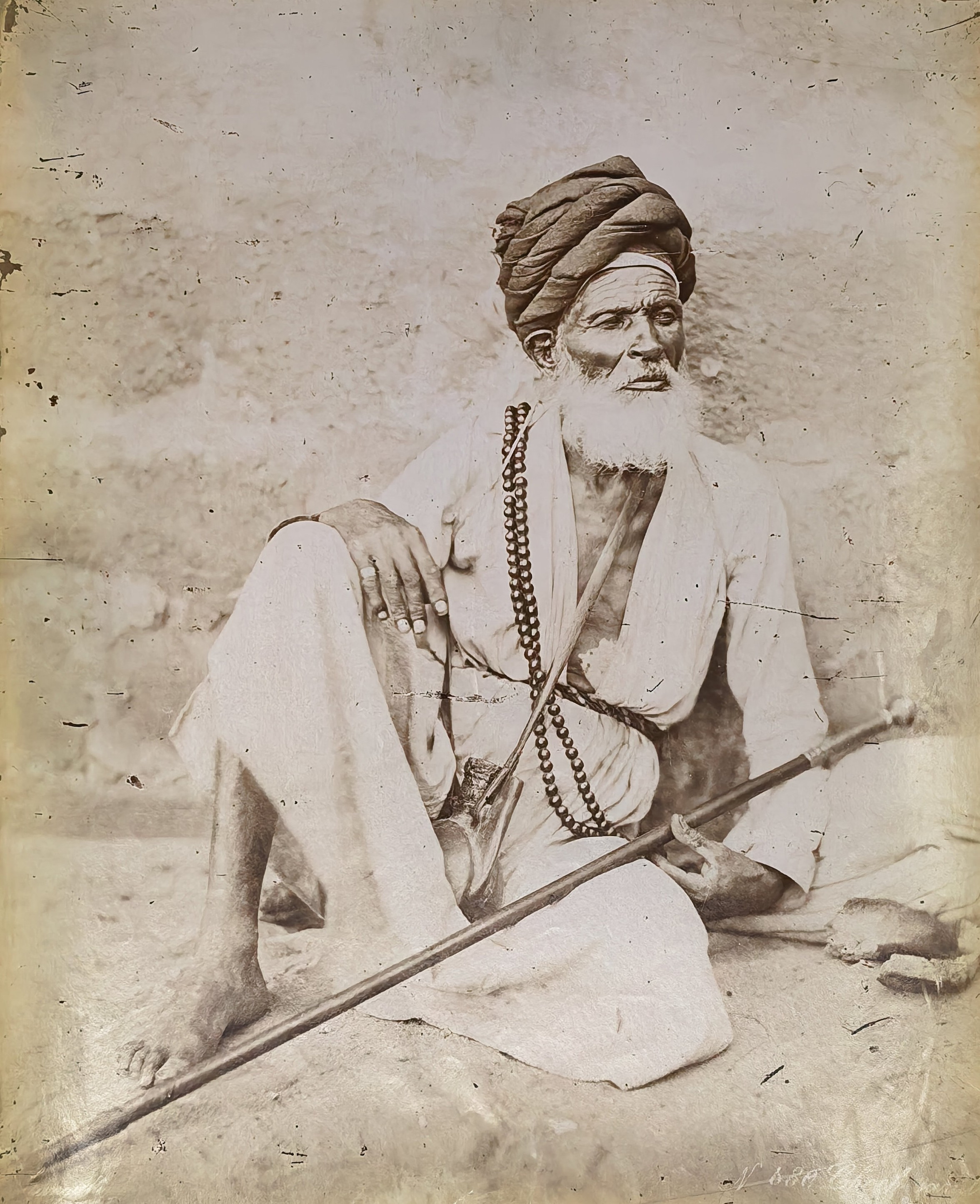
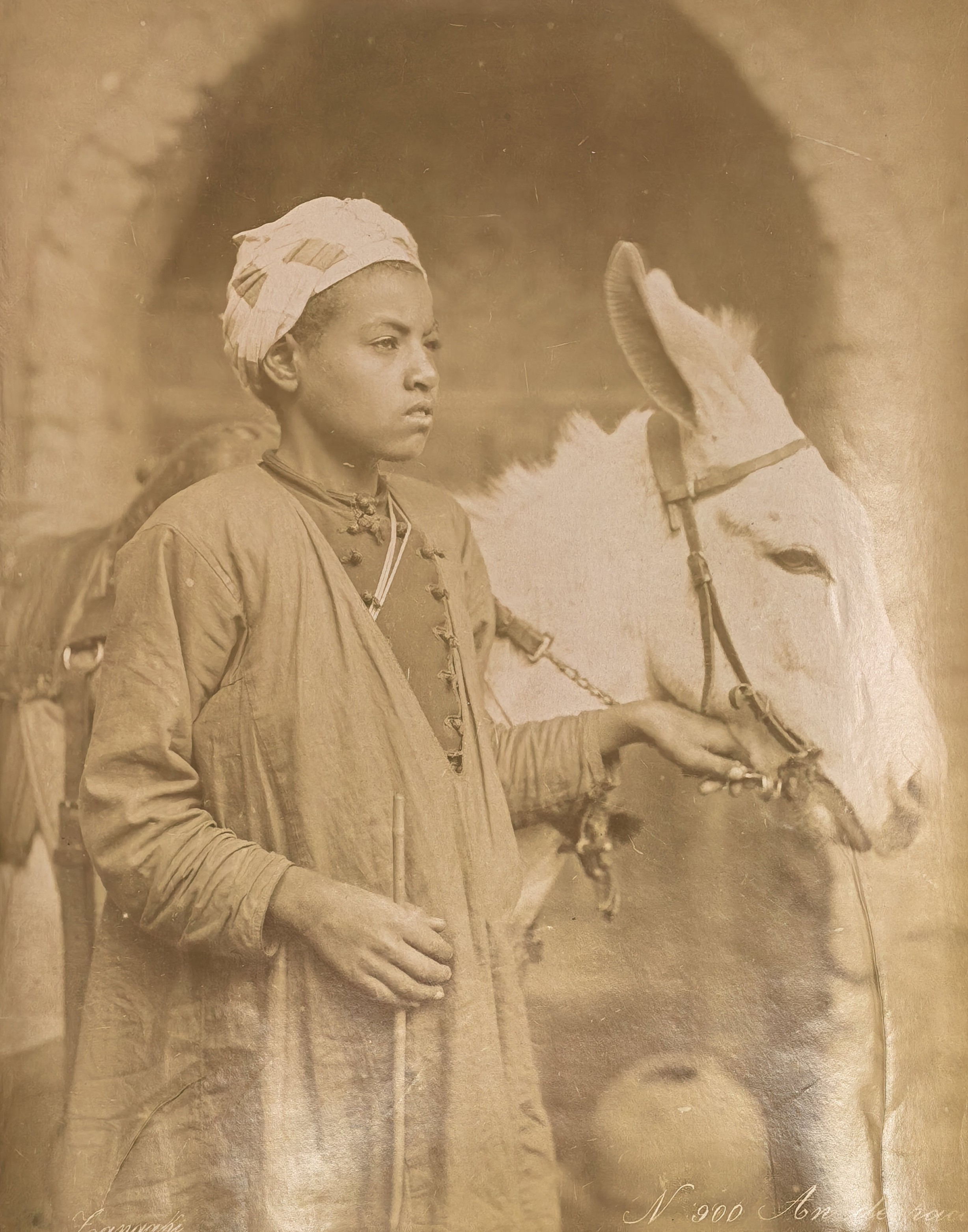
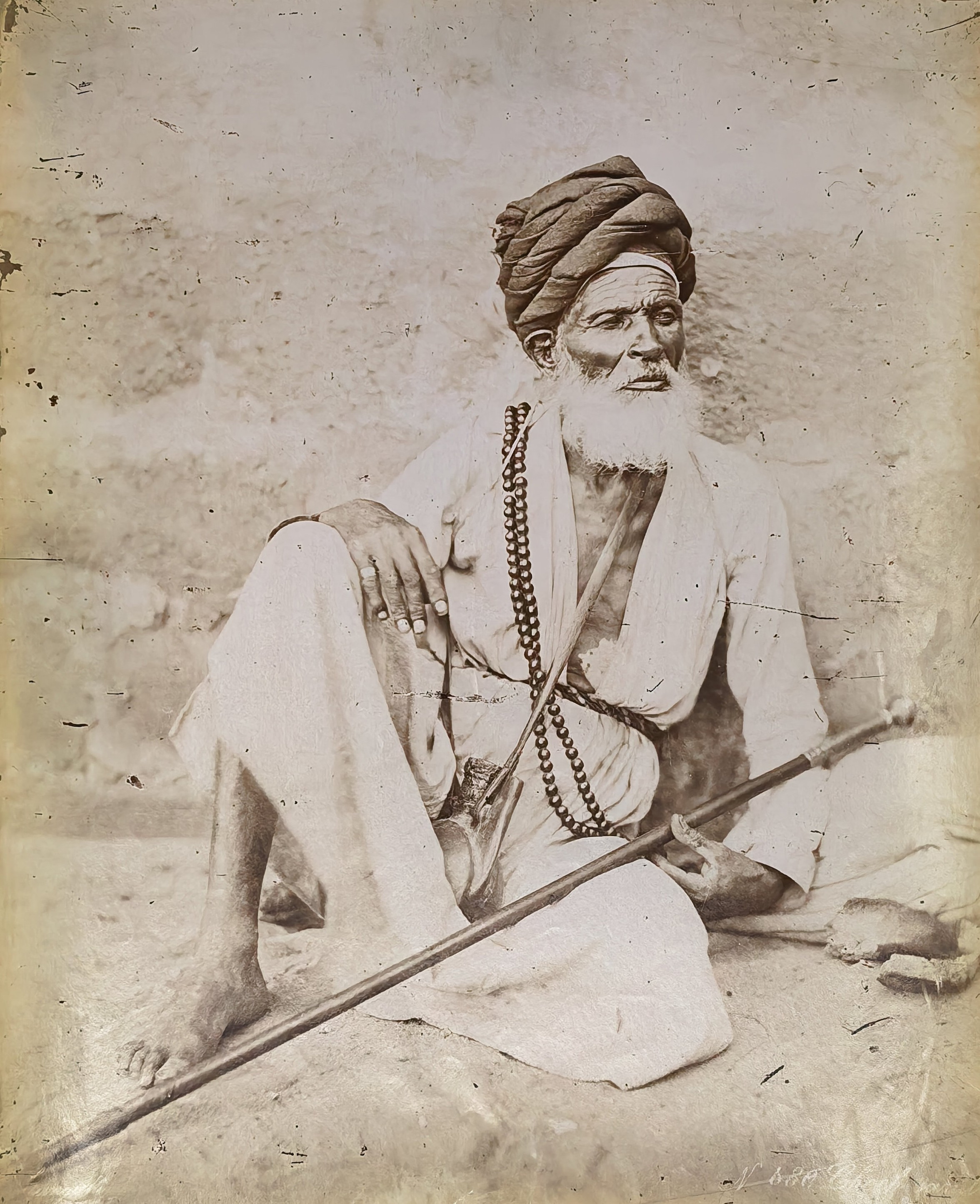
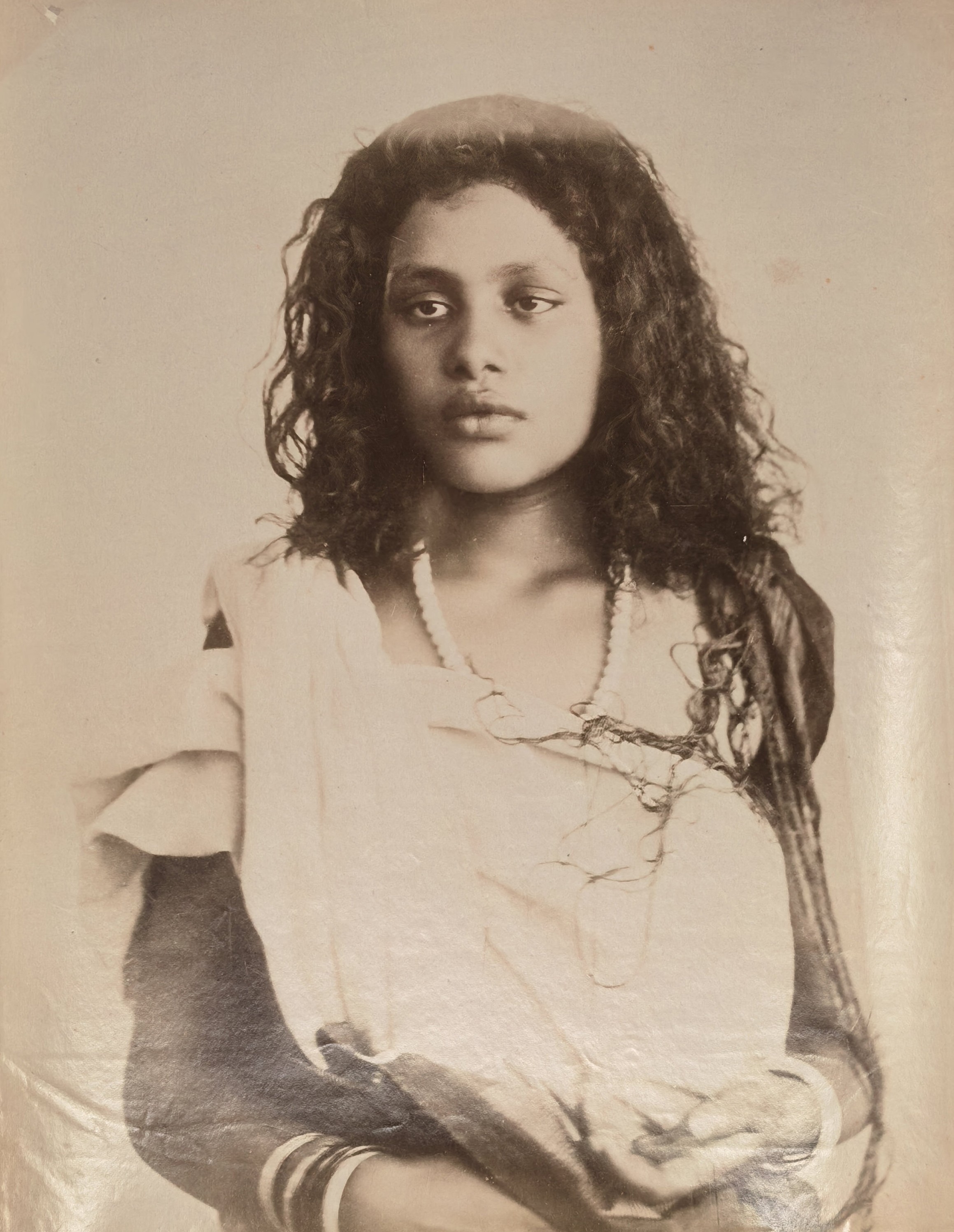
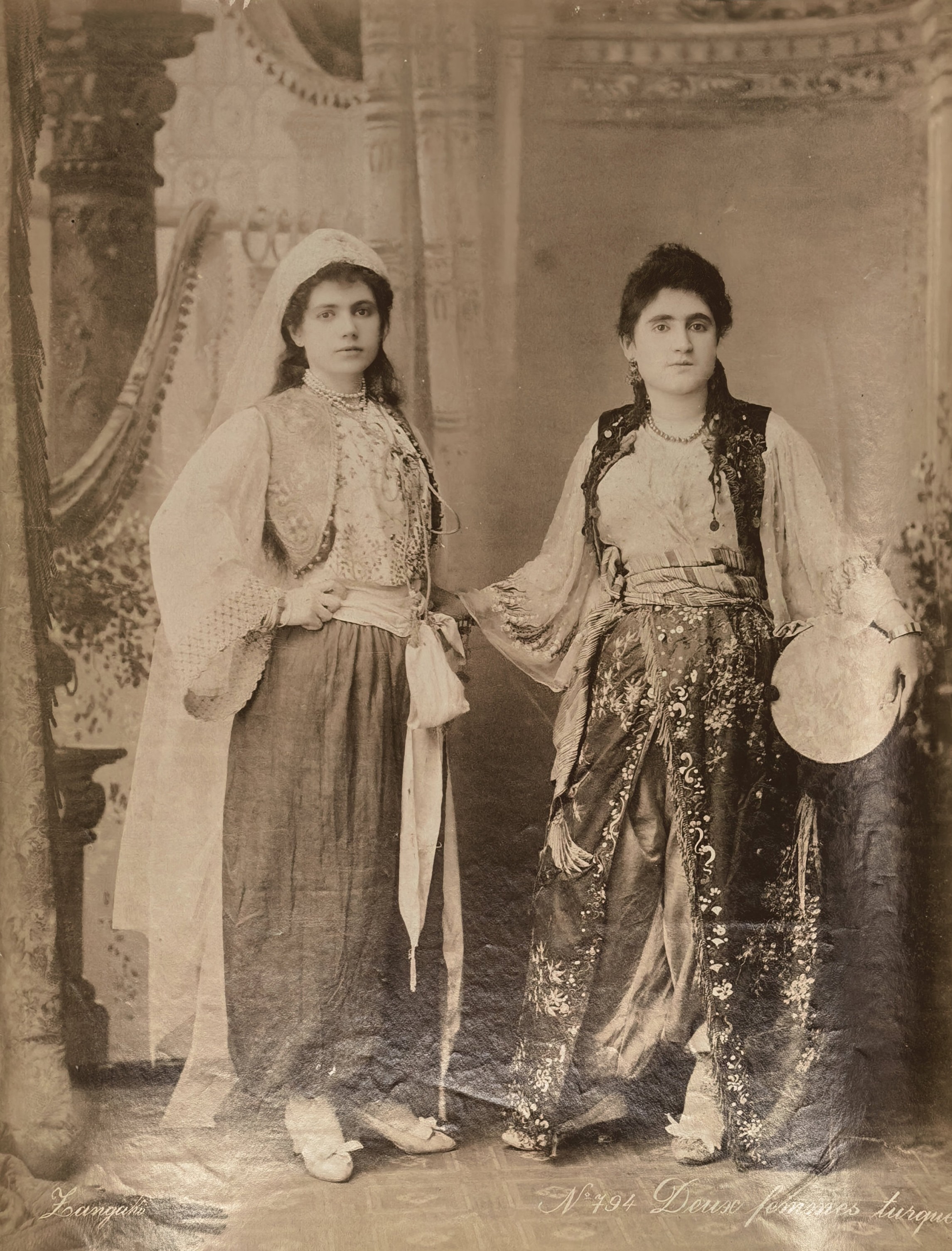
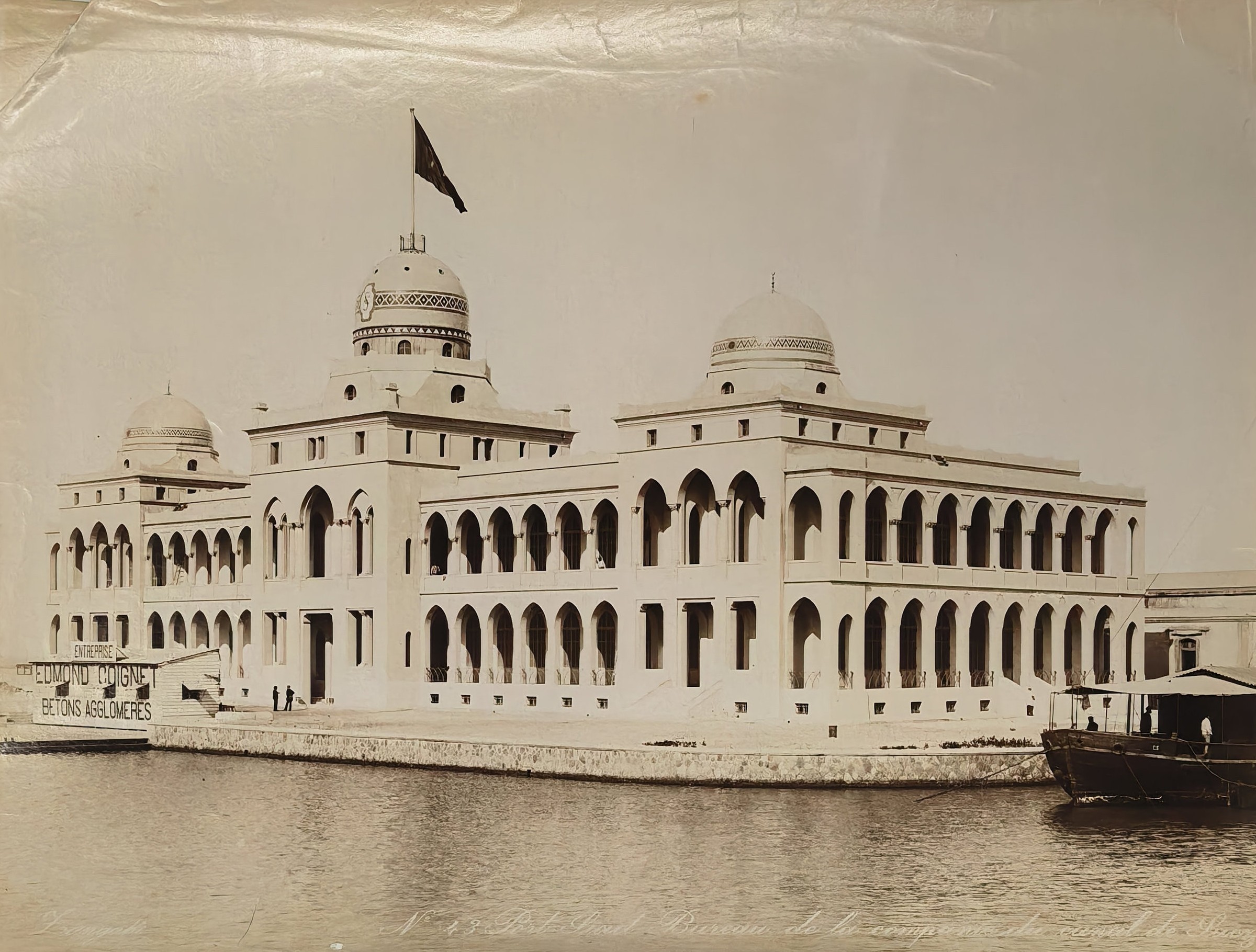
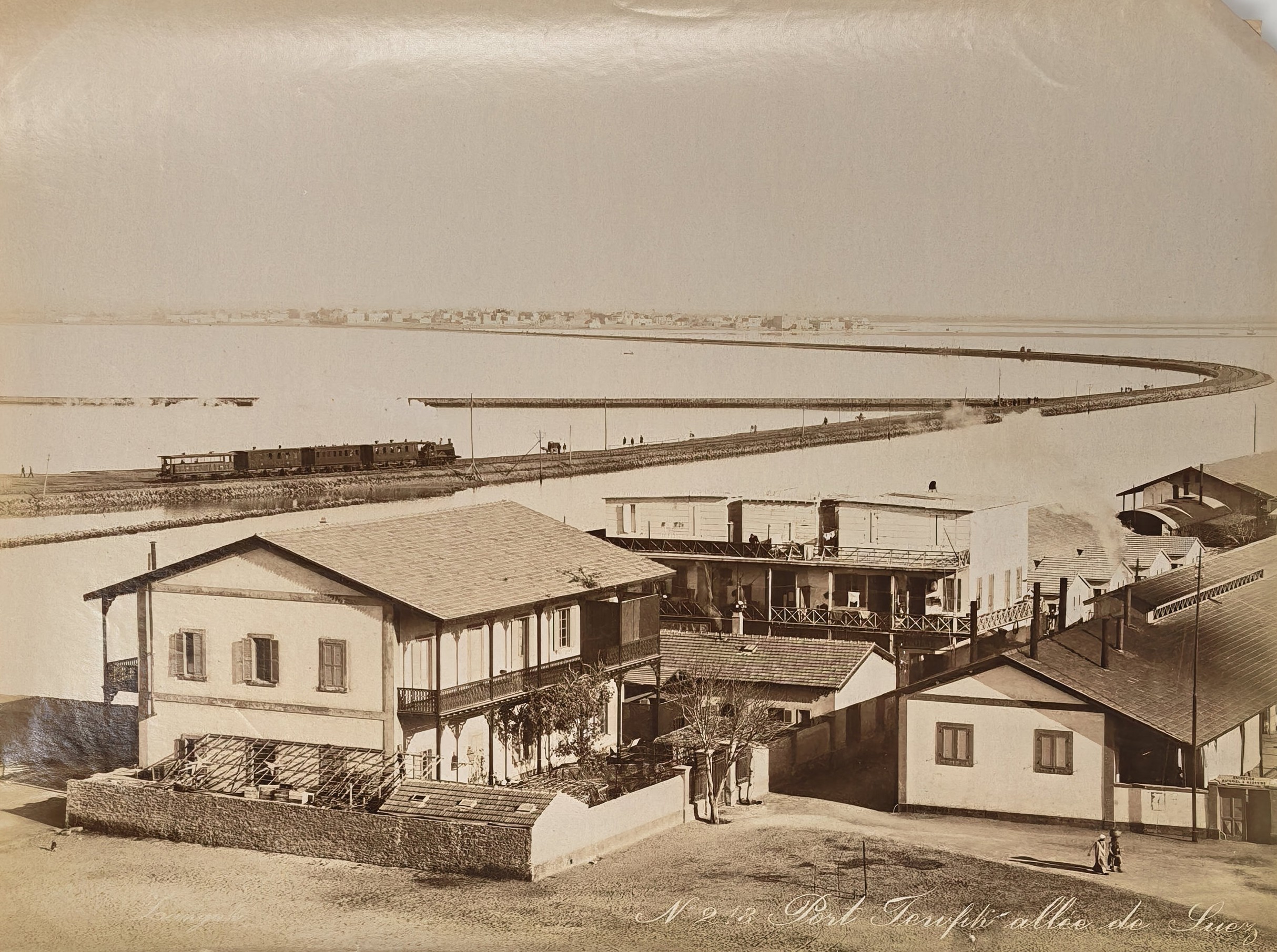
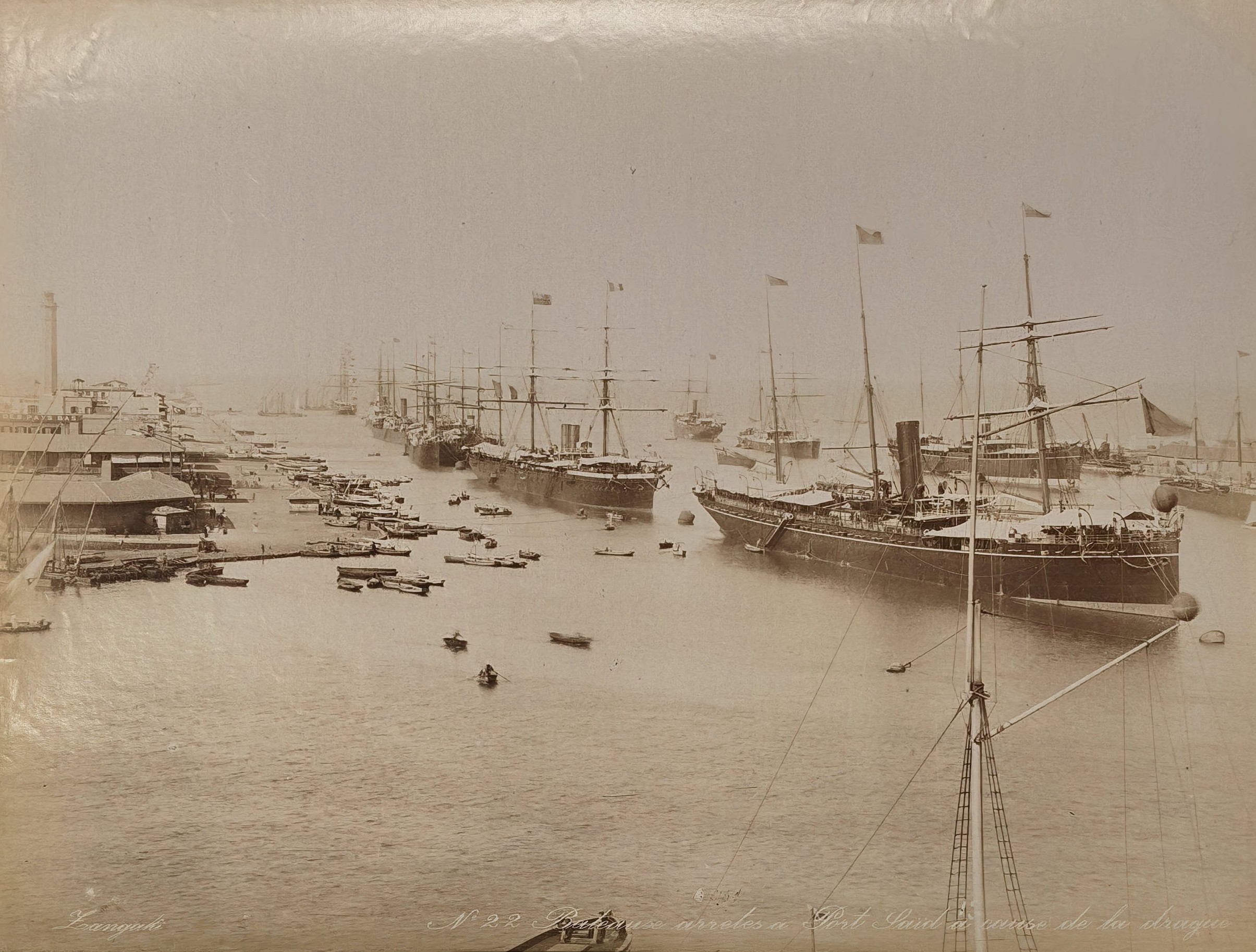
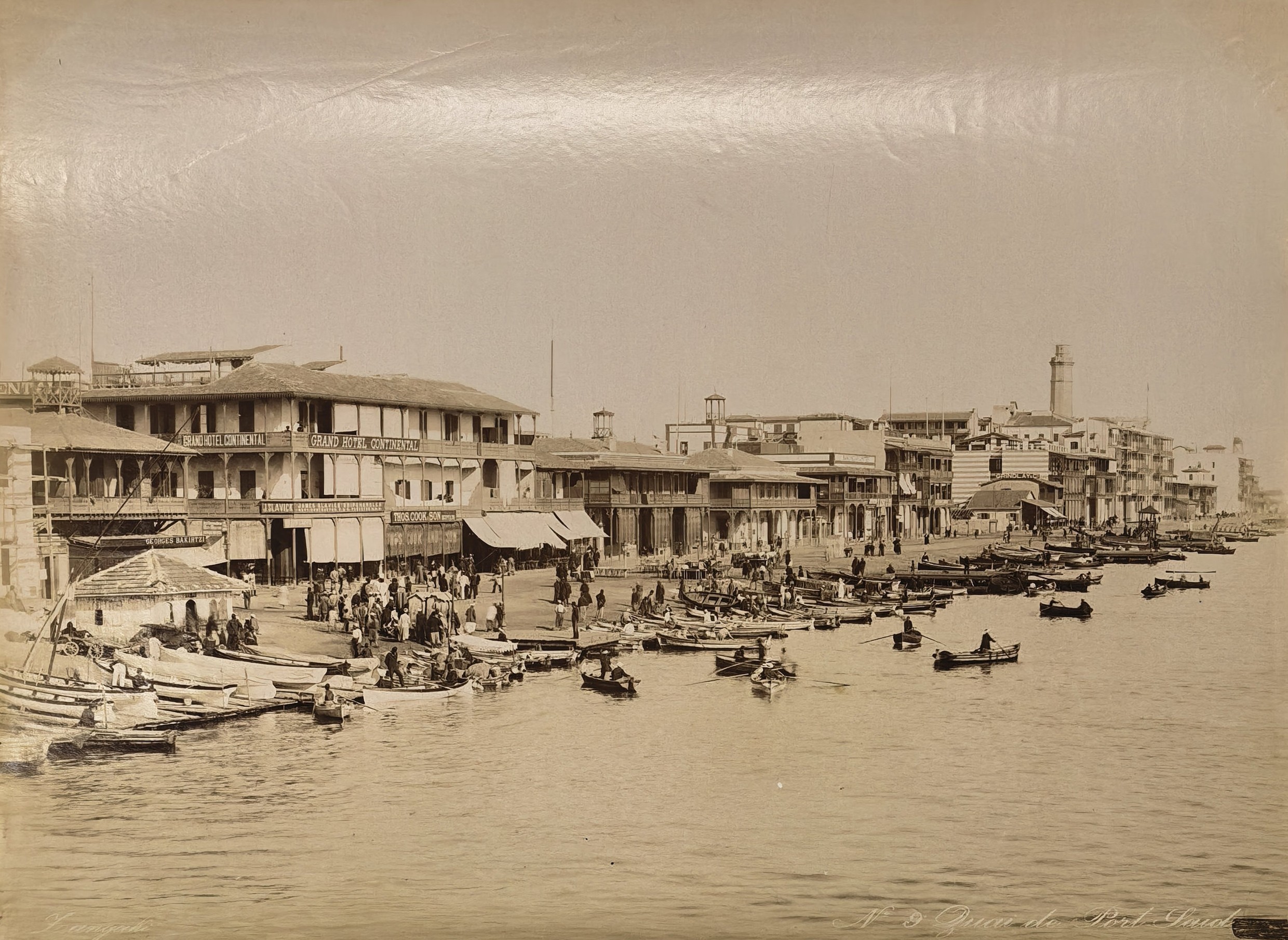
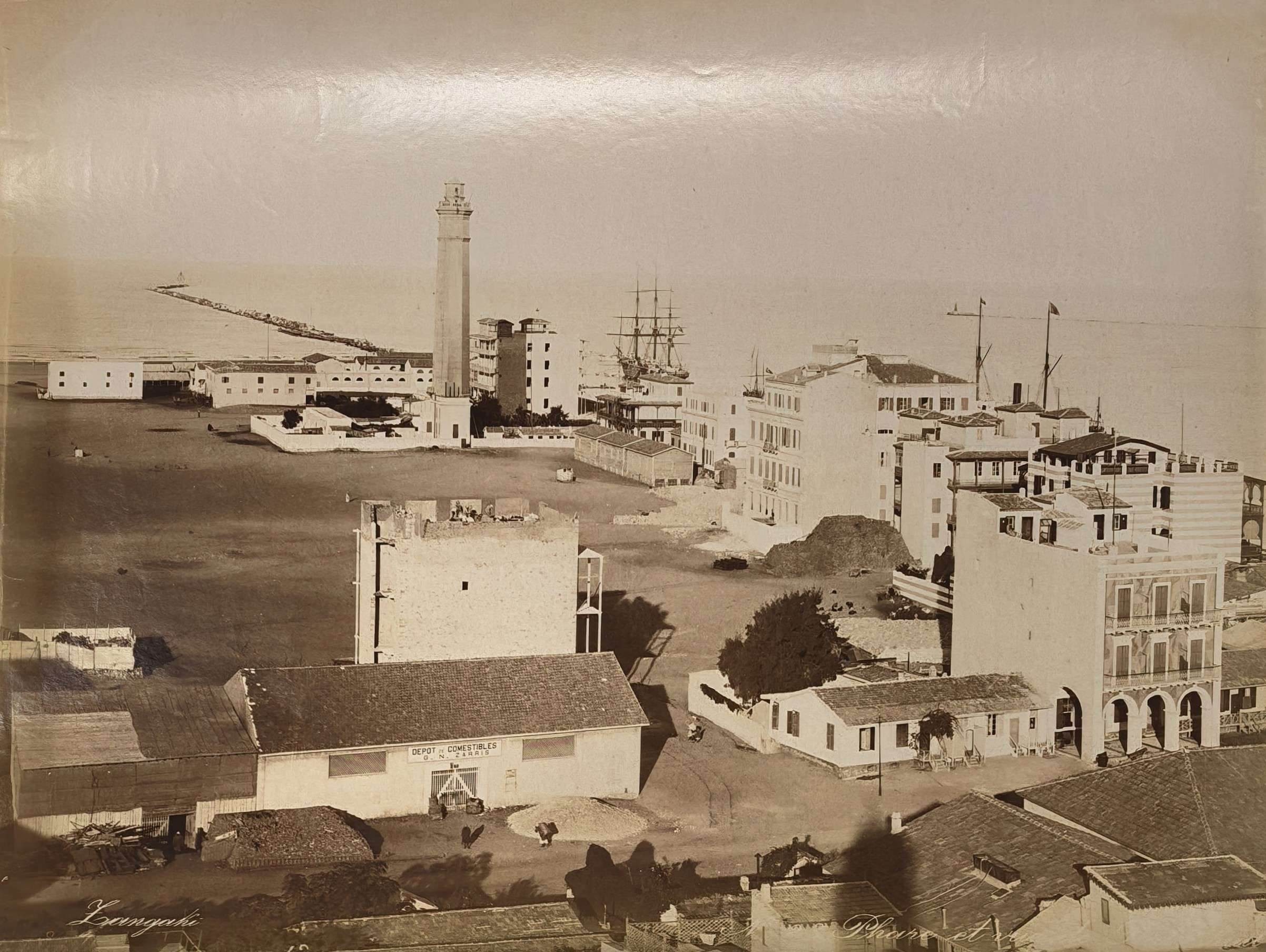
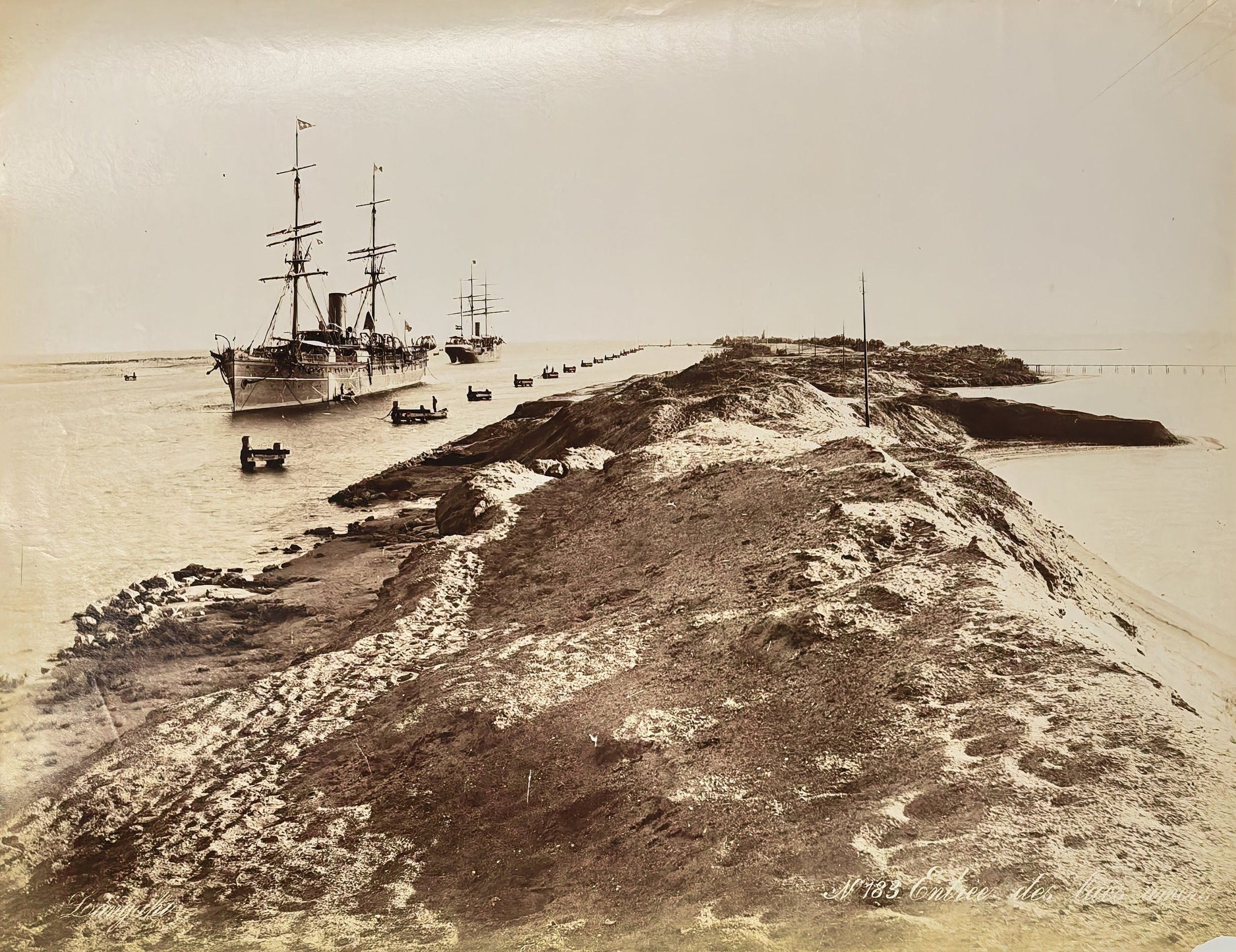
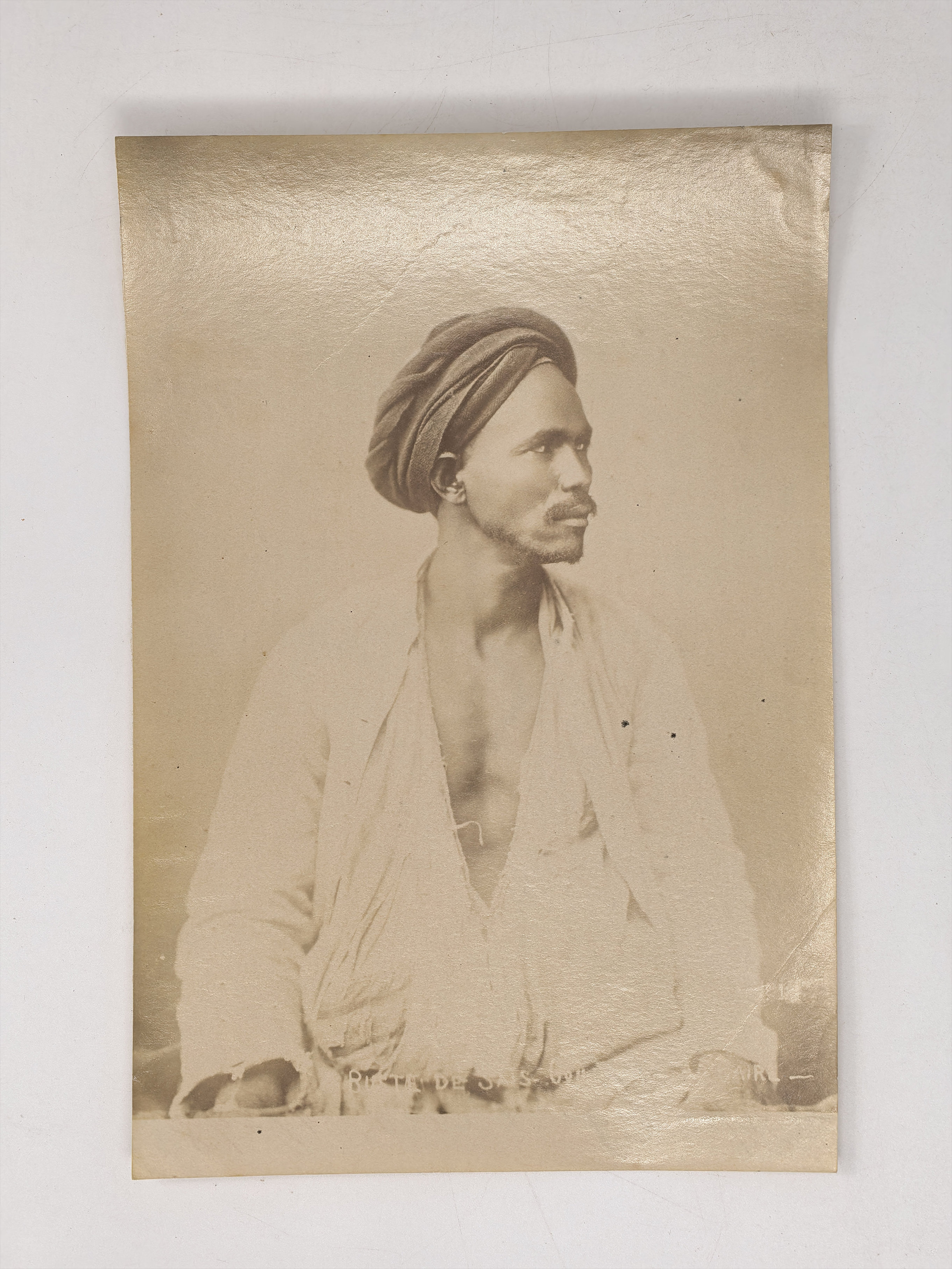
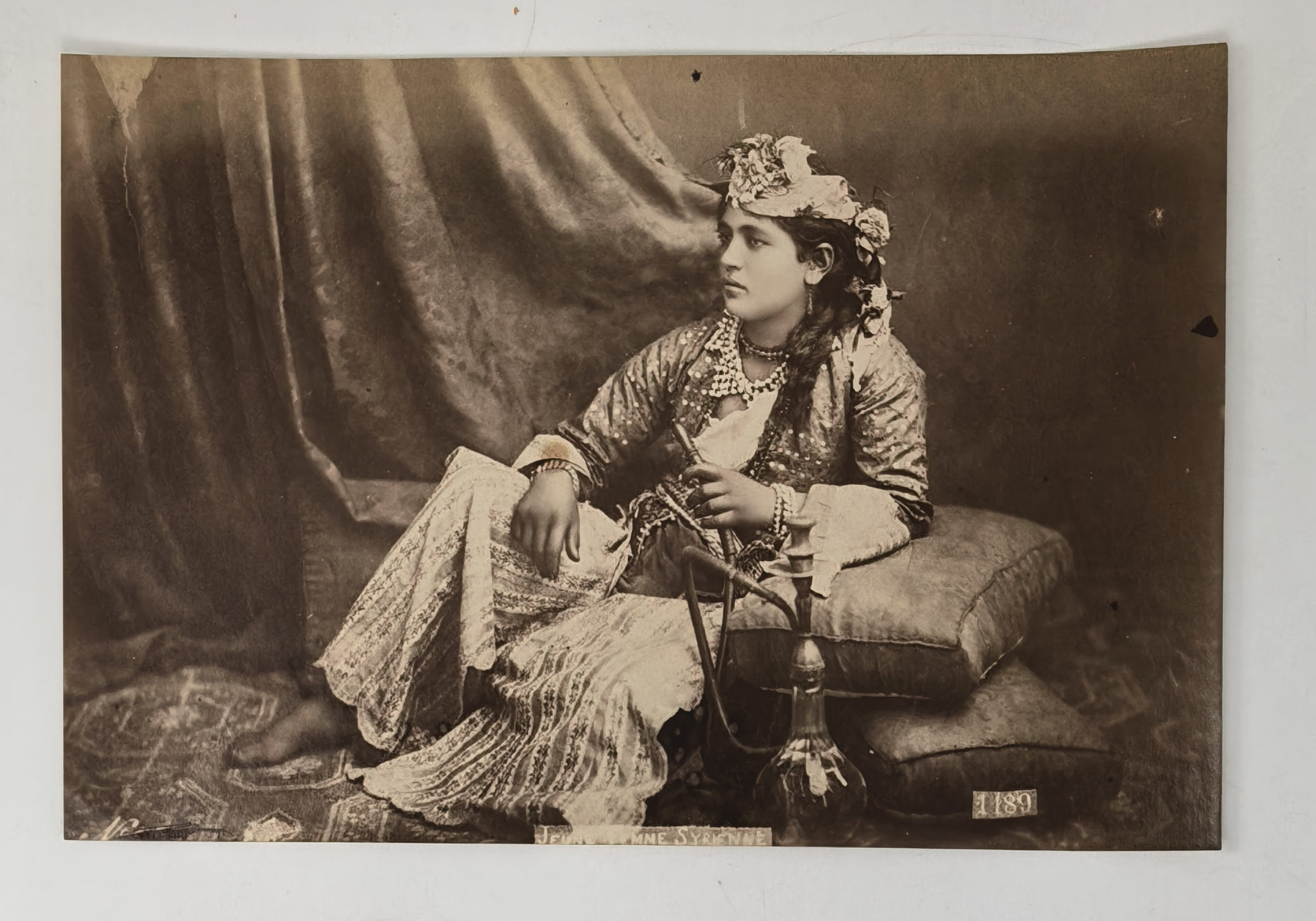
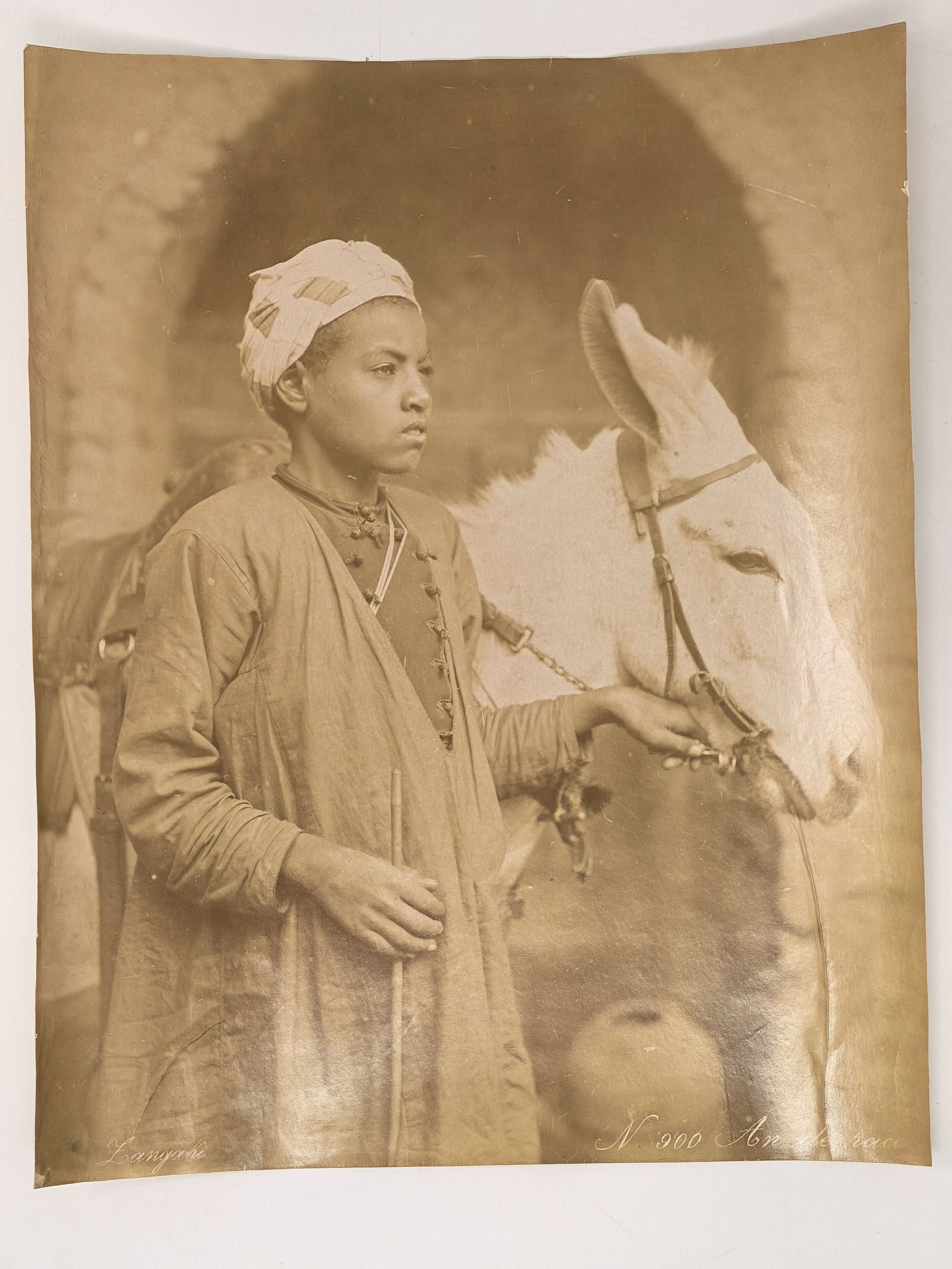
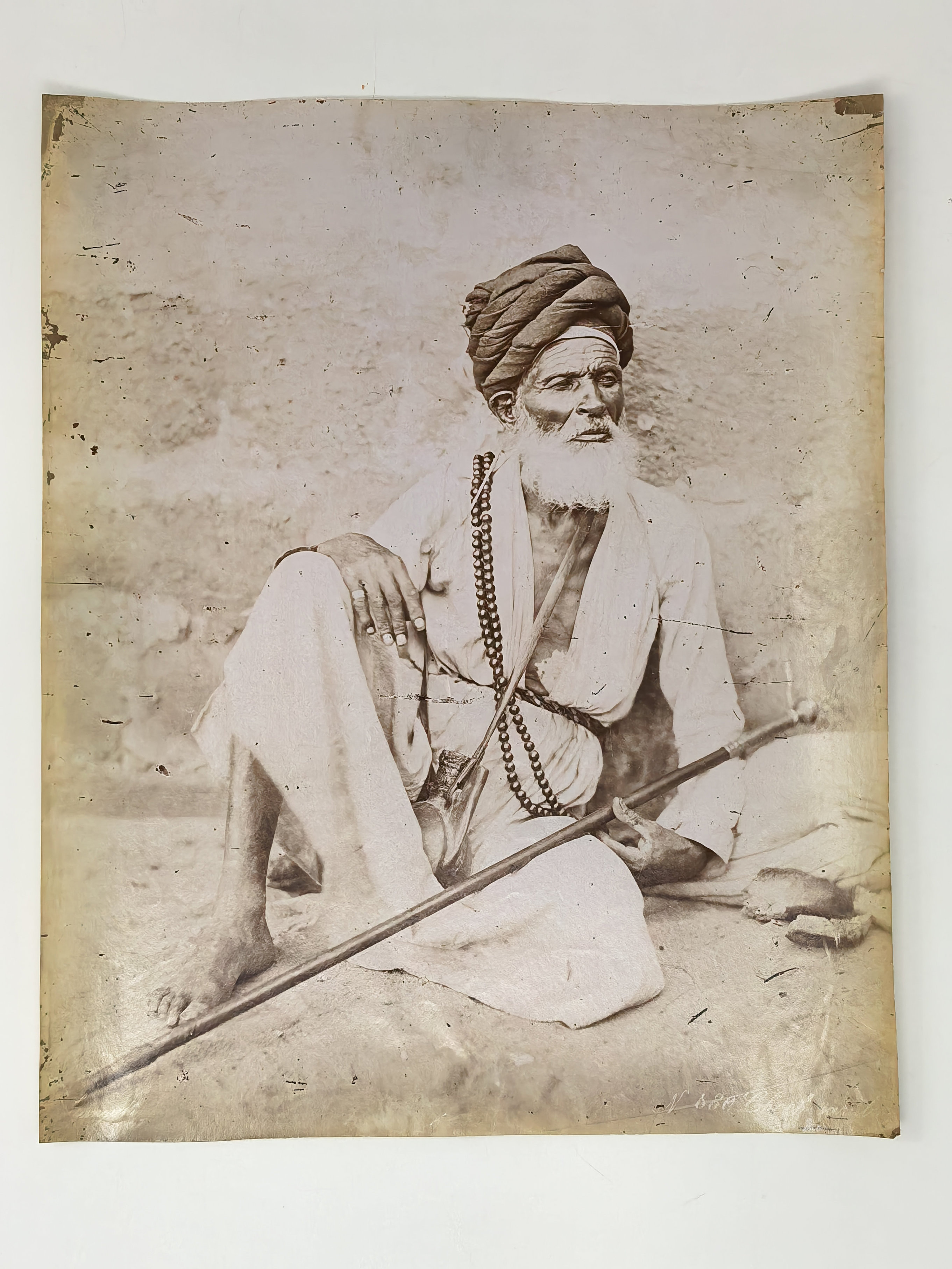
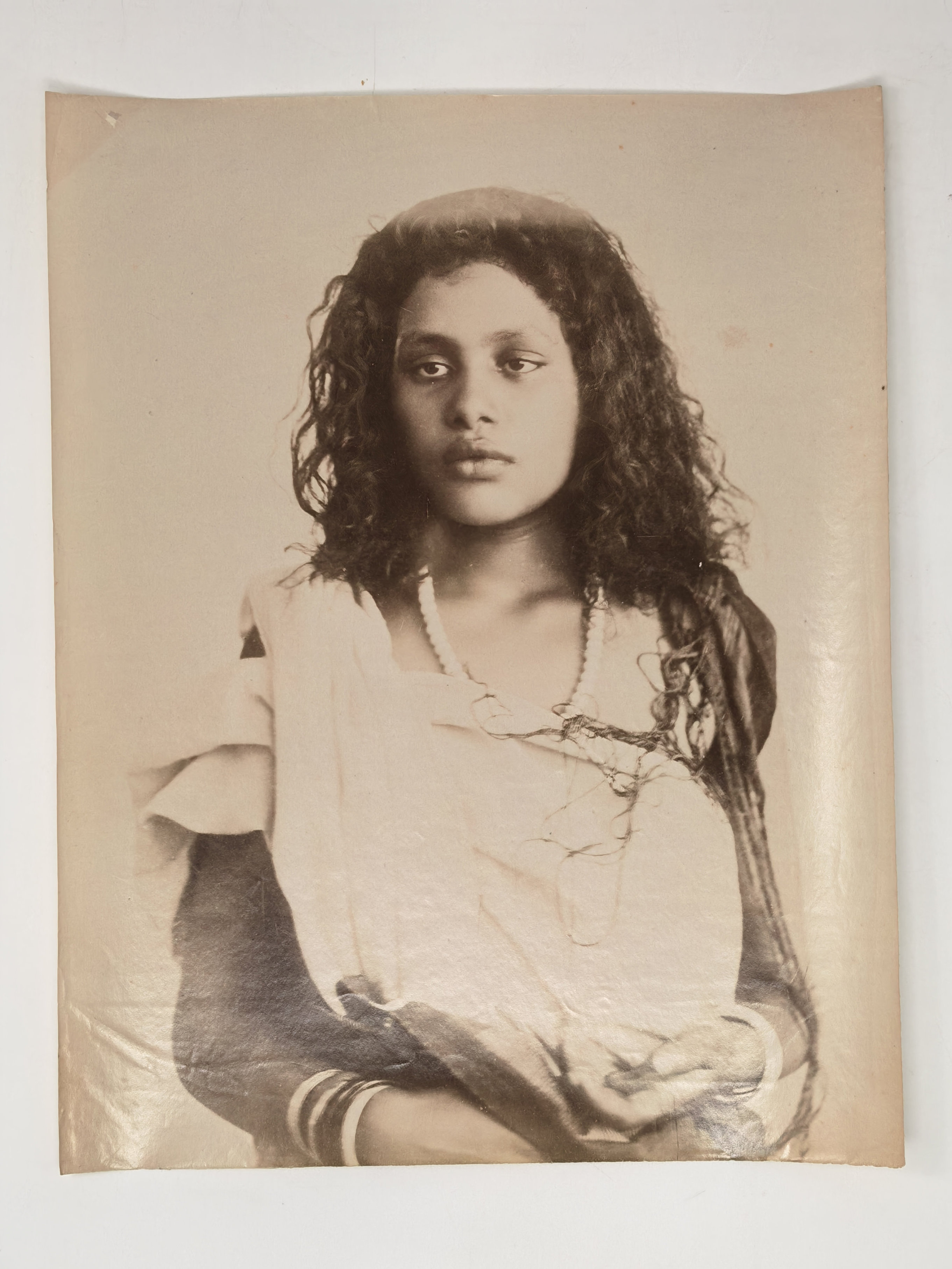
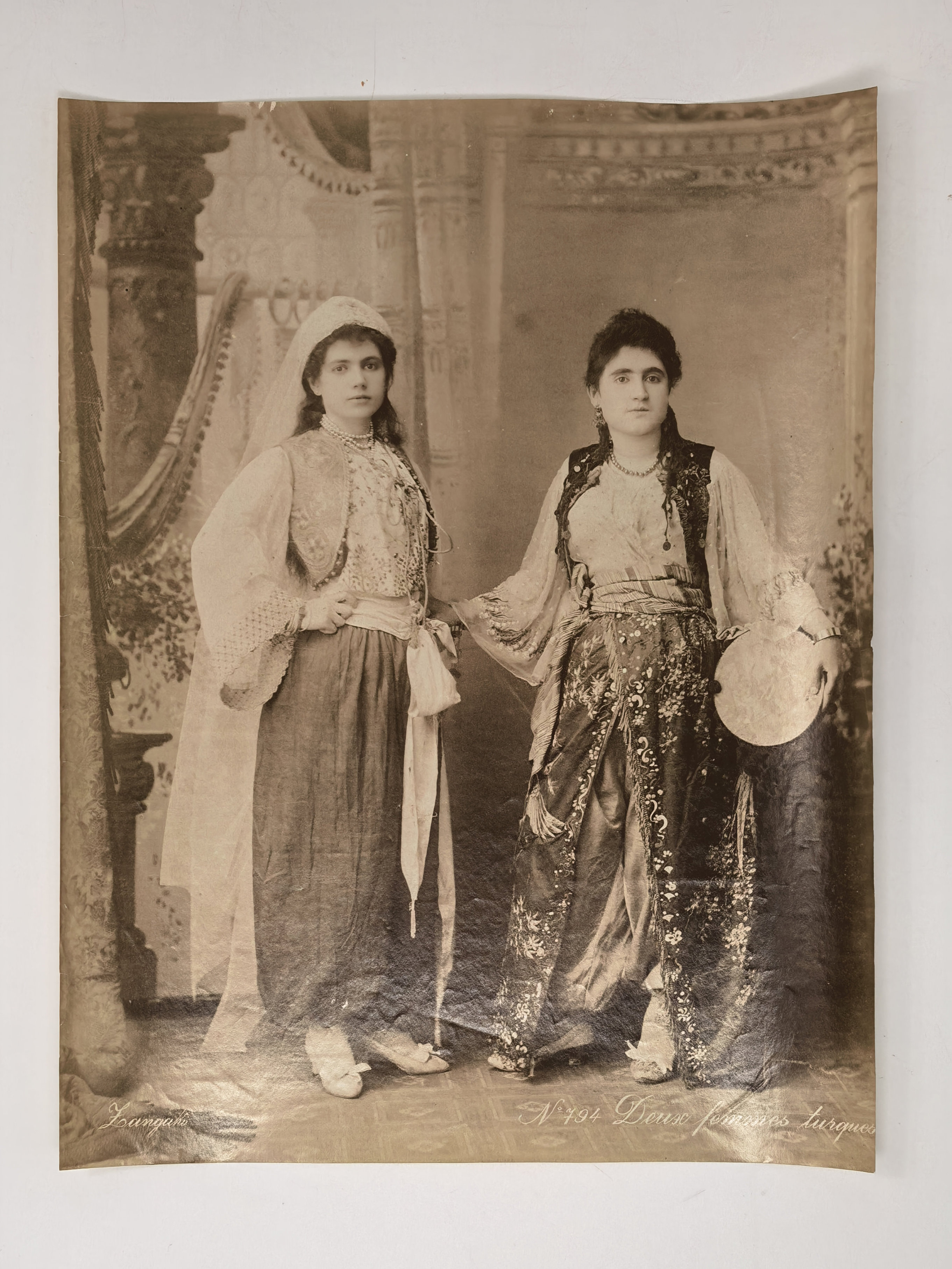
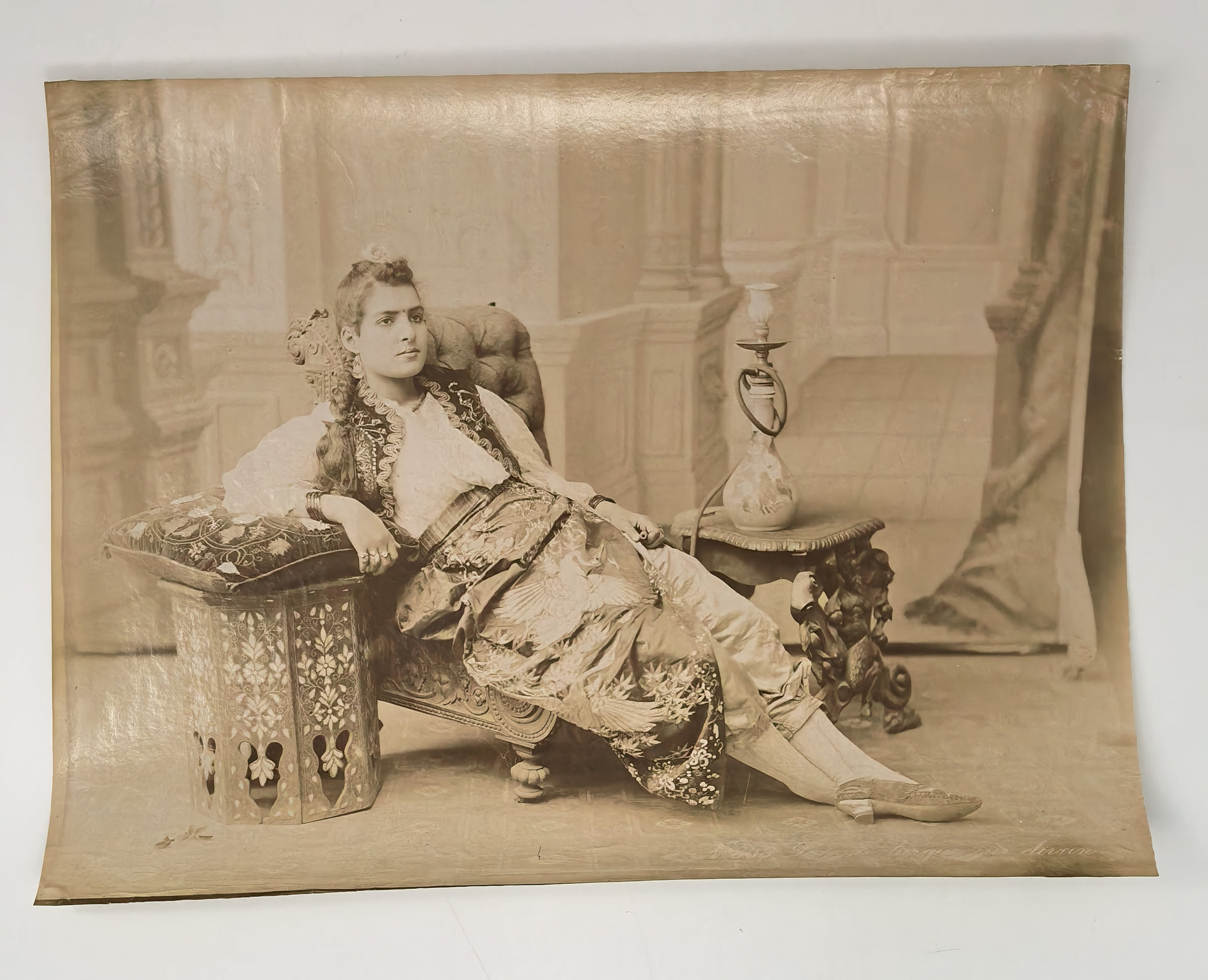
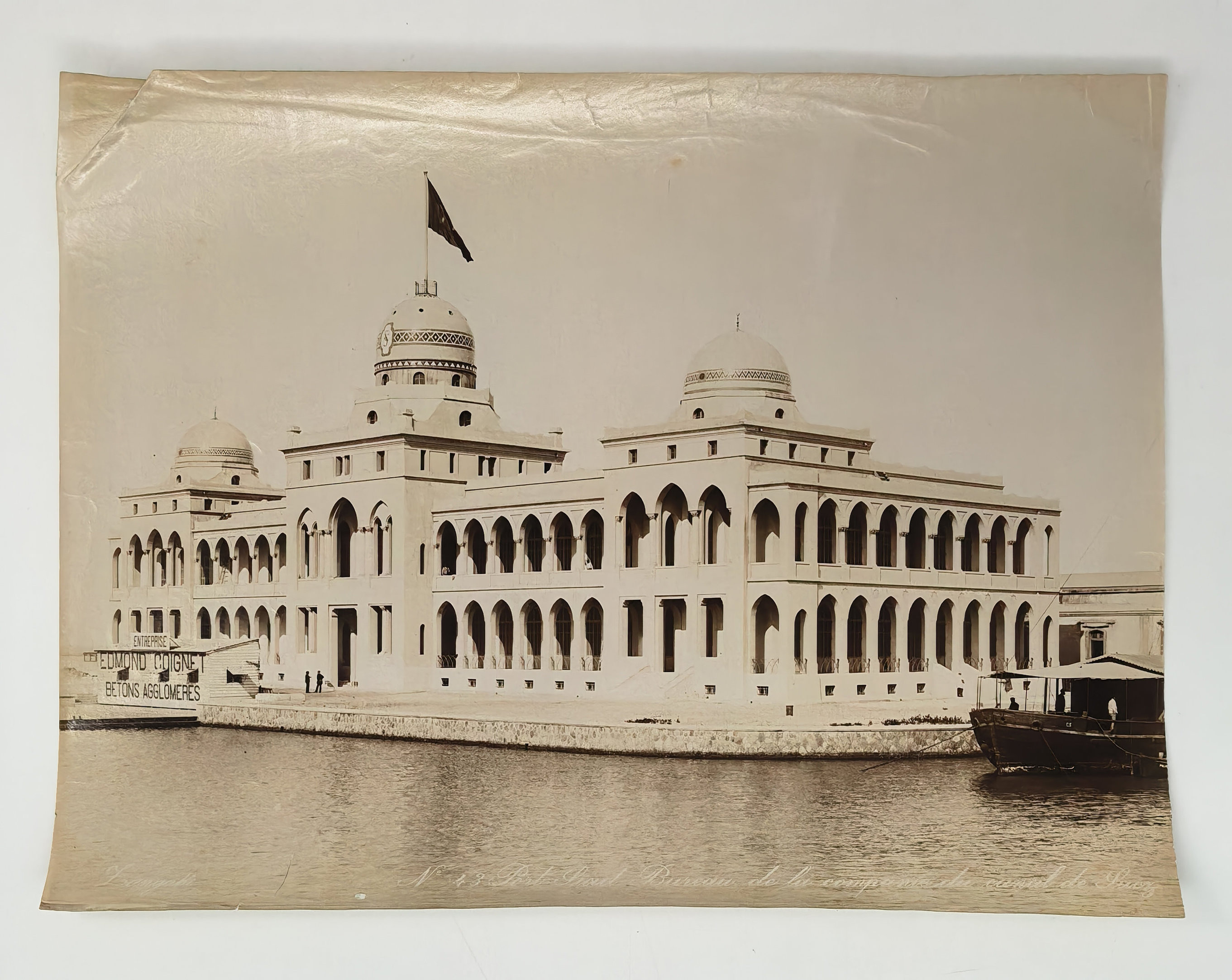
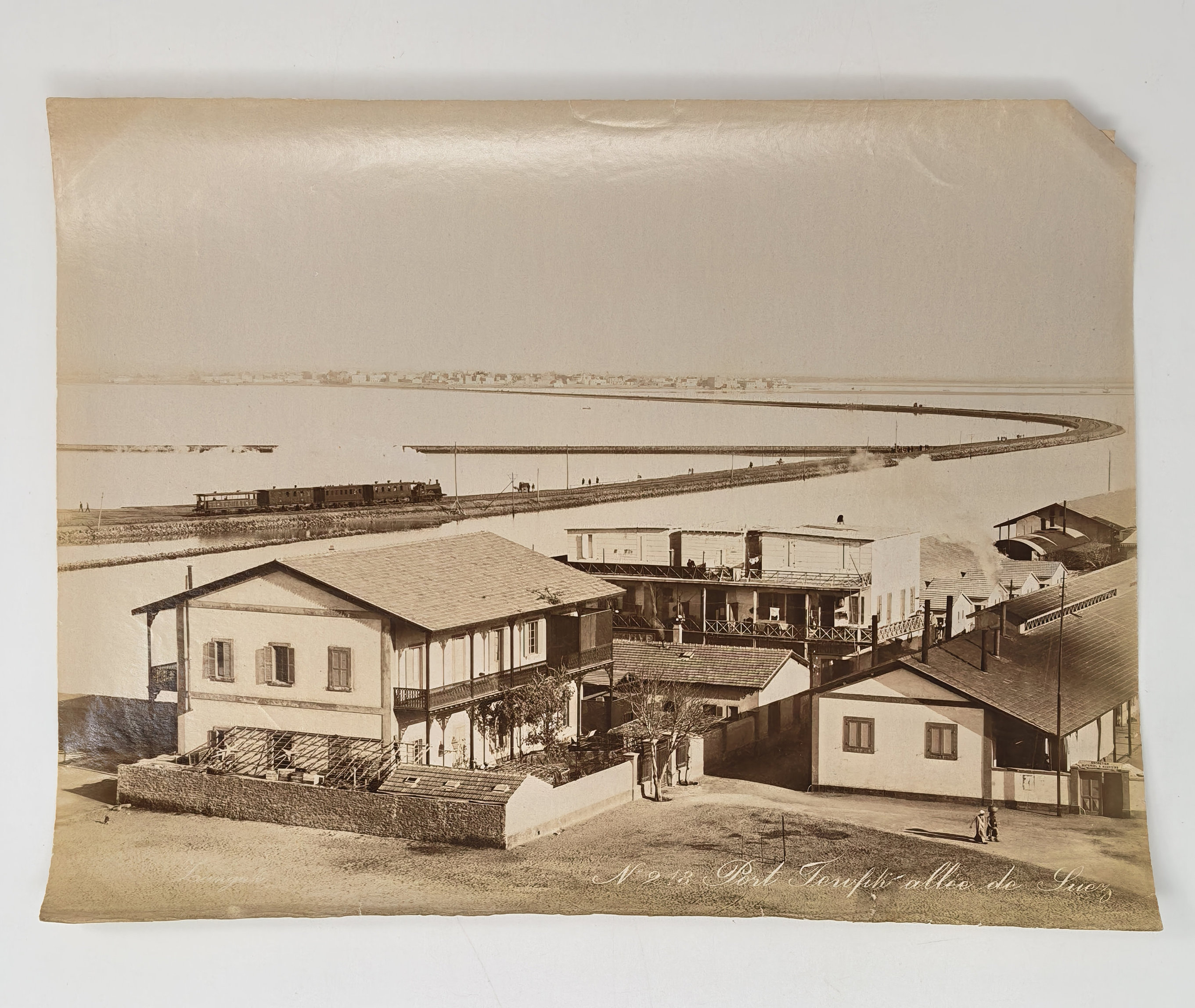
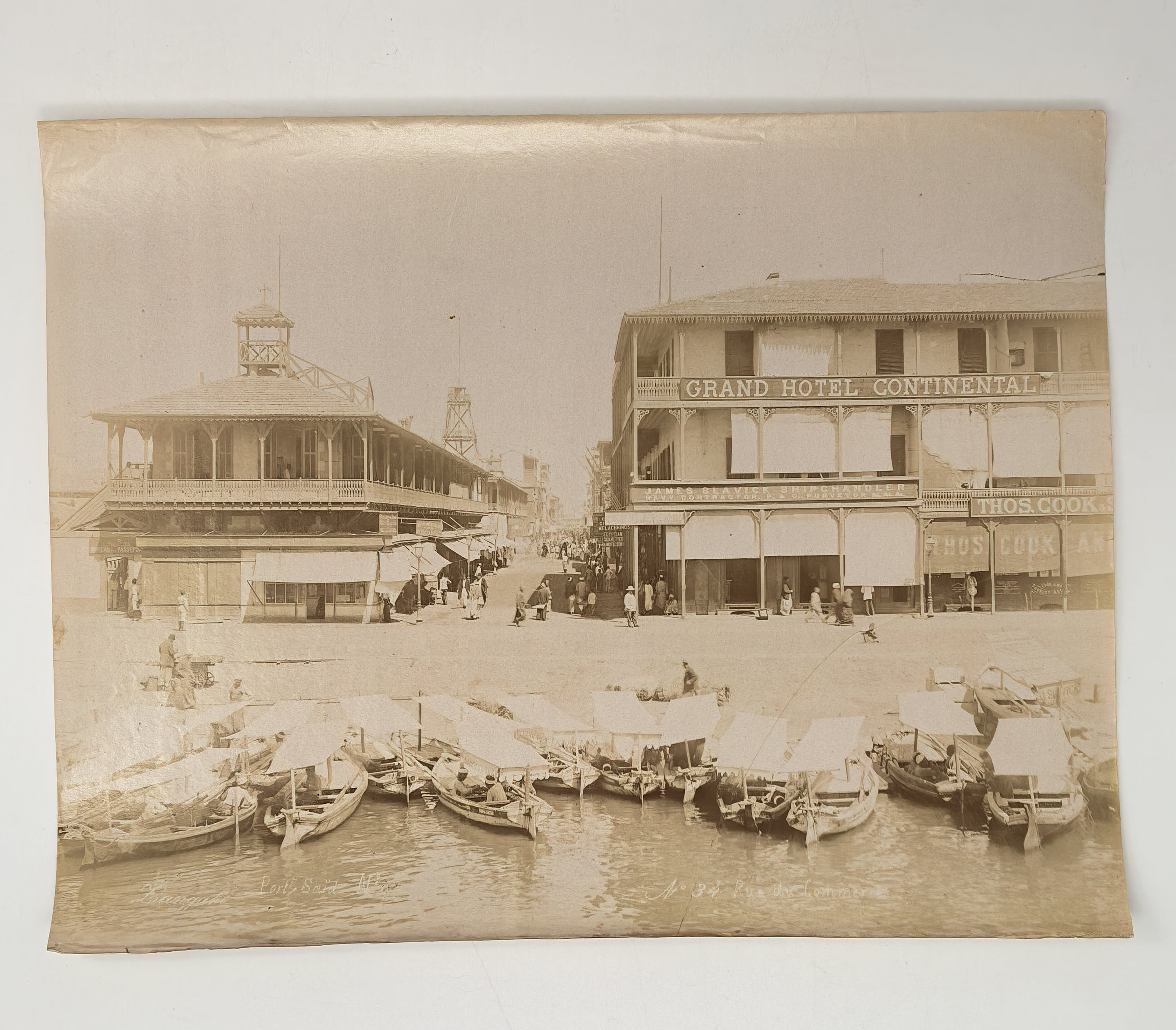
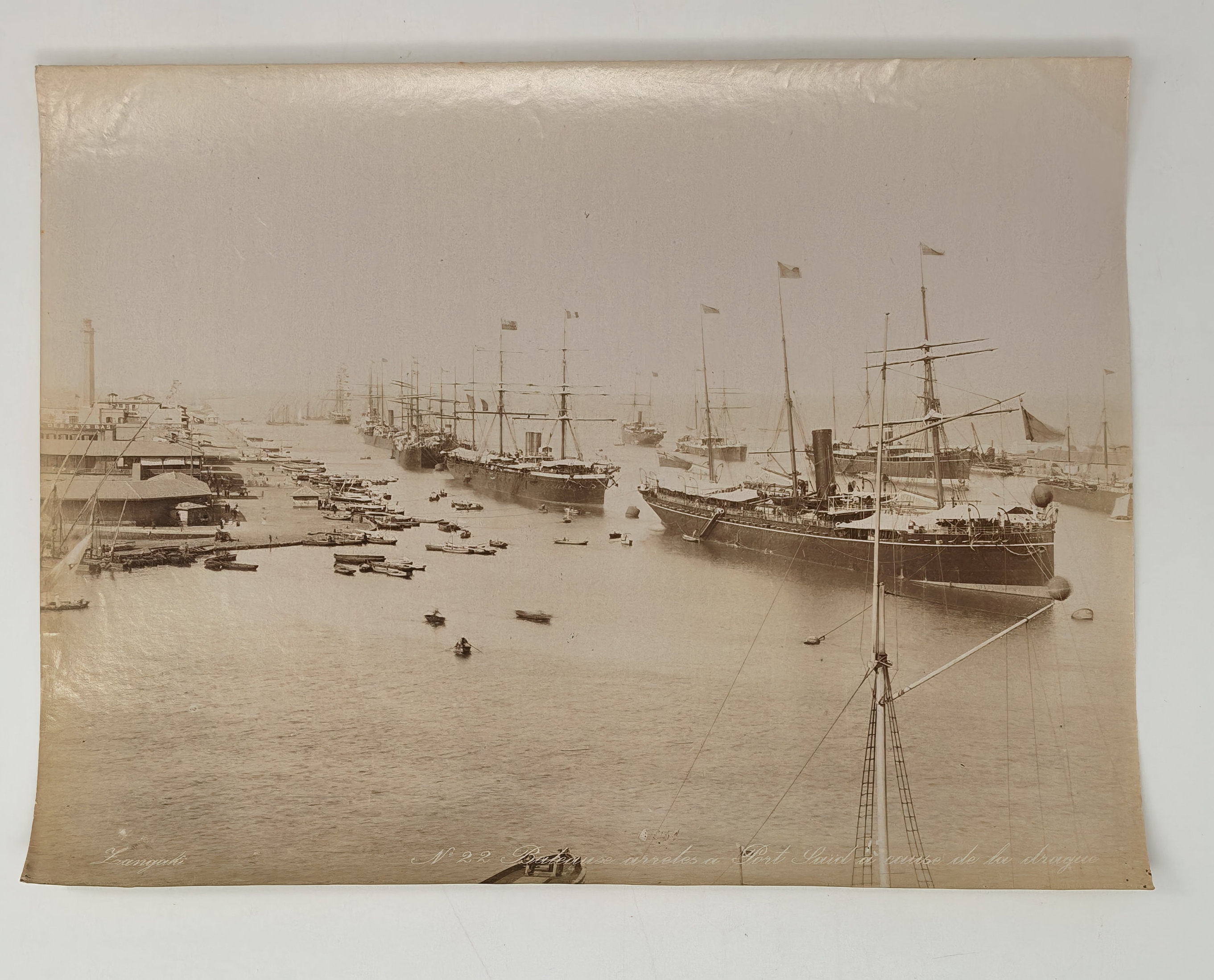
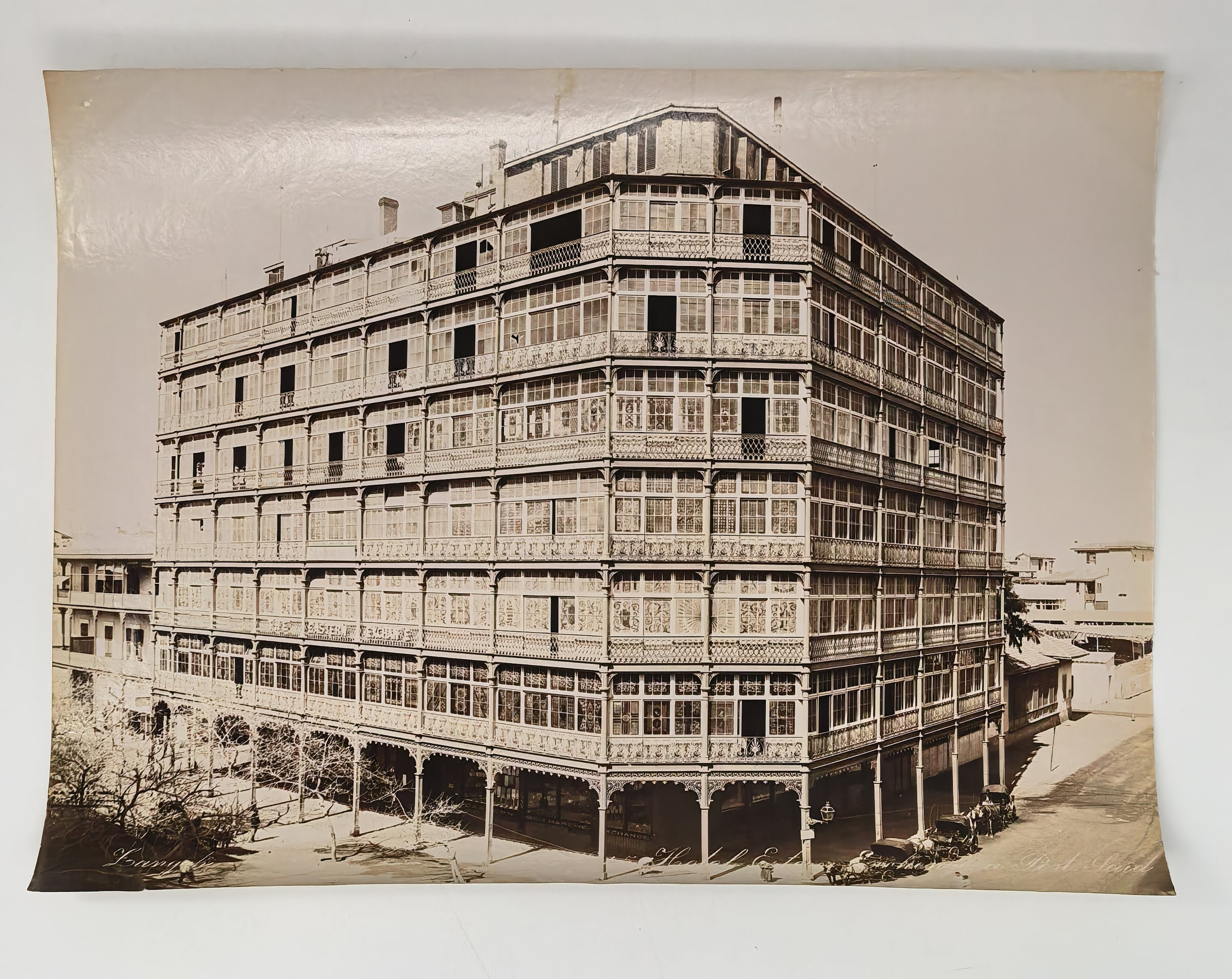
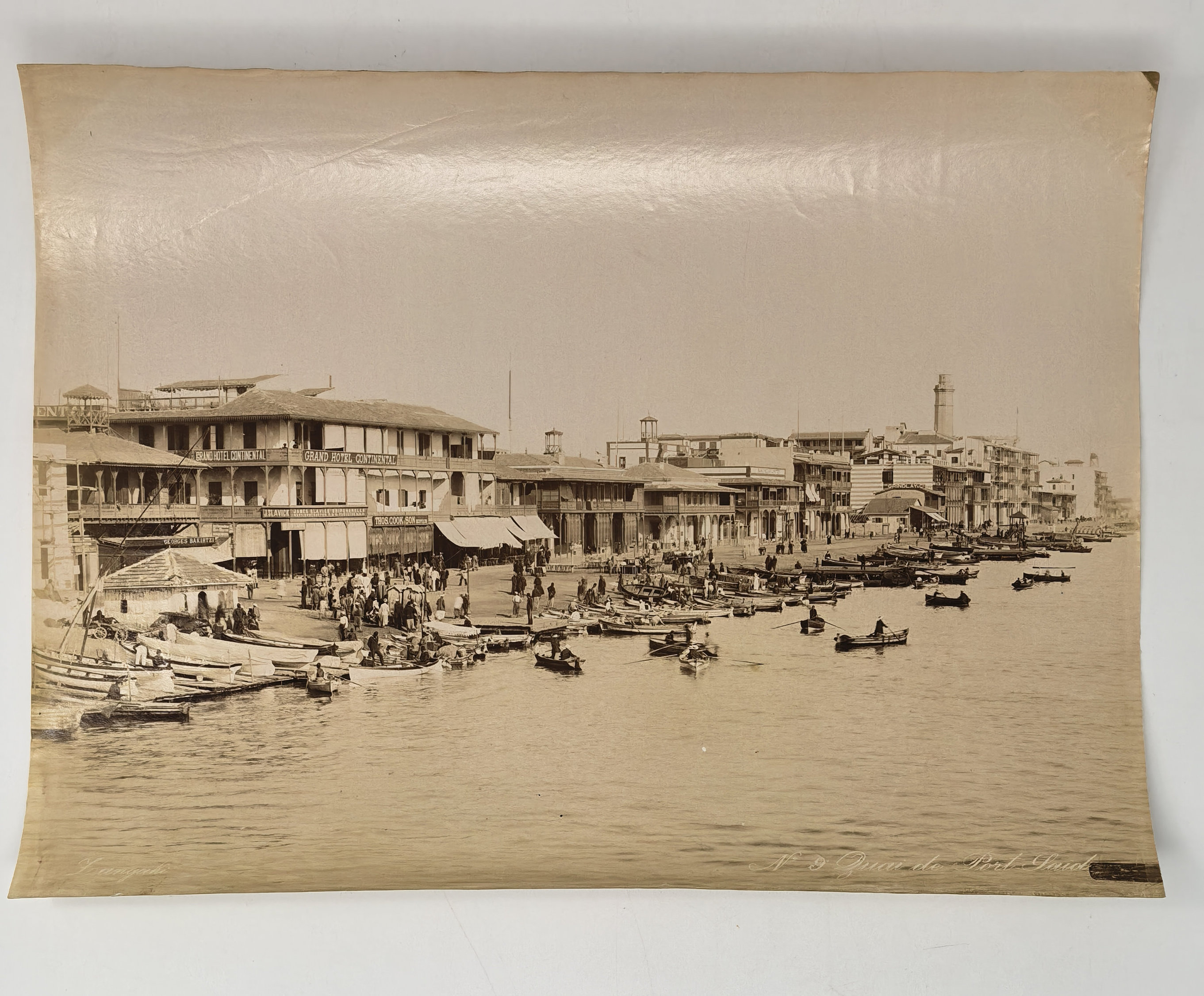
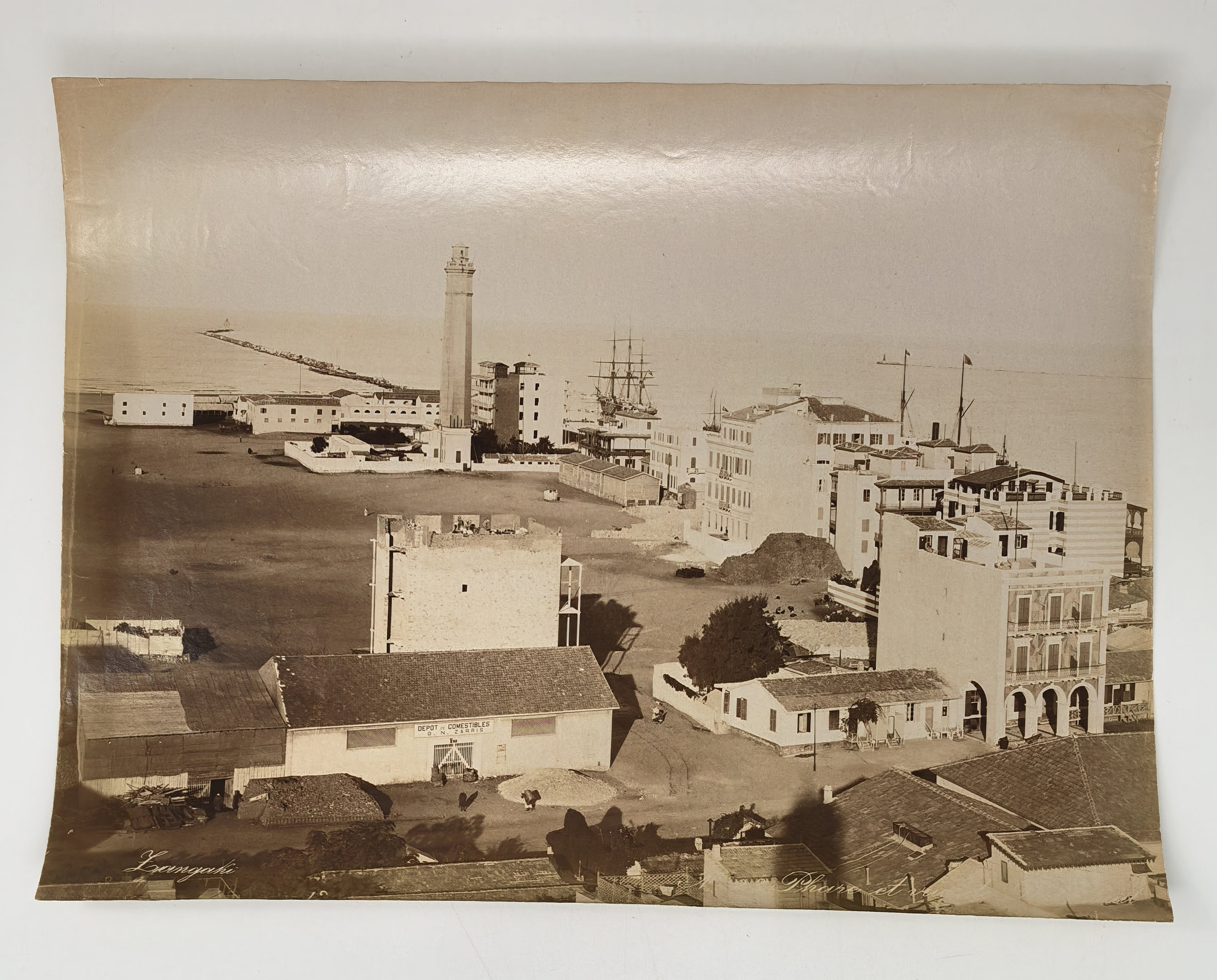
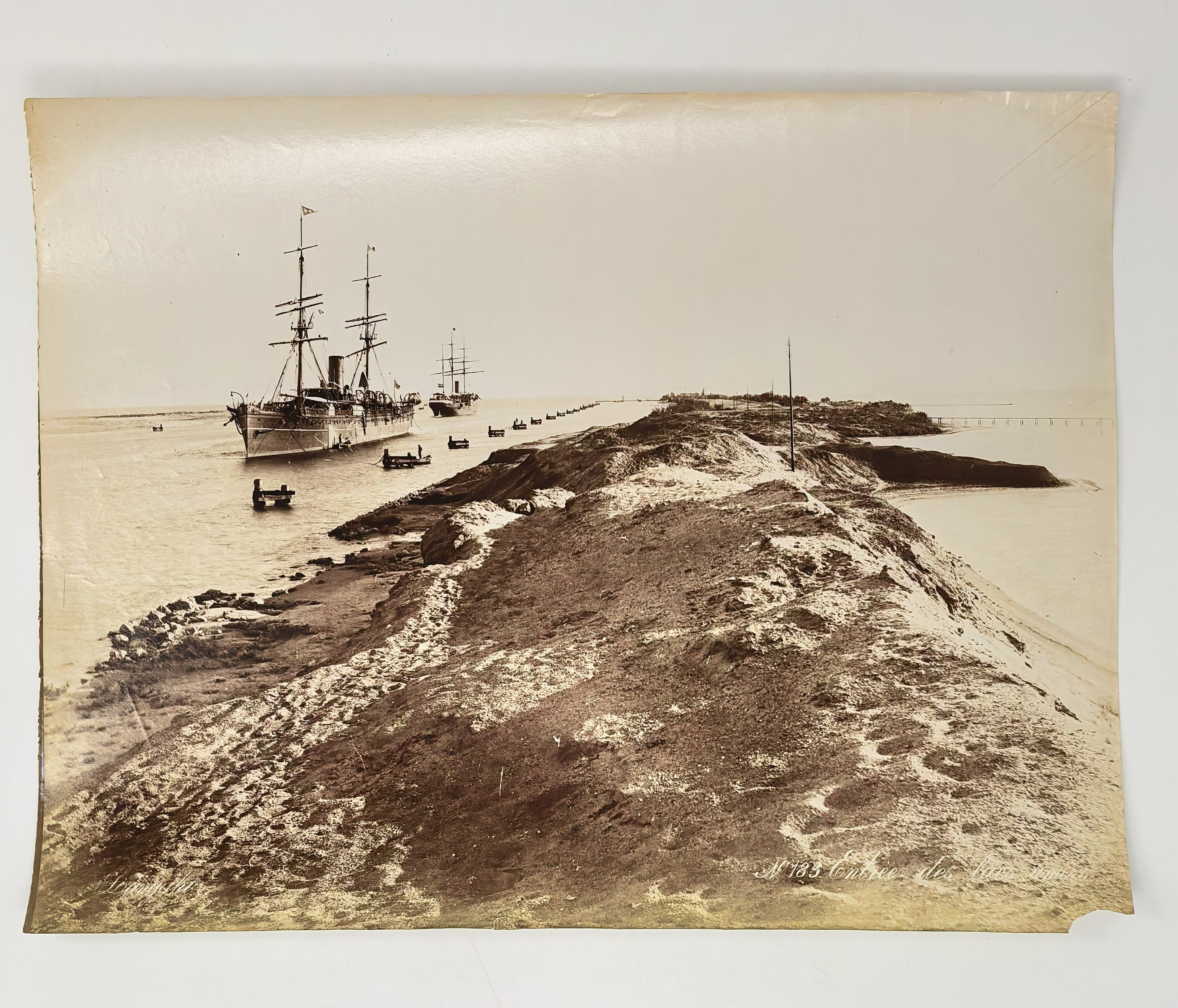
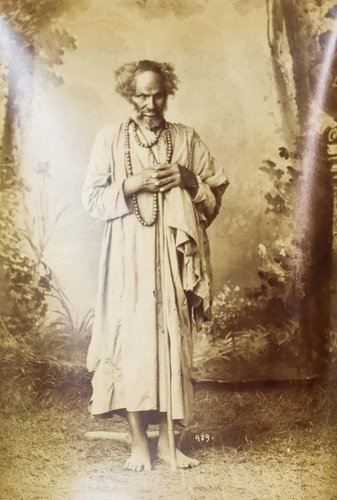
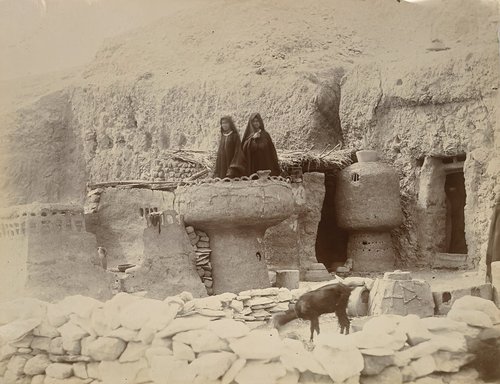
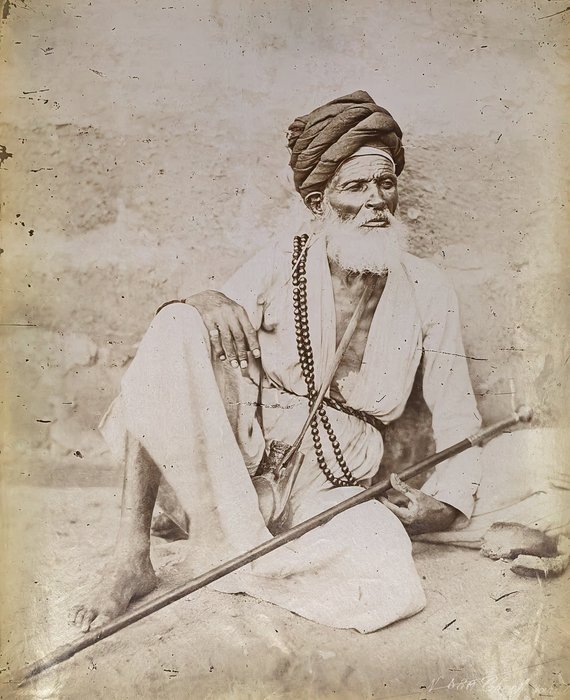
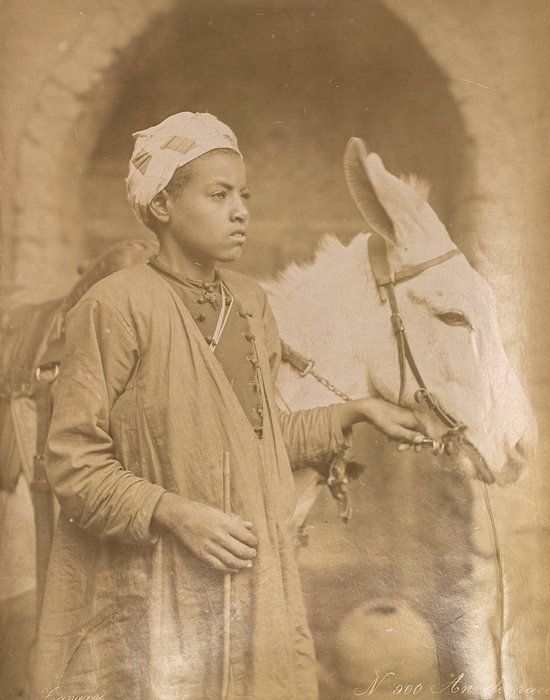
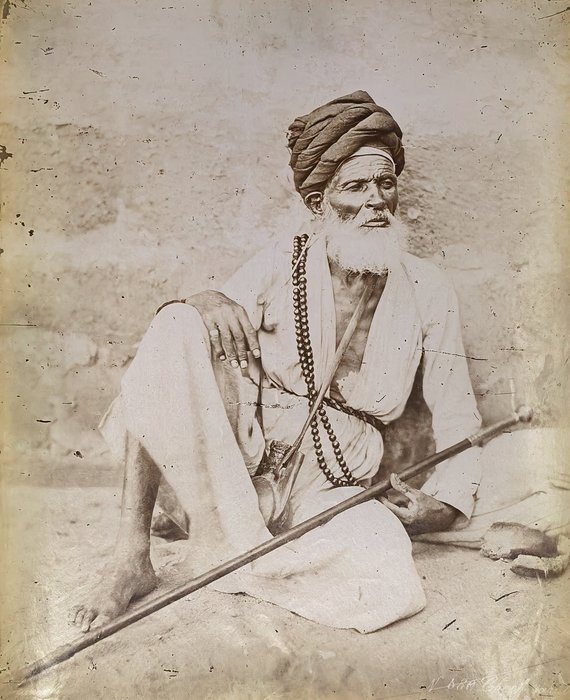
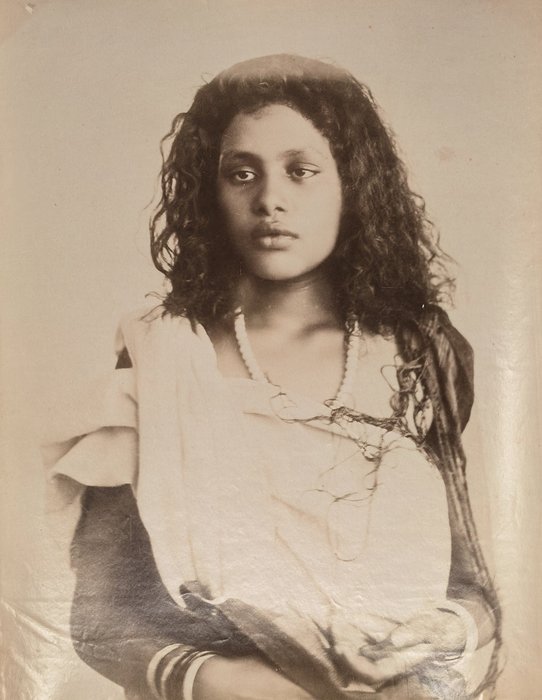
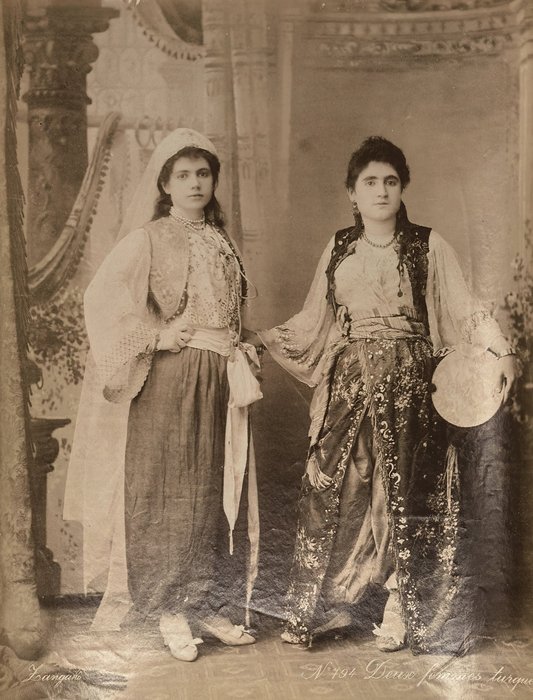
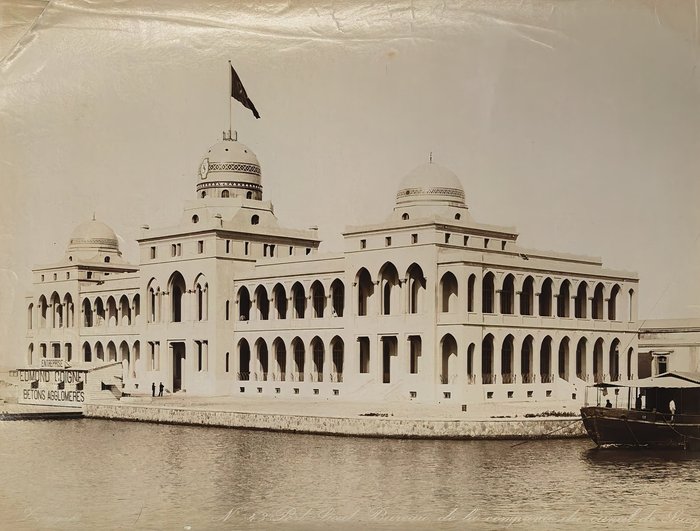
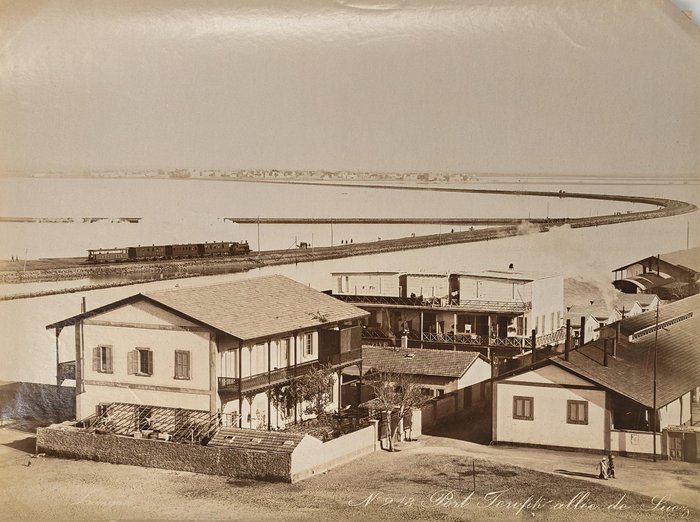
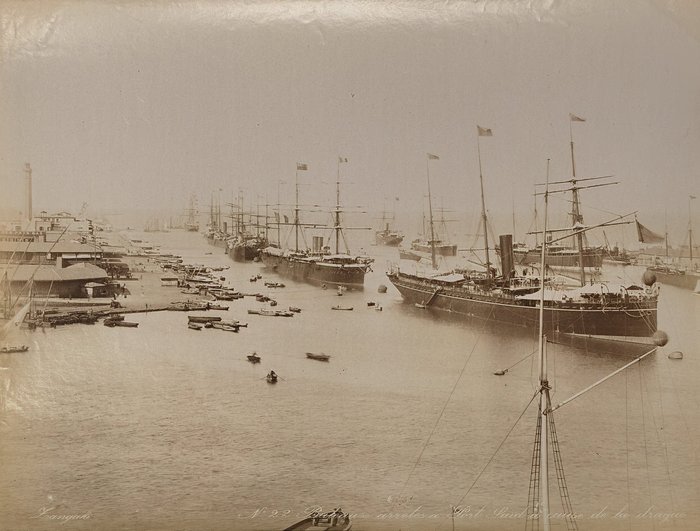
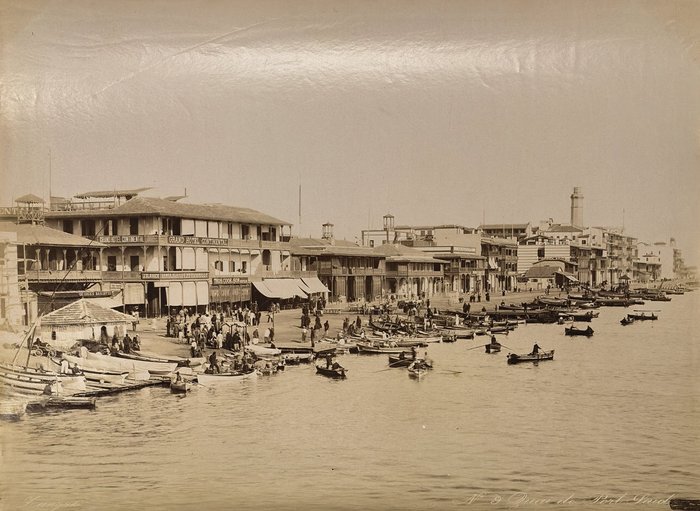
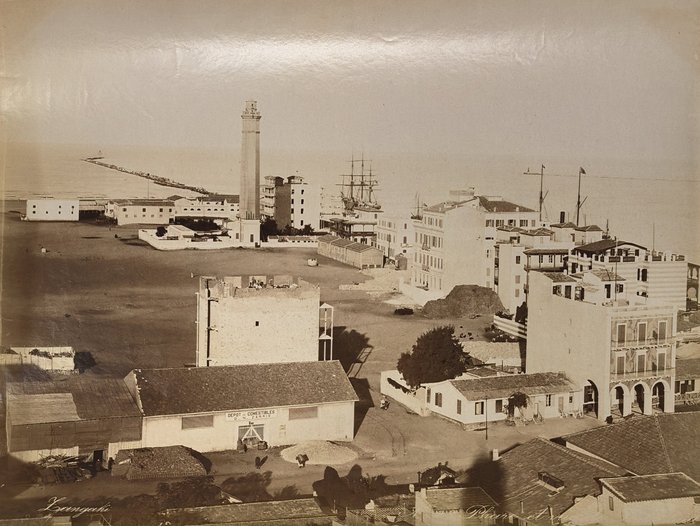
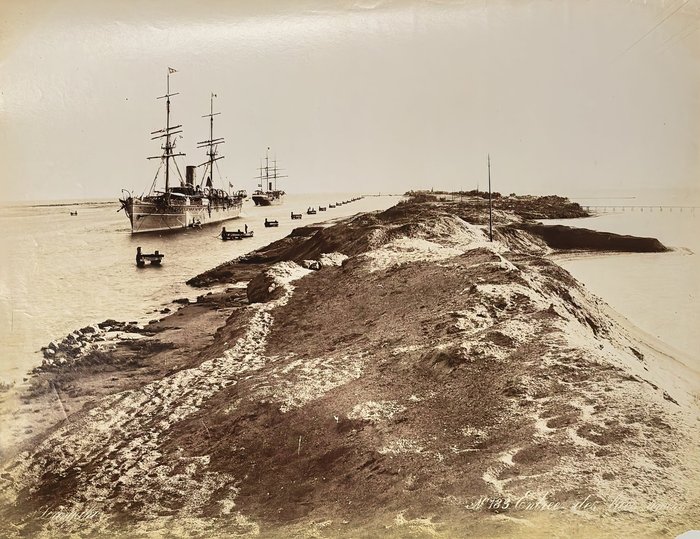
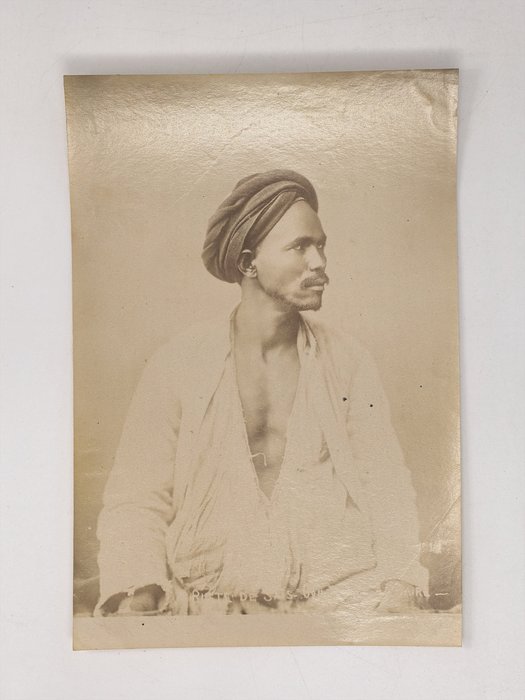
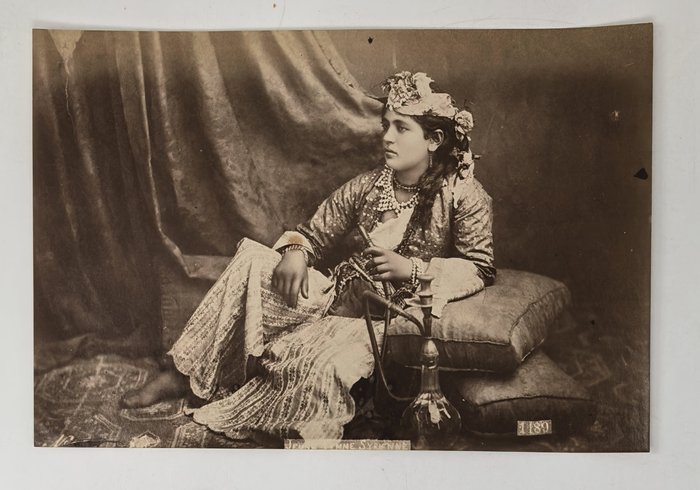
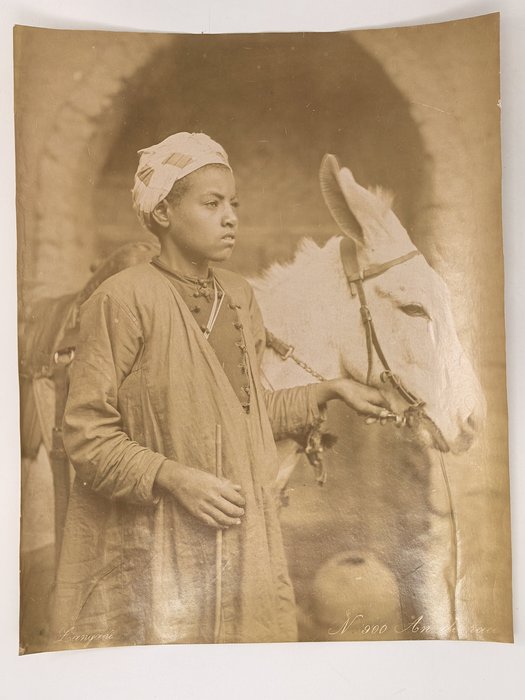
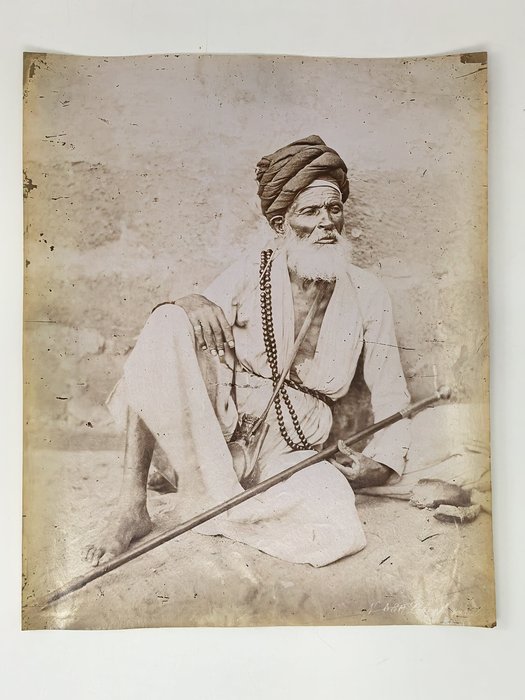
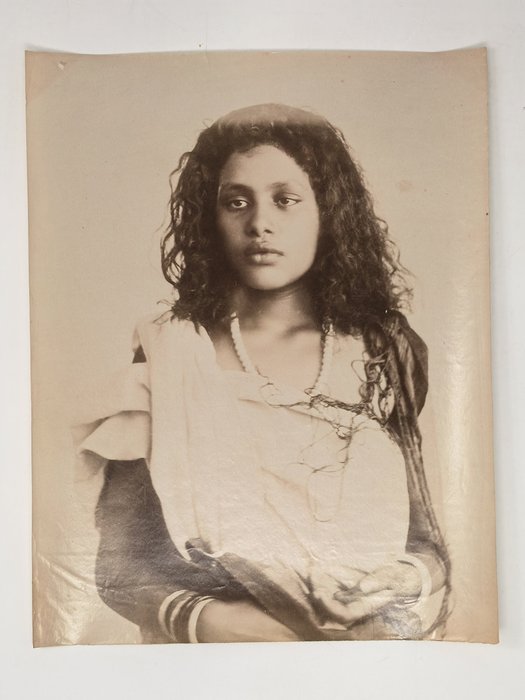
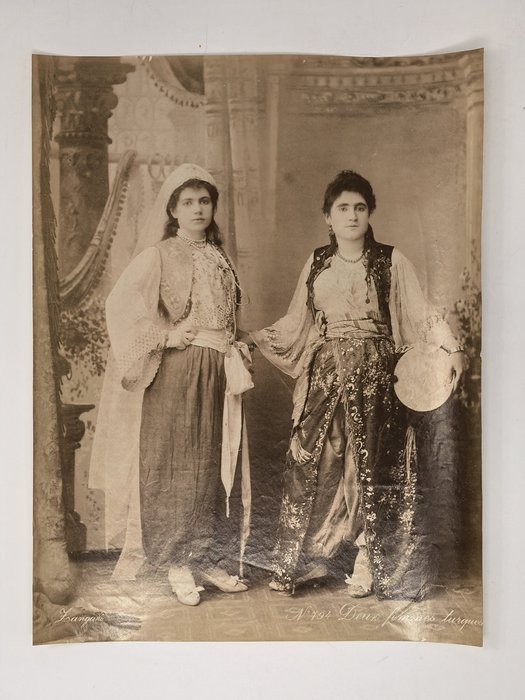
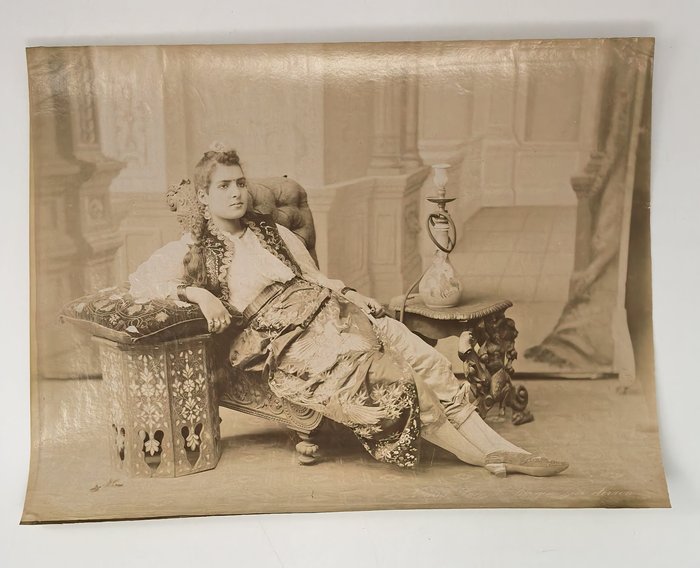
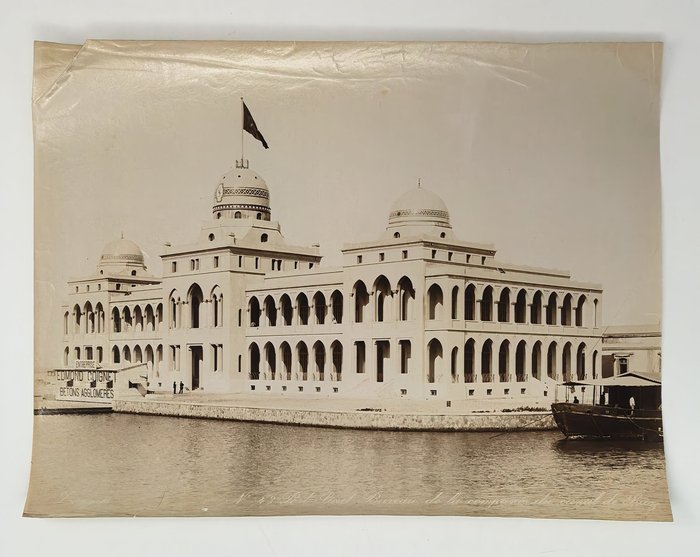
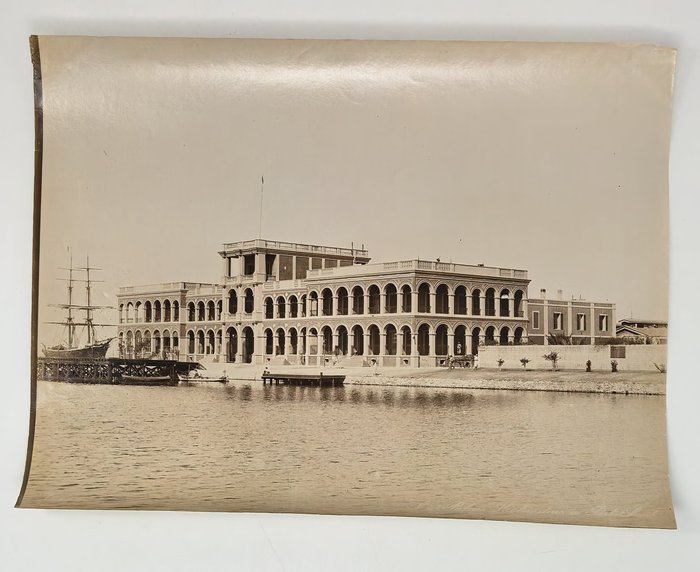
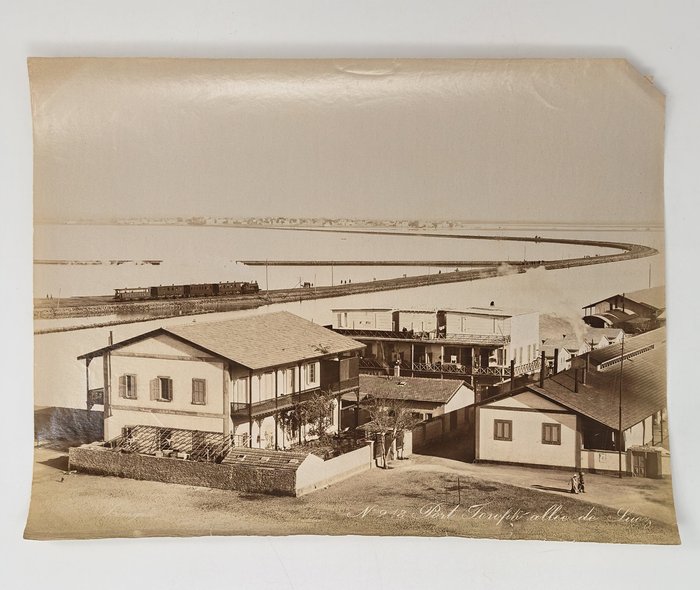
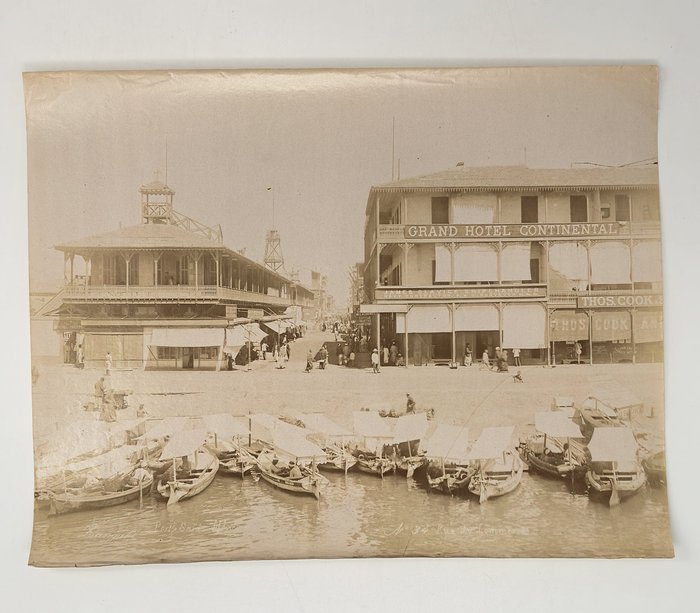
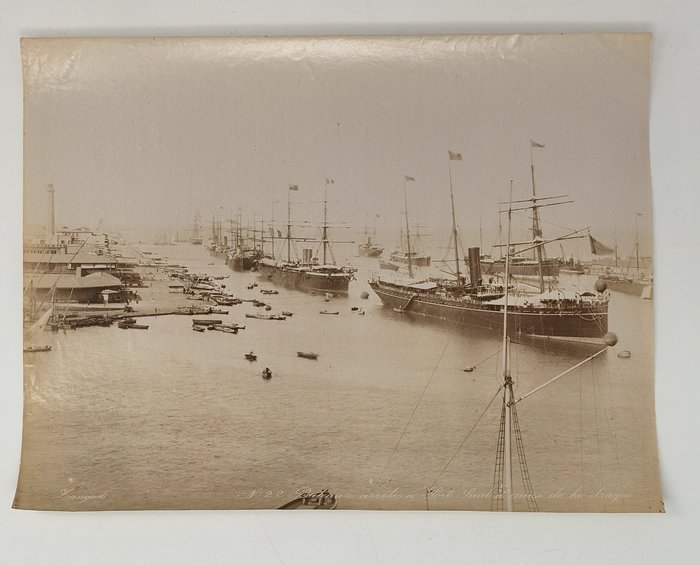
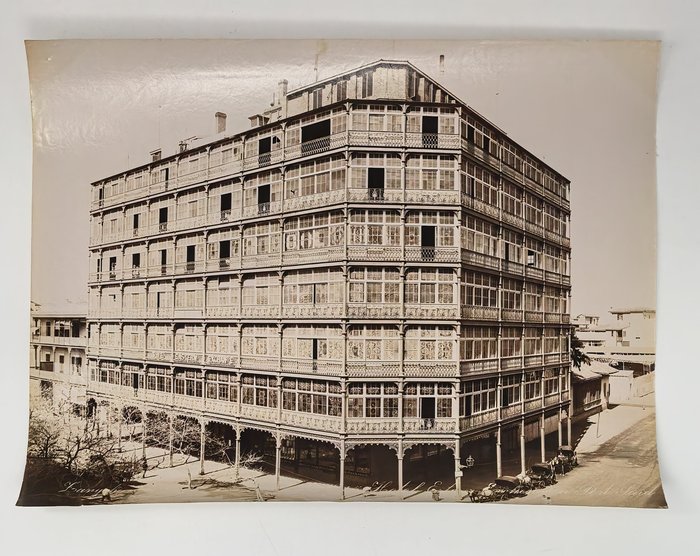
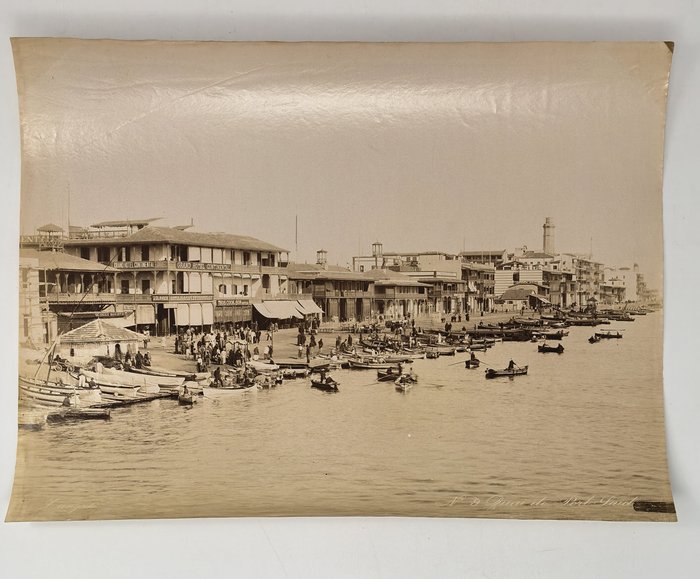
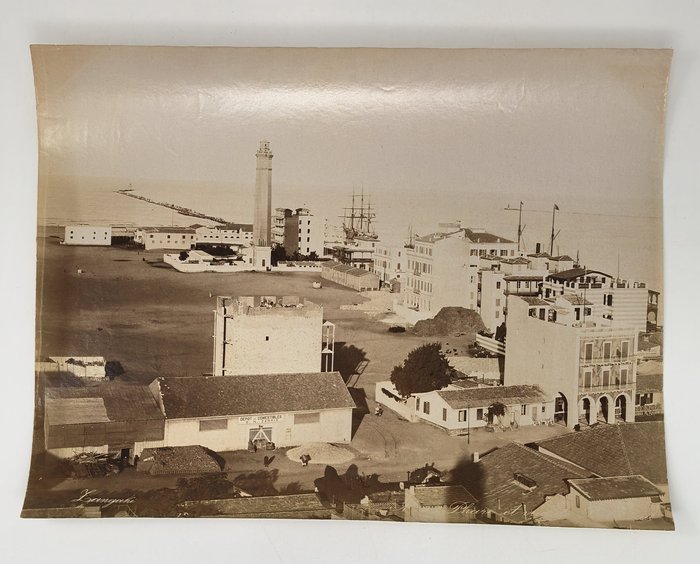
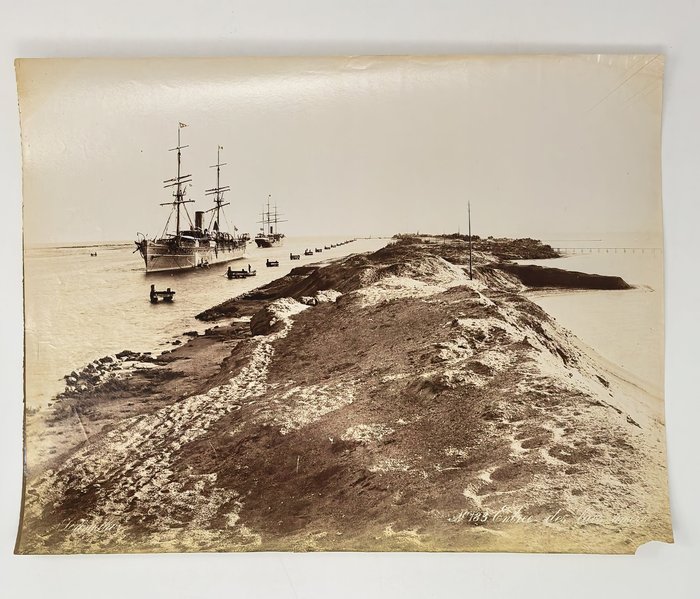
Nine photos of the Pyramids of Giza include general and close-up views of the Pyramids and the Sphinx, featuring Arab villages, Nile channels, camel riders, a traveller in a horse-drawn cart, palm groves, Arab guides atop the Sphinx, &c. Fifteen views of the Suez Canal by Zangaki Brothers show Port Said (general views, Suez Canal Company’s office, the Quay, the Lighthouse, Palais Hollandaise, Rue du Commerce, Eastern Exchange Hotel – including a rare photo when the terraces were not closed off with glass windows), Suez (new quay on reclaimed land/ “quai de terre plein”, Port Tewfik), and several photos of steamers passing through the canal. There are also several portraits of Egyptians and Middle Eastern people (“Chech Arabe,” a man wearing a turban, women wearing elaborate costumes, smoking “le nargile” (hookah), a boy with donkey, an adolescent girl, “Fille de Prince du Mt. Liban”), views of the fallen colossal statue of Ramses II near the ruins of Memphis in Bedrechen/Badrashim, an Arab village on the Nile, &c.
Six smallest photos, evidently made to be sold as cartes-de-visite (but not yet mounted on card, which is a rare example), show the Pyramids of Giza, the Great Pyramid, Cairo Citadel and Muhammad Ali Mosque, dredges working on the excavation of the Suez Canal, and two portraits of Egyptian women with closed faces.
Overall, an interesting, extensive collection of early original studio albumen photos of Egypt and its people in the second half of the 19th century.