
#NY011
Ca.1890s-1910s
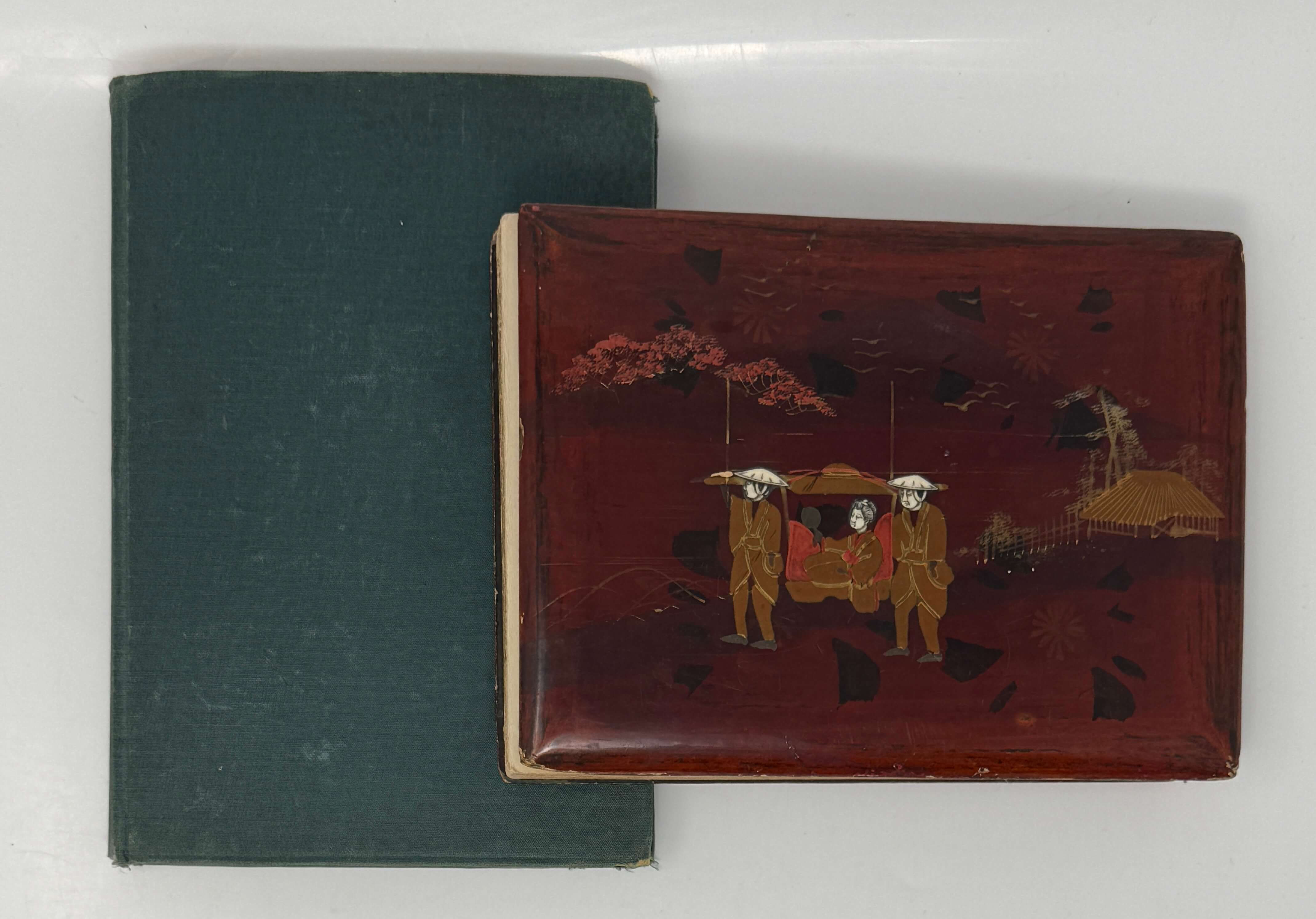
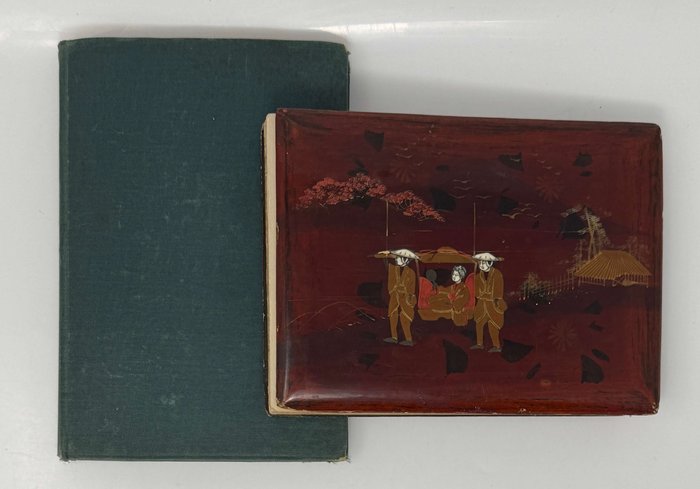
Oblong Quarto album (ca. 15x19 cm). 12 card-stock leaves. Period black lacquered boards with elaborate inlaid motifs. 39 photographs, from 7,5x7 cm to 9x13,5 cm. Almost all photos are captured in pre-revolutionary Russian. Front board of the album is detachable. Few photos faded, rear cover slightly scuffed. otherwise good.
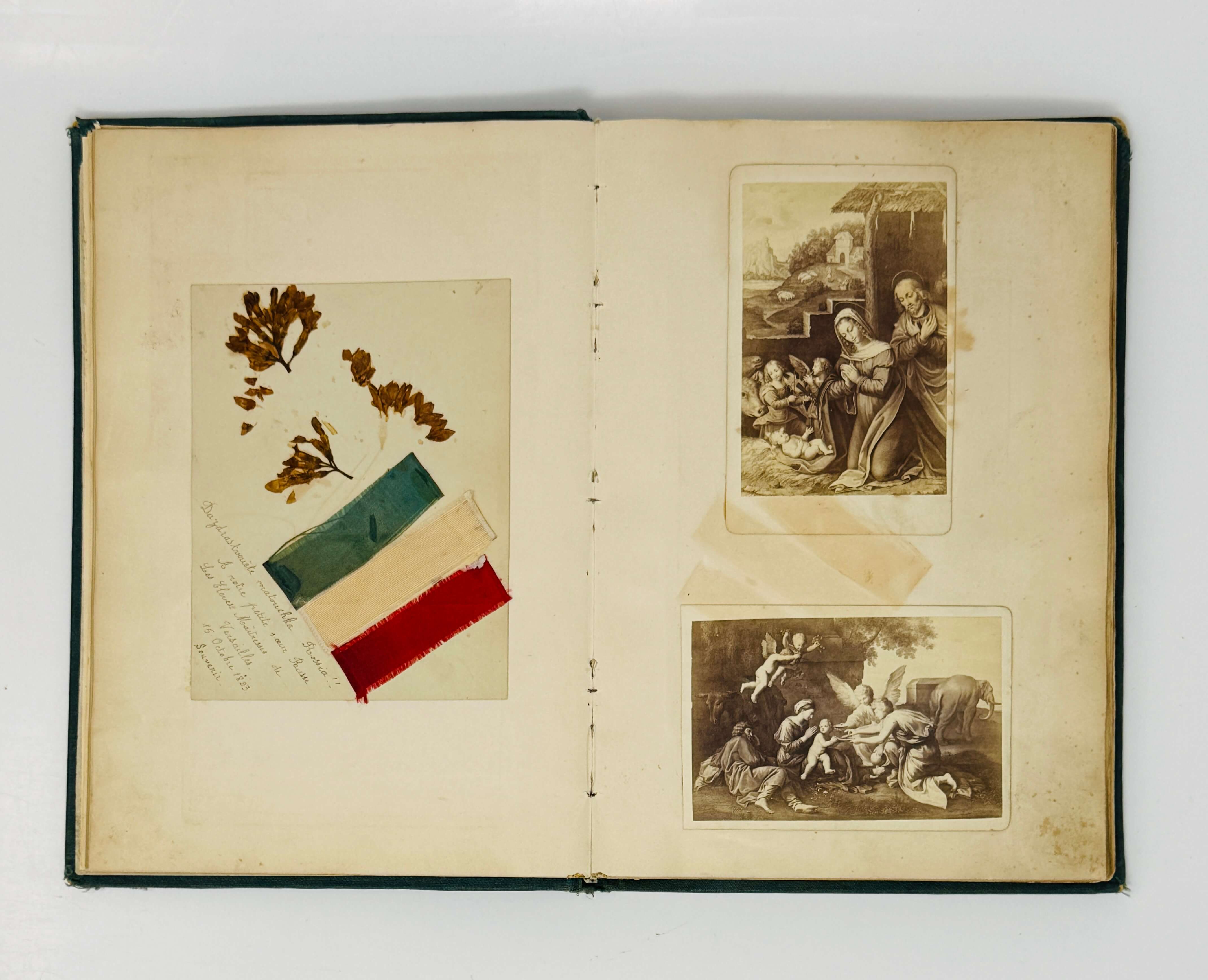
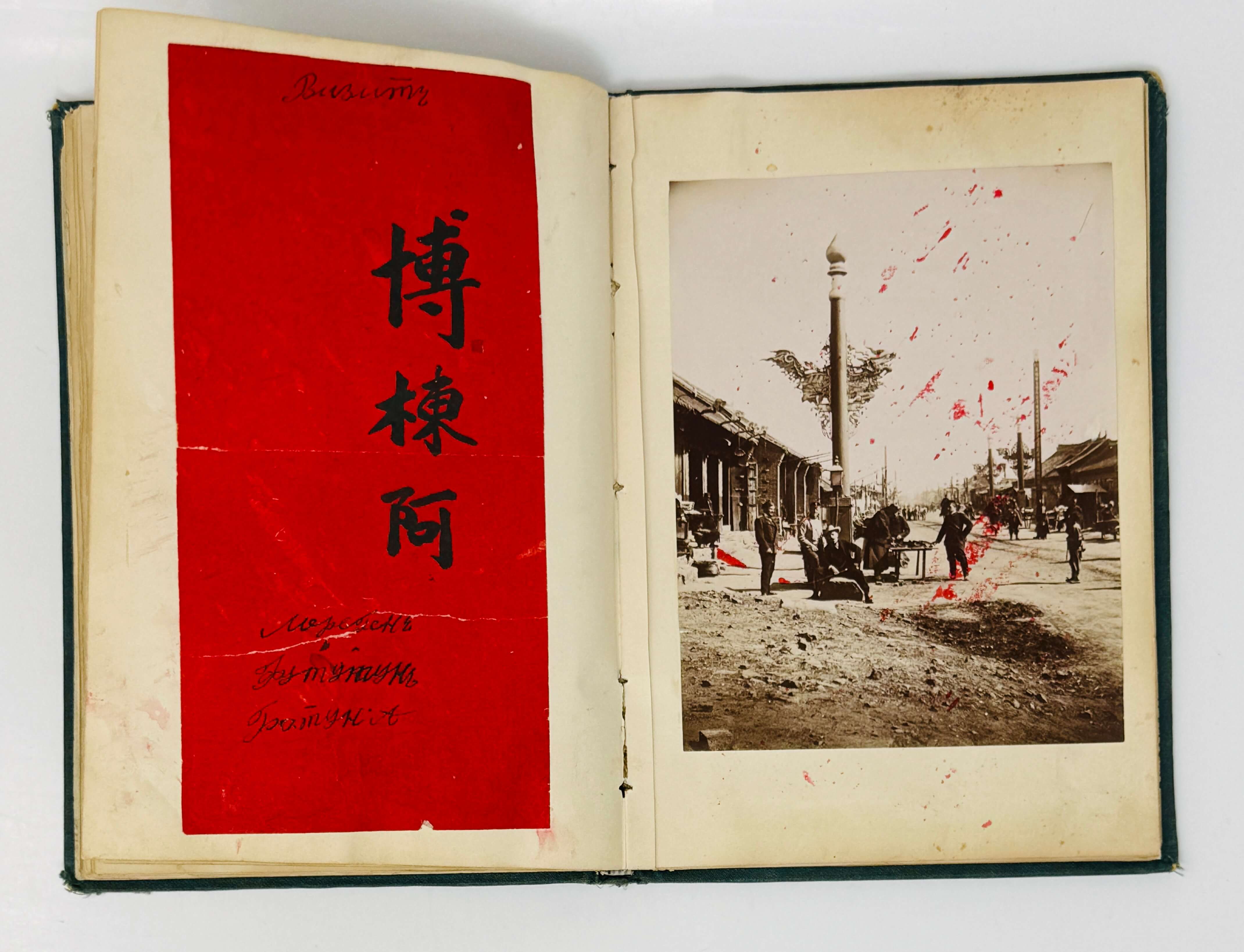
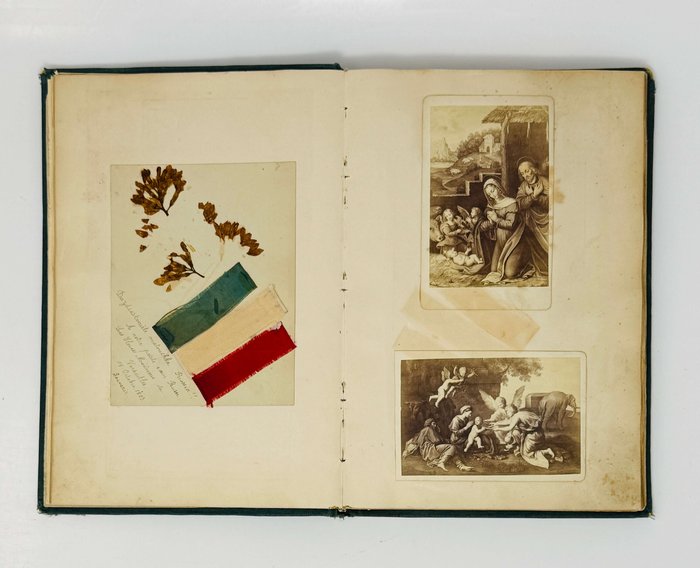
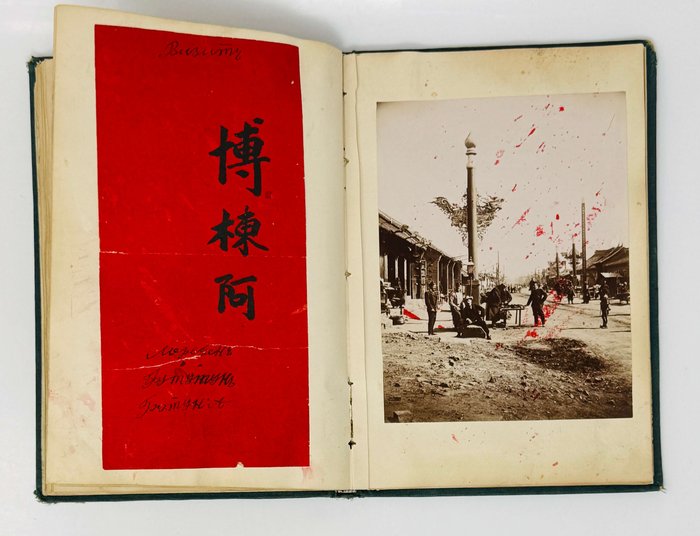
Octavo album (ca. 21,5x14,5 cm). 47 leaves (23 blank). Period green cloth binding. 73 photographs from 5,5x8,5 to 16,5x11,5 cm. Approximately half of the photos are captioned in Russian. The album is signed ’Sophie Stcherbakof. 26/1/1896 on the half-title’, the next page includes a deduction leaf from Alexei Fedorovich Vedernikov to Maria Fyodorovich and Nikolay Smirnov, who got married on 26th of January, 1896 in Verny (now - Alma-Ata, Kazakhstan), next to the dedication is a song Vedernikov sang at their wedding, on which he was the best man. Also album includes three pasted postcards, a collage with three cloth stripes red-blue and white and a praise for ‘matouchka Rossia’ in mix of French and latinized Russian, dated 1893 and a red piece of paper with printed in Chinese ‘Badong’ for the name of Badong province, and three geographical names from the province in Russian. Few photos are faded and with tears but overall in good condition.
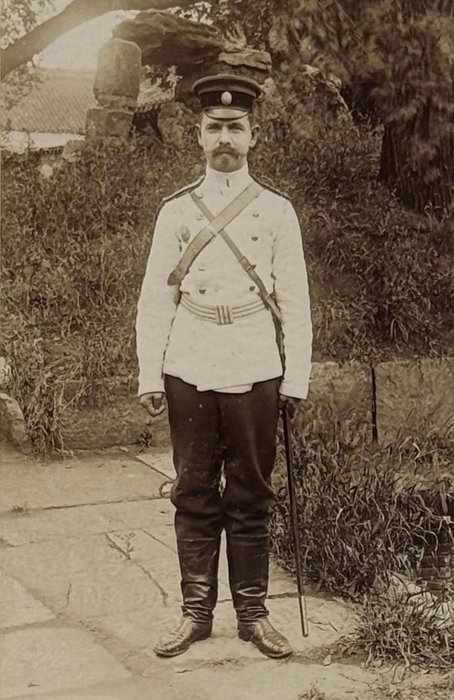
The albums are coming from the families of the Russian officers, who served in China, Central Asia and the Far East in the last two decades of the existence of the Russian Empire. The album share provenance and have belonged together in the collection we acquired them from, although it is unclear if the people on the photos are related.
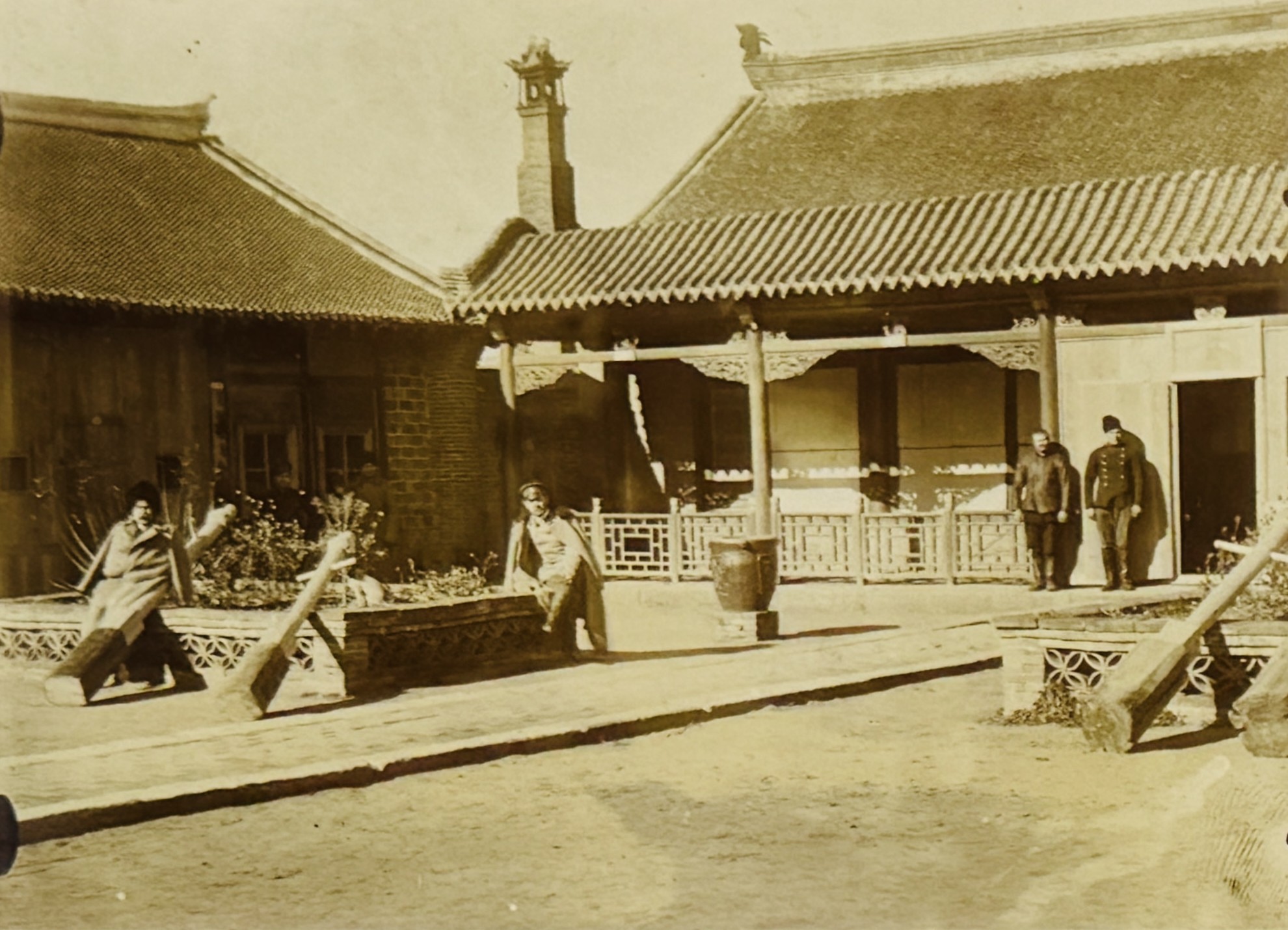
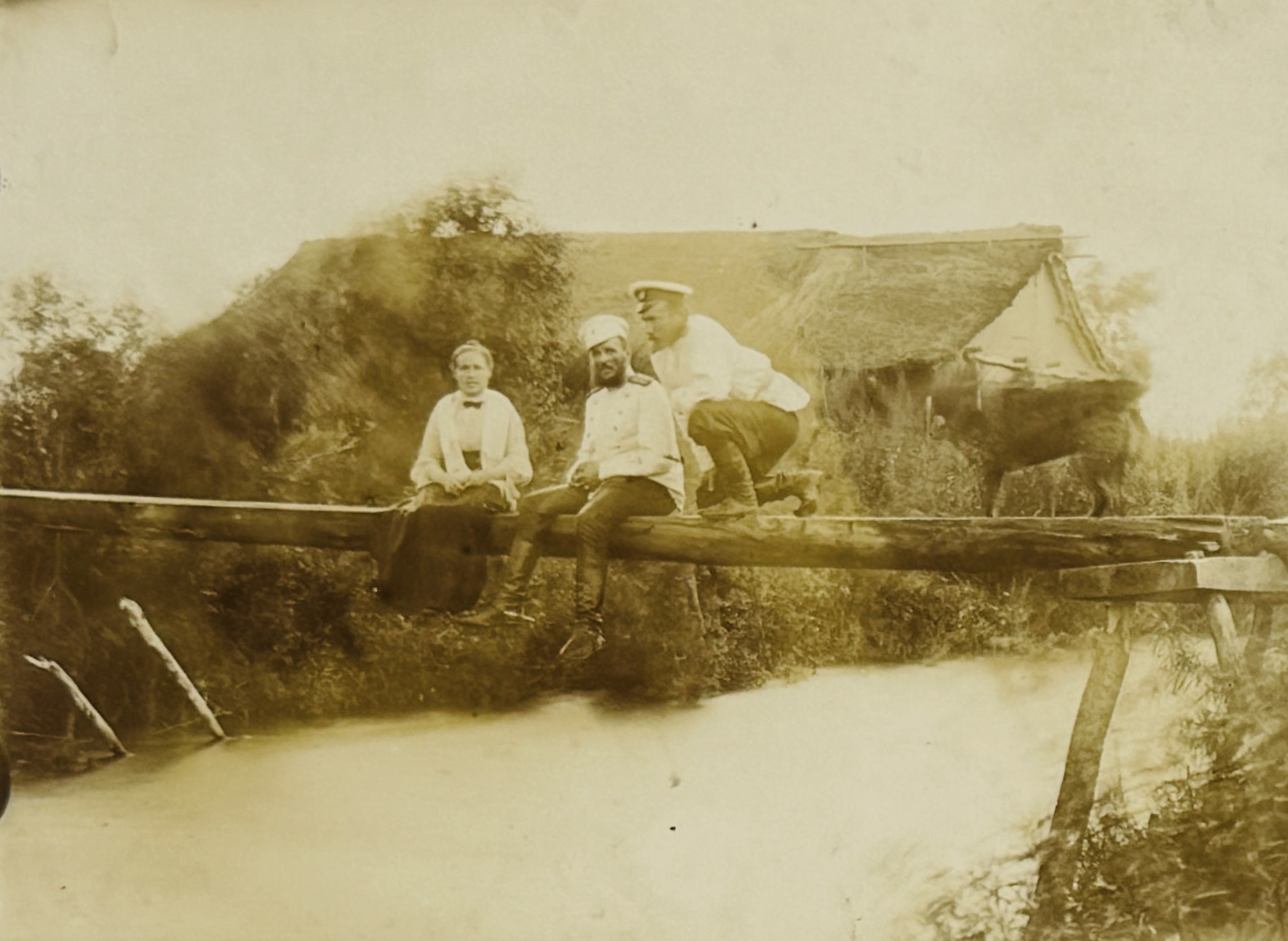
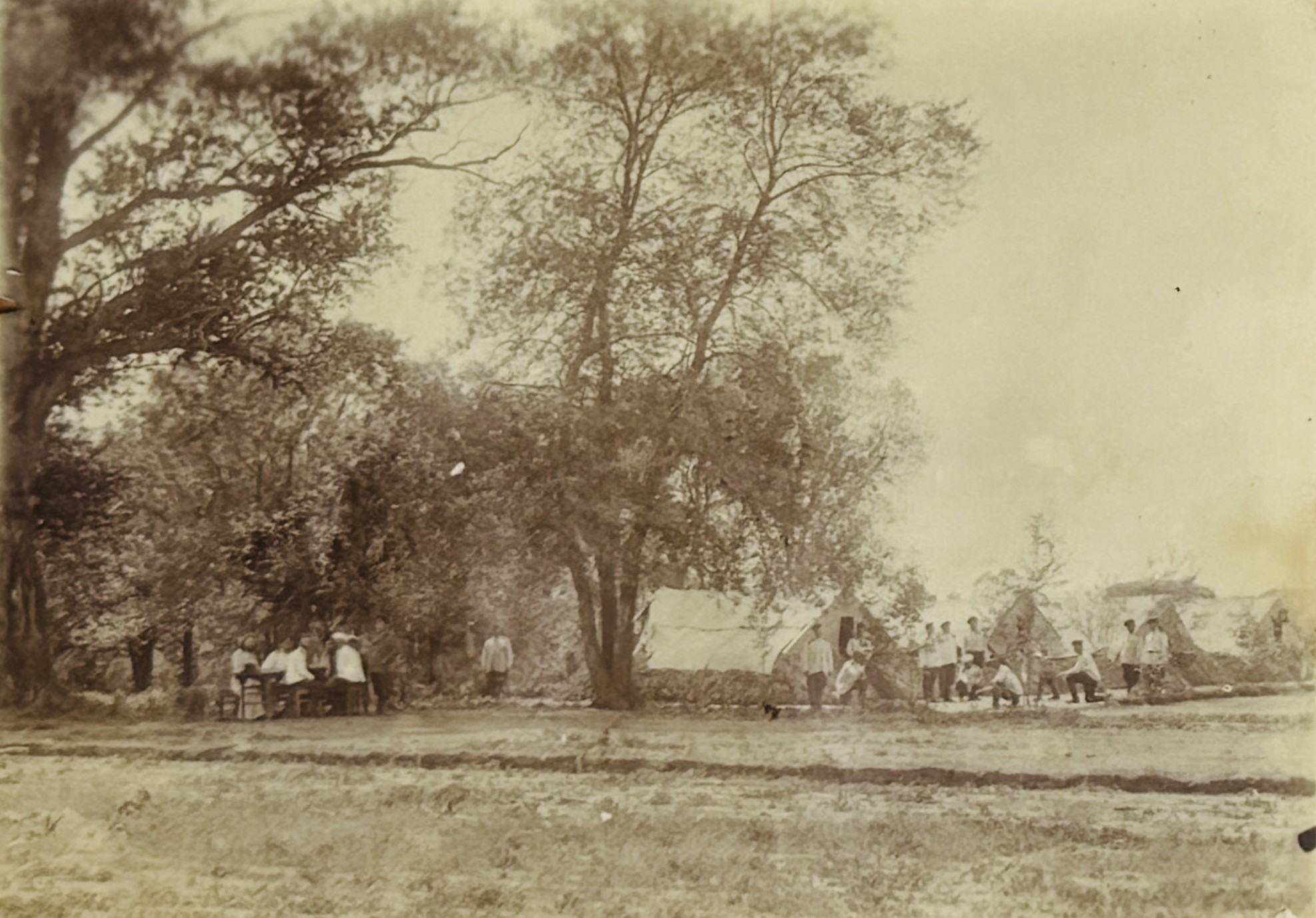
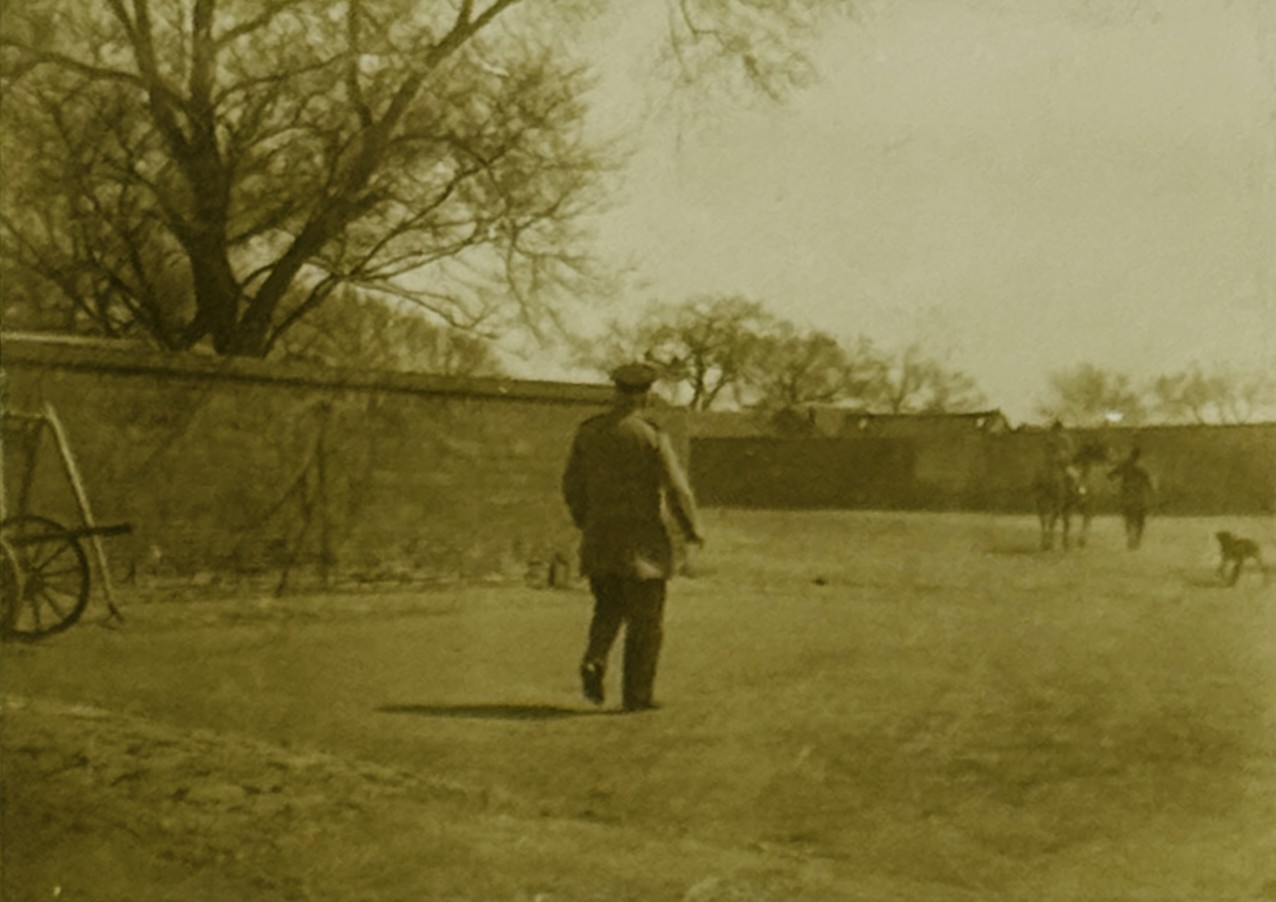
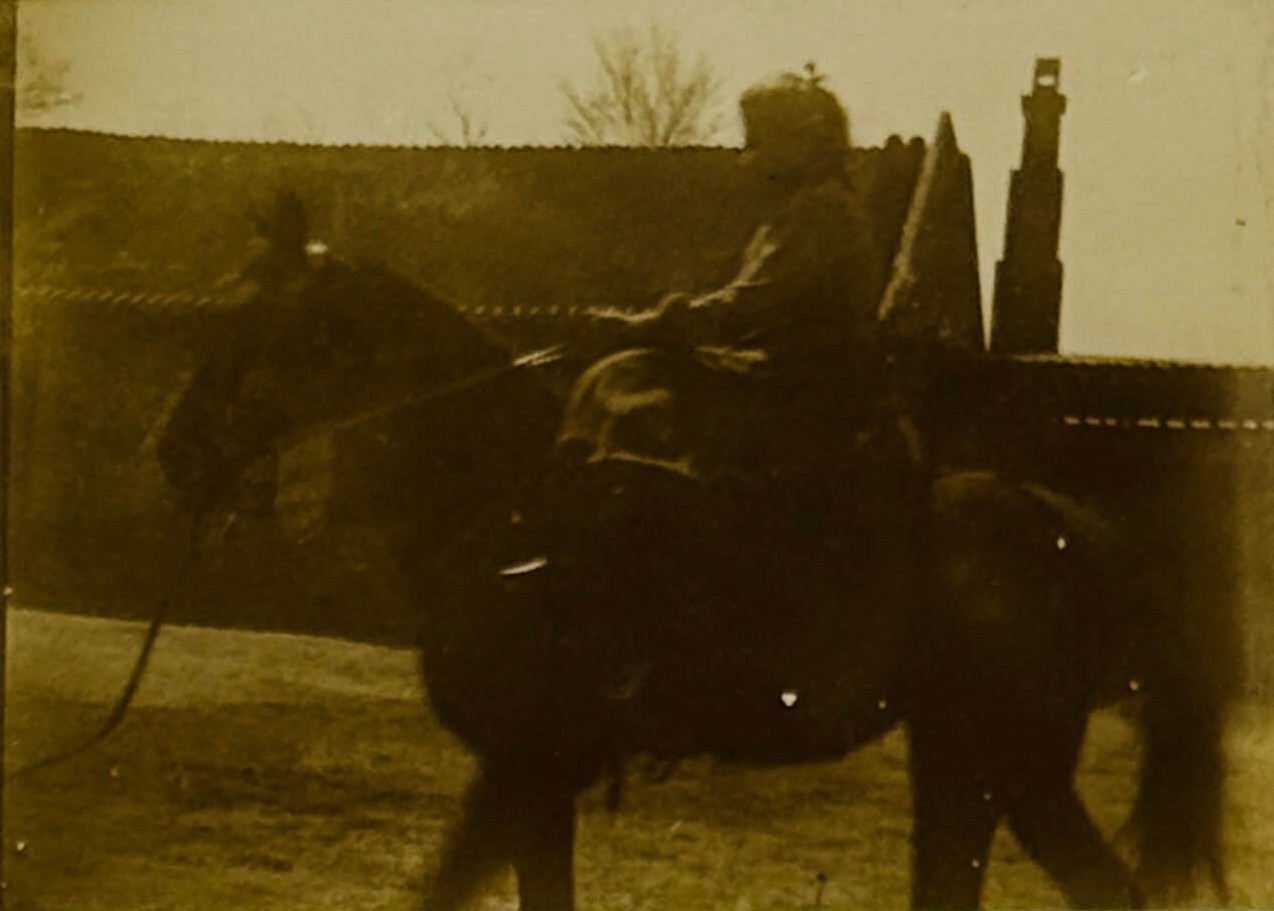
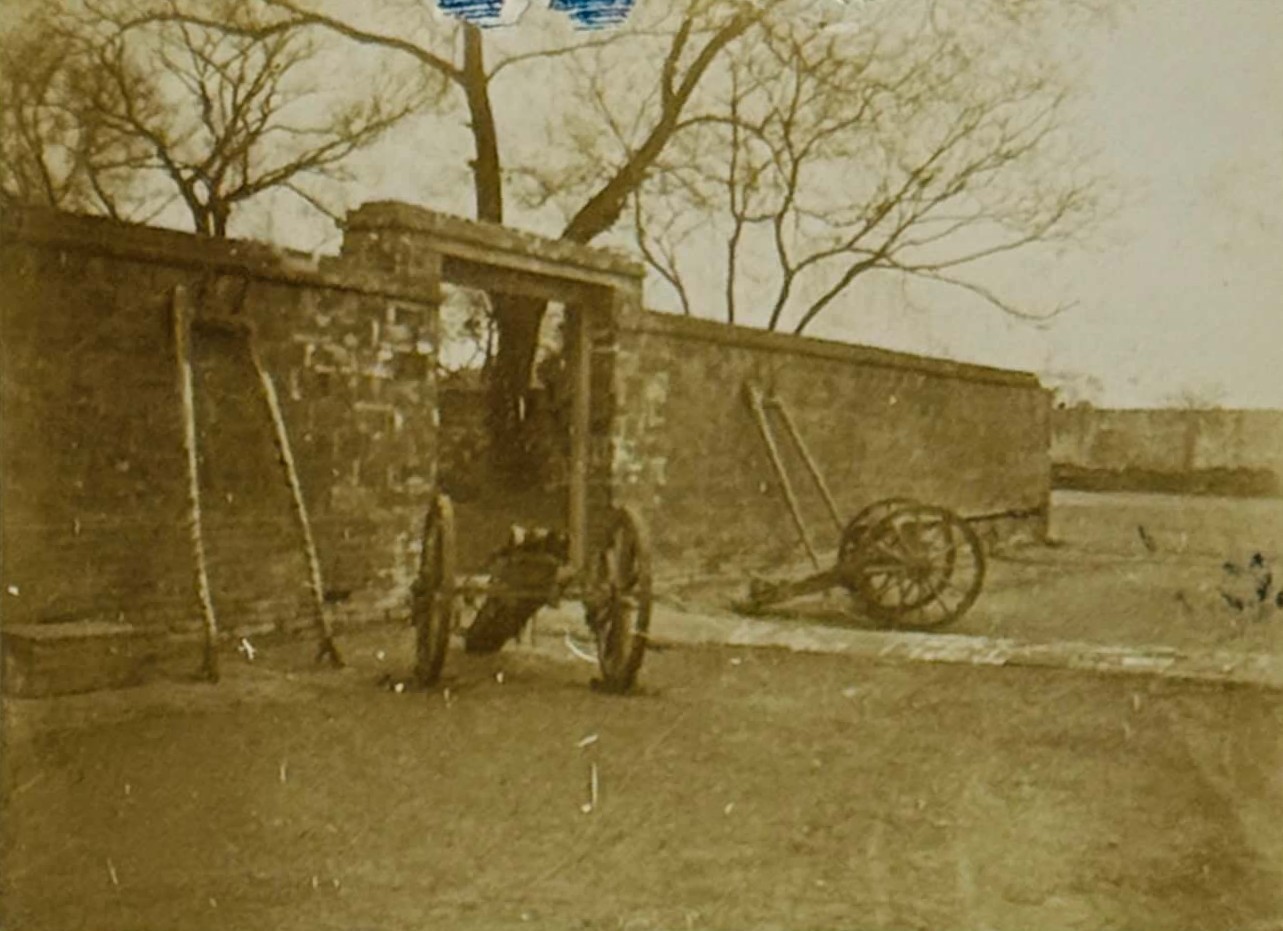
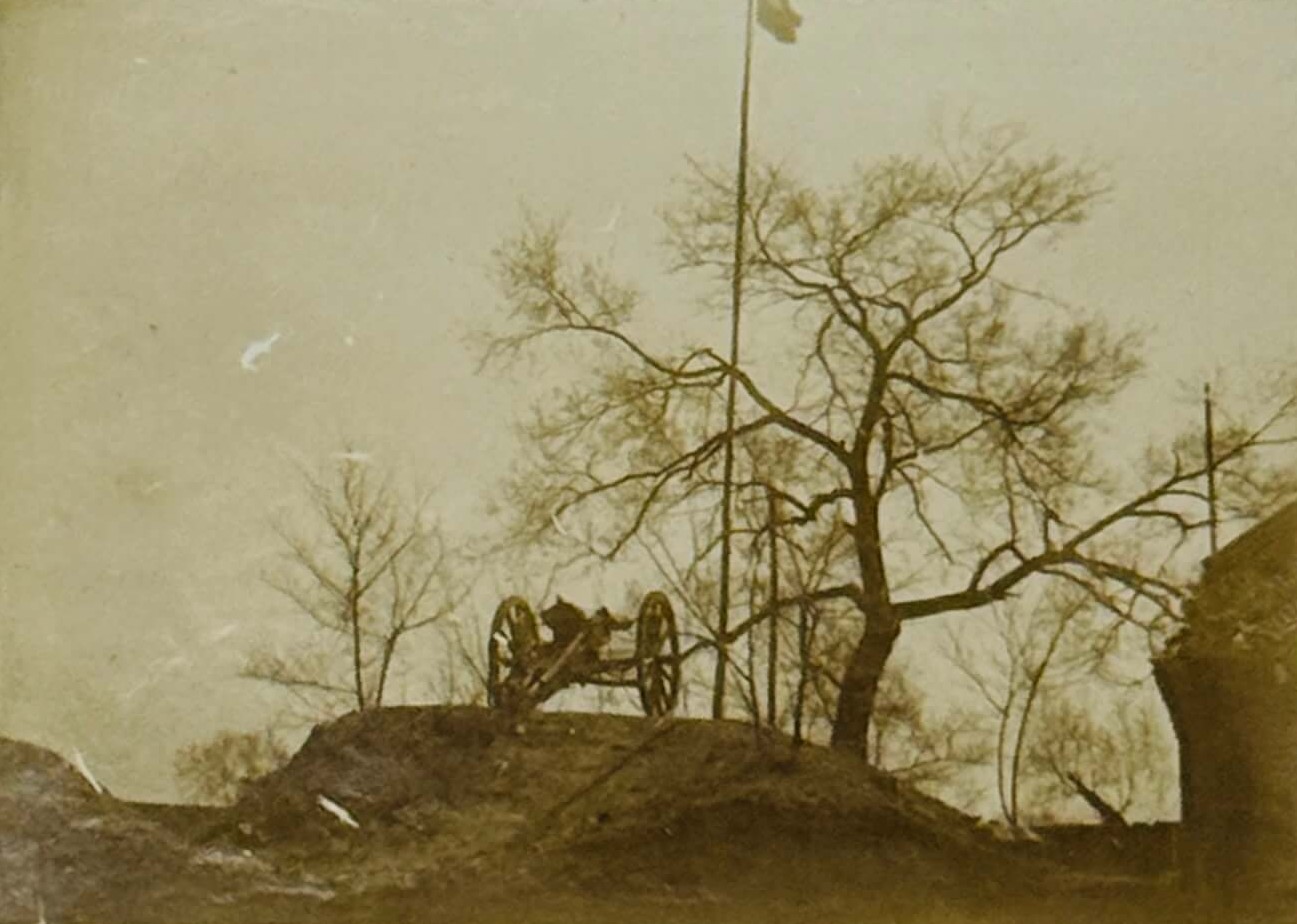
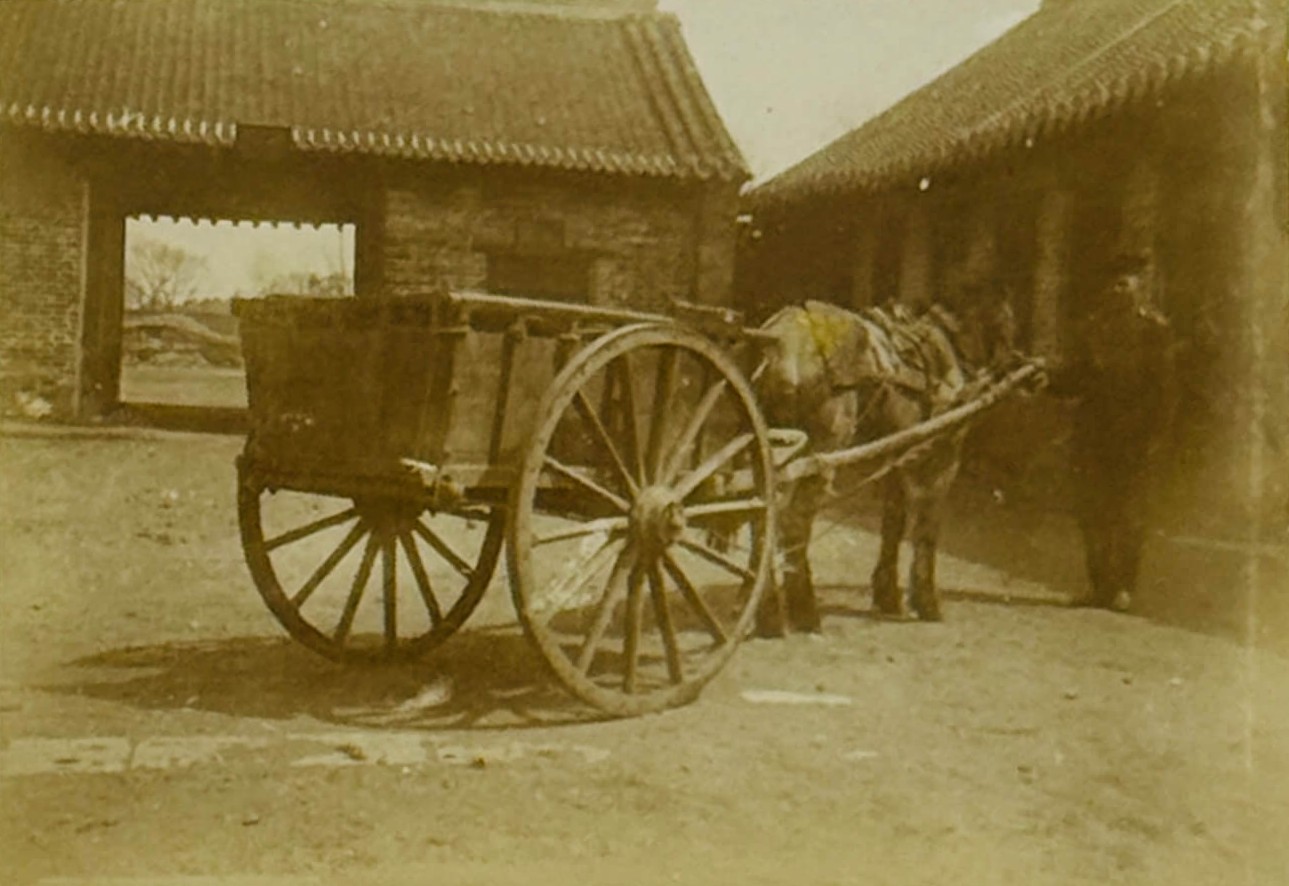
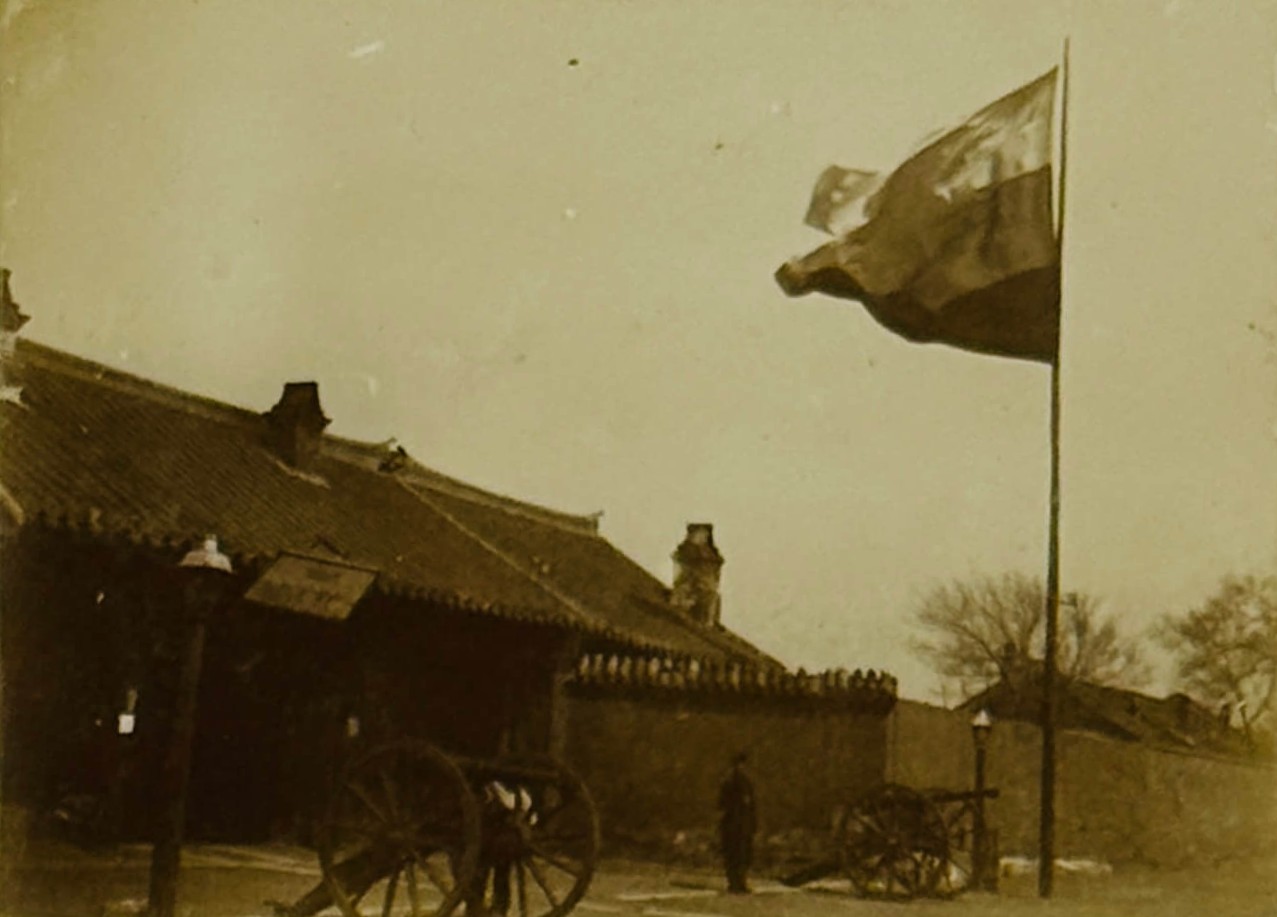
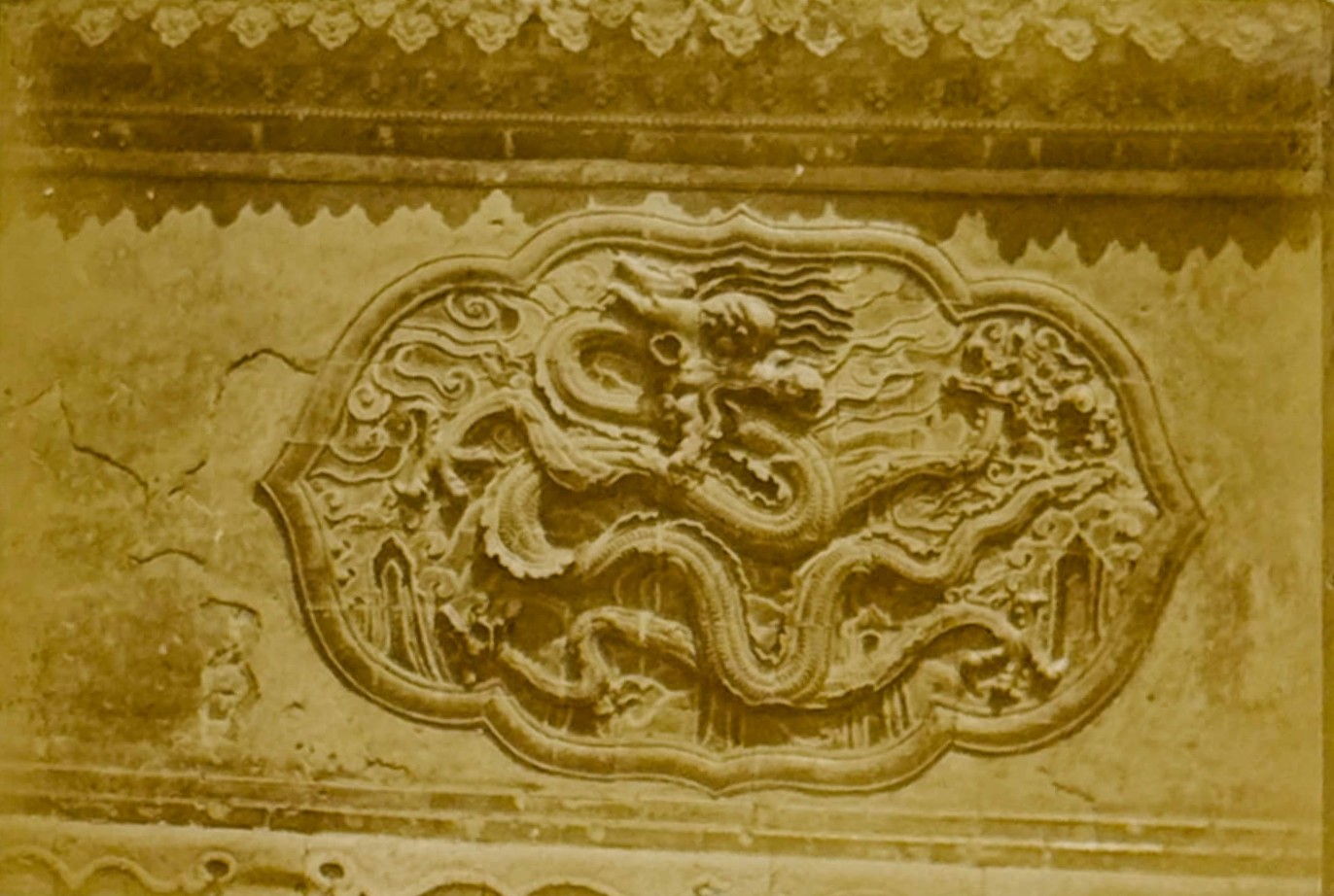
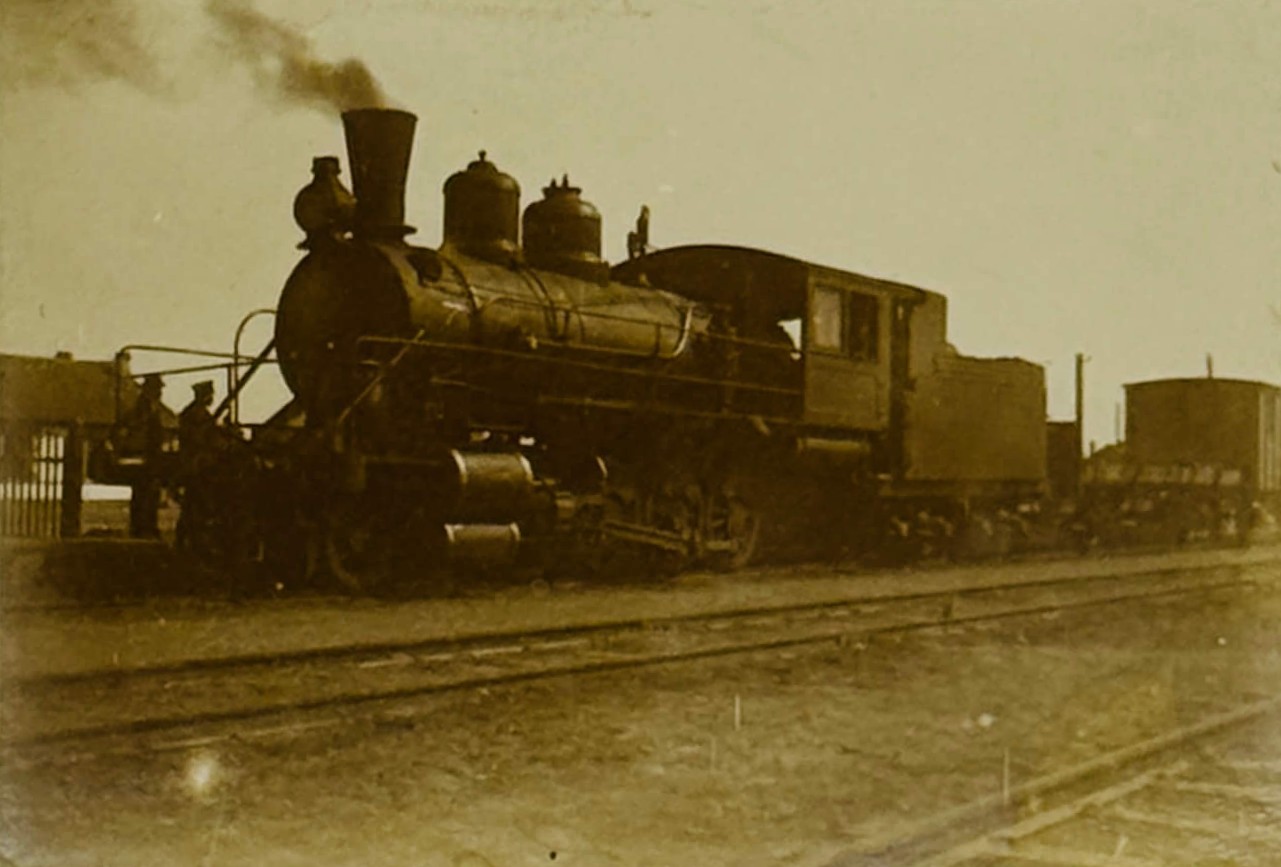
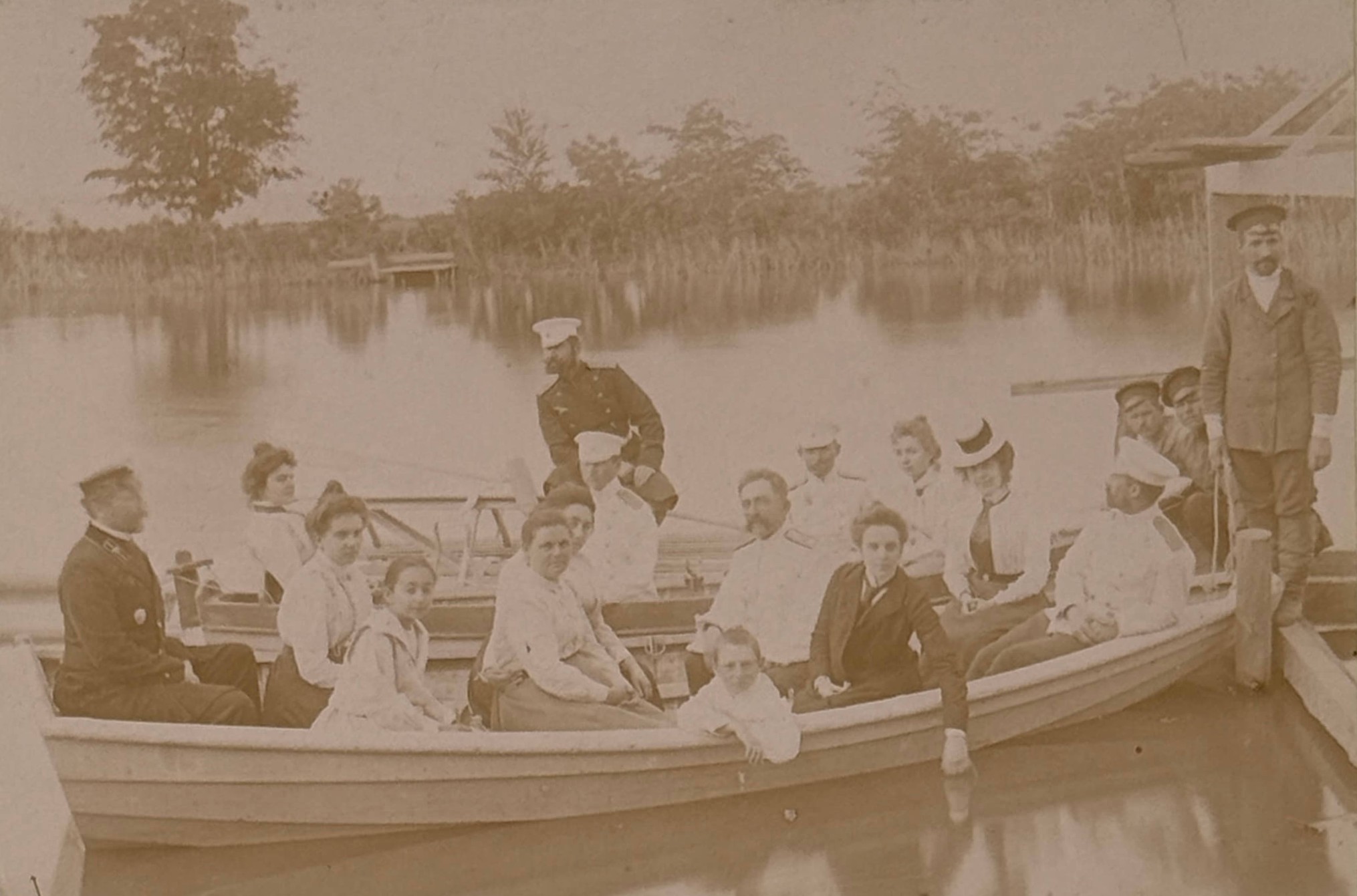
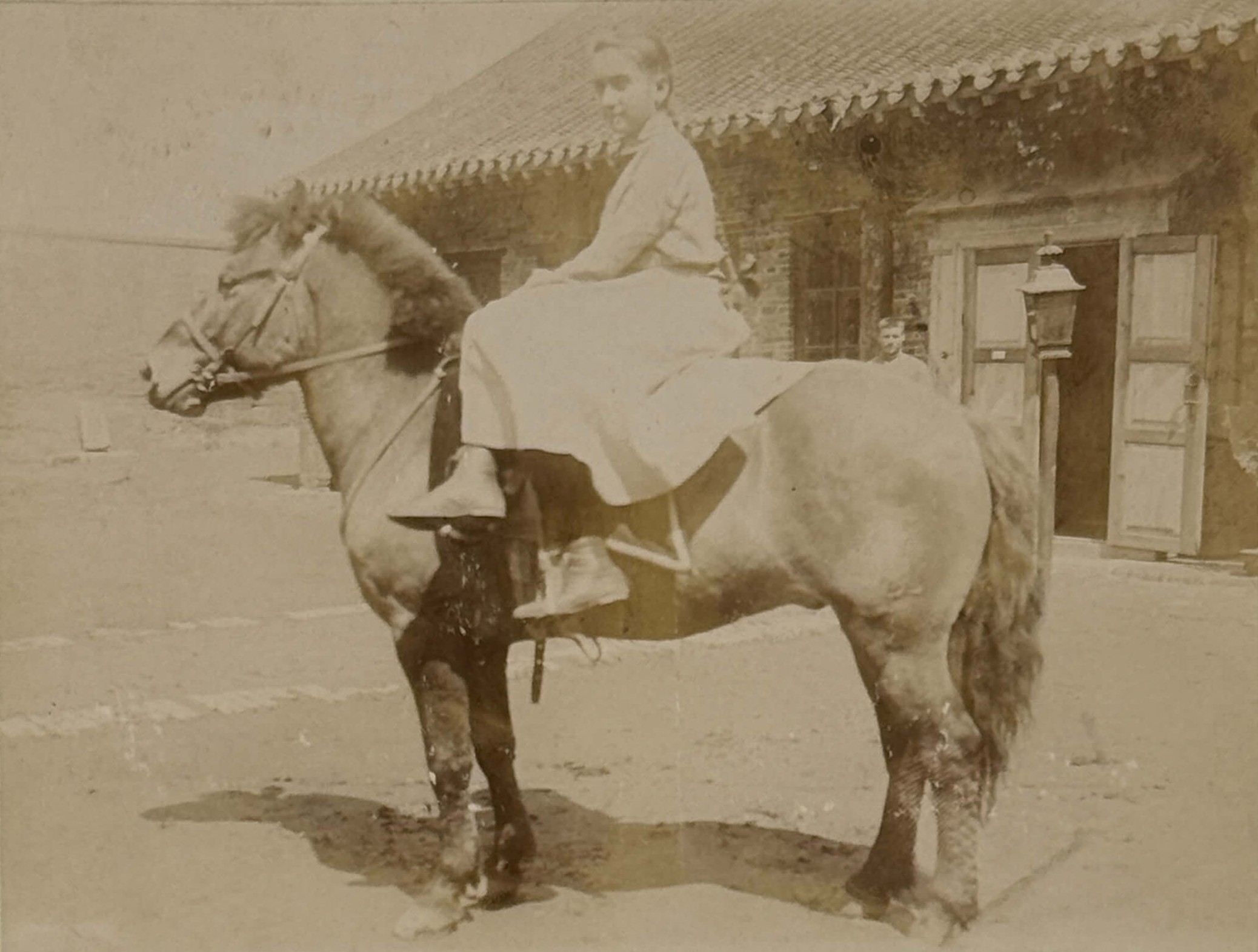
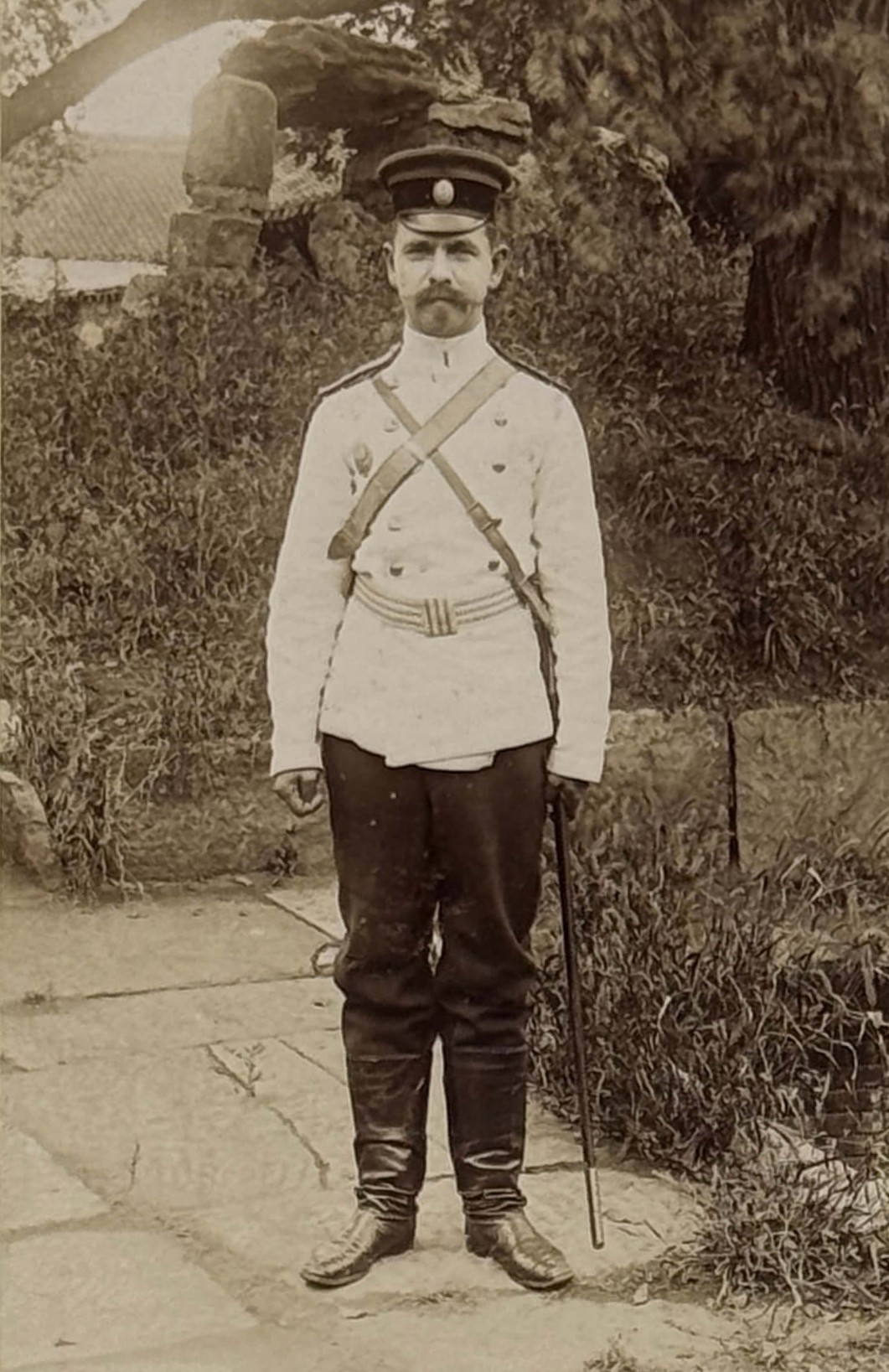
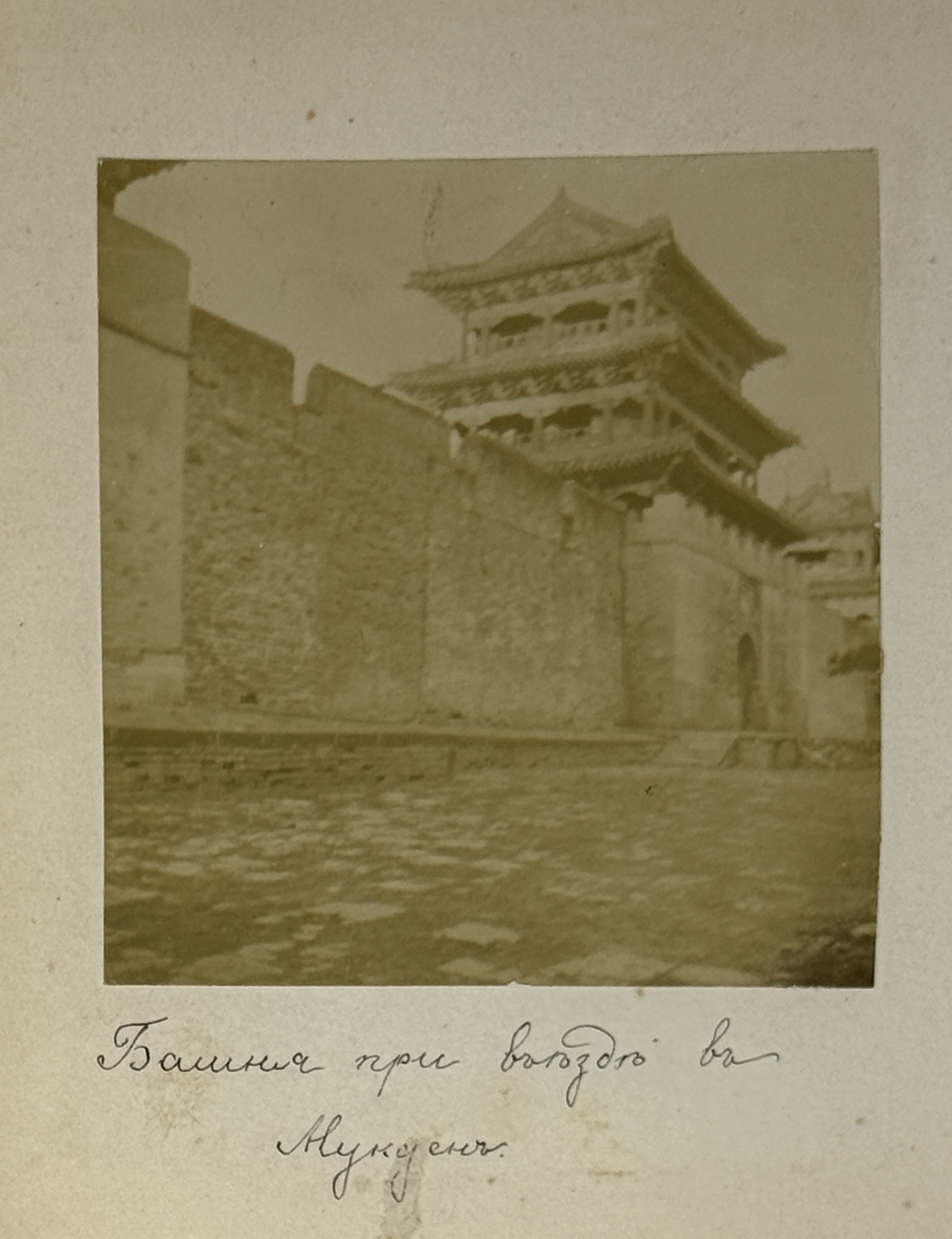
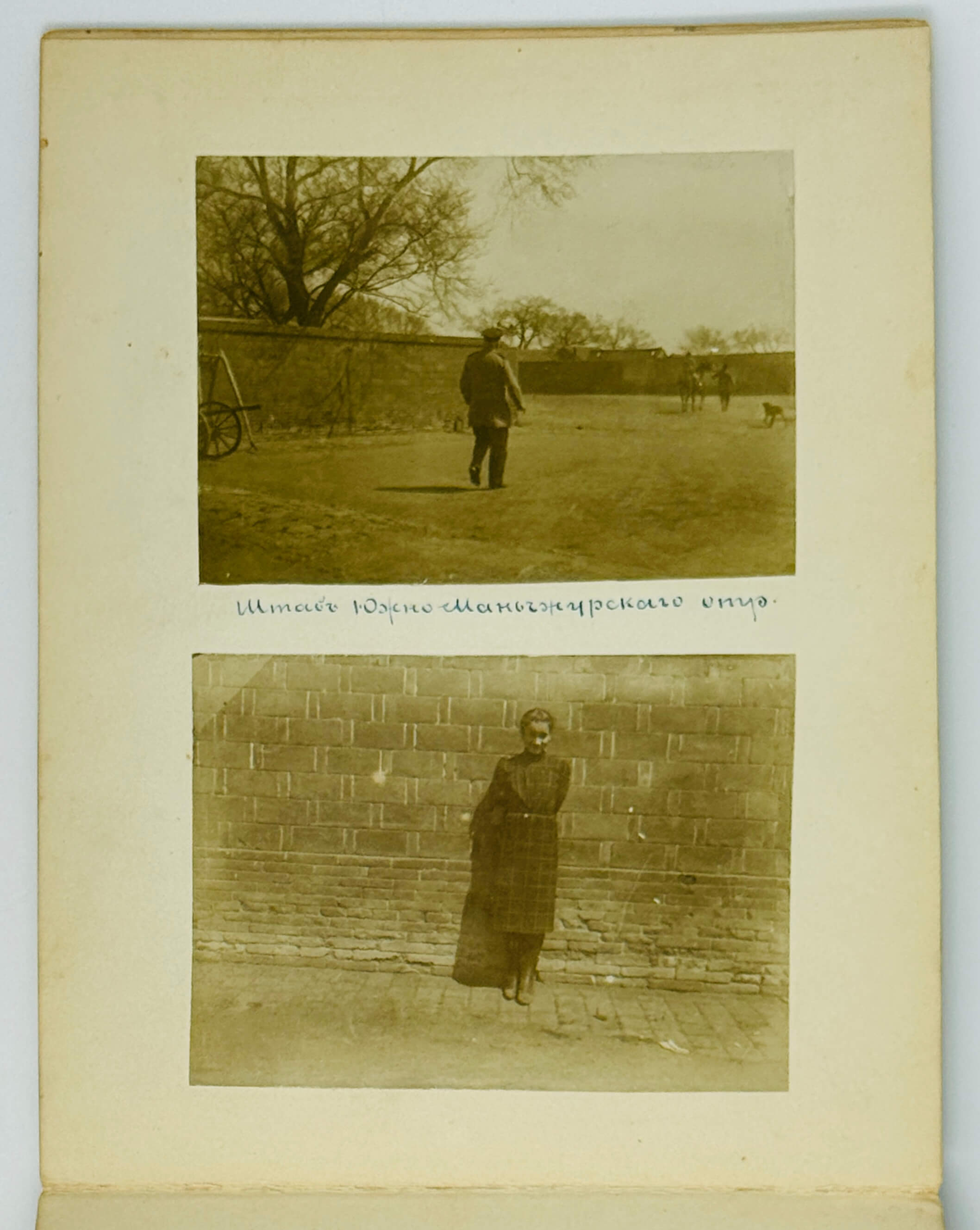
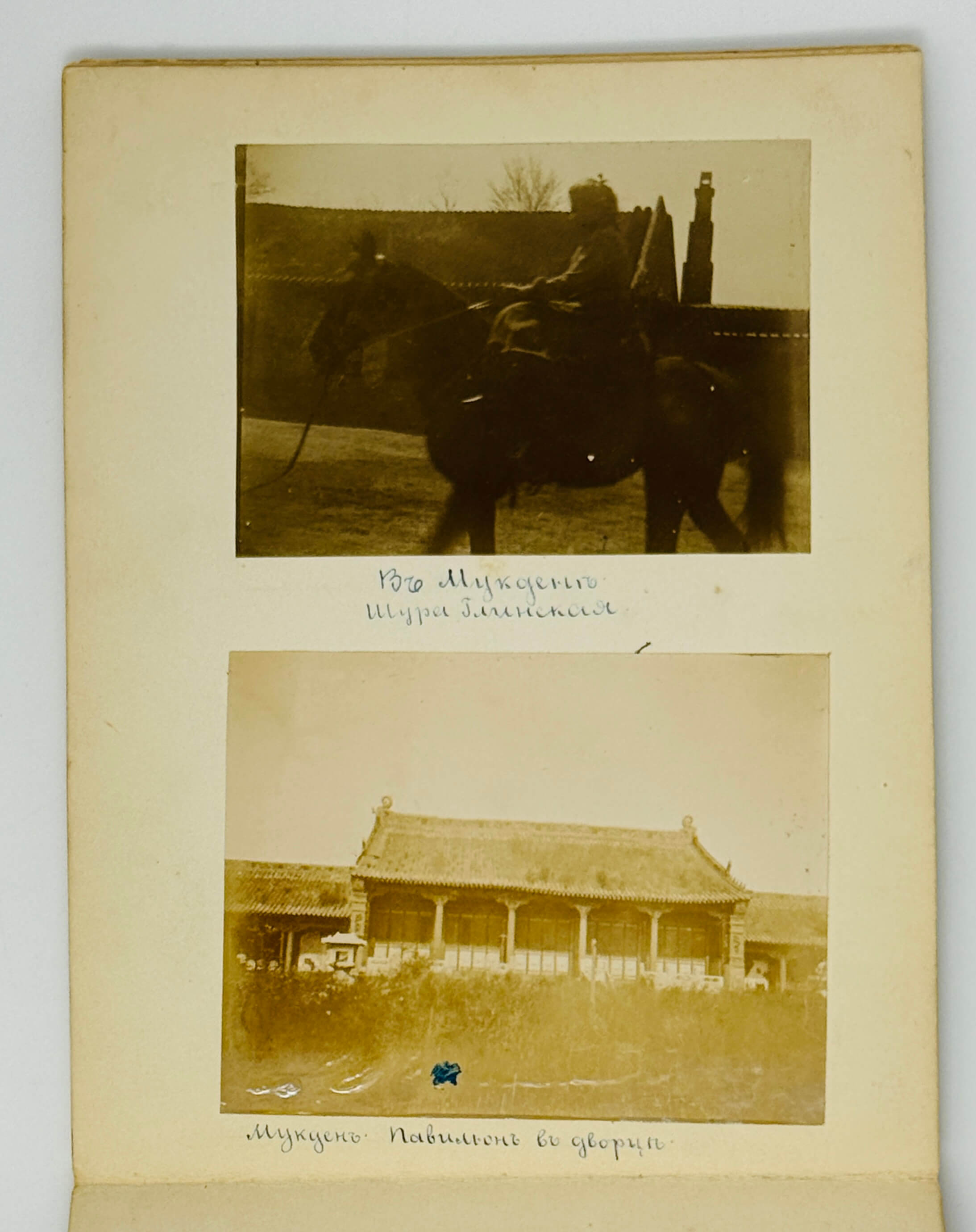
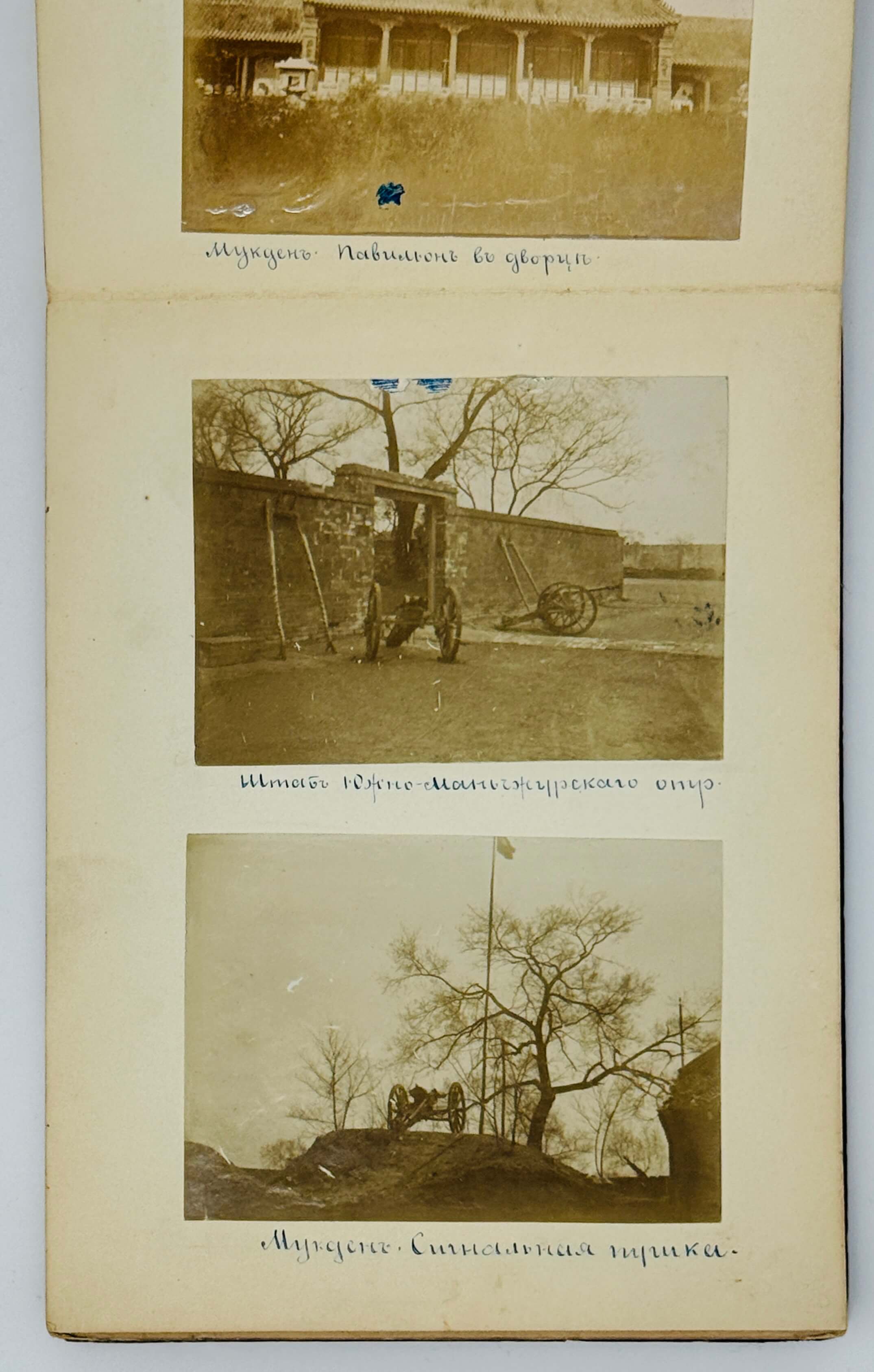
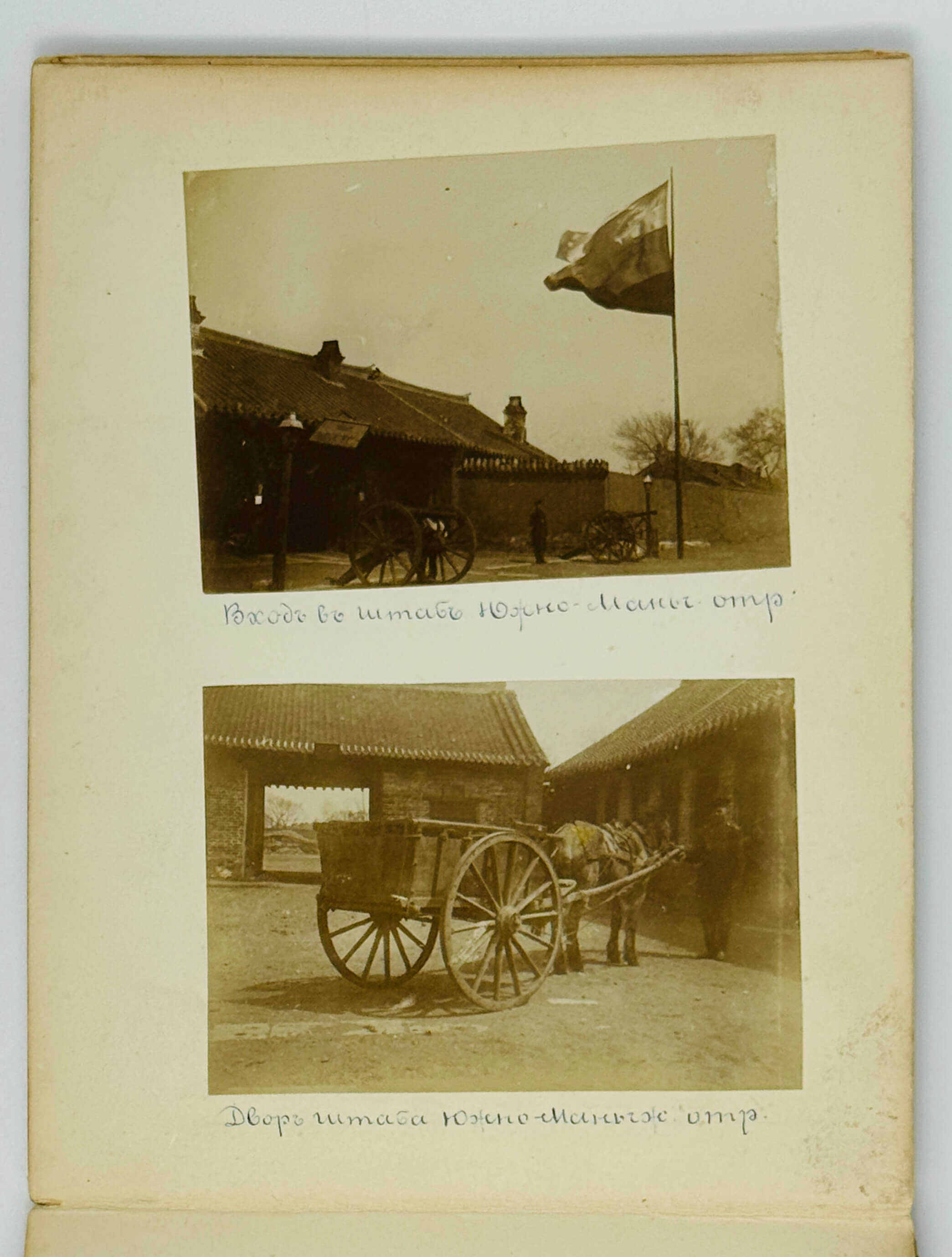
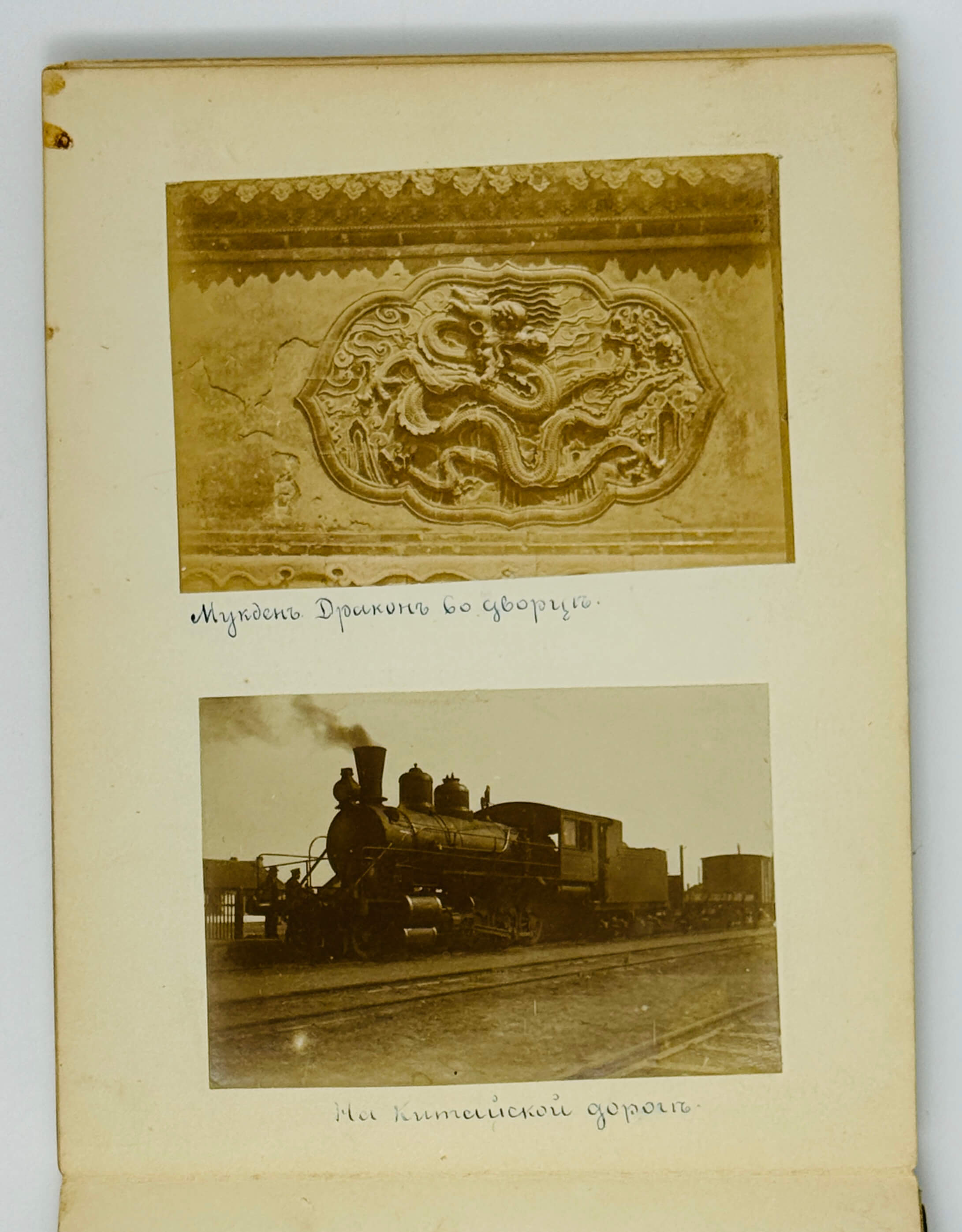
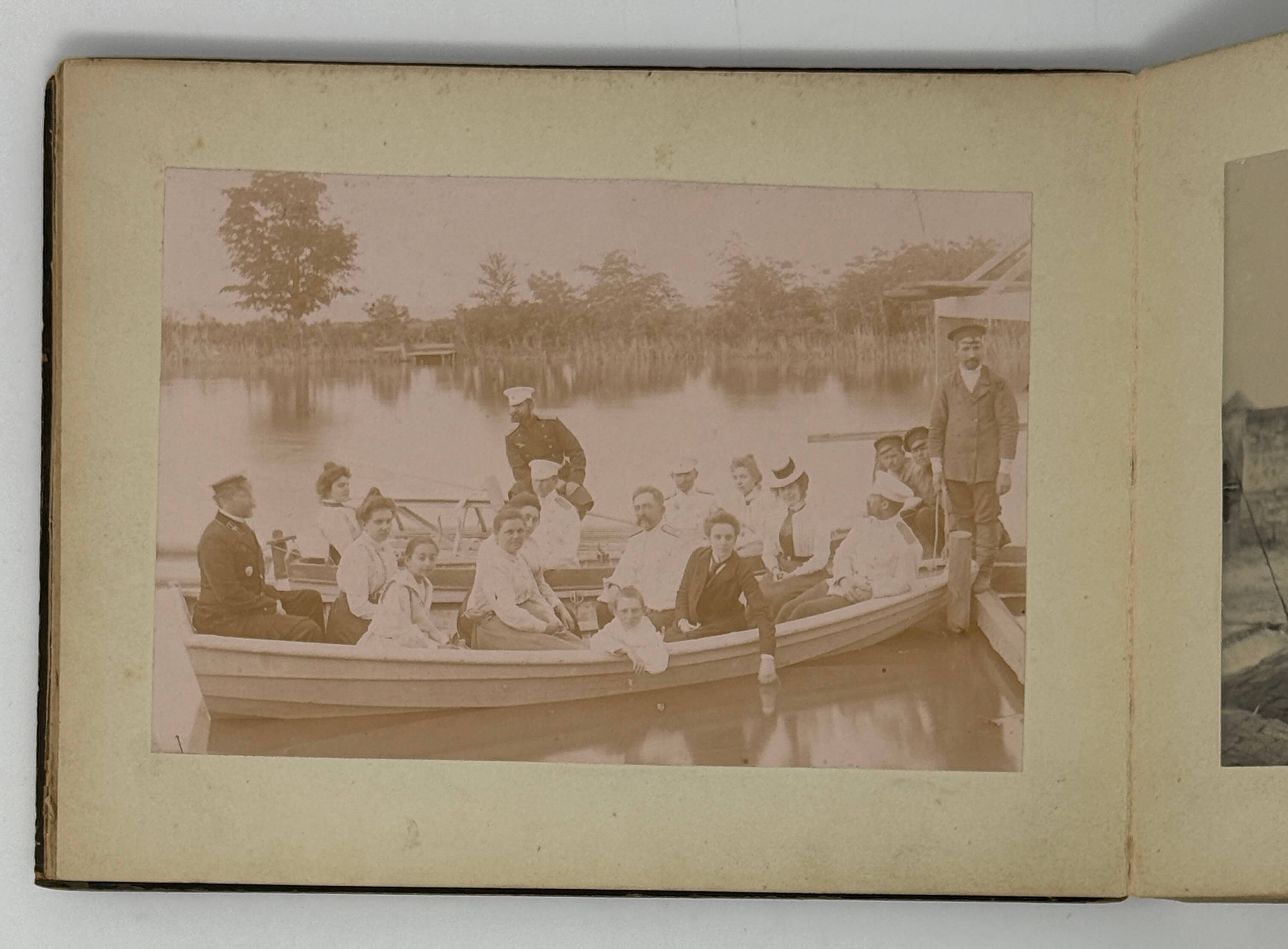
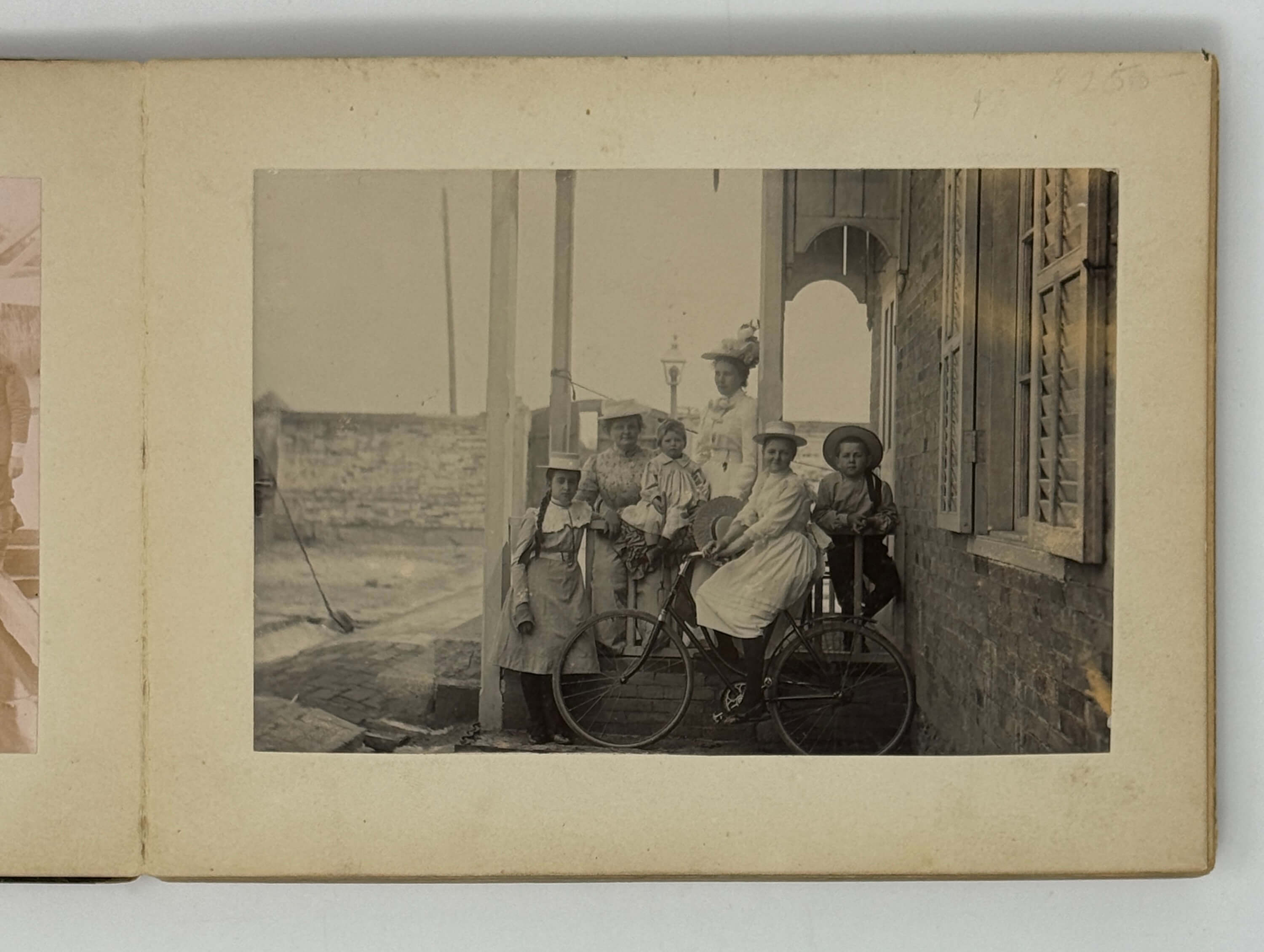
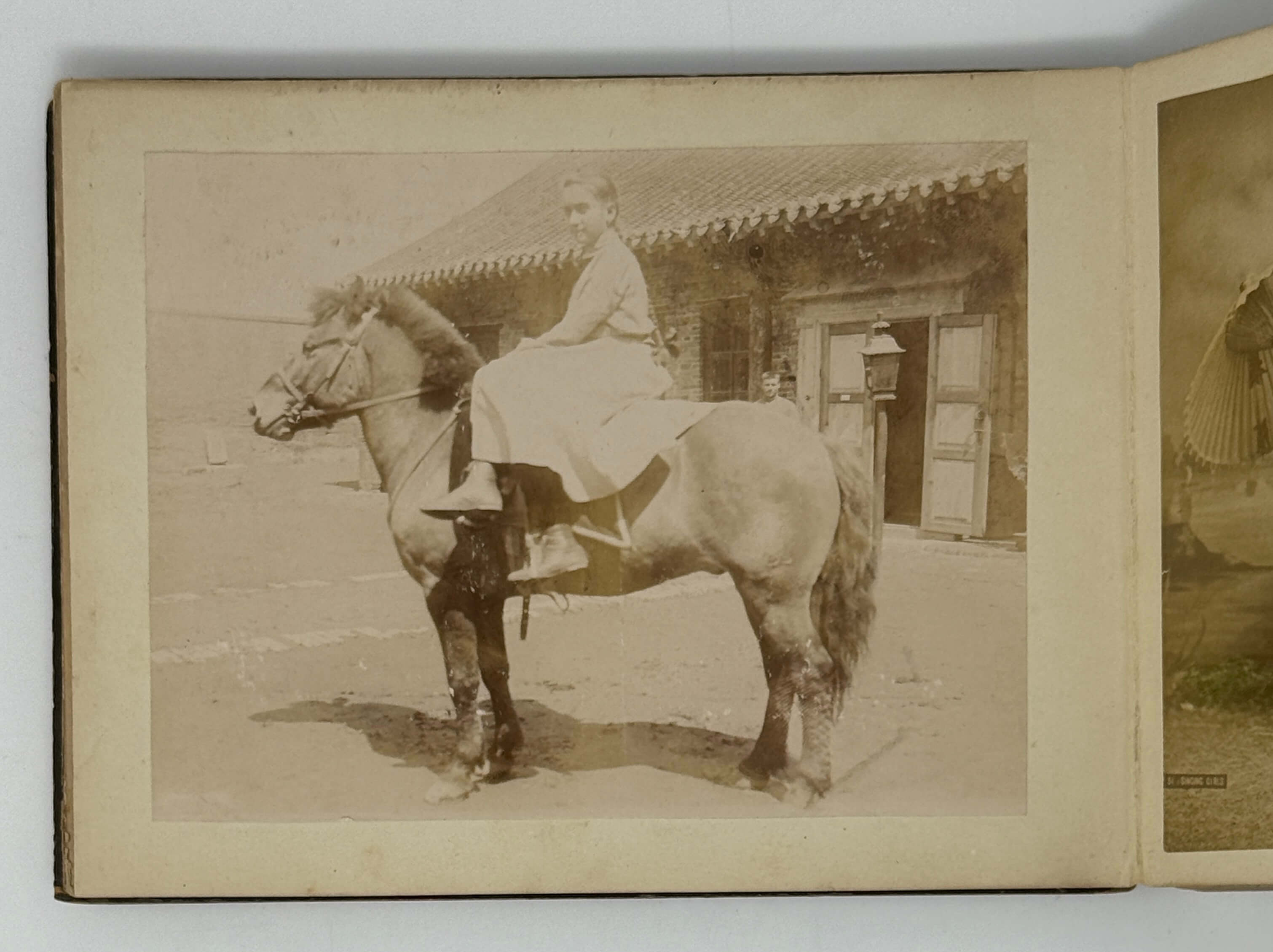
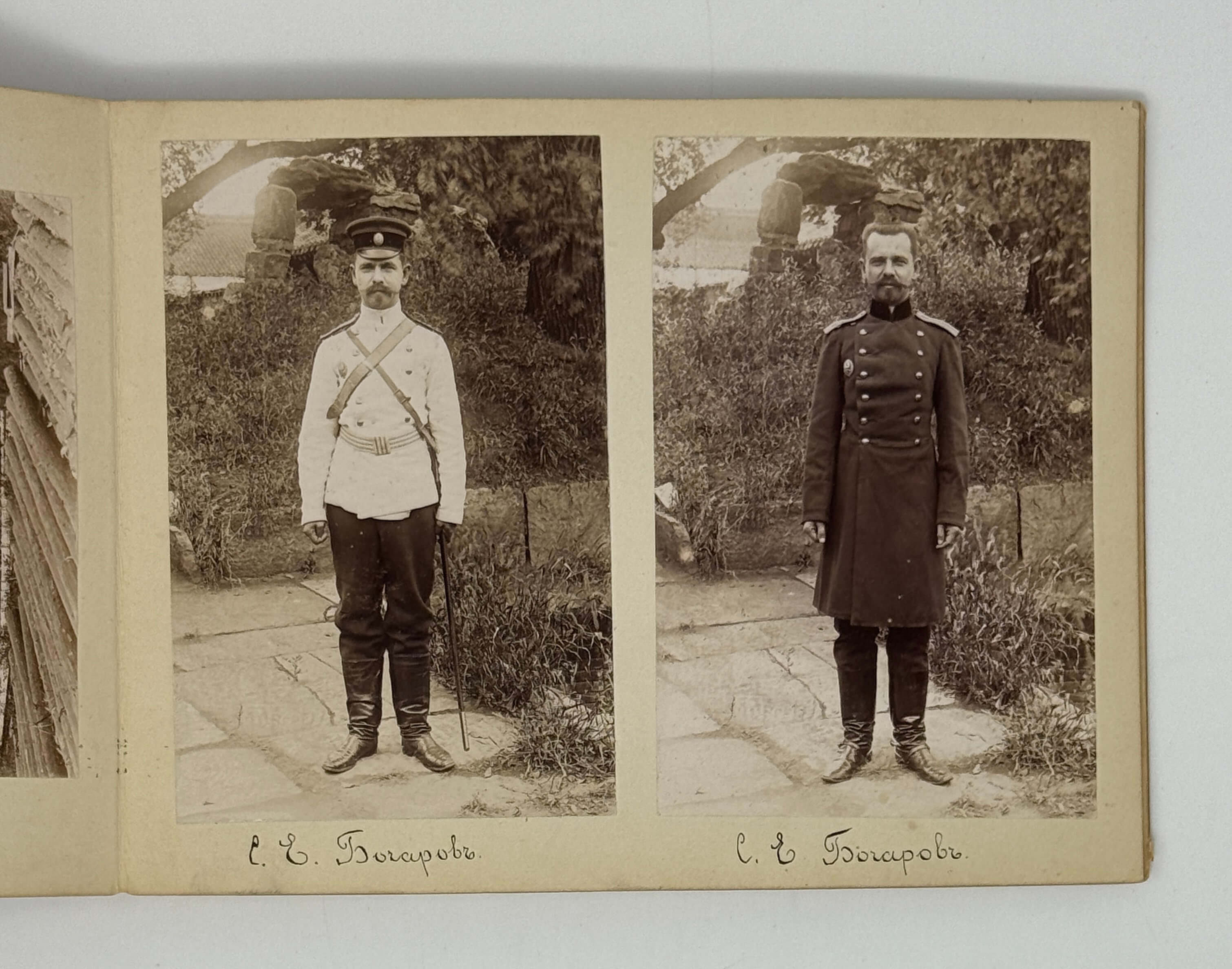
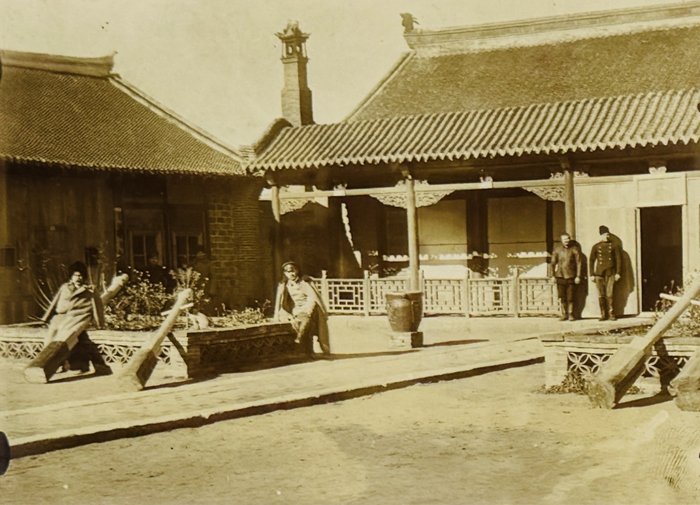
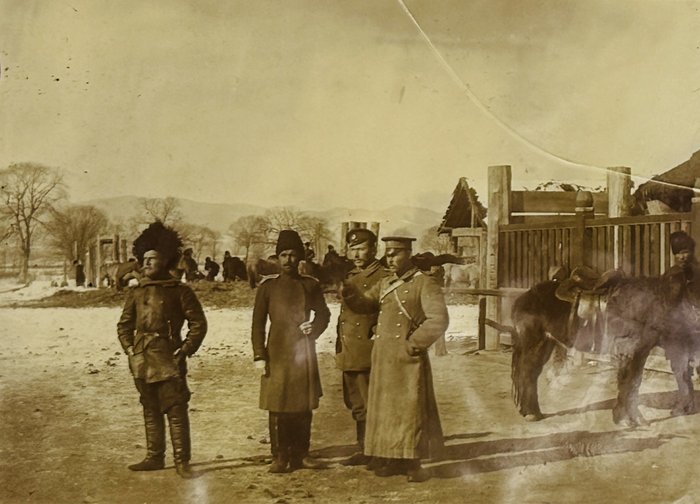
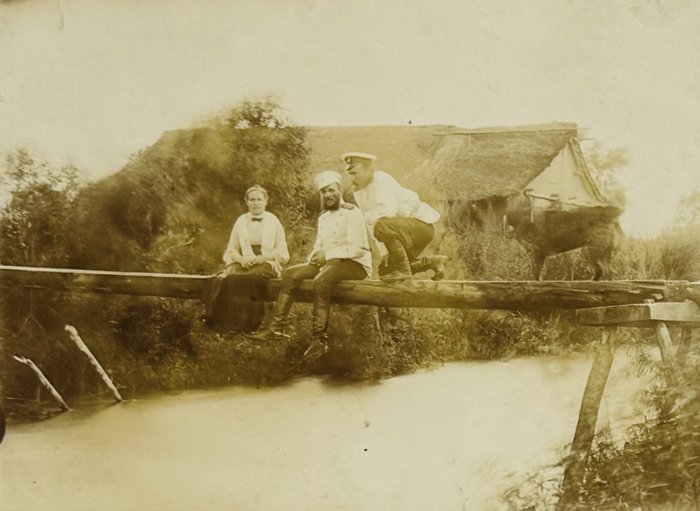
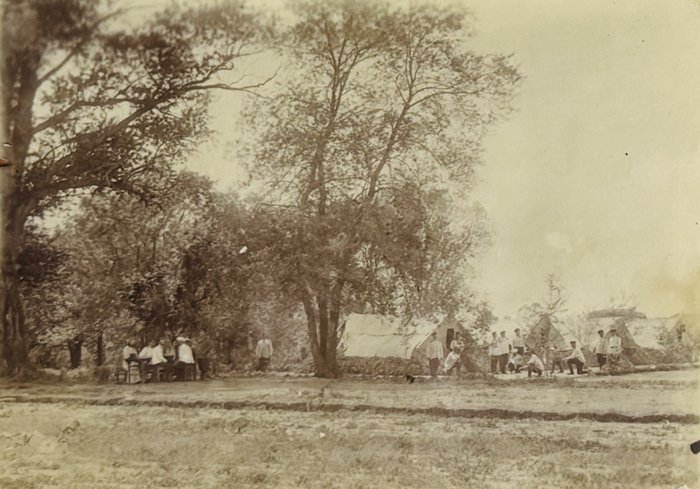
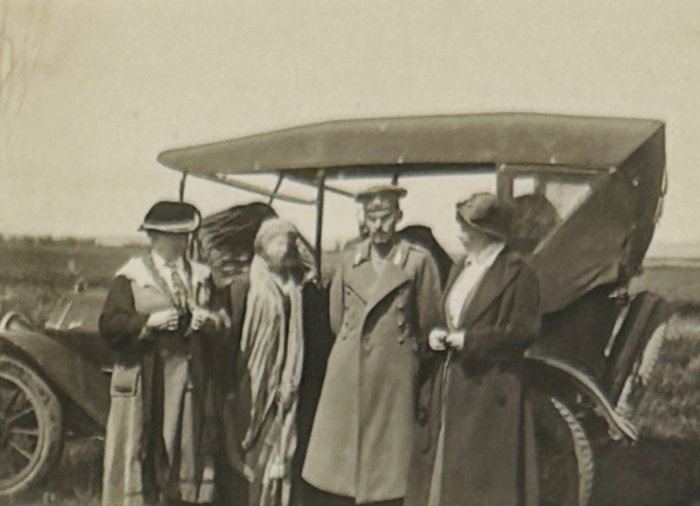
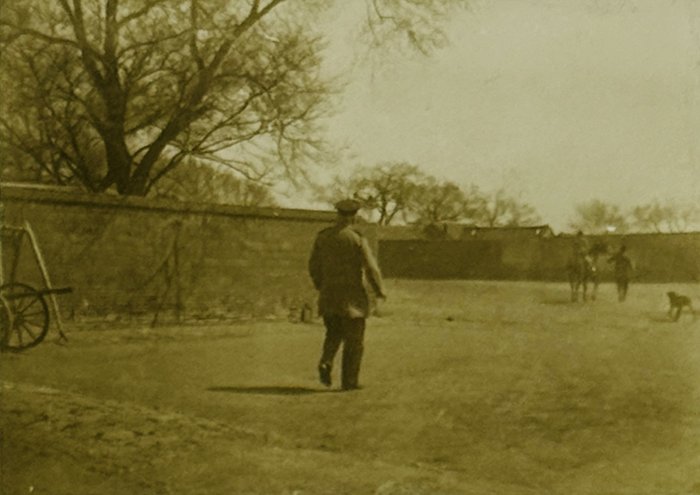
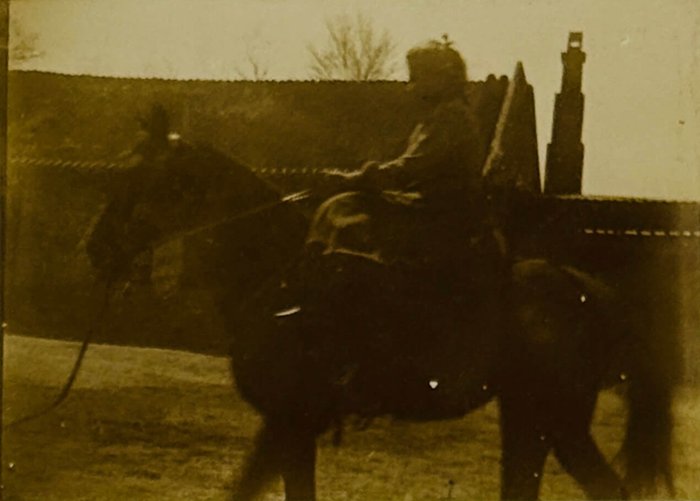
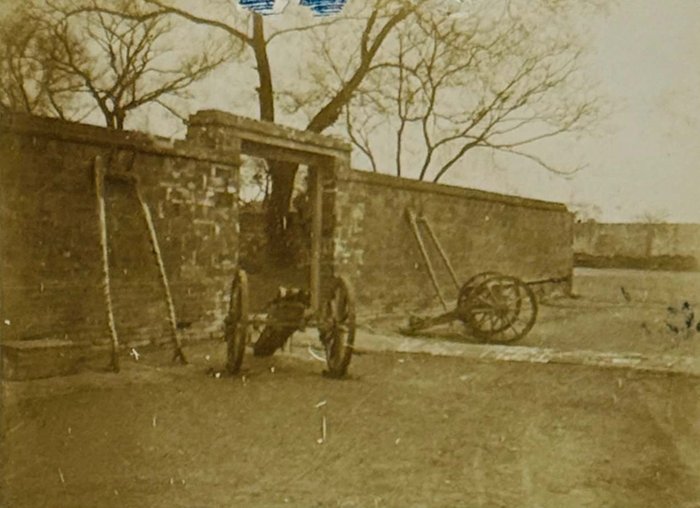
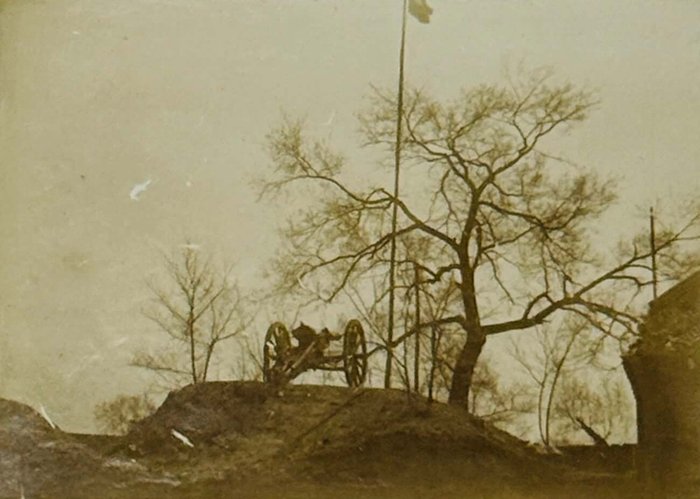
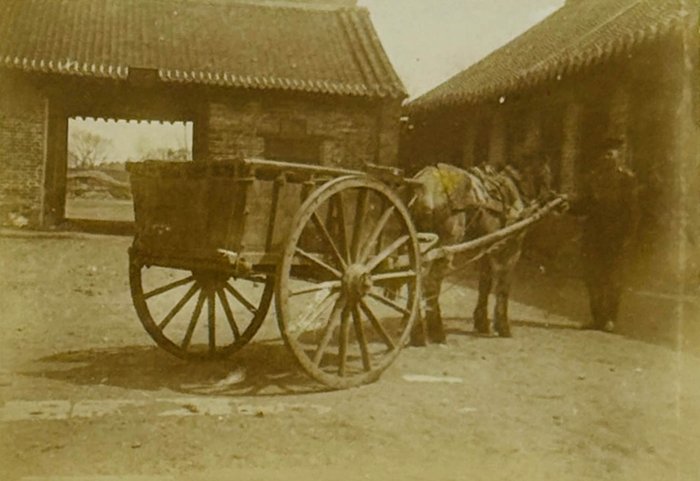
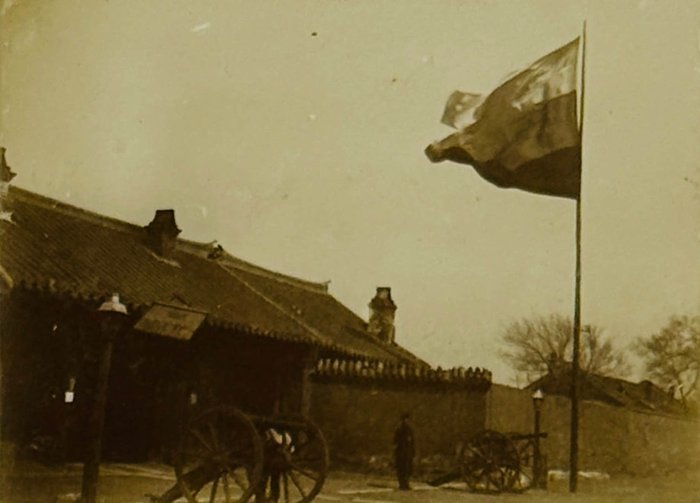
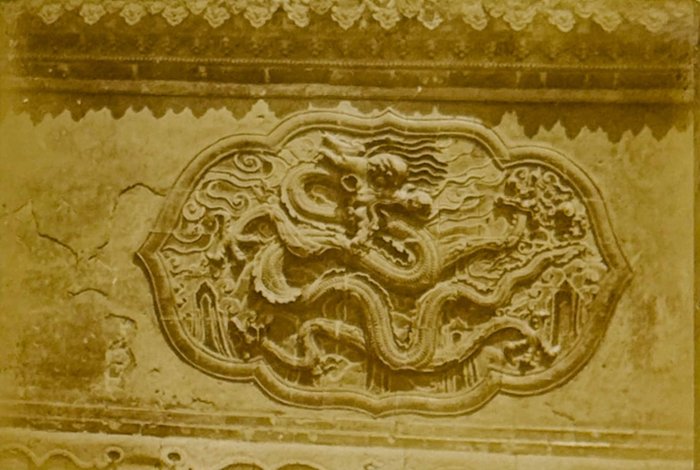
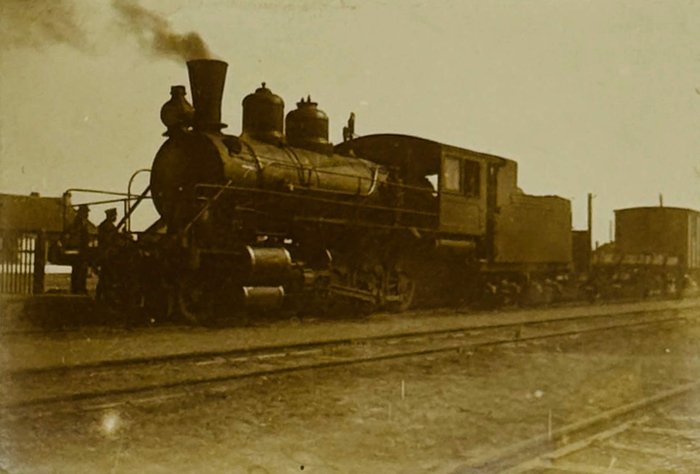
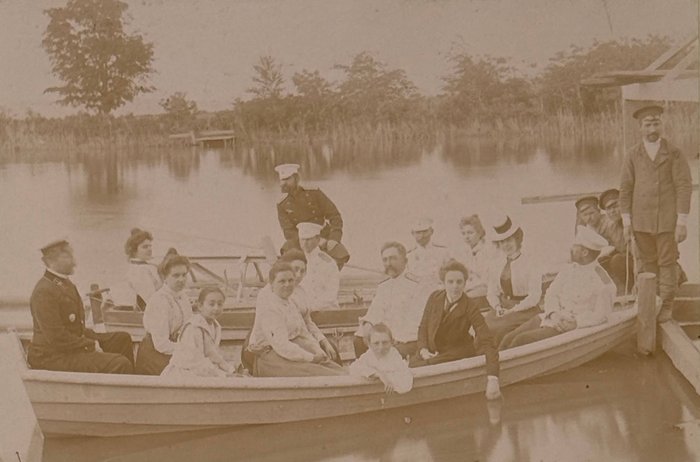
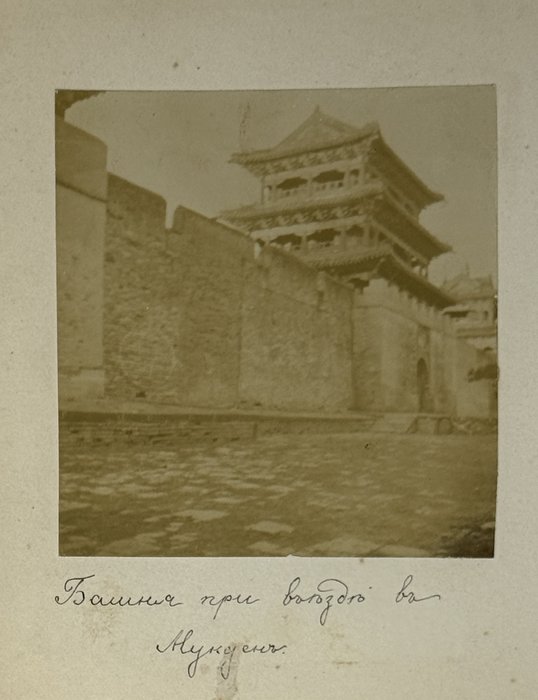
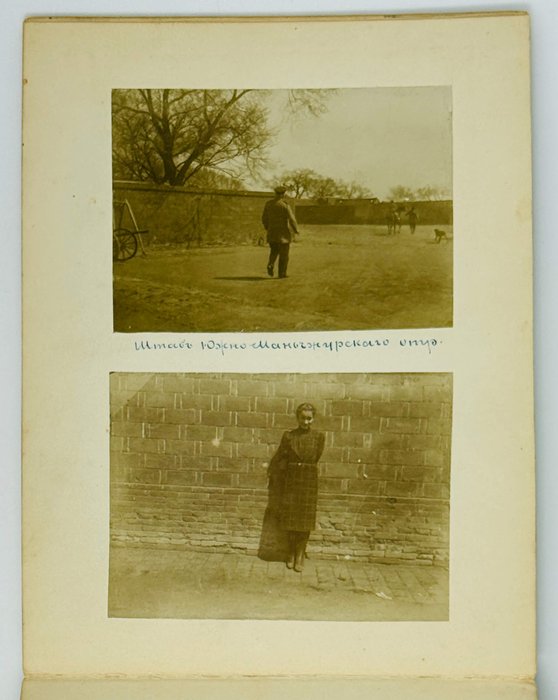
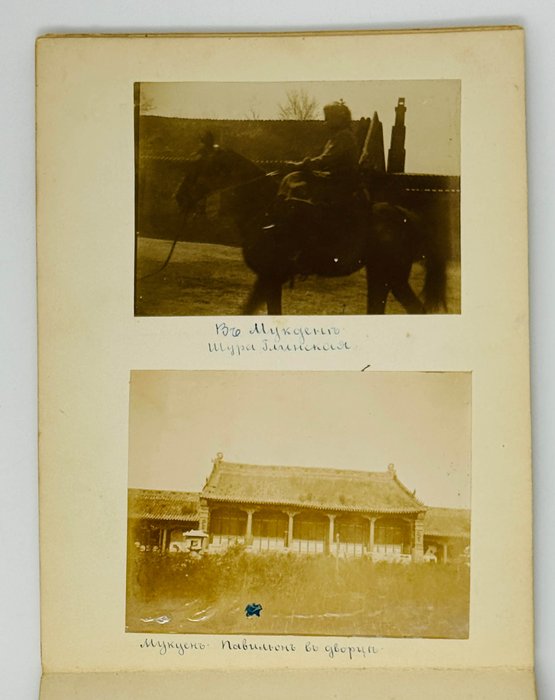
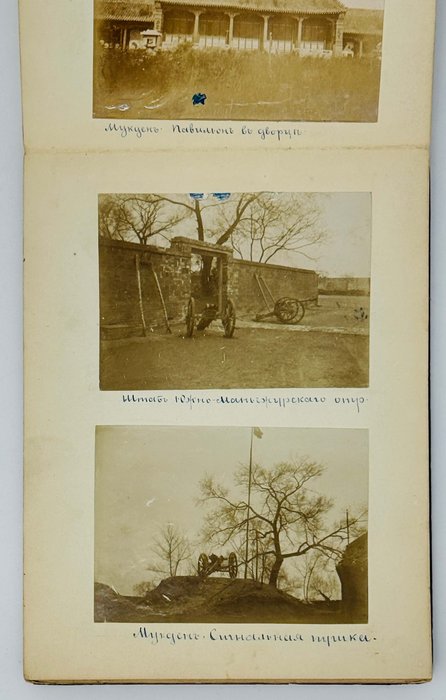
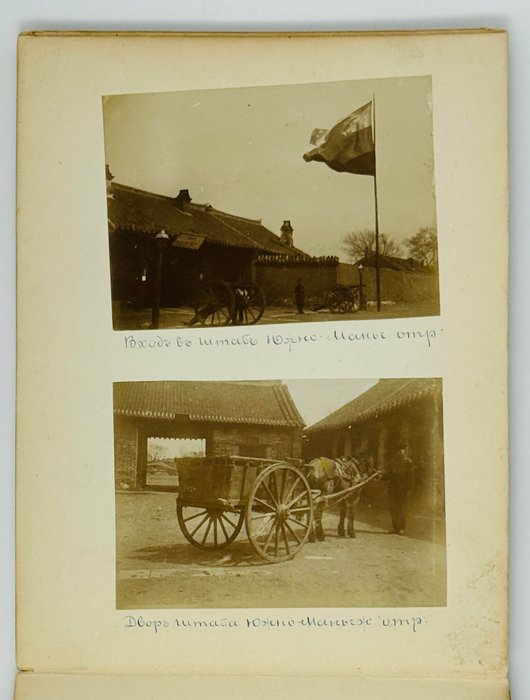
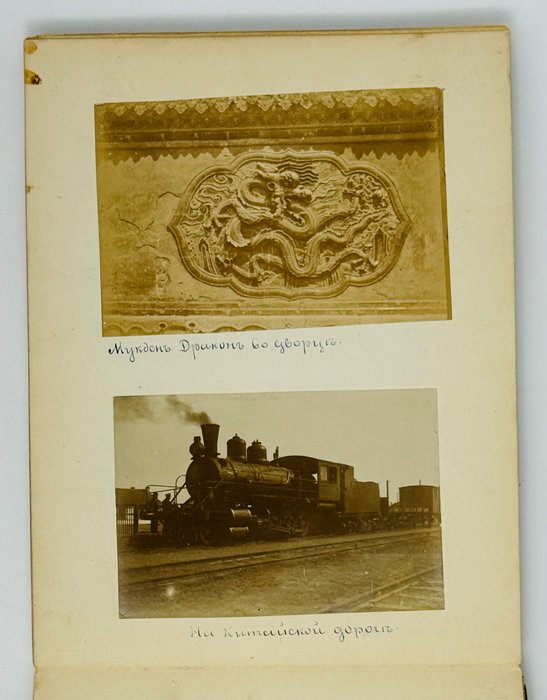
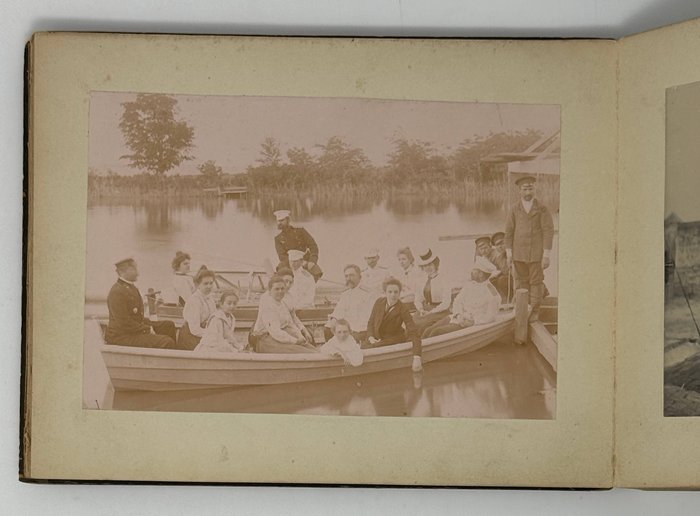
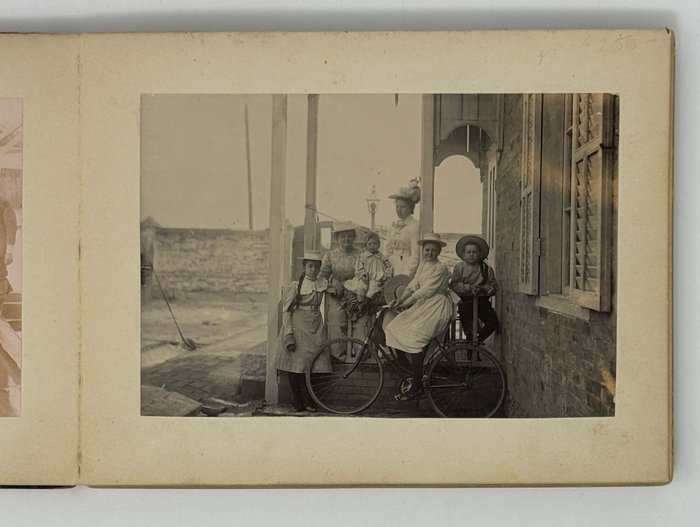
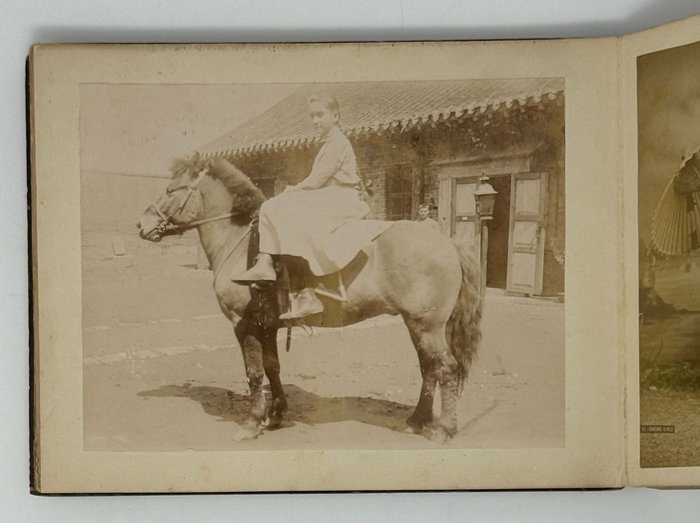
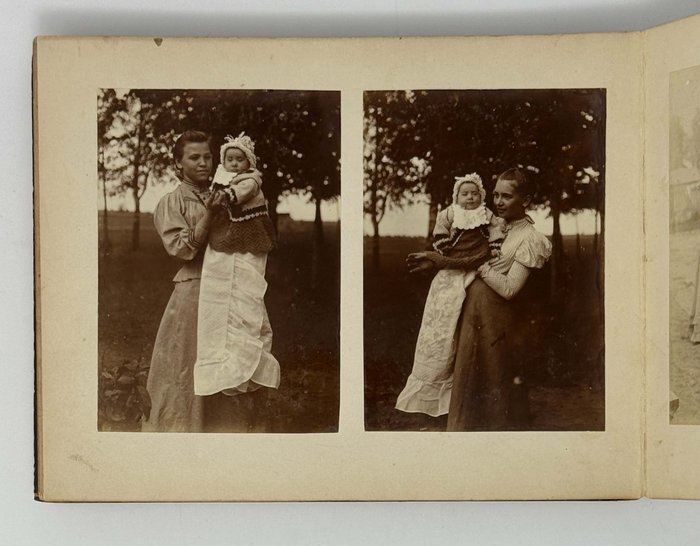
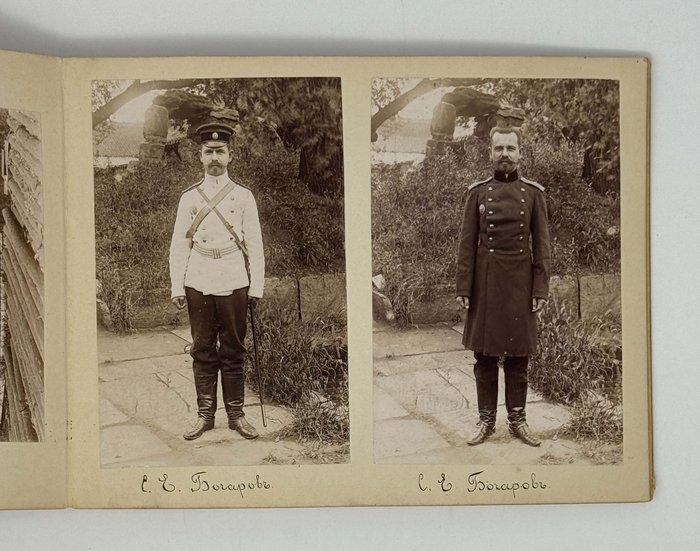
The first album is likely complied by lieutenant S.E.Bocharov of the South Manchurian Detachment of the Russian Army. This detachment operated in the Far East until the formation of the Manchurian Army in 1904, at the outset of the Russo-Japanese War. Its roots trace back to late summer and early autumn of 1901, when Russian troops in Northern Manchuria organized and executed operations to capture the last remaining leaders of the hunhuz movement who were still at large. The detachment was commanded by Lieutenant General Tserpitsky. The outcome of the detachment's operations was the capture of the Chinese General Sheu and the surrender of another *hunhuz* chieftain, Fulango. In August 1901, Lieutenant General Tserpitsky relinquished command of the South Manchurian Detachment to Major General Fleischer, who had previously commanded it at the beginning of the campaign during the advance on Haicheng. The creation of this album likely dates to this specific period; the photographs depict the detachment's headquarters in Mukden, officers and their families, a steam locomotive on the railway, the Liaohe River in Yingkou, a panoramic view of Yingkou, and a barracks building under construction. The album also contains two studio photographs of Nagasaki—including a hand-colored image of the customs house—as well as two Japanese studio genre scenes.
Individuals mentioned in the album include: Convoy Commander Anisimov, Senior Adjutant Vlasenko, Officer for Special Duties Vutman, Colonel Glinsky (and his wife, Shura Glinskaya), and Lieutenant Vlasenko.
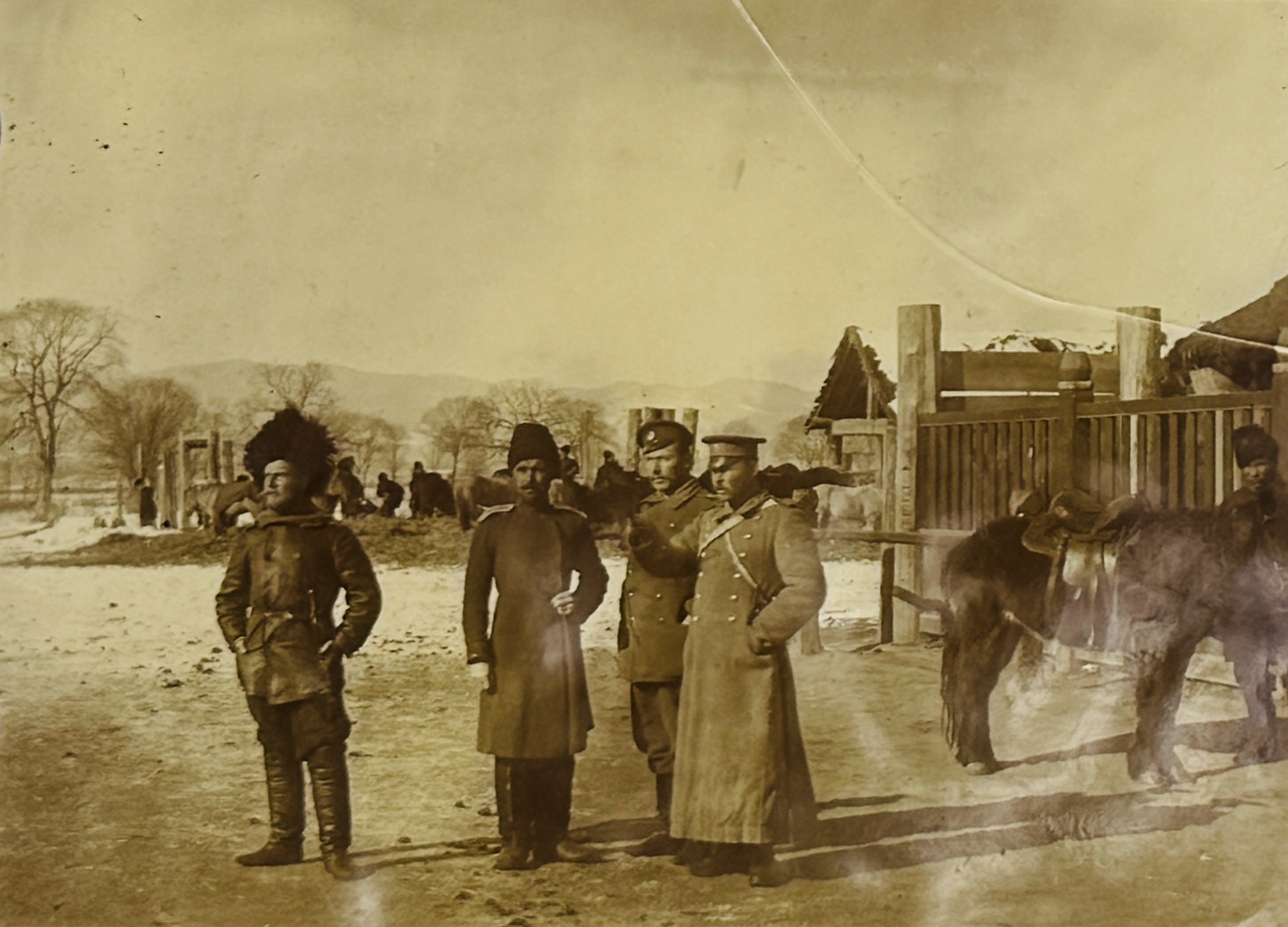
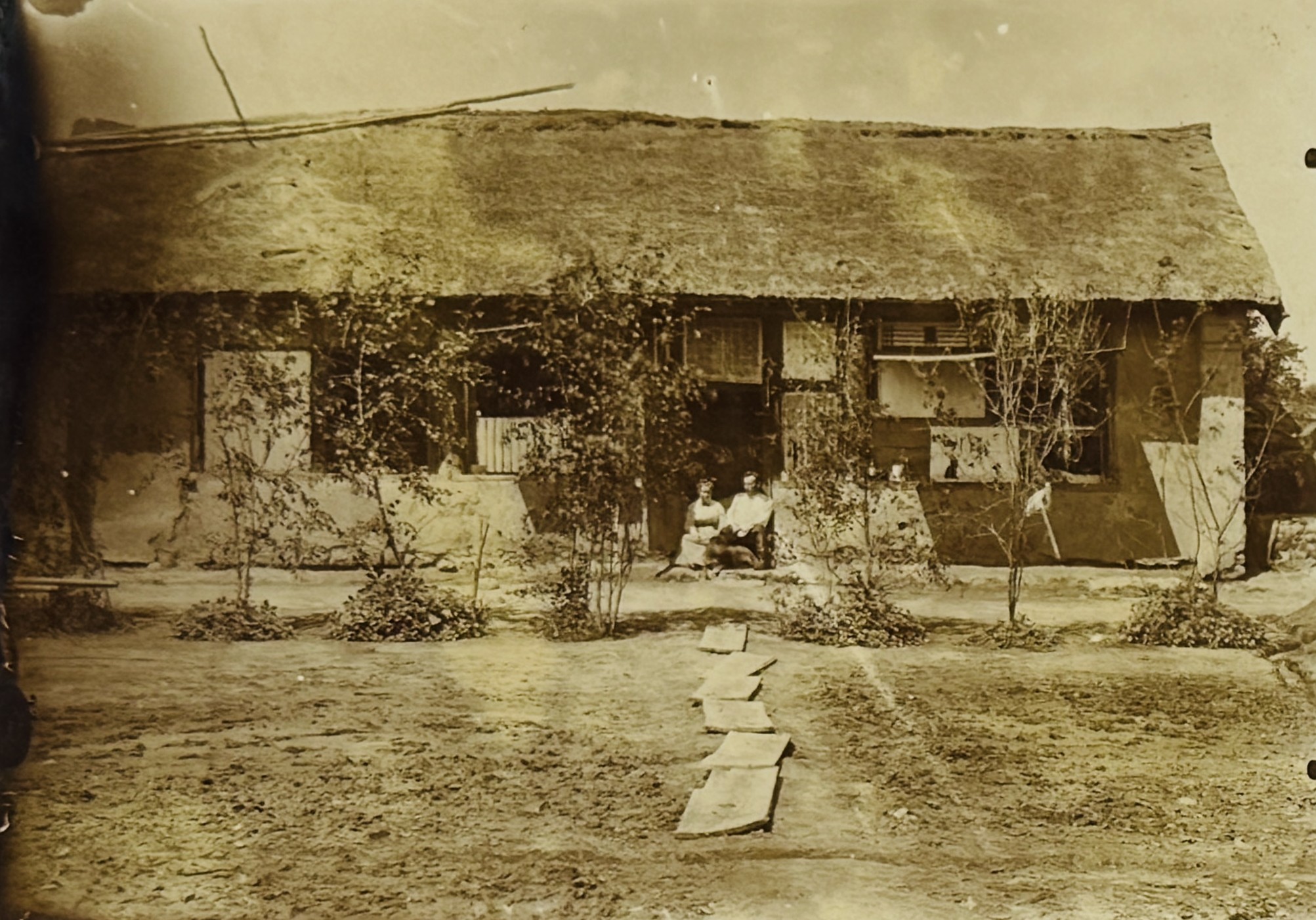
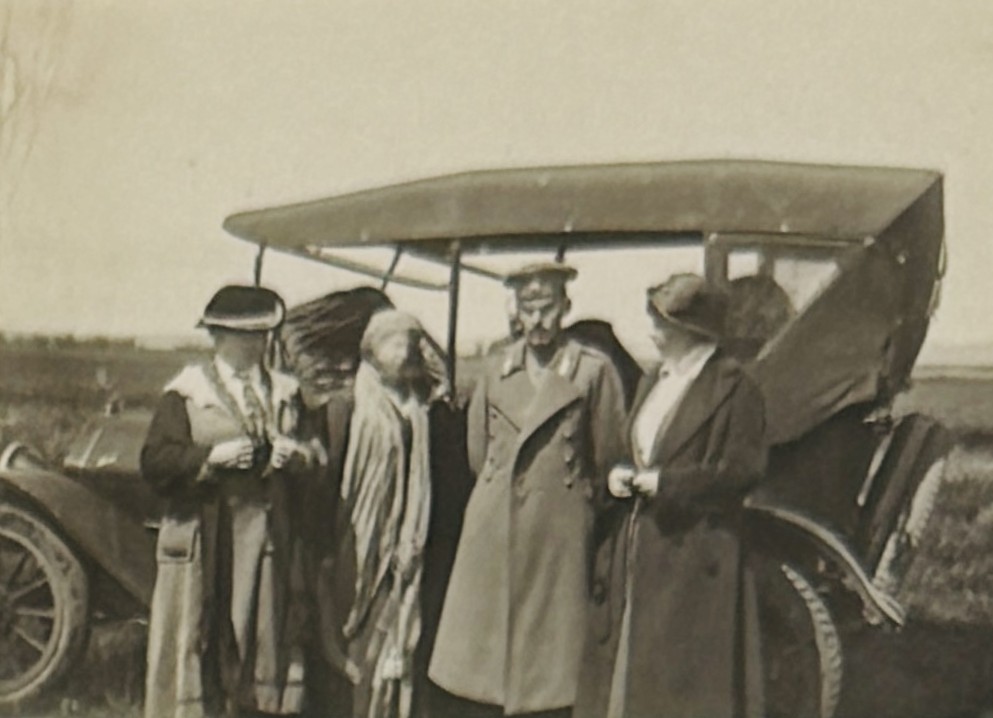
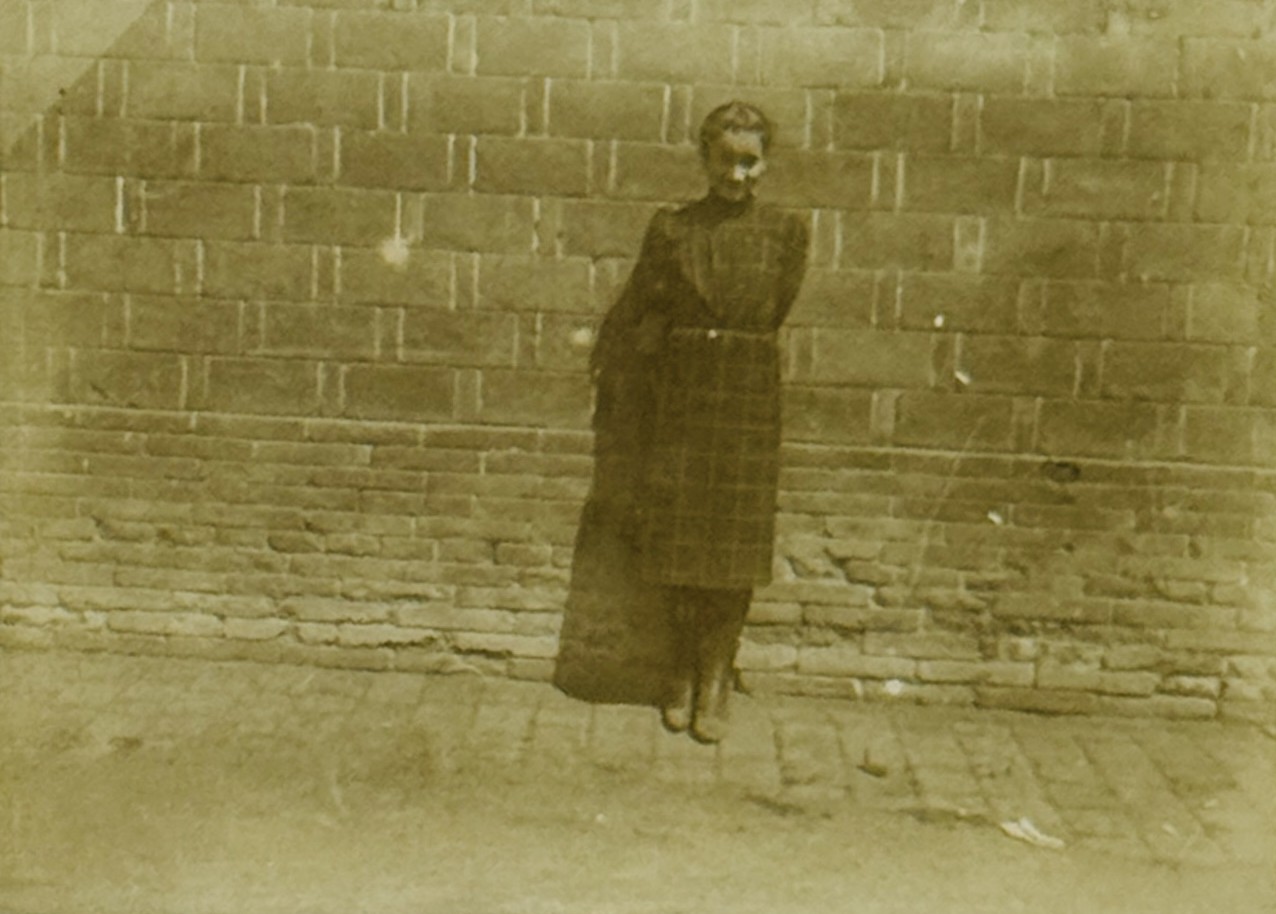
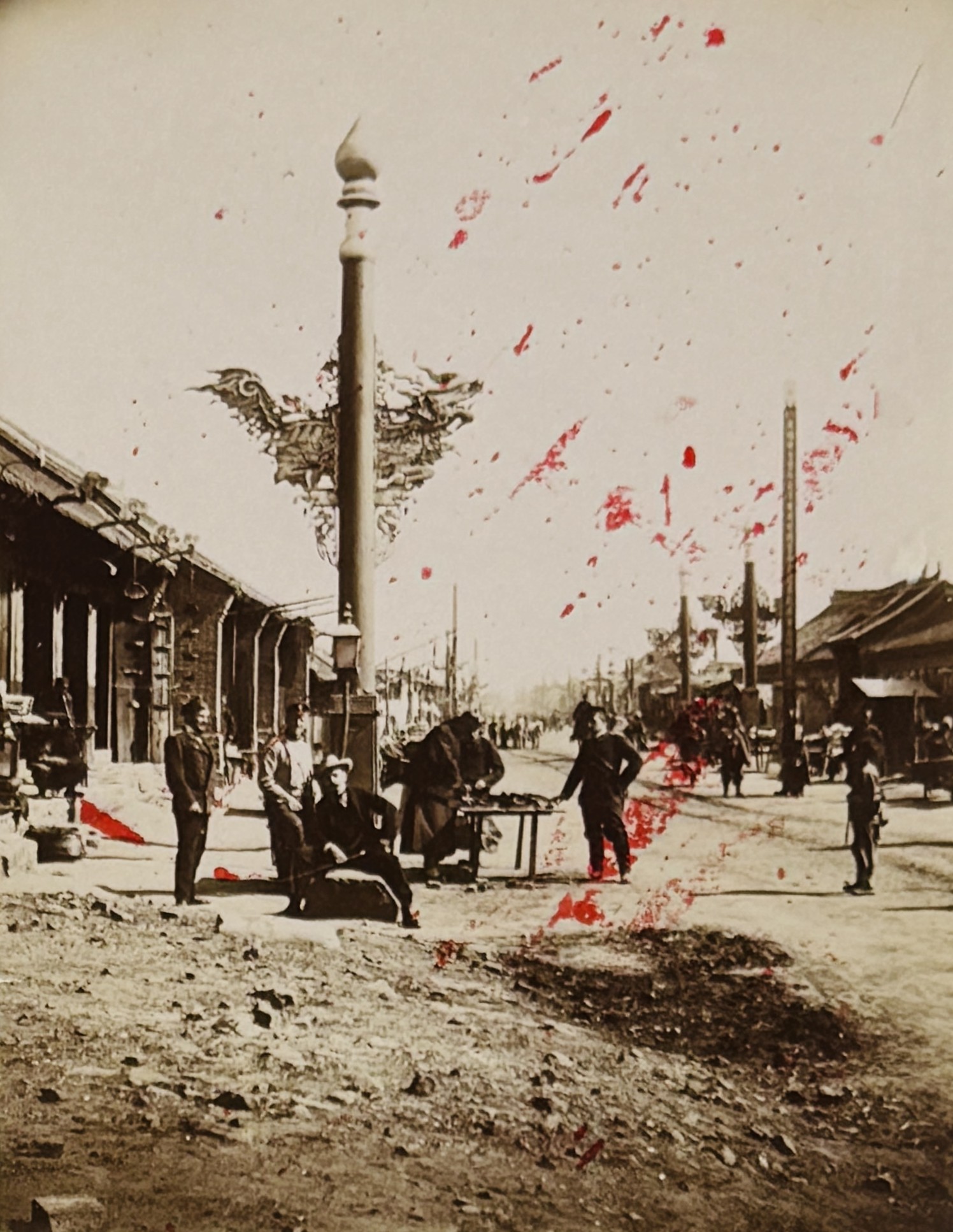
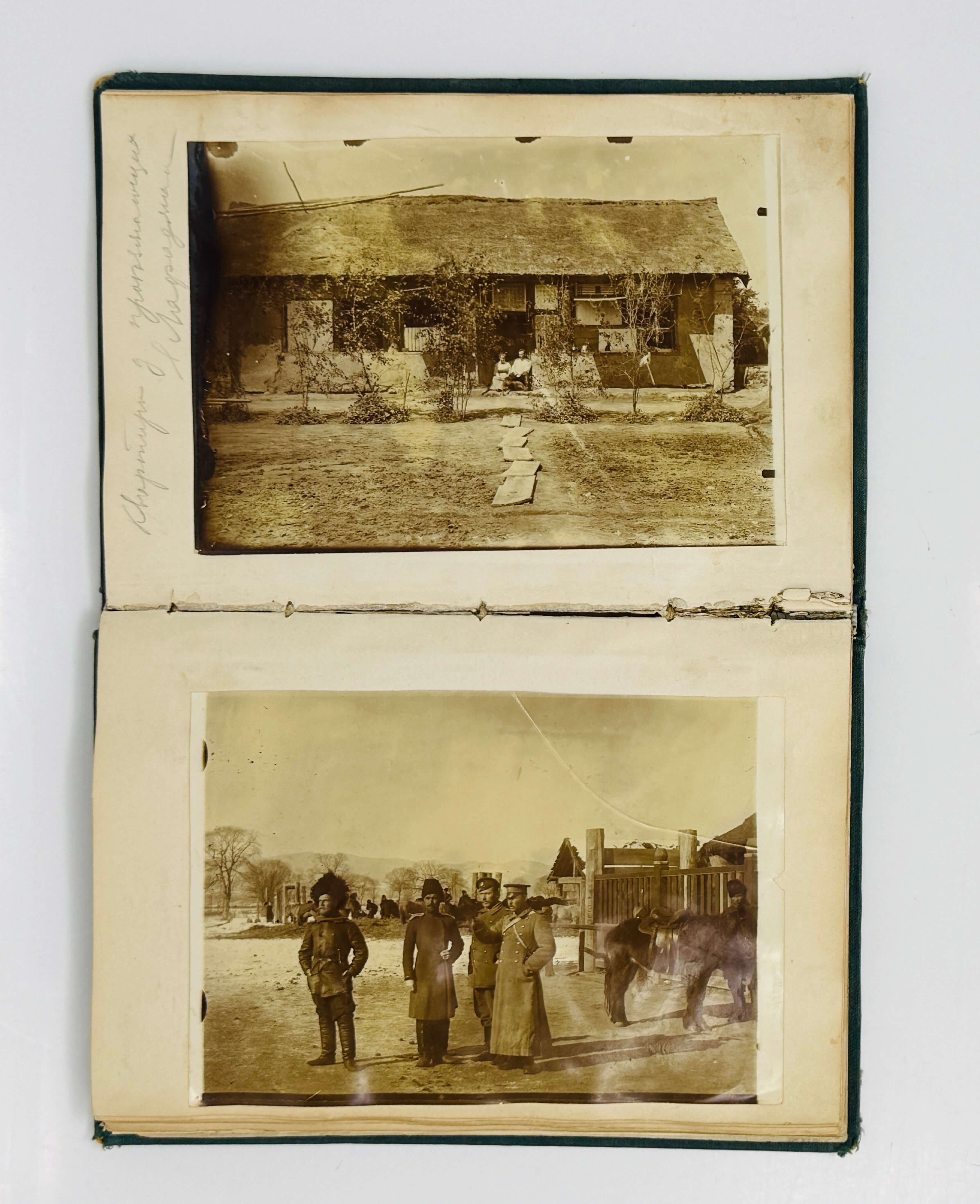
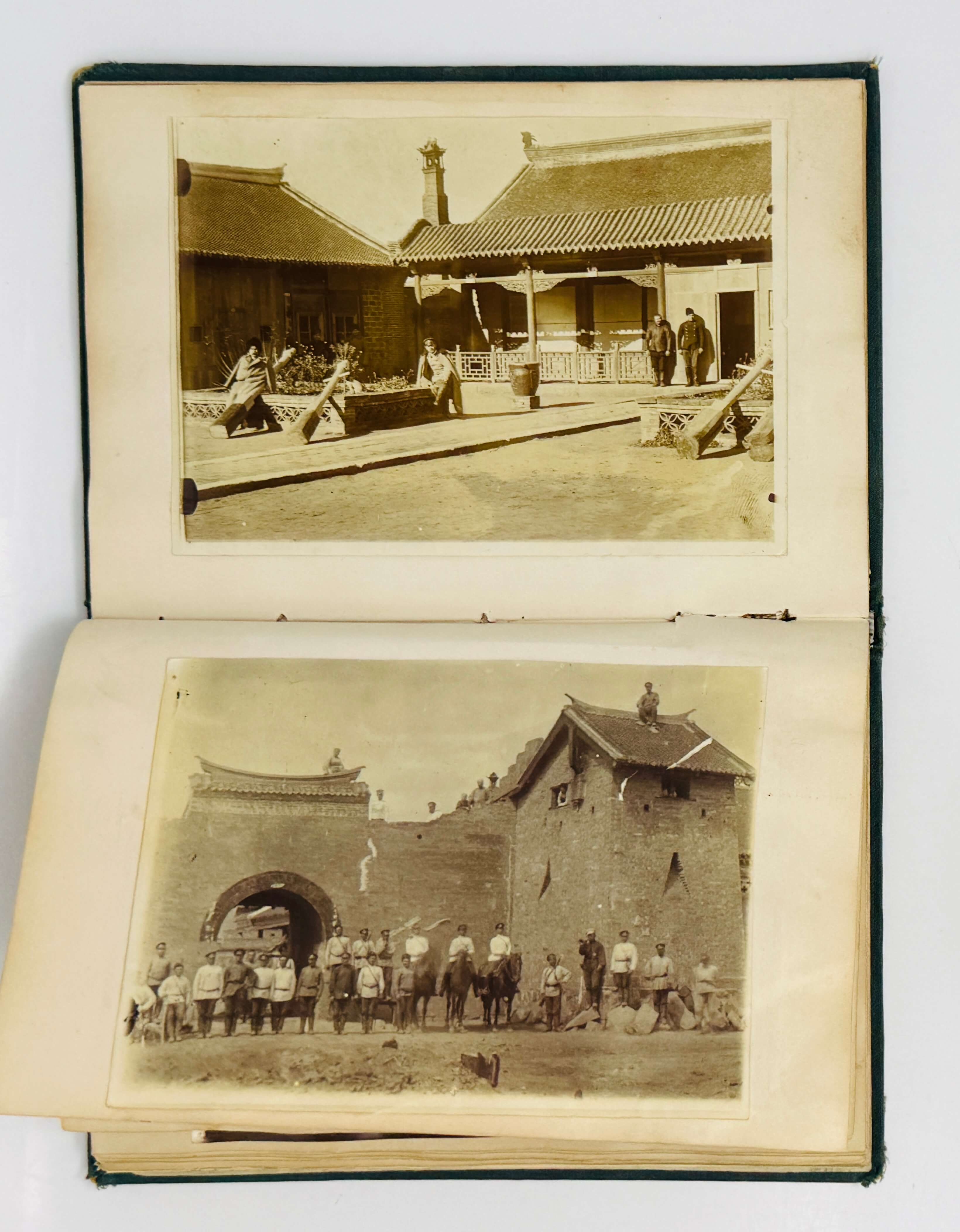
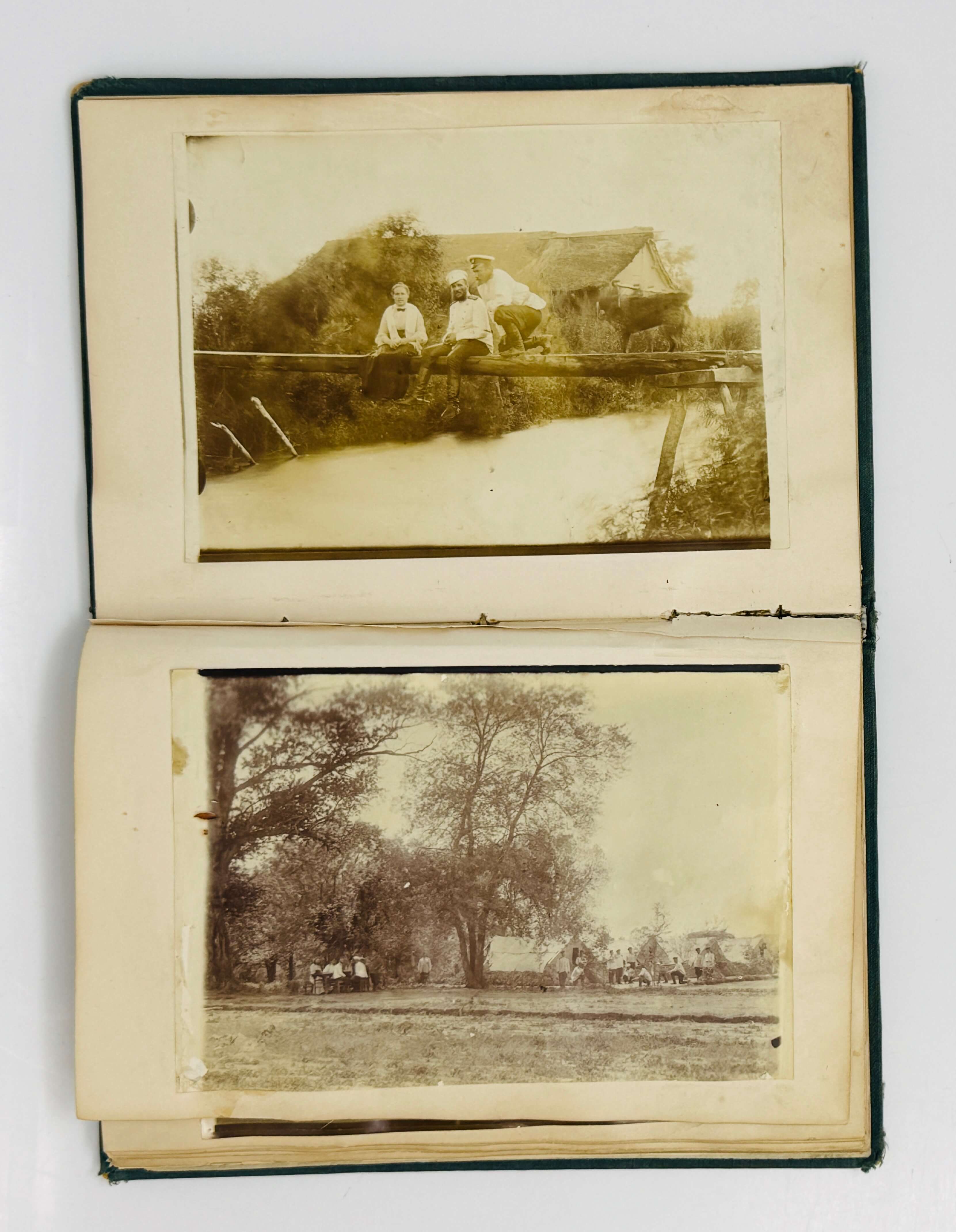
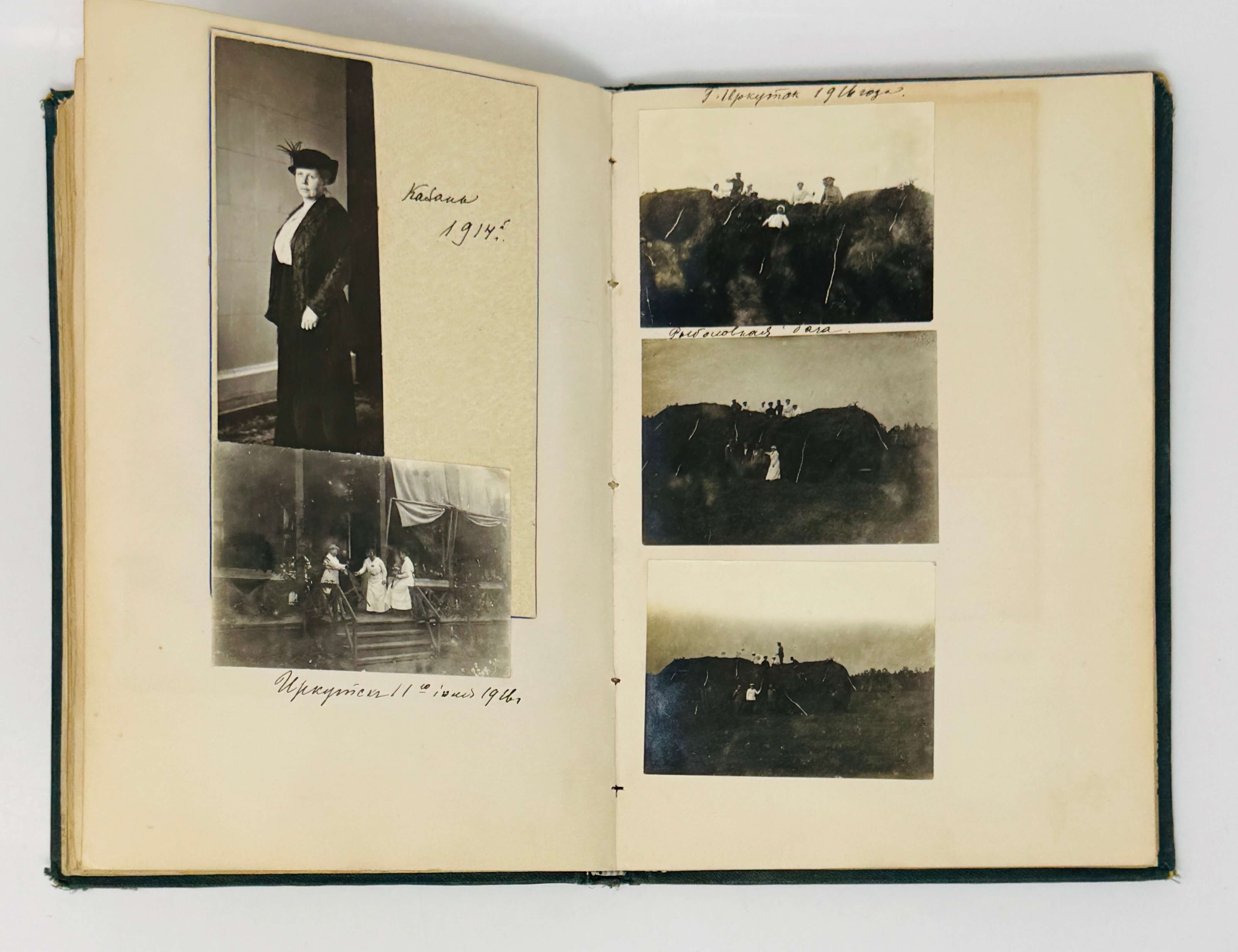
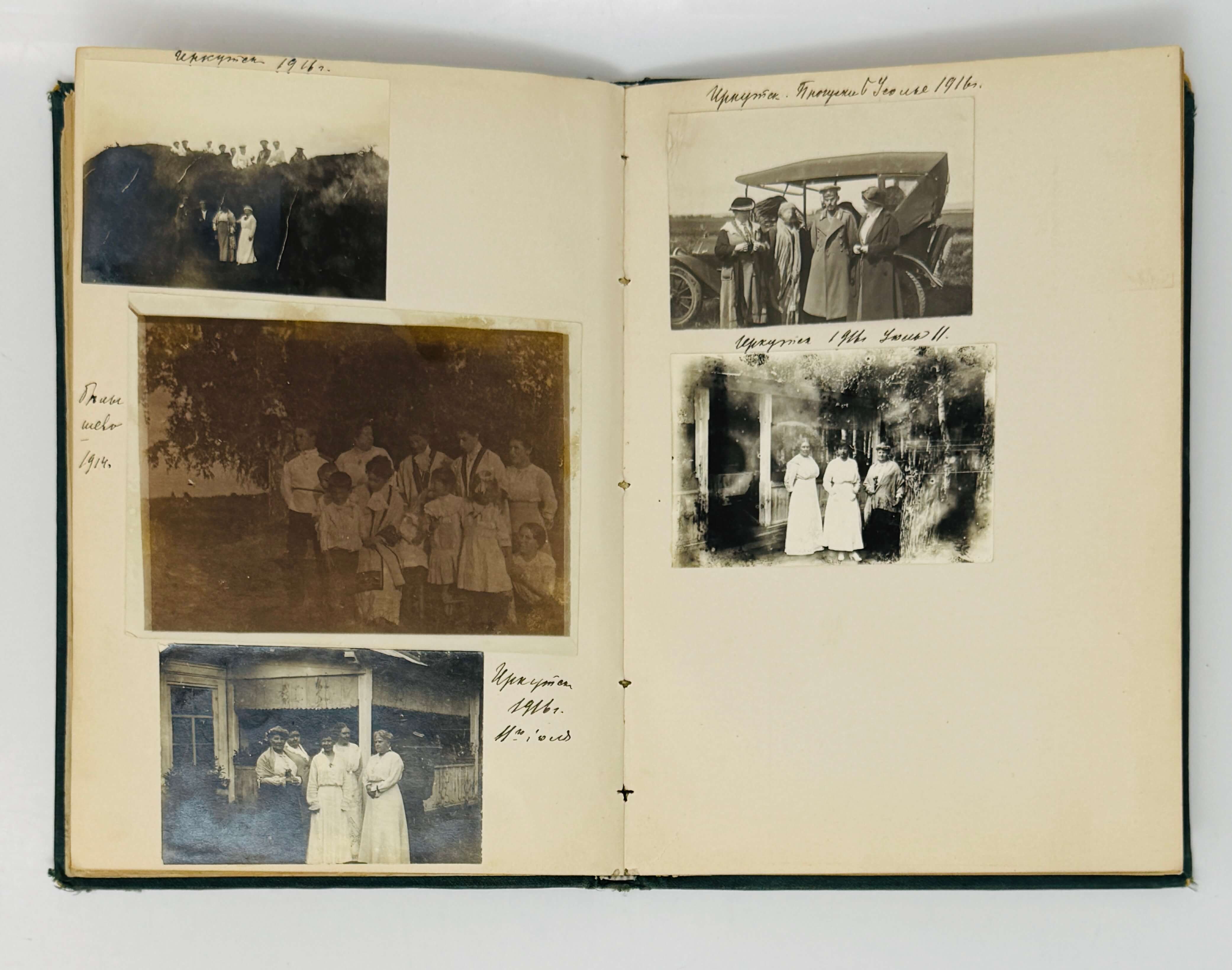
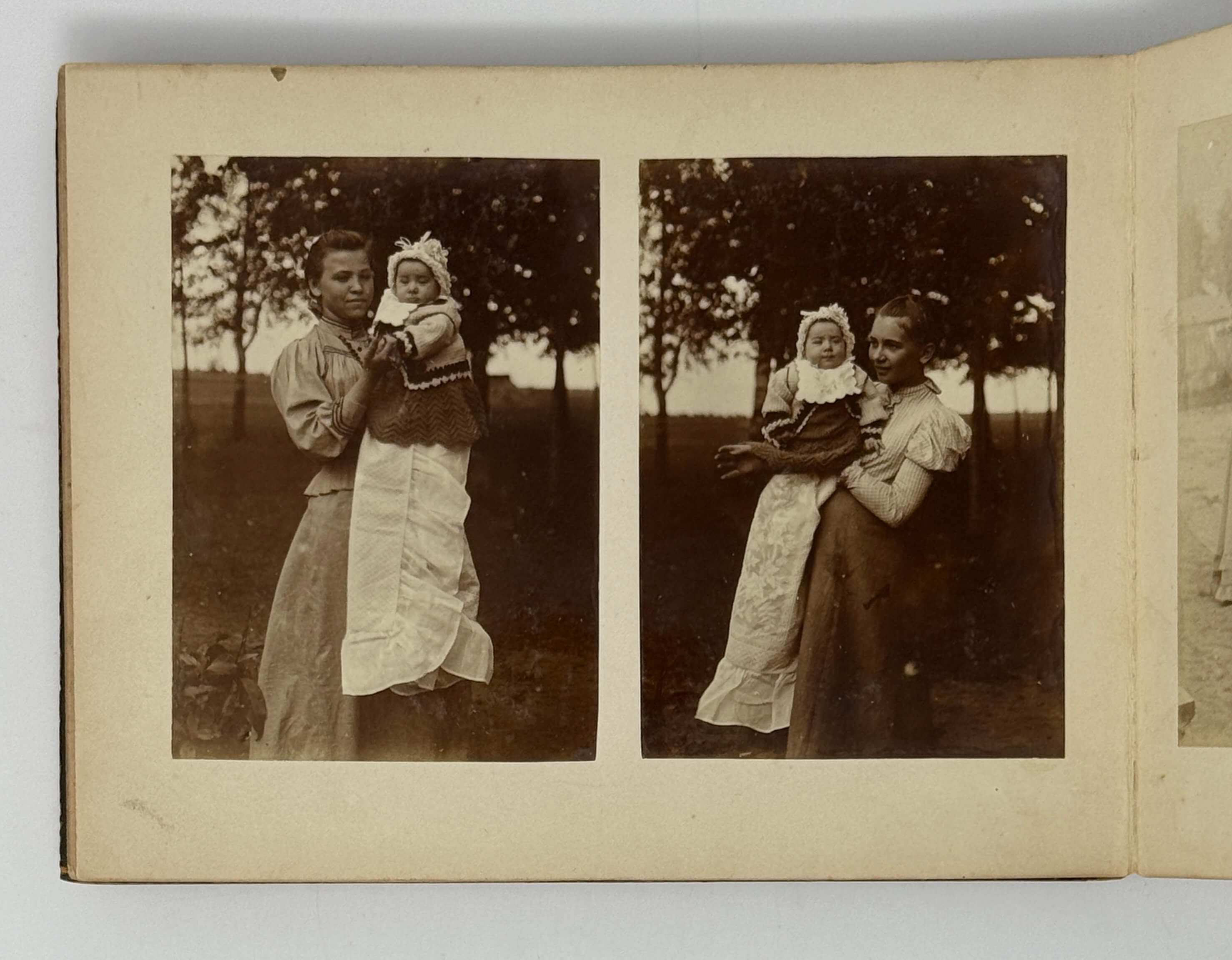
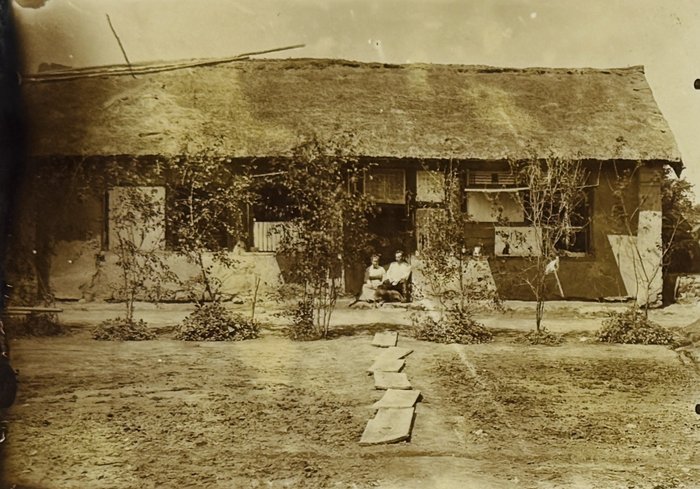
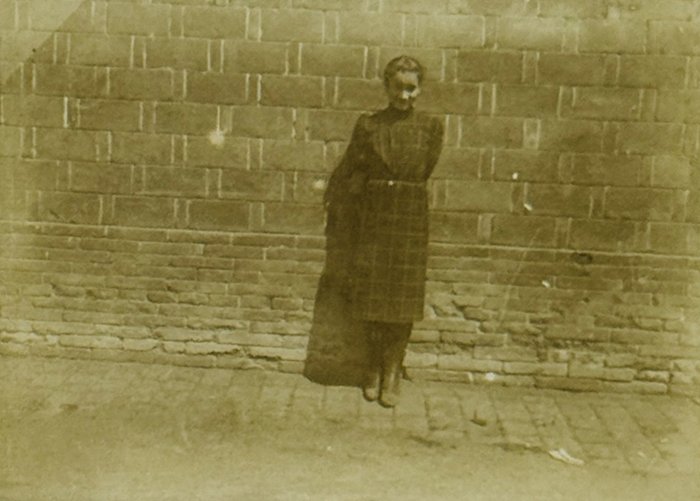
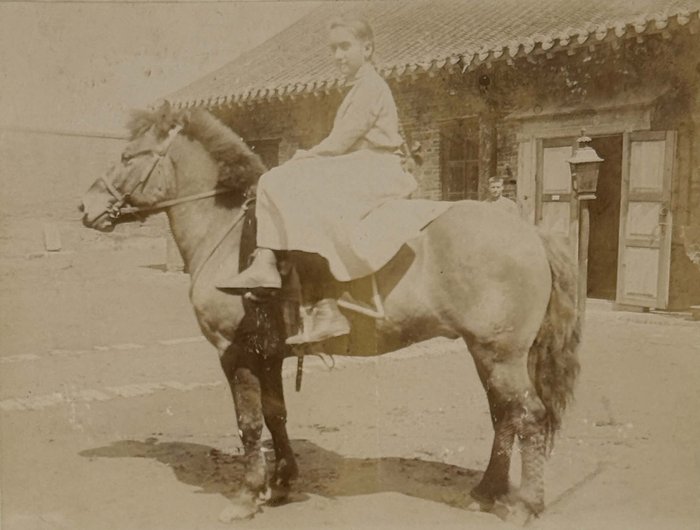
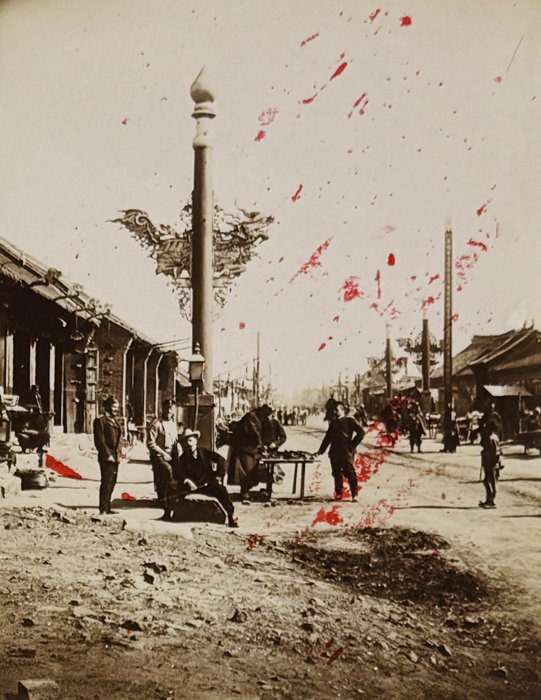
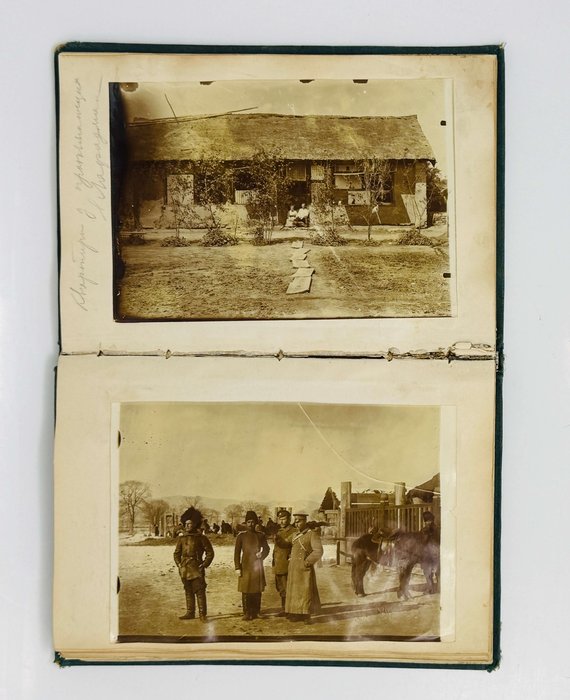
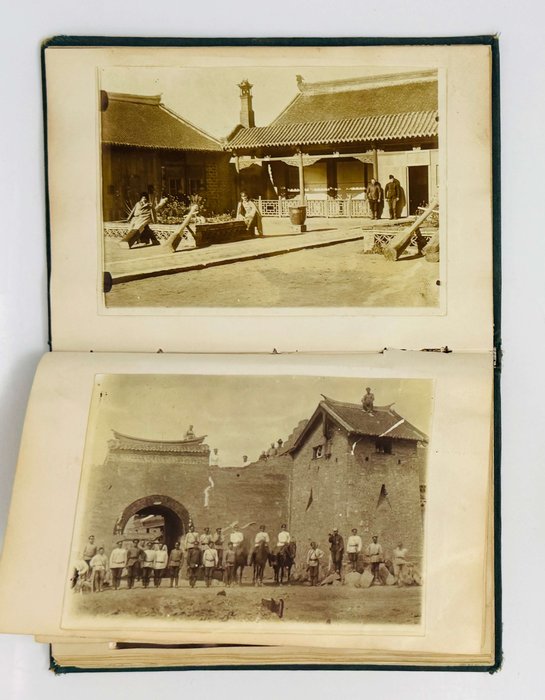
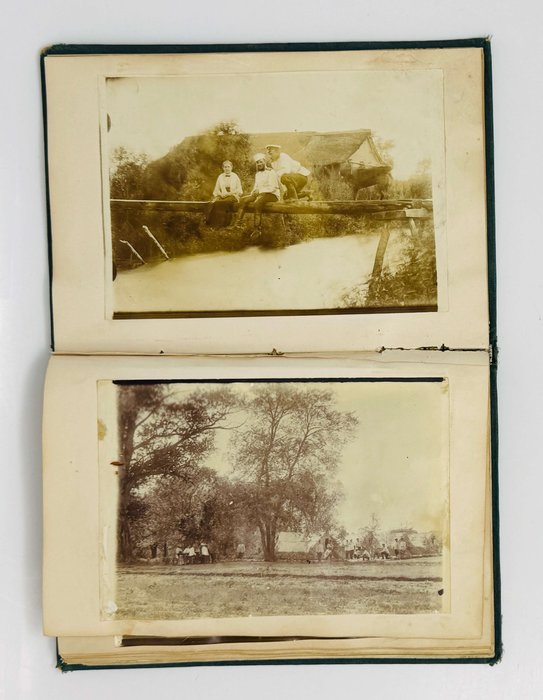
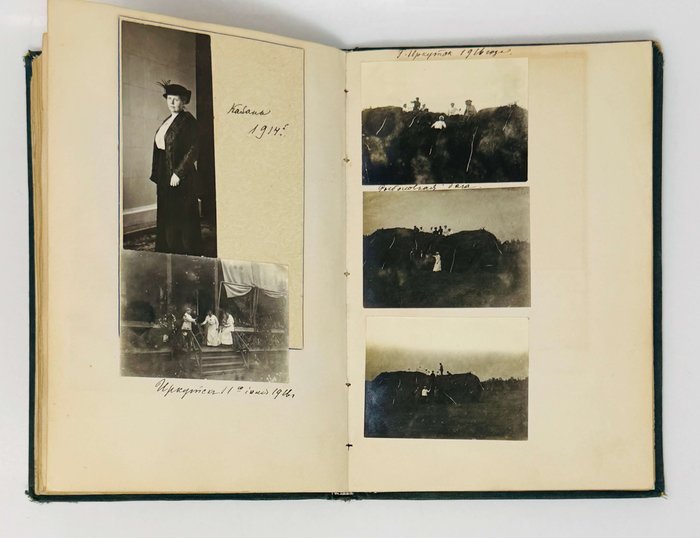
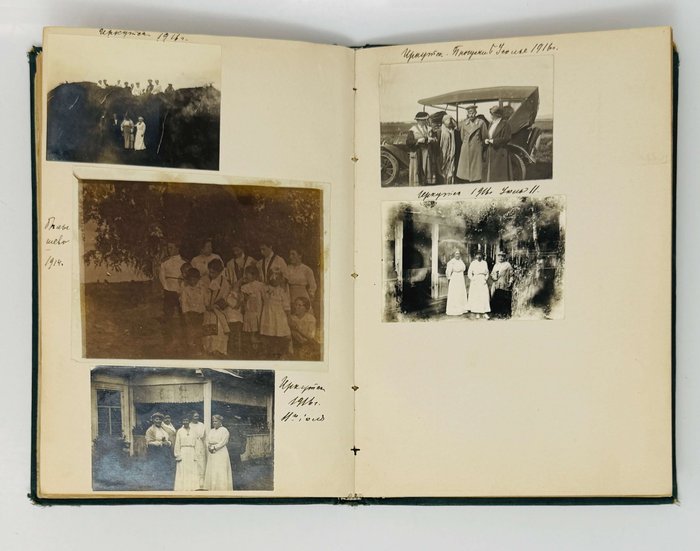
The second album is a keepsake album, kept by Sophia Sherbakova (София Щербакова). The album starts in Kazakhstan, then we see the couple vacating in Crimea (Zeleny Mys) and visiting Niagara Falls and New York. The second half of the album is dedicated to their life in China and Siberia: it starts with the street panorama in Badong, an image of two Russian officers next to a buddhist temple, group of four Russians on the horse-changing station, the image of the house with a caption ‘our flat’, a group of Cossacks next to an entrance into a town, street and nature views. The final section of the album shows Sophia in Irkutsk in 1914-1916, with one photo captured ‘Kazan’.
Overall an interesting collection of photos of pre-1917 Russian activities in the Far East, which are rare on the market.