
#PF34
Ca. 1920s-1930s
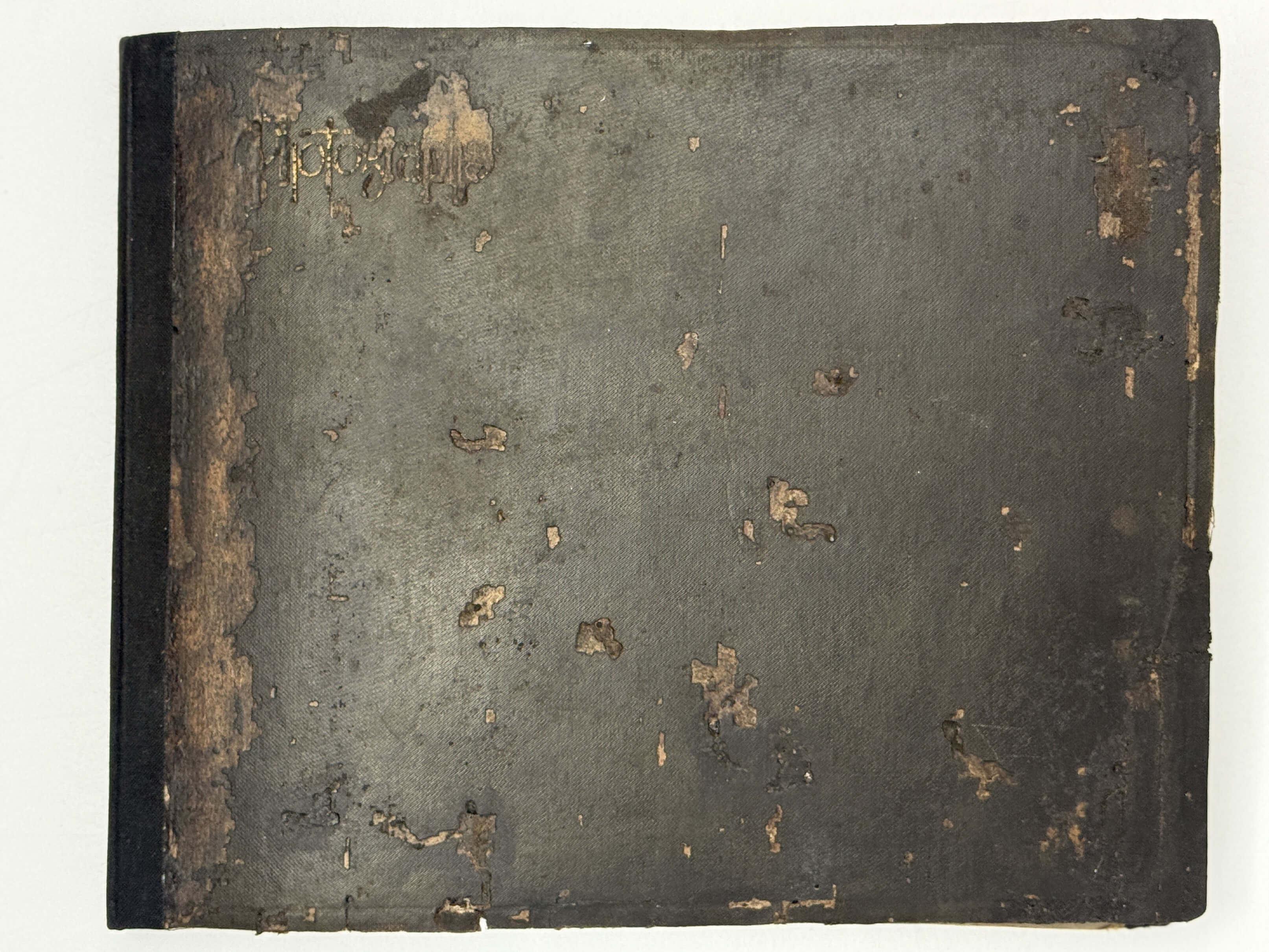
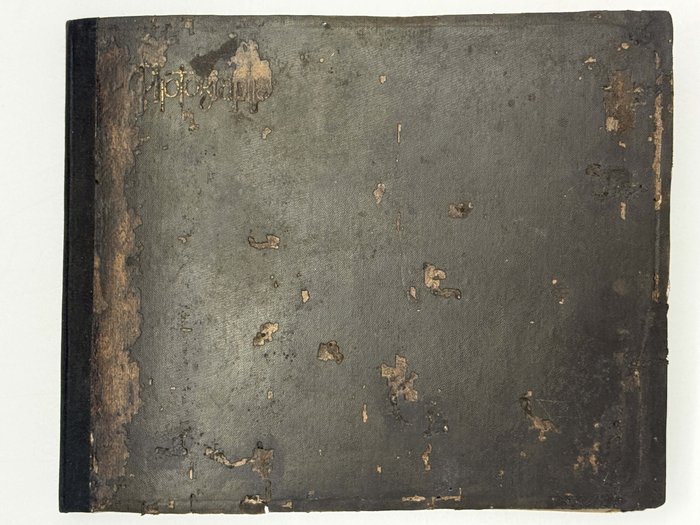
Oblong Quarto album (ca. 20,6x25,5 cm). 26 paper album leaves (three blanks). With 92 mounted original gelatin silver photographs from ca. 19,6x24,6 cm (7 ¾ x 9 ¾ in) to ca. 4,4x6,7 cm (1 ¾ x 2 ½ in). About 41 photos with period English ink captions in negatives; at least four photos with period Japanese captions on the mounts or in negatives; about photos dated.; with 16 Japanese printed postcards, each ca. 9,1x14,1 cm (3 ½ x 5 ½ in). Period dark brown cloth binding with the gilt-tooled generic title “Photographs” on the front cover. Professional restoration of the spine and the album leaves. Binding rubbed, four pages detached and with tears, three photos with the loss of fragments, mild silvering, but otherwise a very good album with strong, interesting photos.
Historically significant album of vivid vernacular photographs documenting daily life of Japanese migrants in Hawaii in the late 1920s and early 1930s.
At the time, Hawaii hosted one of the largest Japanese communities outside Japan, formed mostly by migrants who had arrived as plantation workers in the late 19th and early 20th centuries. By the 1920s, many families were well established, with second-generation Nisei children attending local schools and taking part in community life. After the Pearl Harbor attack, Japanese residents in Hawaii lived under martial law, subject to curfews, blackouts, and strict surveillance. Meanwhile, on the U.S. mainland, tens of thousands of Japanese Americans, including some of the compiler’s close relatives, were forcibly uprooted from their homes and placed in remote relocation camps.
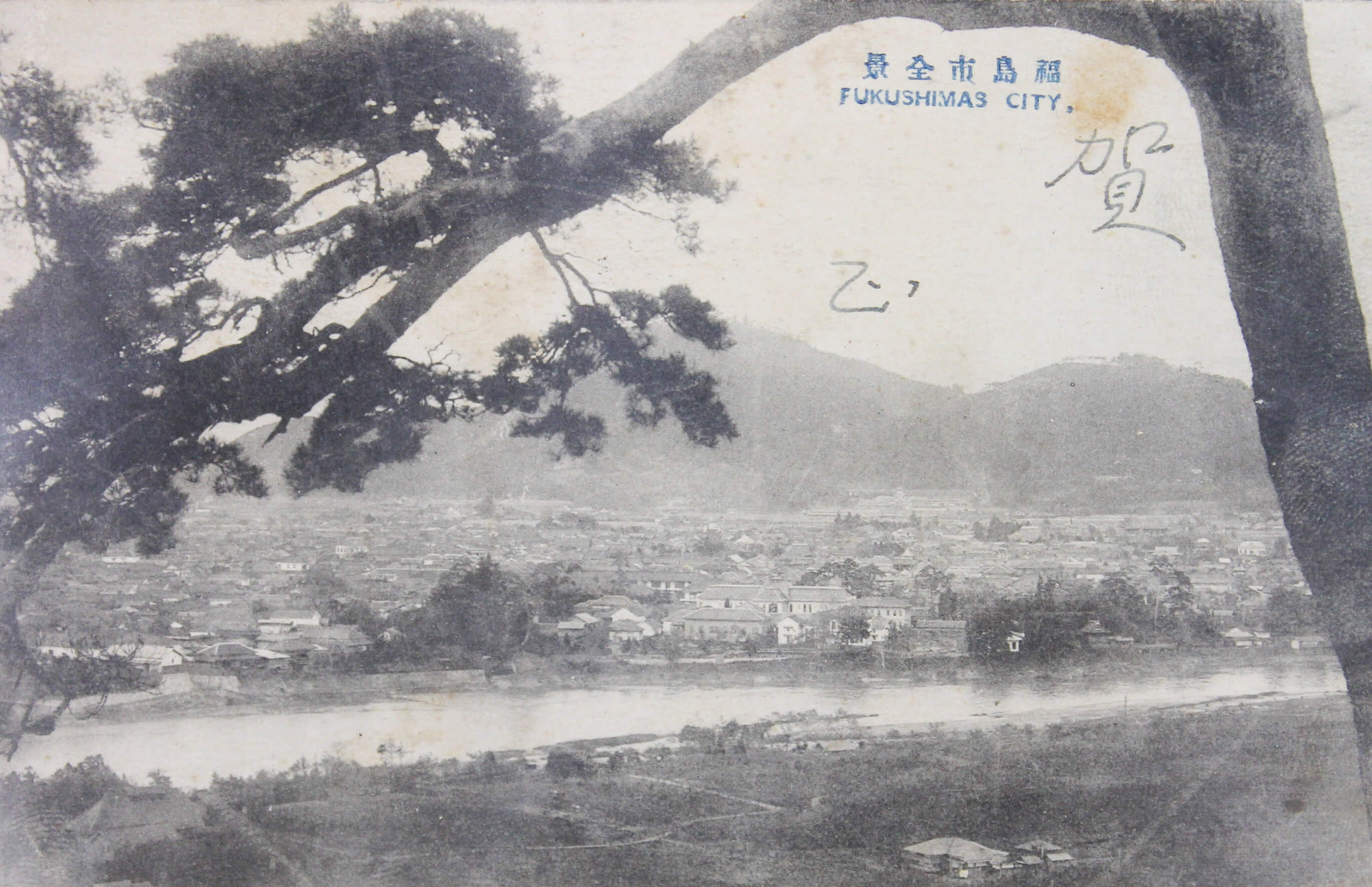
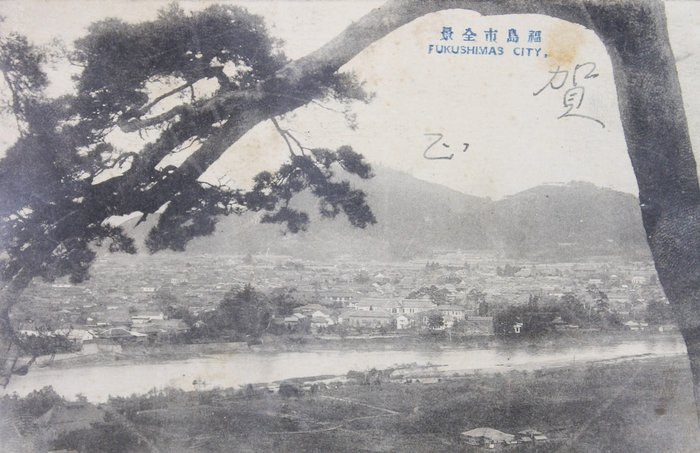
As follows from the photographs, the compiler was a young woman from Fukushima who emigrated to the U.S. with her family and settled in Hawaii in the 1920s.
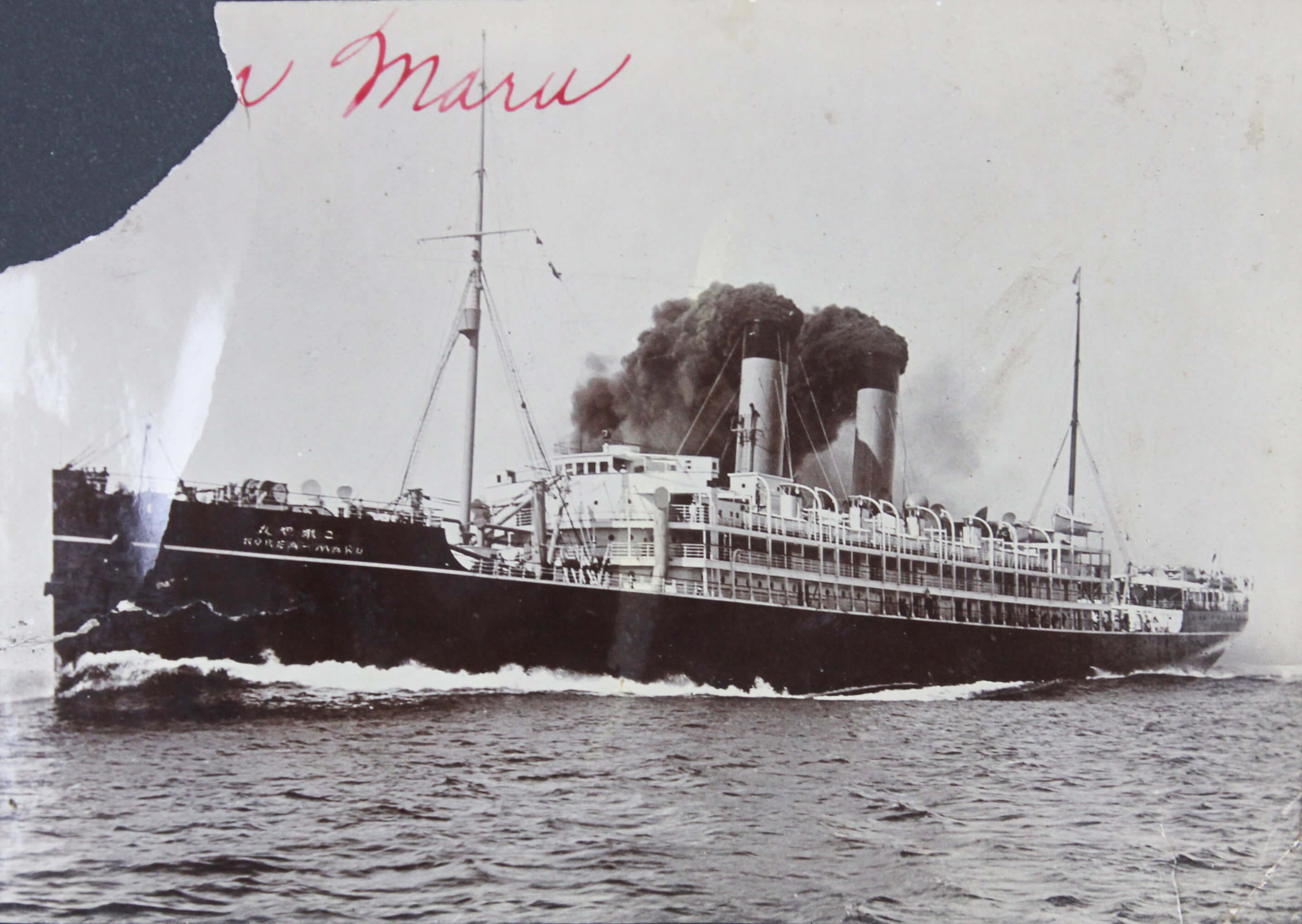
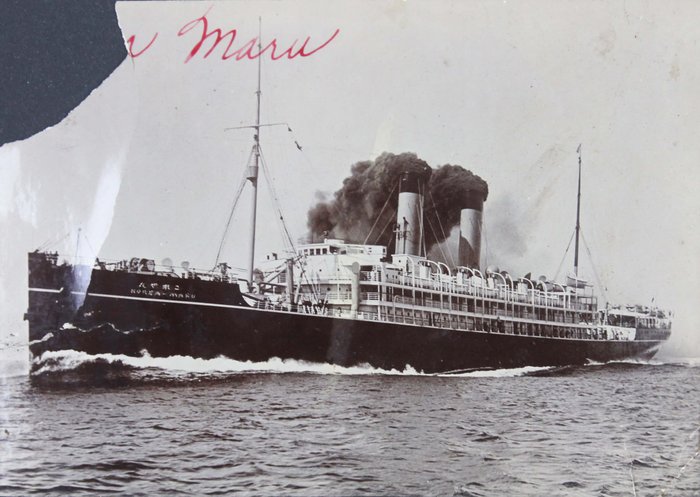
The collection includes 108 original gelatin-silver photographs and printed postcards, with one of the earliest photos showing the Japanese liner SS Korea Maru. The SS was a major trans-Pacific passenger liner of the 1920s, widely used on routes connecting Japan and the U.S. mainland. The photo was likely taken on the San Francisco waterfront when the compiler and her family were meeting a relative from Japan.
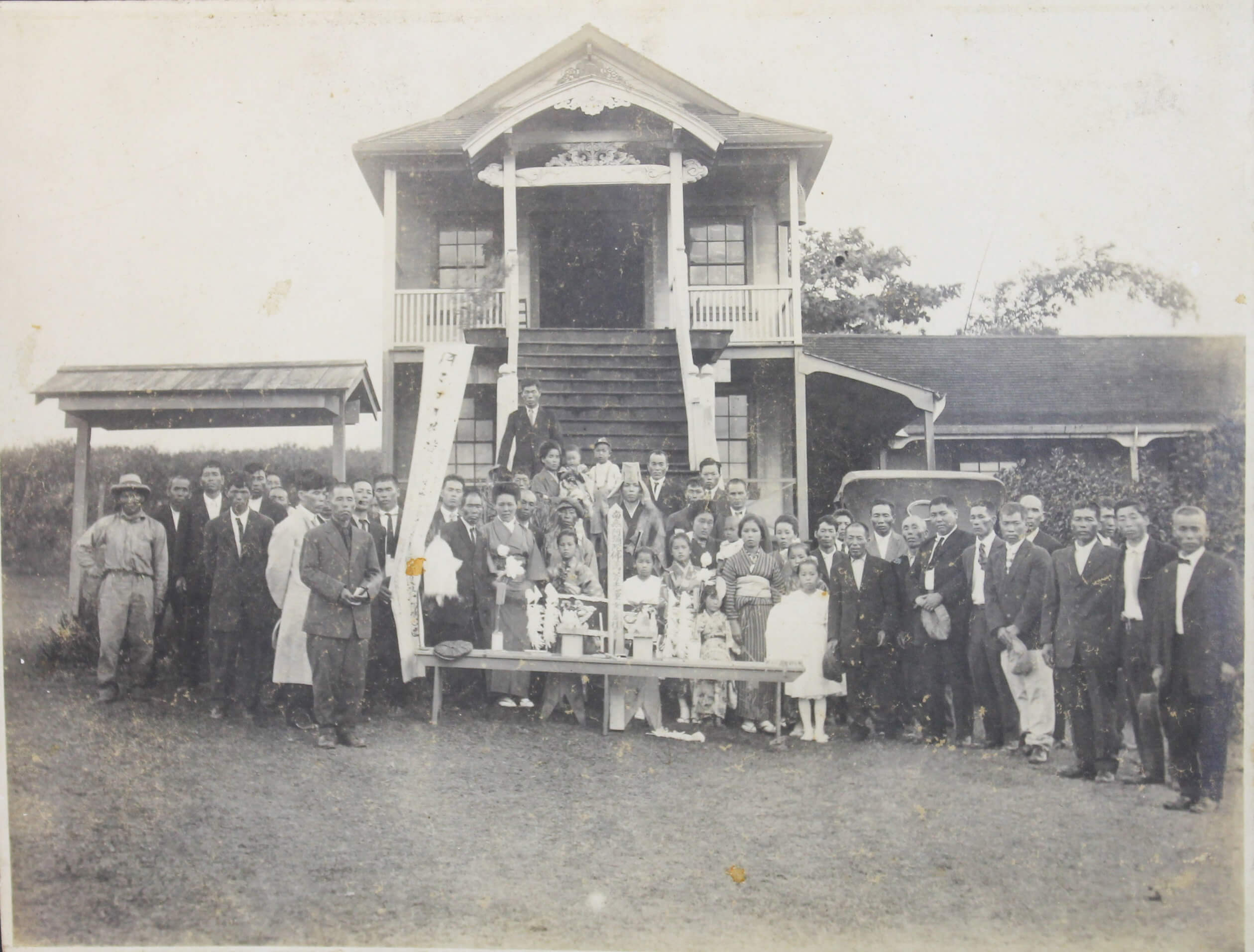
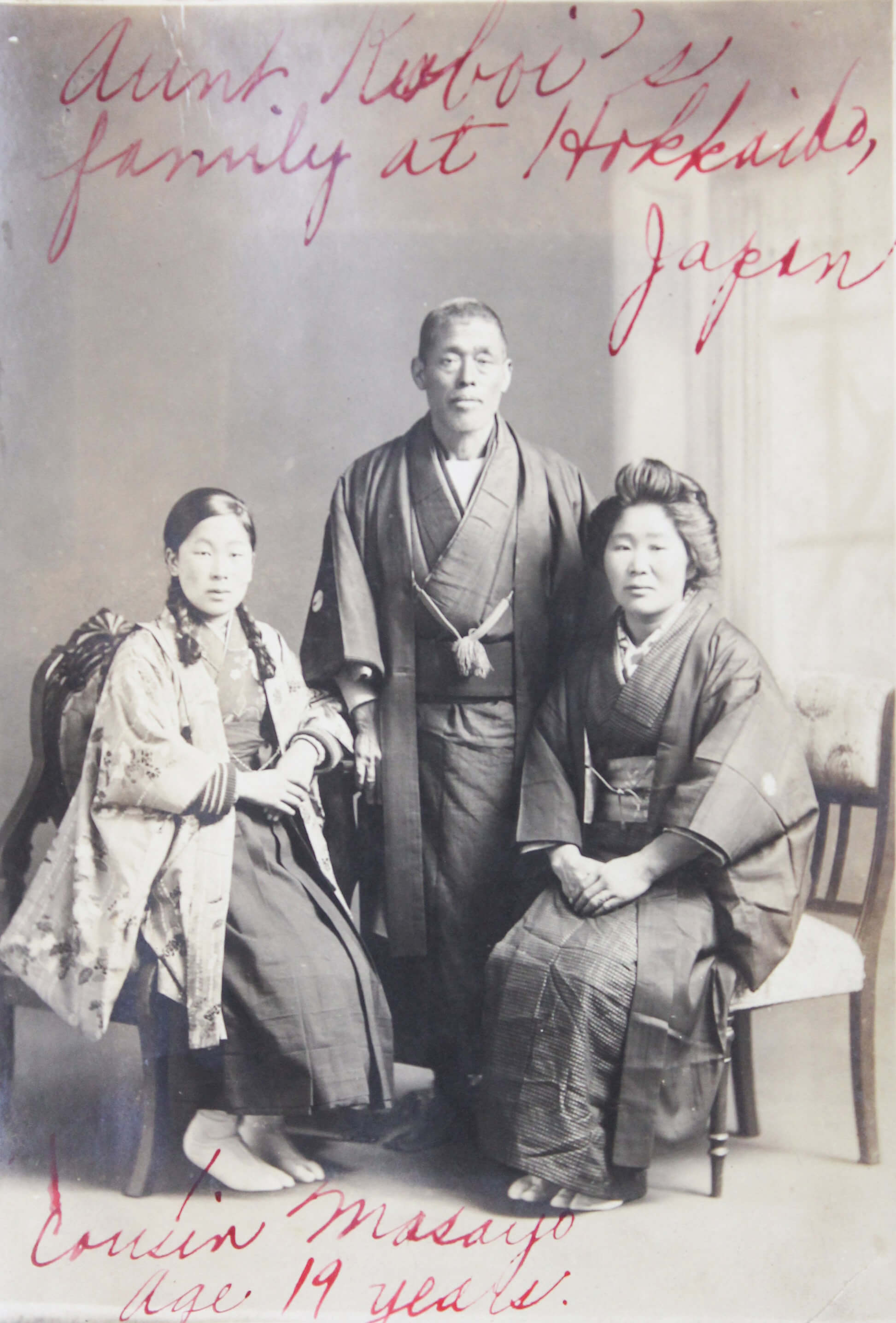
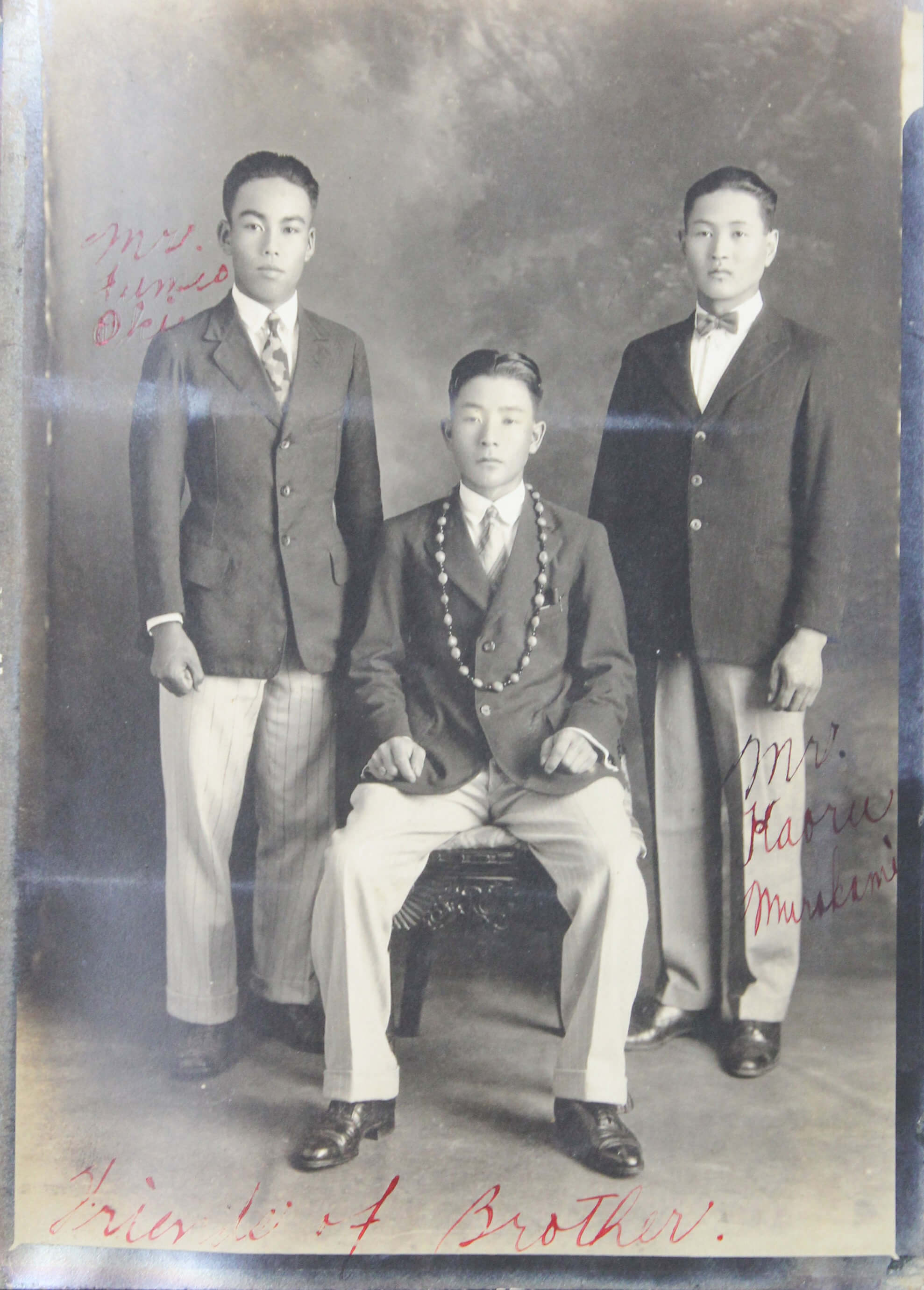
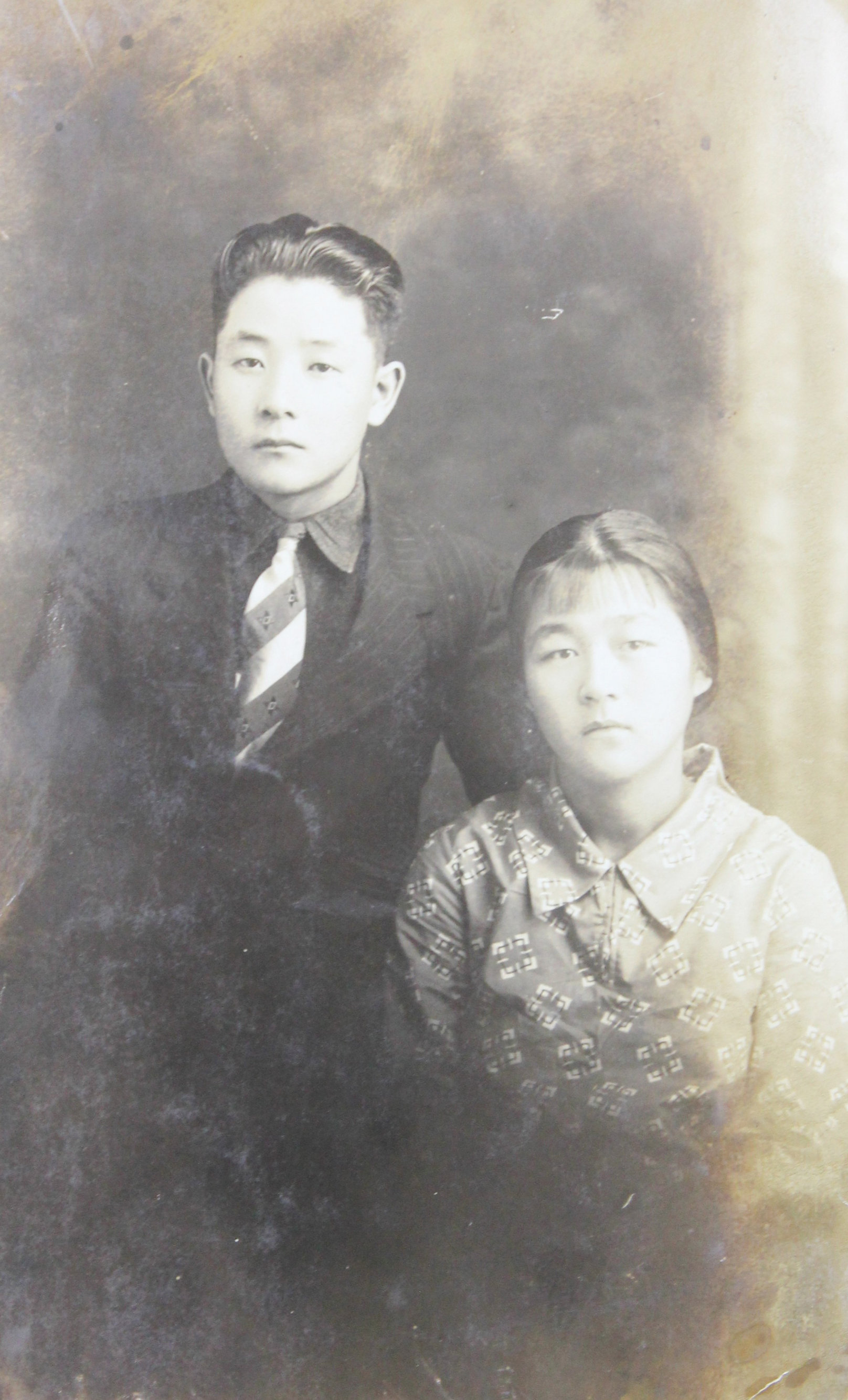
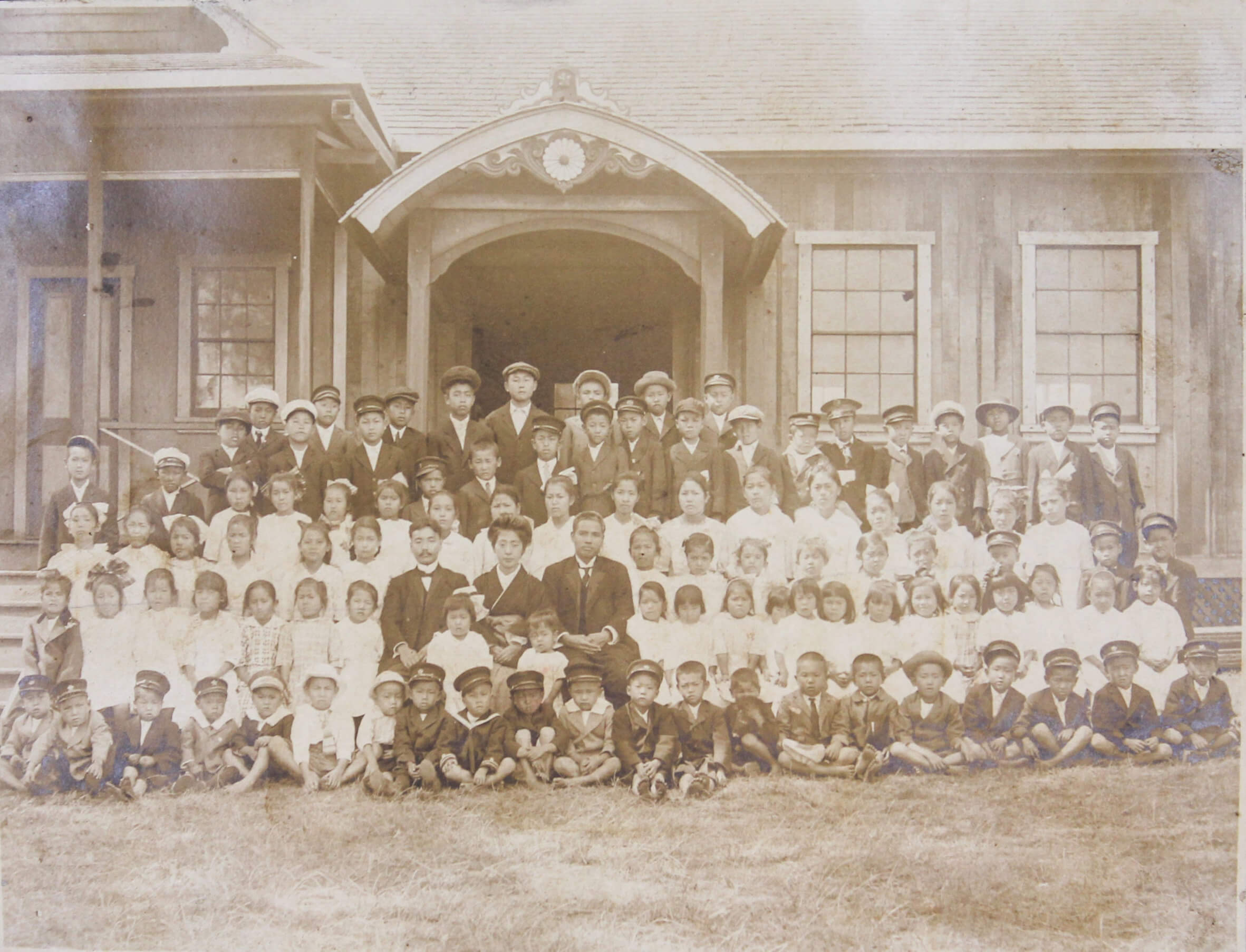
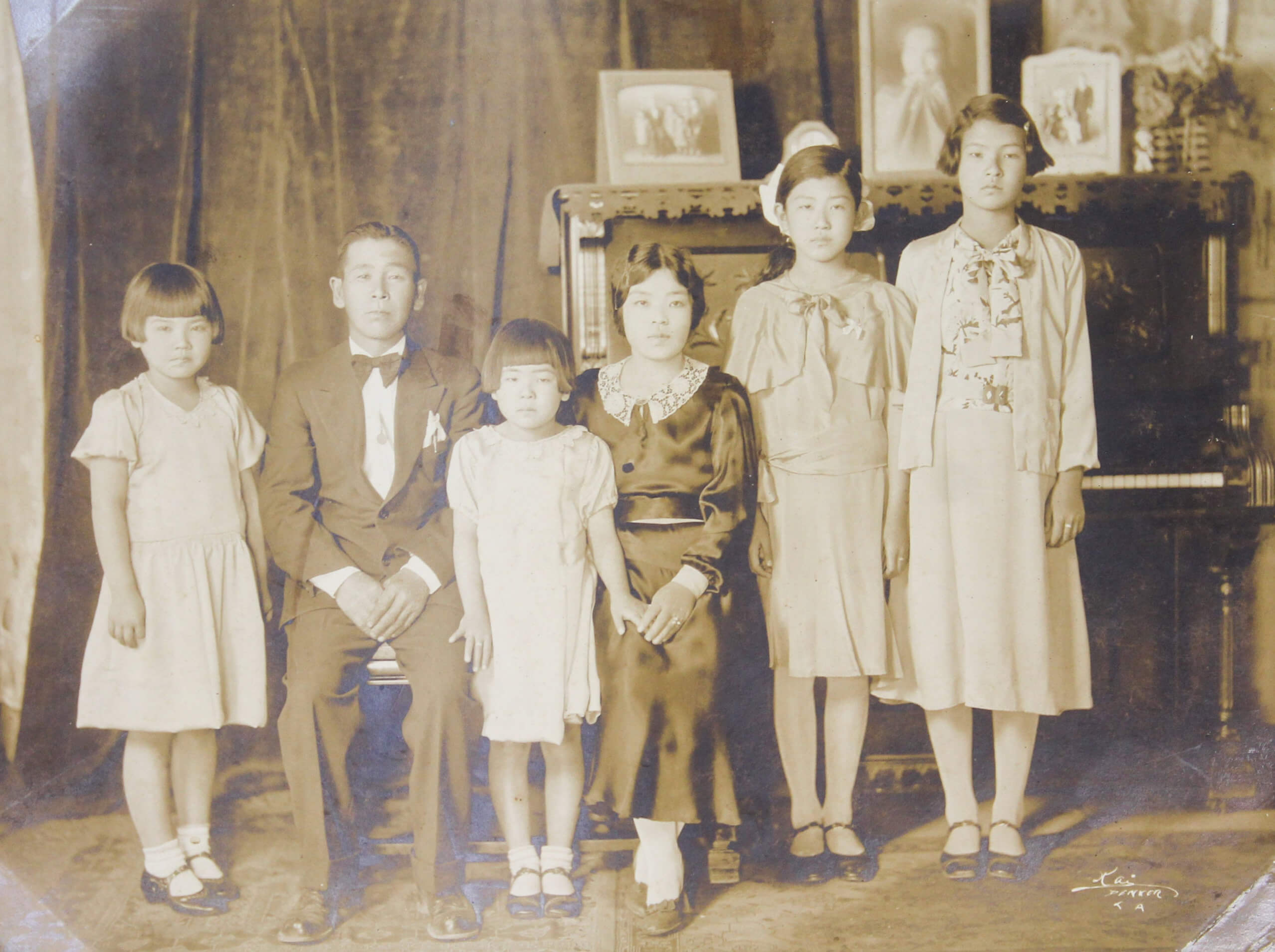
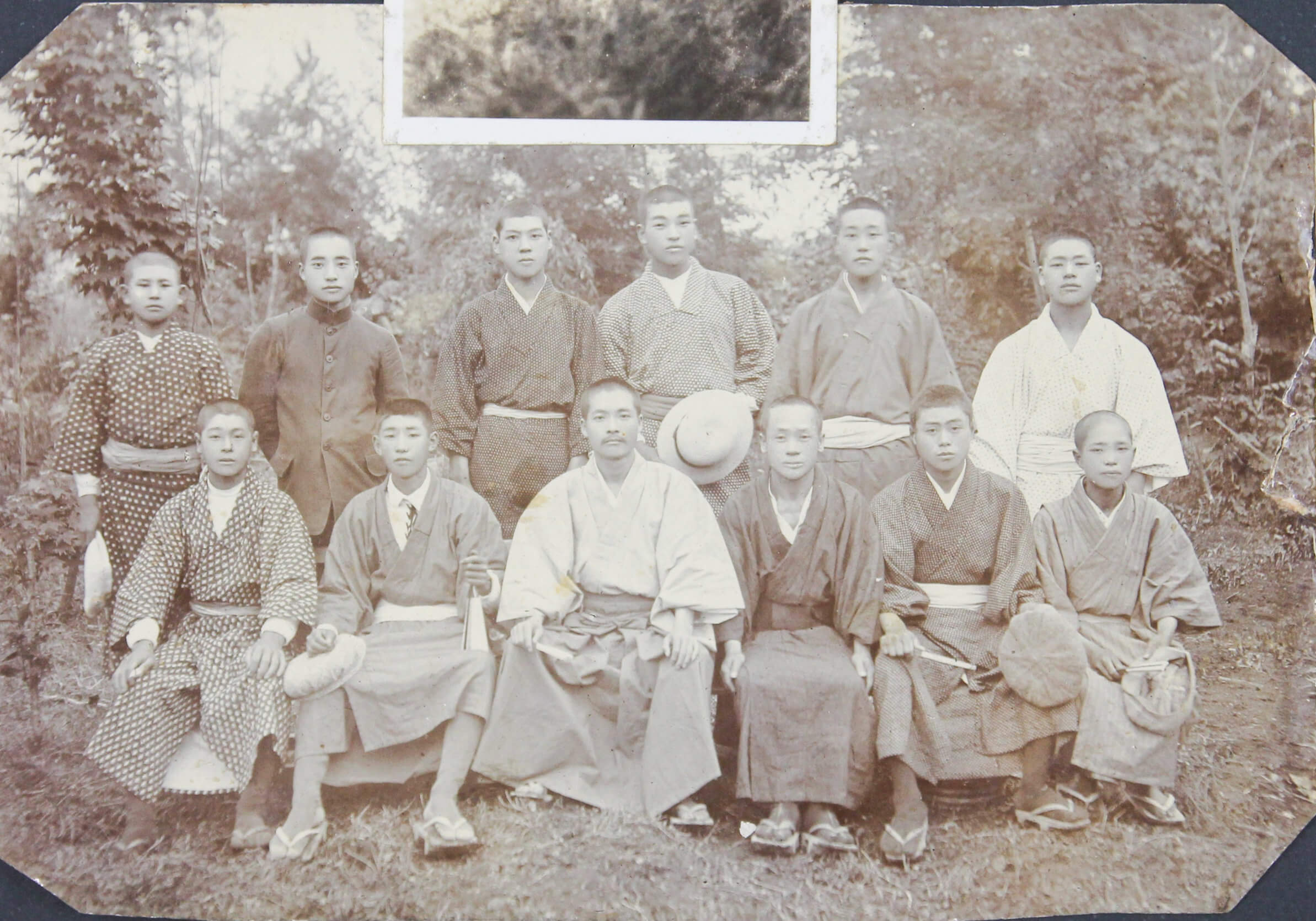
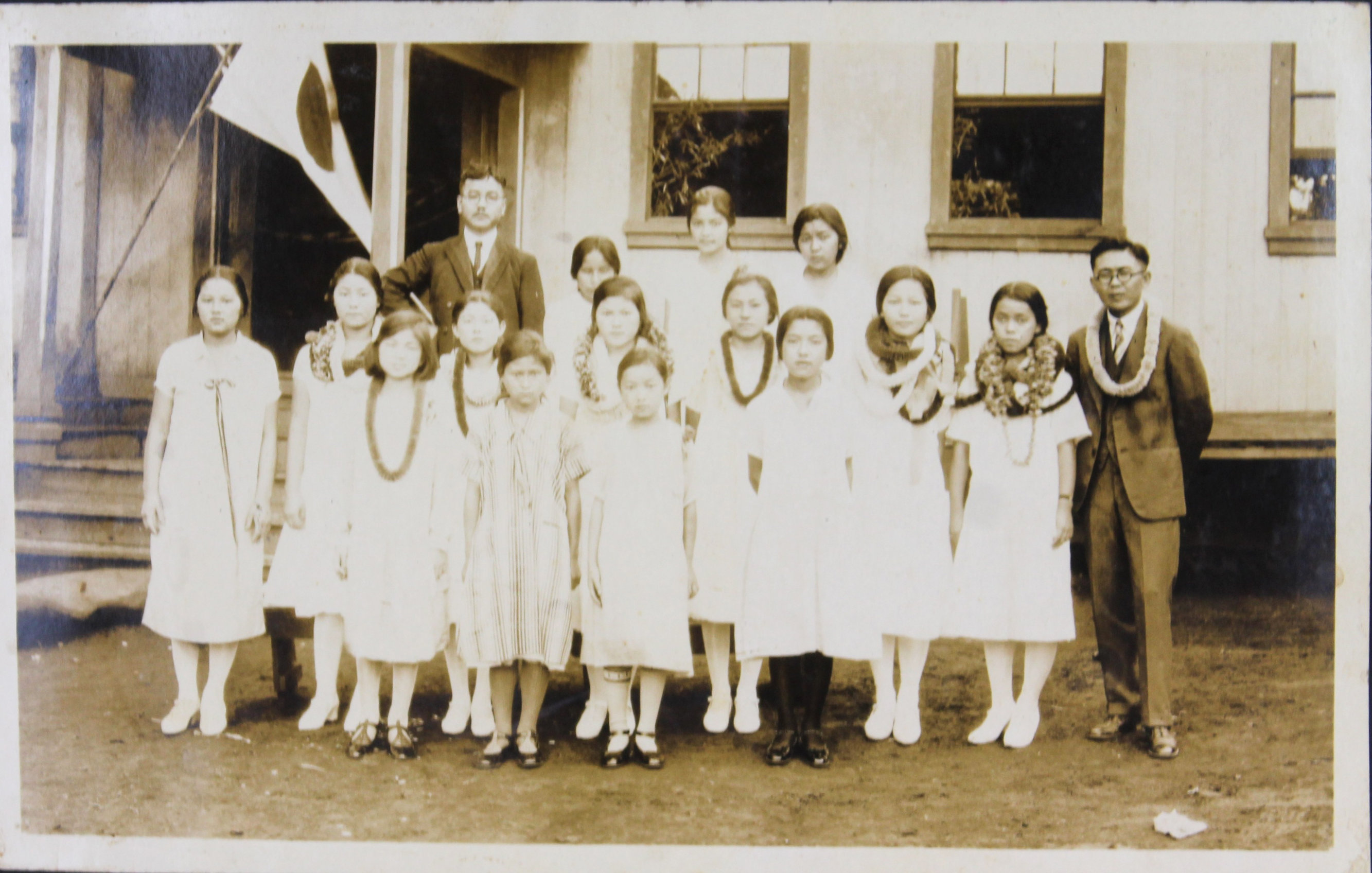
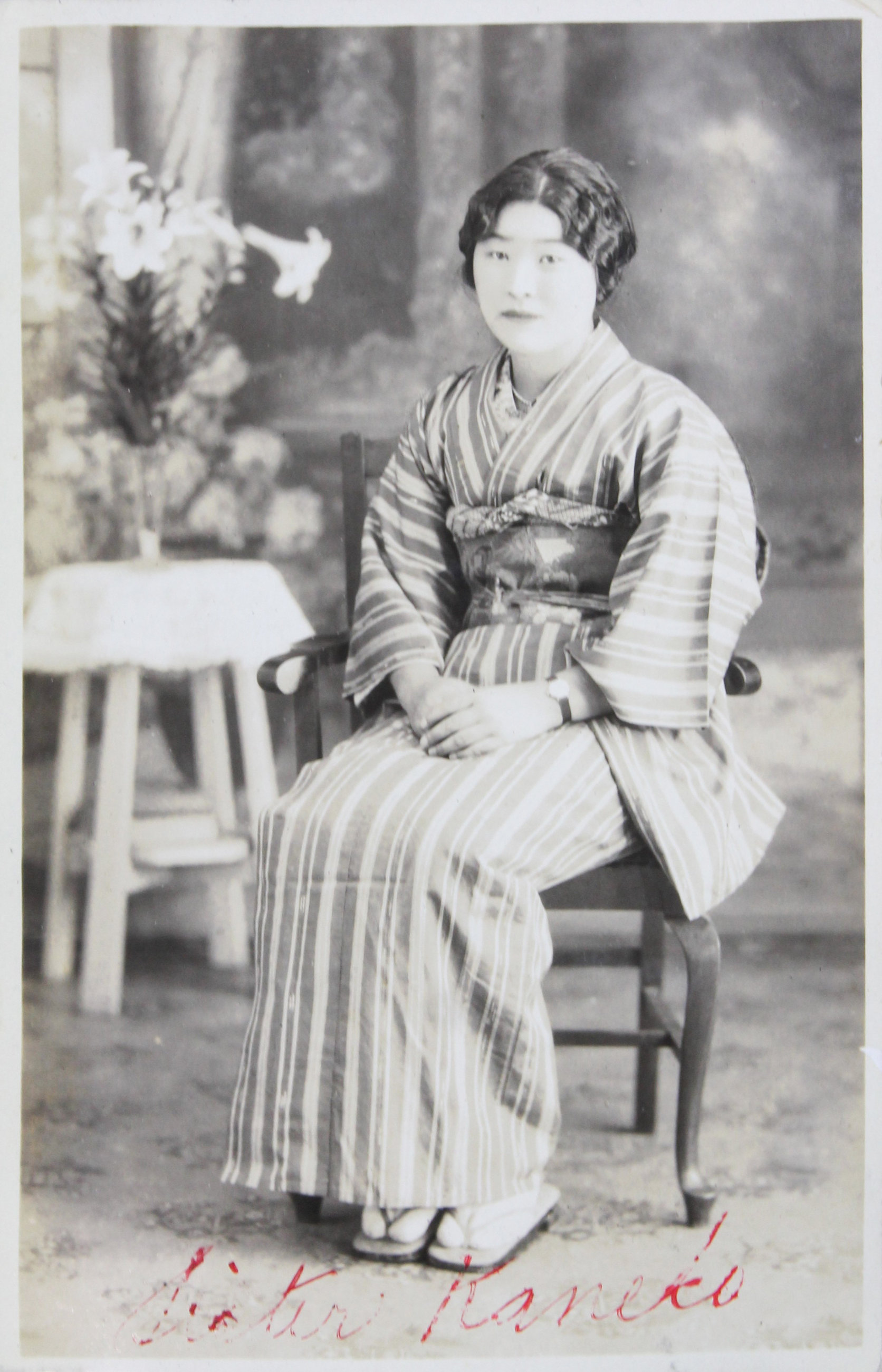
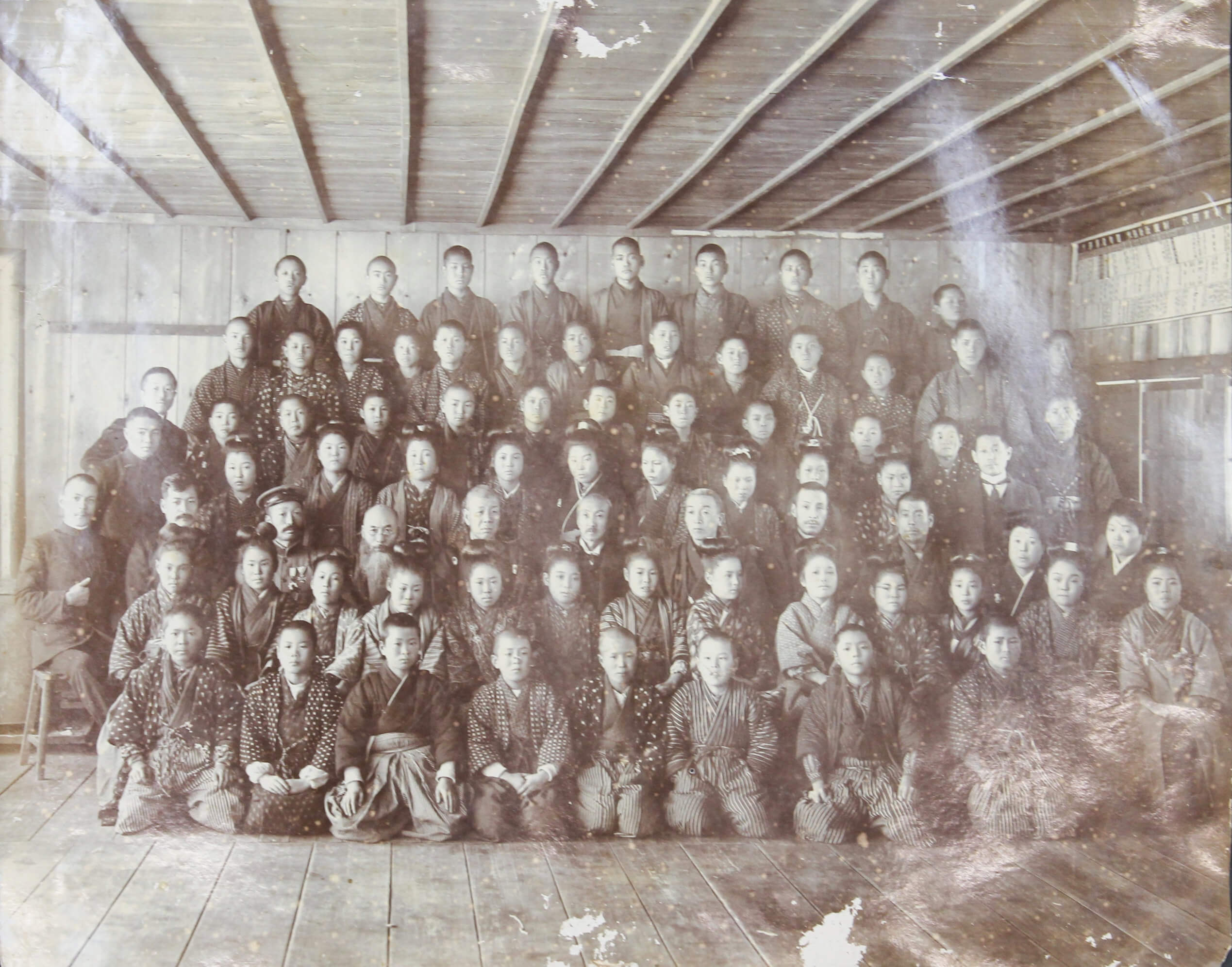
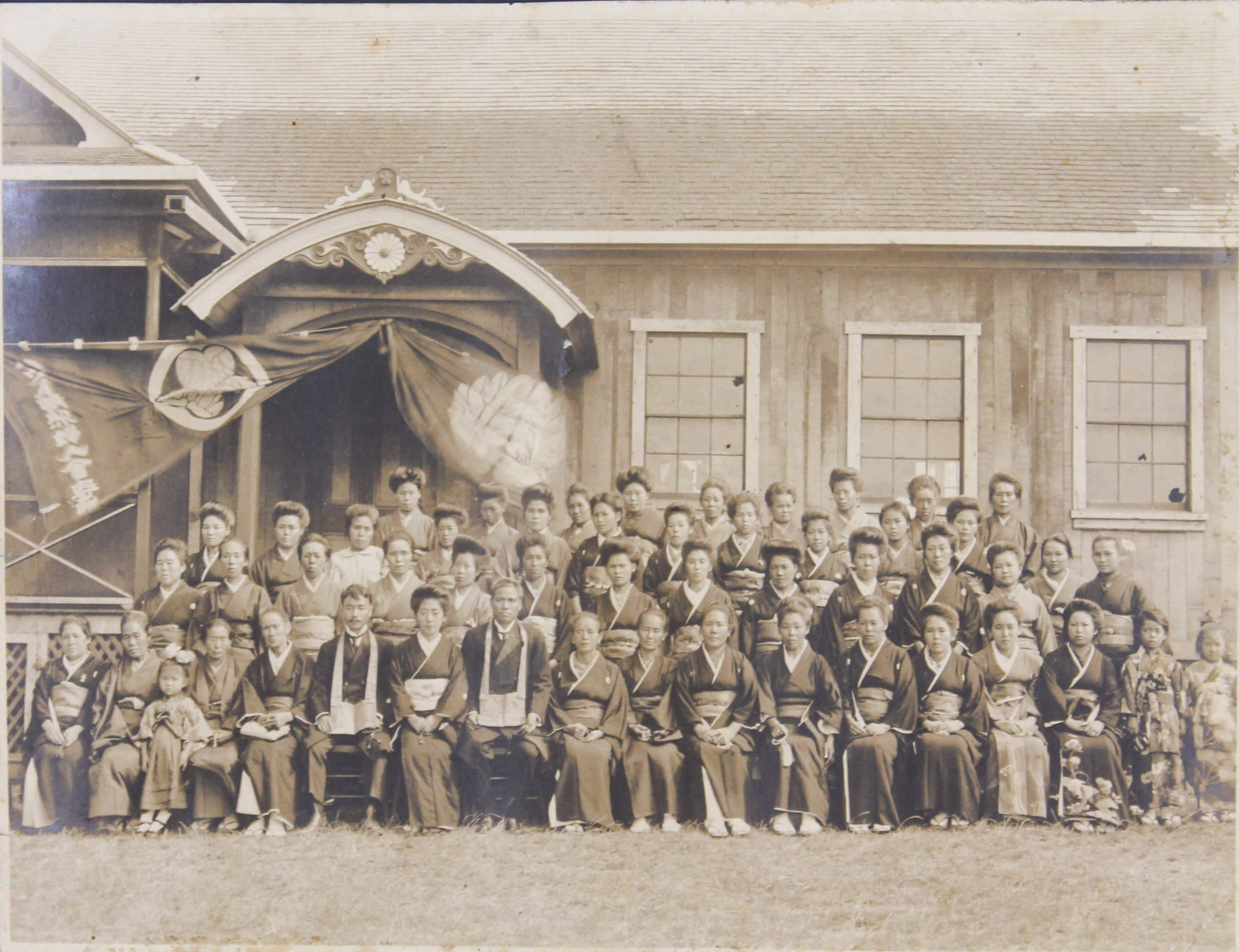
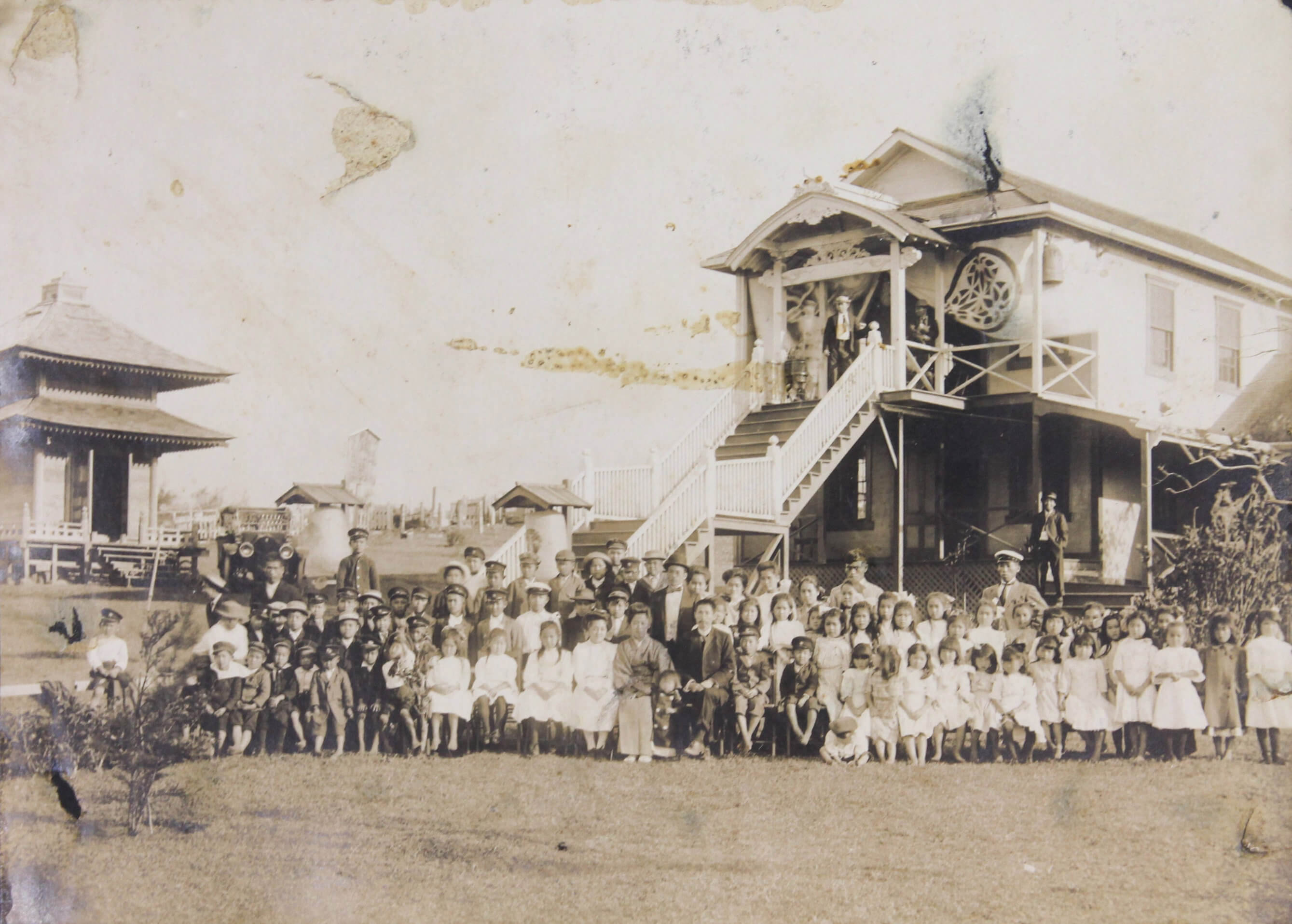
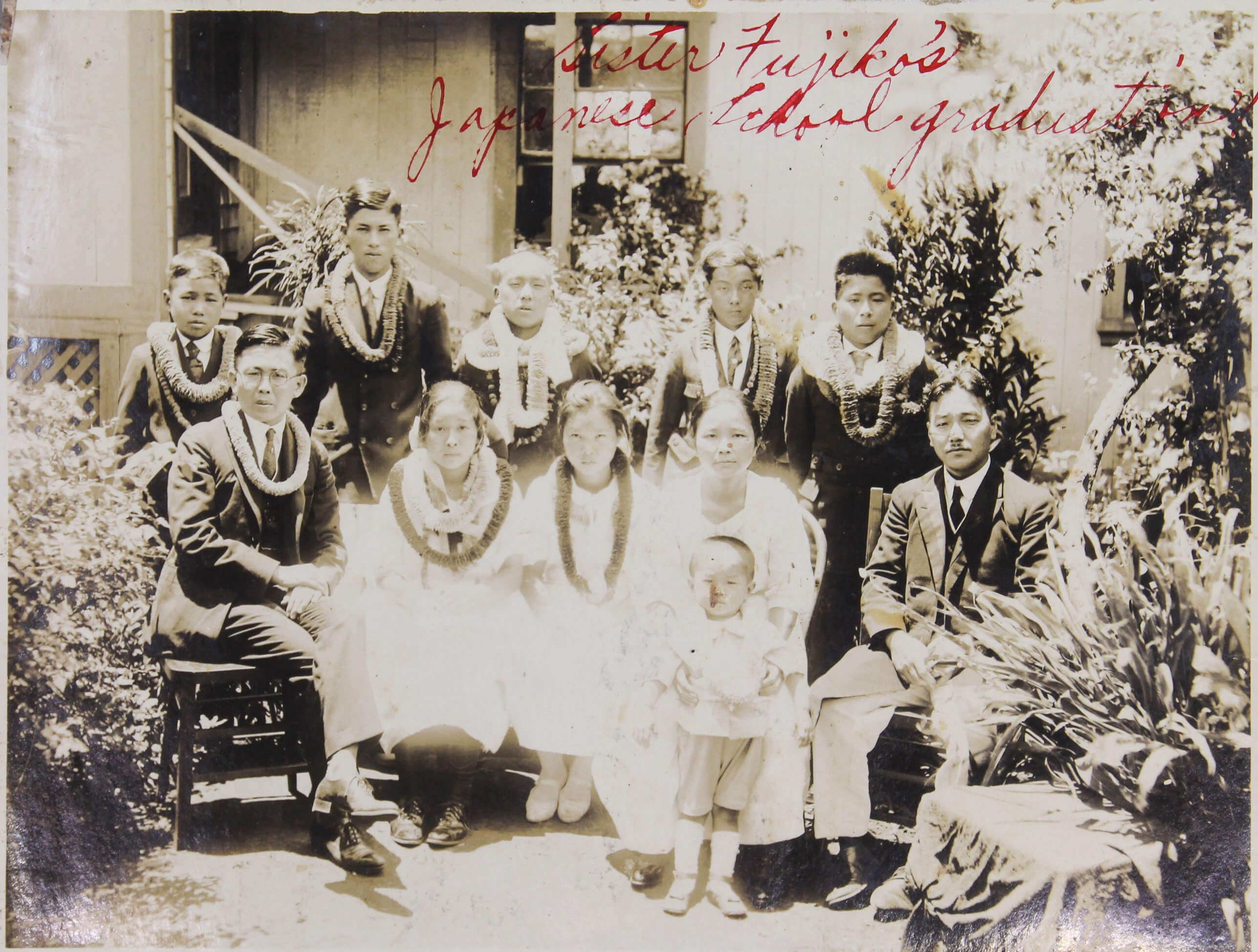
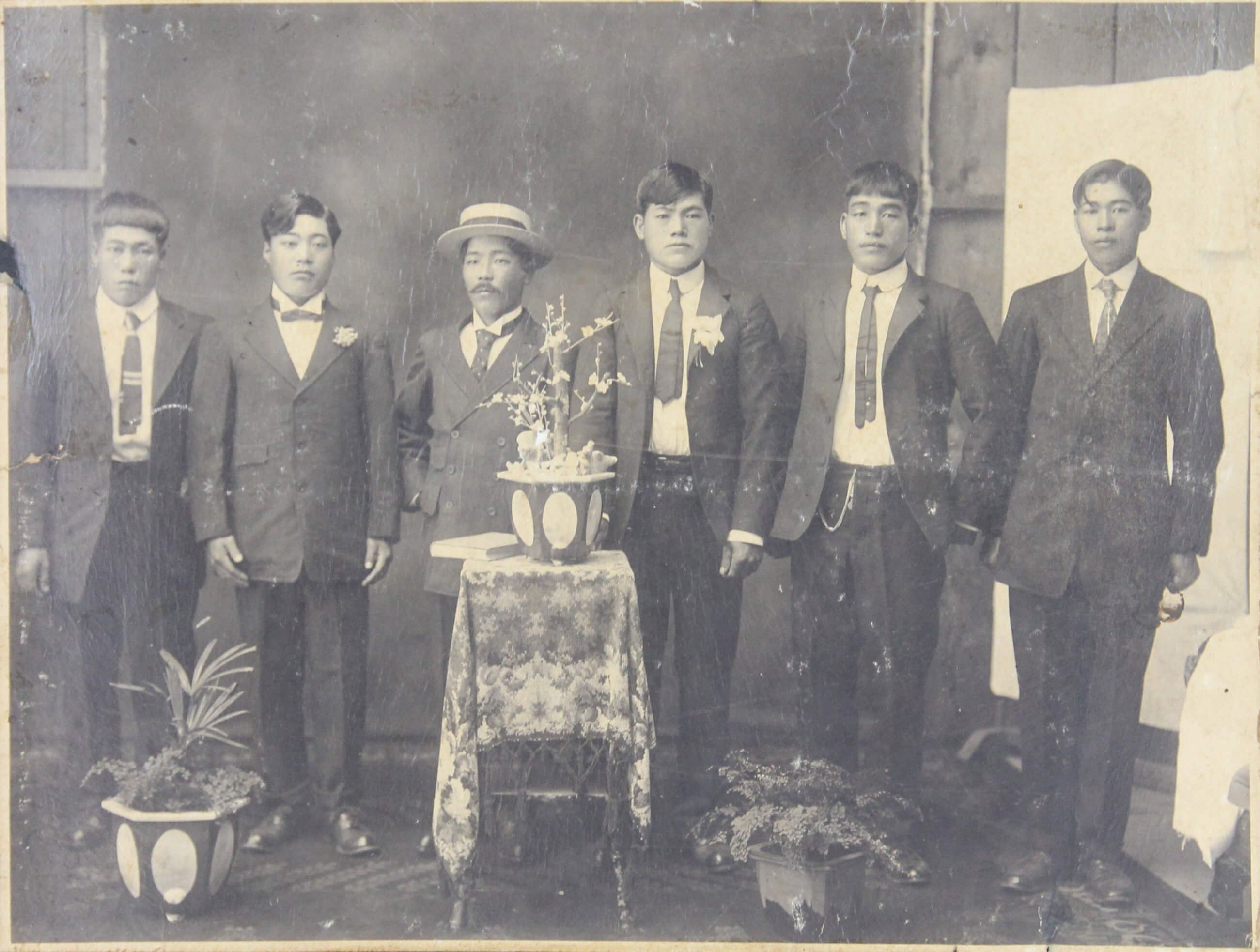
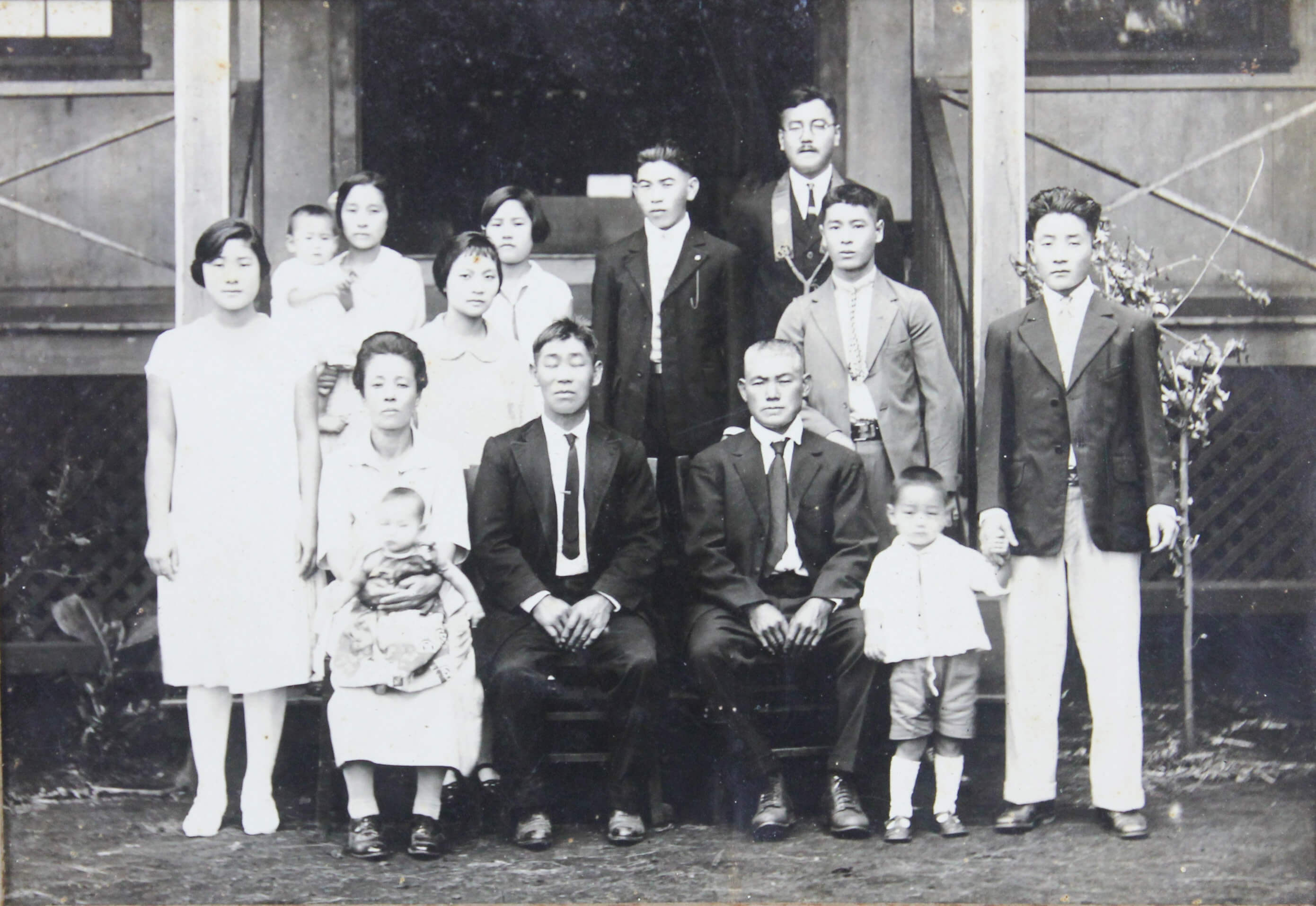
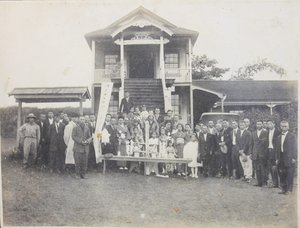
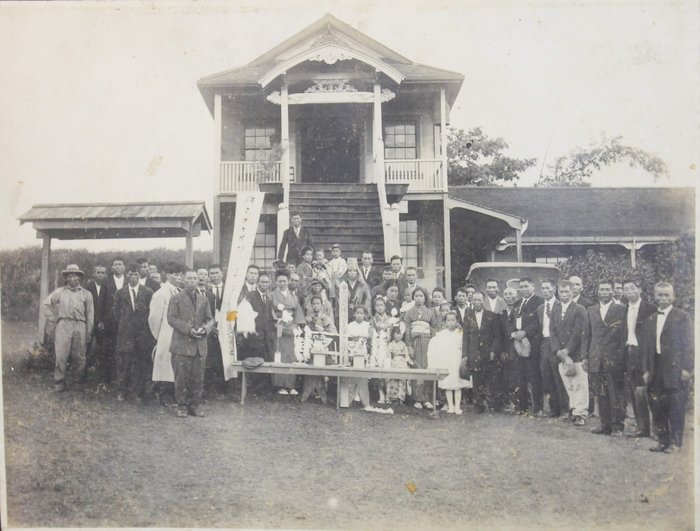
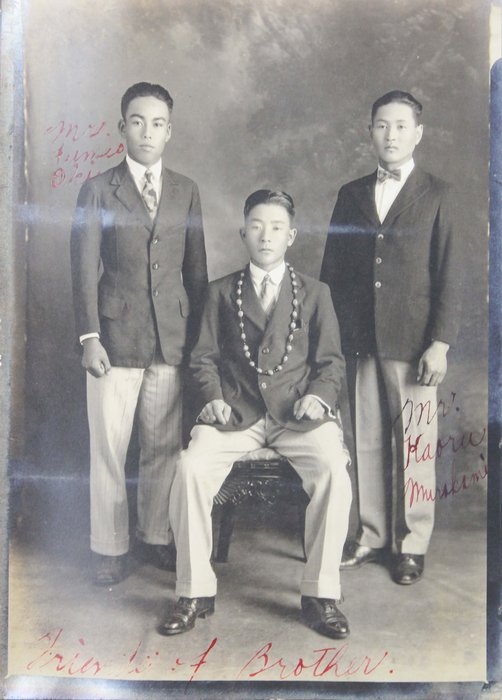
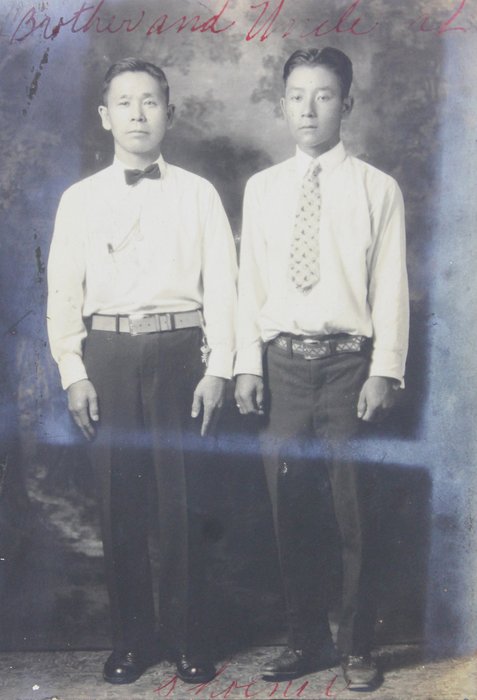
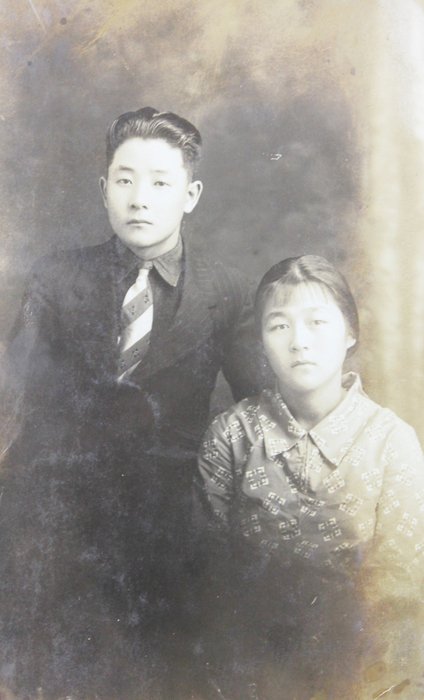
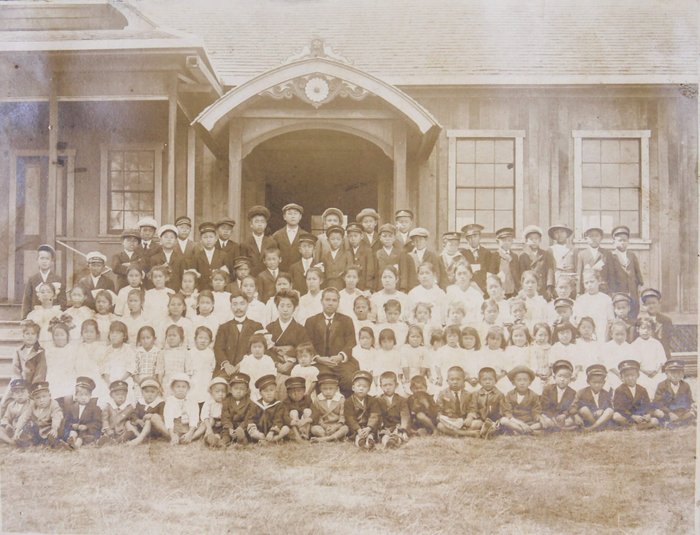
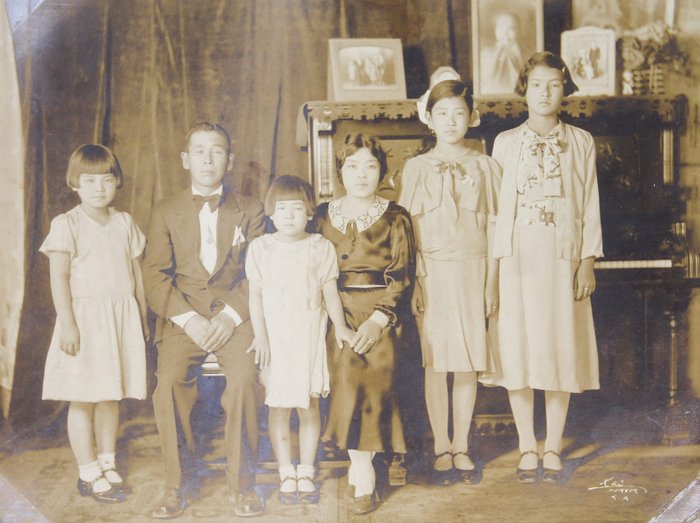
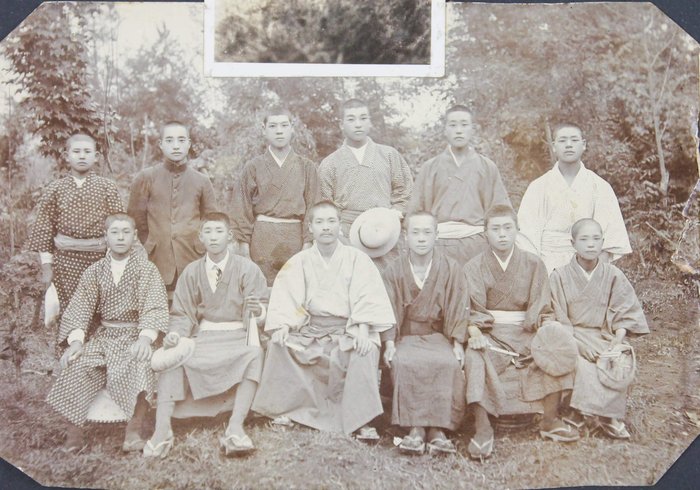
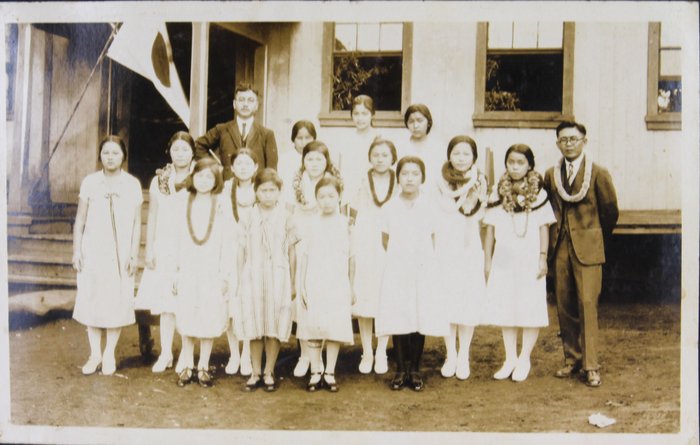
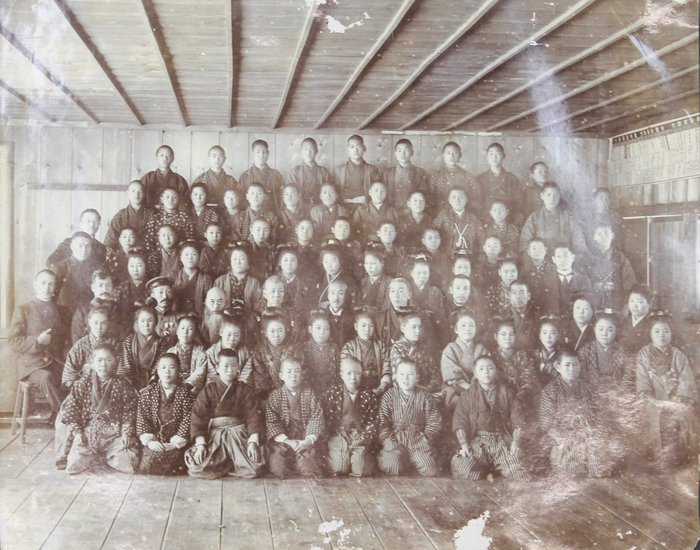
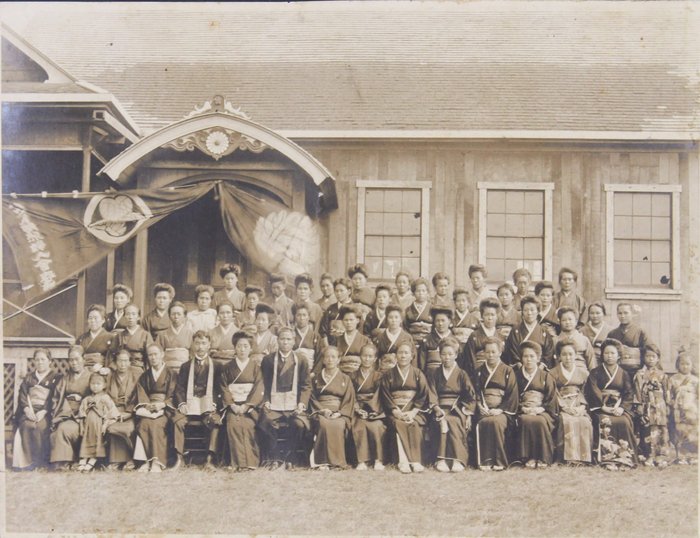
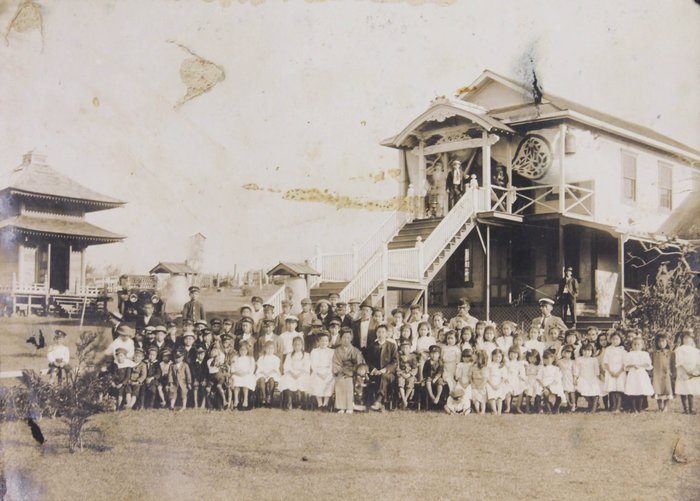
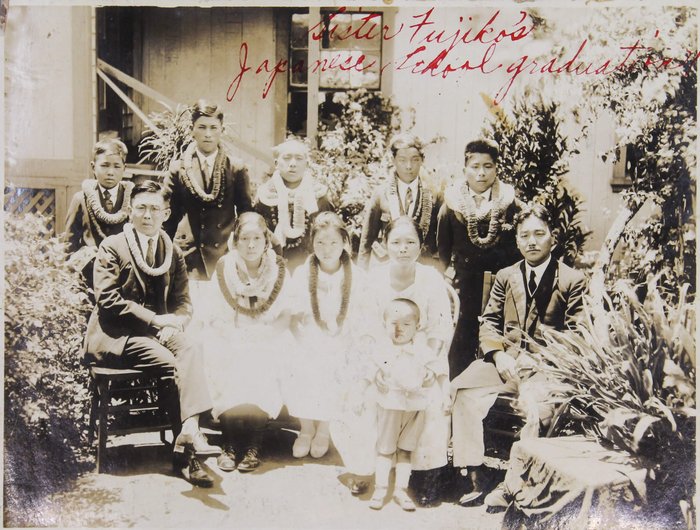
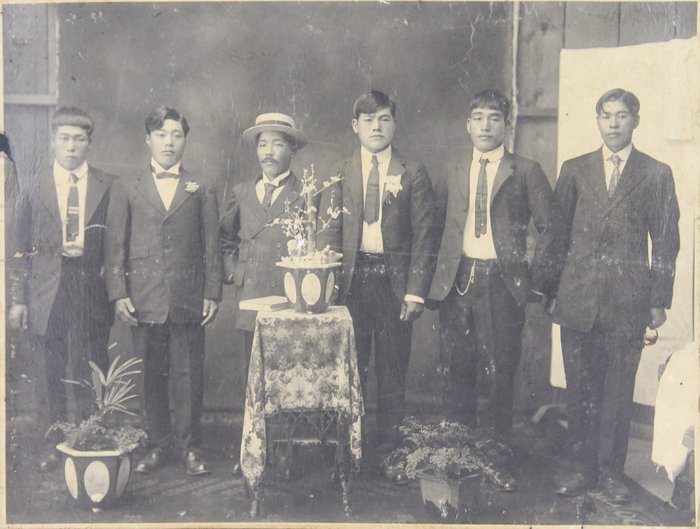
About thirteen large-size professional photographs portray Japanese school boys and girls, some in American school uniforms and others in kimonos, yukatas, suits, and military uniforms, gathered outside their schools. Many wear Hawaiian flower leis and pose beside American flags or Japanese signage. One interesting image bears a handwritten Japanese inscription on the mount, identifying the location as the East Kona Japanese School. It shows students posed outdoors with the school building and several traditional Japanese-style houses in the background. Another important group portrait shows what appears to be a local Japanese youth association, with its mostly female members posing beside the organization’s flag and building. The rest of the large-size prints are mostly studio portraits, produced in early Hawaiian studios and showing the compiler’s relatives in various settings.
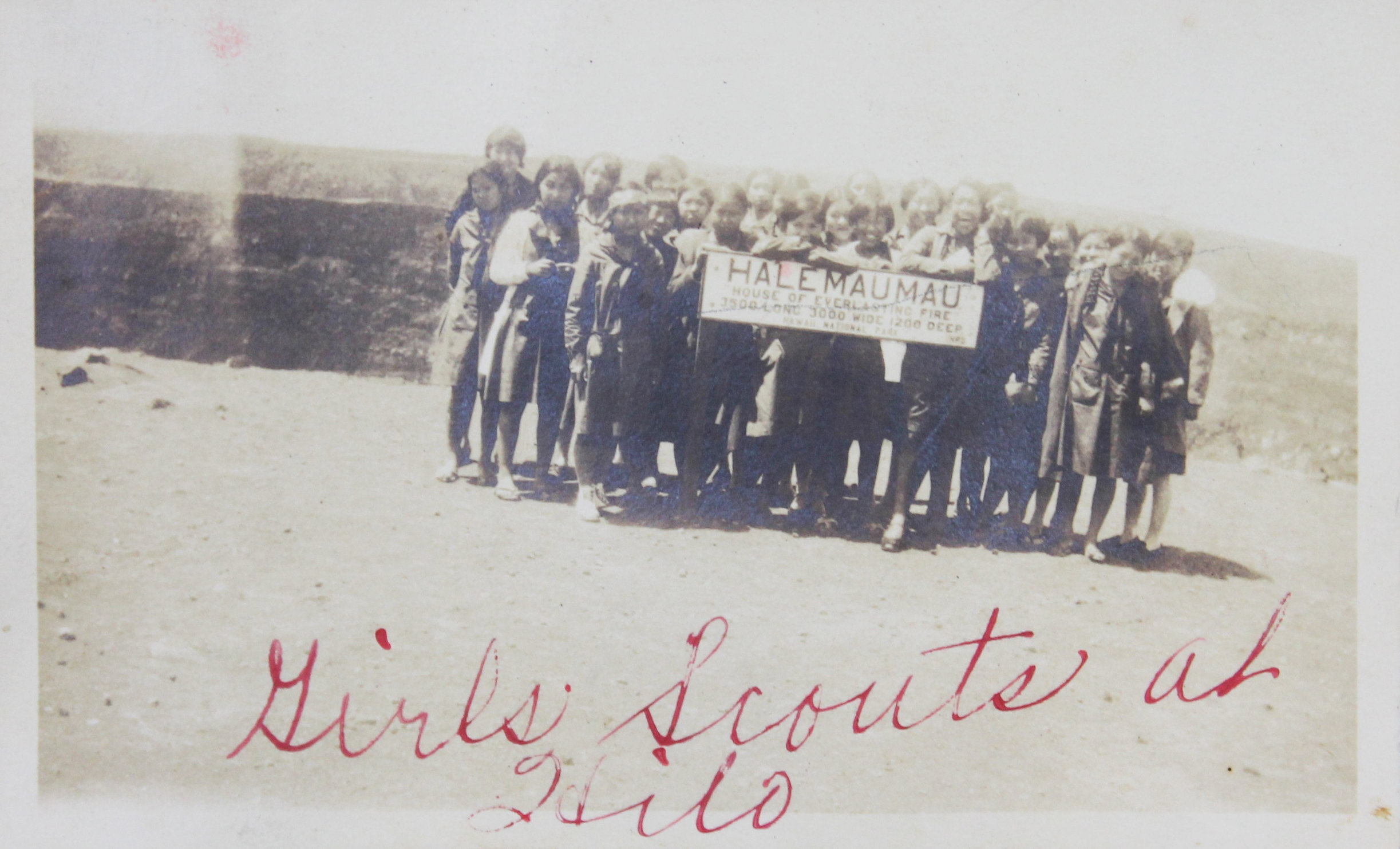
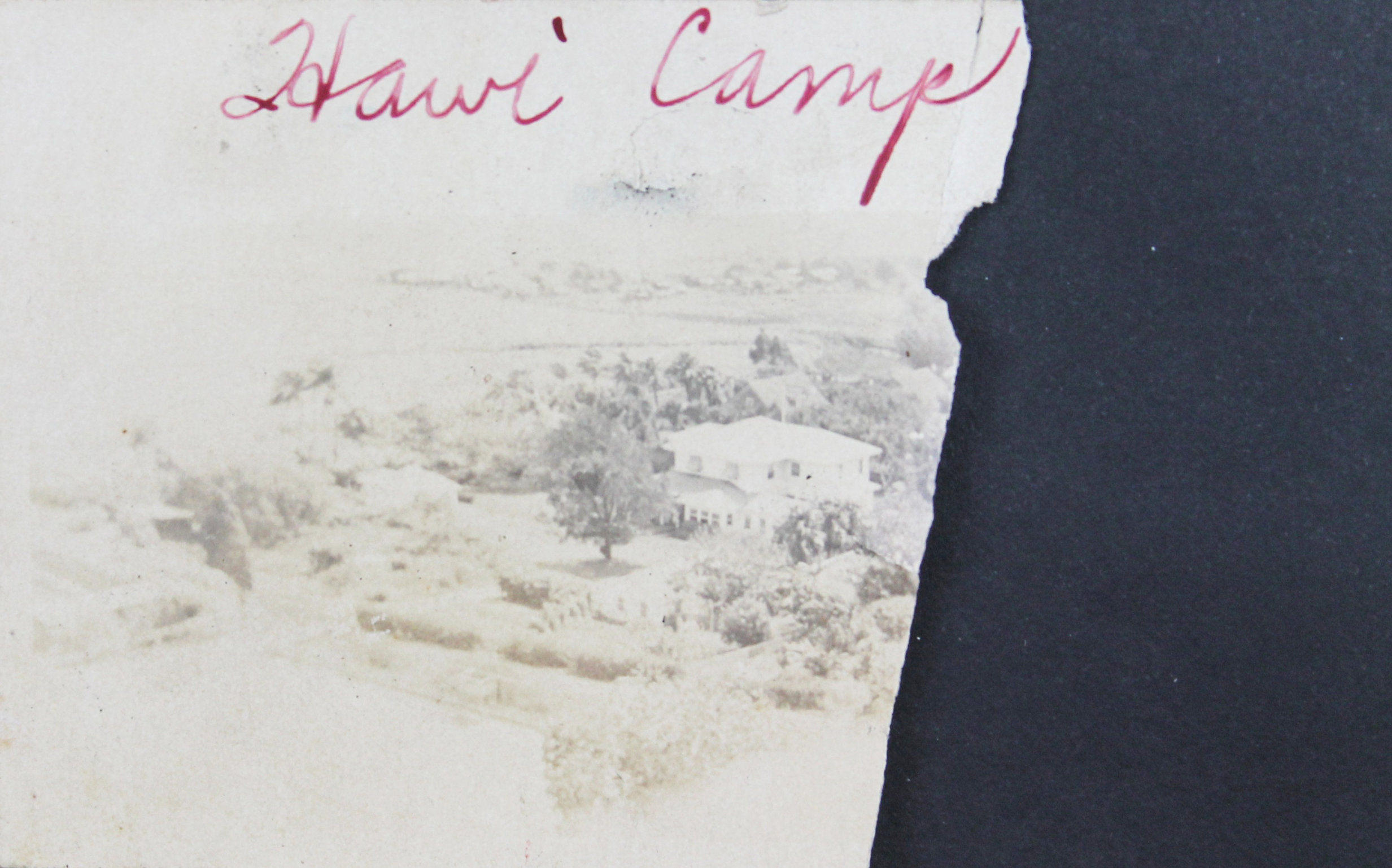
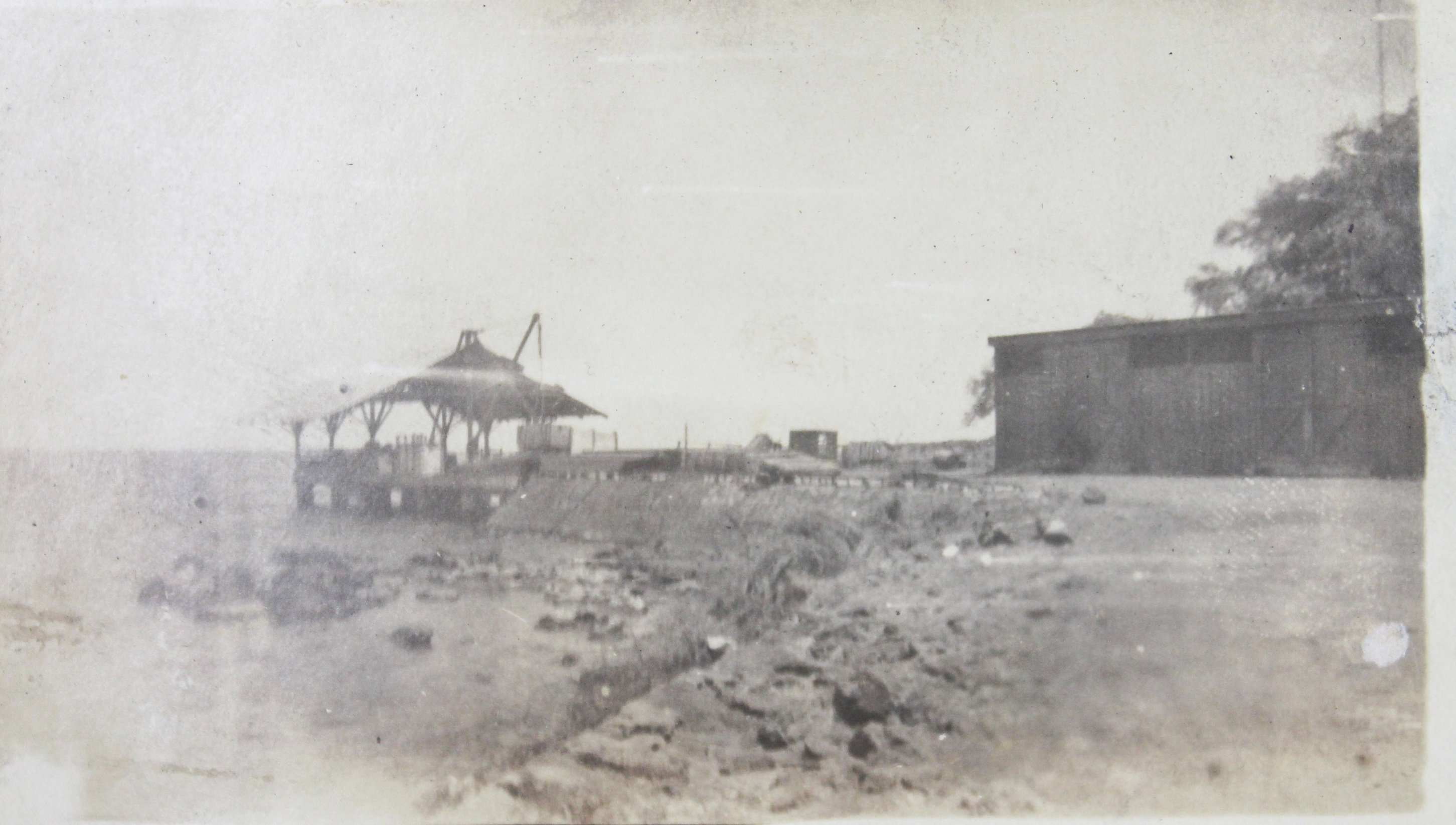
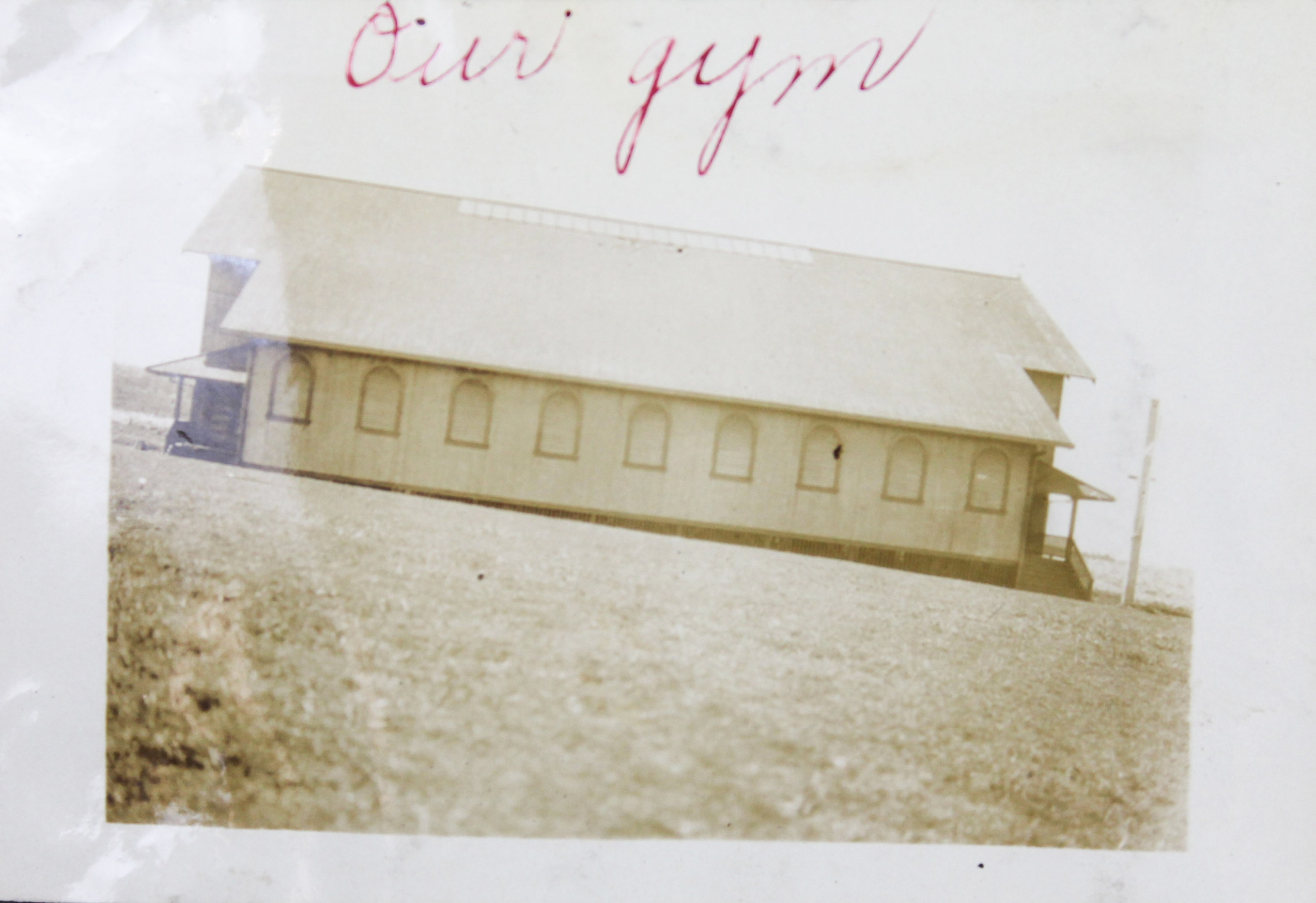
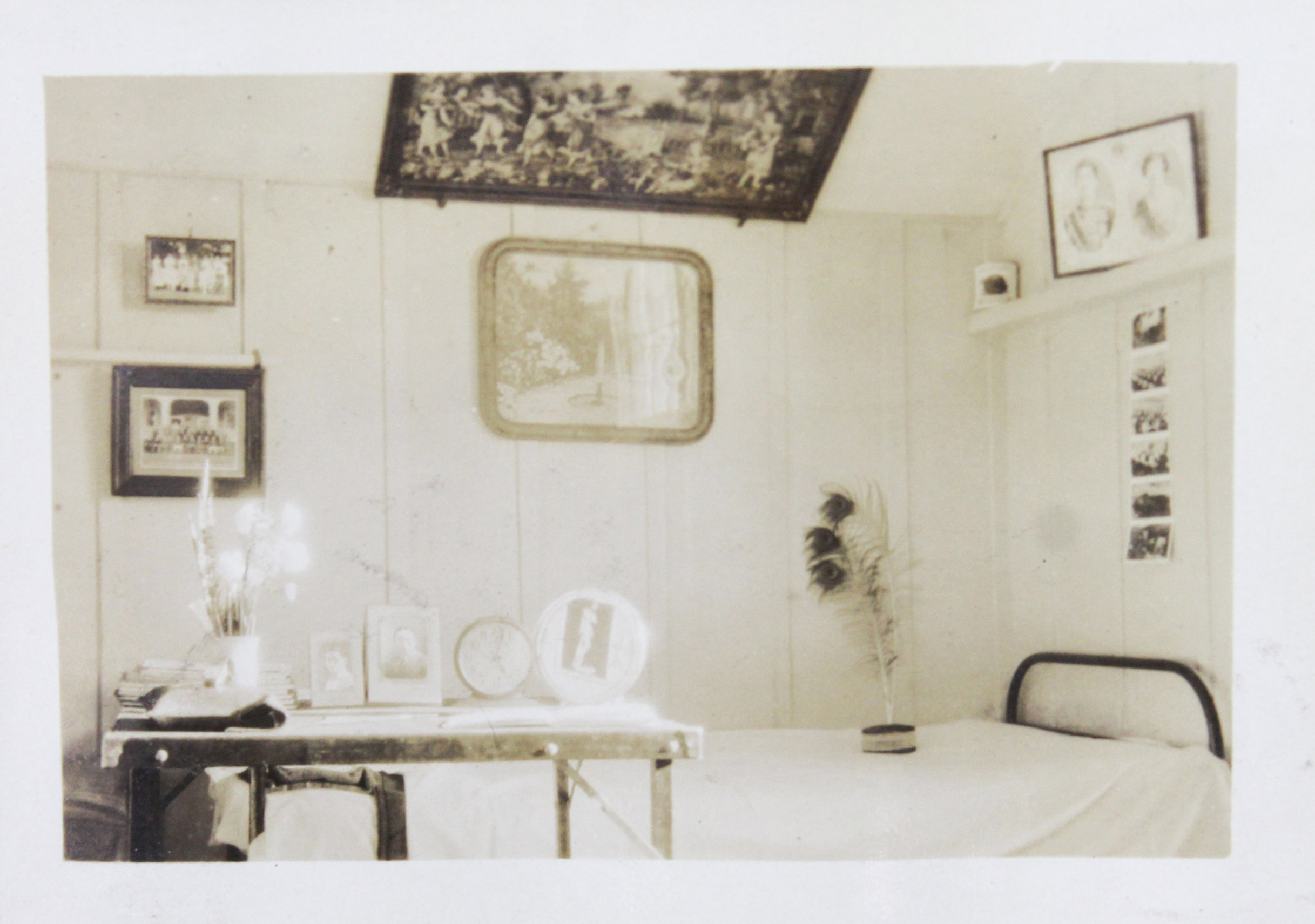
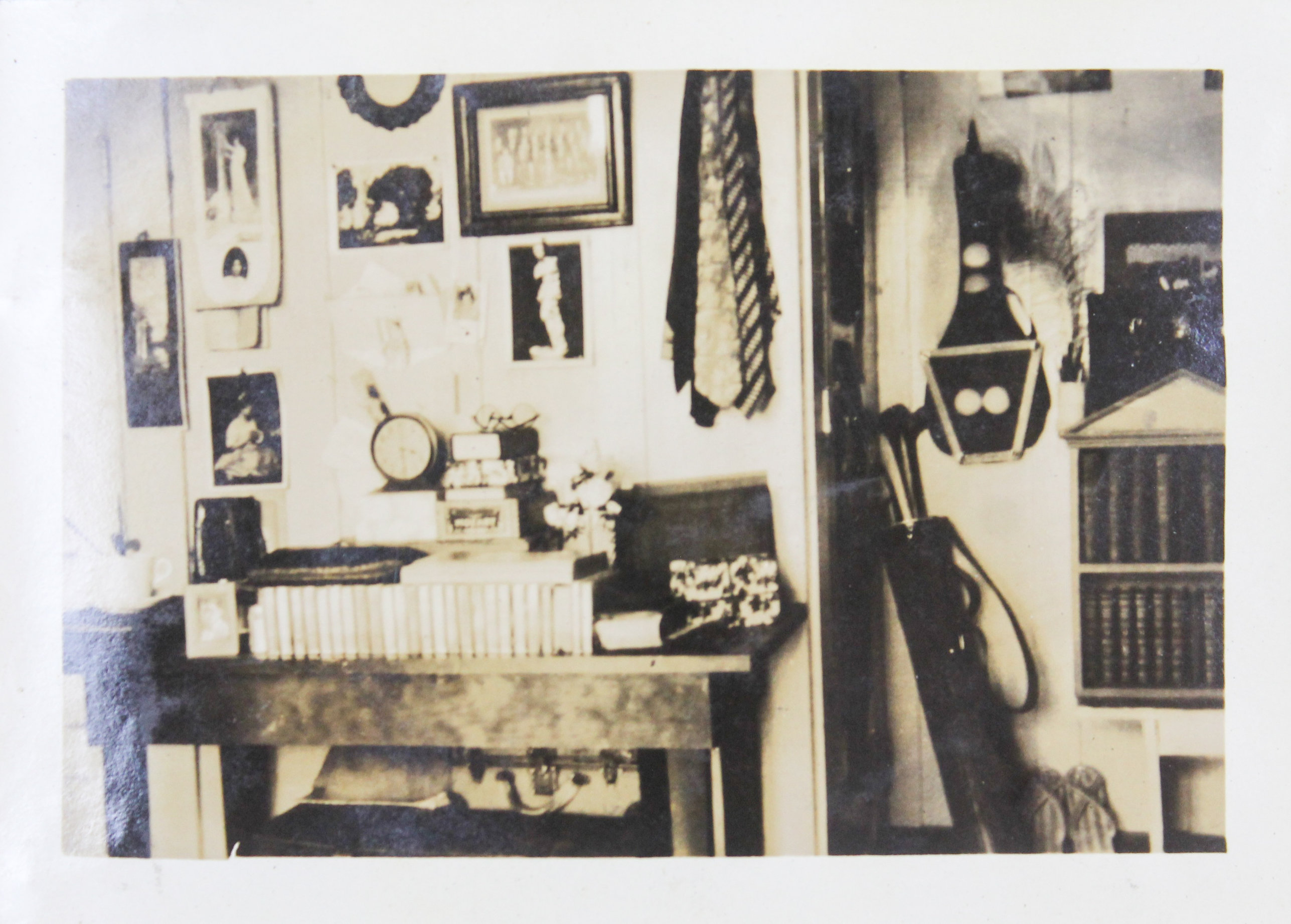
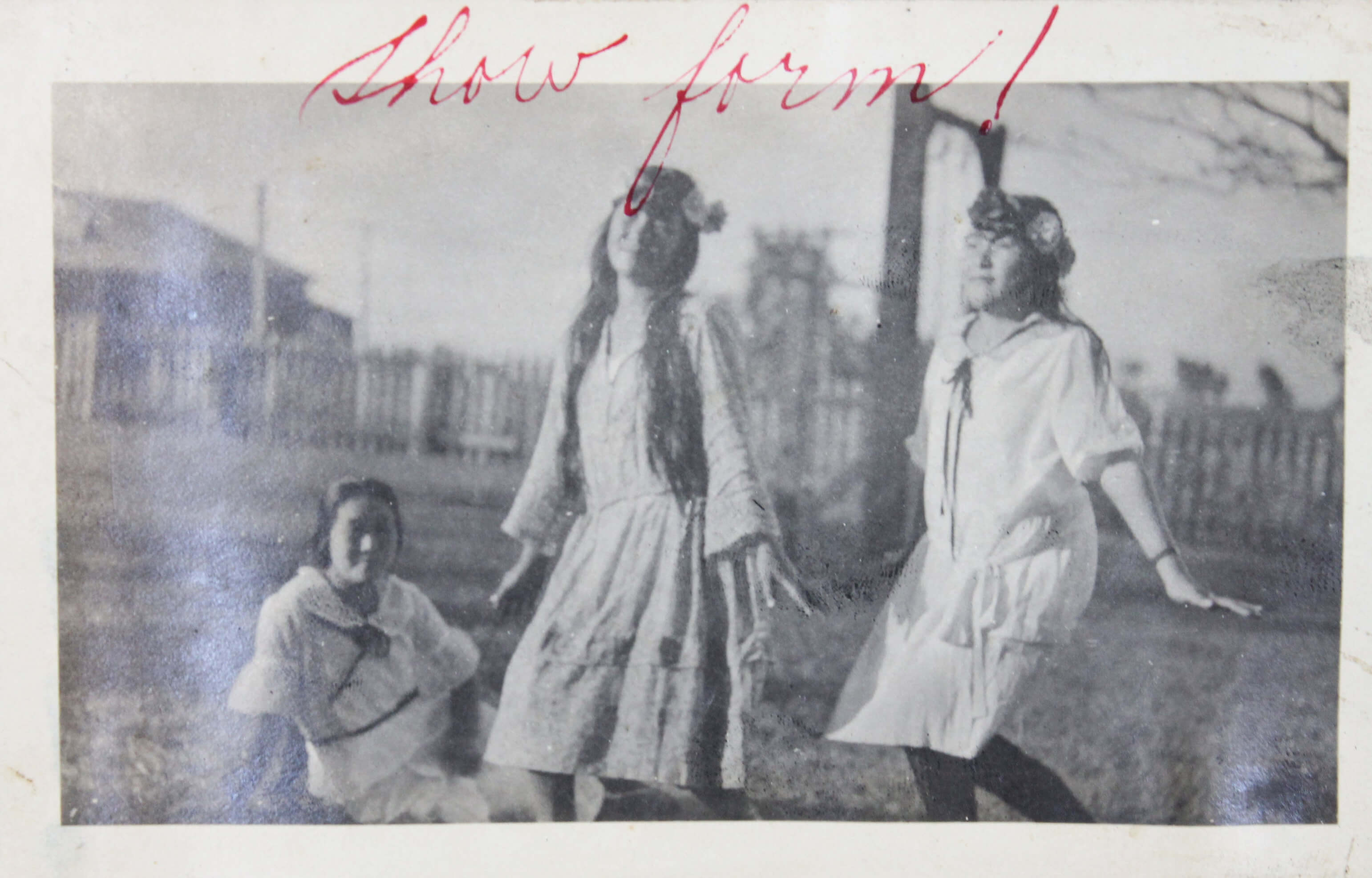
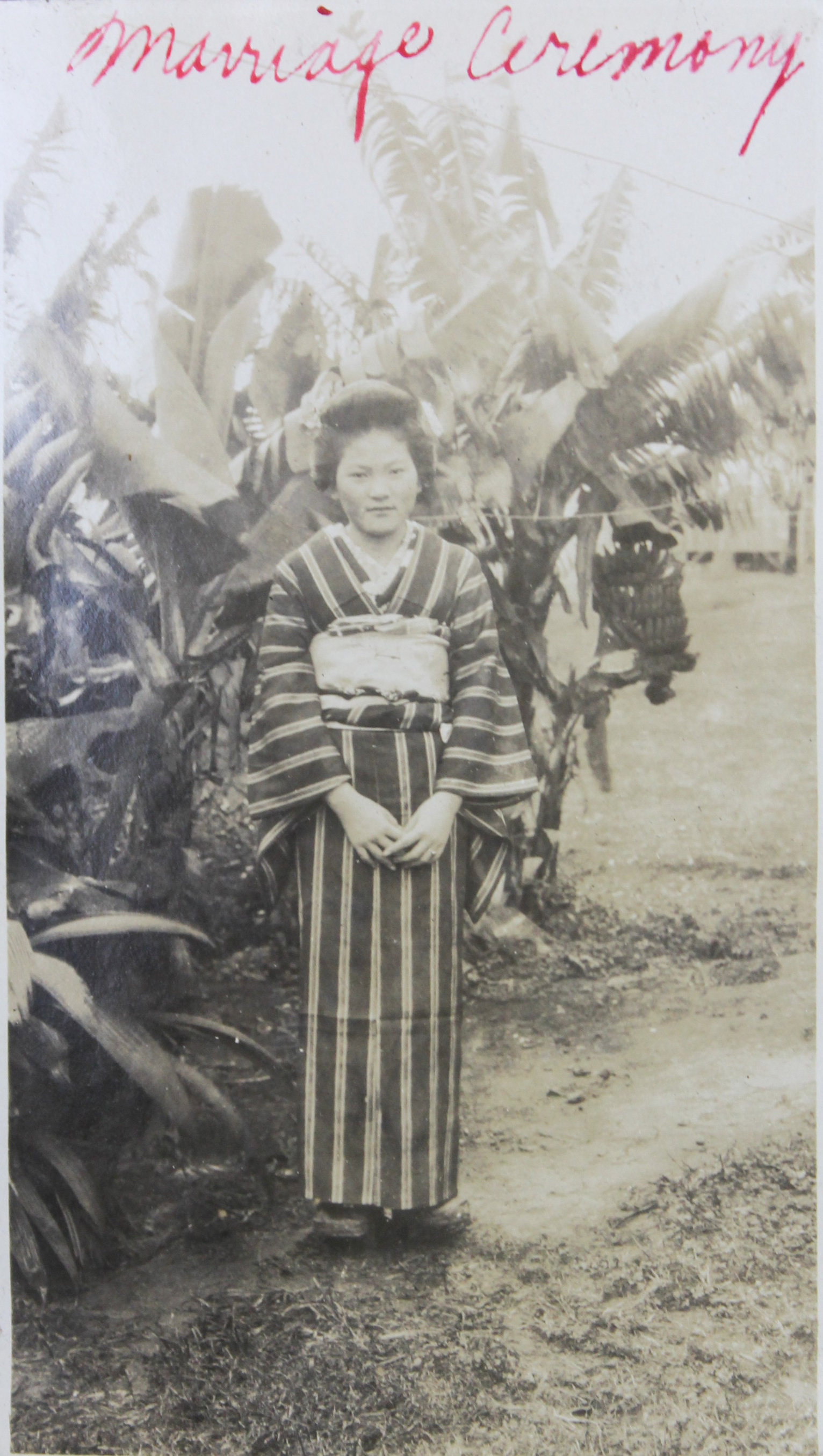
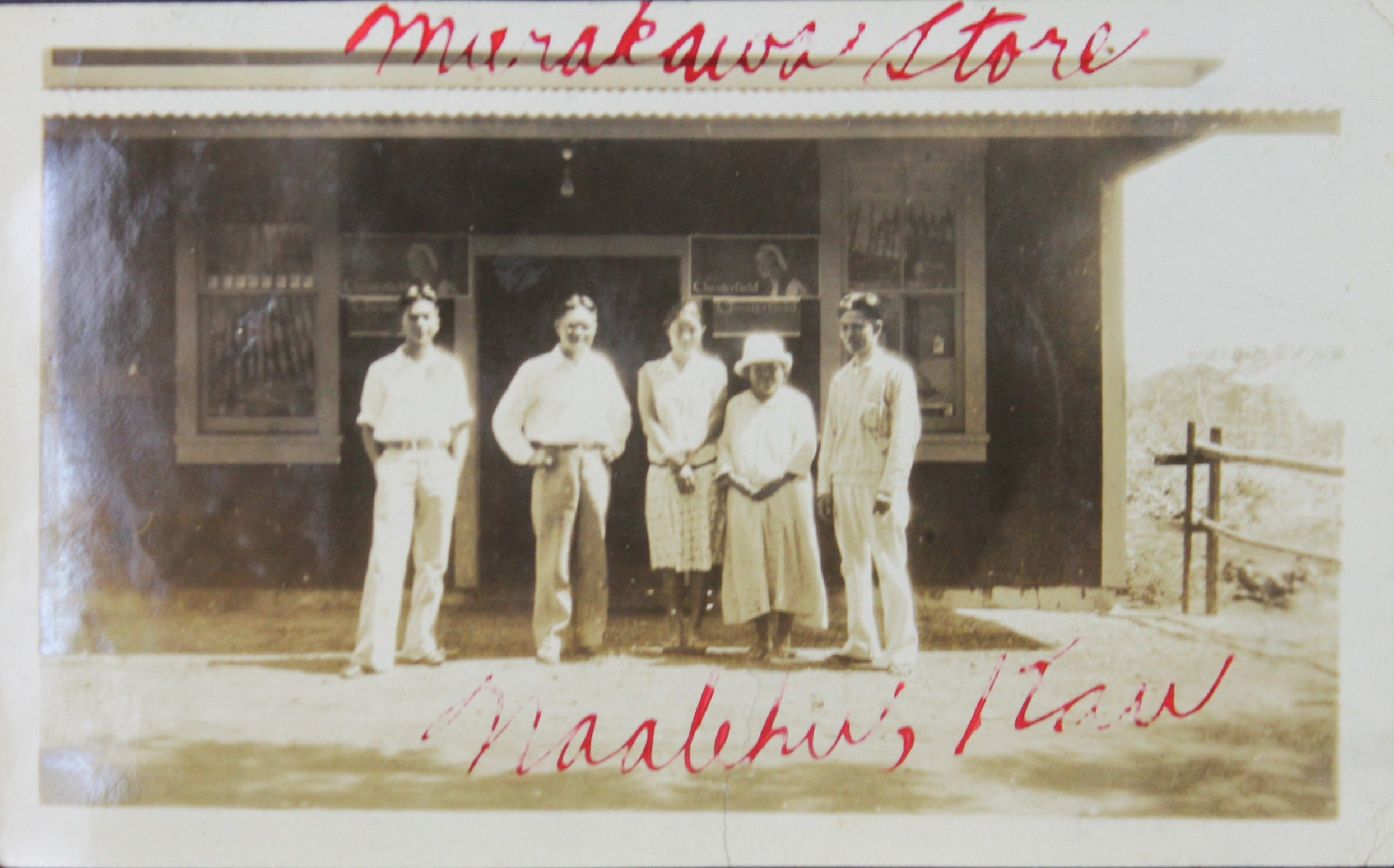
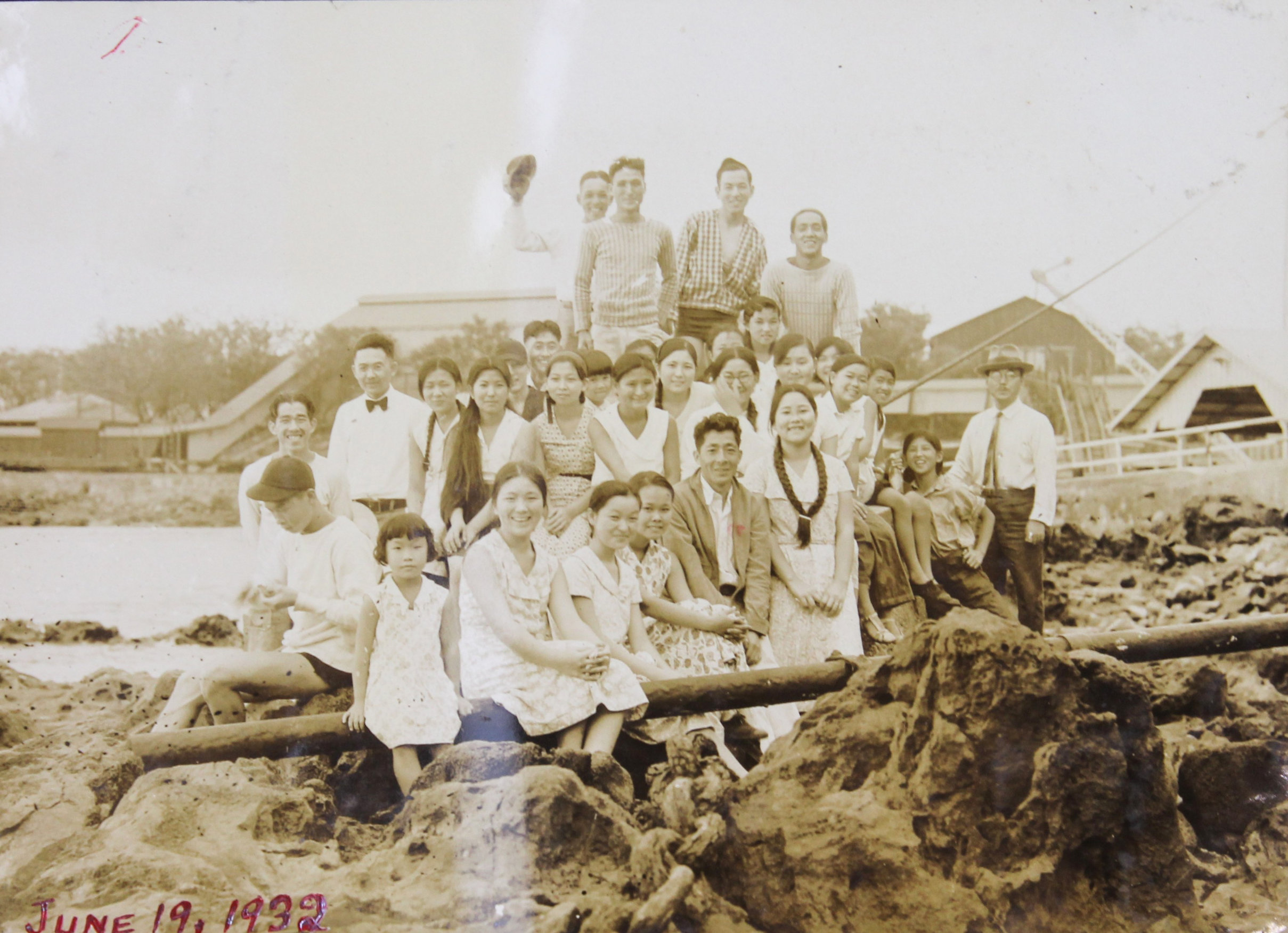
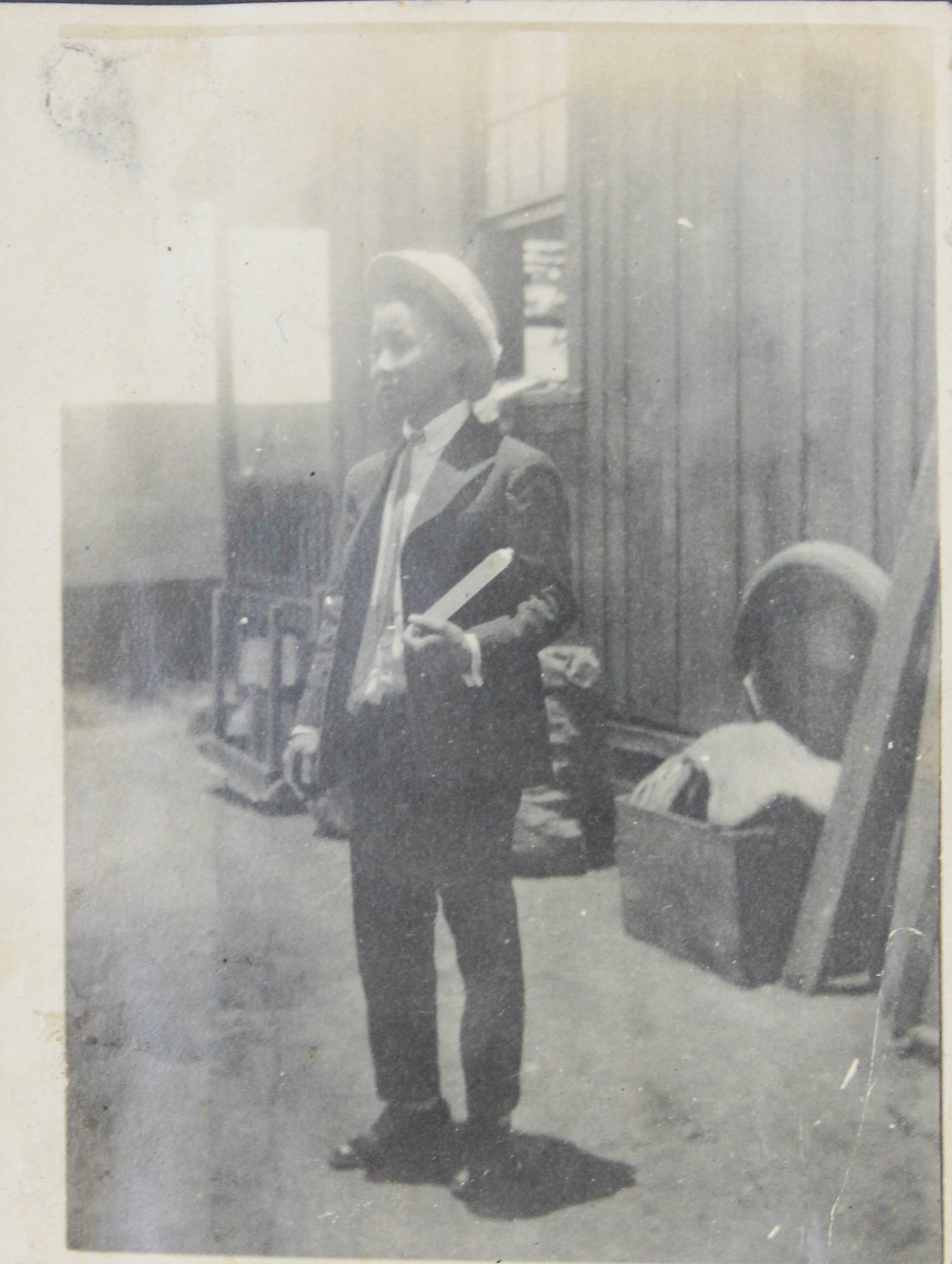
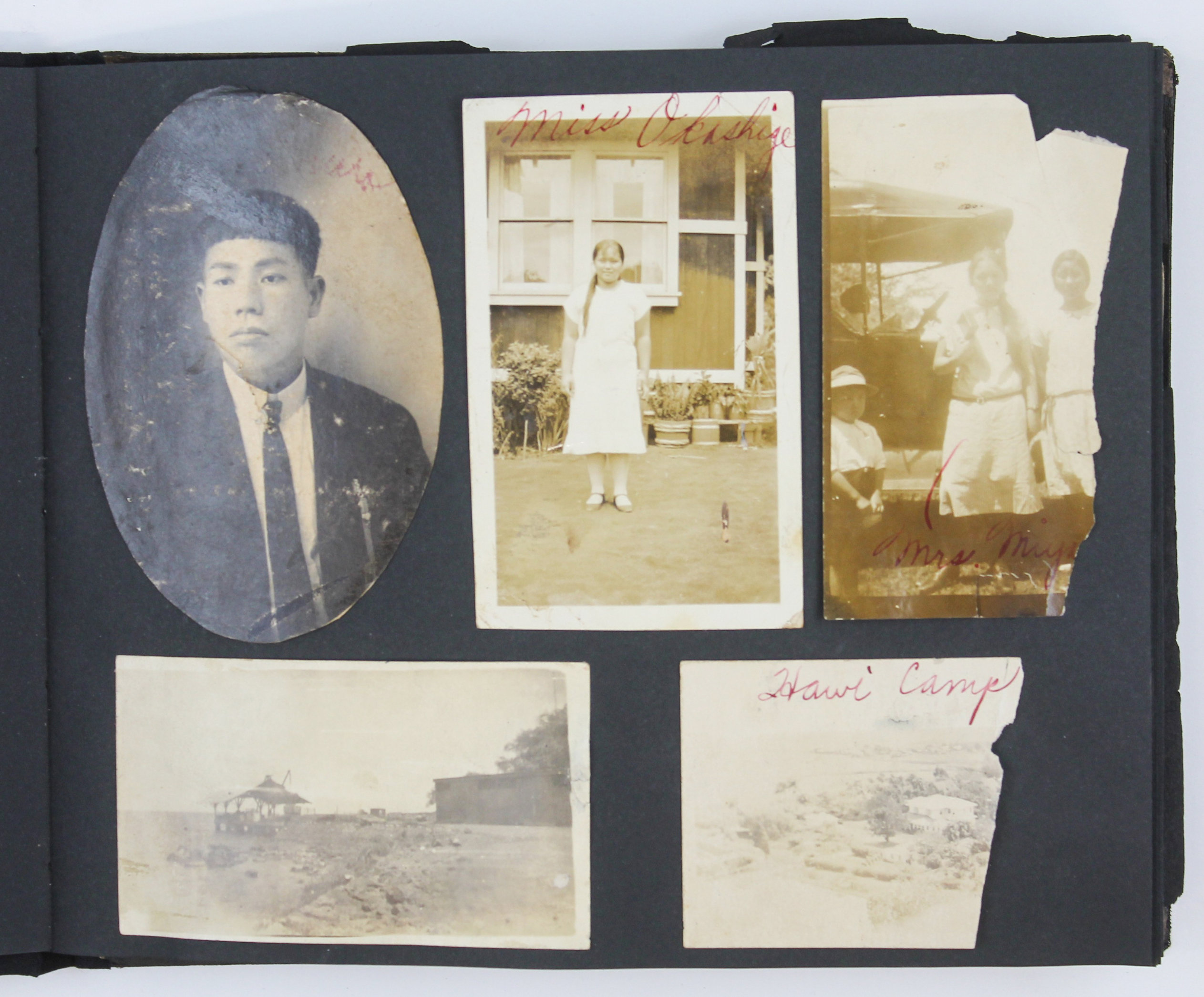
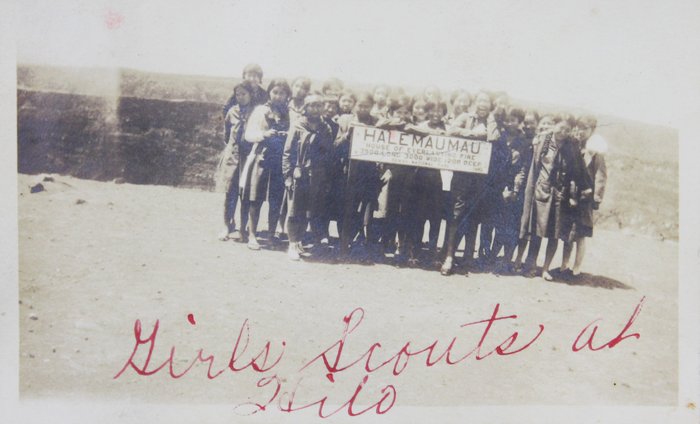
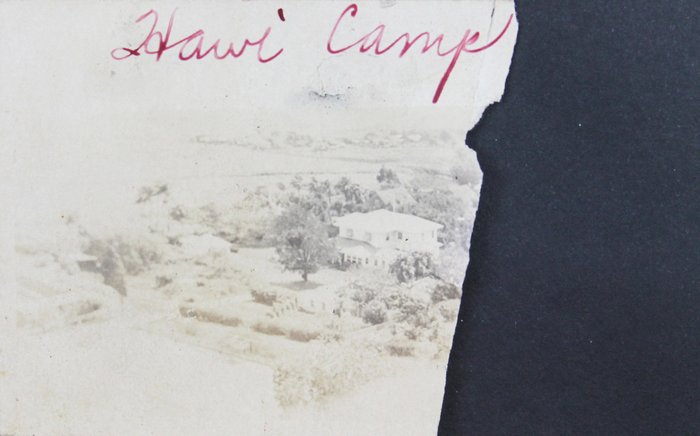
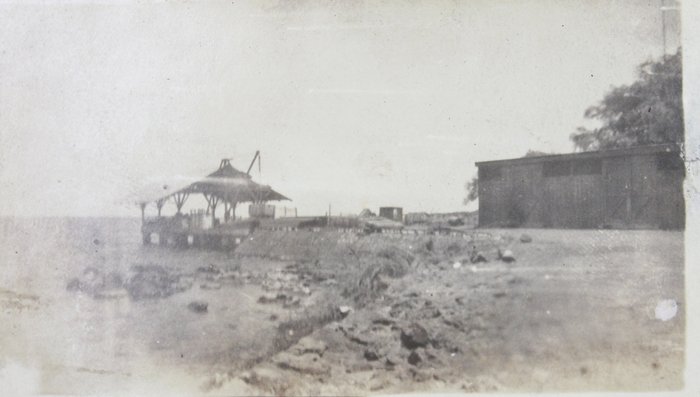
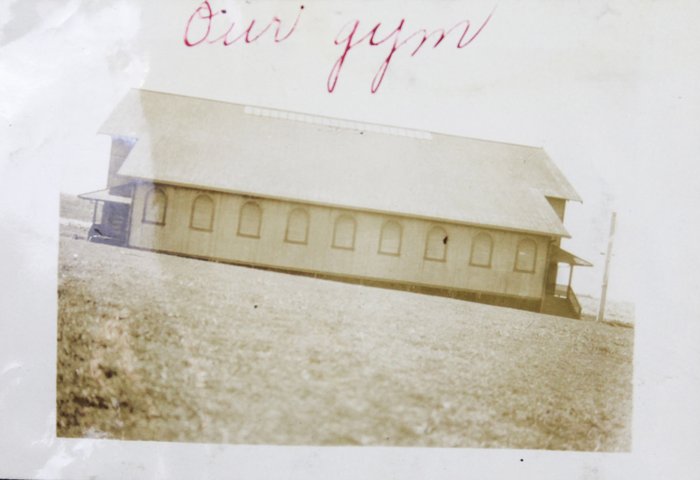
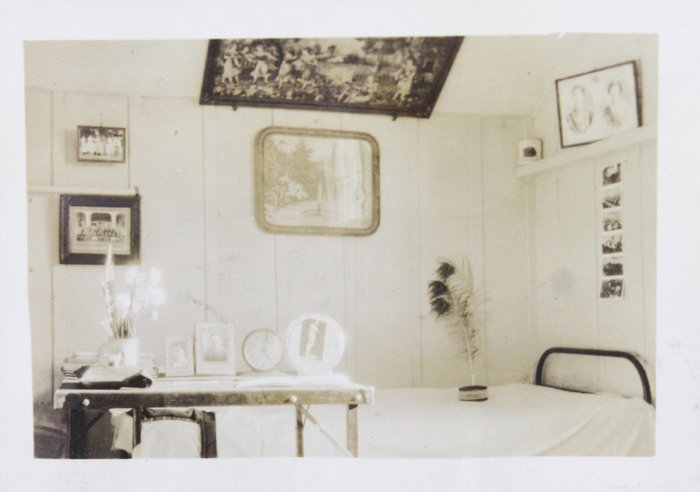
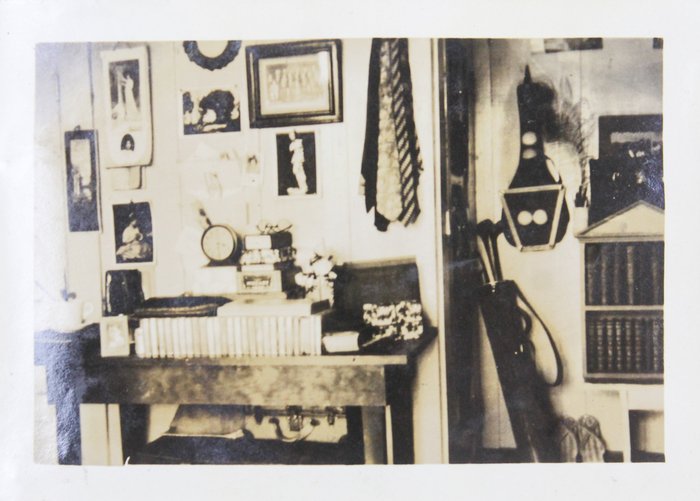
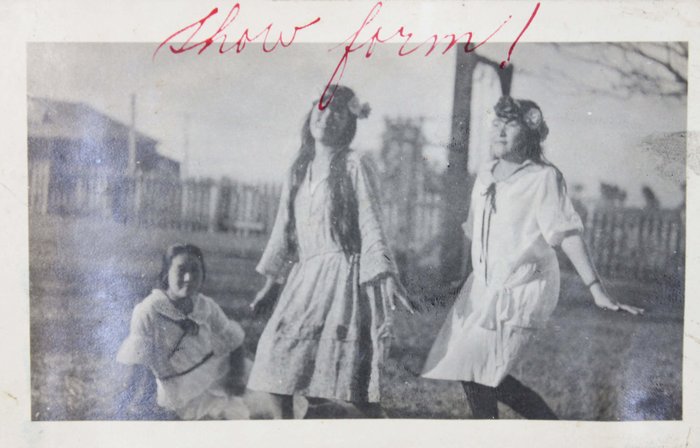
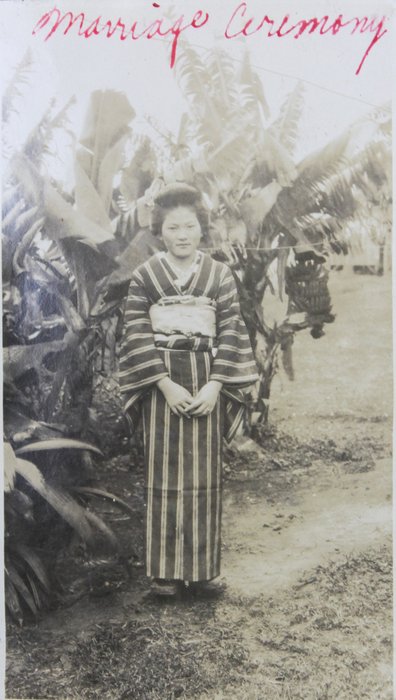
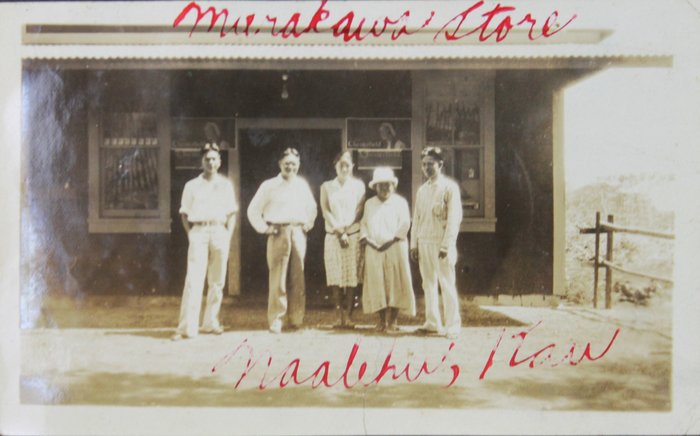
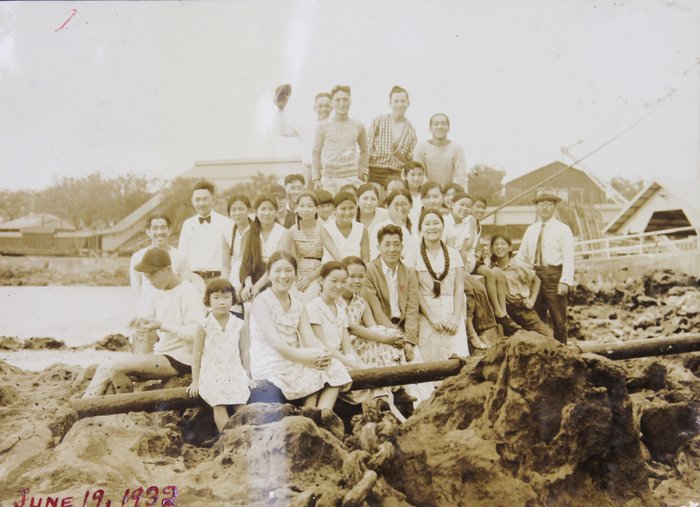
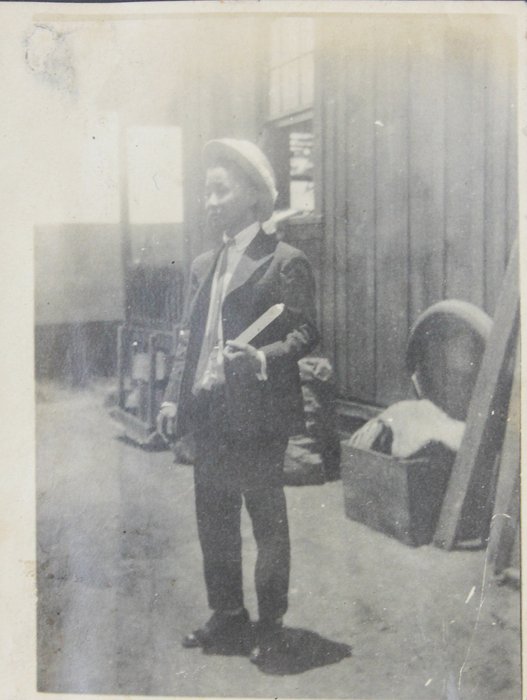
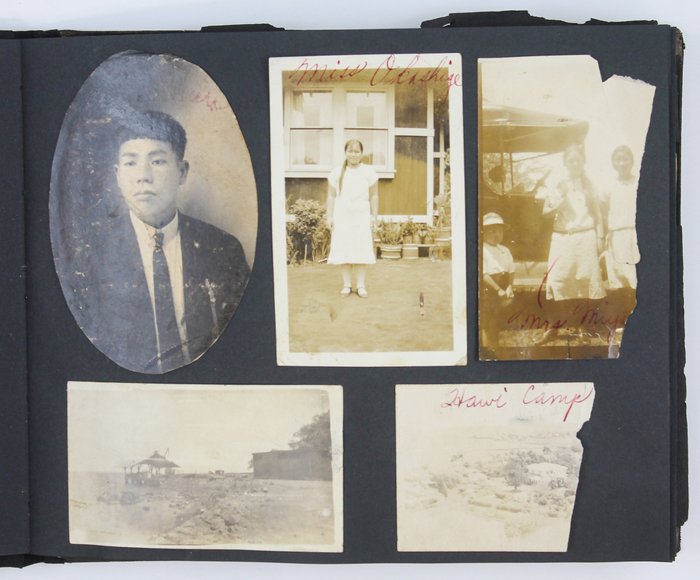
Over thirty excellent photographs were apparently taken around Hawaii and depict “girls’ scouts at Hilo,” the famous Japanese “Marakawa Store” in Naalehu, “our gym,” the interior of the compiler’s house, and a “Hawi camp.” The latter was likely housing for sugar-plantation workers and may have belonged to one of the compiler’s relatives. Especially interesting are two candid urban scenes showing Japanese youths standing with American friends and smiling at the camera, along with an image of the compiler dressed for a traditional Japanese marriage ceremony. There is also an intriguing photograph of a Japanese boys’ musical band, capturing the members dressed in matching military-style uniforms and holding instruments (accordions, snare drums, bass drums, etc.).
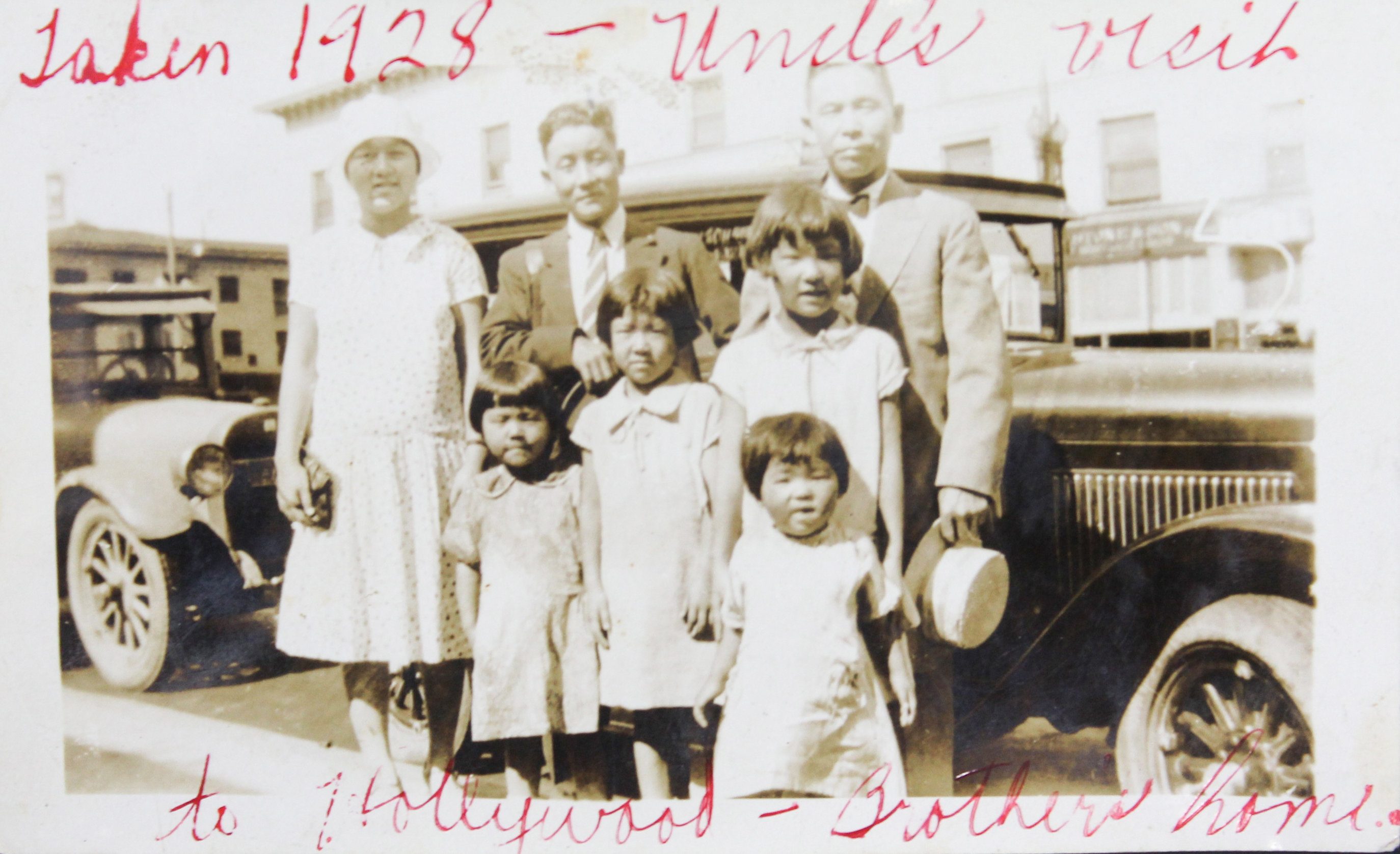
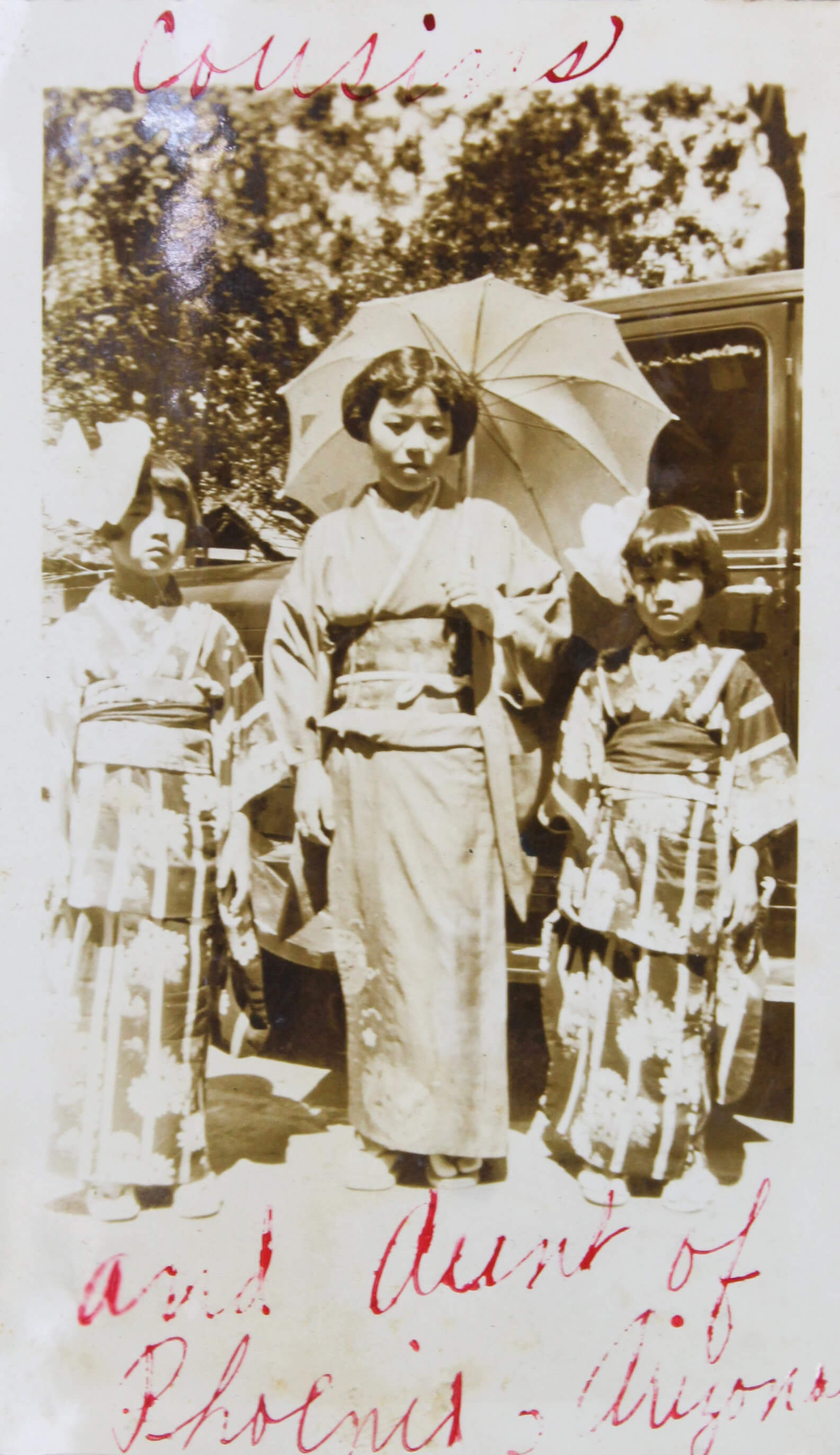
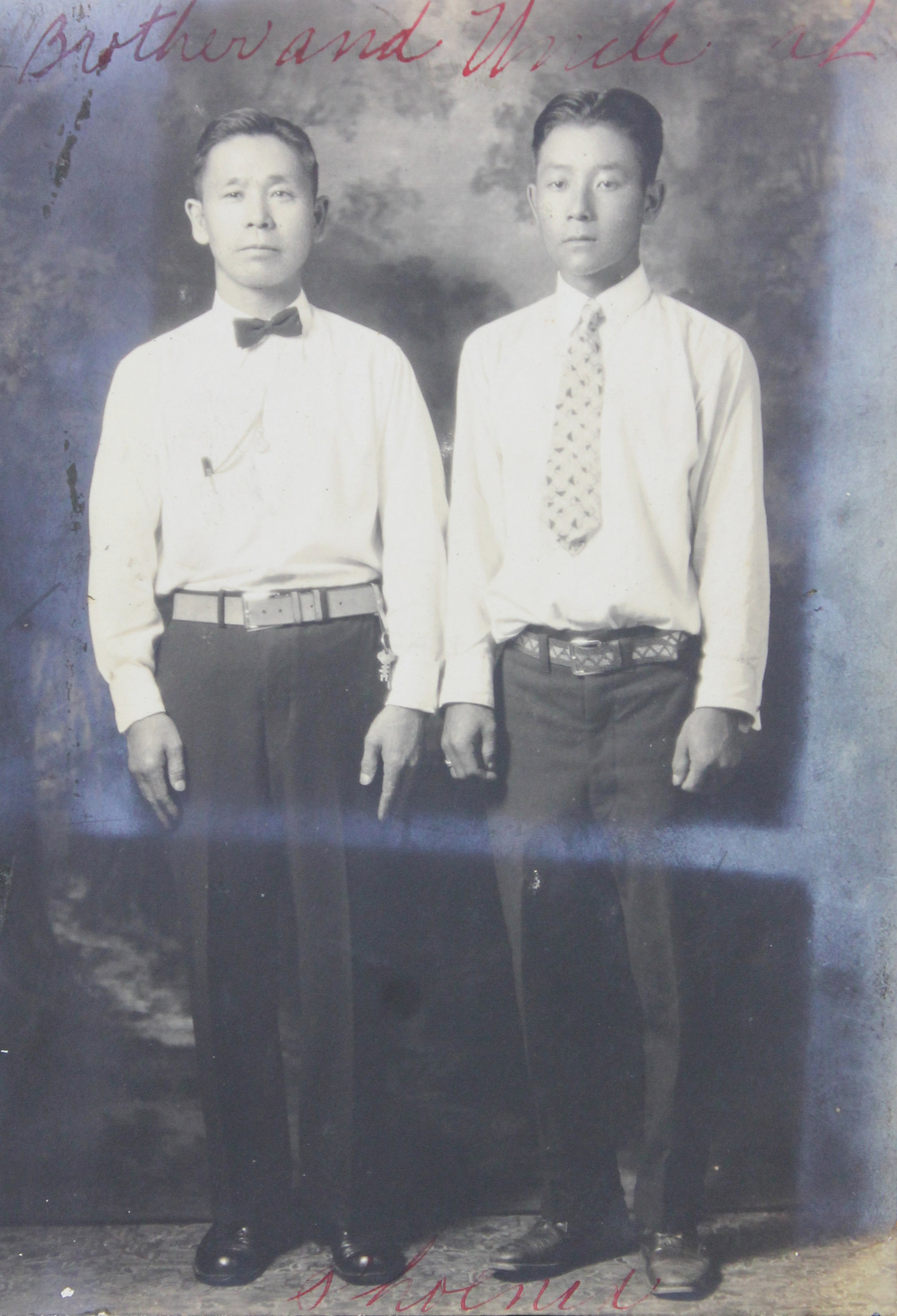
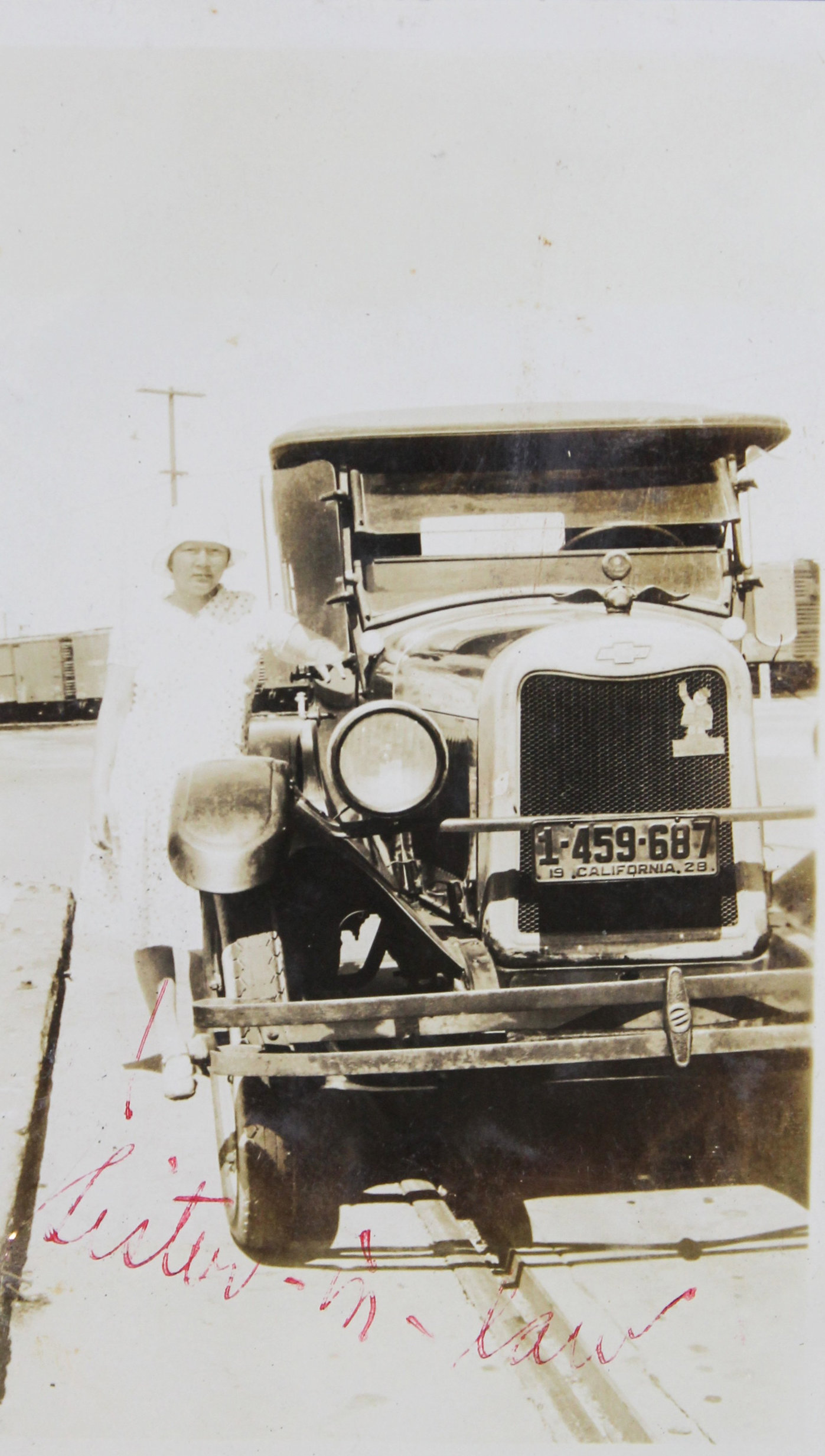
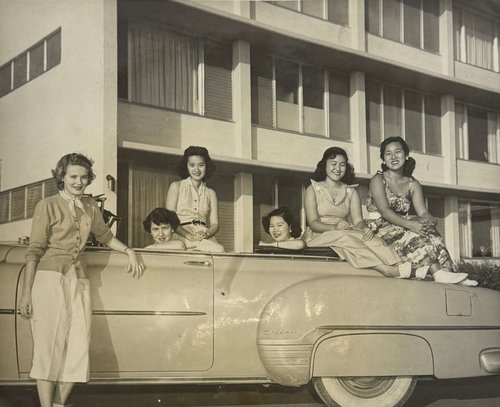
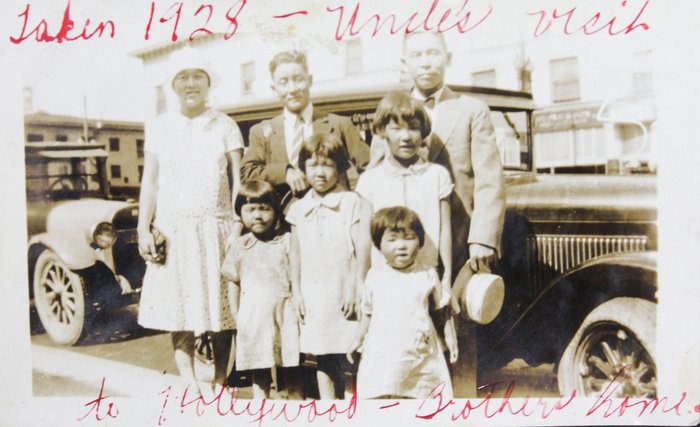
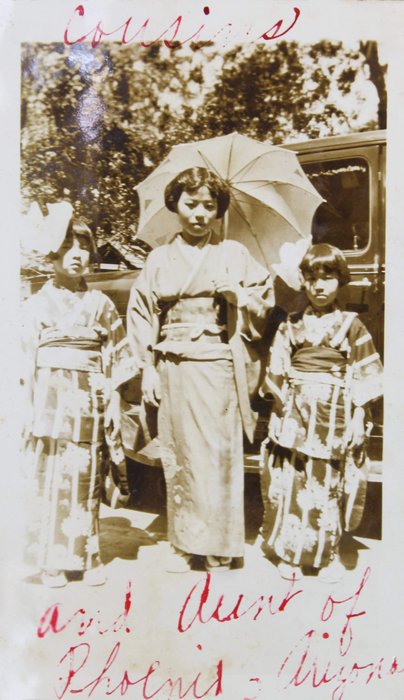
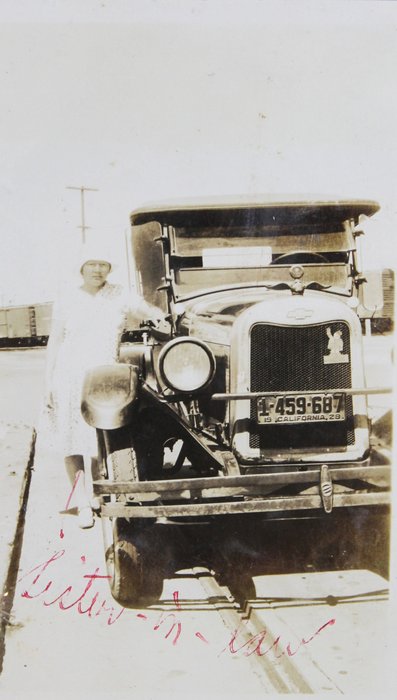
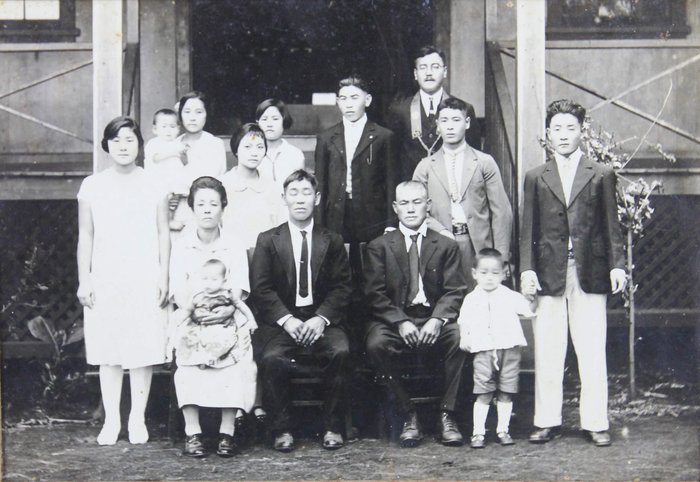
Many other photographs show the compiler’s extended family (brothers, sisters, uncles, aunts, and cousins) posing by cars (with clearly visible license plates), in nature, in studios, etc. Among the identified relatives are her aunt Senoske Ujiie and her husband, Yayoii Ujiie, who first arrived in San Francisco in 1918 and again from Yokohama in 1927 before settling in Arizona. According to the Irei Monument Project, Yayoii was later incarcerated at the Poston internment camp in Parker, Arizona during WWII. The album includes images of the Ujiie family visiting the compiler’s brother in Hollywood and posing both in studio portraits and outdoor scenes in Phoenix.
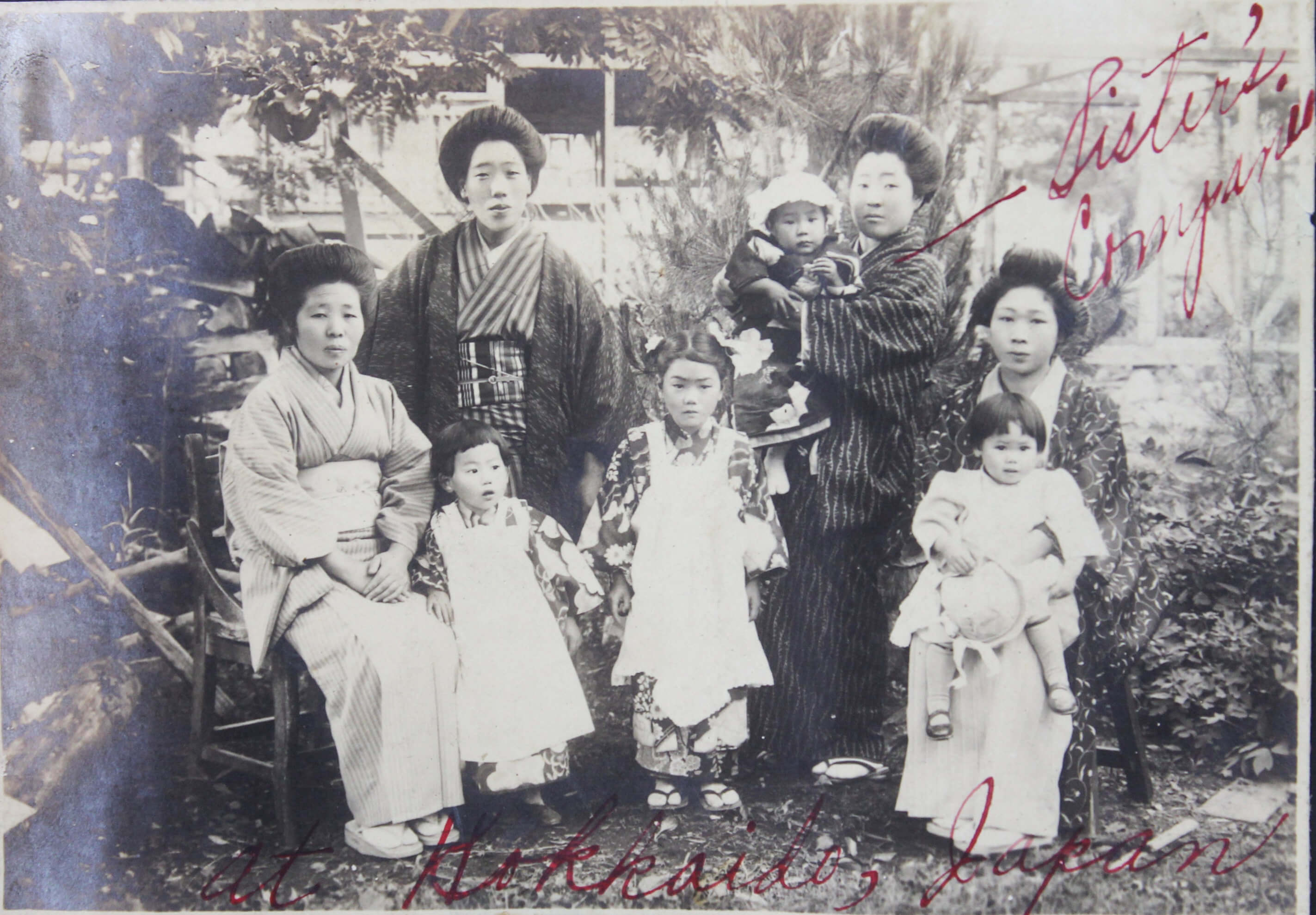
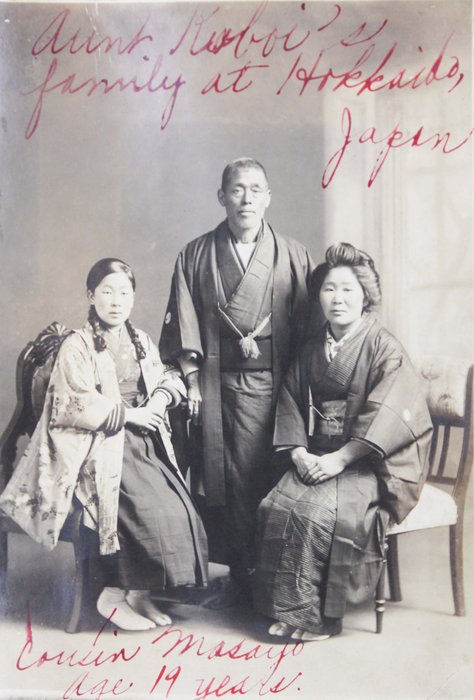
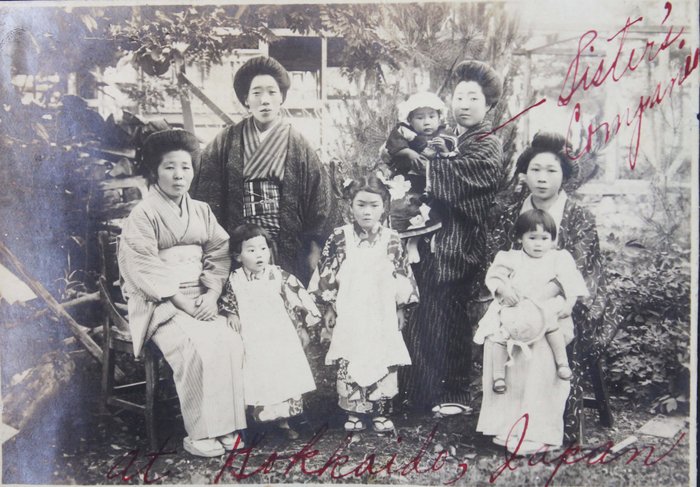
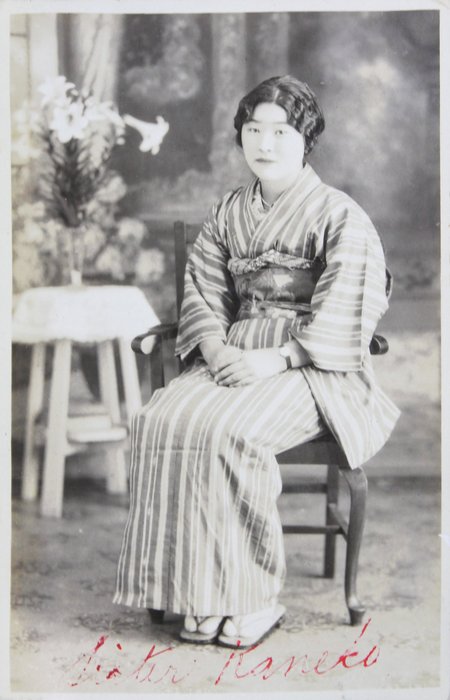
Other intriguing images include “brother’s steamer companions to Los Angeles,” along with studio portraits of the compiler’s relatives from Hokkaido.
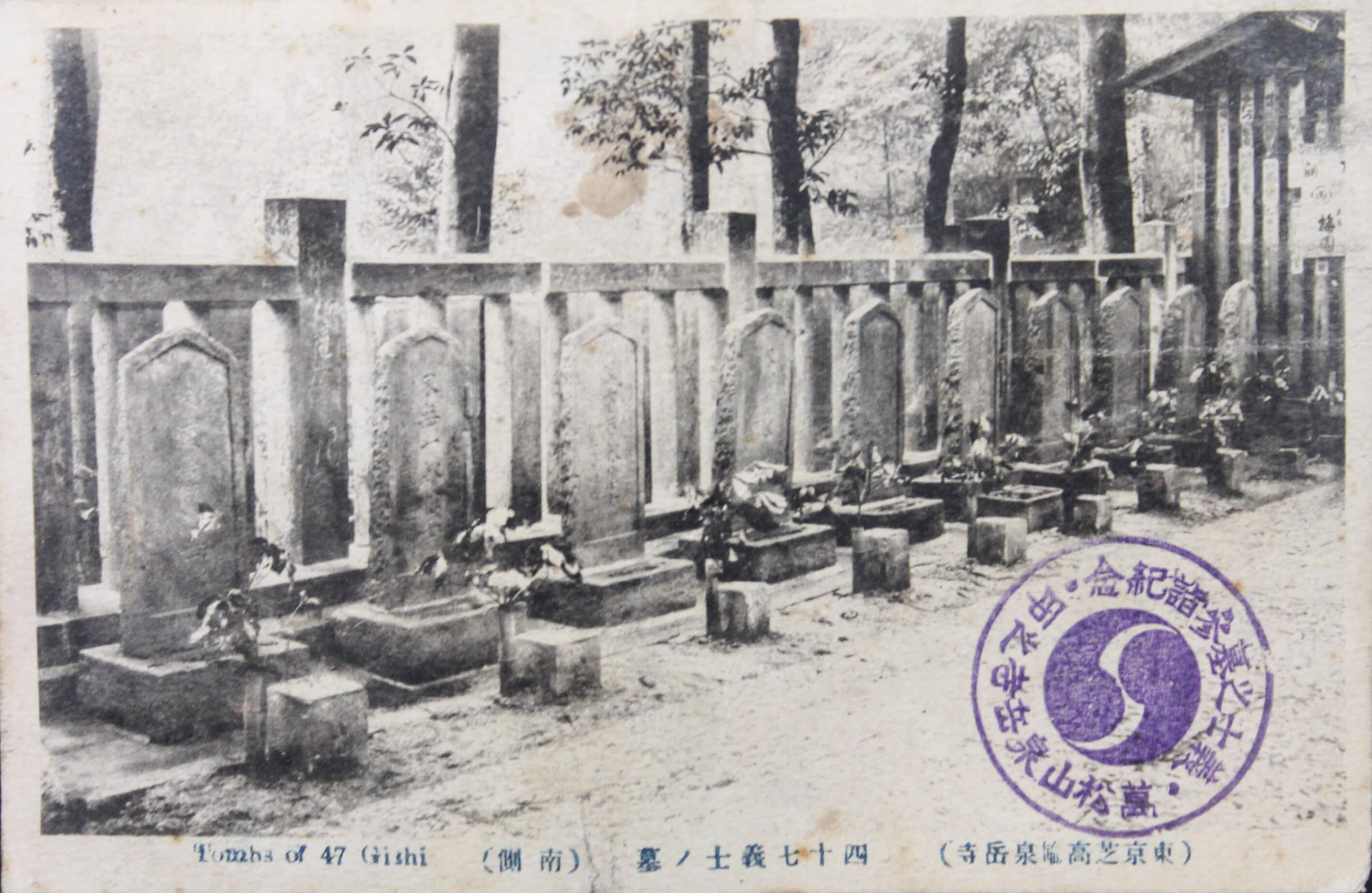
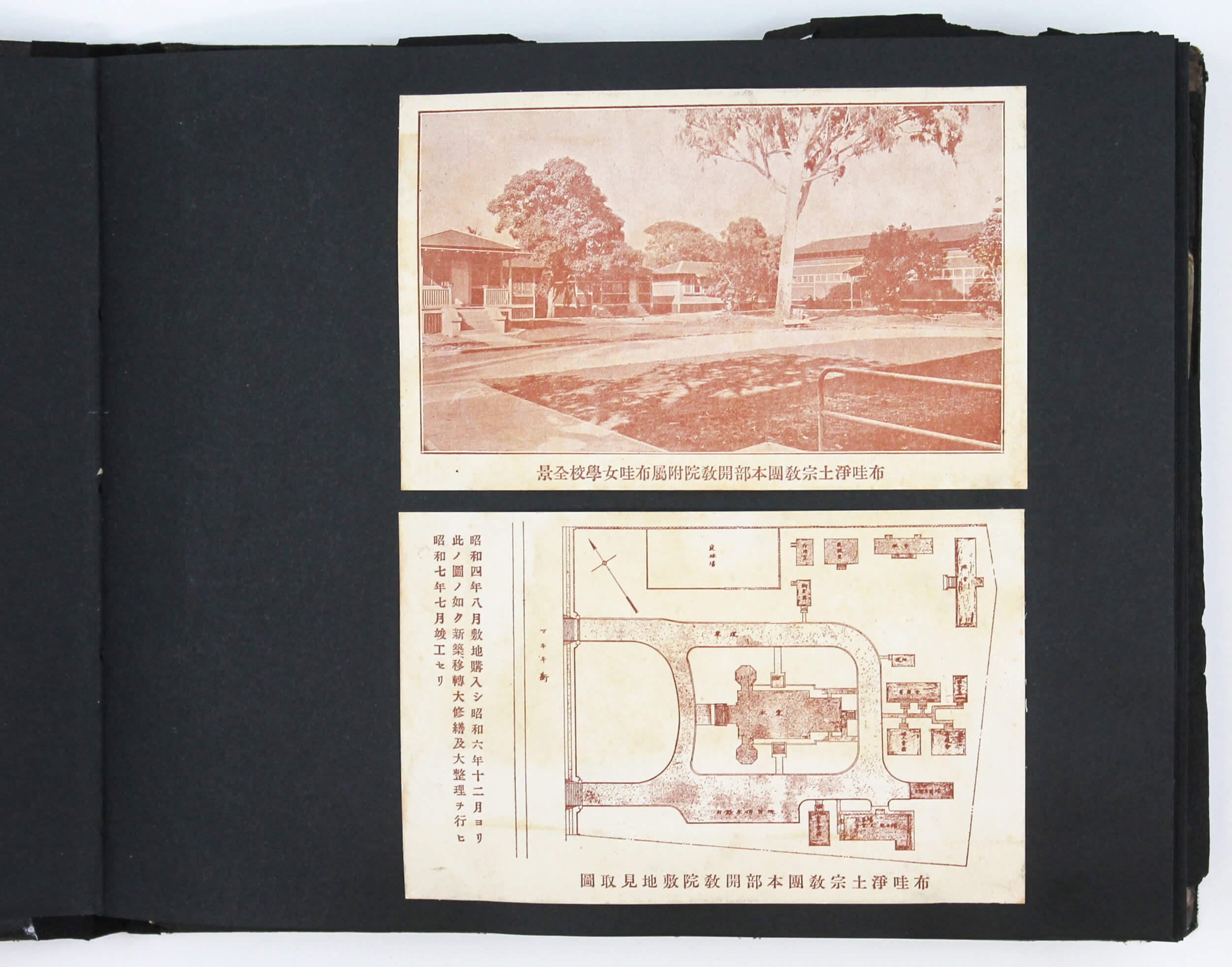
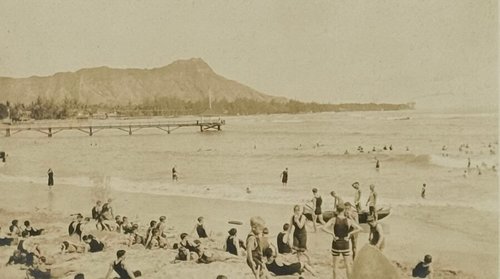
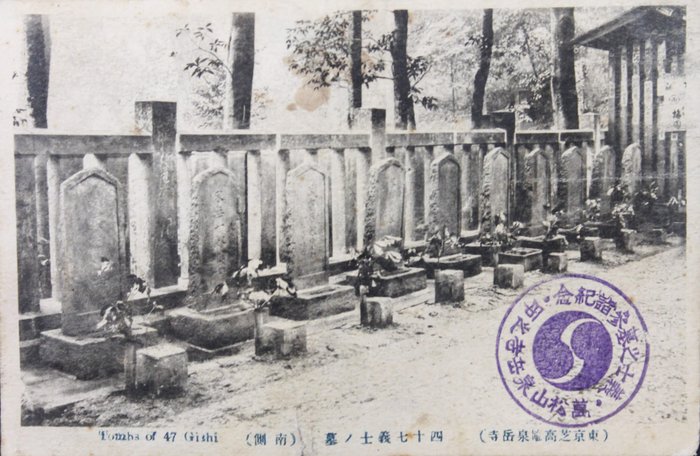
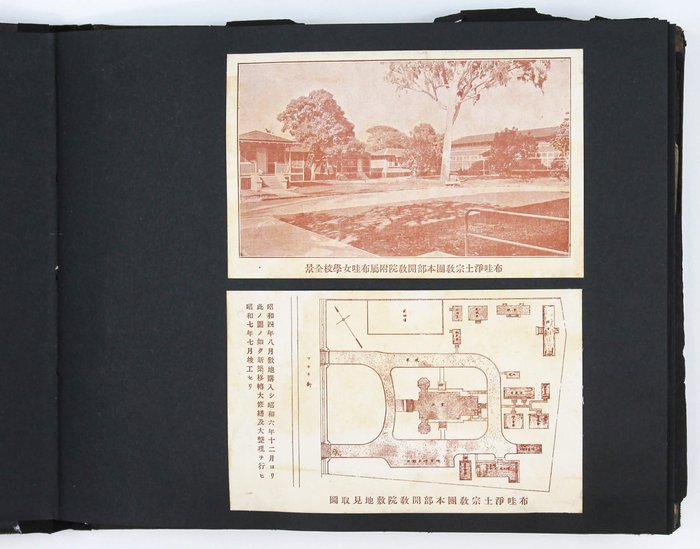
The collection also features about sixteen rare Japanese printed postcards published in the late-1920s and early-1930s.
Overall, historically significant album of vivid vernacular photographs documenting daily life of Japanese migrants in Hawaii before WWII.