
#PF87
Ca. 1910s-1920s
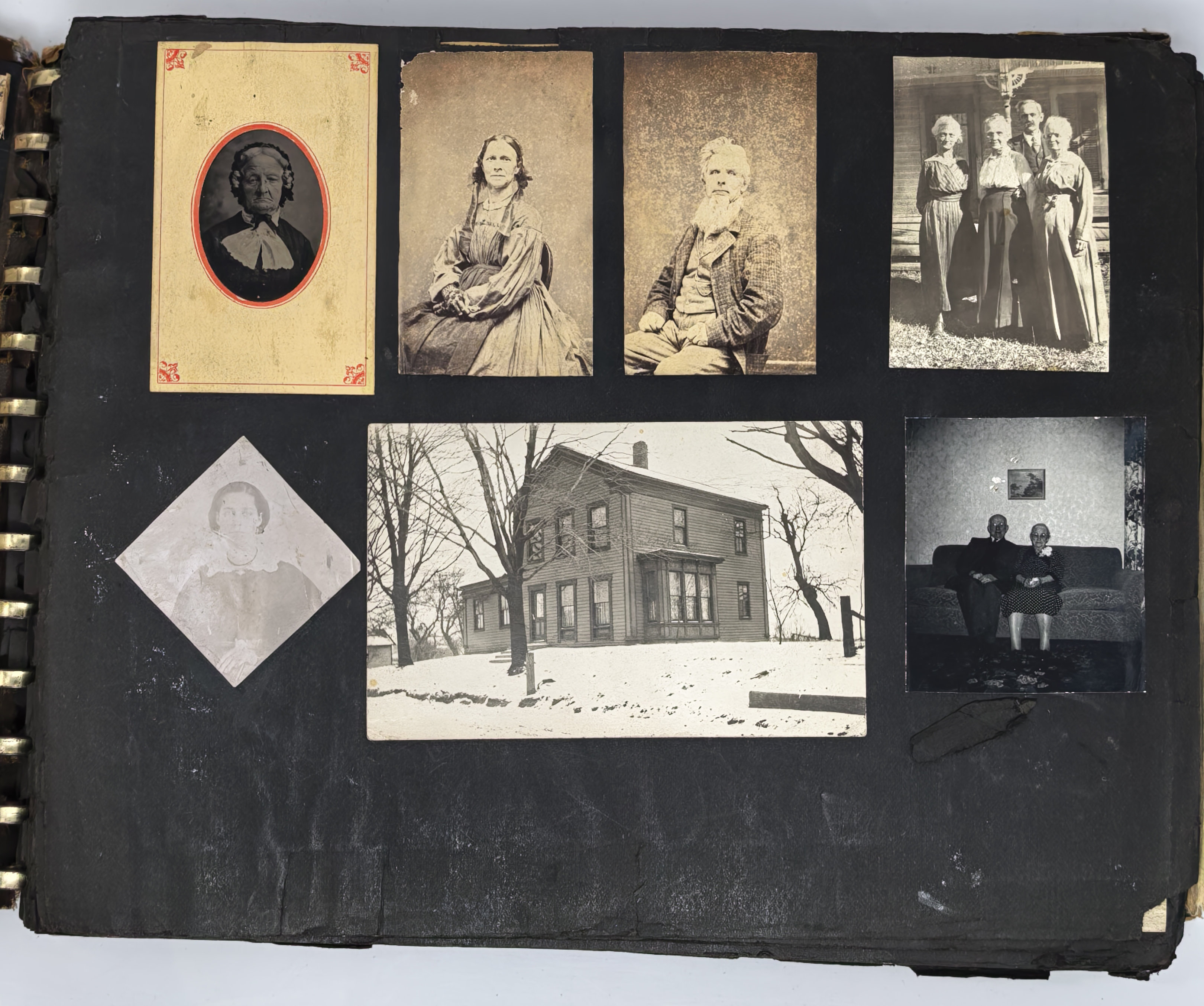
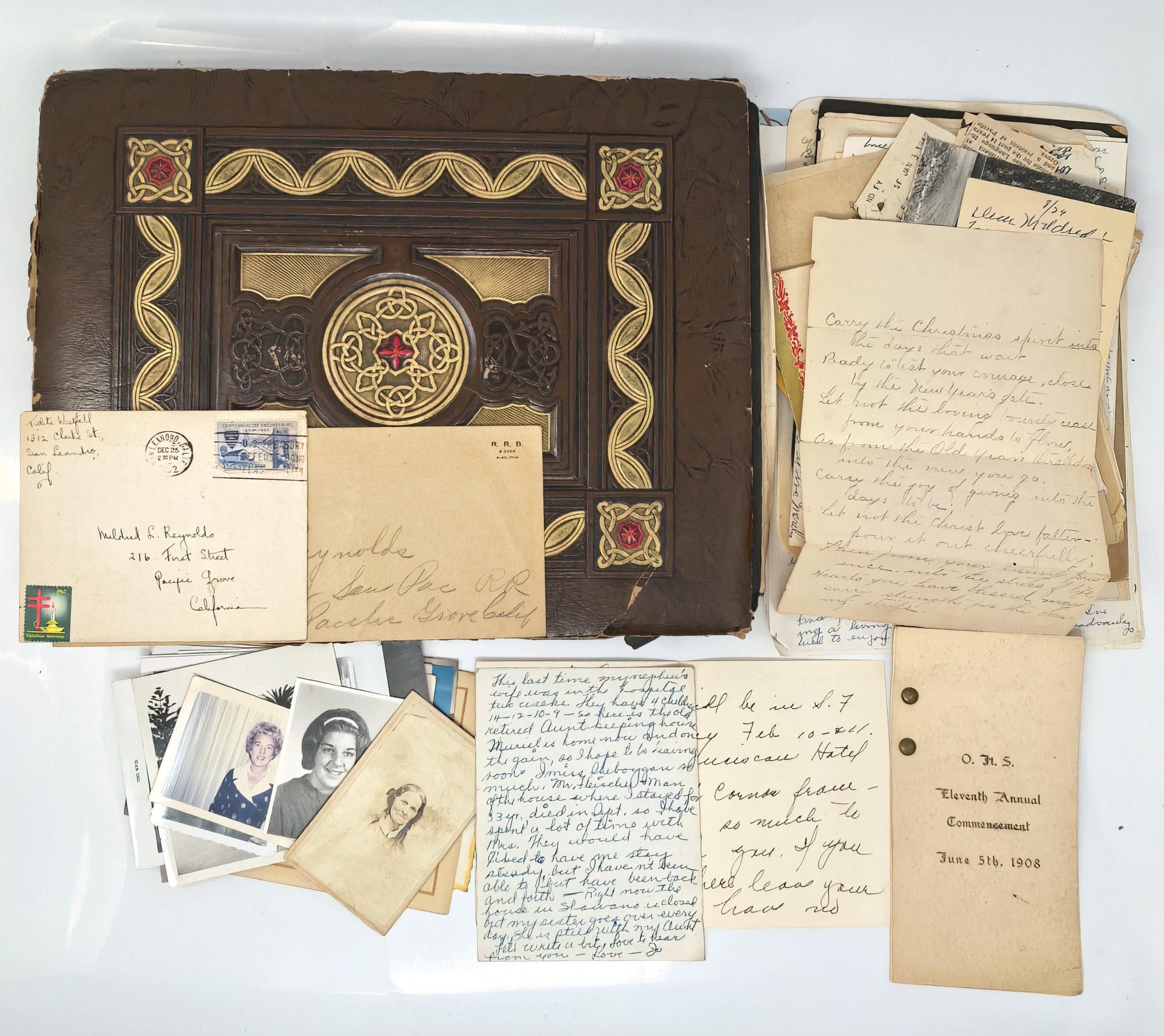
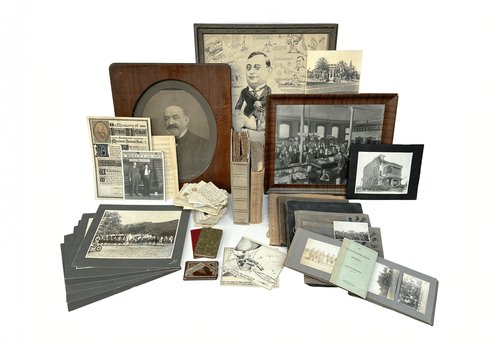
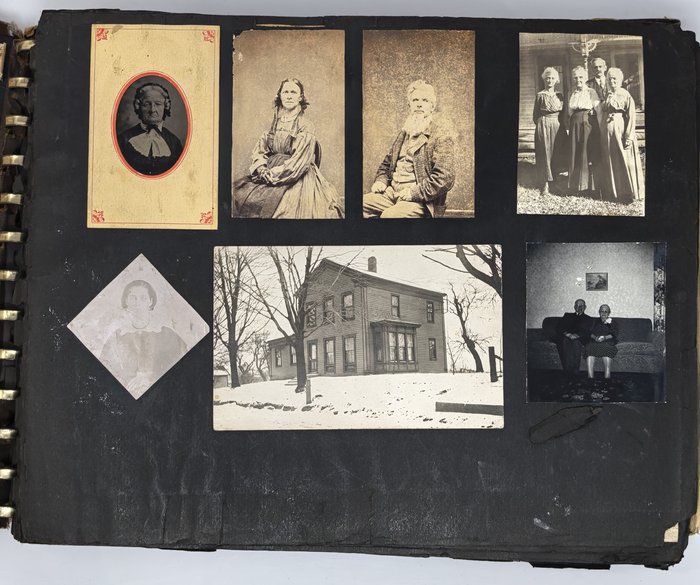
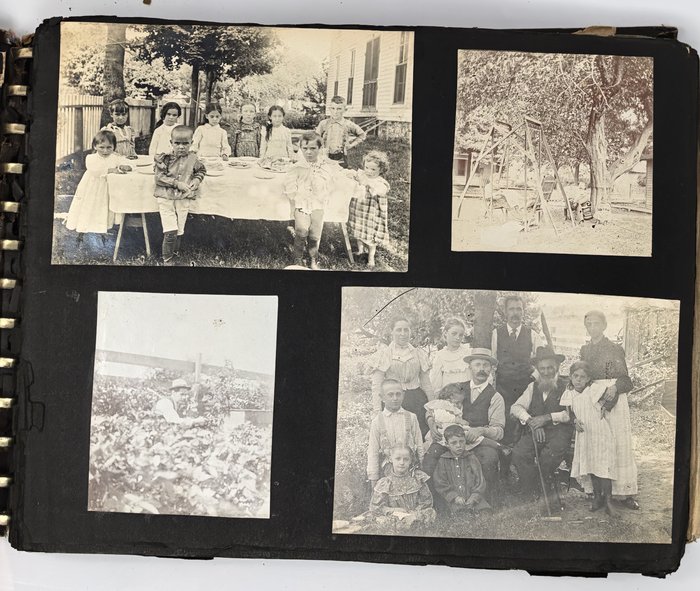
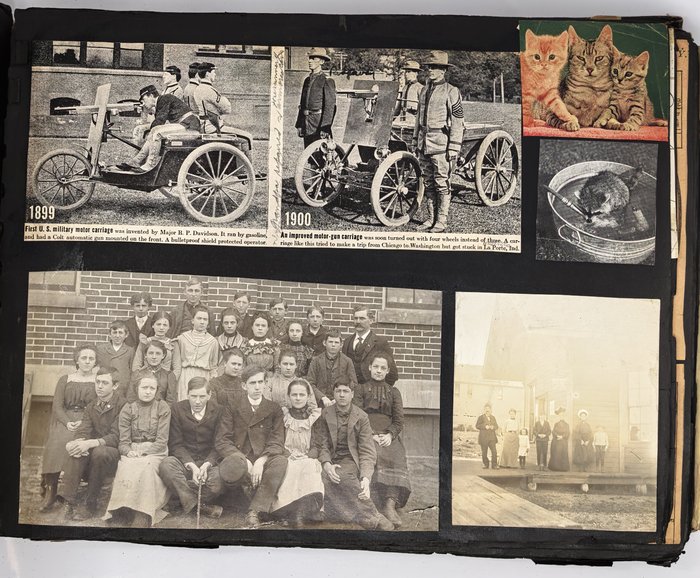
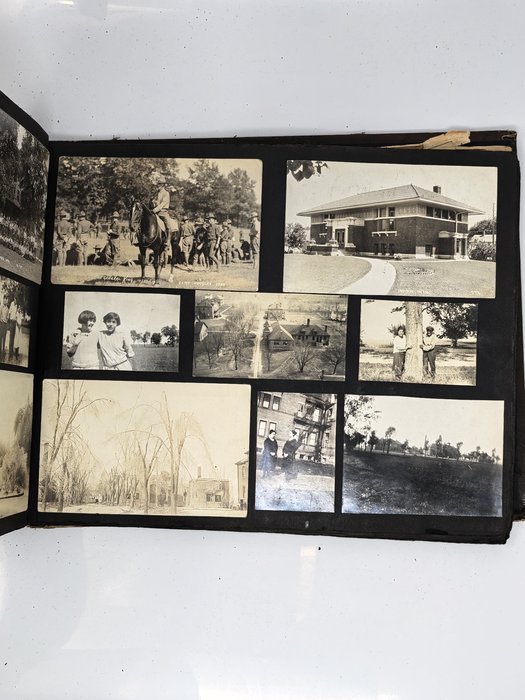
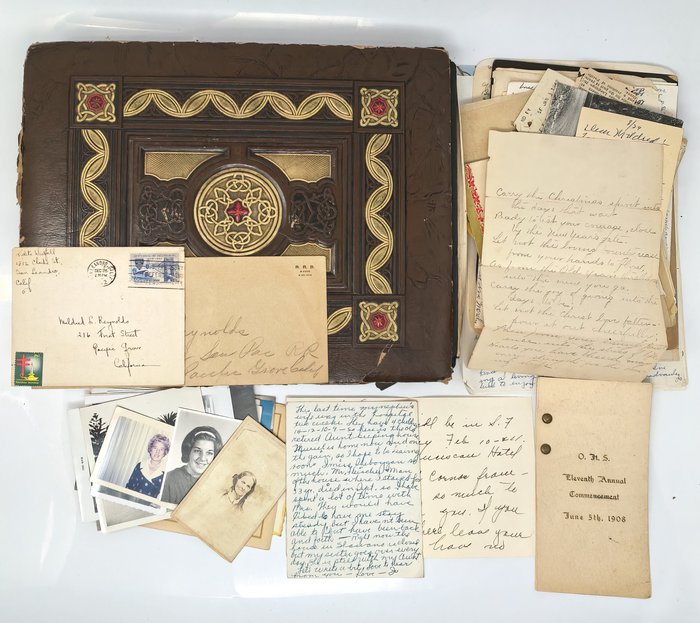
Oblong Folio album (ca. 26,5x33 cm or 10 ½ x 13 ¼ in). 43 black card stock leaves. With over 280 original mounted gelatin silver photos from ca. 9,5x14 cm (3 ¾ x 5 ½ in) to ca. 2x4 cm (¾ x 1 ½ in). Several photos are captioned in negative, several with period manuscript pen captions on the upper or lower margins. With ca. 180 family photos and over 200 additional materials of various size, mounted or loosely inserted. Period brown faux leather album with gilt- and colour-stamped ornament on the front board. Boards partly detached from the spine, several leaves detached from the stub and loosely inserted, mounts with occasional tears and chipping on extremities, a few photos mildly faded, but overall a very good album with excellent photos of Native Americans.
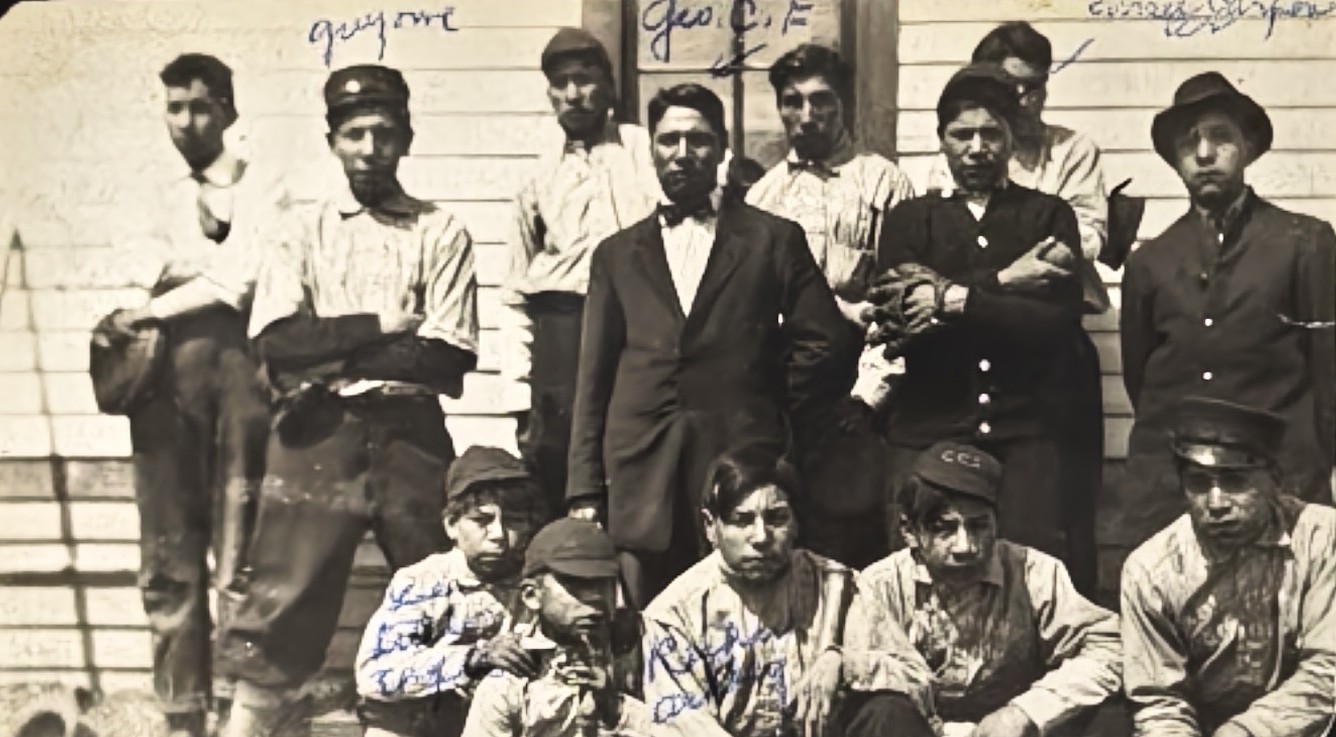
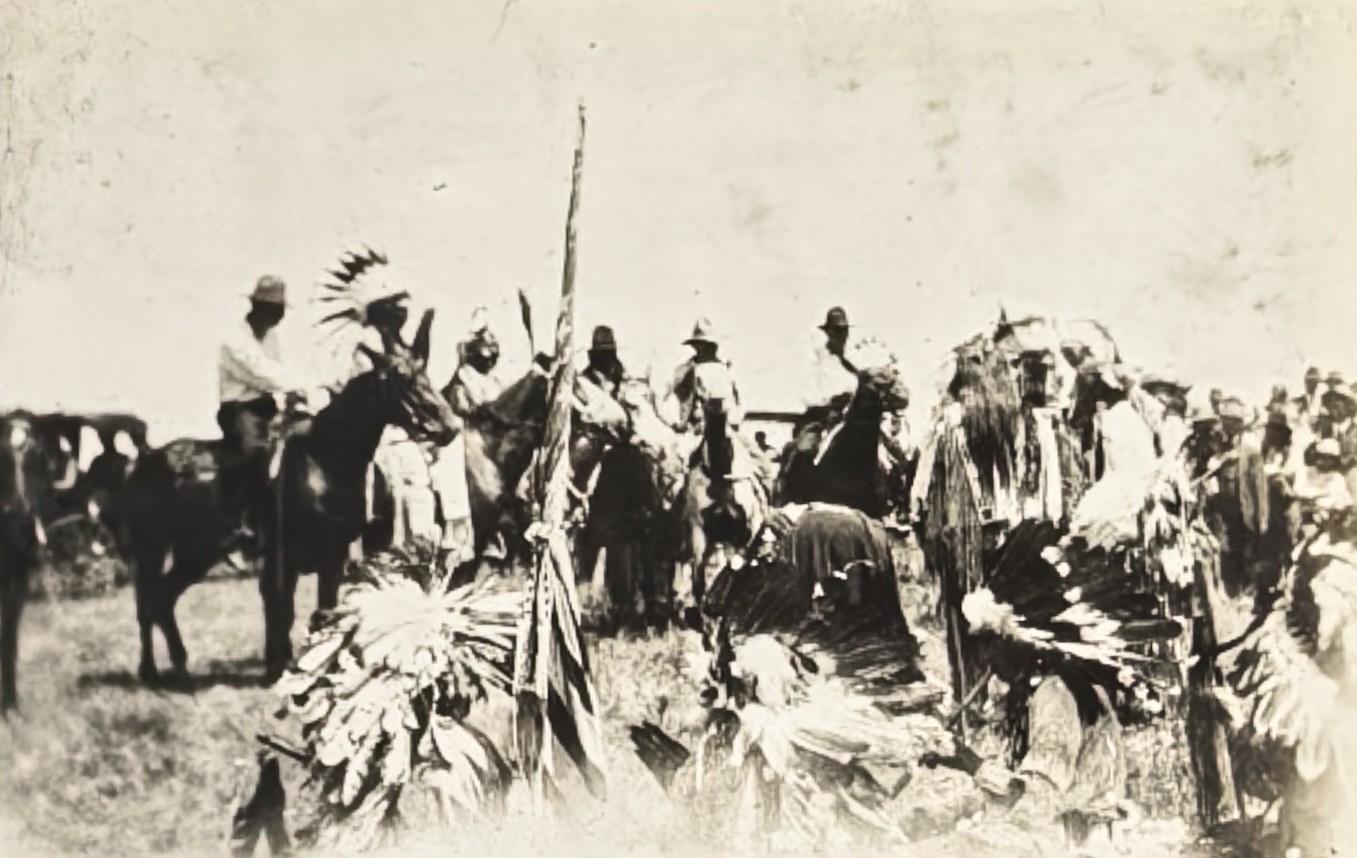
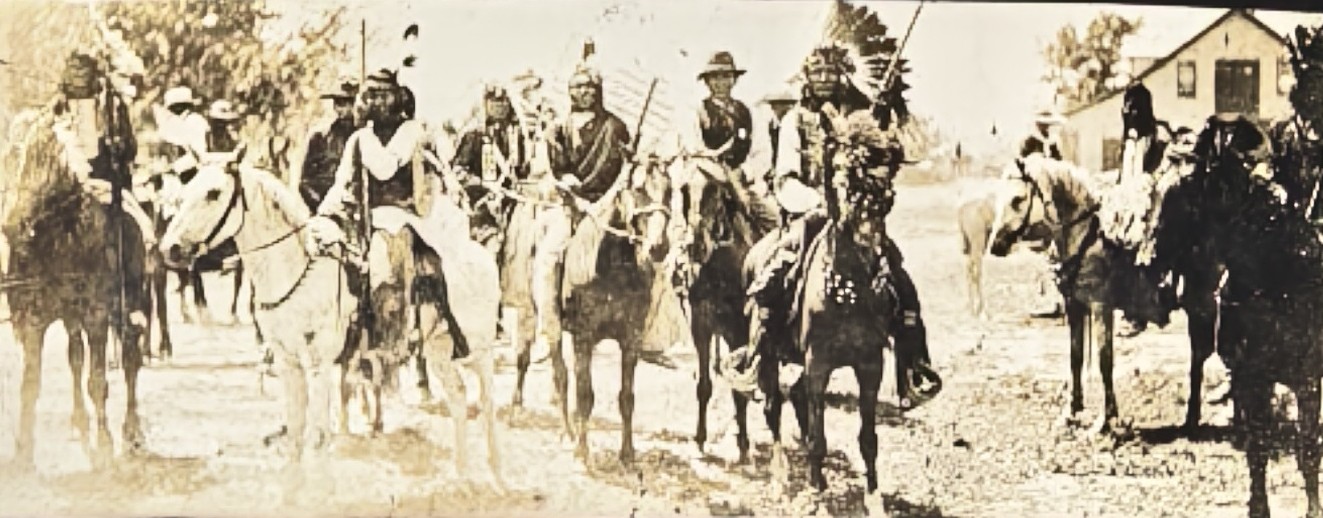
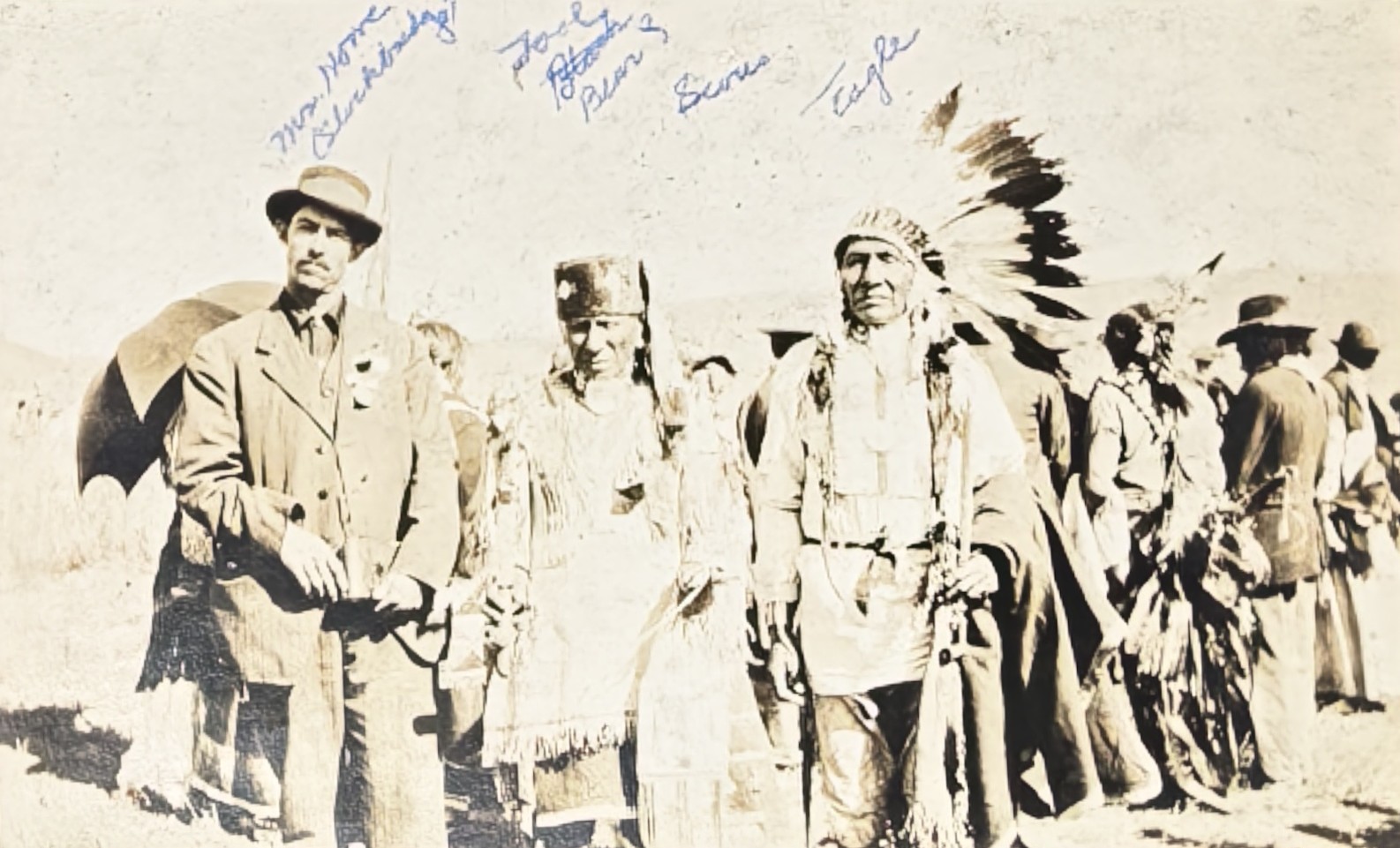
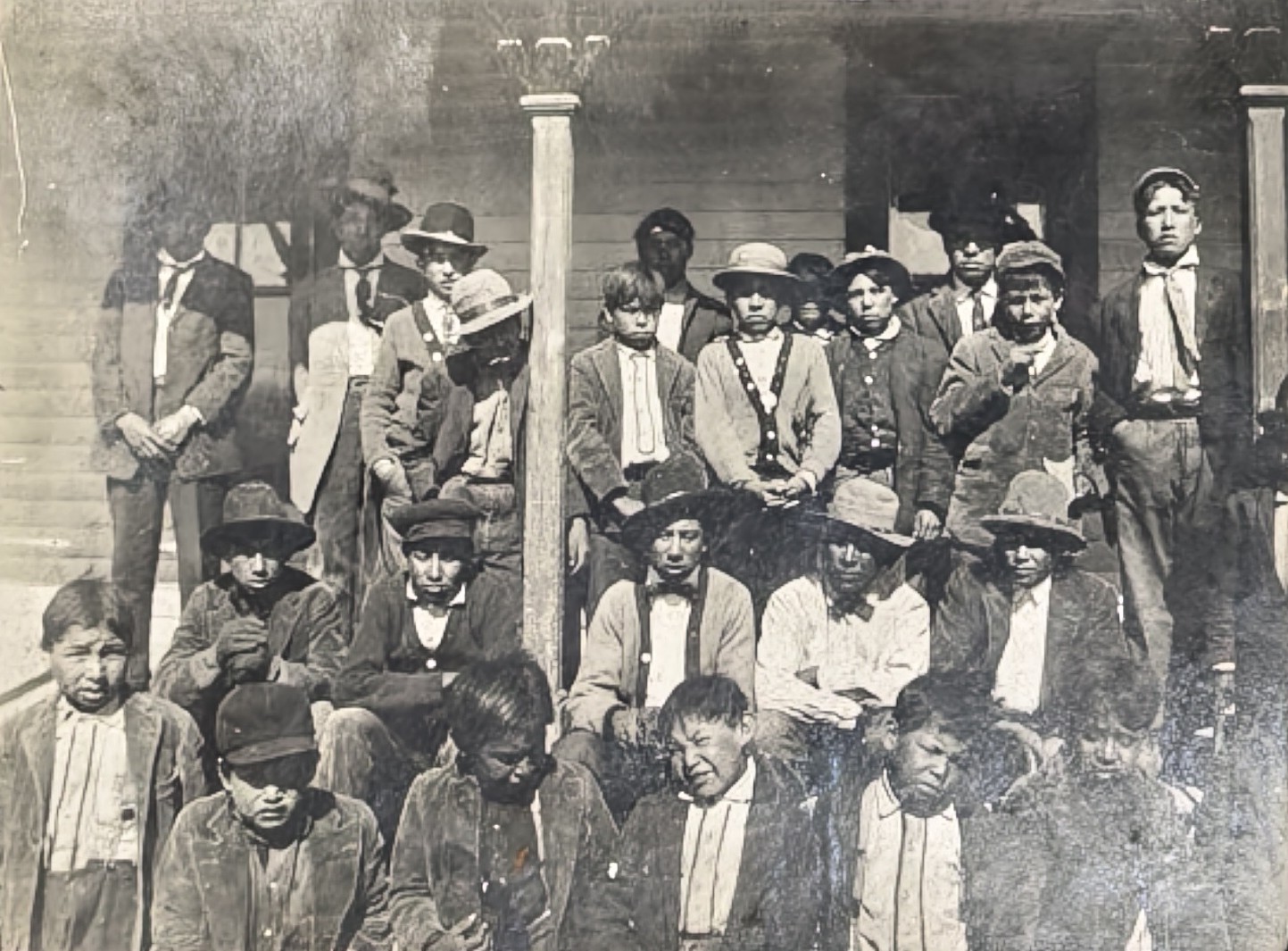
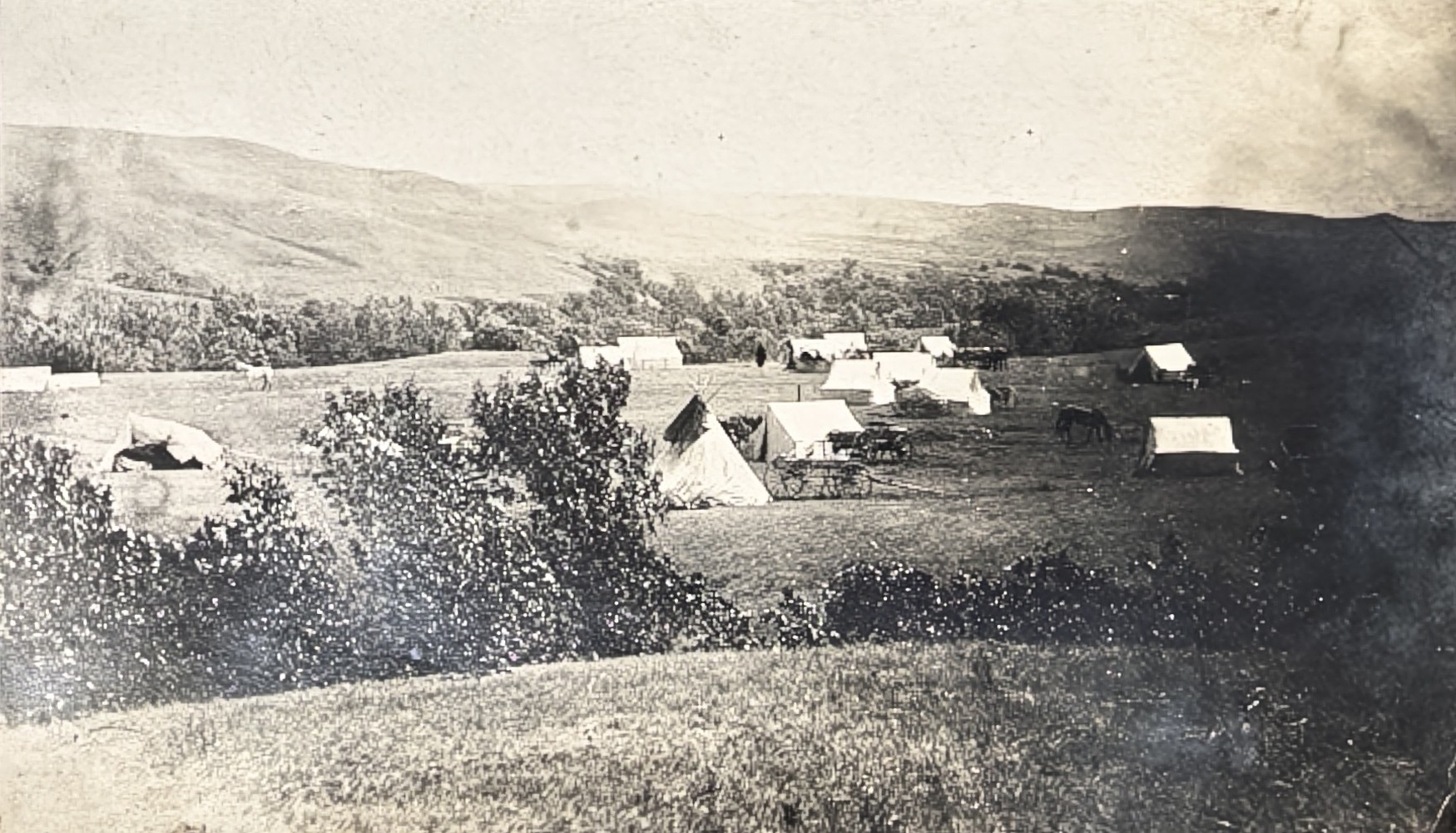
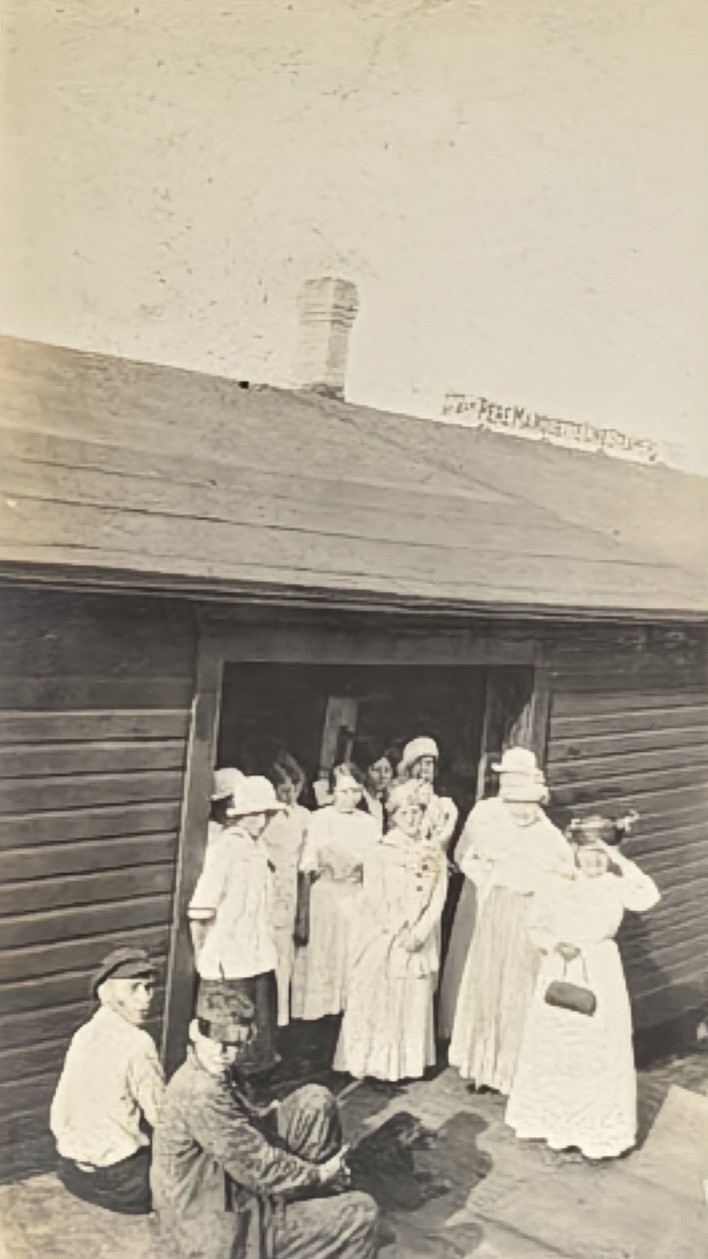
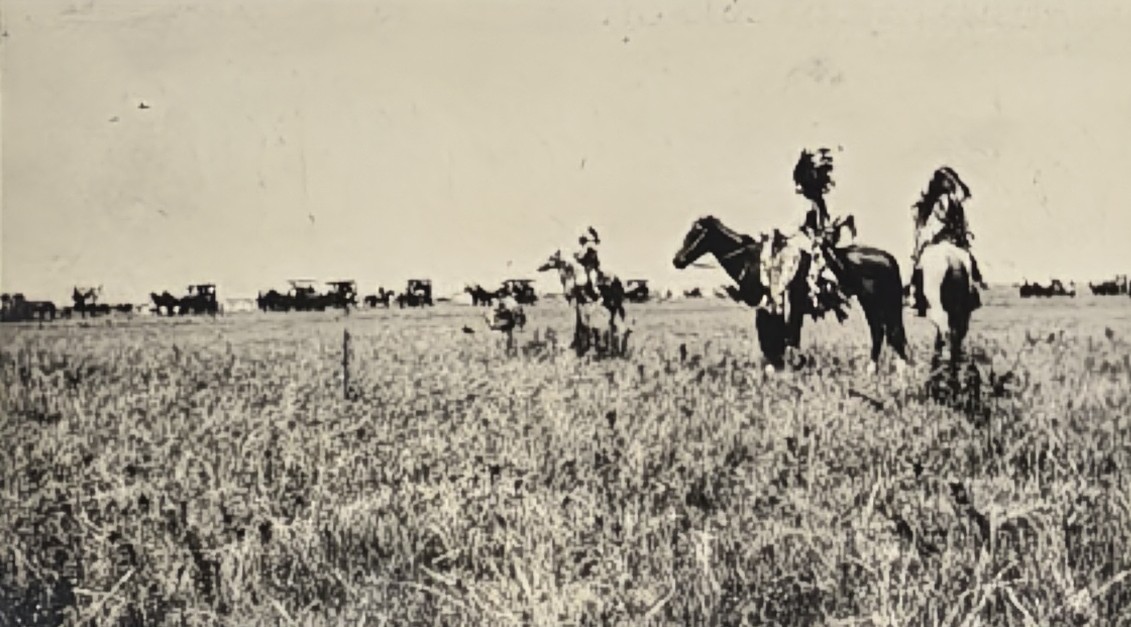
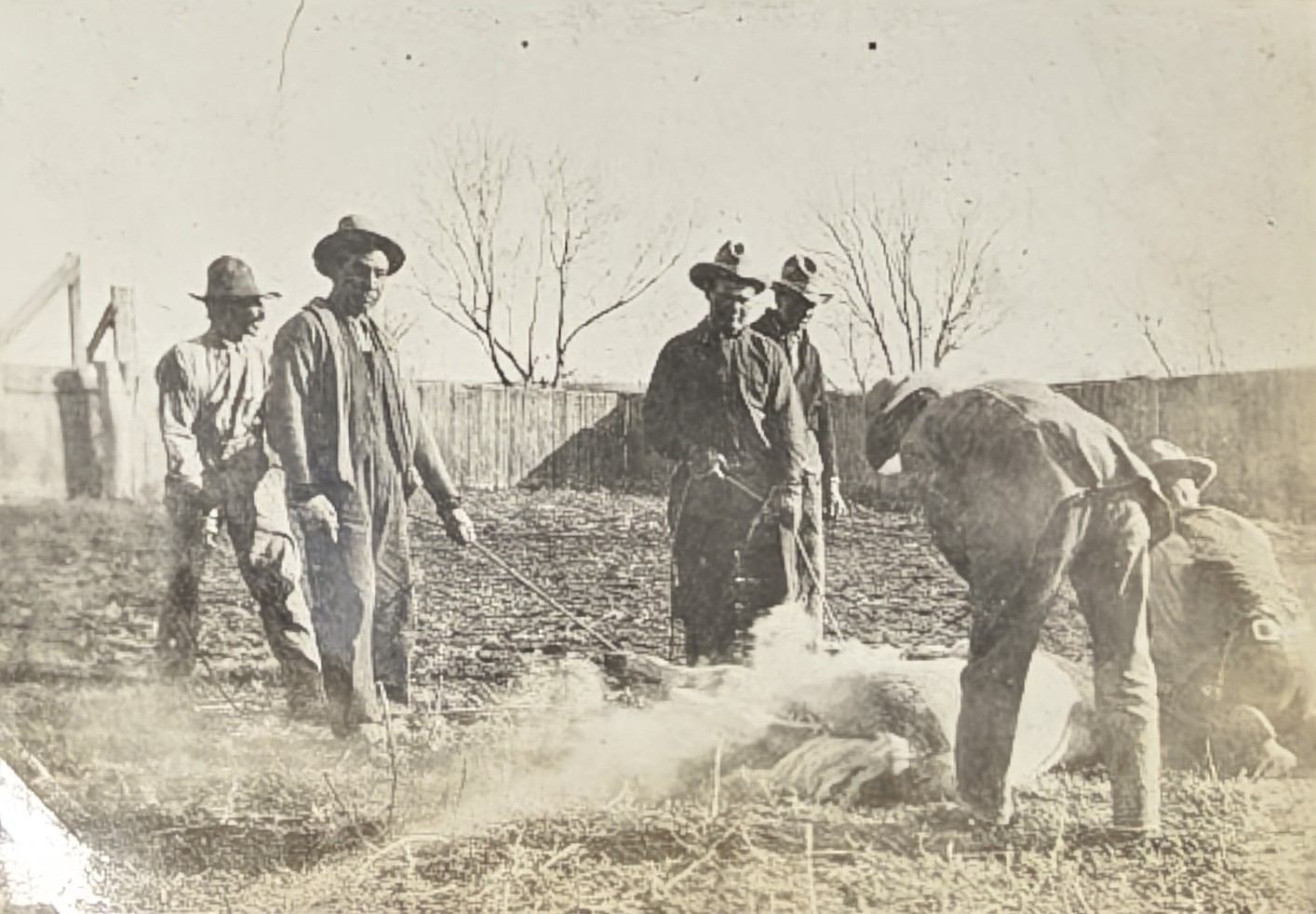
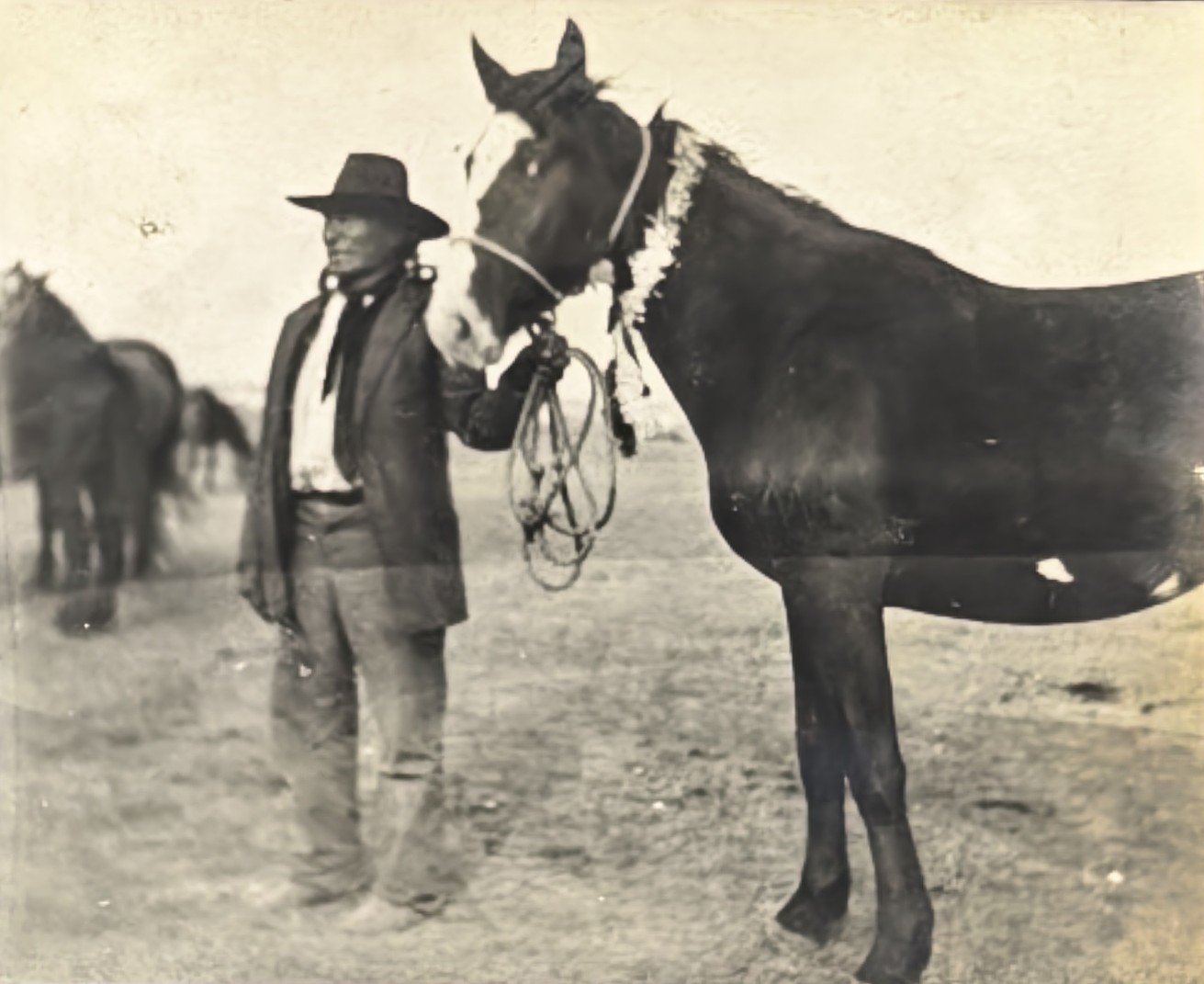
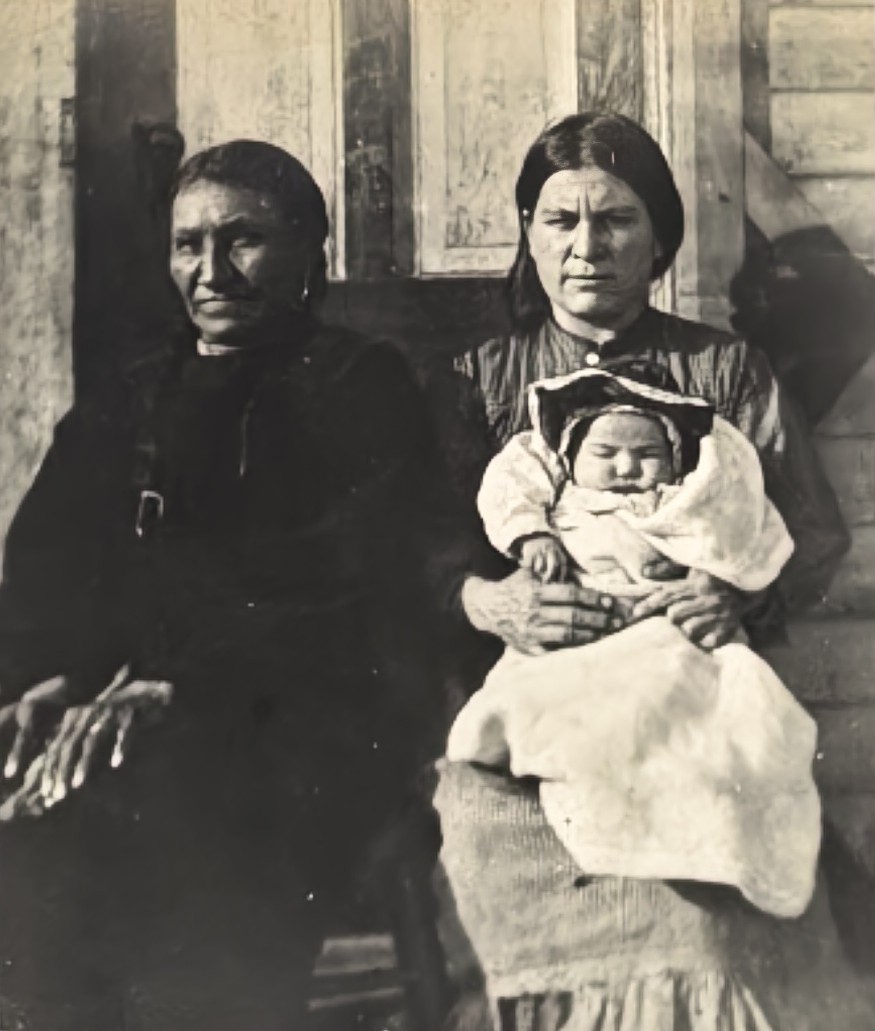
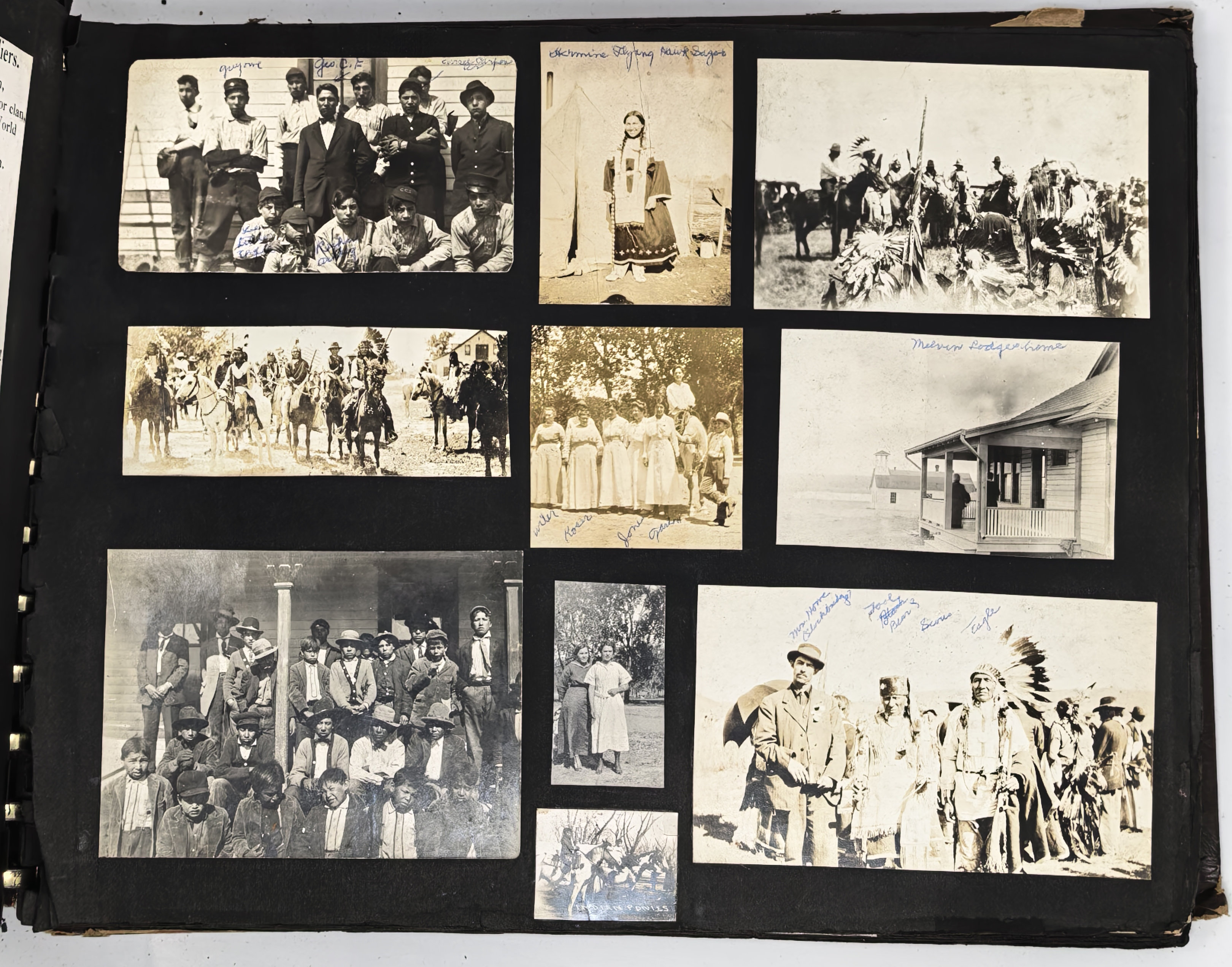
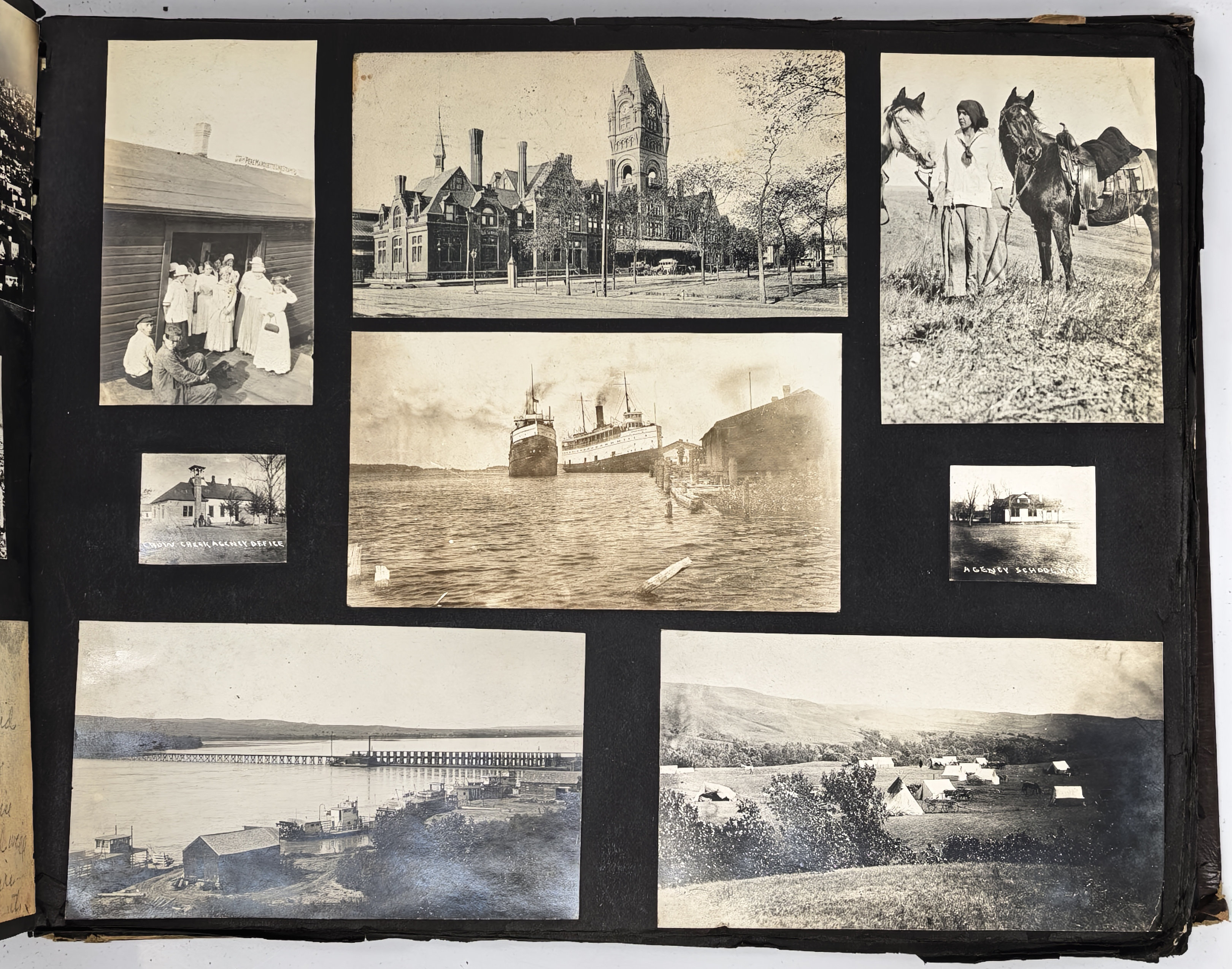
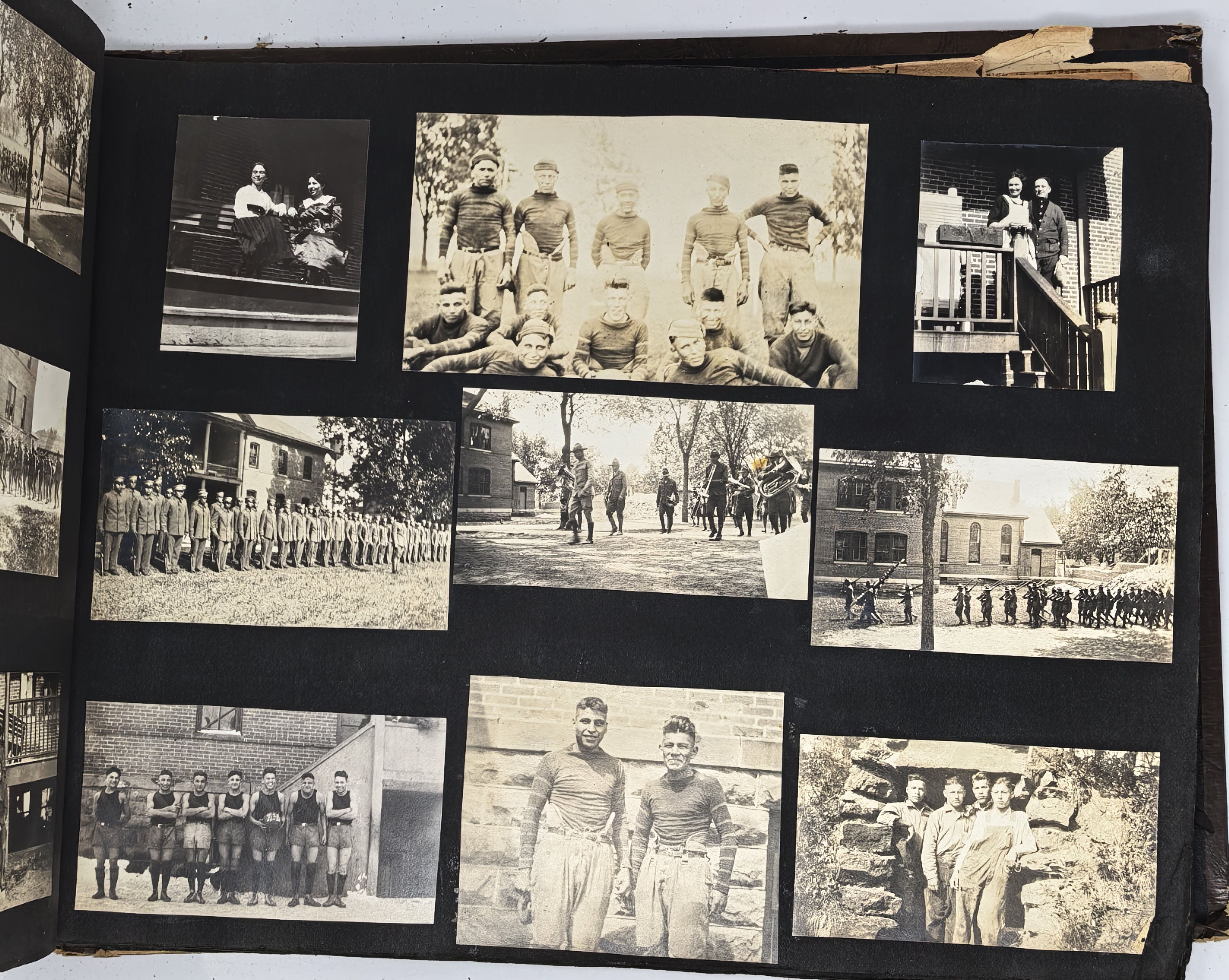
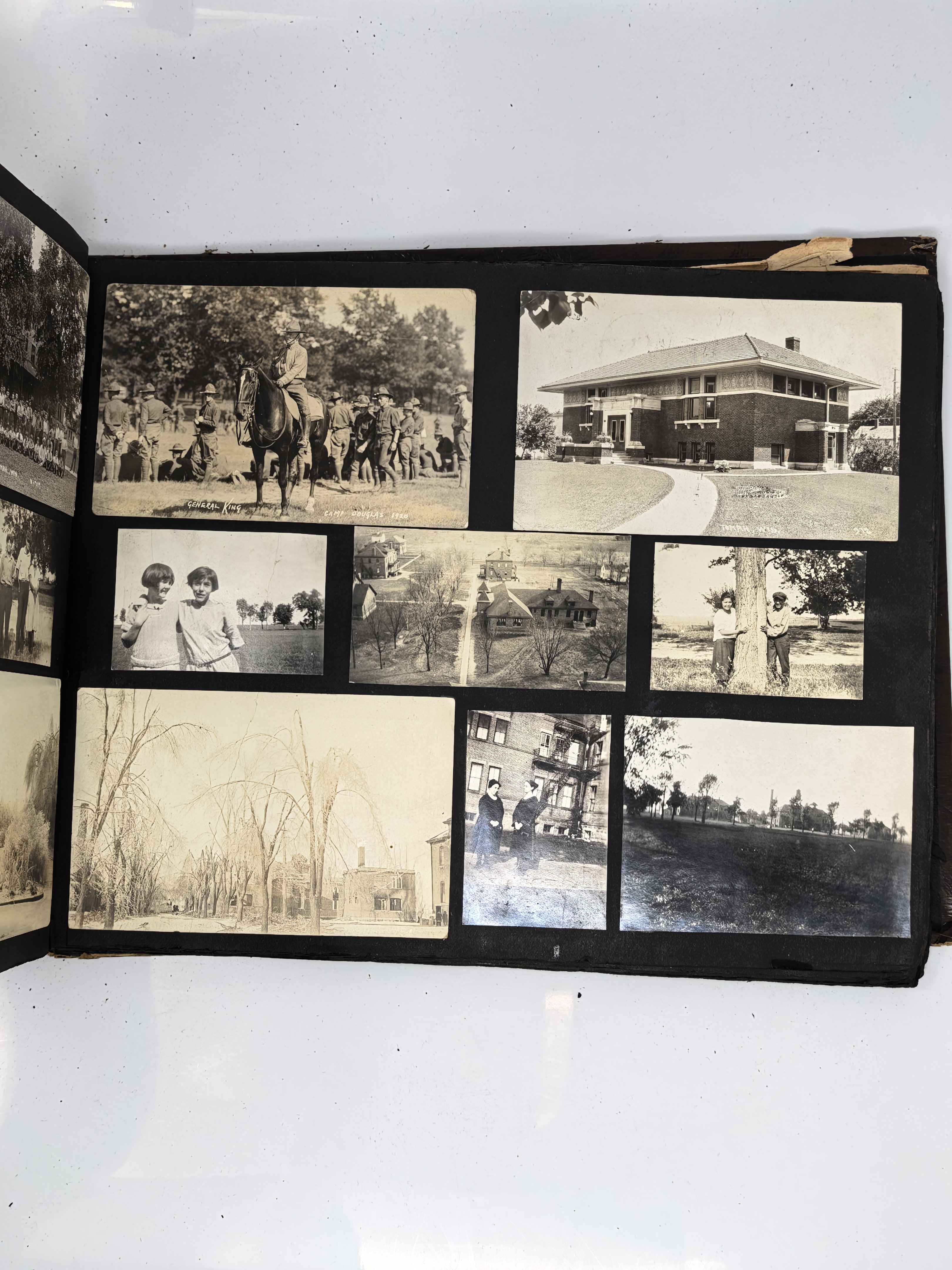
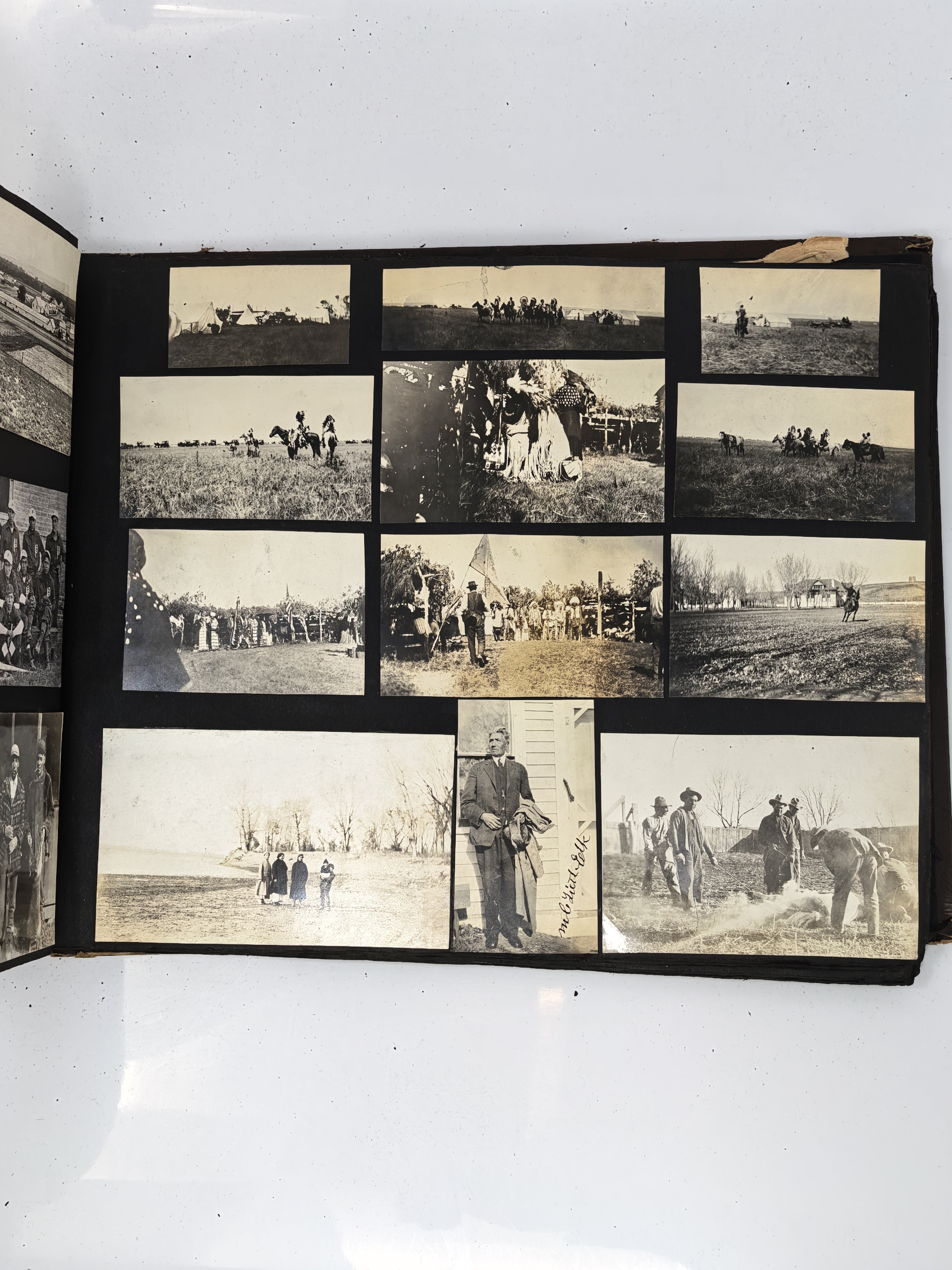
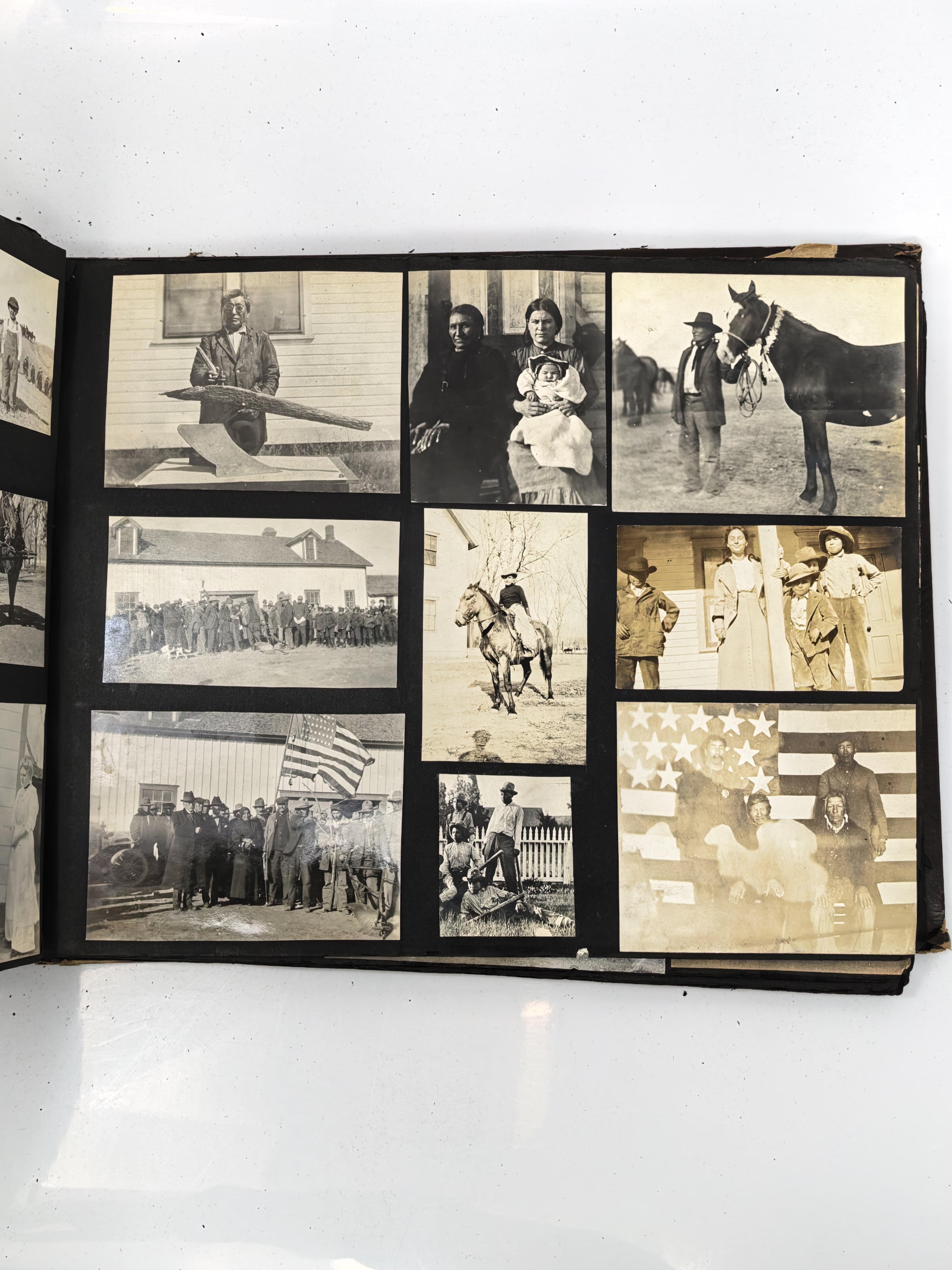
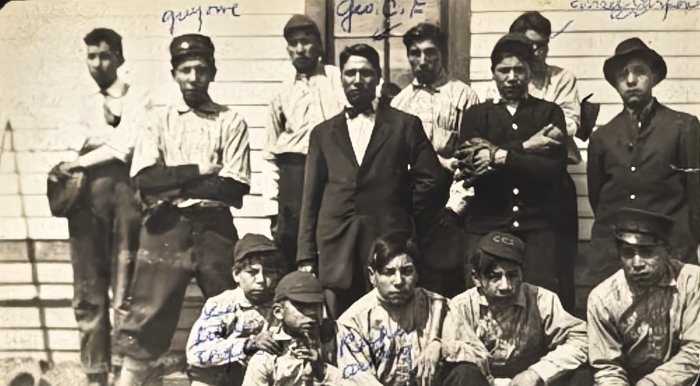
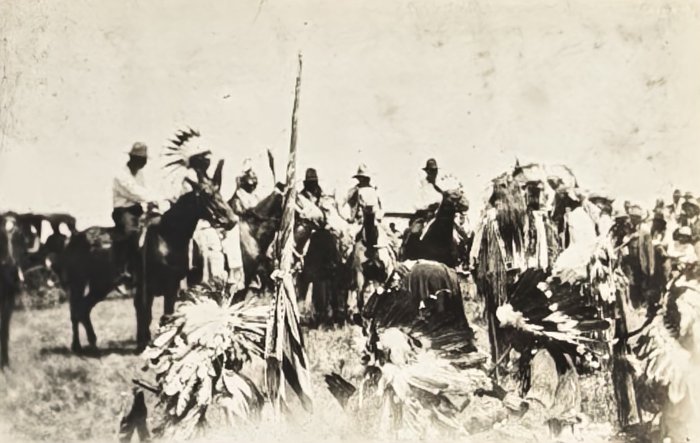
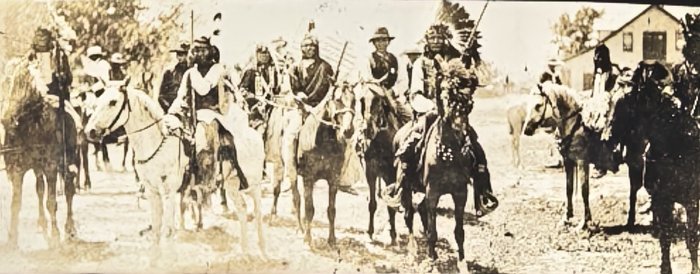
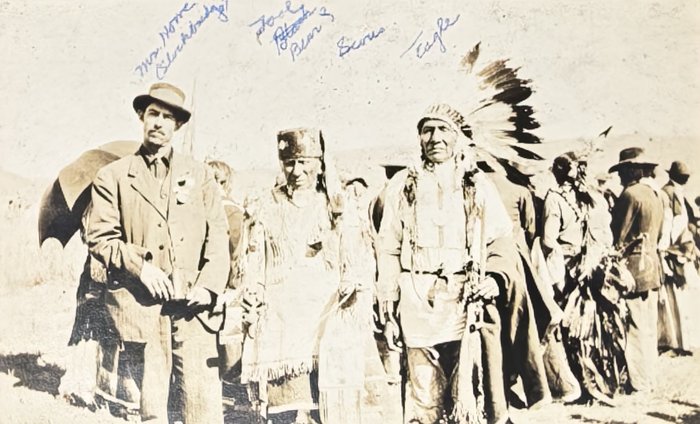
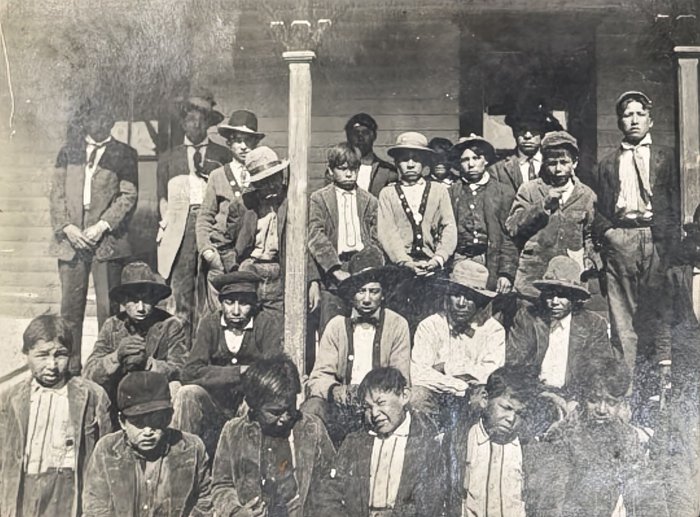
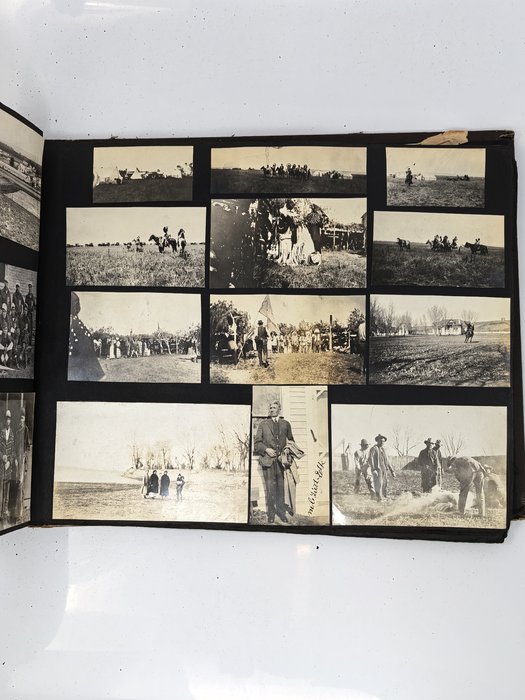
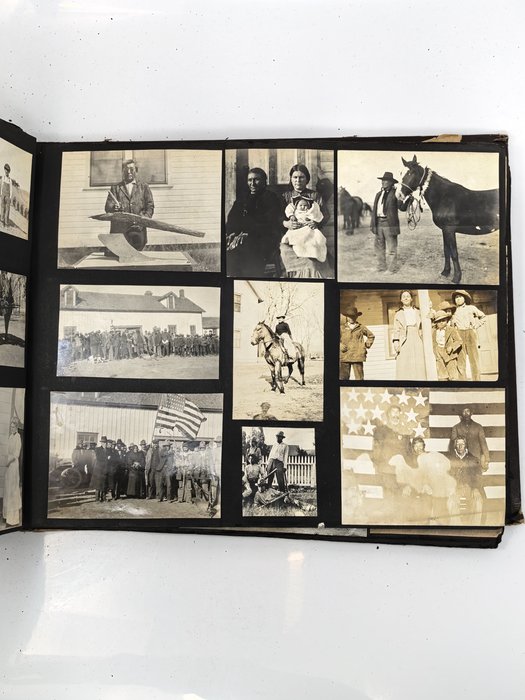
Historically significant, extensive collection of lively original gelatin silver snapshot photos and real photo postcards, documenting the life of Native American communities in Crown Creek Agency (now Crow Creek Sioux Reservation, South Dakota) and Tomah (Wisconsin), taken and collected by a young American female teacher who worked there in the 1910s – early 1920s.
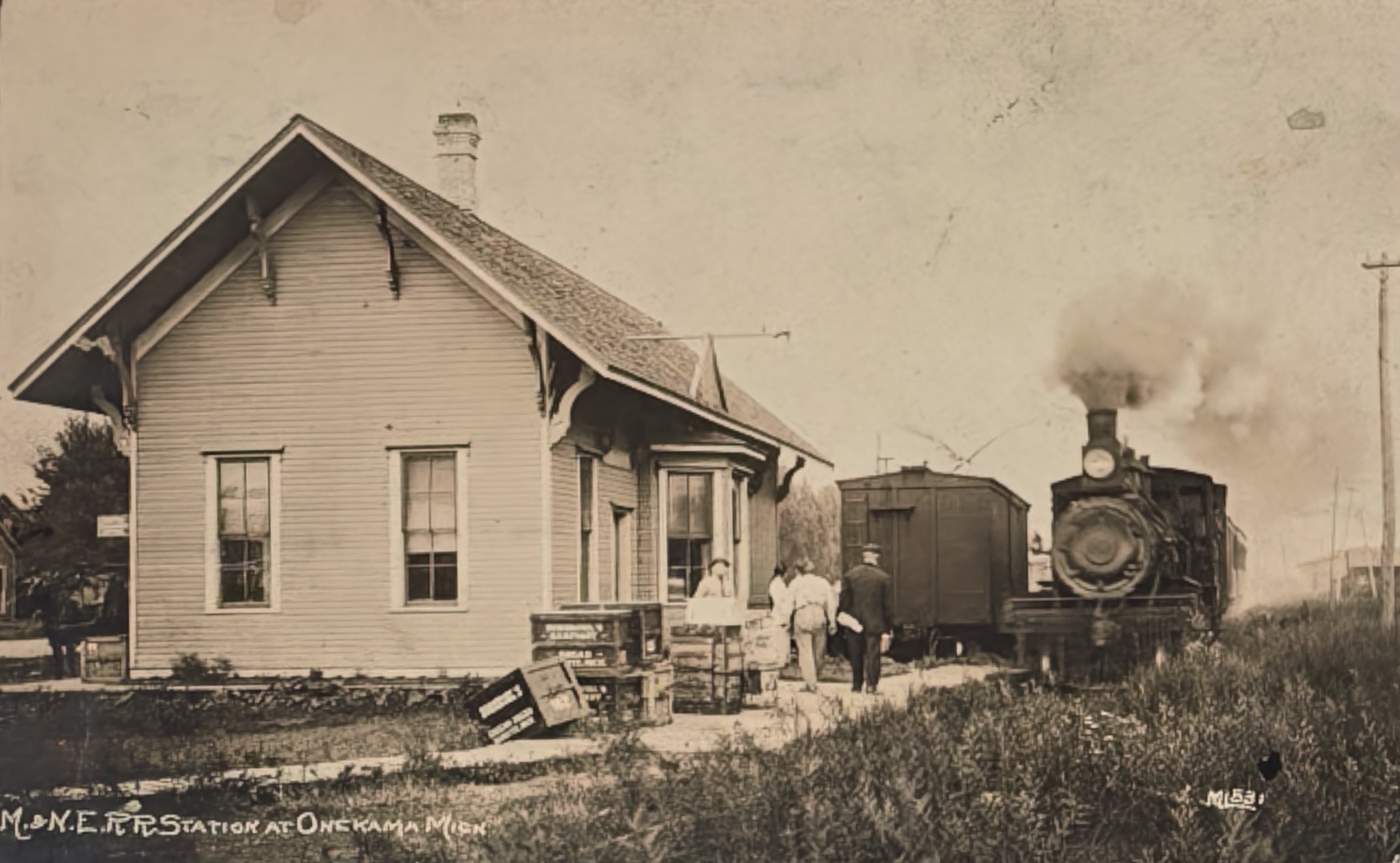
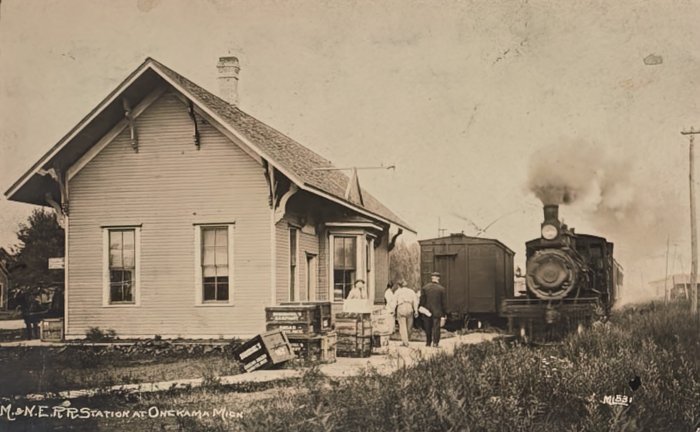
Mildred Lucinda Reynolds was born in Westville, Indiana, in the family of a manager of the Louisville, New Albany and Corydon Railway, Emerson Reynolds (1860-1895), and Alta B. Webster (1864-1929) and spent her childhood in Westville and on the family estate in Onekama, Michigan. She pursued a career as a teacher and, in the 1910s-early 1920s, worked in the schools in the Crown Creek Agency (South Dakota) and Tomah (Wisconsin). In 1924, she had to leave the latter job due to poor health (Indian Service News// The Indian Leader, 18 April 1924, p. 7). Several of Reynolds’ manuscript letters from the collection indicate that for years she suffered from mental health issues and was treated with electric shock. She later worked for several railway companies (Manistee & Northeastern Railroad, Pacific Electric Railway Co., & others) and eventually settled in Pacific Grove, California.
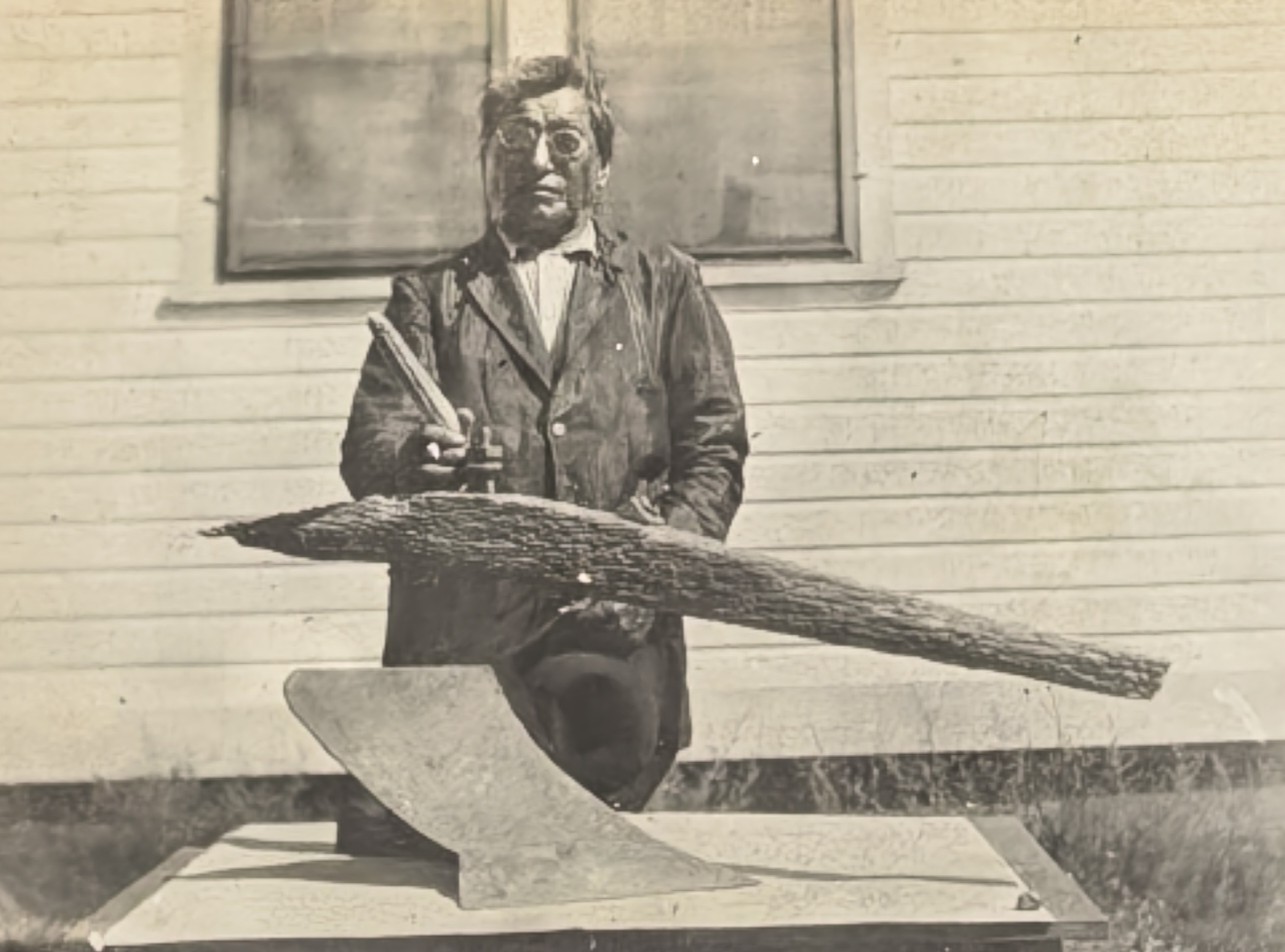
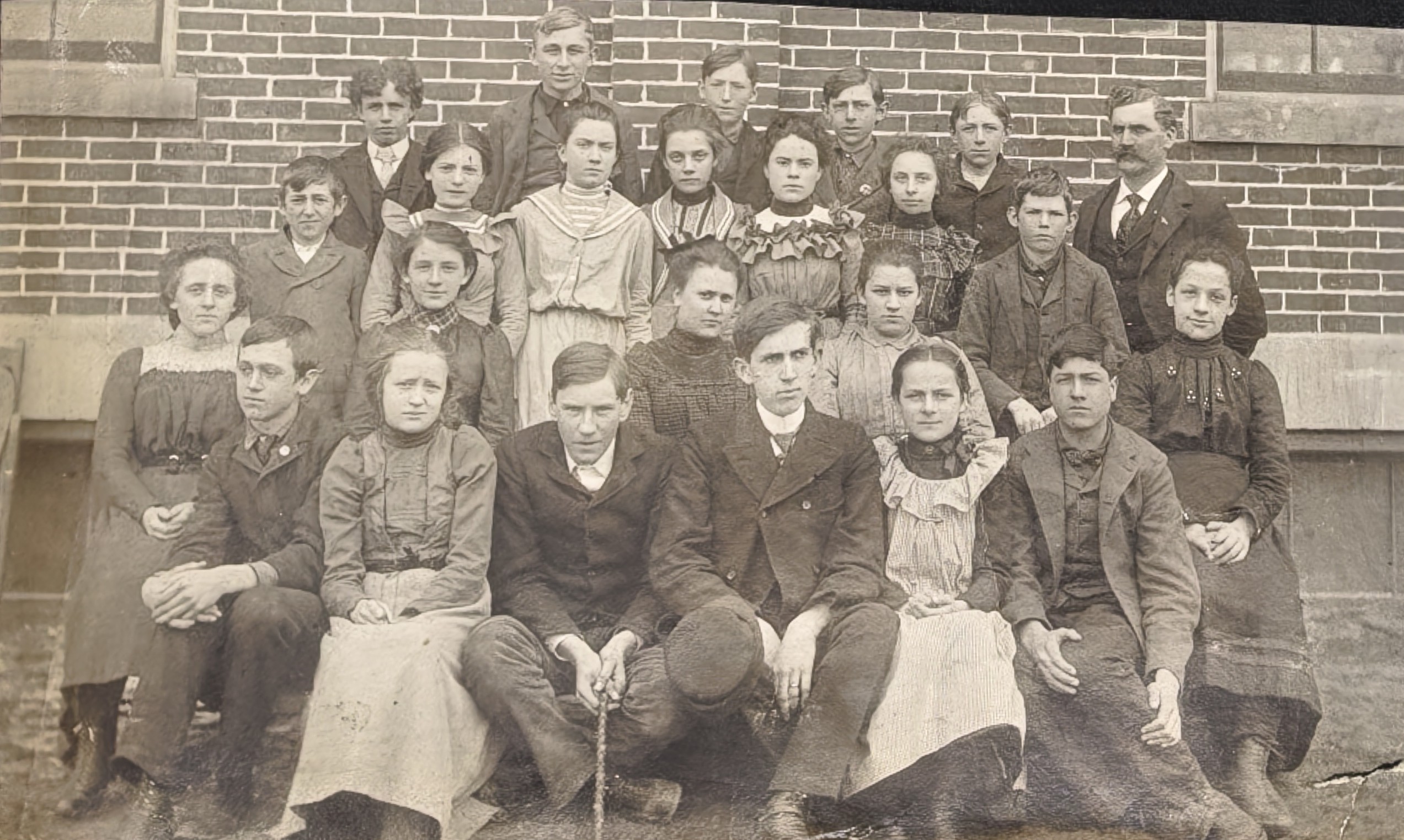
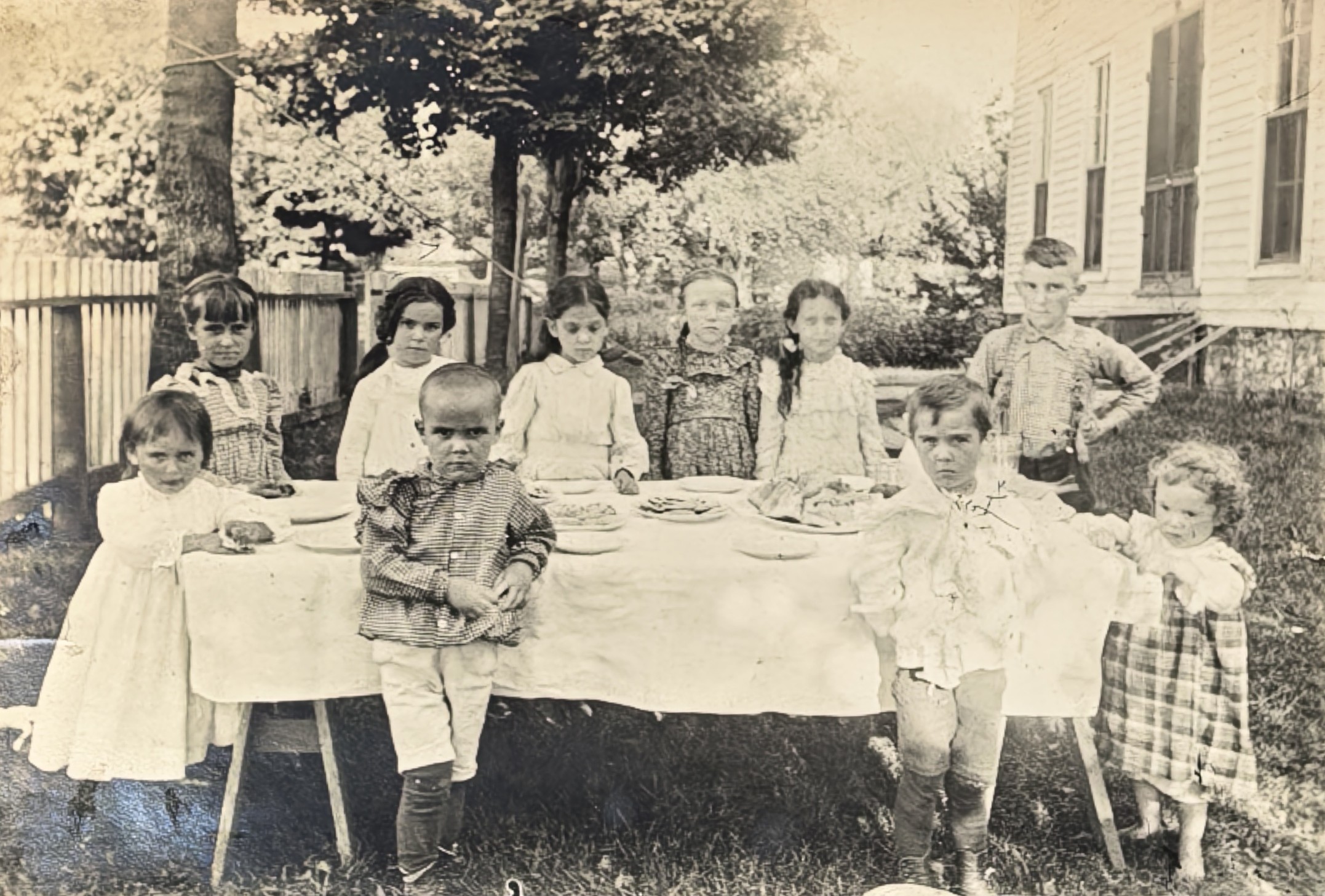
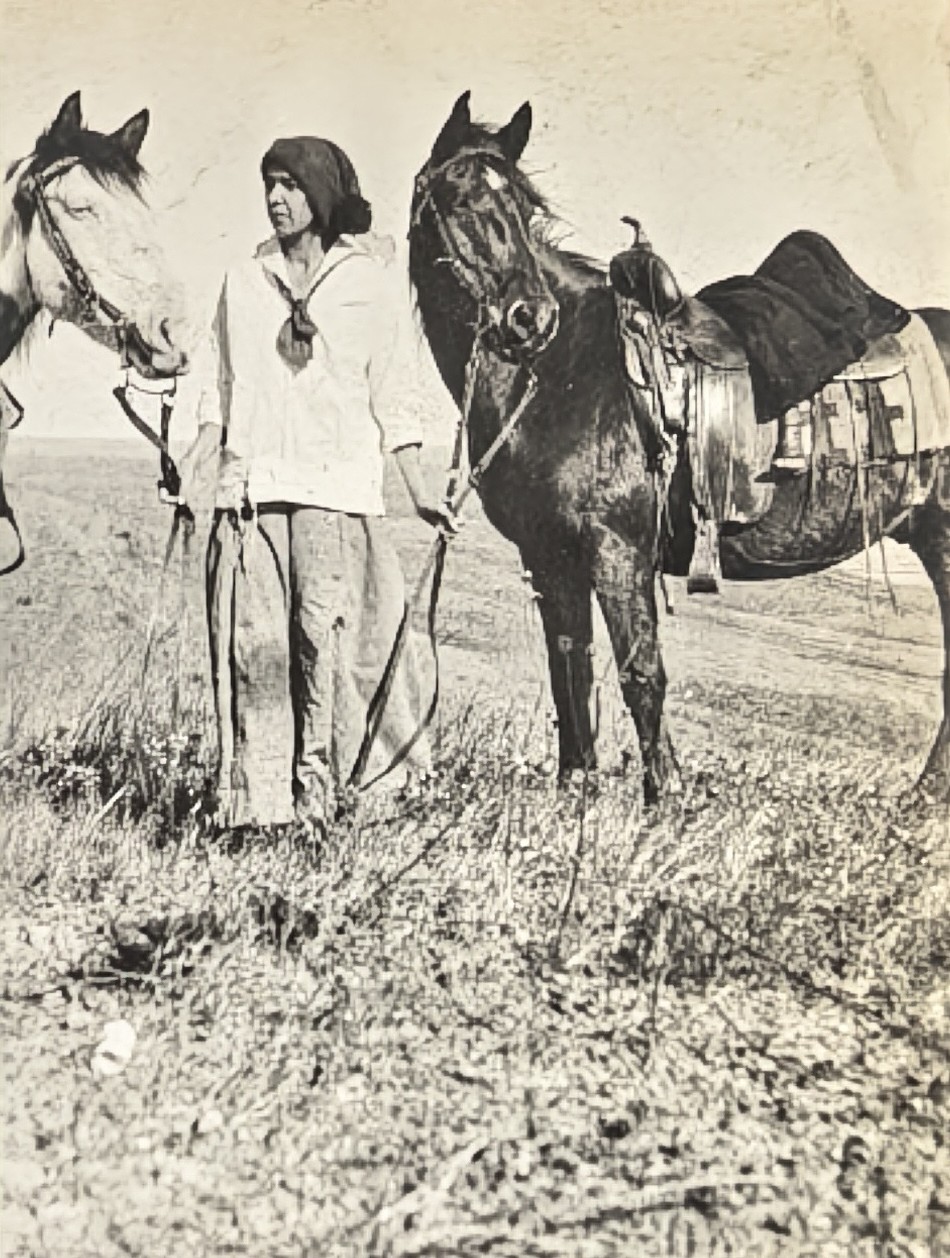
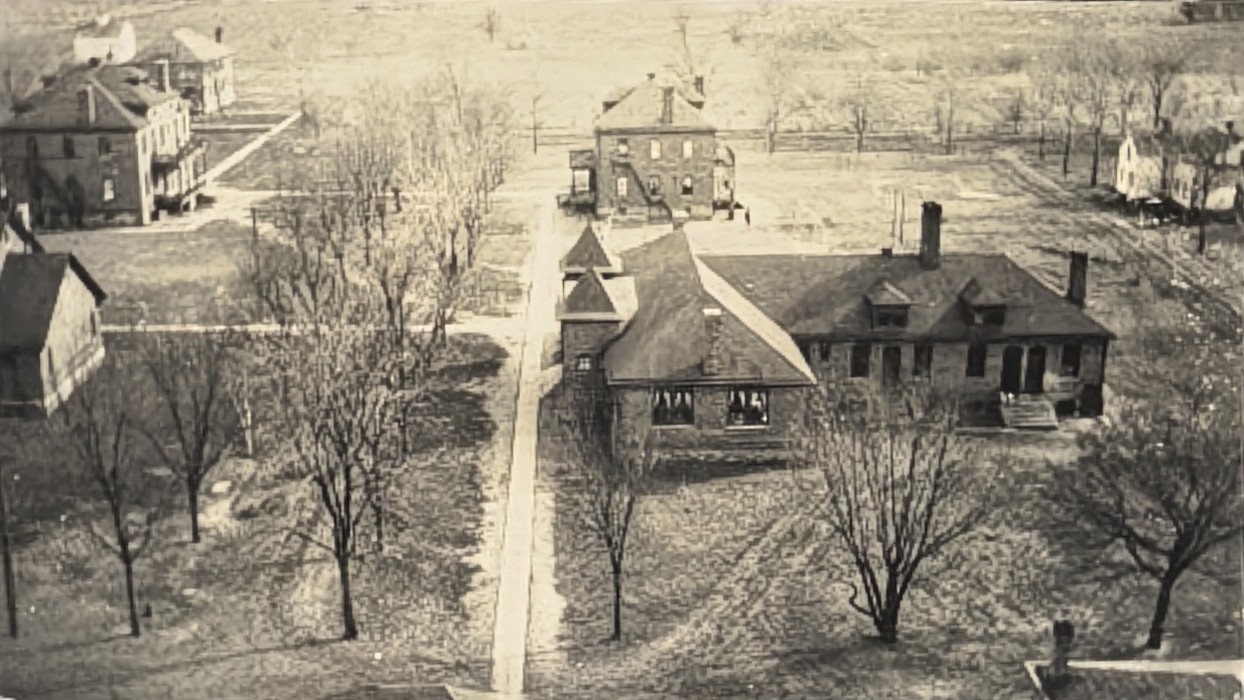
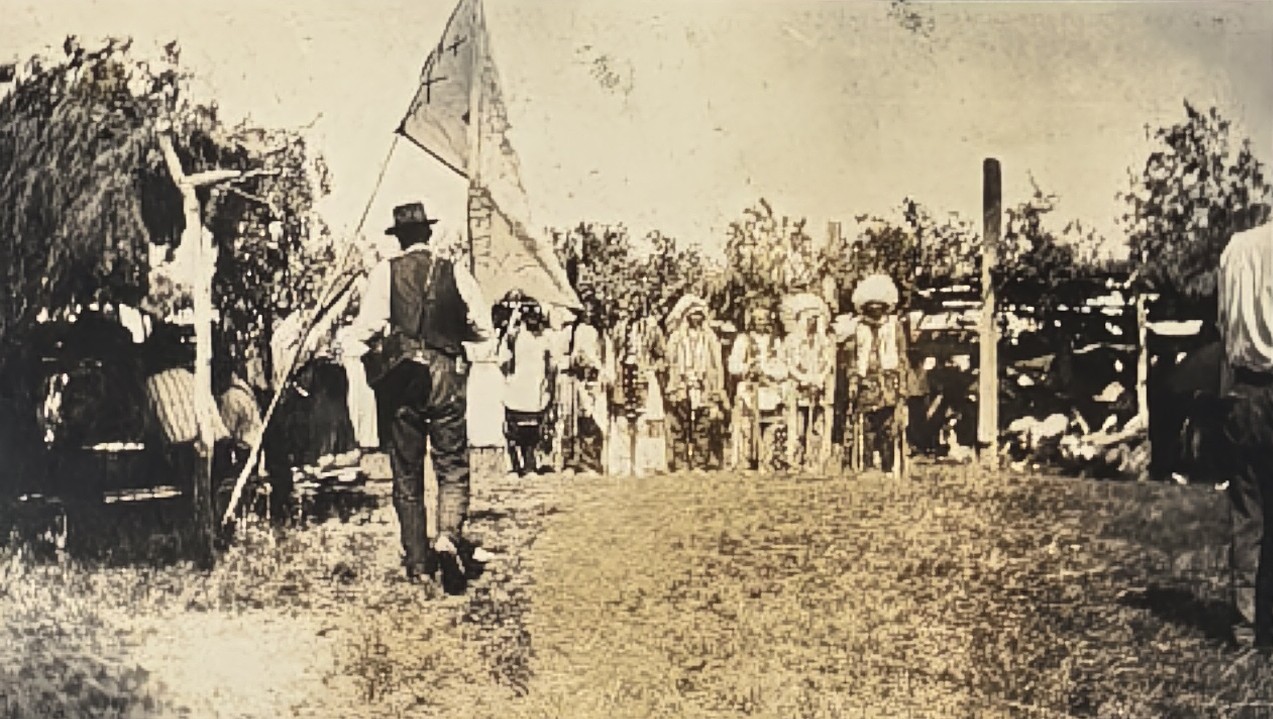
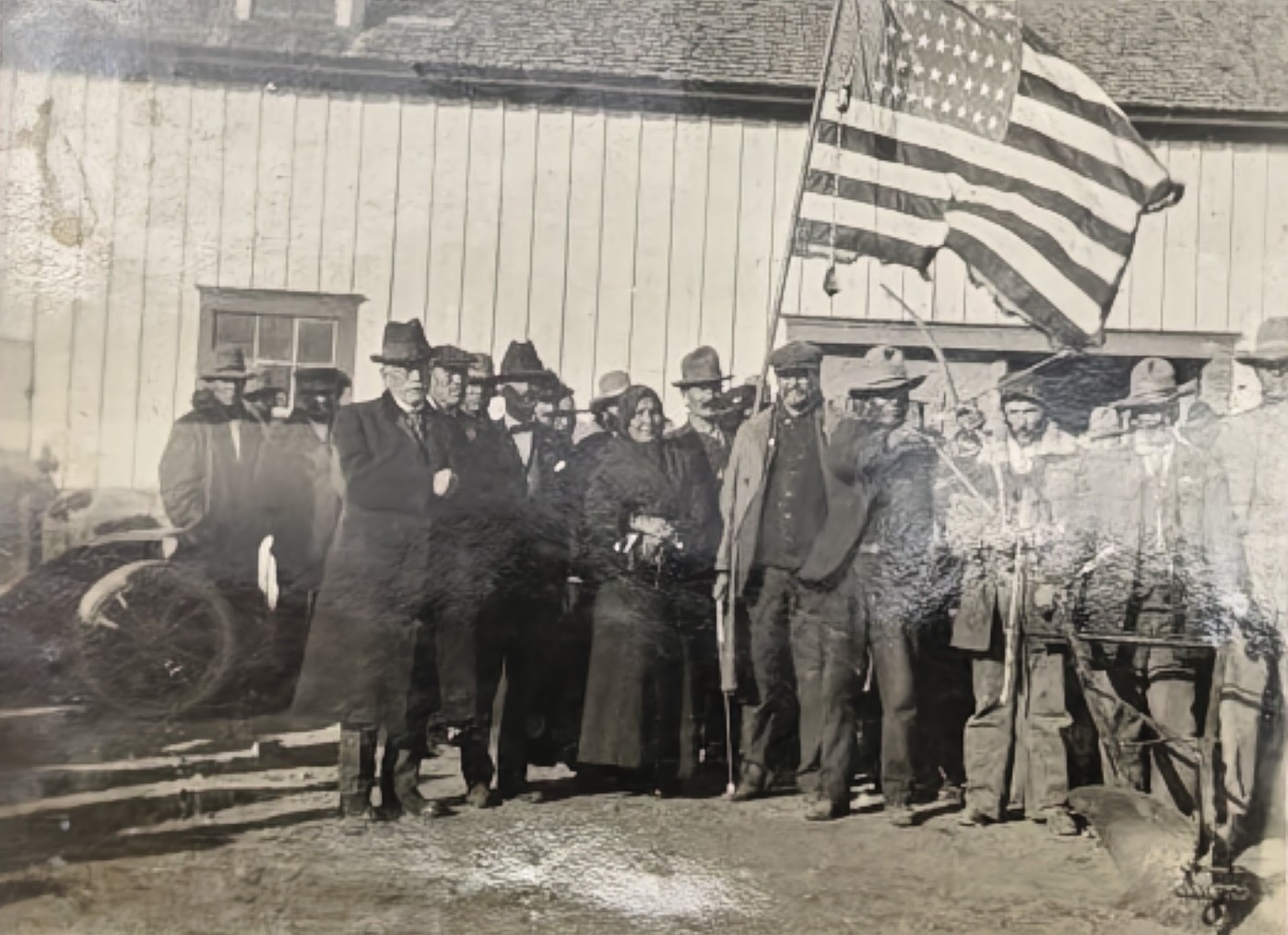
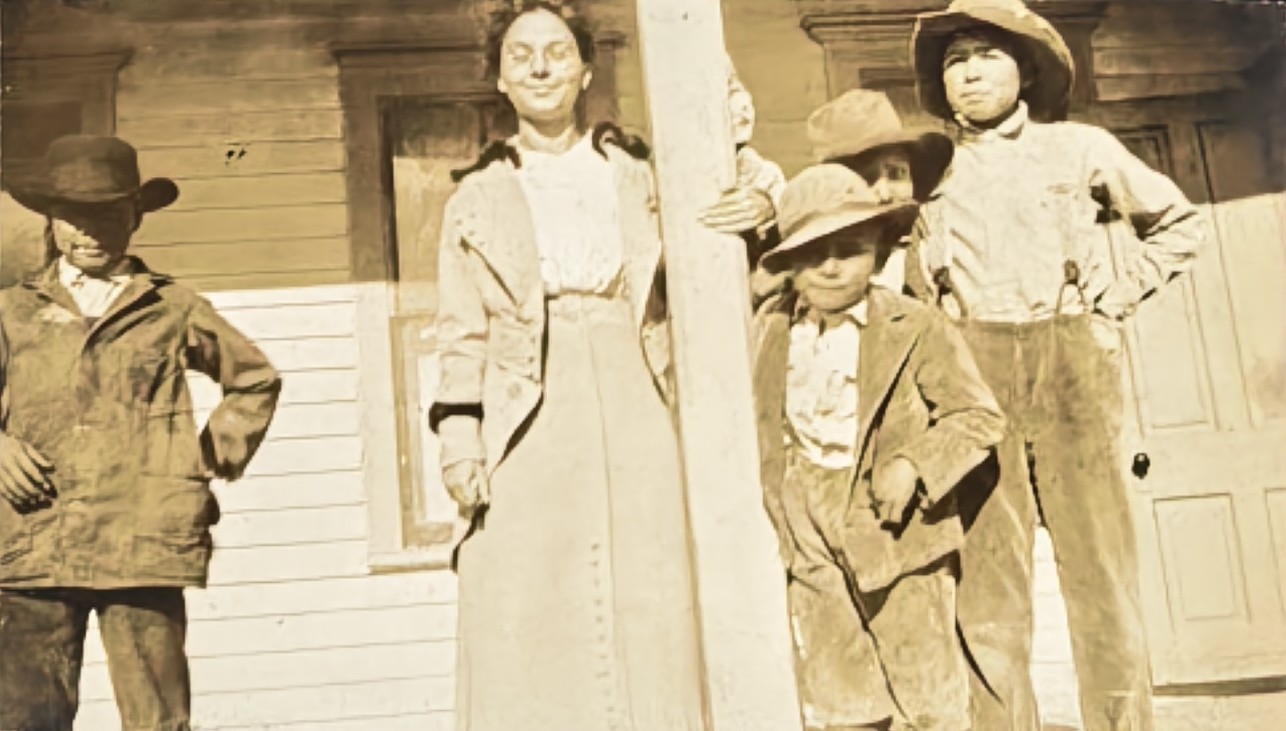
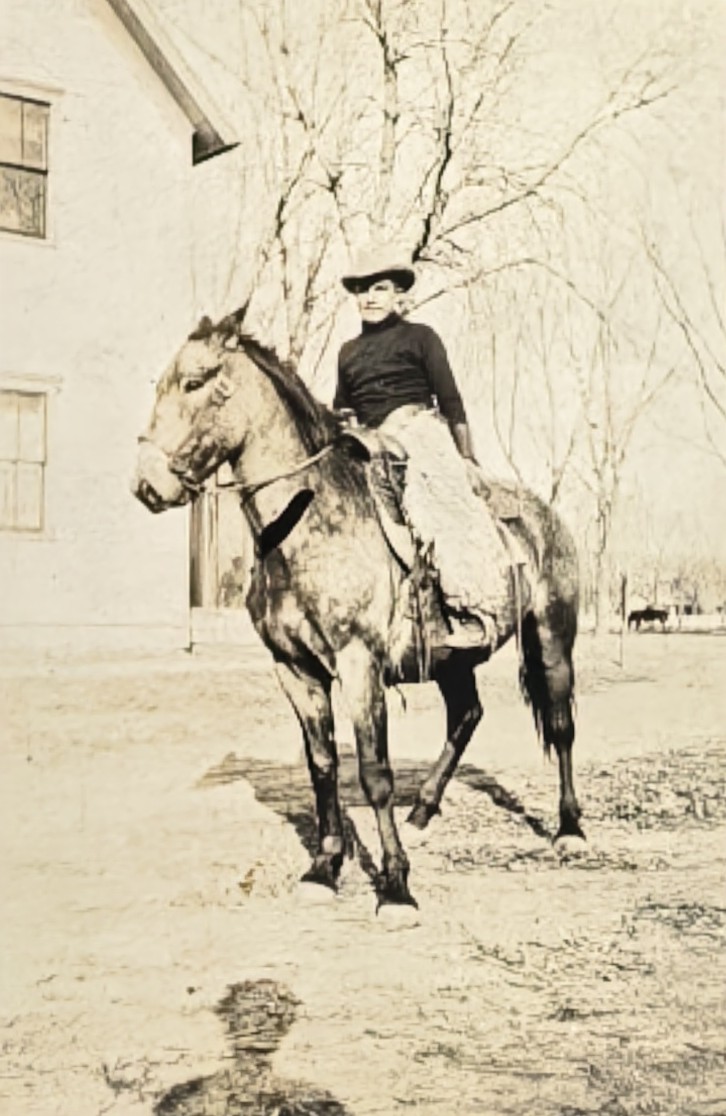
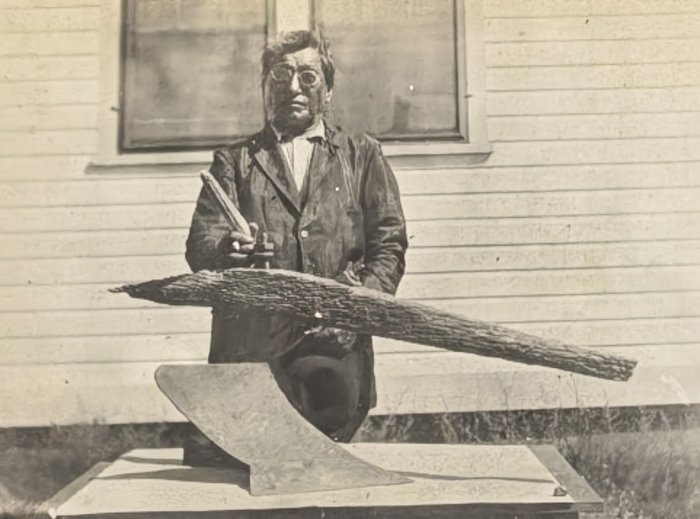
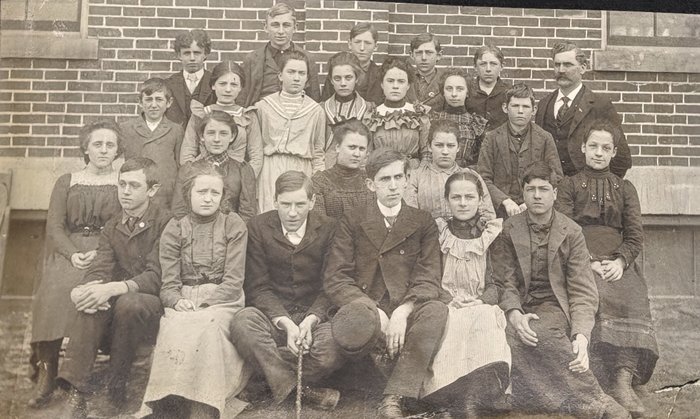
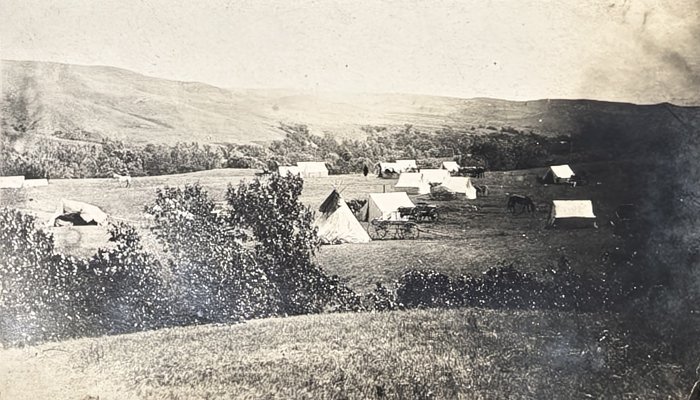
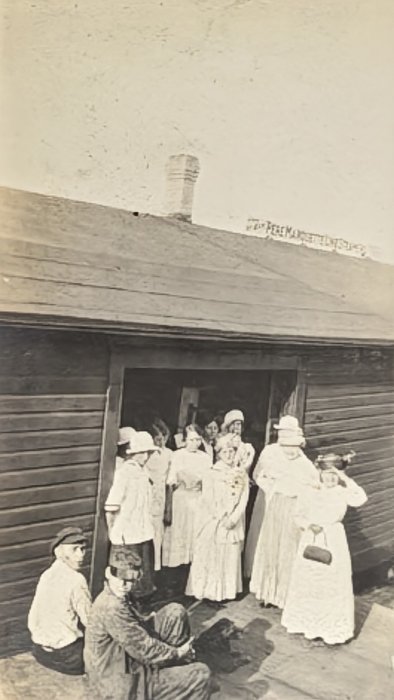
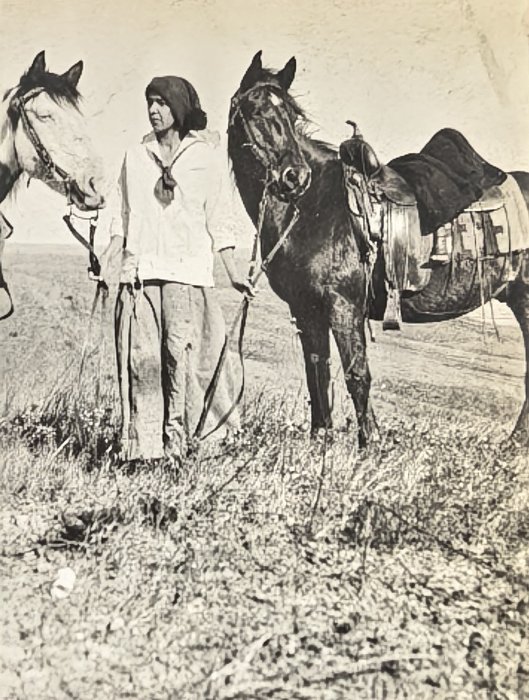
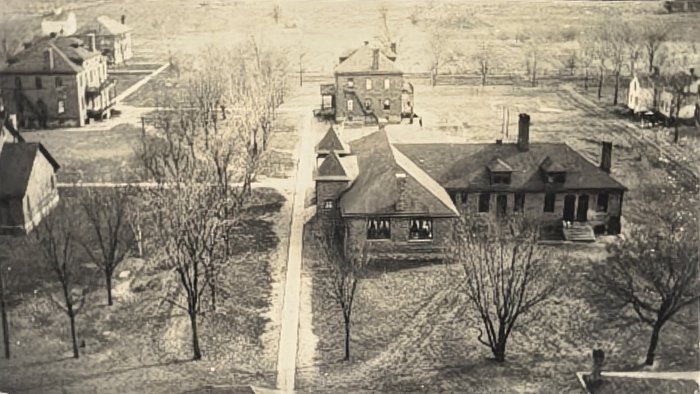
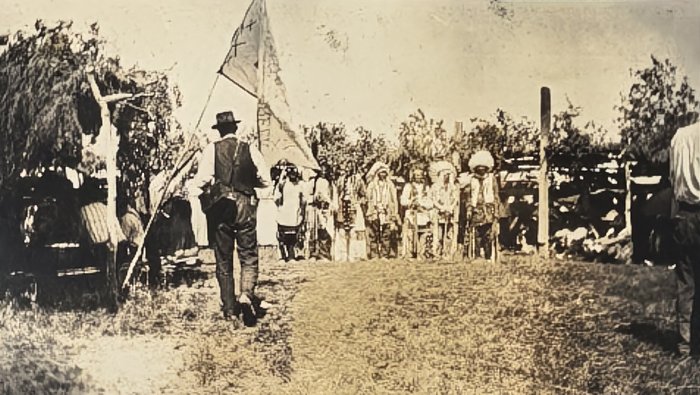
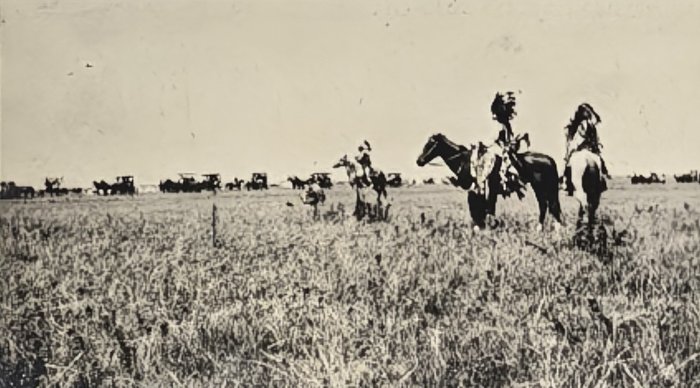
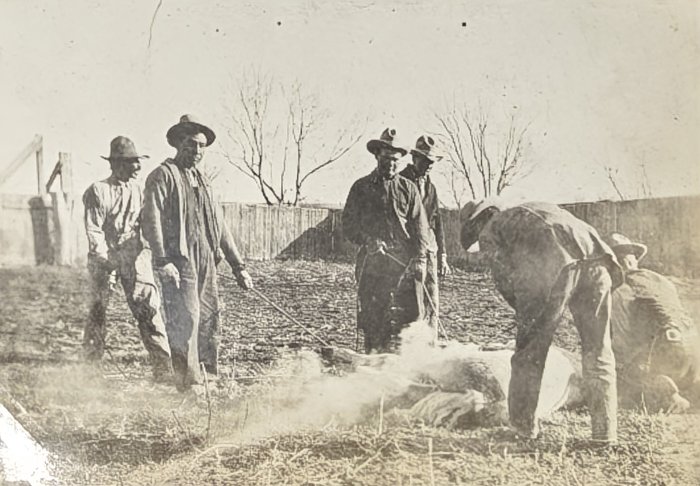
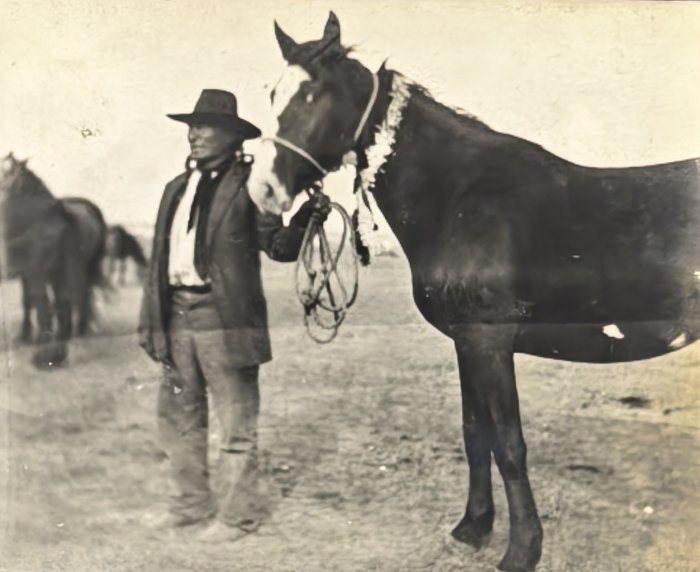
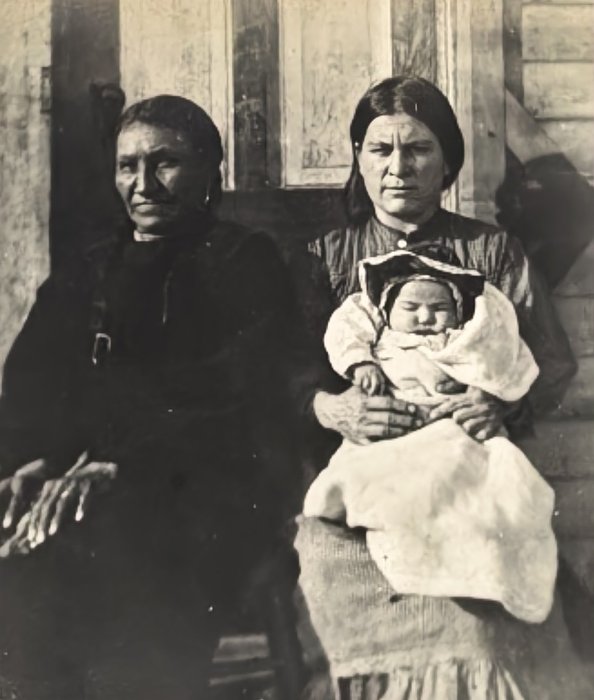
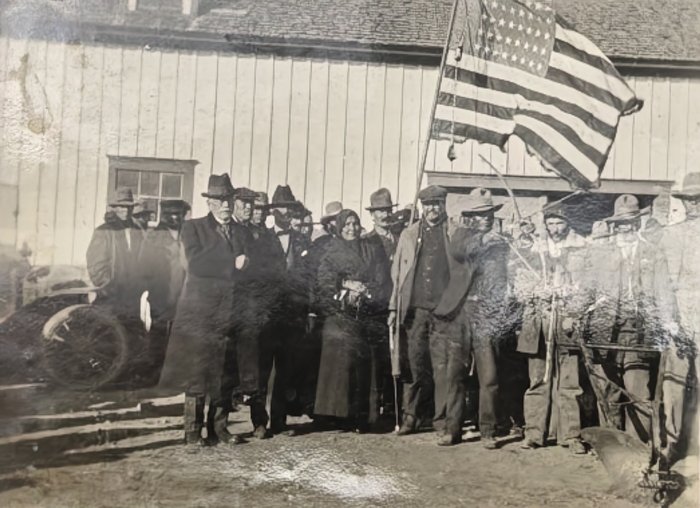
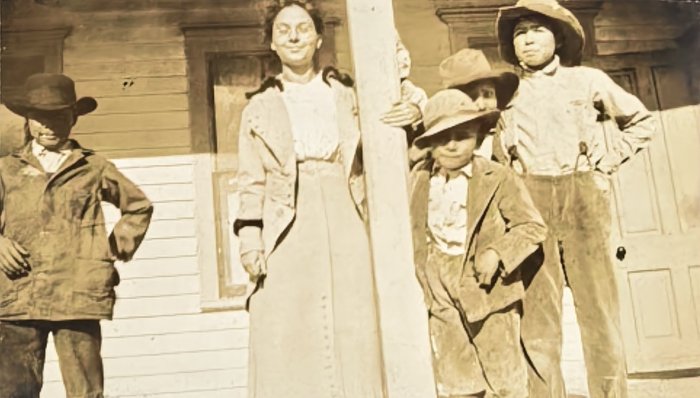
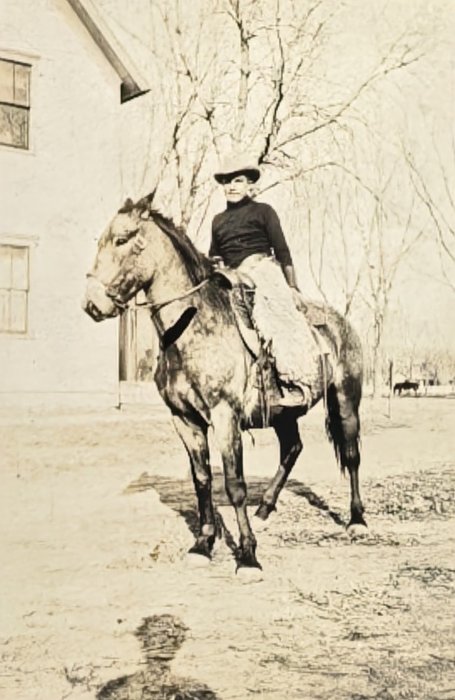
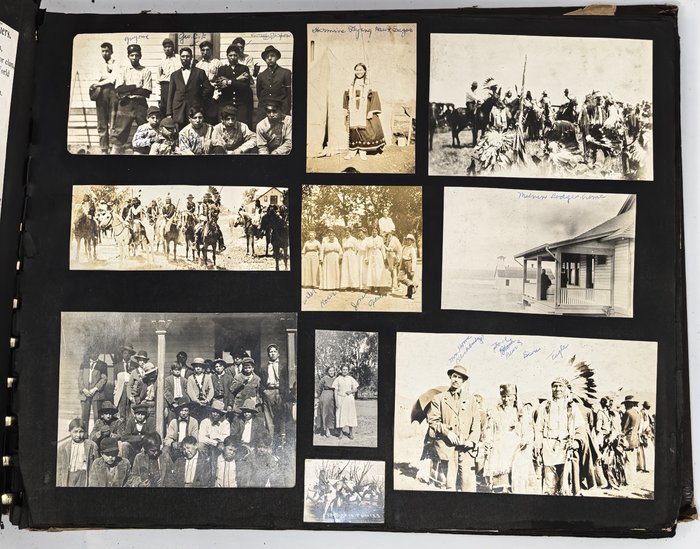
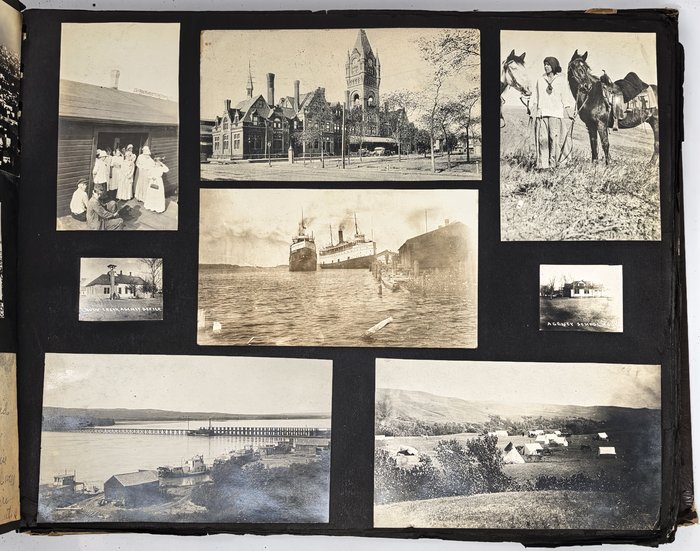
Excellent photos from the Crow Creek Agency include general views of the settlement in summer and winter, images of “Crow Creek Agency Office,” “Agency school house,” “Indian ponies,” series of scenes from a traditional Sioux ceremony and a horse riding competition, photos of a display of a farming exhibit (with a U.S. flag and sign “Crow Creek, S.D.” in the background), “raising the [U.S.] flag,” exterior and interior of the Episcopal Church, two views of a church ceremony, a group portrait of “Bro. Hood men, Crow Creek, June 10, 1915,” a gravestone of “Alexander H. Smith” with the Psalms verses in English and Lakota languages, a plain with Sioux tents and horses, &c. School-related photos show the interior of a native school canteen with girls and boys having their meals at separate tables, several portraits of Sioux girls in school dresses, posing in front of the school house, on the Missouri river bank or mounted on horses, boys in school uniform or swimming in a river, &c. Numerous portraits of Sioux people depict “Crowman – Medicine Crow,” “Little Elk,” “Eagle Man,” “Cooke Bad Mocasin,” “Sam Different Horse,” “Hermine Flying Hawk […?],” “[Joel?] Bear,” “Walking Warrior,” women having fun on an iced lake or river, groups posing in front of U.S. flags, young men in traditional outfits or U.S. military uniform, kids in motor cars, mothers and babies, and others. Several photos feature Mildred Reynolds - posing with her students, on a riverbank, on horseback, dressed in a traditional Native American outfit, helping a native family to move their belongings, &c.
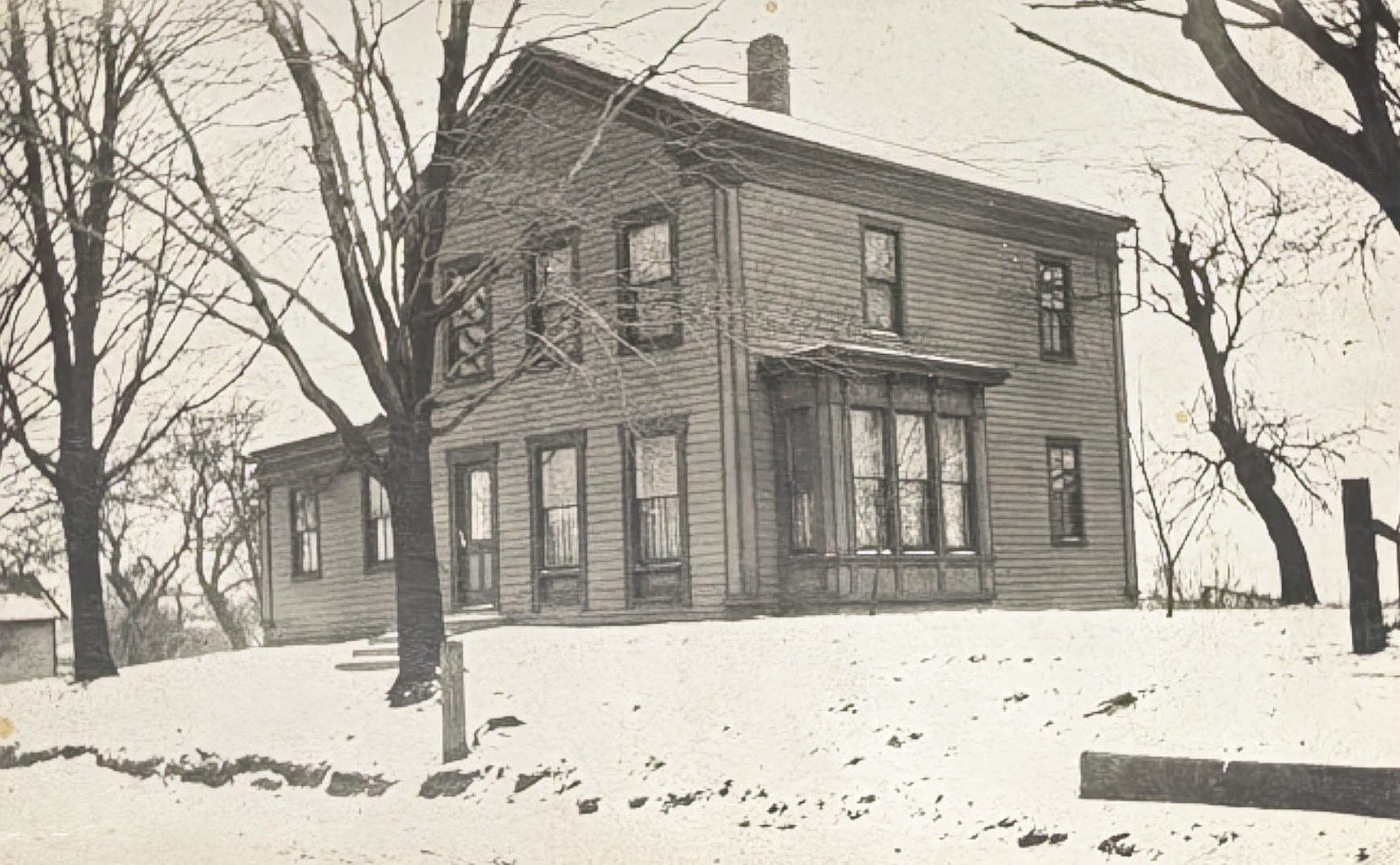
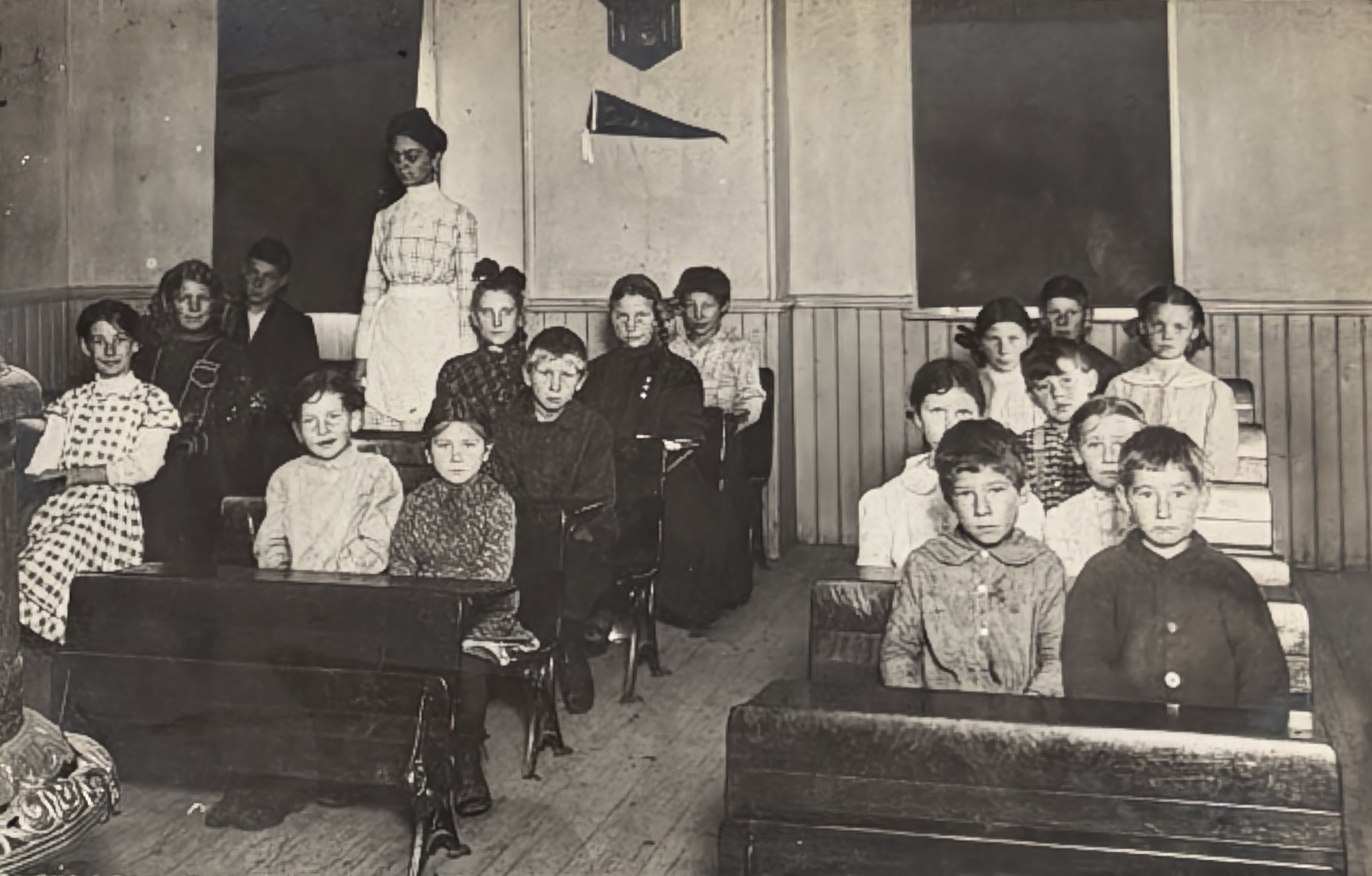
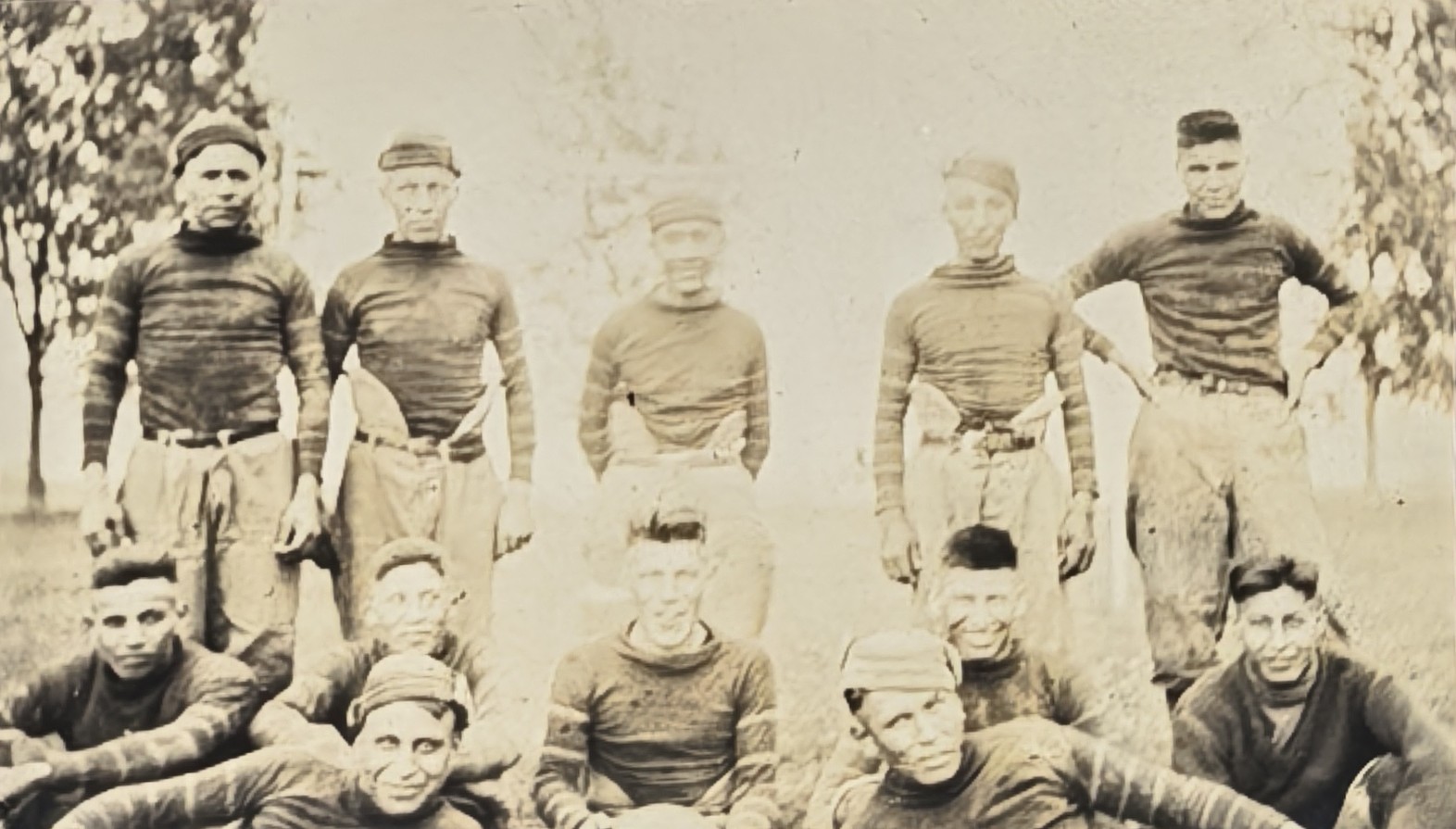
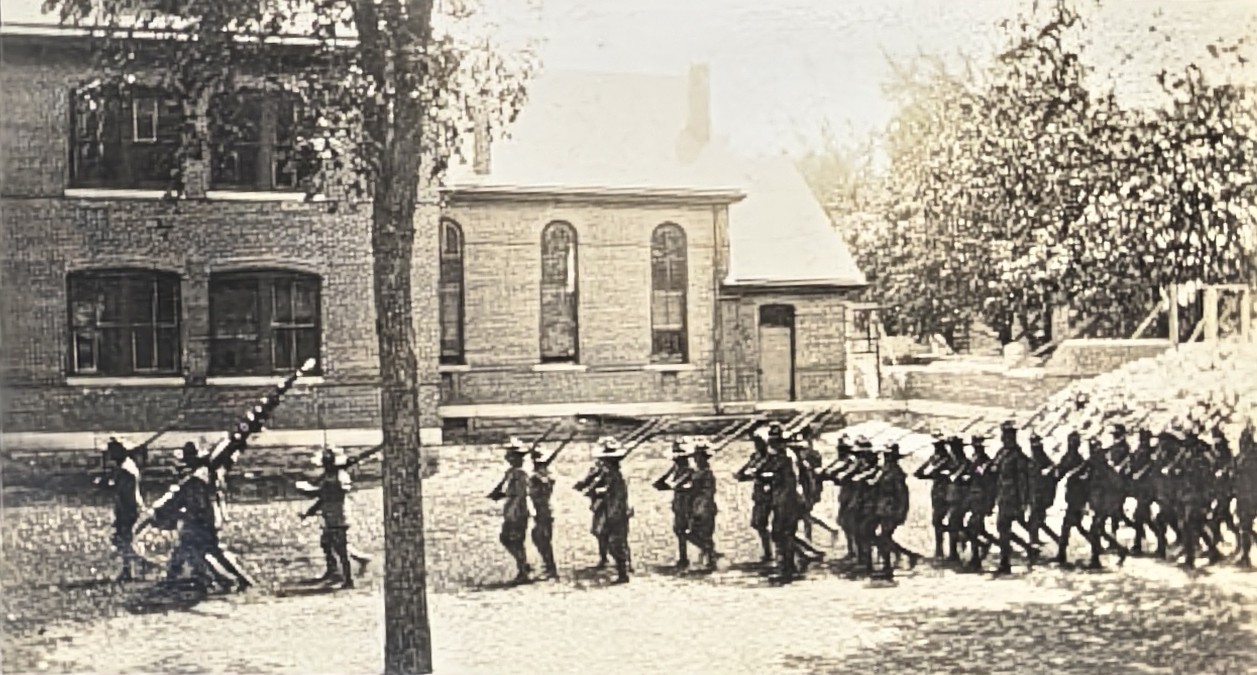
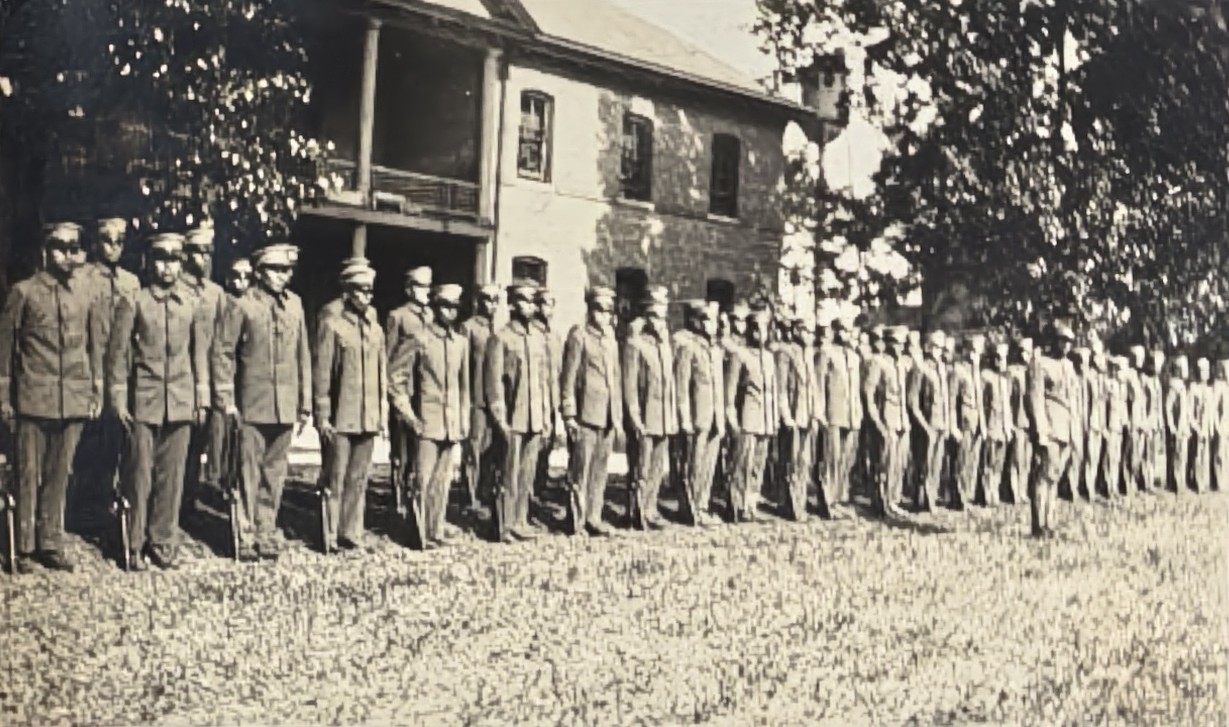
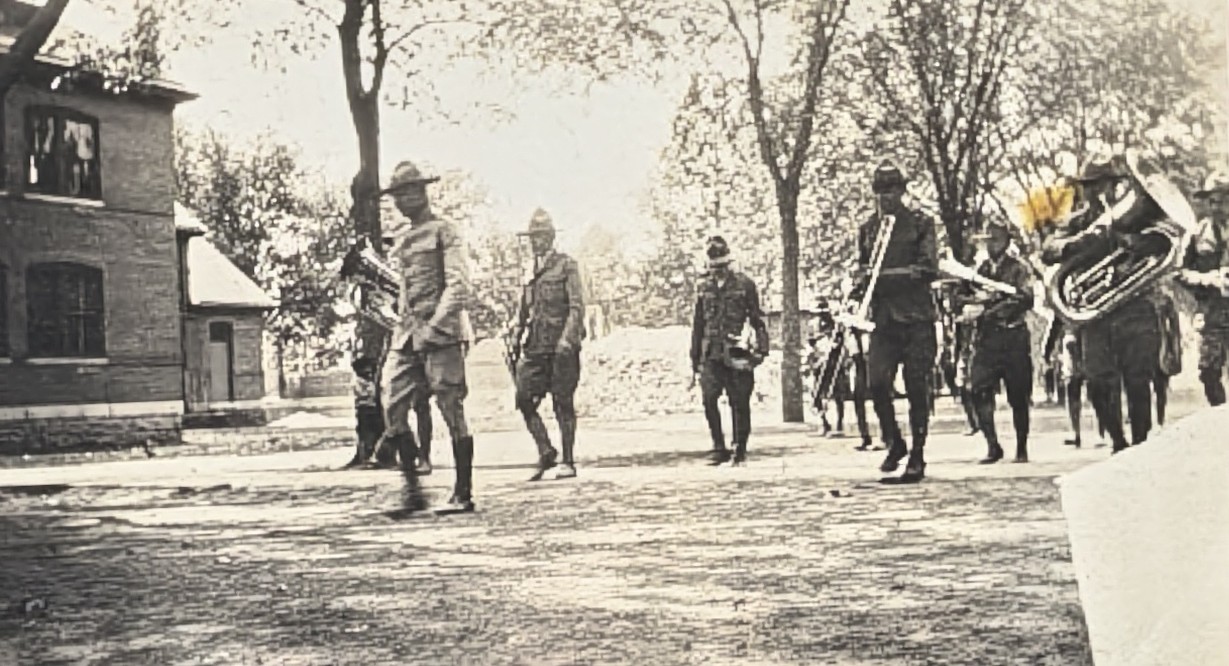
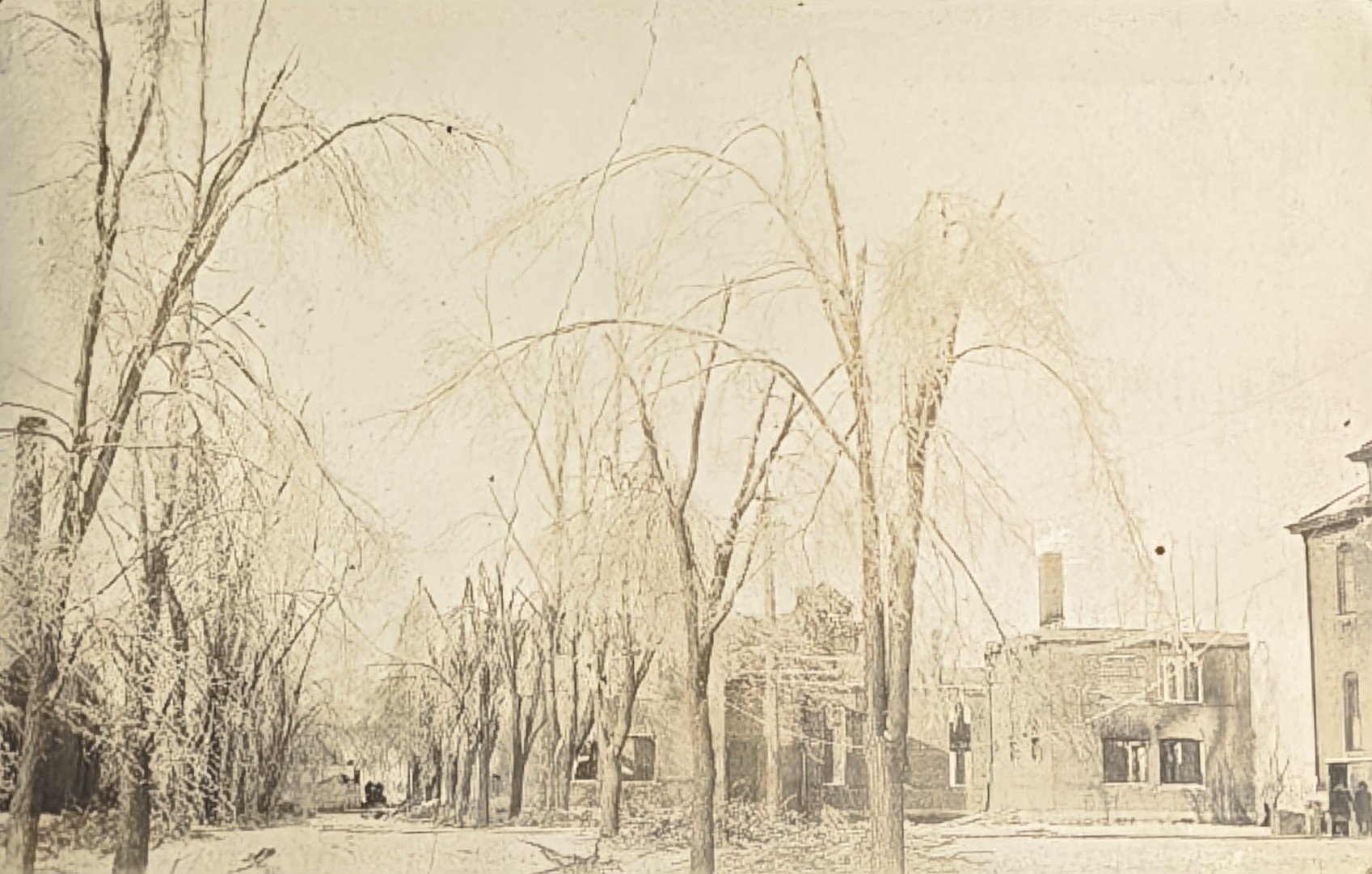
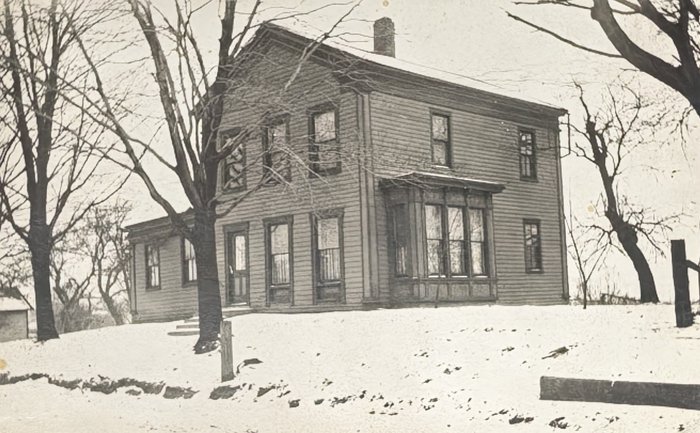
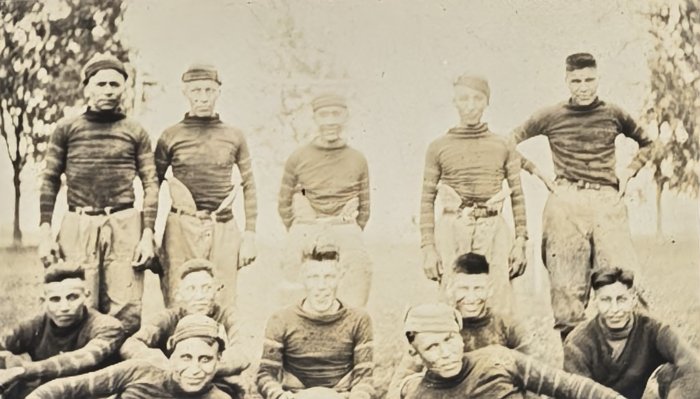
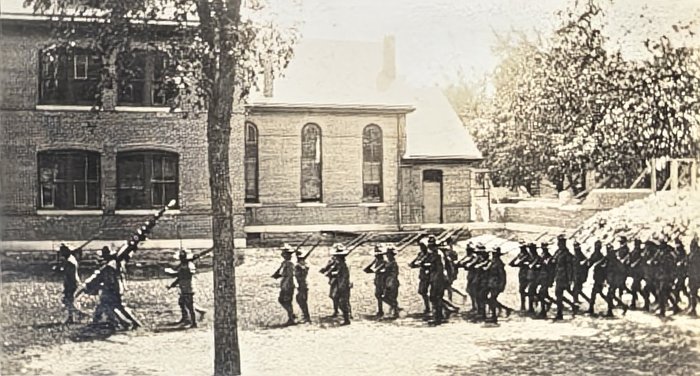
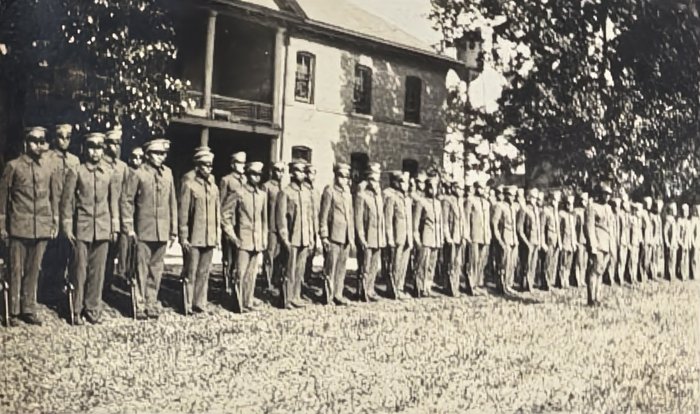
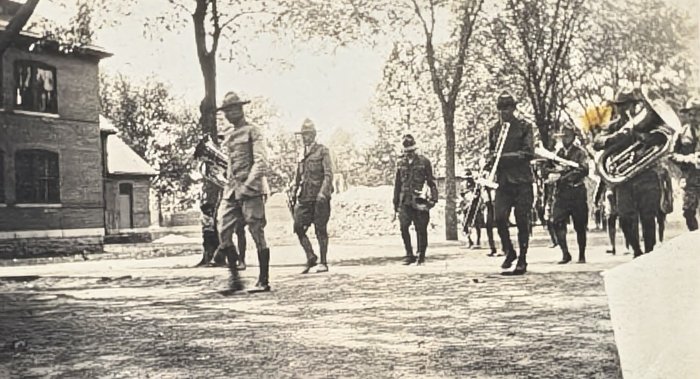
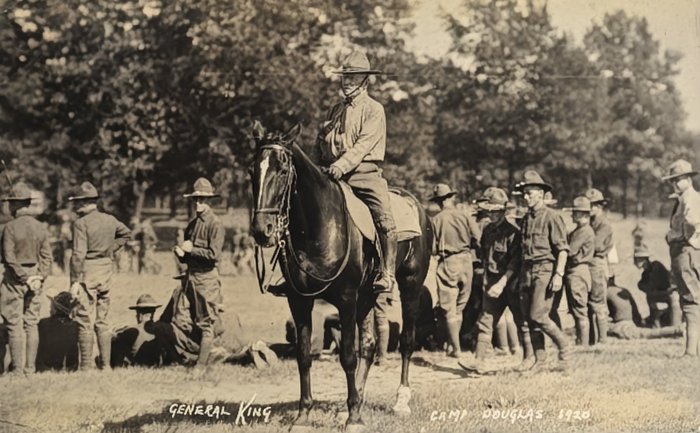
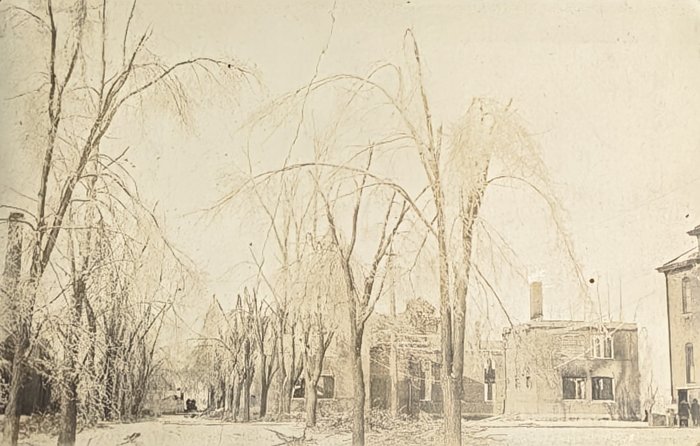
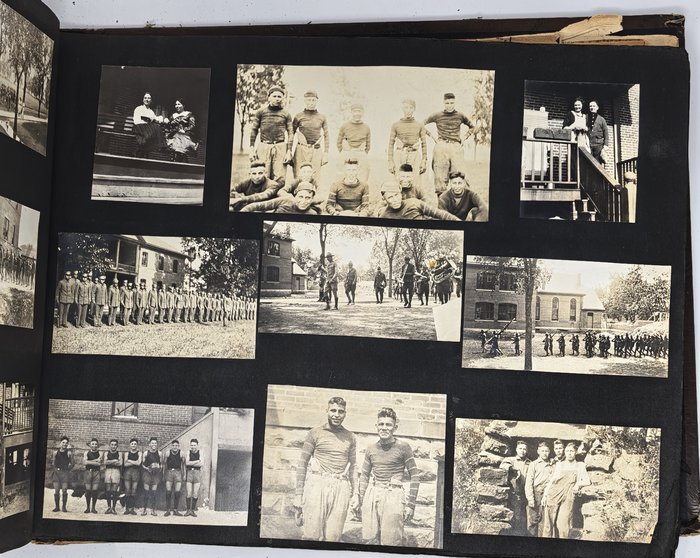
The images from Tomah, Wisconsin, include several photos of “Indian School, Tomah” (one with students and teacher posing in the front), town streets and private residences, a scene with downed electric poles, portraits of schoolboys from a brass band, with a soccer ball, dressed in military uniform or participating in reviews, Reynolds posing with kids and fellow teachers, &c.
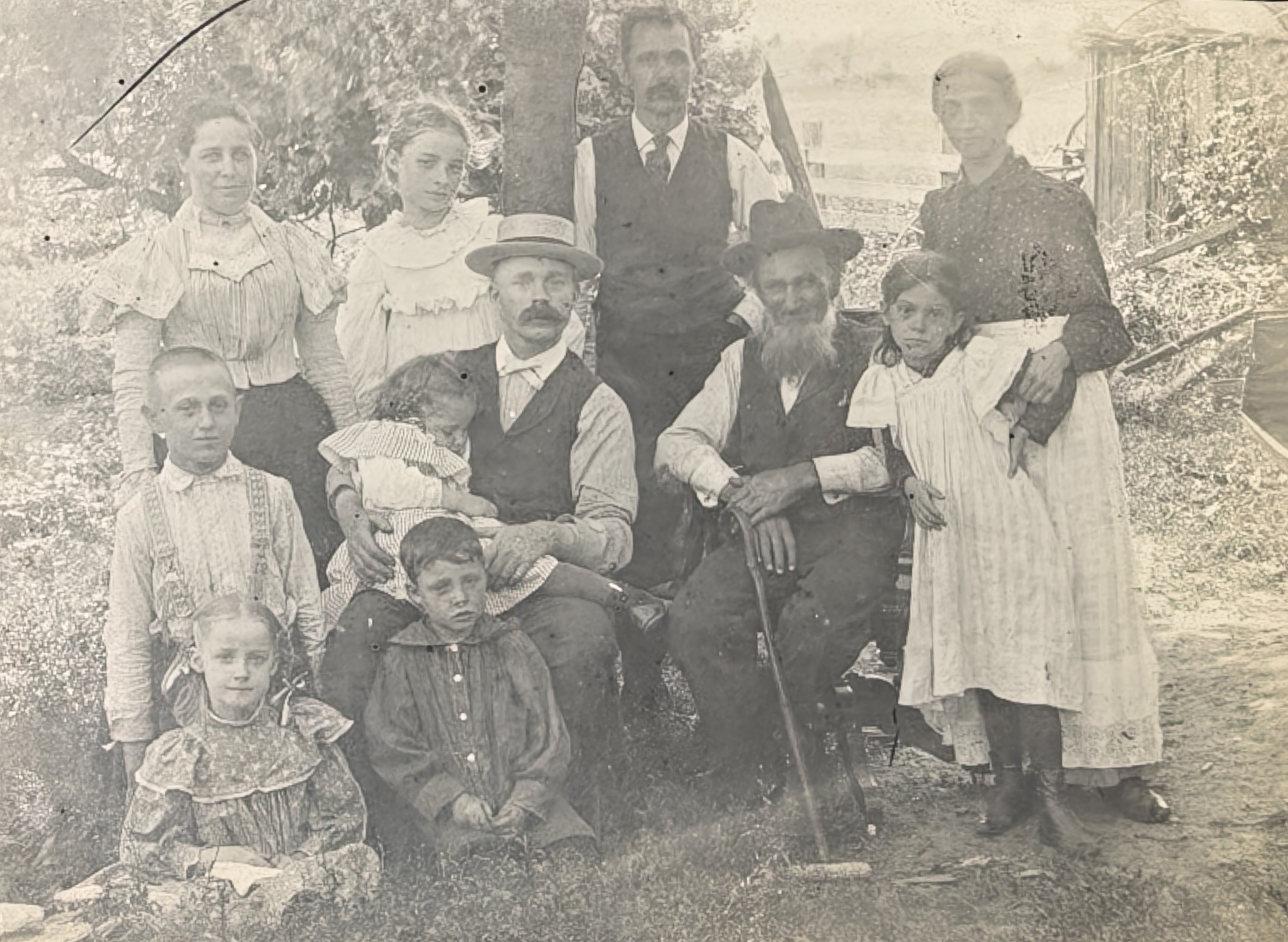
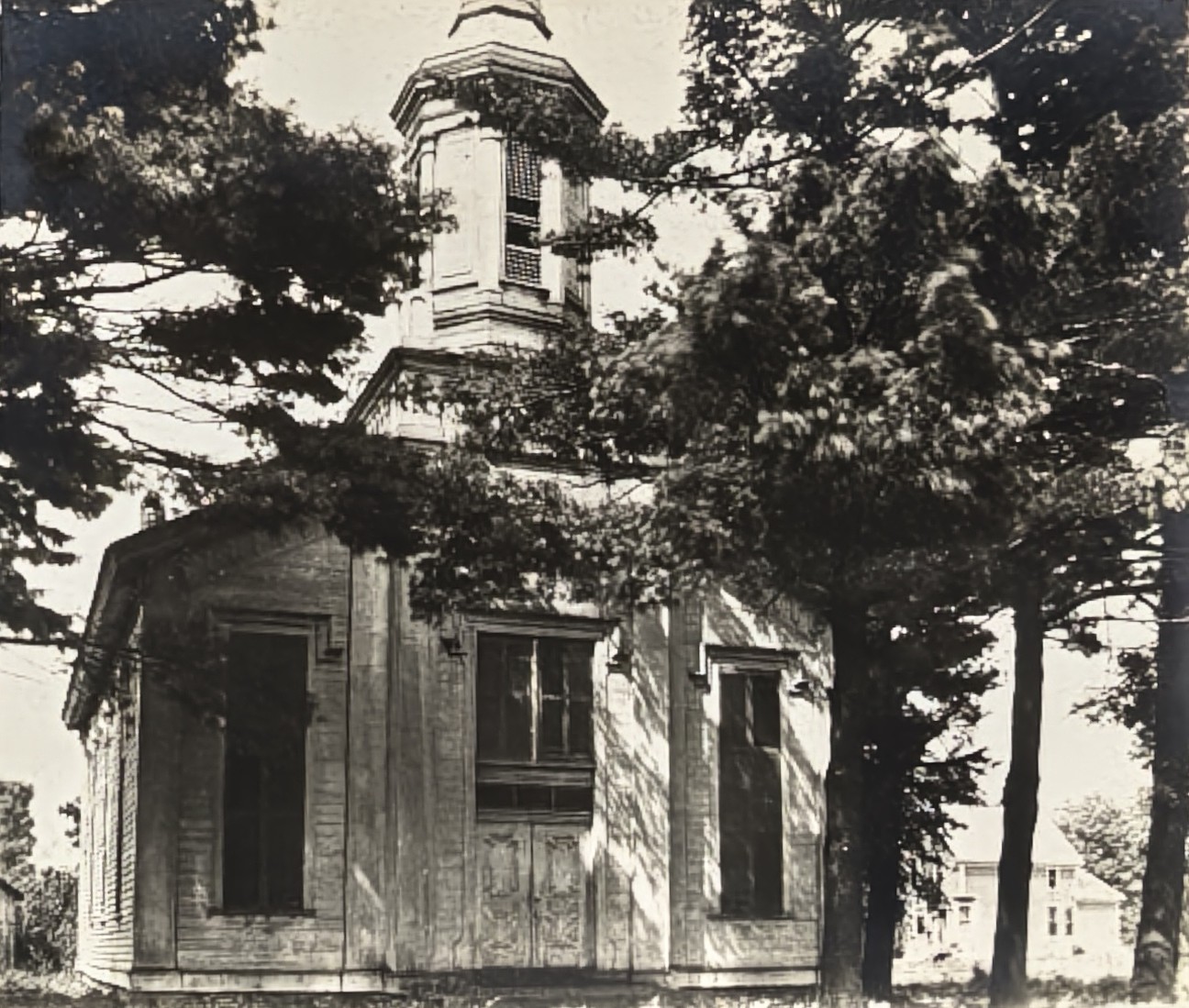
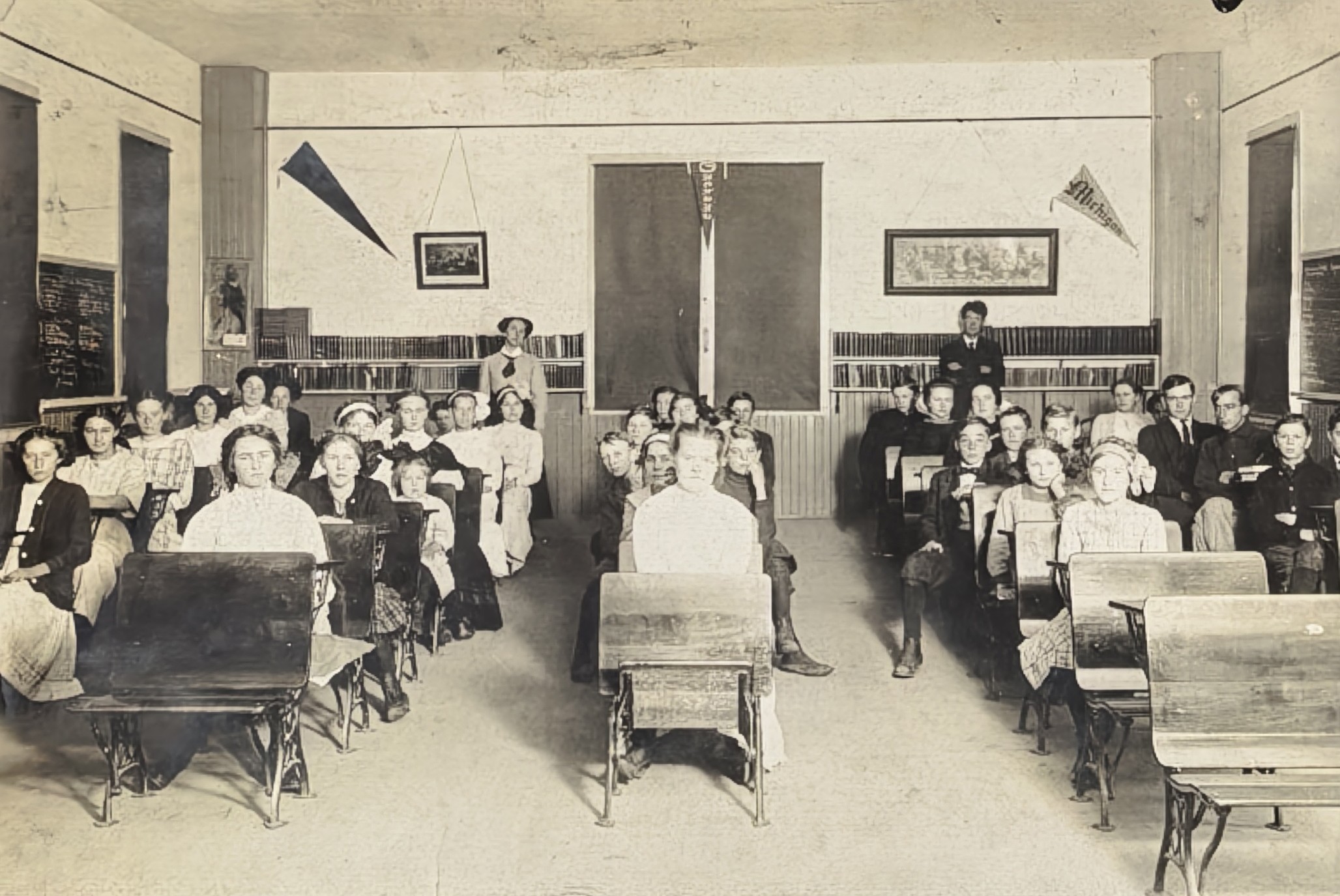
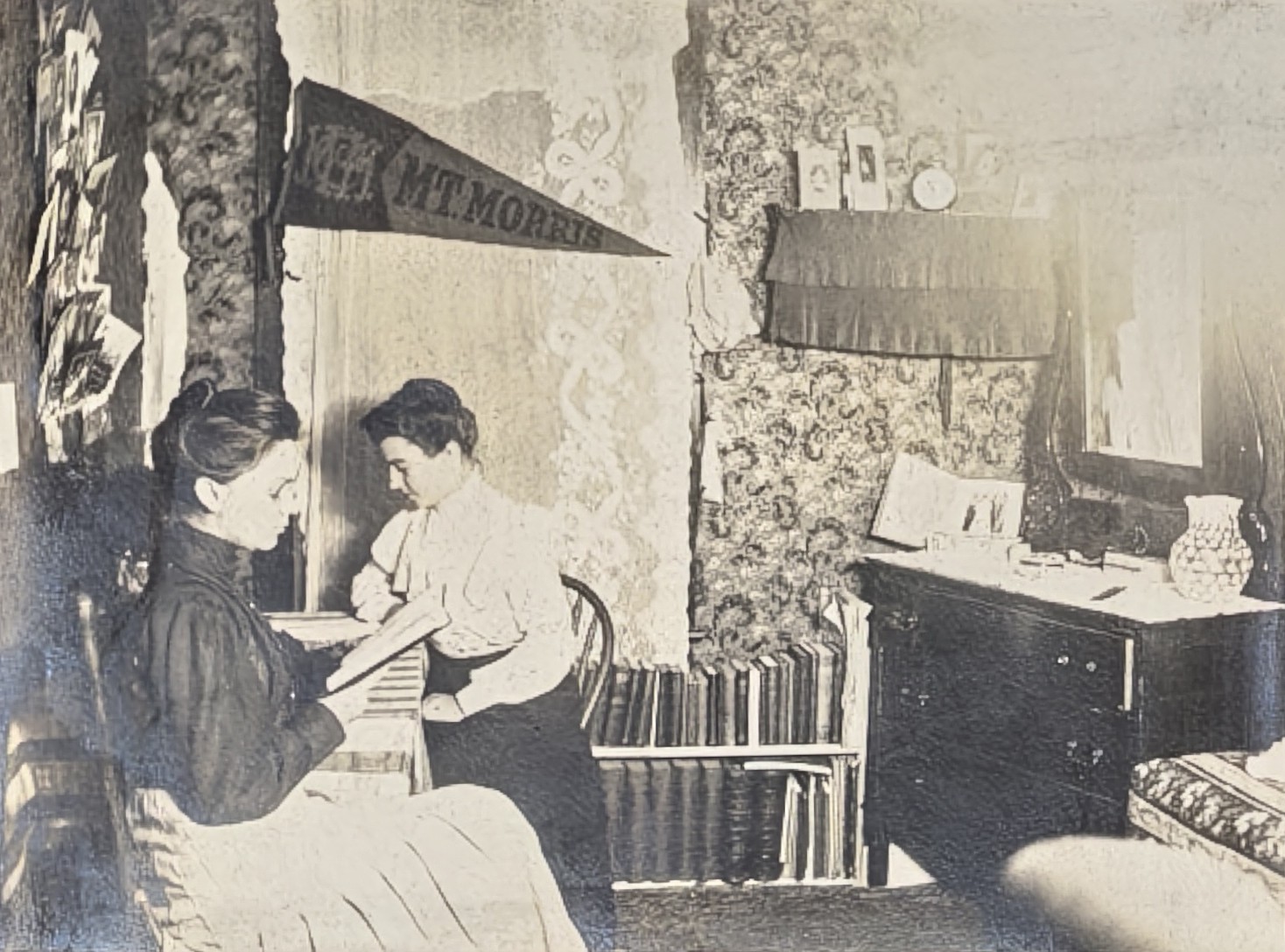
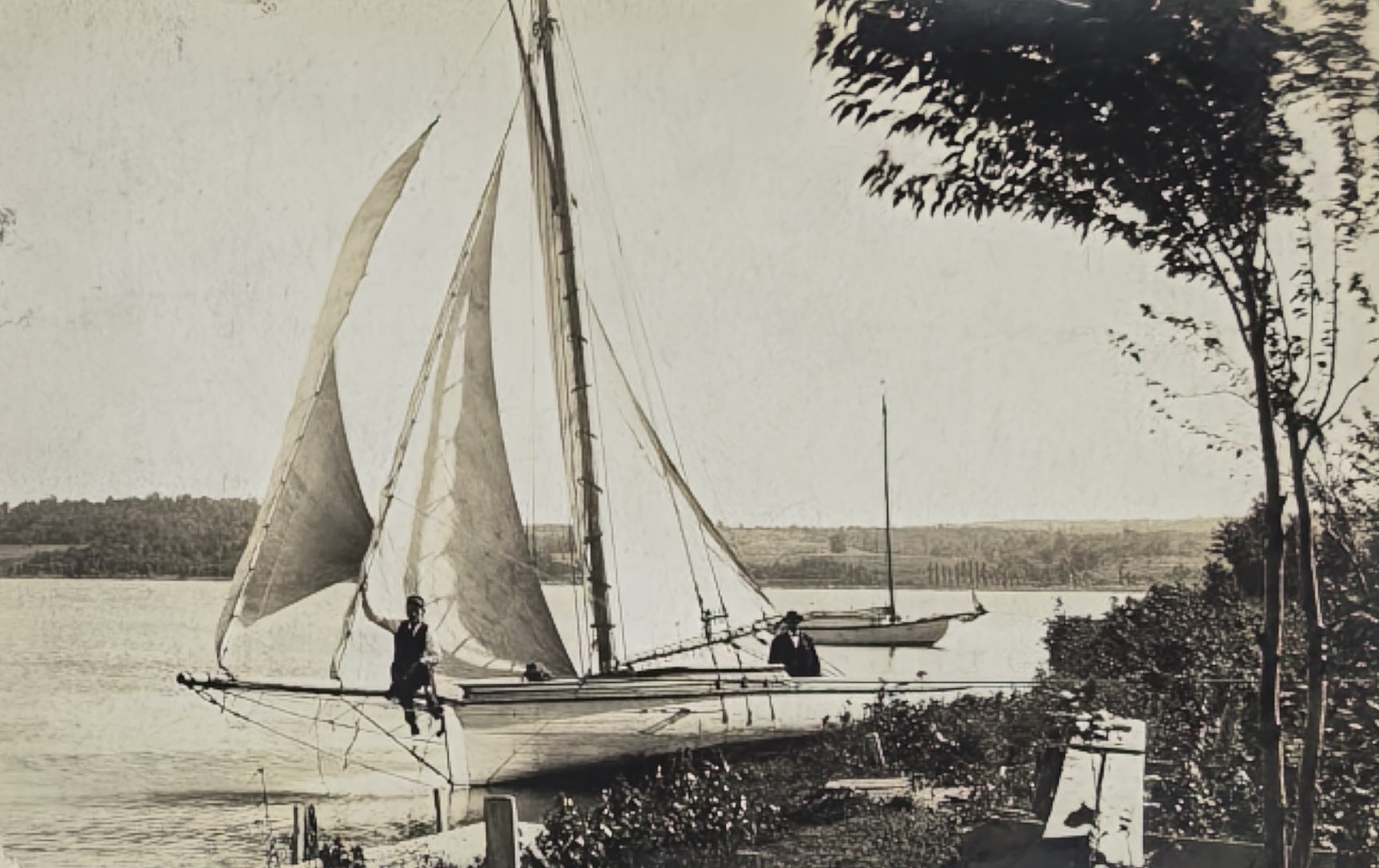
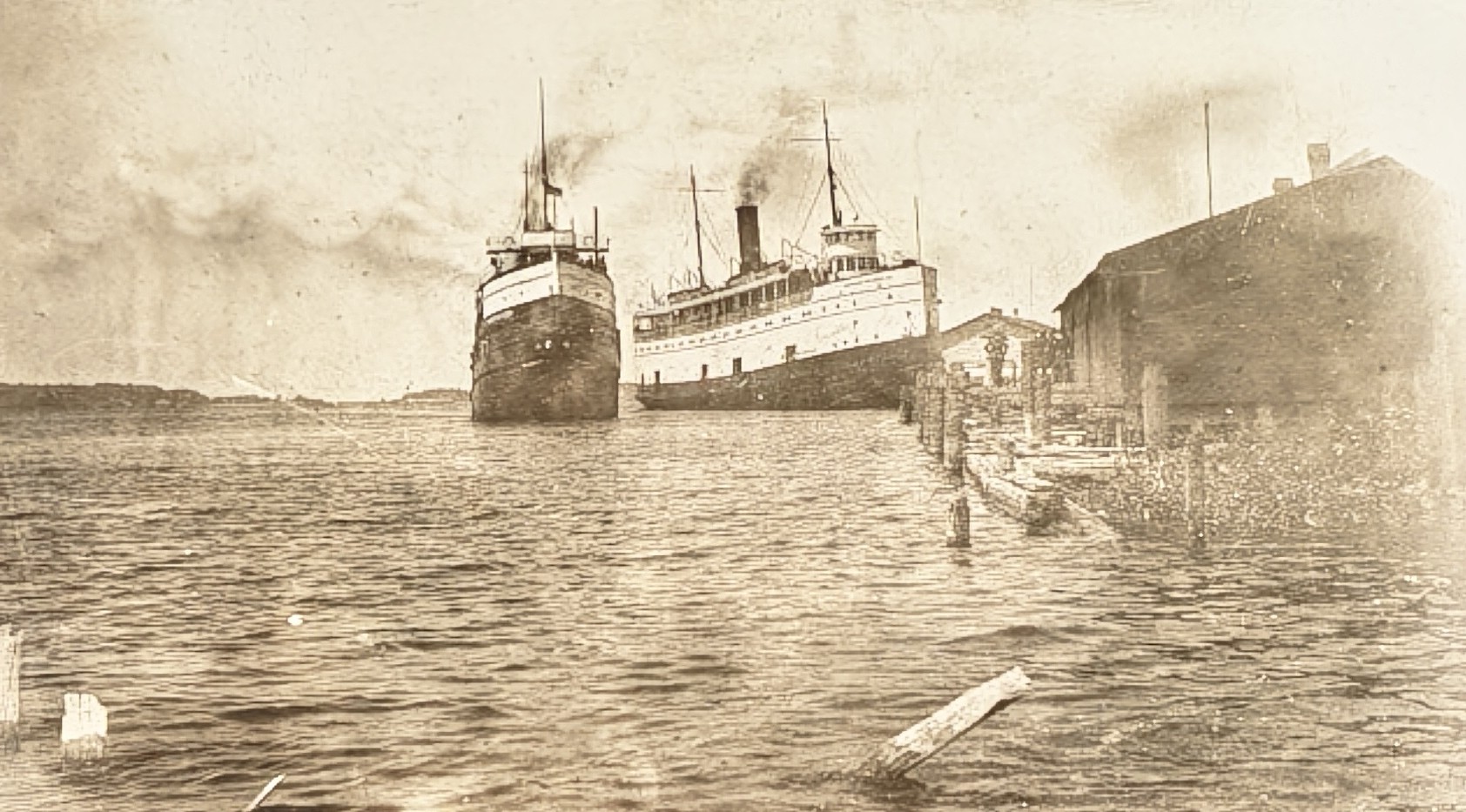
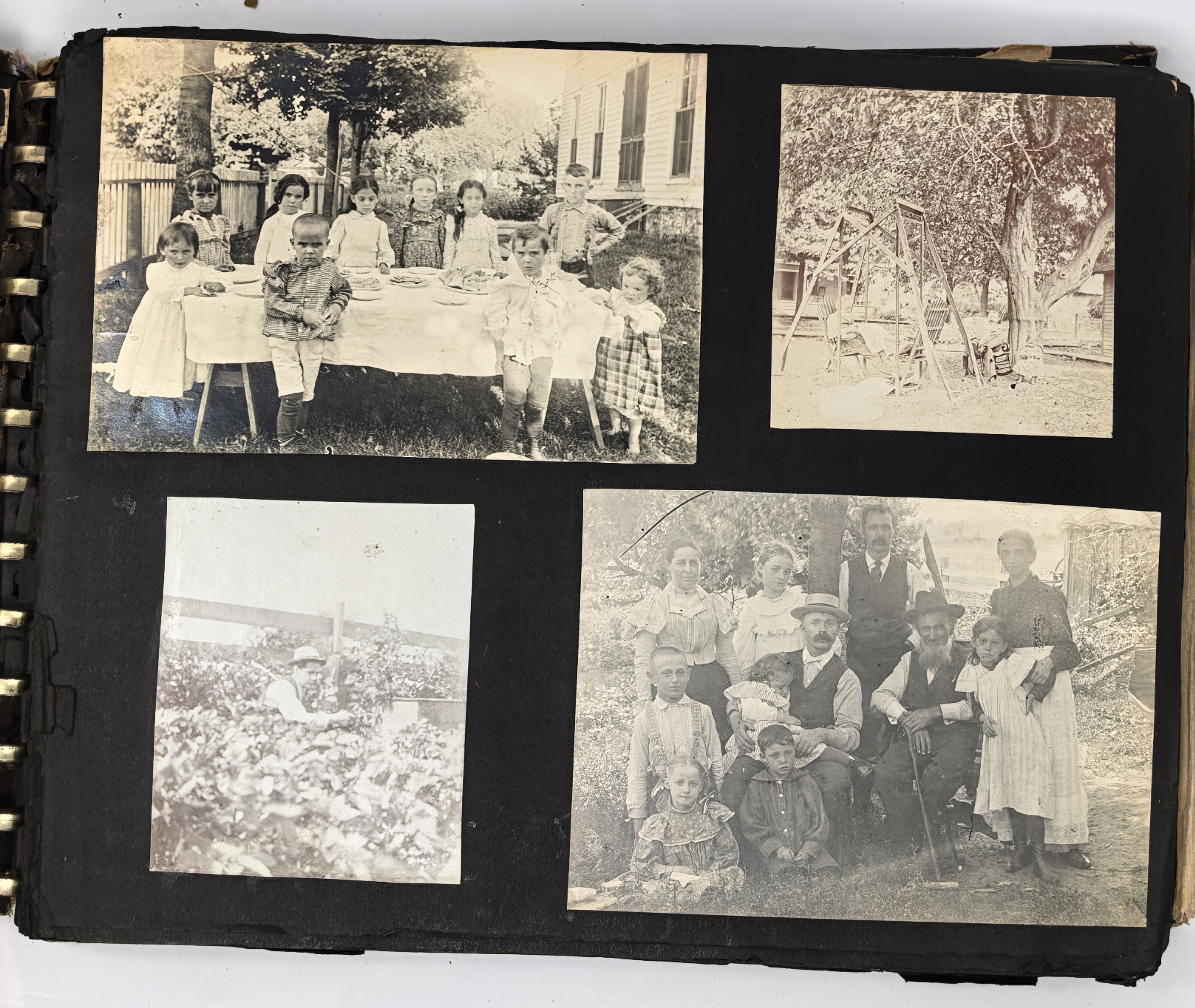
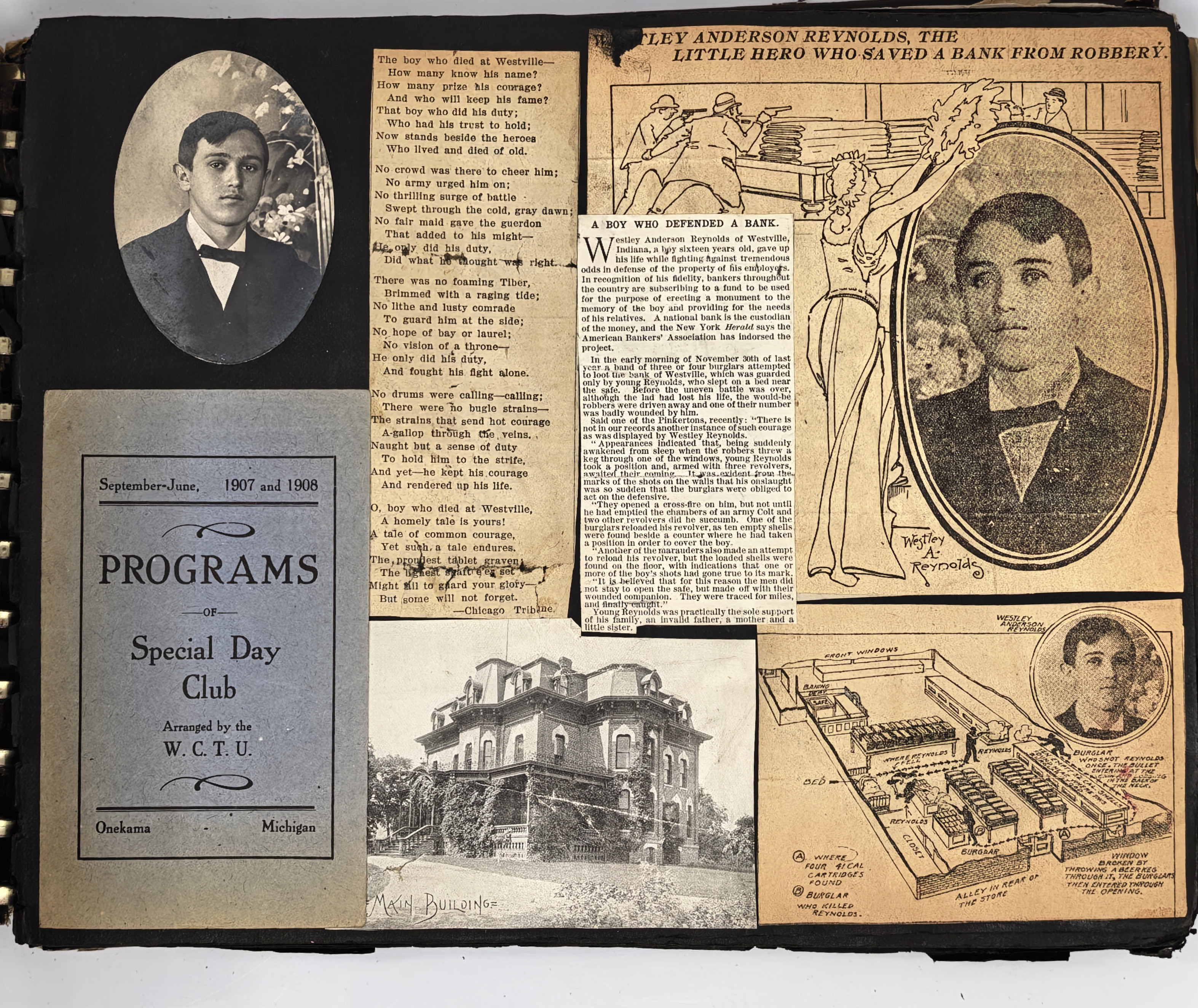
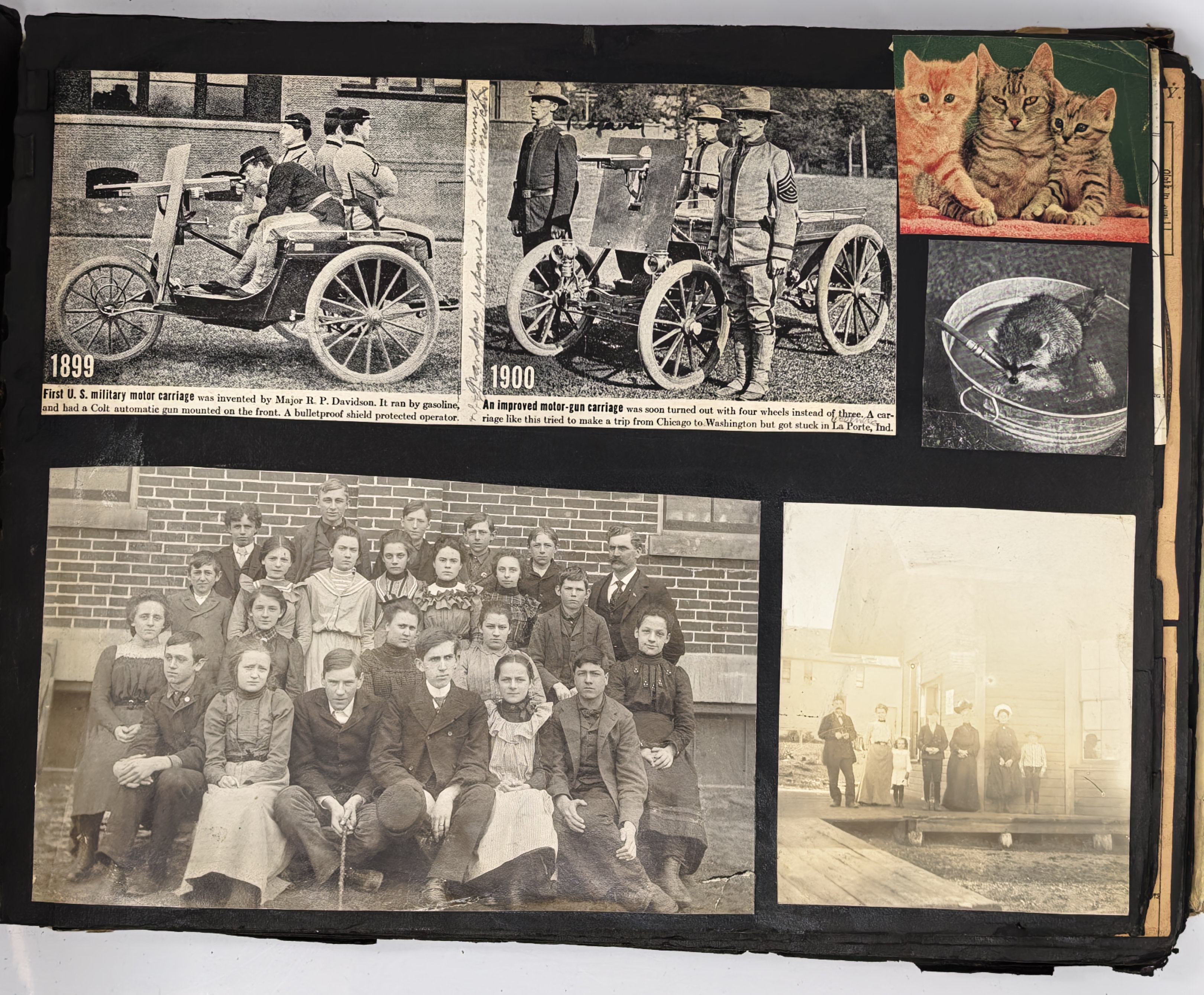
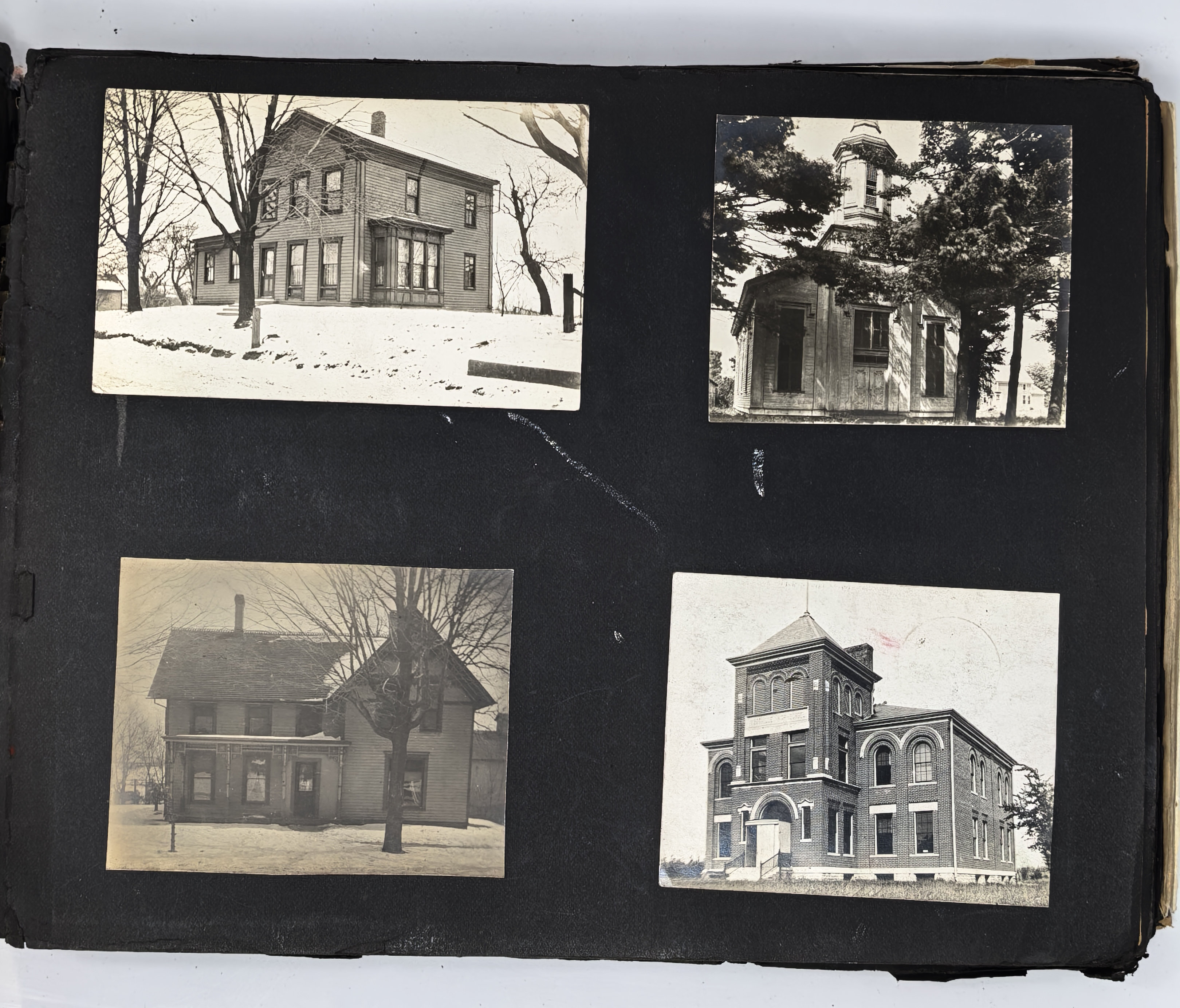
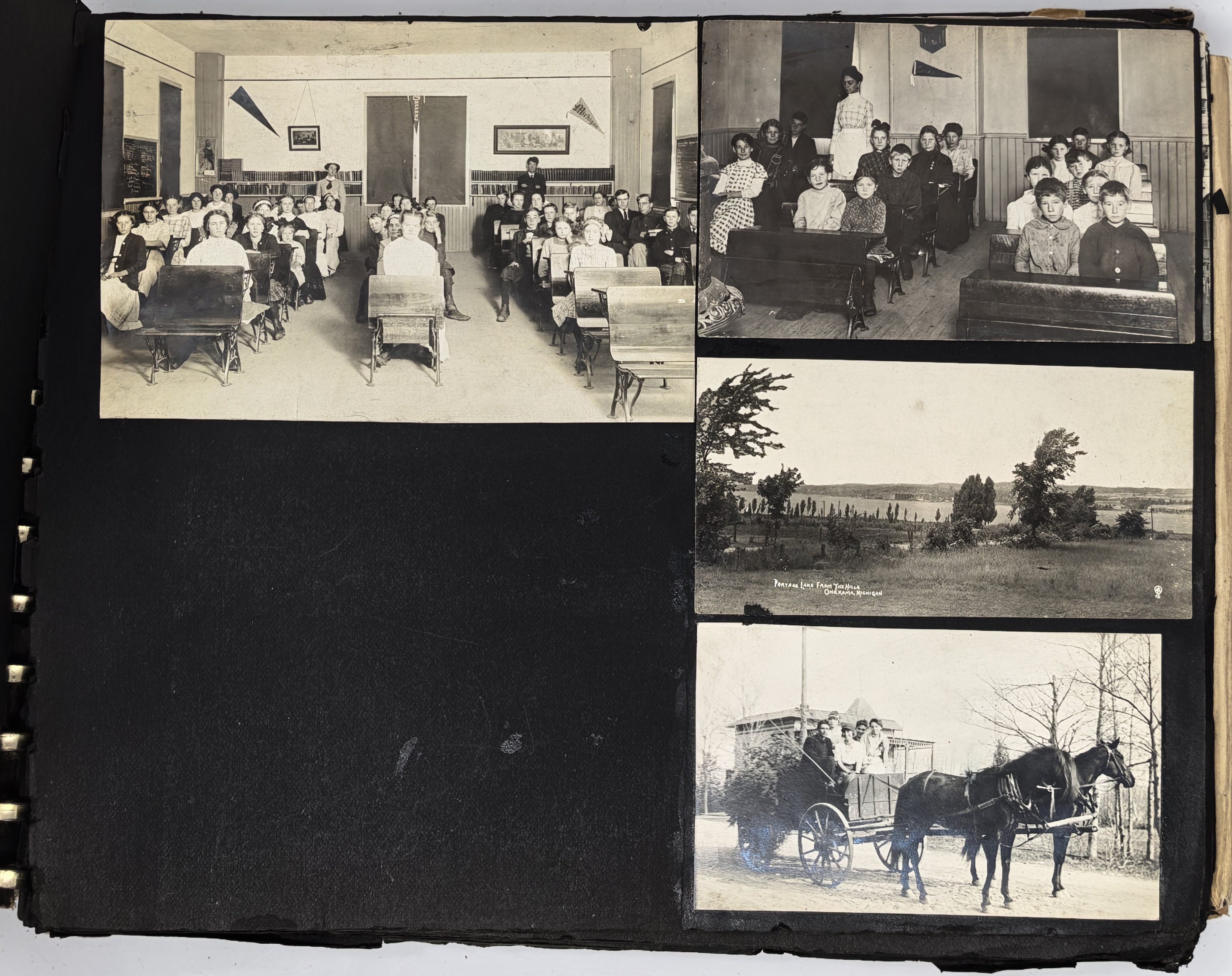
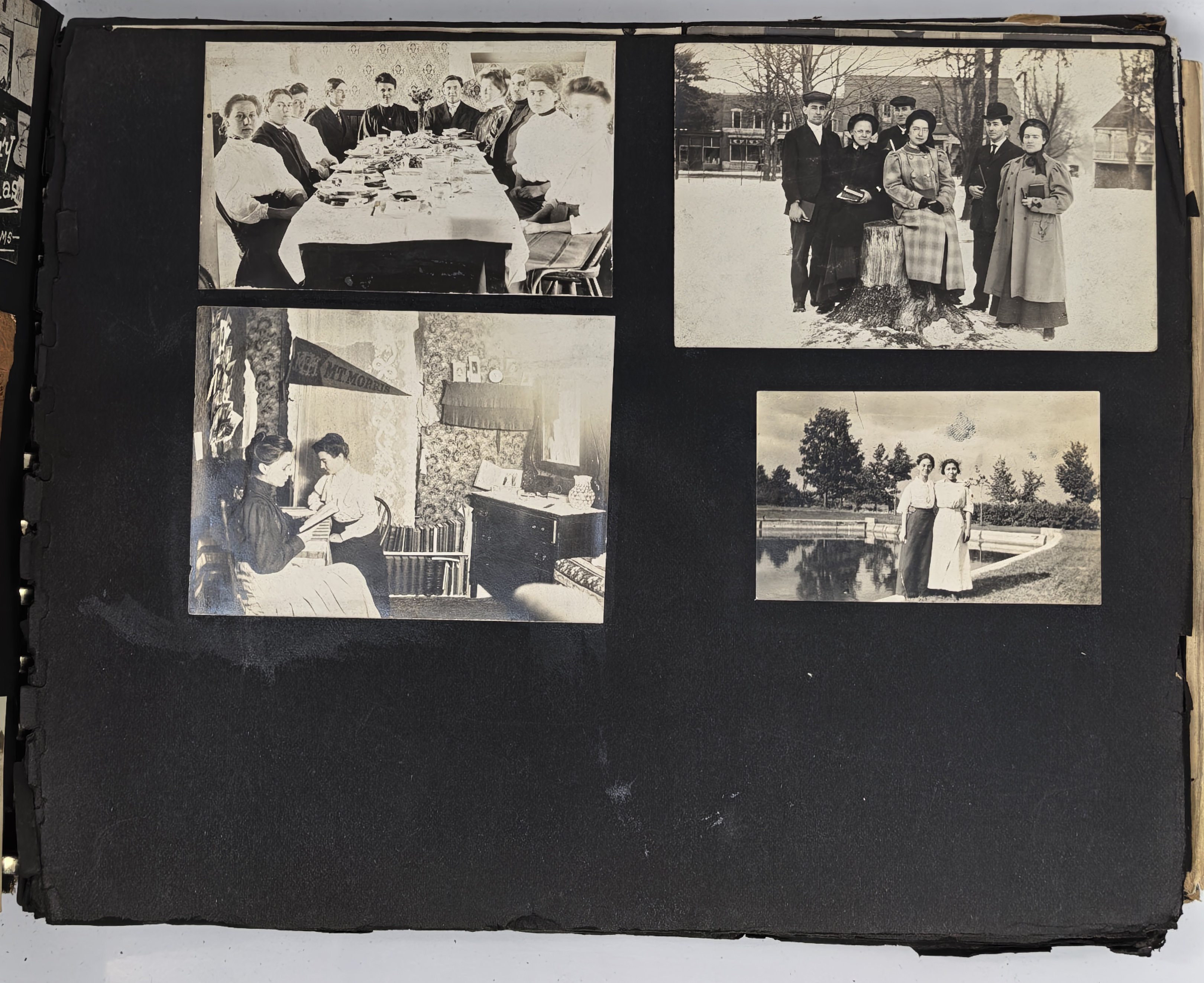
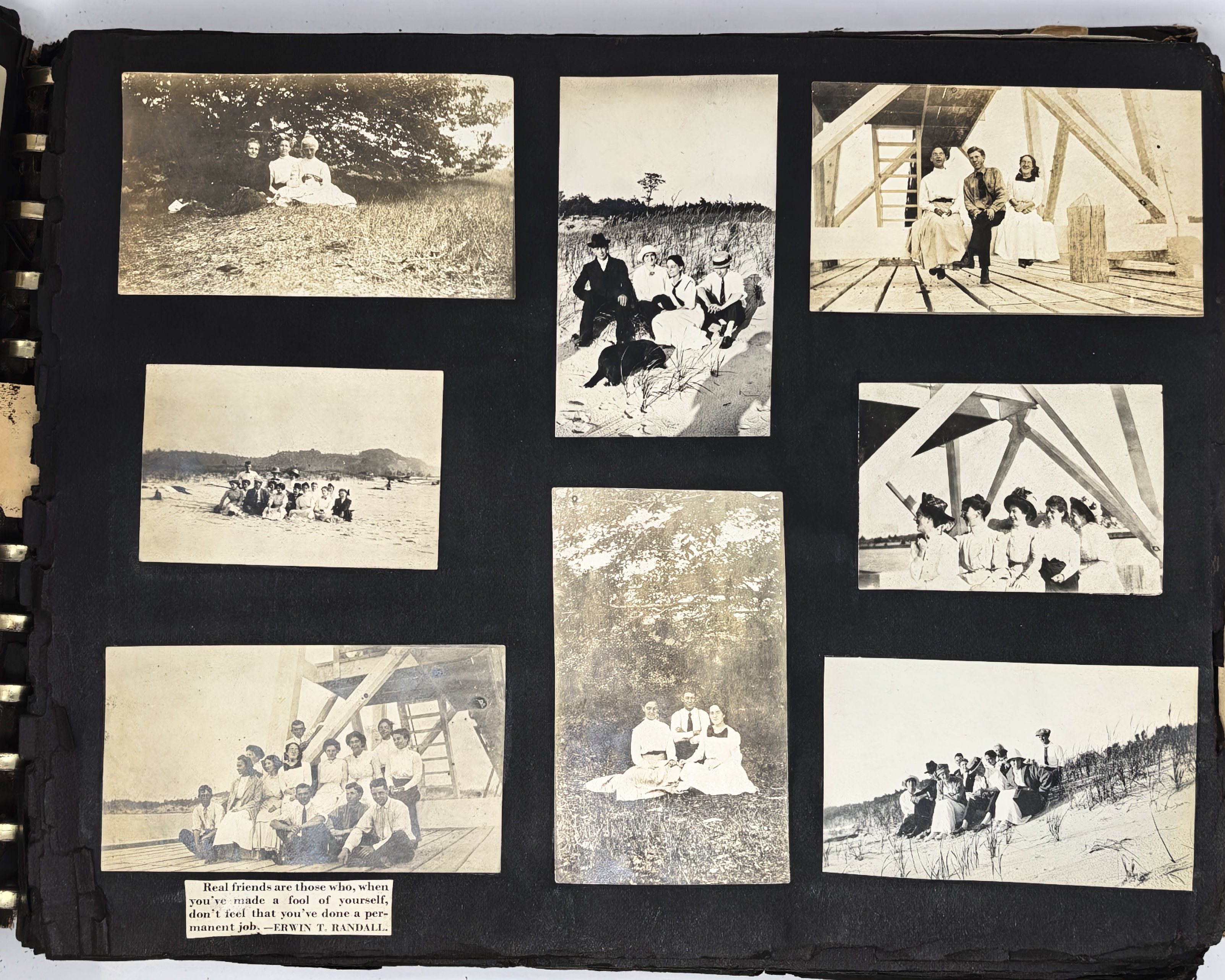
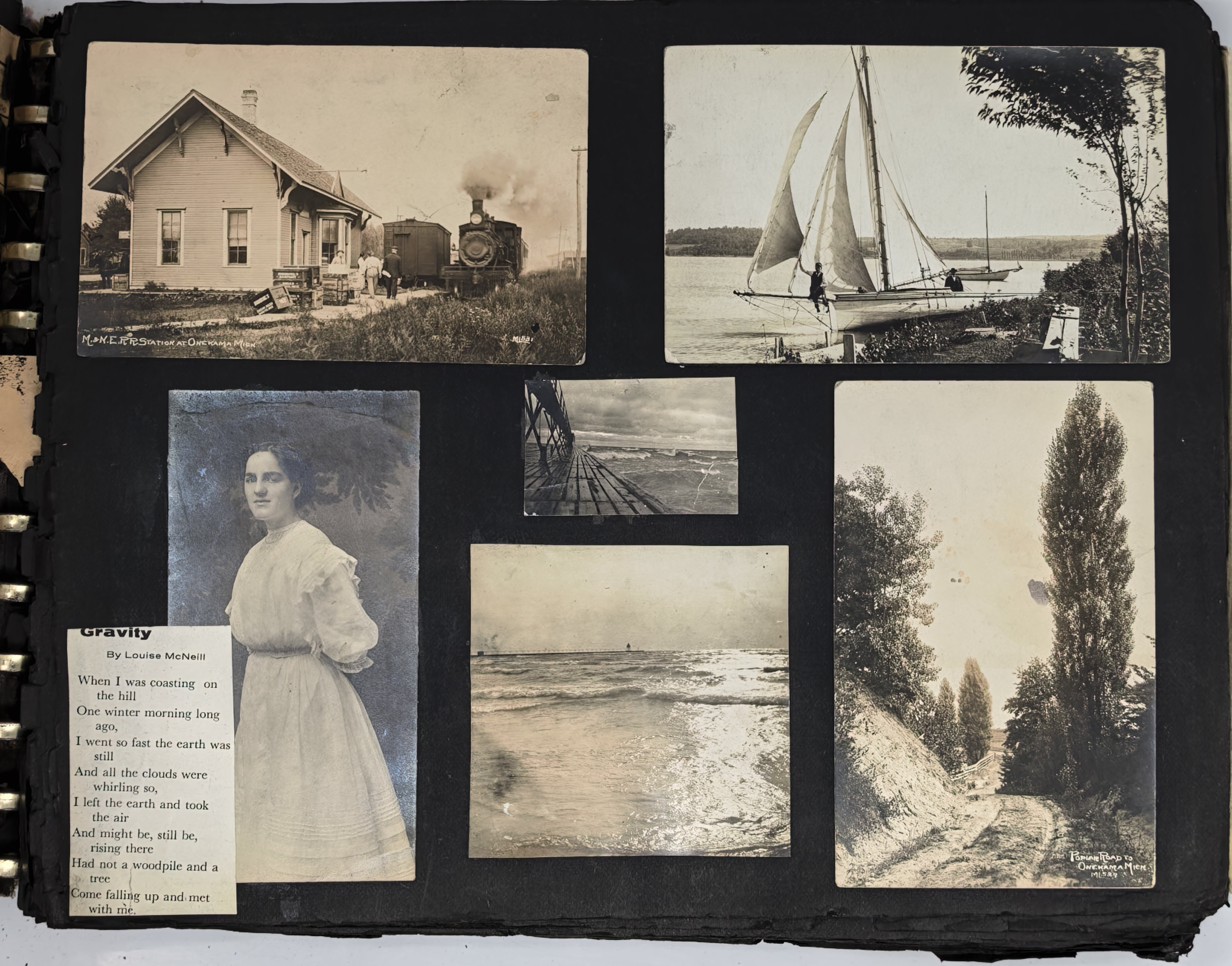
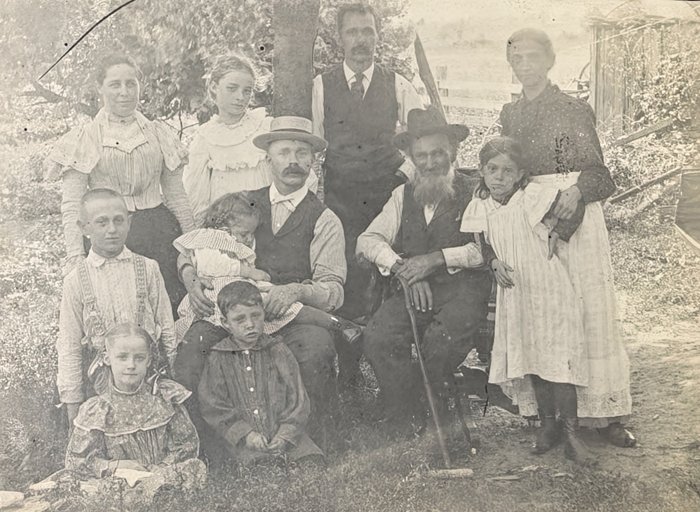
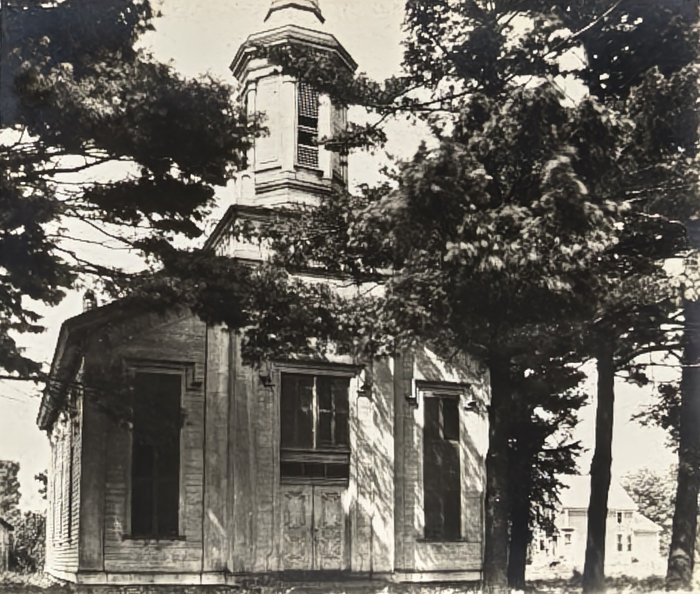
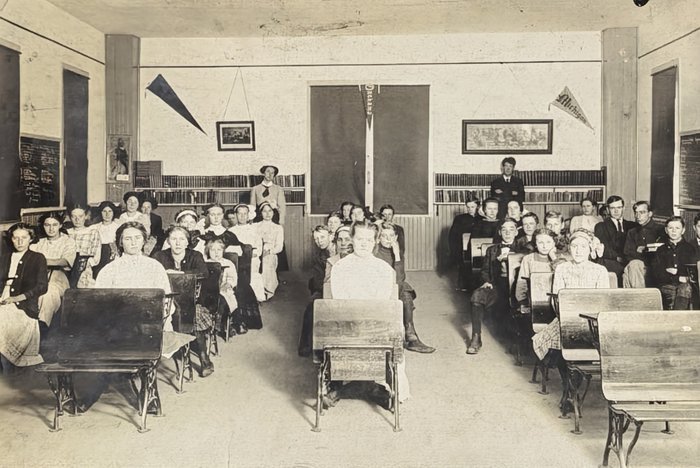
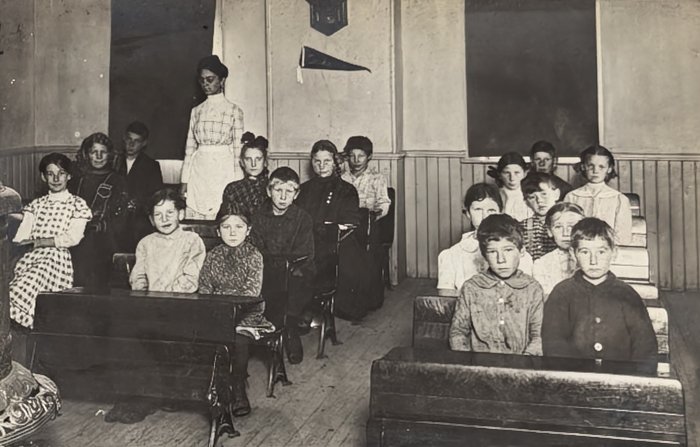
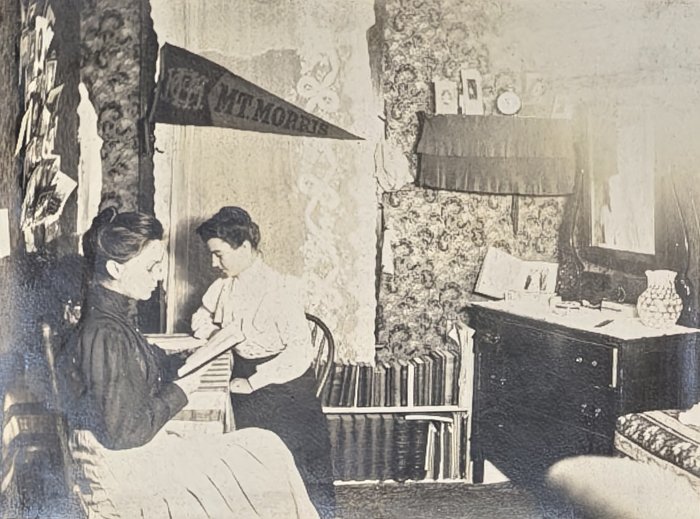
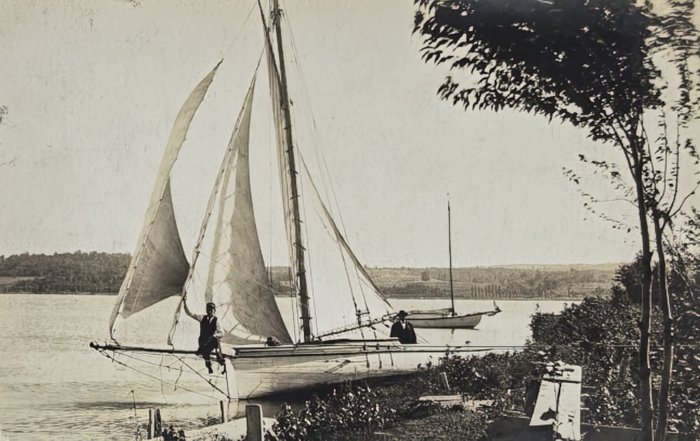
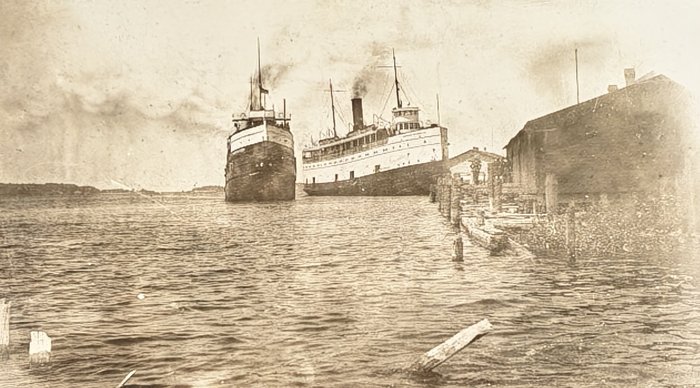
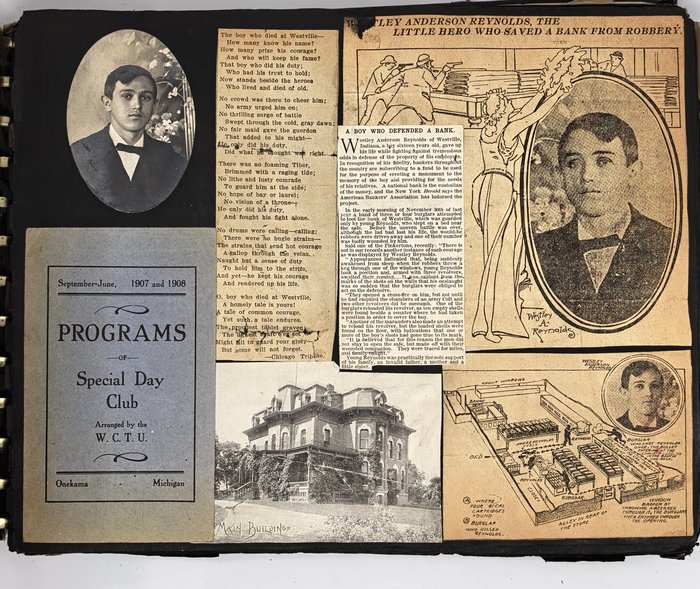
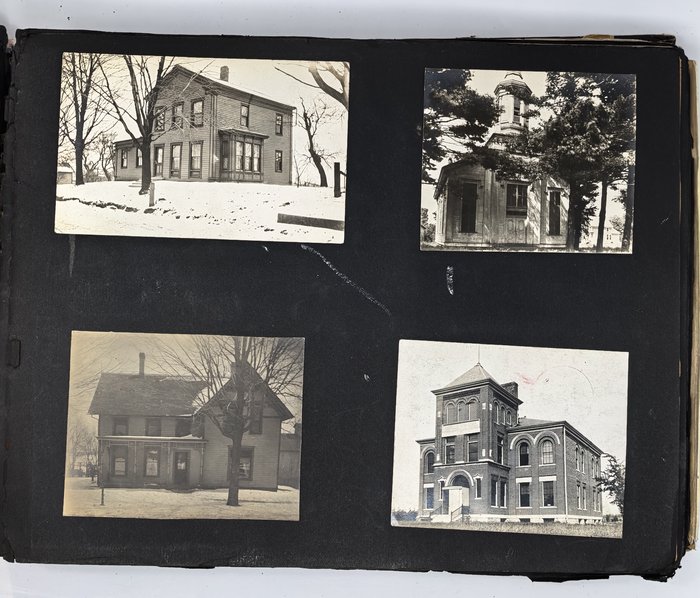
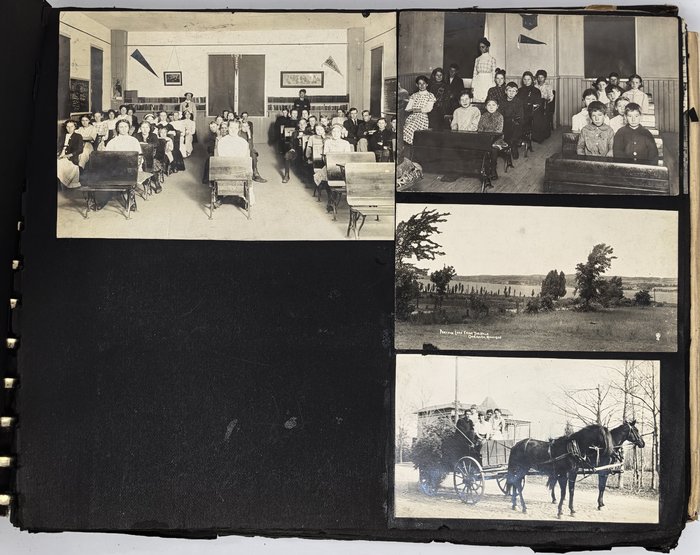
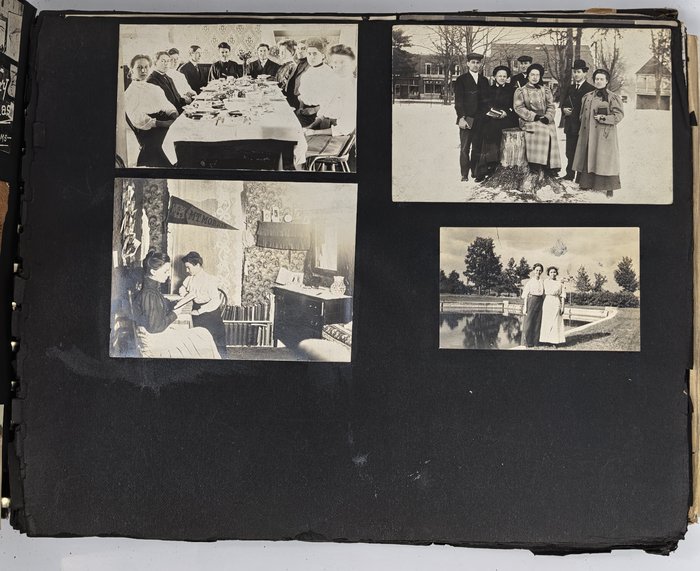
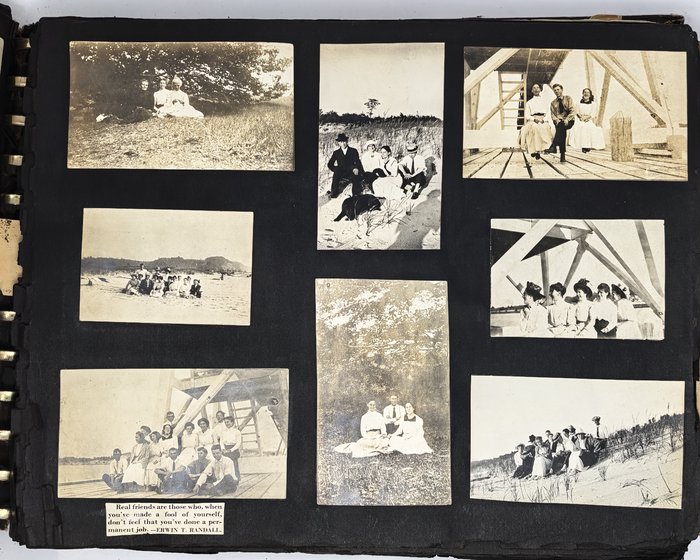
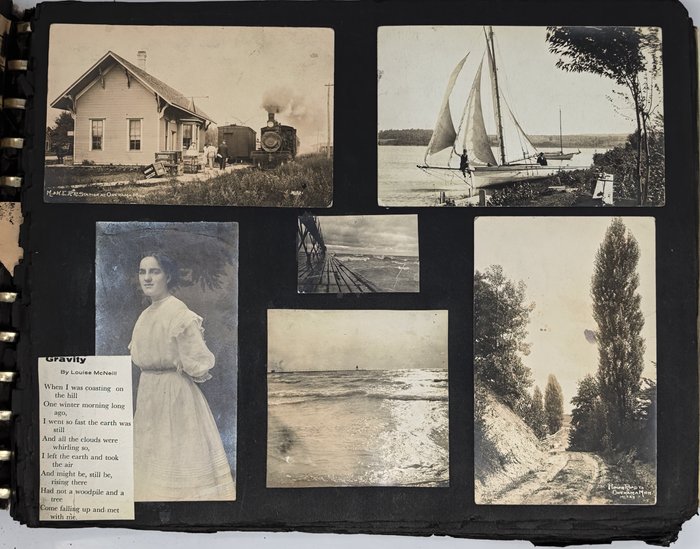
The album also includes ca. 180 photos of Reynolds’ family and friends - parents and grandparents (including a portrait of her grandfather, Thomas C. Reynolds with an electricity production machine he built), her brother Westley Anderson Reynolds (1886-1902), who was murdered during a bank robbery, other relatives, views of Westville (churches, railway station, private residences), La Porte, Onekama (family residence, Congregational Church, Portage Point Inn, fishery, interior of a classroom in Onekama school with students and Reynolds as one of the supervisors, &c.), a program of a special day event in Onekama, organized by the Woman’s Christian Temperance Union in 1907-1908 (Reynolds took part in it), a keepsake booklet from Reynold’s graduation from Onekama High School in 1902, &c. Other photos and memorabilia relate to Reynolds’ travels to Washington (D.C.), Hollywood, San Francisco, Denver, Yosemite National Park, a cruise to Alaska, her health issues, &c.
Overall, an interesting, content-rich visual source on the history of native schools and communities in South Dakota and Wisconsin in the 1910s-1920s.