
#PD61
Ca. 1917-1920s
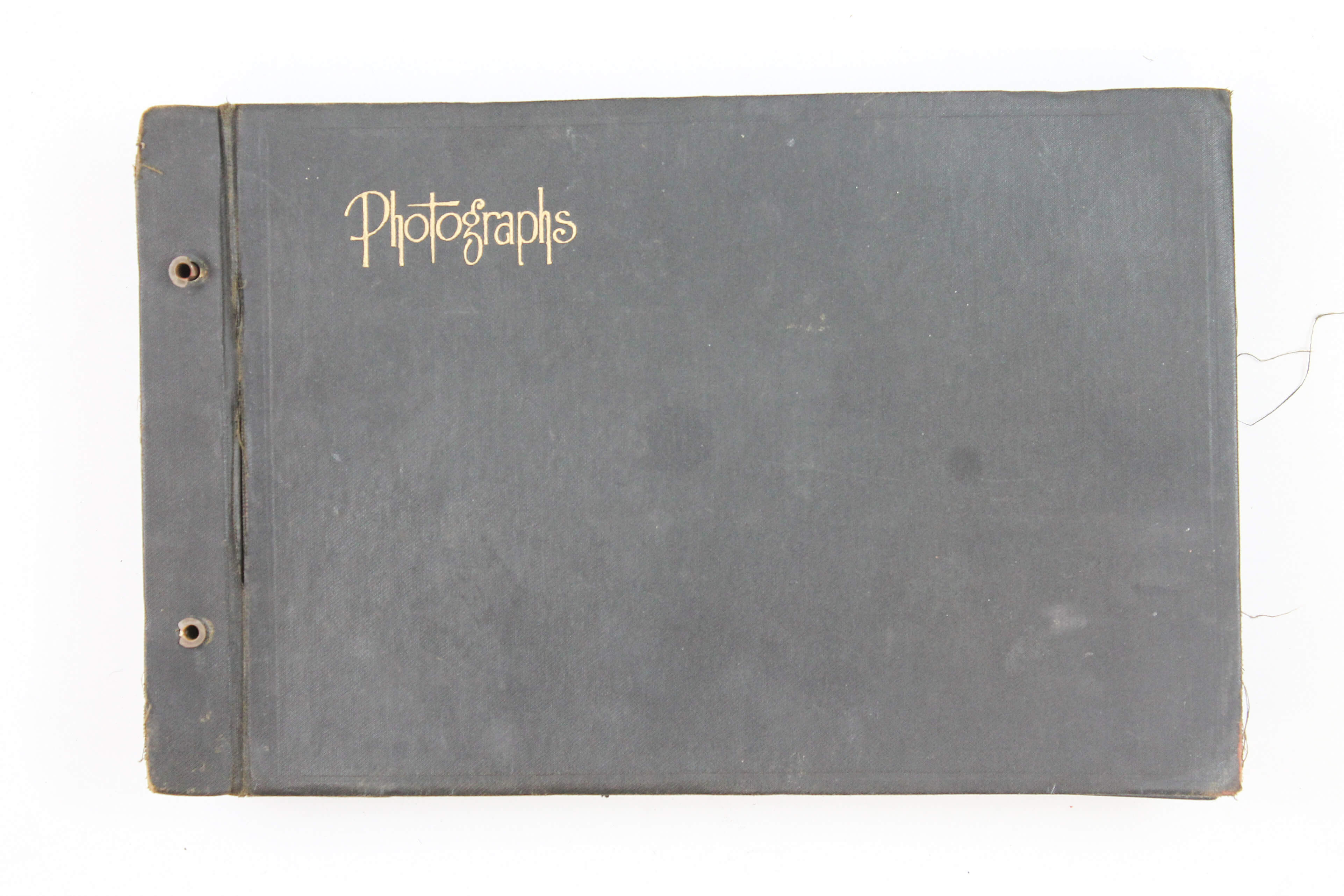
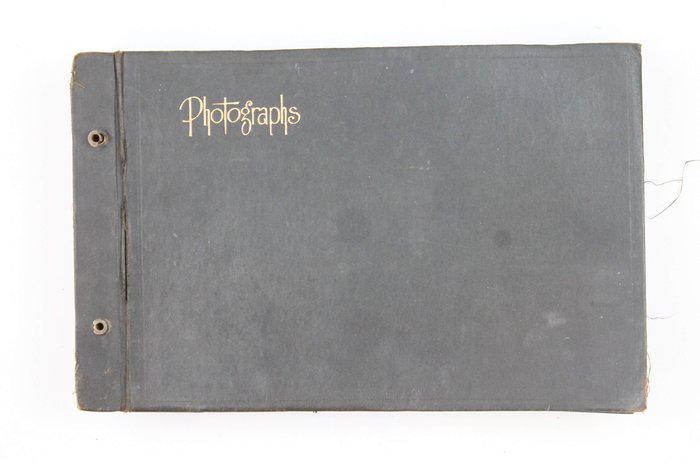
Oblong Quarto album (ca. 18,3x28,4 cm). 48 paper album leaves. With 314 original gelatin silver photographs (including six loosely inserted), from ca. 12x9,5 cm (4 ¾ x 3 ¾ in) to ca. 2,3x2,5 cm (1x1 in). Several photos with English captions on the mounts or on the verso; one photo dated and stamped “Hyatt’s 417 N. Broadway St. Louis” on the verso. Period dark brown cloth album with the gilt-lettered generic title “Photographs” on the front cover. Edges worn, several photos fully or partially detached, one leaf severed into two pieces, age-toned, but otherwise a very good album with strong, interesting photos.
Historically interesting extensive album of private photographs apparently taken and collected by a young woman from St. Louis, Missouri, in the late-1910s and early-1920s.
At the time, St. Louis was a bustling industrial city with an approximate population of 800,000 people. In 1918, the city was struck by the influenza pandemic, which prompted school closures, restrictions on public gatherings, and other early public health measures, claiming about 2,900 lives. In the years following the pandemic, St. Louis gradually returned to normal, with public events, parades, and cultural activities resuming across the city.
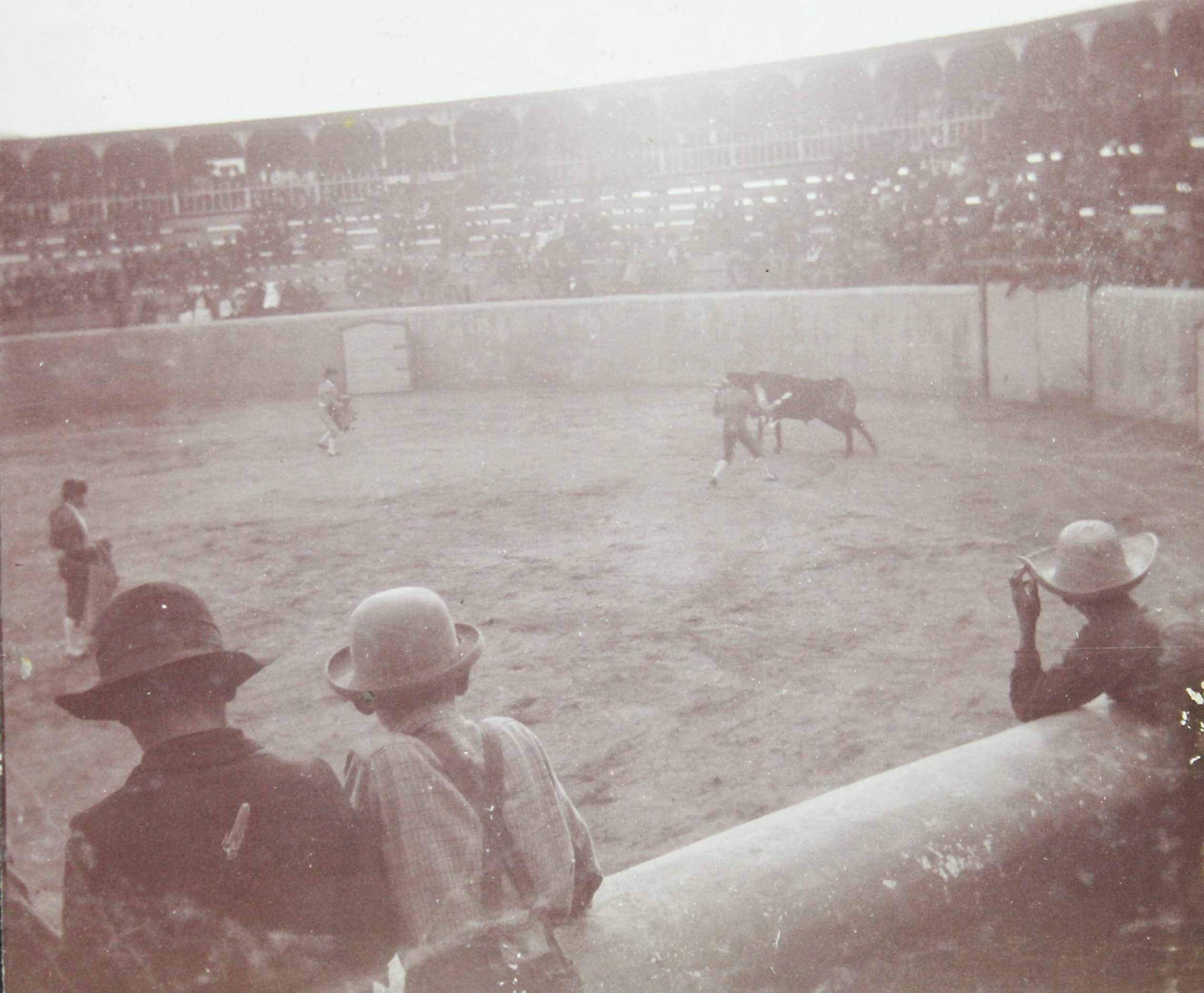
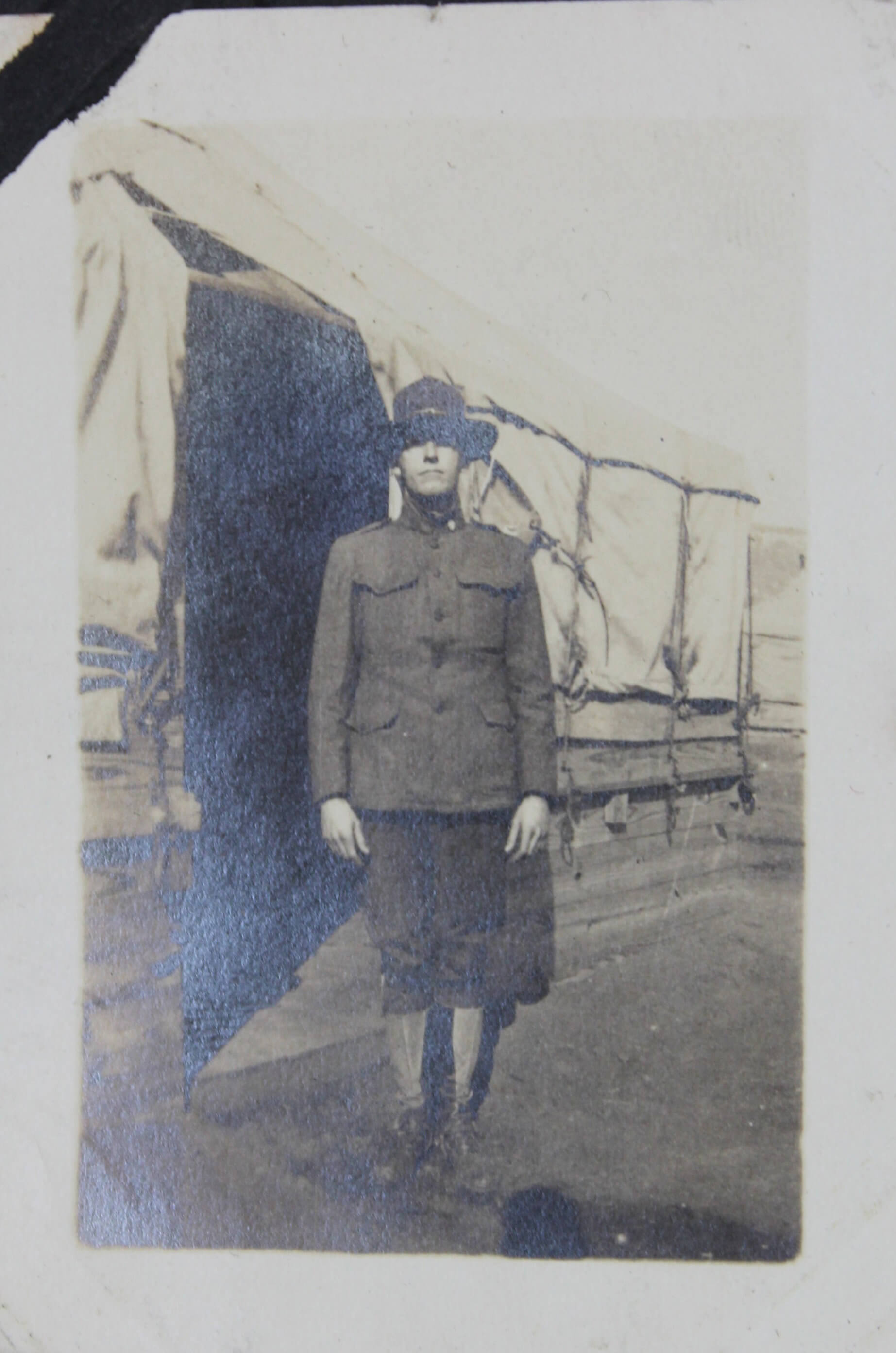
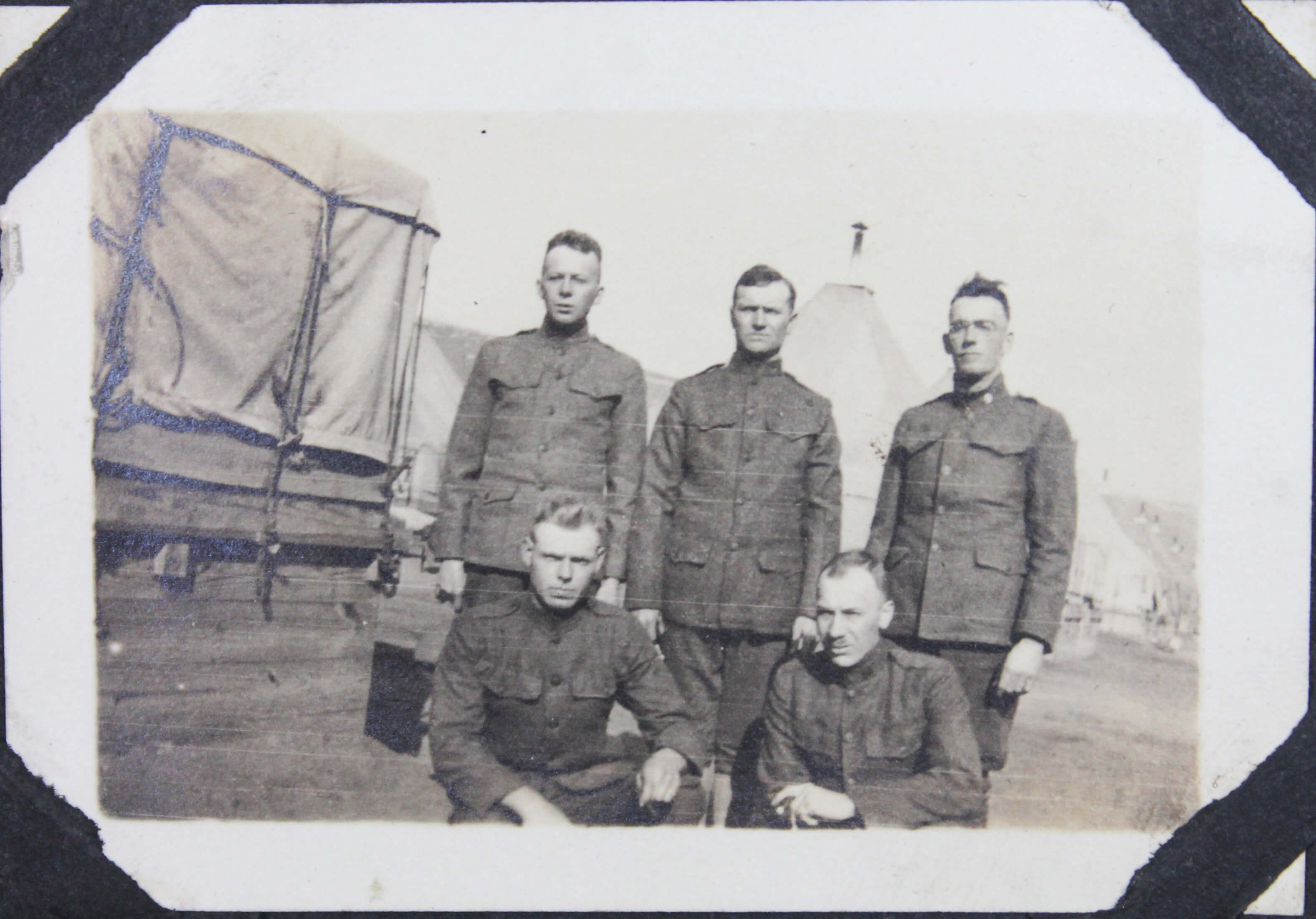
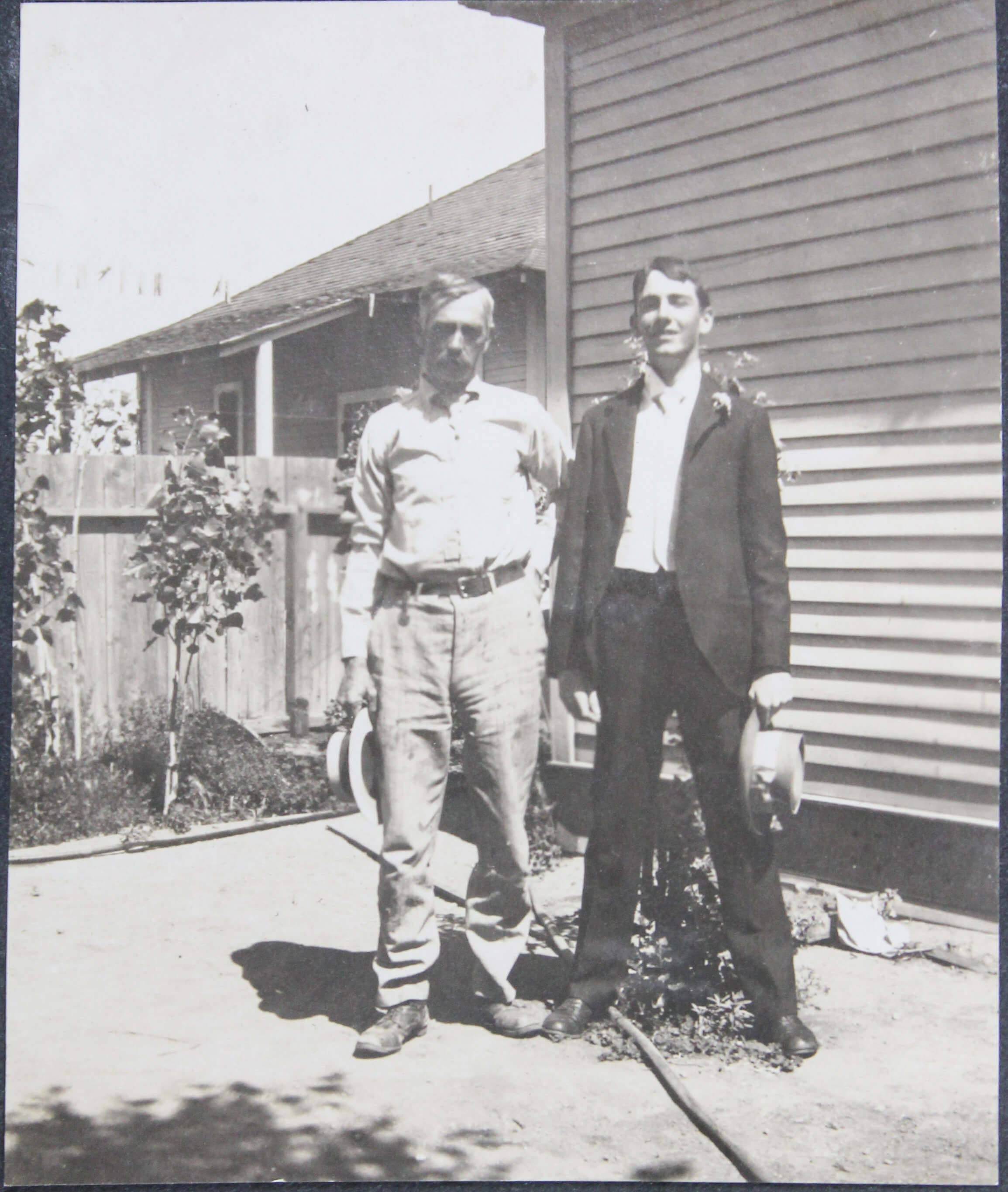
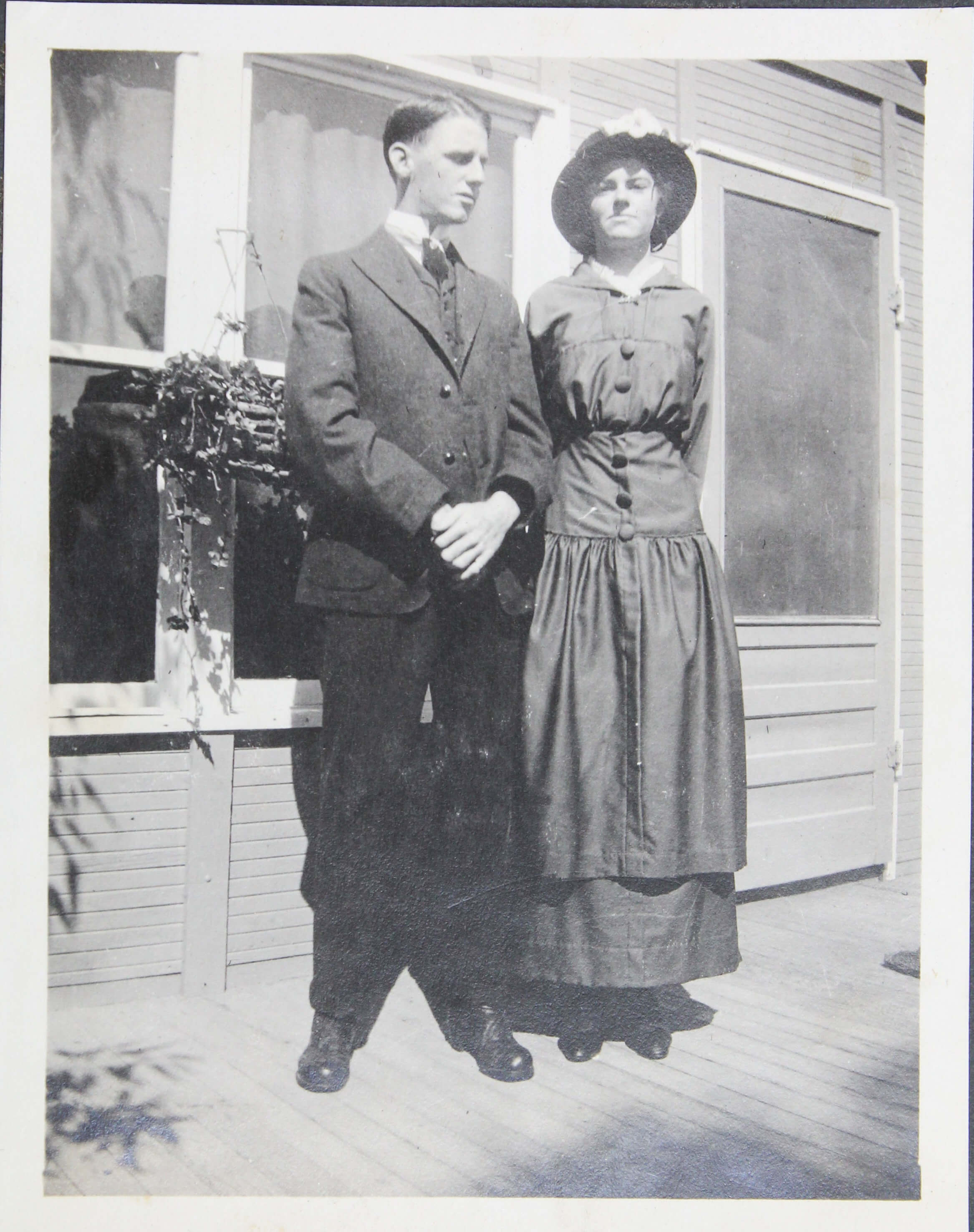
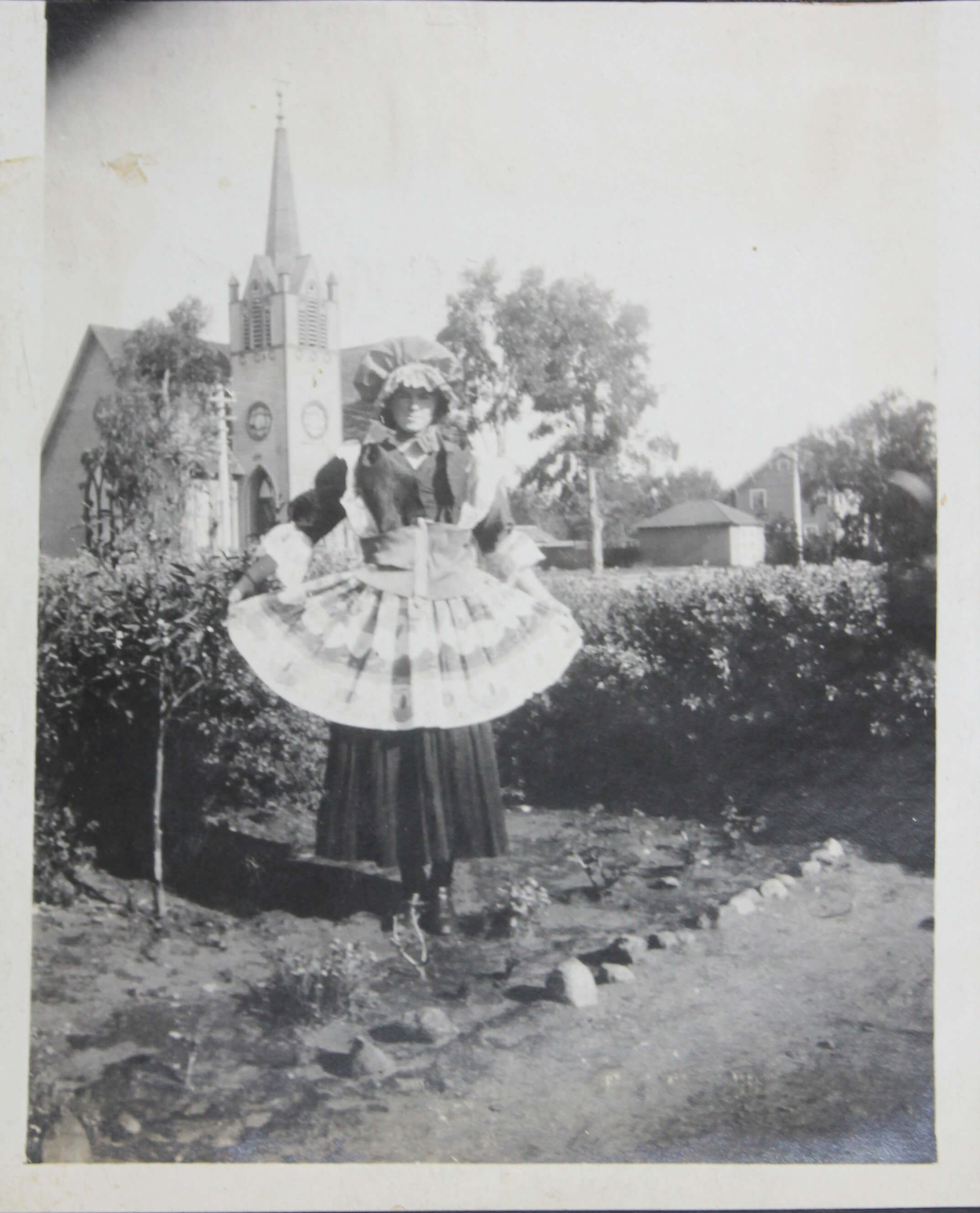
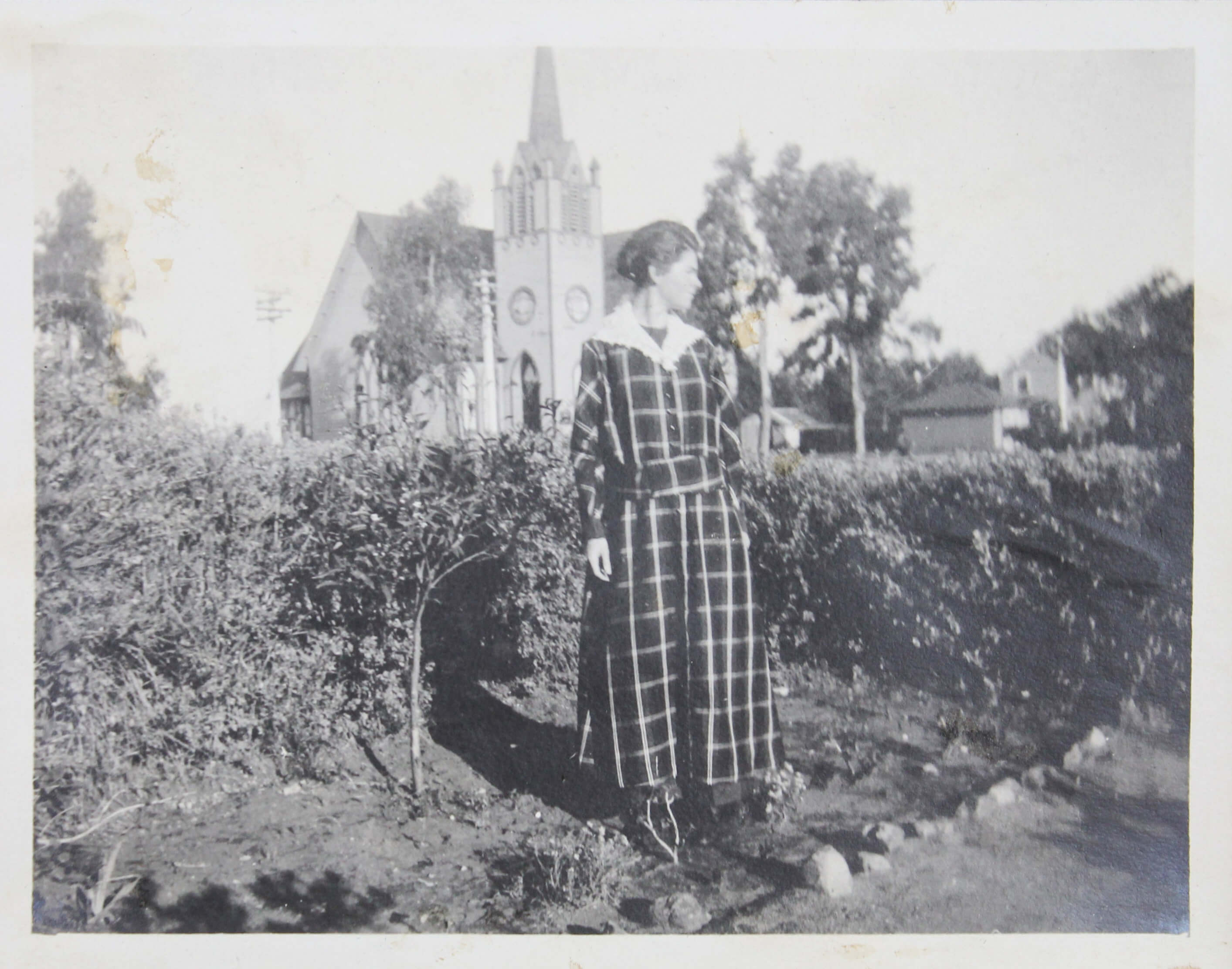
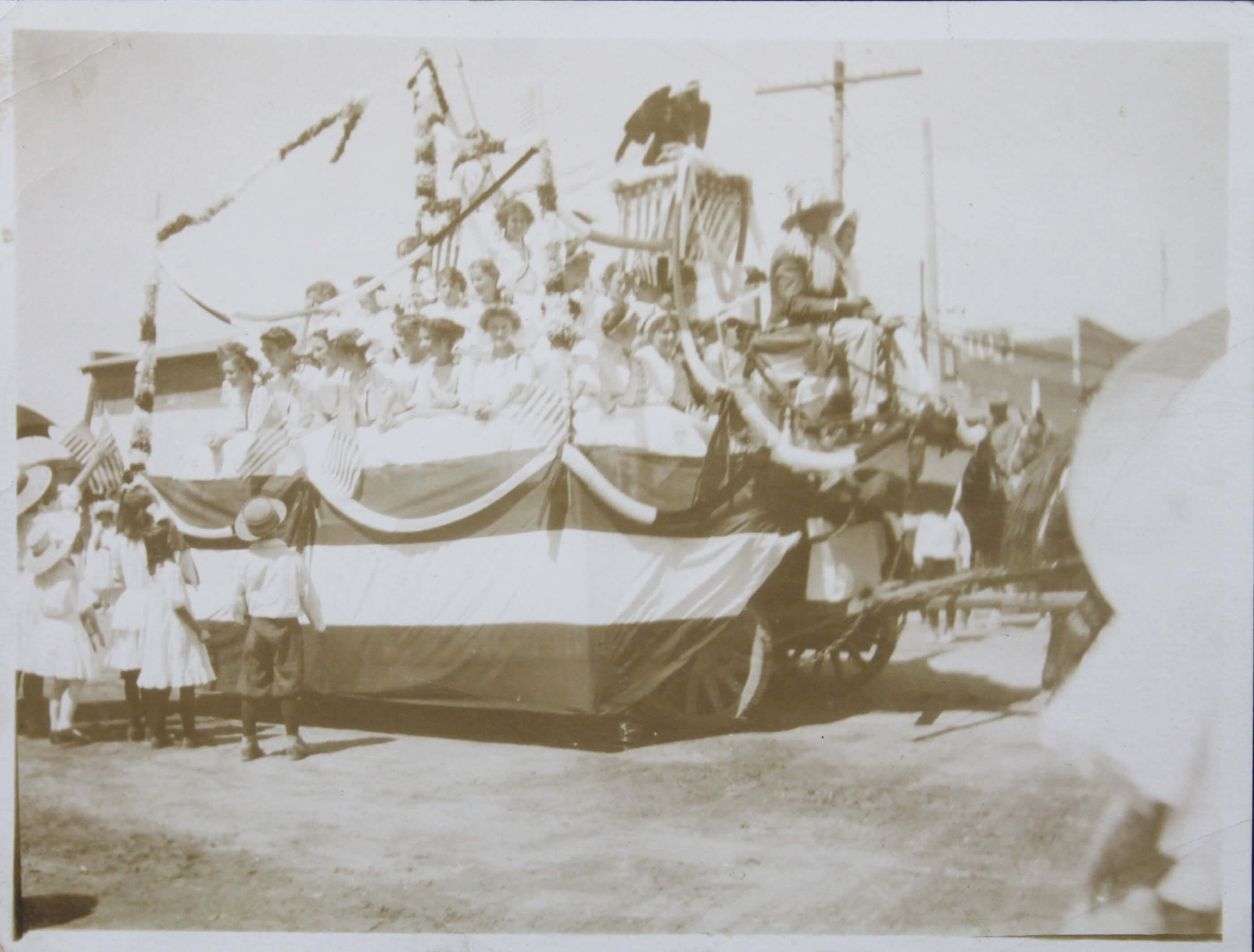
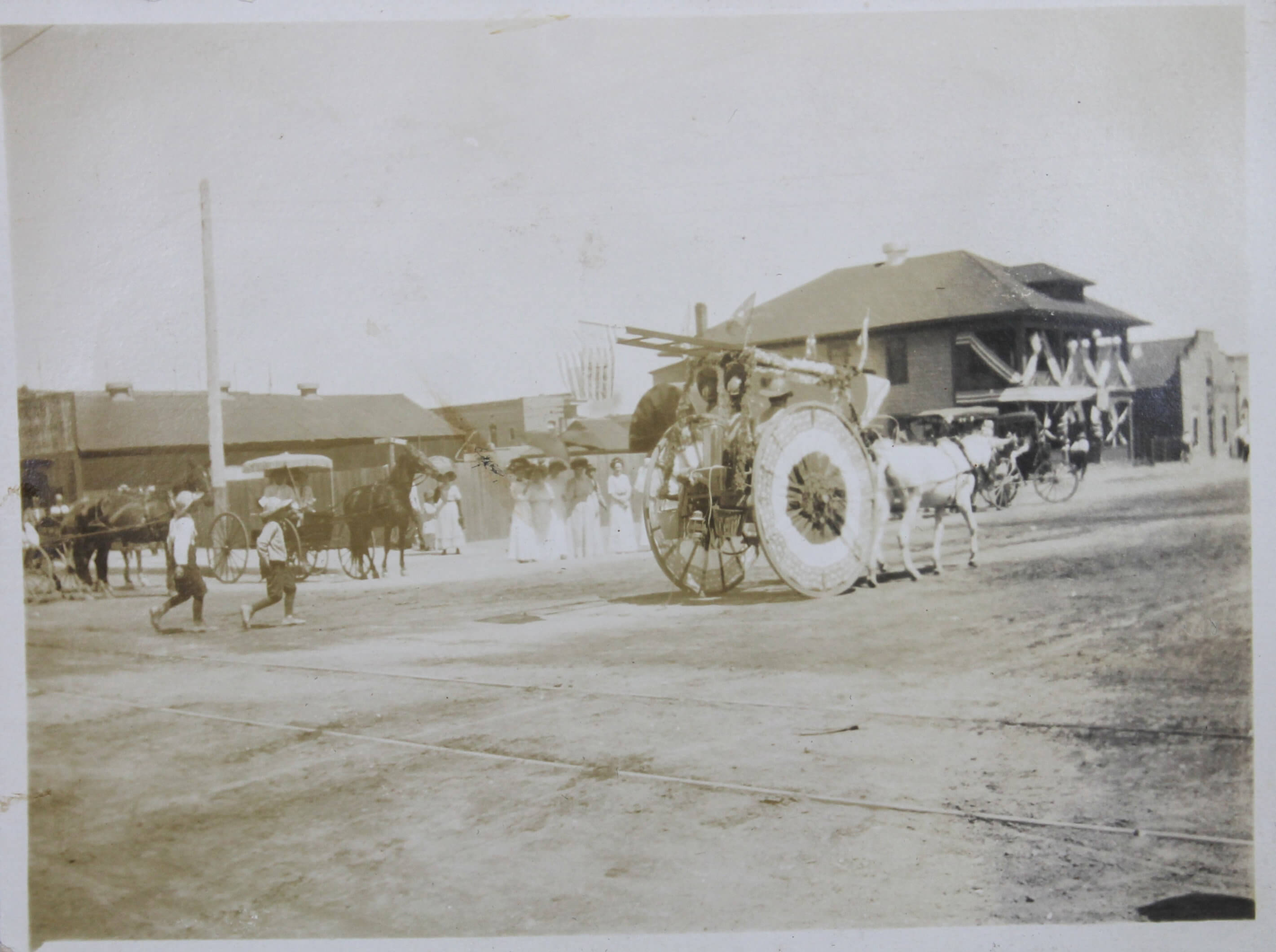
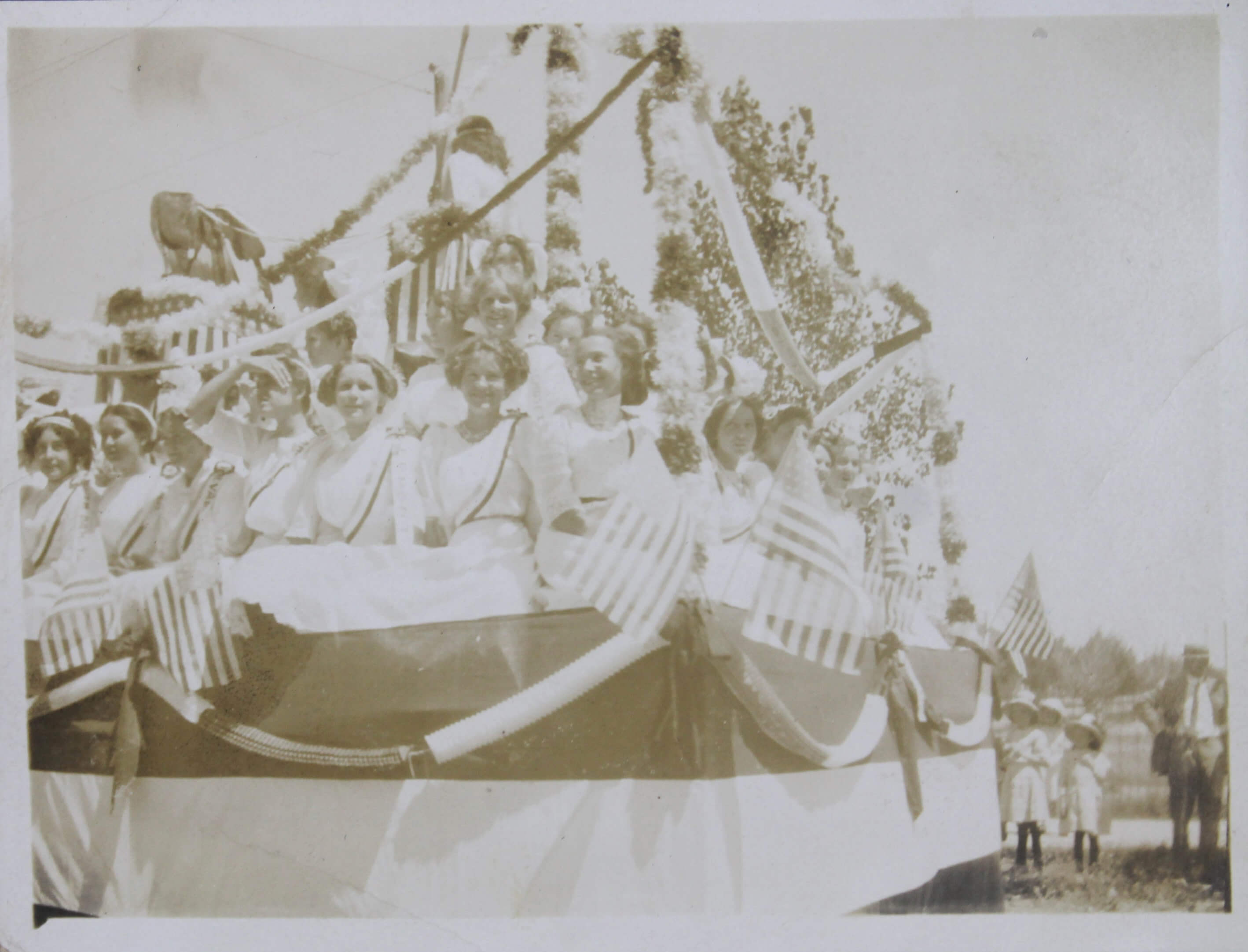
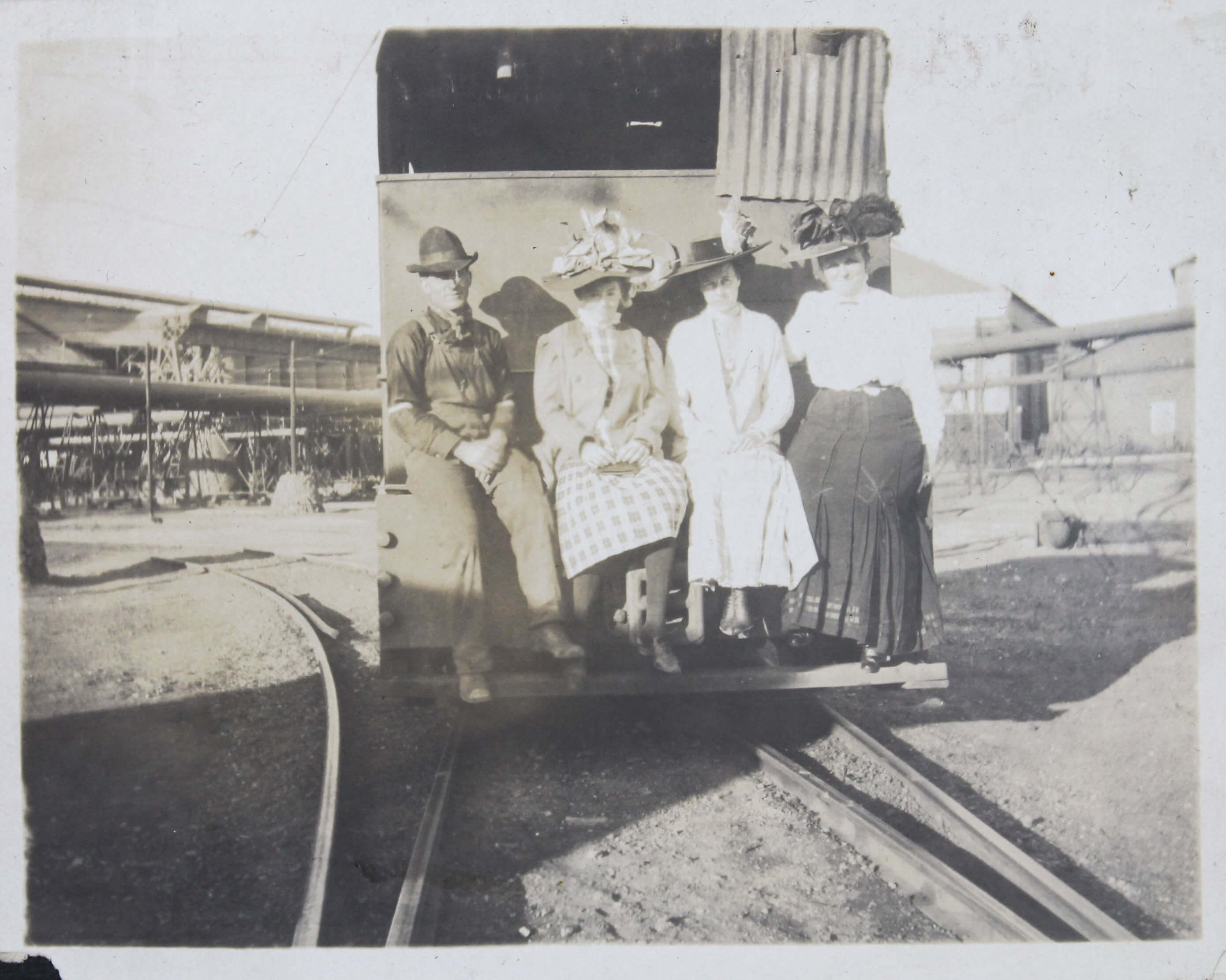
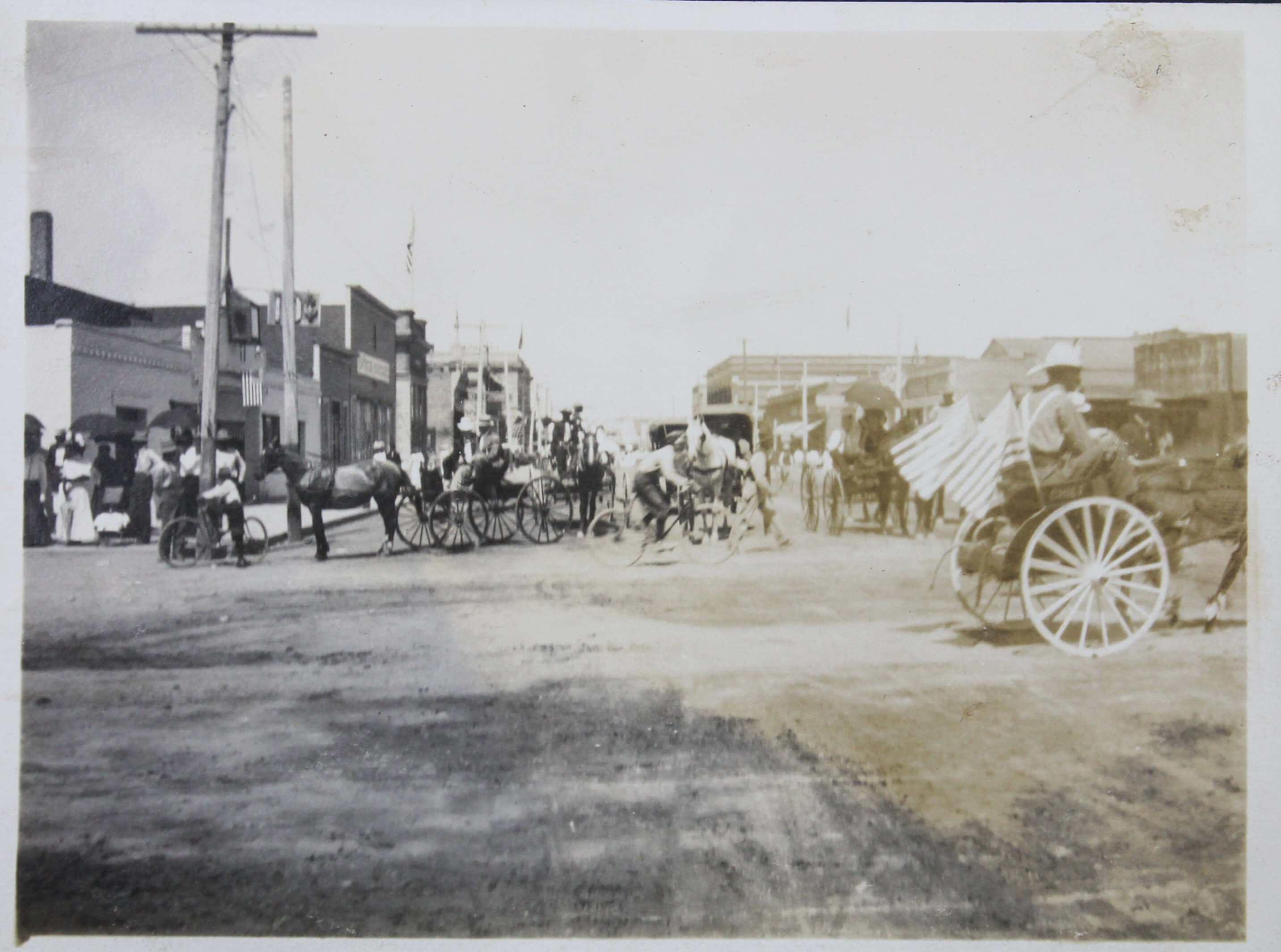
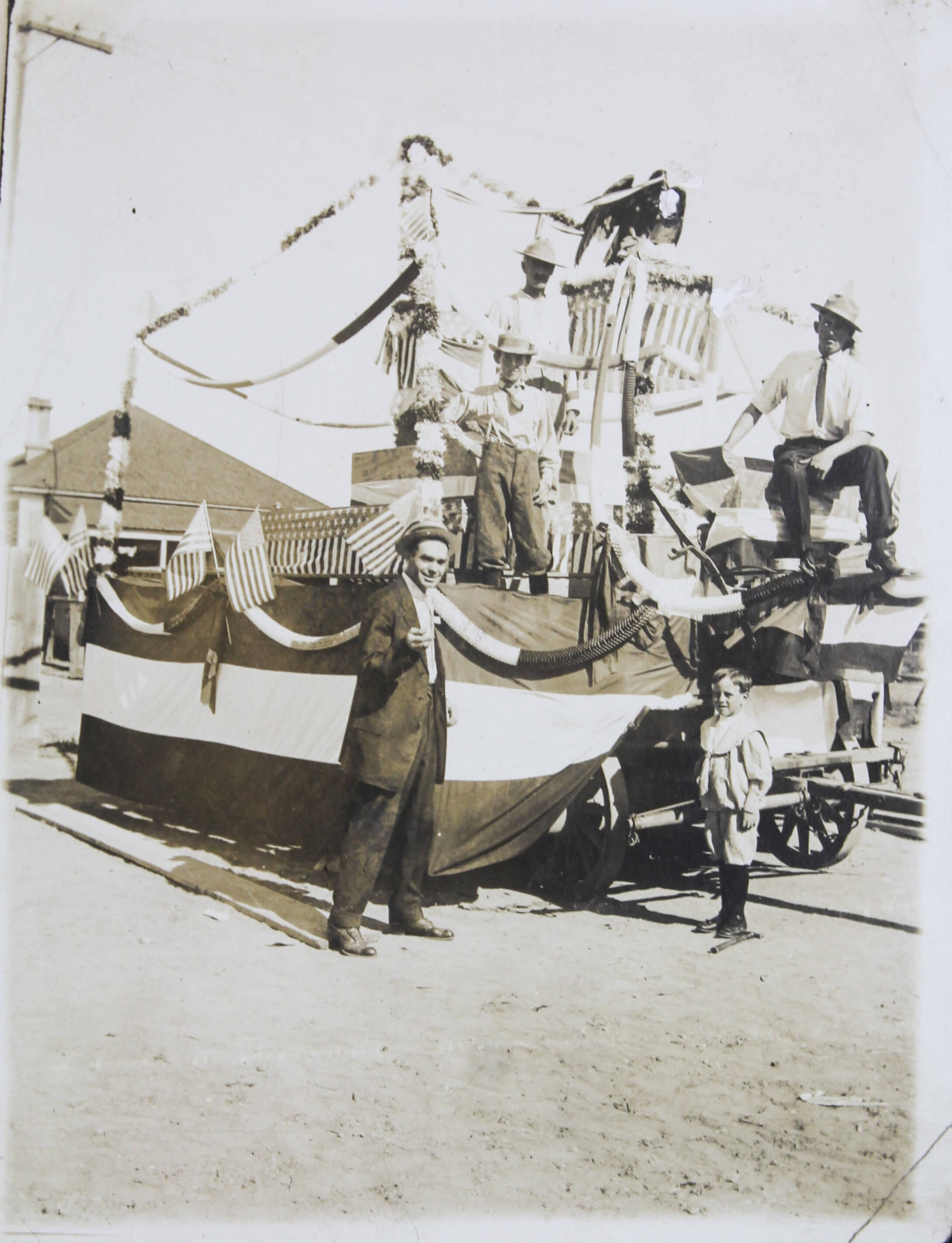
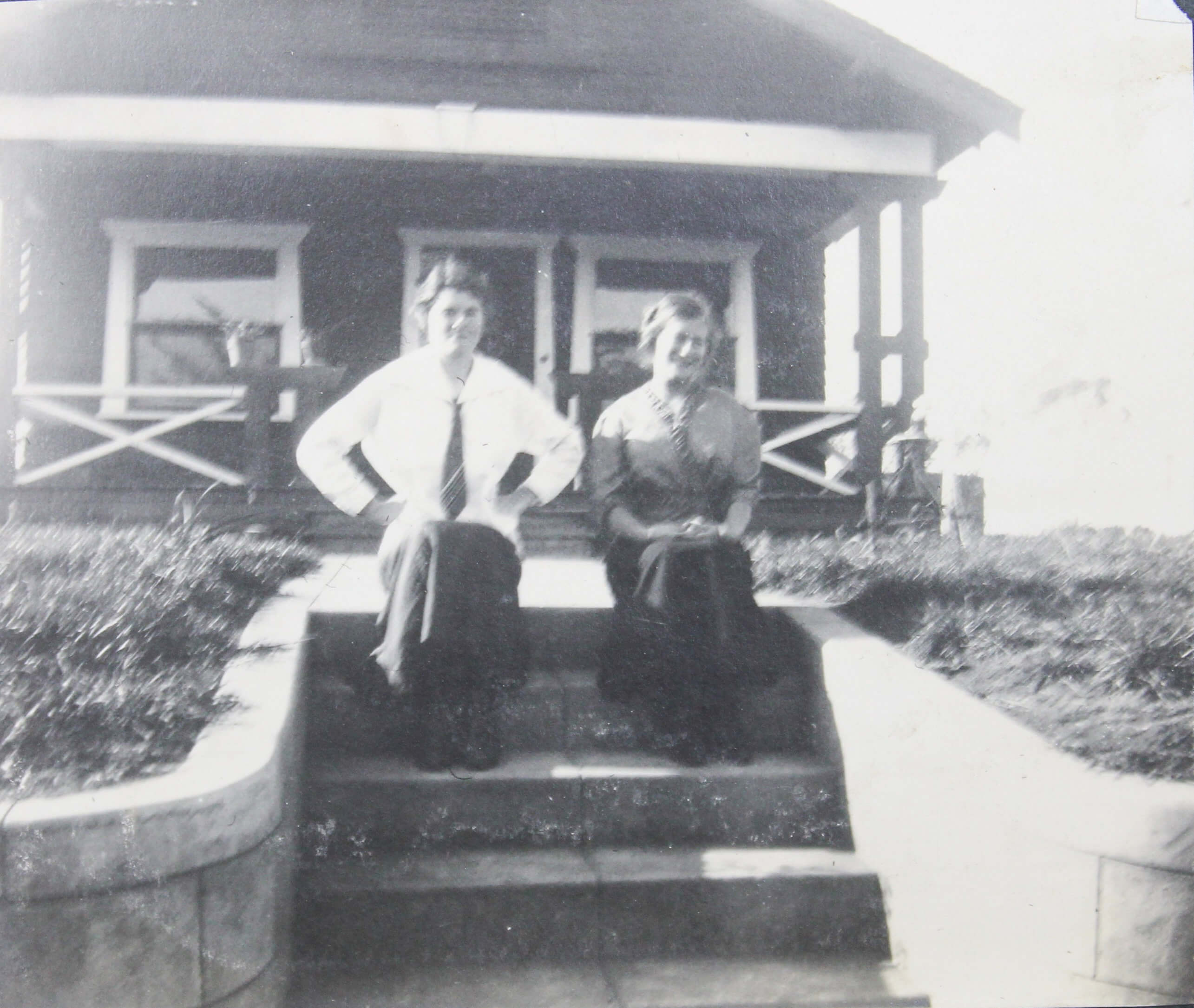
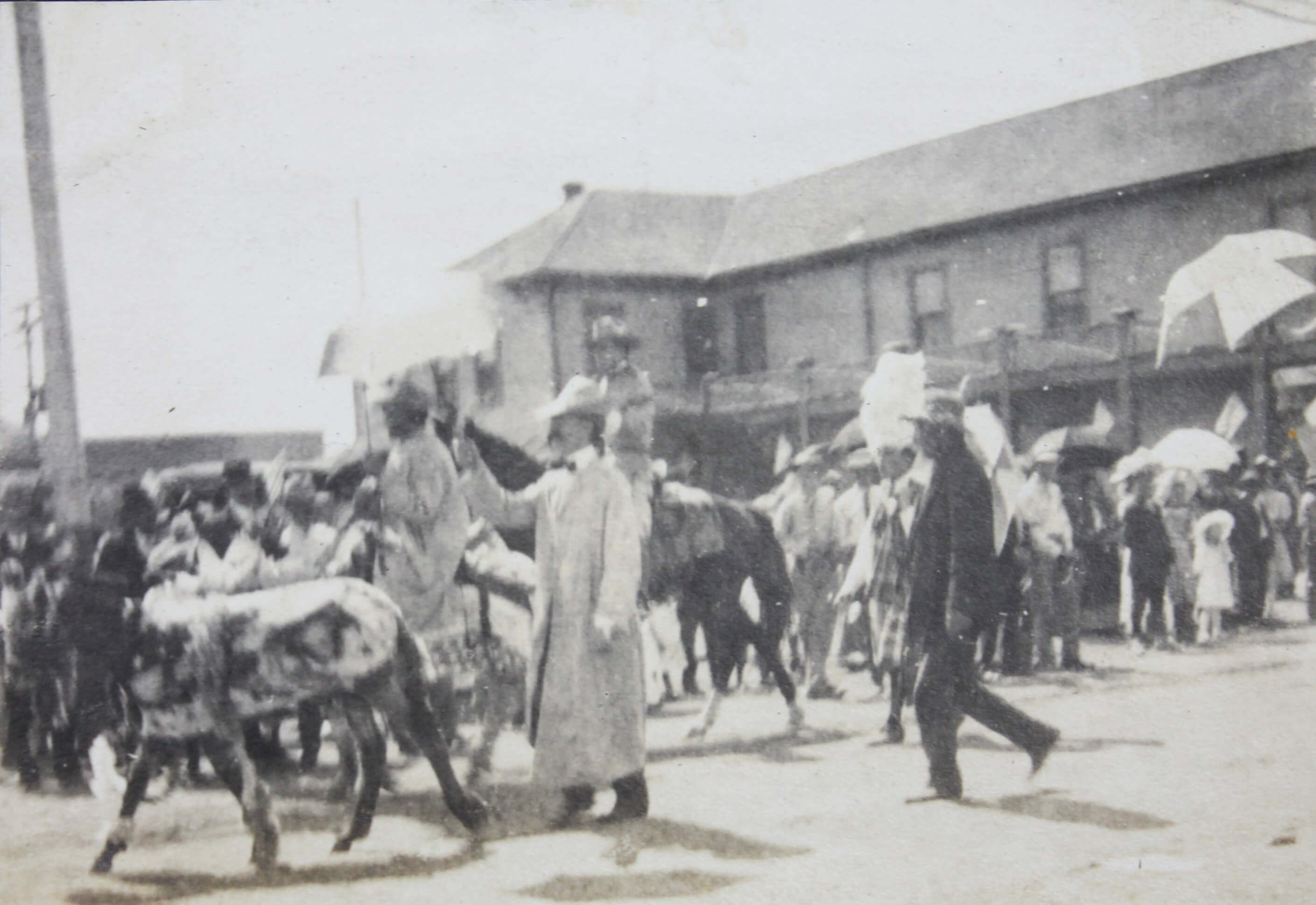
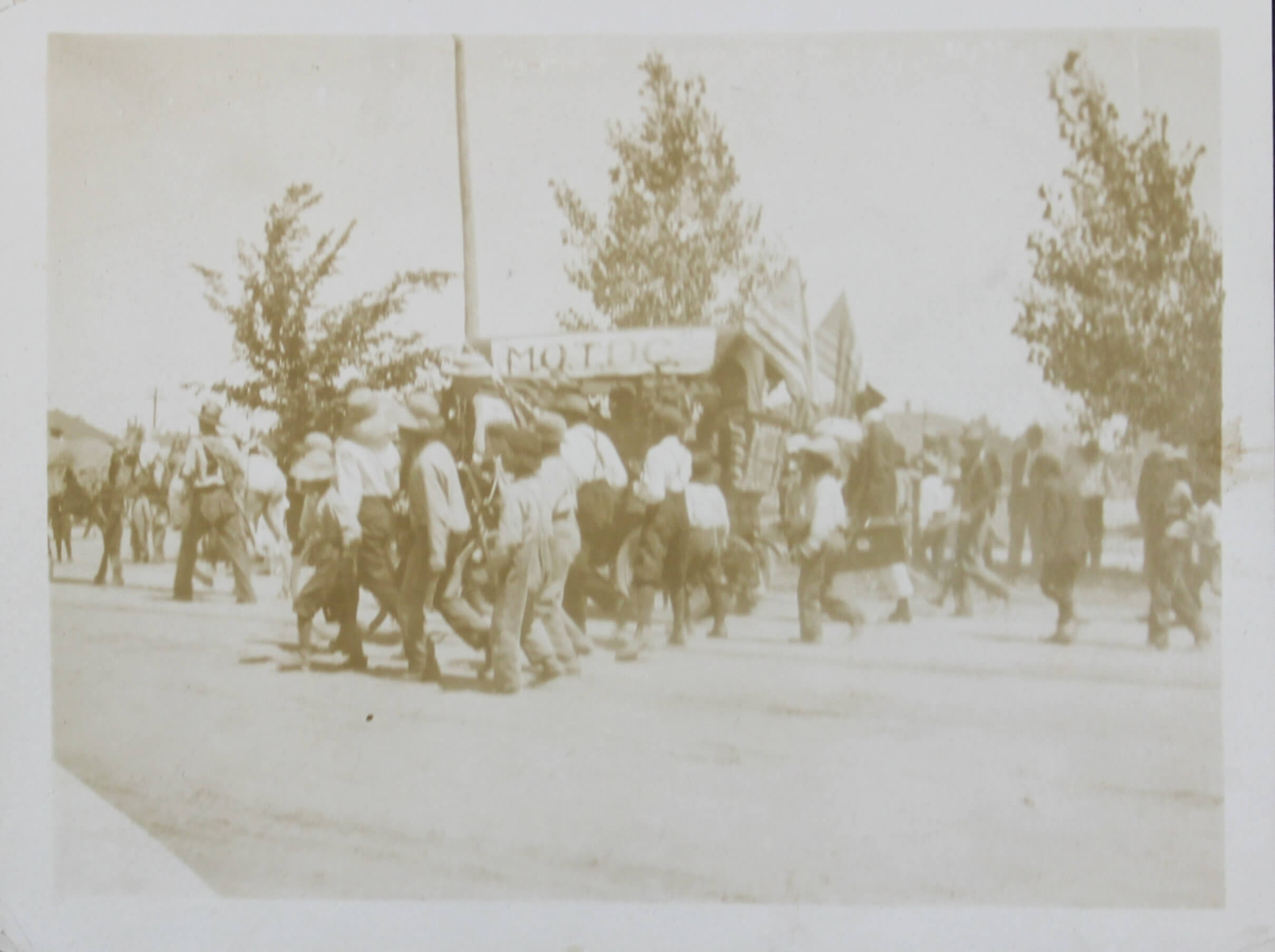
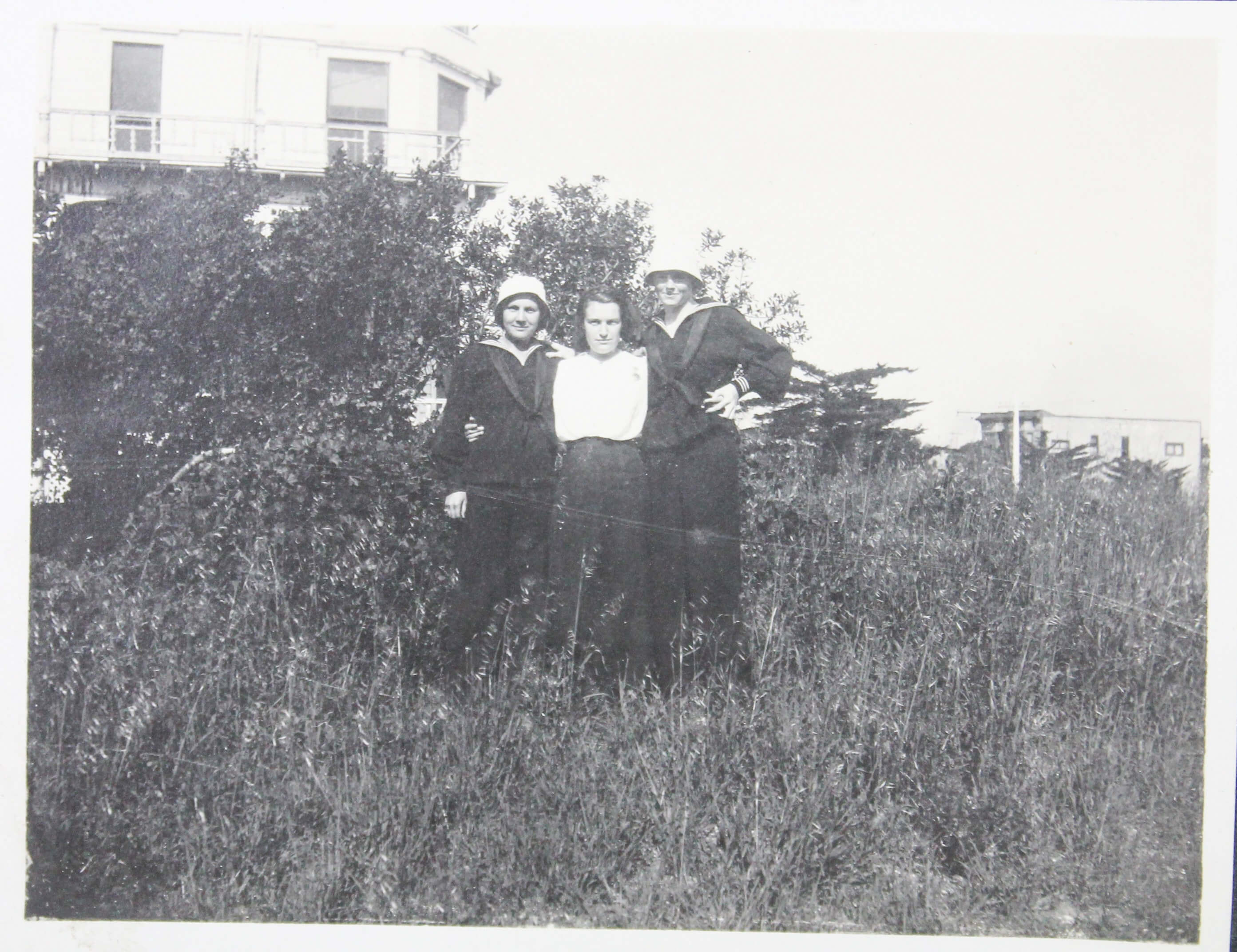
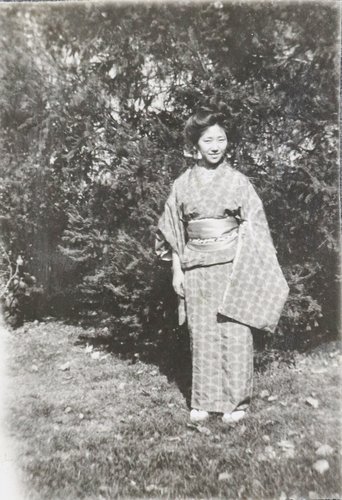
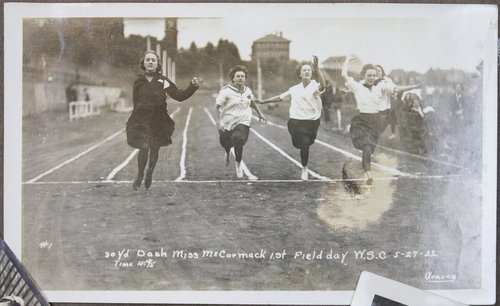
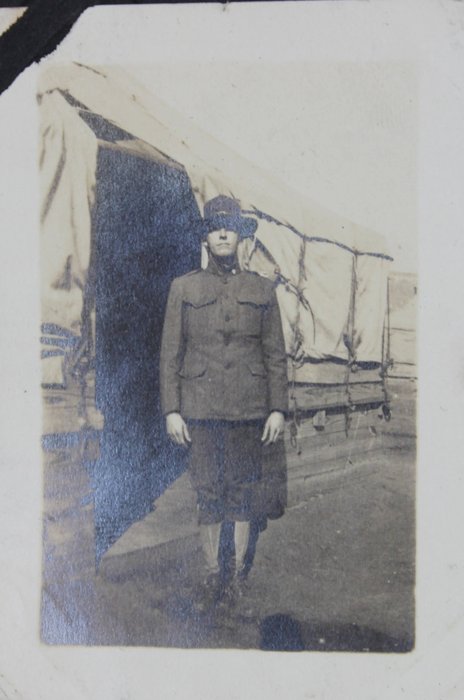
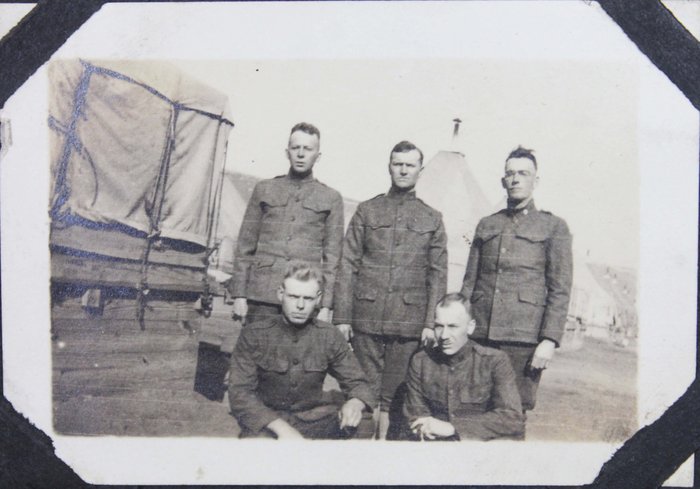
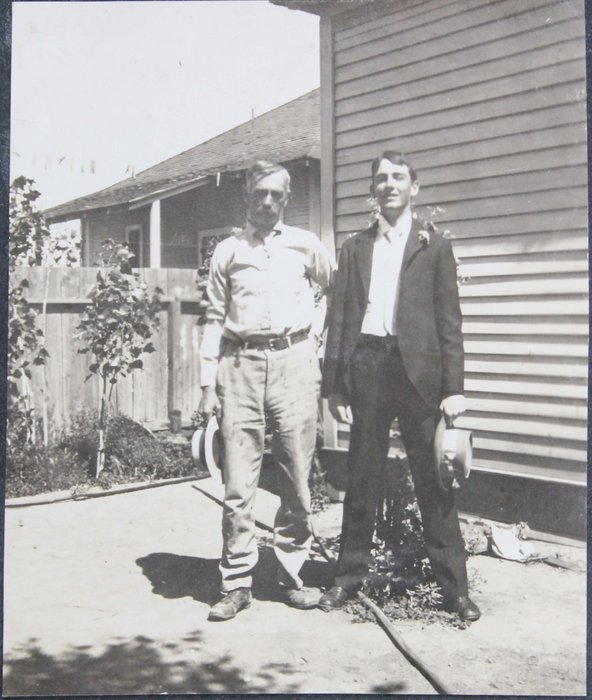
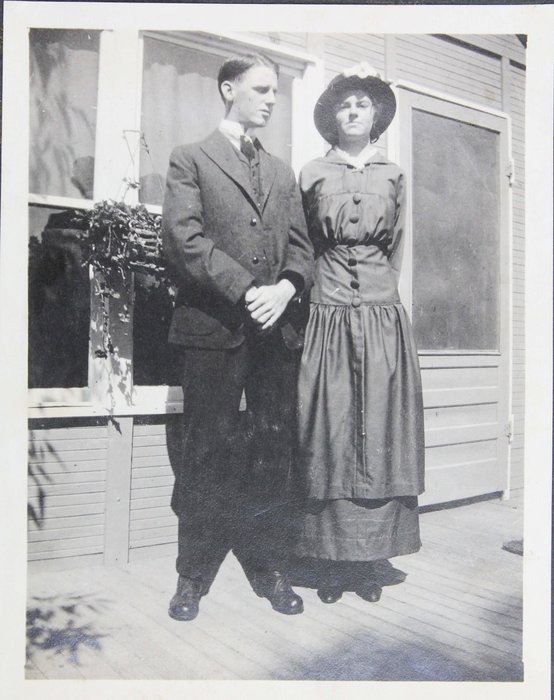
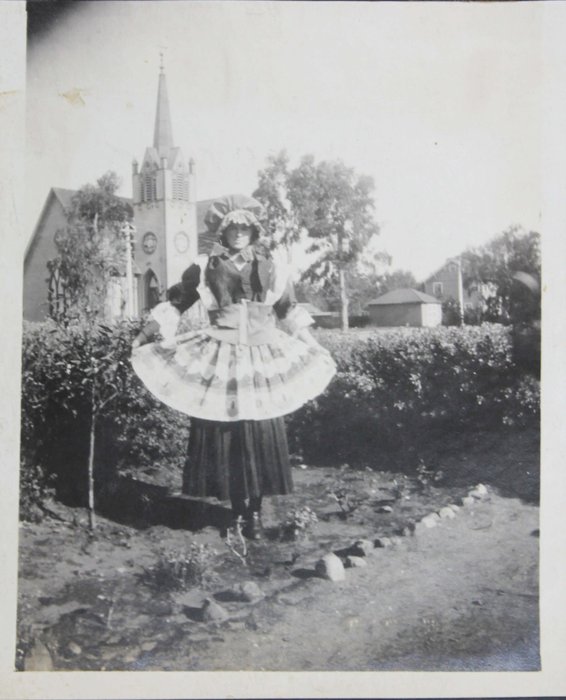
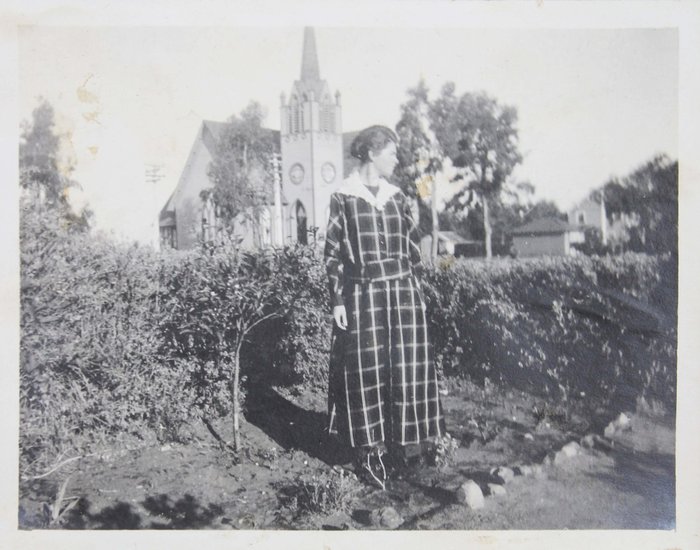
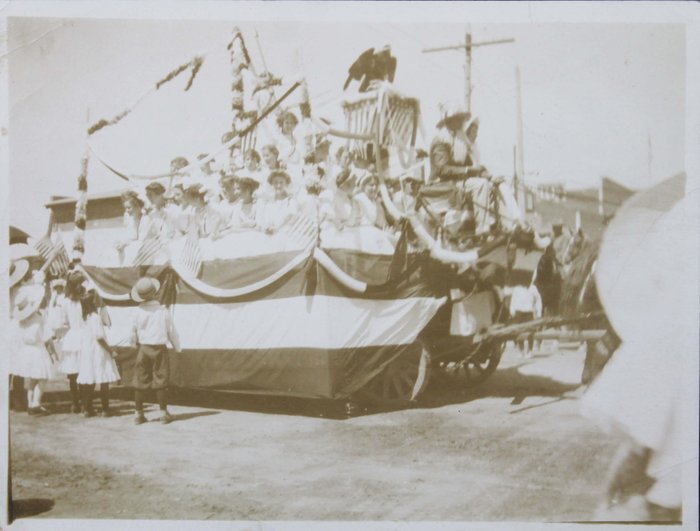
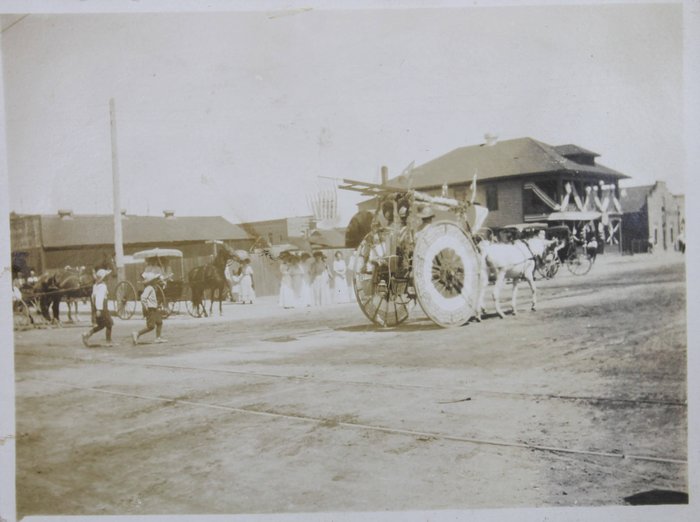
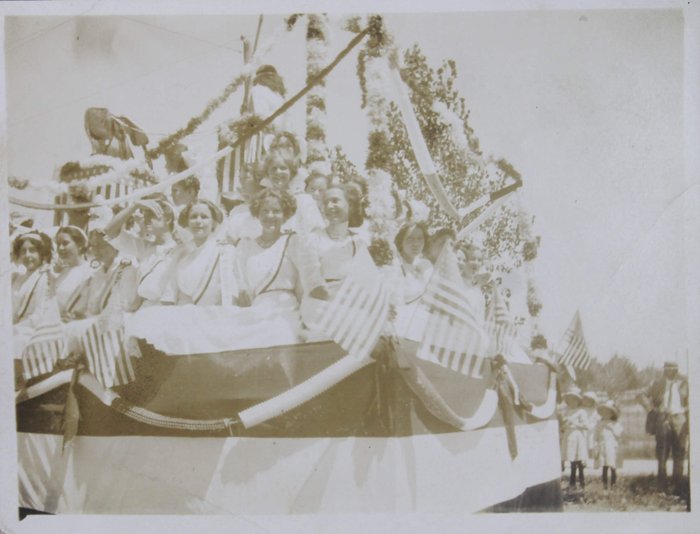
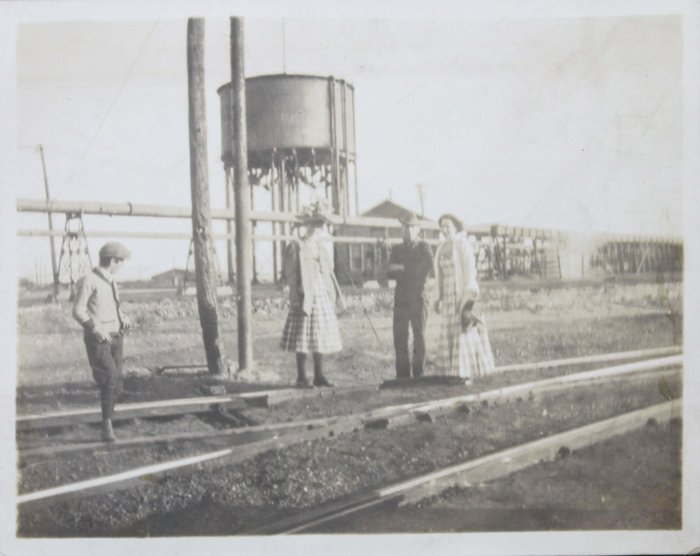
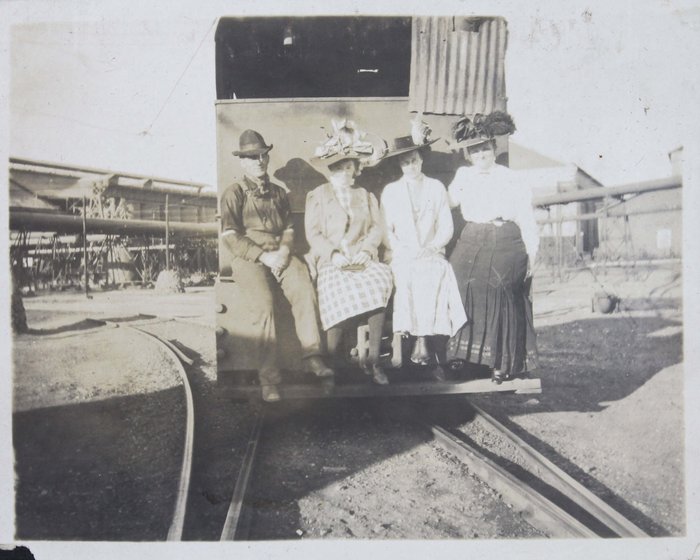
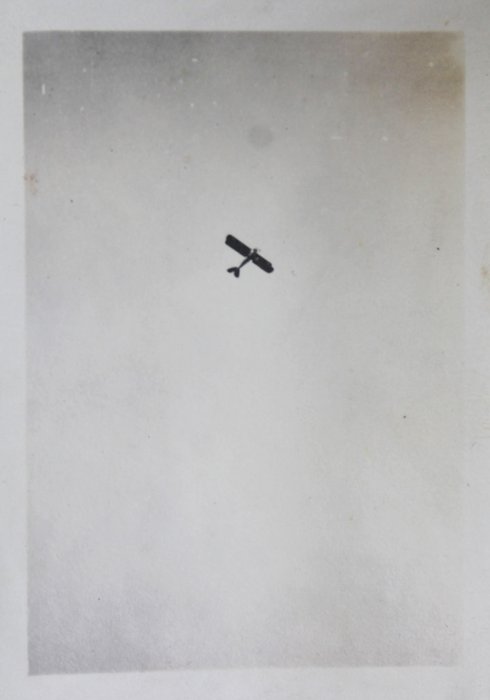
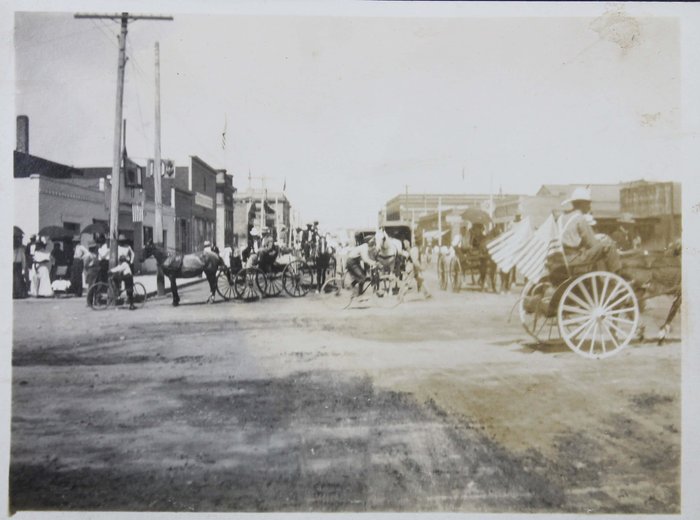
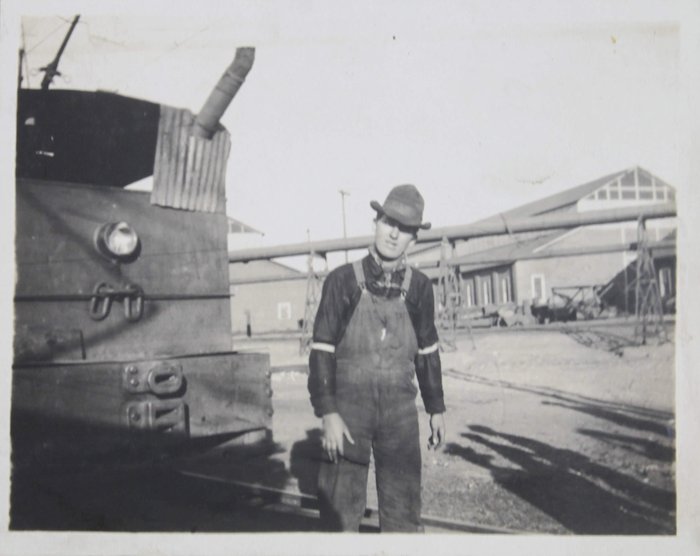
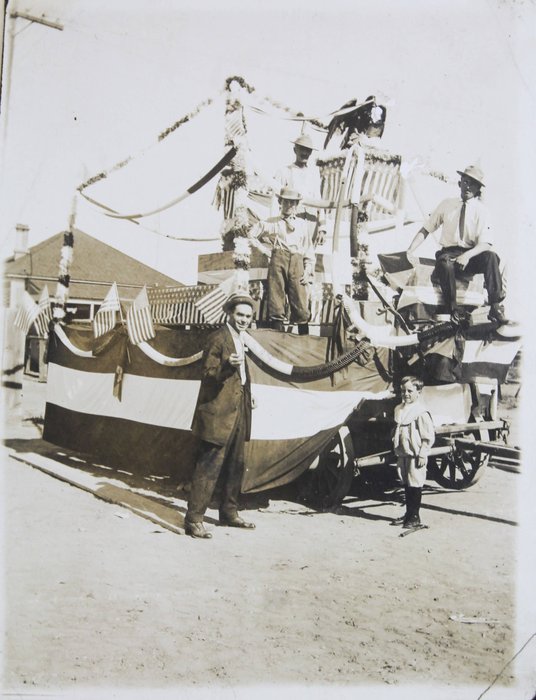
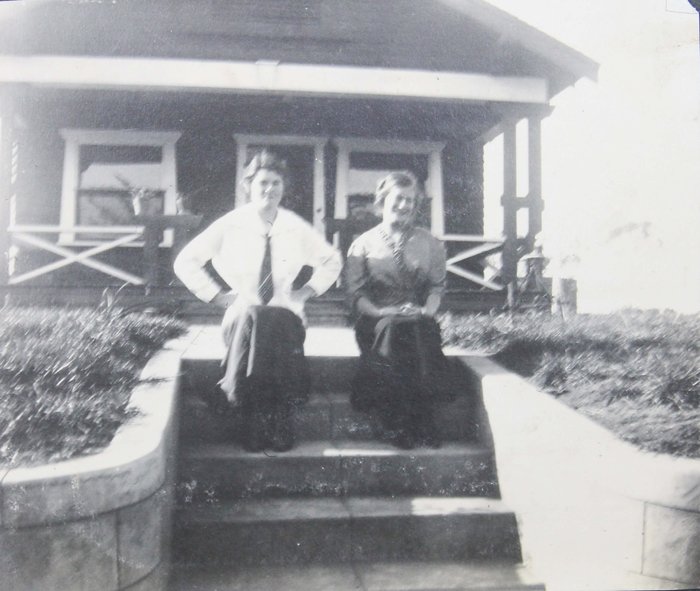
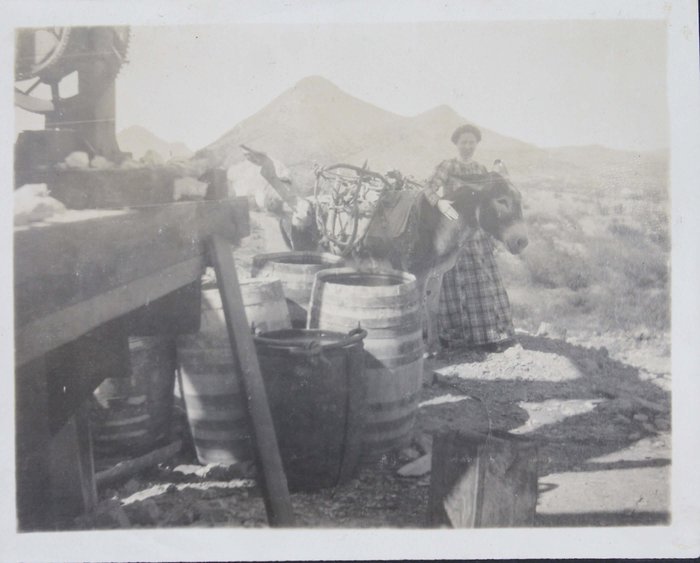
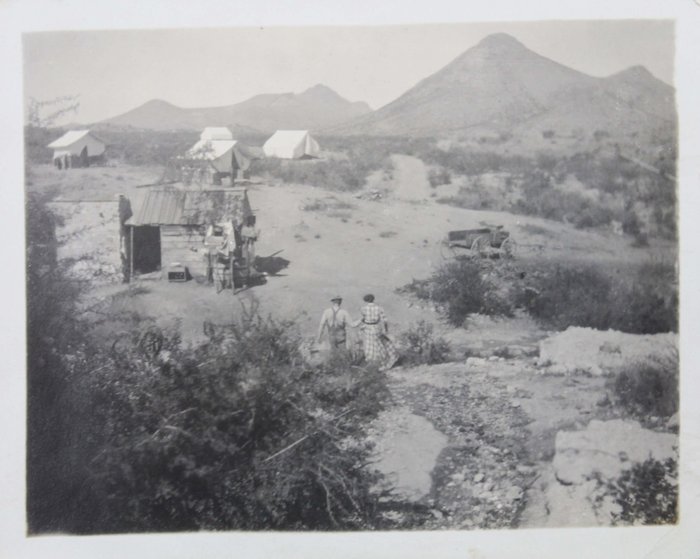
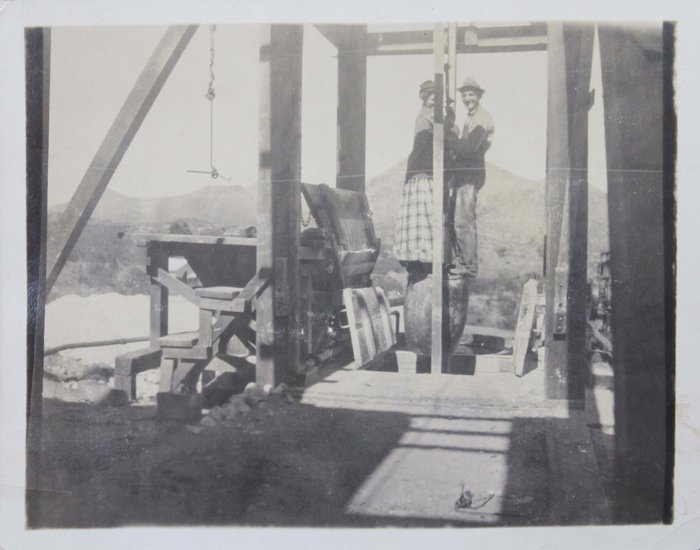
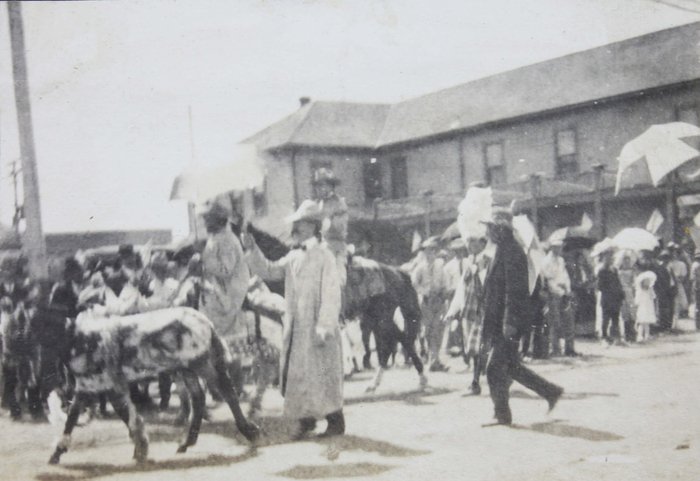
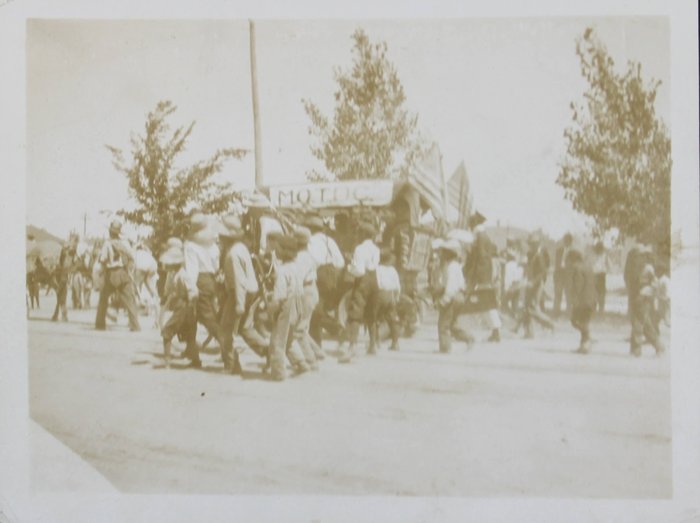
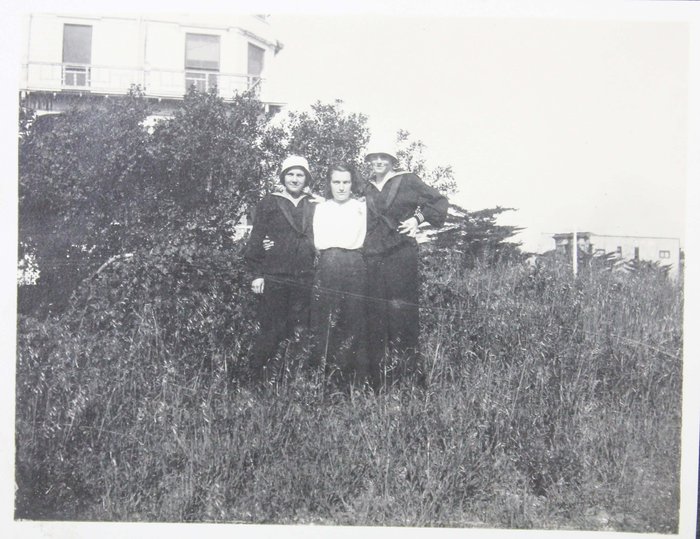
The album features over 300 lively vernacular photographs, mostly depicting the compiler’s friends and relatives during and after the pandemic cheerfully posing outdoors, at home, and in river, riding bicycles, feeding chickens, watering plants, and attending a local rodeo. Several candid urban scenes depict a lively parade celebrating what appears to be the Fourth of July, with costumed performers on floats marching through the streets. Especially interesting is a series of photographs of “J.S.” at the newly opened Camp Funston, Kansas, in 1917. Established during World War I, Camp Funston served as a major military training camp for recruits and National Guard Units. Only a year after these photos were taken, the Camp became one of the earliest sites affected by the 1918 influenza pandemic. The rare images show “J.S.” in military uniform posing with fellow soldiers near the barracks. The collection also includes at least five early photographs from Wautoma, Wisconsin, showing the compiler and her friends in front of the now-demolished Methodist Church.
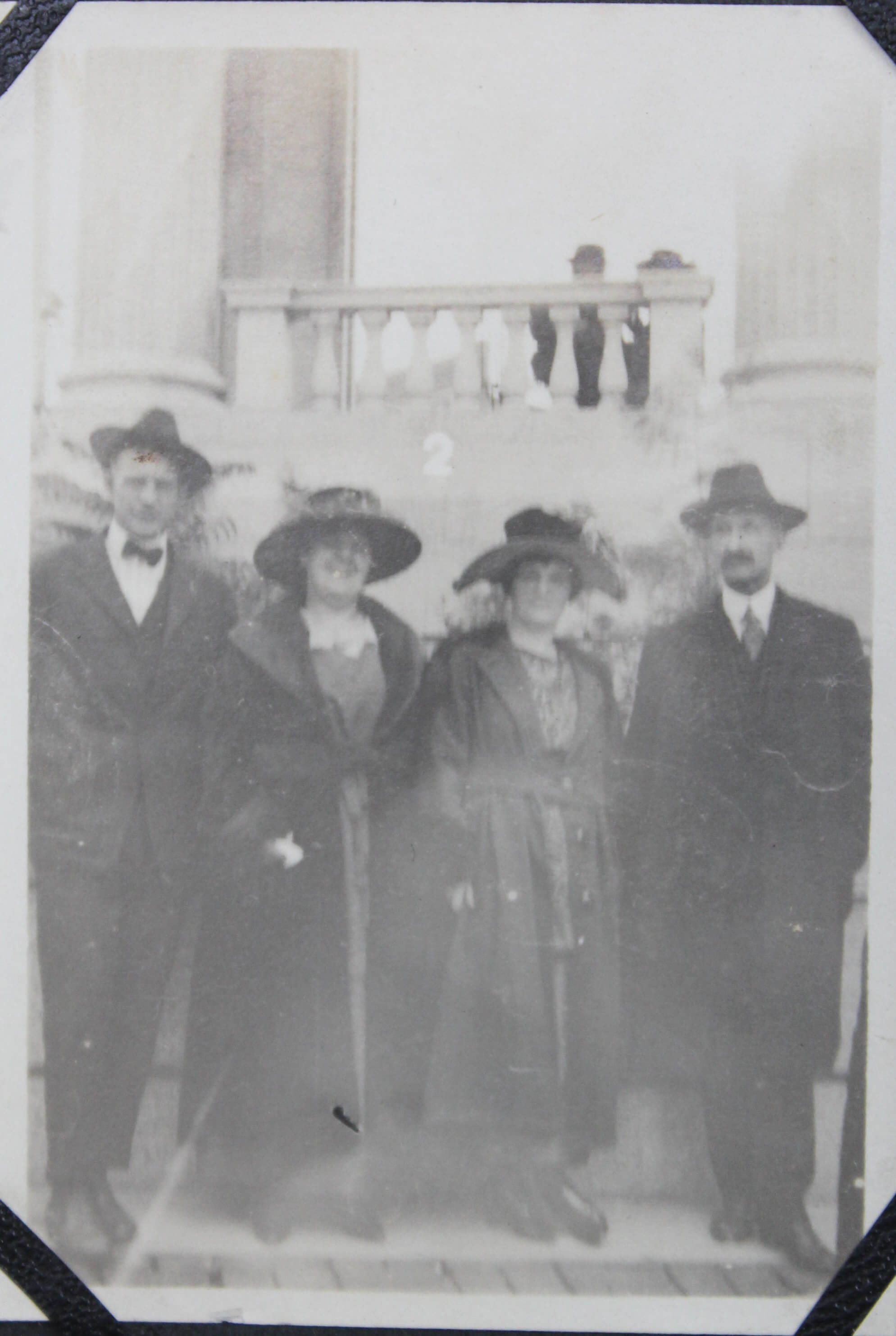
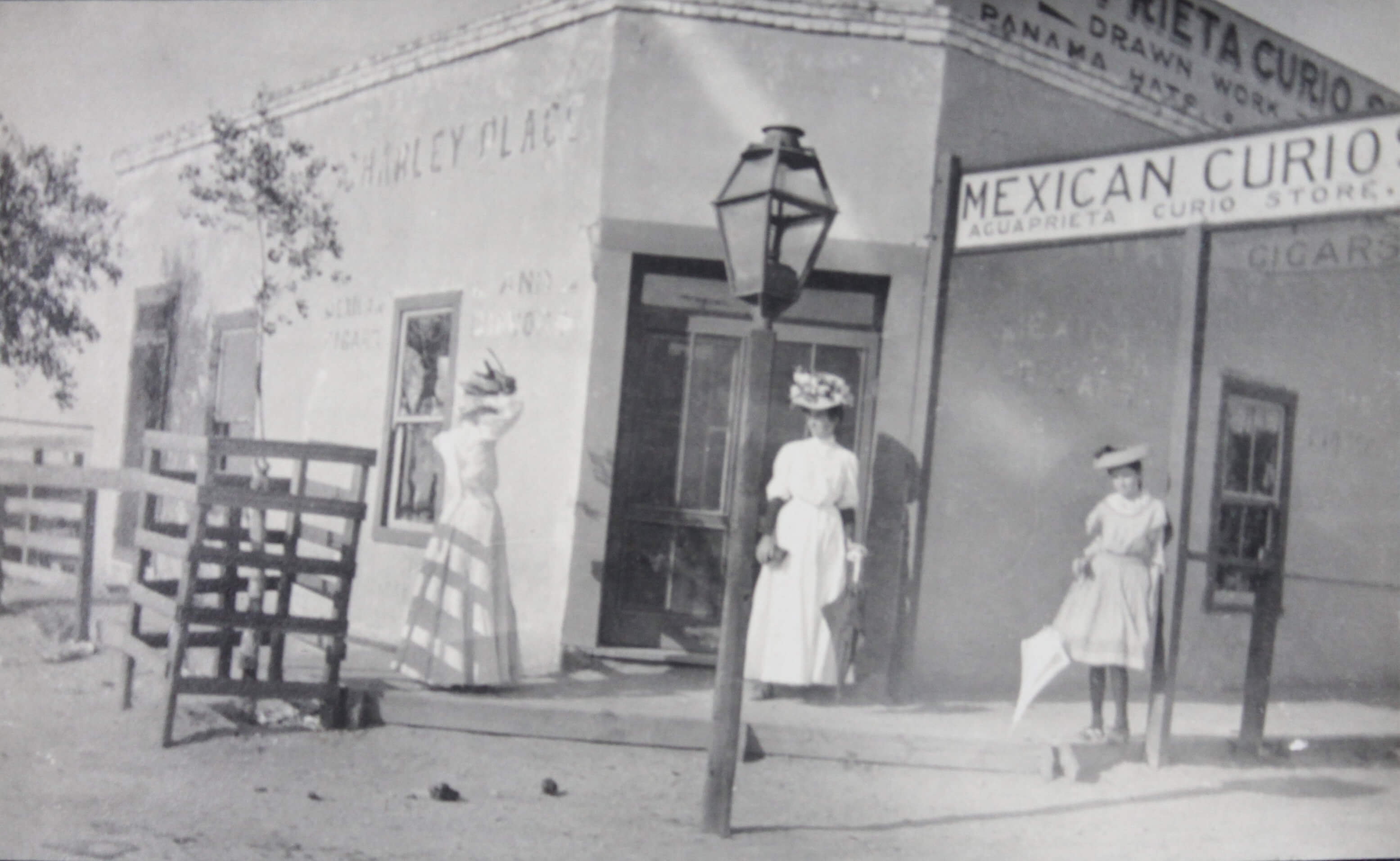
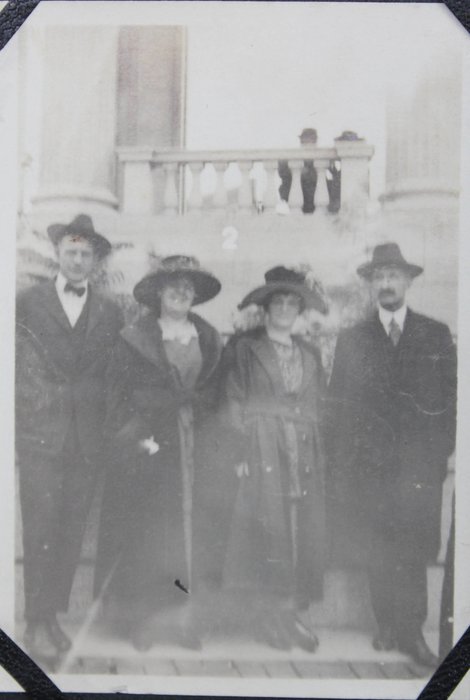
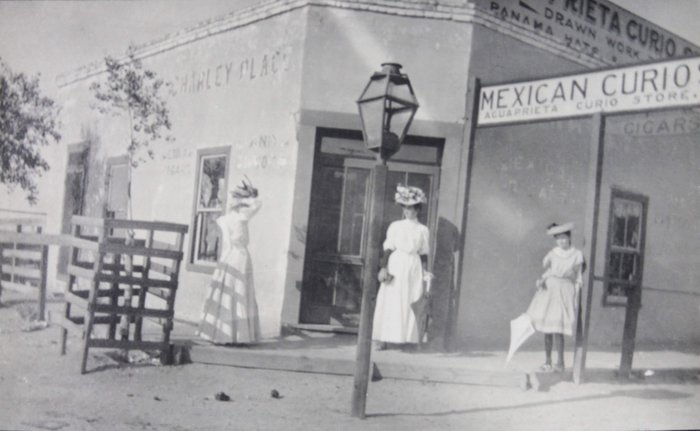
Other photographs in the album include a group portrait of well-dressed individuals posing in front of the now-demolished White House East Wing in Washington, D.C., an image of “James E. Snow” in a dormitory room aboard the USS San Diego, as well as a group portrait of the compiler and her companions in Agua Prieta, Mexico (with clearly visible signs “Aguaprieta Curio Store,” “Cigars,” and “Harley Place”).
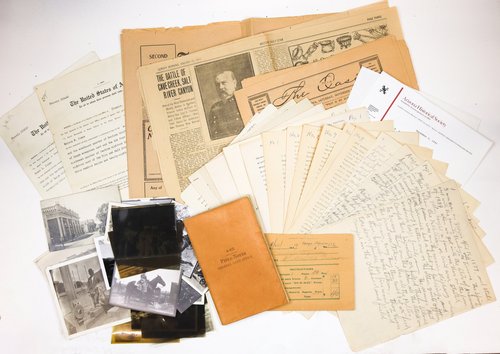
The collection also contains about six pieces of period newspaper clippings, including Lettie Cowman’s “Tomorrow’s Bridge,” “The House I Live In” by an unidentified author, and several photographs showing “Dr. E. W. Adamson” of Arizona, “T. A. Cowan,” and “Roy Riley.”
Overall, historically interesting extensive album of private photographs apparently taken and collected by a young woman from St. Louis, Missouri, in the late-1910s and early-1920s.