
#MD52
Ca. 1930
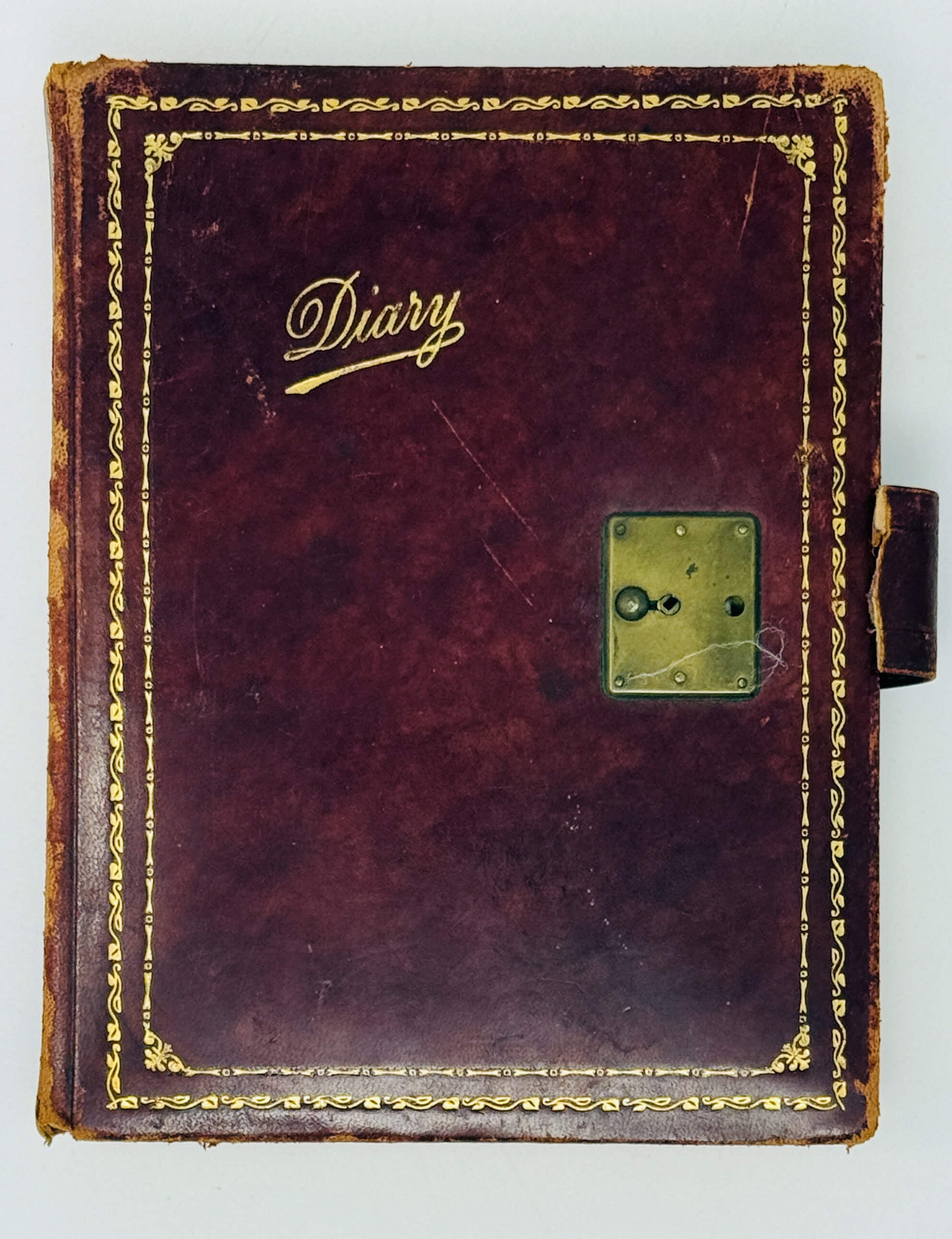
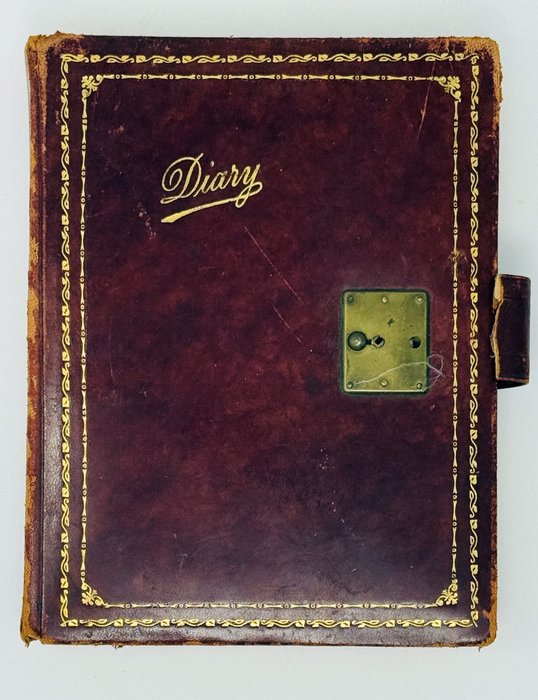
Clasp missing a fragment. Gilt edges. Binding is slightly bumped, but overall in very good condition.
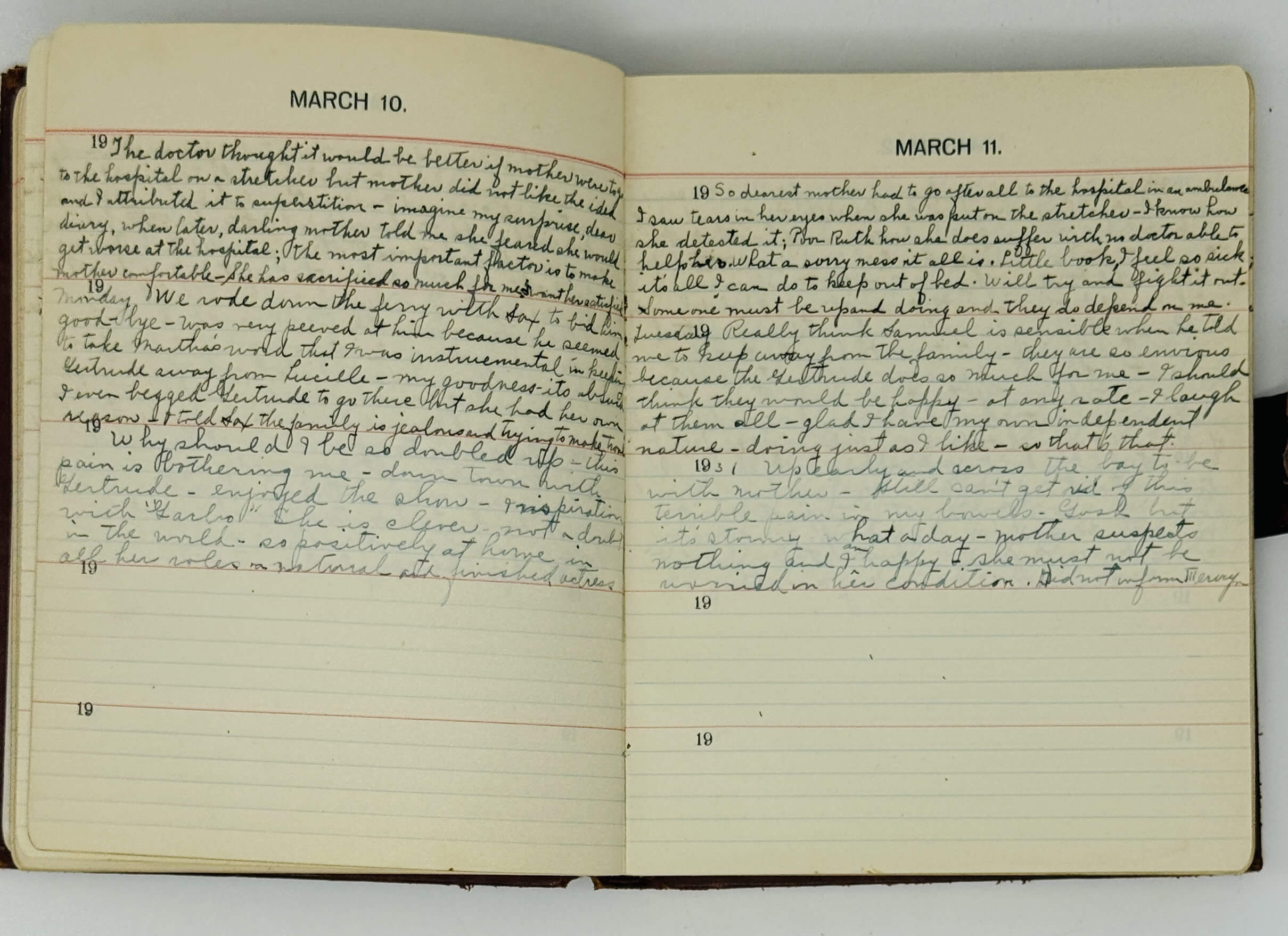
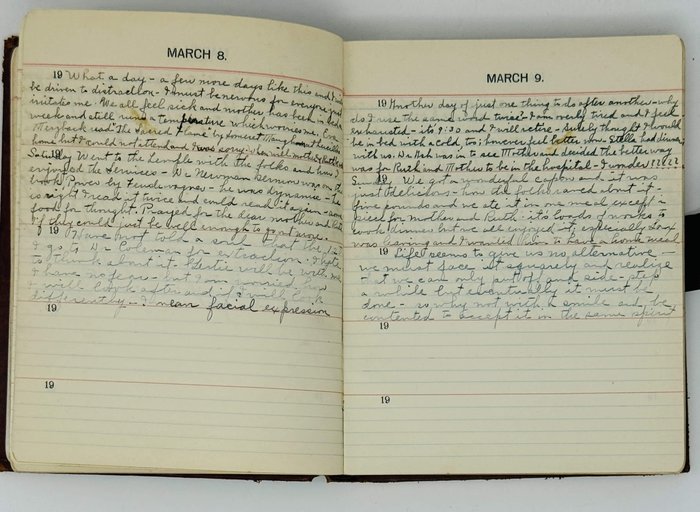
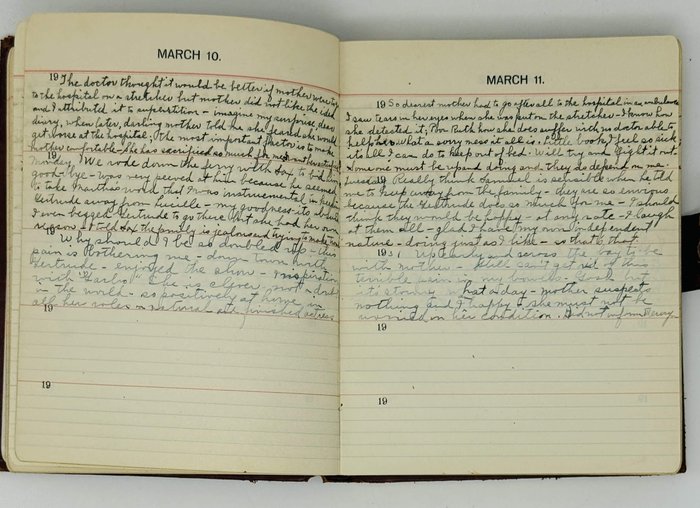
Historically interesting private diary of Cecilia Viola Levy (née Kruger), a German-Jewish immigrant in San Francisco, offering valuable insight into middle-class German community life in 1930s California.
German immigrants first arrived in San Francisco in significant numbers during the 1849 Gold Rush, quickly establishing themselves as one of the city’s most influential ethnic groups through businesses, breweries, real estate, and dense social organizations. By the early twentieth century, however, the pressures of World War I accelerated a shift from public ethnic visibility toward a more private, Americanized identity. By 1930, San Francisco’s German community was an established pillar of the city’s elite, comprising approximately 16,000 German-born residents and nearly 40,000 second-generation citizens.
The diary’s author, Cecilia Viola Levy (ca. 1891–1973), was born to Max (ca. 1868-1943) and Eugenie Kruger (ca. 1869-1958), German immigrants who arrived in the United States in 1869 and 1884, respectively. The family settled in California and had four children, all of whom remained in the state. Max Kruger worked in the real estate business, but according to the diary had deserted the family by 1930. In 1918, Cecilia married Mervyn Jess Levy (ca. 1885–1942), himself the son of German immigrants, further situating her within San Francisco’s interconnected German-Jewish milieu. The diary records that in the 1920s, Cecilia, her mother, and her sister Ruth were diagnosed with arthritis, and that Cecilia was reportedly given only one year to live. Despite this prognosis, she lived until 1973, spending much of her later life unemployed.
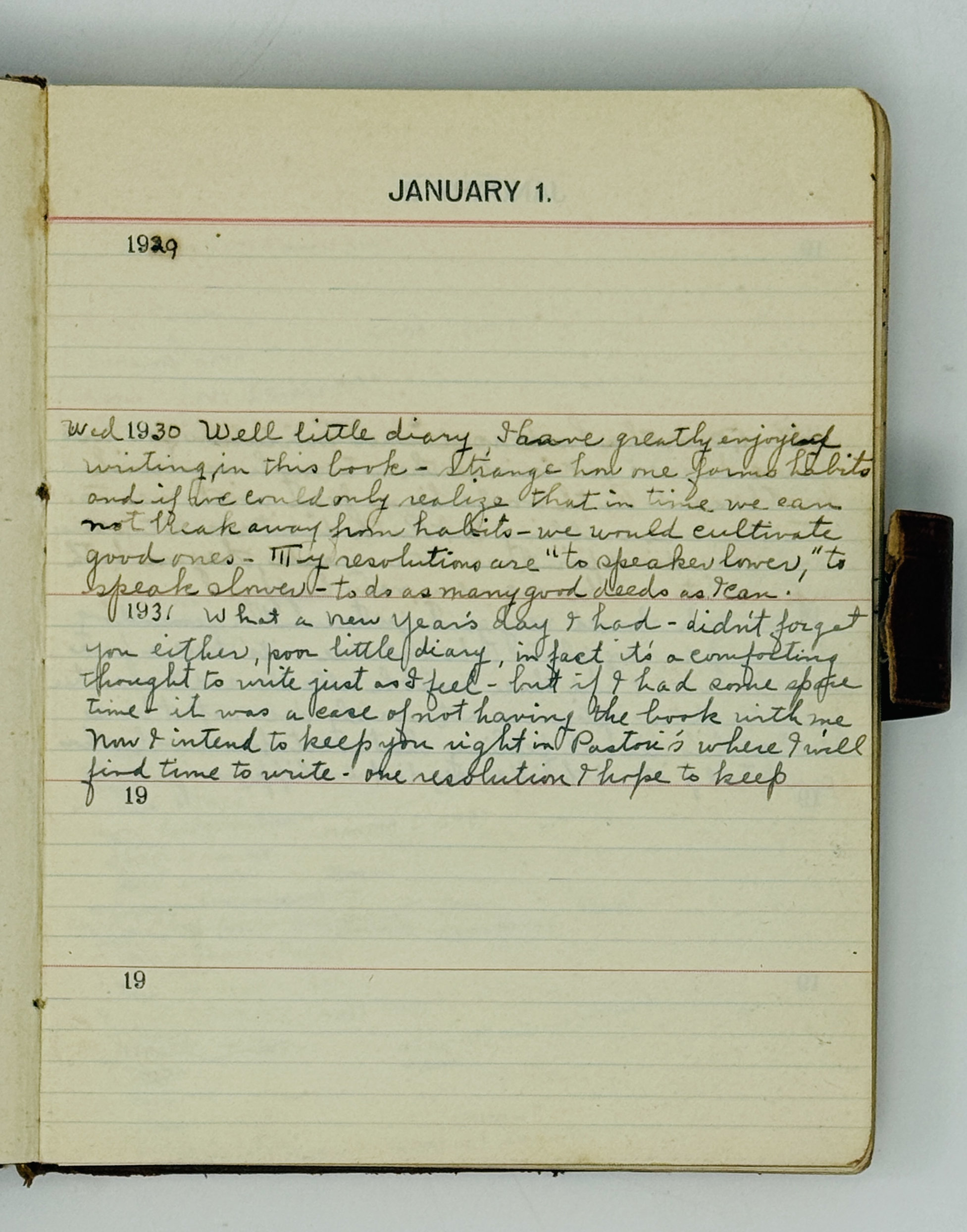
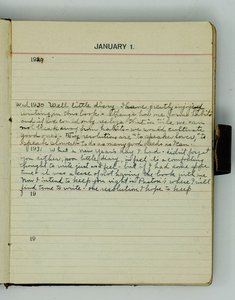
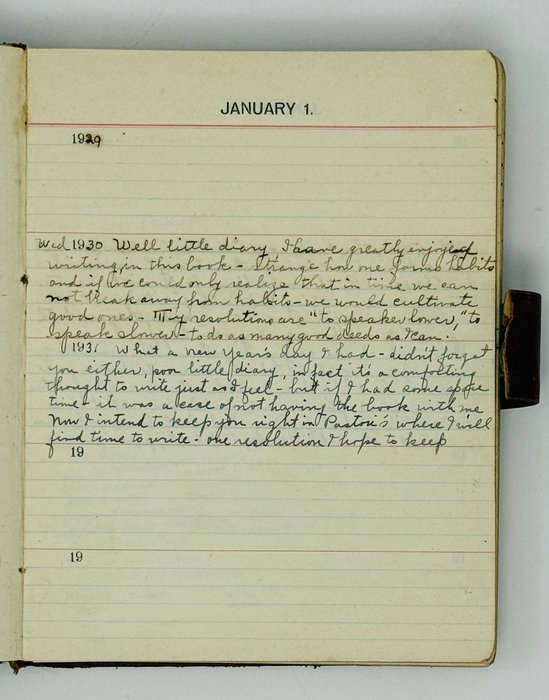
The diary opens with a newspaper clipping of the 1921 obituary of Cecilia’s mother-in-law, Hulda E. Levy (ca. ?-1921). The journal itself begins on 1 January 1930 and spans exactly one year, with entries written almost daily.
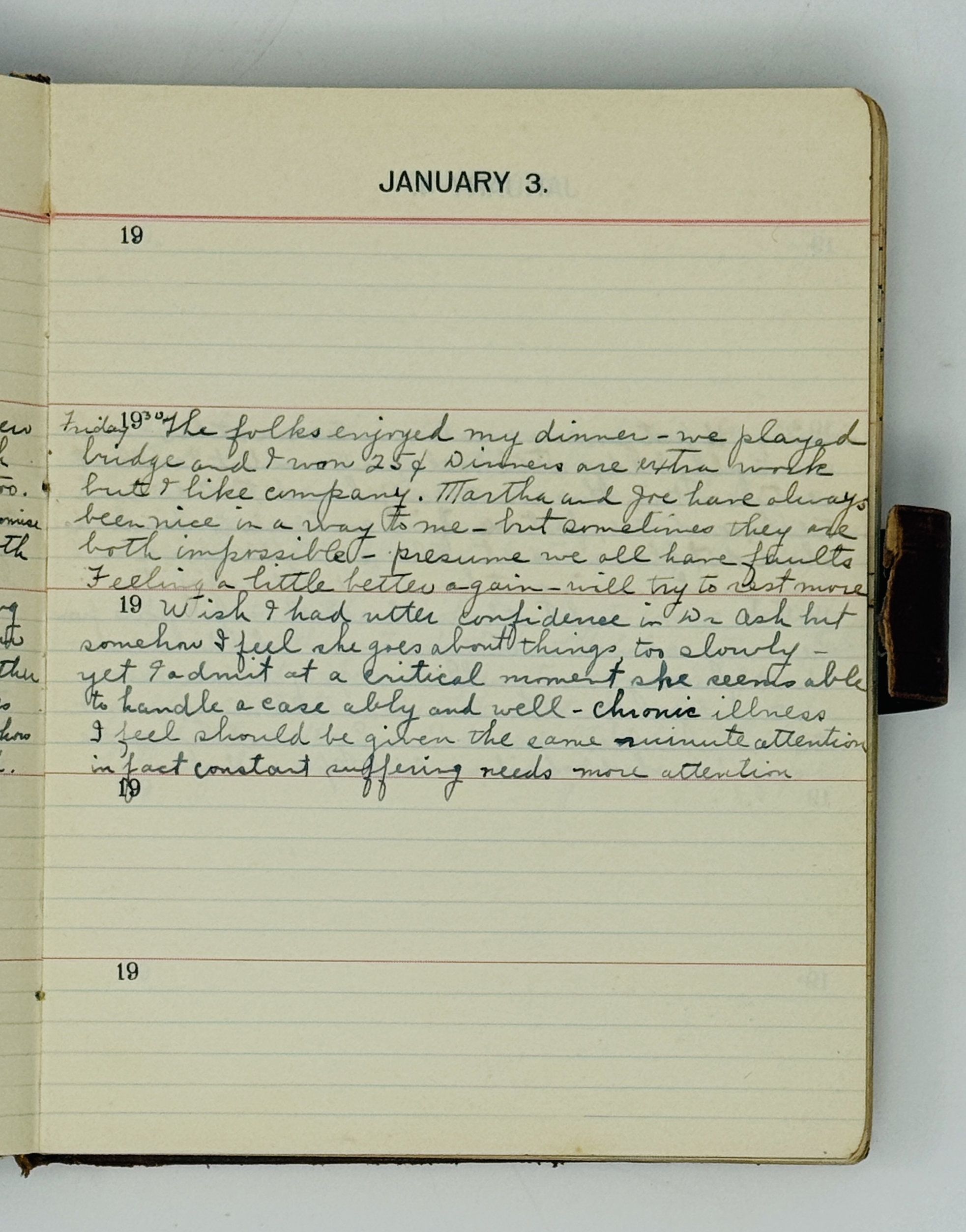
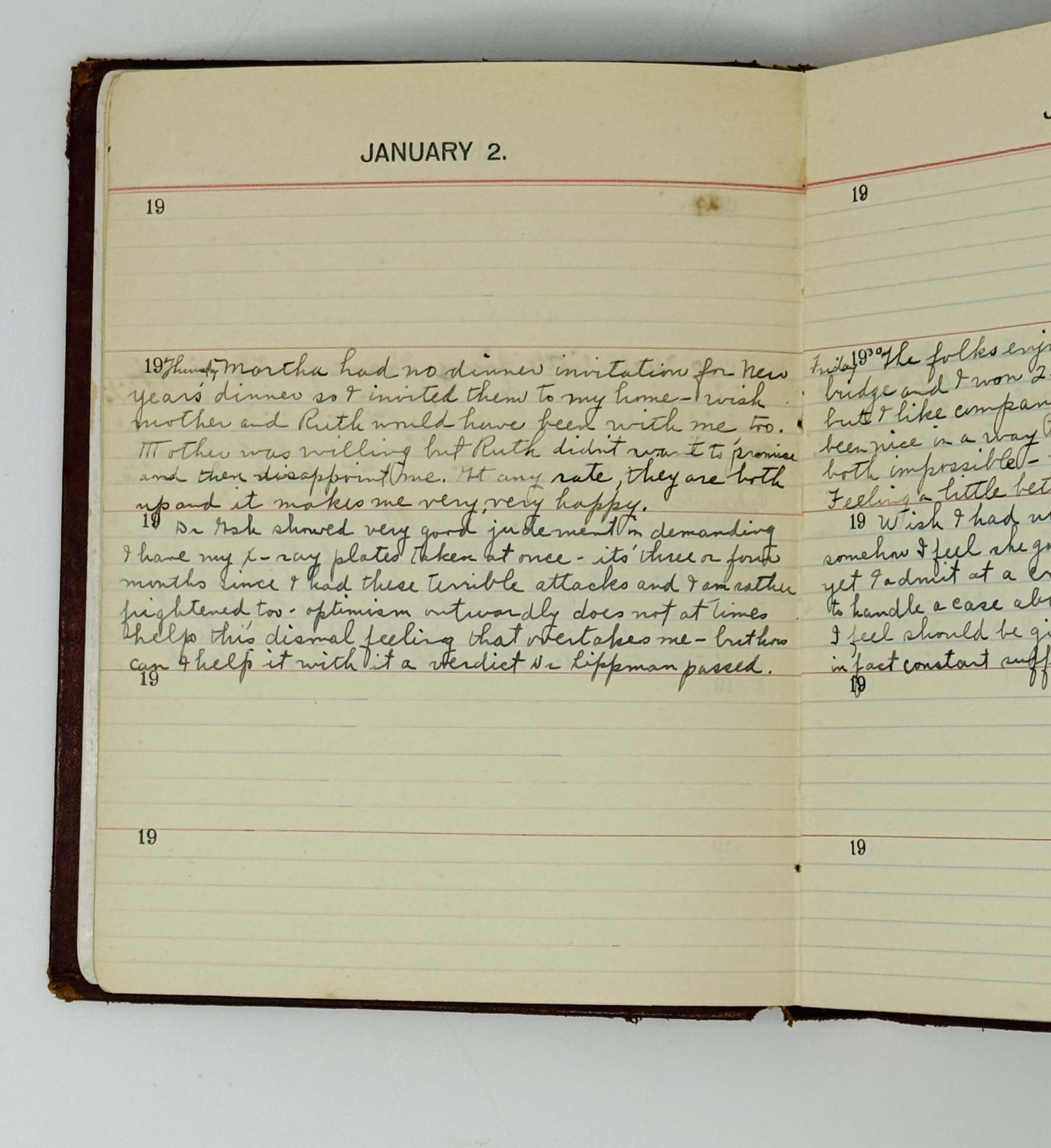
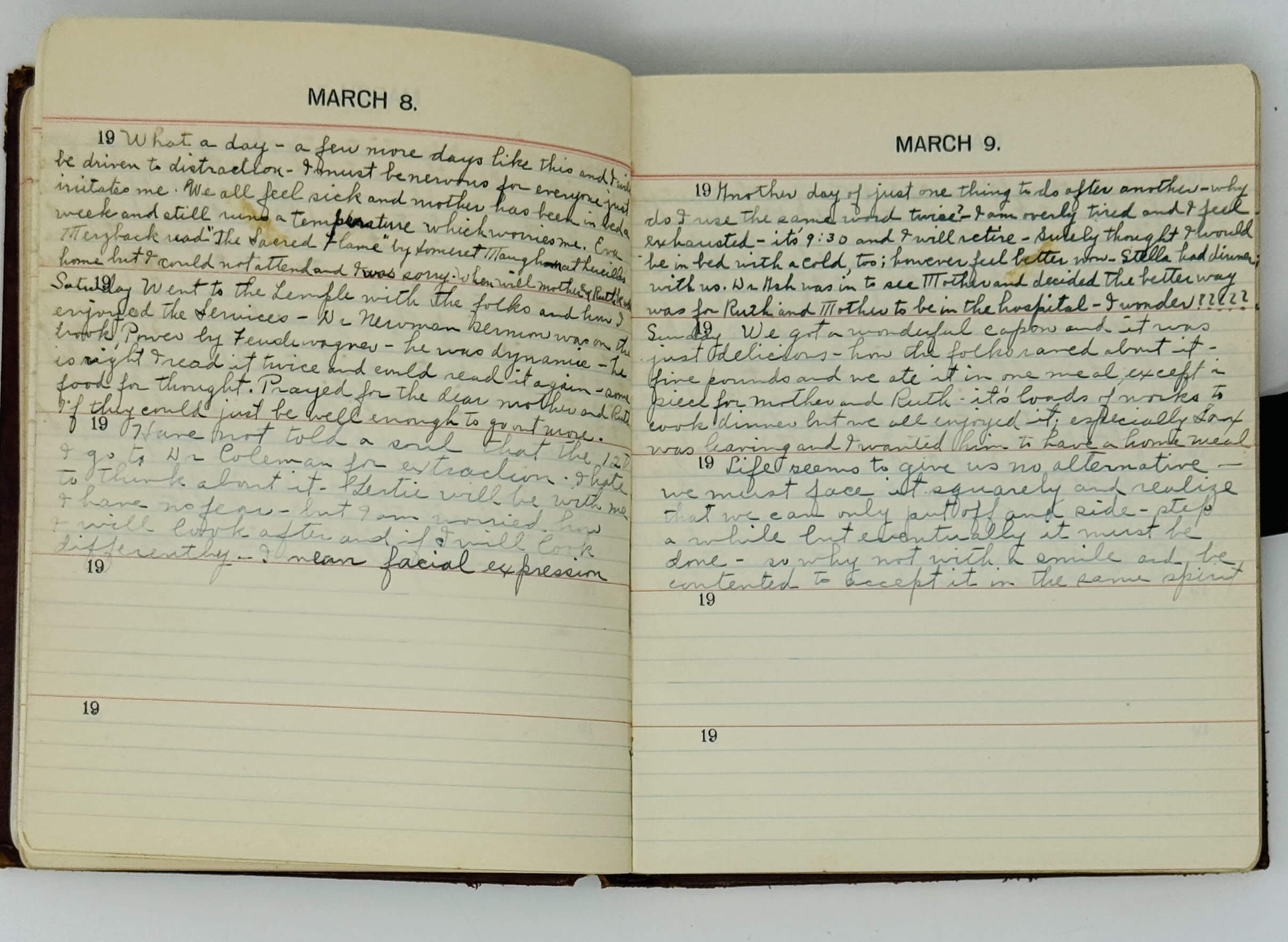
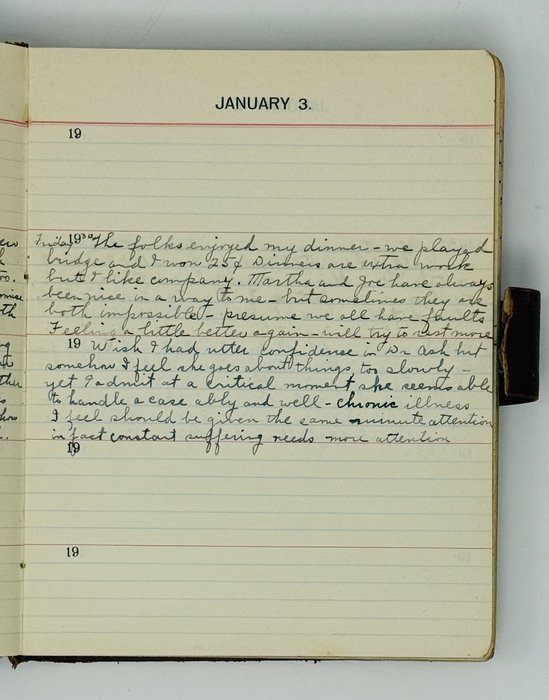
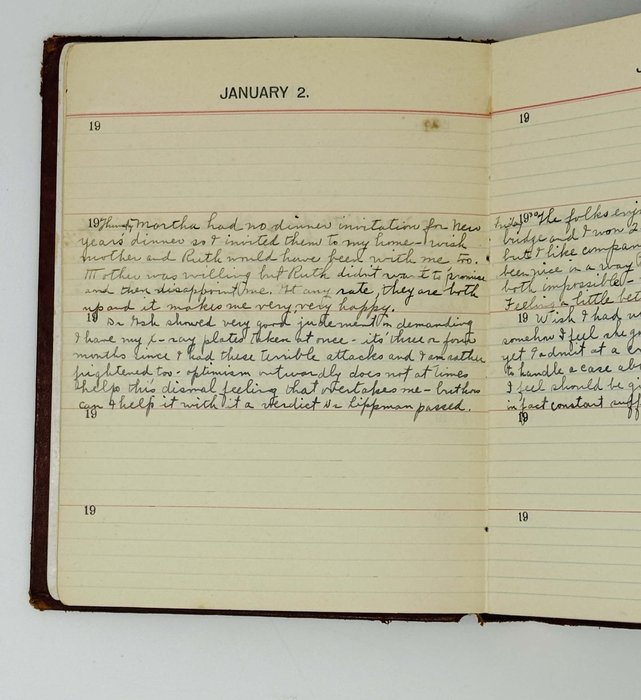
In the notes, Cecilia records her daily life, focusing primarily on her own health struggles and those of her mother and sister, her “dismal married life,” and her frequent social interactions within a dense network of German relatives, friends, and acquaintances (among those identified are: Samuel Kruger, Pauline Hart, Jean Schoenfeld, Constance Felbusch, etc.). Especially interesting are her detailed observations of everyday urban routines of the German community, including attendance at popular San Francisco shows (Eastern Star Christmas Party, Gold Diggers, The Cock-Eyed World, The Scottish Rite, Strange Interlude, and Jealousy), as well as playing bridge, attending luncheons, shopping, and listening to radio.
Cecilia repeatedly describes her excruciating arthritic pain and comments on the poor state of medical care in San Francisco, as well as the high cost of medicine. She also details largely unsuccessful, early treatments for her condition, recording visits to a local orthopedist (Dr. Lowe), dentist (Dr. Coleman), and chiropractor.
The diary also documents housing difficulties, including Cecilia’s prolonged inability to rent out her mother’s apartment, complaints about high rent prices, (“the middle-class vanity is what makes us pay the exorbitant rents”) and specific references to average rental costs in San Francisco. Domestic concerns recur as well, including frustrations over the lack of competent maids and hiring a Japanese boy for house works.
A substantial portion of the diary is devoted to relocating her mother and sister to Redwood City, followed by the search for a first-class apartment house for them in San Francisco and plans to build an apartment house for their use. In other parts, Cecilia addresses intimate and personal subjects, including sex problems, her repeated desire to divorce her husband, as well as religion (I need to practice my religion me, after all Jesus Christ died a Jew) and her estrangement from her father.
Overall, historically interesting private diary of a German-Jewish middle-aged female immigrant in San Francisco.