
#MA2
Ca. 1915
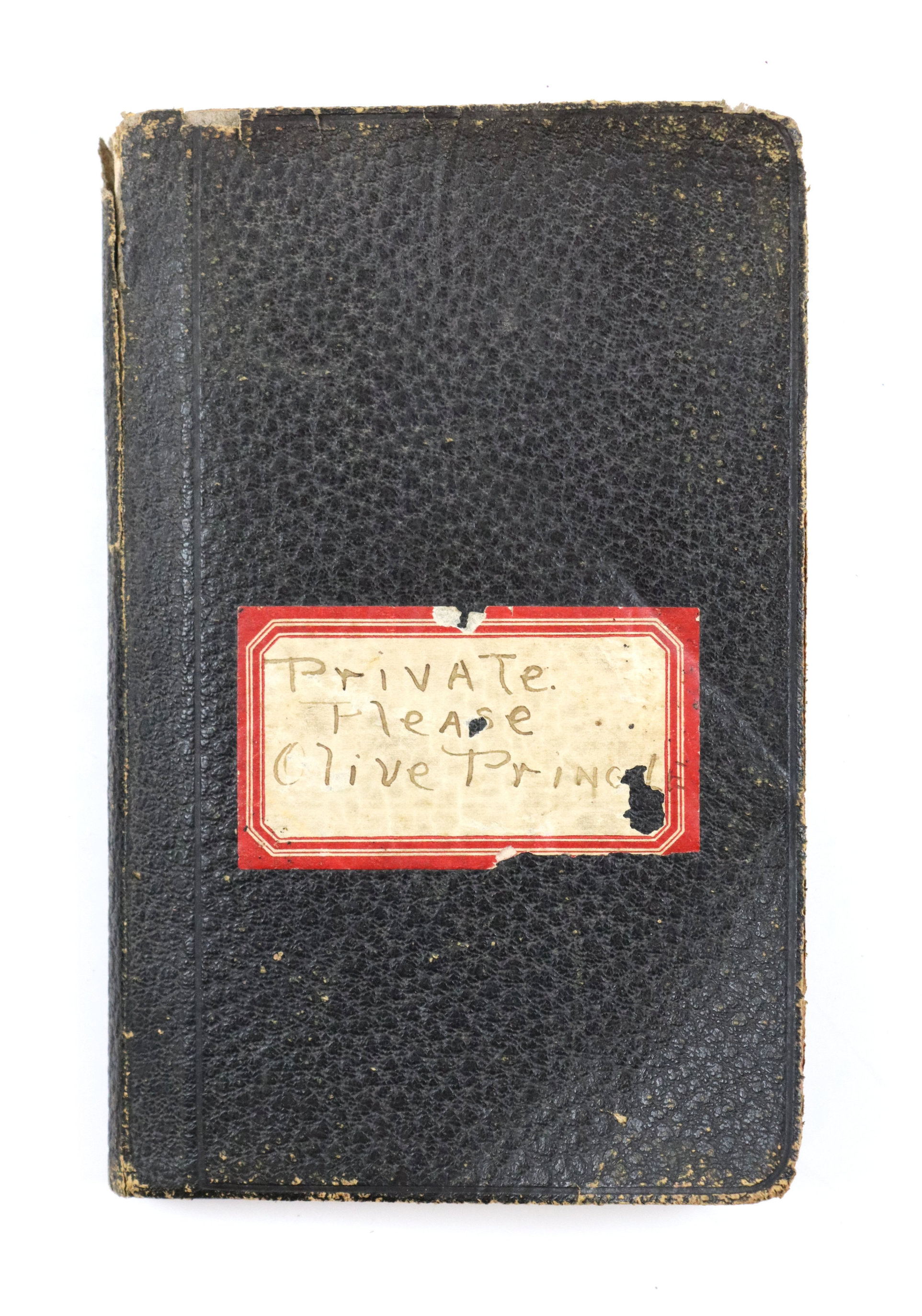
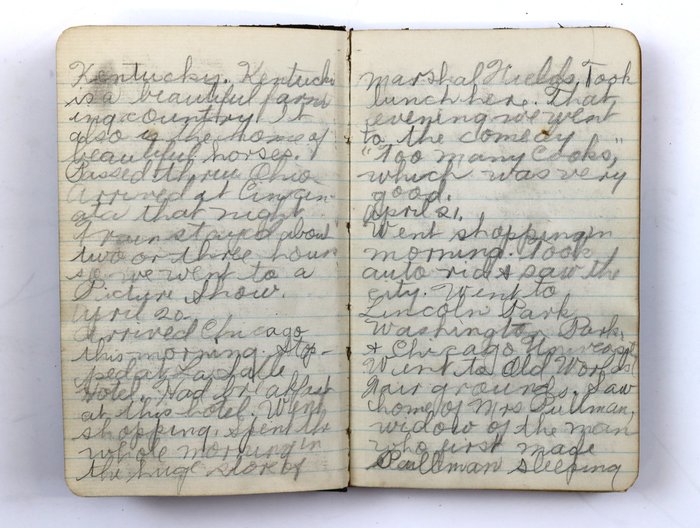
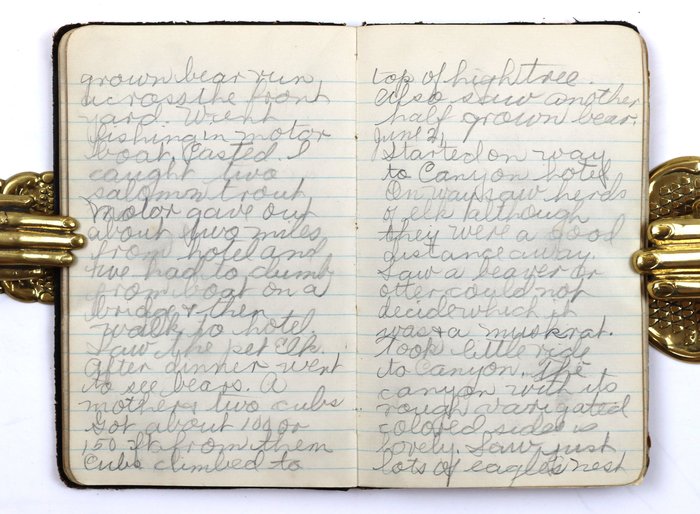
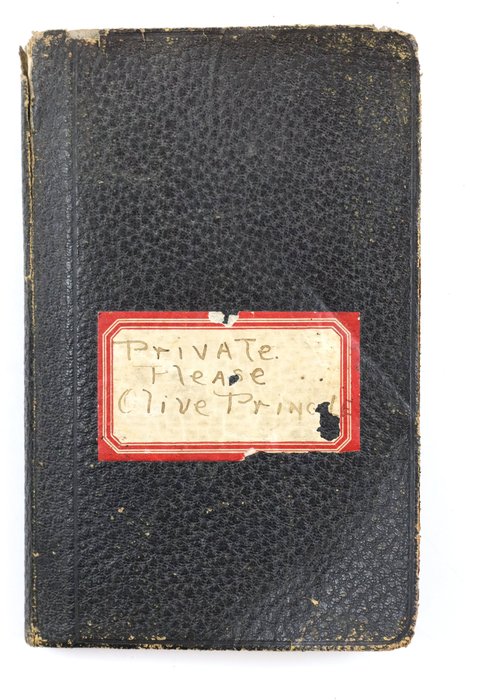
Oblong Octavo diary ca. 16,8x10,5 cm (6 ½ x 4 in). Pencil on yellowish lined paper. 72 pp. of text and 25 original mounted photos (including about five postcards) from ca. 8x13,9 cm (3 ¼ x 5 ½ in) to ca. 6,8x4,9 cm (2 ½ x 2 in). Most photos with English captions on the verso. Full black leather album with paper labels (reading “Private Please Olive Pringle” and “Private”) mounted to the front cover; gilt-edged pages. Binding worn, loss of a small fragment at the head of the spine, paper label on the front cover lacks small pieces, leather detached from the front cover; occasional light soiling throughout, one page lacks a small fragment (text affected), several pages with tears at the edges, photos with mild silvering, but otherwise a very good, interesting diary.
Historically significant diary of Olive Pringle (ca. 1898-1985), a family friend of Gordon Lee (ca. 1859-1927), US Representative from Georgia, offering a first-hand account of the largest investigation tour of Honolulu undertaken by United States Senators and Representatives in the summer of 1915.
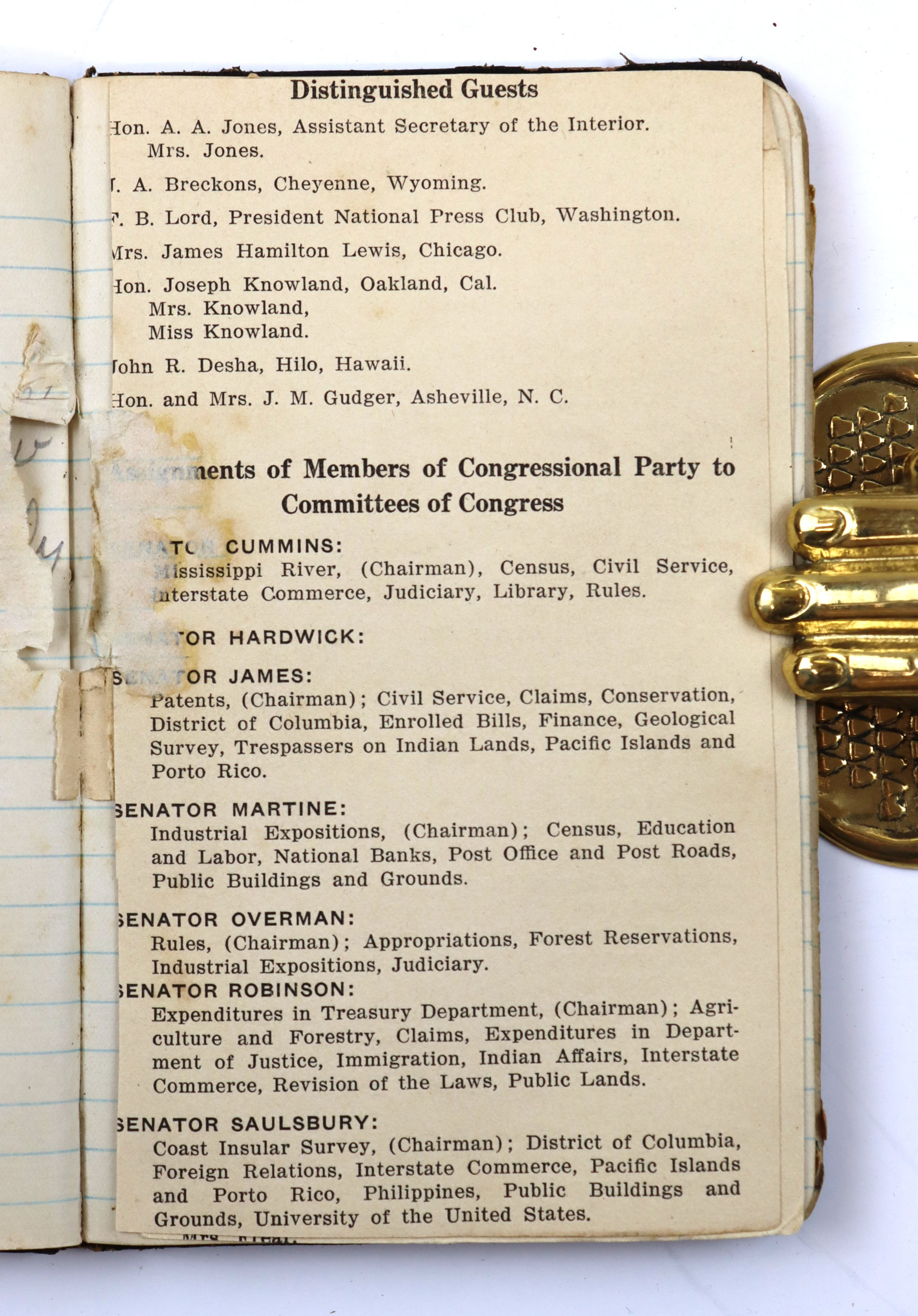
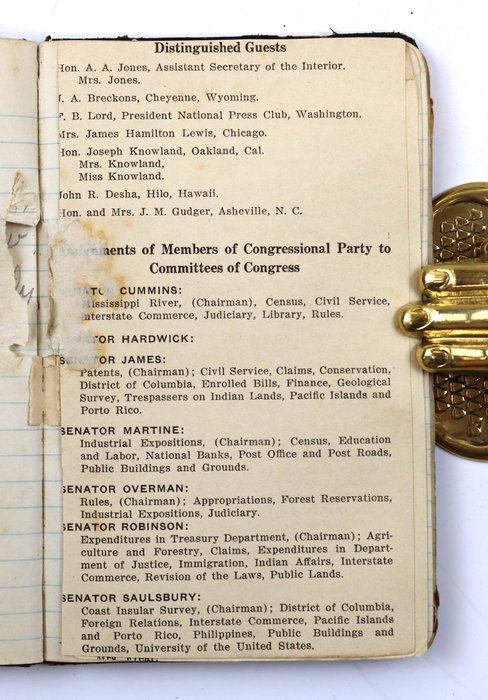
The official congressional excursion to Hawaii was orchestrated by Hawaii’s Territorial Delegate, Prince Jonah Kuhio Kalanianaole (ca. 1871-1922). A massive delegation of 125 distinguished guests, including United States Senators, Representatives, and their families, set off from San Francisco and arrived in Honolulu on May 3 to explore the islands. The primary goal of the trip was to educate United States lawmakers on the islands' strategic importance to advocate for future statehood (not granted until 1959). Though intended to be a three-week tour, the excursion was abruptly cut short following the torpedoing of the RMS Lusitania on May 7, 1915. Congress immediately redirected its focus toward the crisis in Europe, prompting the party to cut their visit short and head back home on May 20.
The author, Olive Pringle, was a 17 years-old namesake of Gordon Lee’s wife, Olive Berry Lee (ca. 1867-1922). Raised in Newnan, Georgia, by her father and her aunt/stepmother Elizabeth, she grew up within the inner social circle of the wealthy, well-traveled Lee family. Because the Lees had no children of their own, young Olive was invited to accompany them as a companion on their extensive travels, including the historic 1915 congressional excursion to Hawaii. In later years, Olive married a Newnan florist and was actively engaged in the operation of R. A. Brown and Sons Wholesale Florist in the same city.
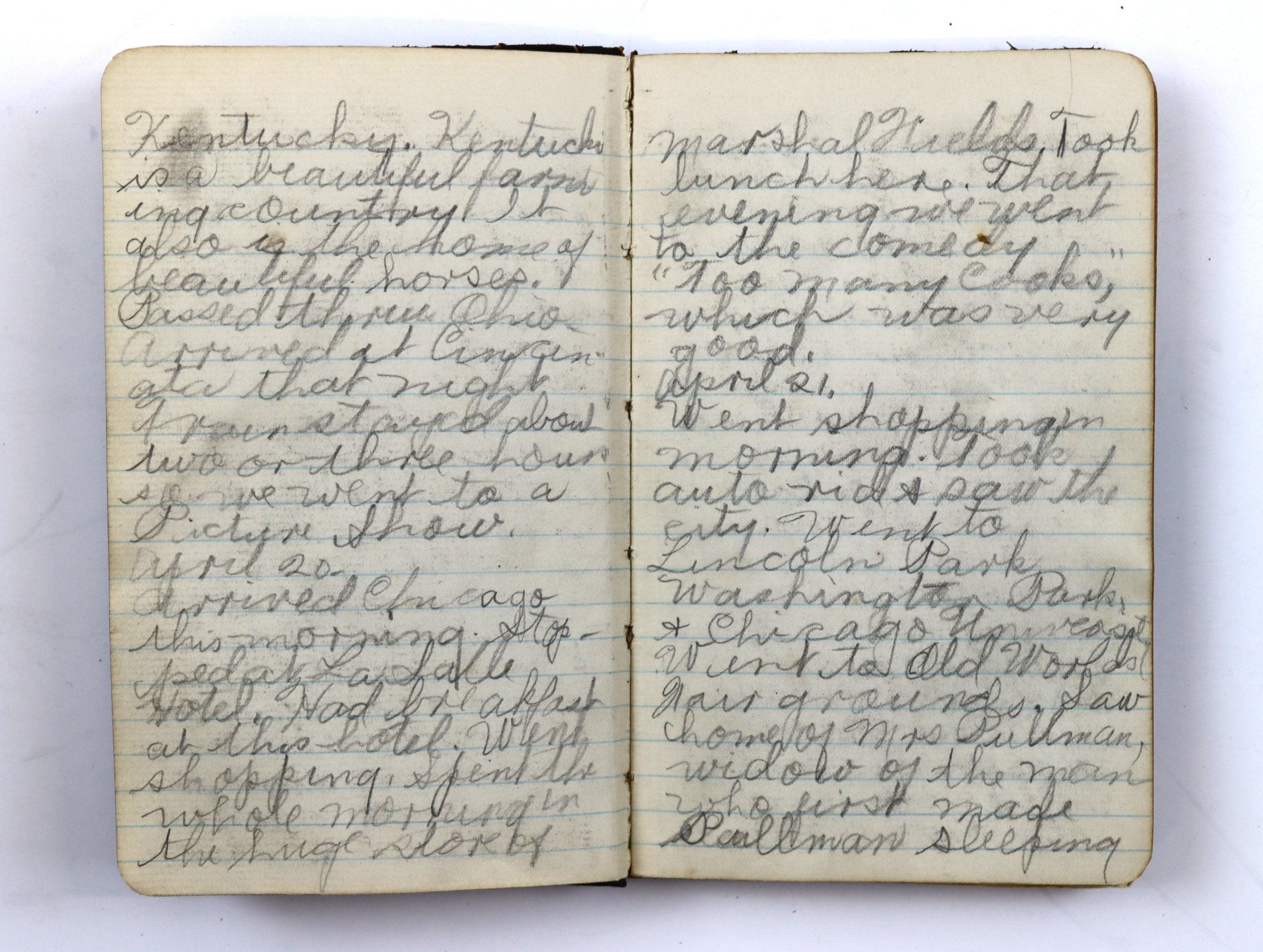
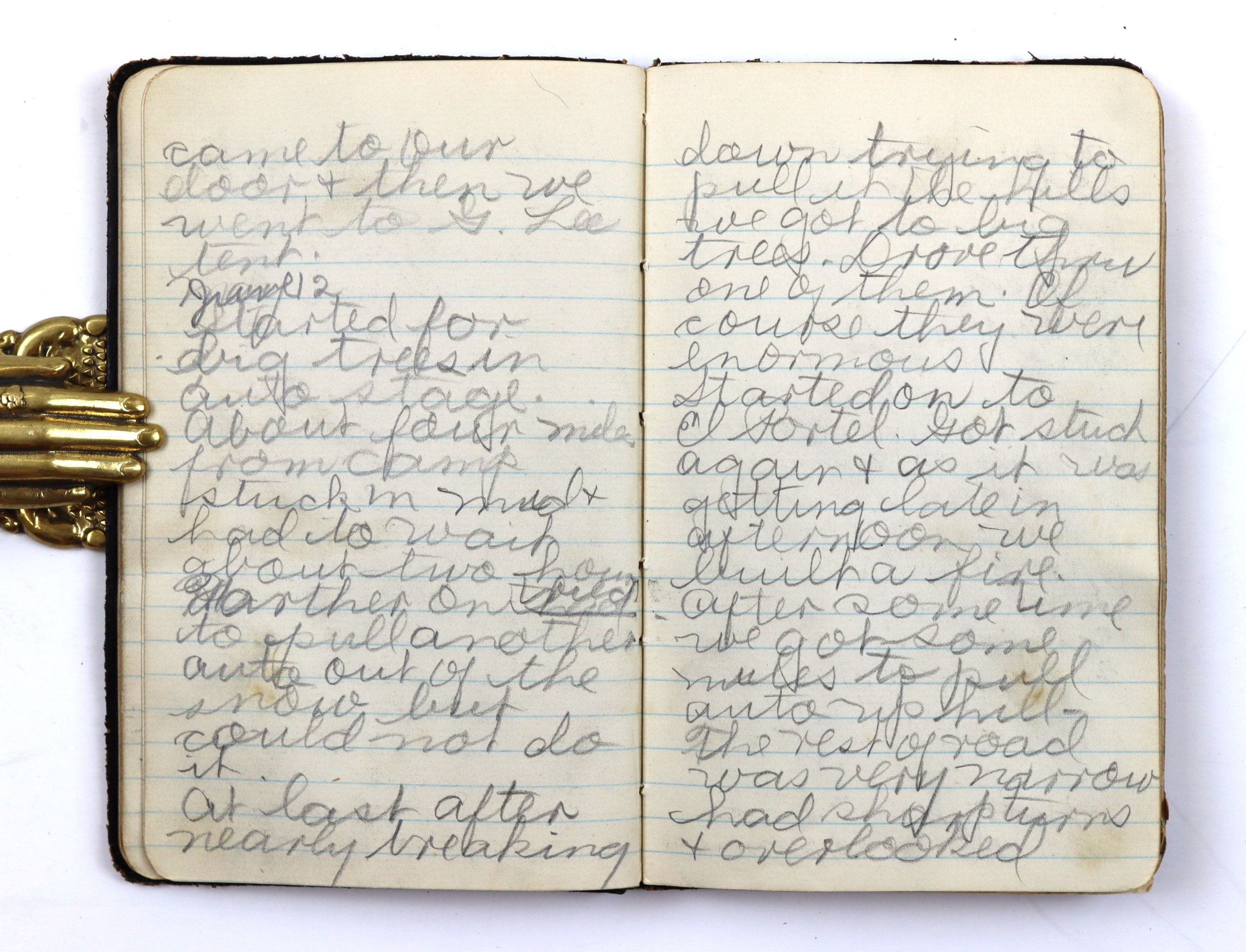
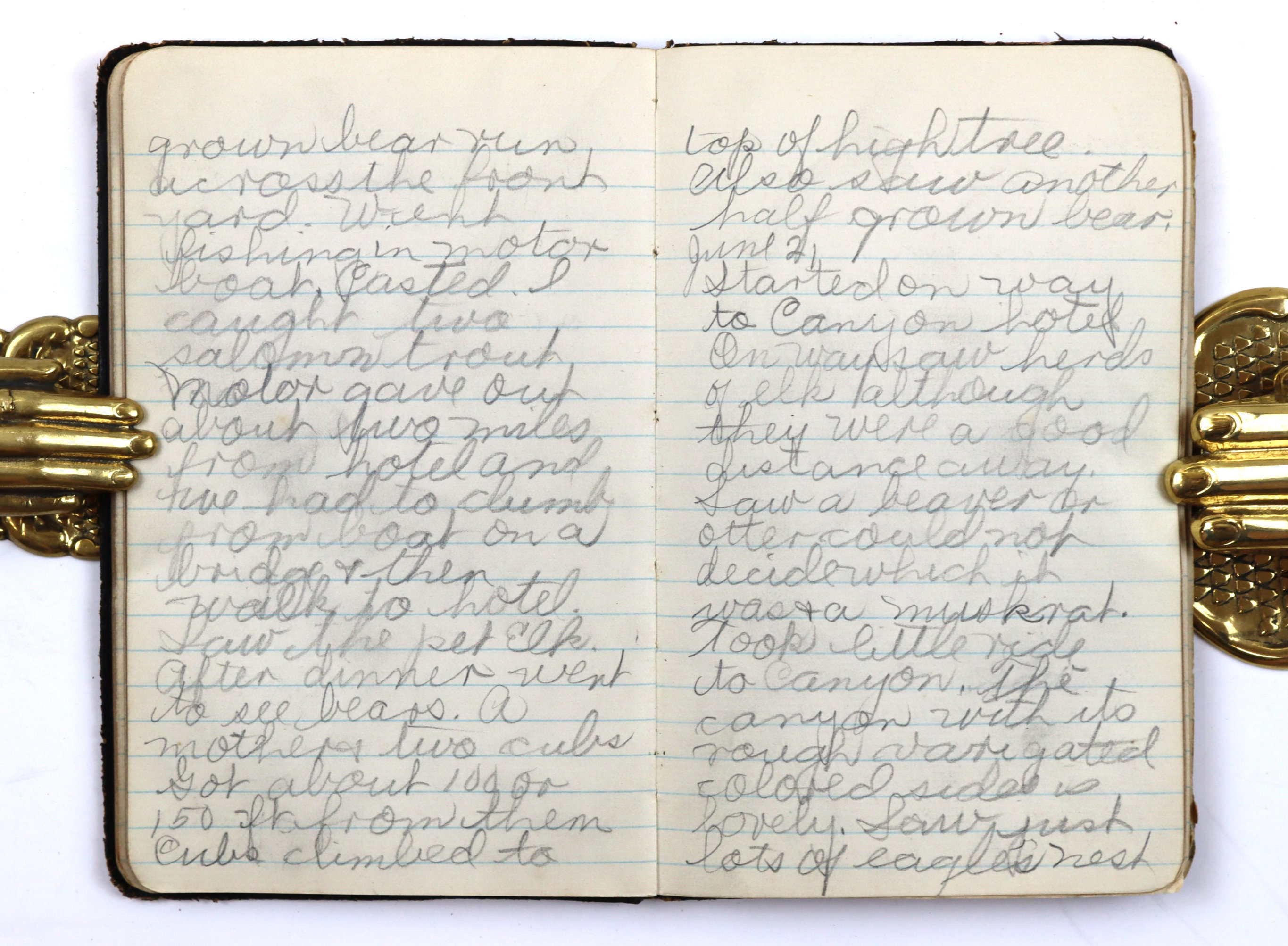
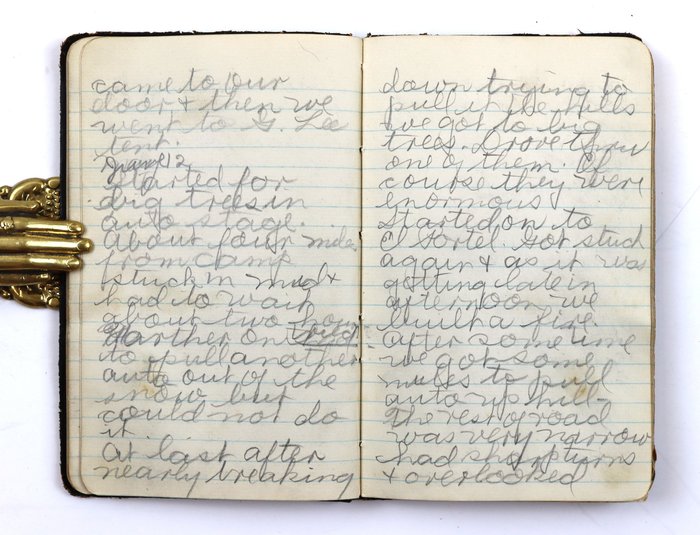
As follows from the diary, Olive and her companions left Chickamauga (Georgia) by train and automobile, journeying through American mid-west (Kentucky, Ohio, Illinois, and Missouri) and New Mexico to reach San Francisco. From the bay, they boarded the ocean liner SS Sierra and sailed across the Pacific to Hawaii, where they followed an official itinerary arranged by Kalanianaʻole. In the islands, they balanced official site visits with luxurious high-society receptions, touring Honolulu, Maui, and Kauai, and traveling to the Big Island to see the Kilauea volcano. When the congressional delegation cut the visit short, they resumed their journey back to the mainland, traveling through California, Yosemite Valley, and Salt Lake City, with a final excursion to Yellowstone National Park before returning home to Georgia.
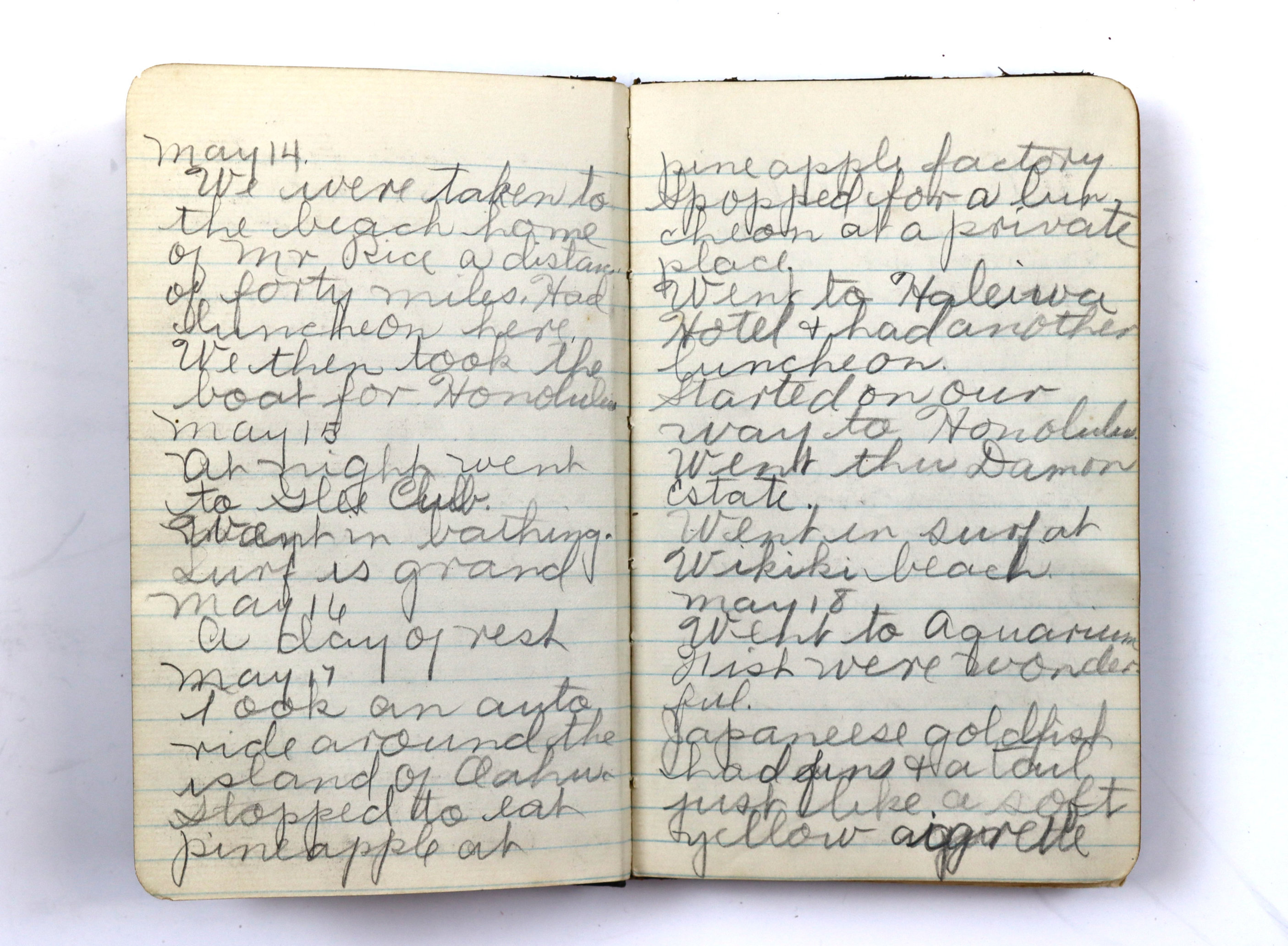
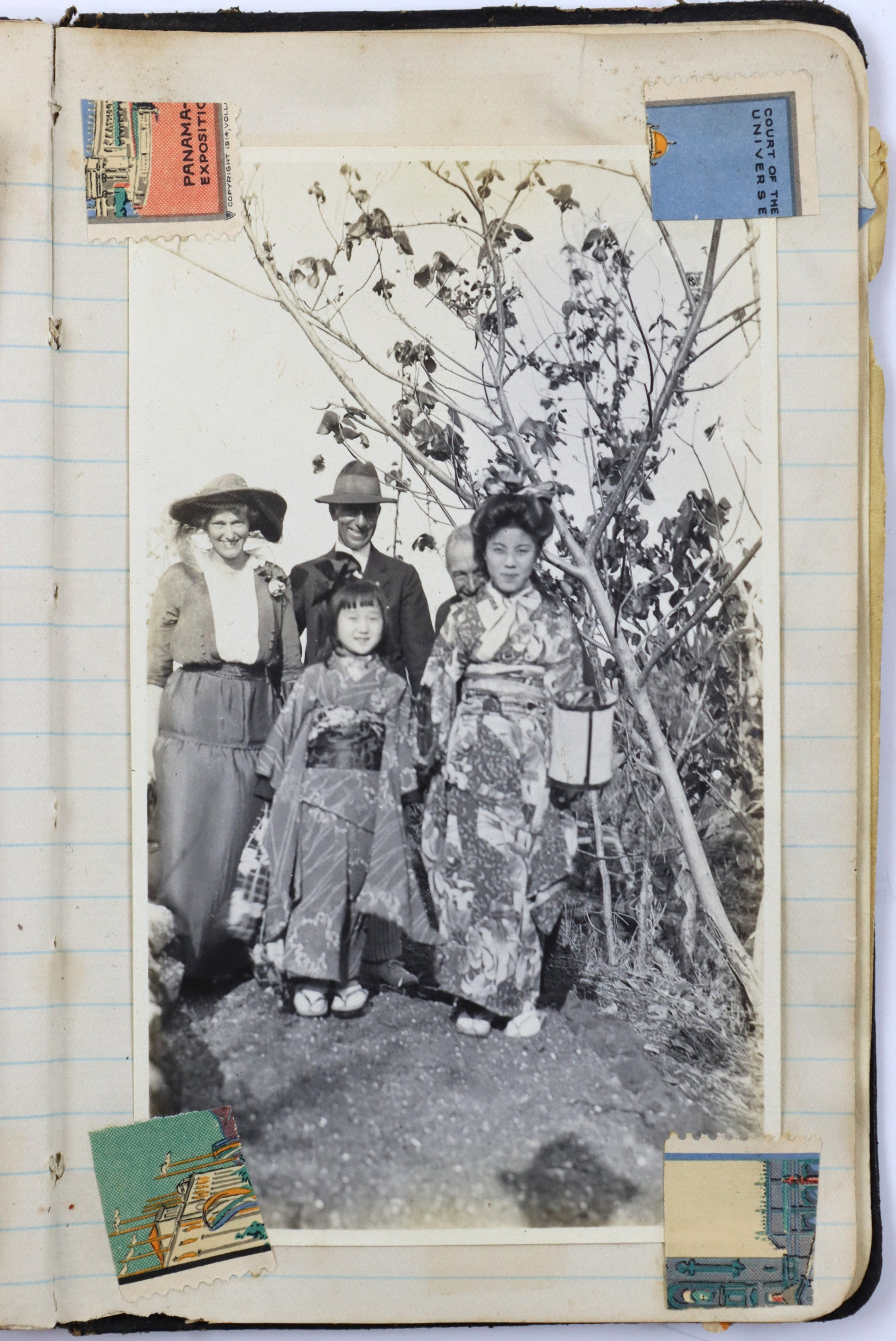
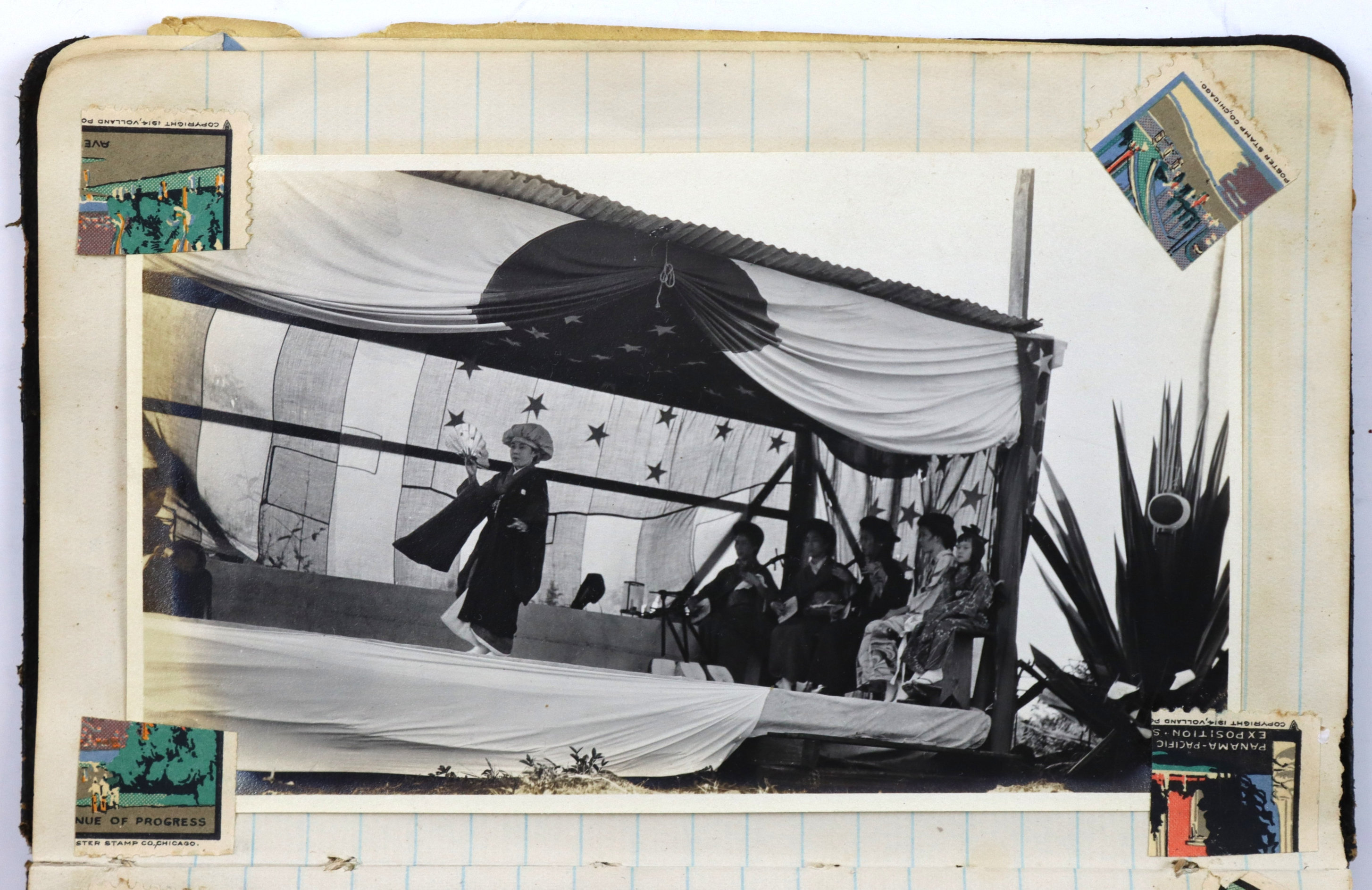
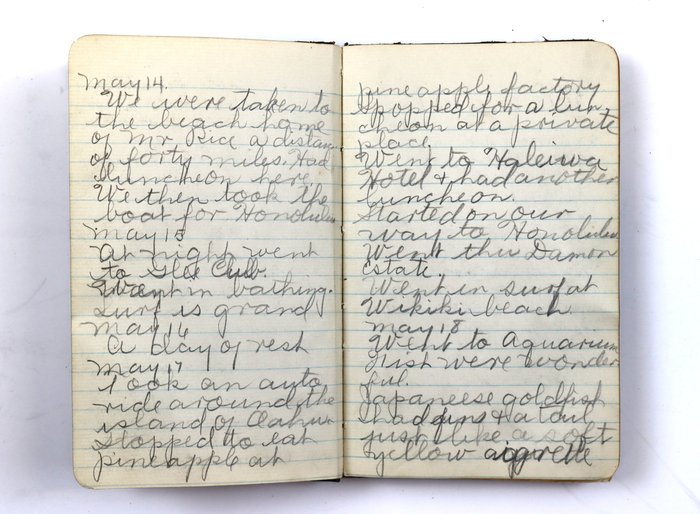
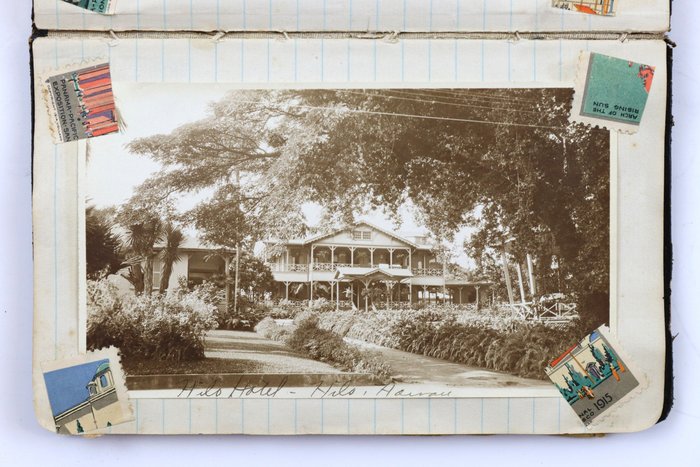
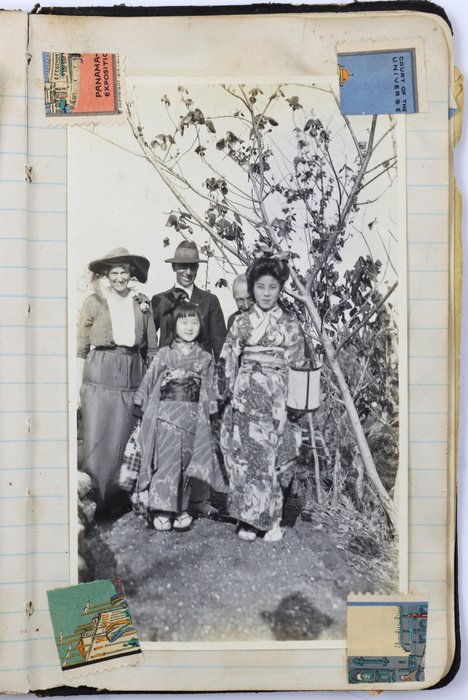
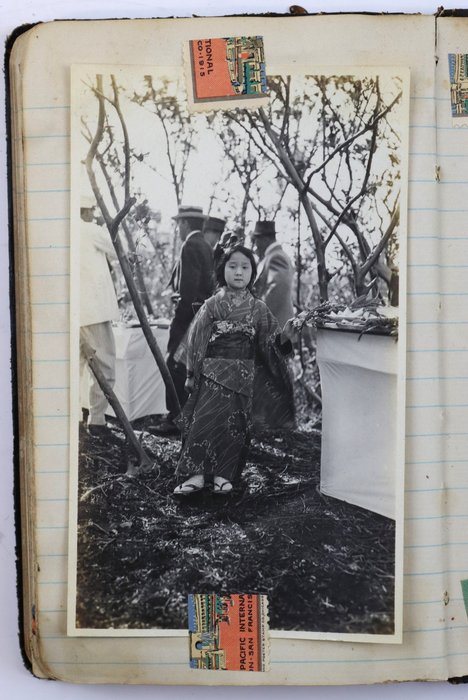
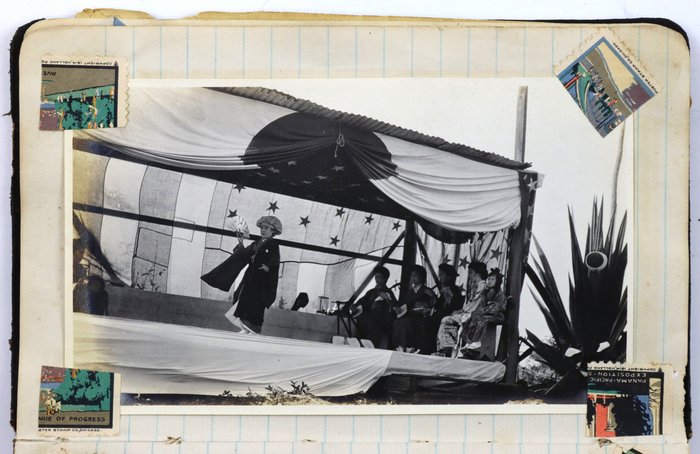
The diary provides a thorough first-hand account of the historic journey, with about twenty pages dedicated to the Hawaiian portion of the tour. In her daily entries, Olive vividly describes the congressional party's festive welcome upon arrival, the official receptions hosted by Governor Pinkham, Princess Elizabeth Kalanianaʻole, and Queen Liliʻuokalani, and a traditional Hawaiian lūʻau held in the visitors' honor. The author meticulously lists the dishes served at the feast, accompanying each with her candid remarks: "poi — very bad to me," "Hawaiian oysters — seem more like a pickled fiddler to me," and "fish in ti leaves — fairly good." Especially interesting is Olive’s description of the garden party hosted by the Japanese community to celebrate the laying of the cornerstone of the Federal Building in Hilo by Uncle Joe Cannon. The author recounts performances by geisha girls and “blood-curdling” dramatic sword drills by Japanese men. In other parts, the diary chronicles excursions from the official itinerary (Pearl Harbor, Schofield Barracks, Captain Cook's Monument on the Island of Hawaii, the sugar mill of J. Preston Foster at Kahului, the Waikiki Aquarium, the Damon Estate, and Kilauea volcano), a meeting with a local celebrity (world-champion swimmer Duke Kahanamoku), and entertainments arranged for the congressional delegation (Glee Club performances, Hawaiian plays, hula dancing, and surfing demonstrations). Interestingly, Olive explicitly notes the early luxury hotels where the party stayed during their trip to Hawaii, including the Moana Hotel, the Alexander Young Hotel and the Haleiwa Hotel.
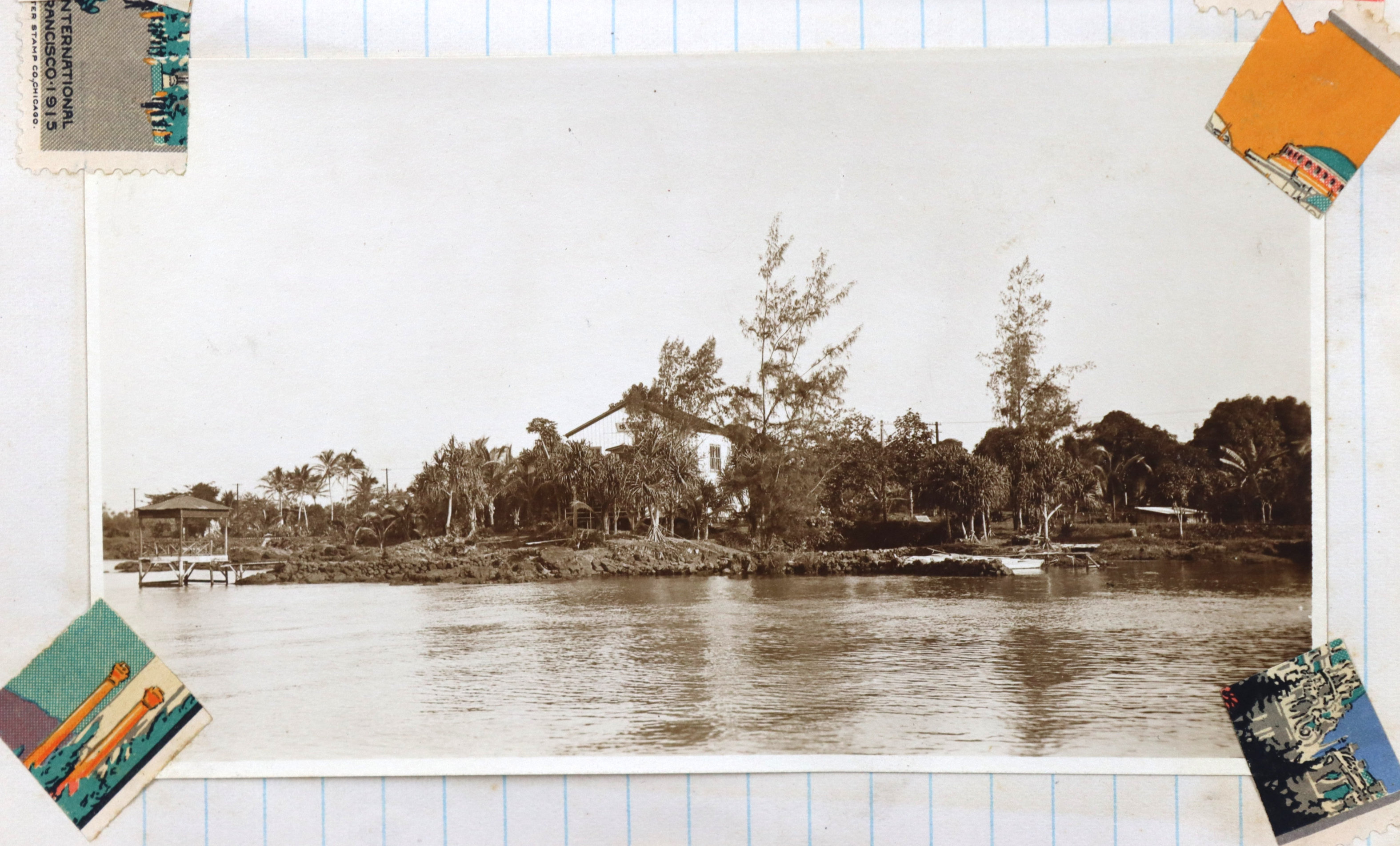
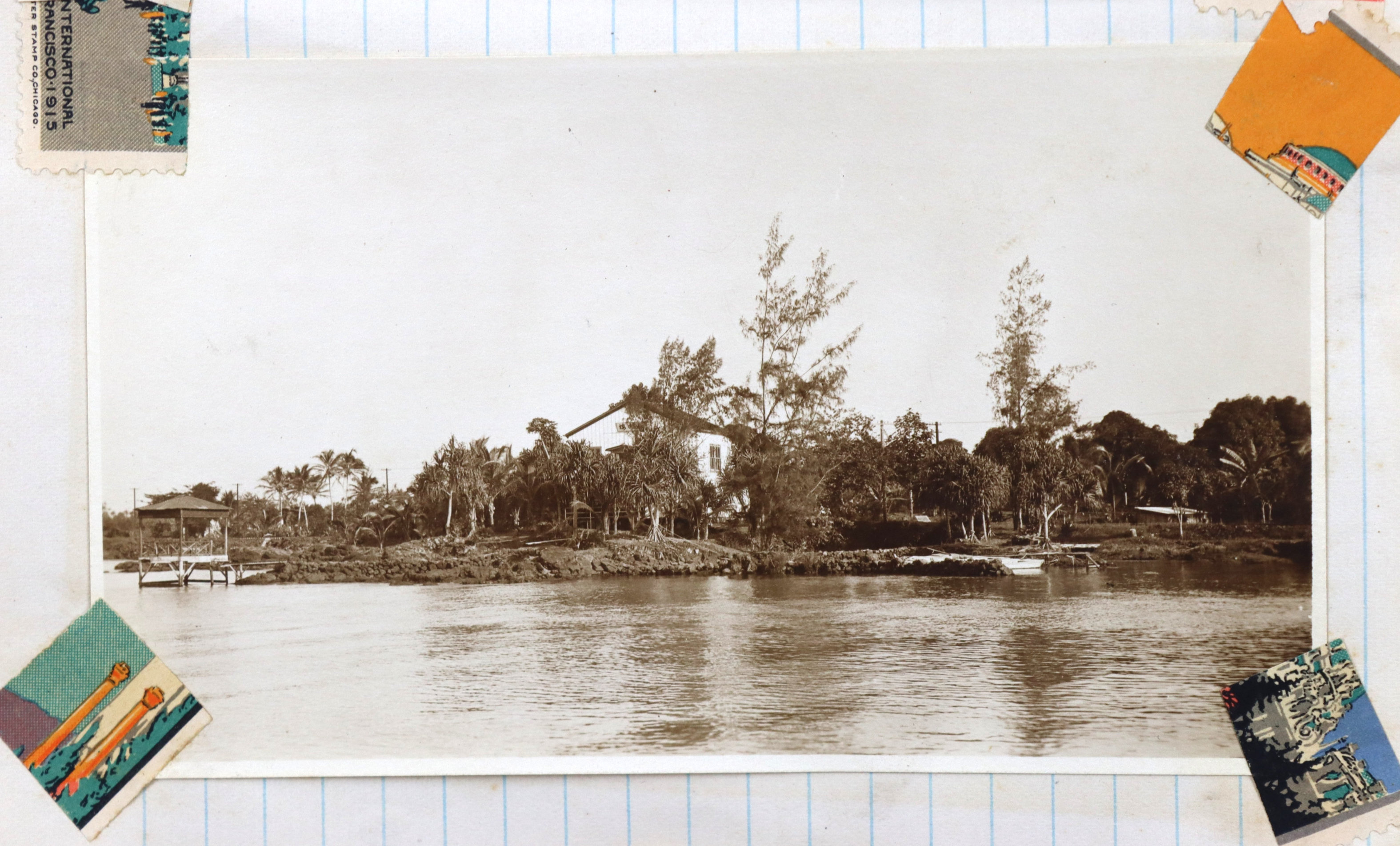
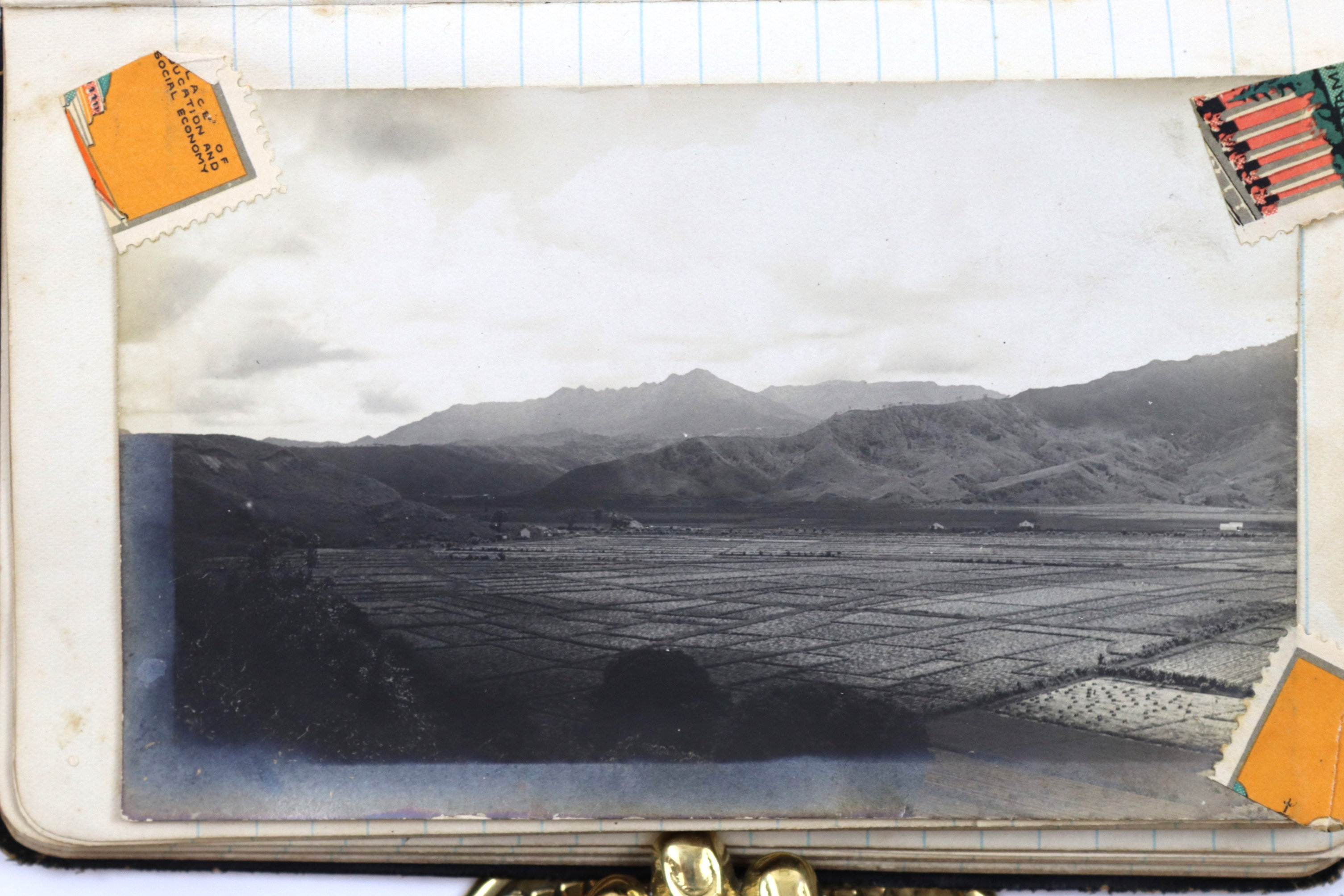
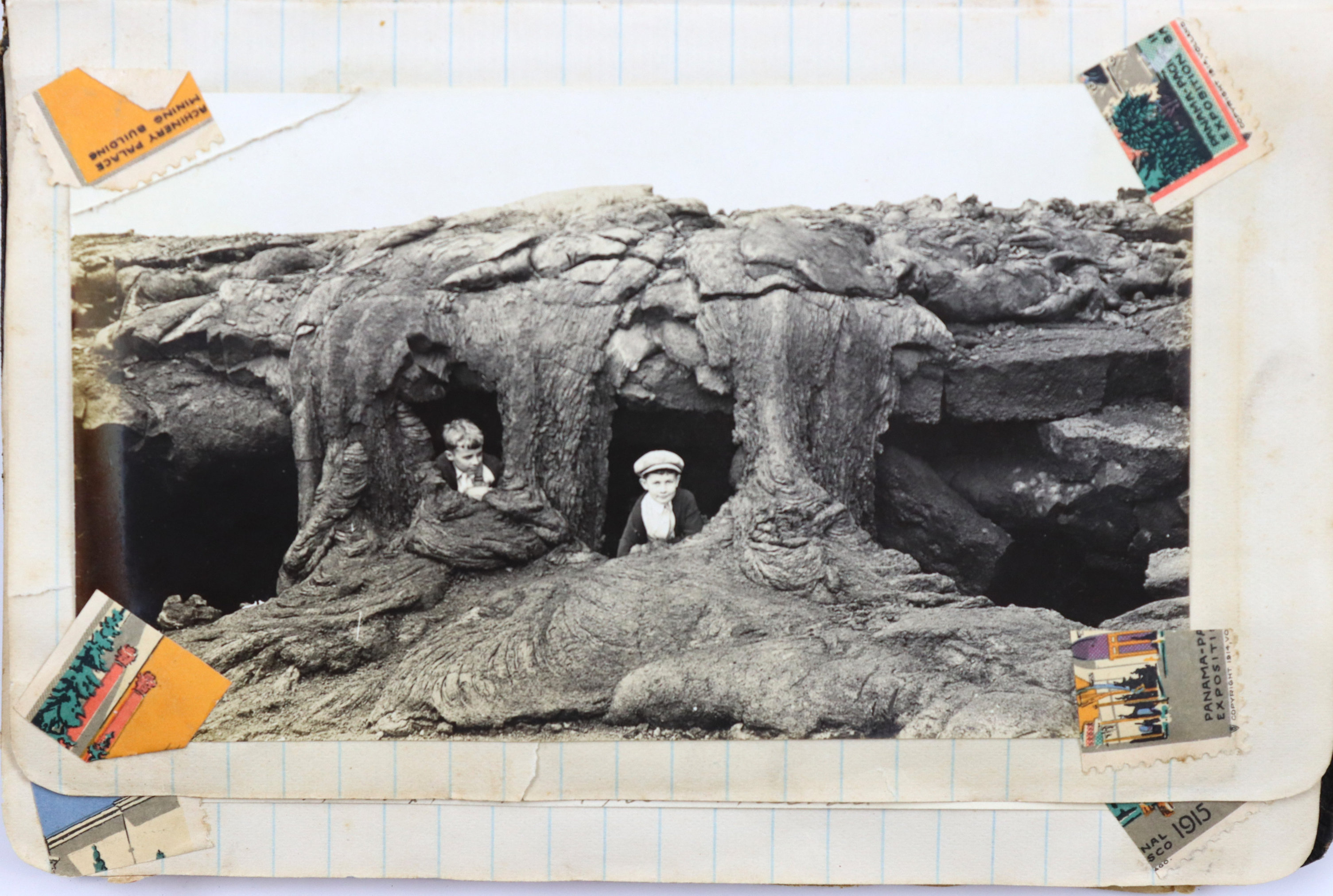
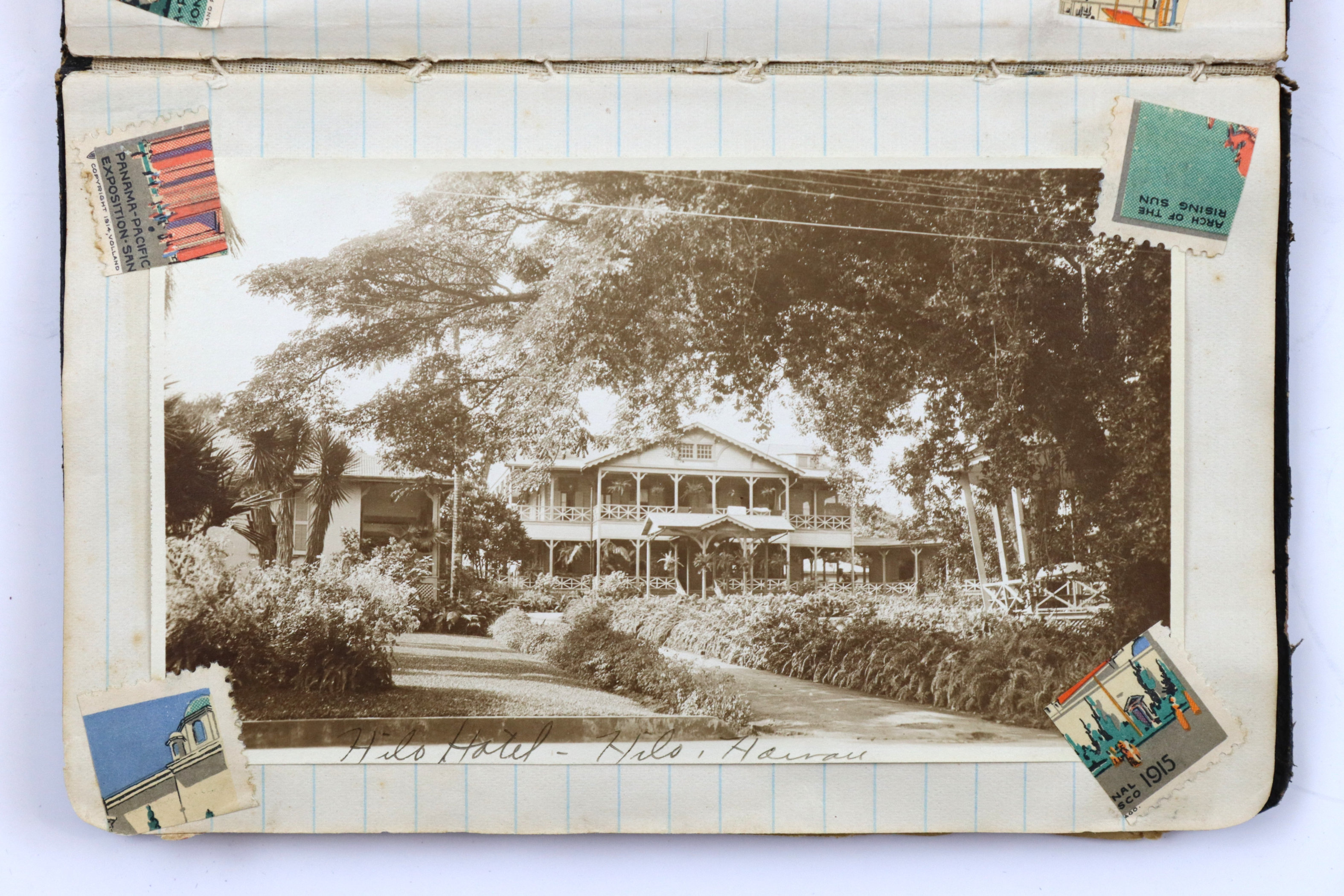
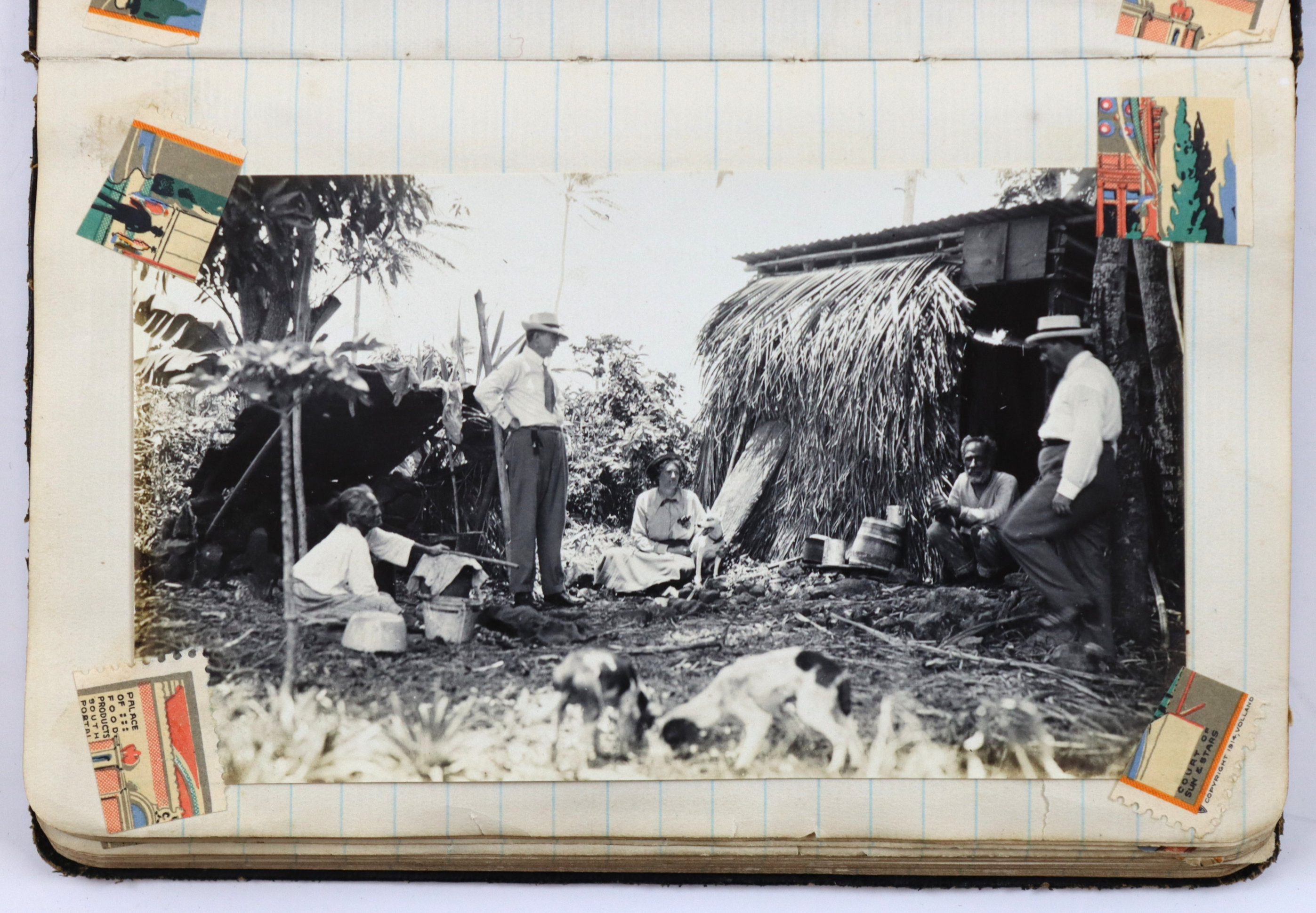
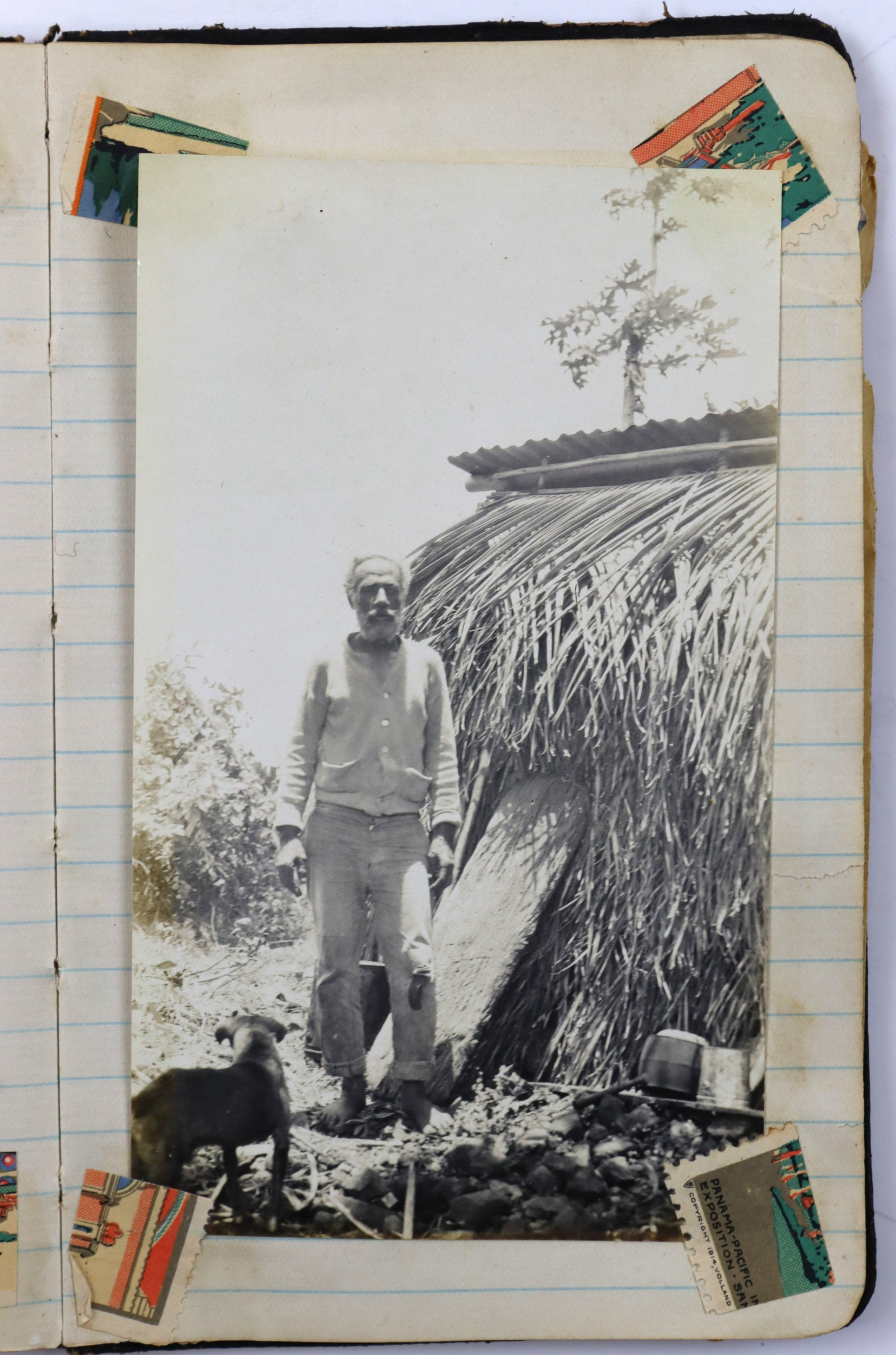
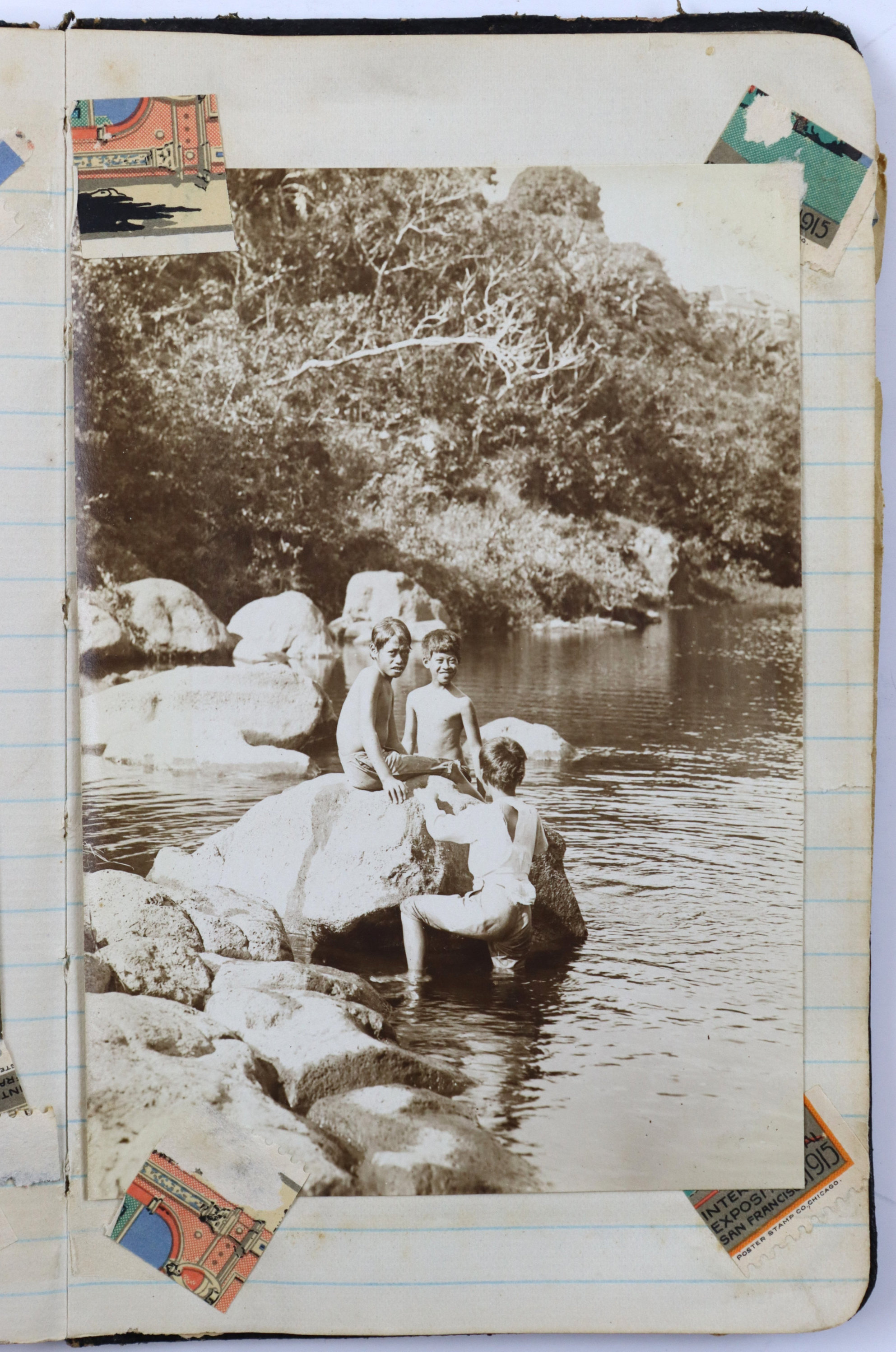
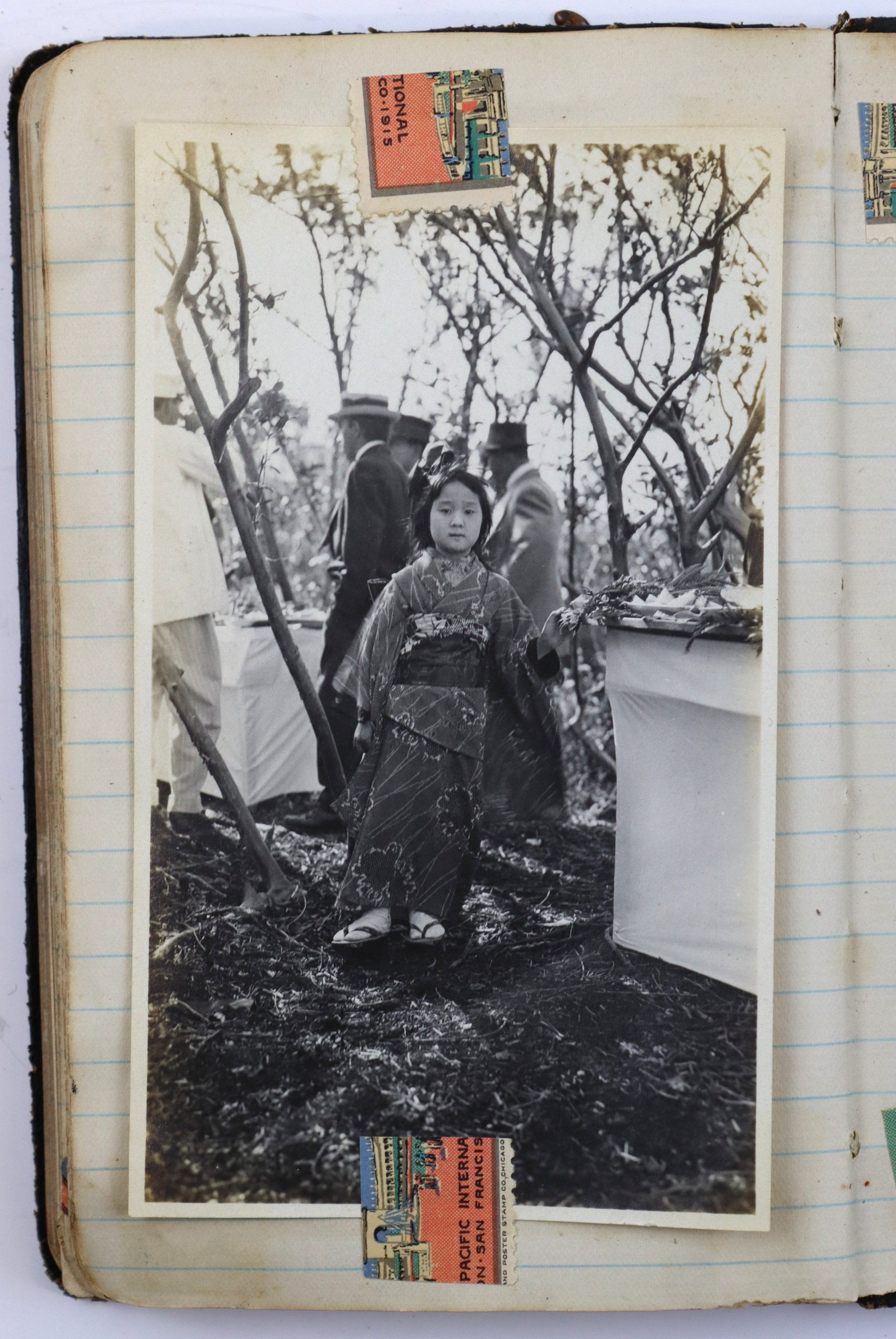
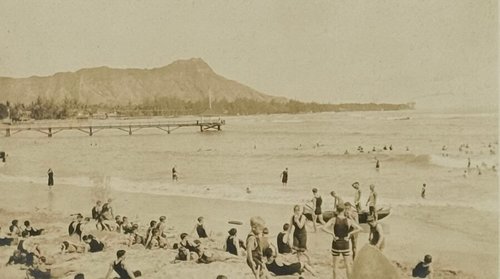
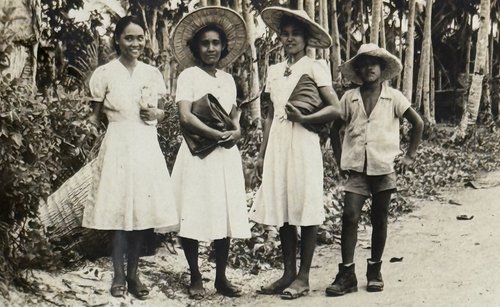
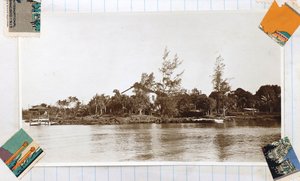
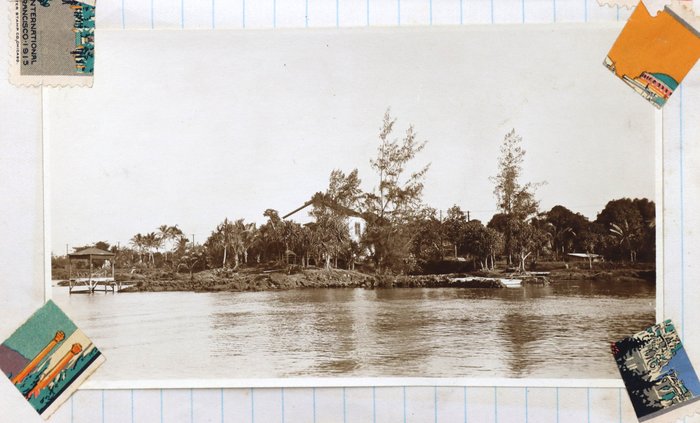
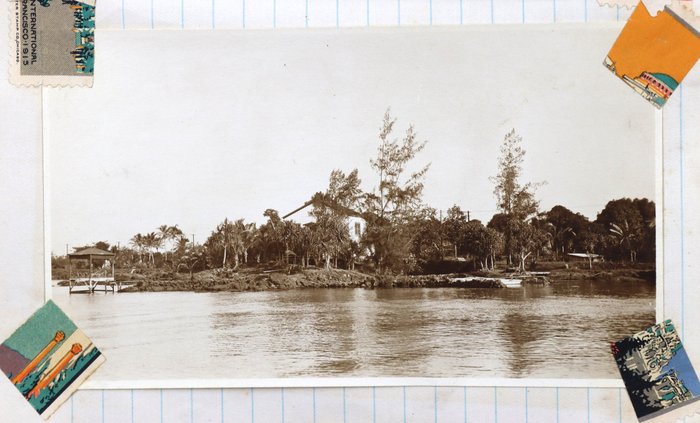
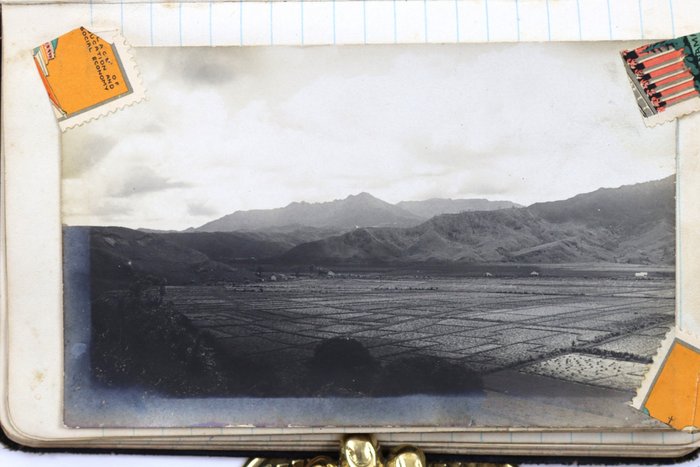
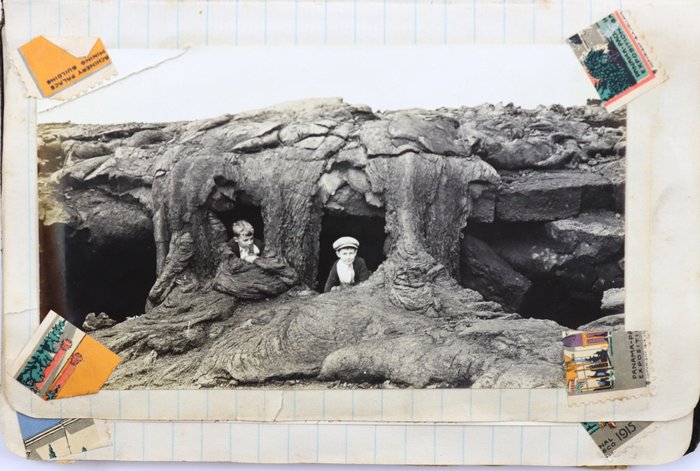
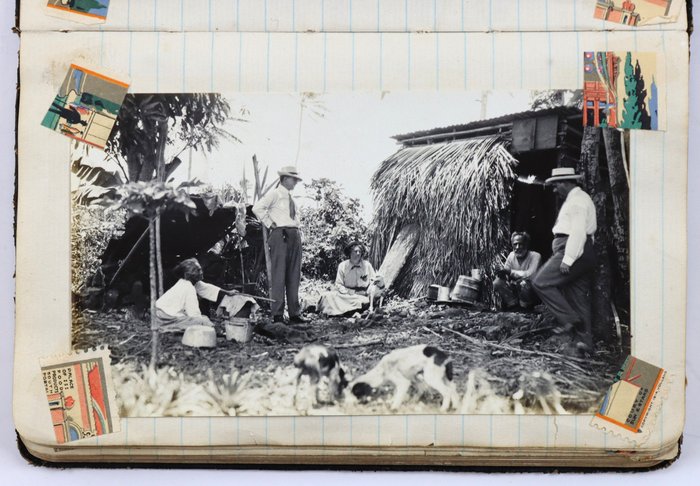
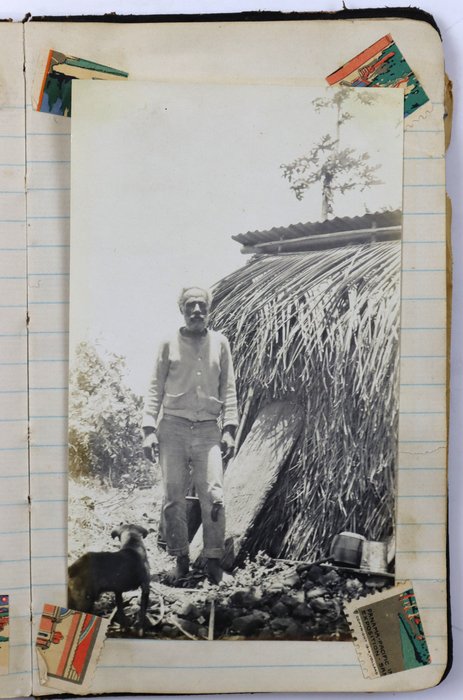
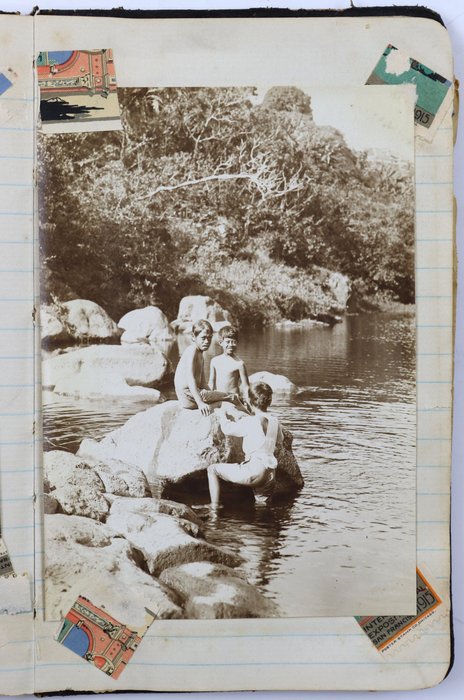
The diary is supplemented with about twenty original photographs and five period postcards taken and collected during the compiler’s trip to Hawaii. Over five lively vernacular images depict Japanese girls and geishas in traditional dress dancing, serving tea, and posing with American guests at the Seaside Club in Hilo. Other interesting views feature traditional Hawaiian houses, local boys swimming and smiling for the camera, the compiler’s companions by pahoehoe lava, and several scenes of Hilo, including the Hilo Hotel.
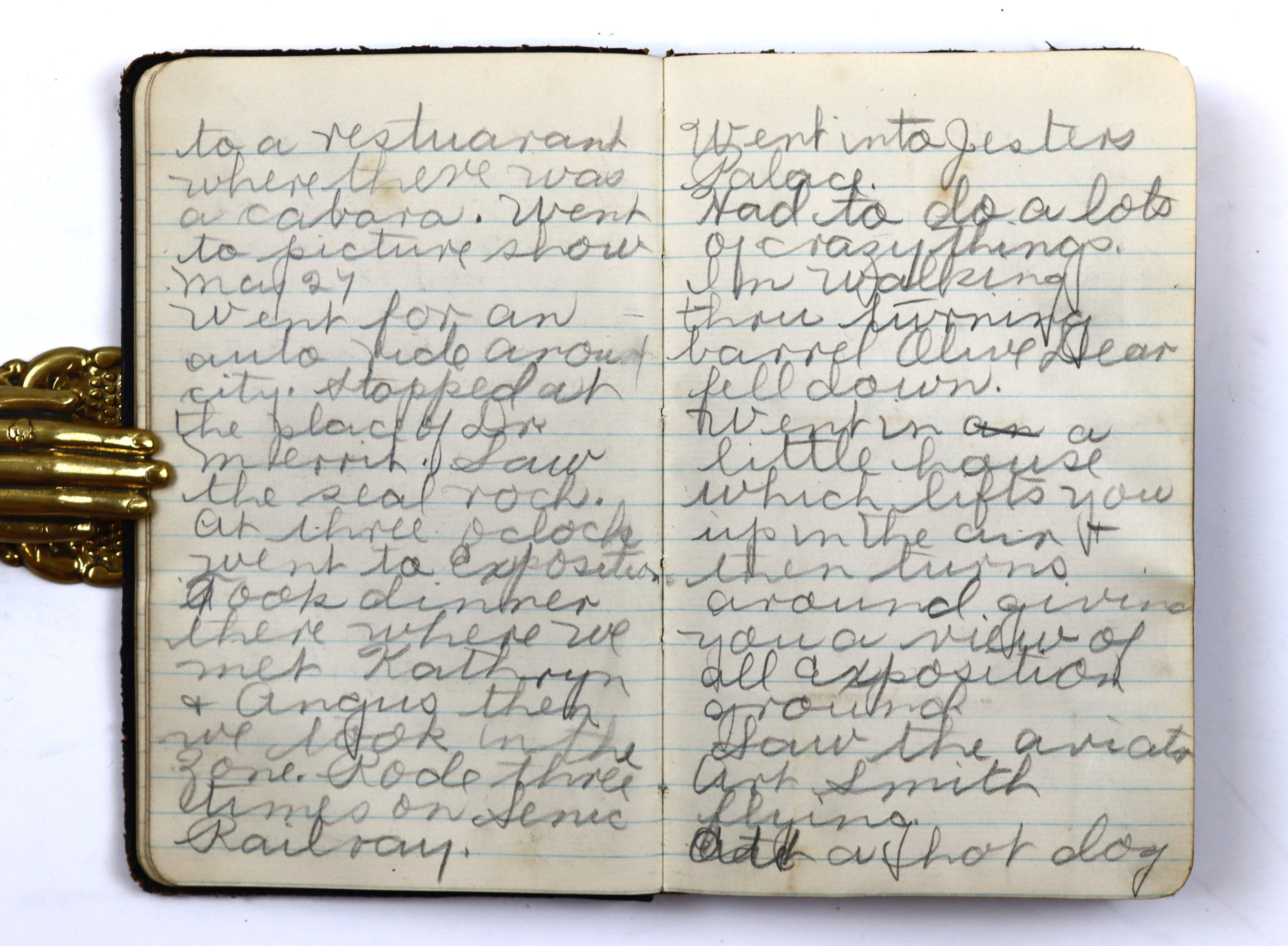
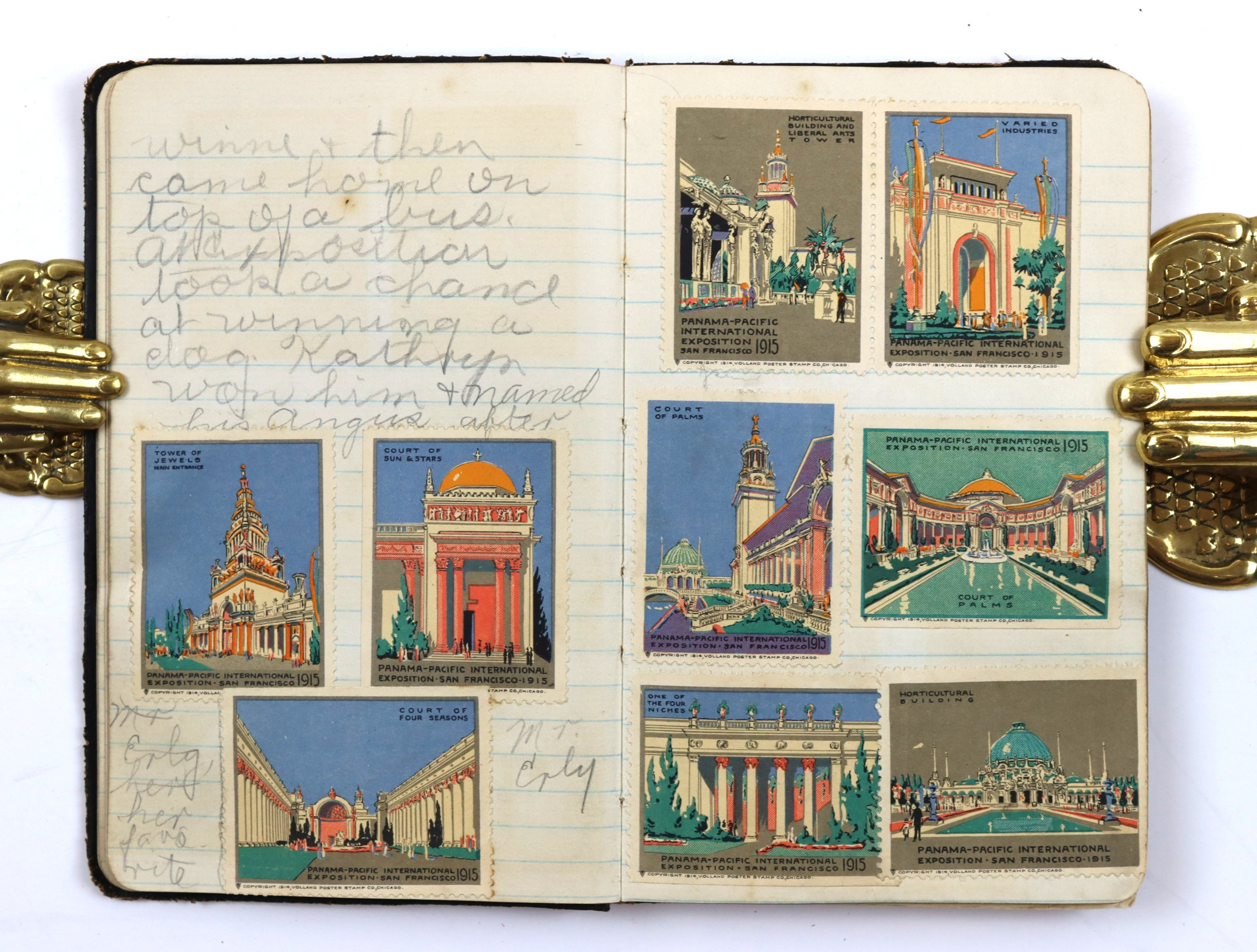
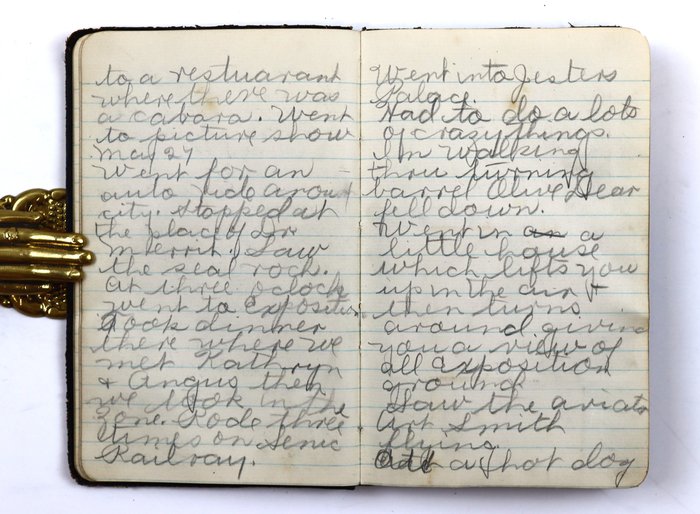
About fifty pages document the travelers’ journey to and from Hawaii. In the daily entries, Olive records major stops en route, including Chicago (shopping at Marshall Field’s, attending theater performances, and visiting the University of Chicago and the Art Museum) and San Francisco, where the party spent several days at the Panama-Pacific International Exposition (riding electric vehicles, visiting the Jesters’ Palace, watching aviator Art Smith’s aerial stunts, attending theatres). In California, she notes a luncheon with Congressman Everis A. Hayes (ca. 1855-1942), a film screening with Senator Lee Overman (ca. 1854-1930), and an encounter with Mary Pickford (ca. 1892-1979) at the newly opened Universal City studios in LA. She also mentions seeing Native Americans at a hotel in Albuquerque, New Mexico, weaving blankets, making threads, and crafting jewelry. In other parts, the diary records excursions to Yosemite Valley, Salt Lake City, and Yellowstone National Park before the return to Georgia.
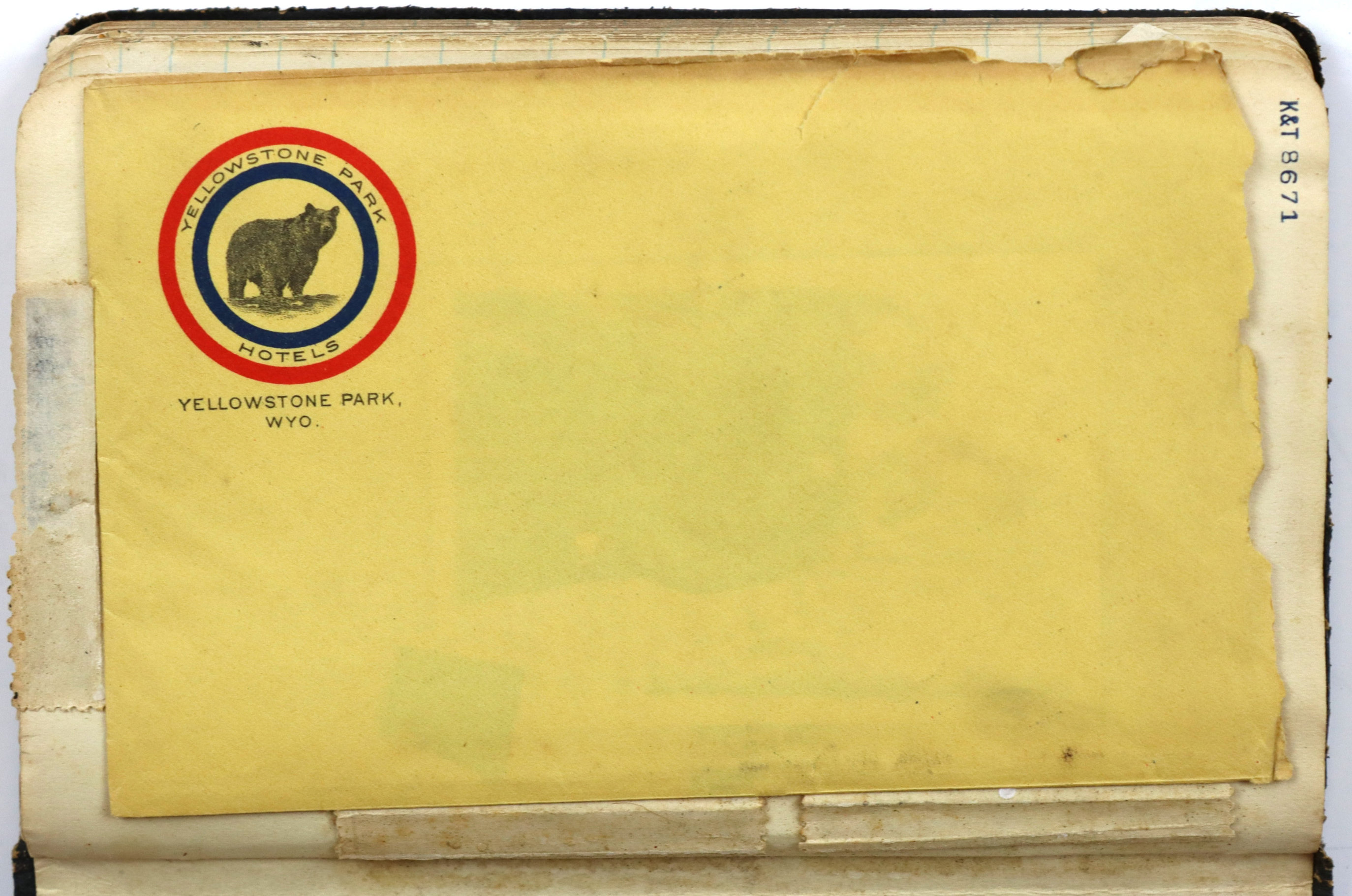
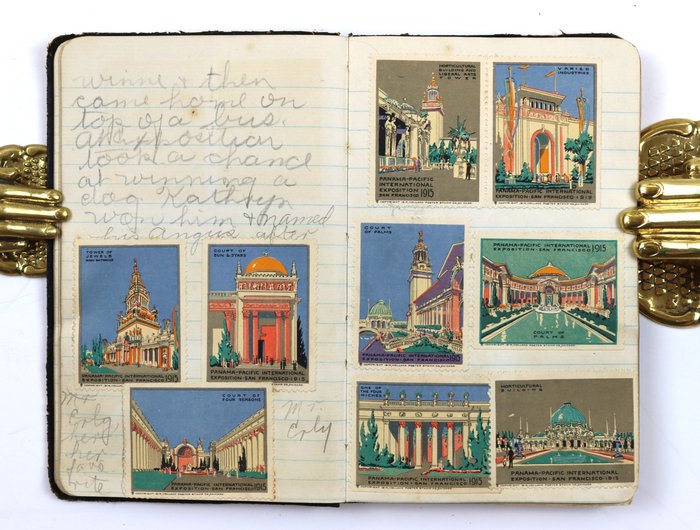
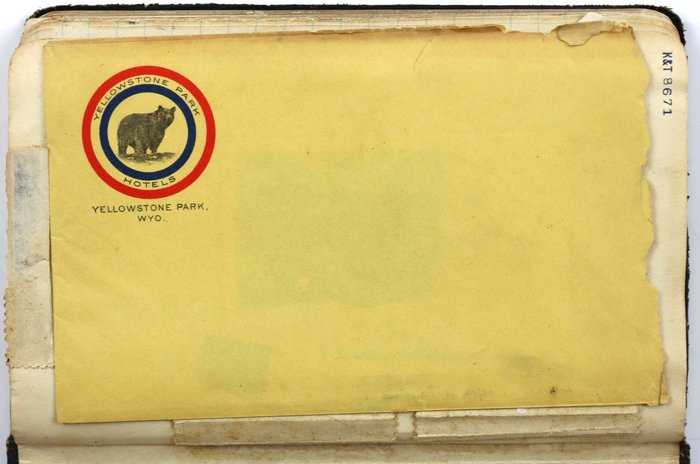
The diary also includes ten period postage stamps, four pages from an official souvenir roster booklet listing the American participants in the Hawaiian trip, and an envelope from the Yellowstone Park Hotel.
Overall, historically significant diary, offering a first-hand account of the largest investigation tour of Honolulu undertaken by United States Senators and Representatives in the summer of 1915.