
#PF34
Ca. 1929-1933
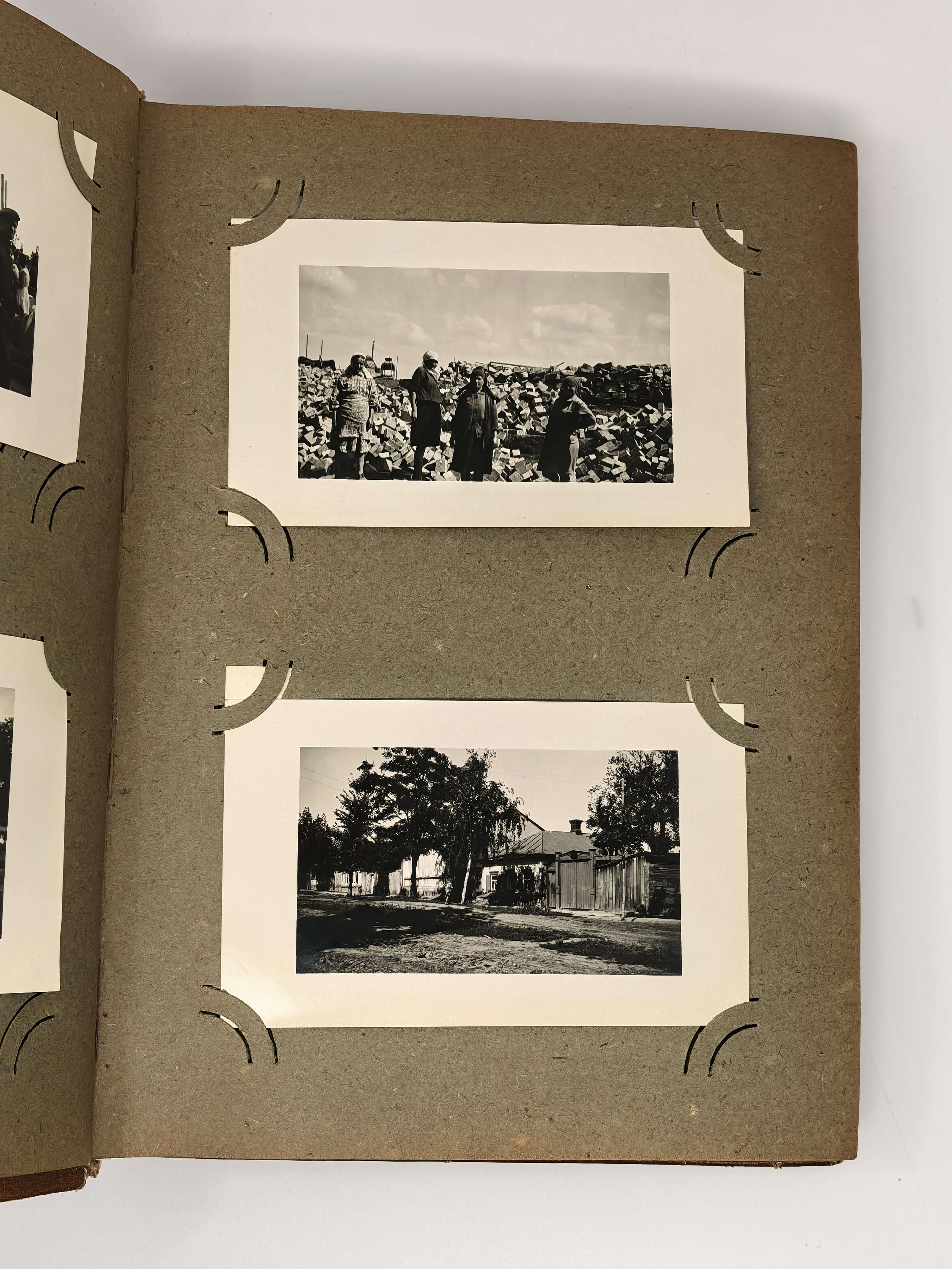
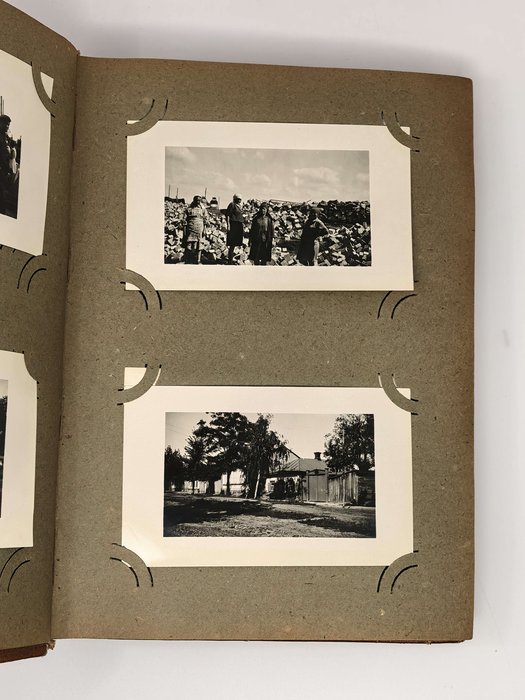
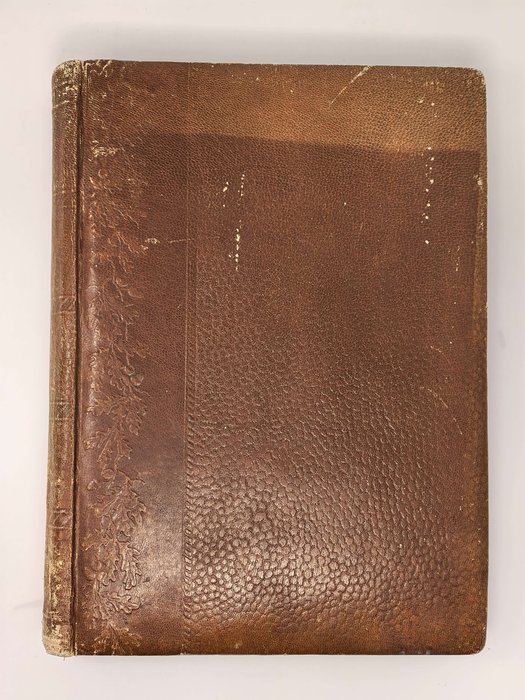
Quatro album (ca. 30x21 cm) with 36 stock leaves, photos are loosely inserted on the pages. Period full-cloth binding. Edges worn. Otherwise in very good condition.
In the 1930s, Kharkiv was the сapital of the Ukrainian SSR, which contributed to its rapid development. Key government bodies, the central structures of the Communist Party of Ukraine (Bolsheviks), and various cooperative institutions operated from there.
The city actively developed its educational sphere: the number of higher education institutions increased from about 10 in the early 1920s to 23 institutes in 1930, and by 1940 their number reached 36, educating more than 30,000 students. An important event was the restoration of the university in 1932.
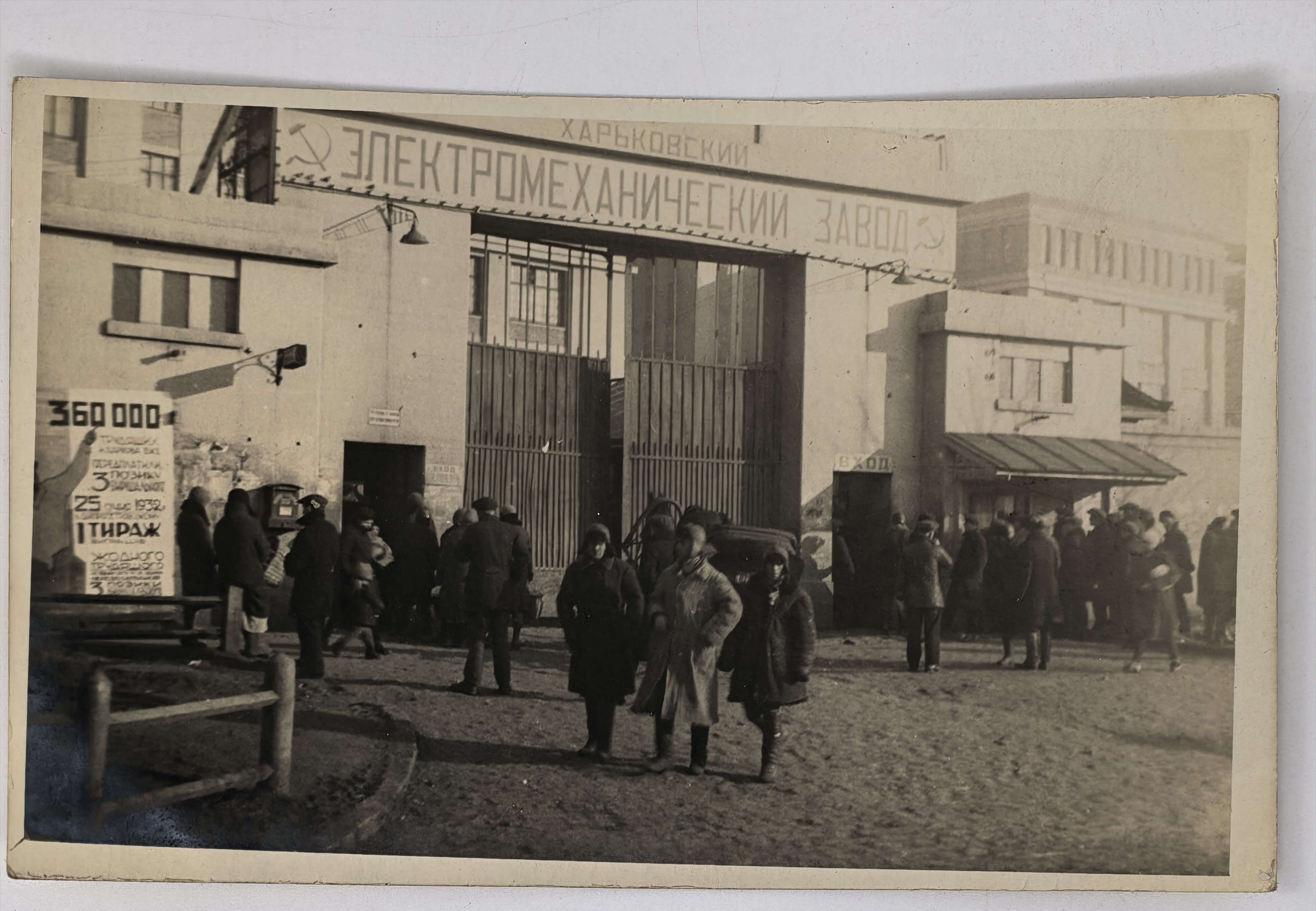
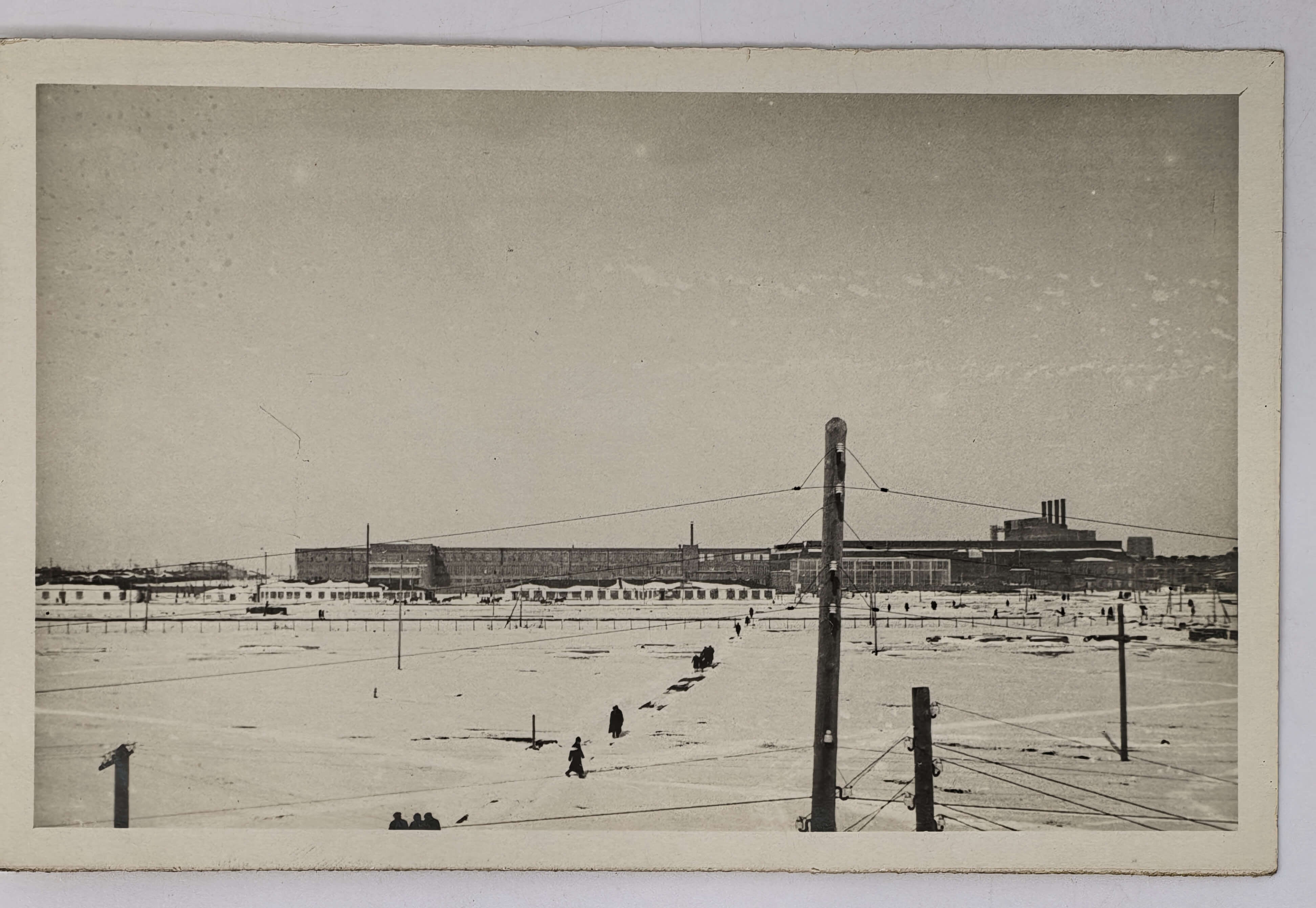
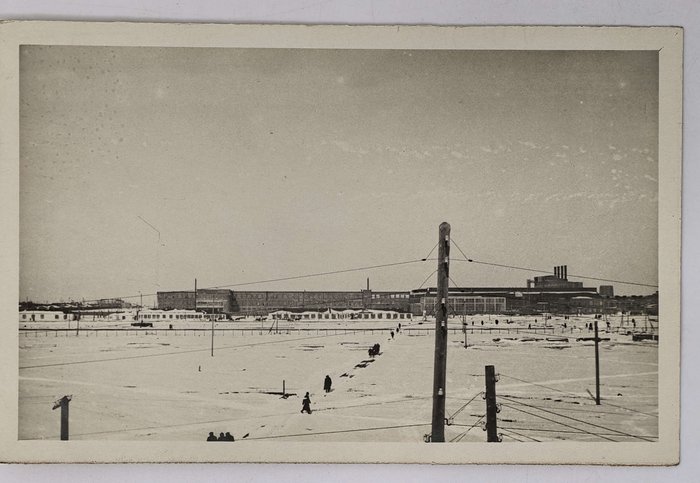
The city became one of the faces of the first five-year plan with numerous factories and constructivist buildings appearing almost out of nowhere: of the plants shown in the album electromechanical and tractor were opened in early 1930s, as well as several others.
Complier of the album is likely to be from the group of American engineers, that were arriving in USSR upon the agreement signed by USSR and US in 1931, commissioning American specialists to 90 different factories and plants in USSR. One of the most active enterprises assigning its men was the Kahn Associates, Inc, the contacts between parties already began in 1920s. A group of American engineers was indeed invited to Moscow in 1928 on the basis of a contract with the Kahn Associates, it worked in the Soviet trust "Derzhproyektbud" and its activities were limited to technical assistance functions.
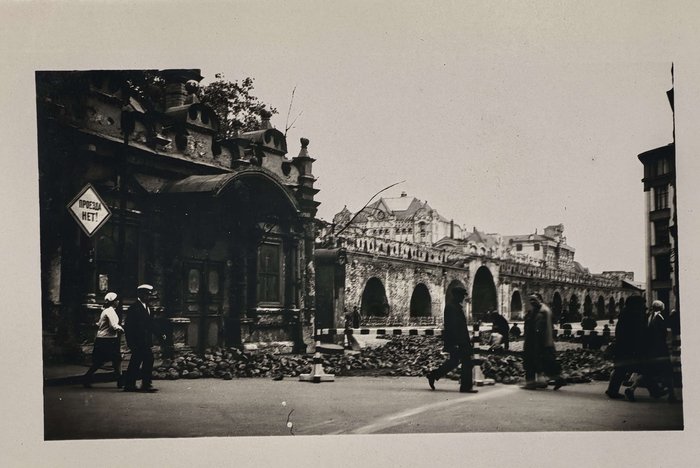
It’s likely the complier of the present album worked for the same firm. We can see them in Moscow in late 1920s or early 1930s judging by the churches and buildings still present, that would be destroyed in 1934.
Most of the album, however, is dedicated to their life in Kharkiv, around 20 of the photos in the album are captioned on versos, but without the names of the complier or his comrades. The group of engineers featured in the album likely spent two to four years in Kharkiv: the upper limit for dating the album is 1934, since St. Nicholas Church was demolished in 1930, the Kharkiv Tractor Plant (KhTZ) was commissioned in 1931, and the Kharkiv Electrotechnical Plant was transformed into an NKVD mechanical plant in 1934.
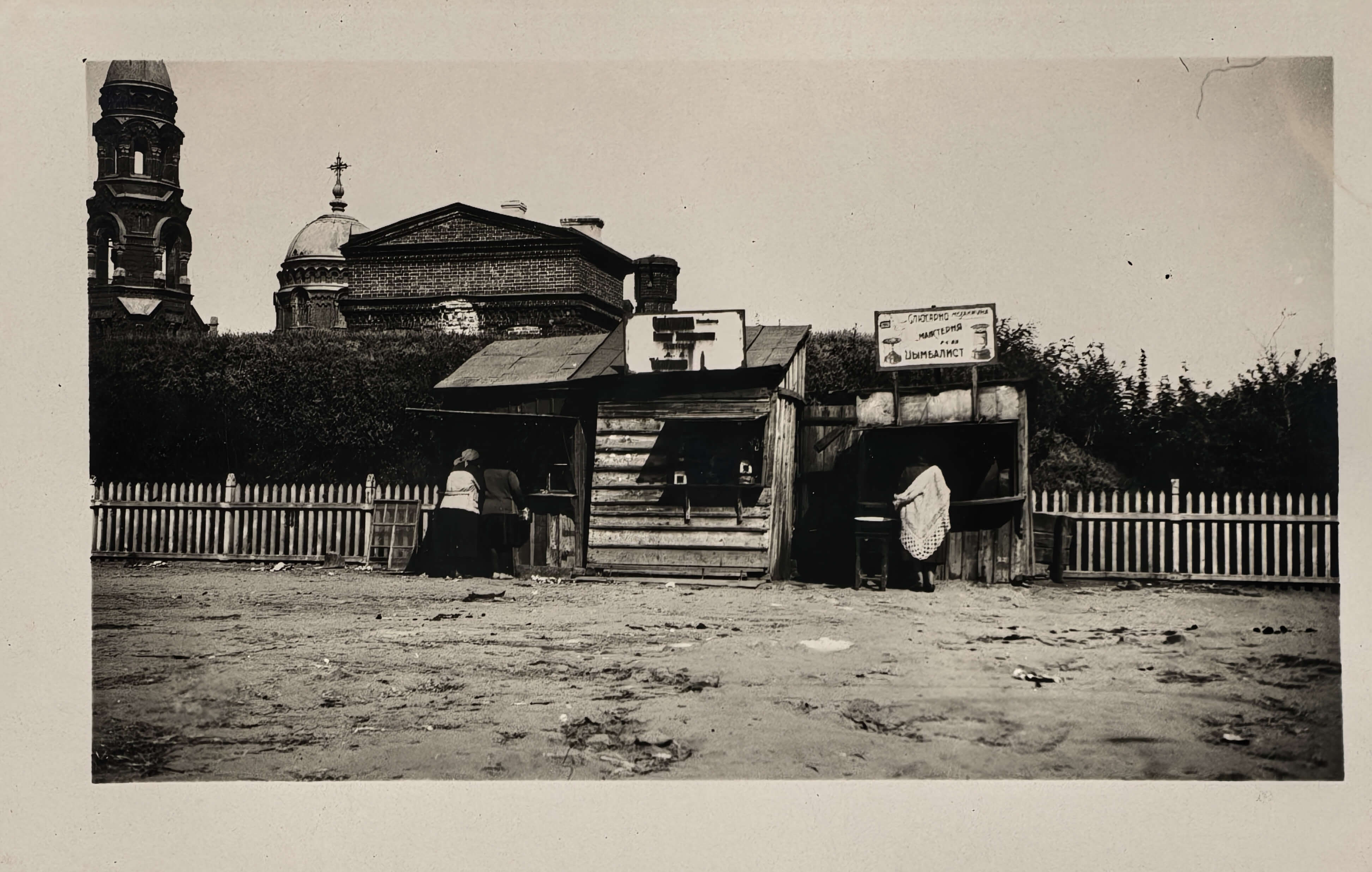
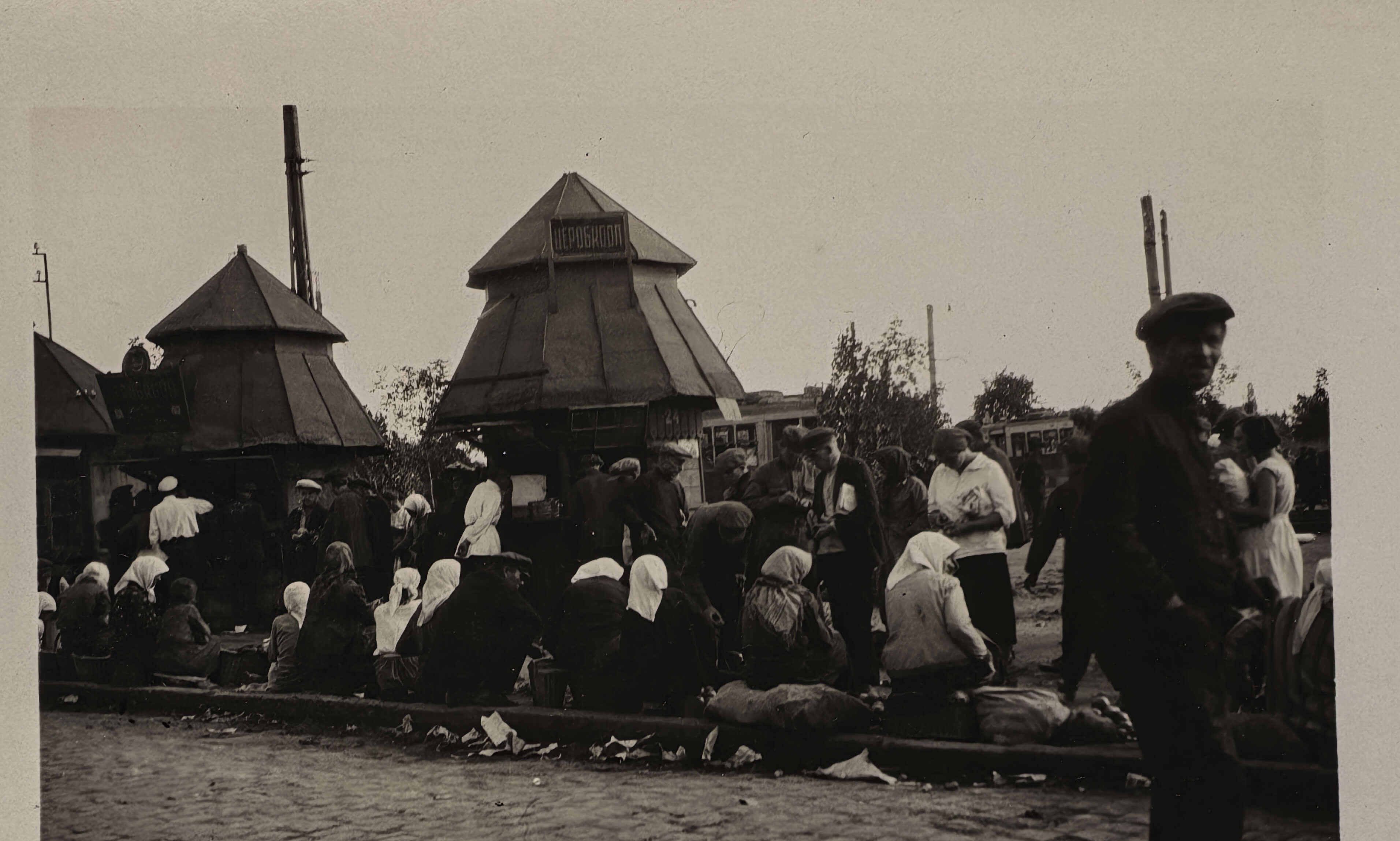
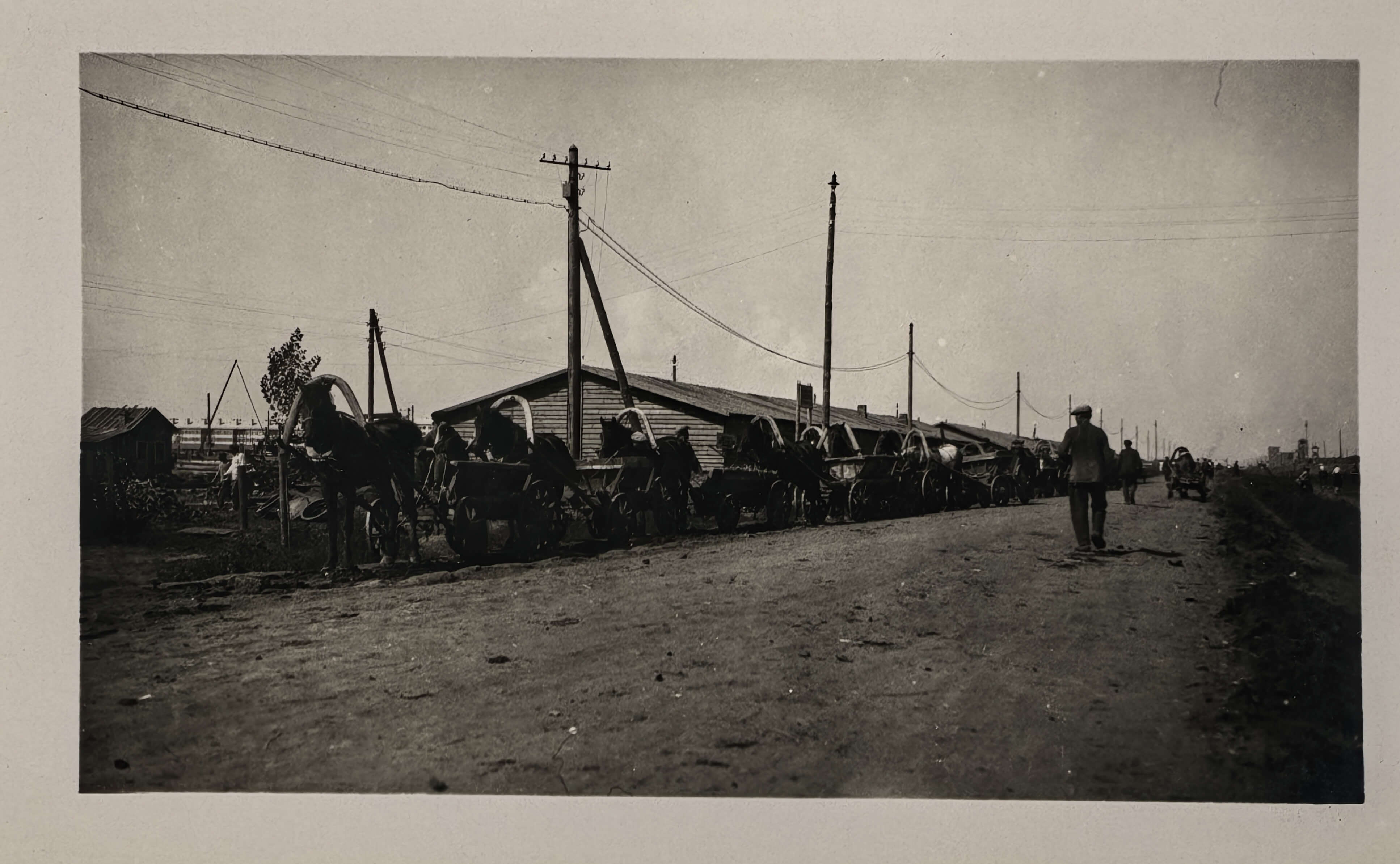
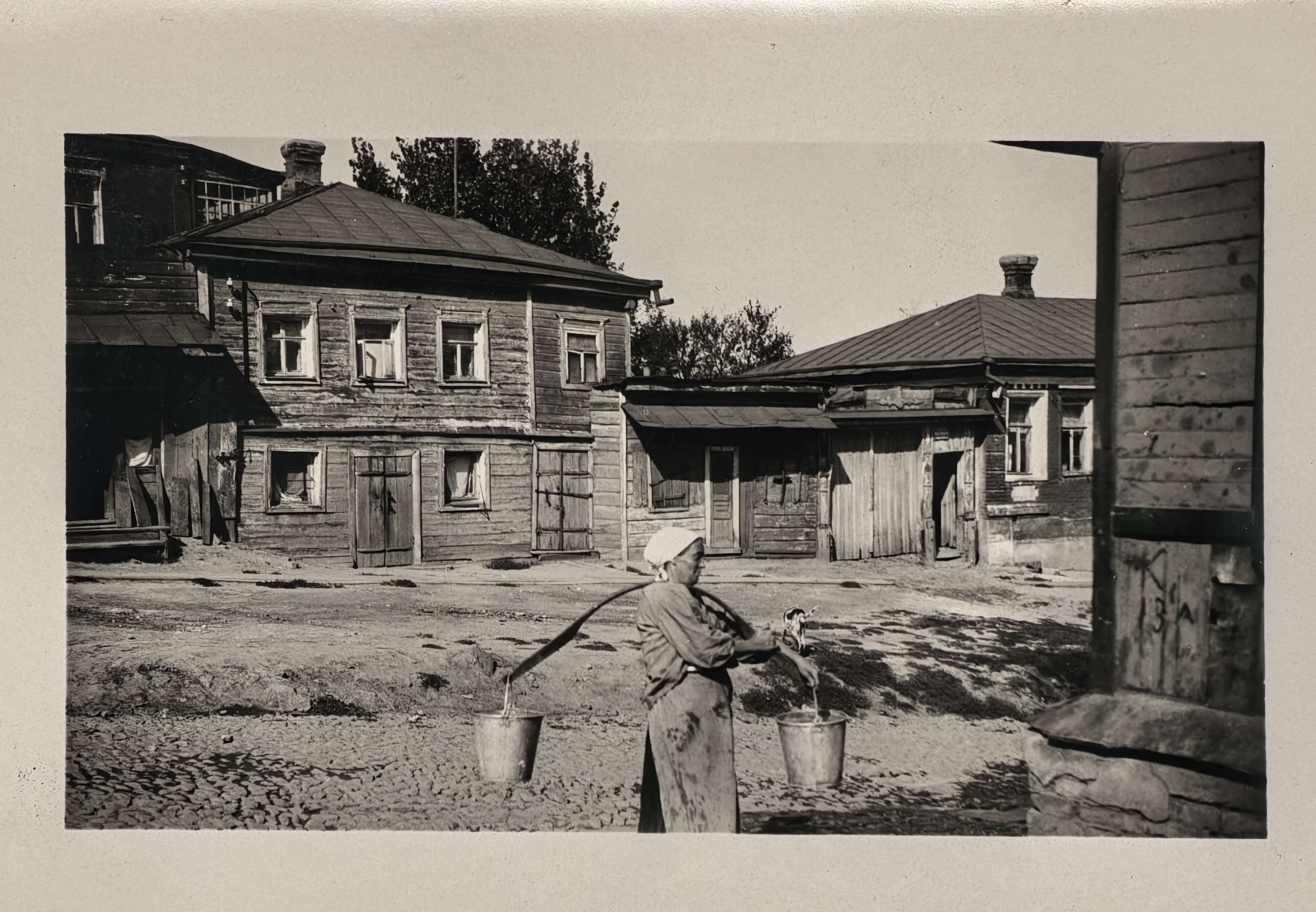
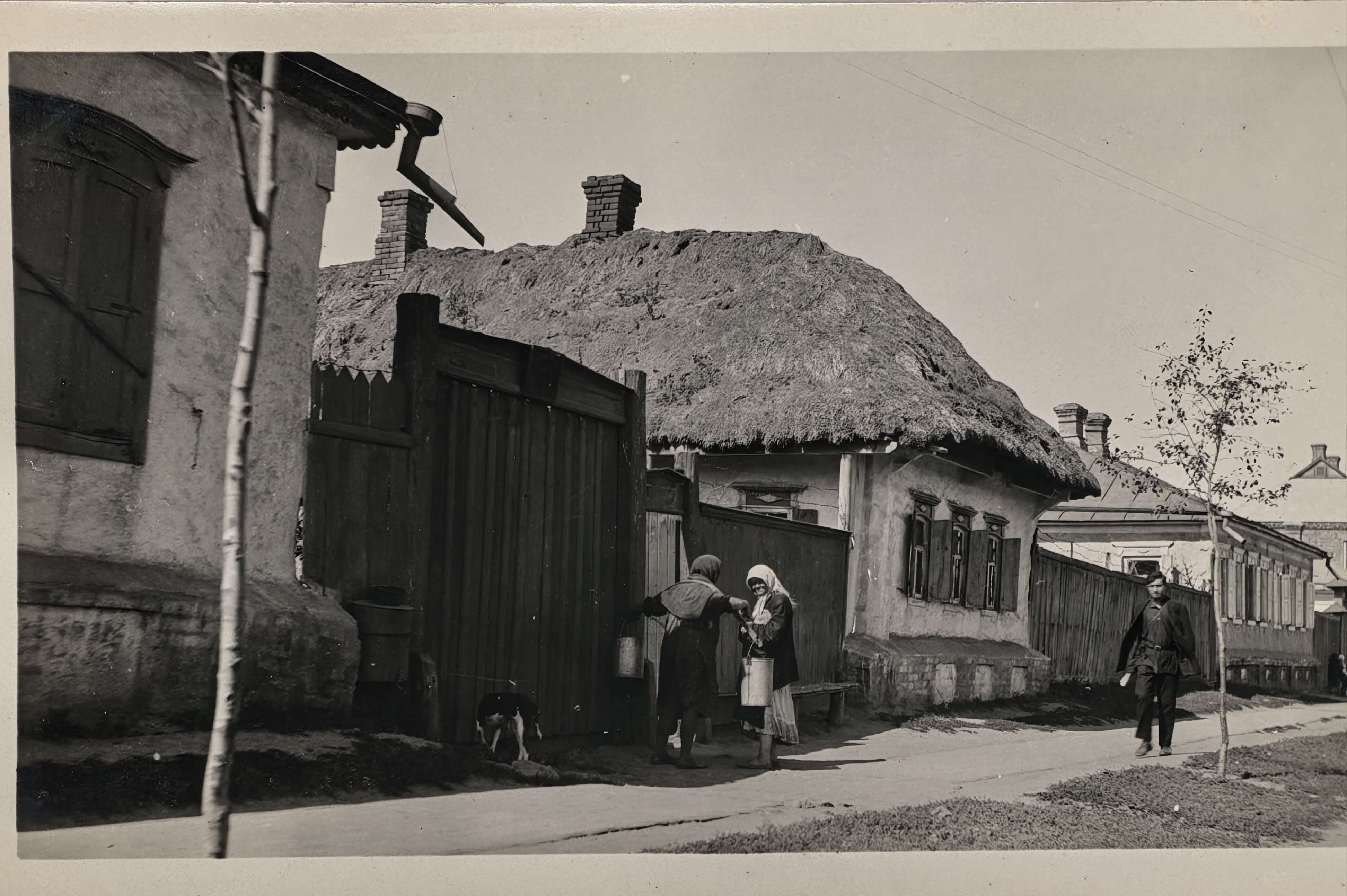
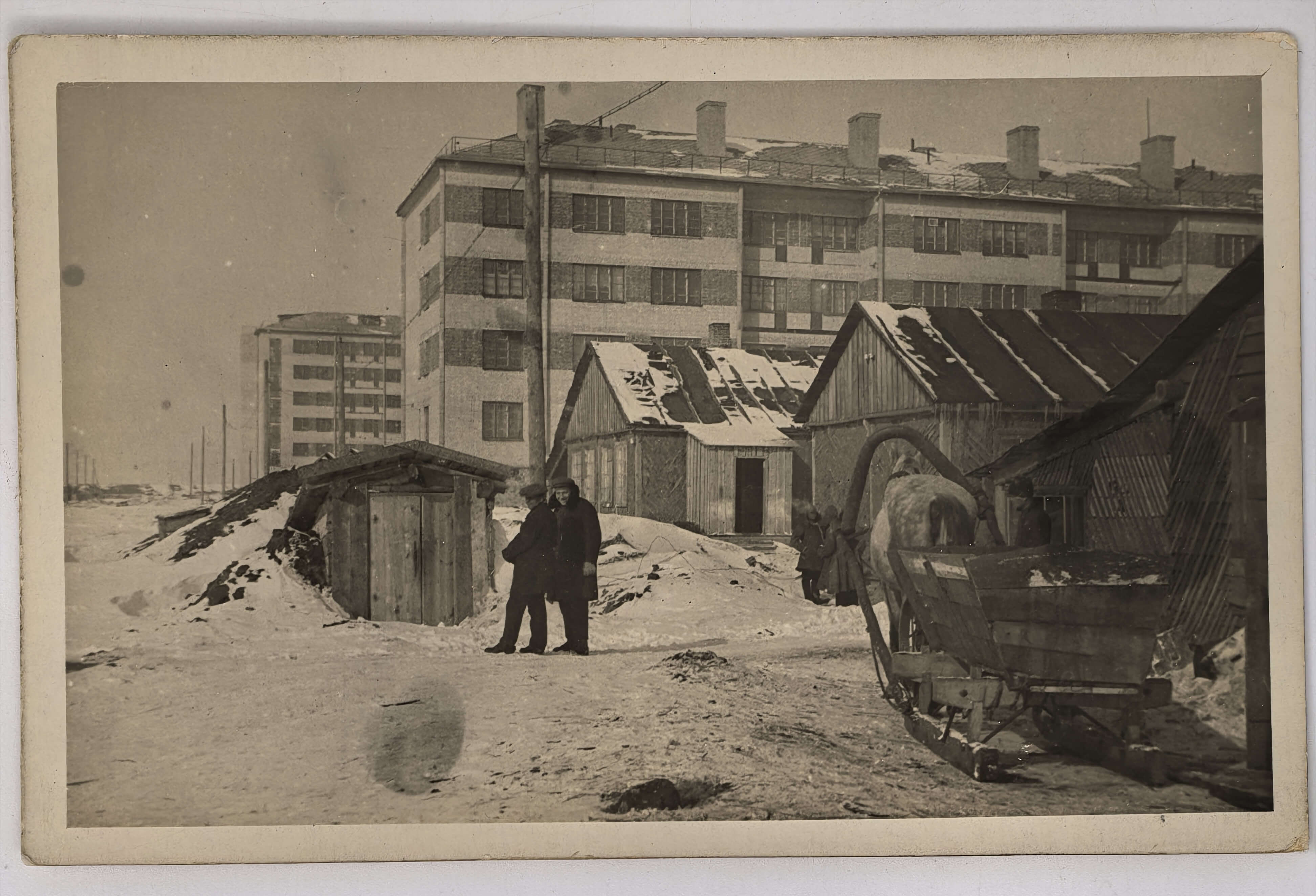
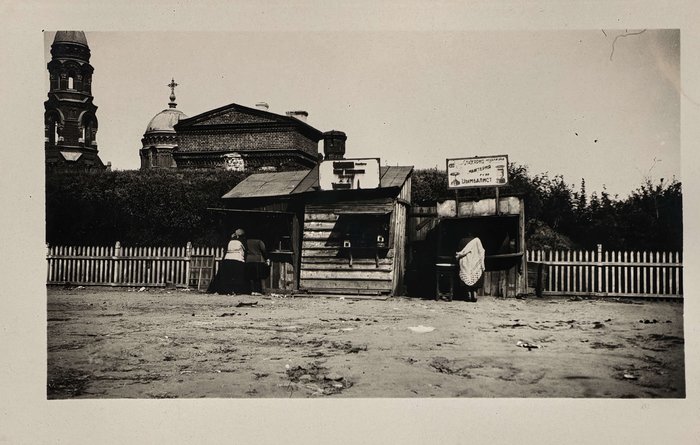
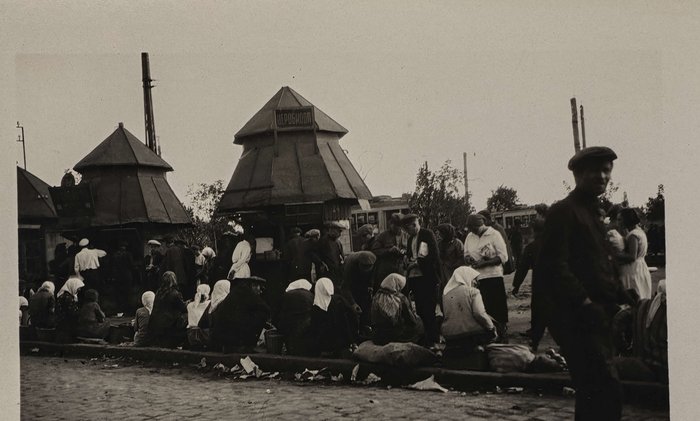
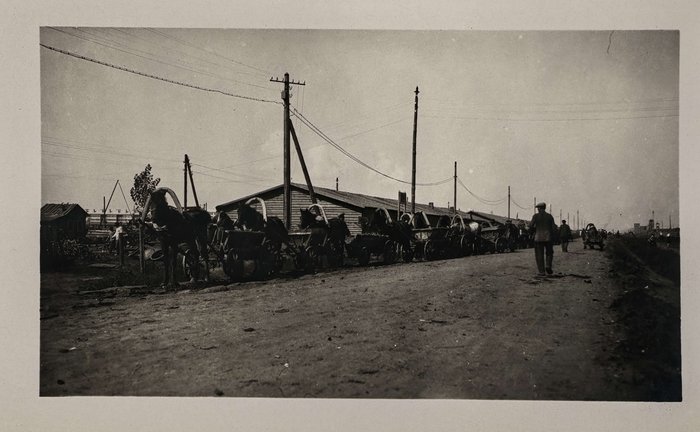
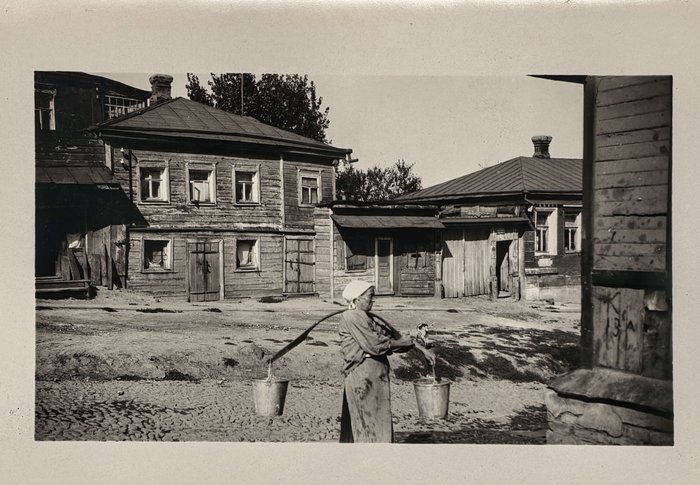
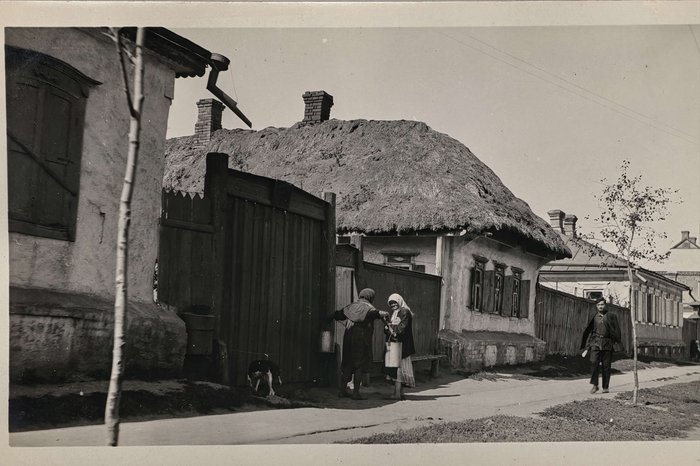
Albums show street scenes like Tserobkoop (Central Workers’ Cooperative) stalls with people lining up to obtain supplies, marked by puddles of water, four peasant women facing the camera with a water pump and a pile of bricks for masonry in the background, twelve horse-drawn carts delivering building materials, a poster advertising the cooperative “Tsymbalist” with a church in the background, against the backdrop of the constructivist windows of one of the buildings, a woman is depicted carrying two buckets on a yoke, and a man is leading two oxen in a harness.
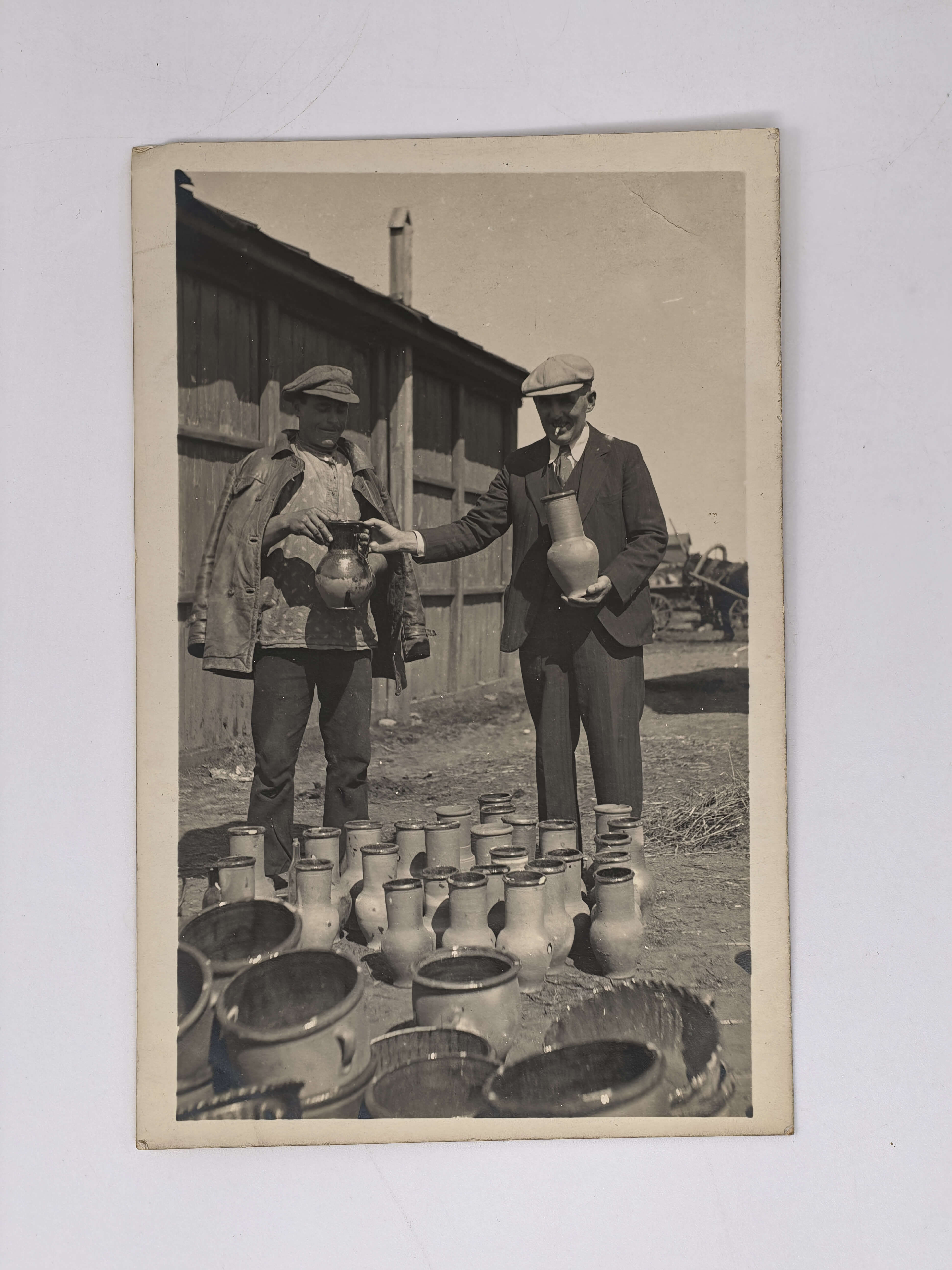
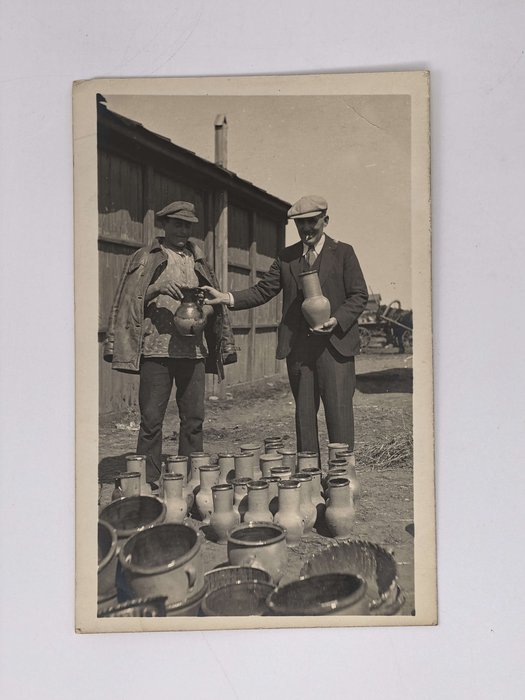
Nine photos of the local market with the signage for the shops and textual agitation posters showing, with Khatorg union kiosk on other photo, the beer sign (both in Ukrainian). The alleged complier of the album buying some clay pots of a local merchant at a street market.
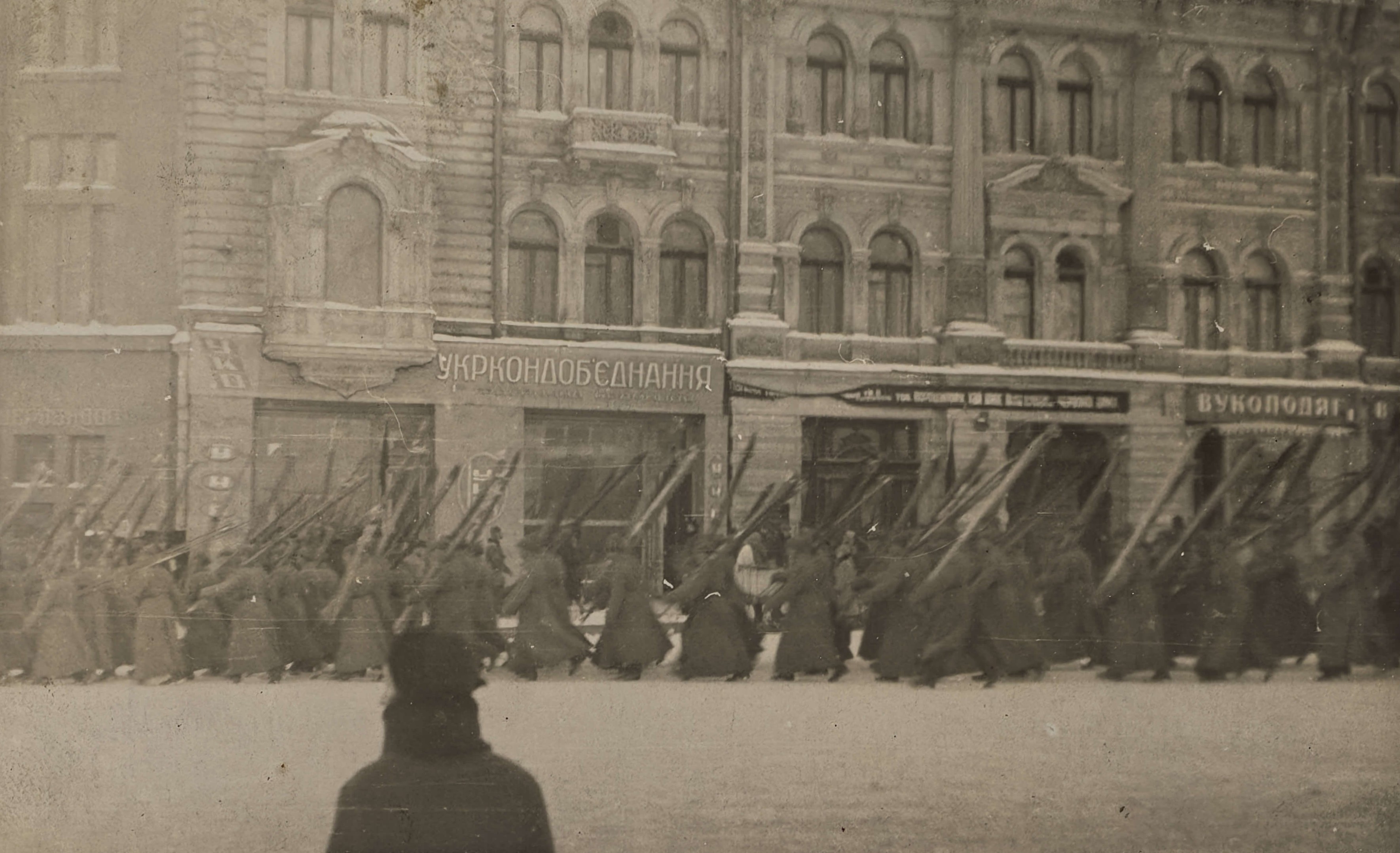
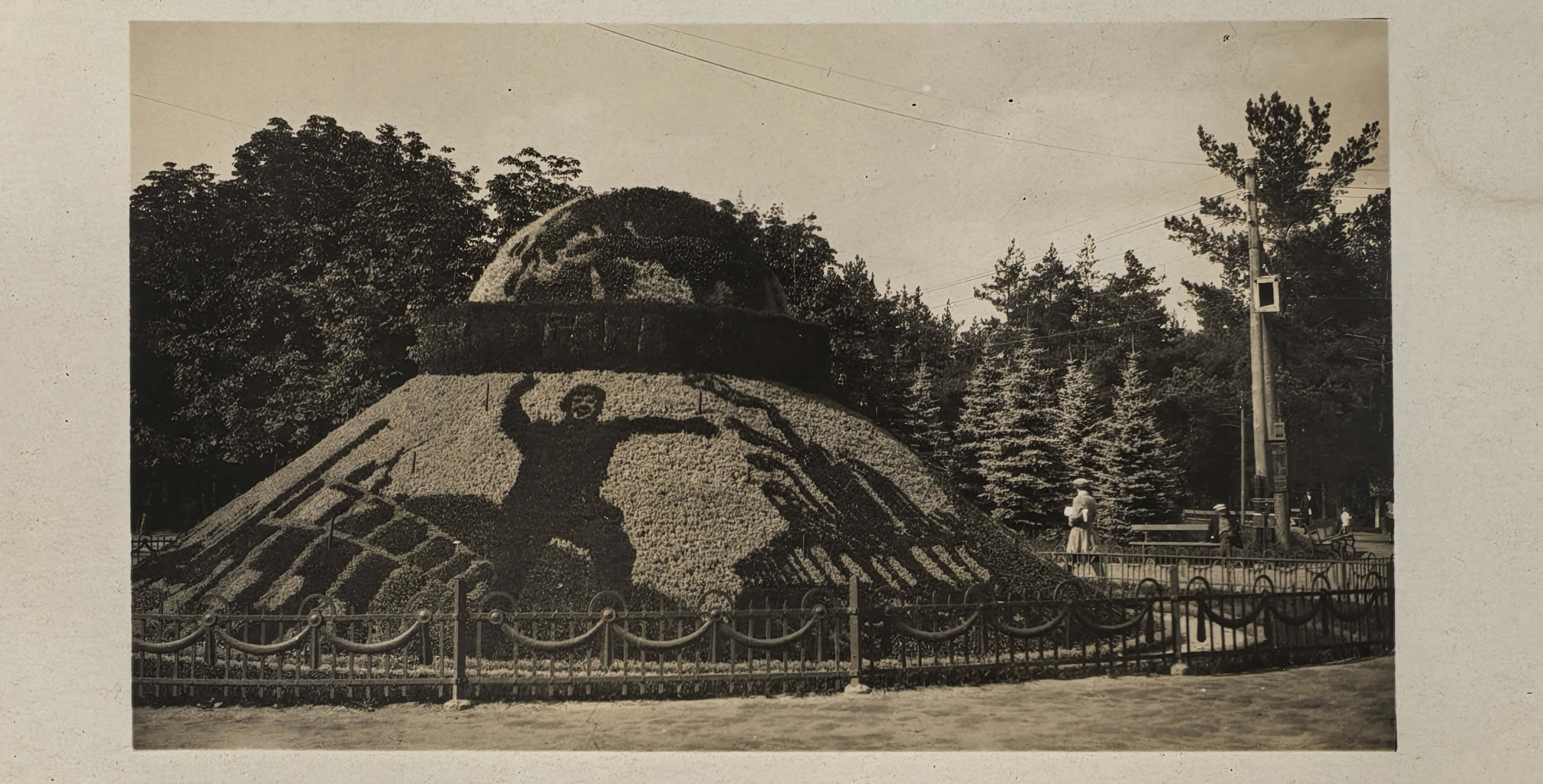
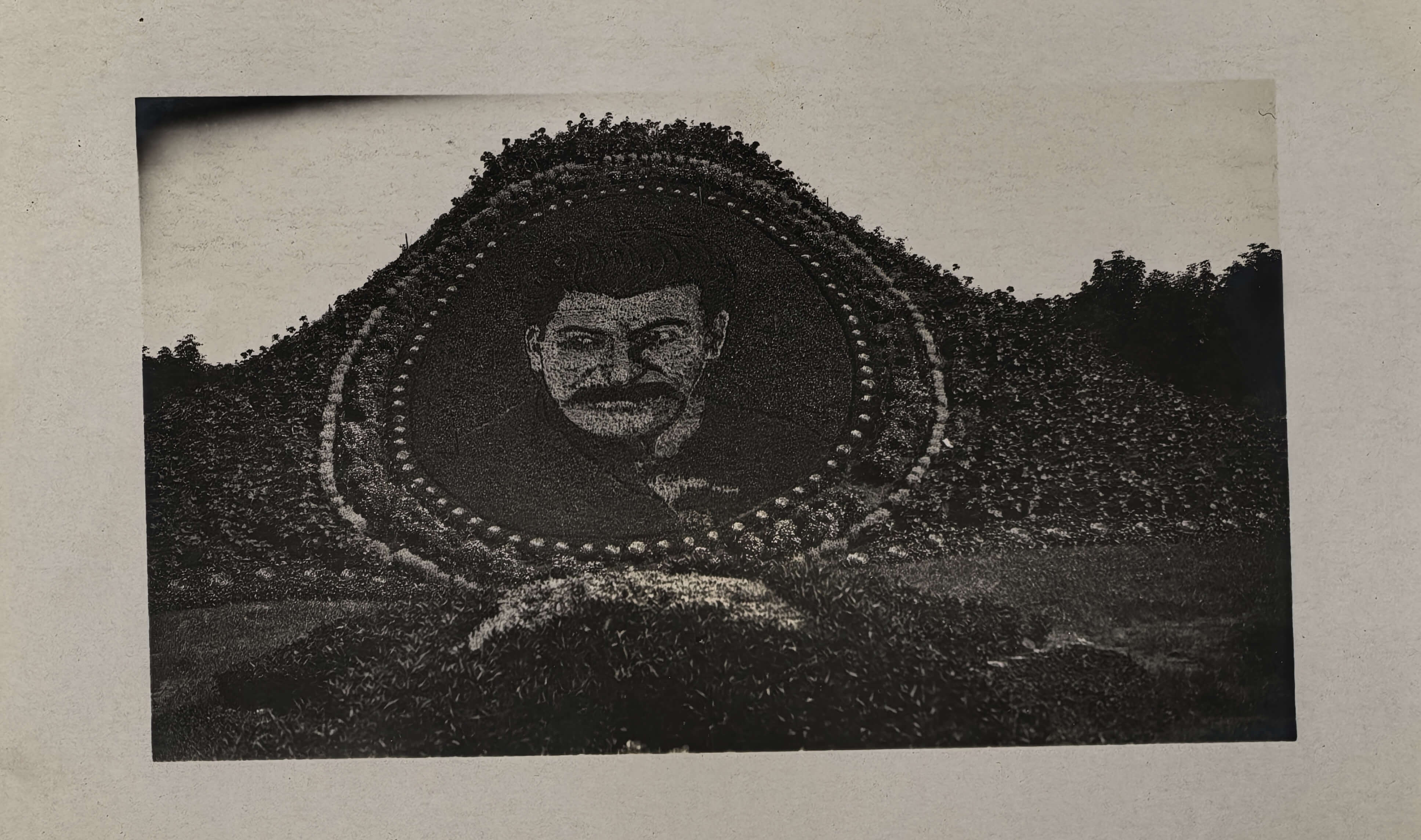
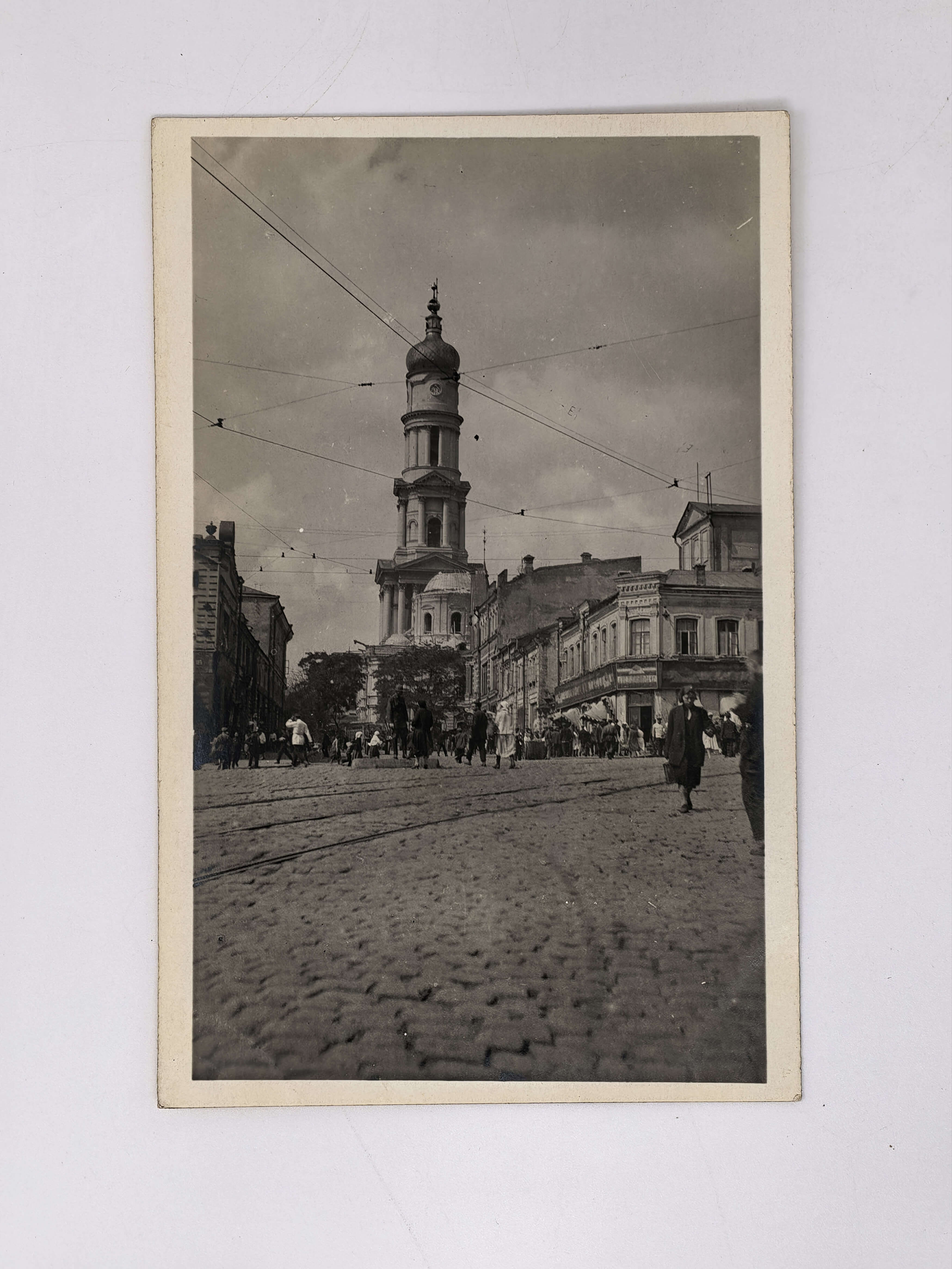
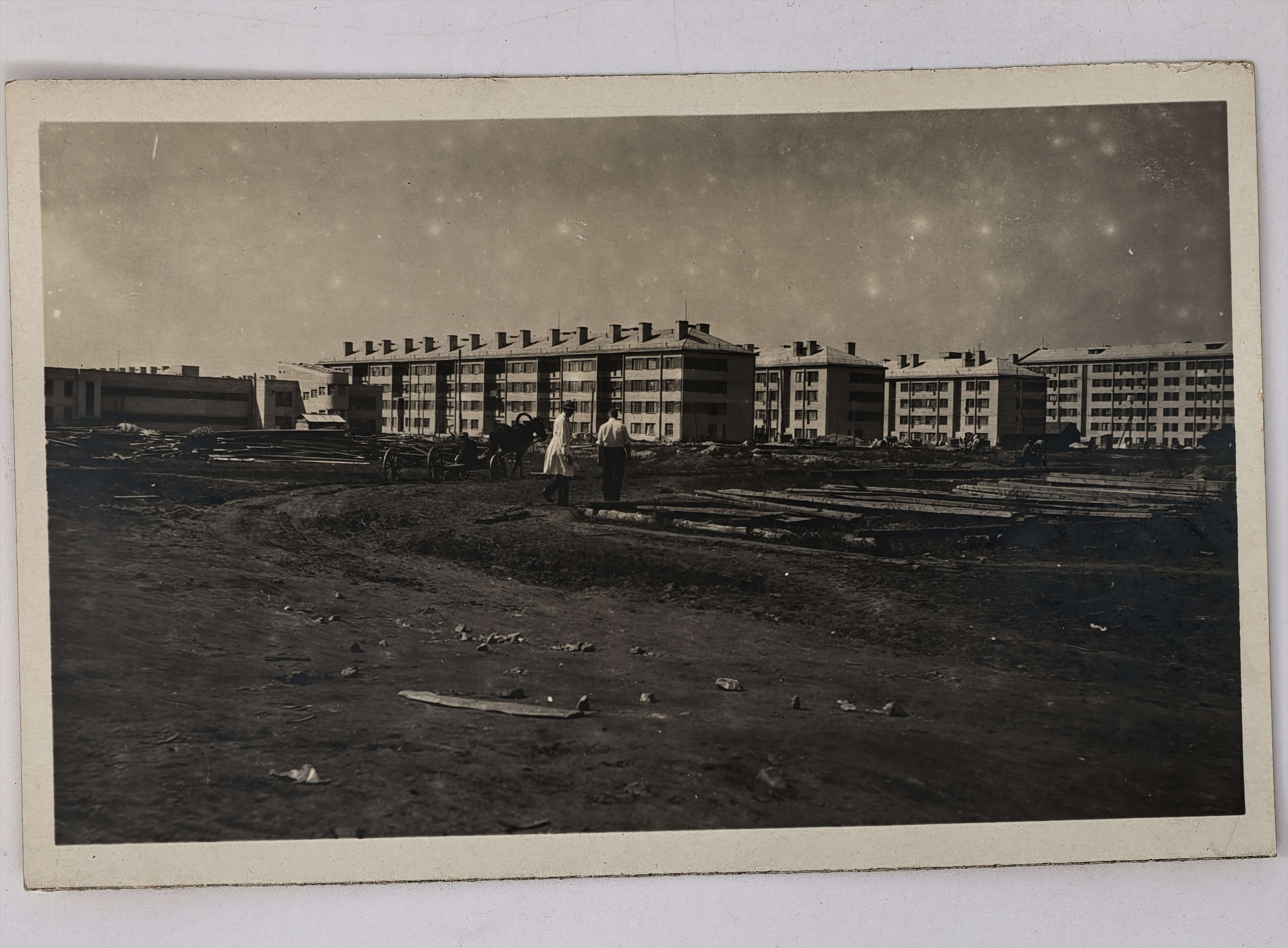
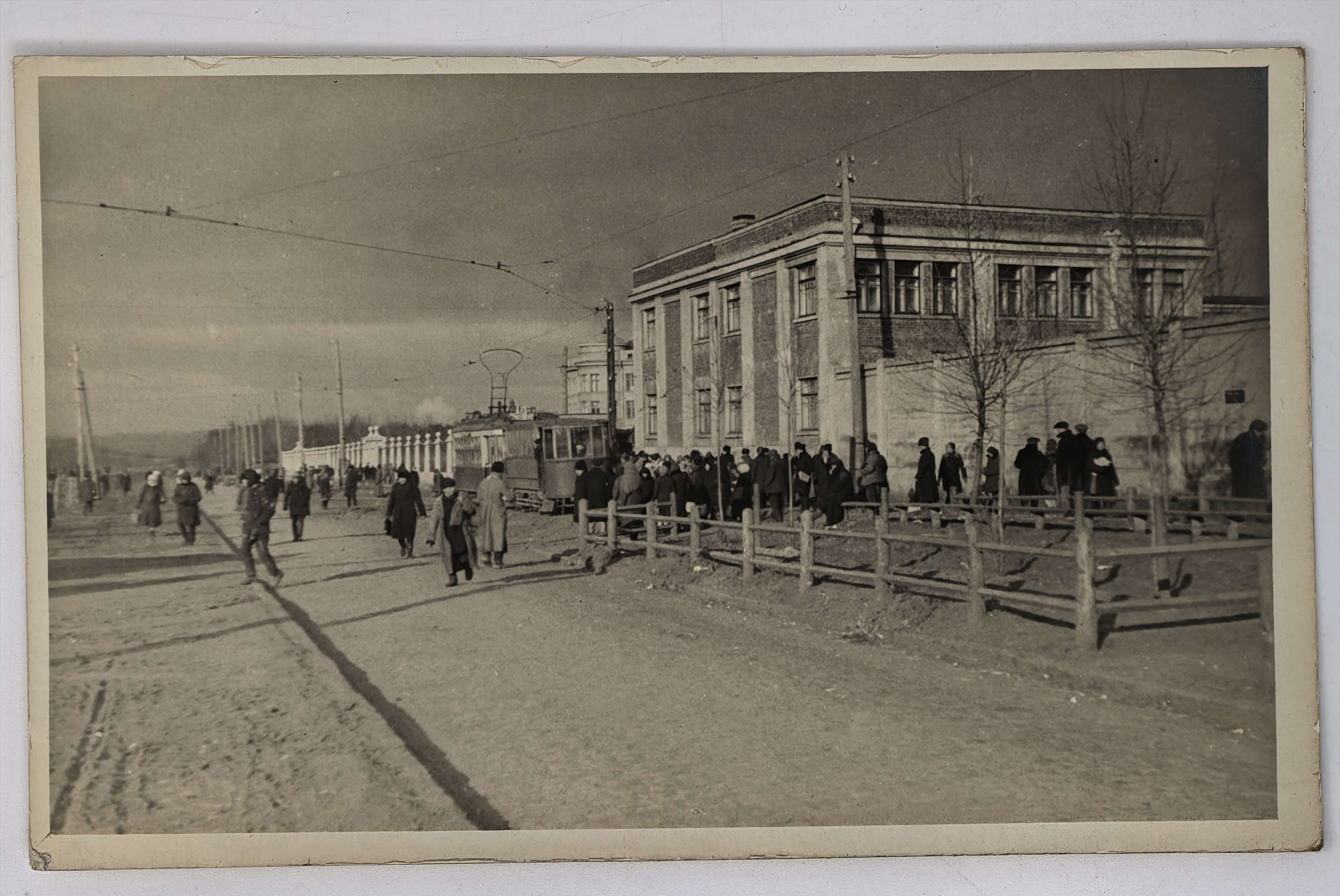
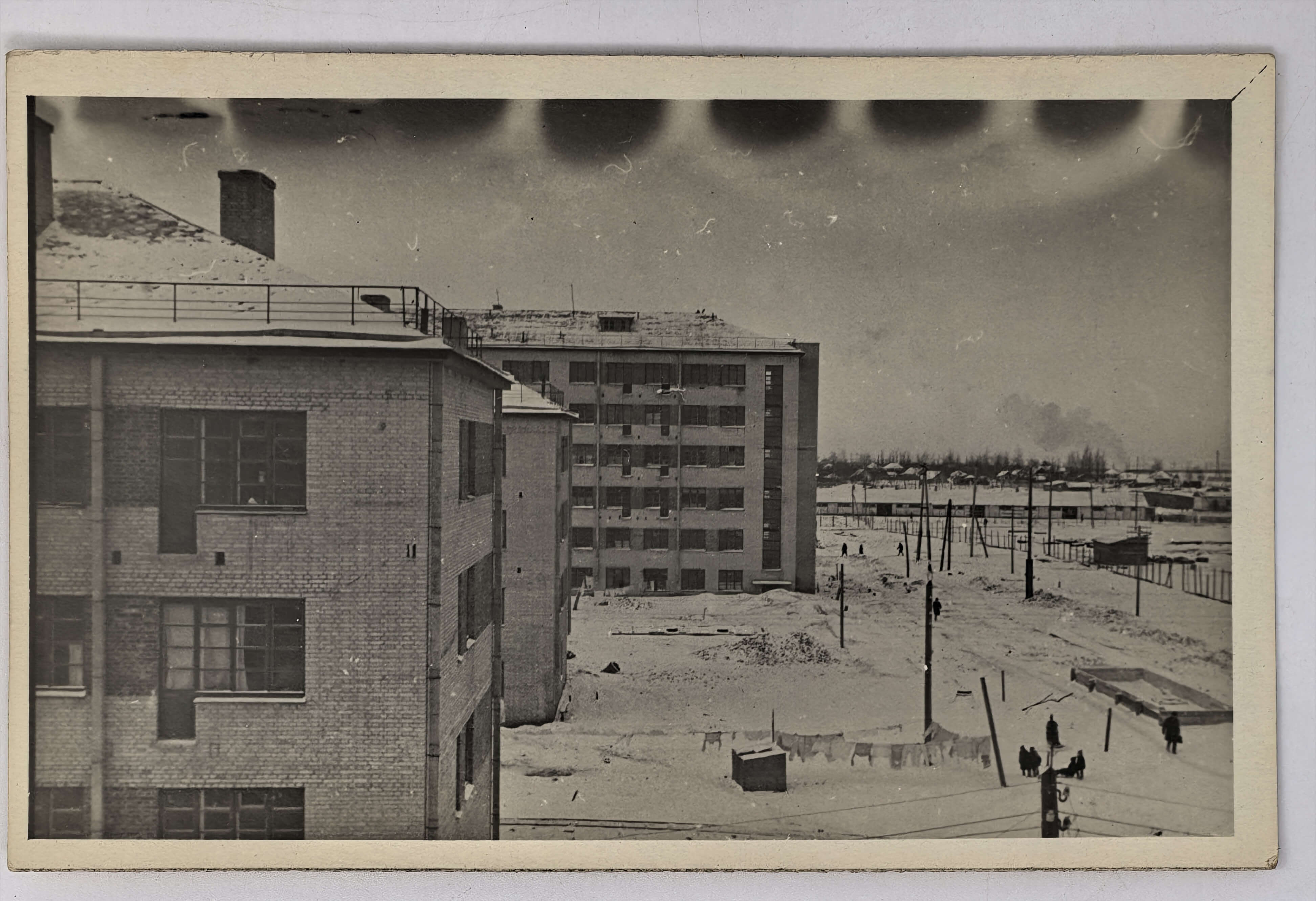
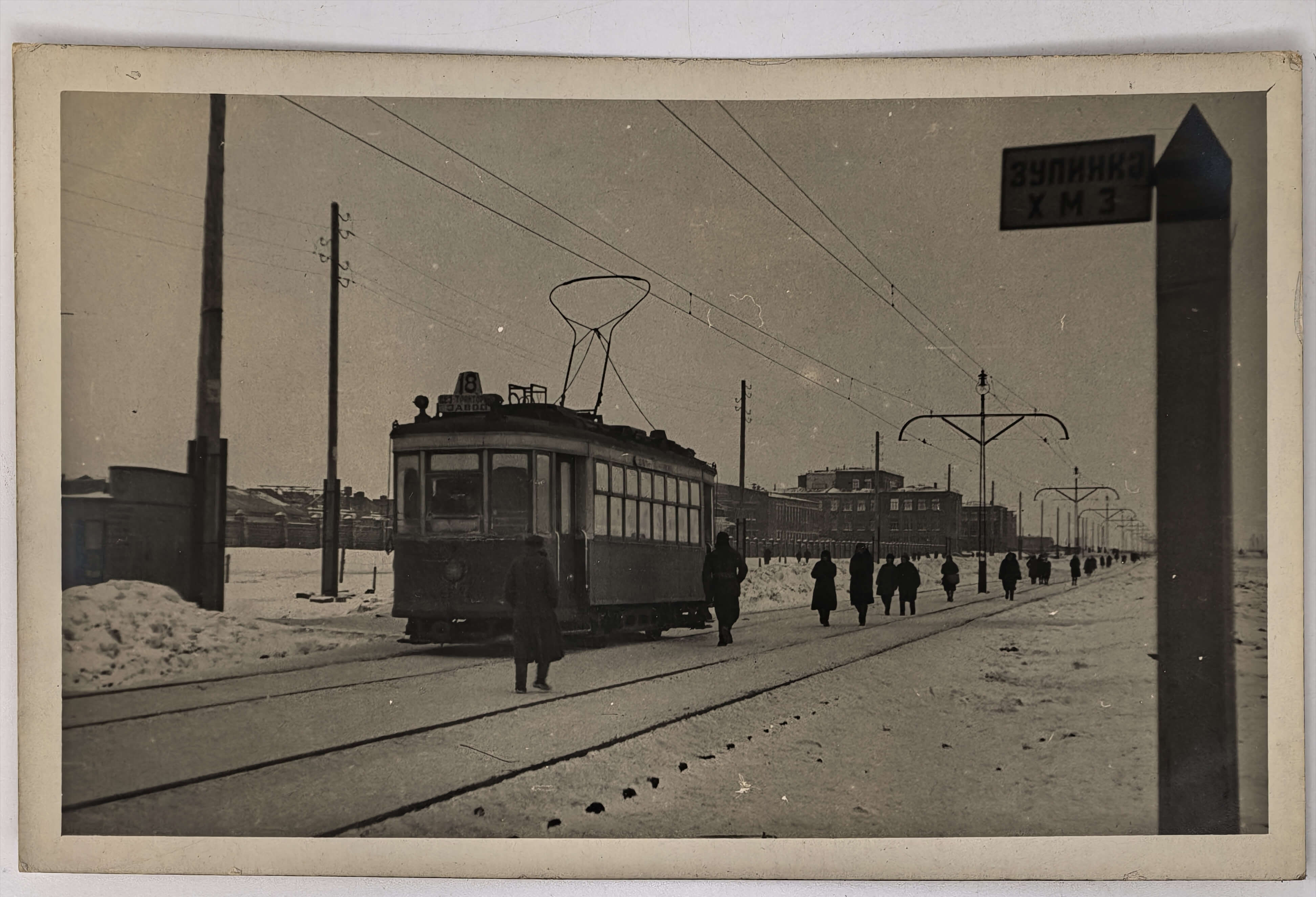
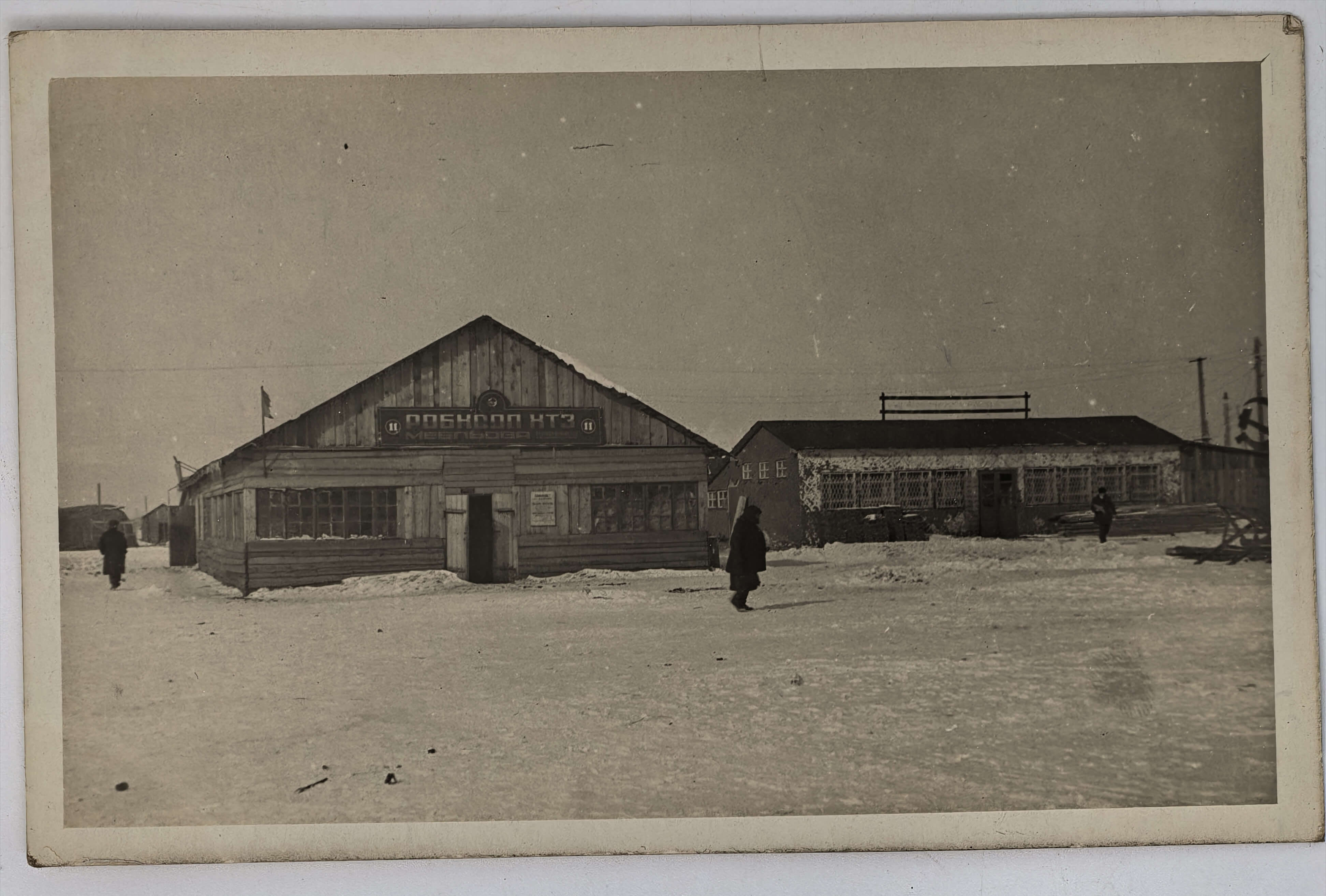
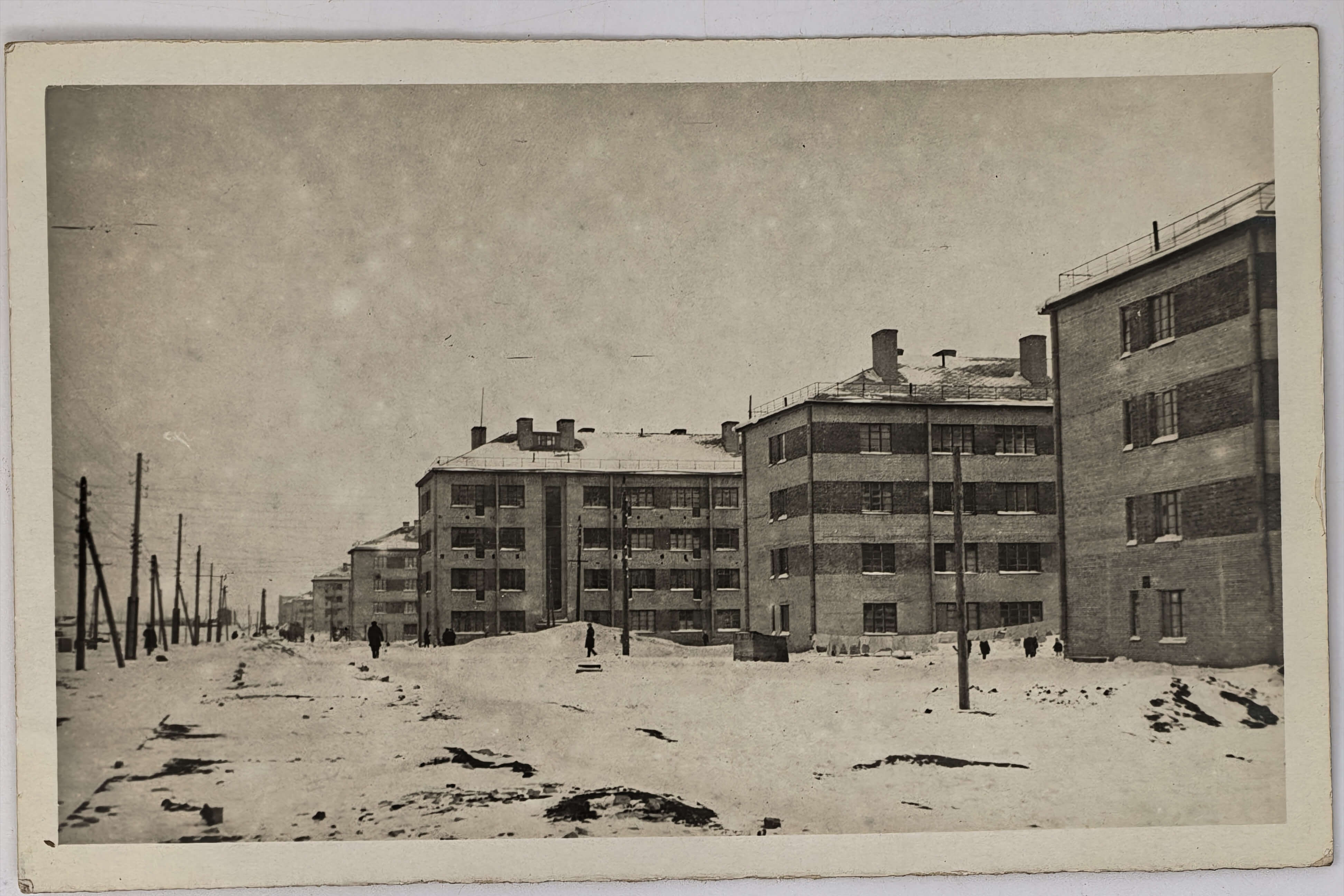
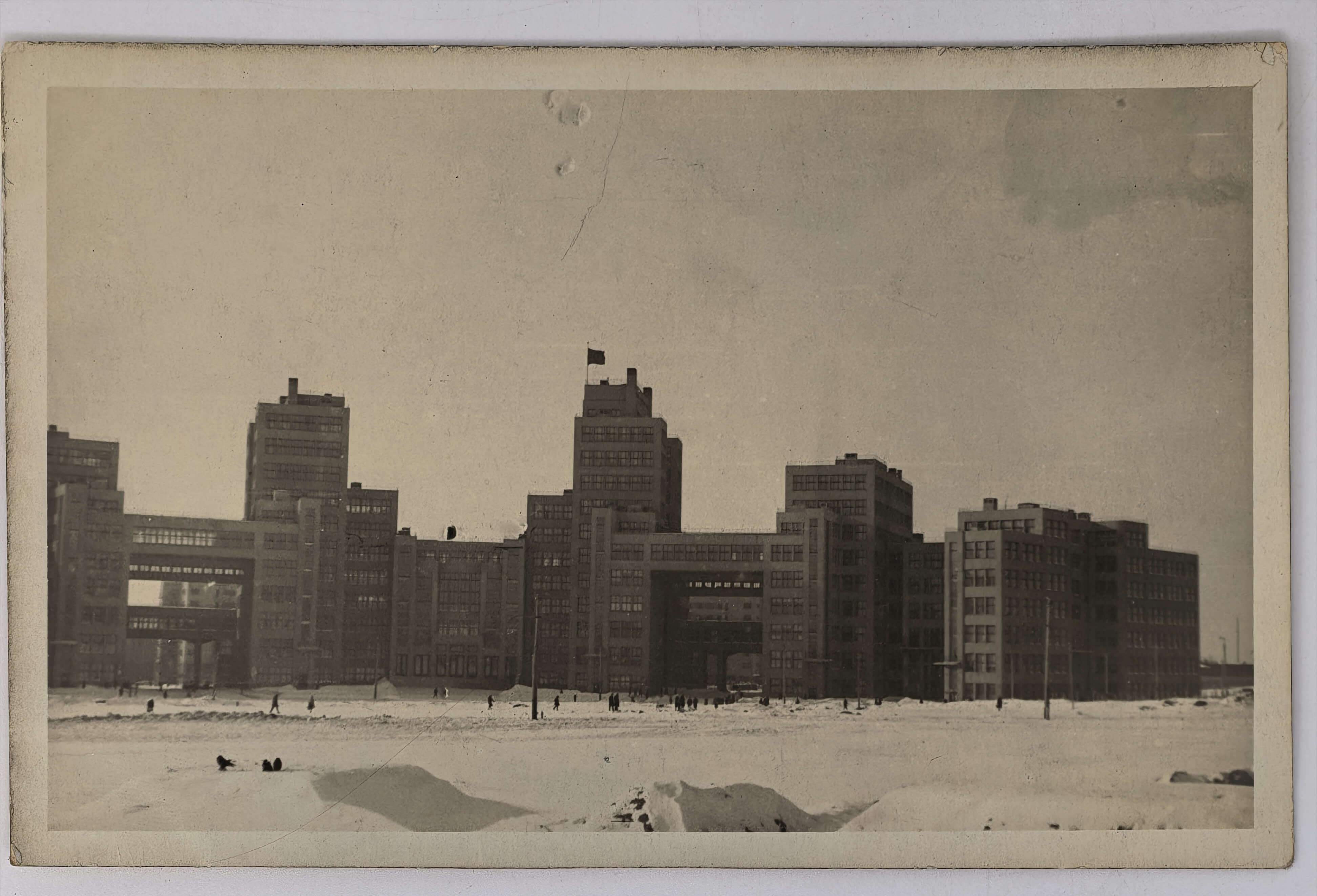
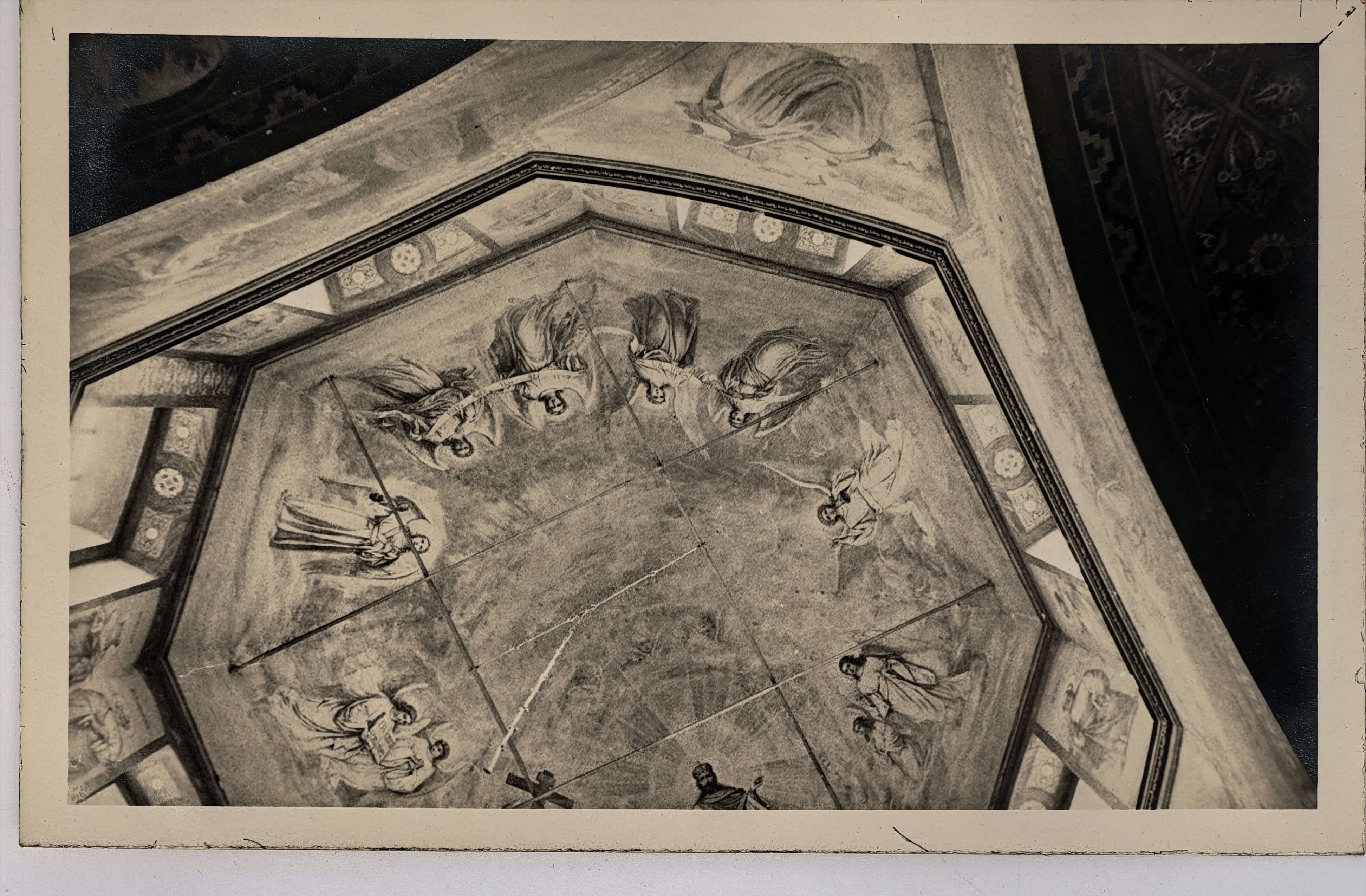
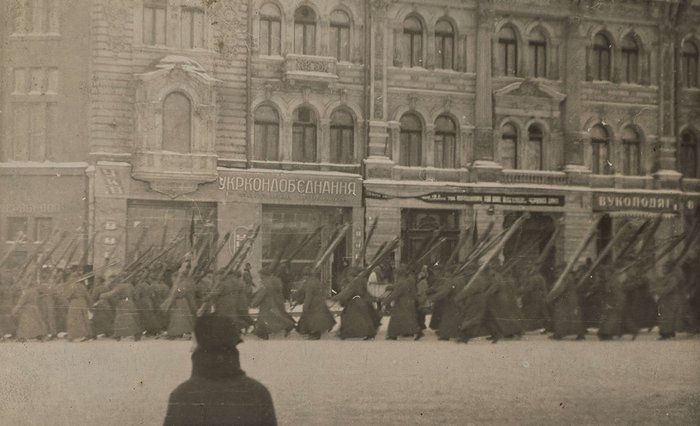
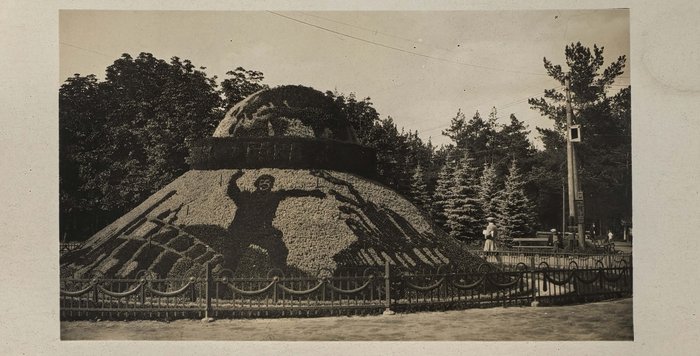
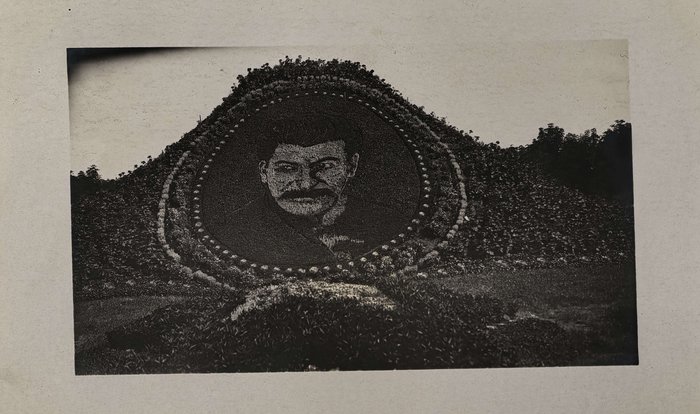
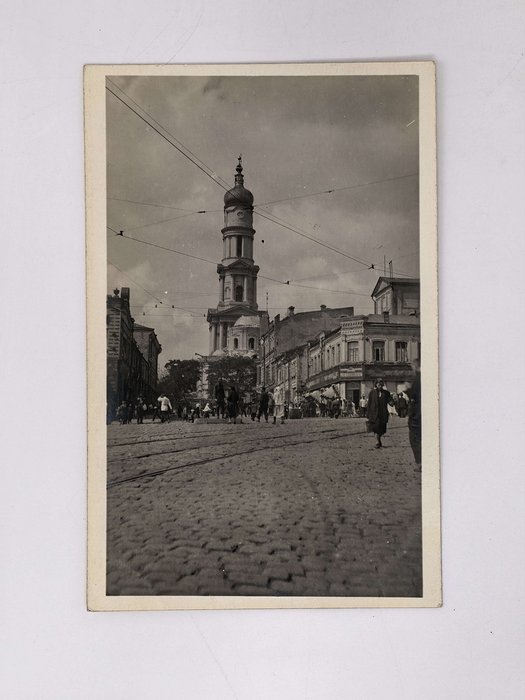
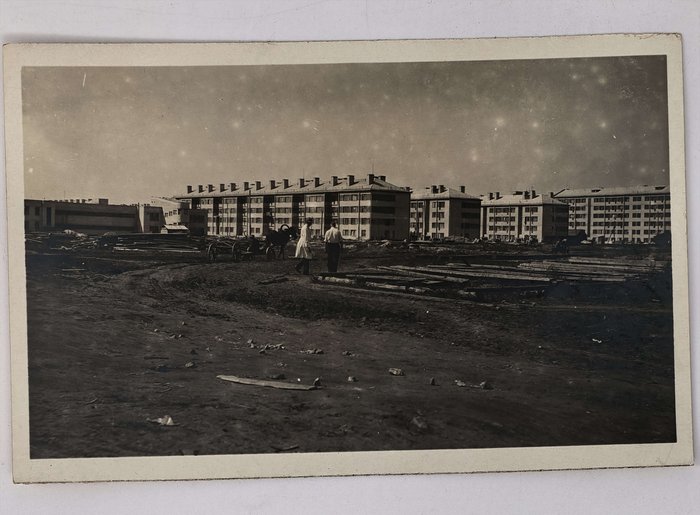
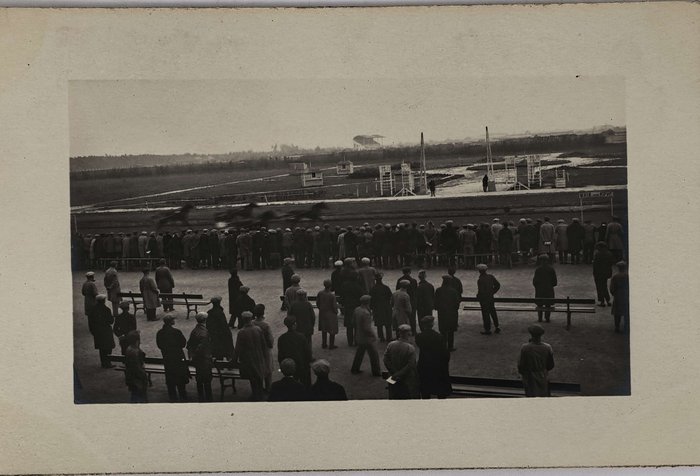
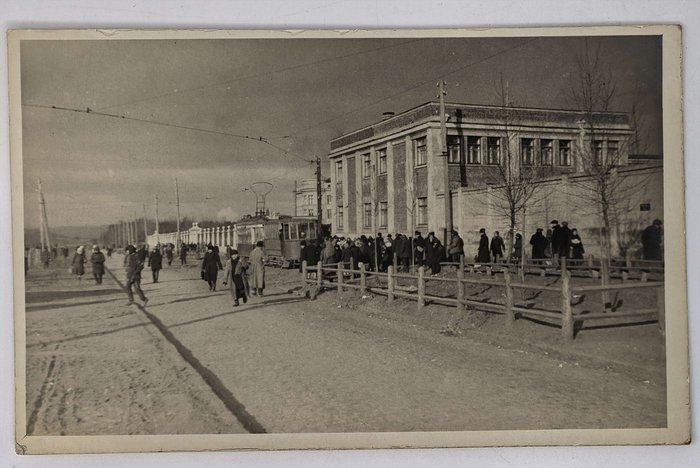
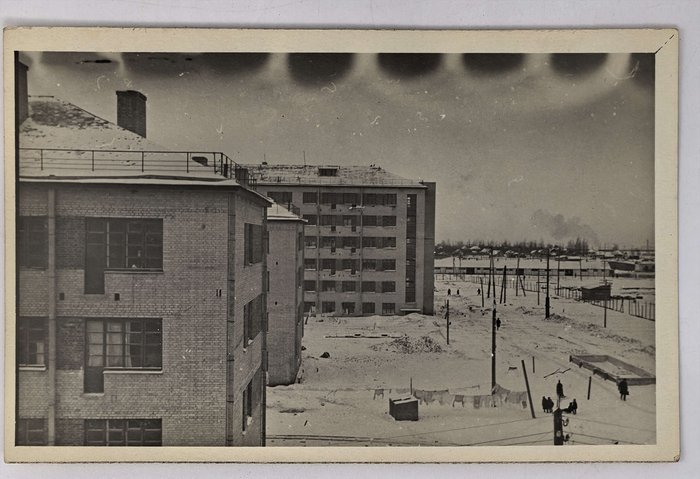
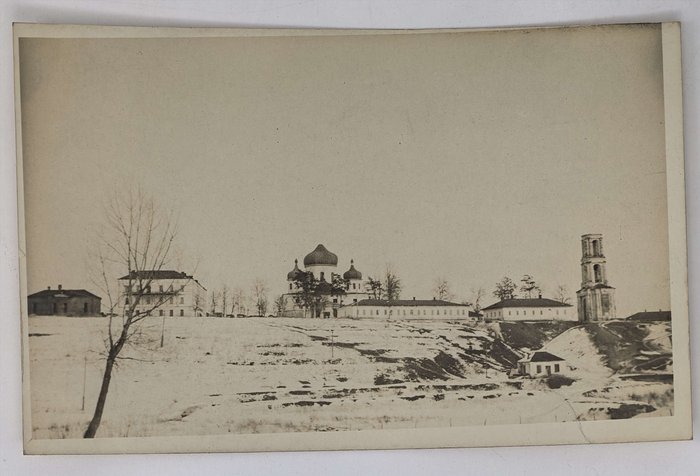
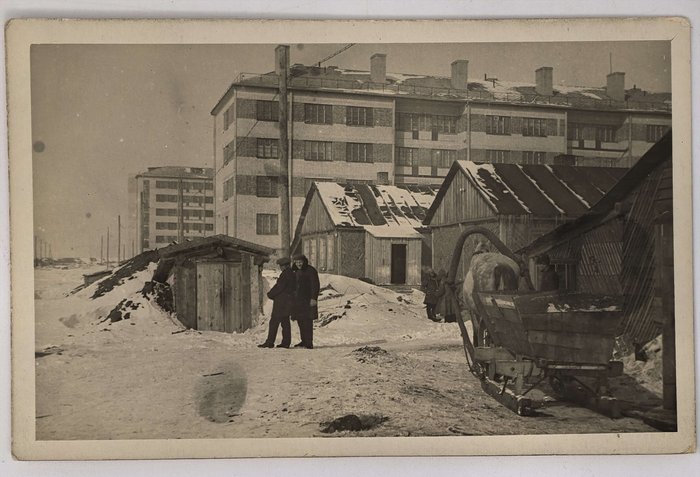
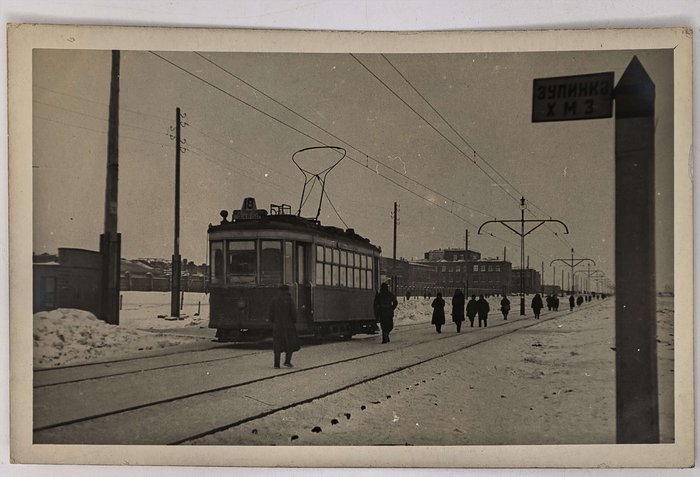
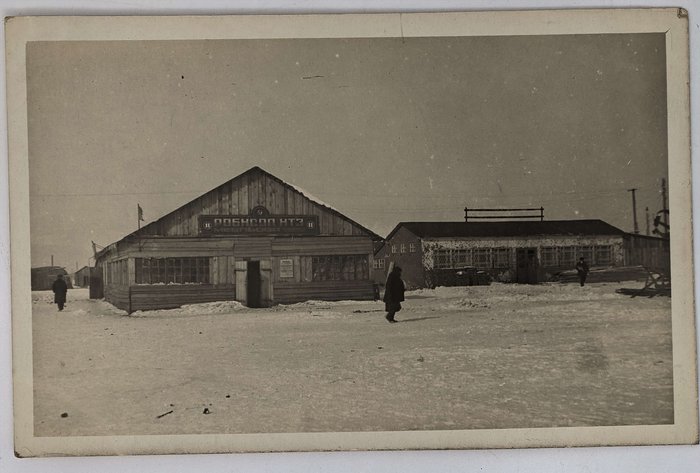
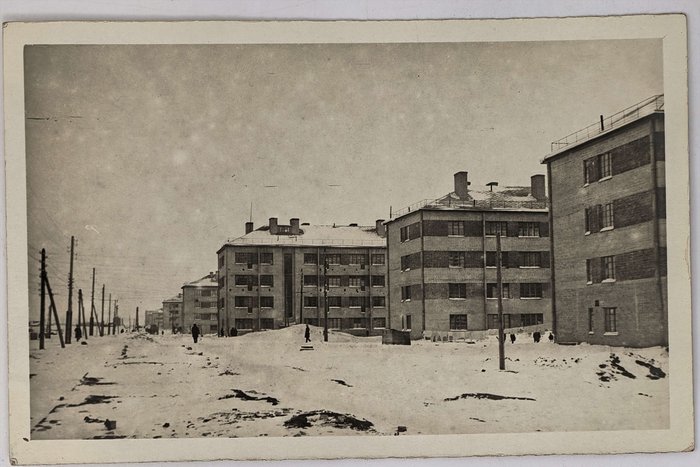
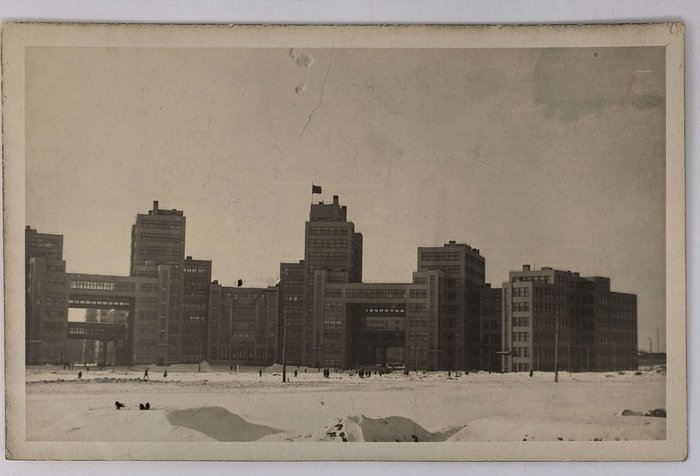
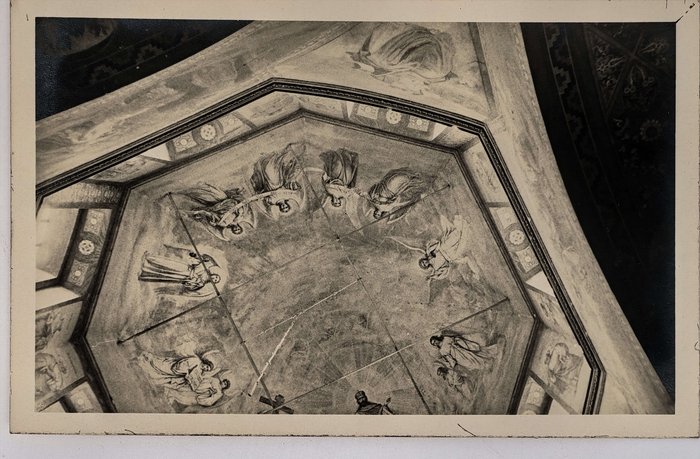
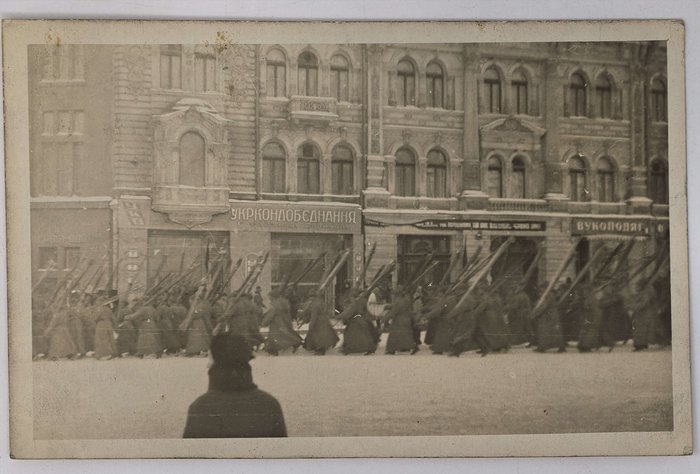
Kharkiv city scenes and architecture: the Chapel of Saint Panteleimon the Healer at the Vladimir Gates, dismantled in 1934, two photographs of Kharkiv University, four photographs of a floral sculptural composition depicting a revolutionary soldier and portraits of Stalin, Lenin, and Stanislav Kosior (head of the Communist Party in Ukraine), all trimmed into a flowerbed, views of the Uspensky Cathedral and an overlook of Universitetskaya Street in Kharkiv, two photographs of the racetrack near the Kharkiv Aviation Plant, three photographs showing the Kharkiv city center during rush hour with people boarding trams and a horse-drawn carriage overtaking one of them, including one image showing St. Nicholas Cathedral shortly before its bombing and demolition in 1930 and another image at the end of the album showing the street view with St. Nicholas Cathedral in the distance, eleven images of newly built apartment blocks in the constructivist village constructed to house workers of the Kharkiv Tractor Plant, one captioned “our front yard in Kharkiv” and showing a construction pit with laundry hung out to dry across it as one of the first Sotsgorod quarters in the USSR; a Red Army parade on a central Kharkiv street with shop signs in Ukrainian visible, a photograph of tram no. 18 heading to the Kharkiv Tractor Plant, Robkoop KHTZ no. 11 (the cooperative grocery store for Tractor Plant workers), three photographs showing Derzhprom in snow, one of the first constructivist skyscrapers in the USSR completed in 1928, four photographs of windmills in open fields, and five images showing an abandoned monastery together with two images of a church interior, likely from the same complex, with remnants of frescoes and barrels stored inside, reflecting the common fate of religious buildings repurposed for storage prior to demolition in Ukraine and Russia during the 1930s.
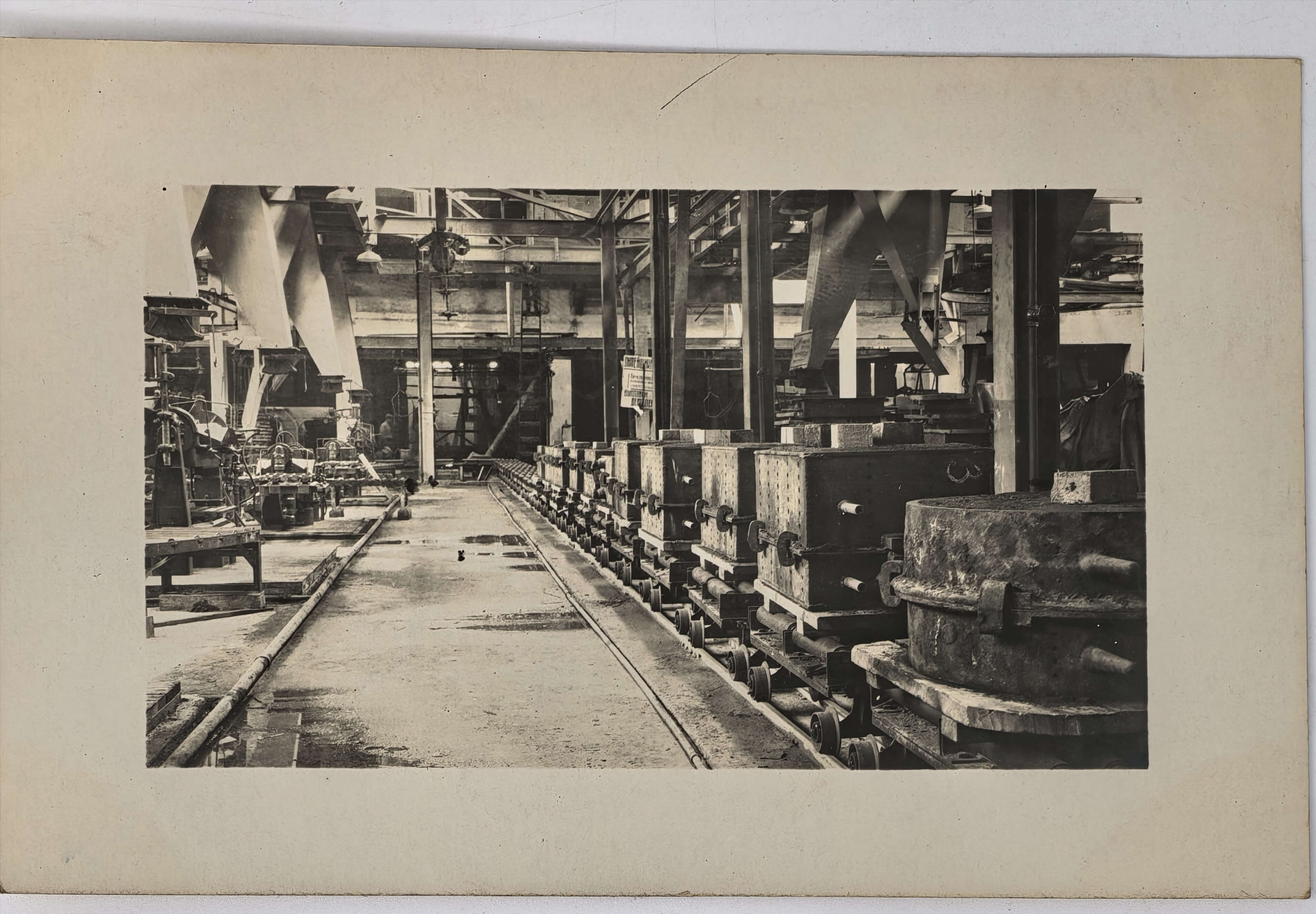
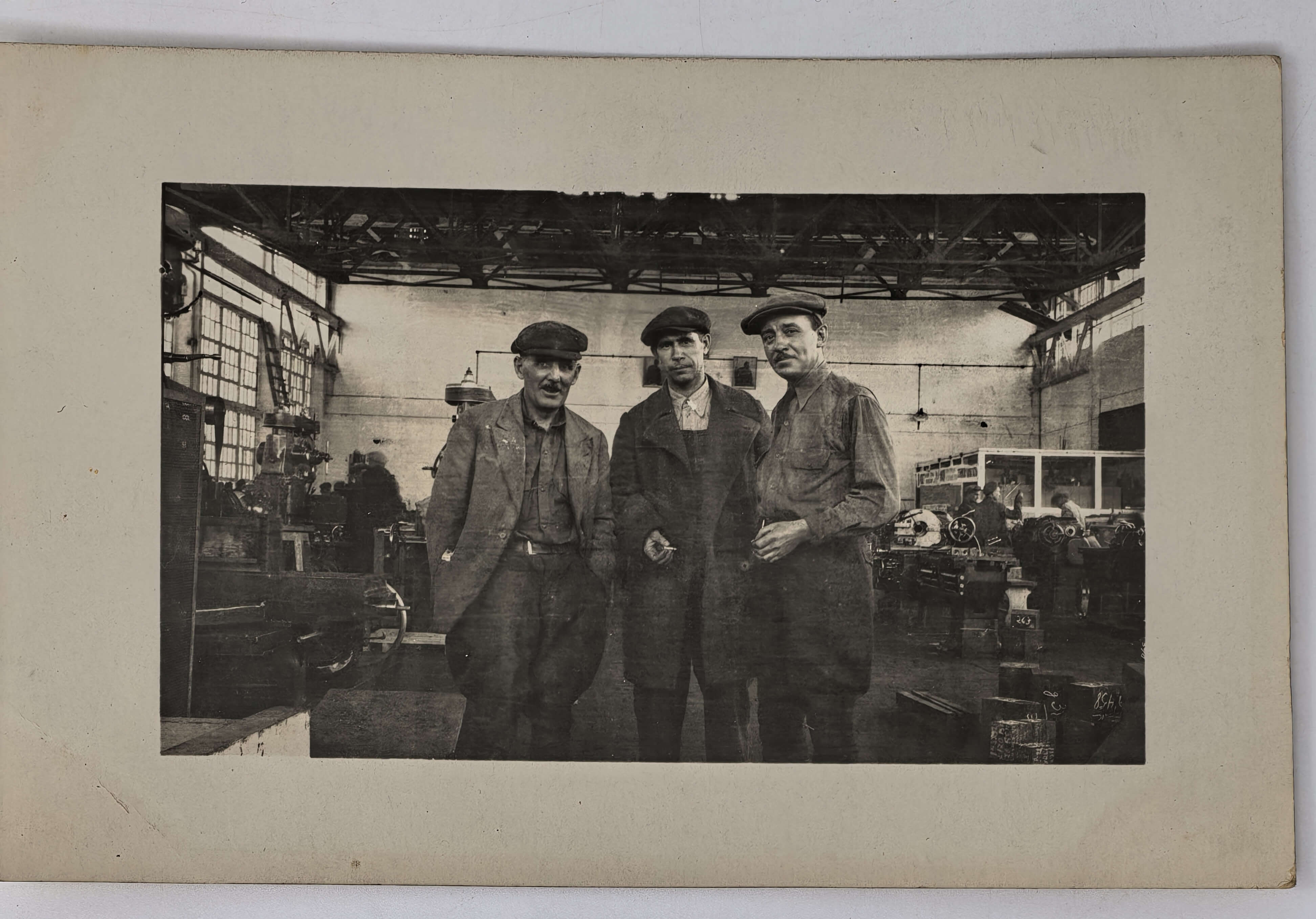
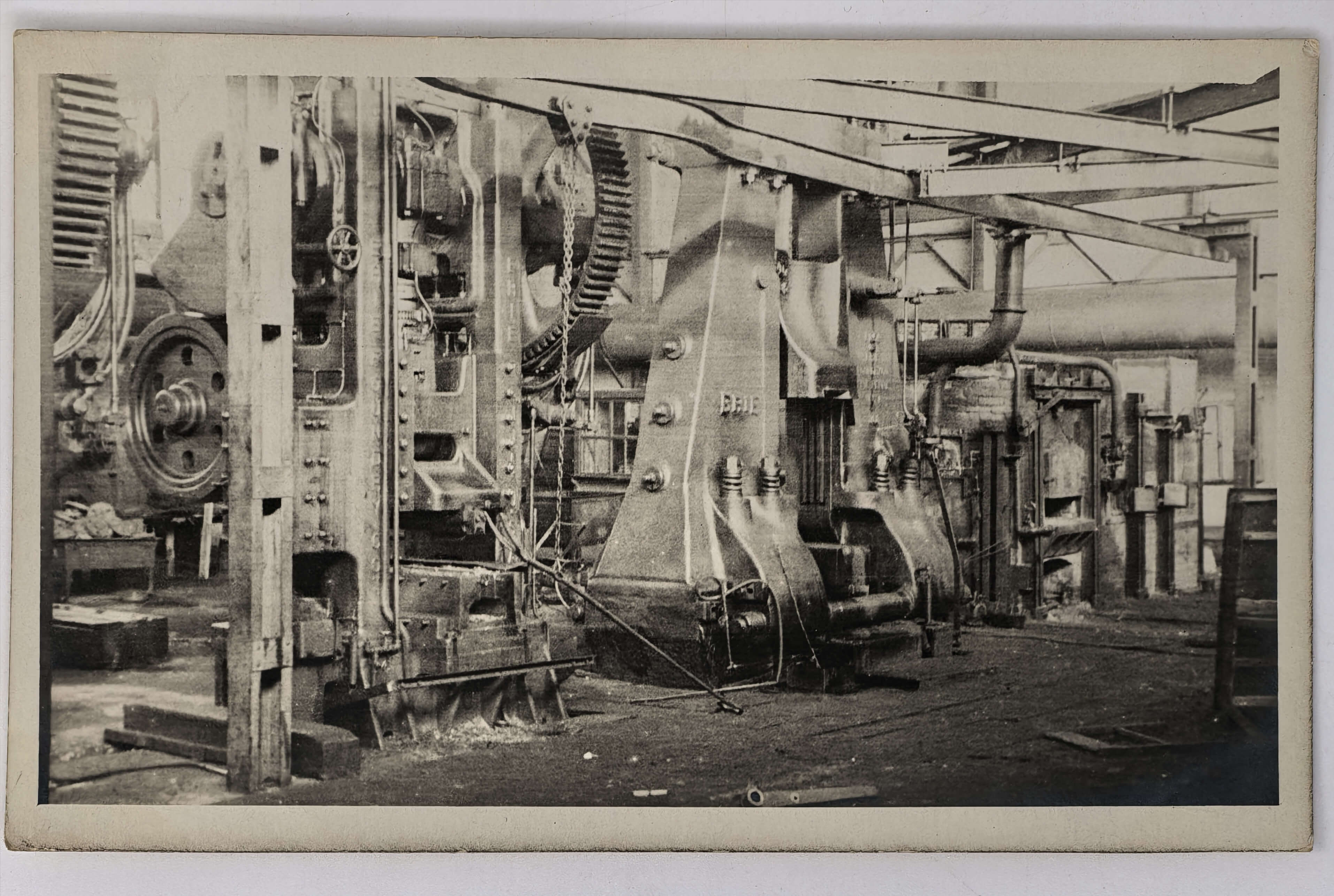
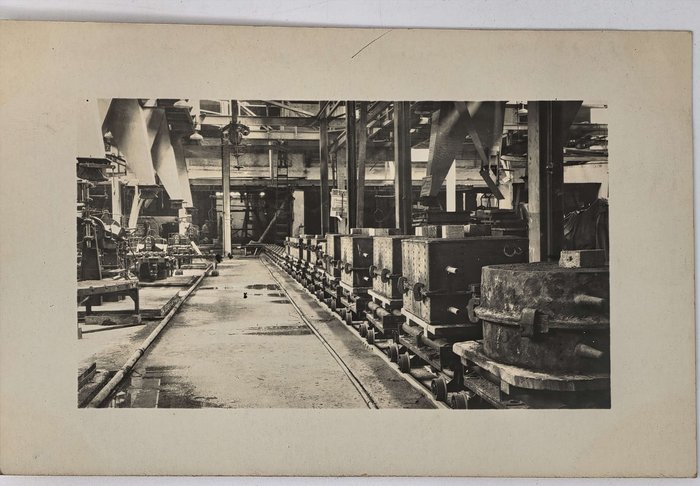
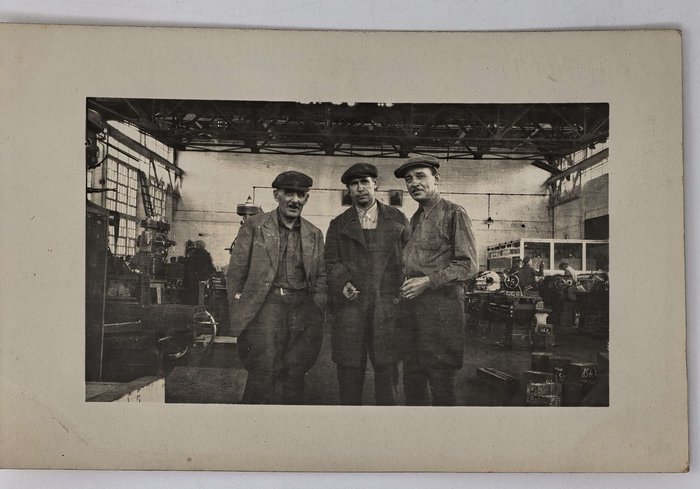
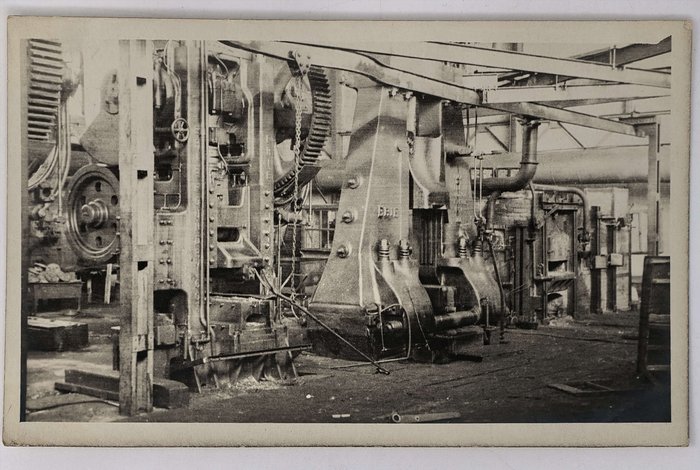
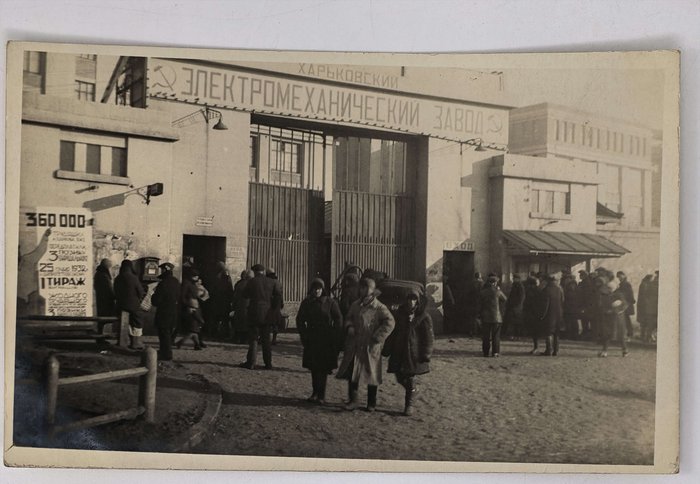
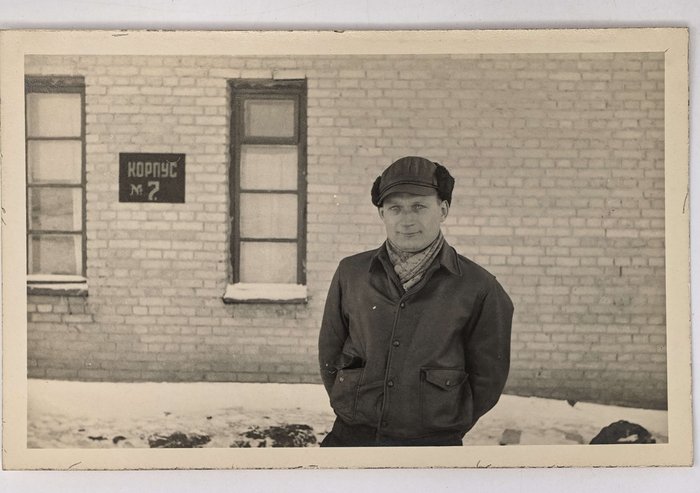
Industrial photos in the album : Two photos of the 10 men, in jackets and flat hats, posting together next to a plant; electromechanical plant in Kharkiv, with signage and the advertisement board telling about the achievements of the plant; seven photos of industrial interior of the plant; four photos showing the Americans outside of ‘Korpus number 7’ presumably of Tractor Plant, their main place of work, the canteen of the plant, hospital ward with beds being made and a portrait of Stalin overlooking the ward
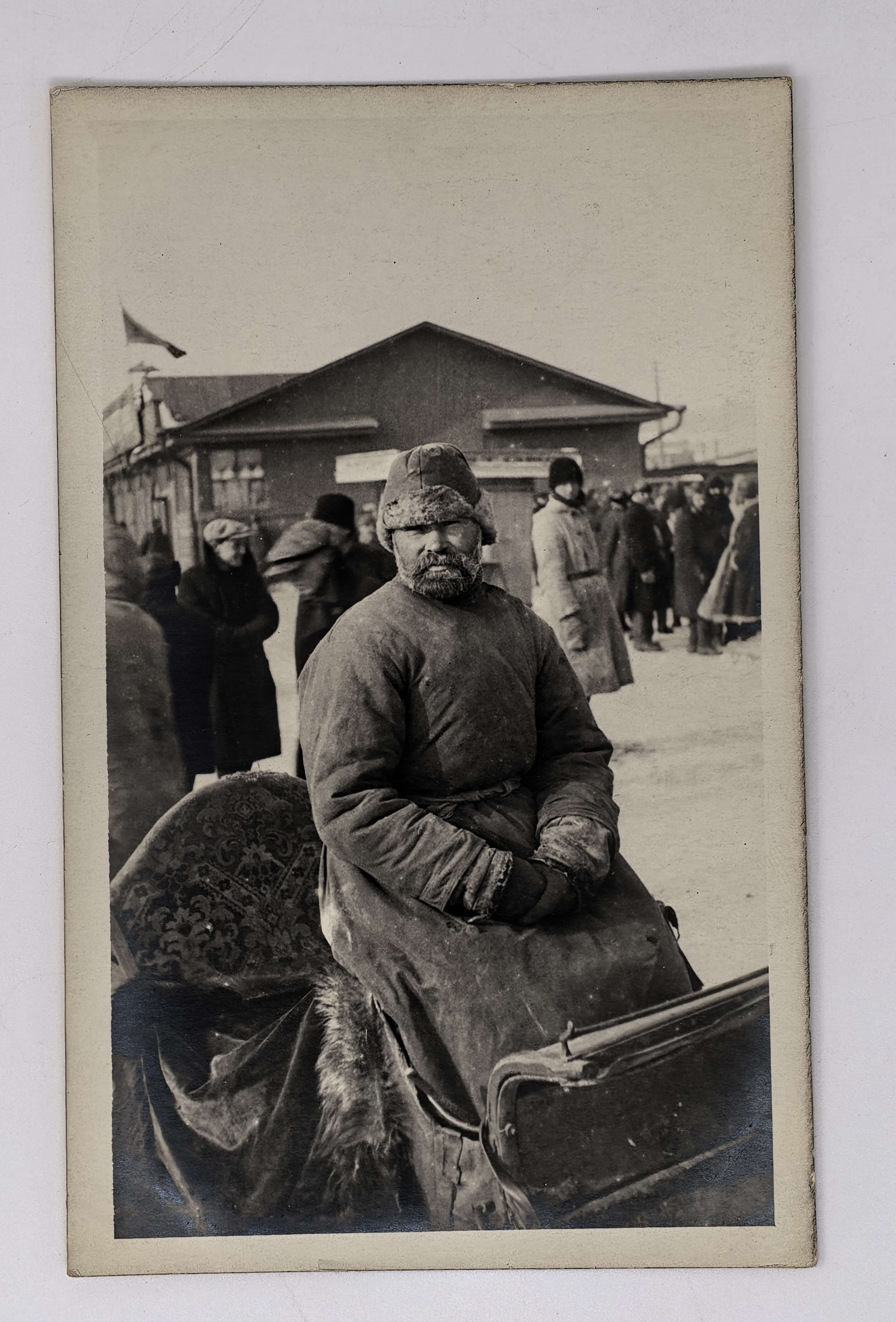
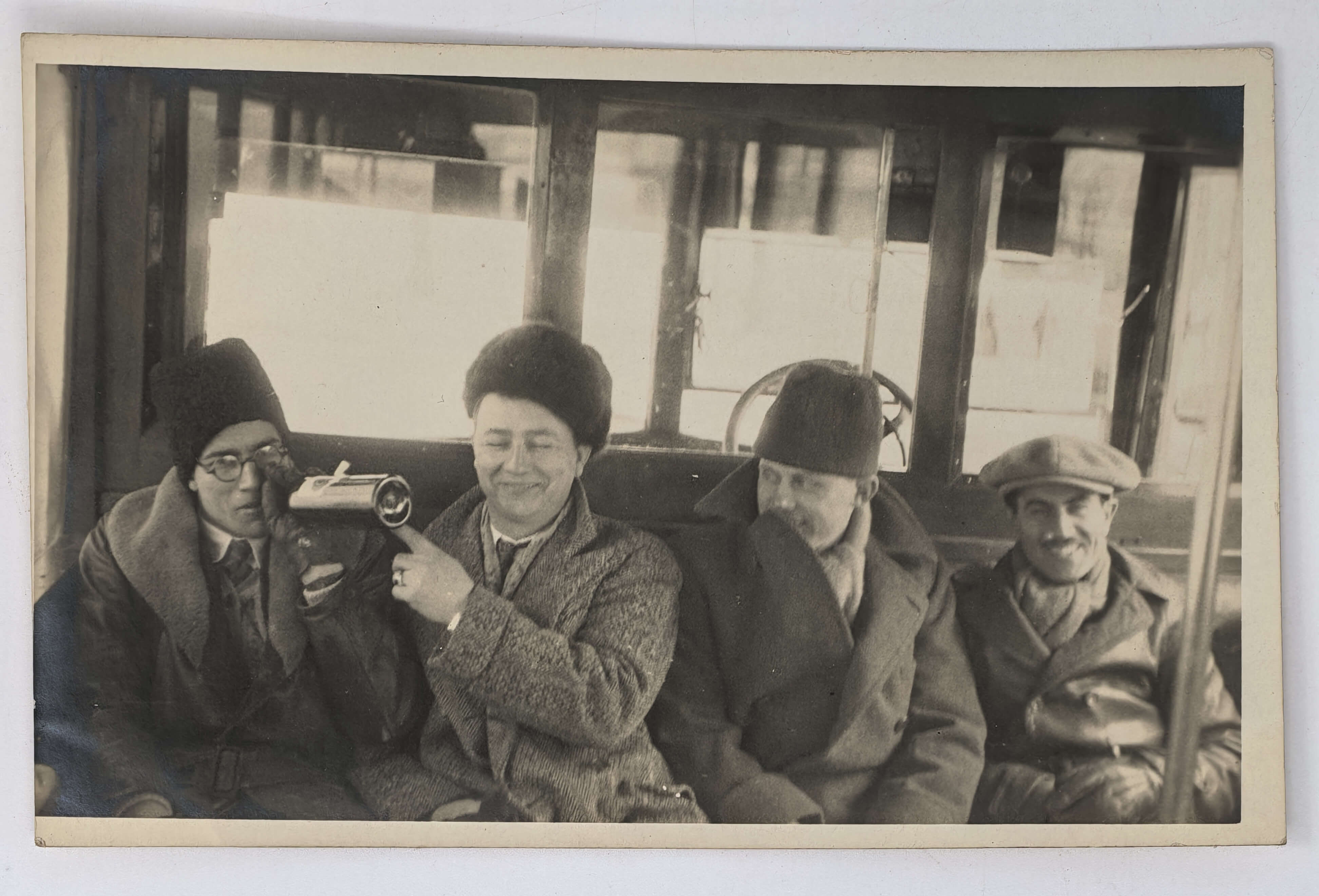
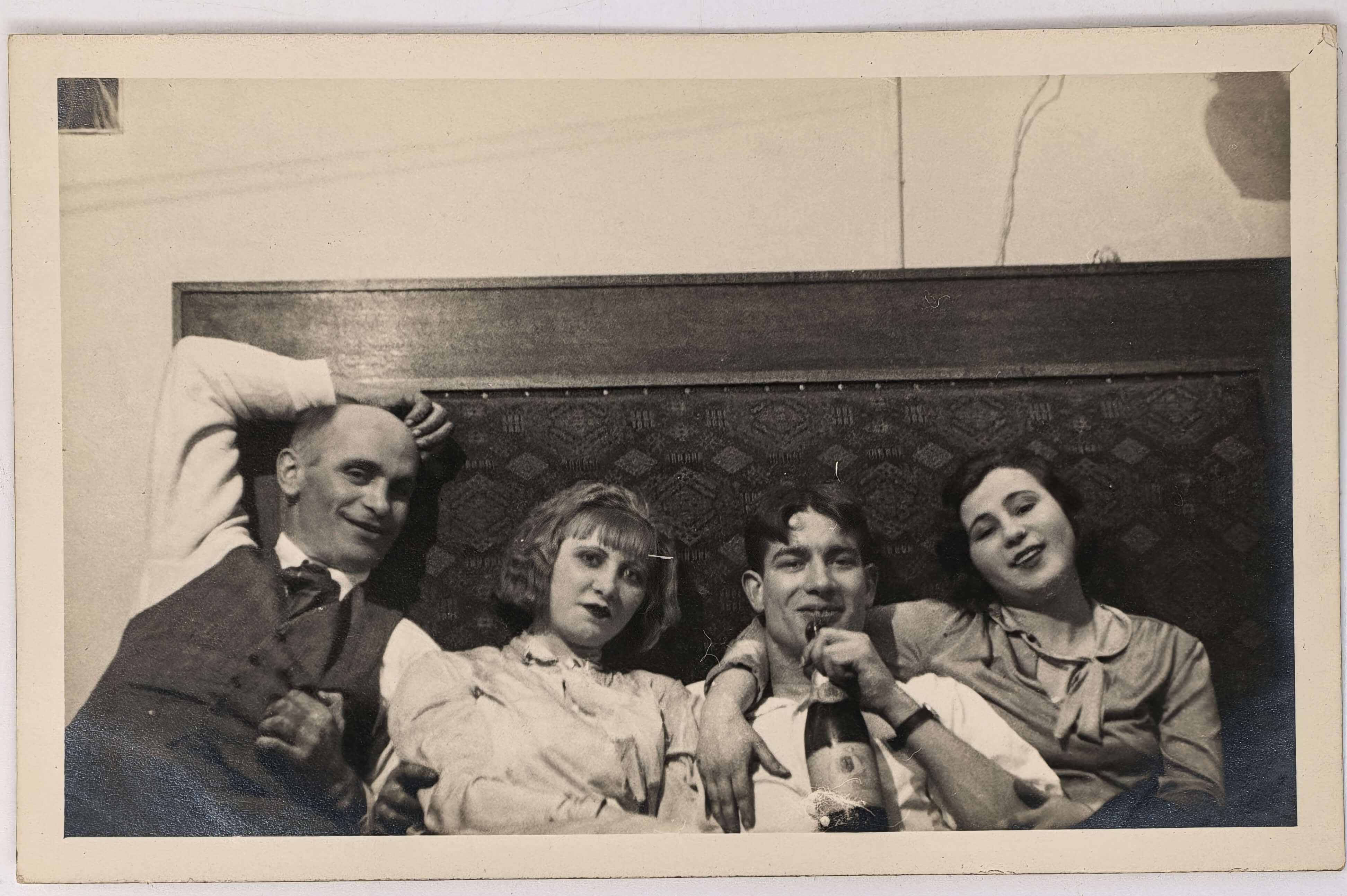
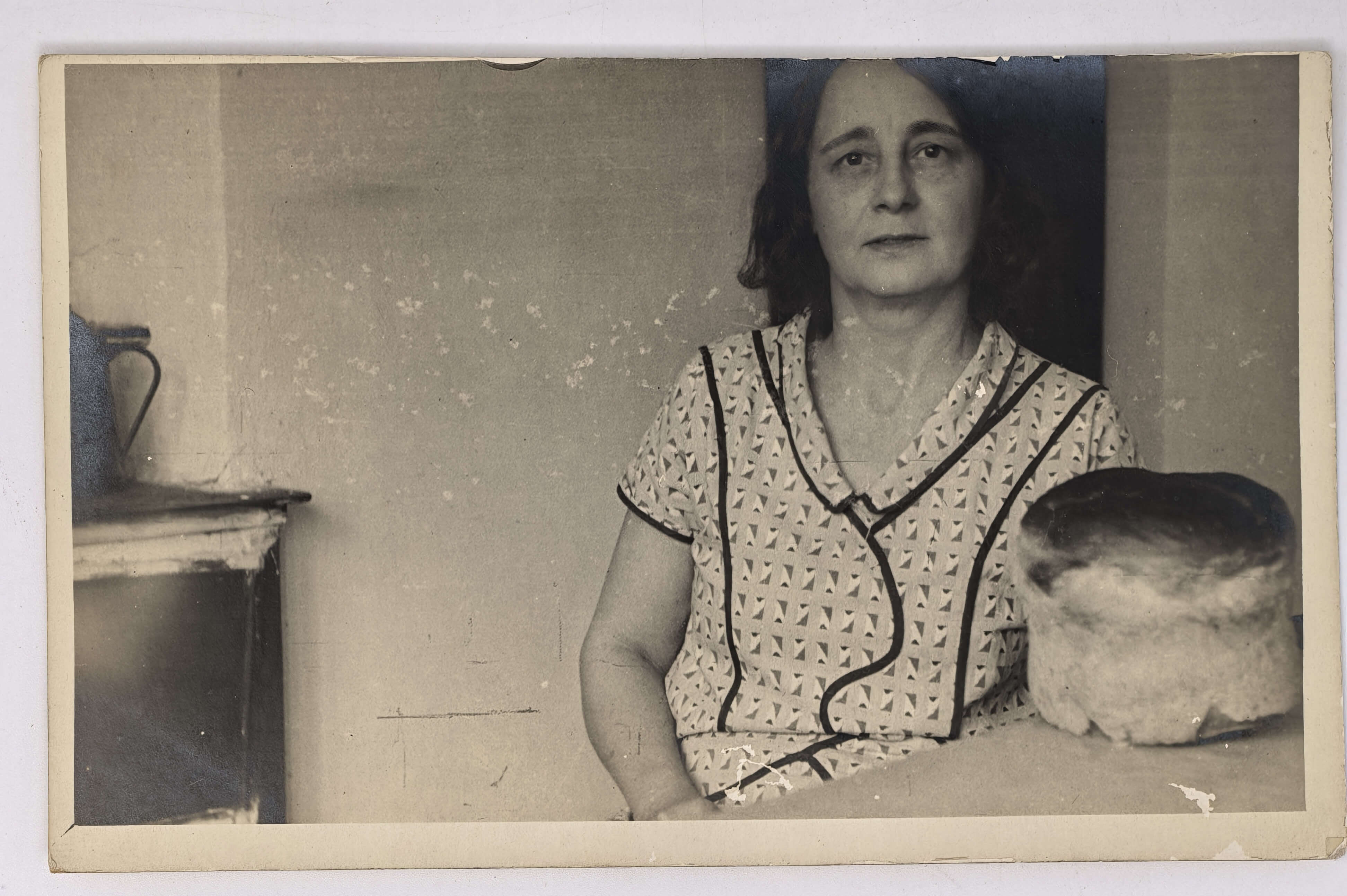
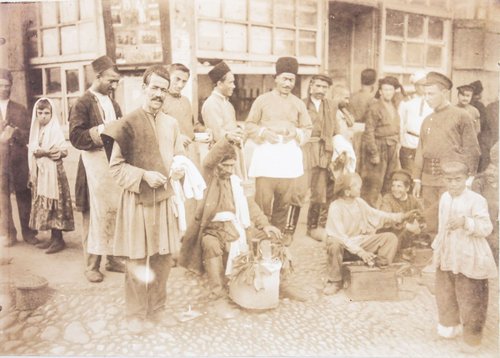
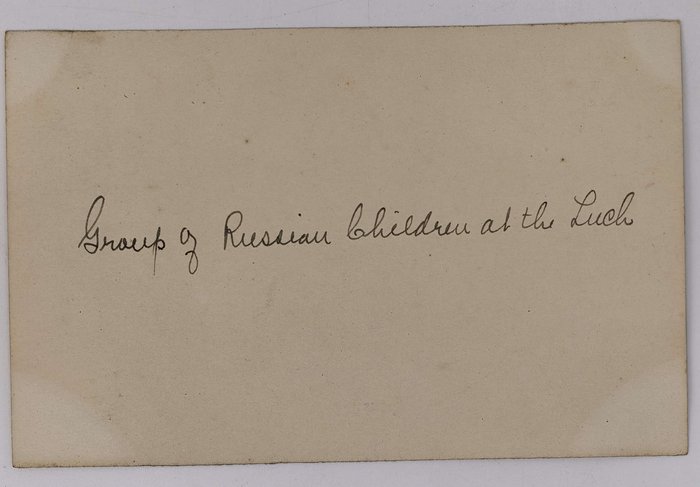
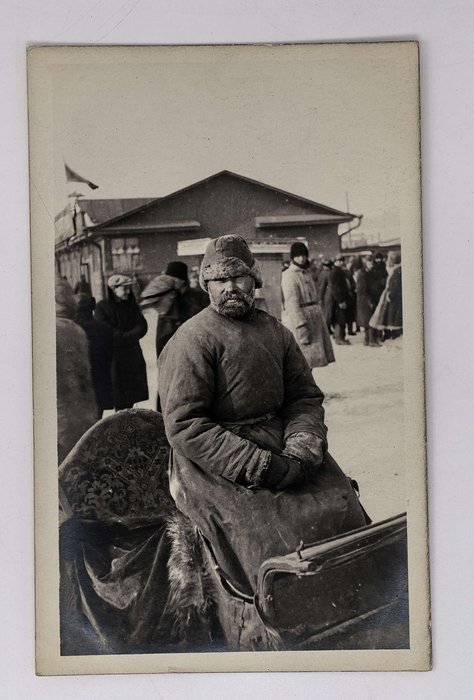
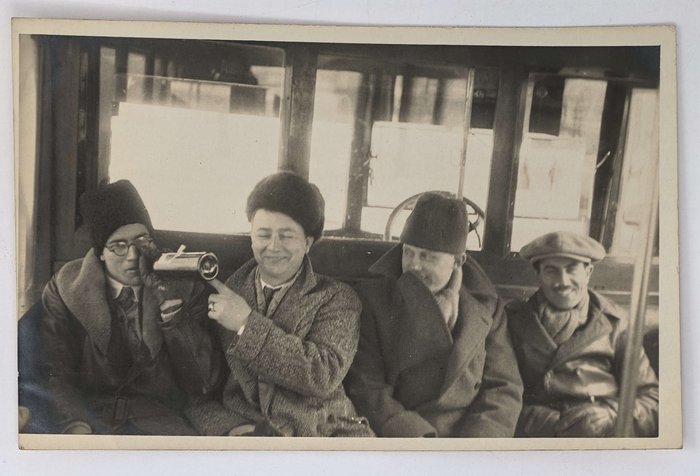
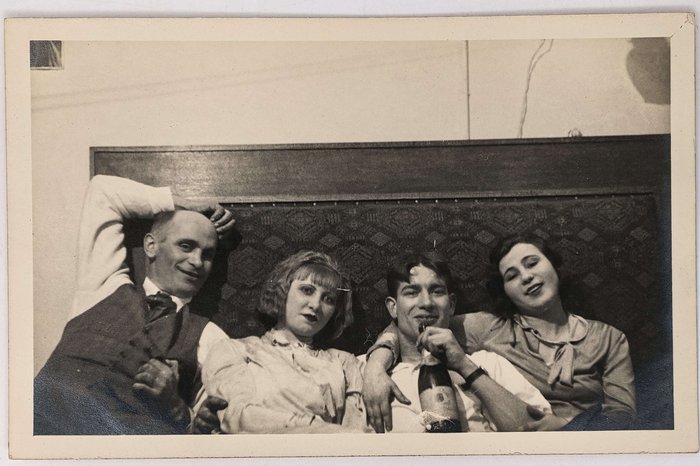
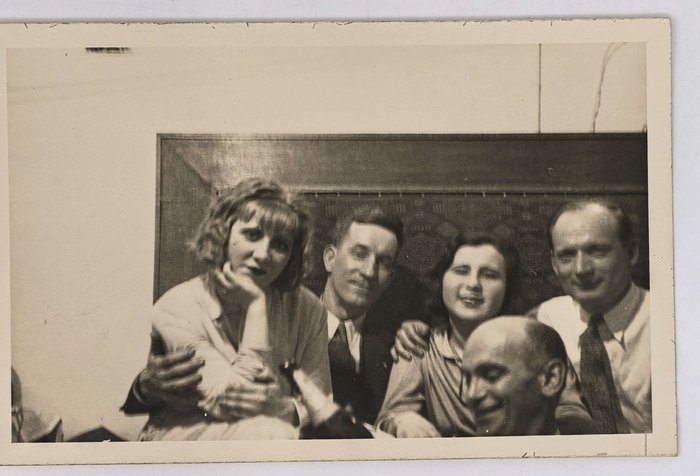
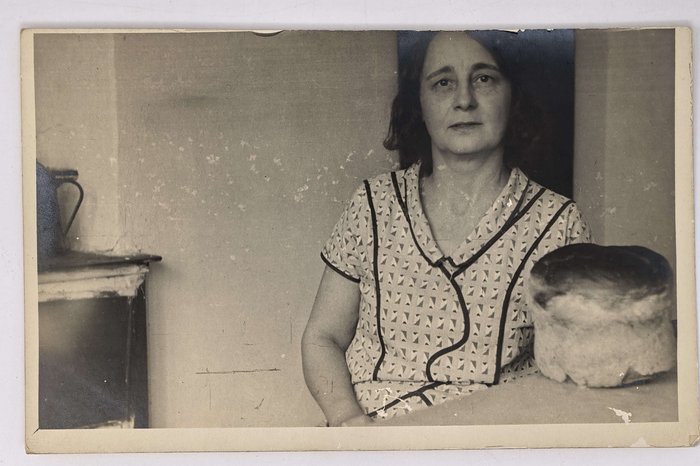
Photos of local residents, including three women washing clothes in a stream, a group portrait of four women and two men seated around a festive dinner table, women posing in a kitchen beside a stove, two photographs captioned “Group of Russian Children at the Luch,” three photographs of children bathing in a local stream, a young woman reading a newspaper, a portrait of an izvozchik, a bearded cab driver riding a horse-drawn carriage, nine photographs showing American specialists socializing, drinking, and dancing with local women, including one image of an older woman standing beside a loaf of bread she presumably baked, and five group photographs of local children on the streets.
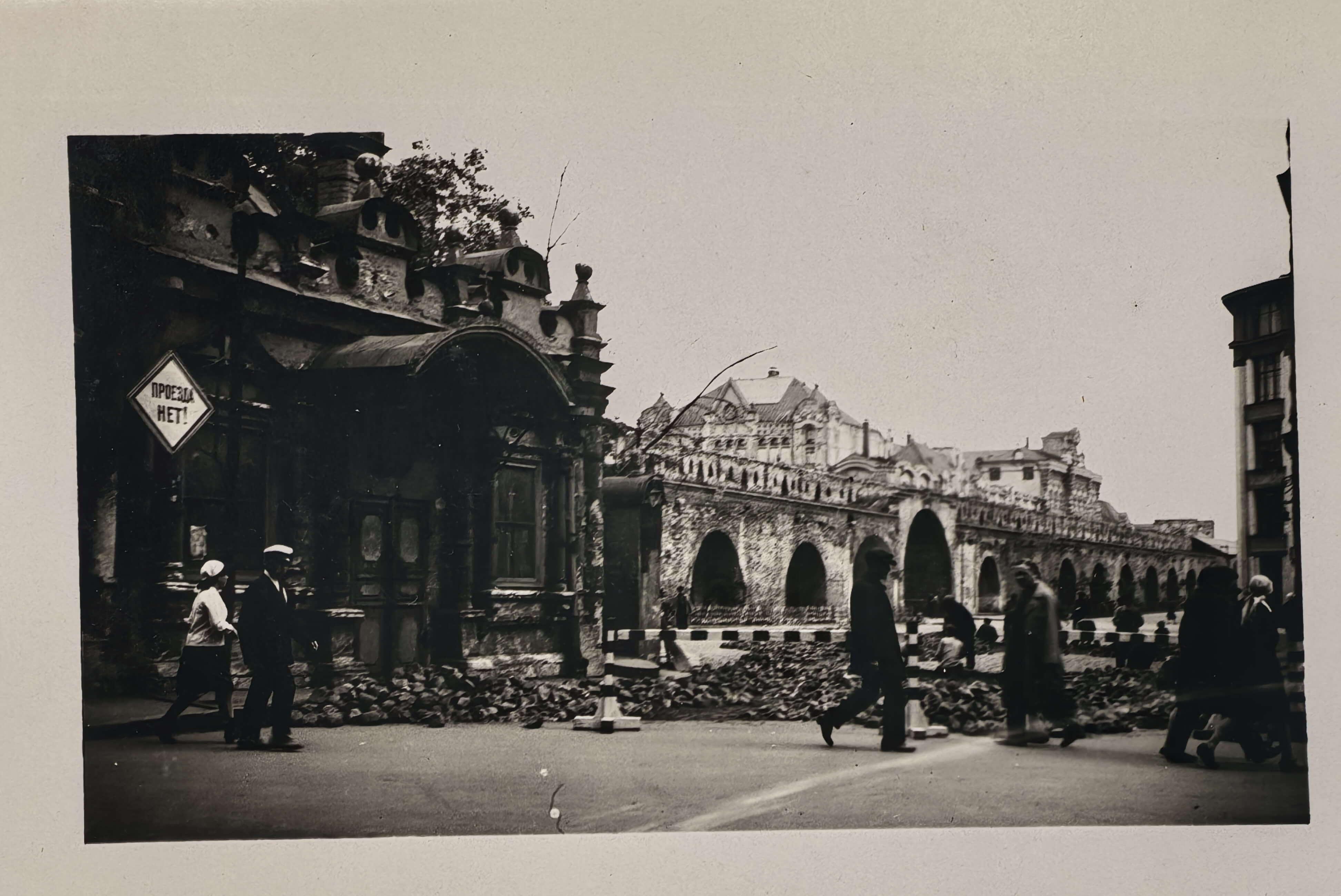
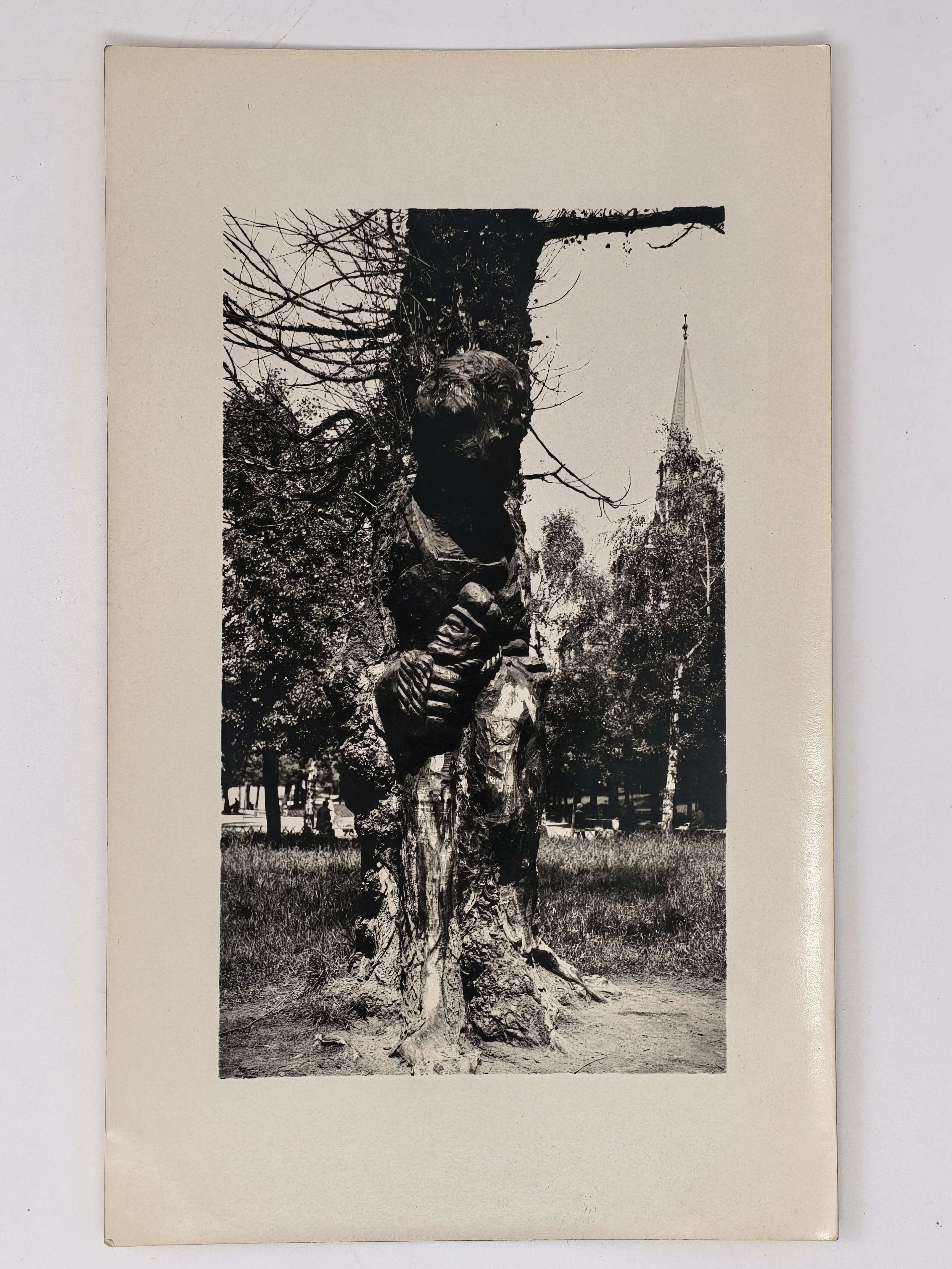
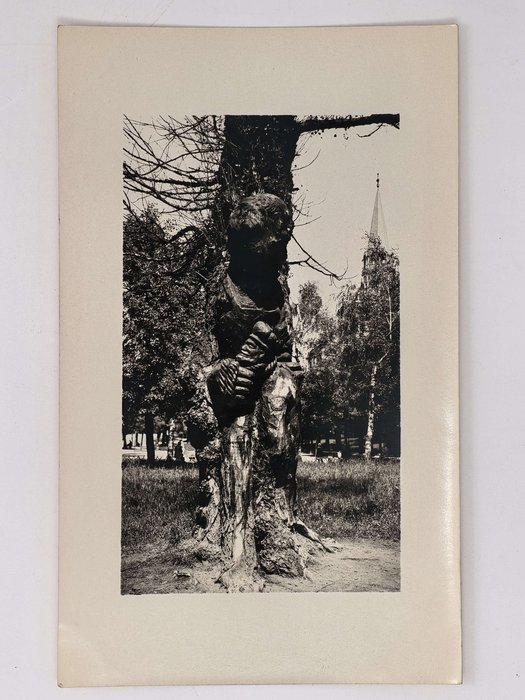
Moscow photos include two photos of the Red Square, photo of the dismantling of the Kitay-gorod wall in Moscow, street view with Sukharev tower in Moscow, demolished in 1934, the photo of the curious wooden sculpture in Alexandrovskiy garden in Moscow, showing the hanged Nicolas II carved into a tree.
Album concludes with twenty one photos at the end taken in Germany, including Berlin and Potsdam , with one photo captioned ‘Zuckerman, Russian engineer, Mr & Mrs. Hood in from of Kaiser palace in Berlin’. This could be the Russian inventor Veniamin Zuckerman (1913-1993), the researcher in the X-ray laboratory of the Aviation Materials Testing Department of TsAGI, there was a colleague of Nobel laureate Vitaly Ginzburg and the inventor of the anti-tank bottle launcher, which helped the Soviet army in the 1940s to throw Molotov cocktails over long distances.
Overall the important insight into the activities of American specialists in Ukraine in 1930s, providing rare opportunity to see the uncensored and changing for good Soviet Kharkiv and Moscow.