
#PE82
Ca. 1932-1936
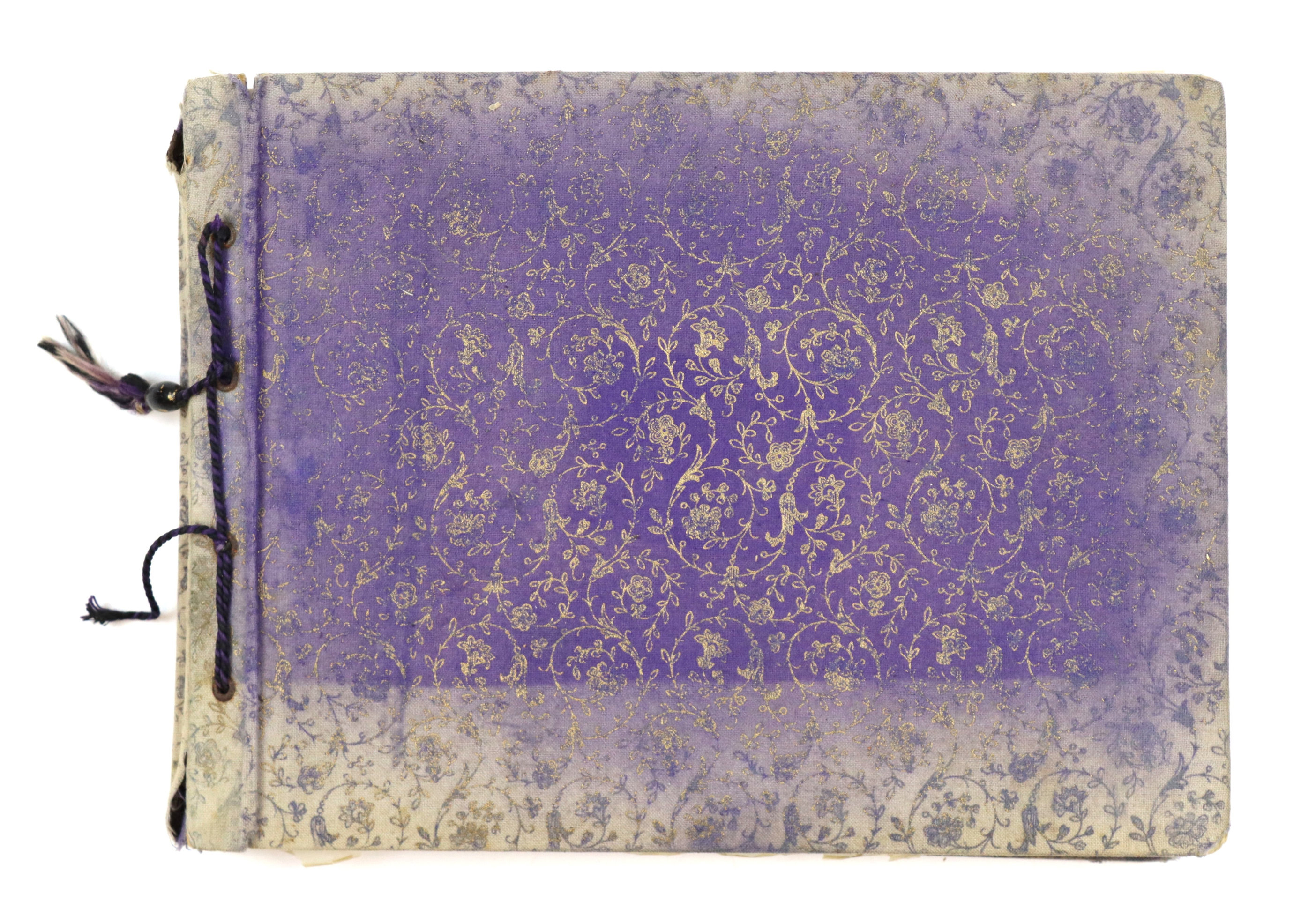
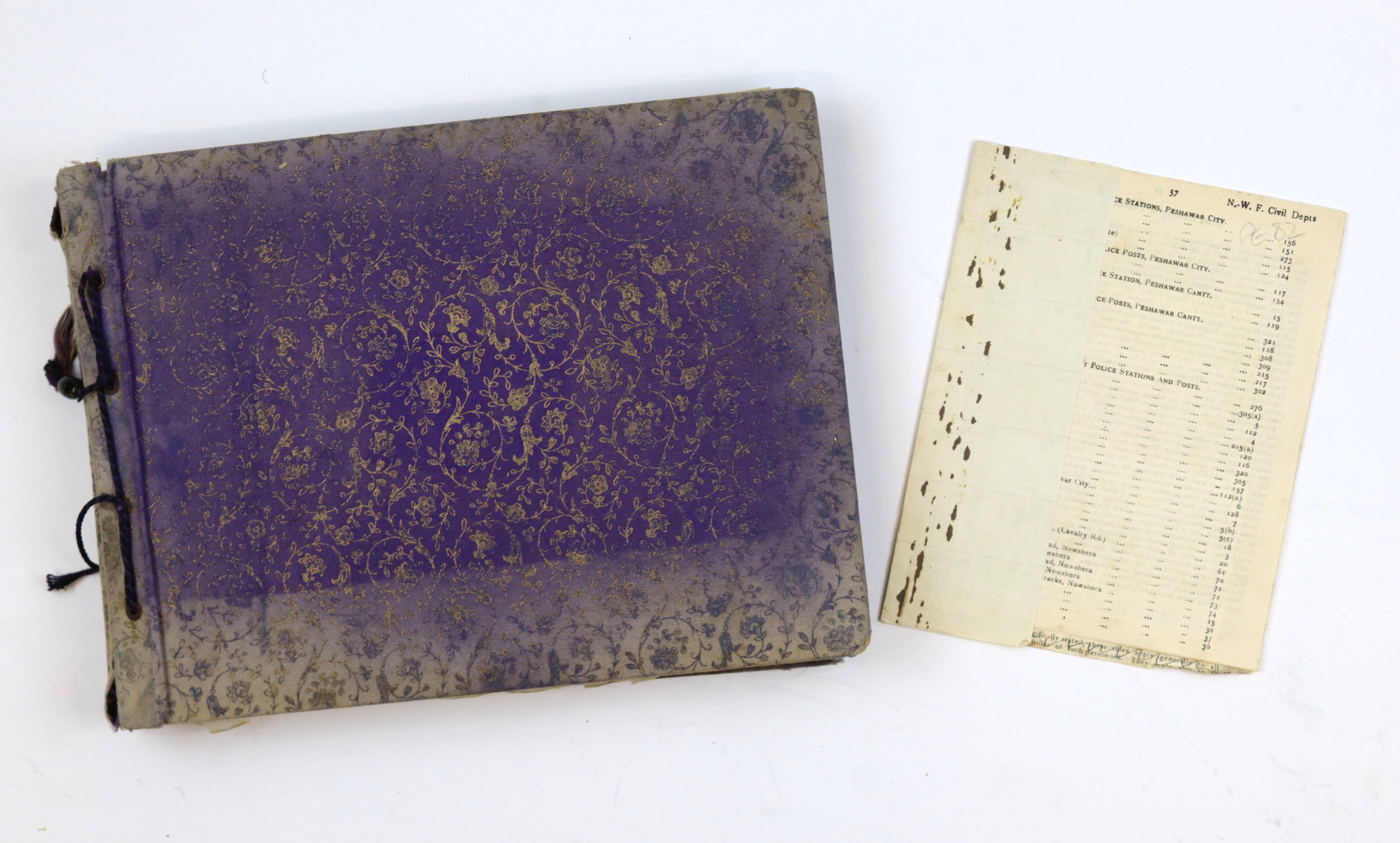
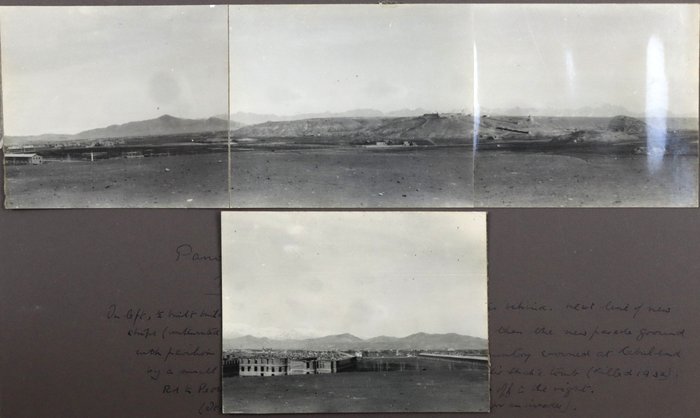
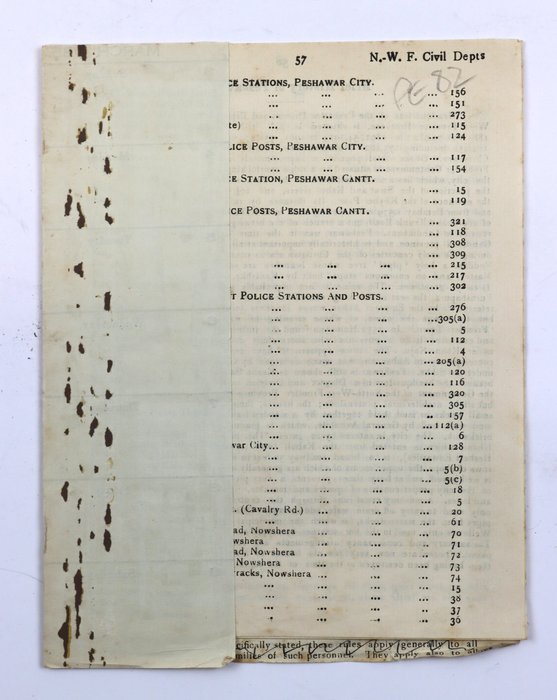
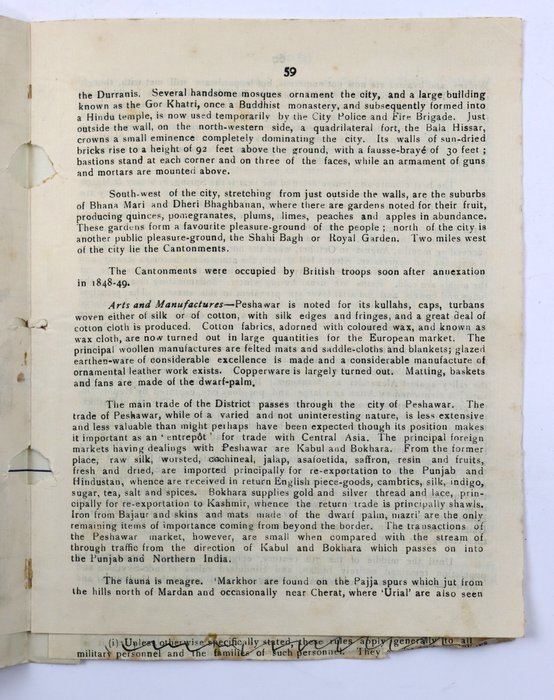
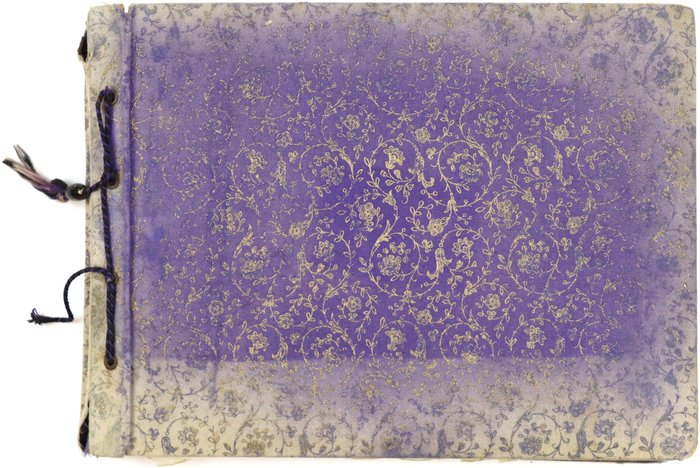
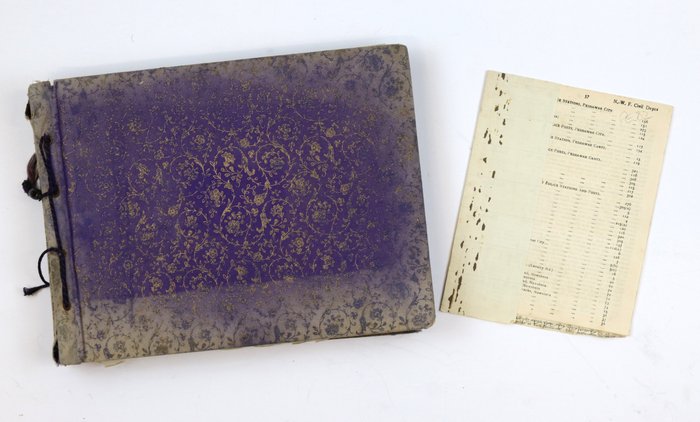
Oblong Folio album ca. 24,6x33 cm (9 ¾ x 13 in). 14 card stock leaves with tissue guards. With 98 original gelatin silver photographs (including one loose) from ca. 8,8x13,5 cm (3 ½ x 5 ¼ in) to ca. 4,6x7 cm (1 ¾ x 2 ¾ in), and one four-part panorama ca. 7,9x37,8 cm (3 x 15 in); with an excerpt from the Imperial Gazetteer of India (North-West Frontier Province) or a closely related provincial civil-military handbook, ca. 1930s. Ca. 20,6x16,6 cm (8 x 6 ½ in). 57-63 pp. in all 8 pp. Most photos with period white individual or group ink captions (in English) on the mounts. Period purple full-cloth album with gilt floral ornaments; fastened with a string. Binding worn with tears of the spine, partially faded, some tissue guards with tears and detached, one photo from the panorama detached, spine of the booklet rebacked with a non-archival paper, partially obscuring text on p. 57, but otherwise a very good album with strong, interesting photos.
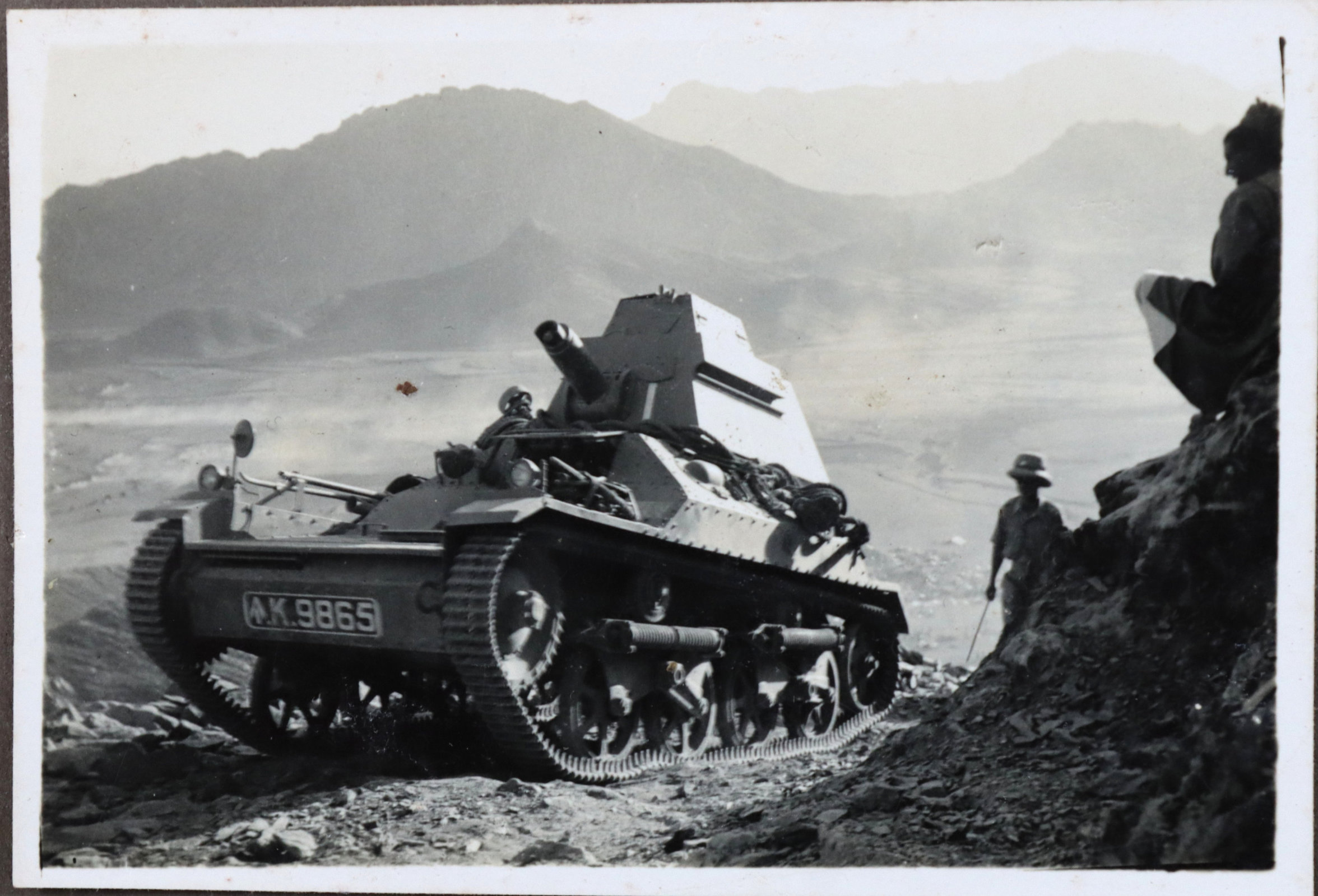
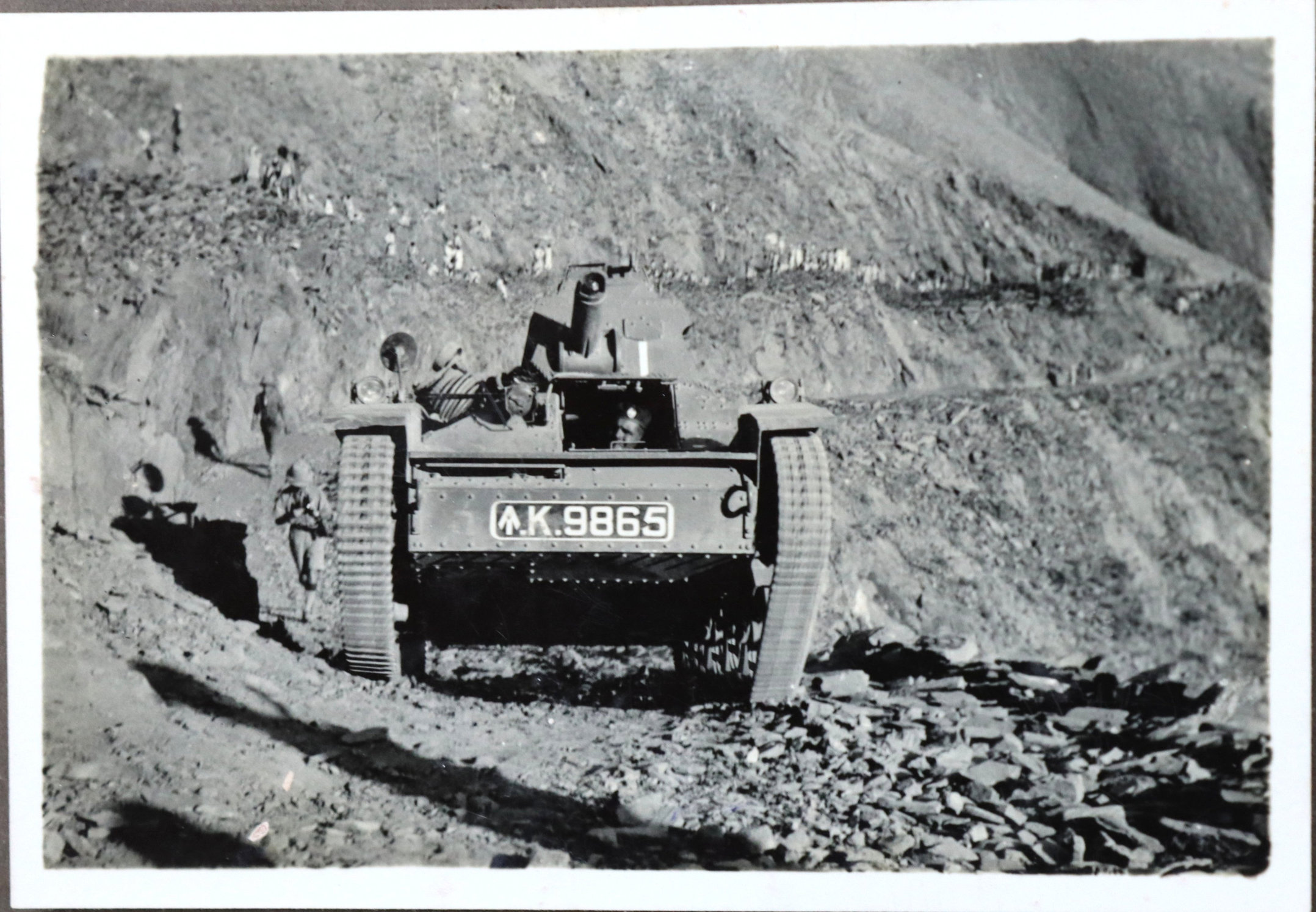
Historically significant collection of gelatin silver photos apparently compiled by a British military officer attached to the Royal Tank Corps or a specialized frontier brigade in the North-West Frontier area of British India (now Pakistan) during the Second Mohmand Campaign of 1935.
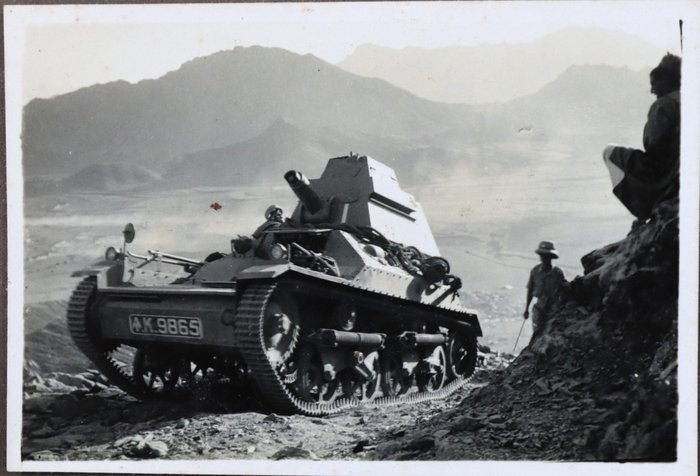
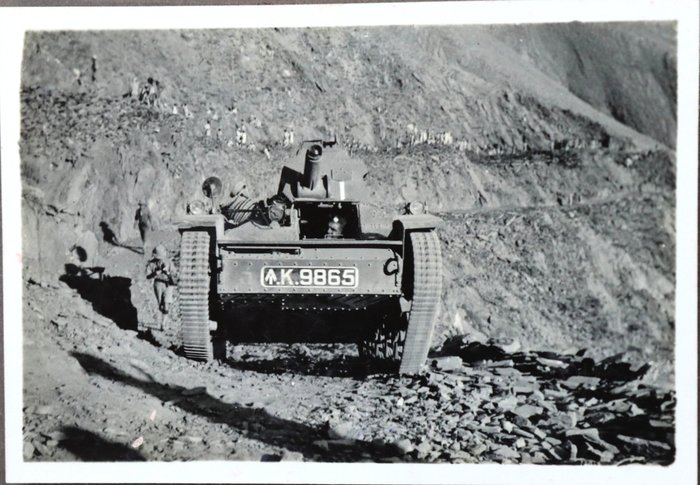
The Mohmand Campaign was a British military operation fought from July to October 1935 against the Mohmand tribes north of the Khyber Pass in the North-West Frontier Province of British India. It combined British and Indian Army advances with Royal Air Force bombing to secure the frontier and suppress tribal resistance to the construction of the Mohmand–Gandab road. The campaign saw the first use of light tanks in frontier warfare and ended with the defeat of Mohmand forces, restoring British control over the border region.
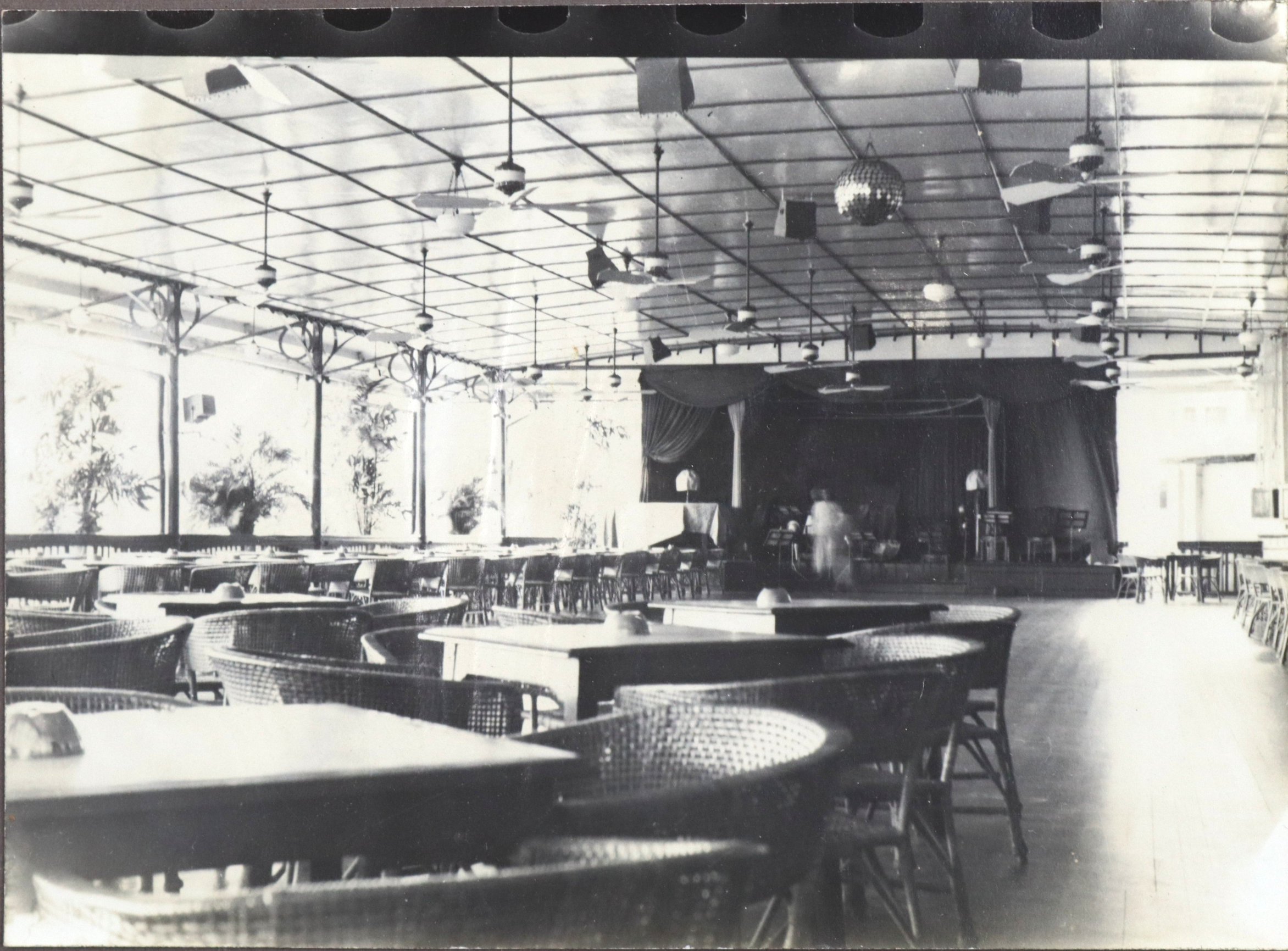
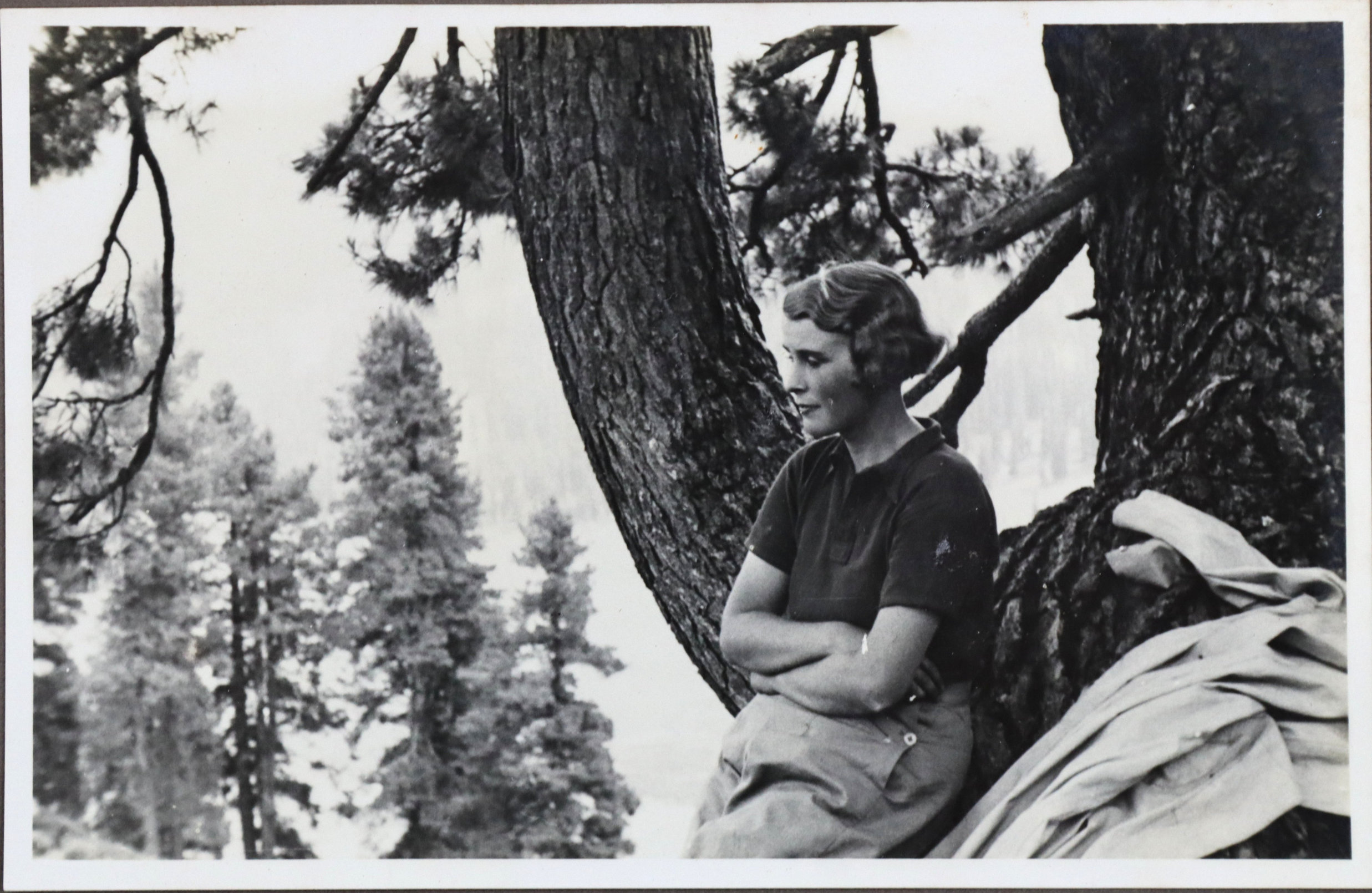
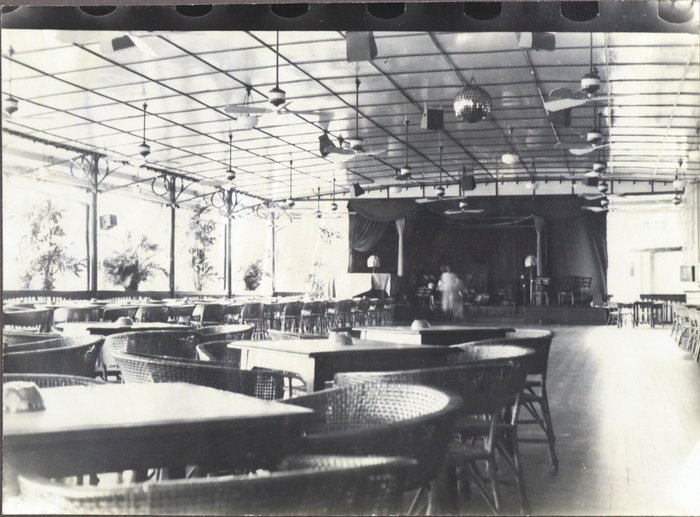
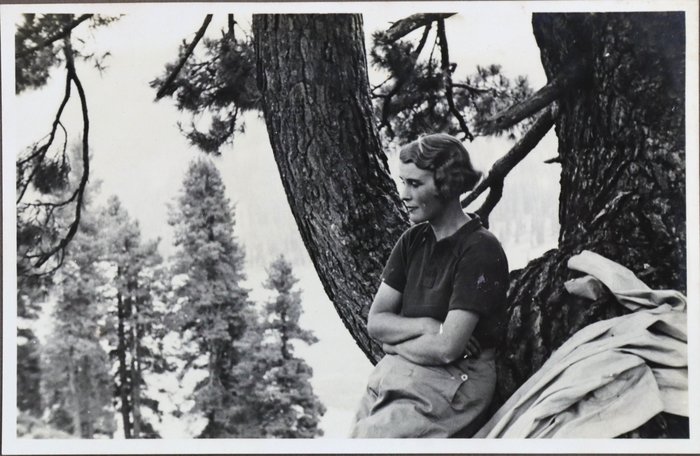
As follows from the photos, the compiler arrived in India via Singapore in 1932, traveling through key imperial hubs such as Calcutta and New Delhi en route to his frontier posting. By 1933, he was serving on the frontier, spending summer leave in Kashmir and Srinagar before deployment to the remote outpost of Chitral. In March 1935, he traveled to Kabul, Afghanistan, likely on an official diplomatic or intelligence mission, before seeing active frontline service later that year during the Second Mohmand Campaign. By 1936, he was stationed with the 2nd Light Tank Company at the Khojak Pass near Quetta, where the unit tested its tracked vehicles while maintaining frontier surveillance.
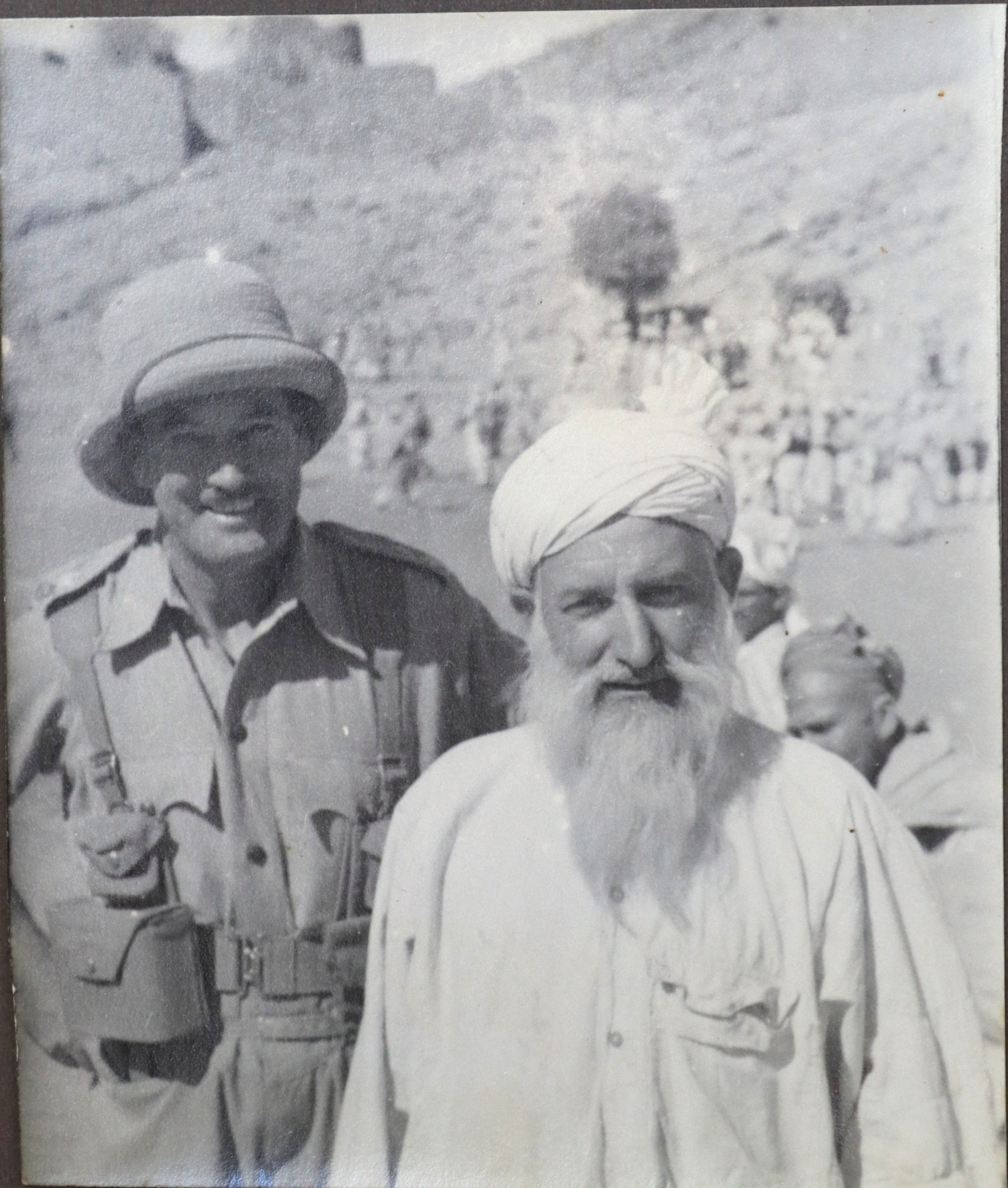
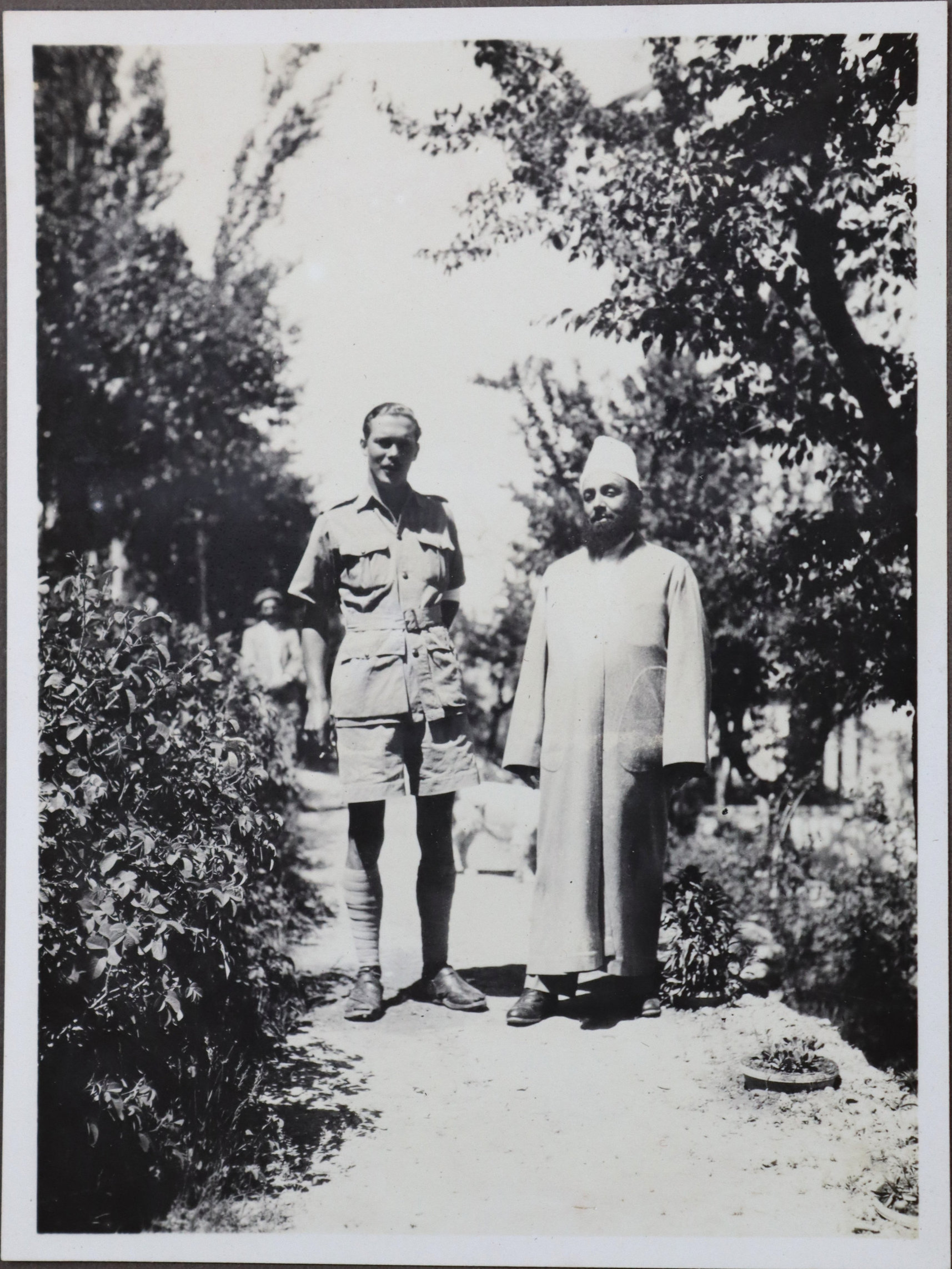
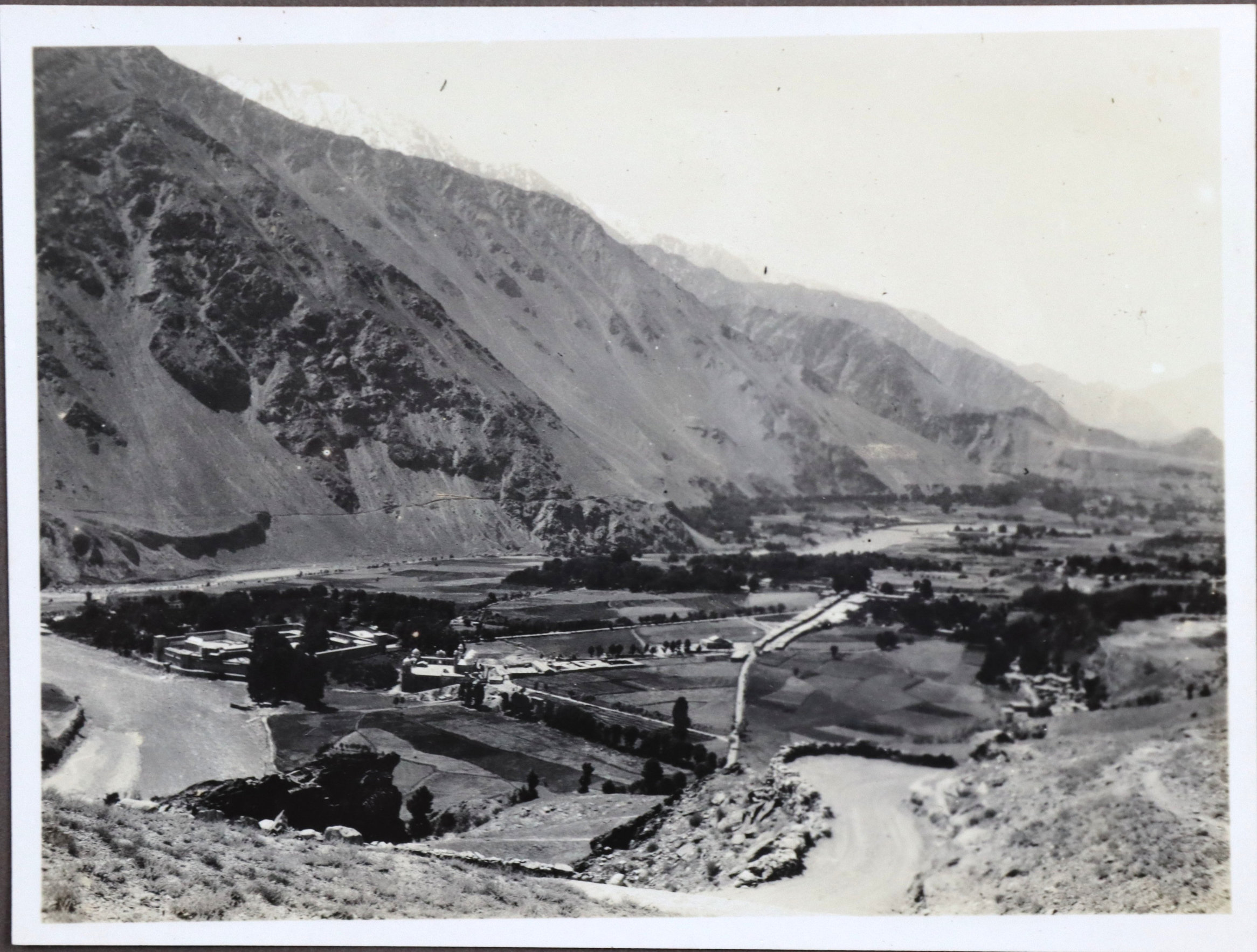
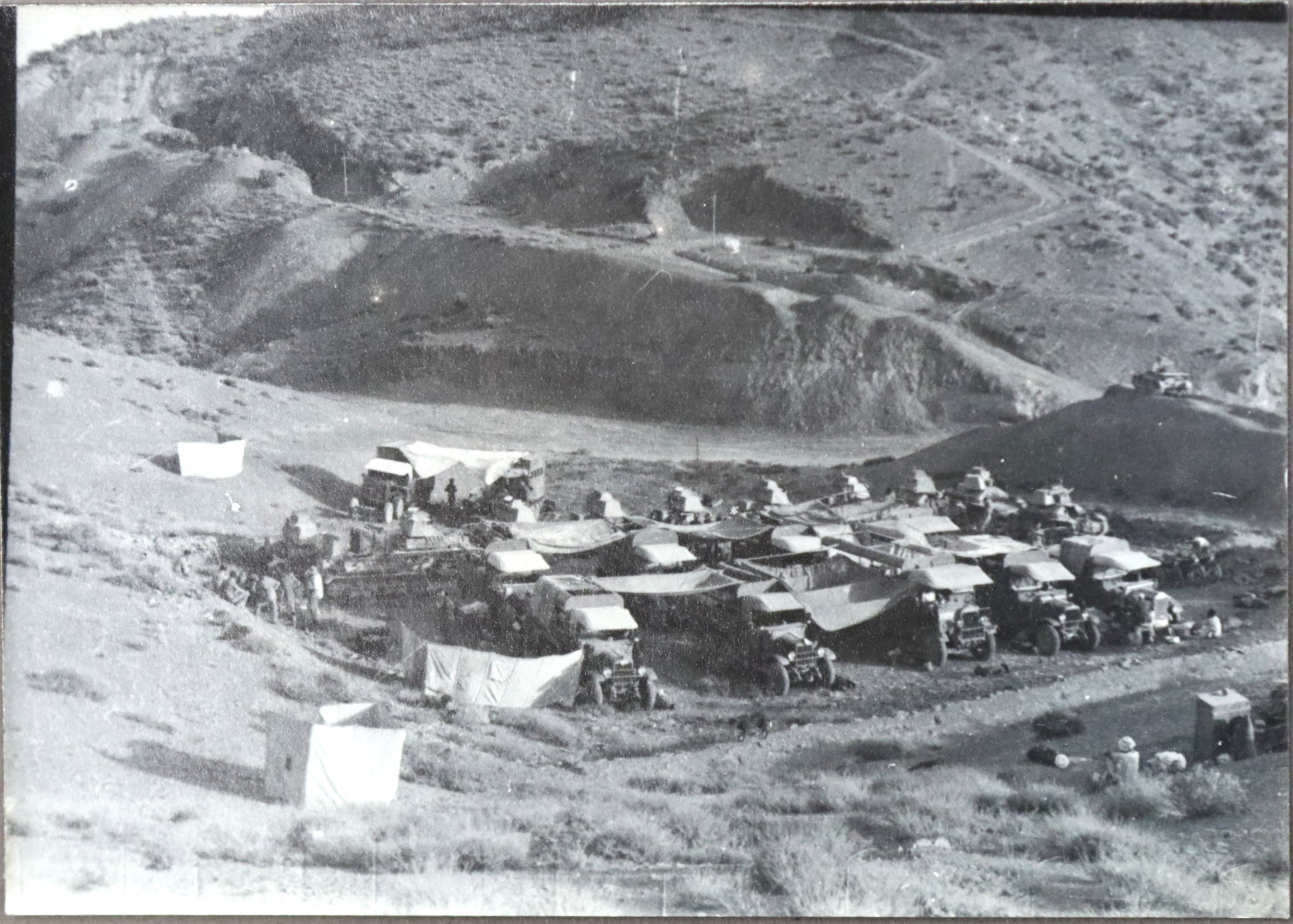
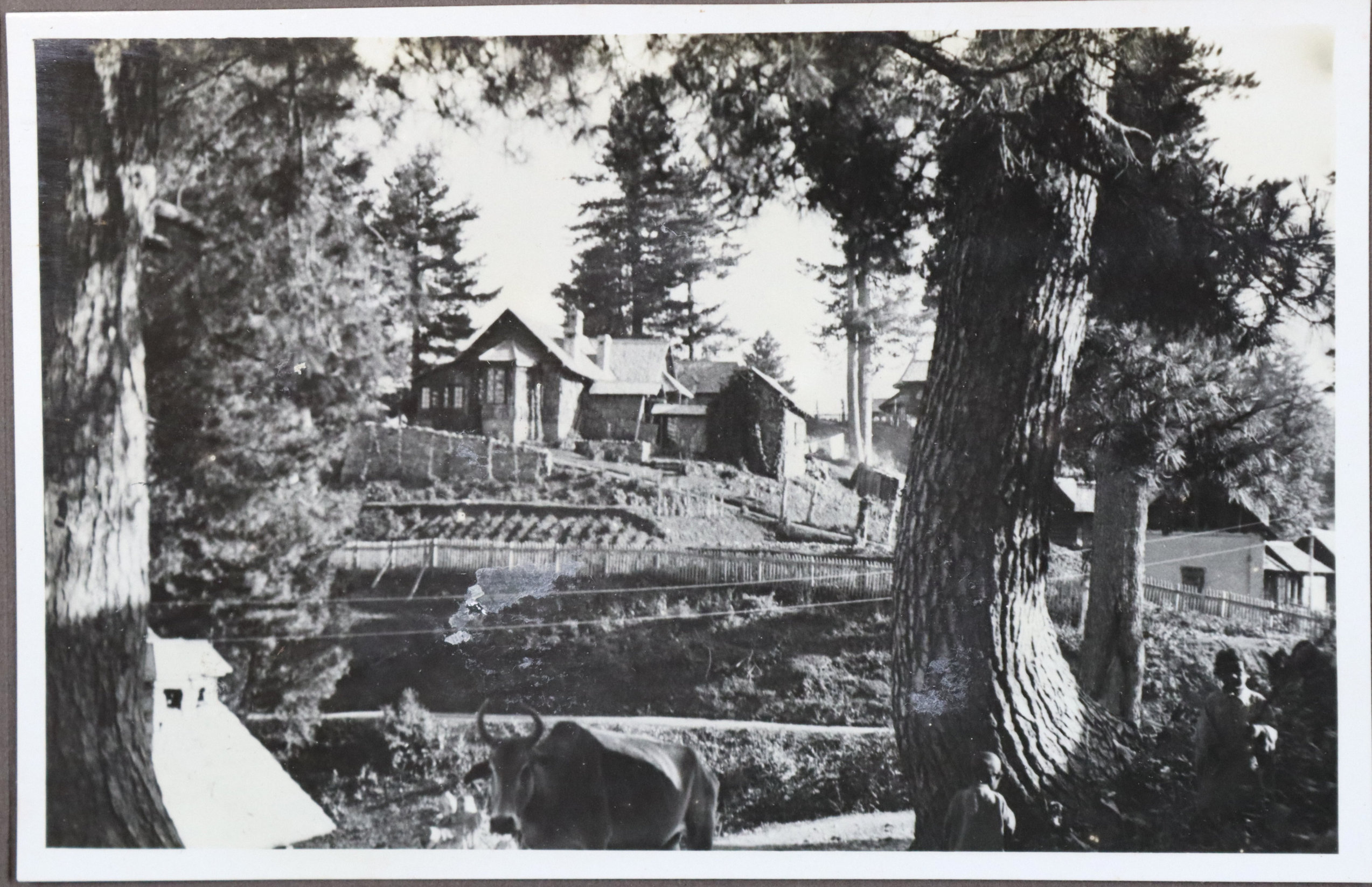
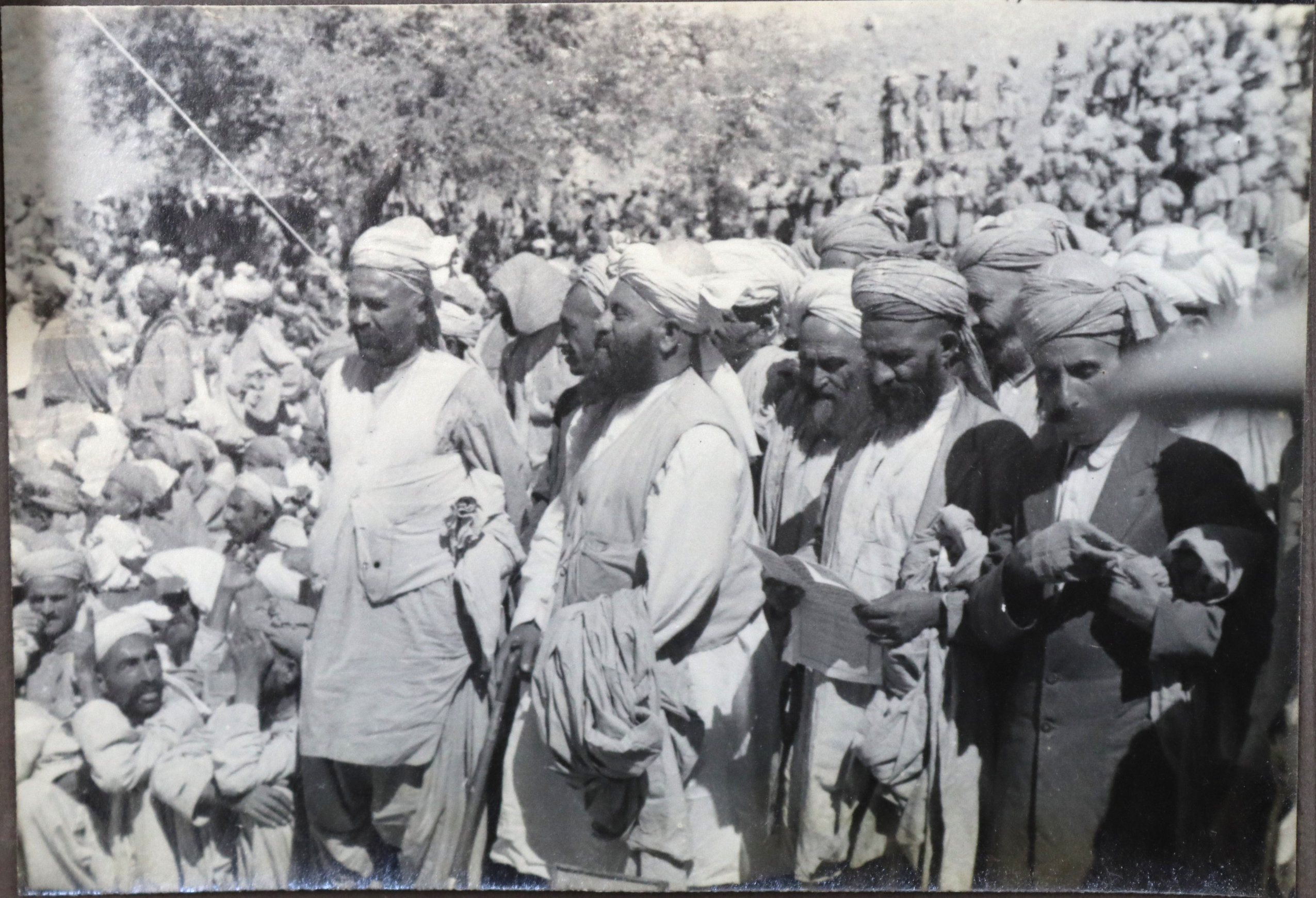
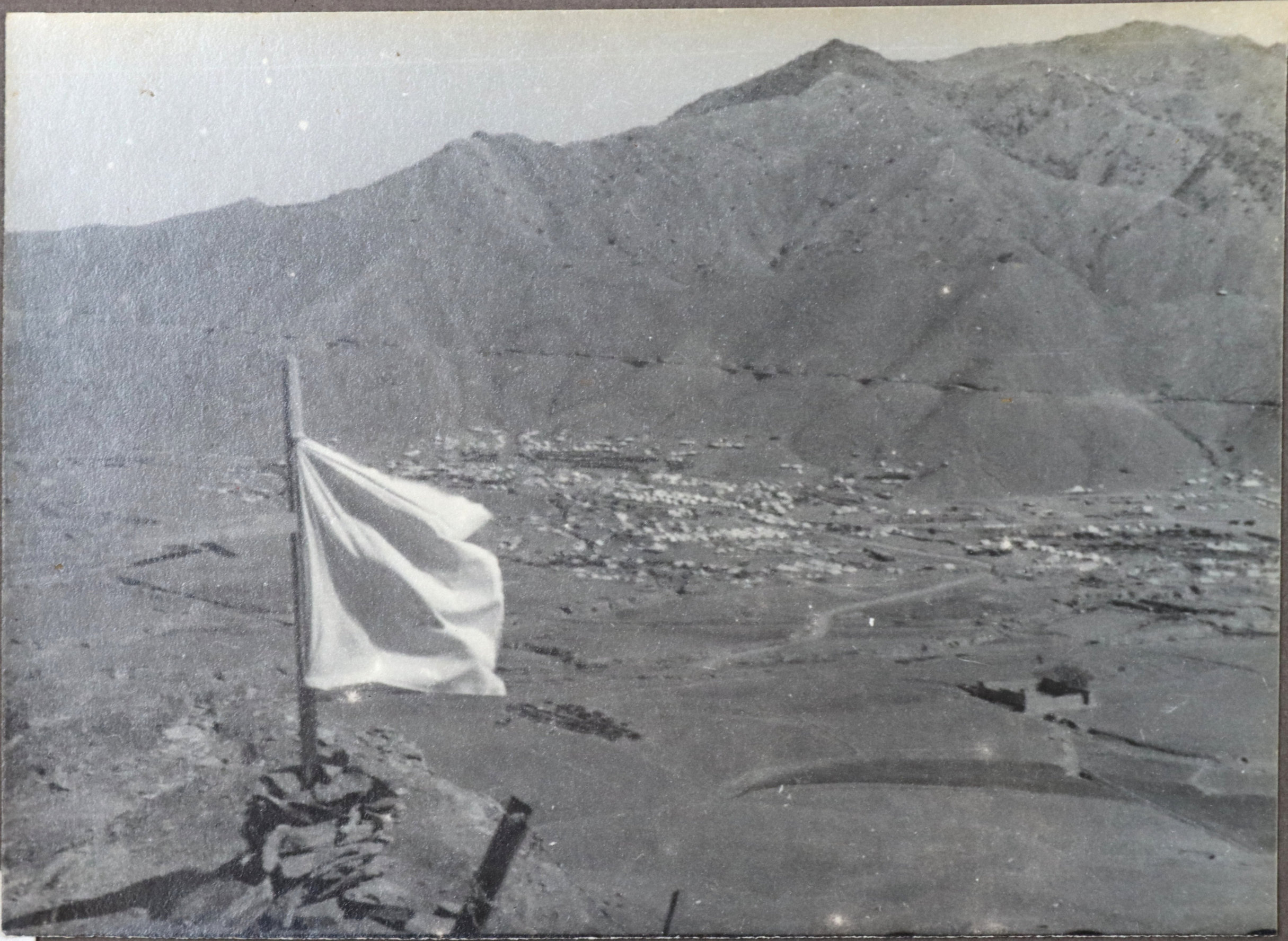
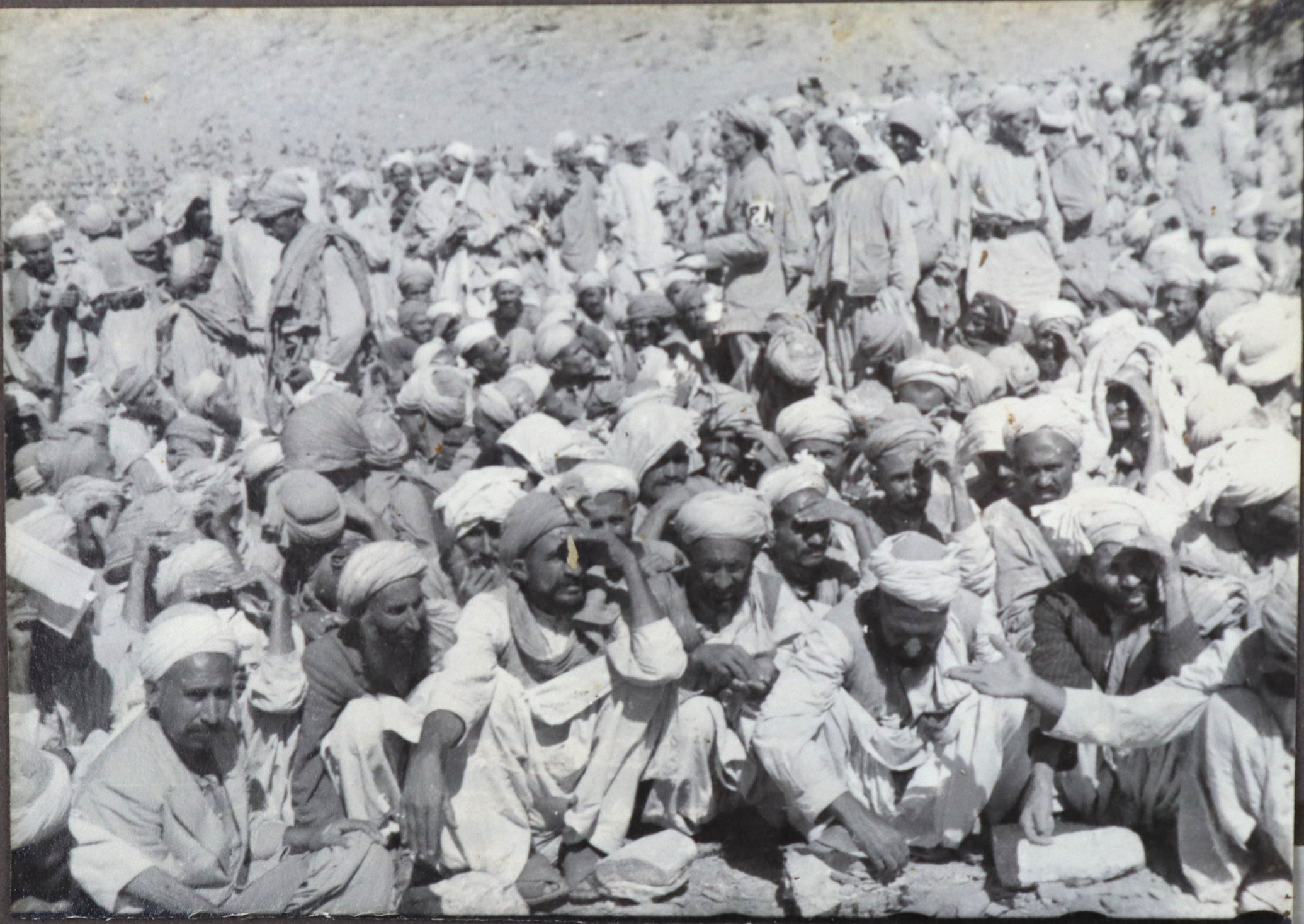
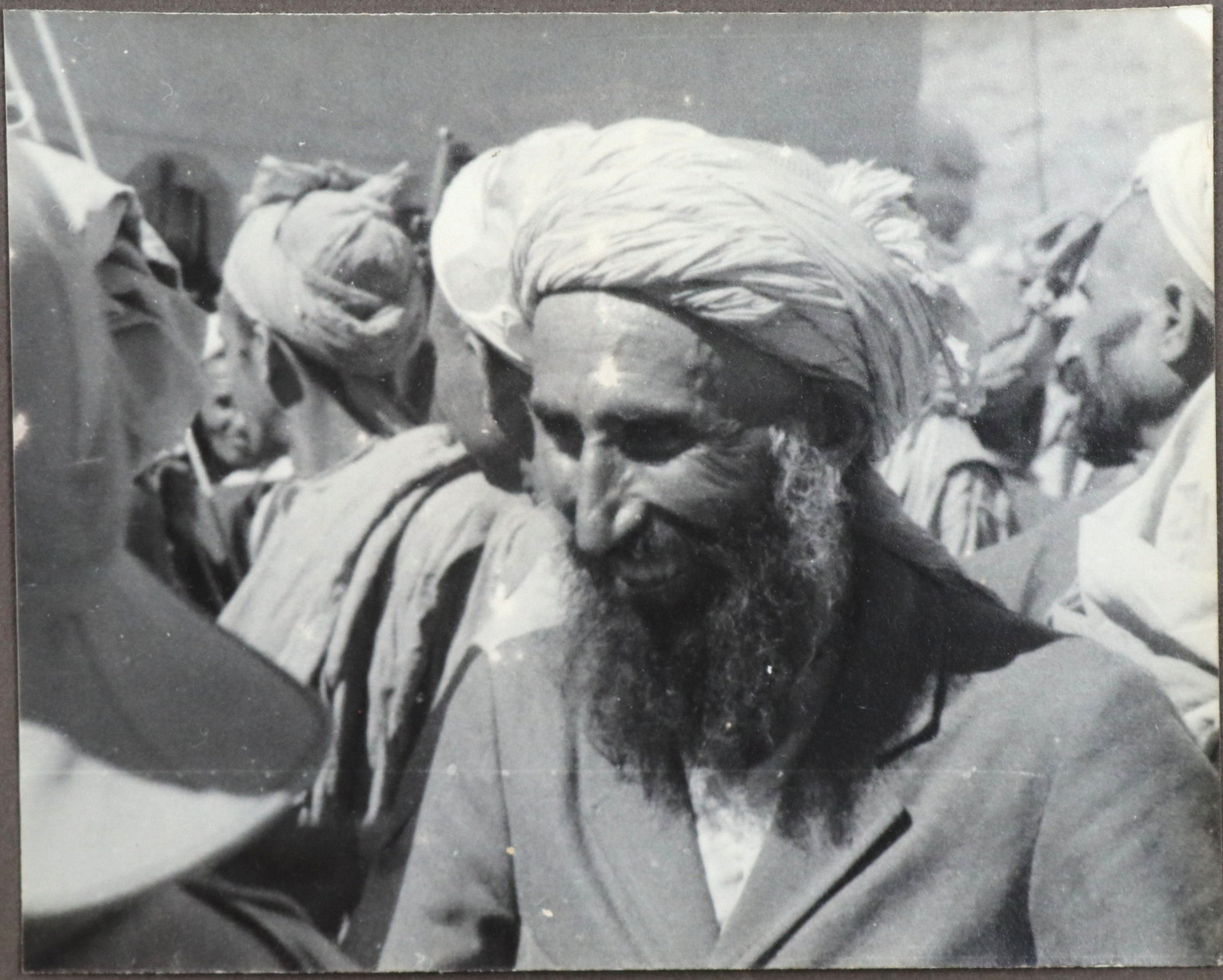
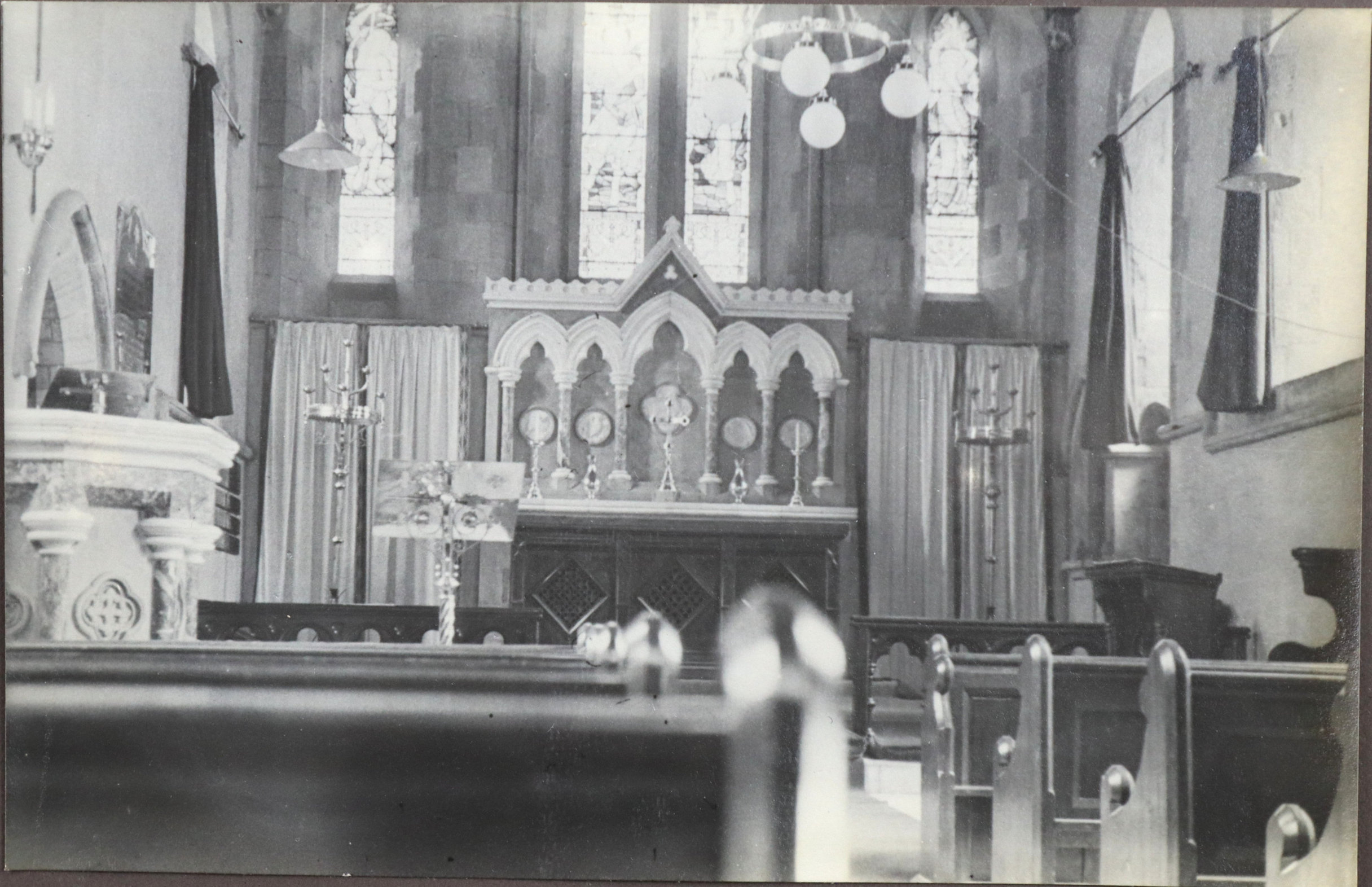
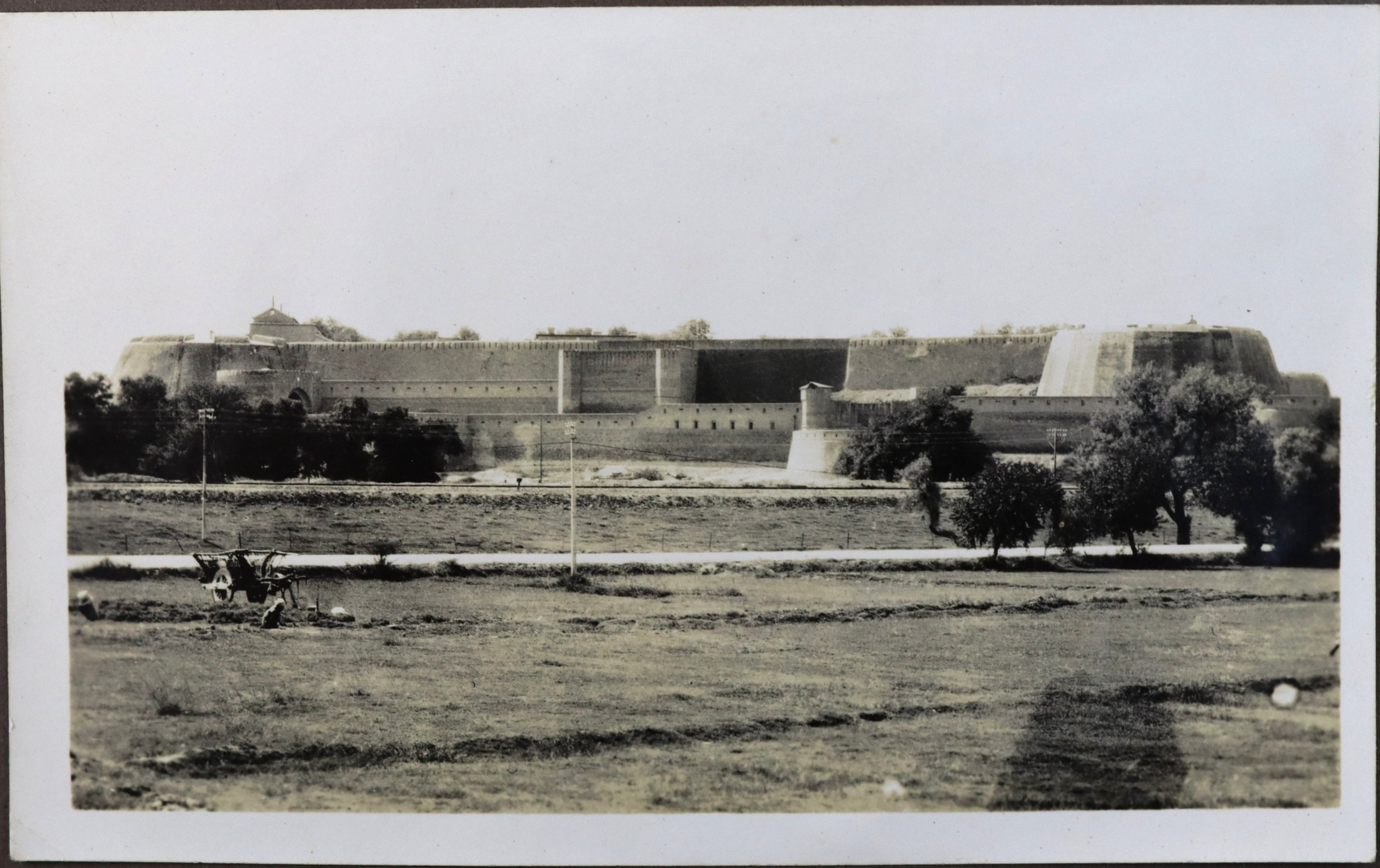
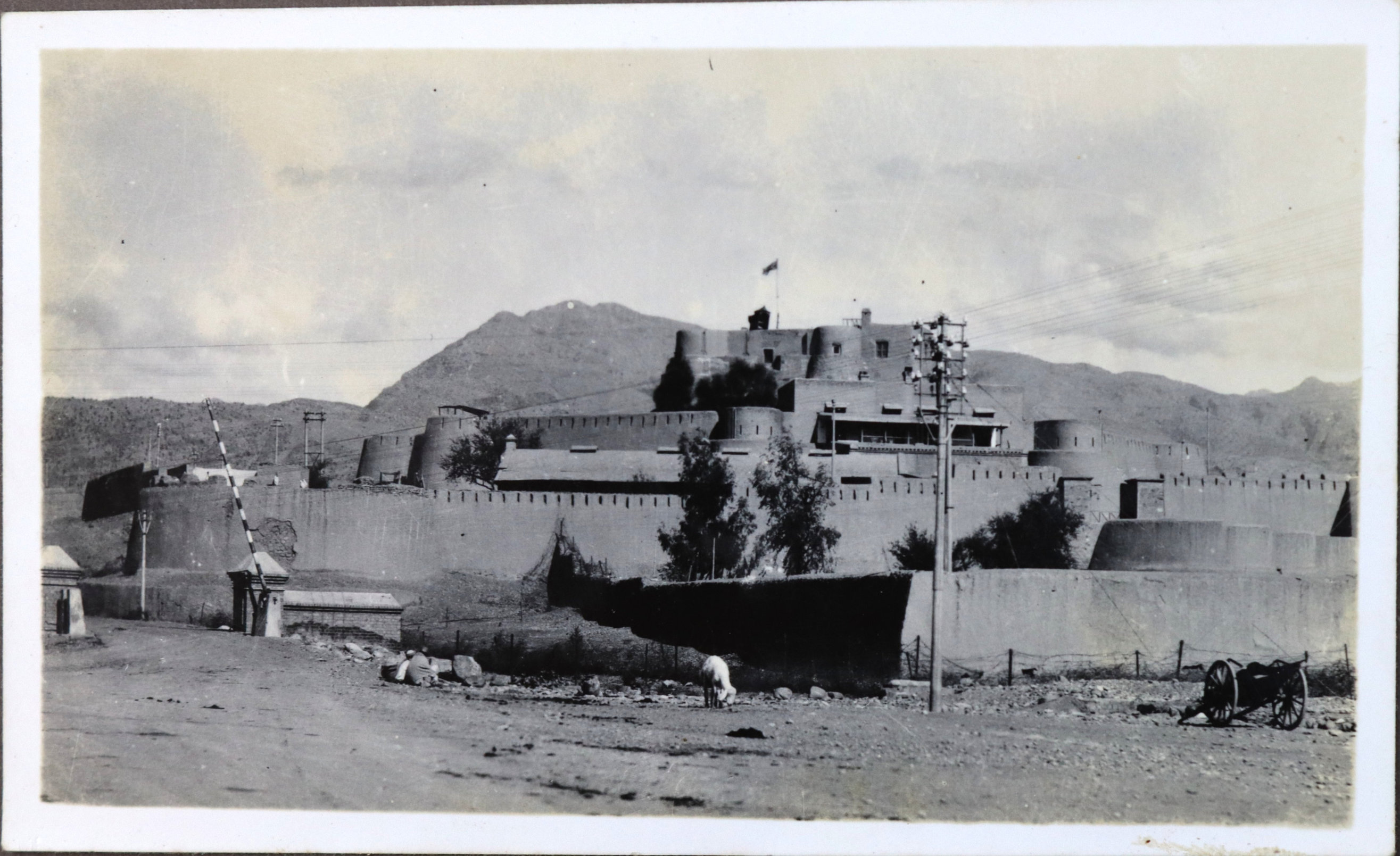
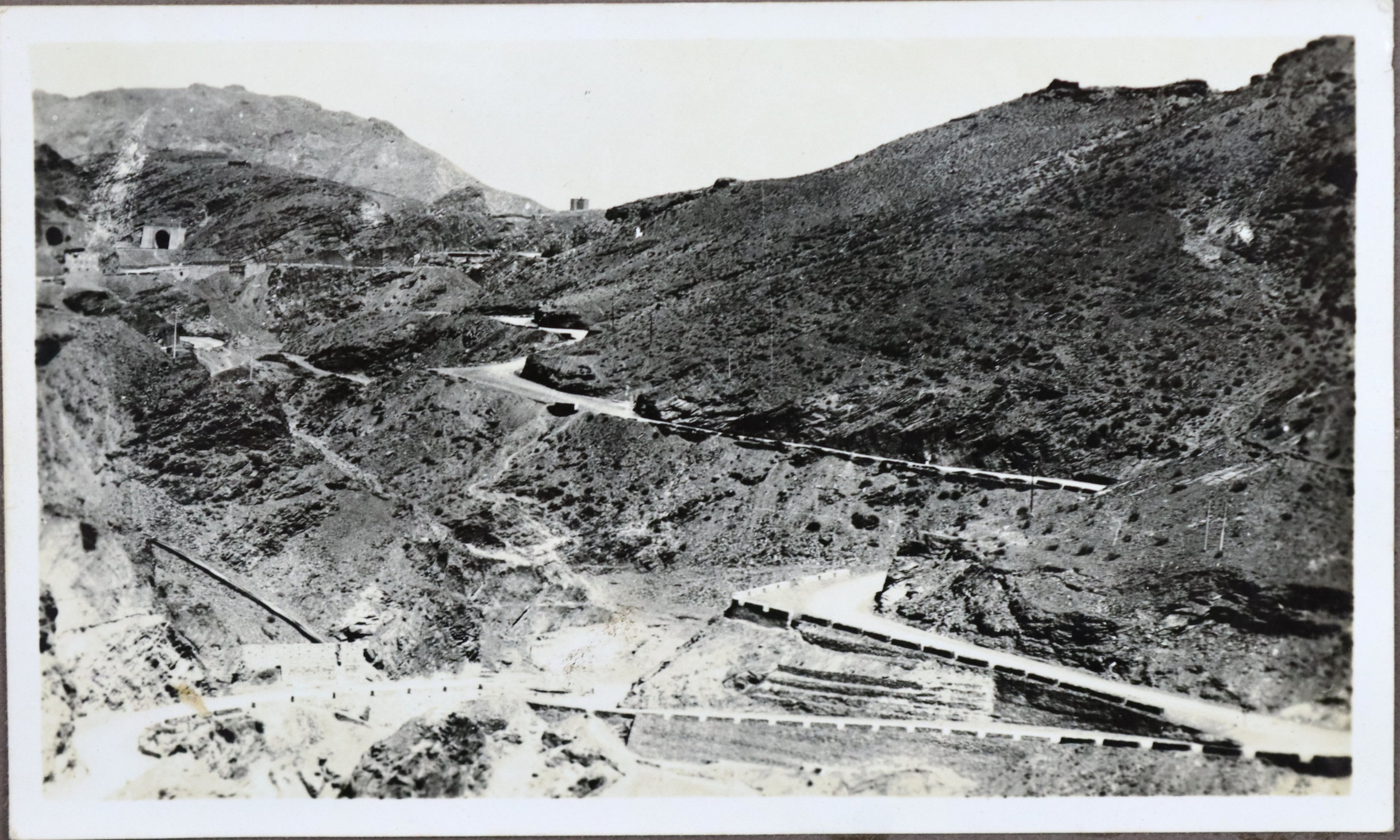
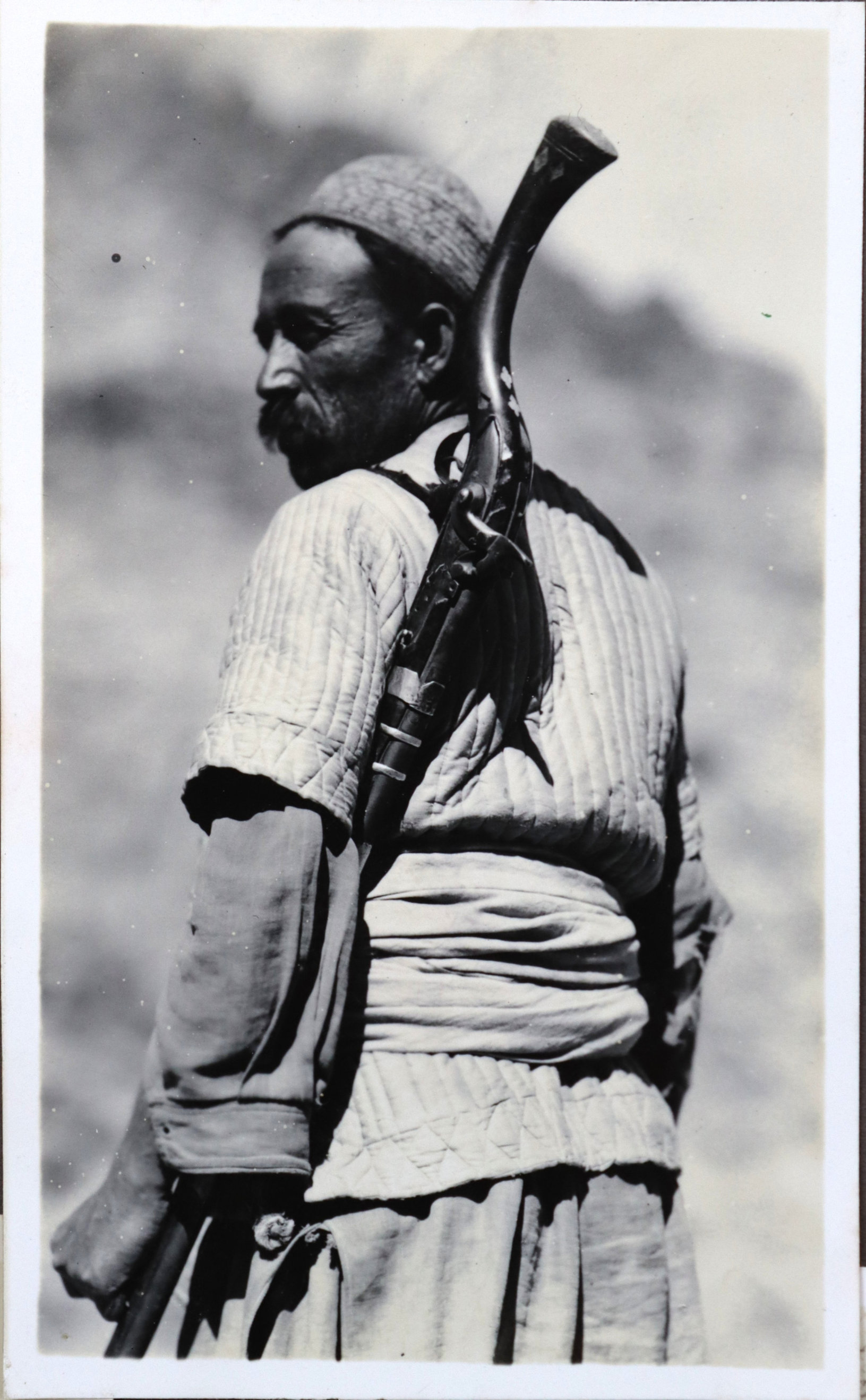
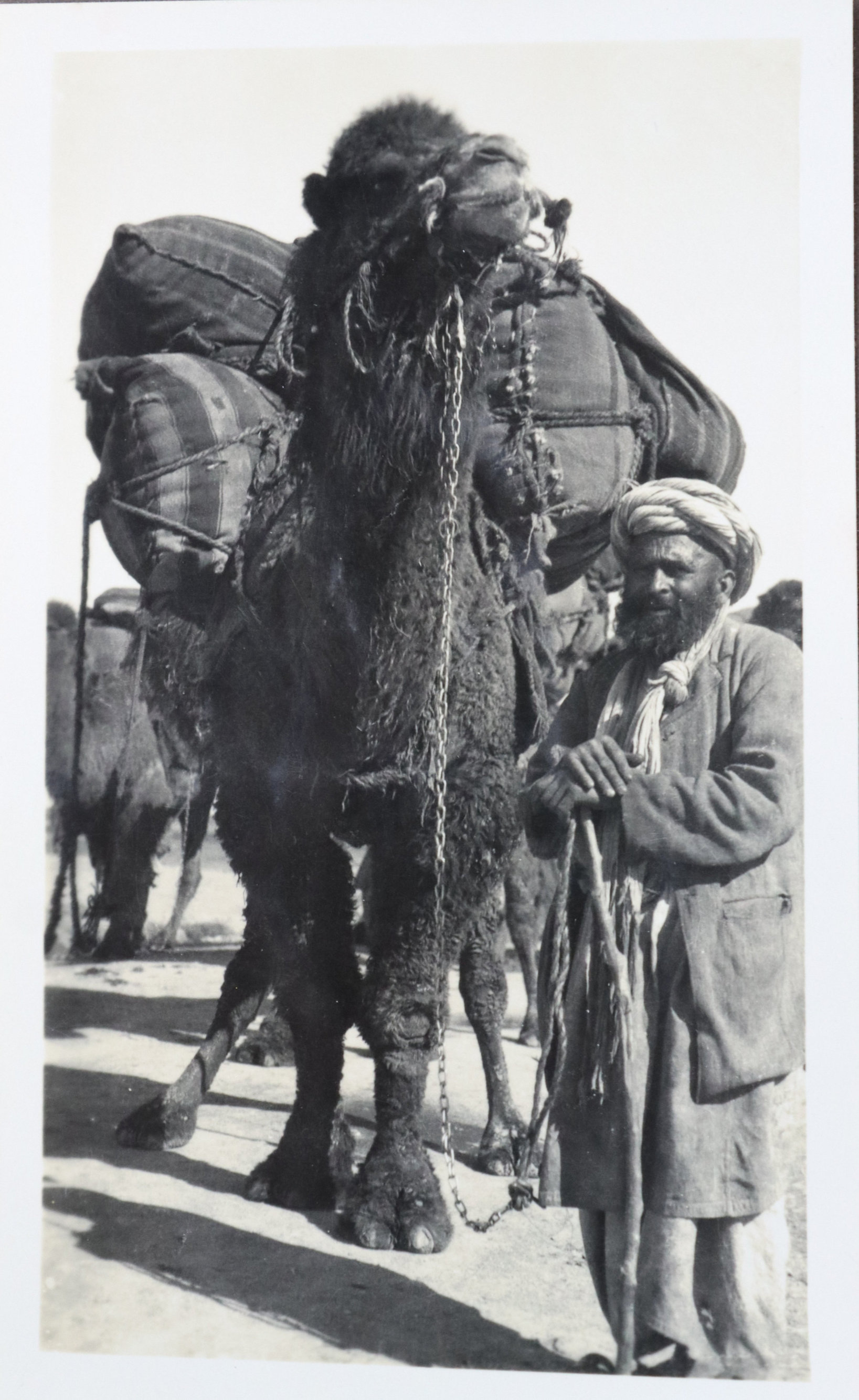
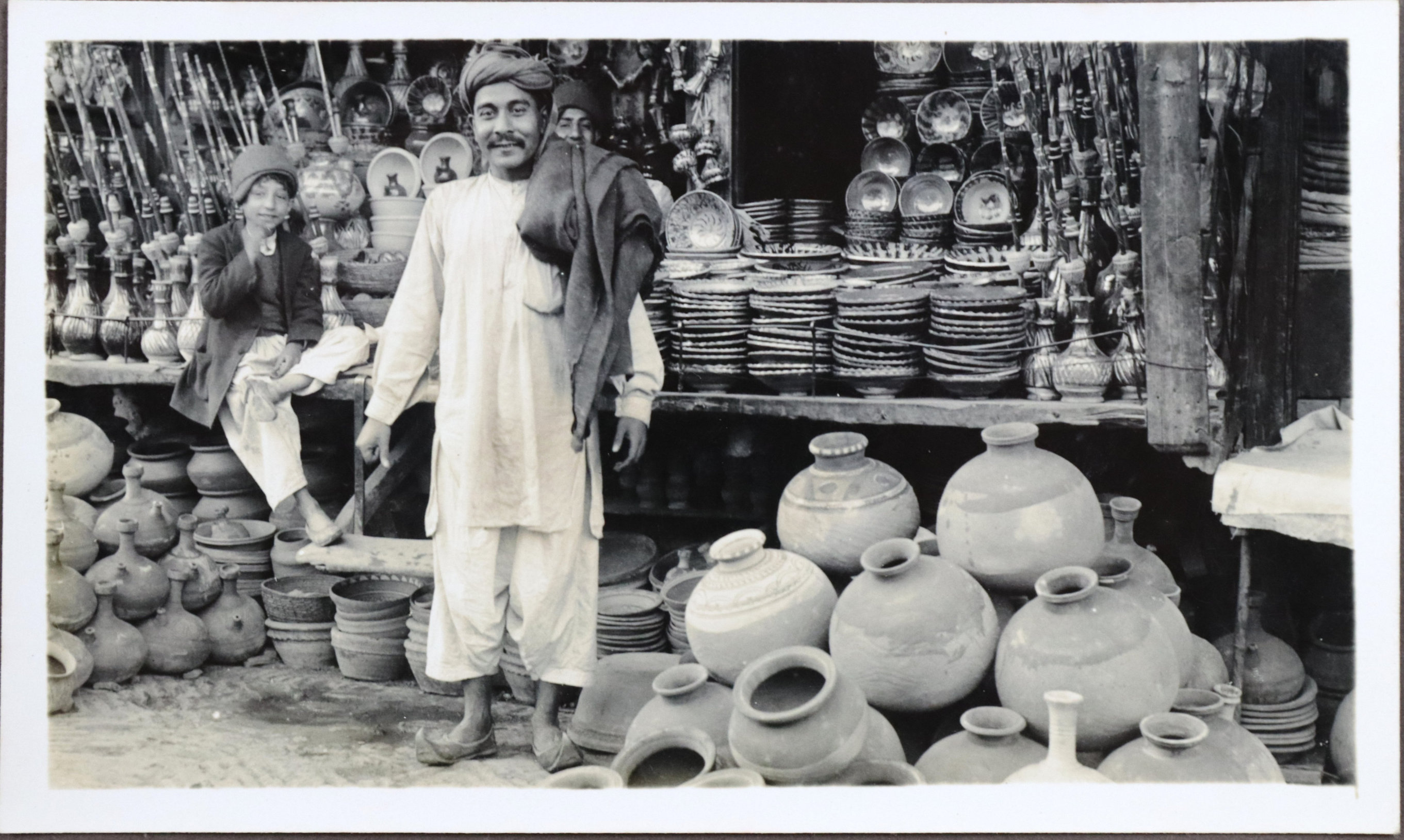
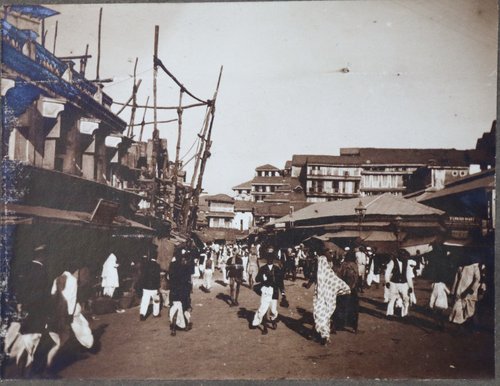
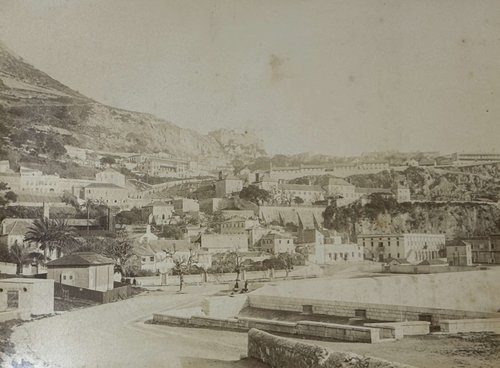
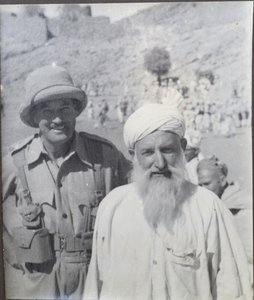
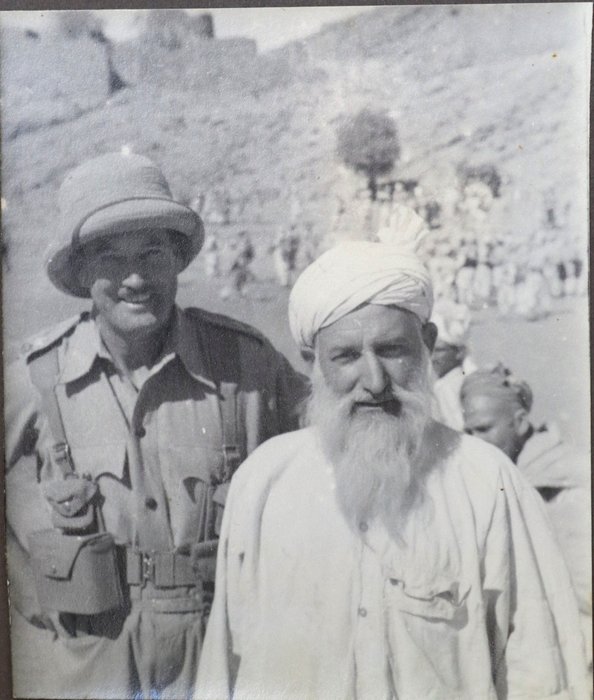
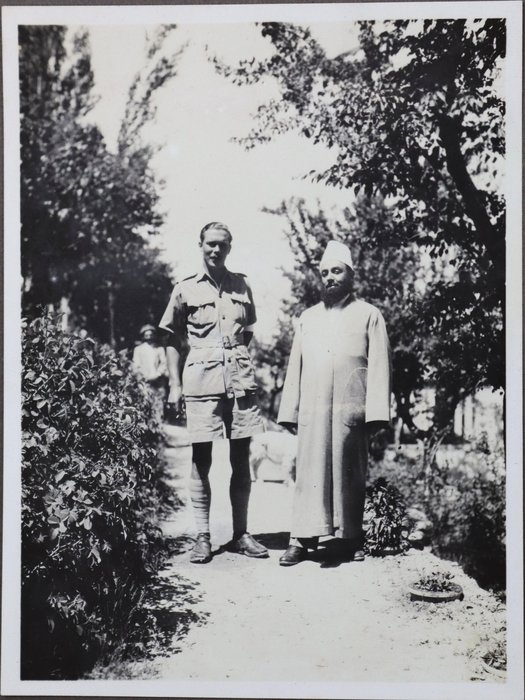
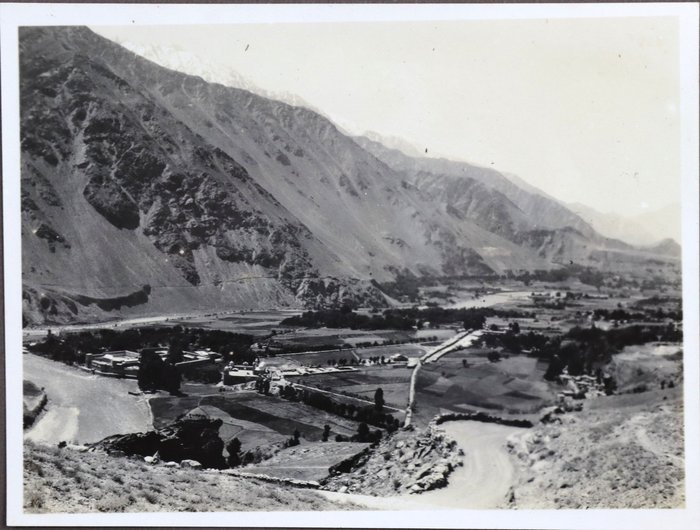
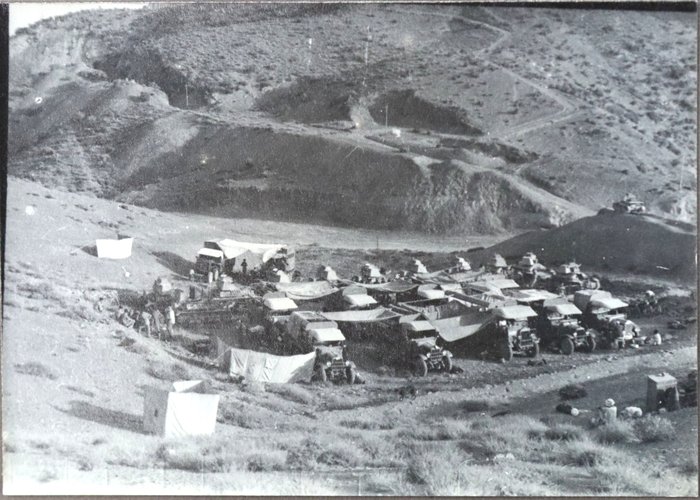
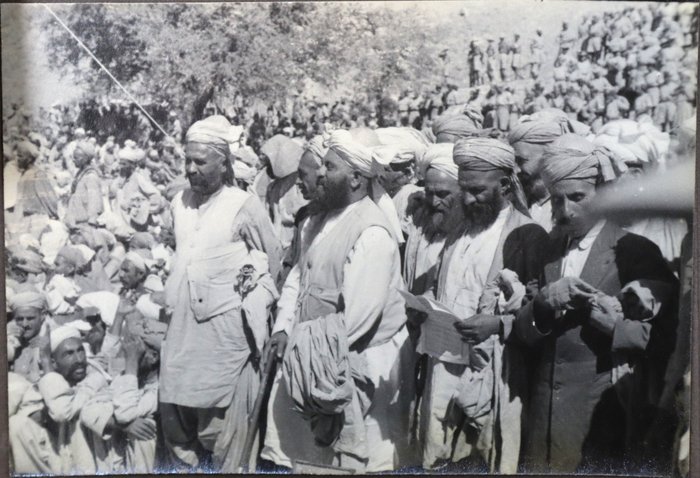
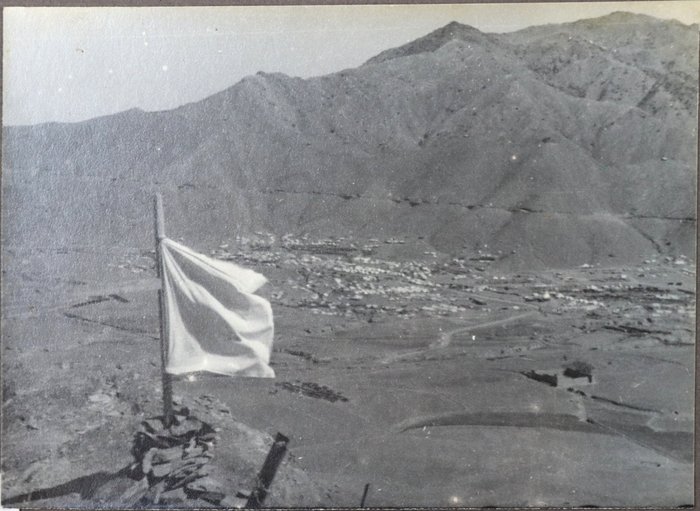
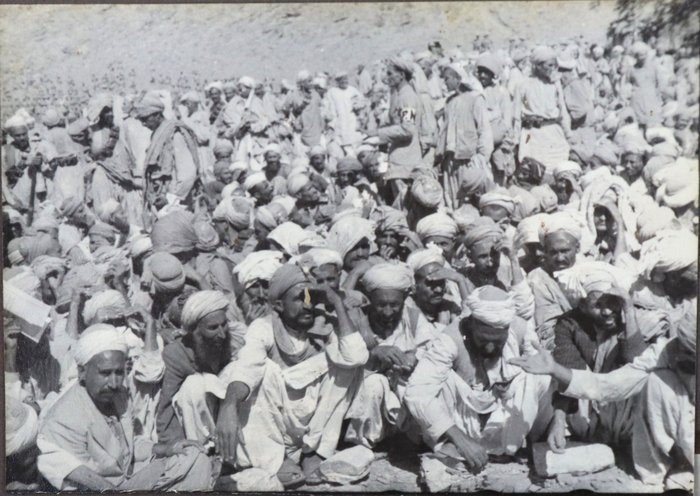
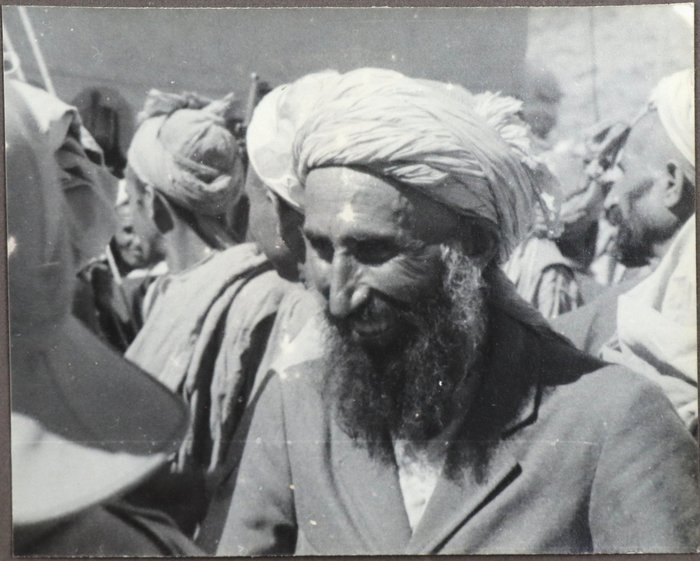
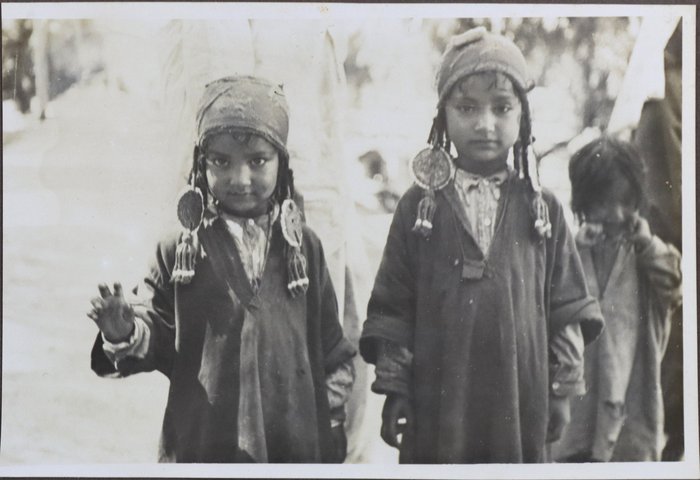
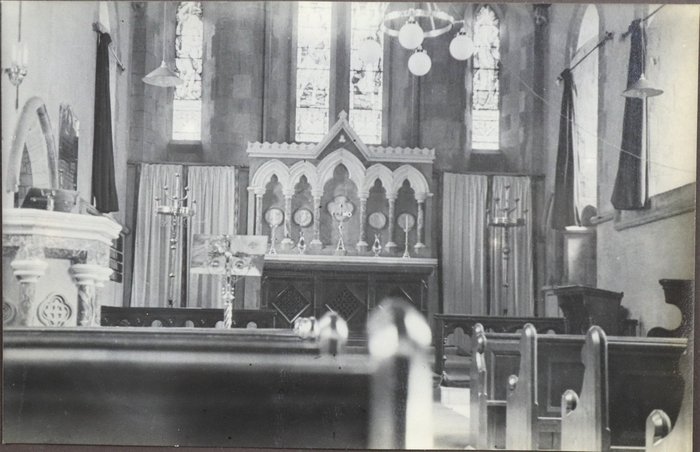
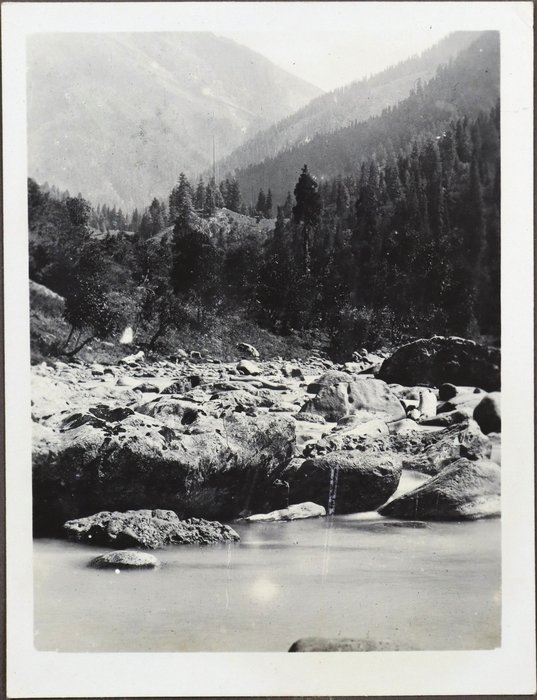
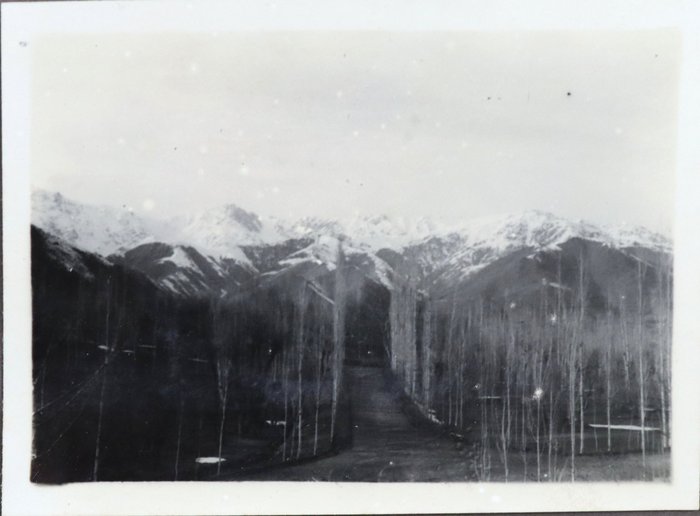
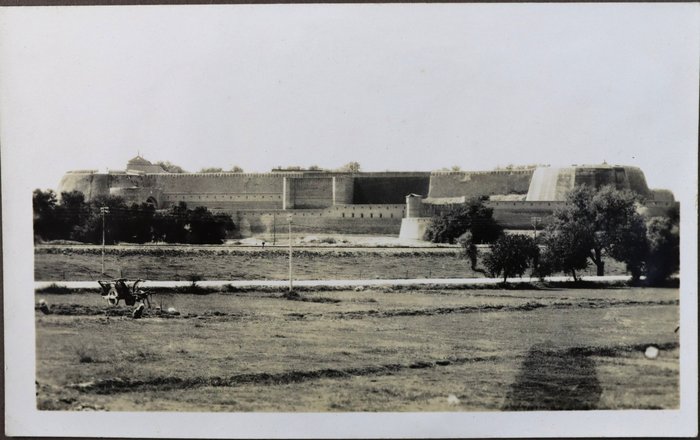
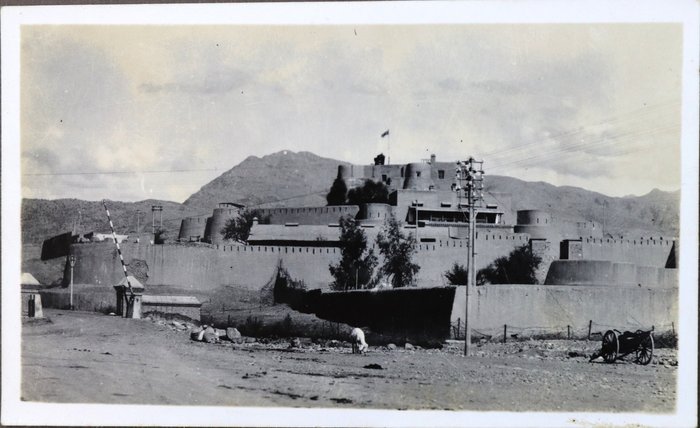
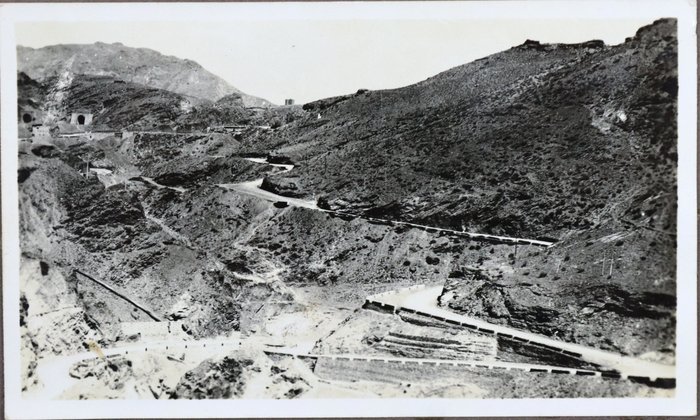
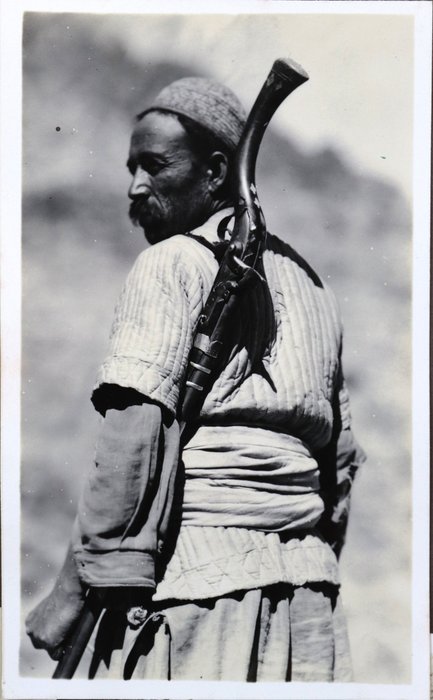
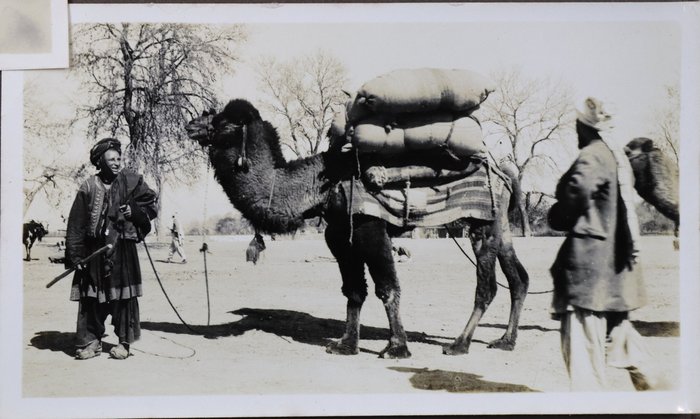
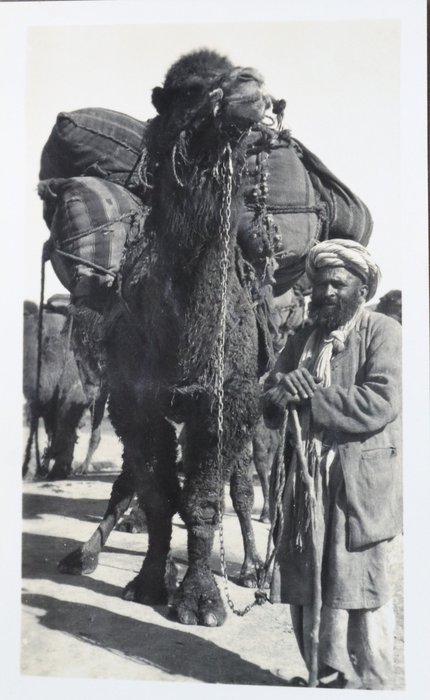
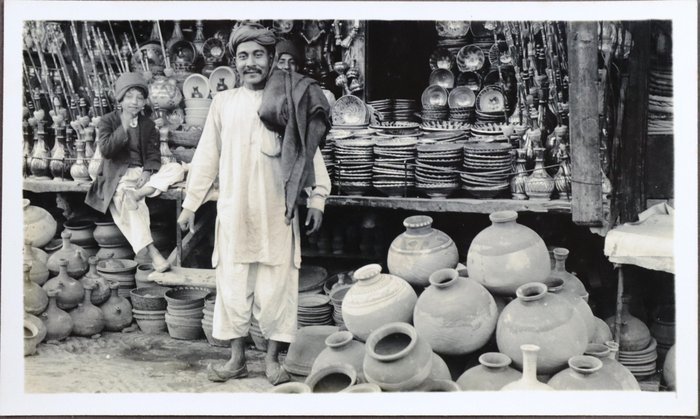
The album contains ninety-eight original gelatin silver photographs, including about fifty excellent images taken in present-day Pakistan in 1935–1936. A well-executed series from the Second Mohmand Campaign feature more than six photographs of Peshawar, the campaign's principal staging ground, where British forces assembled before advancing into the Mohmand hills. The images capture the tree-lined Mall Road cantonment, the bustling local bazaar, and striking portraits of locals and armed Pashtuns during the British blockade. Several photographs follow the campaign into the mountains, documenting the Wucha Jawar Camp of the British Indian Army, the construction of the strategic military road through the Gandab Valley, and the first-ever light tank to traverse the Nahakki Pass. Especially interesting are about five photographs illustrating the formal negotiations that brought the campaign to an end. The historic images show dozens of Mohmand delegates gathered for the Jirga (the traditional Pashtun grand assembly) with a Malik reading out the final treaty terms, a portrait of a local clan chieftain, and a British field officer and a Mohmand Malik smiling for the camera, apparently after the conclusion of the peace talks. Other important photos from Pakistan mostly depict British captain posing with Mehtar of Chitral Sir Shuja Ul-Mulk, 2nd Light Tank Company encamped on Khojak, interior of the Guide’s Church in Mardan, Jamrud & Shagai Forts in Khyber Agency, and topographical views of the area.
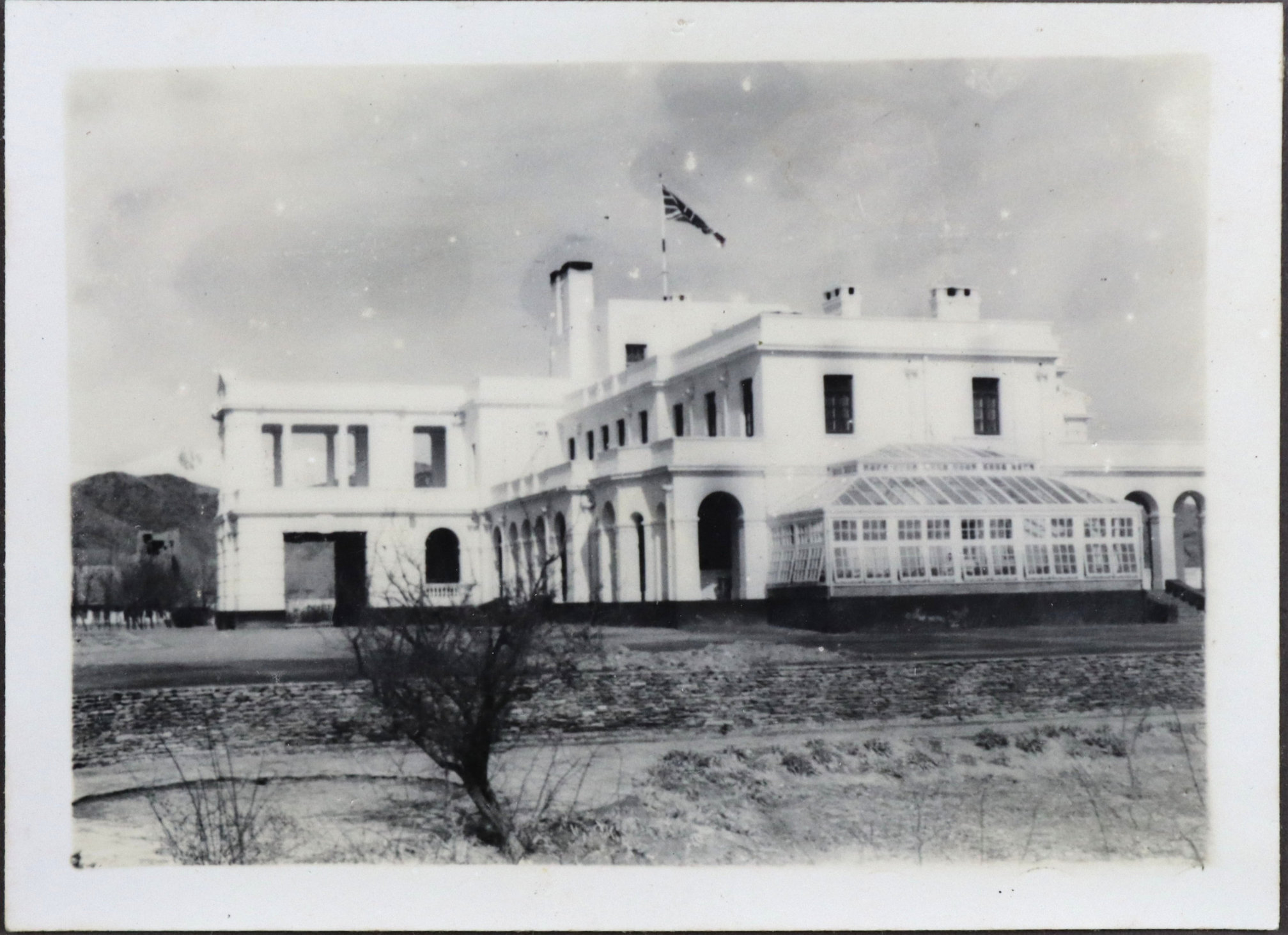
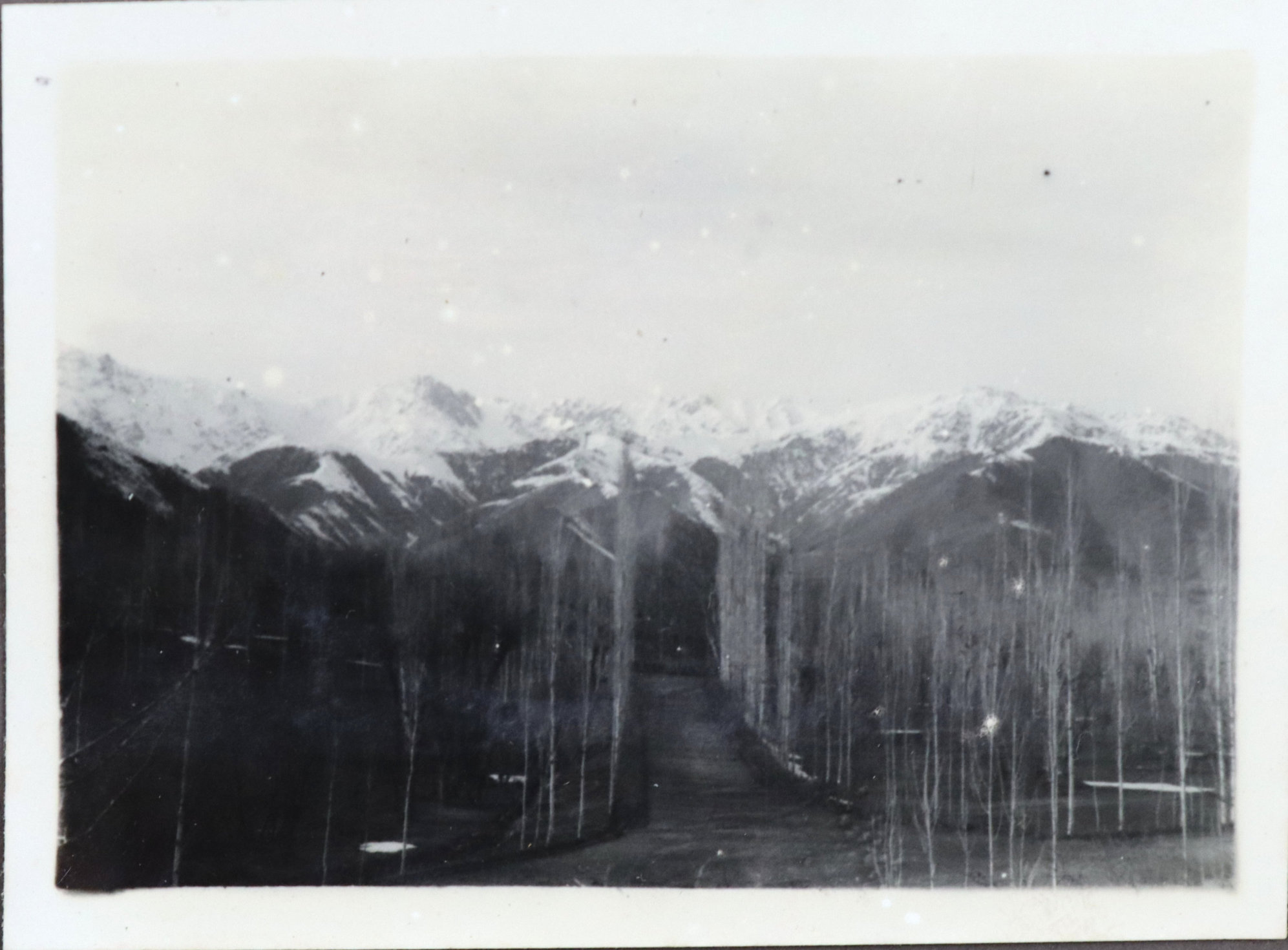
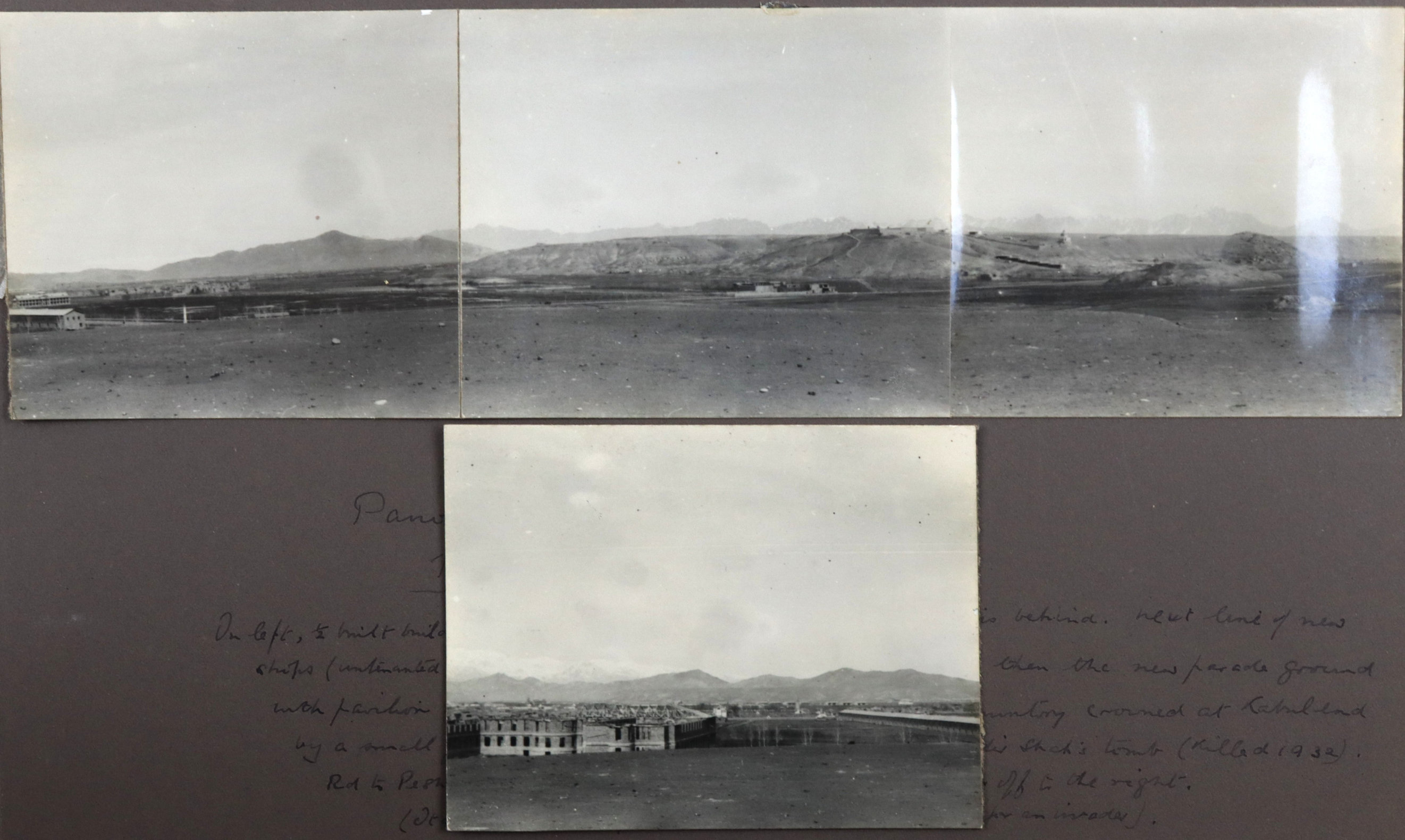
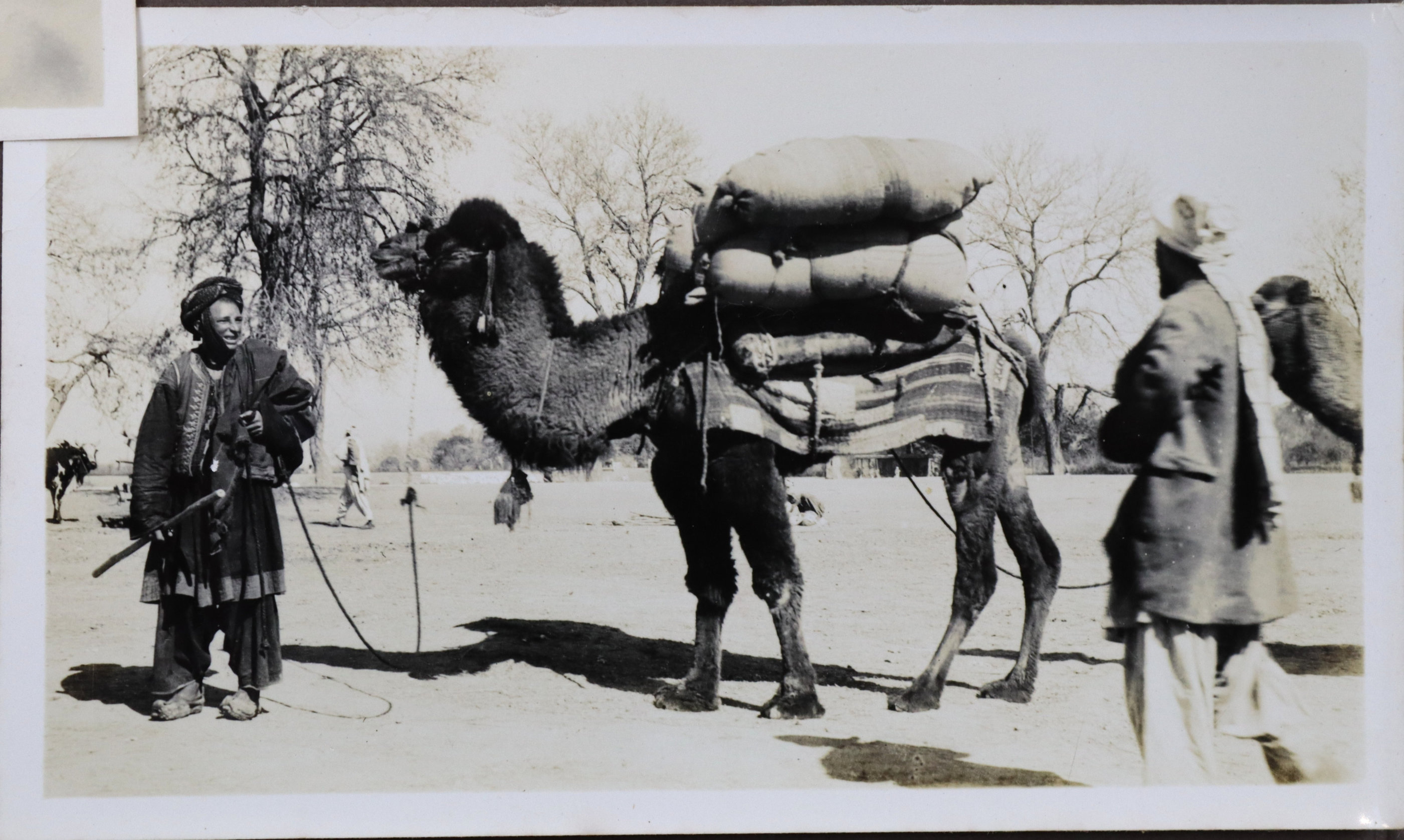
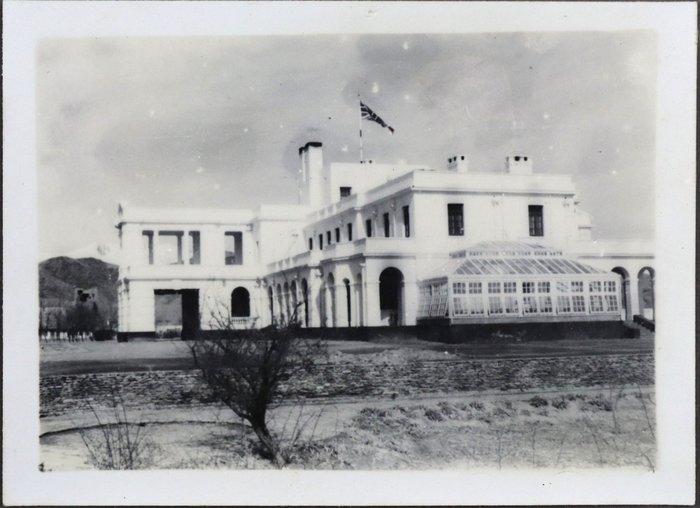
The Afghan series features about ten excellent photos of Kabul apparently taken during the compiler's military service or leisure time before the Second Mohmand Campaign. The images mostly show local landmarks (ruins of Bala Hissar, the British Military Attache’s House, Minister’s Central Official Residence) and topographical views of Amannulah Khan’s unfinished New Kabul project, Paghman Valley, and Kabul River. There’s also one important photo showing a narrow mountain pass, where the catastrophic retreat of Major General Elphinstone’s British-Indian garrison occurred during the First Anglo-Afghan War in 1842. The incident resulted in the deaths, capture, or disappearance of ca. 16,500 soldiers and civilians.
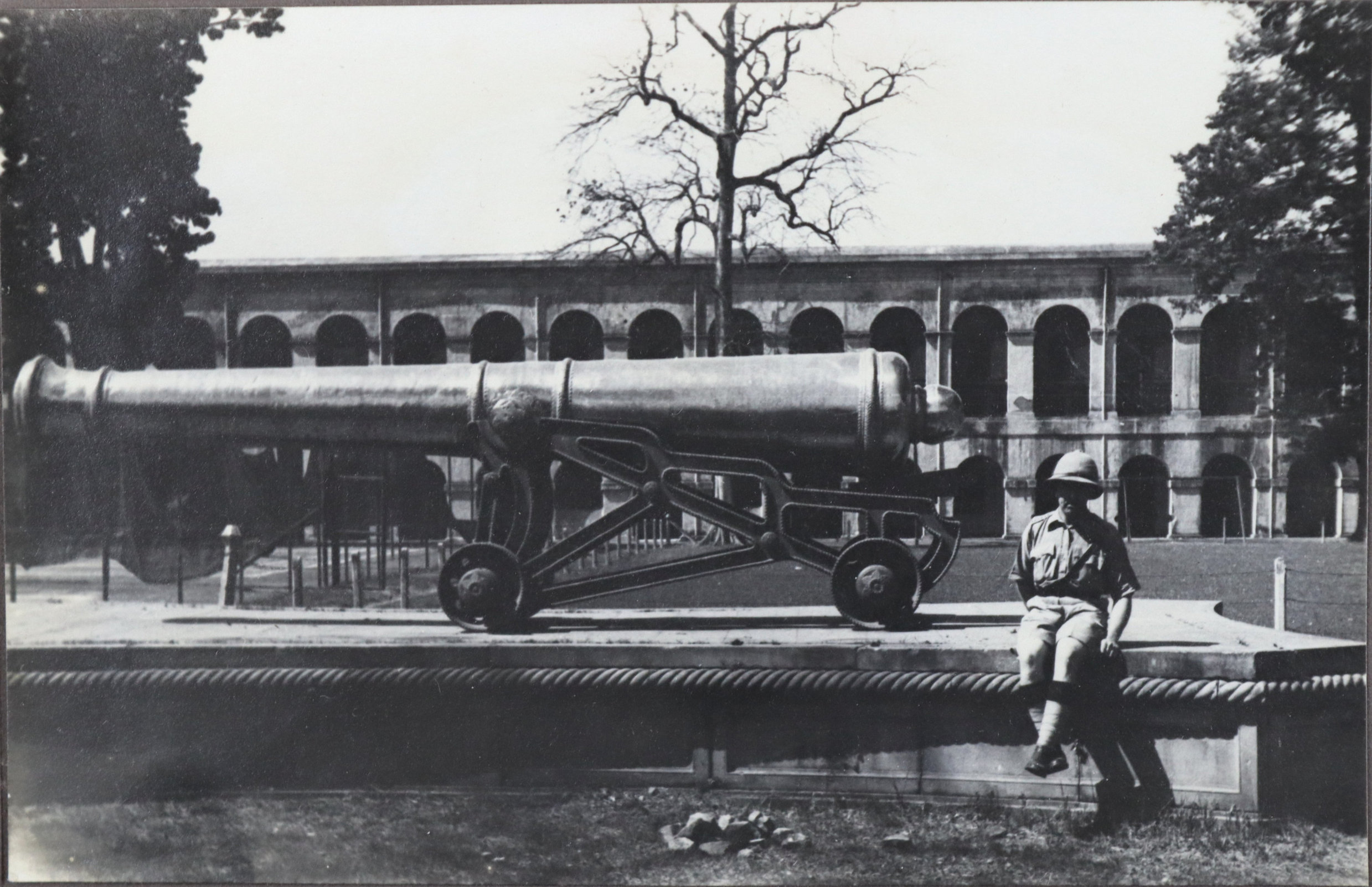
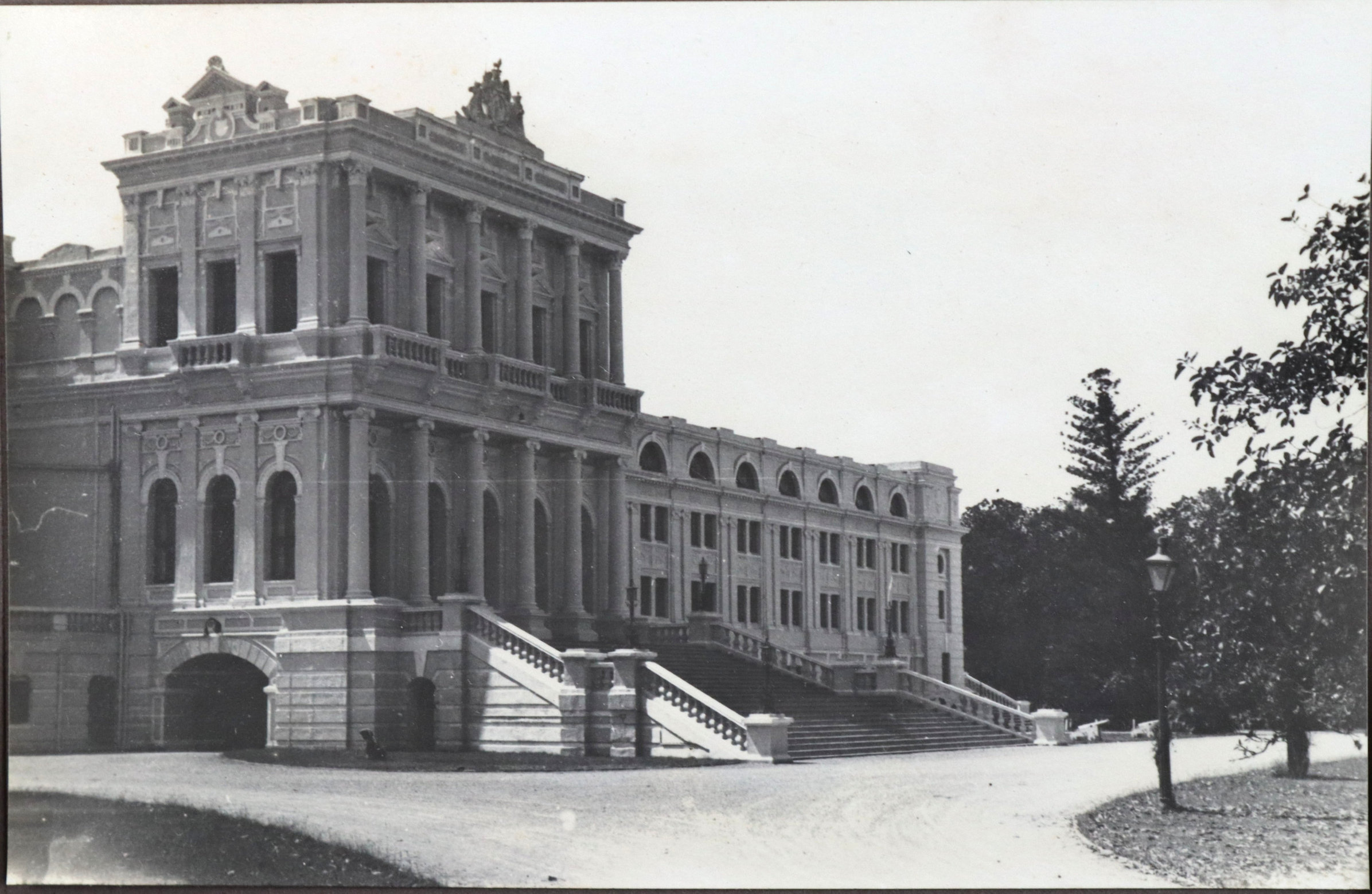
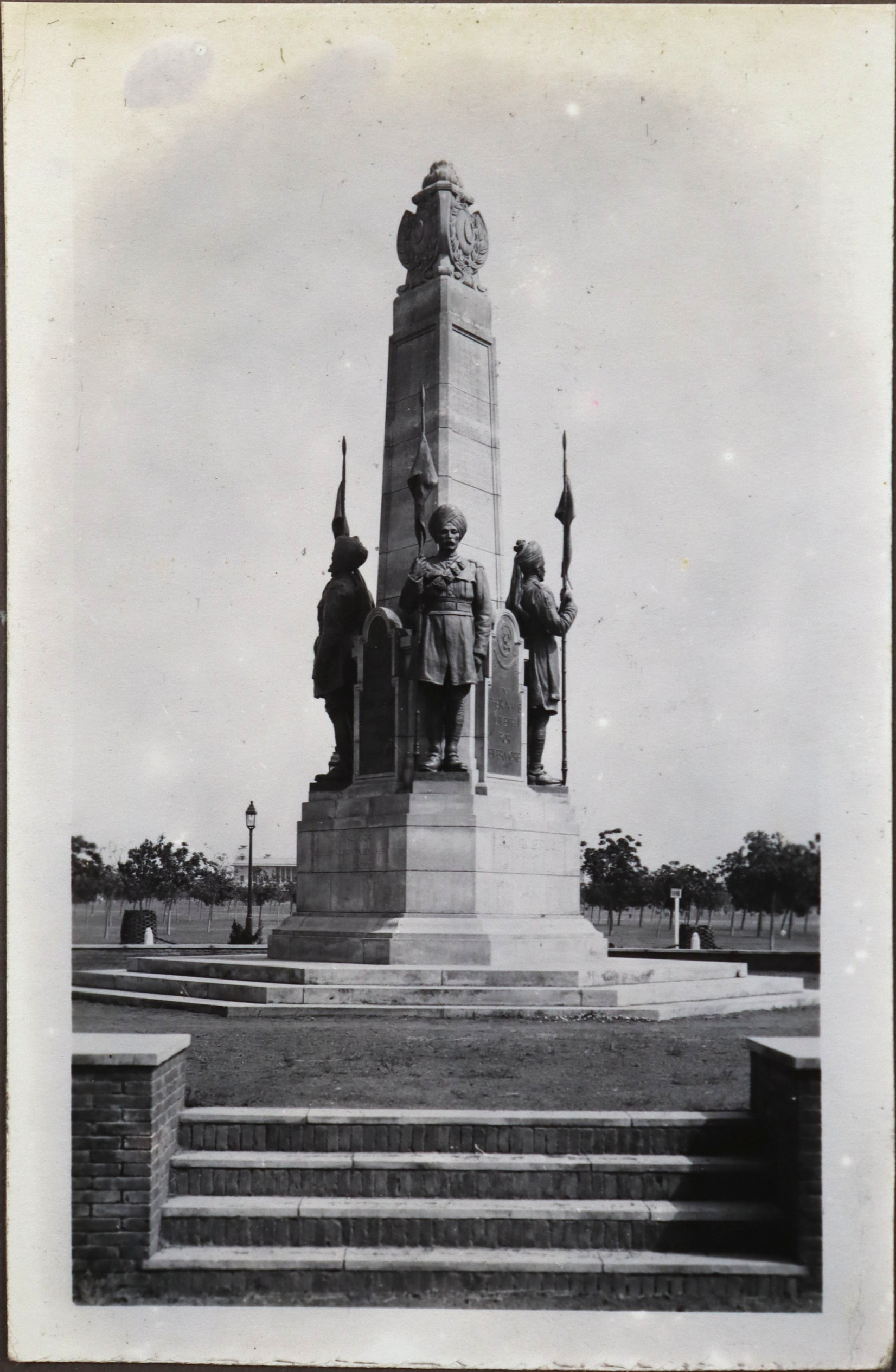
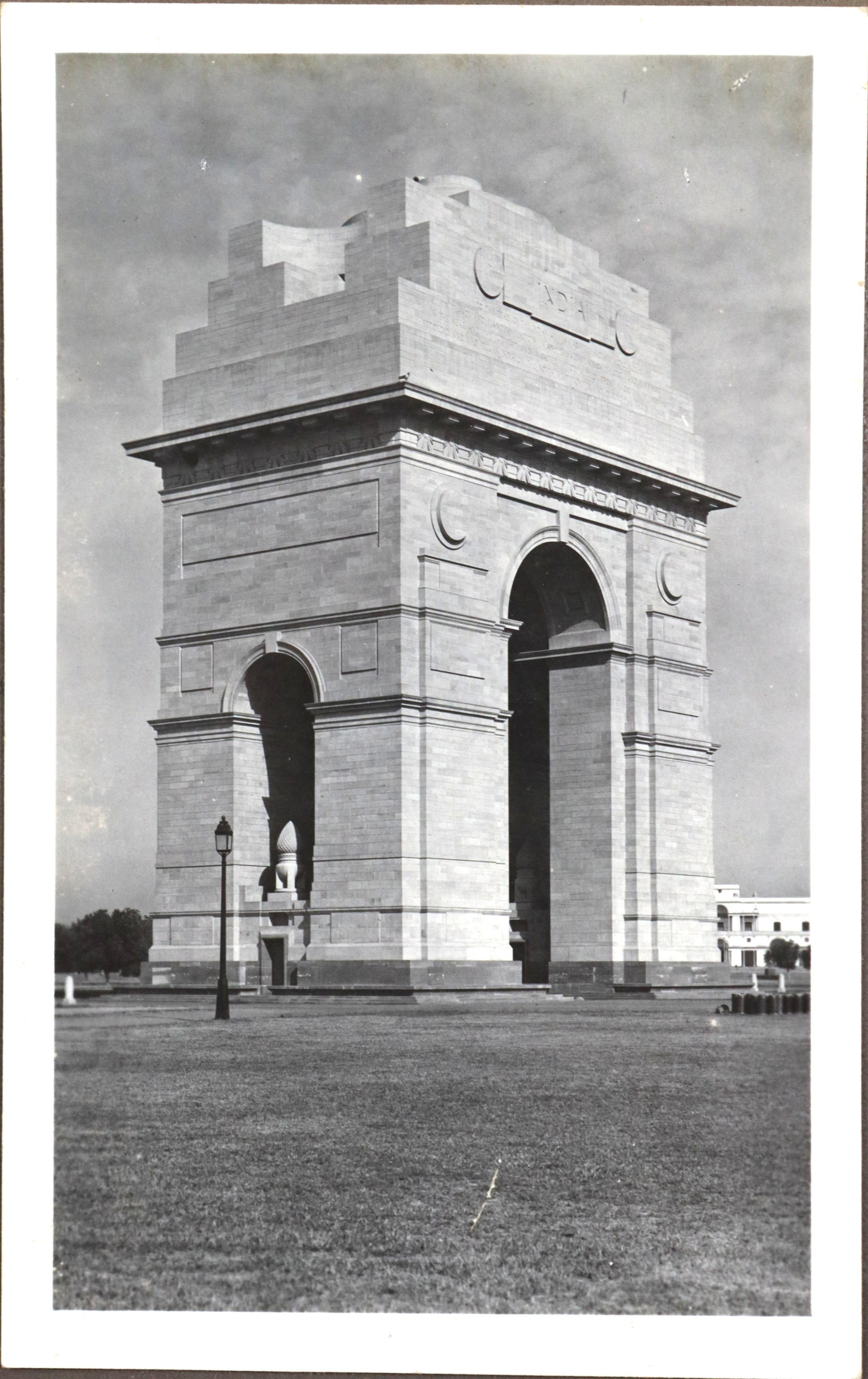
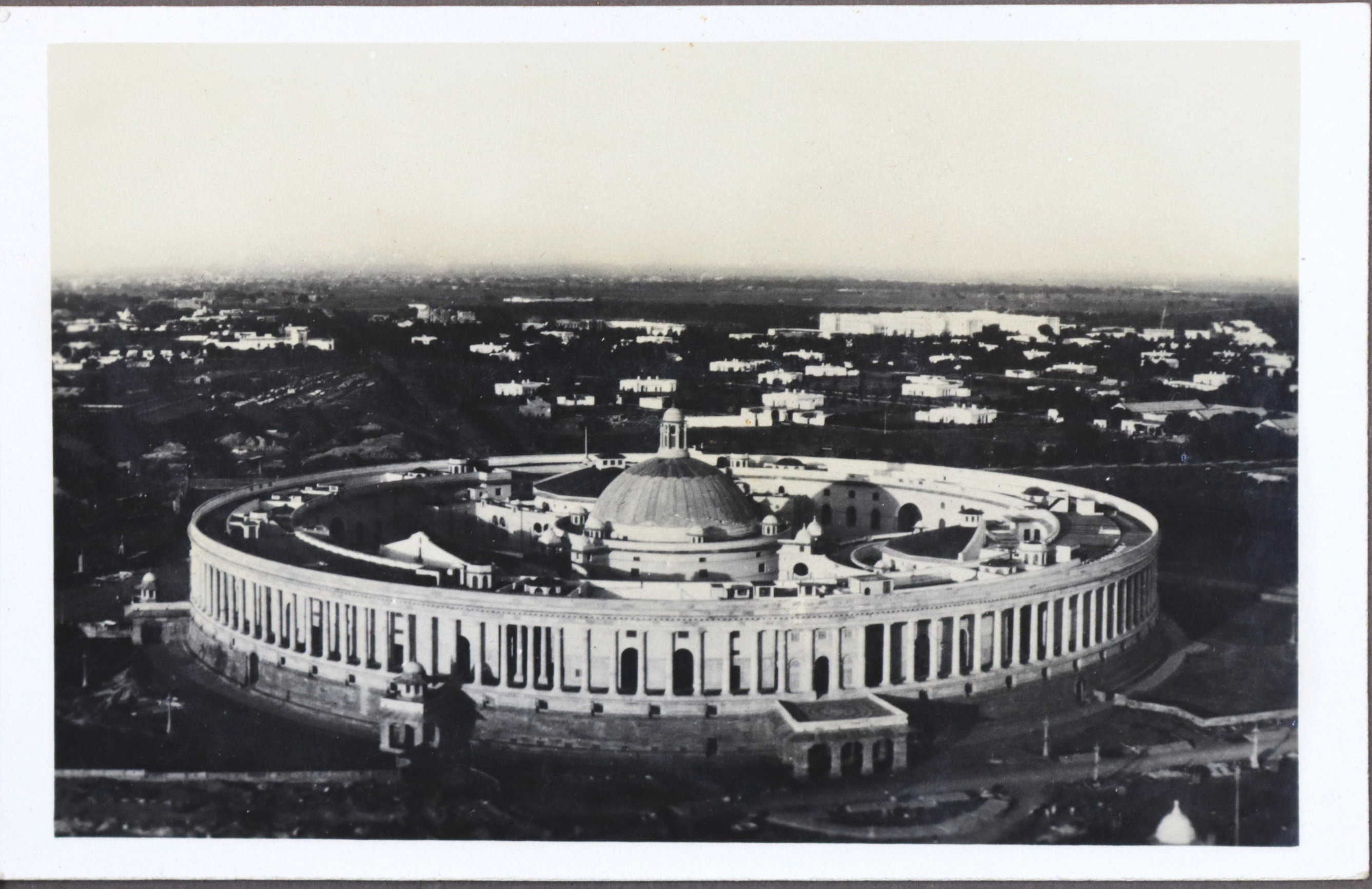
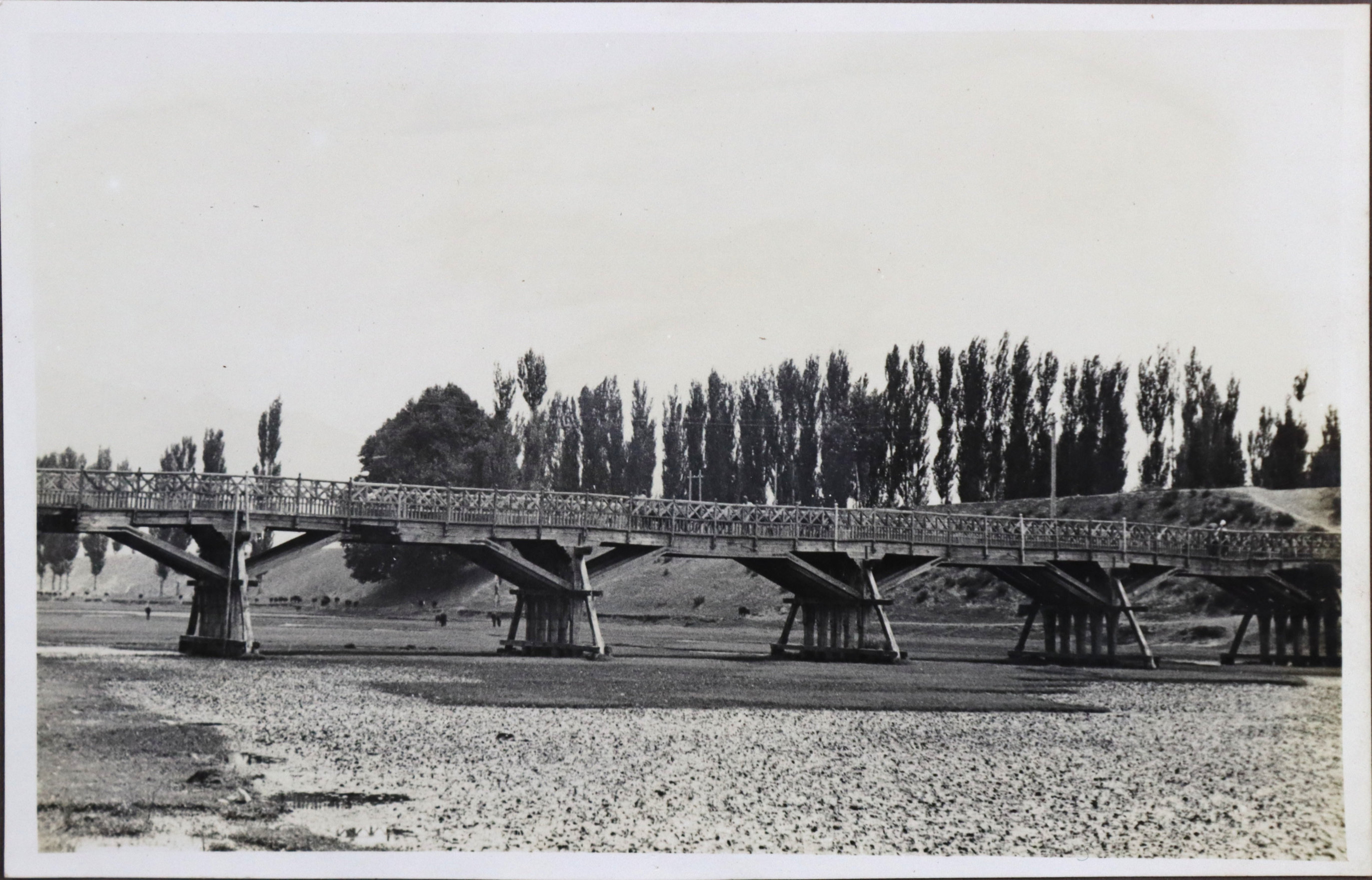
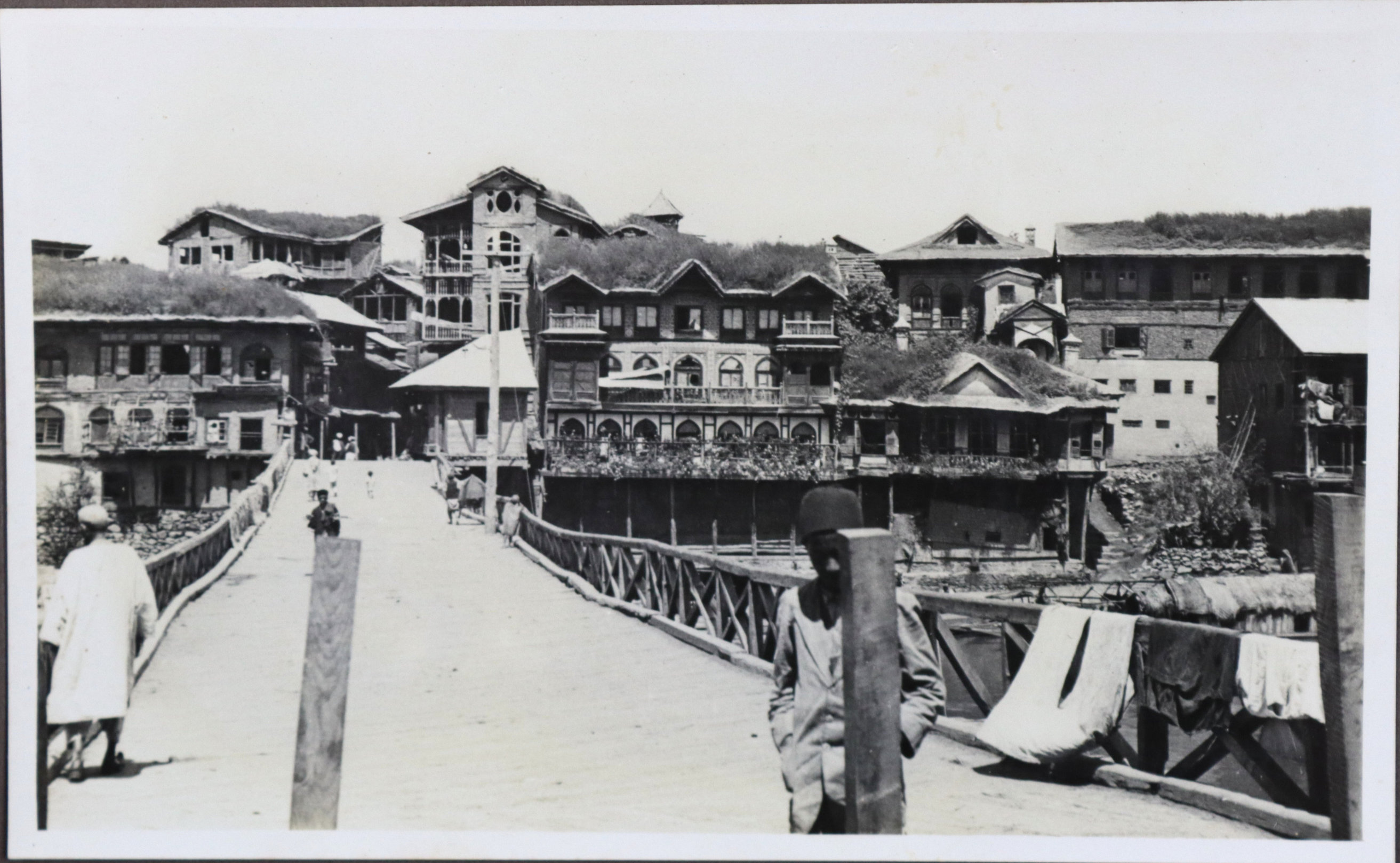
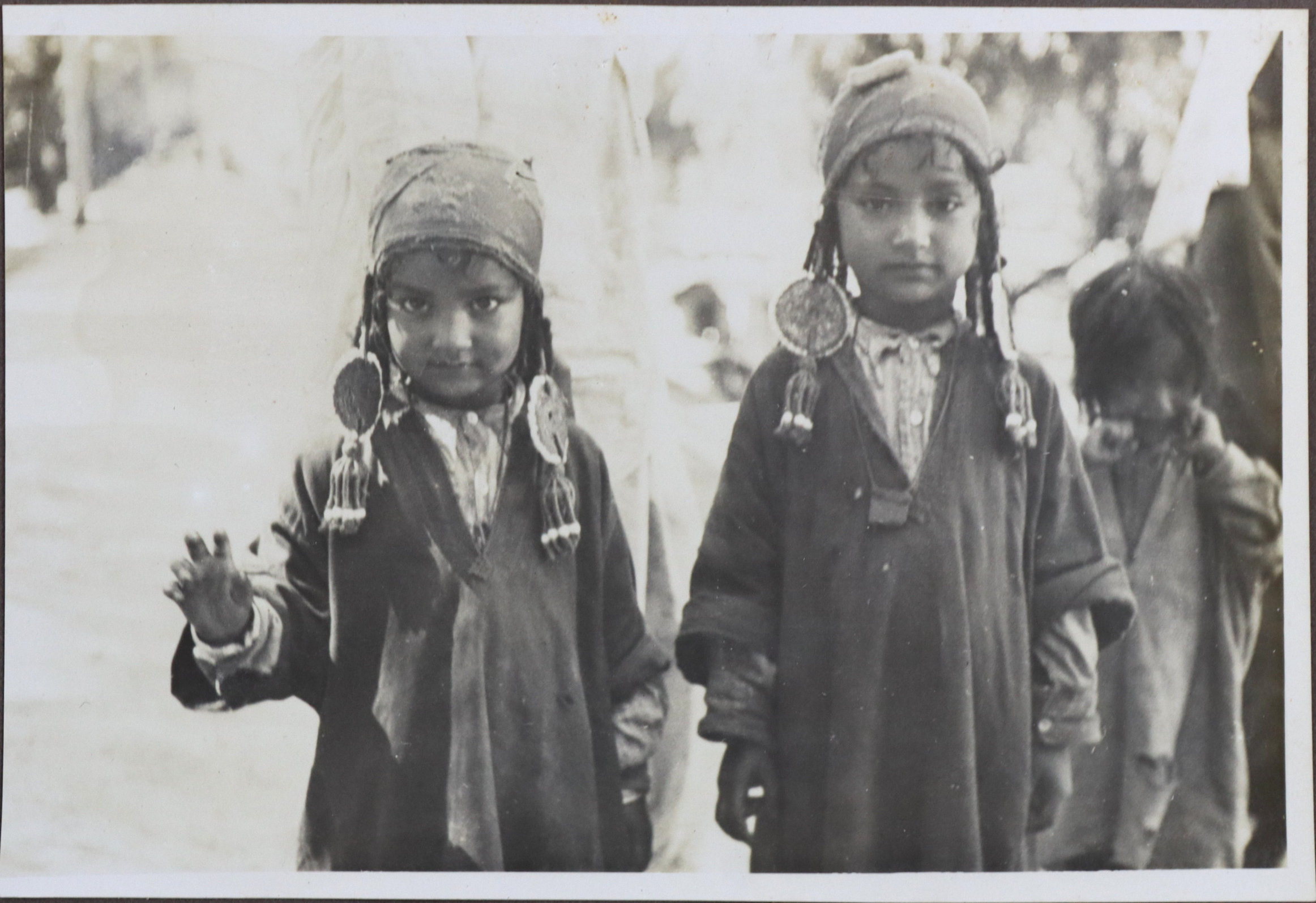
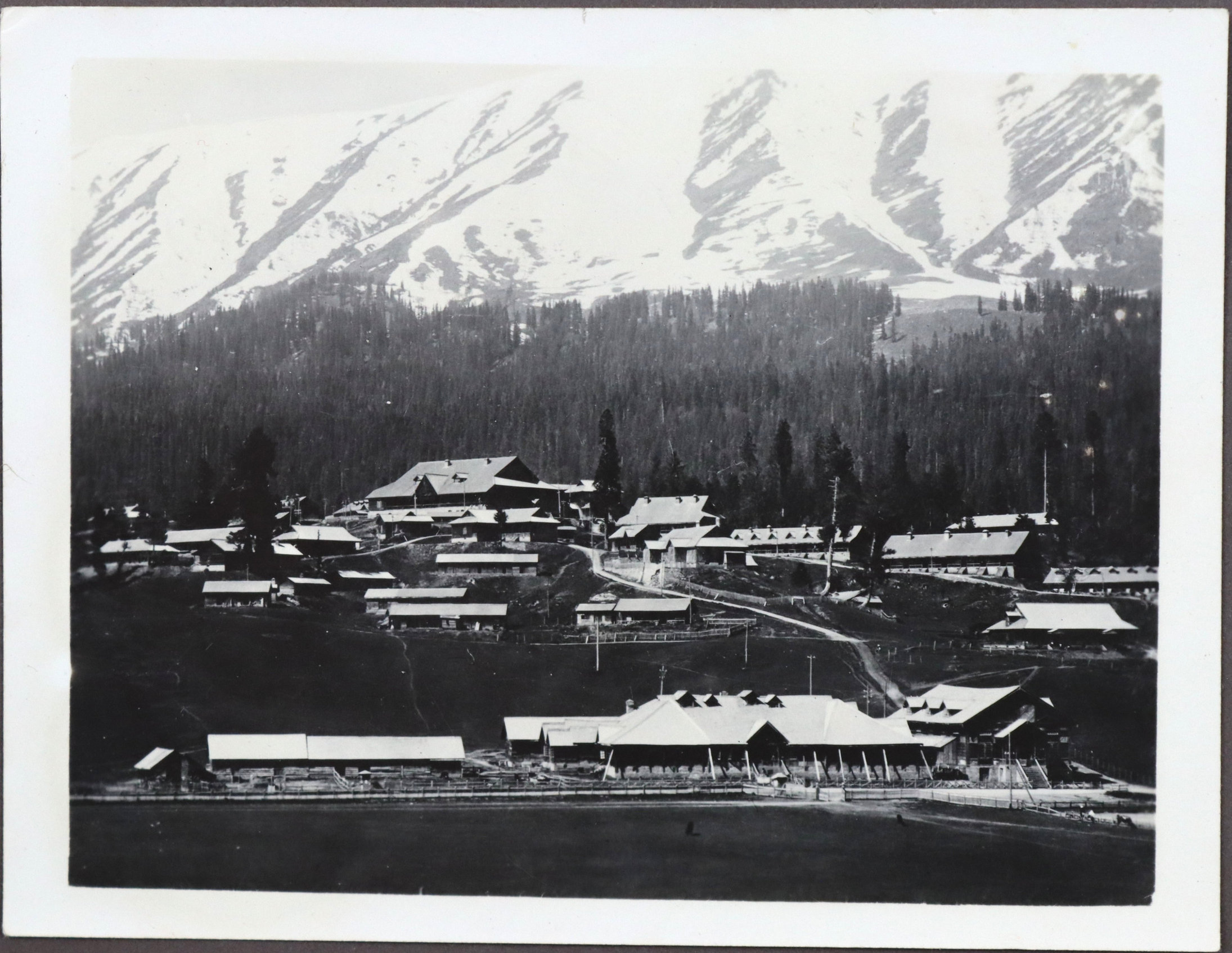
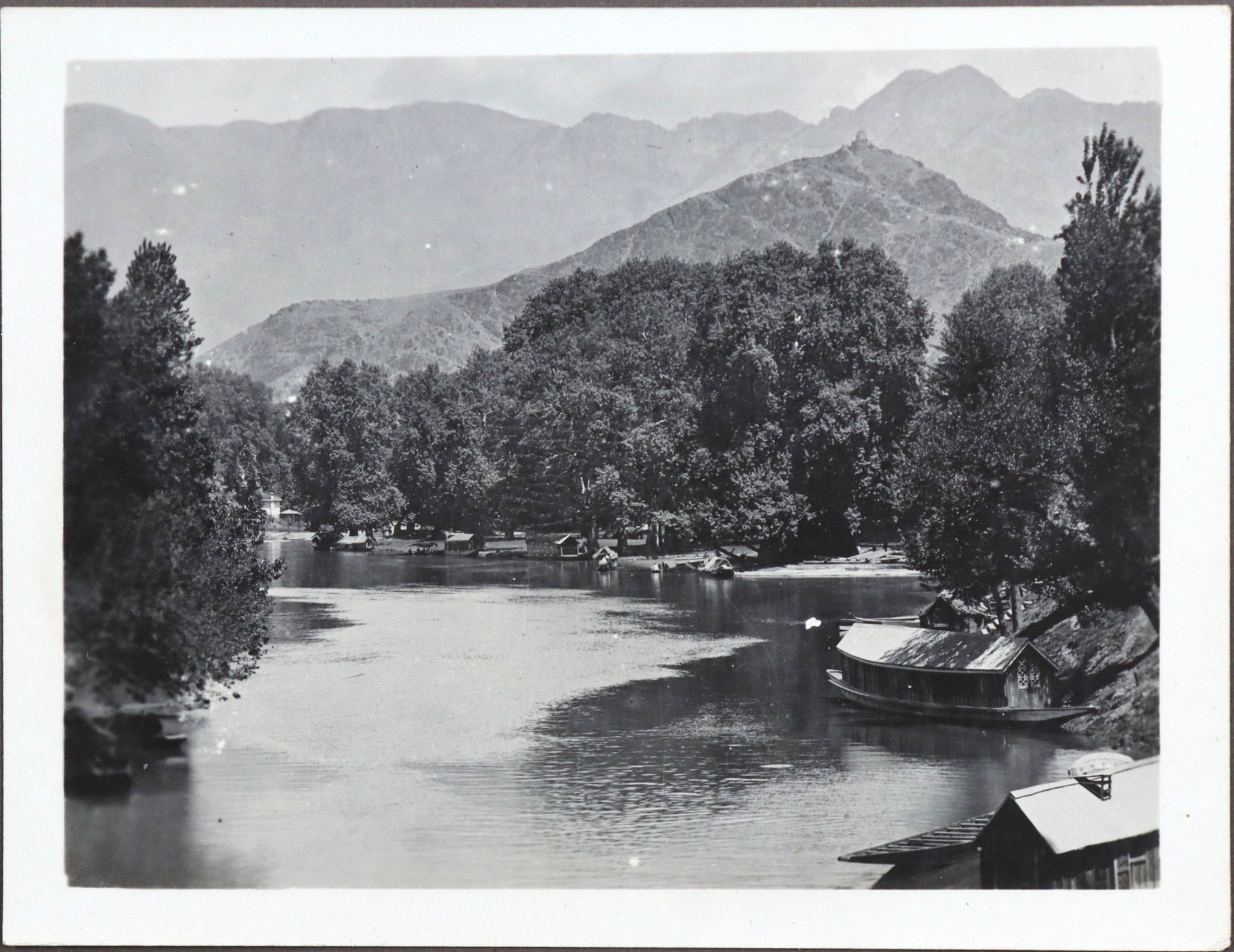
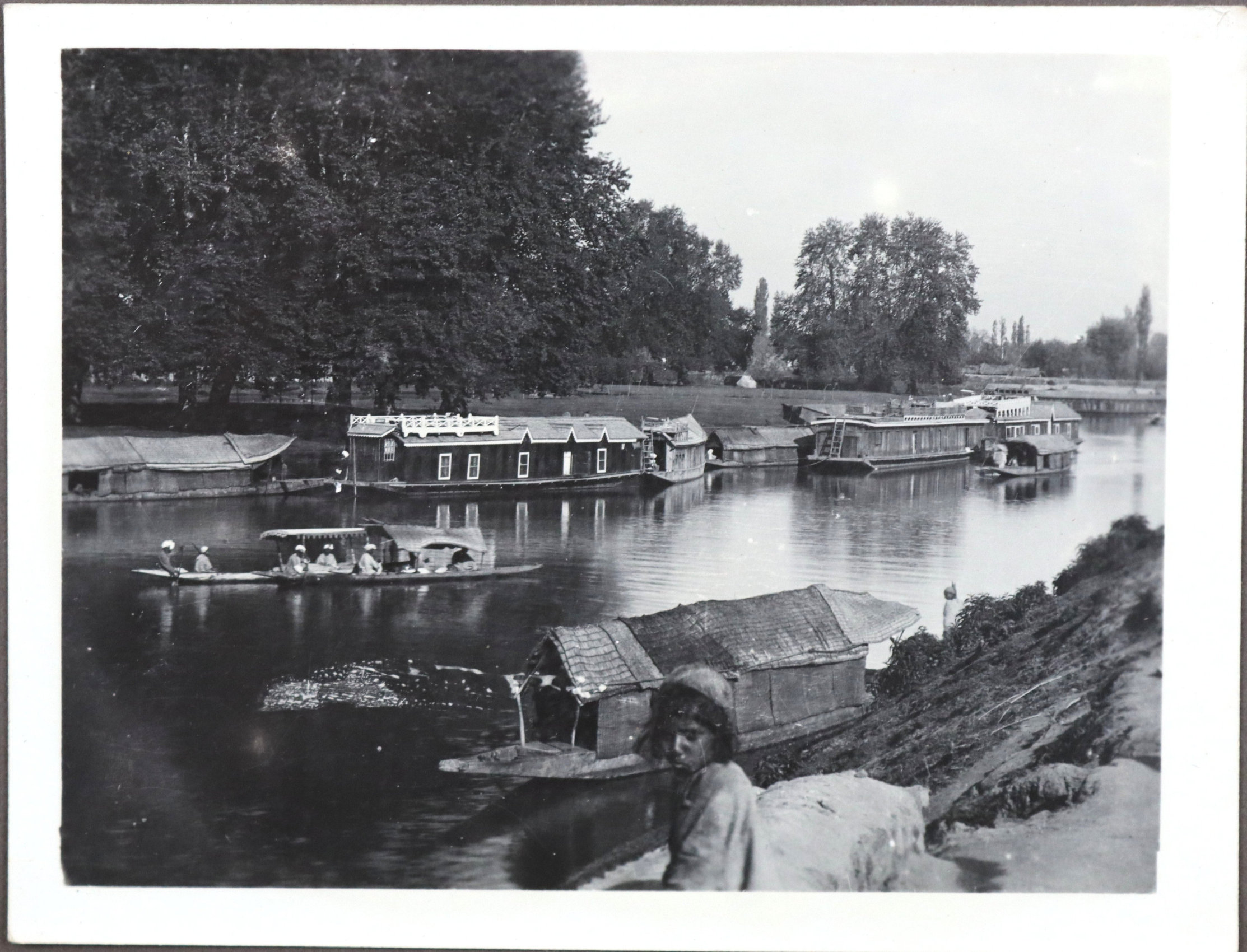
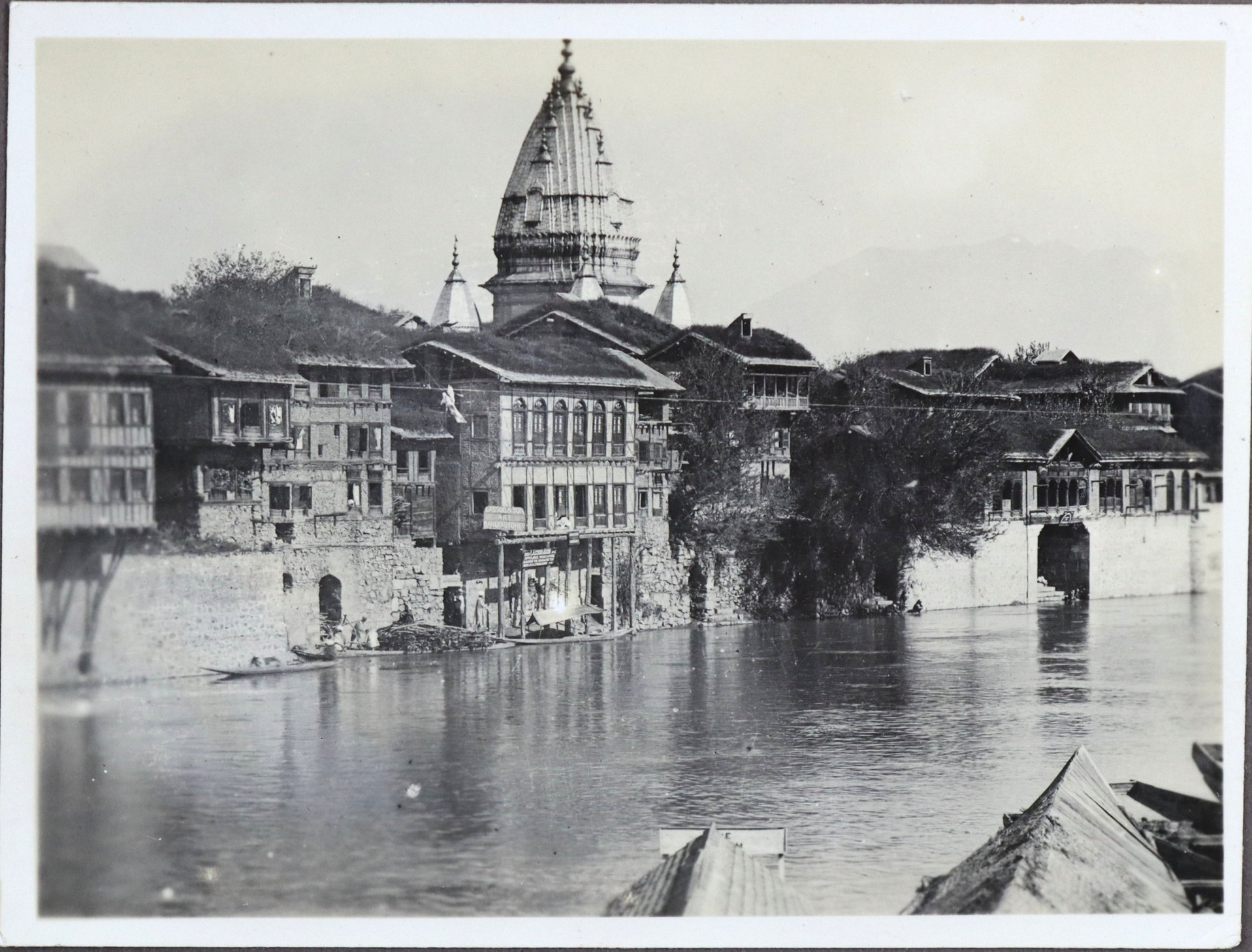
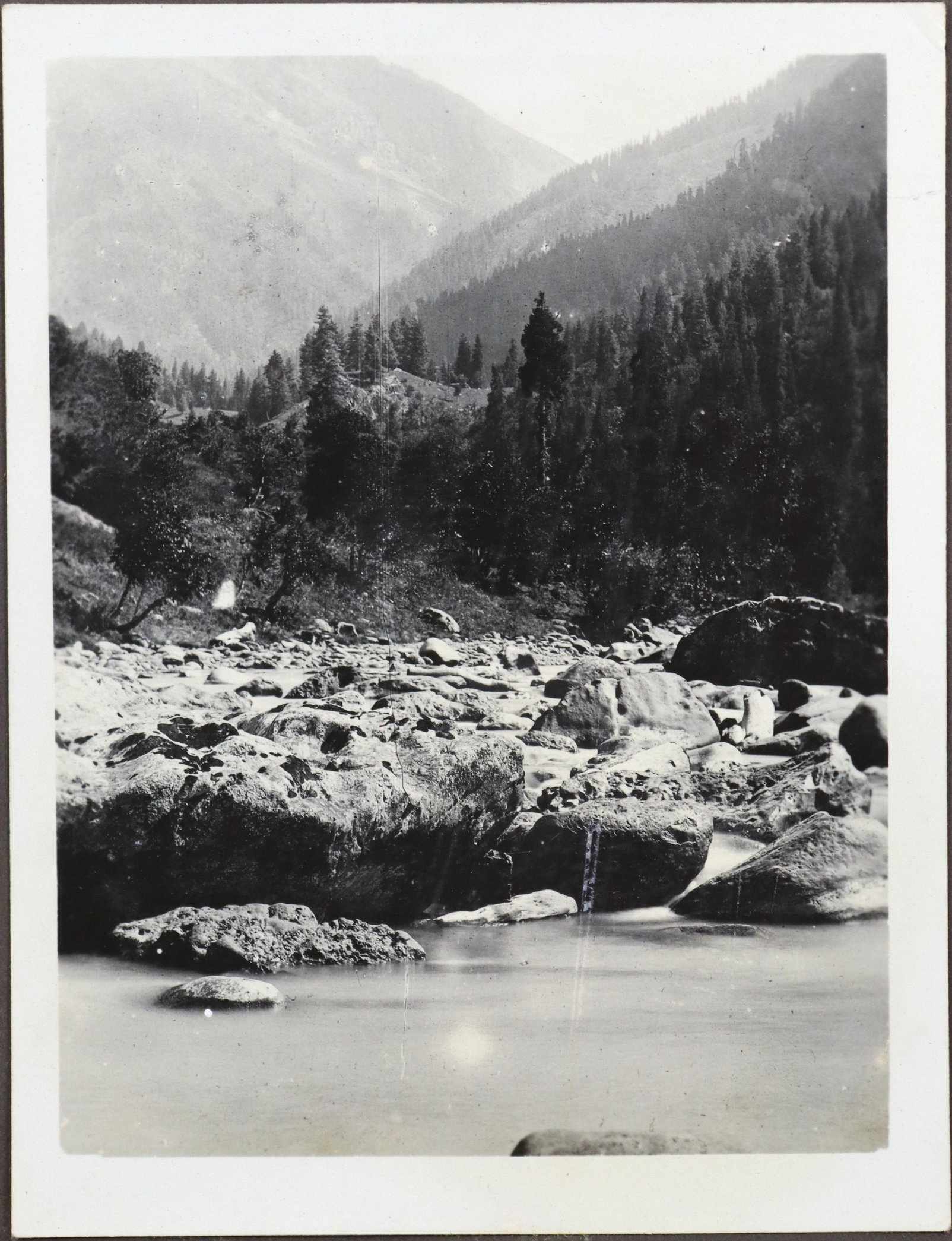
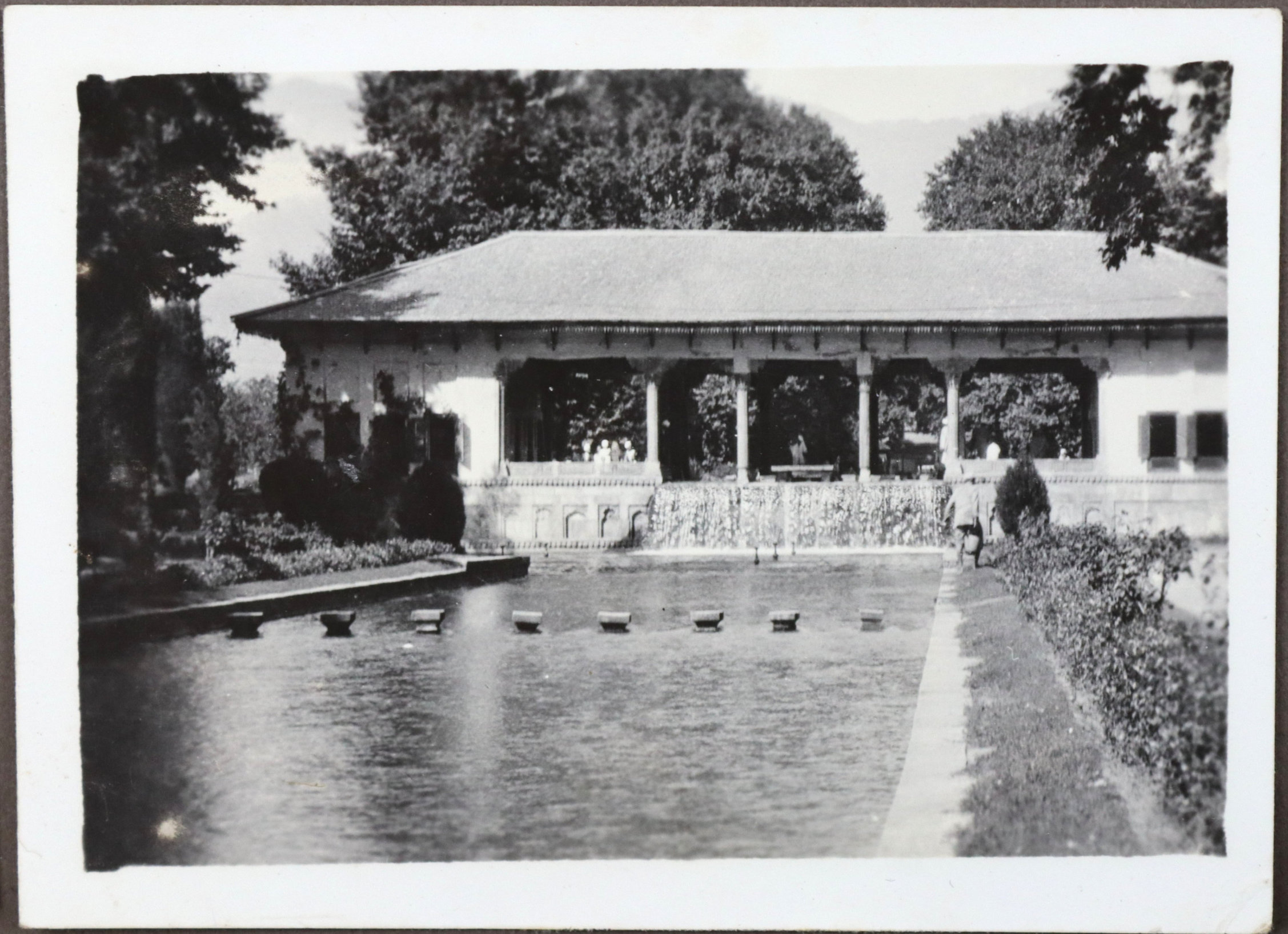
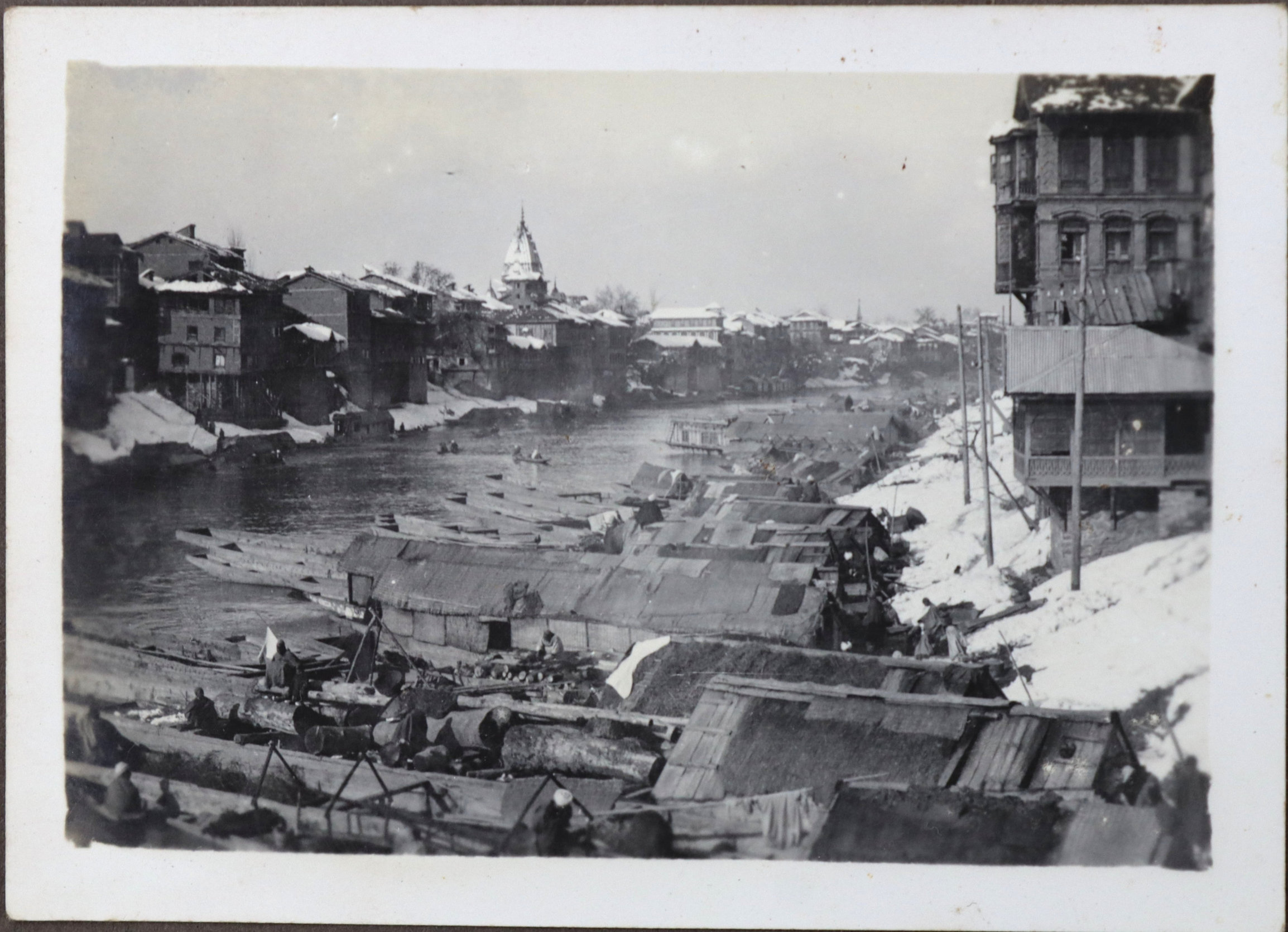
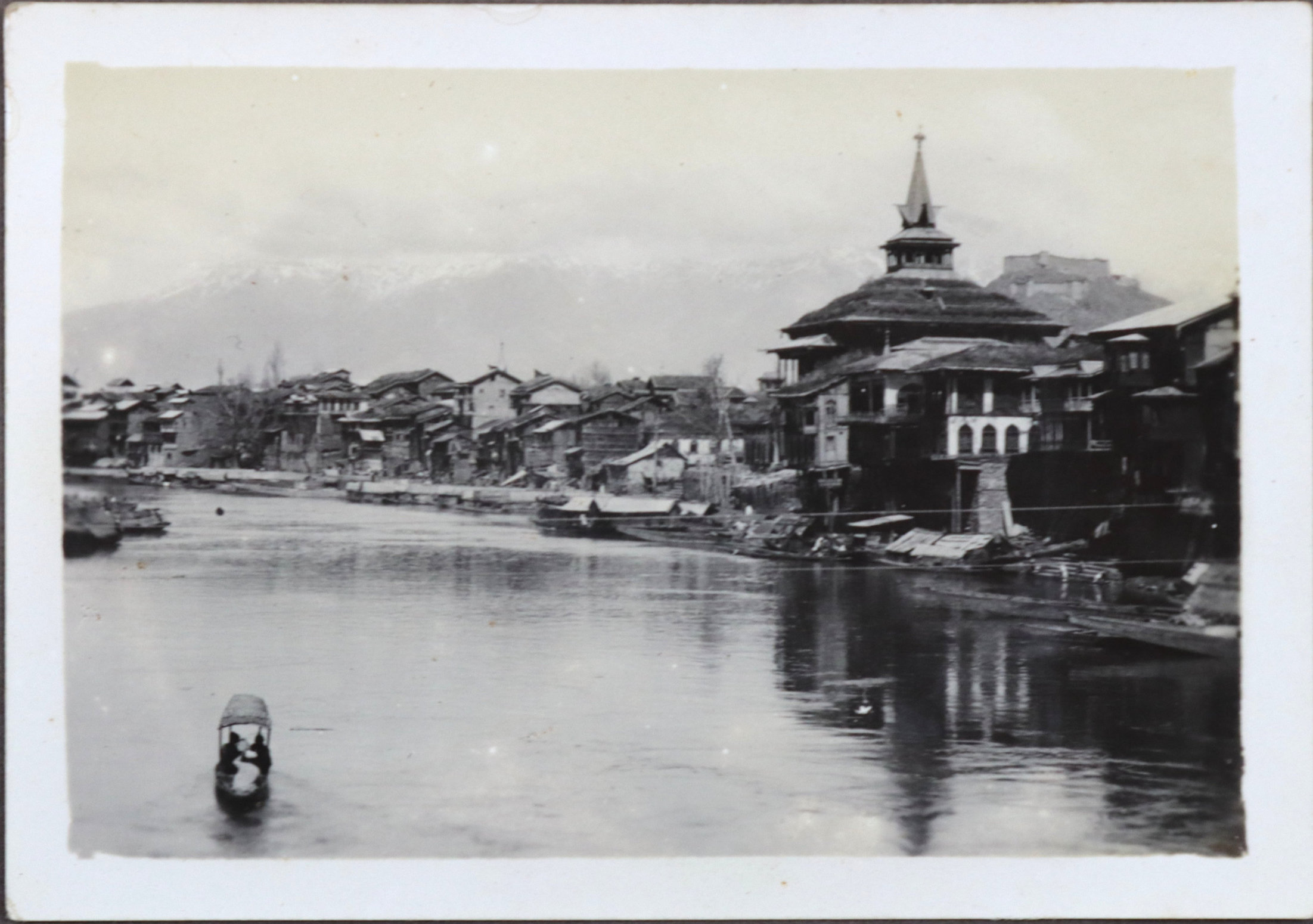
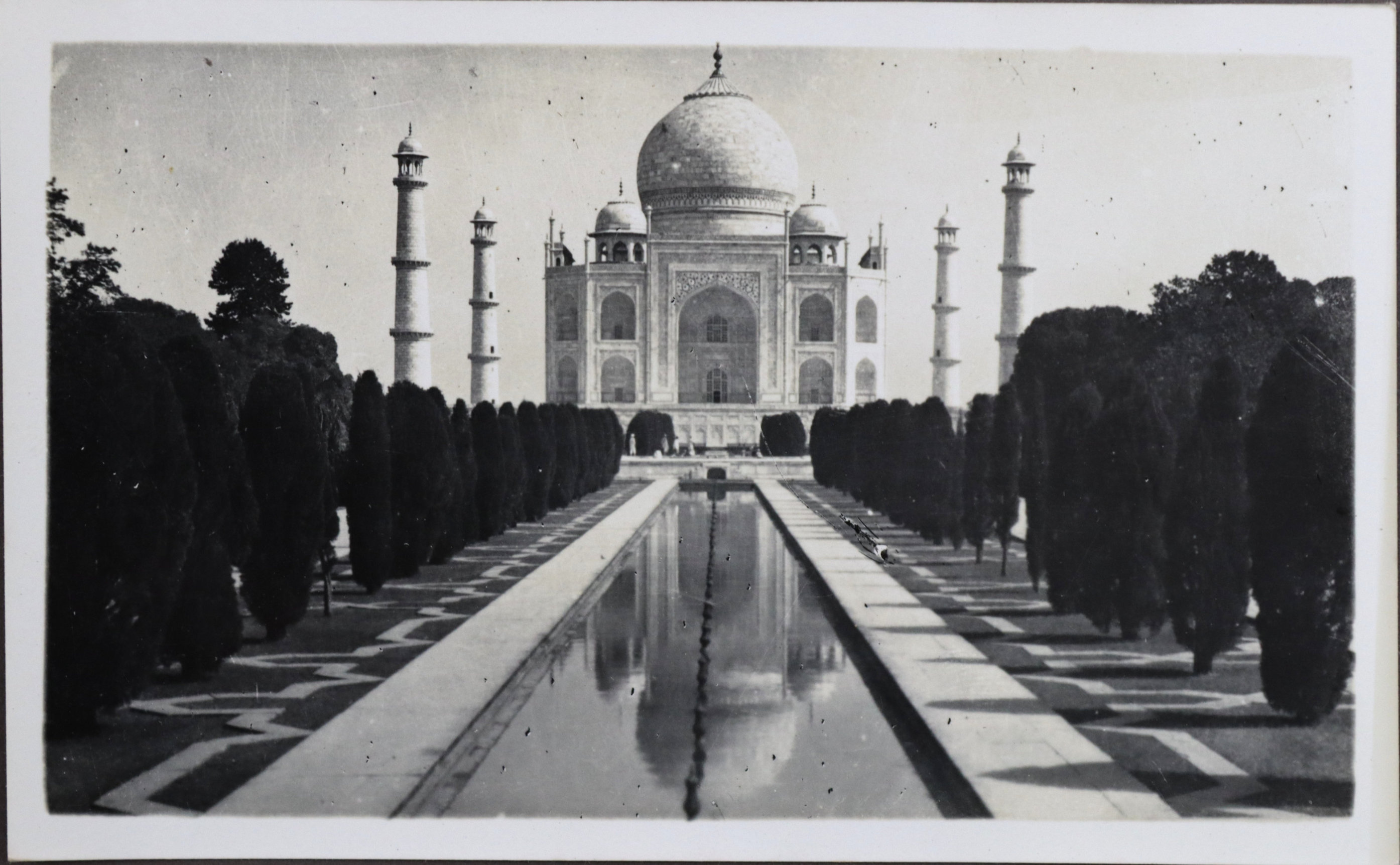
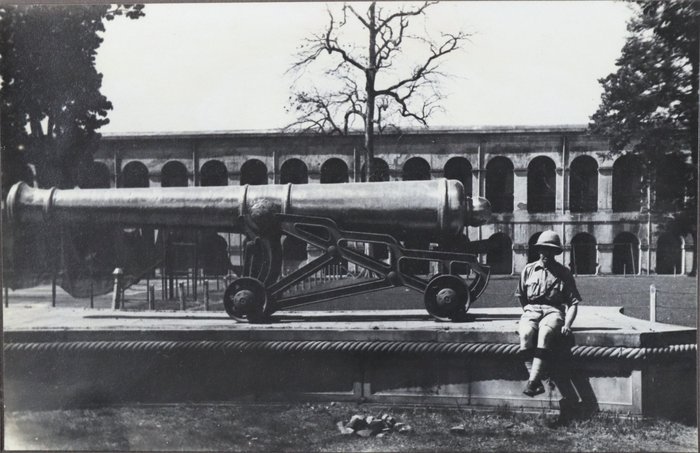
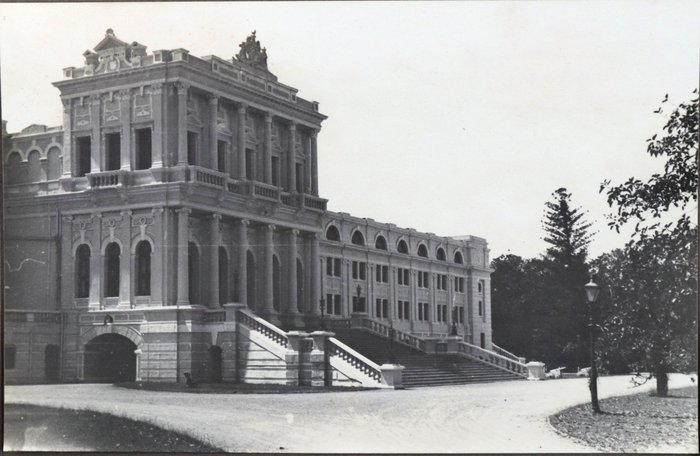
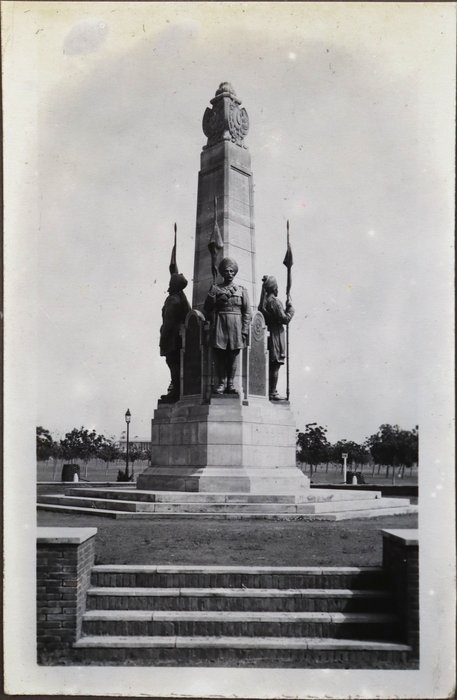
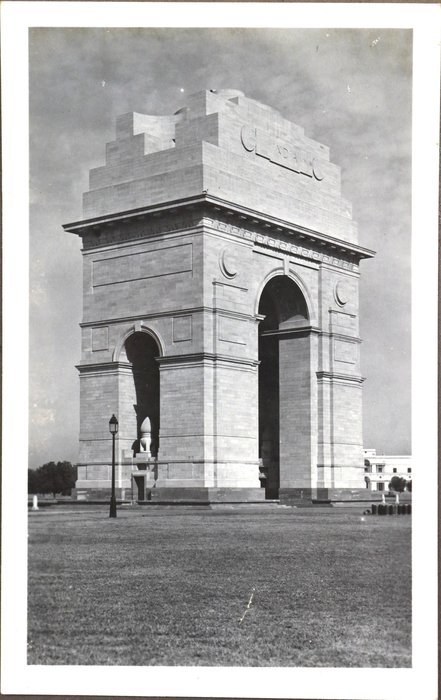
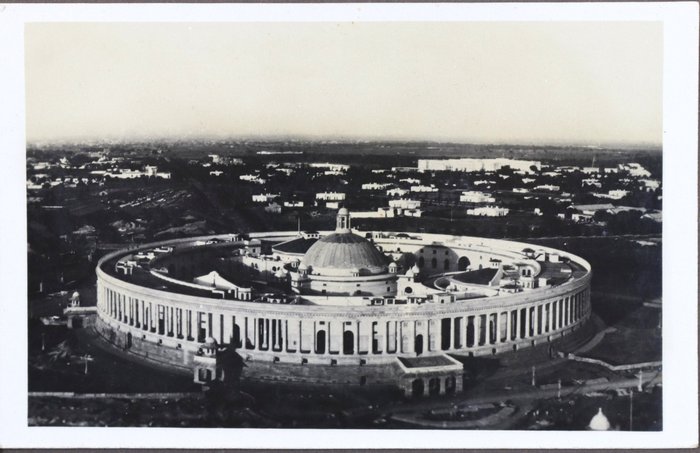
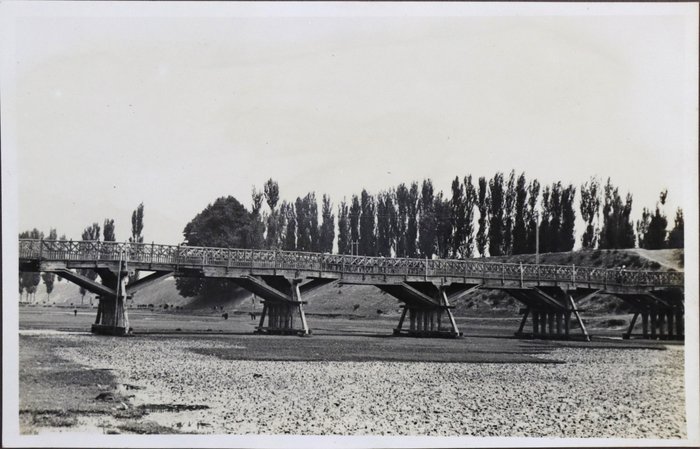
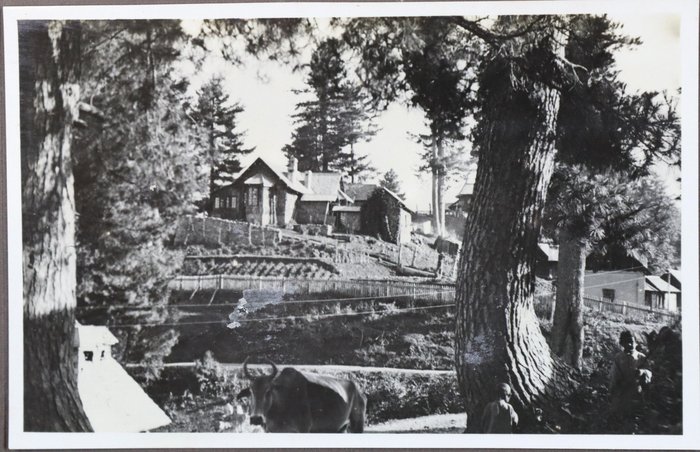
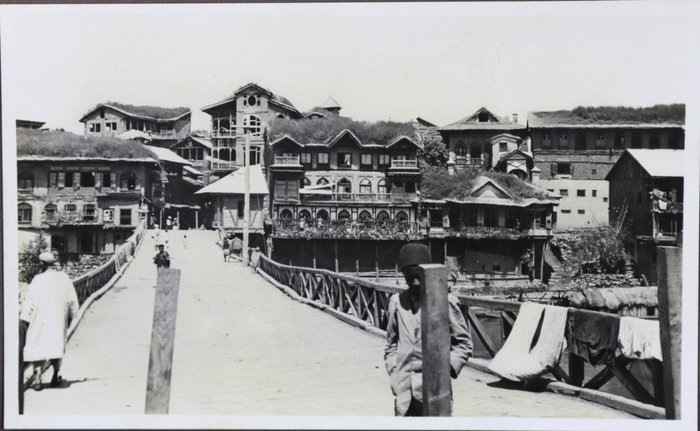
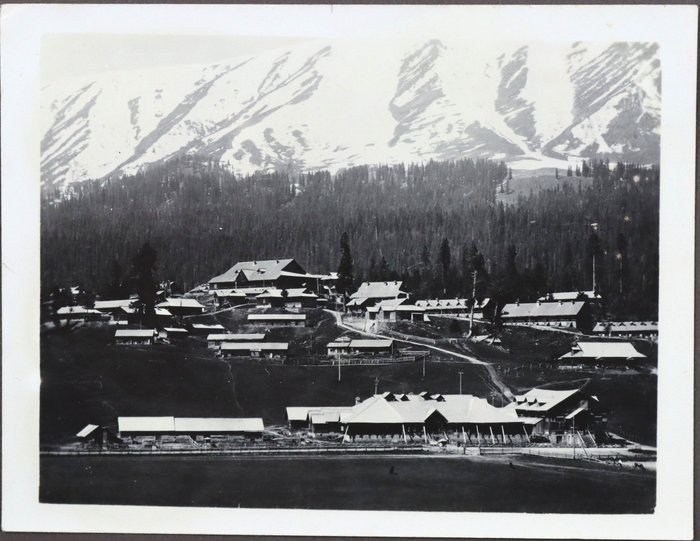
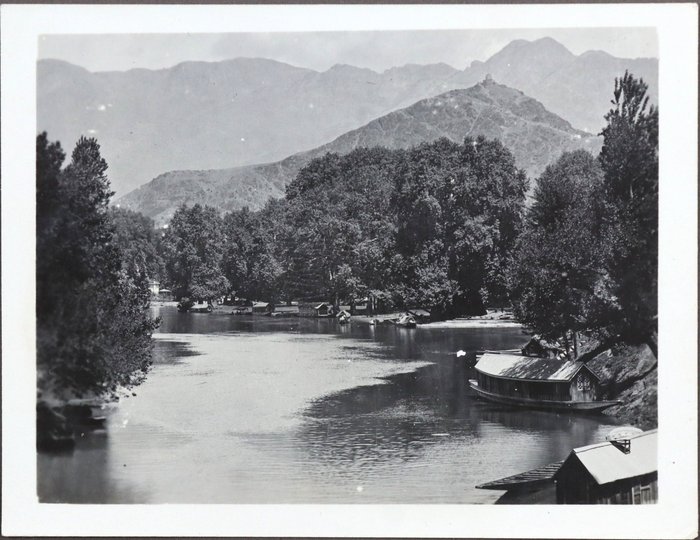
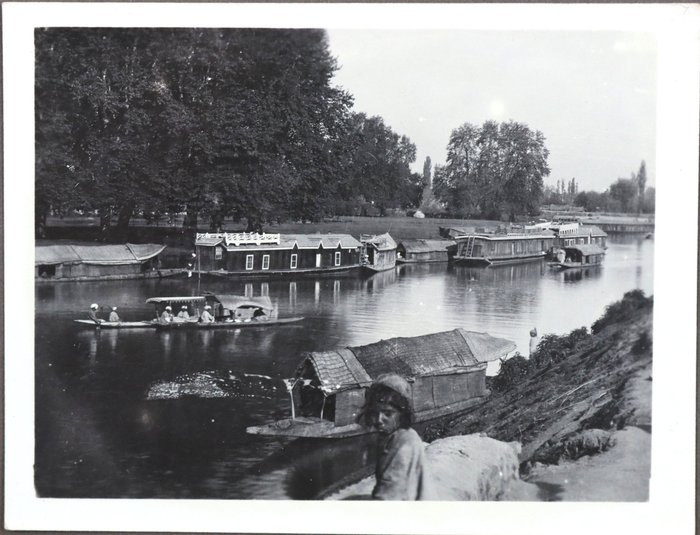
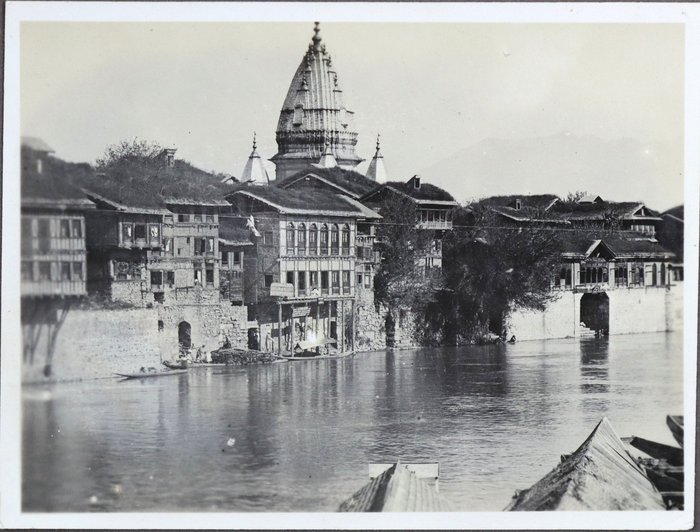
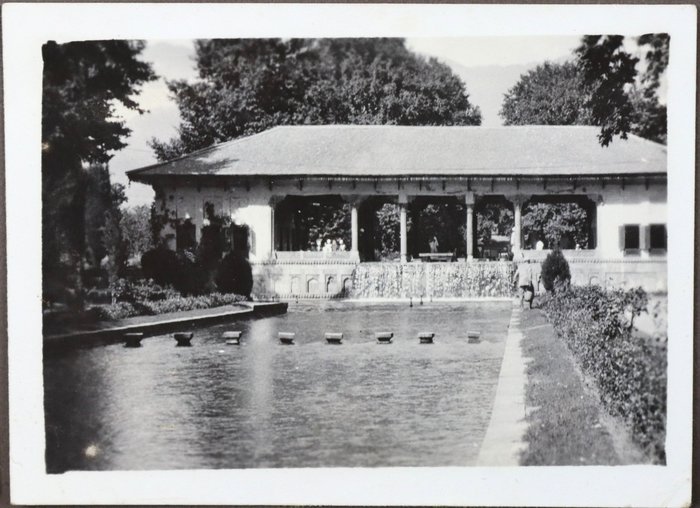
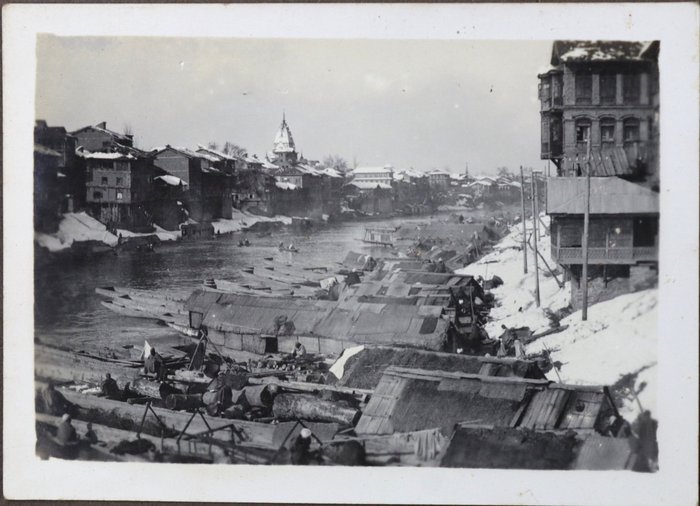
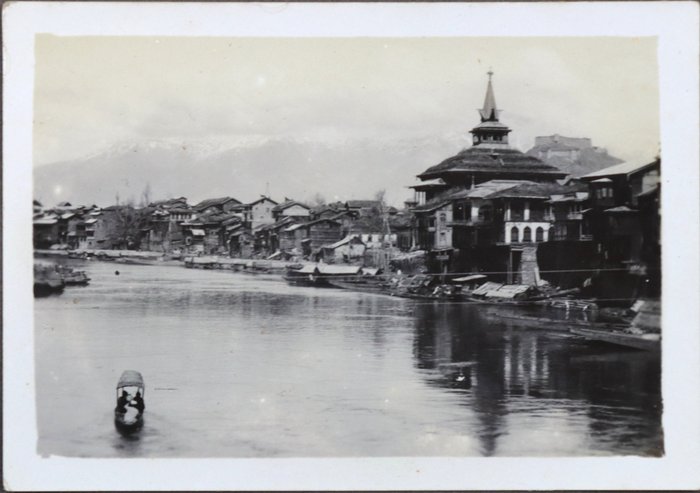
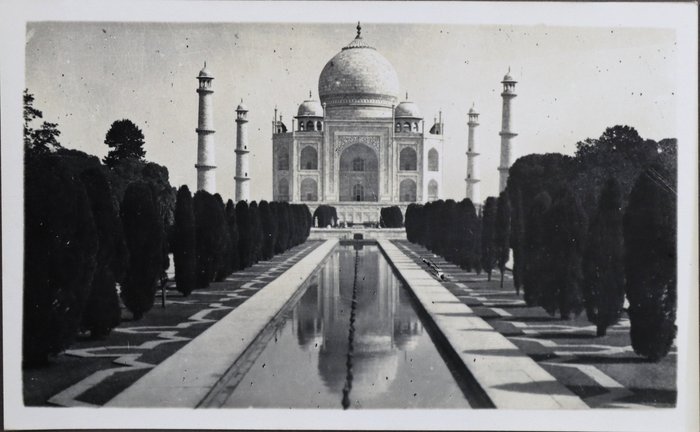
The rest of the identified photographs mostly show Kashmir (general views of Srinagar and Ali Kadal bridge, the River Jhelum, the mountain resort of Gulmarg, the Sind Valley, and the Mughal gardens of Nishat and Shalimar Bagh), Calcutta (Victoria Memorial, Fort William, Belvedere), New Delhi (Memorial to Imperial Service Cavalry Brigade, India Gate), and Delhi (the Viceroy’s House; Parliament House).
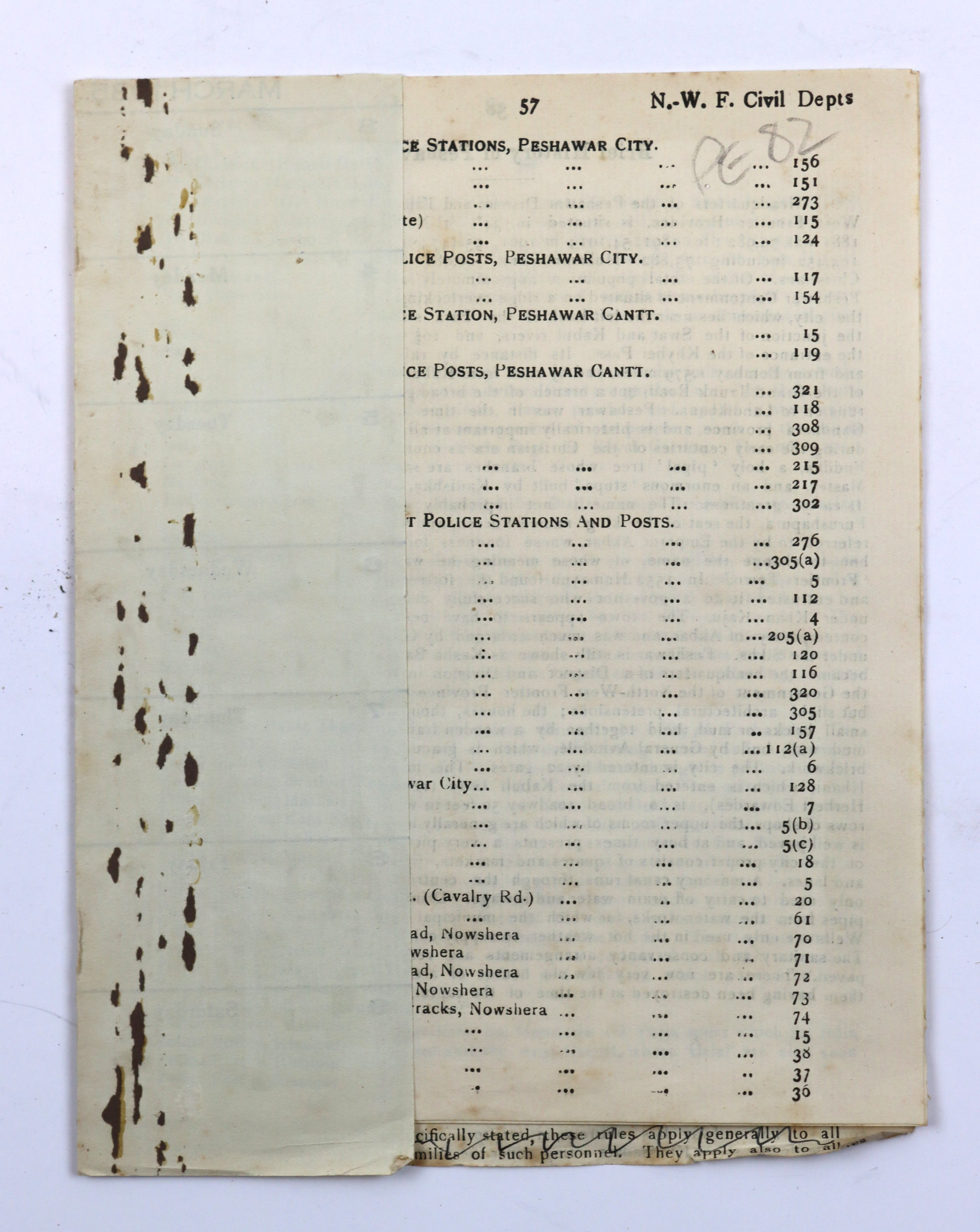
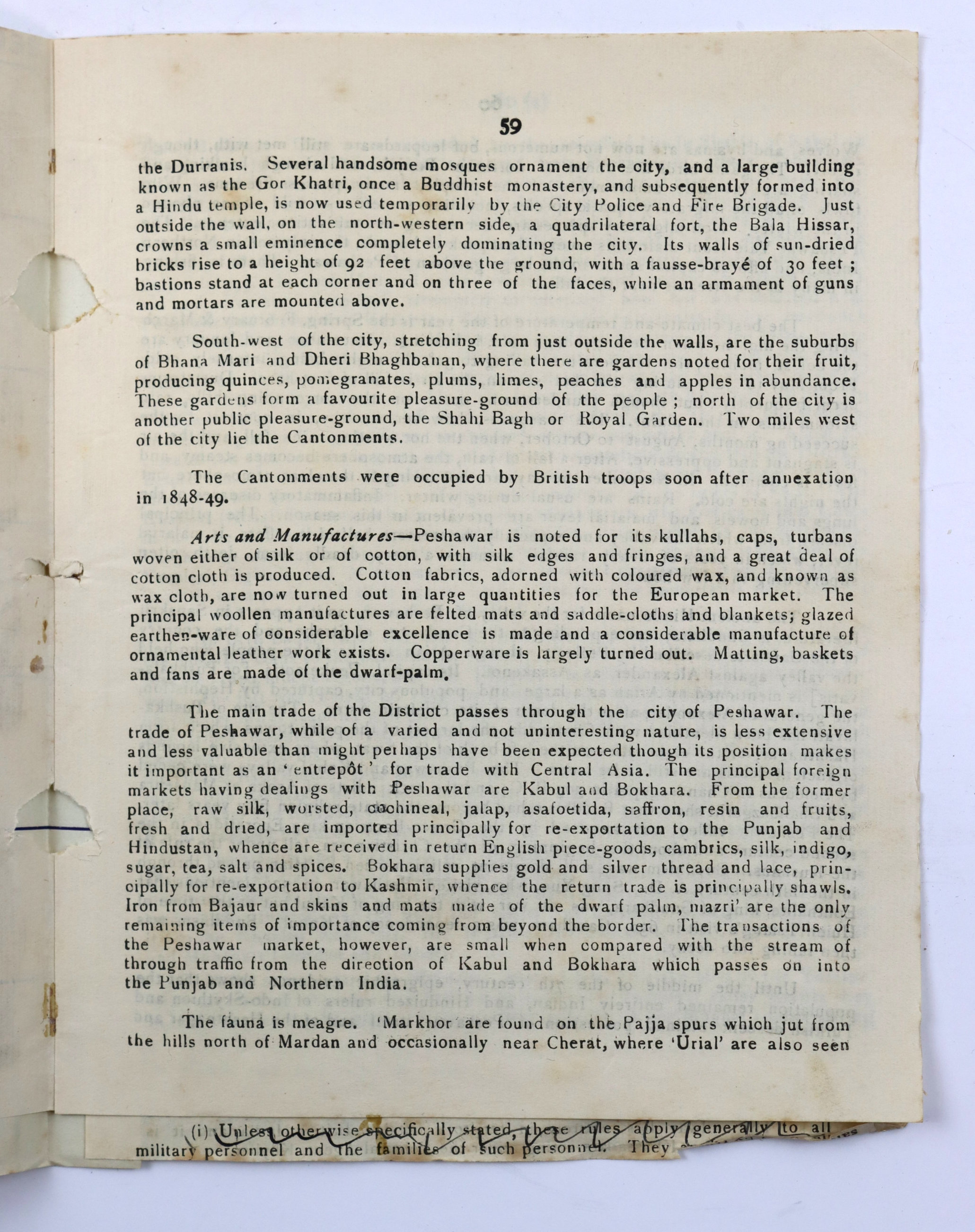
There’s also an excerpt from the Imperial Gazetteer of India (North-West Frontier Province) or a closely related provincial civil-military handbook likely dating to the 1930s. The booklet features a brief history of Peshawar and Khyber Railway.
Overall, historically significant album, offering a rare window into the Second Mohmand Campaign of 1935.